
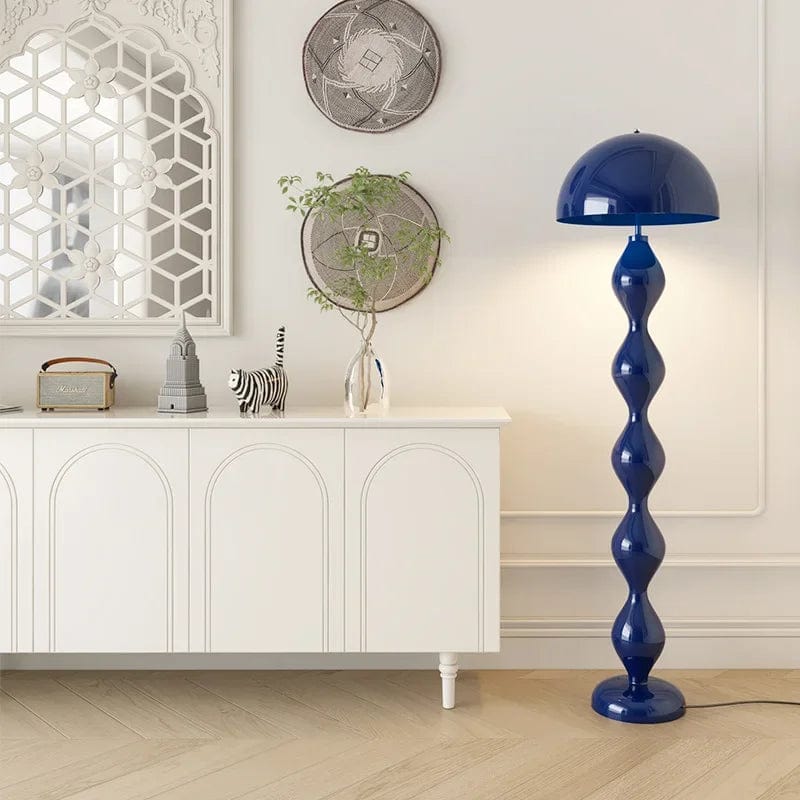
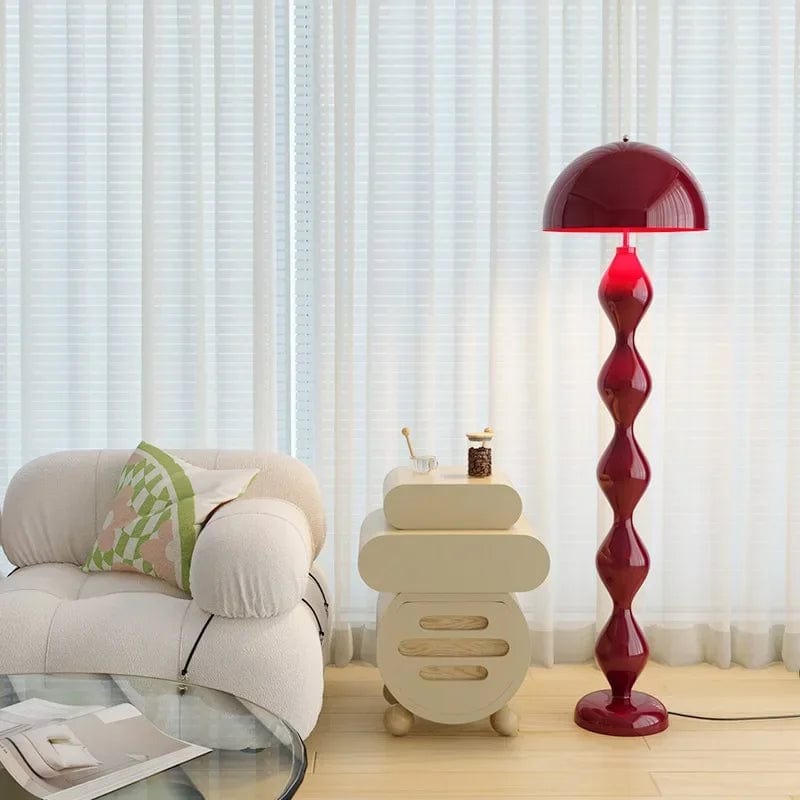
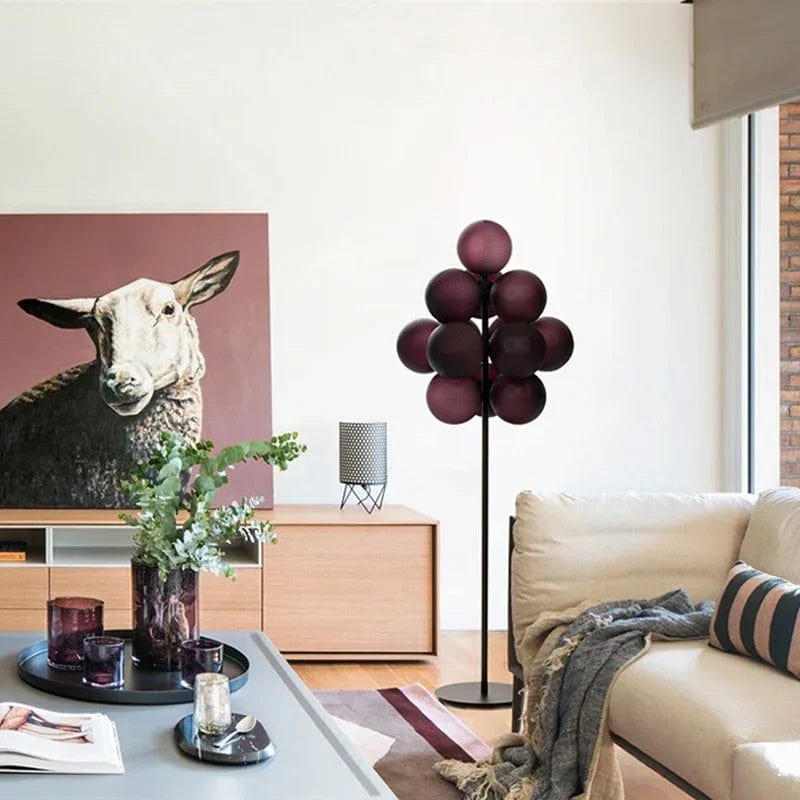
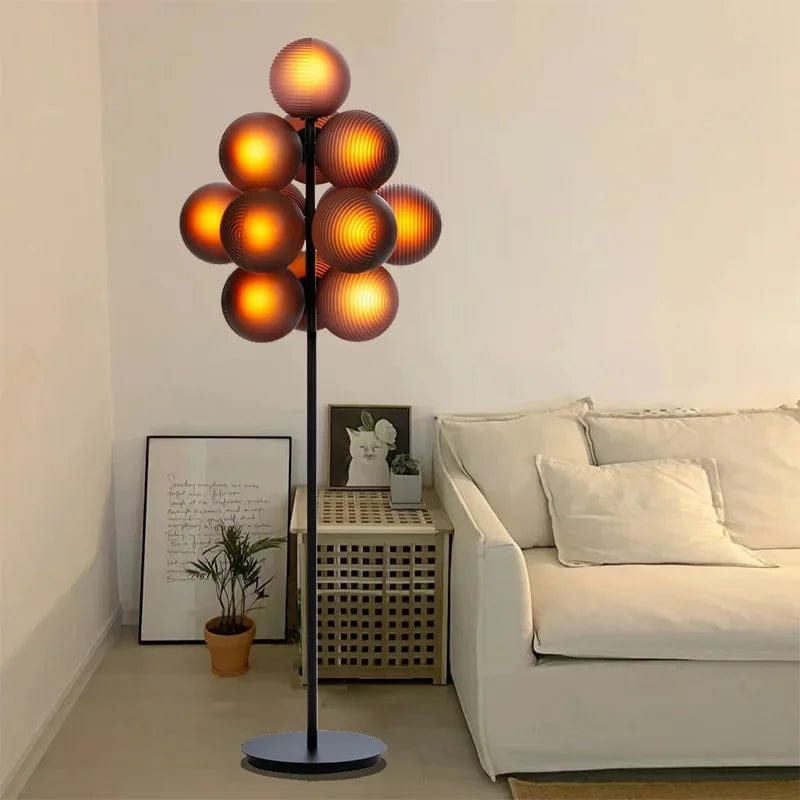
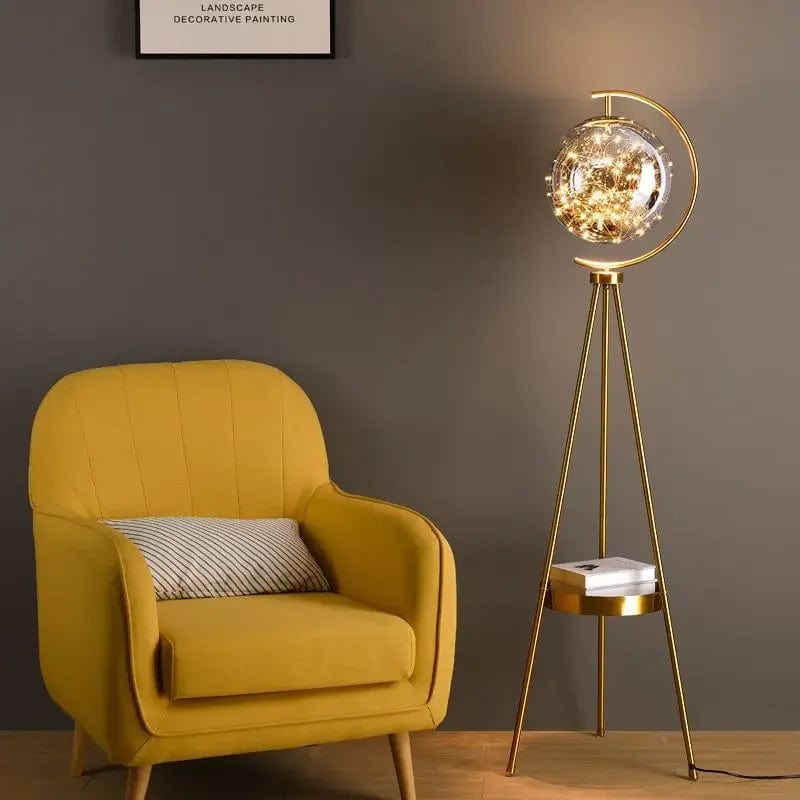
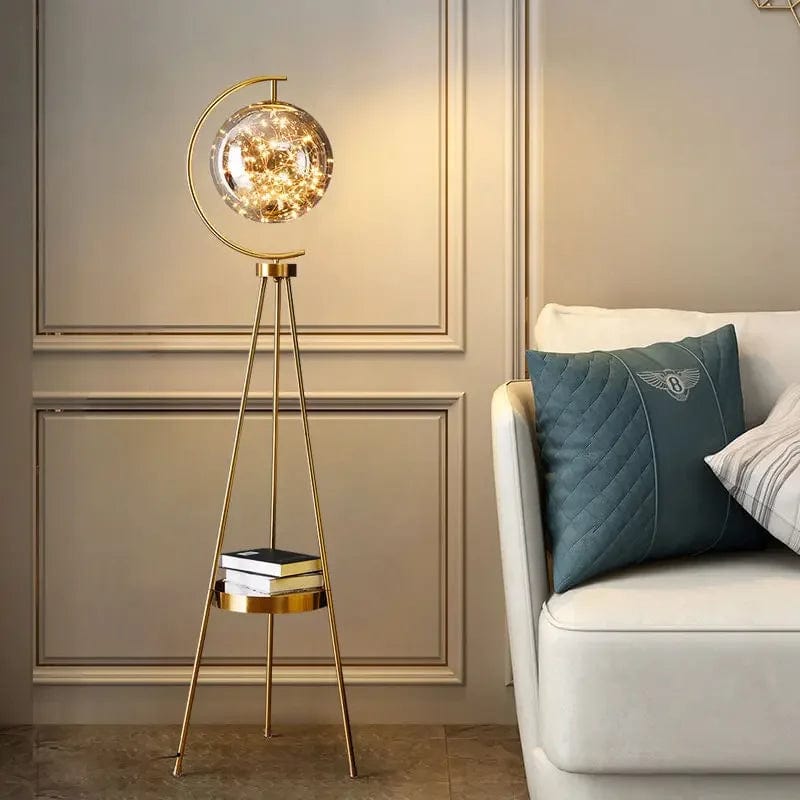
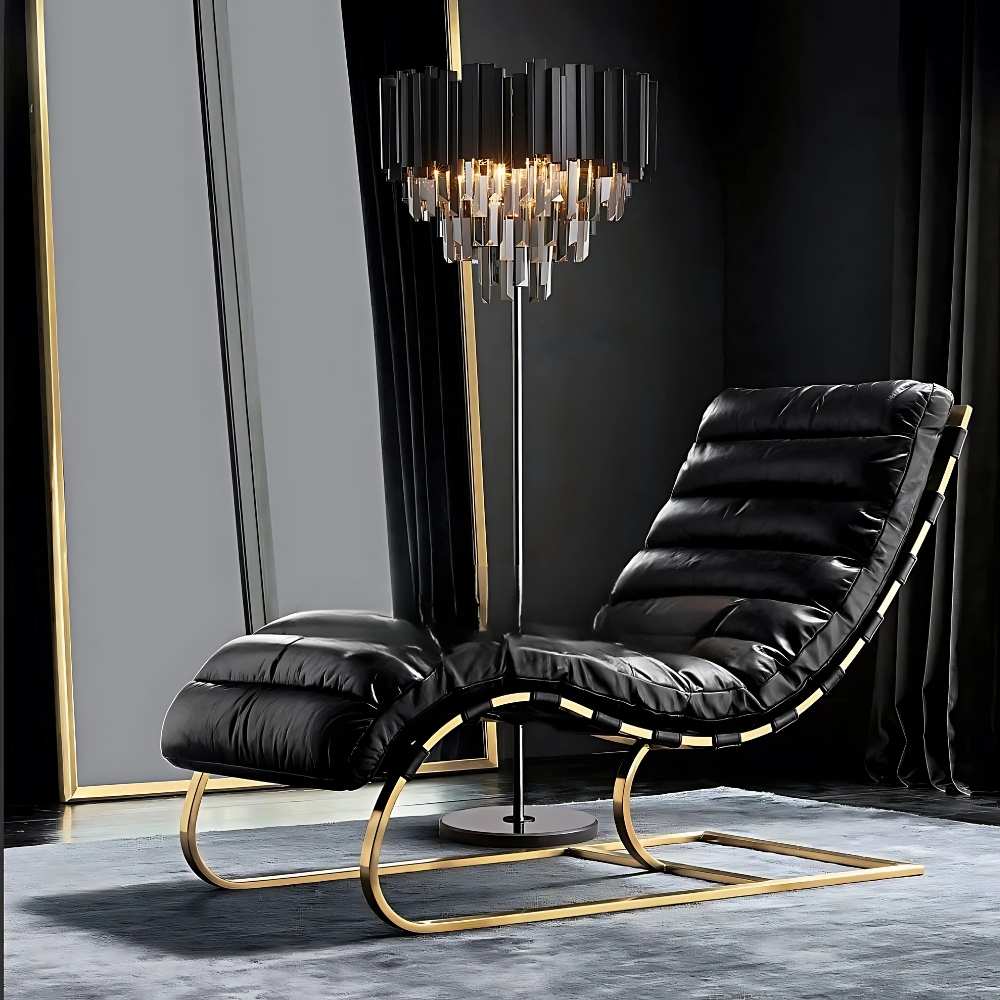
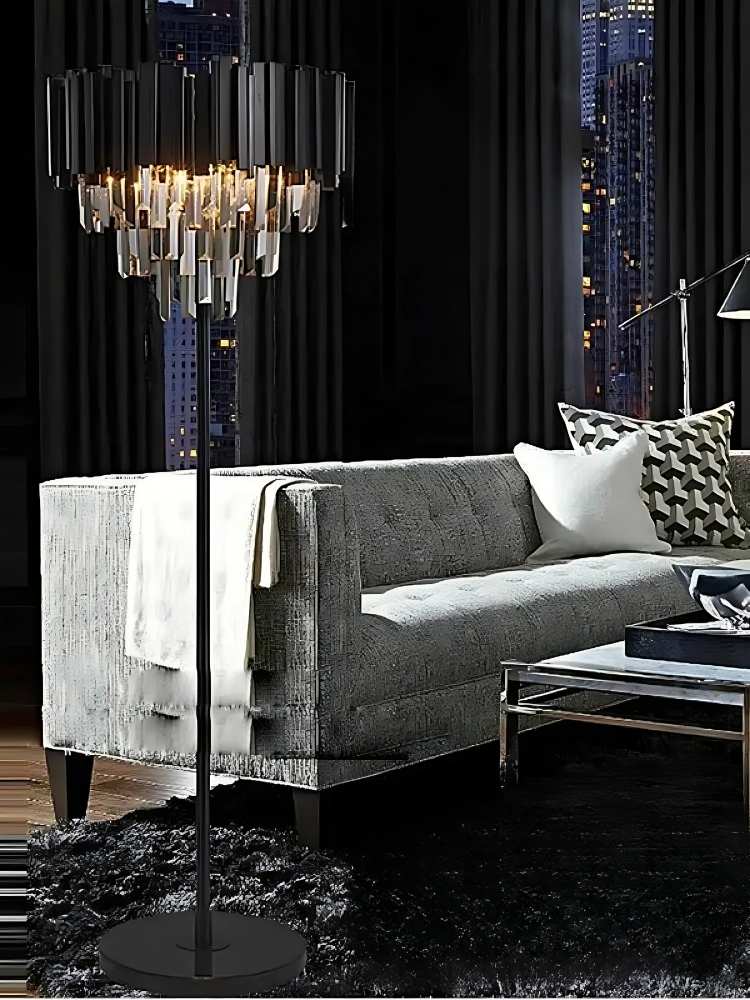
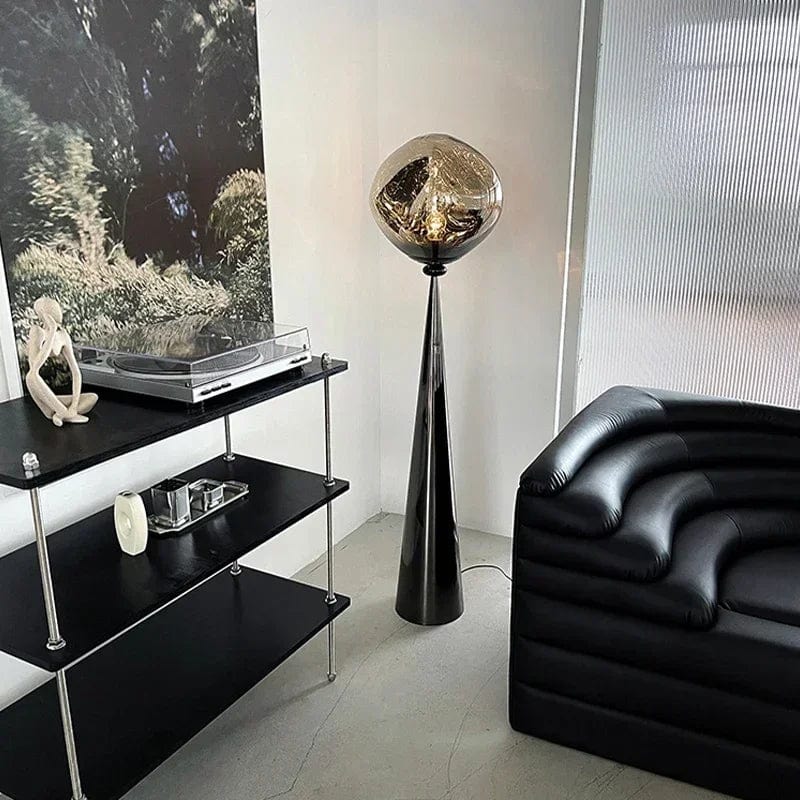
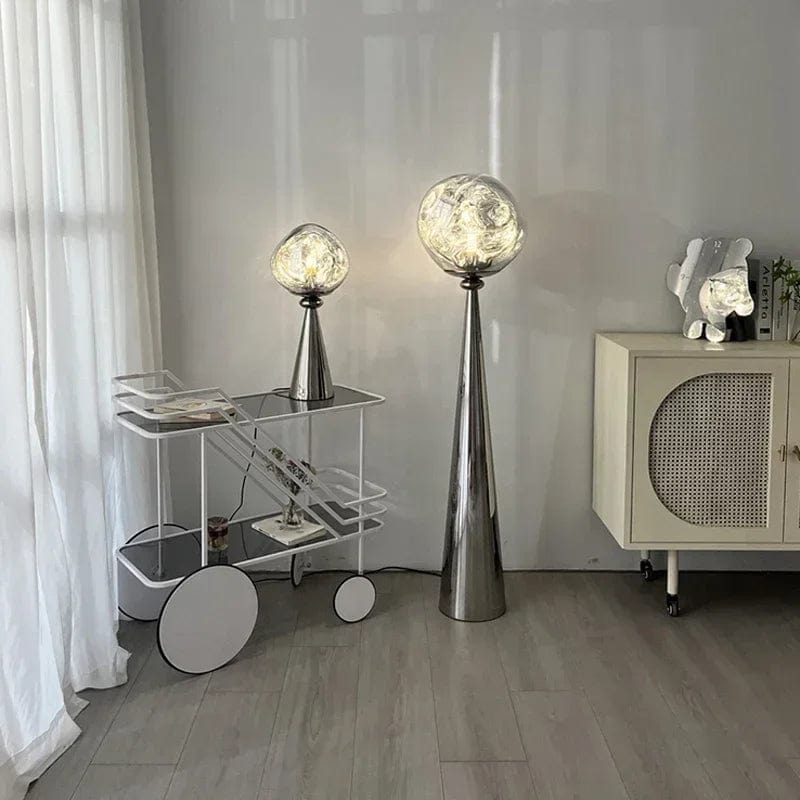
Floor Lamps for Flexible Placement, Softer Room Lighting, and Better Everyday Comfort
Floor lamps are a strong choice for shoppers who want lighting that can move with the room and support how the space is actually used. This category is built around standing lamps that add light exactly where it is needed, whether that means beside a sofa, next to a reading chair, near a bed, or in a corner that feels too dim once the ceiling light is off. If you want to compare the broader portable-lighting family first, you can begin with our full Lamps collection, then narrow your options here once your priority is a floor-standing fixture.
One of the biggest strengths of floor lamps is flexibility. Unlike ceiling fixtures, they do not need to define the whole room on their own. Instead, they help build a more comfortable lighting plan by adding light closer to where people sit, read, work, or relax. This makes them especially useful in living rooms, bedrooms, home offices, reading corners, and open spaces where one overhead source often feels too harsh or too limited on its own.
What Makes a Floor Lamp Different?
The defining feature is placement and height. A floor lamp stands on its own and brings light to eye level or near eye level rather than from the ceiling. That changes how the room feels. Instead of lighting everything from above, a floor lamp can soften the atmosphere, improve comfort in a seating area, or provide more direct light for reading and everyday tasks.
- Common floor lamp uses: reading corners, sofa-side lighting, bedroom corners, home office support, and layered light in open rooms
- Main visual benefit: better room comfort and more flexible light placement without changing the ceiling plan
- Best fit: spaces that need a movable source of ambient, task, or accent lighting
Tip: Floor lamps often work best when they support a specific seat, corner, or activity zone rather than trying to brighten the whole room on their own.
How to Choose the Right Floor Lamp by Room
The best floor lamp usually depends on where it will stand and what job it needs to do. In a living room, a floor lamp often works best beside a sofa, sectional, or accent chair where it can support reading and soften the space at night. In a bedroom, it can add useful light near a dresser, vanity, or seating corner. In a home office, a floor lamp can help balance the room when the desk area needs more support beyond one task lamp.
If your priority is surface-based portable lighting rather than a standing light, Table Lamps is the most useful adjacent category. If your goal is broader room planning instead of one portable fixture, Living Room Lighting and Bedroom Lighting can also help you build the full mix around the lamp.
Quick planning notes:
- Reading areas: choose a floor lamp that brings light close enough to the chair or sofa to feel useful
- Open living rooms: floor lamps often help soften the room when overhead light feels too flat or too bright
- Bedrooms: a floor lamp can add useful secondary light without taking up nightstand space
- Smaller rooms: a cleaner floor lamp silhouette often feels easier to place than a very wide or heavy design
Measurement note: Floor lamp proportion matters more than many shoppers expect. The lamp should feel balanced with nearby seating or furniture, and the light source should sit at a height that feels useful for the way the room is used. For many everyday rooms, a medium-to-tall floor lamp is the most practical starting point, while more compact options often work better in tighter corners or cozier spaces.
Ambient, Task, and Accent Use
Not all floor lamps do the same job. Some are best for ambient lighting and help soften the room overall. Others are better for task lighting and work especially well beside a chair, desk, or reading corner. Some floor lamps act more as accent pieces, helping highlight a corner, balance a console area, or add visual height without needing strong brightness.
This is why floor lamps should not be treated as a generic replacement for all other room lighting. A floor lamp is usually strongest when it supports the room in a targeted way. If your goal is a bedside or tabletop source instead, table lamps are usually the better fit. If your main goal is ceiling-level ambient light, a chandelier, flush mount, or pendant may be more appropriate.
Quick comparison:
- Reading floor lamps - better for chairs, sofas, and task-focused seating areas
- Ambient floor lamps - better for softening the room overall
- Statement floor lamps - better when the lamp should also act as a decorative focal point
- Compact floor lamps - easier in smaller rooms and tighter furniture layouts
Floor Lamps vs. Table Lamps
These categories overlap, but they do not serve the same intent. Table lamps are chosen first for surface-based placement on nightstands, consoles, dressers, and side tables. Floor lamps are chosen first for standing placement, flexible reach, and room support where there is no table surface available. If your main goal is a movable light source that can stand beside seating or in an open corner, this collection is the more precise starting point.
Small reminder: The best floor lamp is not simply the tallest one. It is the one whose height, shade direction, and light level fit the room and support how the space is actually used each day.