

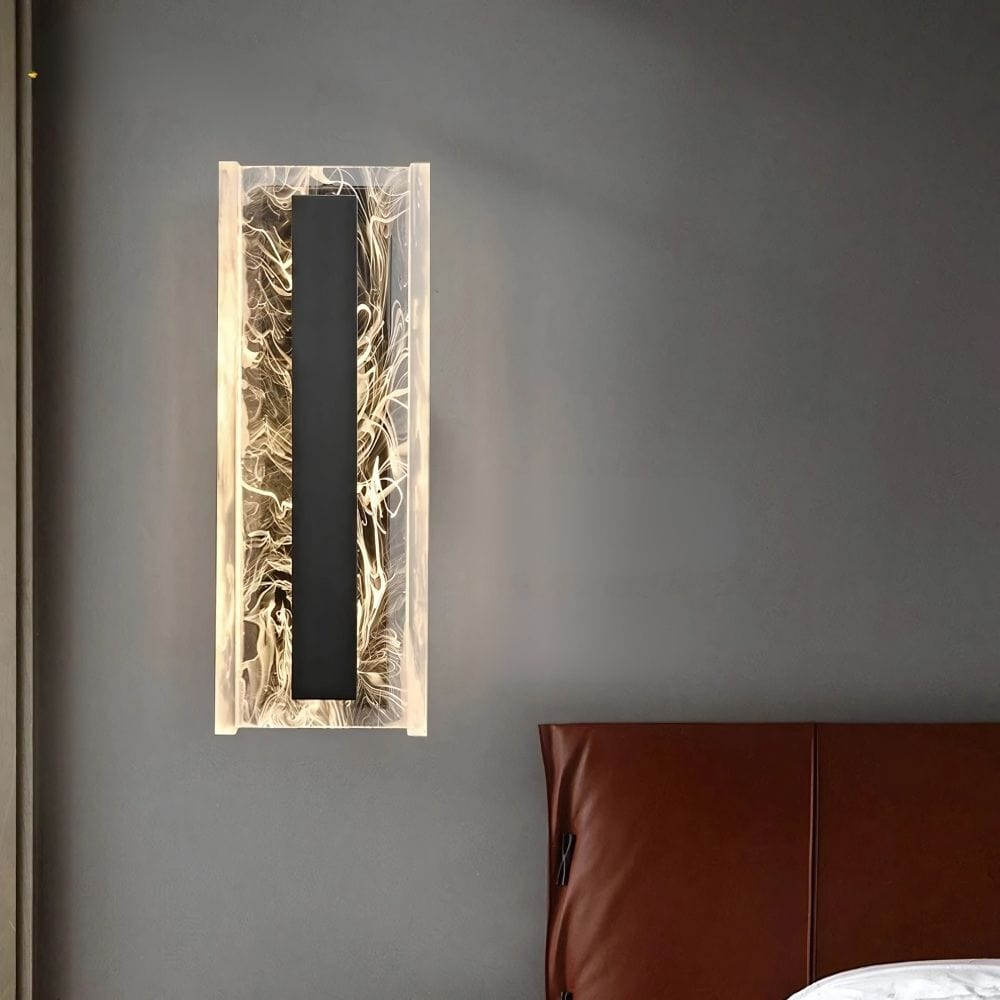
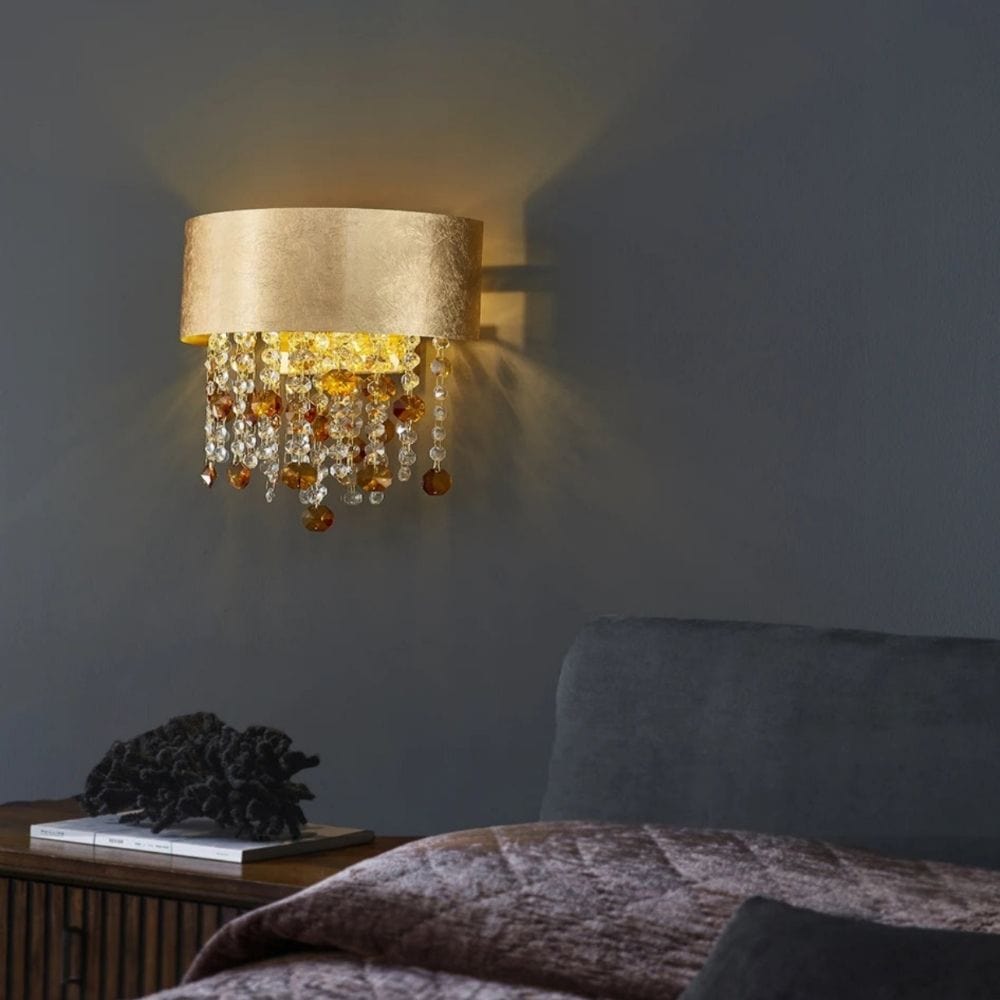
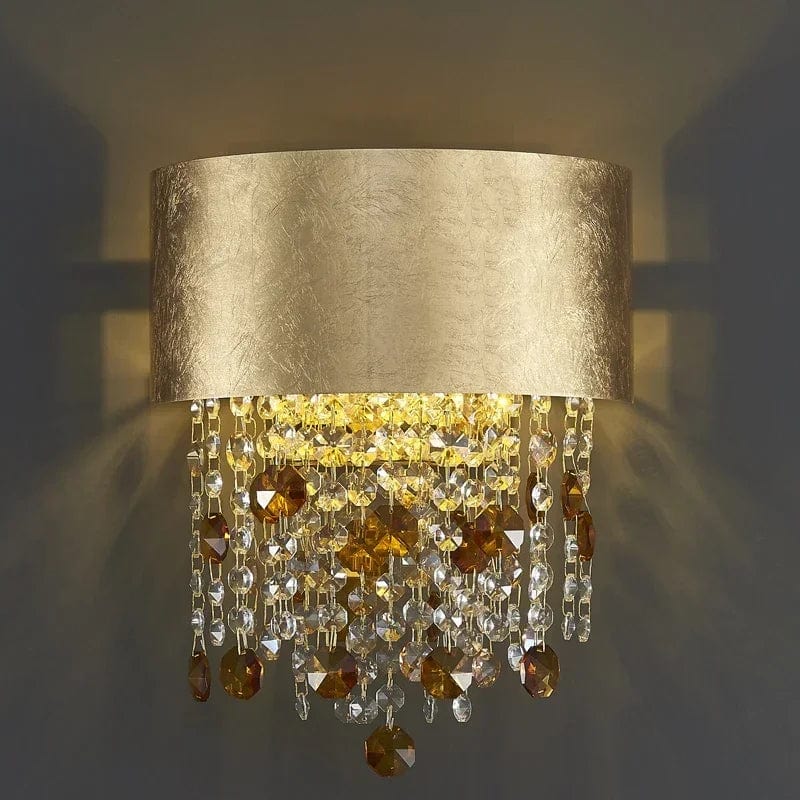
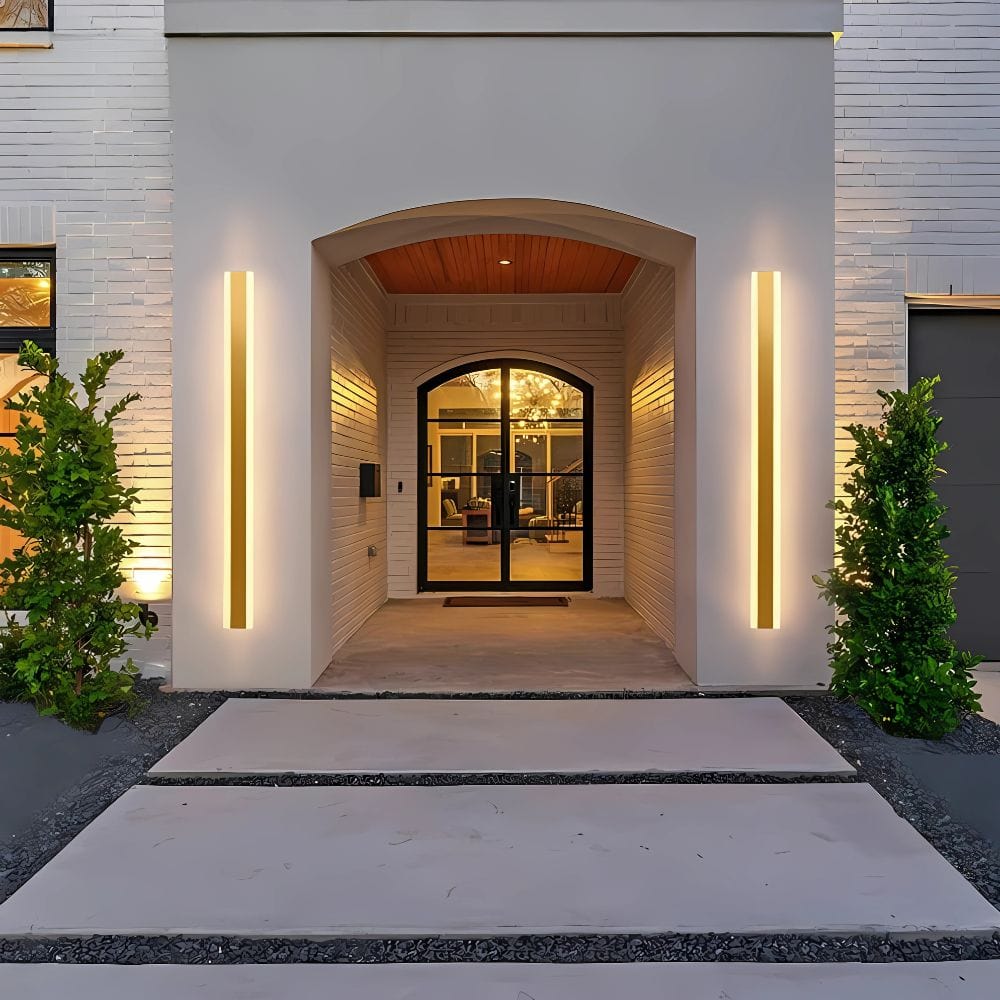






Three Collections Beneath This One
Wall lighting divides cleanly by where the fixture goes and what it has to survive, which is why this page branches into three. Knowing which one you need takes about ten seconds.
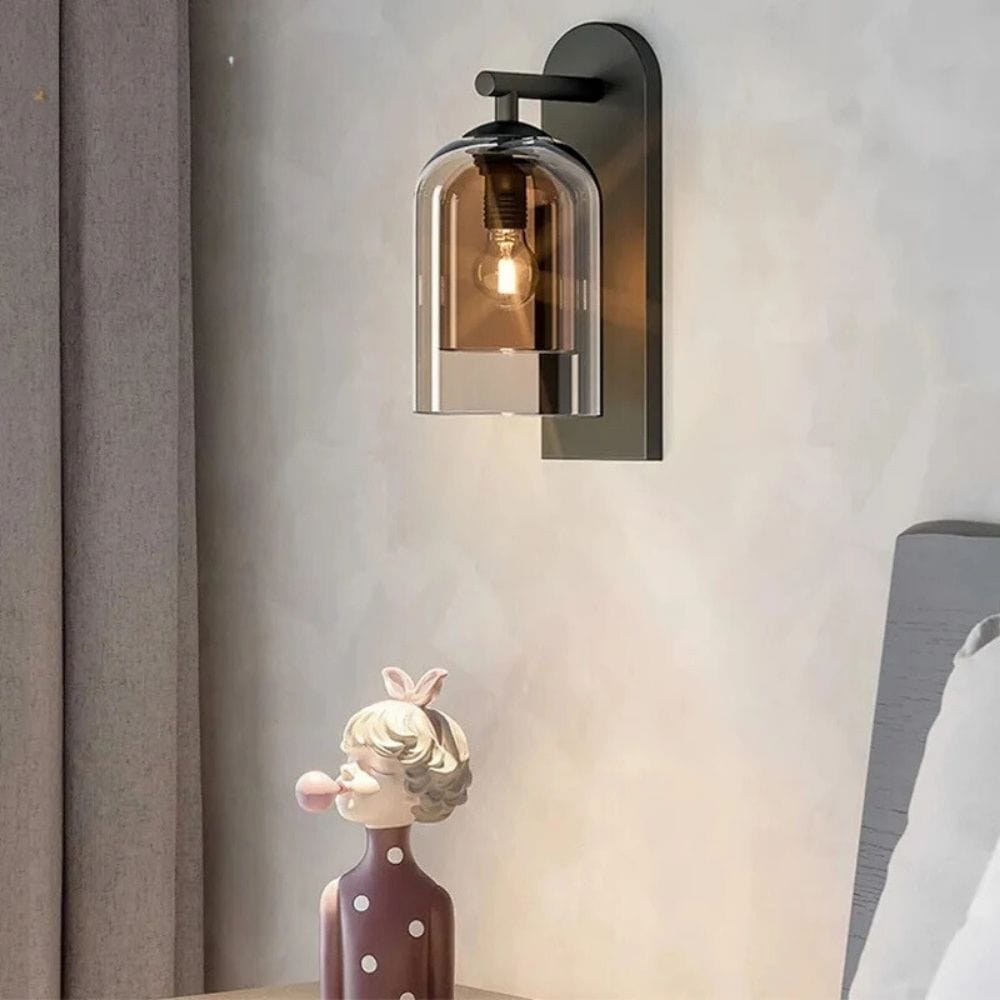
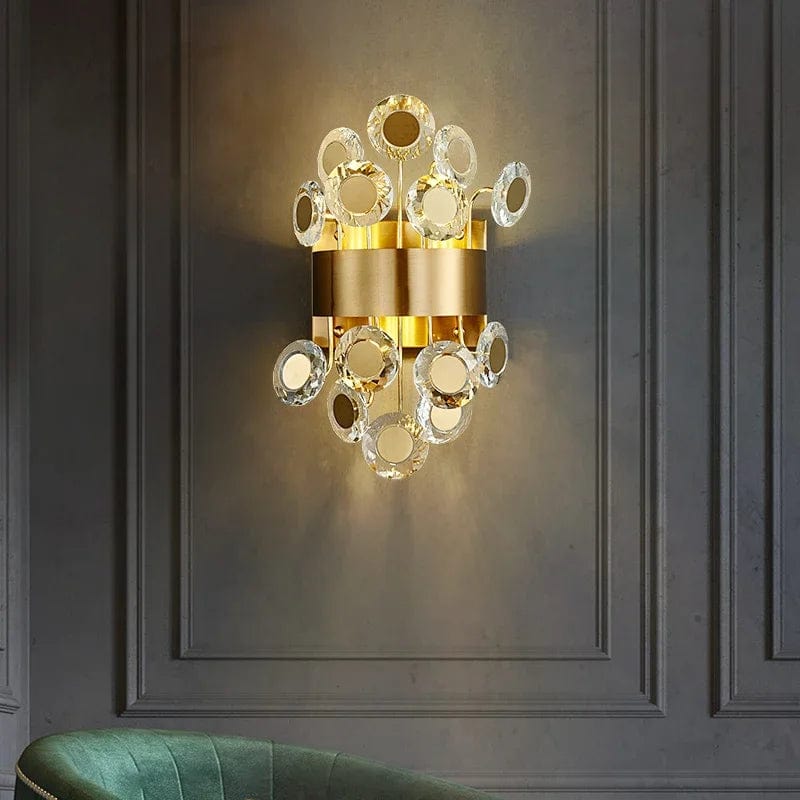
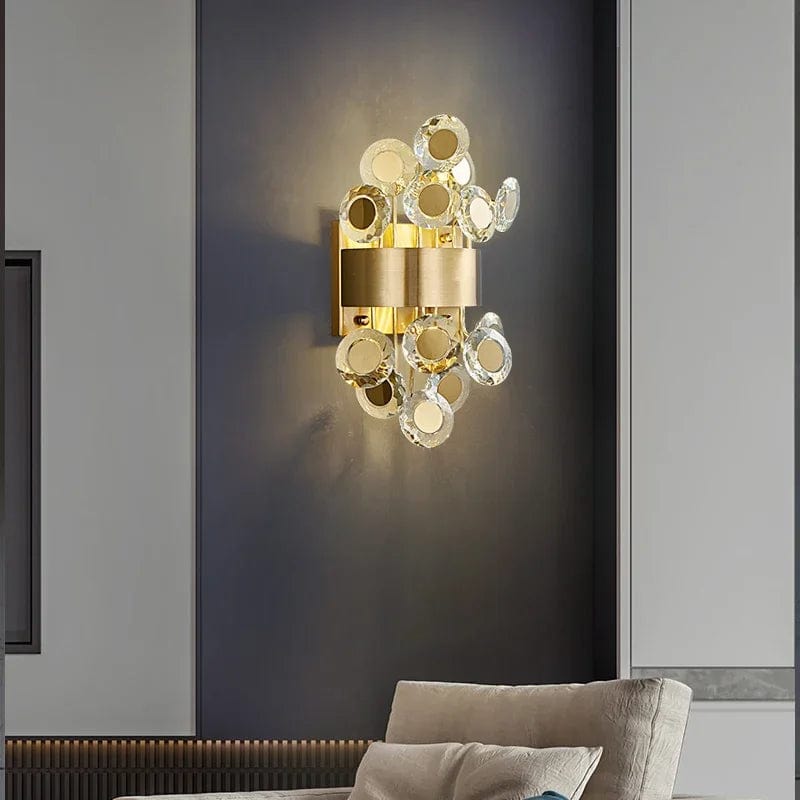
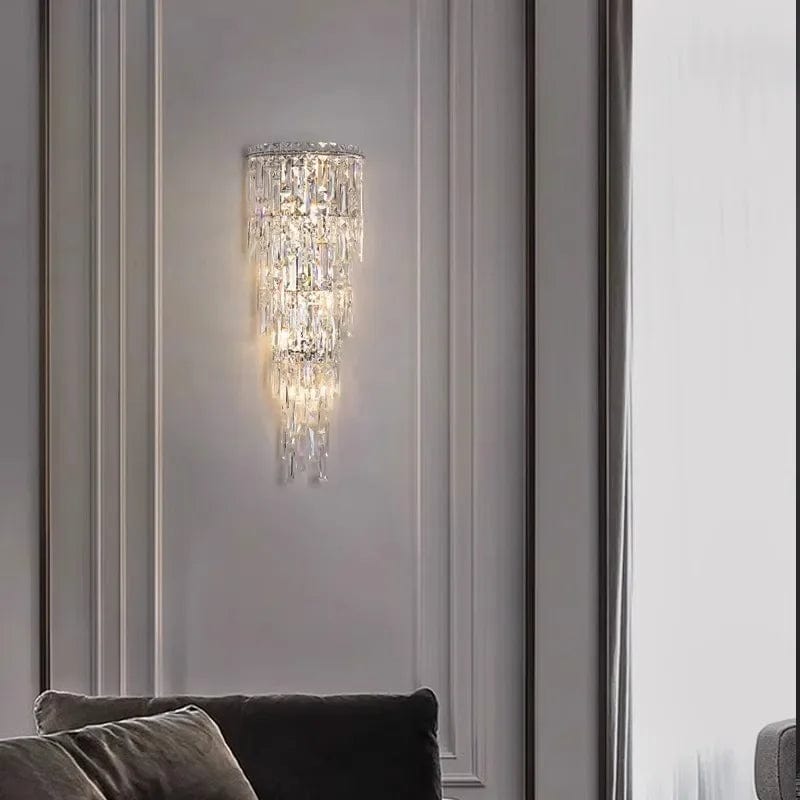
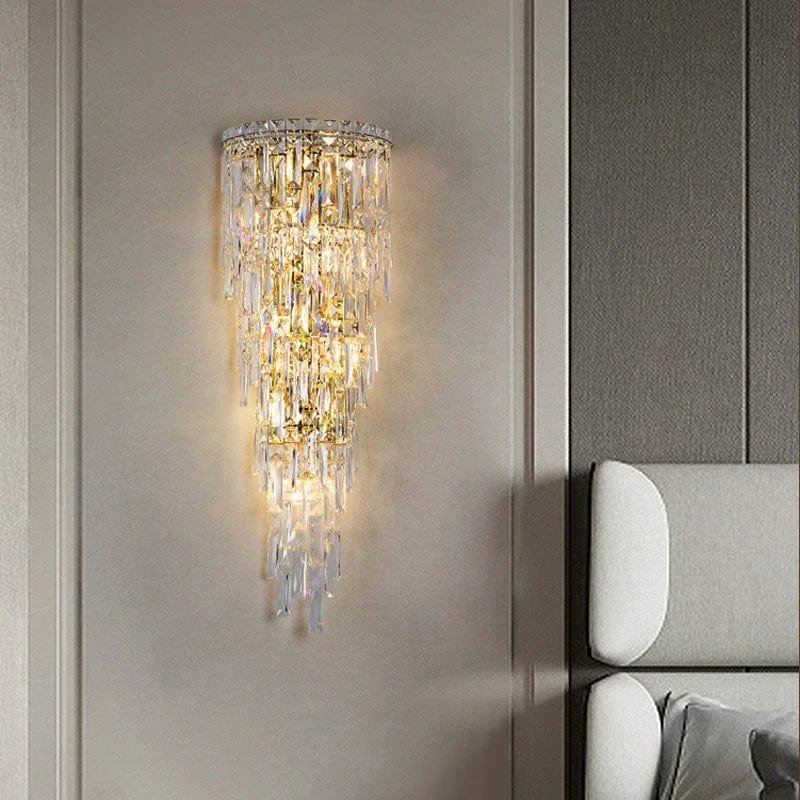
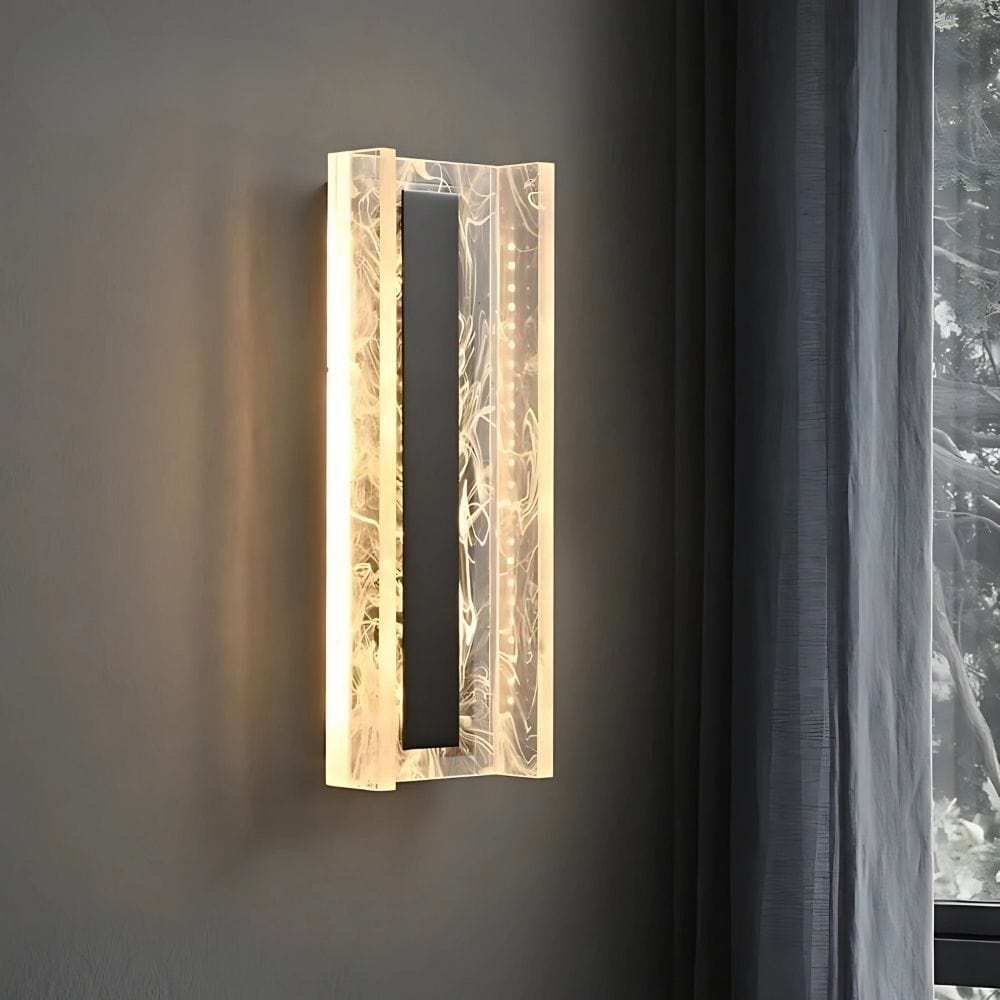
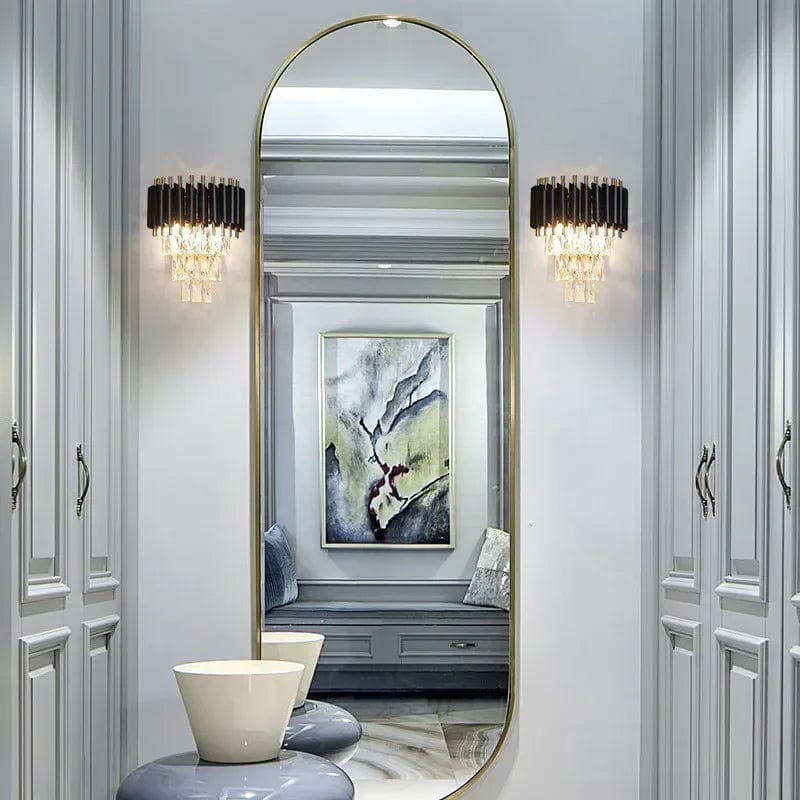
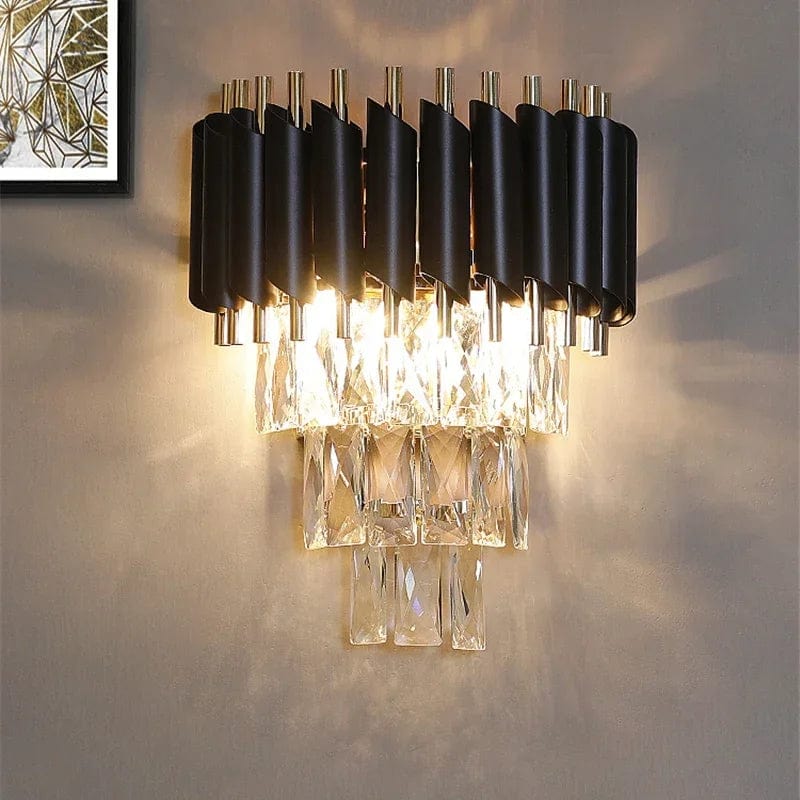
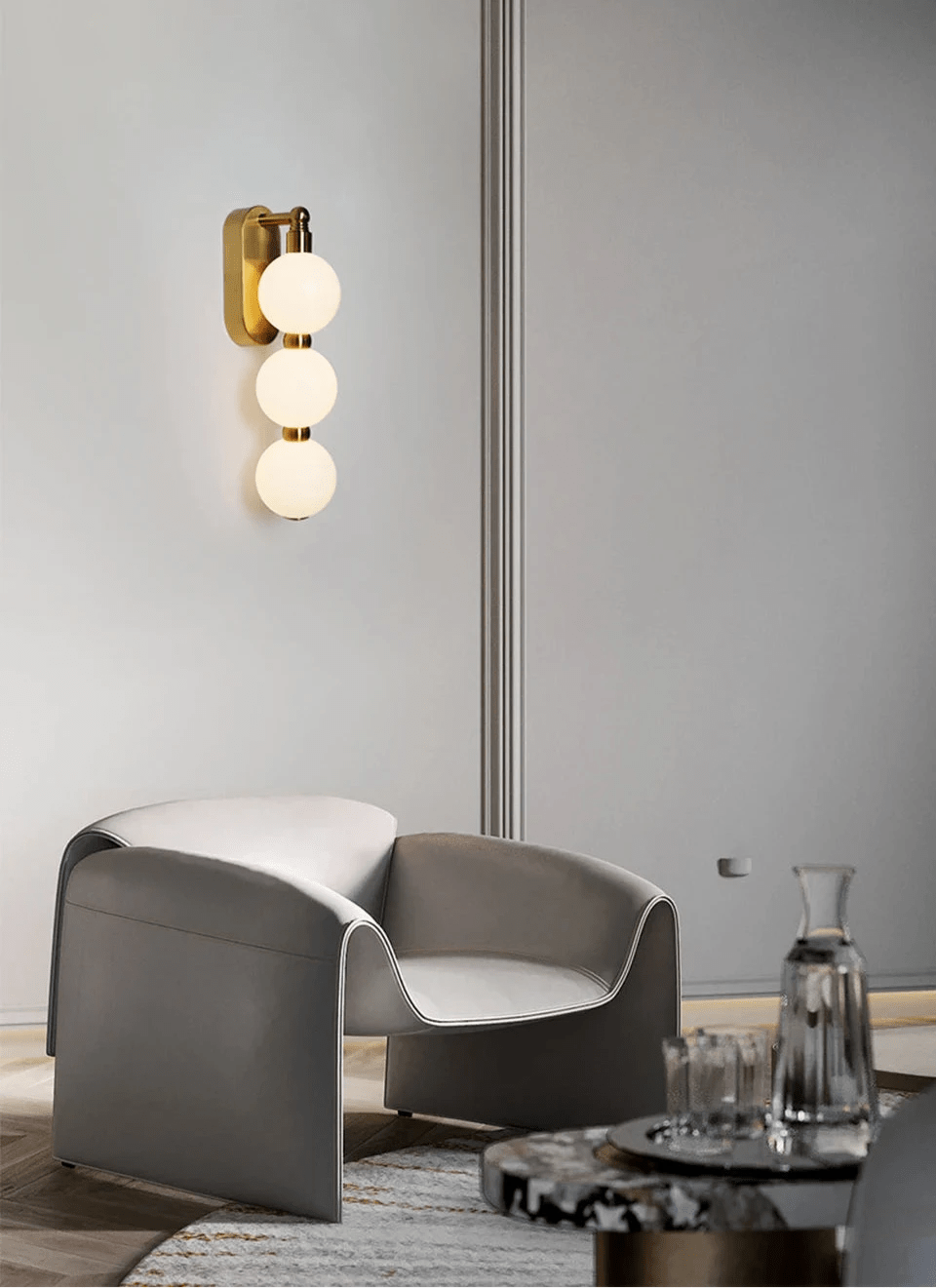
- Wall Sconces — modern and contemporary interior fixtures for living rooms, bedrooms, hallways and stairwells. The largest subgroup and the right page when the fixture is chosen for how it looks as much as what it lights: crystal, glass, marble and metal designs at eye level
- Bathroom Wall Lights — damp-rated fixtures built for the one interior room where moisture is a constant. Mirror-flanking placement is the specific job here, and it is a function problem before it is a style one
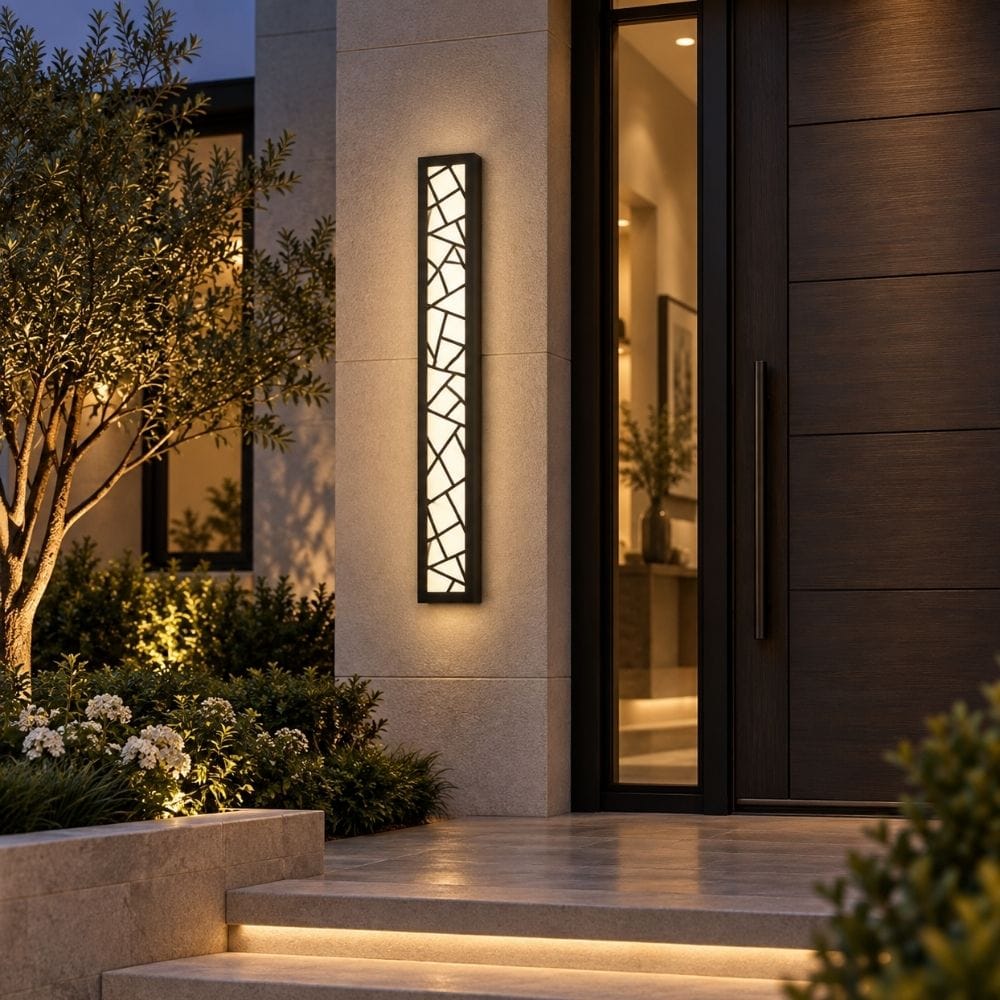
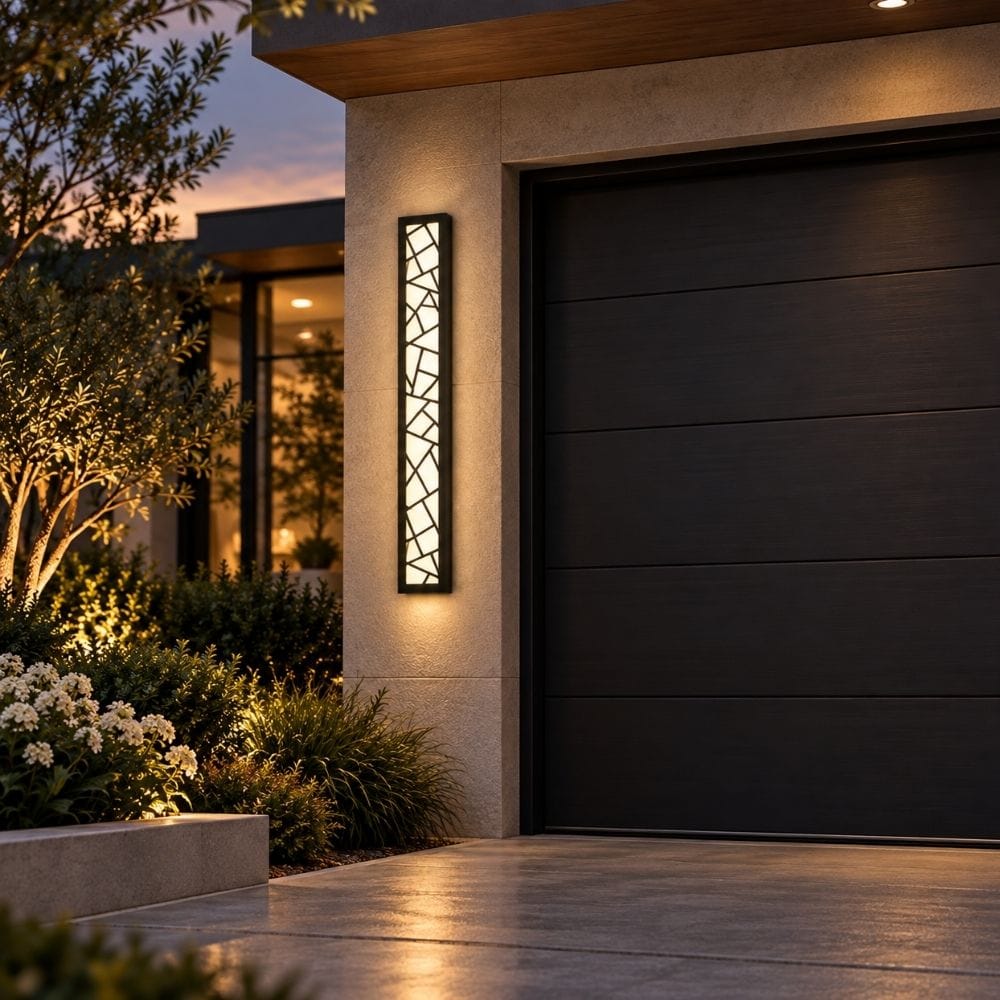
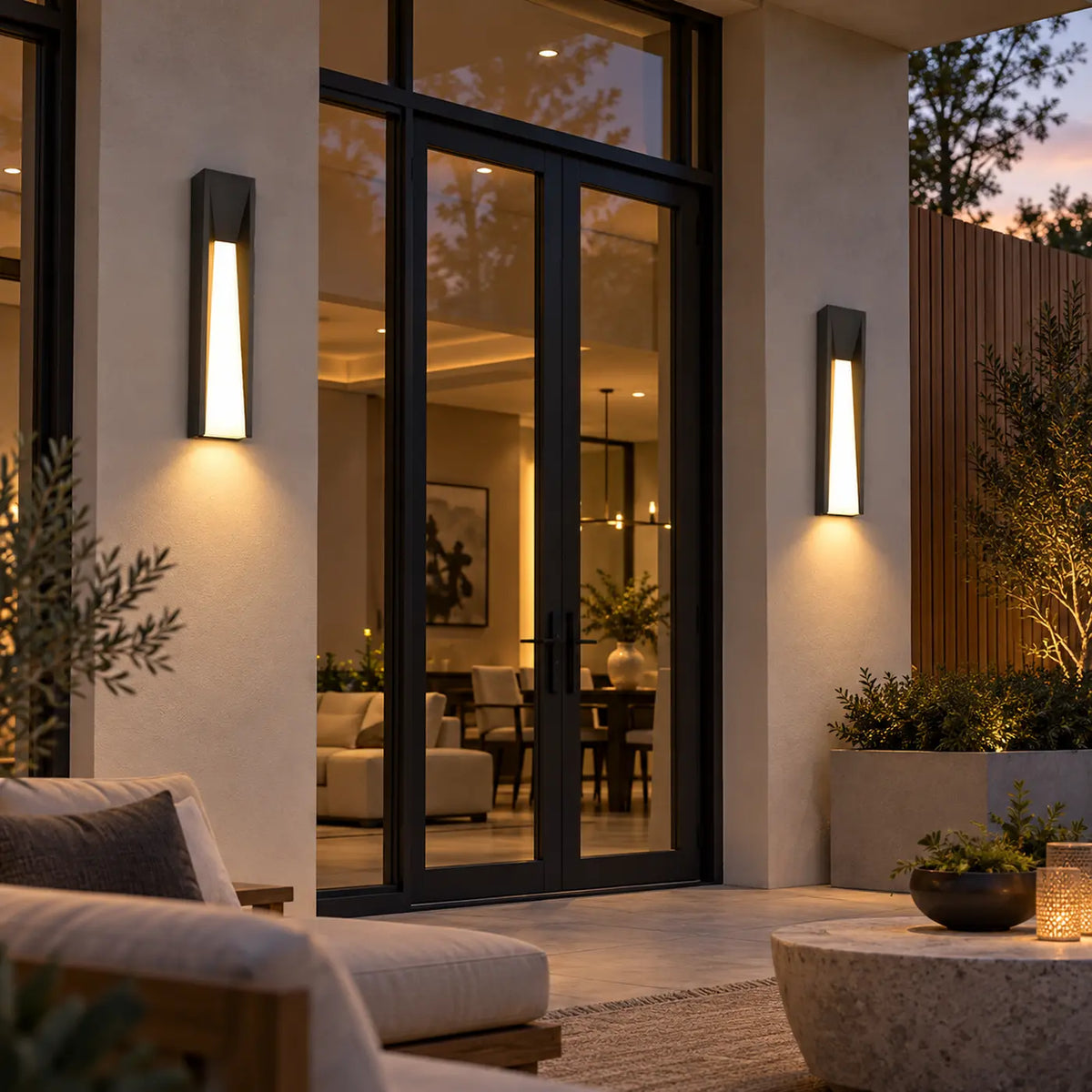
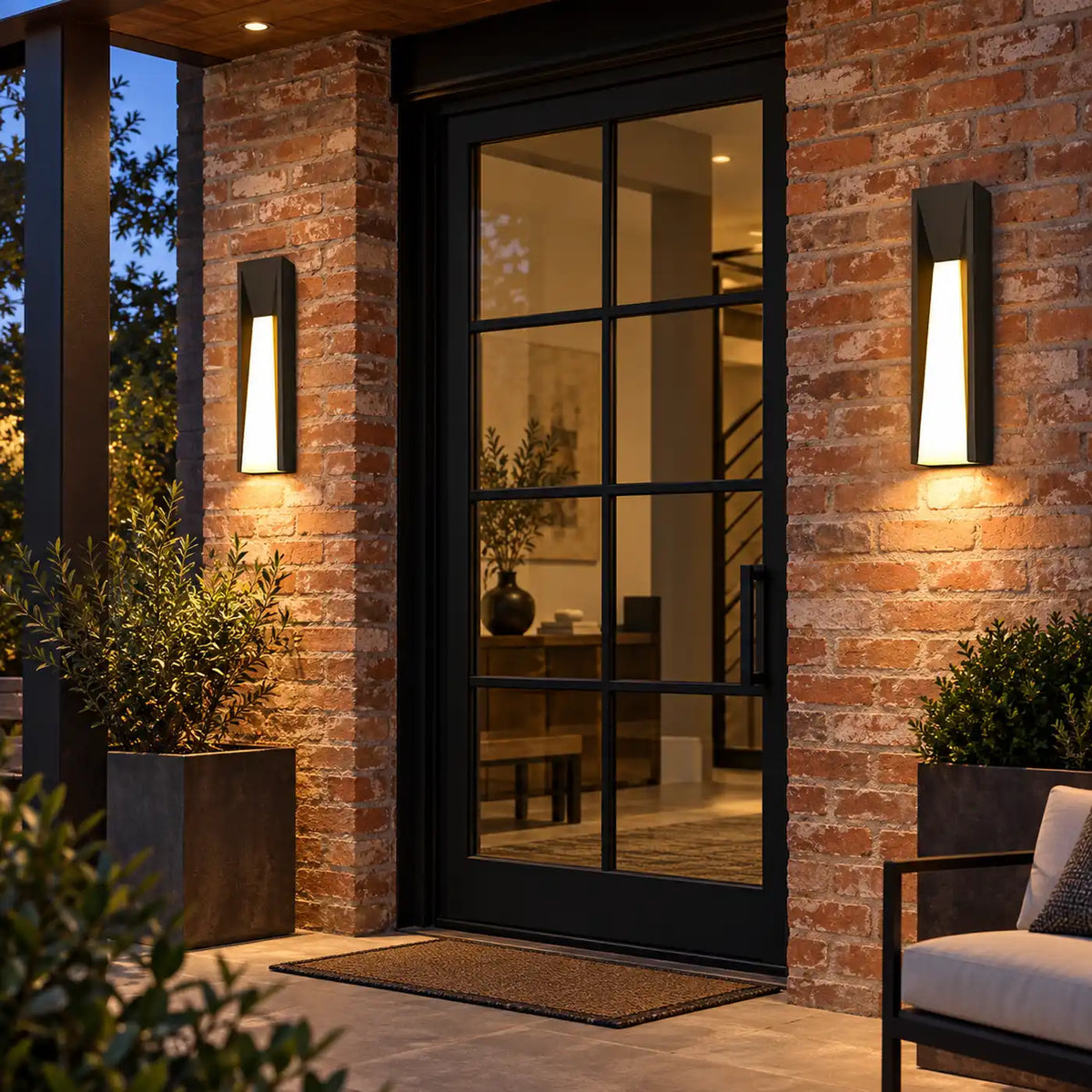
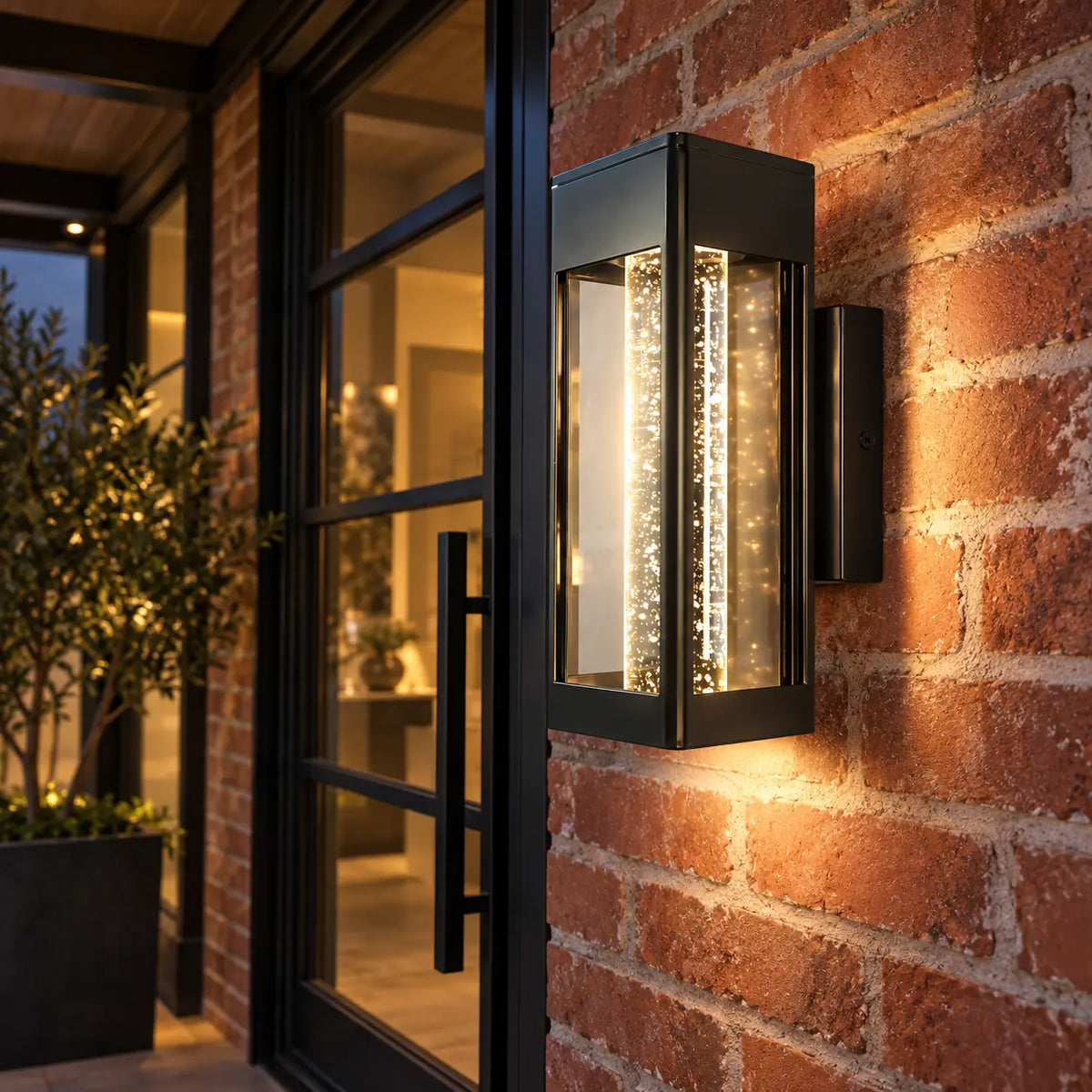
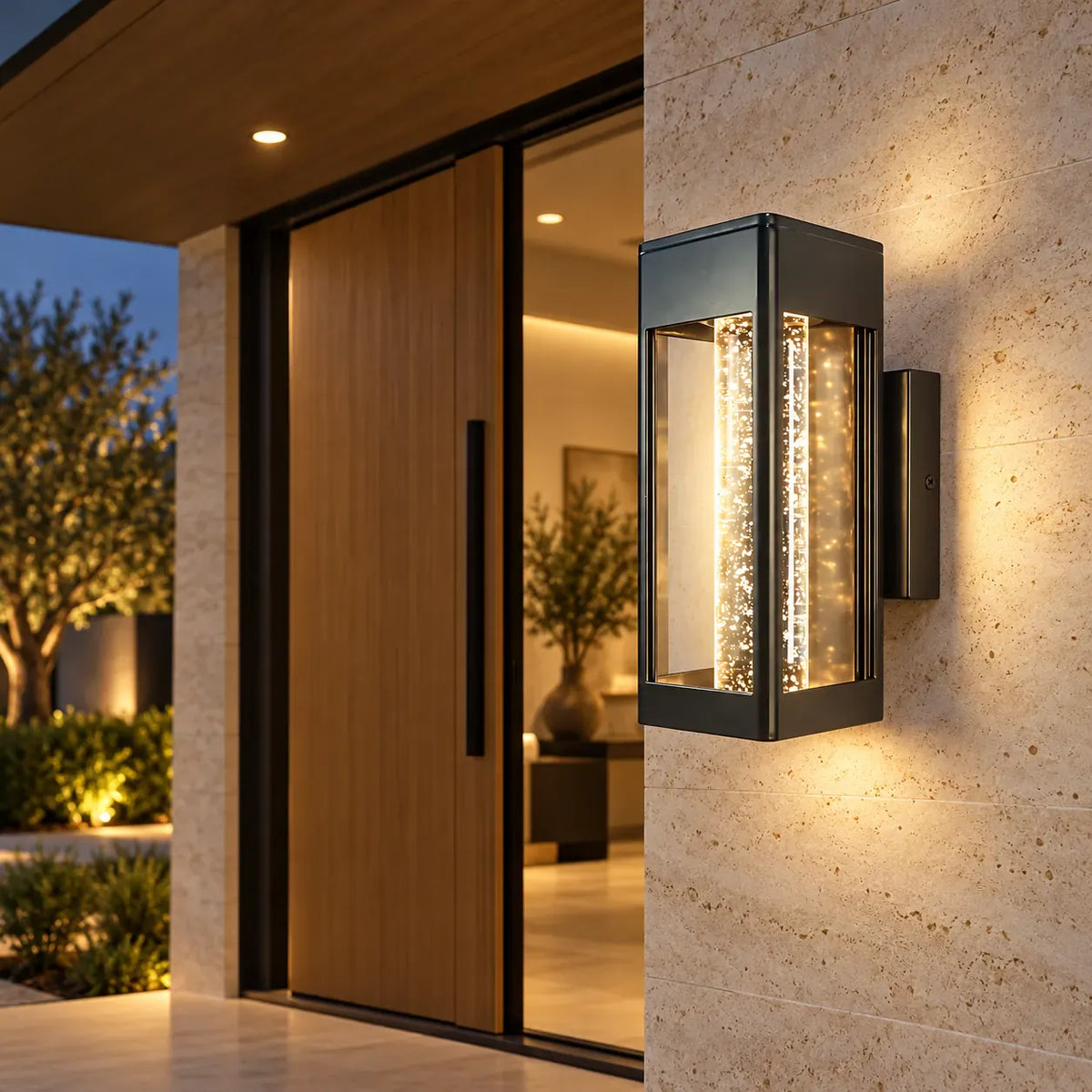
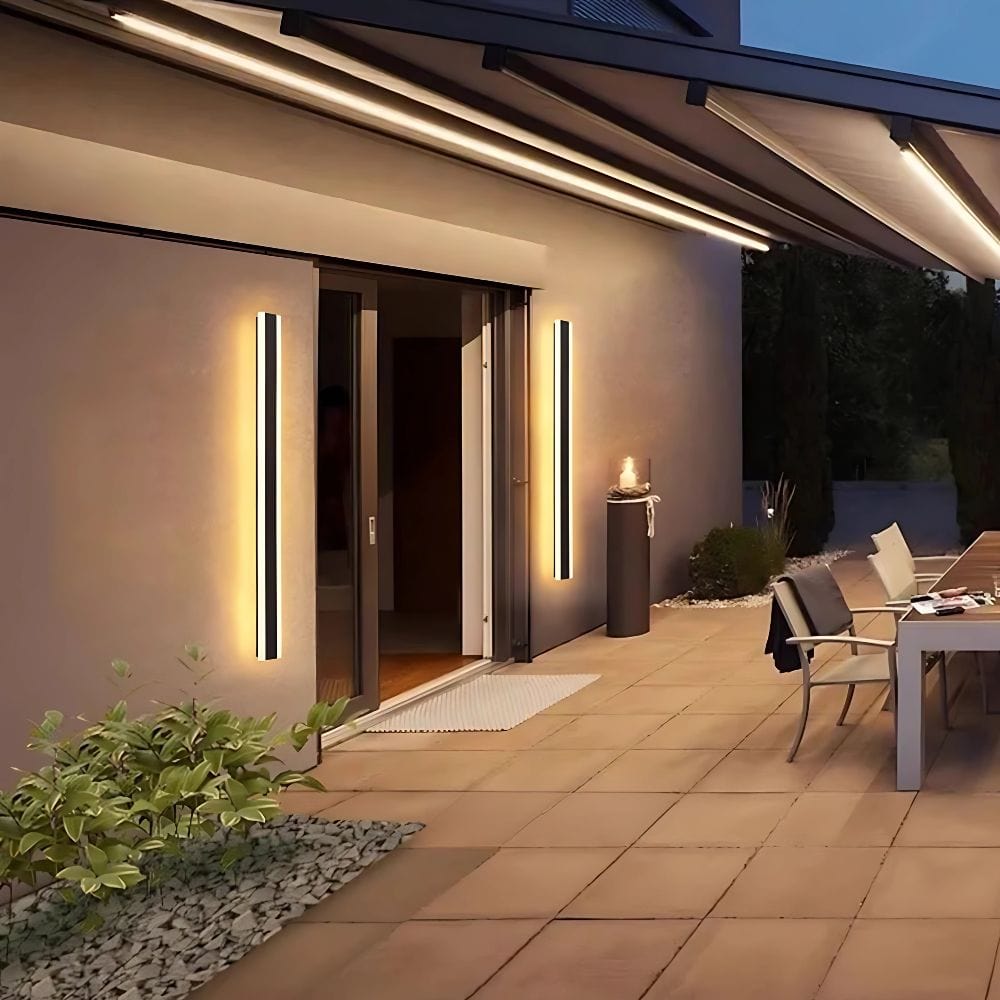
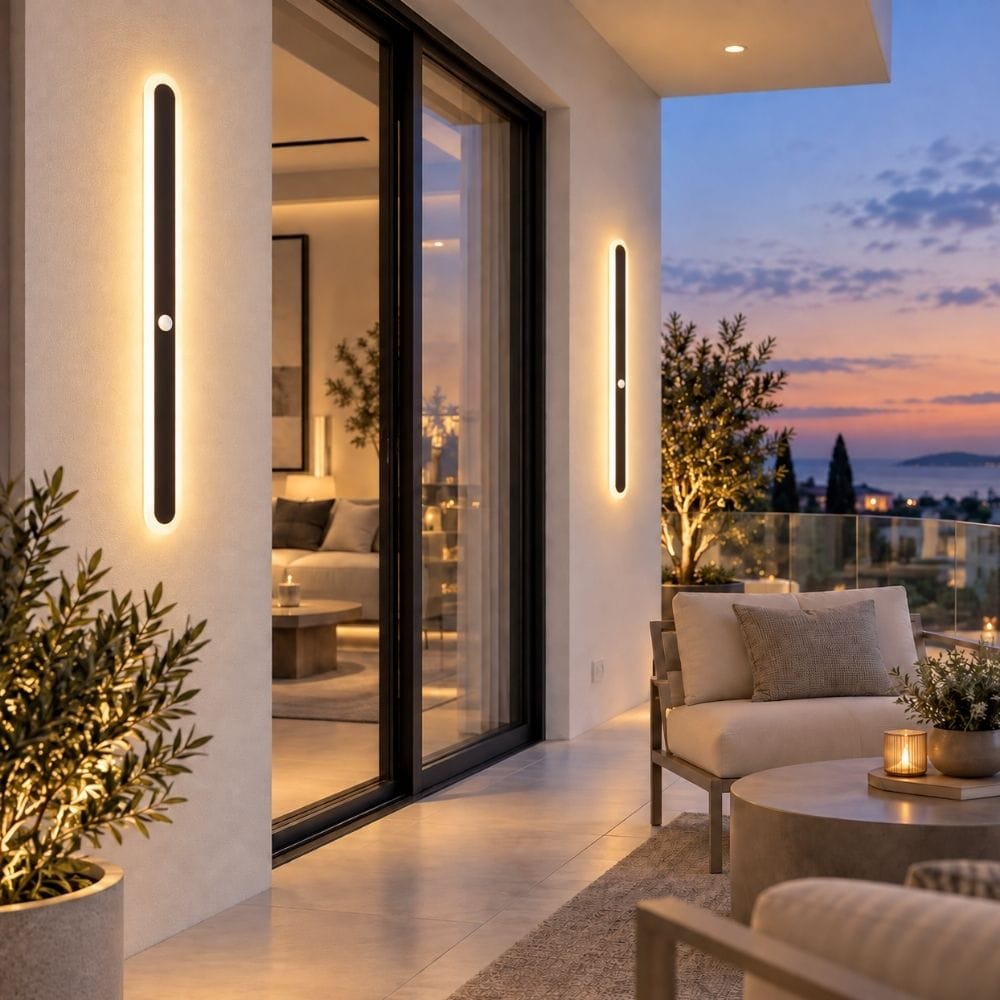
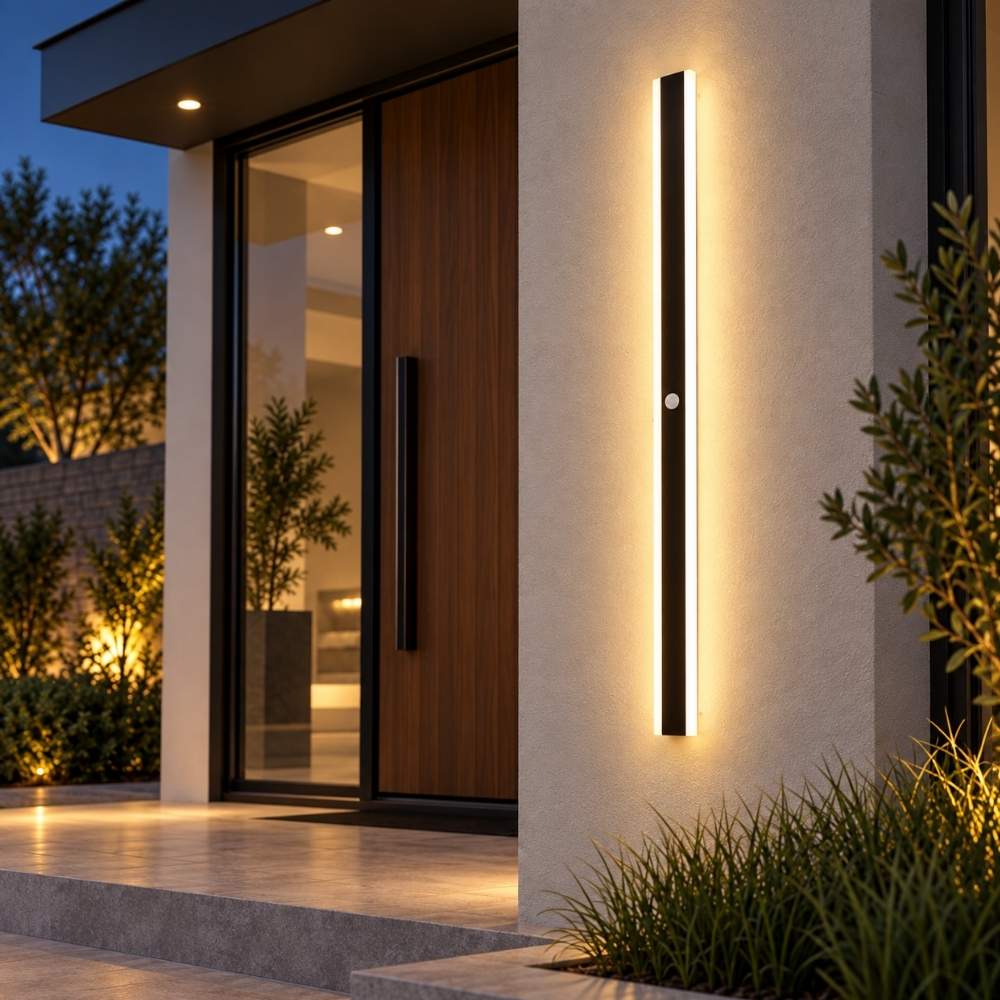
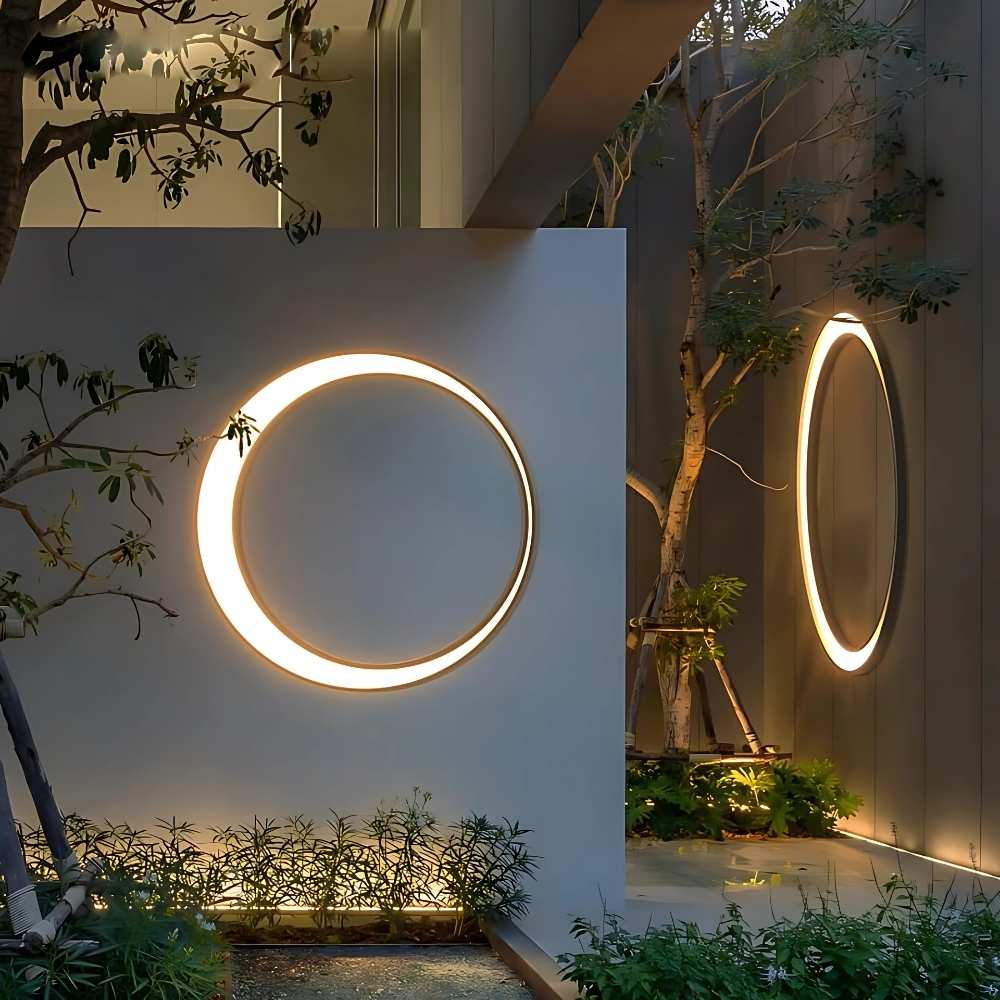
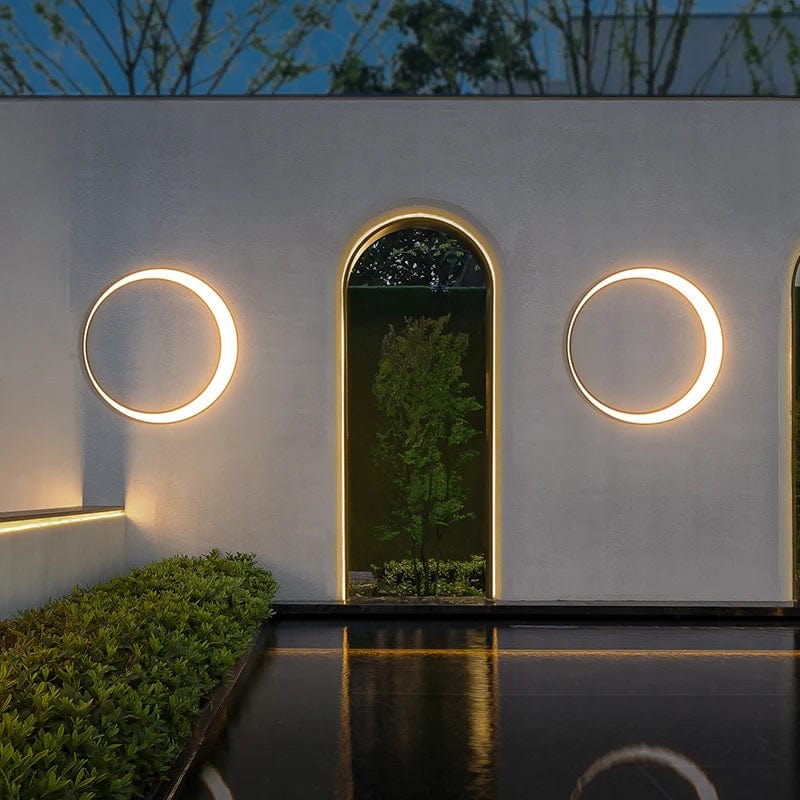
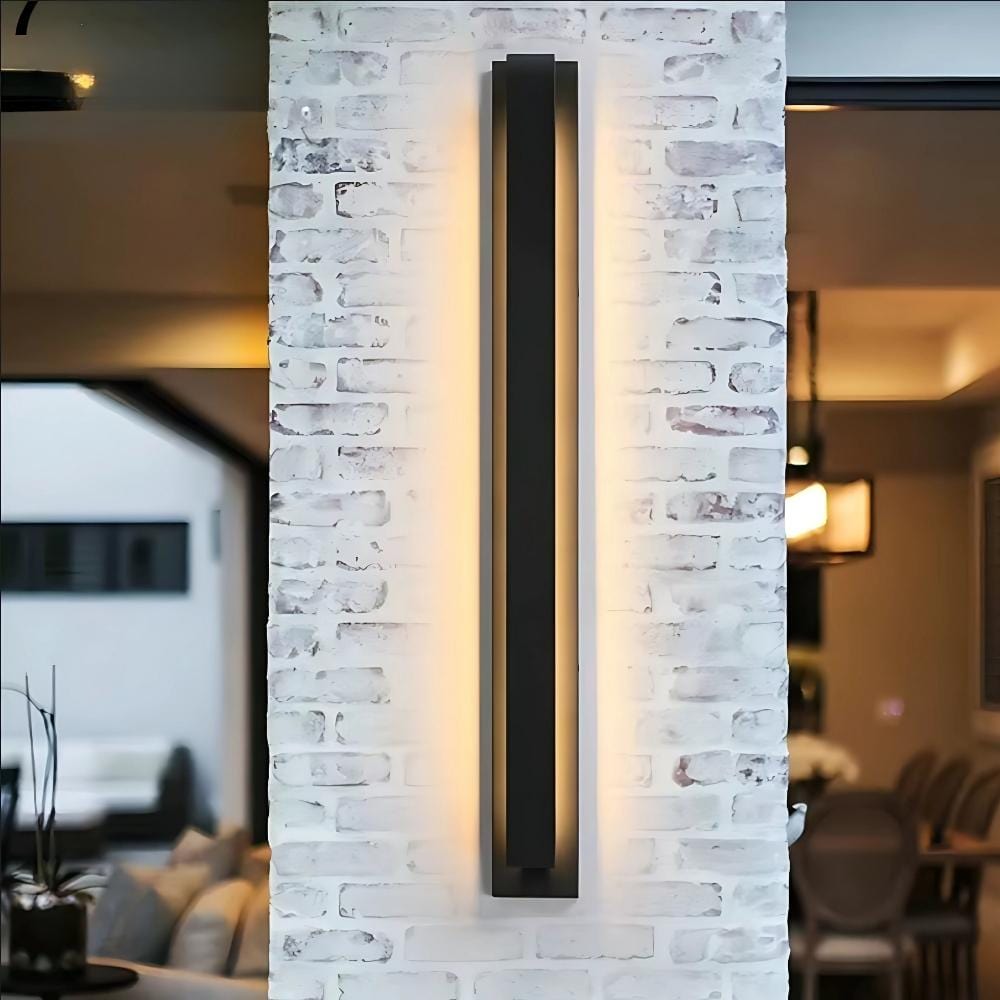
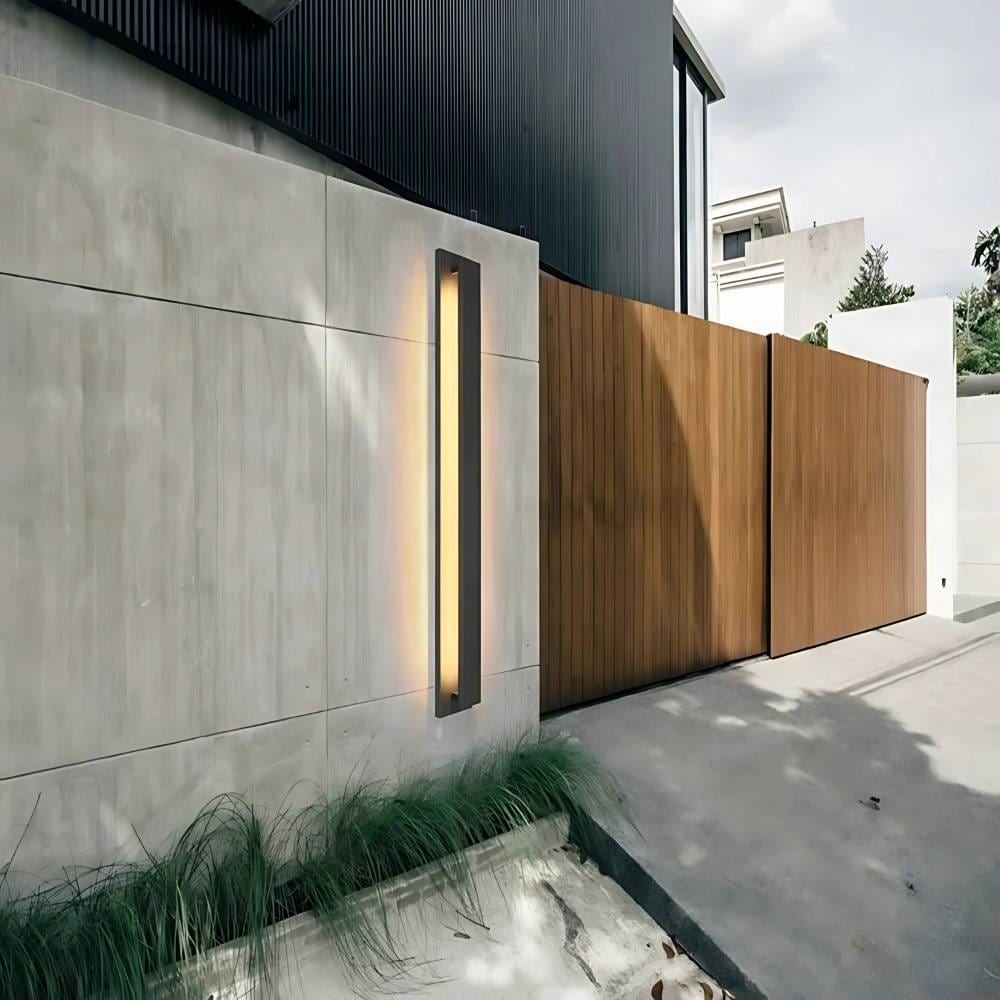
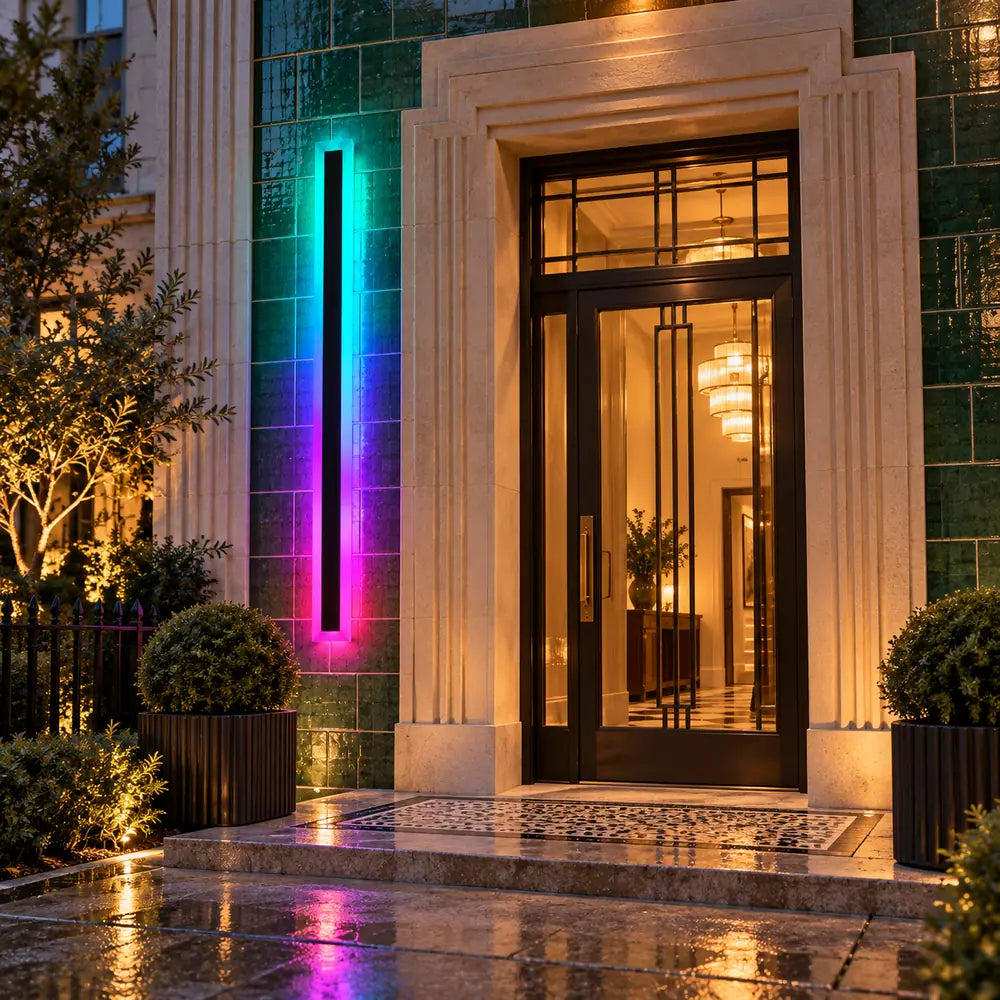
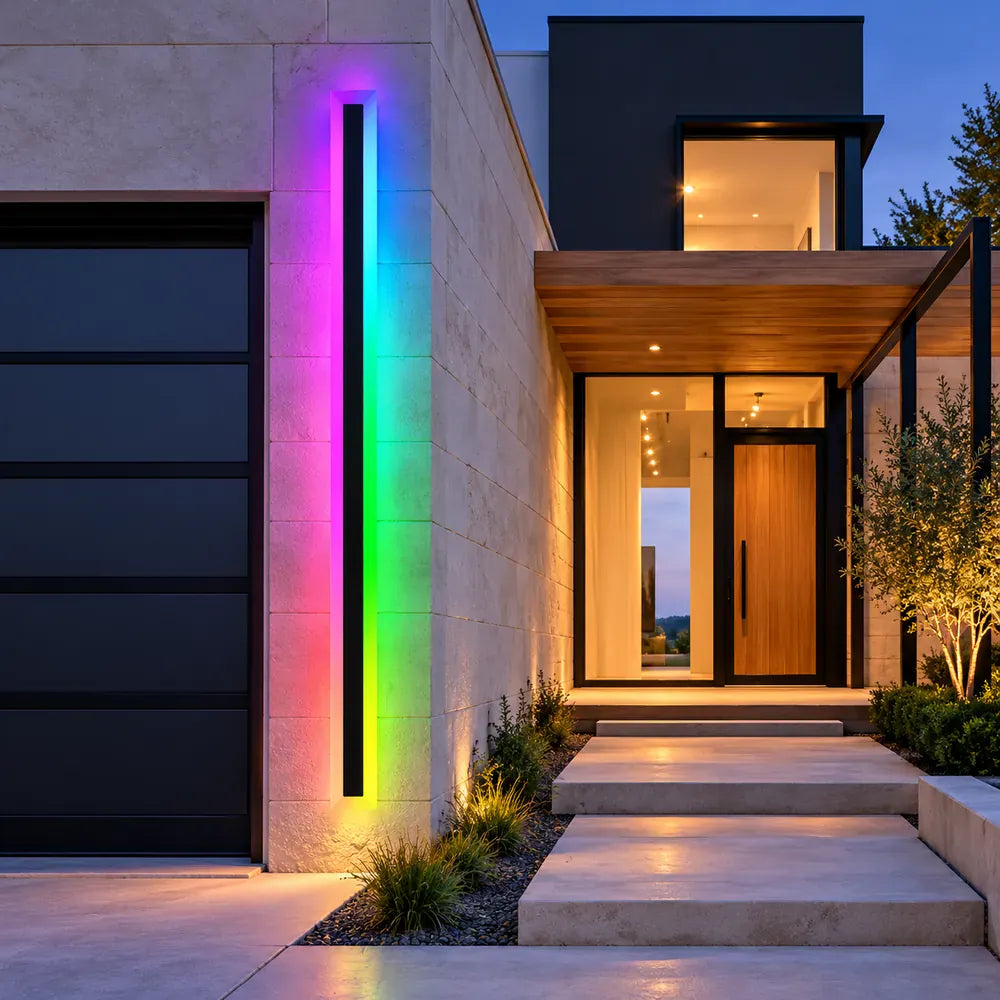
- Outdoor Wall Lights — wet- and damp-rated fixtures for entries, facades, garages and covered porches. These are engineered around weather sealing and gasket quality rather than around appearance alone
The dividing line is the rating, not the look. An interior sconce cannot go outside or into a shower zone regardless of how well it would suit the space, while a wet-rated fixture can be used indoors without any loss. When in doubt, the rating decides.
The Decorative End: Crystal, Marble and Glass
Within interior wall lighting there is a clear split between fixtures chosen for what they light and fixtures chosen for what they look like. The decorative group sits at the second end, and the material does most of the work.
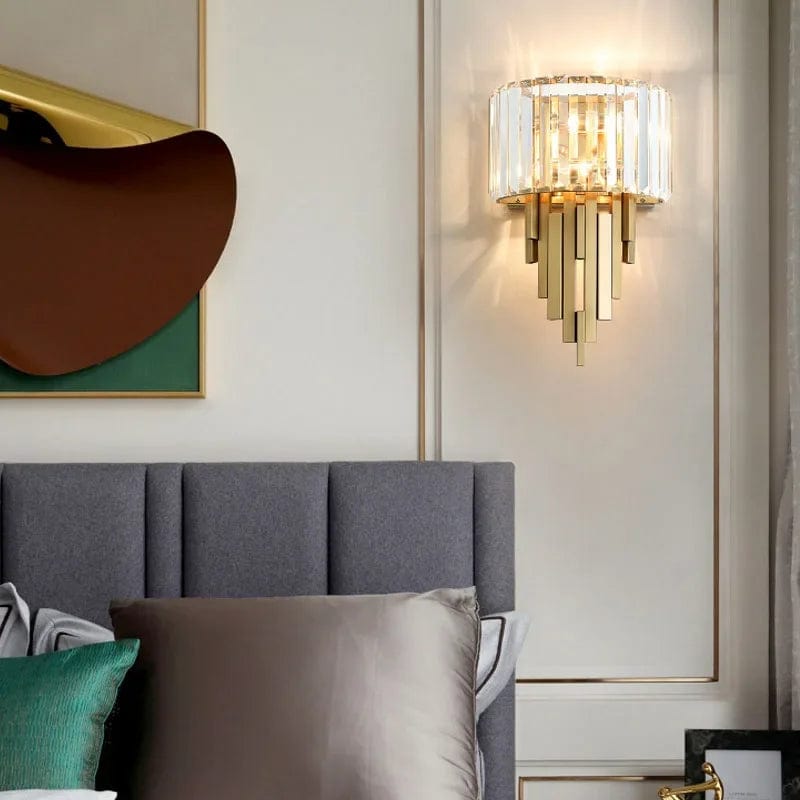
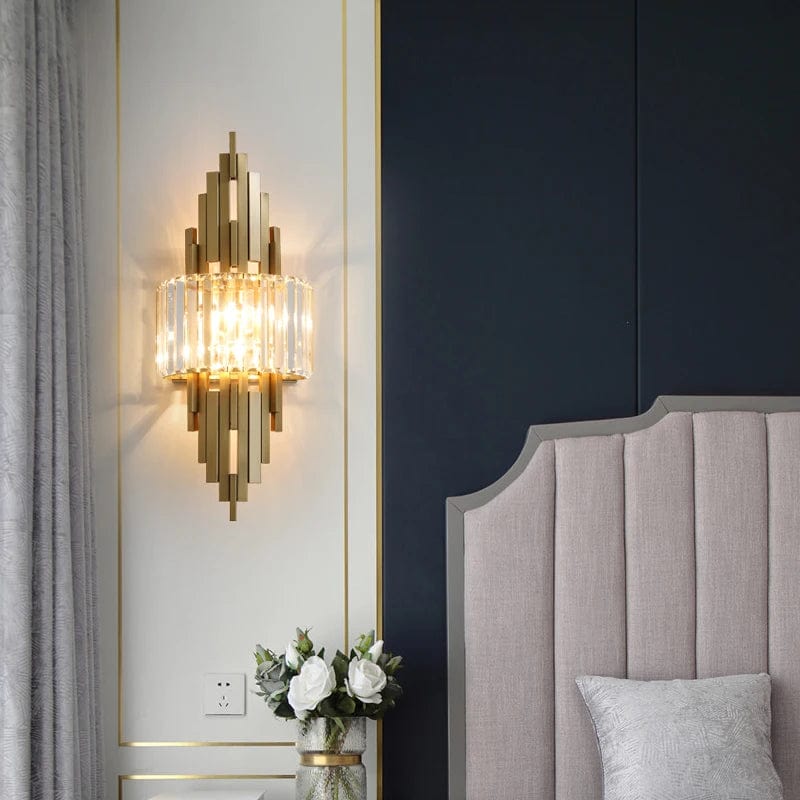
- Crystal sconces throw refracted light onto the adjacent wall, which reads as movement rather than as a flat lit panel. At eye level that effect is far more visible than it is from a ceiling — the wall is closer, so the pattern is sharper and the sparkle is seen directly rather than glimpsed overhead
- Marble and stone sconces transmit a warm, glare-free glow through the material itself and read as material rather than as fixture when switched off. That matters more on a wall than on a ceiling, since a wall fixture sits inside the normal field of view all day
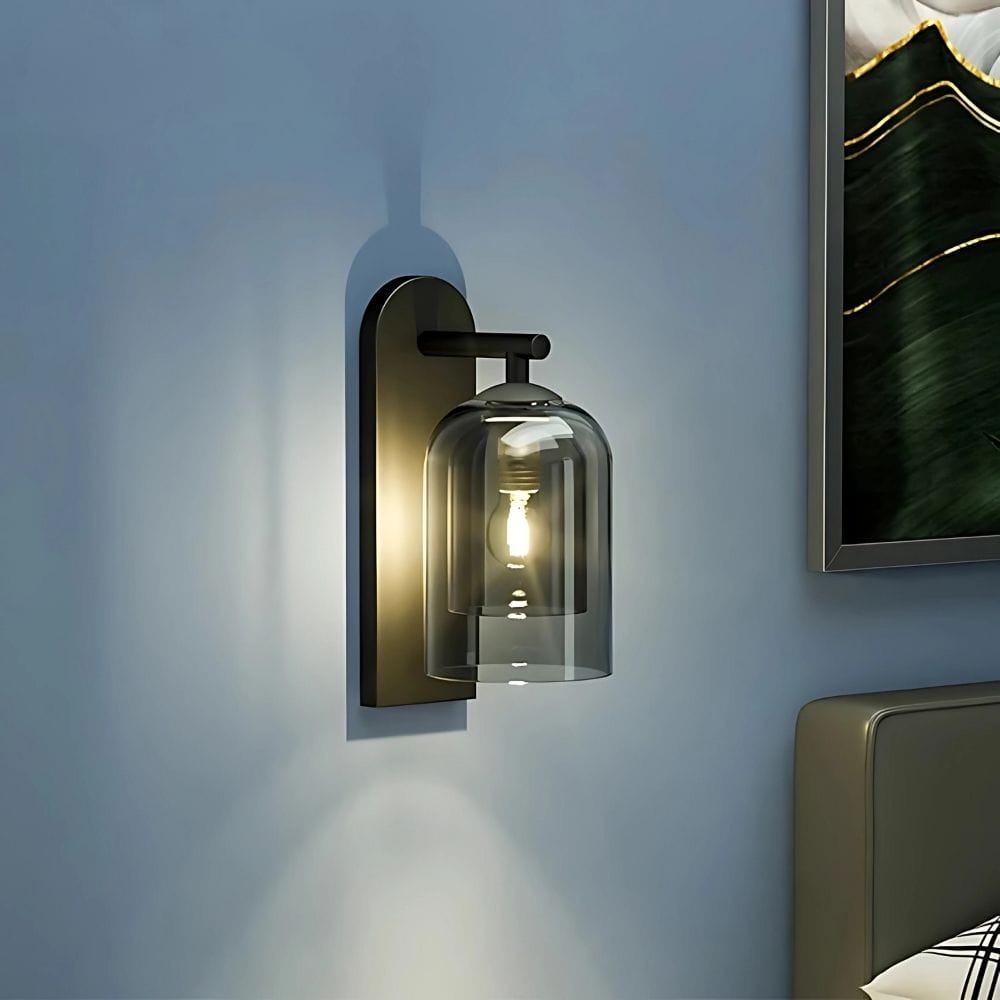
- Glass sconces — clear, opal, smoked or tinted — control how much of the lamp is visible. Opal hides it entirely, clear makes it part of the composition, smoked sits between the two
- Metal and minimal forms put the emphasis on silhouette and light direction rather than on material, which suits corridors and stairwells where the fixture is passed rather than sat beside
Decorative fixtures need clear wall around them to register — roughly 18-24" (46-61 cm) on each side for anything with visual weight. Crowded against a door frame or a cabinet, even a well-chosen fixture reads as an afterthought. The full interior decorative range is in the wall sconces collection.
What Wall-Mounted Light Does That Ceiling Light Cannot
The difference is height, and it changes the physics rather than just the position.
A ceiling fixture lights downward from above, which flattens vertical surfaces and casts shadows under everything — including faces, under the brow and chin. A wall fixture at roughly eye level lights across the room rather than down into it, which fills those shadows and makes vertical surfaces visible. That is why a room lit only from the ceiling can feel harsh and slightly cave-like at night, and why adding two sconces frequently improves it more than a larger ceiling fixture would.
Three practical consequences follow. Wall lights make a room feel larger, because lit walls read as further away than dark ones. They are the only fixture type that lights a face straight-on, which is why bathrooms use them at the mirror. And they occupy no floor or surface area, which matters in small rooms and beside beds where the nightstand is already full.
Mounting Heights That Work
Placement height decides whether a wall light is useful or merely present, and the correct height depends on the job rather than on a single universal number.
- General room lighting: 60-66" (152-168 cm) from the floor to the fixture's centre. This is roughly eye level for a standing adult and the default for hallways and living rooms
- Flanking a bathroom mirror: 60-66" to centre, mounted on both sides at 28-40" (71-102 cm) apart. Side placement is what removes shadows from the face; a single fixture above the mirror casts them downward, which is the opposite of what grooming needs
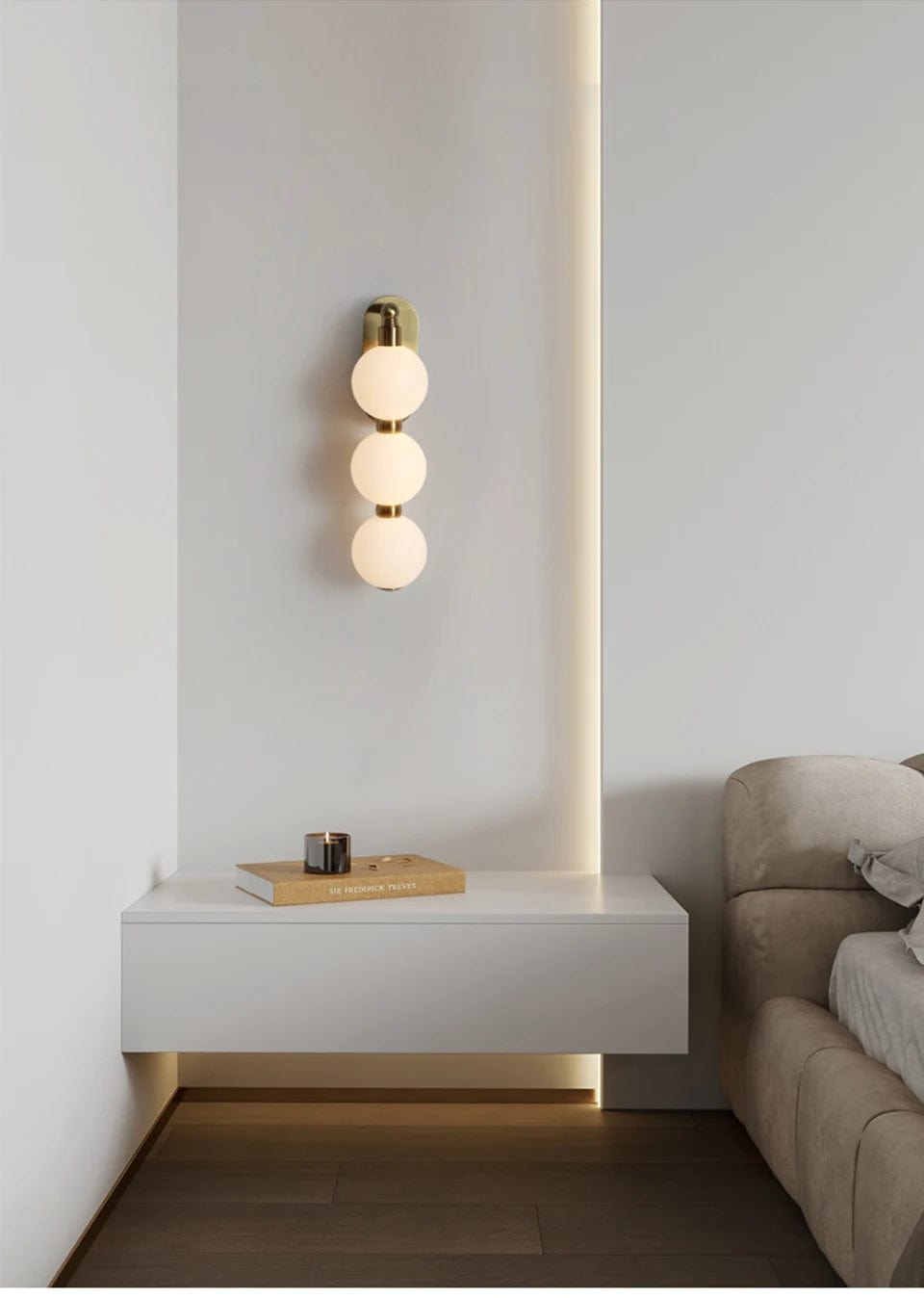
- Beside a bed: 30-36" (76-91 cm) above the mattress surface, or roughly 60" from the floor. Low enough to read by, high enough to clear a headboard
- Hallways and corridors: 60-72" (152-183 cm) to centre, spaced 8-10 ft (2.4-3 m) apart. Even spacing matters more than fixture count — irregular spacing reads as an afterthought
- Stairwells: measure from each tread rather than from a single floor level, keeping fixtures at a consistent height above the stair line
- Beside a front door: roughly 66" (168 cm) to centre, with the fixture's height around one-third of the door's height. Full guidance in our front door lighting guide
One adjustment for tall people or high ceilings: raise the general-room figure toward the upper end rather than the lower. And where a fixture puts a bare lamp at eye level, mount slightly higher or choose a shaded design — glare at eye level is far more noticeable than glare from the ceiling. Detailed placement by room is in our wall sconce placement guide.
Light Direction: Up, Down, Both or Diffused
Wall fixtures throw light in a limited number of ways, and the direction changes the room more than the fixture's style does — a modern minimal body and an ornate contemporary one behave identically if they throw light the same way.
- Uplight washes the ceiling and bounces soft light back down. The gentlest option, effective for making a low ceiling feel higher, and the weakest for anything task-related
- Downlight throws a pool onto the wall and floor beneath. Useful along corridors and stairs where the floor needs definition, and the format that creates the strongest scallop pattern on the wall
- Up and down together produces the double scallop familiar from hallways and facades. The most balanced choice for general room lighting, since it lights both planes
- Diffused all-round — opal glass, alabaster, fabric shades — throws light in every direction with no visible pattern. This is the format for bedsides and any position where the fixture is seen at close range, because there is no glare from any angle
- Exposed lamp makes the bulb part of the composition. Effective decoratively, but only with a low-output decorative LED and only where nobody sits directly facing it
For a wall that should read as texture — brick, stone, panelling — a downlight or up-and-down fixture mounted close to the surface grazes it and reveals the relief. A diffused fixture in the same position lights the wall evenly and hides it.
Room by Room
Living rooms use modern wall lights to soften the perimeter and to define seating areas in open plans. A pair flanking a fireplace, artwork or a sofa reads intentional in a way a single fixture rarely does. Contemporary sculptural designs work particularly well here, since a living room wall is seen for longer than a hallway one. Put them on a dimmer and treat them as the evening layer rather than the main source — the layered plan is in living room lighting.
Bedrooms are where wall lighting solves a real problem: nightstand space. A pair of wall fixtures beside the bed frees the surface entirely, and swing-arm or adjustable designs let each side control its own reading light. Choose diffused rather than exposed-lamp designs here, since the fixture sits close to a reclining head. See bedroom lighting.
Hallways and stairwells need wall lighting more than any other space, because there is frequently nowhere to put a ceiling fixture and no floor area for a lamp. Even spacing at 8-10 ft carries a long corridor, and in stairwells wall fixtures avoid the access problem a hanging fixture creates — a real advantage, since changing a lamp above a staircase is scaffolded work.
Bathrooms want fixtures flanking the mirror rather than above it, for the shadow reason described above. Damp rating is required and shower zones are governed by code; the bathroom wall lights collection narrows to rated designs, with the full room plan in bathroom lighting.
Entries and exteriors take weather-rated fixtures sized to the door: a fixture roughly one-third of the door's height, one on the handle side for a standard door or a matched pair for double doors. The outdoor wall lights collection covers rated designs, and outdoor lighting the wider exterior plan.
Sizing and Spacing
Wall fixtures are read at close range, which makes proportion more forgiving than with ceiling fixtures but scale errors more visible. Modern and contemporary designs tend to run slimmer than traditional ones, so the same wall takes a larger fixture in a current style than it would in a period one. Three rules cover most situations.
Height against the wall it sits on: a fixture should occupy roughly one-quarter to one-third of the visual height of the wall section it lights. On a standard 8-9 ft wall that puts most interior sconces between 10" and 20" tall. Larger fixtures need either a taller wall or more clear space around them.
Projection from the wall: in a corridor or beside a door, check how far the fixture sticks out. Anything projecting more than about 4-5" into a narrow hallway becomes something people brush against. Flush and low-projection designs exist specifically for this.
Spacing in pairs: flanking fixtures should sit far enough apart to frame what is between them rather than crowd it — 28-40" apart at a mirror, and roughly the width of the bed plus a foot on each side at a bedside. Symmetry matters here more than in ceiling lighting, since both fixtures are seen in the same glance.
Indoor or Outdoor: The Rating Decides
This is the one specification that cannot be judged by appearance, and the most common mistake in this category.
- Dry rated — interior use only, away from moisture. Most decorative interior sconces sit here
- Damp rated — tolerates humidity and condensation but not direct water. Bathrooms outside the shower zone, covered porches and sheltered entries
- Wet rated — built for direct exposure: rain, snow, sprinklers. Open facades, uncovered entries, garden walls
Two notes that save trouble. A sheltered position is not the same as a rated fixture — a porch roof reduces direct rain but not humidity cycling, which is what defeats interior finishes and corrodes unsealed hardware over a season or two. And upgrading is always safe: a wet-rated fixture works indoors, while the reverse is neither safe nor code-compliant. Bathroom zone requirements vary by jurisdiction, so confirm locally before placing a fixture near a tub or shower.
Light Quality and Bulbs
Because wall lights sit at eye level, glare control matters more here than with any ceiling fixture. Two decisions handle most of it.
Colour temperature: warm white at 2700-3000K throughout living spaces, bedrooms and hallways. Bathrooms benefit from the upper end of that band or up to 3500K at a mirror, where slightly cooler light renders skin tones more accurately for grooming. Above 4000K, wall fixtures read commercial — and at eye level that reads much more strongly than it would from a ceiling.
Output and dimming: wall lights are a supporting layer, so they need less output than people expect. Roughly 300-500 lumens per fixture suits hallways, 400-800 beside a bed for reading, and 500-800 flanking a mirror. Put them on a dimmer wherever possible: the same fixture at 40% output is atmospheric where at full it can be uncomfortable in the field of view.
Colour rendering at CRI 90 or better matters most in bathrooms, where accurate skin tone is the whole point, and in rooms where the fixtures light artwork or textured surfaces.
Installation and Care
Wall fixtures are simpler to install than ceiling fixtures — lower, lighter, and reachable from a step stool rather than a ladder — but the electrical requirements are identical. Power off at the breaker rather than the wall switch, confirm the circuit is dead with a tester, and check that the box is rated for the fixture's weight. Where no box exists at the desired height, adding one is an electrician's job and worth planning before the fixture is chosen, since the box position determines the mounting height.
Care is straightforward. Dry microfiber on metal and painted finishes, a barely damp cloth on glass and crystal components applied to the cloth rather than the fixture, and dry dusting only on stone and alabaster. Avoid abrasives and polish on matte and textured finishes, which remove the coating rather than clean it. Outdoor fixtures need one extra annual check: gasket condition and drainage holes, since a blocked drain hole is what turns a wet-rated fixture into a failed one. Full technique is in our care and cleaning guide.
Related Collections
Narrow to the right subgroup at wall sconces, bathroom wall lights or outdoor wall lights. For ceiling fixtures in the same rooms, see chandeliers and pendant lights, or compare current styles at contemporary chandeliers. Everything together sits at modern light fixtures, and portable options needing no wiring at floor lamps and table lamps.
Frequently Asked Questions
Which material suits a decorative wall light?
Crystal throws refracted light onto the adjacent wall, which reads as movement at close range. Marble and stone give a warm glare-free glow and read as material even when switched off. Glass controls how much of the lamp is visible — opal hides it, clear makes it part of the composition.
What makes a wall light modern or contemporary?
Modern designs favour clean geometry, slim profiles and restrained detail — cylinders, discs, linear bars. Contemporary ones take more freedom with the silhouette while keeping the same restraint in finish. Both read as current beside updated interiors, where a traditional sconce would signal a period.
How high should wall lights be mounted?
60-66" (152-168 cm) from the floor to the fixture's centre for general room lighting. Beside a bed, 30-36" above the mattress surface; flanking a mirror, 60-66" to centre and 28-40" apart; in hallways, 60-72" spaced 8-10 ft apart.
What is the difference between wall lights and wall sconces?
Wall lights is the full family — interior decorative fixtures, bathroom fixtures and weather-rated outdoor designs. Wall sconces is the interior decorative subgroup within it. Start here to compare across all three, or go straight to sconces if the fixture is for a living room, bedroom or hallway.
Should bathroom wall lights go above or beside the mirror?
Beside, on both sides, at 60-66" to centre and 28-40" apart. Side placement fills shadows across the face; a single fixture above the mirror casts them downward, which is the opposite of what grooming needs.
Can indoor wall lights be used outside?
No. Outdoor placement requires damp or wet rating depending on exposure, and a sheltered position is not the same as a rated fixture — humidity cycling defeats interior finishes within a season or two. The reverse is fine: a wet-rated fixture works indoors.
How many lumens does a wall light need?
Less than most people expect, since it is a supporting layer: roughly 300-500 lumens per fixture in hallways, 400-800 beside a bed for reading, and 500-800 flanking a bathroom mirror. A dimmer matters more than raw output.
What colour temperature suits wall lights?
Warm white at 2700-3000K in living spaces, bedrooms and hallways, moving to the upper end or 3500K at a bathroom mirror where accurate skin tone matters. Above 4000K a wall fixture reads commercial, and at eye level that shows far more than it would from a ceiling.
Do wall lights work as a room's only lighting?
Rarely. They are the layer that fills what ceiling light misses — vertical surfaces and faces — rather than a replacement for it. In small rooms and hallways they can carry the space alone; in larger rooms they support a ceiling fixture.
Can wall lights replace bedside table lamps?
Yes, and it is one of the strongest cases for them. A pair beside the bed frees the nightstand entirely, and adjustable or swing-arm designs give each side its own reading light. Choose diffused rather than exposed-lamp fixtures, since they sit close to a reclining head.
How far apart should a pair of wall lights be?
Far enough to frame what sits between them rather than crowd it: 28-40" at a mirror, and roughly the width of the bed plus a foot on each side at a bedside. Symmetry matters more here than in ceiling lighting, since both fixtures are seen in one glance.
Which light direction should I choose?
Up-and-down for balanced general lighting, uplight to make a low ceiling feel higher, downlight along corridors and stairs where the floor needs definition, and fully diffused beside beds or anywhere the fixture is seen at close range.
How do you clean wall lights?
Power off at the breaker and let the fixture cool. Dry microfiber on metal and painted finishes, a barely damp cloth on glass and crystal applied to the cloth rather than the fixture, and dry dusting only on stone. Outdoor fixtures need an annual gasket and drainage-hole check.
Do wall lights need a special electrical box?
They use a standard box rated for the fixture's weight, which most wall fixtures stay well within. The constraint is position: where no box exists at the desired height, adding one is an electrician's job and the box location then determines the mounting height — worth planning before the fixture is chosen.