












Why Office Light Is Its Own Discipline
No other room's fixture works against a glowing rectangle. Screens flip lighting's usual physics: light that lands on a display becomes glare, light behind the display becomes contrast fatigue, and a fixture reflected in the panel becomes a permanent smudge of brightness the eyes fight all day. Add the duty cycle — an office fixture runs eight-plus daytime hours, not a dinner's worth of evenings — and the selection rules change: diffusion beats sparkle, placement beats output, and consistency beats drama. The good news is that these constraints still leave the whole modern design language on the table; they just decide which pieces of it belong over a desk.
Can an Office Have a Chandelier? Yes — Chosen Like This
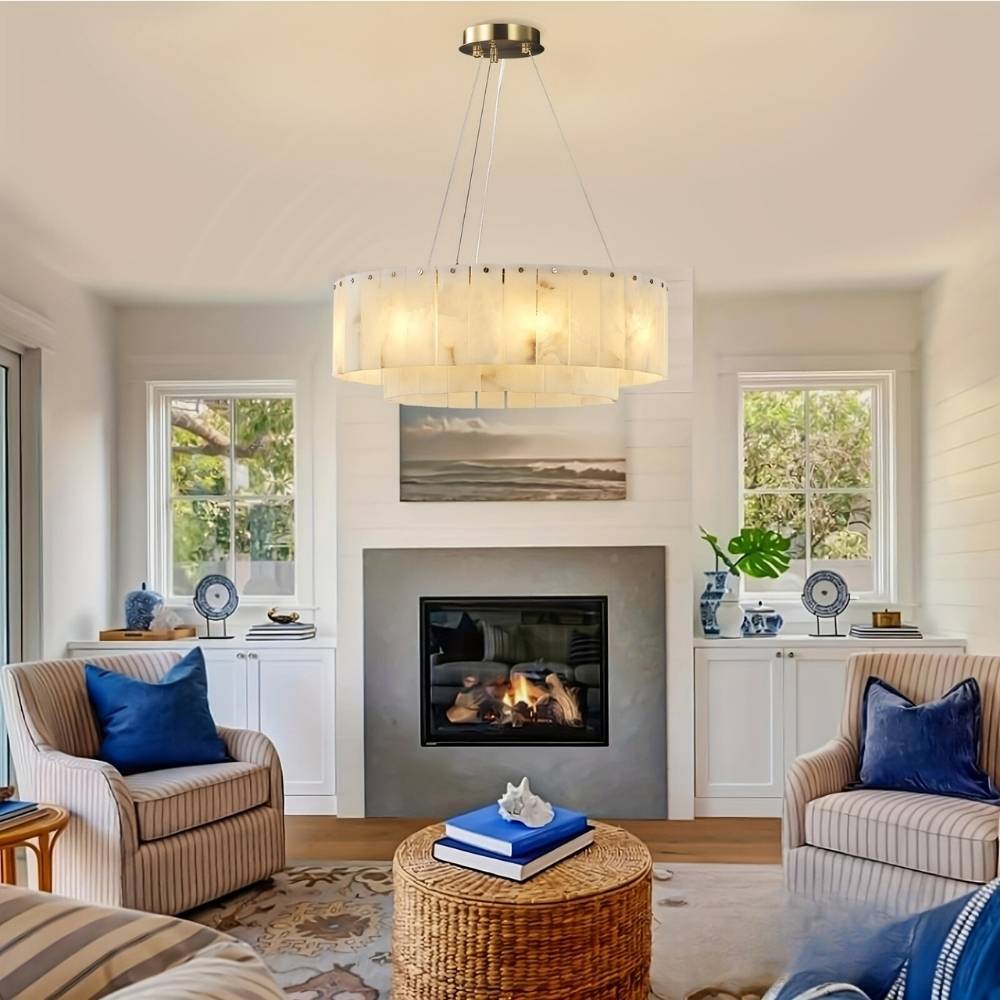
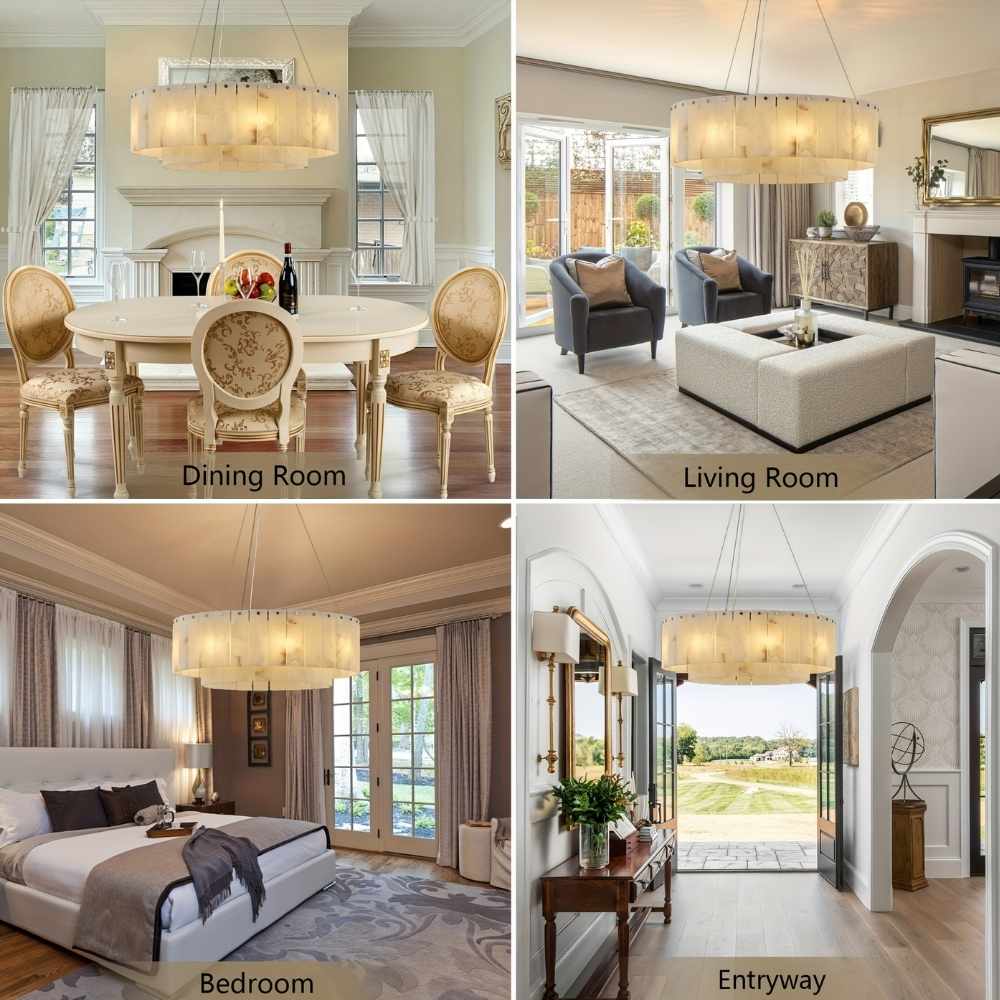
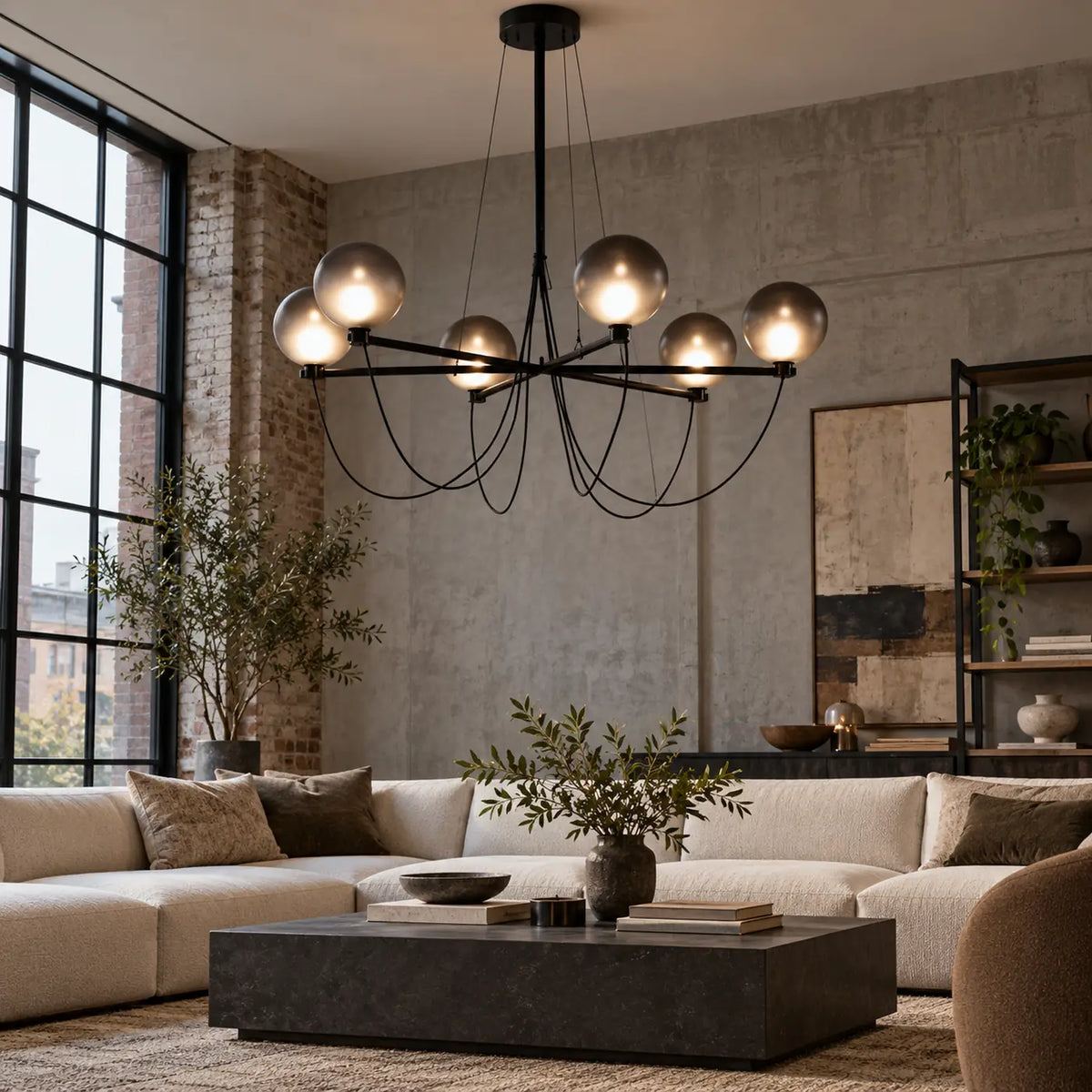
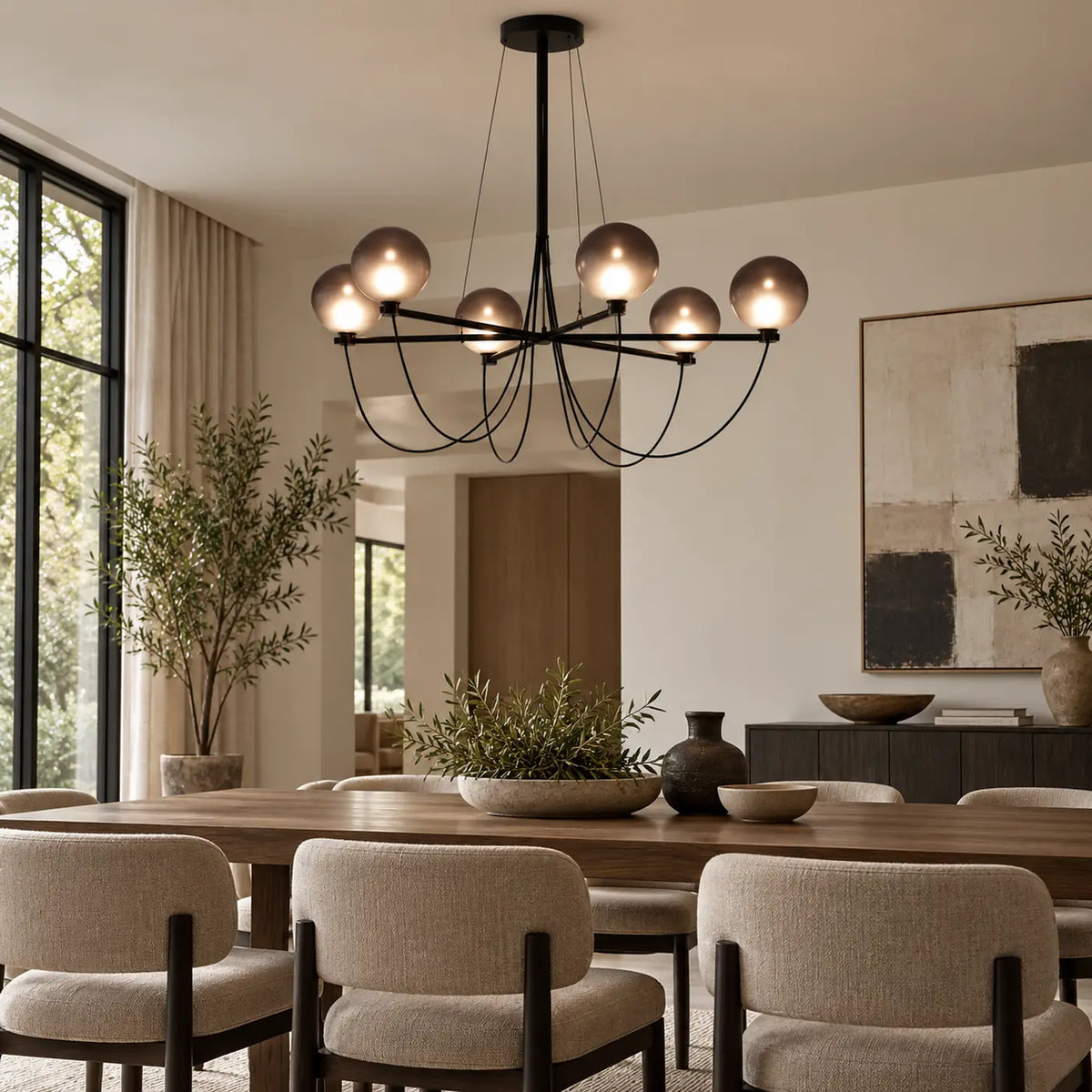
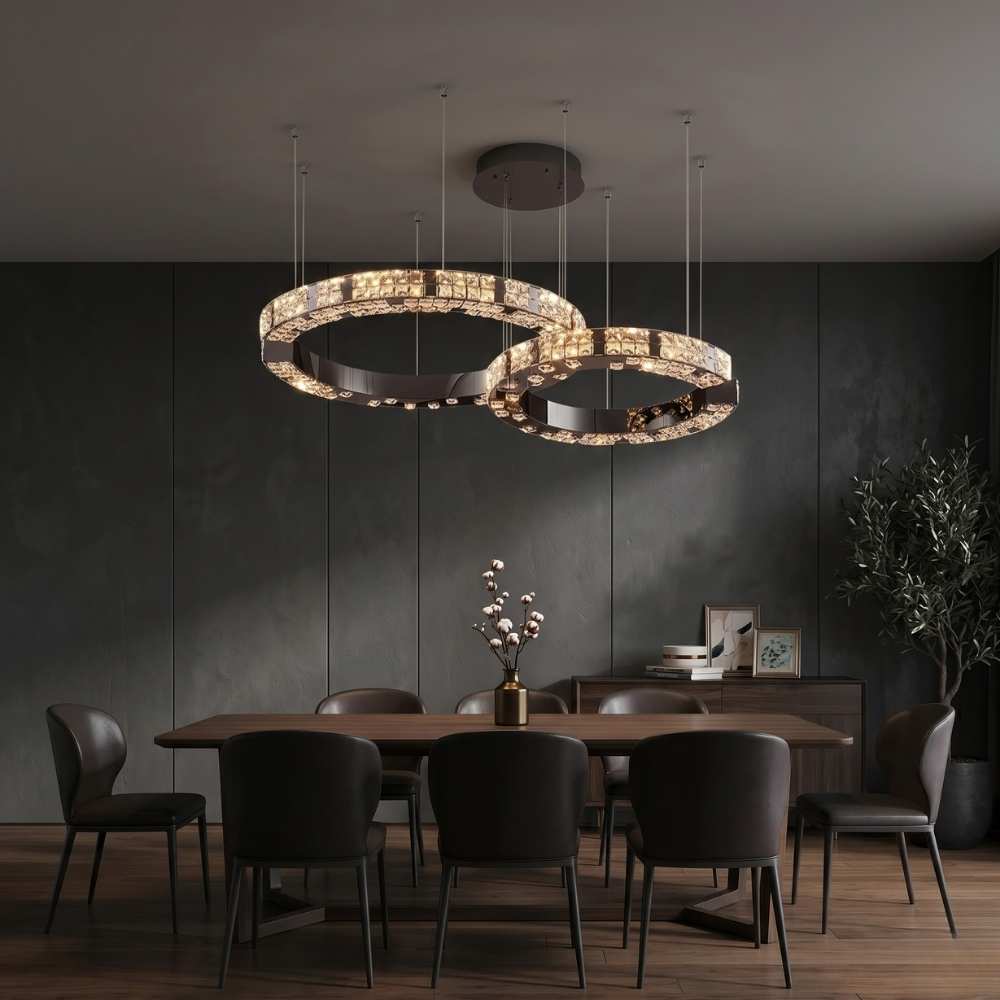
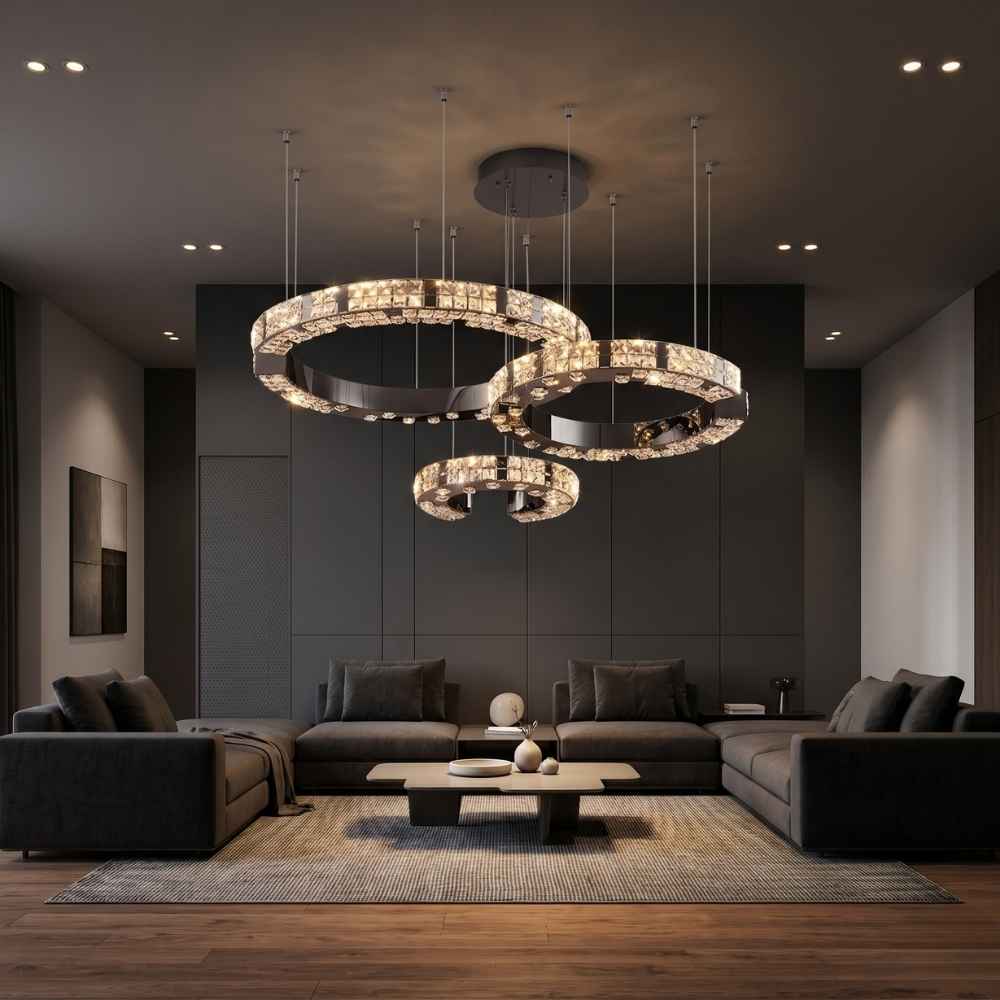
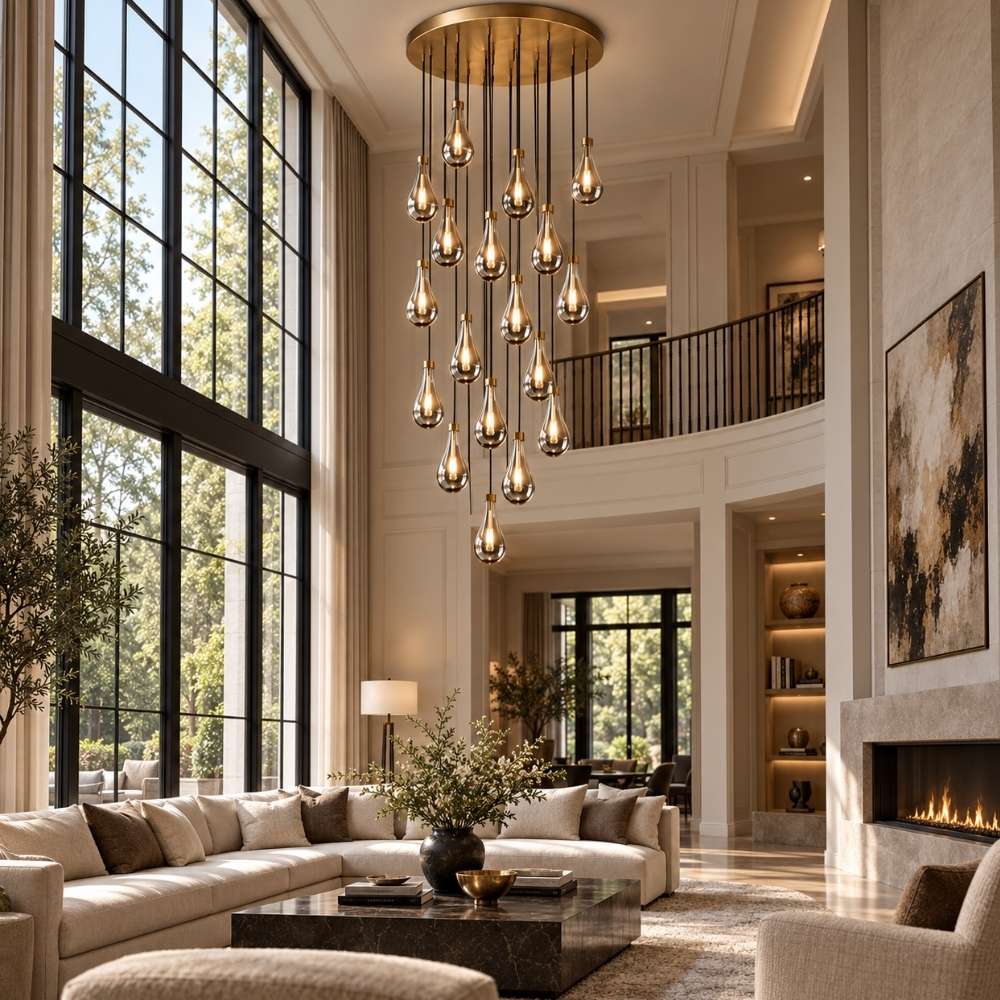
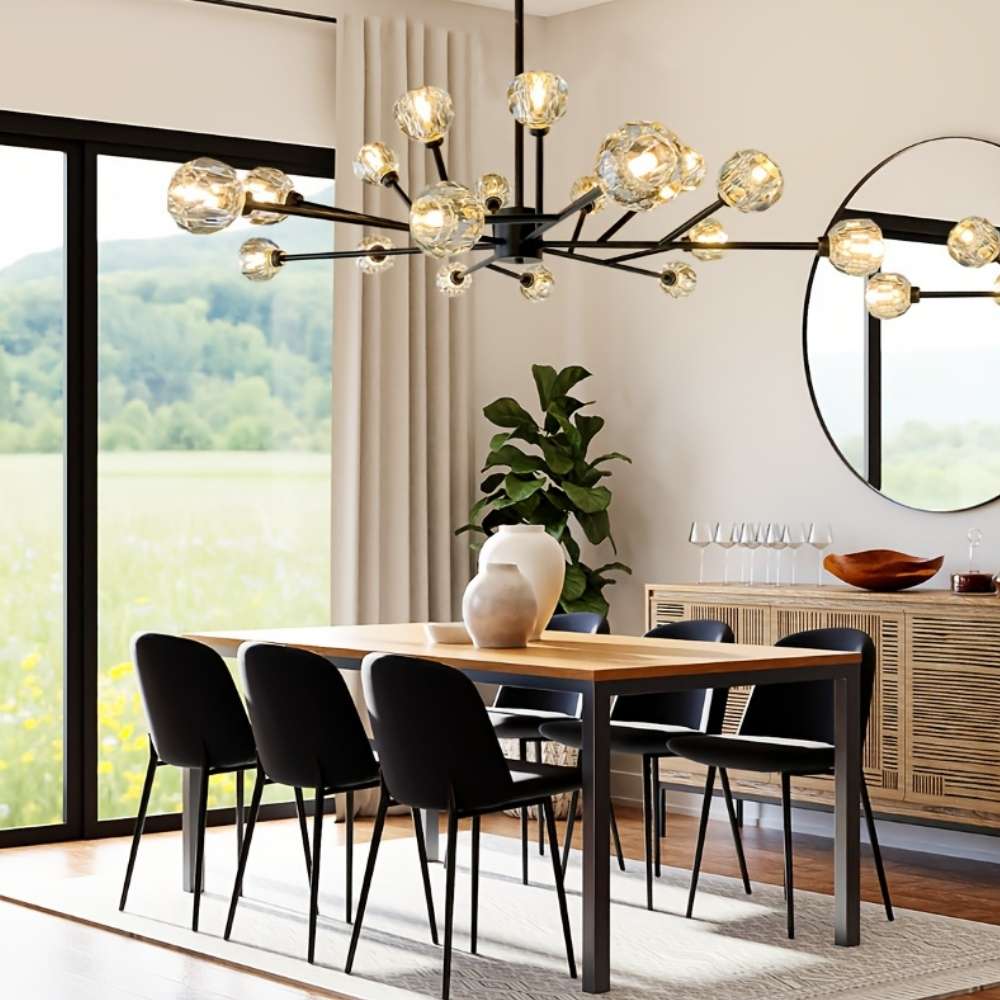
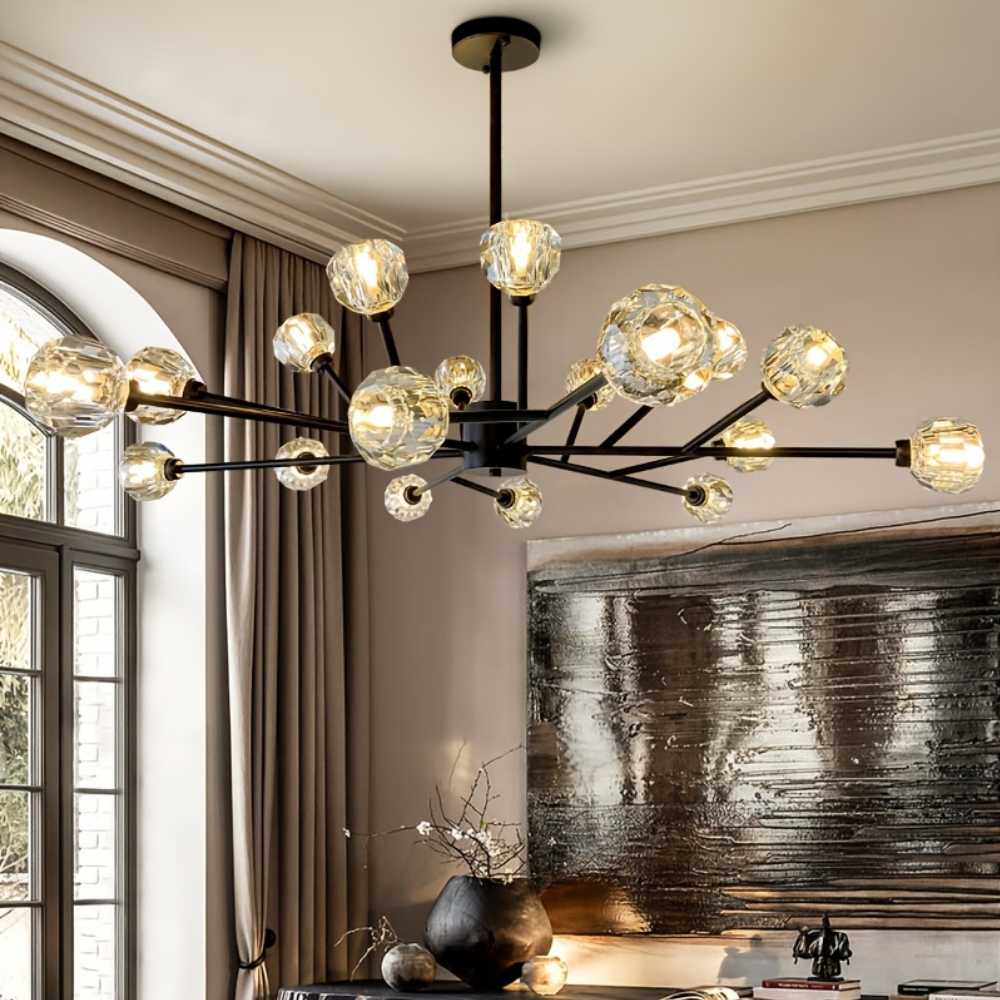
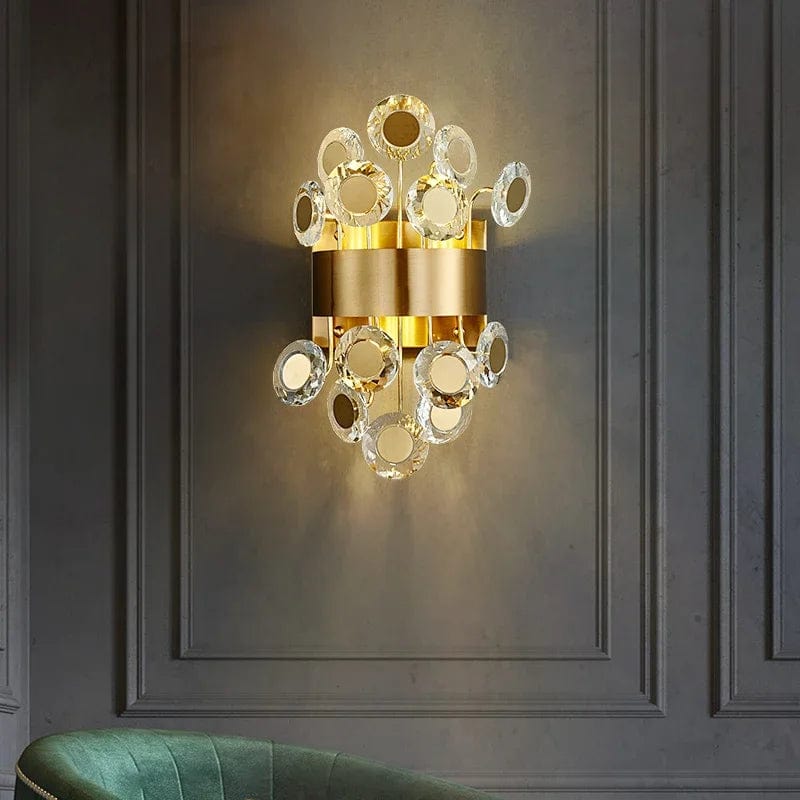
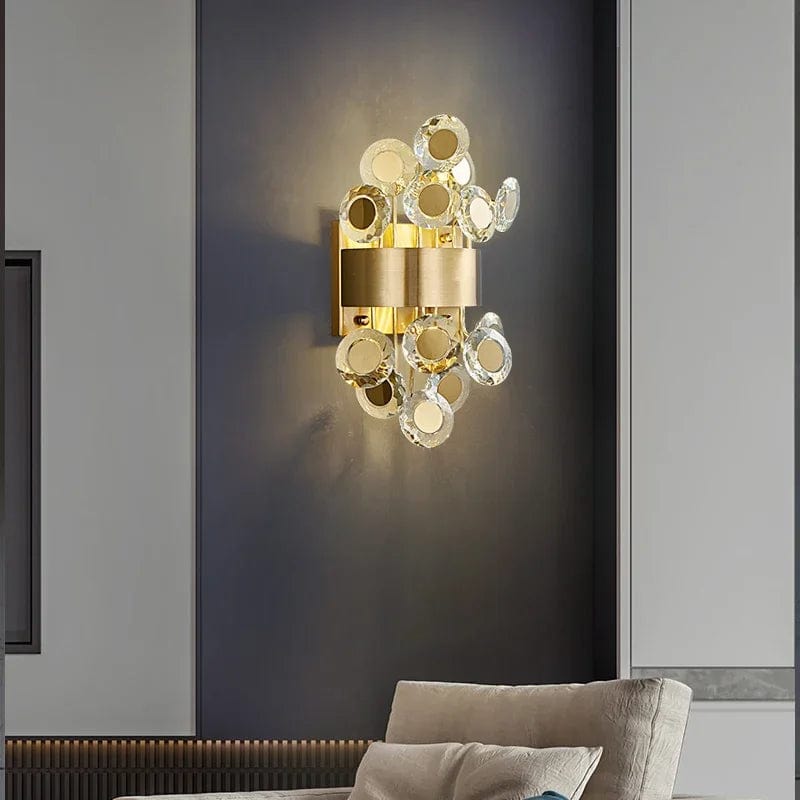
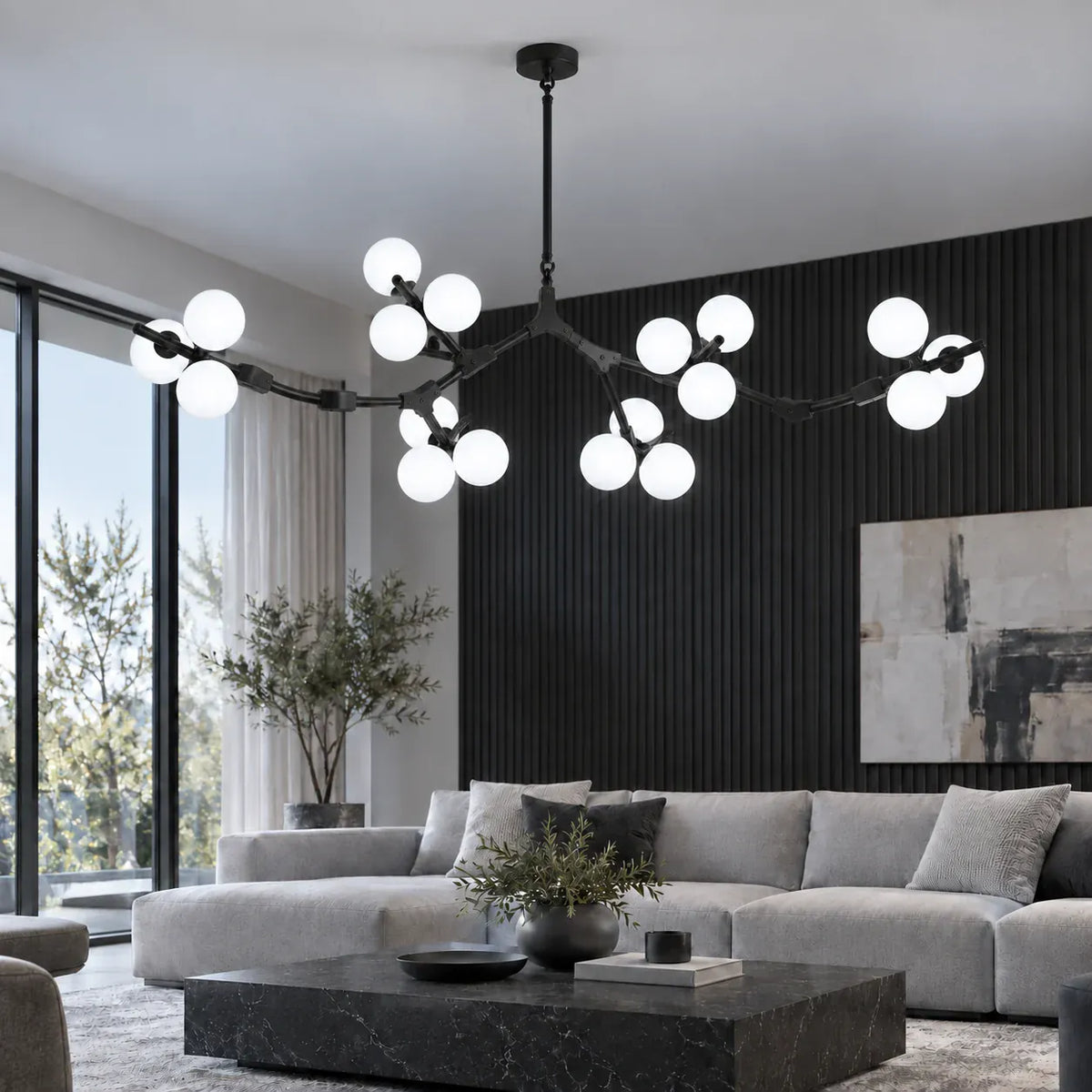
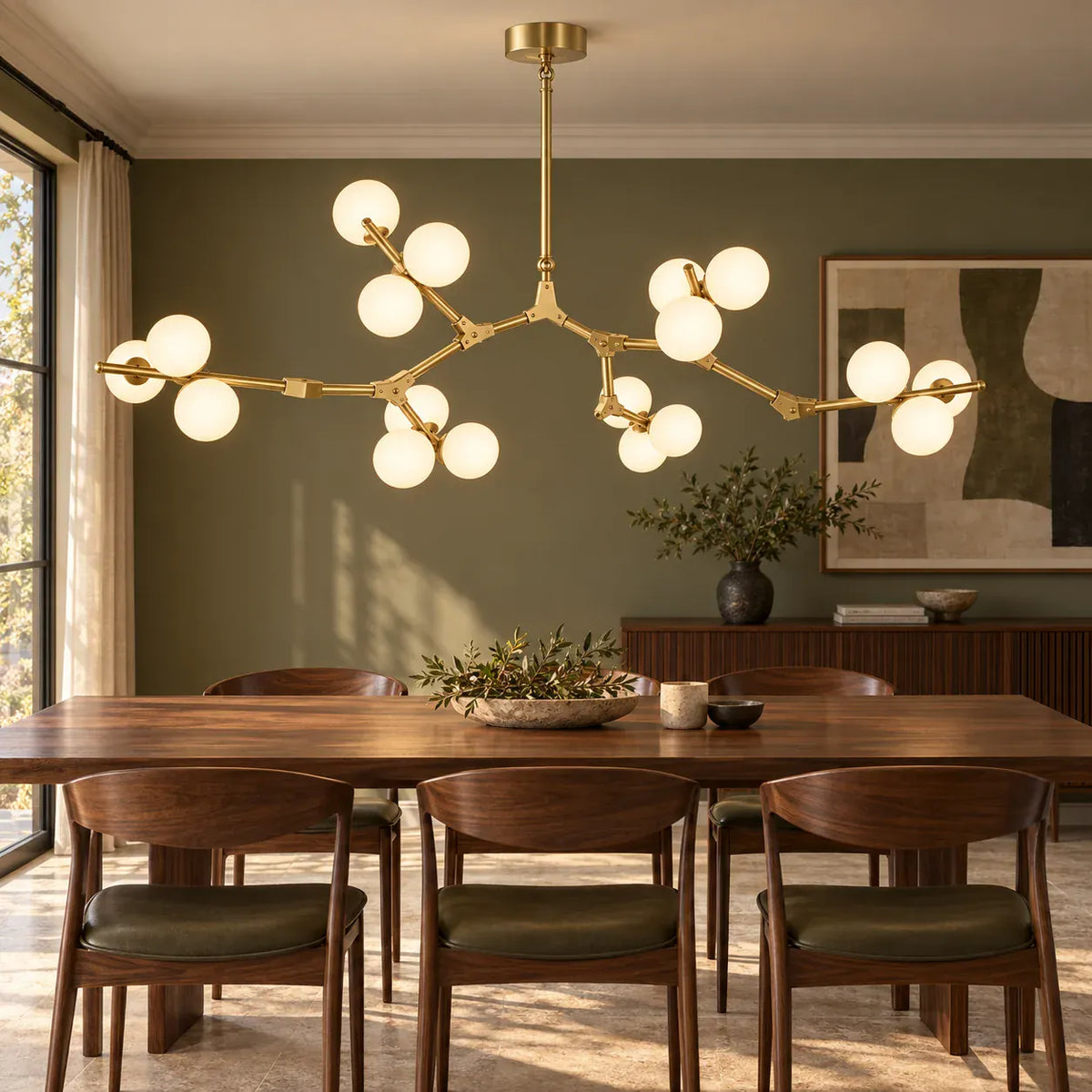
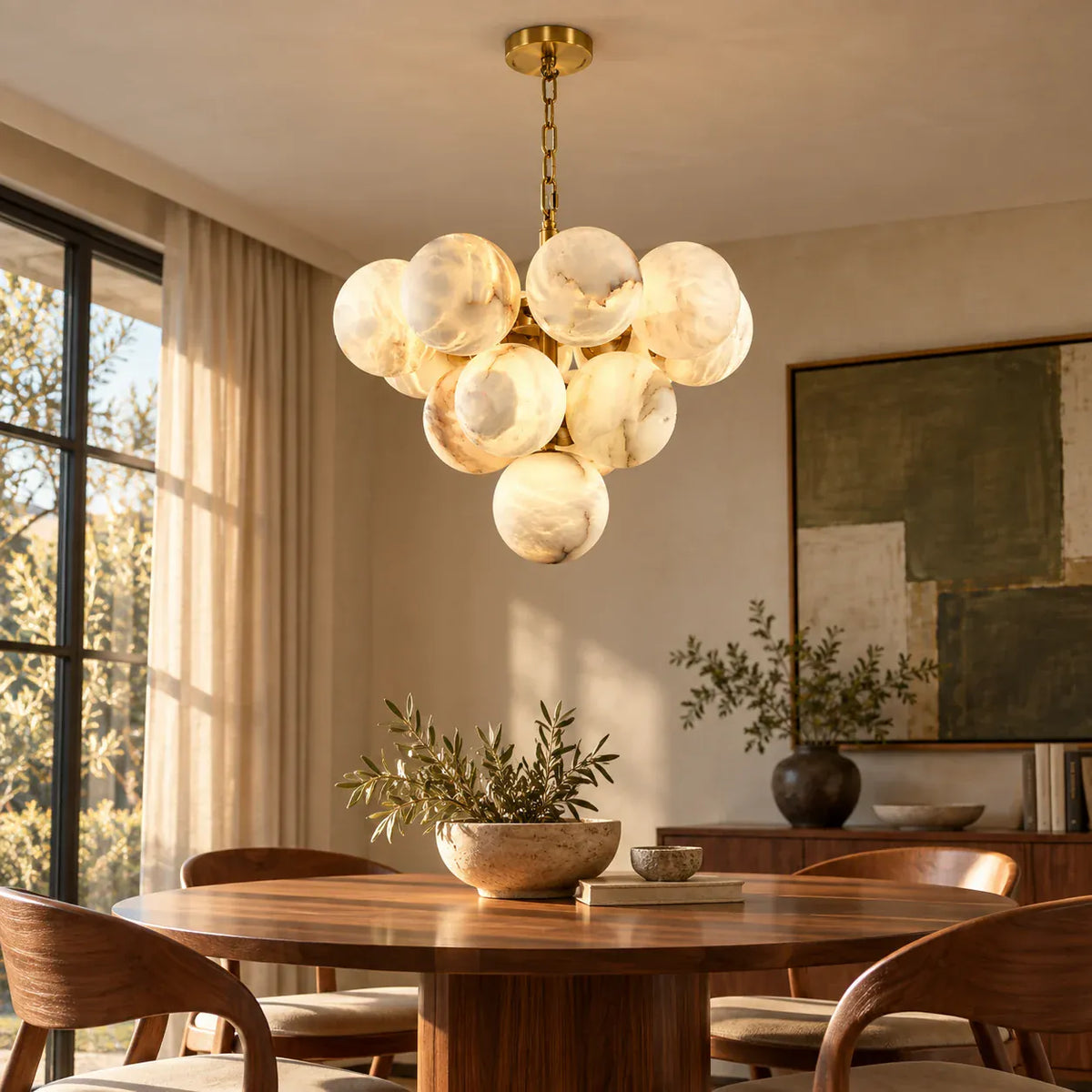
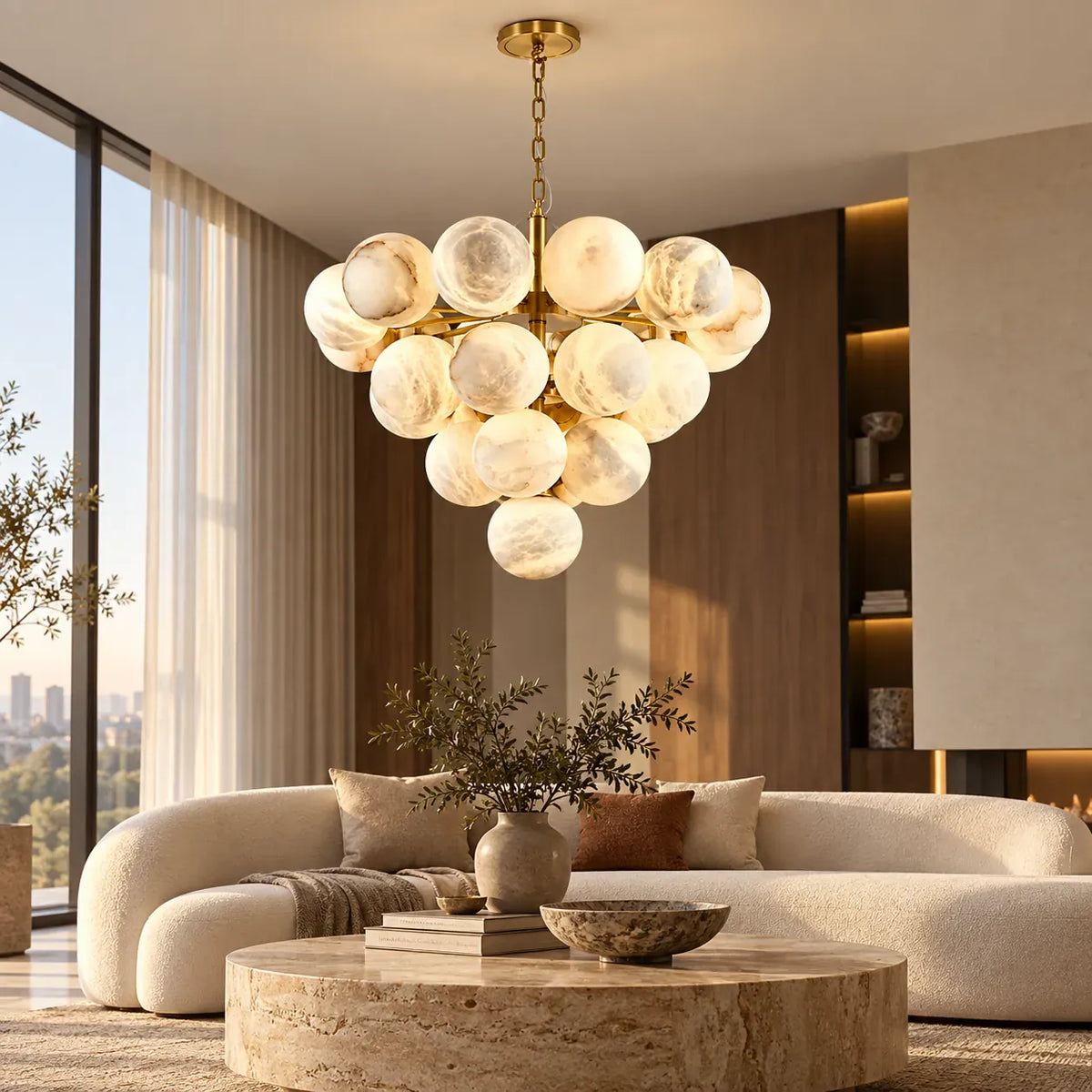
An office chandelier is not a contradiction; it is a filter. Three checks make one work over or near a desk. Diffusion: frosted glass, fabric-free shades, or indirect LED — never exposed bulbs at seated sightline, which sit in the eye's field for hours. Position: over the desk's front edge or the room's circulation zone, not directly behind the screen where it becomes a reflection. Restraint in motion: fixtures with heavy faceting throw moving sparkle that reads festive at dinner and distracting at a spreadsheet — smooth-surfaced designs hold the statement without the flicker. Pass those three, and a minimalist chandelier does for a workspace what it does for any room: gives it a center, a finish, and a reason to look up.
The Best Office Fixture, by How You Work
- Remote workers on daily video calls: the fixture's real job is your face — a diffused ceiling fixture slightly in front of the seating position, supported by soft light at camera height, beats any single overhead; avoid fixtures directly above the head, which shadow eyes on camera
- Long-hours screen work (developers, analysts, writers): glare control first — indirect or fully diffused designs, positioned out of the display's reflection path, at even output that removes the bright-fixture/dark-room contrast that drives eye strain
- Creative studios and client-facing spaces: the statement earns its keep — a sculptural or minimalist chandelier over the meeting table signals the work's standard before a word is said
- Small and shared home offices: a flush or semi-flush fixture keeps standard ceilings open, with a desk lamp carrying the task layer — the full small-room playbook is in our small space lighting guide
- Dual-use rooms (dining table doubling as workspace): one fixture, two registers — a dimmable design at neutral-warm 3000K runs bright and even for work hours, low and warm for dinner; the dimmer is the whole solution
Color Temperature for Work: The 3000-4000K Question
Commercial offices run cooler white (4000K+) for alertness; homes run warm (2700-3000K) for comfort — and a home office sits exactly on the fence. The working answer: 3000-3500K as the fixture's band, bright during work hours, warmer and lower after. Two specs matter alongside the temperature: CRI 90+ so documents, materials, and your own face on camera read true, and flicker-free dimmable drivers — cheap LED flicker is invisible to the eye and visible to cameras and headaches alike. Fixtures with switchable white tones (3000K/3500K/4000K) solve the fence-sitting entirely, and the deeper science of temperature and focus is in our psychology of light guide.
Fixture Types Across the Workspace
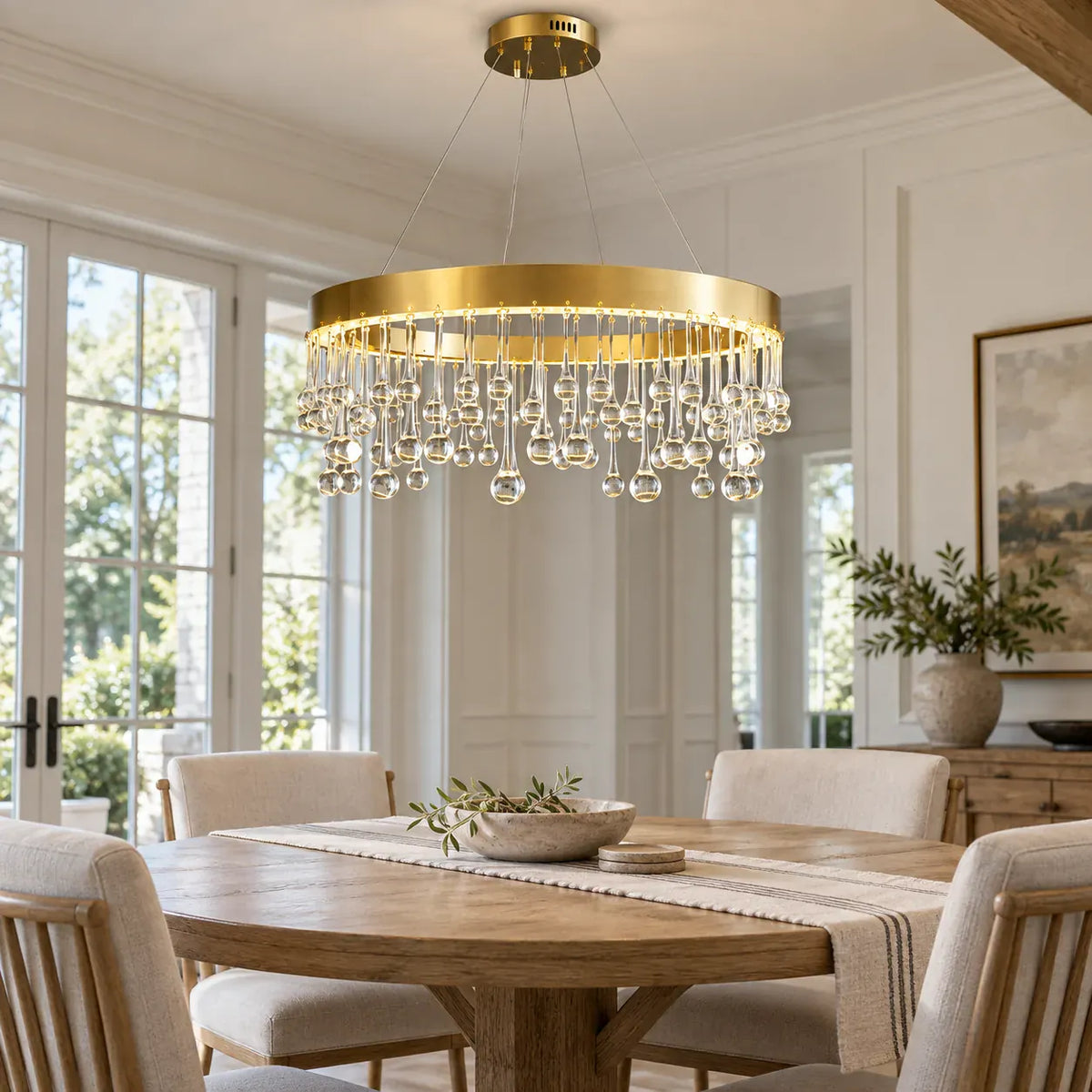
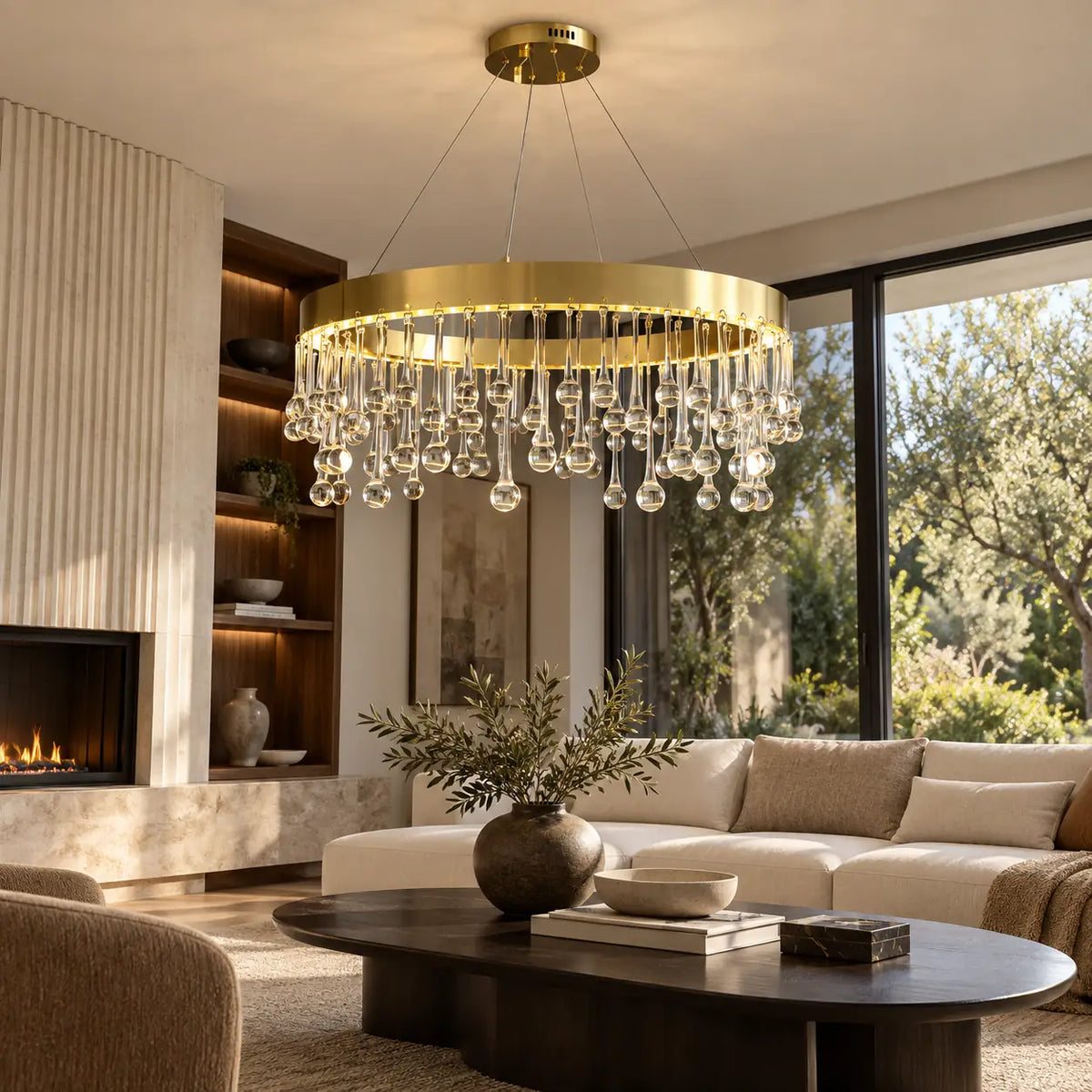
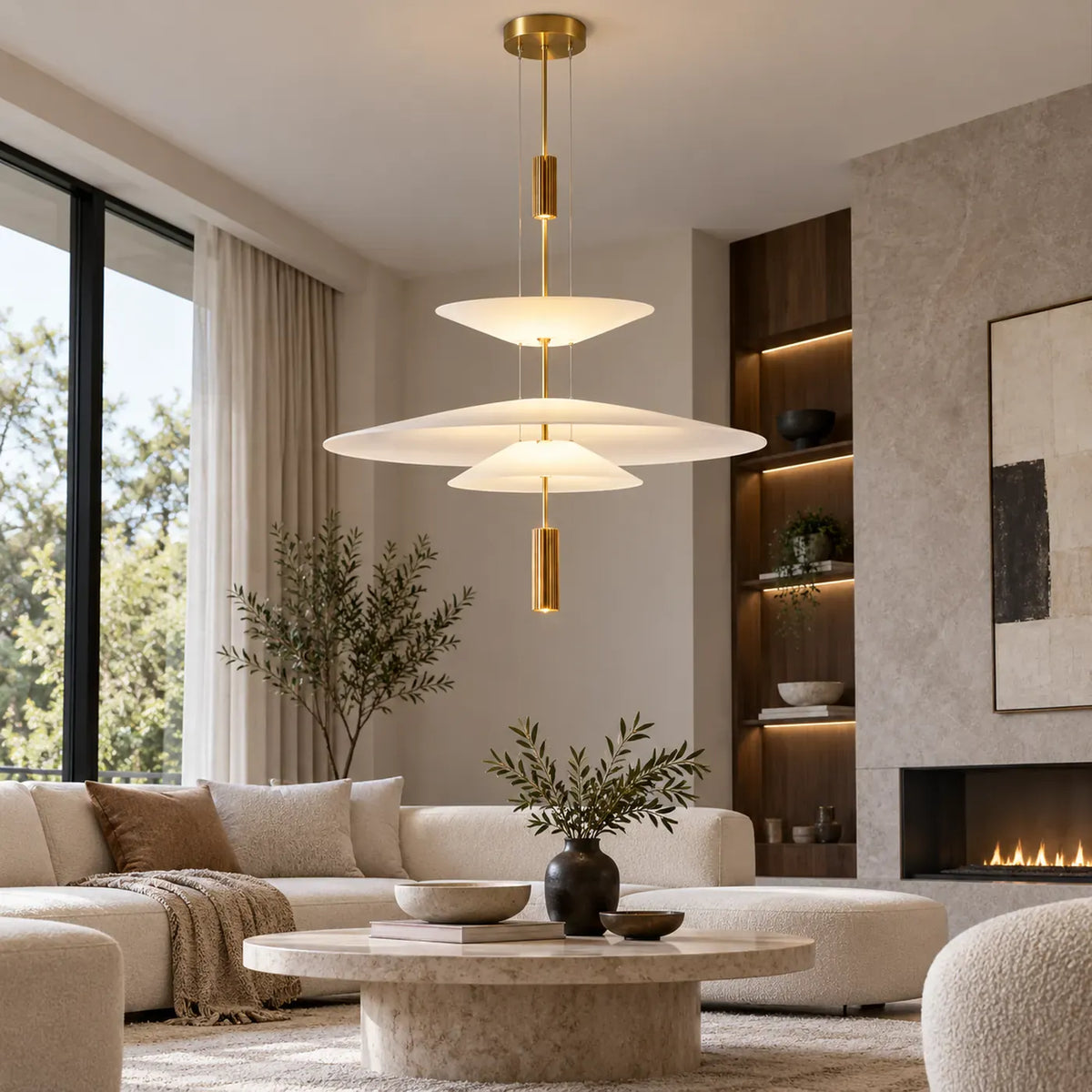
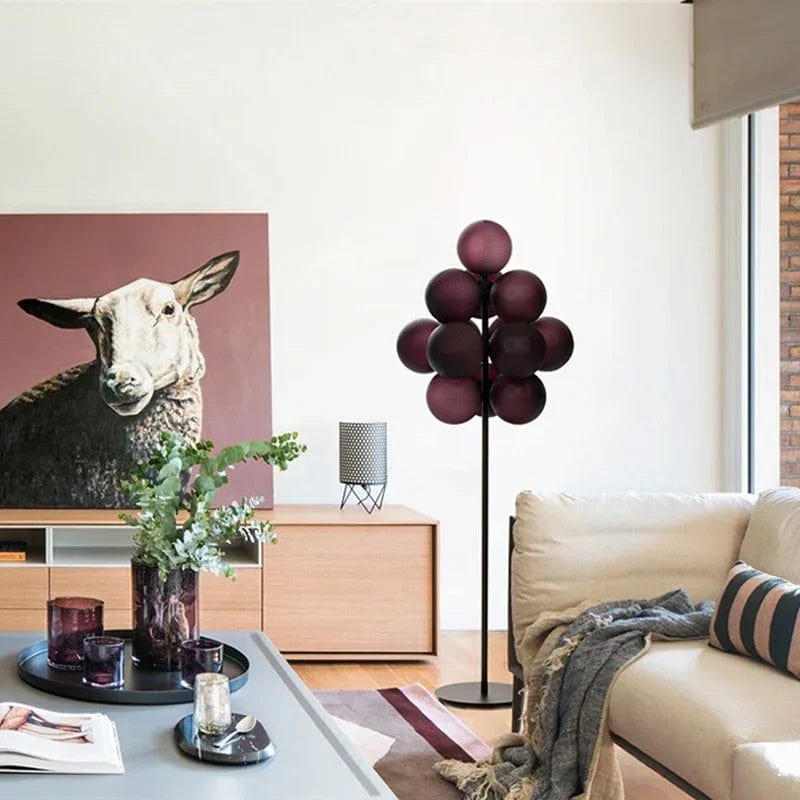
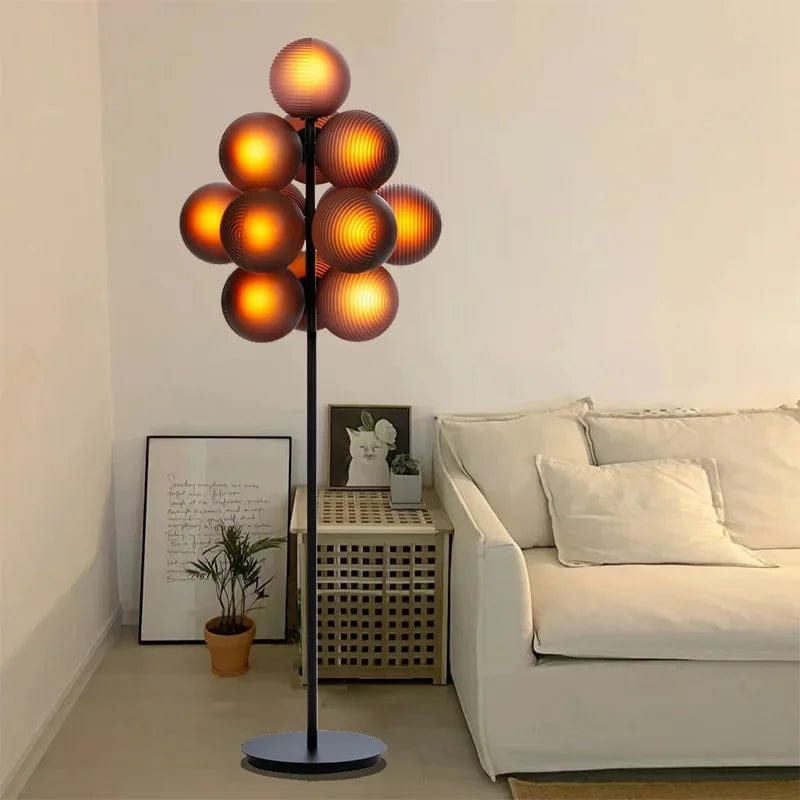
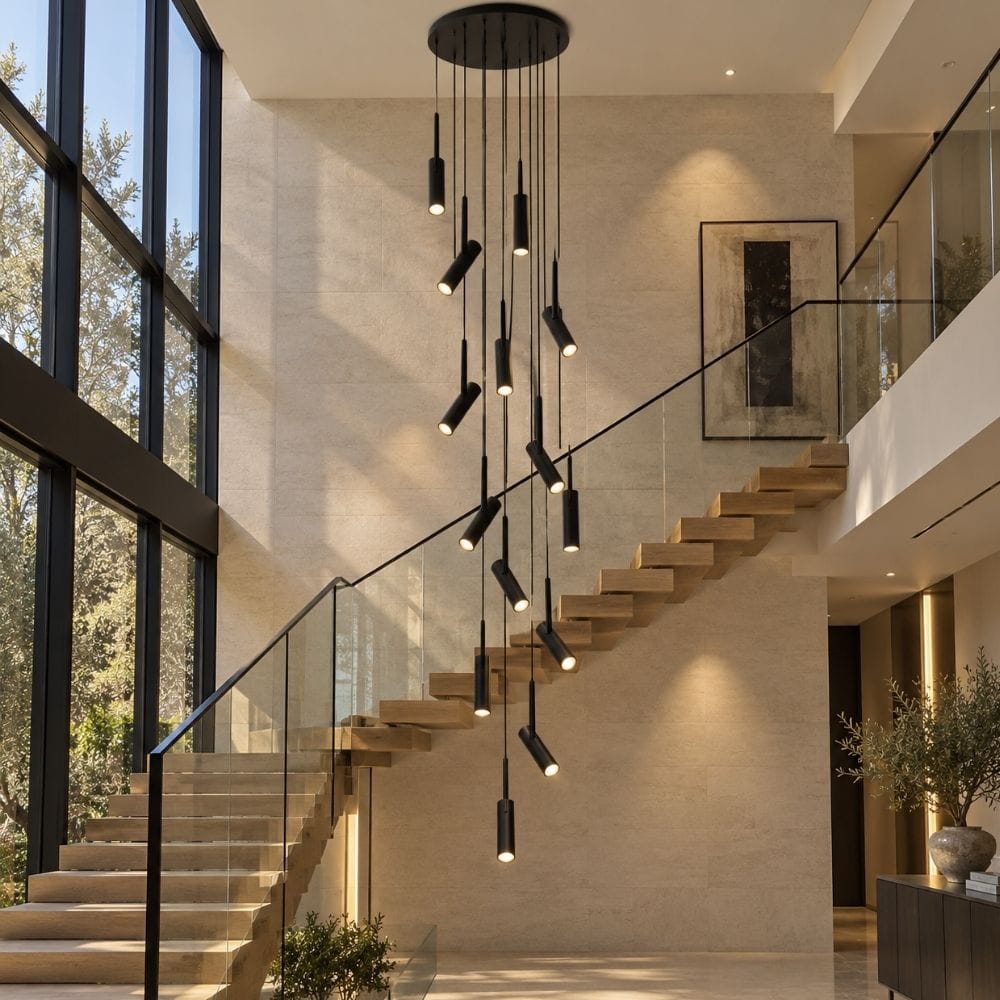
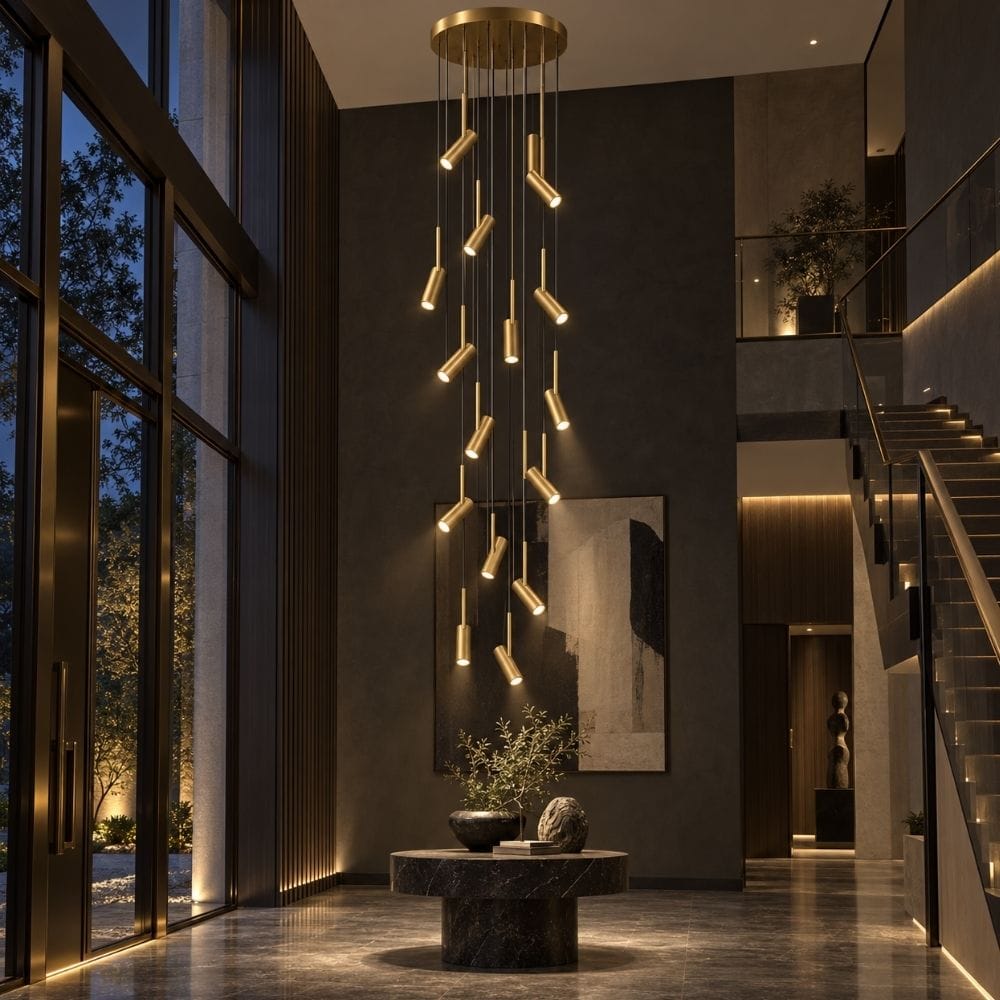
- Minimalist and contemporary chandeliers: the room's anchor over desks and meeting zones — clean modern geometry, diffused output, statement without spectacle
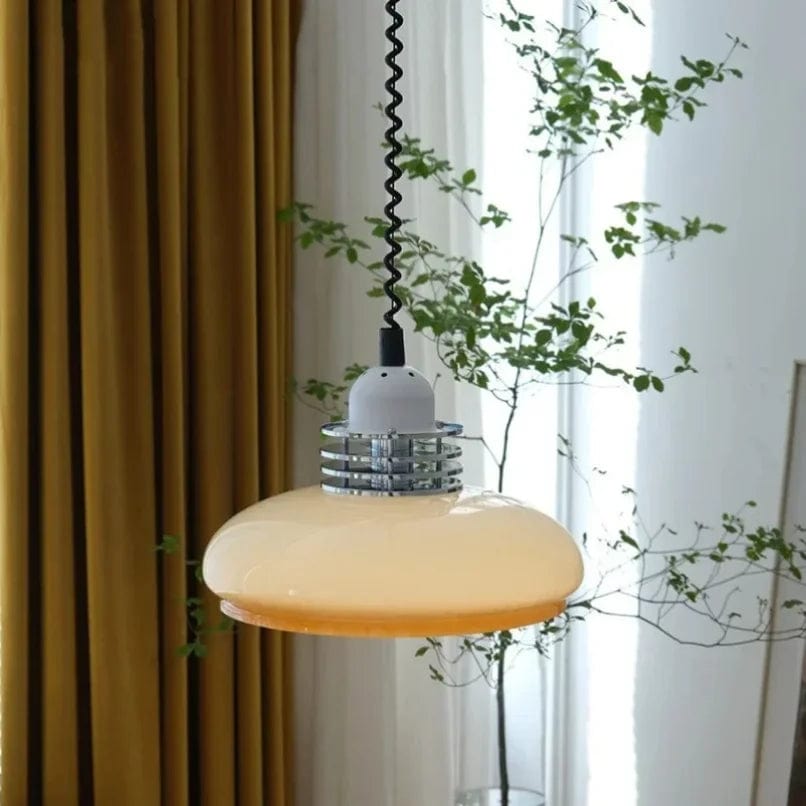
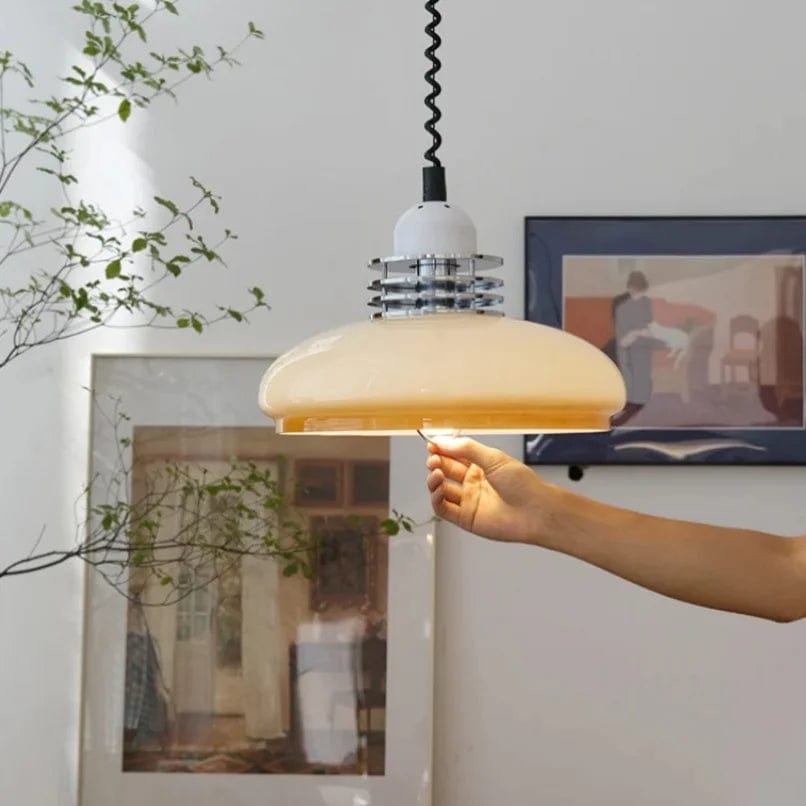
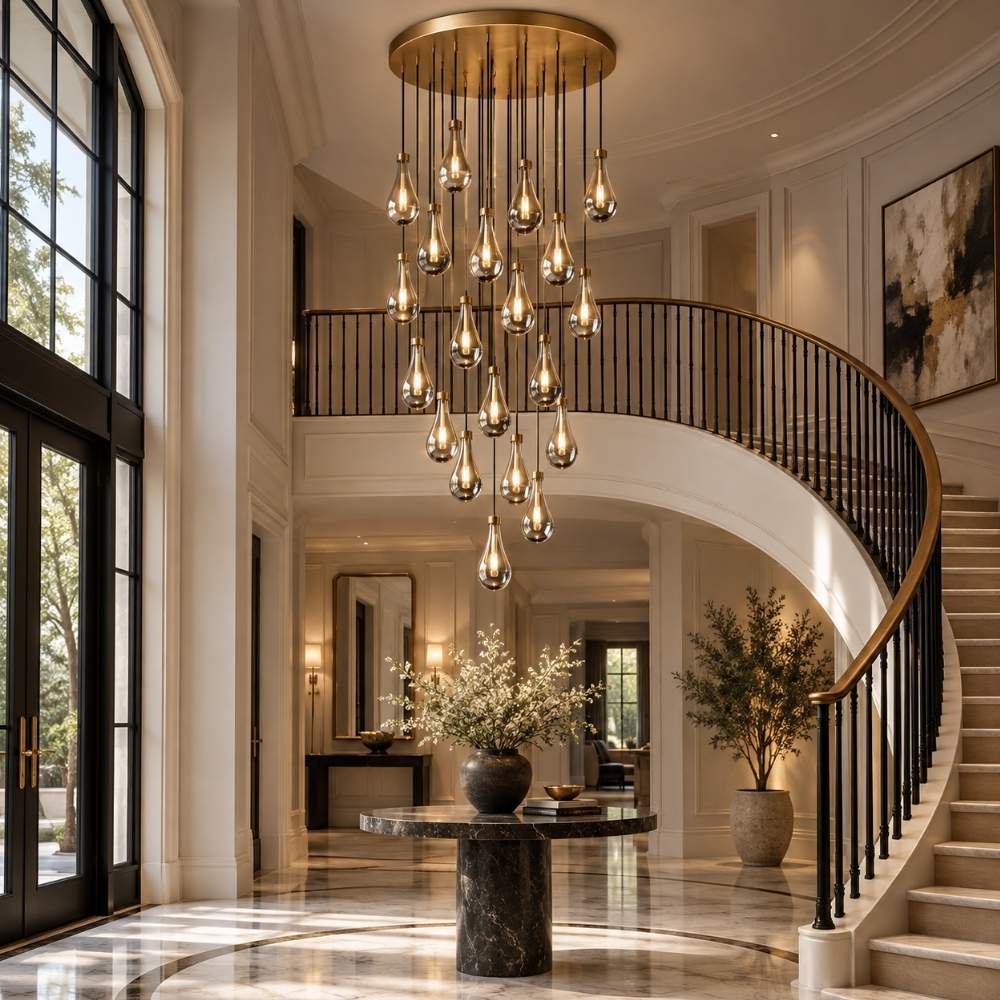
- Pendants and pendant runs: single designs over a desk, matched series over long shared work surfaces — spacing rules with the pendant lights collection
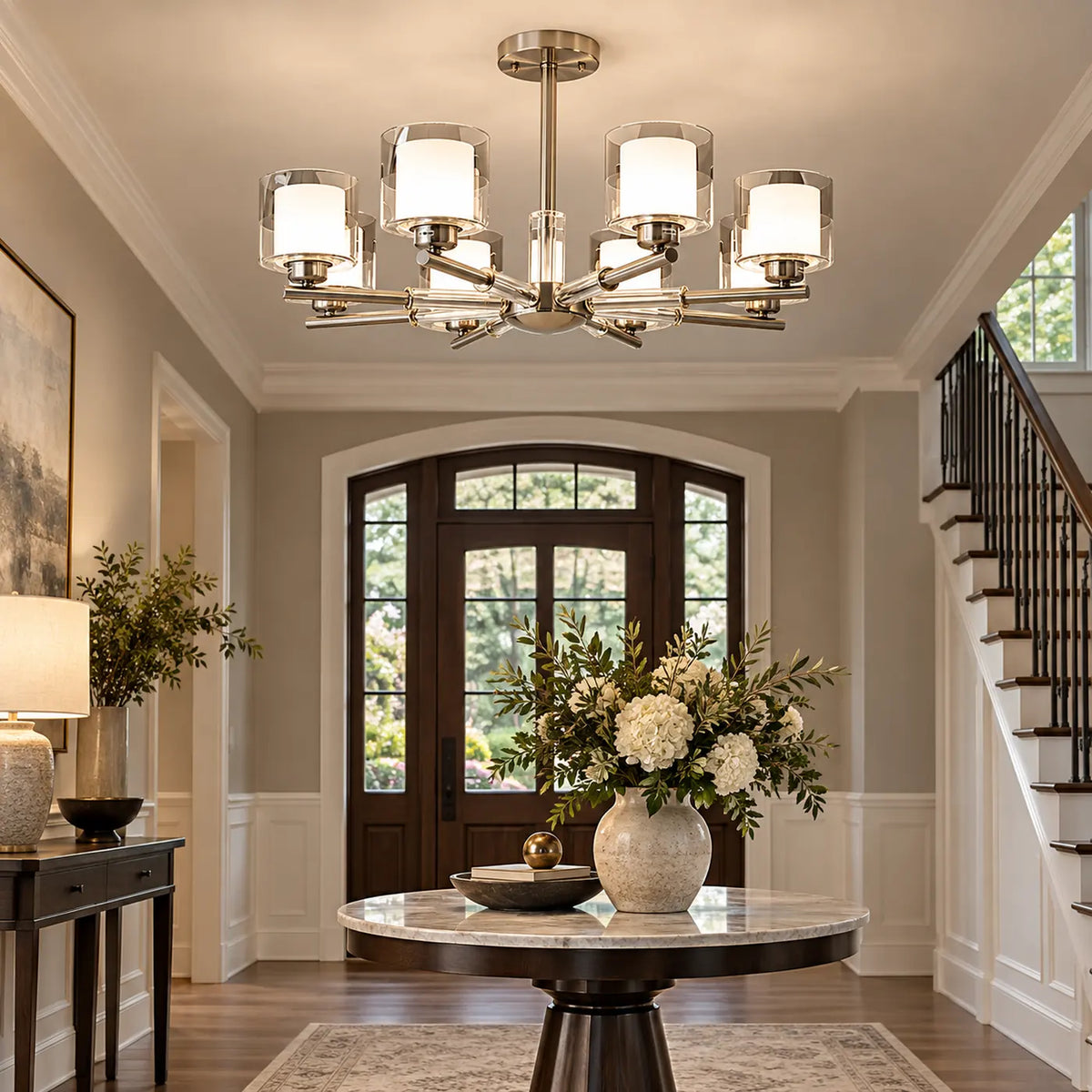
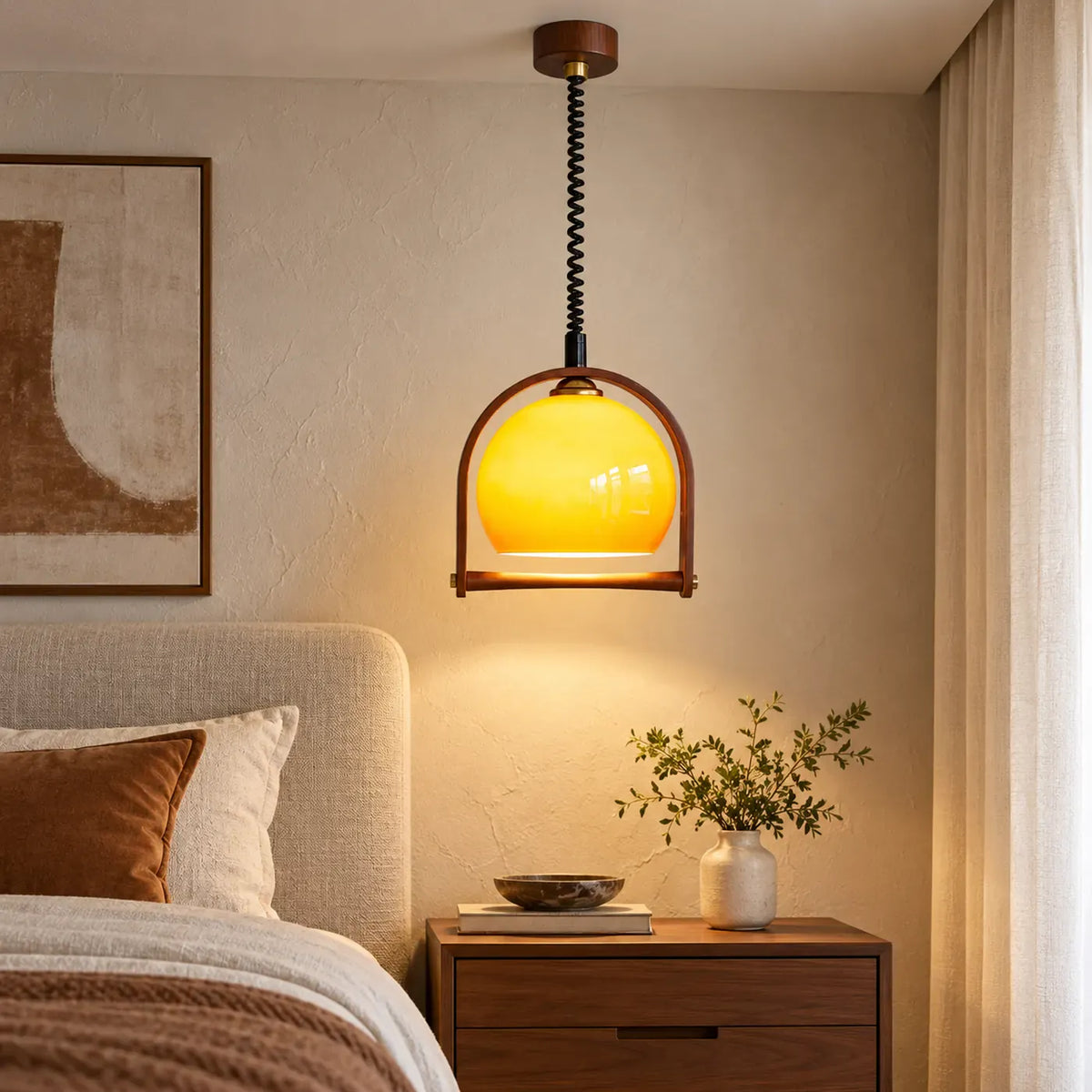
- Flush and semi-flush: the standard-ceiling solution, clearing sightlines and door swings in compact rooms — the range lives in the flush mount chandeliers collection
- Integrated LED: the category's natural technology — even panels and rings, long lifespans matched to all-day duty, and dimming that follows the workday; minimalist LED direction continues in our minimalist LED guide
Placing the Fixture Around a Desk and Screen
- The reflection test: sit at the working position, look at the dark screen — any fixture visible in the panel needs to move (or the desk does)
- Over-desk height: pendants and chandeliers above a desk hang 30-36" (76-91 cm) over the surface, like a table; in walking zones, 84" (213 cm) clearance holds
- Light from the side or front: the fixture's center belongs over the desk's front half or beside it — light arriving from behind the monitor silhouettes the screen and the video-call face alike
- Layer with a task lamp: the ceiling fixture sets the room's base; a desk lamp handles documents — asking one fixture to do both produces glare at the top and shadows at the page
Related Collections
Build the room across the pendant lights collection for desk and run placements, the flush mount chandeliers for standard ceilings, and the full chandelier catalog when the workspace shares an open plan with the living areas.
Frequently Asked Questions
What is the best chandelier for a home office?
A diffused, minimalist design — frosted glass, shaded, or indirect LED — positioned over the desk's front edge or the room's open zone, out of the screen's reflection path, at 3000-3500K with CRI 90+ and a flicker-free dimmer. Smooth surfaces beat heavy faceting for all-day screen work.
Can you put a chandelier in an office?
Yes — pass three checks: diffused output (no exposed bulbs at seated sightline), placement outside the display's reflection path, and smooth surfaces that skip the moving sparkle. A minimalist chandelier then anchors a workspace the way it anchors any room.
What lighting is best for video calls?
Light your face, not your ceiling: a diffused fixture slightly in front of the seating position, supported by soft light near camera height, with nothing bright directly overhead (it shadows the eyes) or behind you (it silhouettes you). Flicker-free drivers matter — cameras see flicker eyes miss.
What color temperature should office lighting be?
3000-3500K bridges home comfort and work alertness — run it bright during work hours and dimmed warmer after. Switchable-white fixtures (3000/3500/4000K) cover every preference in one design.
How do I stop my light reflecting on the screen?
Run the reflection test: sit at the working position and look at the dark panel — any fixture visible there must move out of the reflection path, or choose an indirect design that washes the ceiling instead of pointing down.
What fixture suits a small home office?
A flush or semi-flush design keeps a standard ceiling open, paired with a desk lamp for the task layer — the ceiling fixture sets the base, the lamp does the close work.