



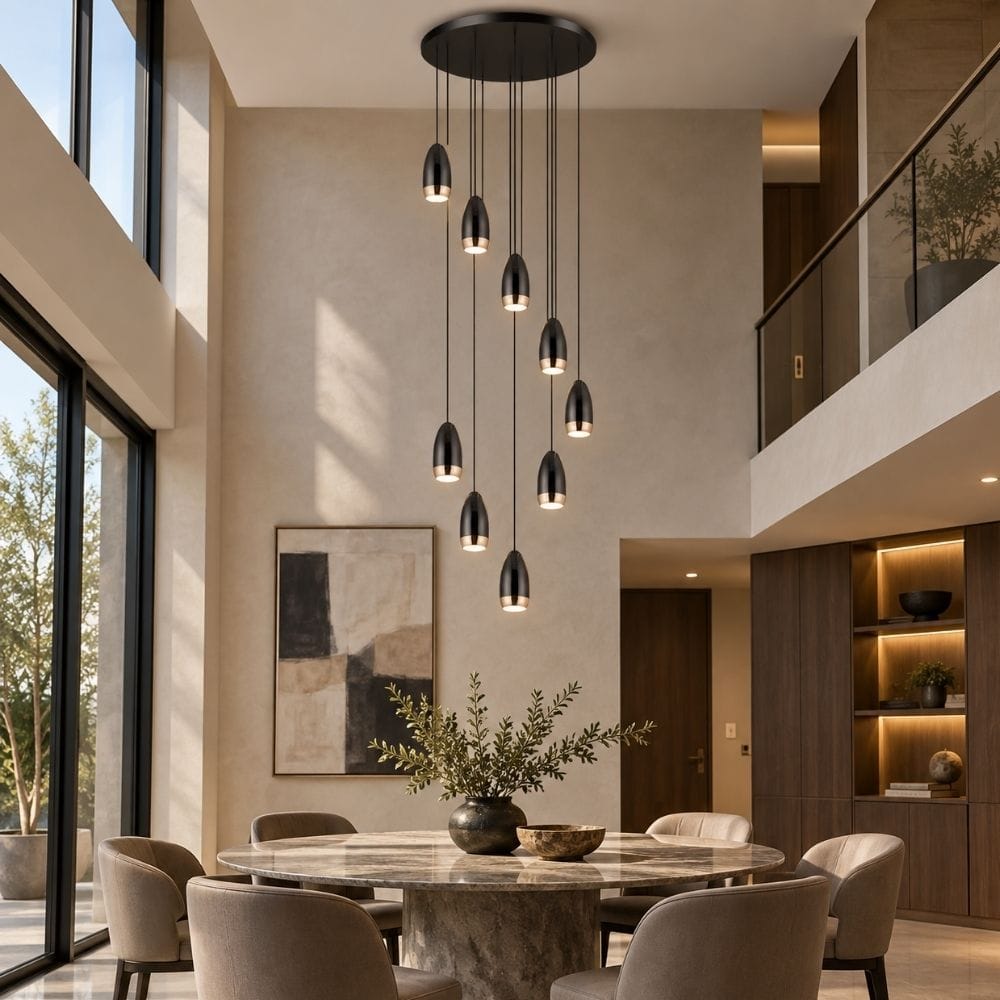

Why Branch Design Works as Ceiling Sculpture
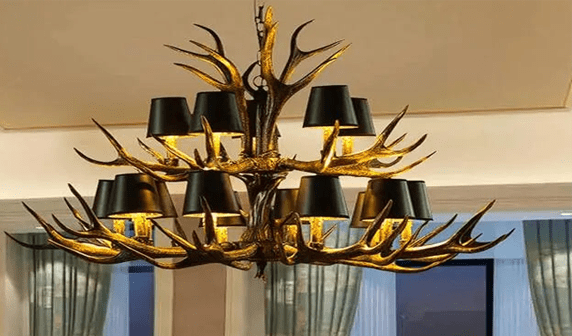
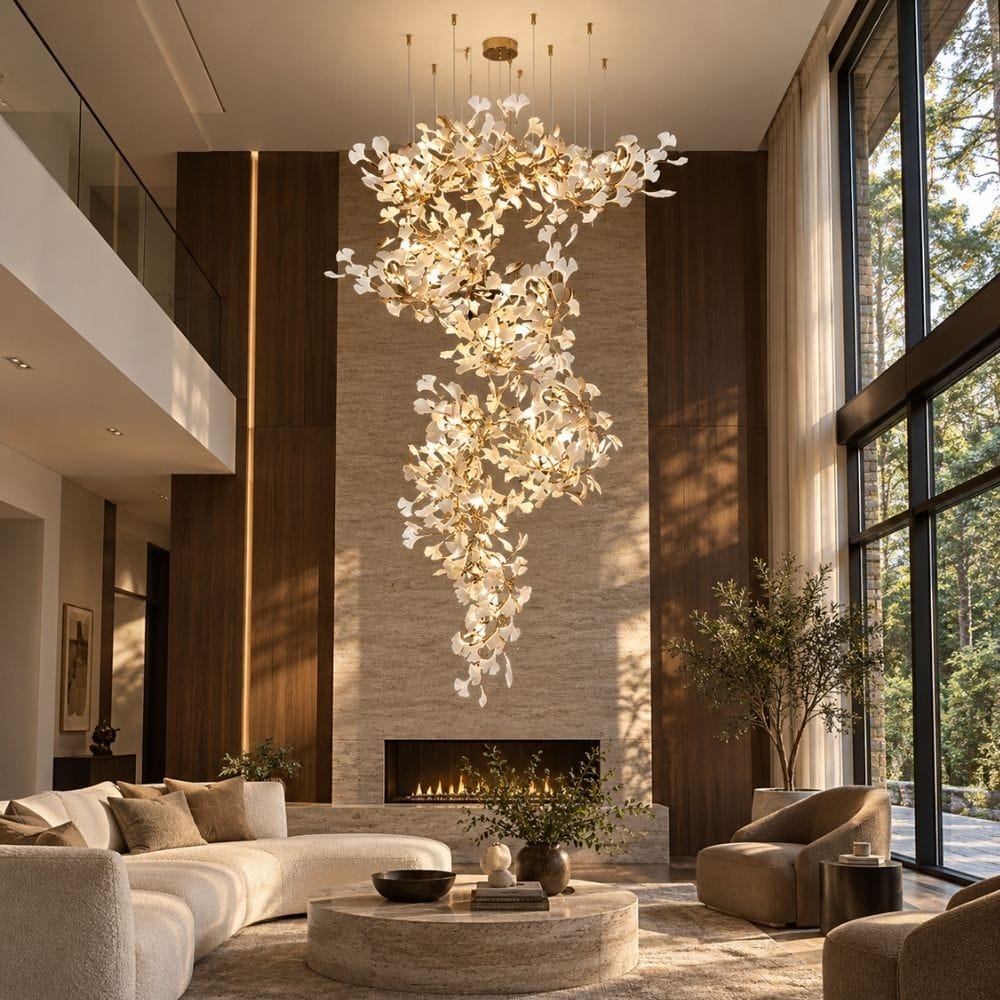
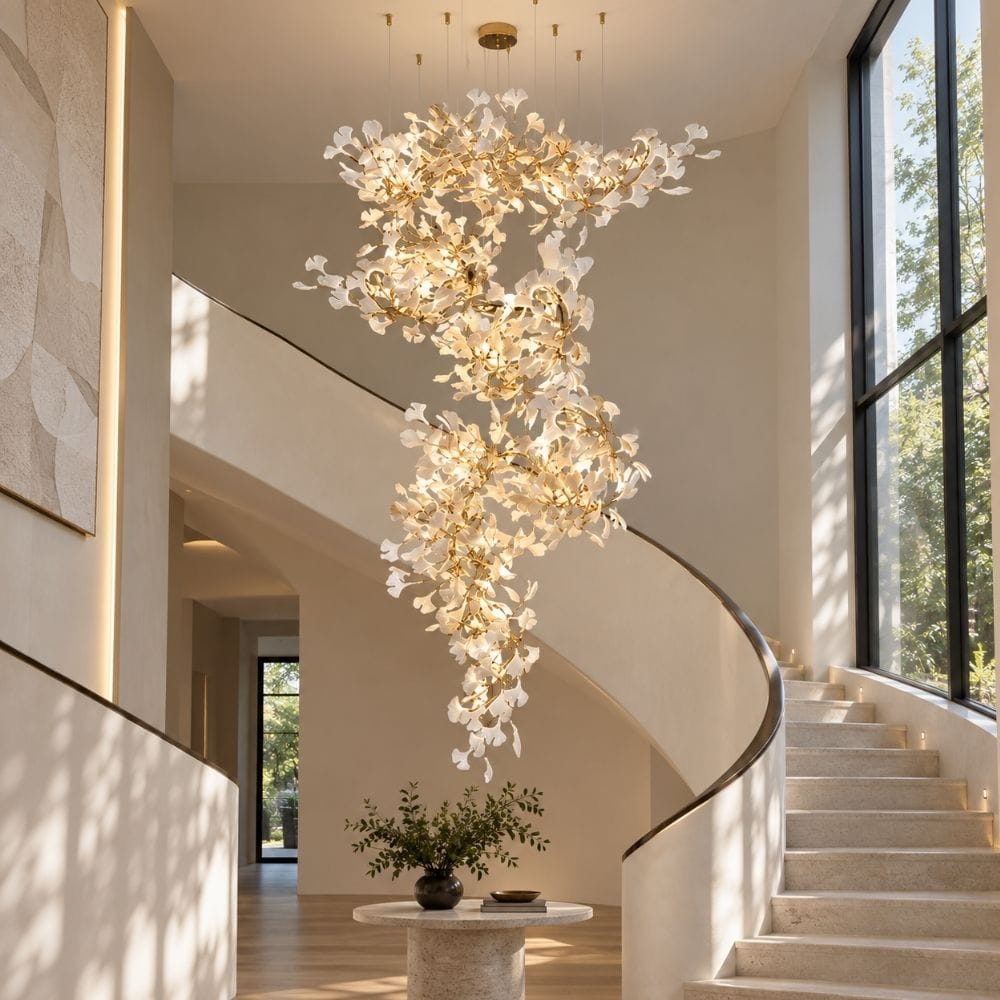
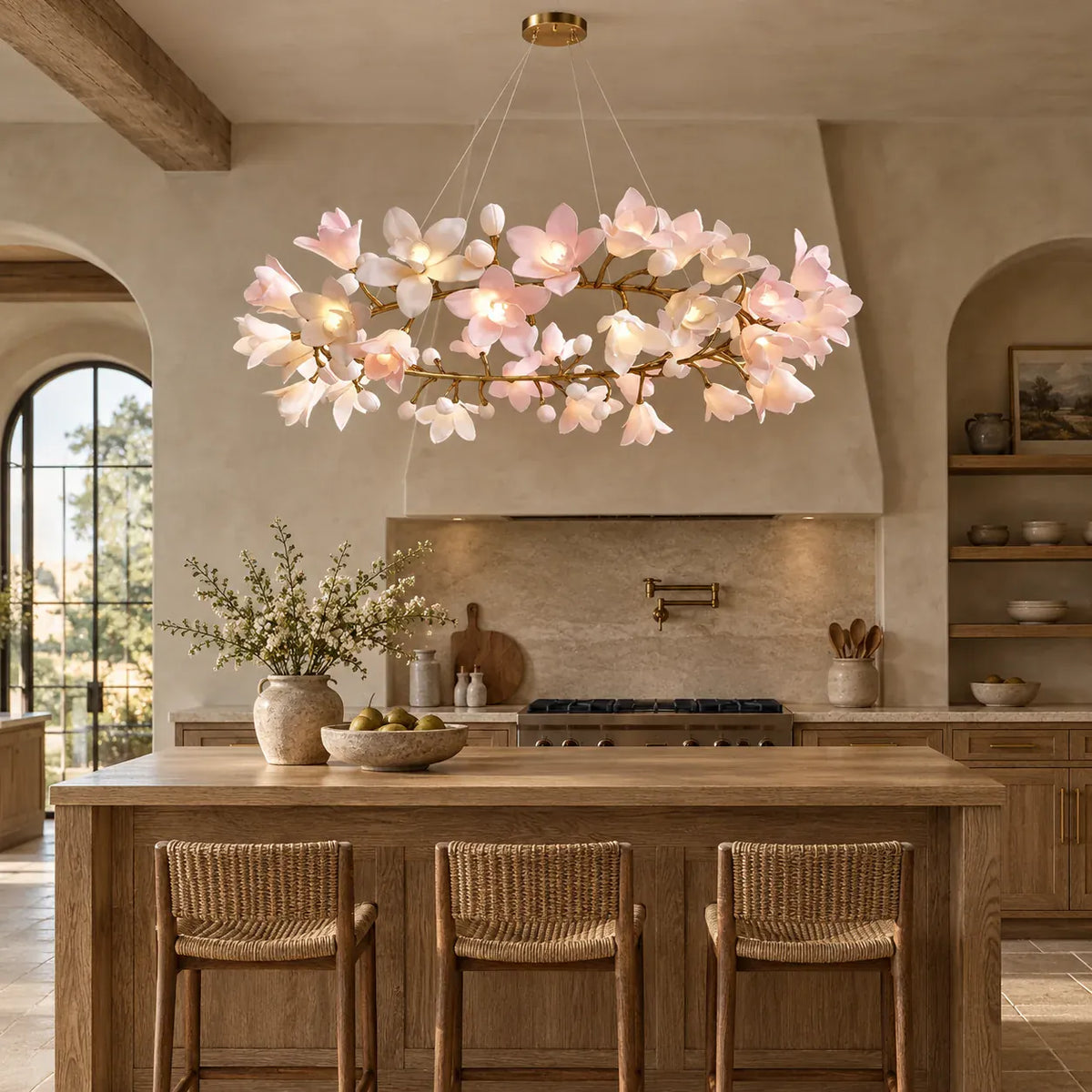
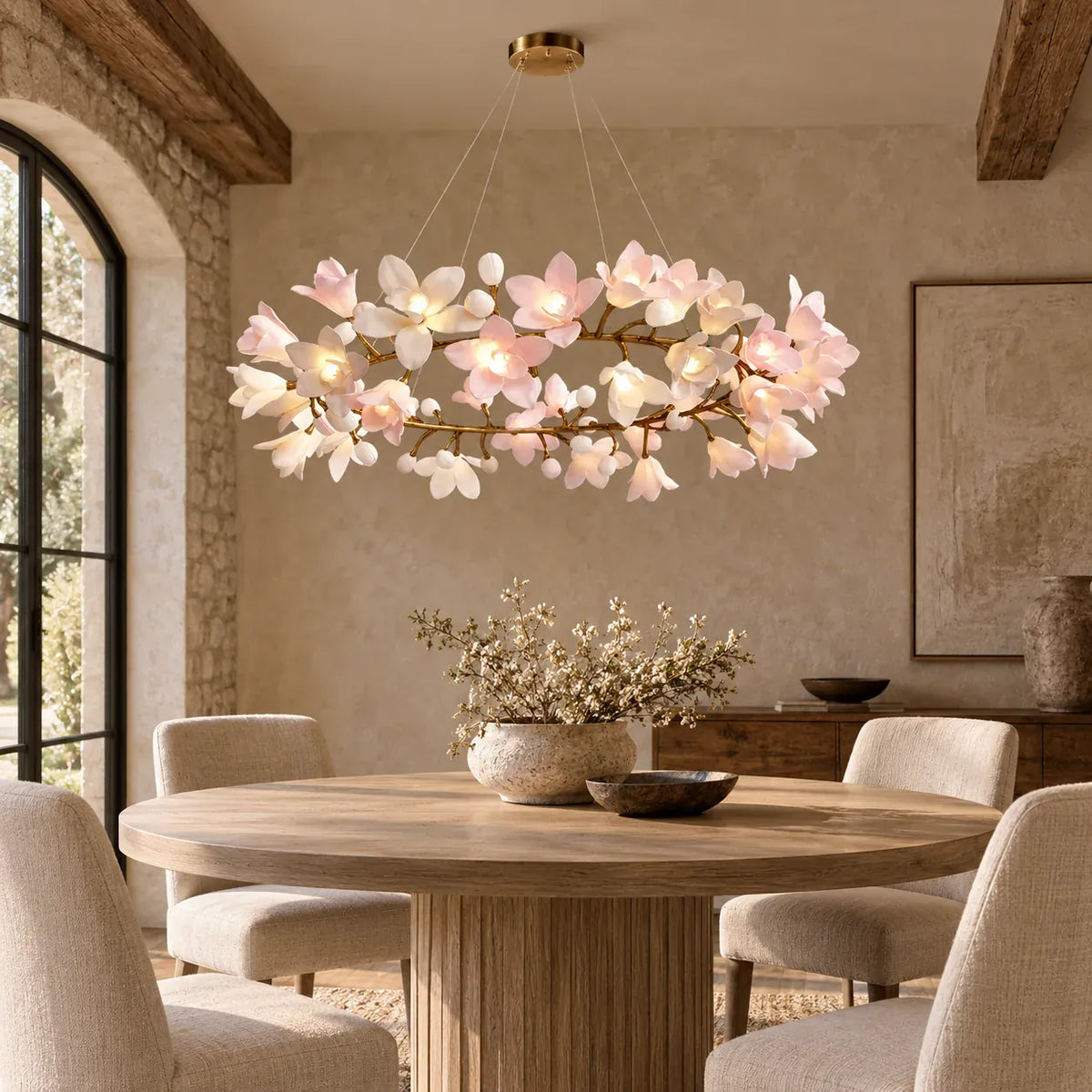
This category solves the problem most statement fixtures share: how to hold attention without symmetry. Geometric designs rely on repetition — rings, tiers, grids — while these forms rely on the same thing a real bough does: balanced asymmetry, where no two limbs match yet the whole composition resolves. The result reads as art rather than equipment, which is why organic and sculptural fixtures anchor rooms even when switched off. That unlit-hours presence is the buying criterion this category rewards most: judge every candidate by its silhouette first, its light second.
Tree Branch or Abstract Branch: Two Design Languages
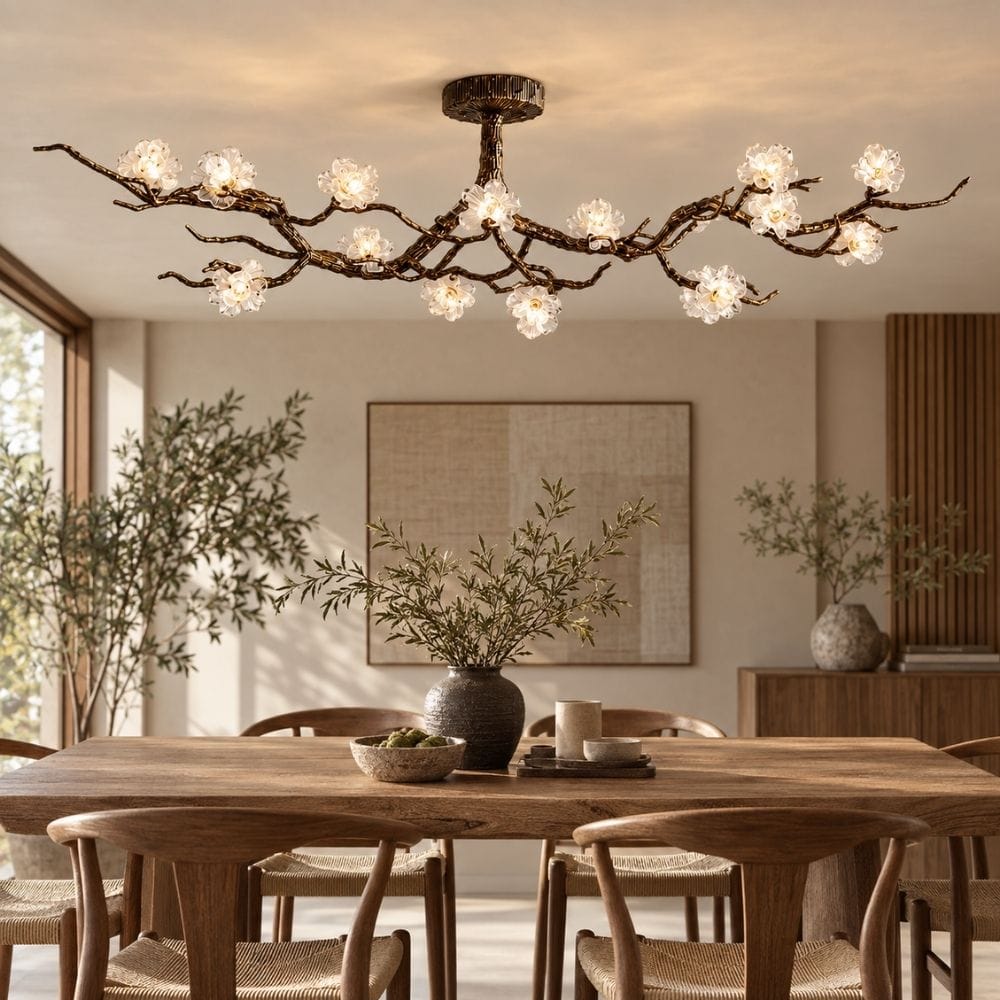
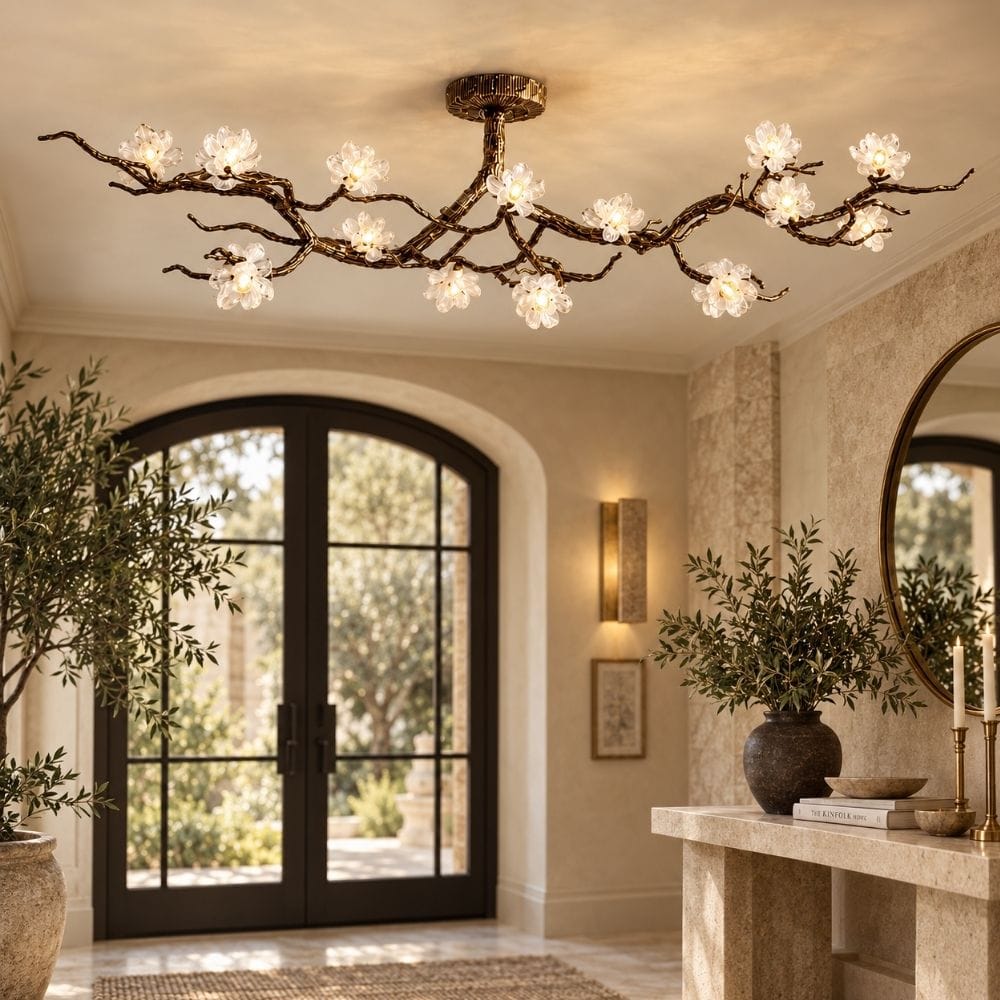
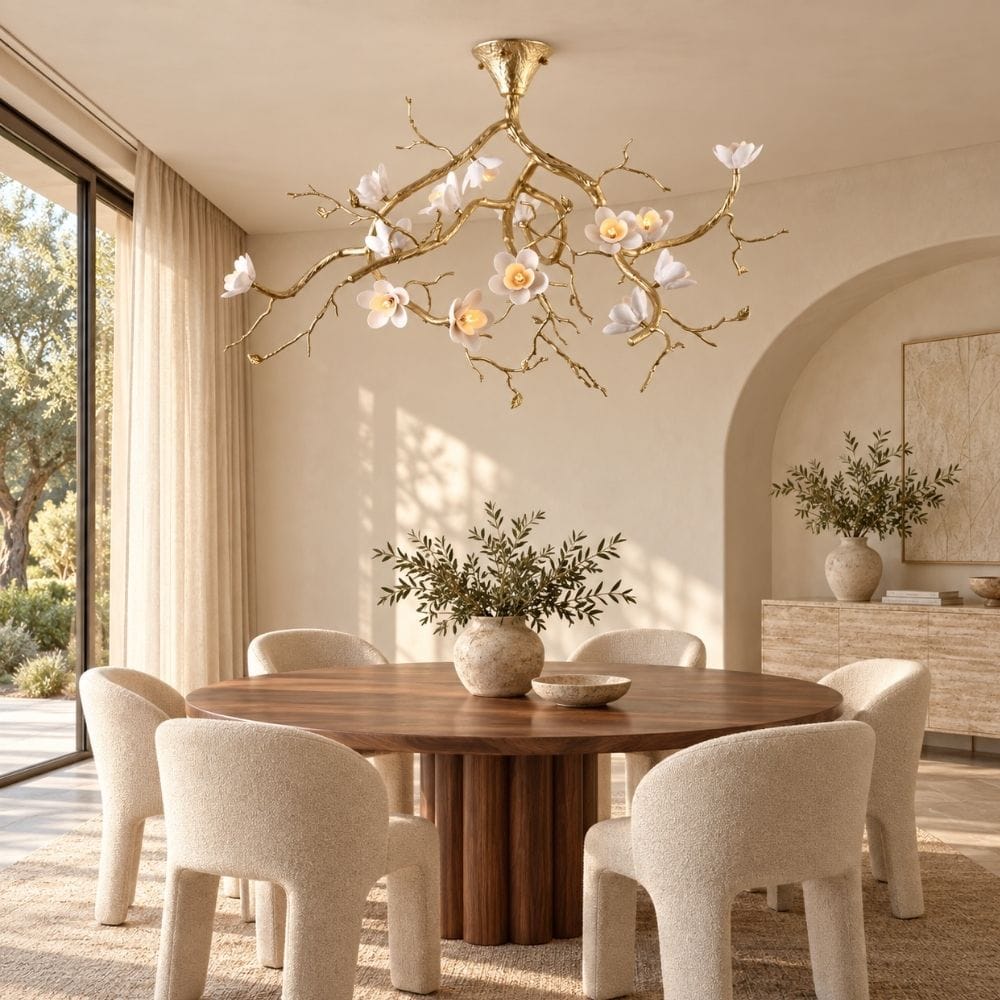
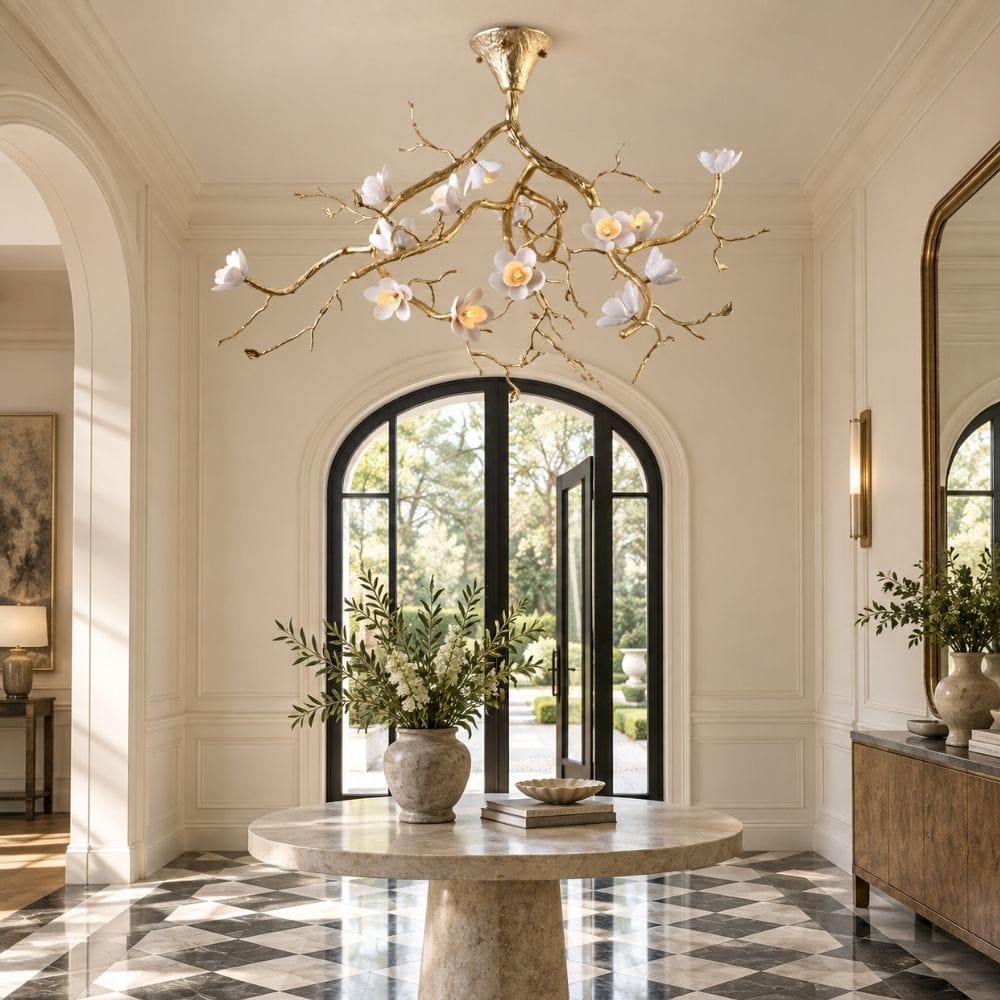
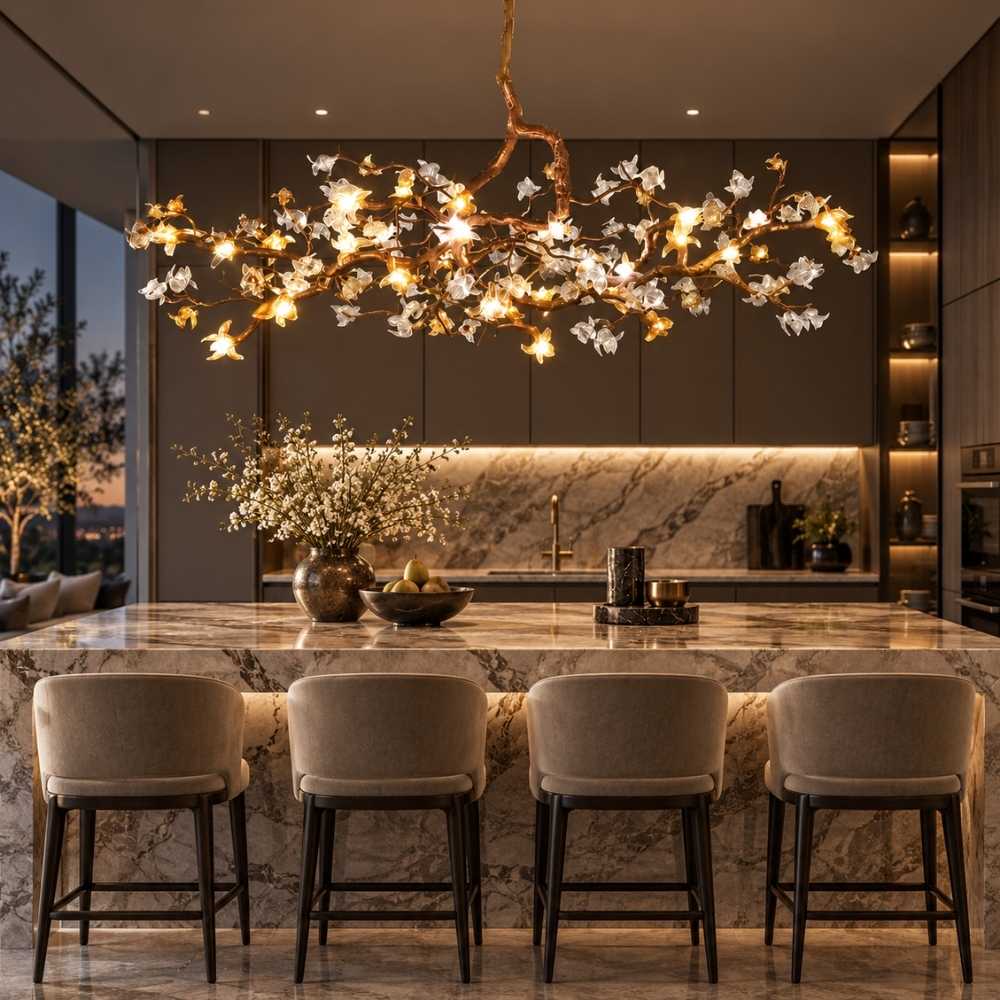
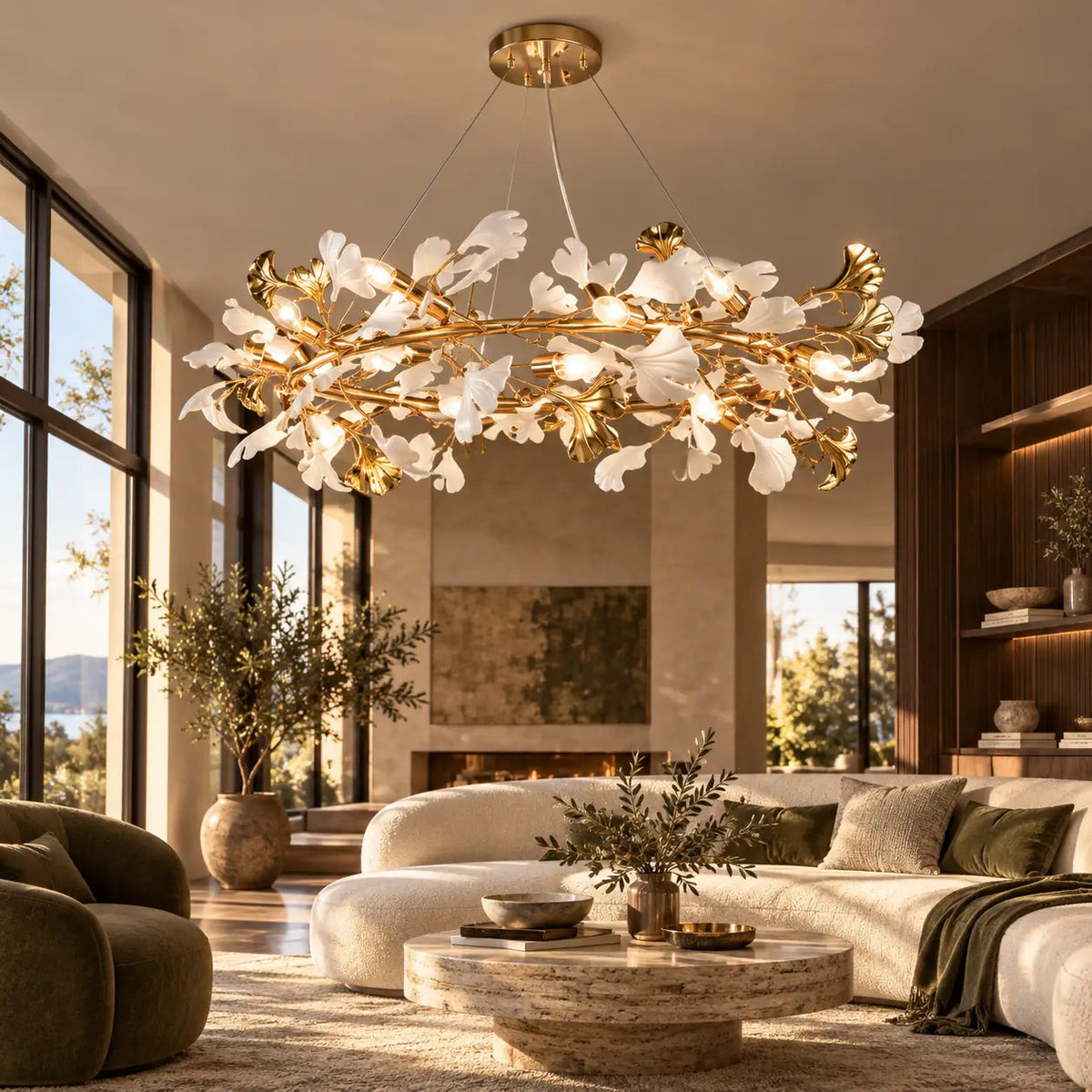
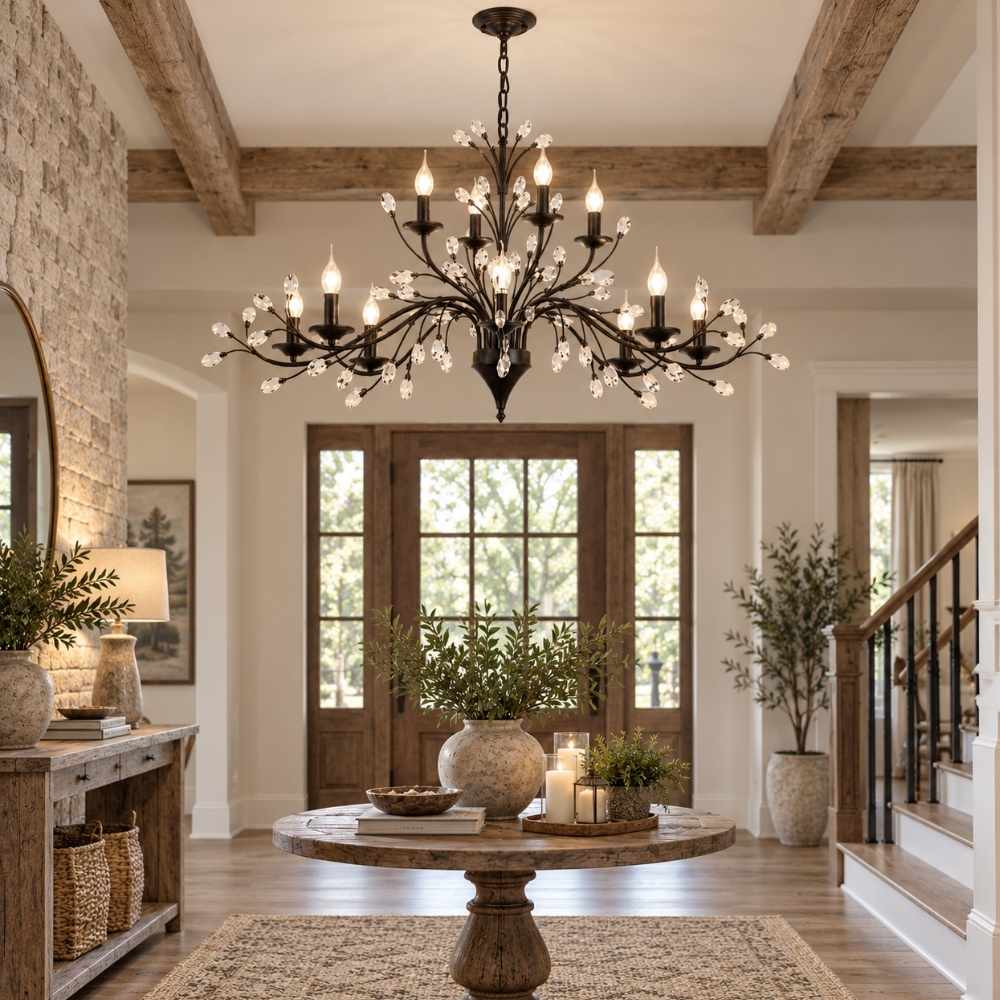
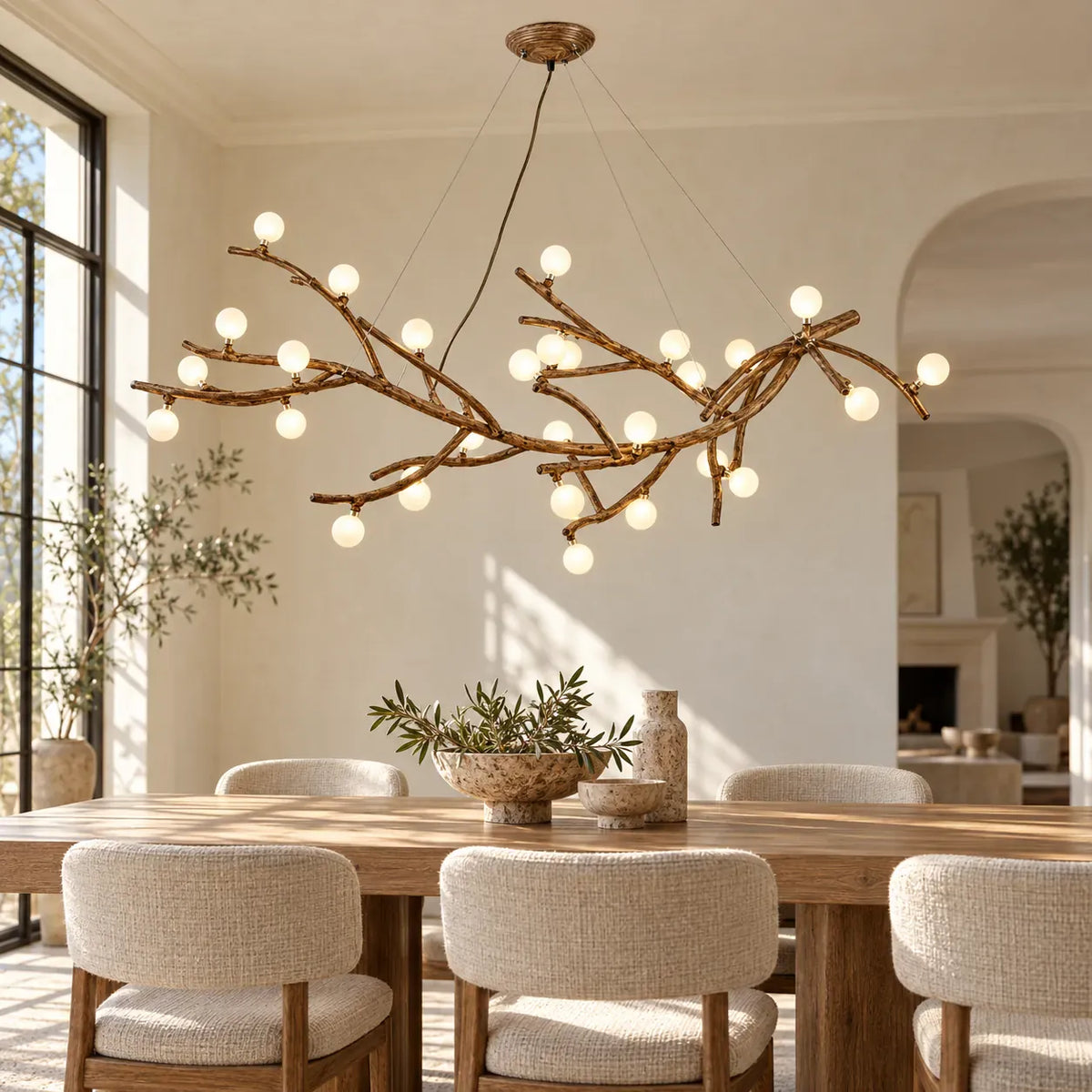
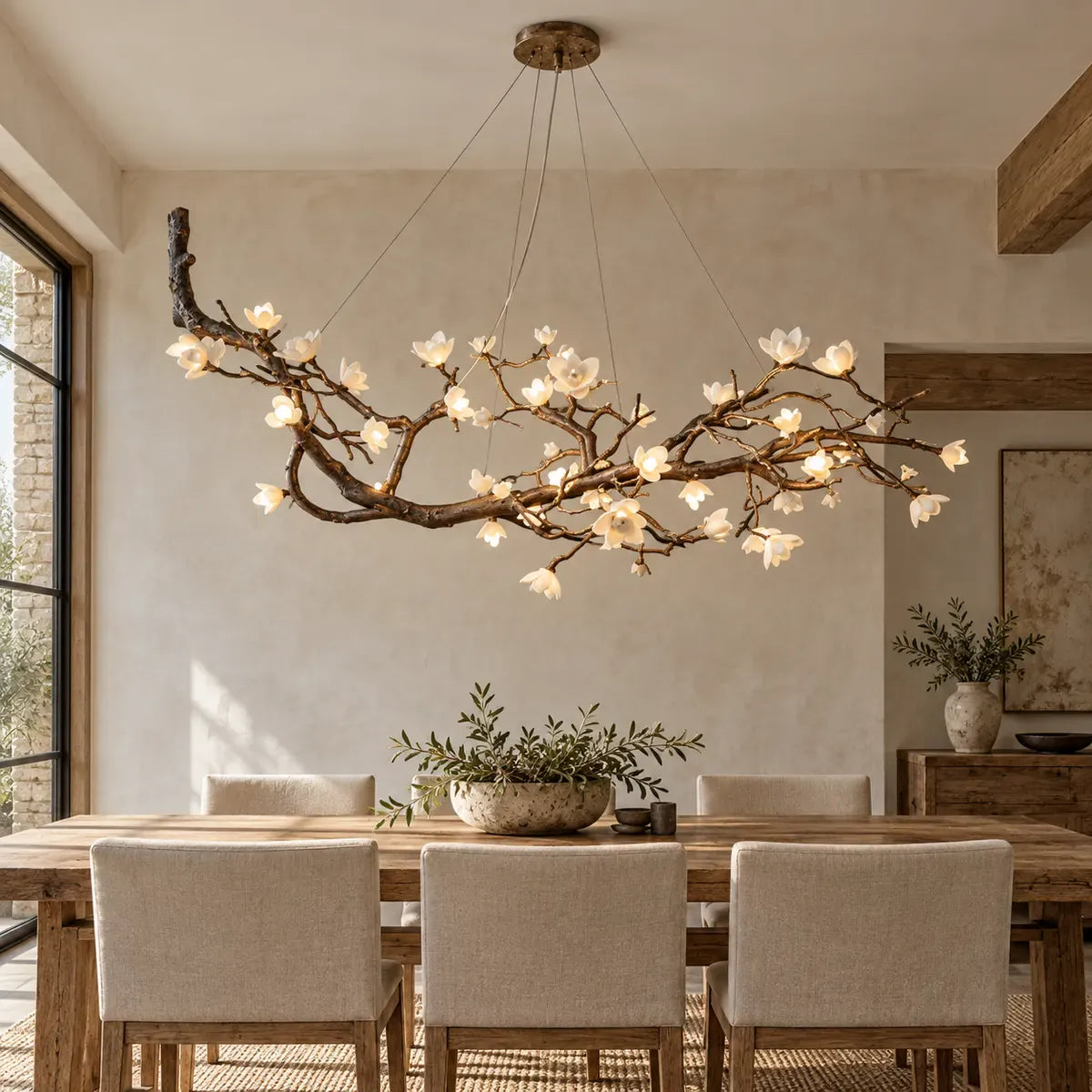
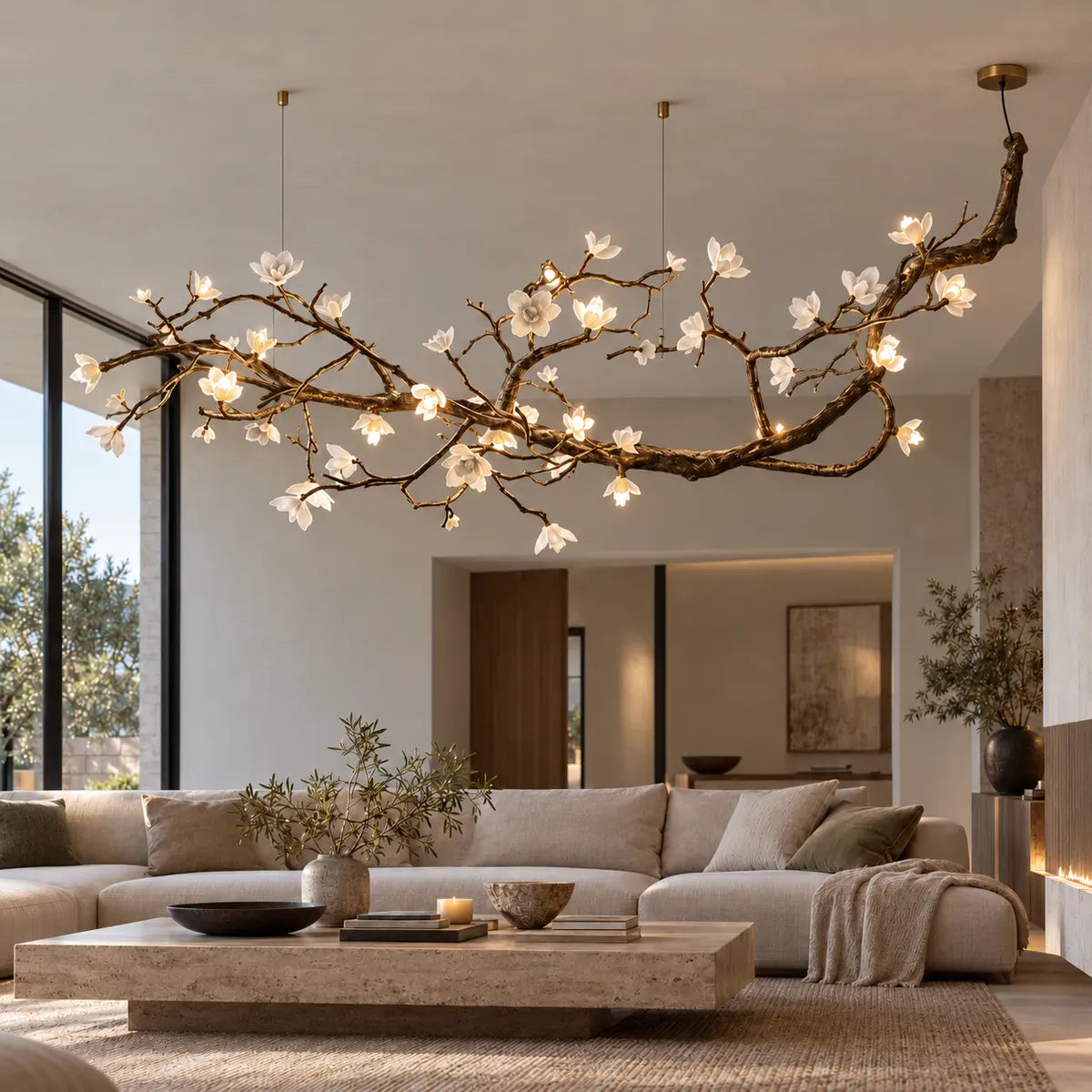
- Tree branch designs: literal limb silhouettes — tapering boughs, natural angles, twig-level detail. The stronger choice where the room's story is nature: organic modern interiors, wood-forward spaces, and entries that open to a garden view
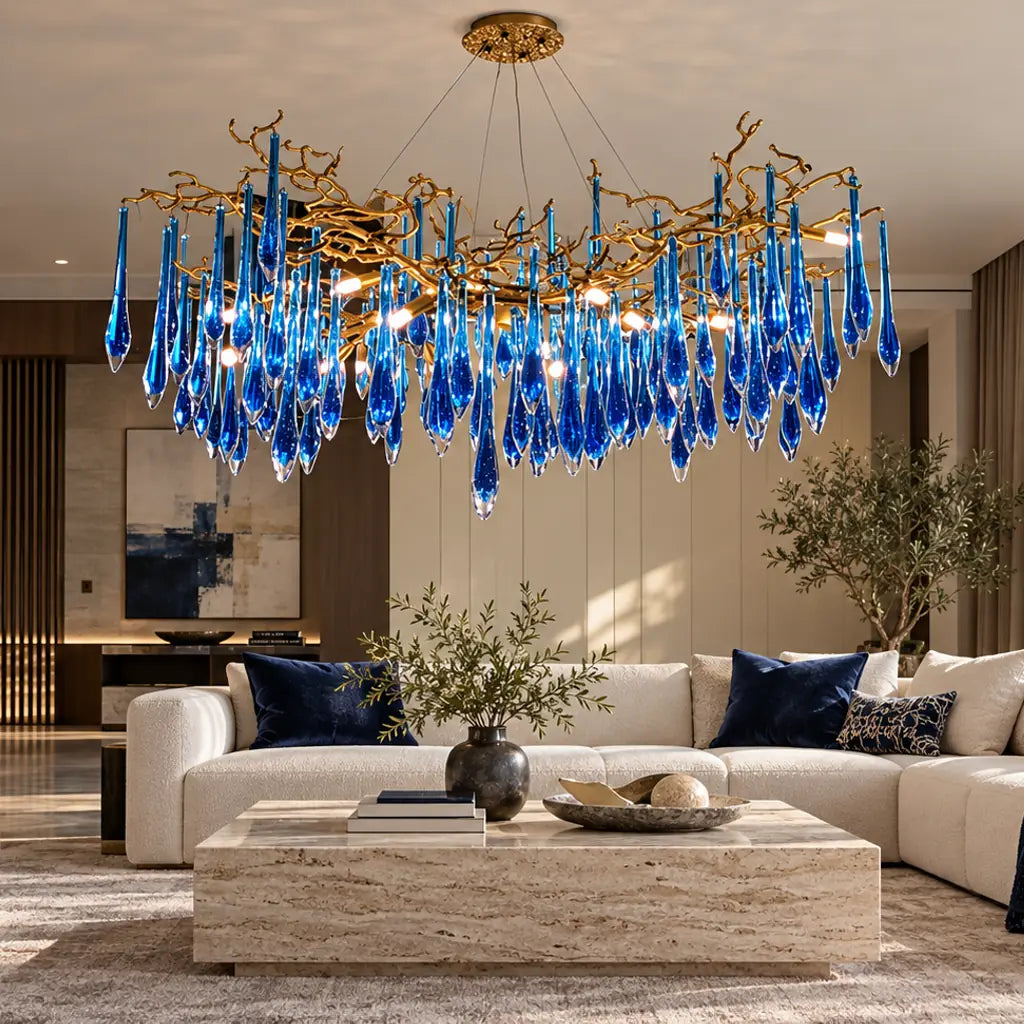
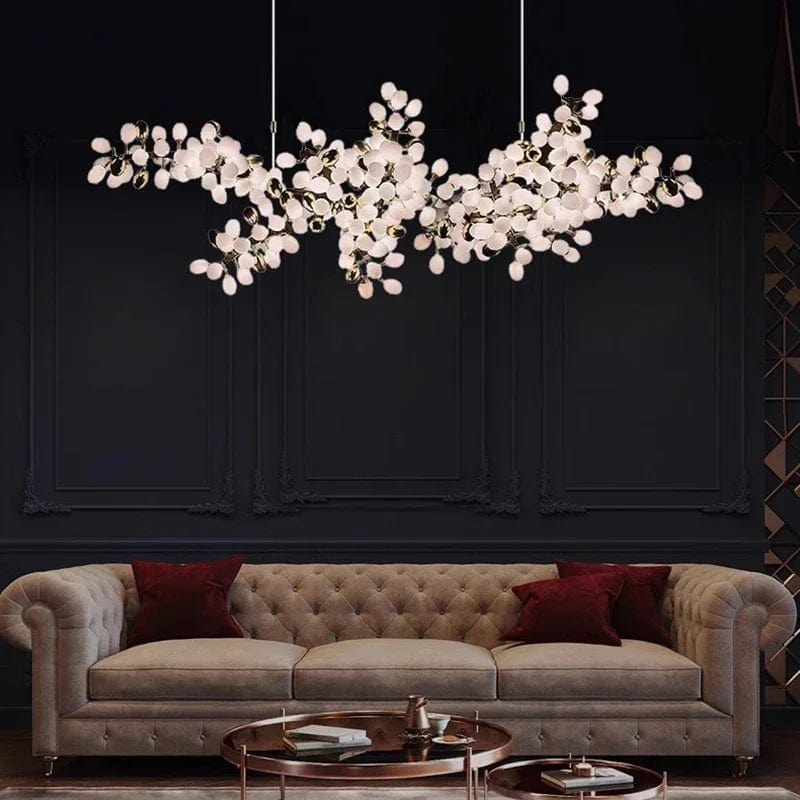
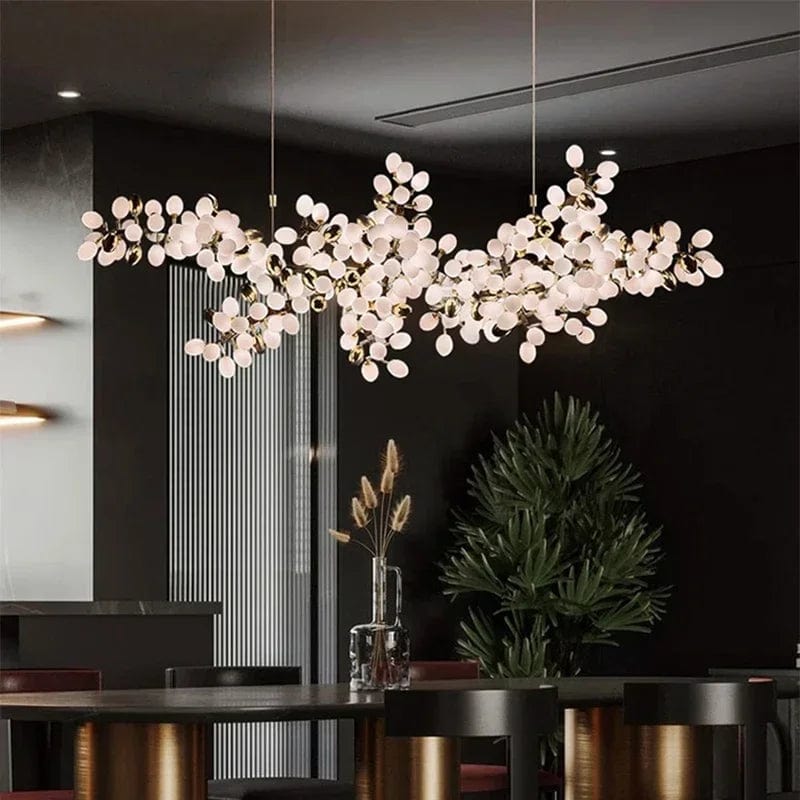
- Abstract branch designs: the branching principle without the literal tree — angular arms, sputnik-adjacent spreads, and linear compositions that fork like limbs. The stronger choice in contemporary rooms where a literal tree would read thematic
- The test: stand in the room and ask which the ceiling should say — "a tree grows here" or "this space branches." Both are valid; mixing intents in one room is what fails
Crystal Branch Chandeliers: Where Nature Meets Sparkle
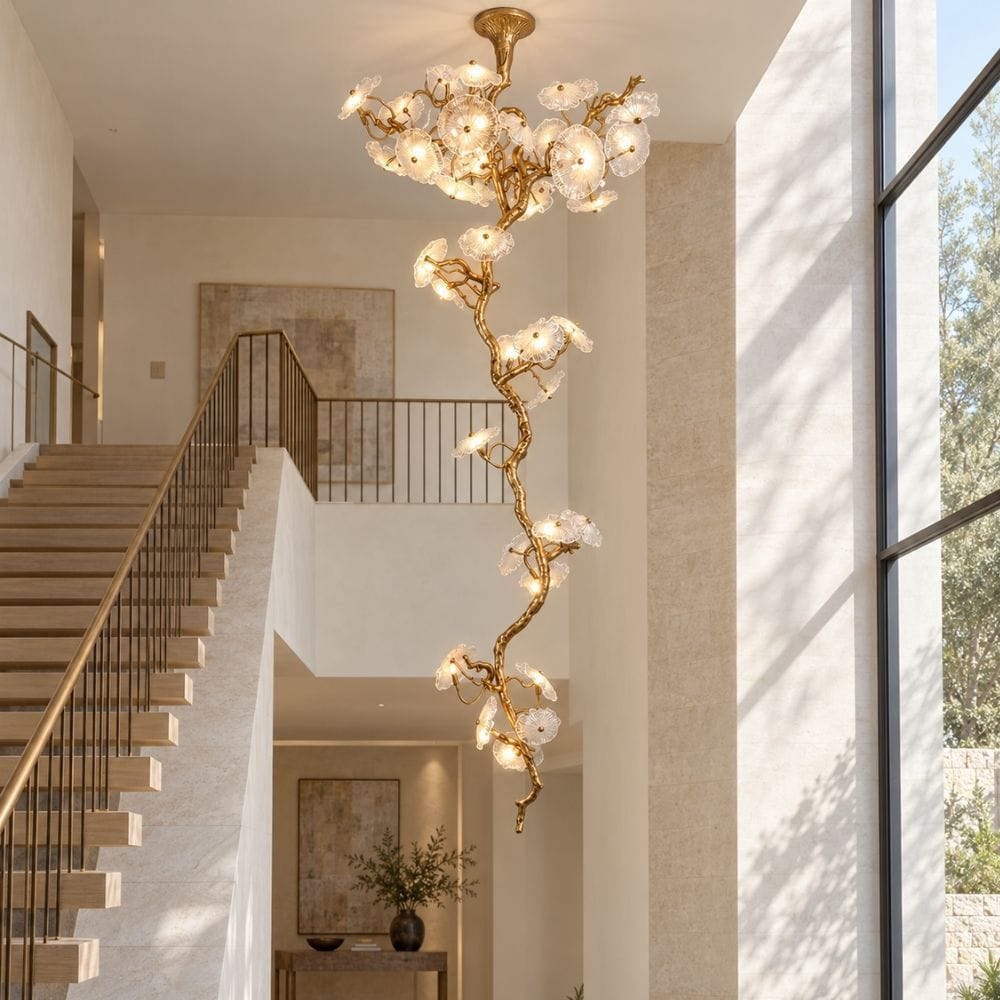
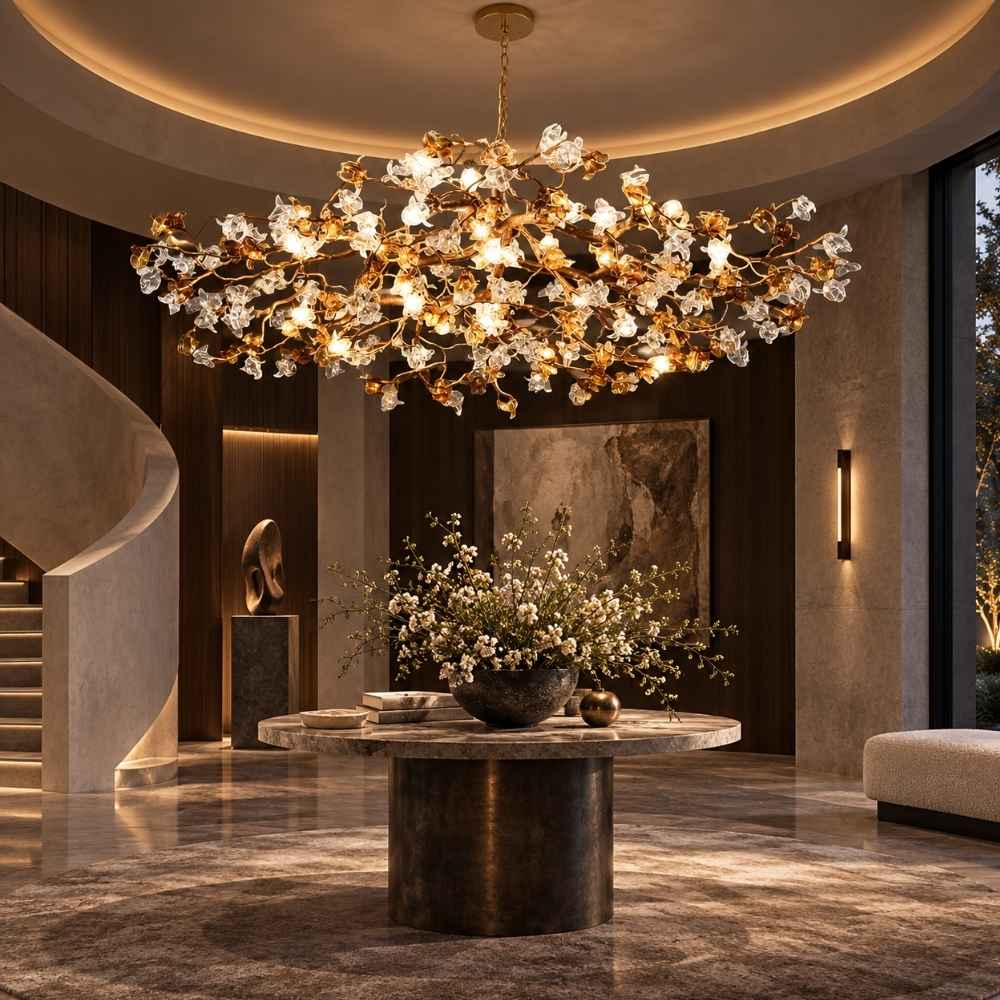
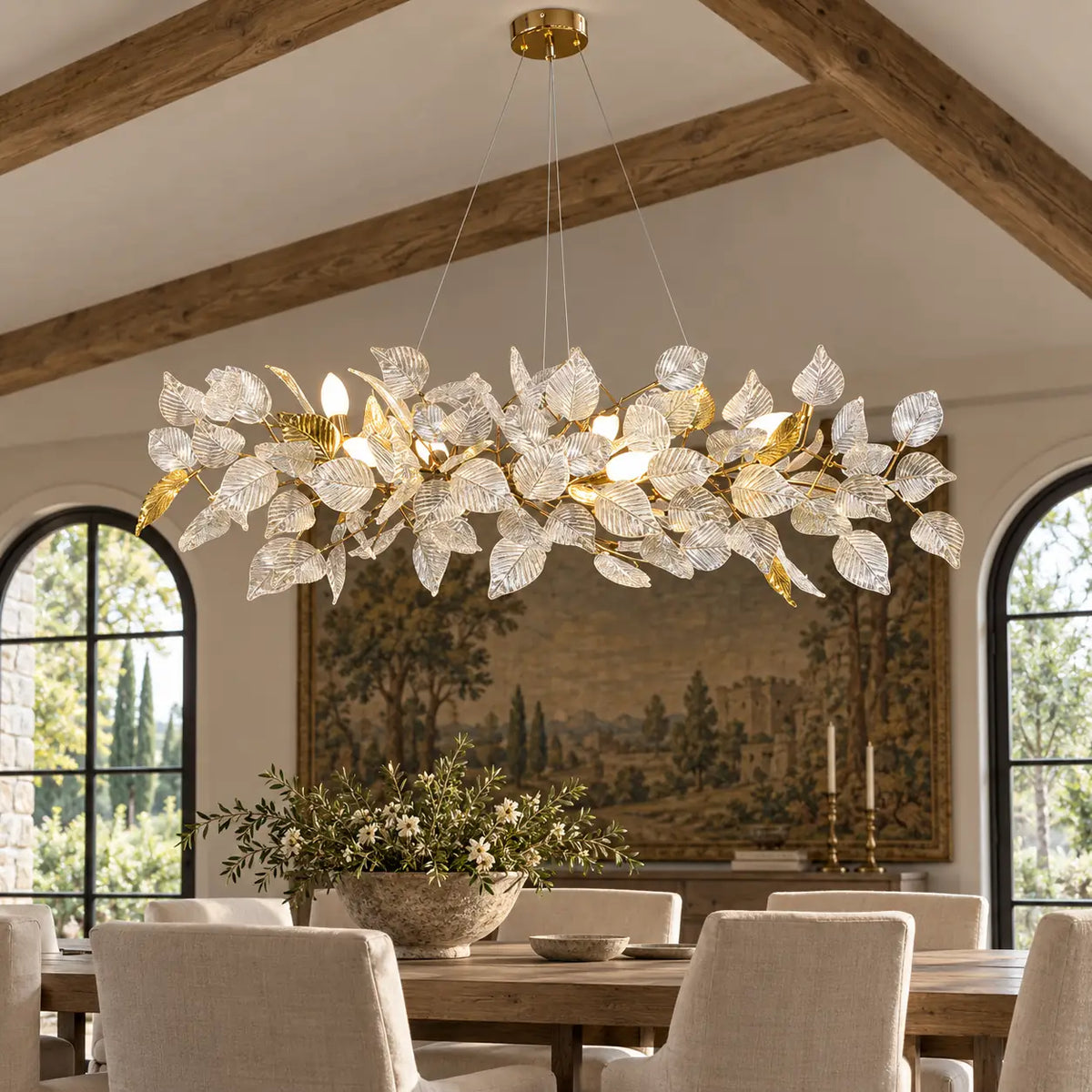
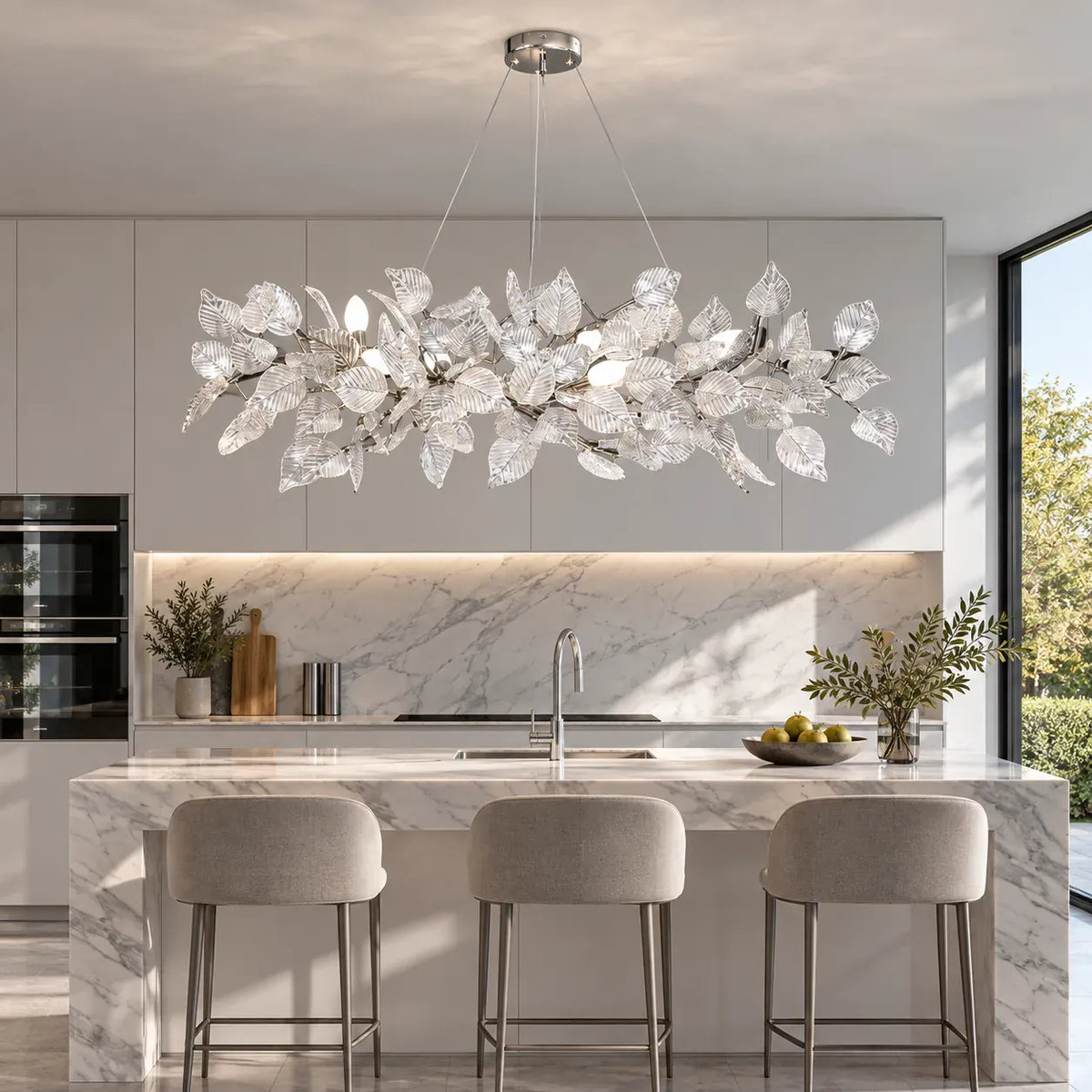
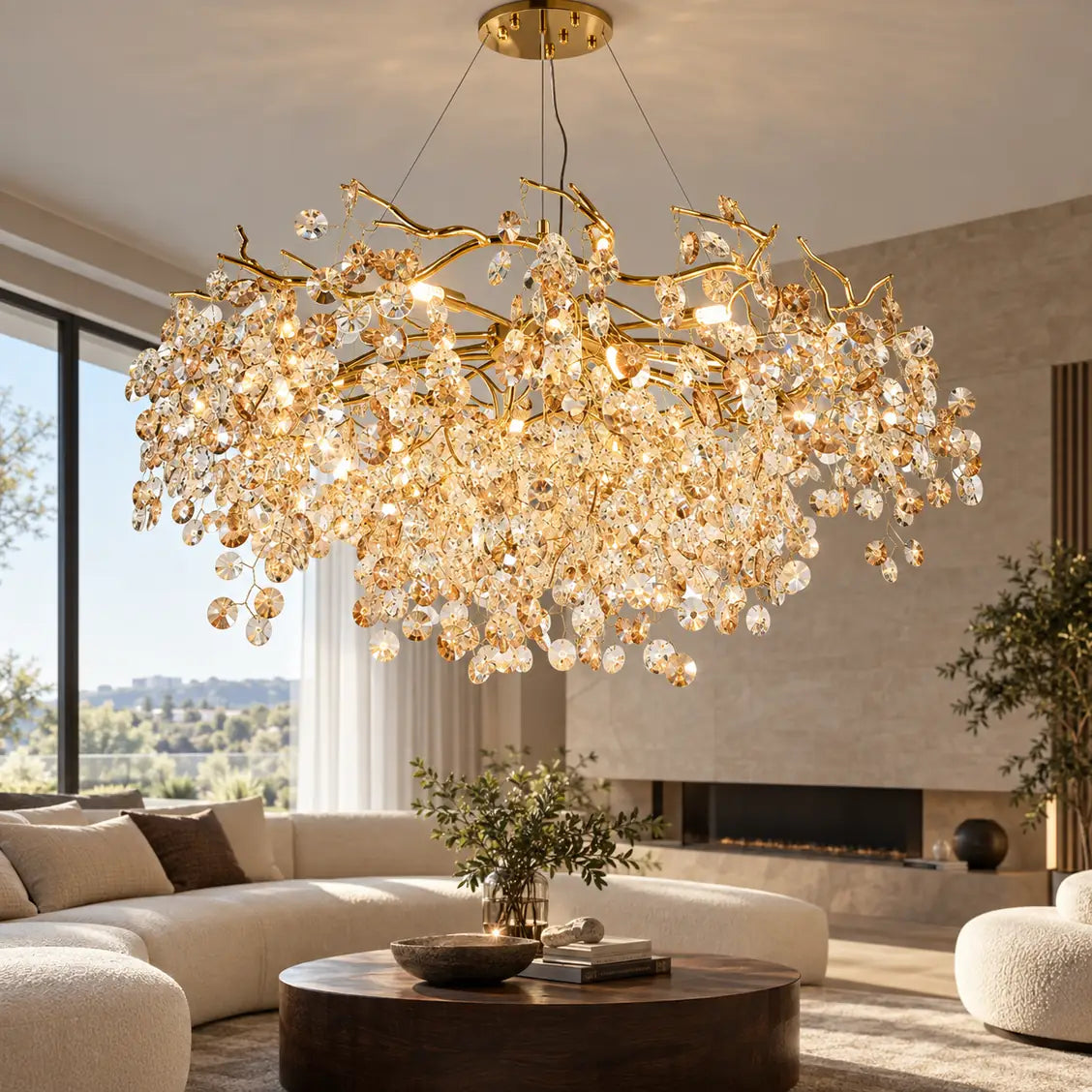
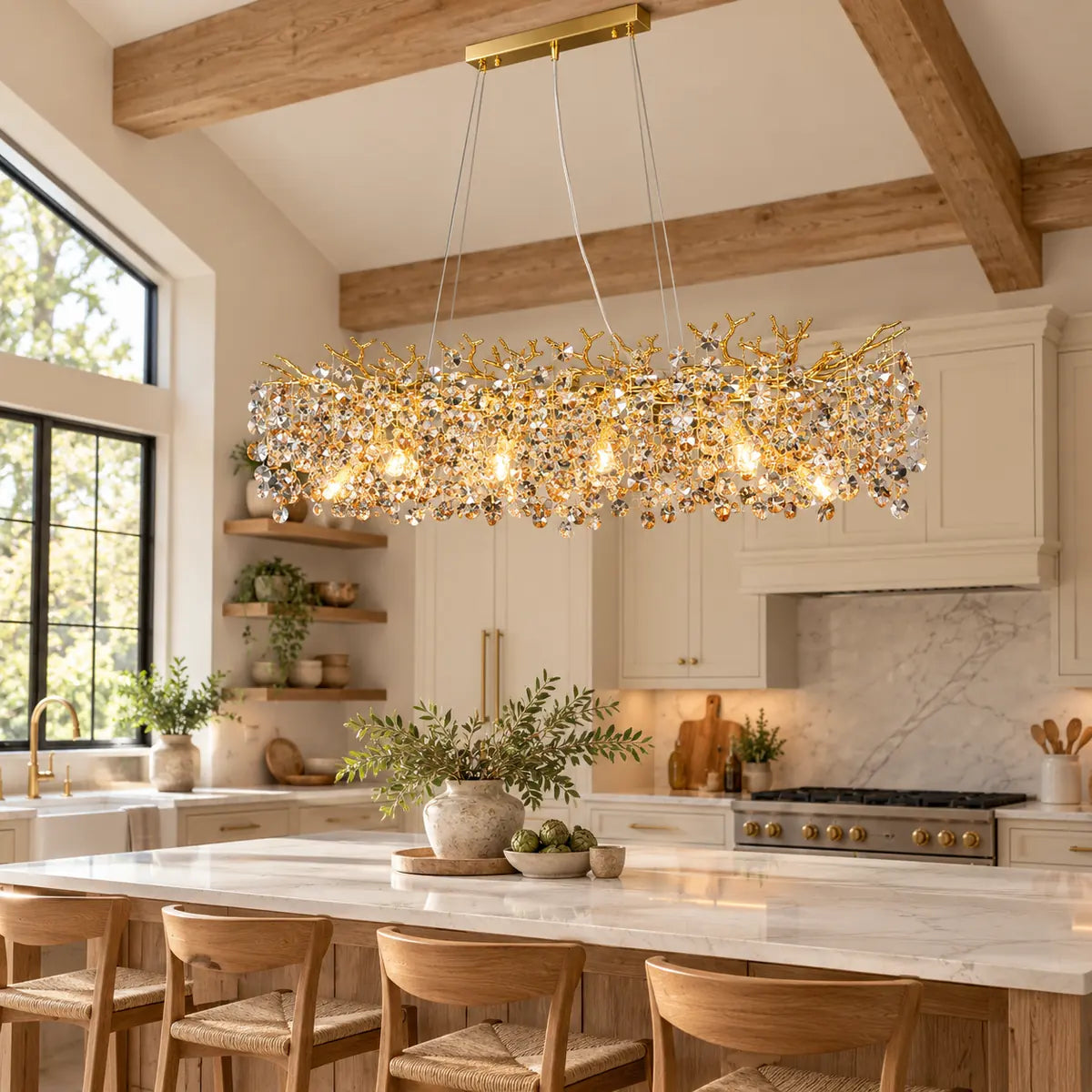
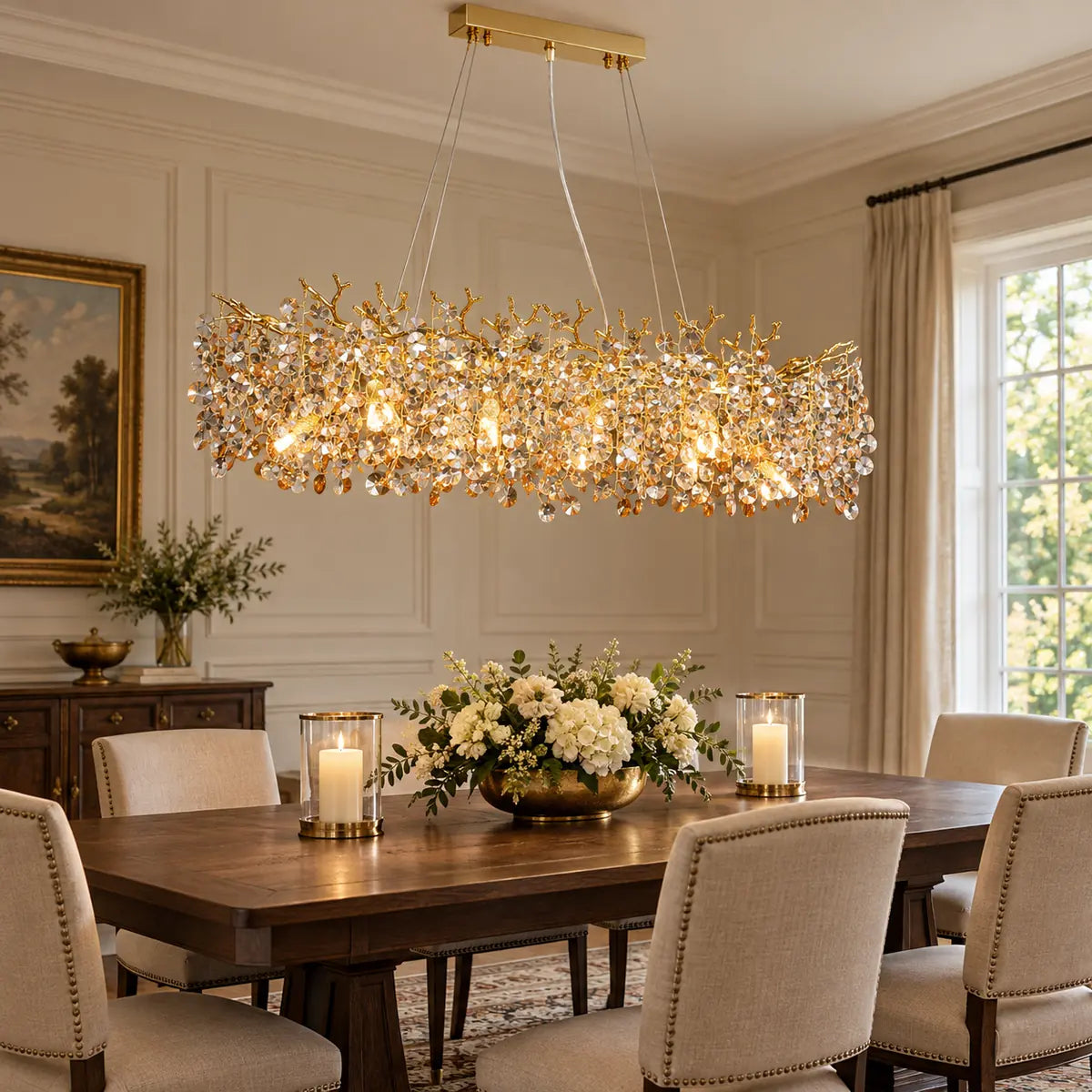
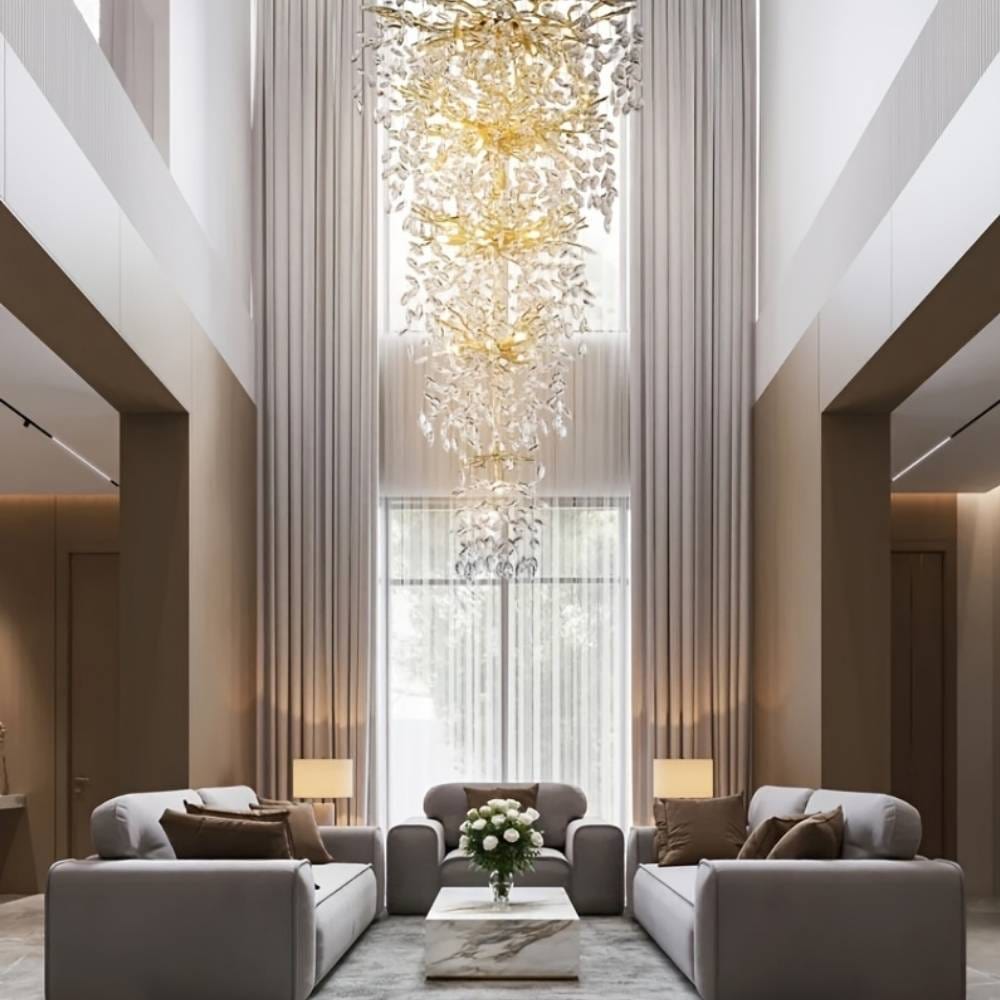
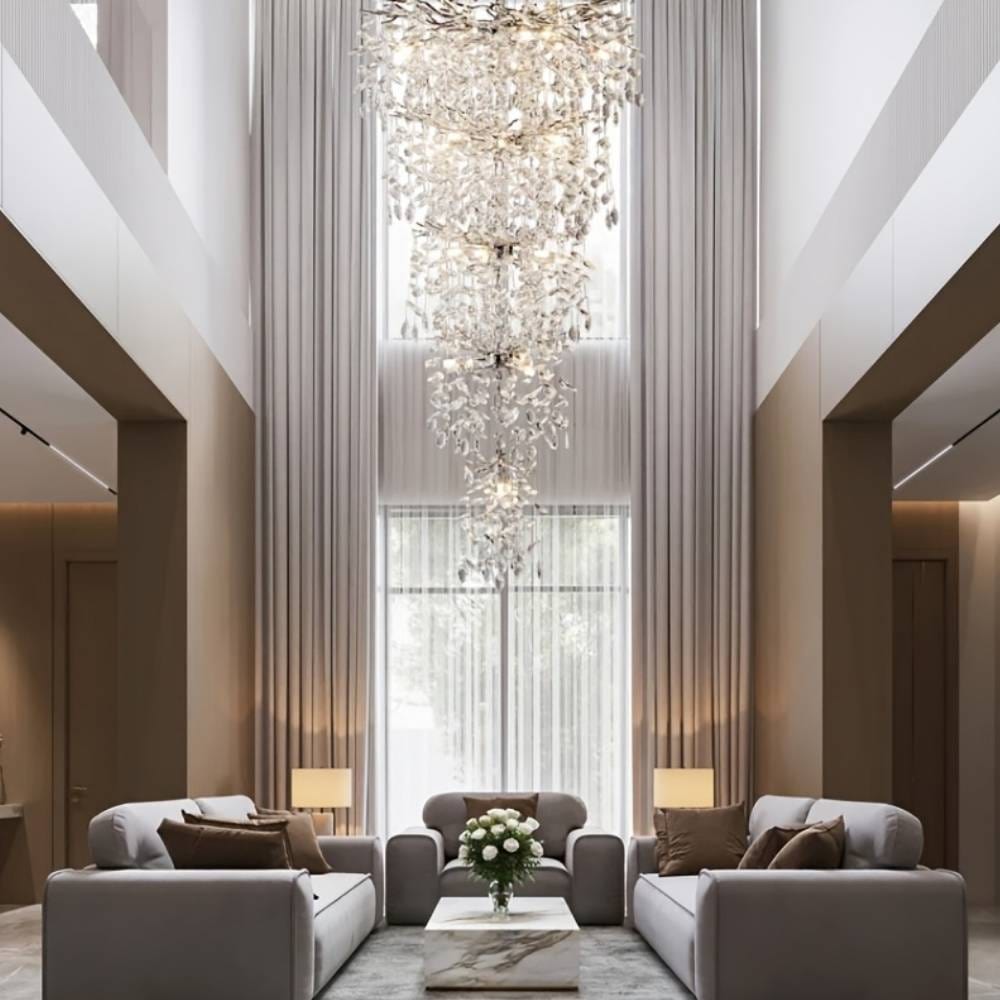
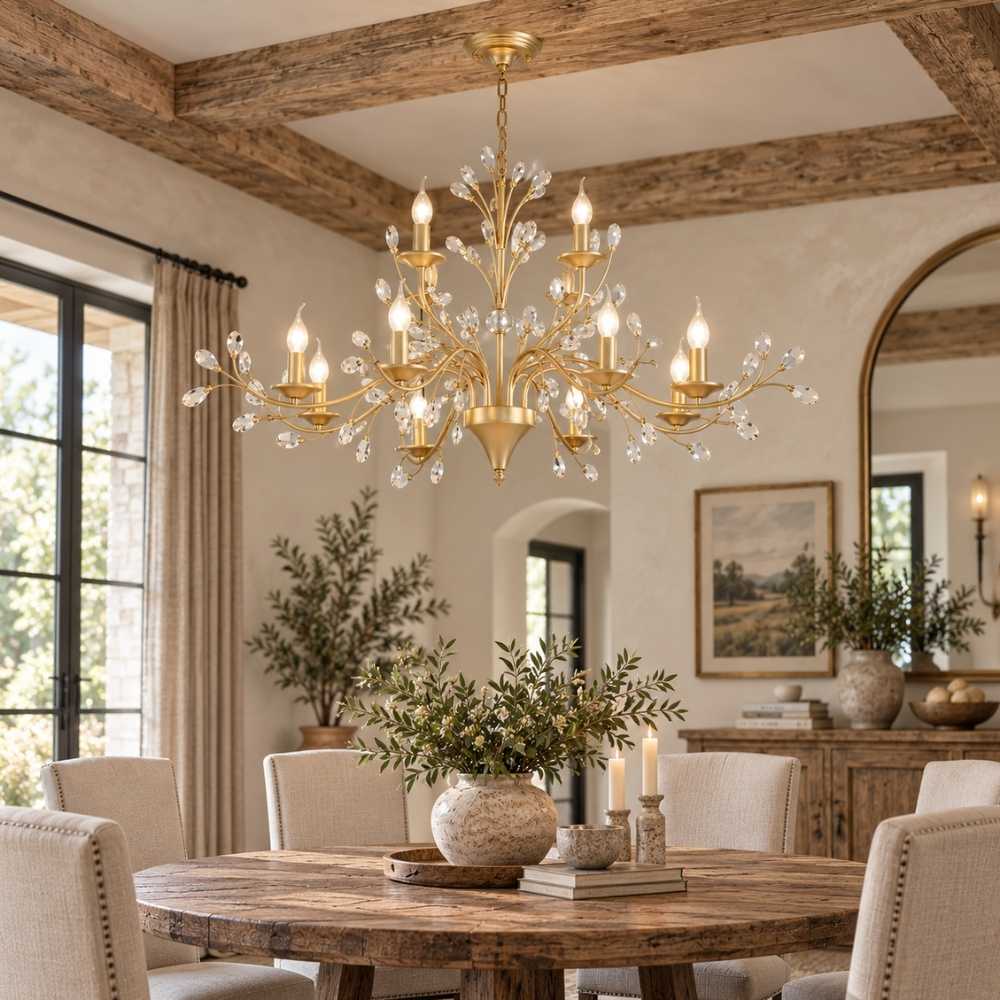
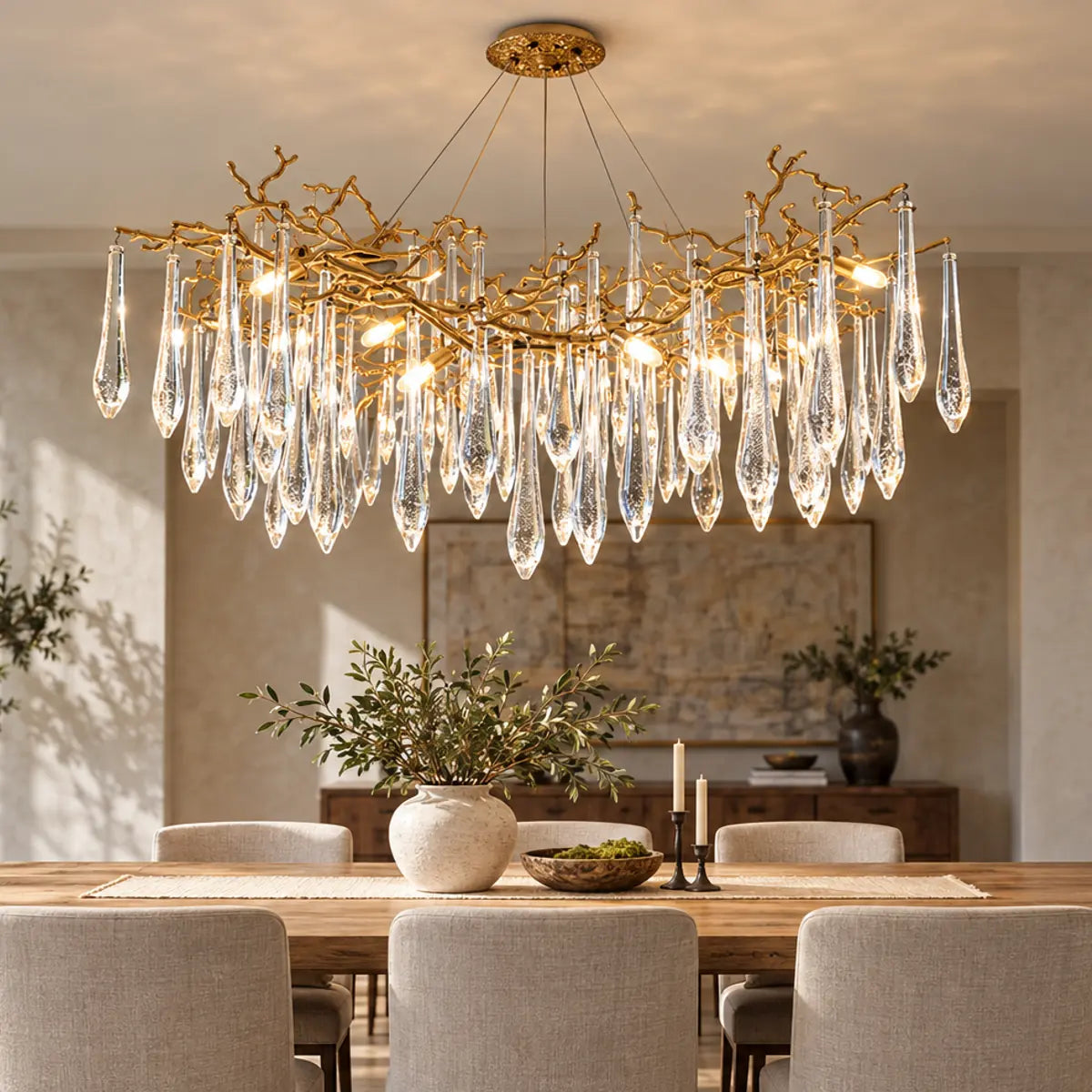
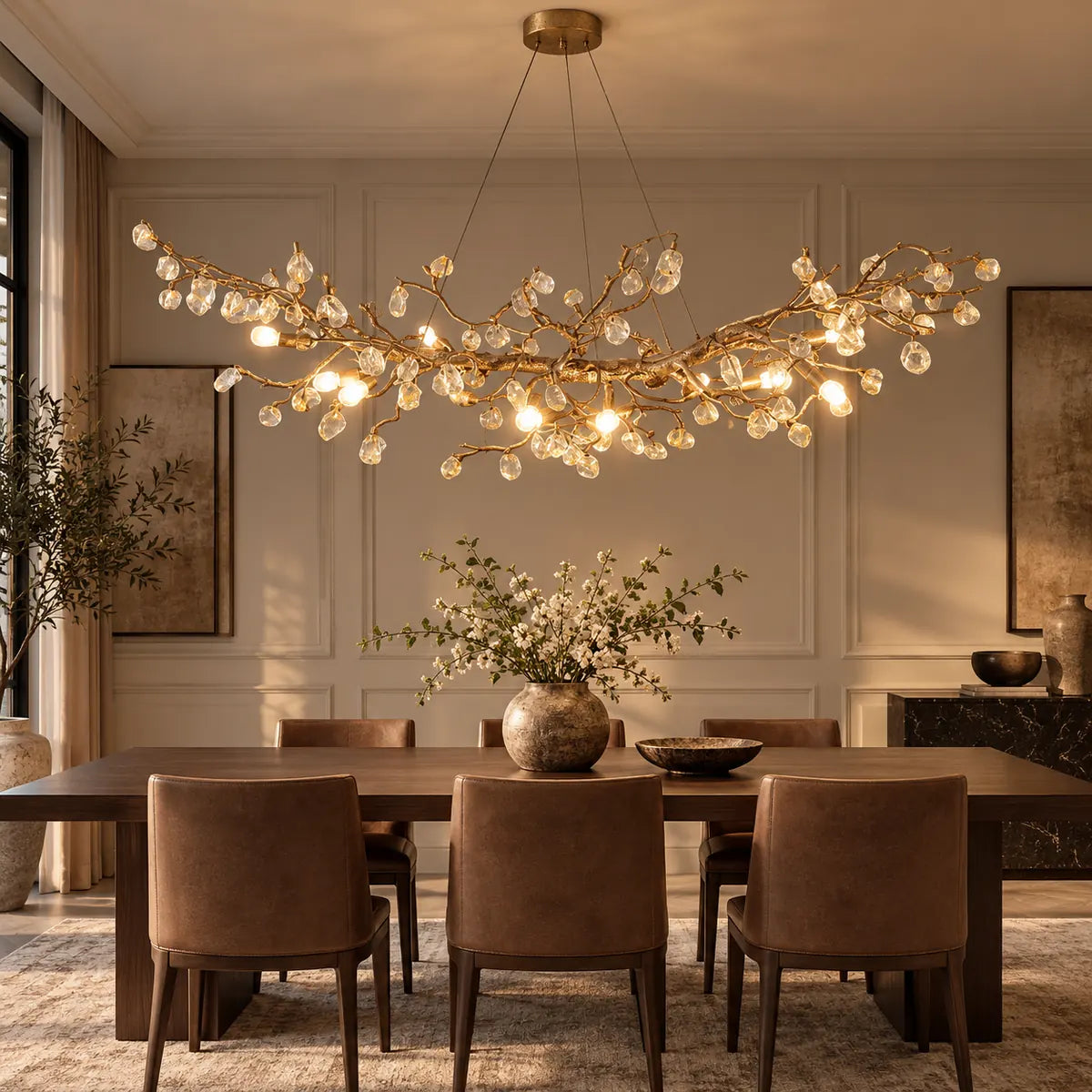
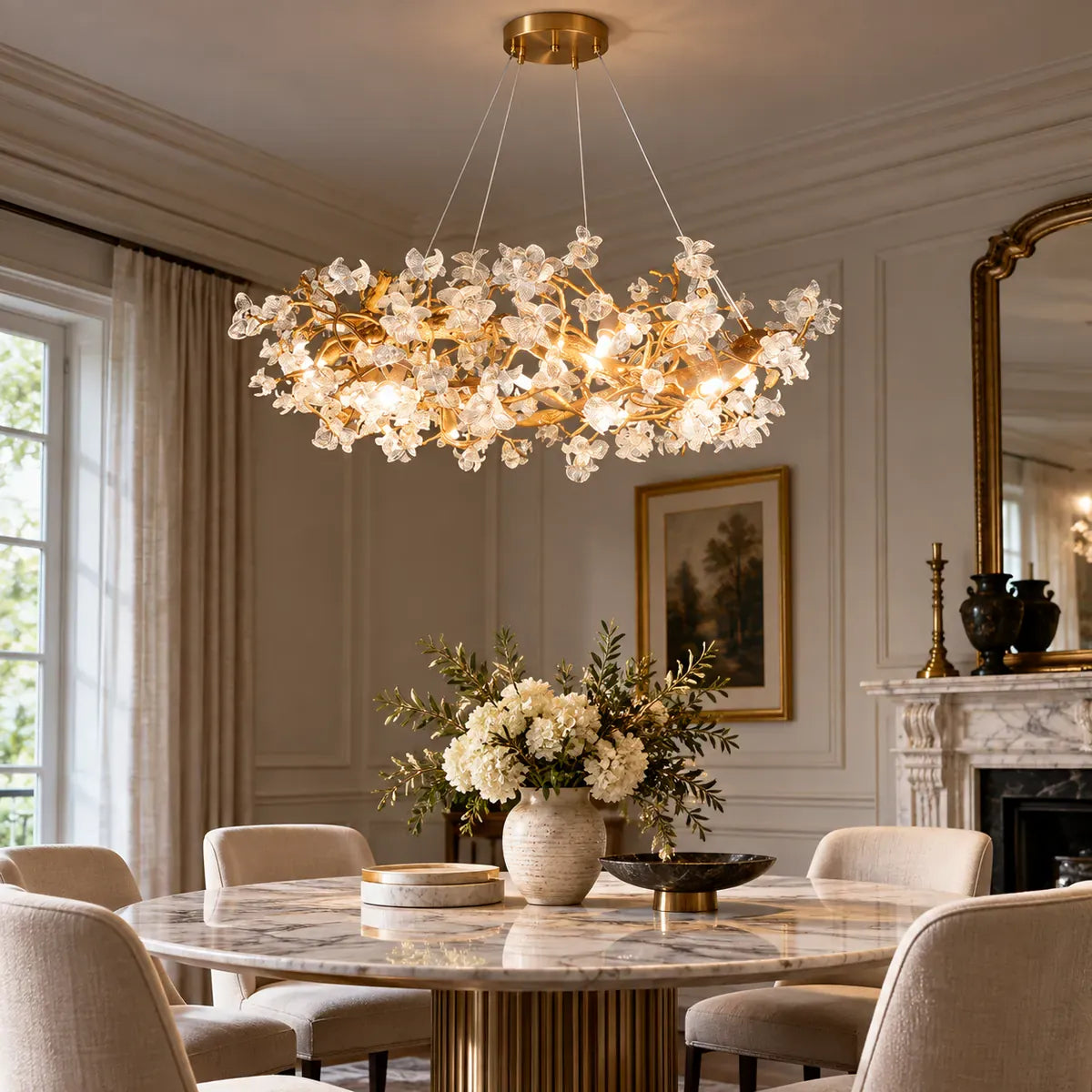
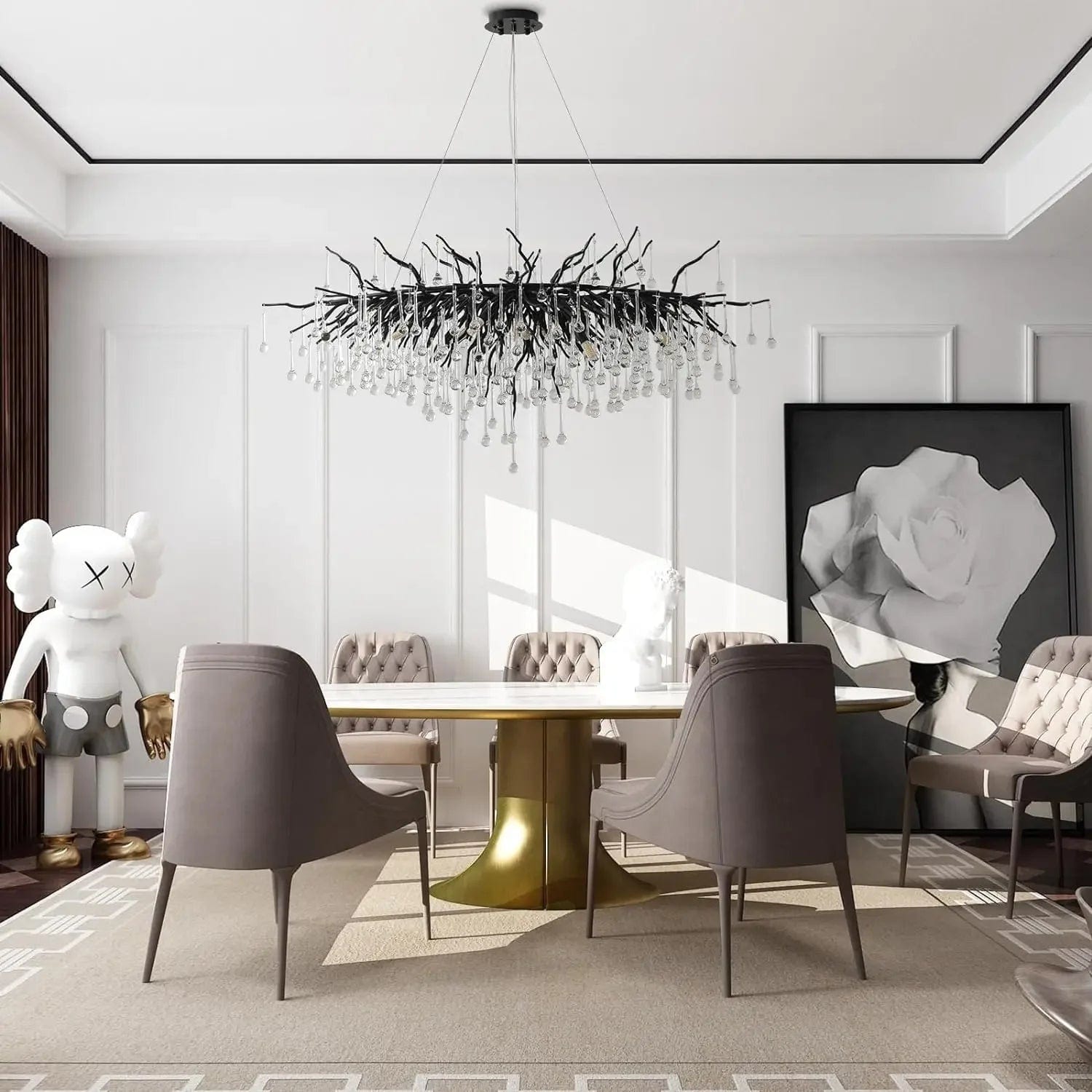
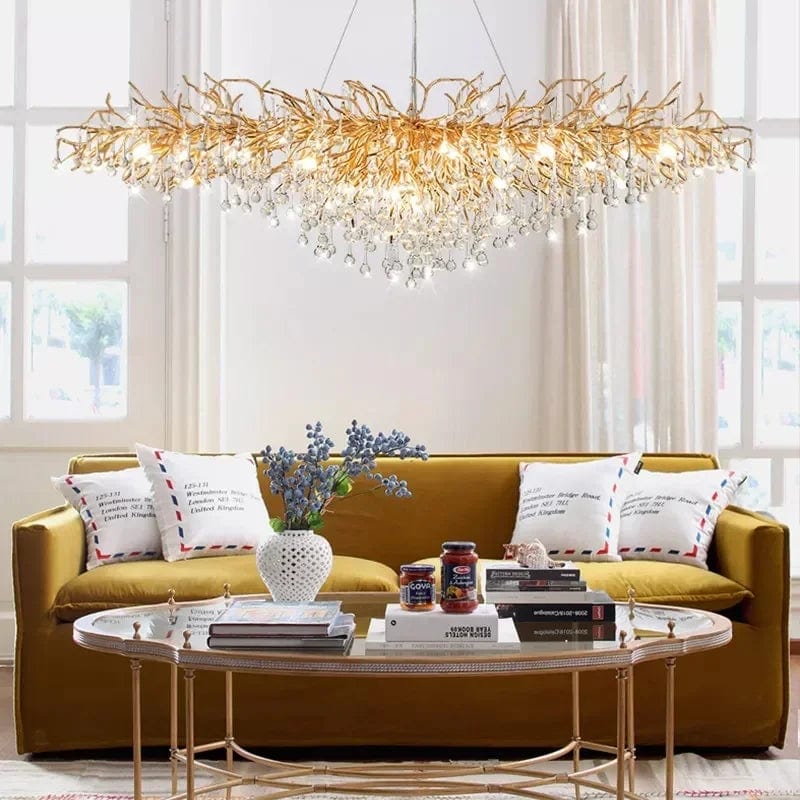
The crystal-dressed bough is the category's luxury signature — faceted drops and florets hung from metal boughs the way ice or blossom hangs from a real limb. The pairing works for a physical reason: the spread arms give crystal elements space and multiple angles to catch light, where dense traditional frames crowd the refraction. Two selection notes carry this sub-style. First, balance the dressing: sparse crystal on strong branches reads sculptural and current, while heavy crystal loading tips the design back toward traditional. Second, match the metal's temperature — warm brass boughs with clear crystal is the definitive combination, cool silver with crystal reads glam, and black branches with crystal reads dramatic modern. The crystal grading and cut quality behind those drops is covered in our crystal types and materials guide, and the wider material family in the crystal chandeliers collection.
Chandelier, Ceiling Light, Pendant or Linear: Picking the Format
- Full chandelier compositions: multi-arm spreads for dining rooms, living rooms, and entries — the format the category is named for
- Branch ceiling lights: lower-profile spreads that hug the ceiling plane — the branch language for 8-9 ft rooms where a full drop will not clear
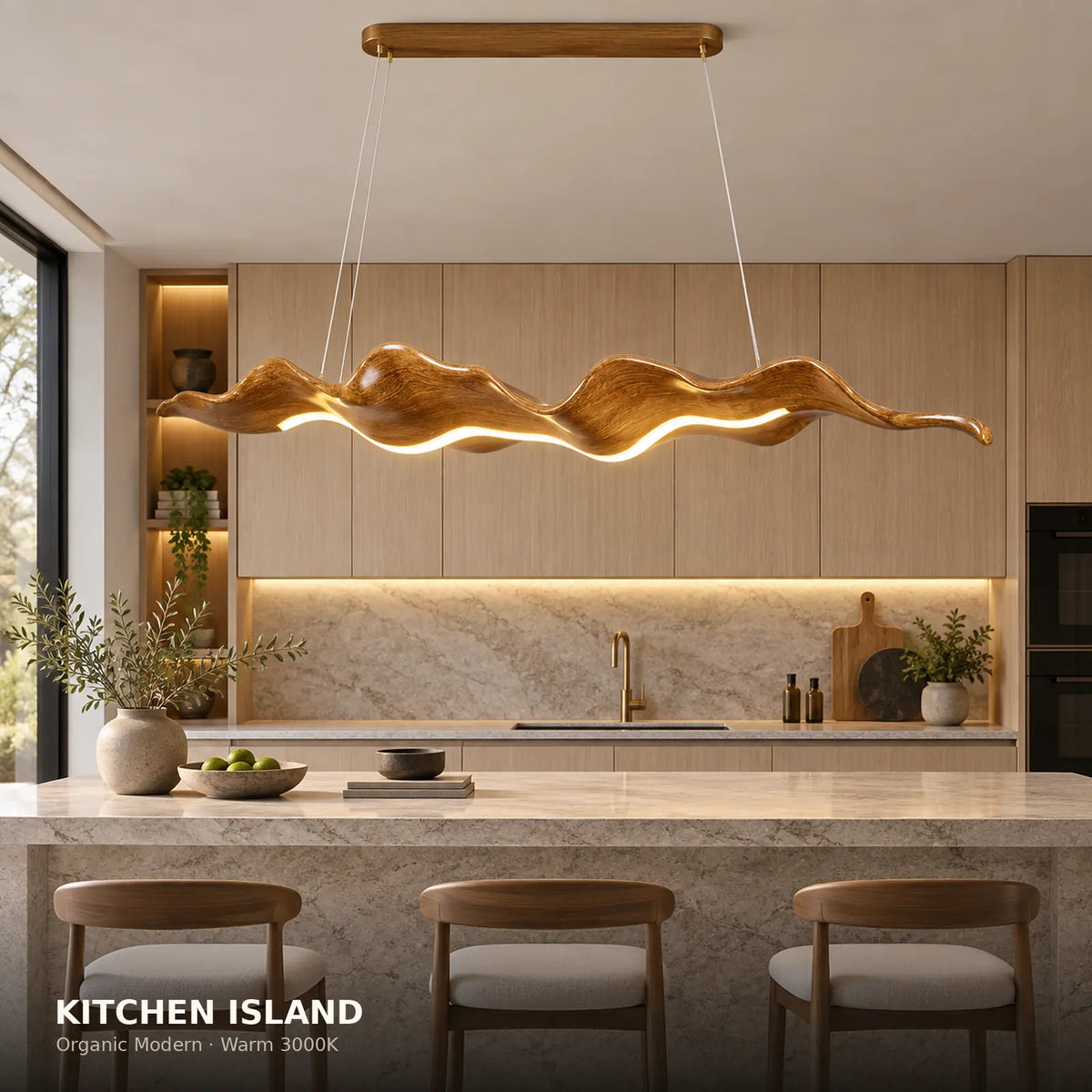
- Branch pendants: single-stem or compact compositions for kitchen zones, bedside placements, and paired installations
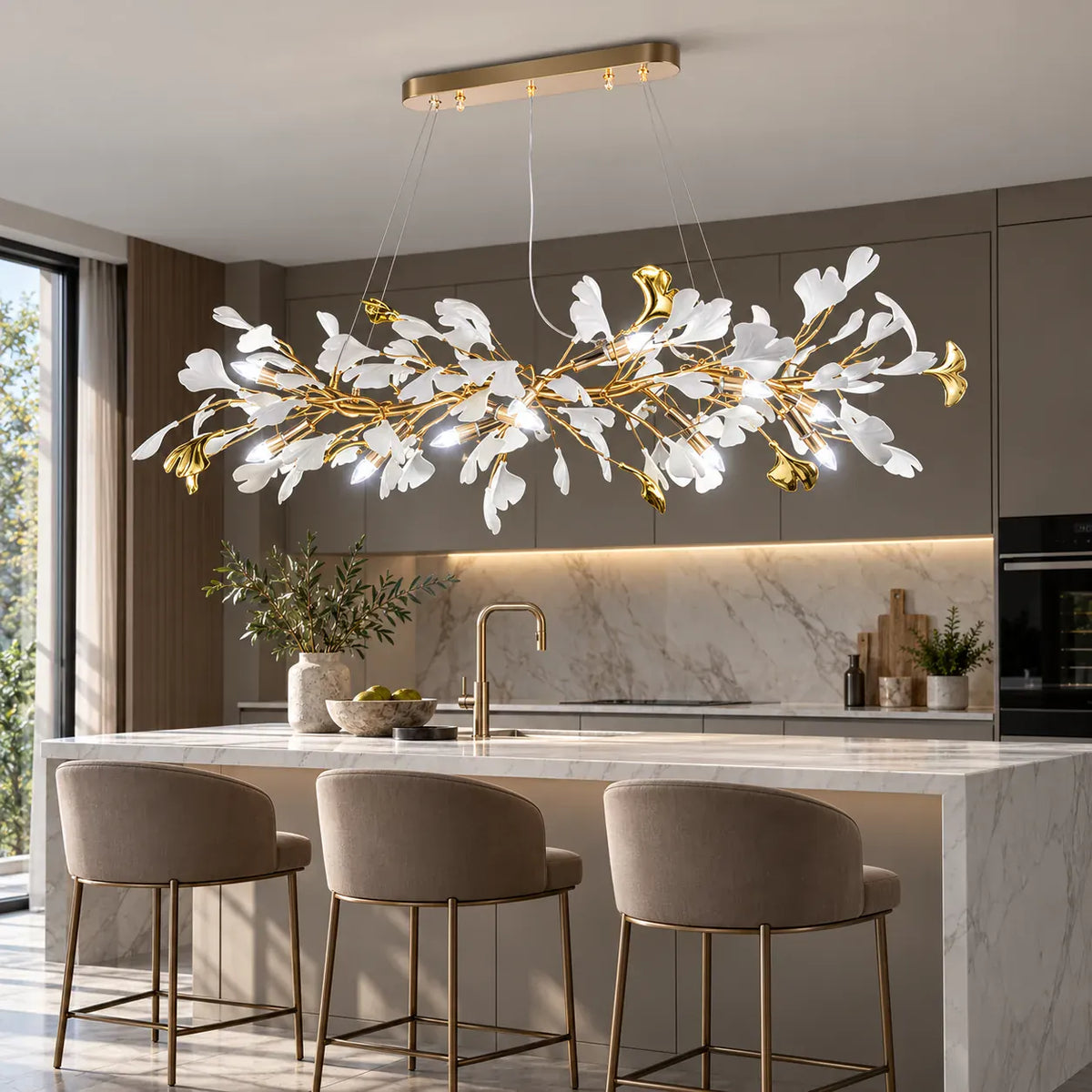
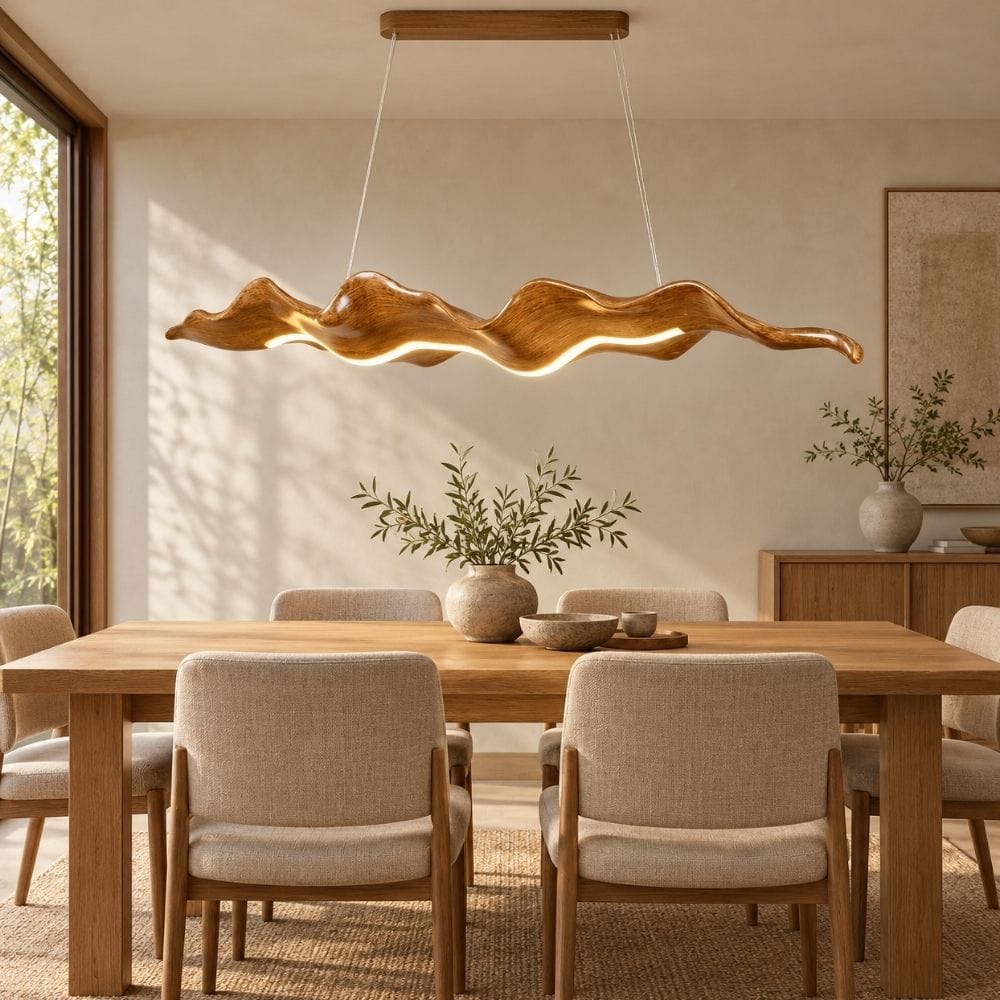
- Linear branch designs: boughs trained along one axis — the rectangular-table answer, sized to one-half to two-thirds of the table's length
Finishes: From Signature Brass to Matte Black
- Brass and gold: the category's leading finish — warm metal reads closest to living wood and suits the organic language natively; the full warm metal case is in our gold, brass and copper guide
- Matte black: turns the branch into graphic silhouette — the contemporary and dramatic direction, strongest against pale ceilings
- White: dissolves visual weight — branch sculpture for Scandinavian and coastal rooms that want the form without the contrast
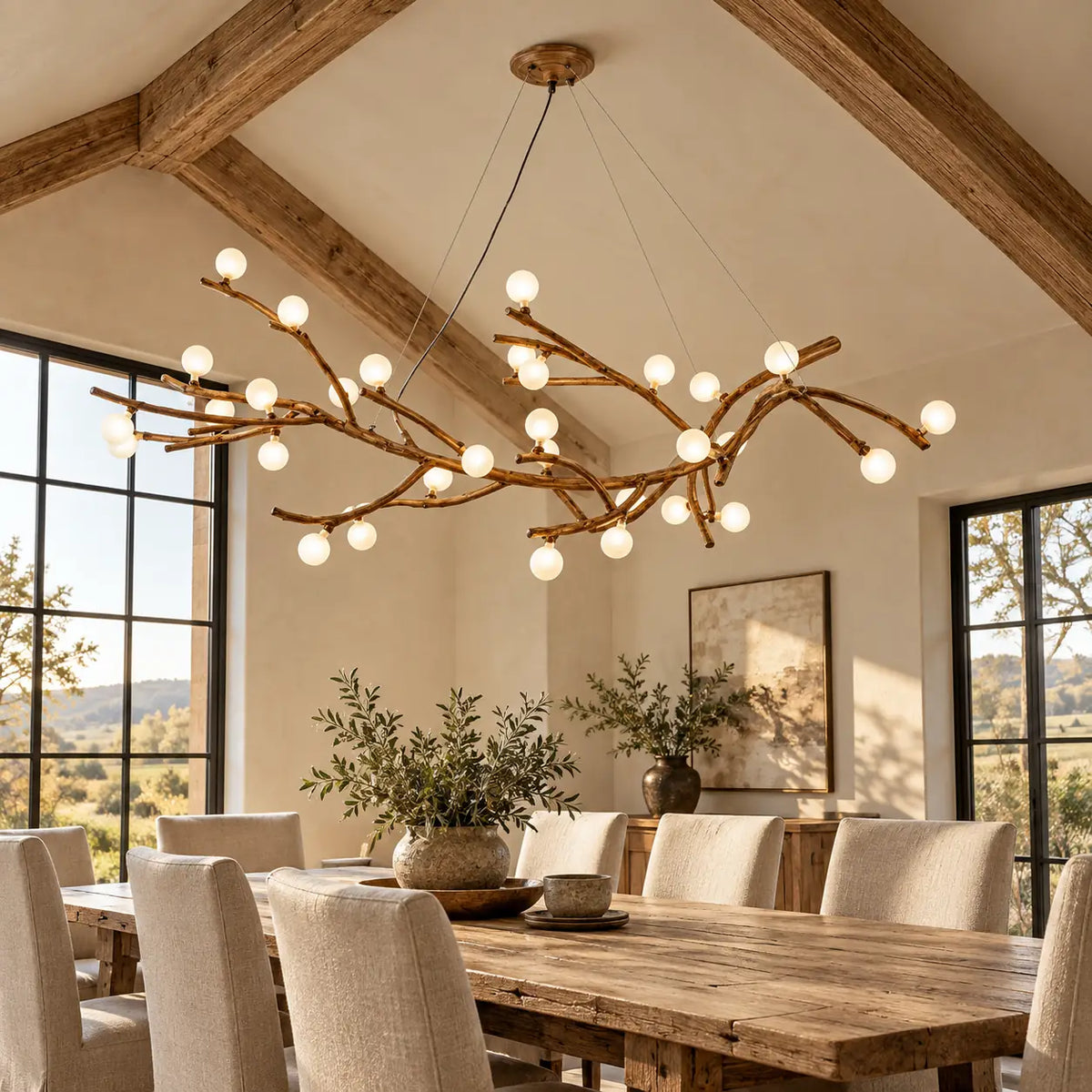
- Bronze and aged finishes: the rustic and transitional direction, pairing with wood beams and natural materials
- Natural wood elements: literal material honesty for organic modern and rustic rooms — see the wood chandeliers collection for the fully wood-built range
Where Branch Fixtures Anchor Best
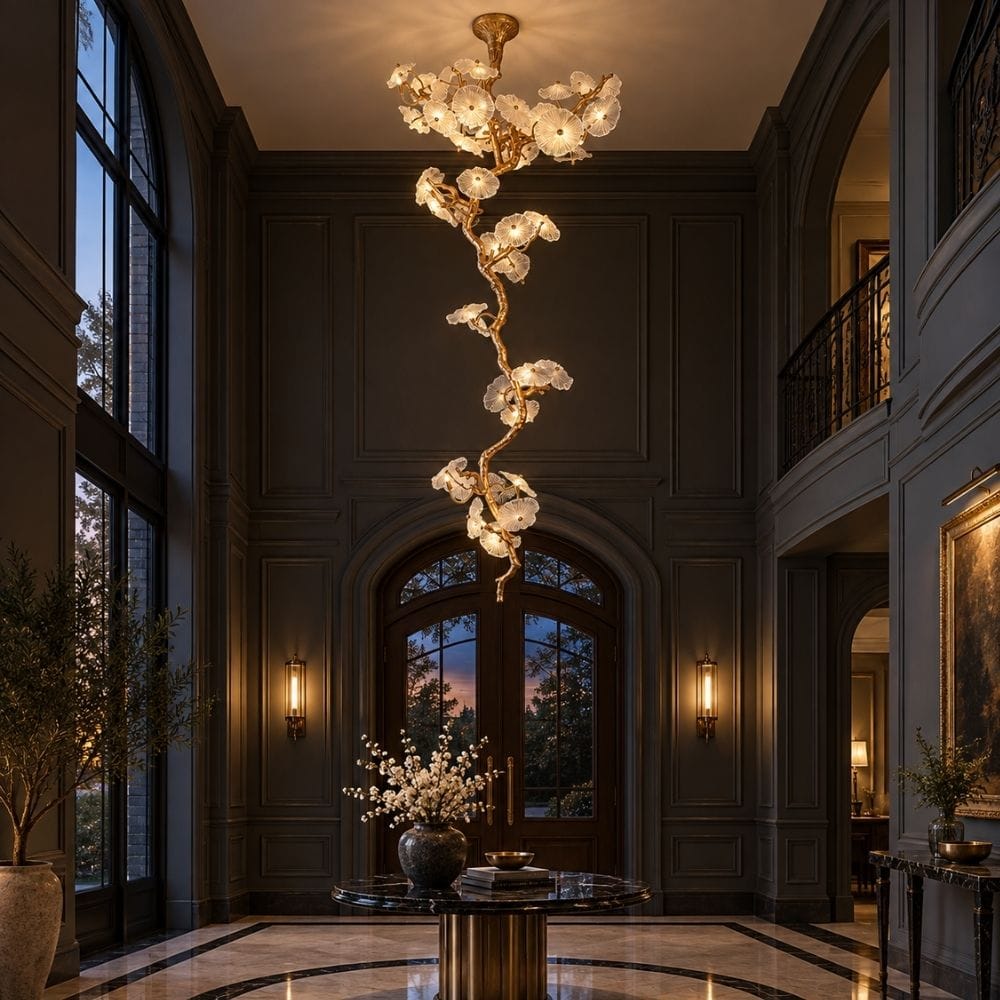
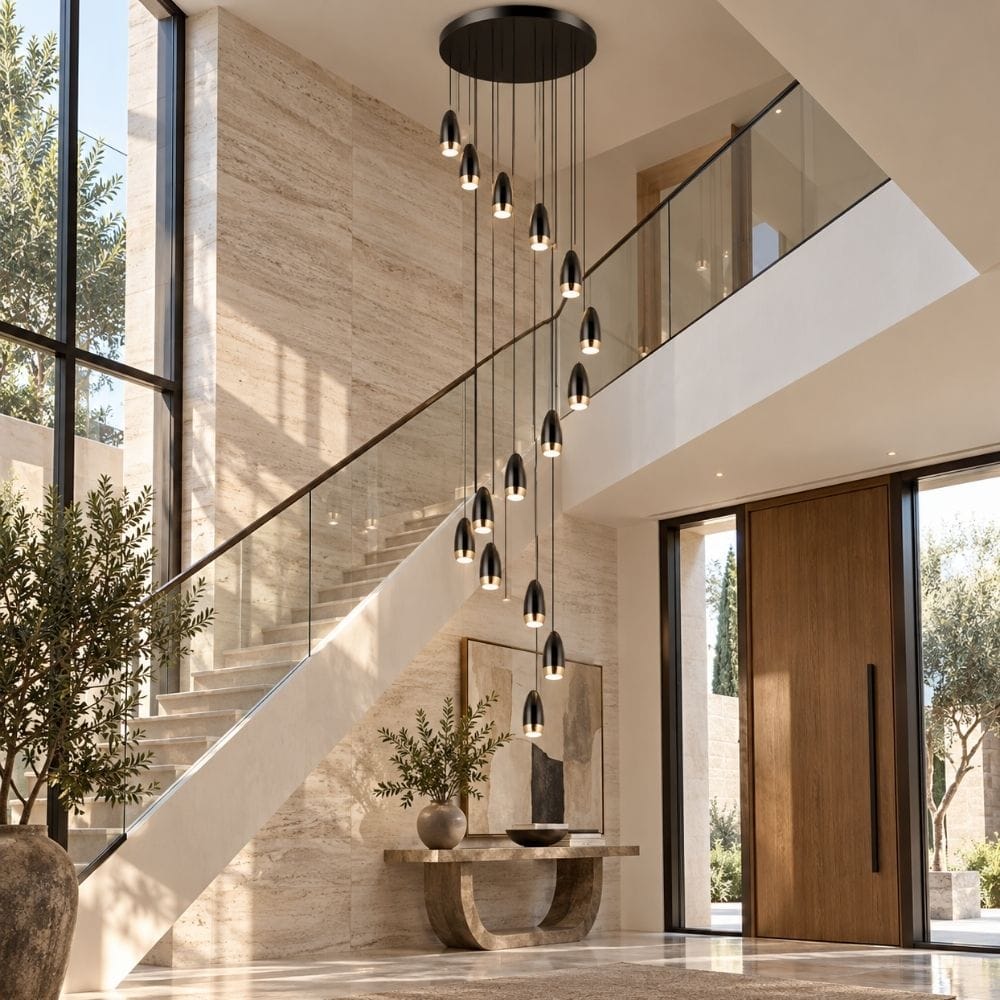
Dining rooms lead the category — a linear or spread branch composition over the table gives the room's social center a canopy, and the asymmetric form animates a rectangular table the way no symmetric fixture can. Entries and two-story foyers follow: a sculptural spread at statement scale reads as installed art from the door. Living rooms suit abstract spreads over the seating group, and staircases take vertical organic compositions viewed from every level. Bedrooms run the compact end — a single-stem pendant or small spread that keeps the organic language at intimate scale. Size math is the standard room formula throughout: length plus width in feet equals diameter in inches, worked through room by room in our chandelier size calculator.
What to Check Before Installation
These compositions spread wider than their weight suggests — confirm the full arm-to-arm span clears walls, cabinet doors, and window treatments at the mounting point, not just the fixture's listed diameter. Multi-arm designs ship with arms detached or folded on many models; allow assembly time and a second set of hands. Weight over roughly 50 lb requires a reinforced junction box, and asymmetric spreads should be rotated at installation so the strongest limb faces the room's main sightline — the one adjustment that makes the same fixture look composed rather than accidental. Warm white bulbs (2700-3000K) on a dimmer suit the category's residential placements; exposed-bulb branch designs reward round G-series bulbs that read as buds on the limb.
Related Collections
Shoppers here most often cross-shop the crystal chandeliers for the dressed-branch luxury end, the copper and brass collection for the category's signature warm metal, and the wood chandeliers where the organic language goes fully natural-material.
Frequently Asked Questions
What is a branch chandelier?
A sculptural fixture whose arms follow the branching logic of a tree — from literal tree branch silhouettes with twig-level detail to abstract compositions that fork and spread. The form's balanced asymmetry is the point: it reads as ceiling art, lit or unlit.
Do branch designs work with crystal?
It is the category's luxury signature — crystal drops hung from metal boughs like ice on a limb. Sparse dressing on strong branches reads modern; brass boughs with clear crystal is the definitive pairing.
Which rooms suit a branch fixture best?
Dining rooms above all — a spread or linear branch canopies the table and animates rectangular layouts. Entries take statement-scale sculpture; living rooms suit abstract spreads; bedrooms run compact single-stem designs.
What finish should a branch chandelier be?
Brass leads — warm metal reads closest to living wood. Matte black turns the form into graphic silhouette, white dissolves its weight for pale rooms, and bronze carries the rustic direction.
Can a low ceiling take a branch design?
Yes — branch ceiling lights hold the spread close to the ceiling plane for 8-9 ft rooms, and compact pendants carry the language where a full chandelier will not clear.
Is there anything special about installing one?
Check the arm-to-arm span against walls and cabinets, allow assembly time for detached arms, use a reinforced box above roughly 50 lb, and rotate the spread so the strongest limb faces the room's main sightline.