


Texture Reads Best at Arm's Length
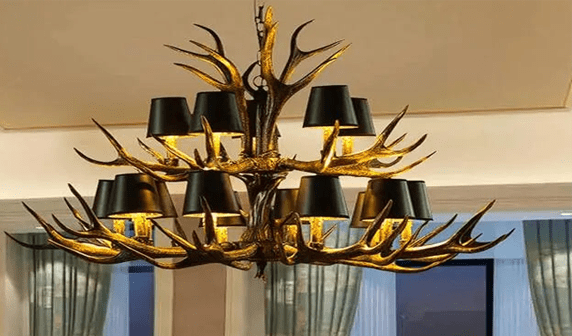
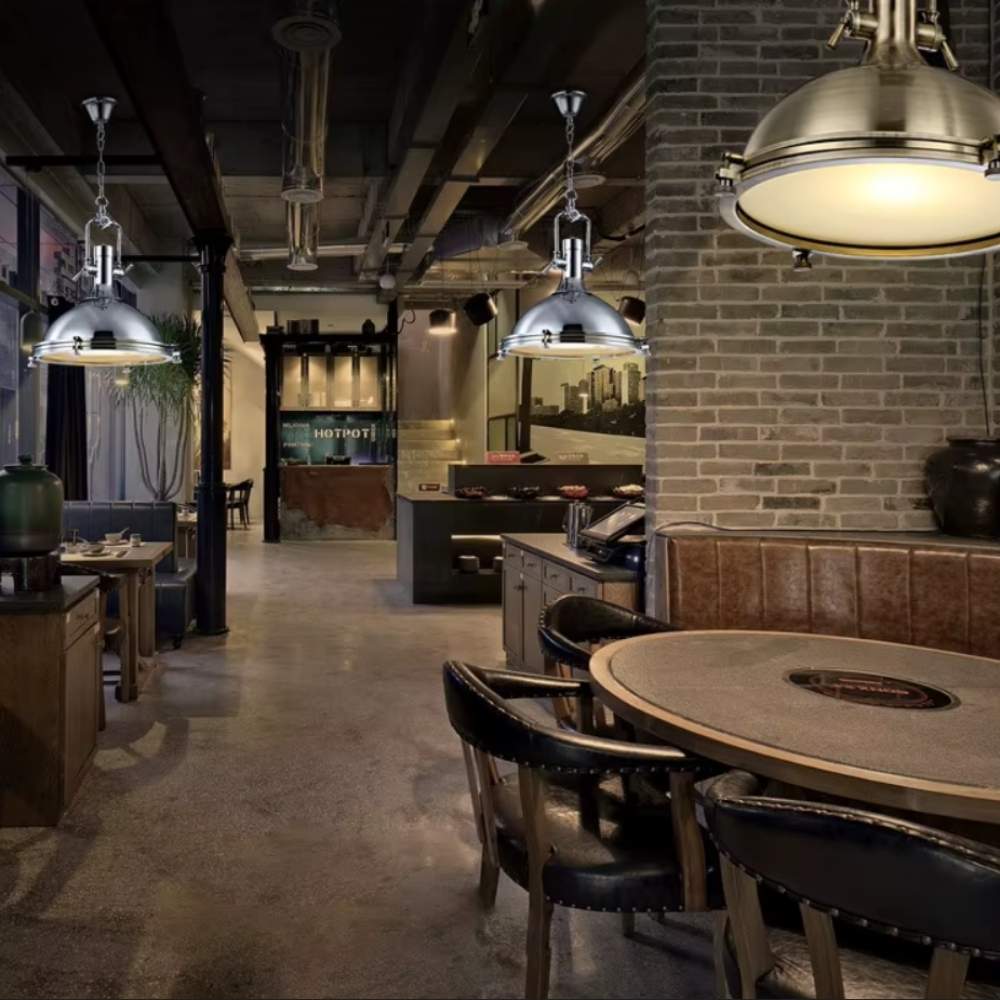
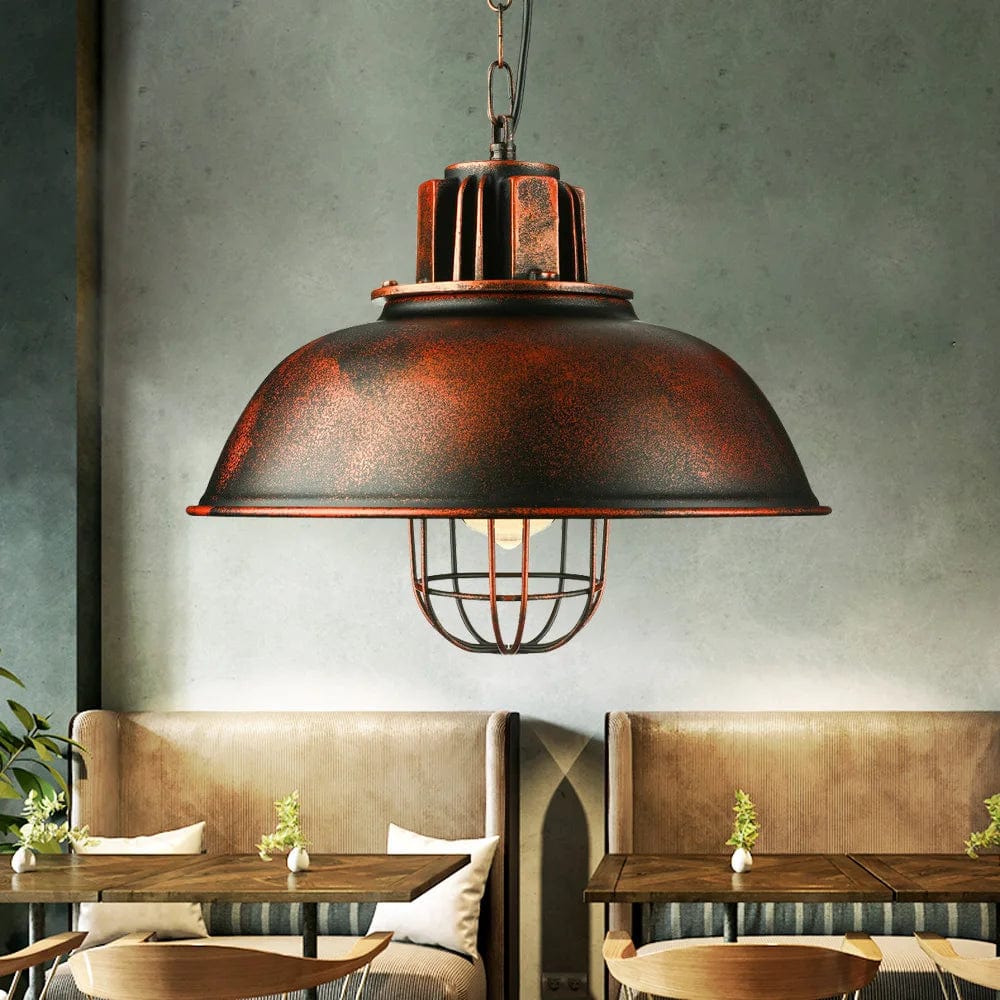
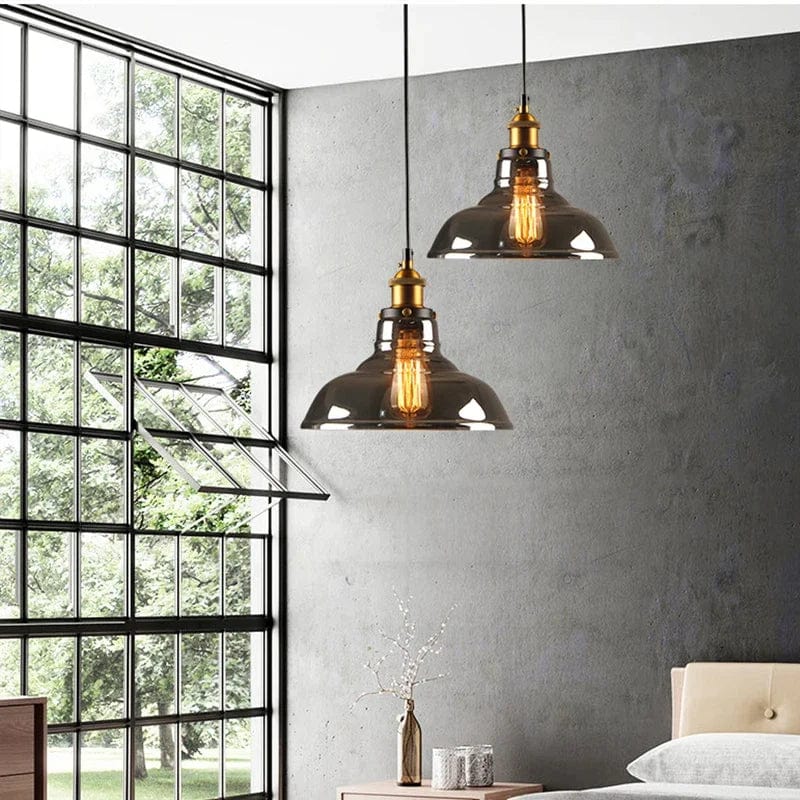
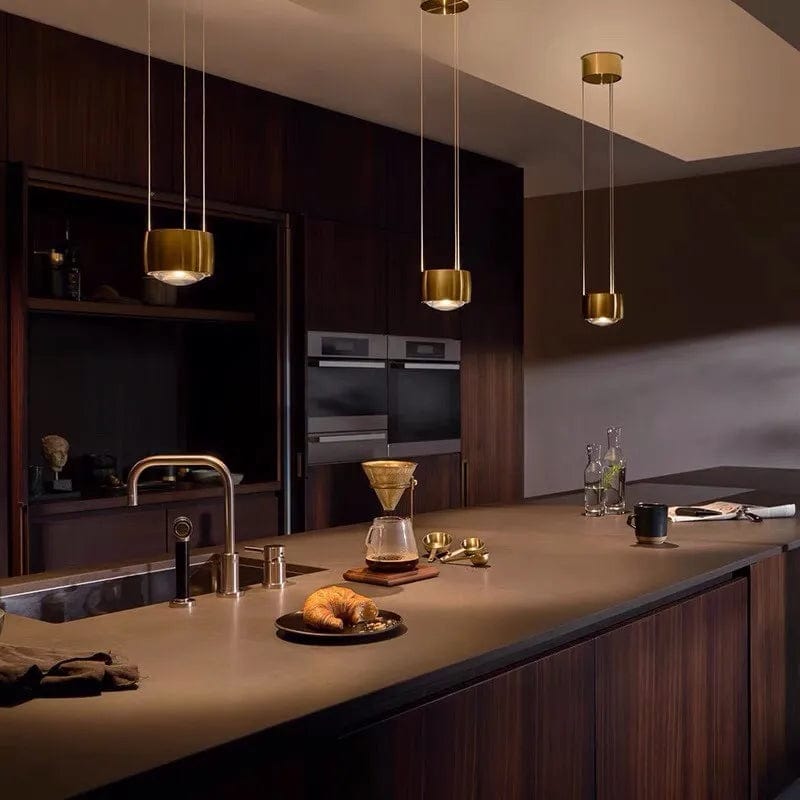
Rustic design is a material argument: wood grain left visible, forge marks kept in the metal, weave and joinery presented rather than concealed. All of that is detail work, and detail needs proximity. A ceiling fixture at 9 ft shows a silhouette; a pendant hung 30-36" (76-91 cm) above a counter shows the surface — hammer marks, grain direction, the slight irregularity that separates hand-finishing from a printed pattern. That is why the pendant format suits this style better than its scale suggests, and why a modest rustic pendant above an island often delivers more character than a much larger fixture mounted higher.
Modern Rustic: The Hybrid That Leads
The most-searched phrase in this collection names a specific balance: keep the materials, drop the ornament. Modern rustic pendants use the same aged metal and honest timber as traditional designs but simplify the silhouette to a clean cone, dome, or cage — so the fixture reads current in line and cabin in substance. It is the direction that lets a rustic piece hang in a renovated kitchen as convincingly as in a lodge, and it explains why the style crossed into city homes that own nothing else made of reclaimed material. The wider styling logic is walked through in our modern rustic design guide.
Materials and What They Say
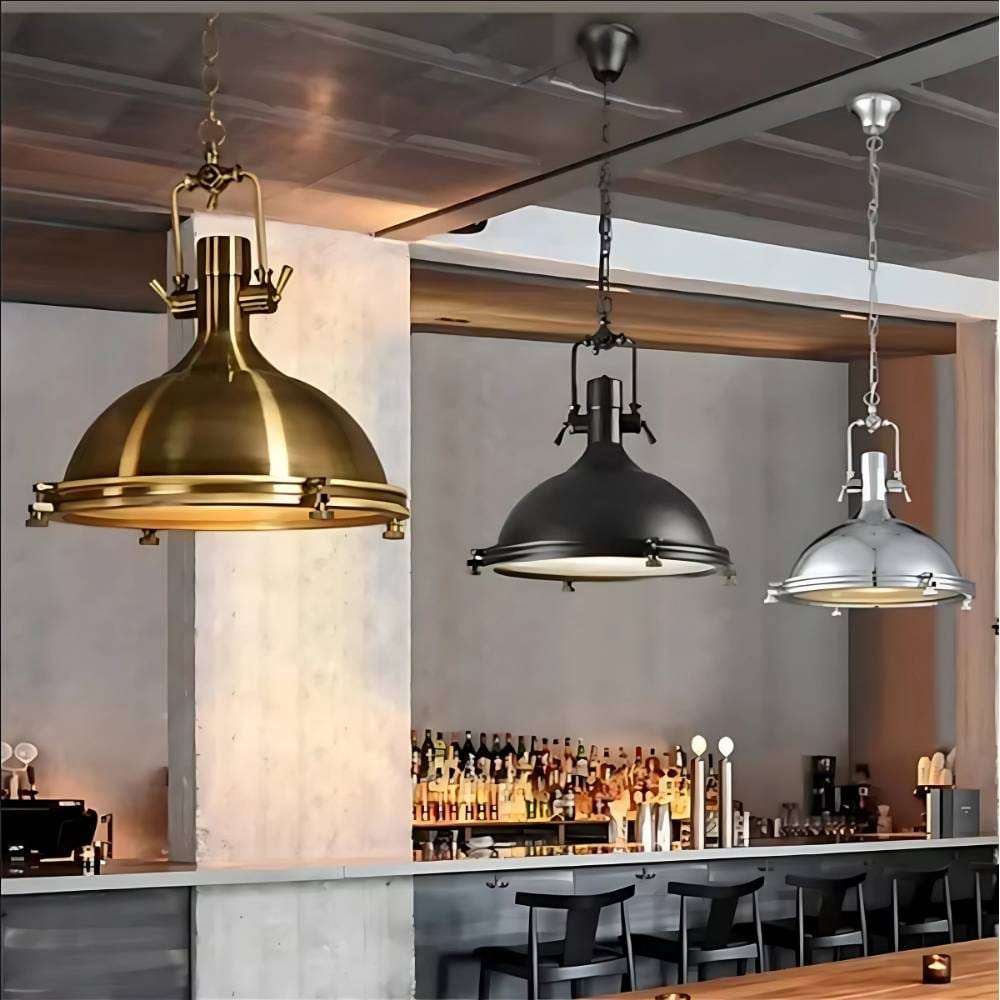
- Aged and forged metal: hammered surfaces, oil-rubbed and blackened finishes, visible hardware — the style's backbone, and the material where handling marks blend into the look rather than showing against it
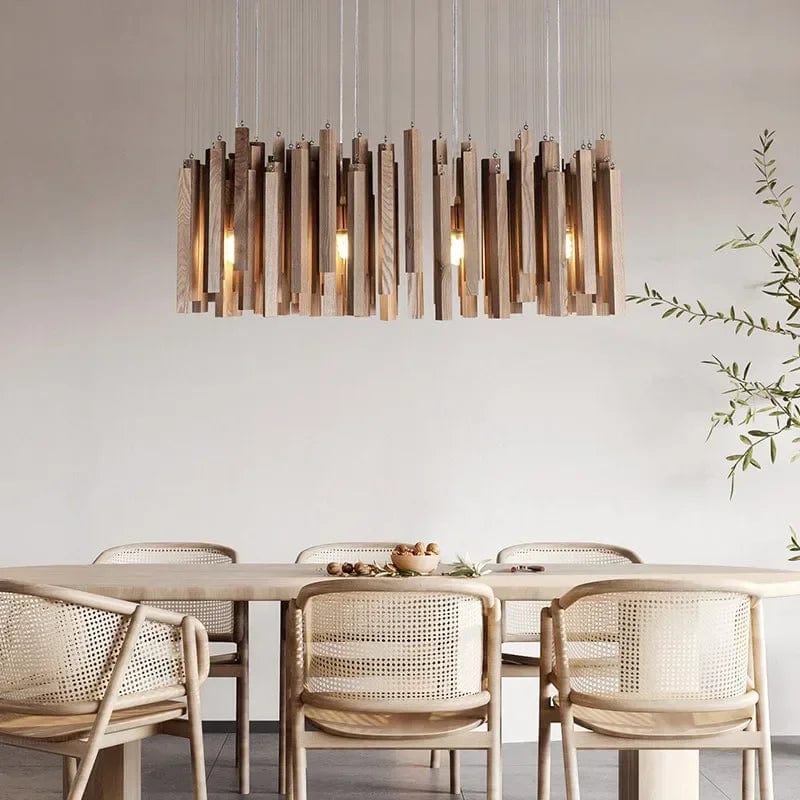
- Timber and wood accents: grain as surface, in tones from natural oak through walnut to weathered grey; the material family continues in the wood chandeliers collection
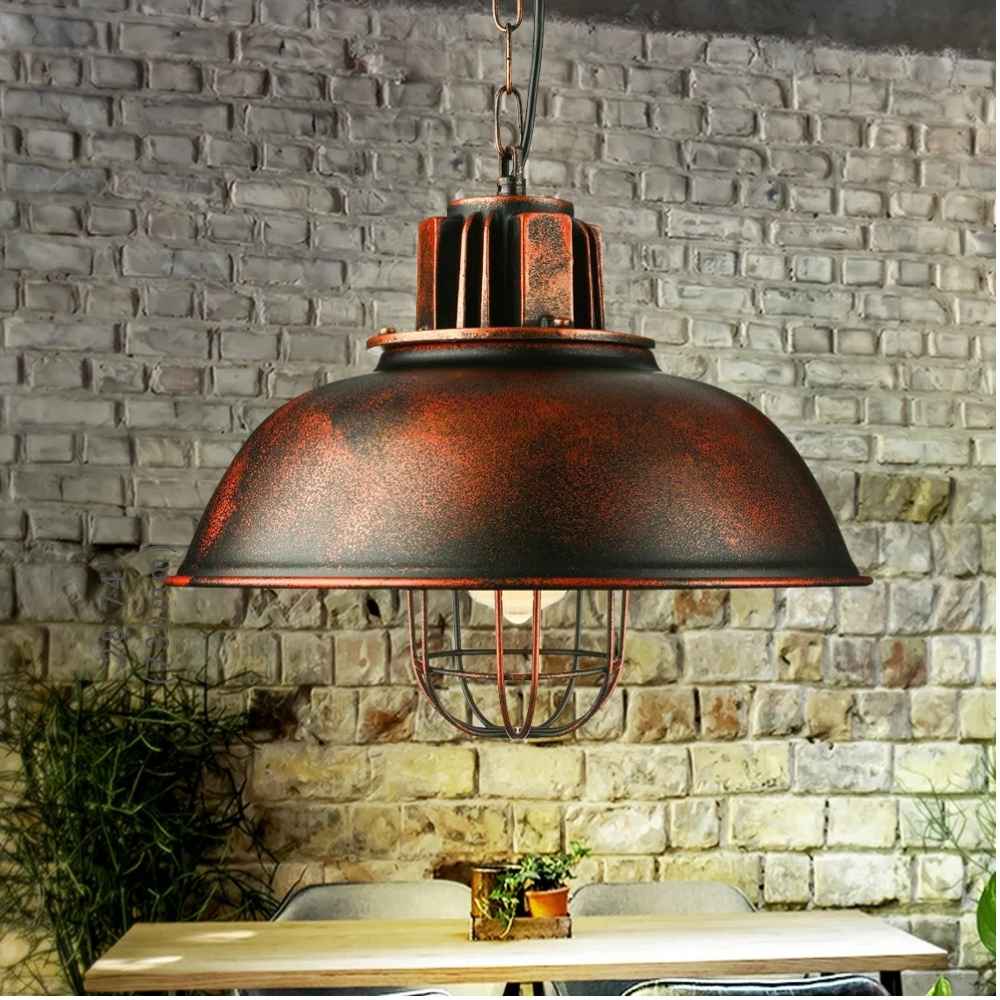
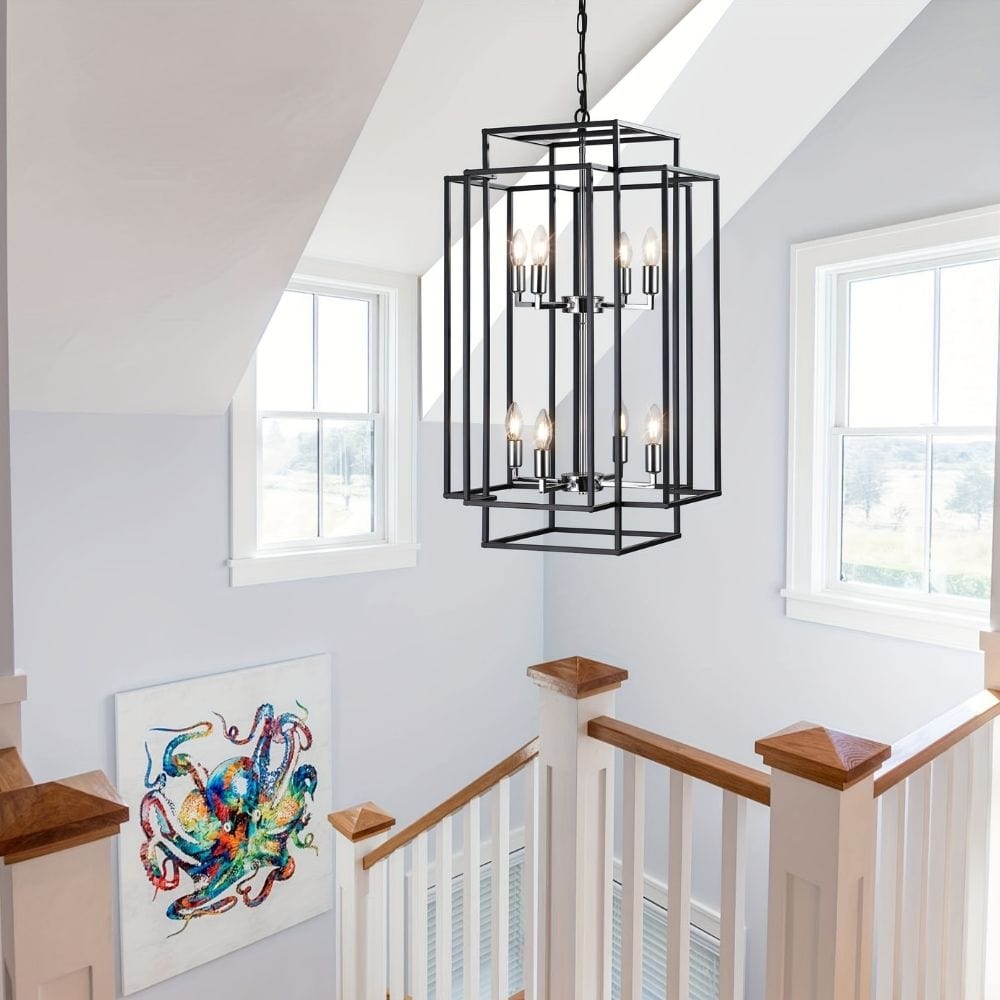
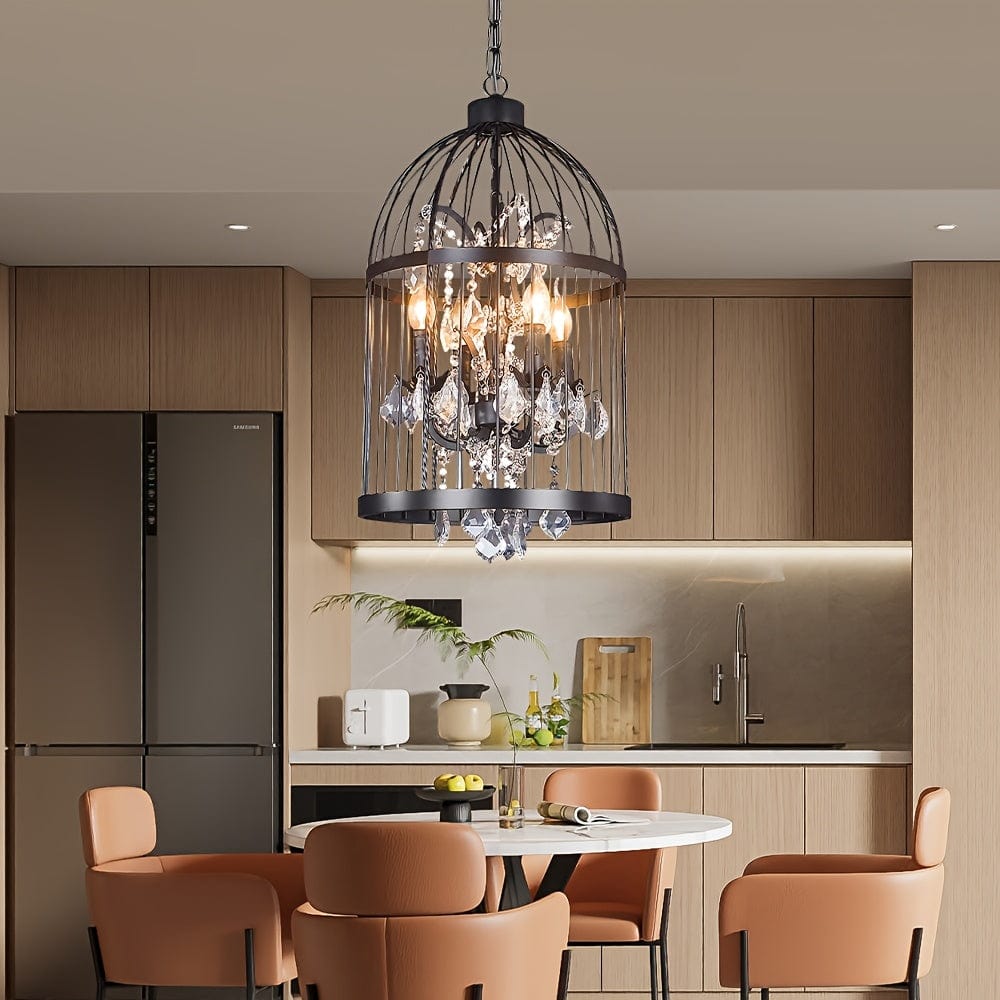
- Wire and open cages: the workshop silhouette — an outlined volume with the lamp visible inside, reading as line drawing rather than mass
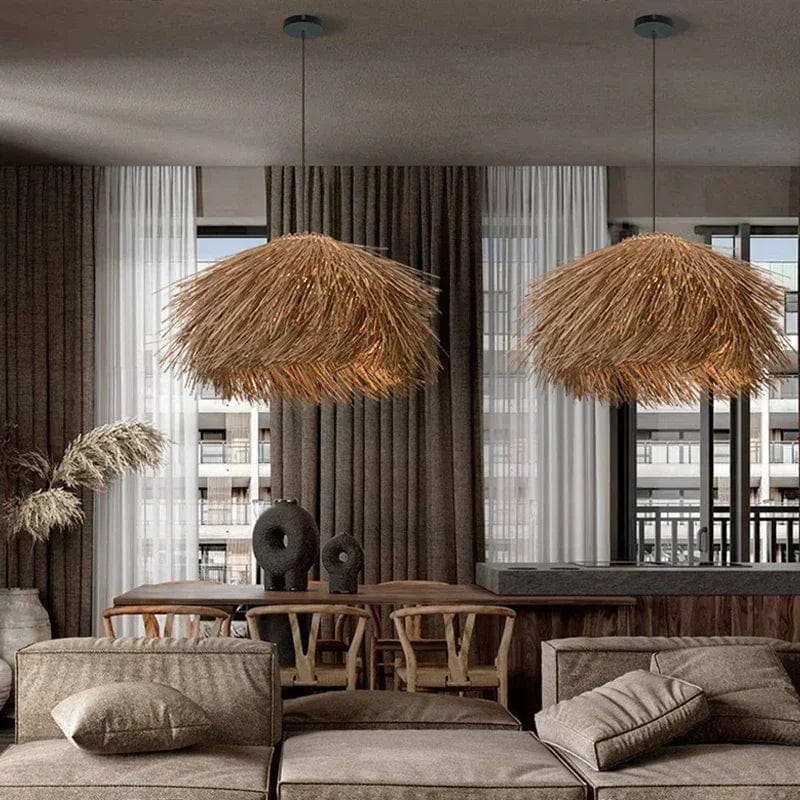
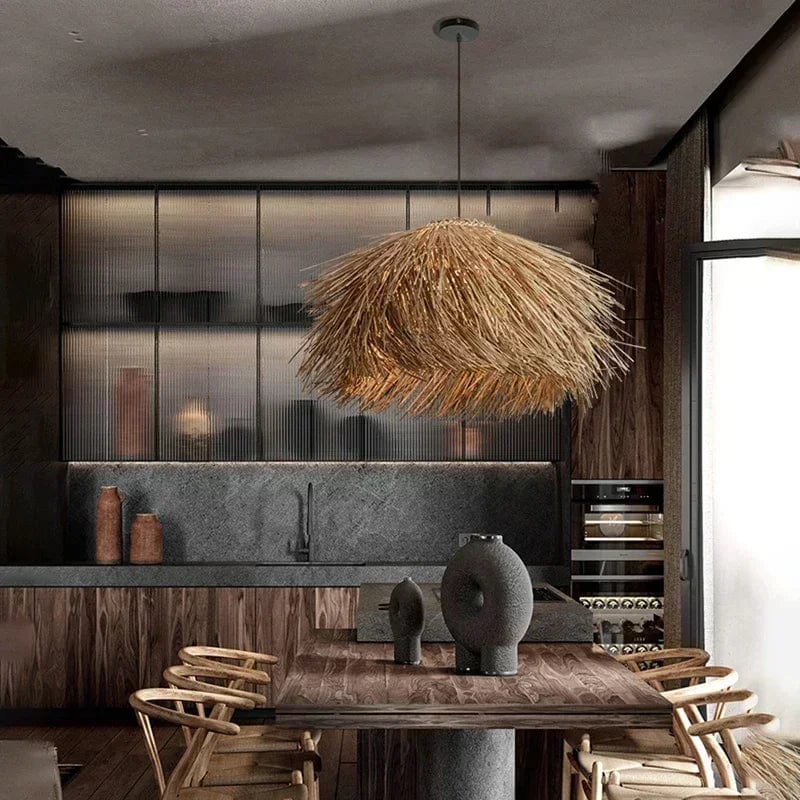
- Woven and natural fibres: rattan, jute, and rope shades that cast patterned shadow as well as light — the warmest, most textural end
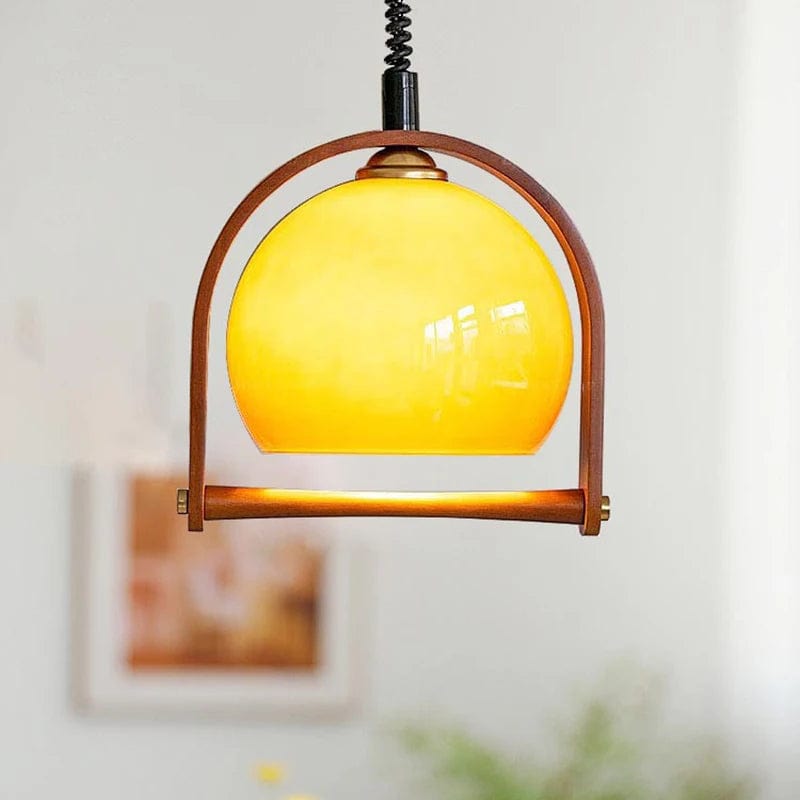
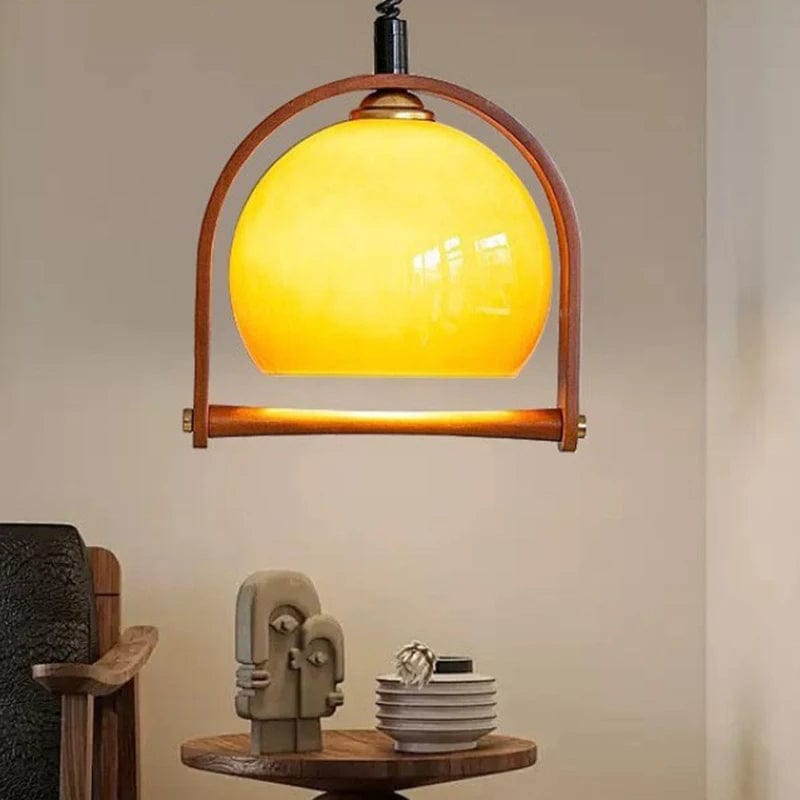
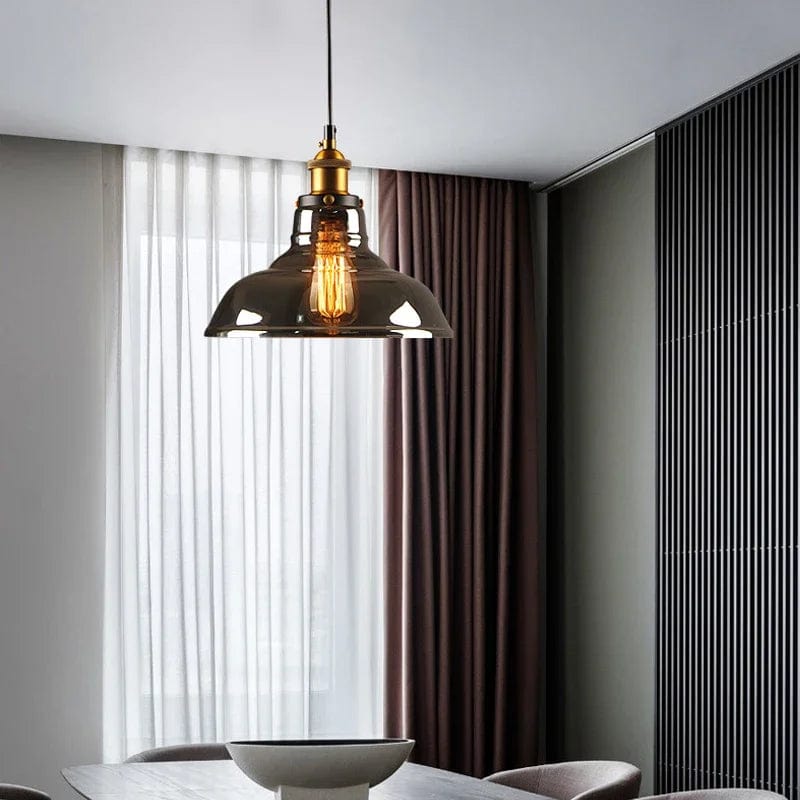
- Seeded and textured glass: fine bubbles suspended in the body, giving glass the same handmade evidence the metal carries
Forms Across the Collection
- Cone and barn shades: directed downward light and the format most associated with the style — strongest over islands and prep counters
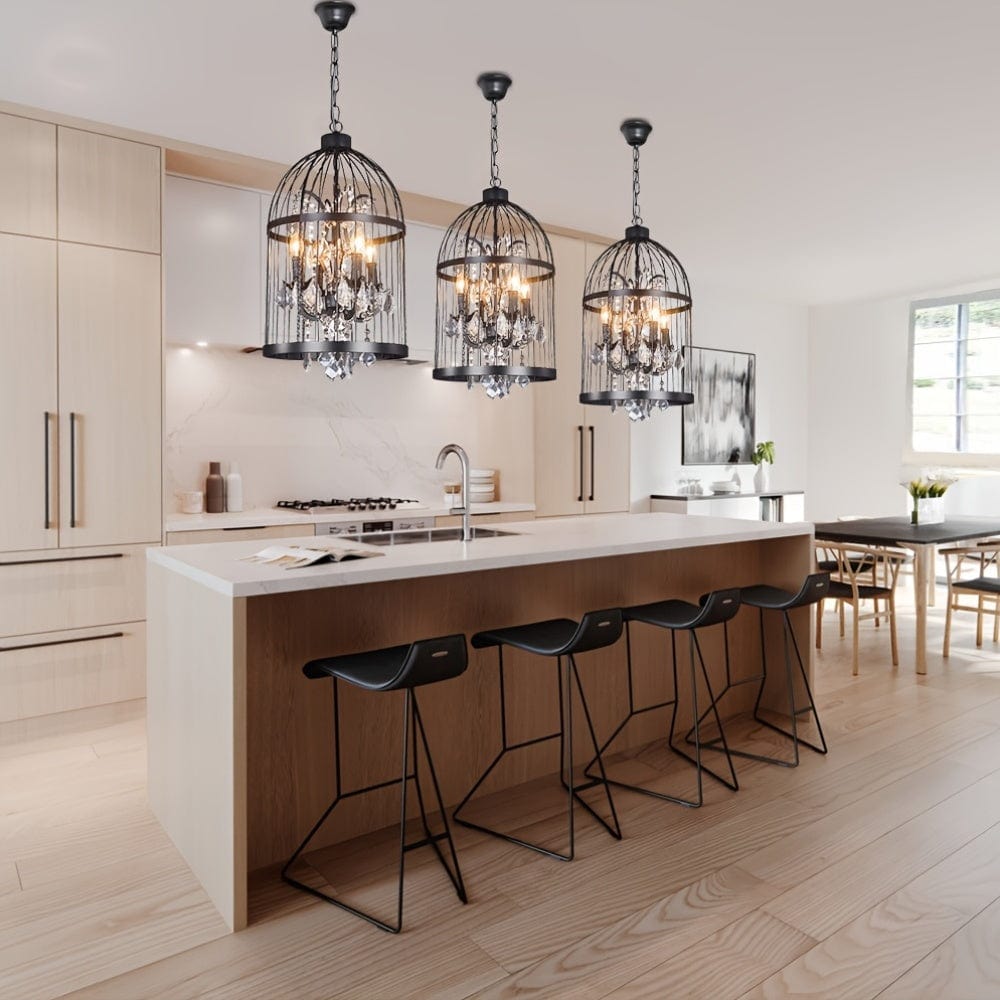
- Cage pendants: open frames with an exposed decorative lamp, at their best with warm filament LED since the bulb is part of the composition
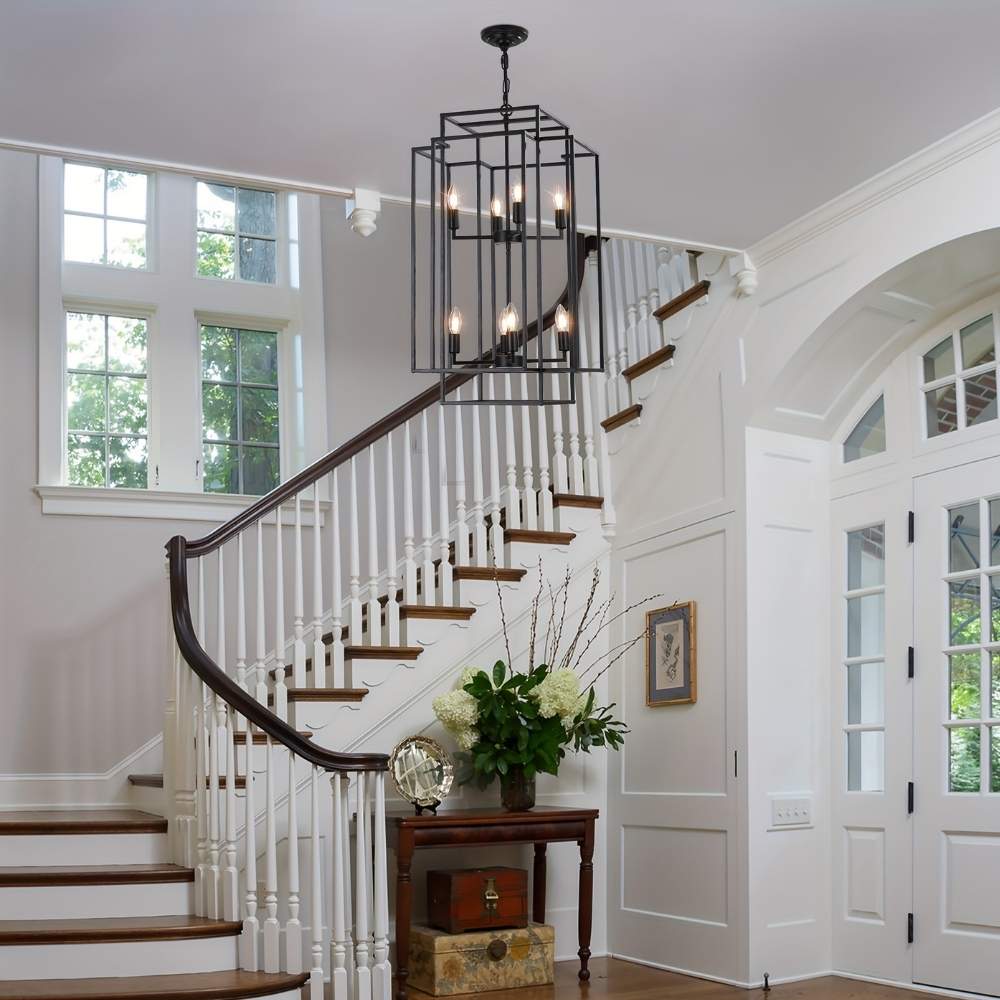
- Lanterns: the traditional silhouette in timber or aged metal, reading equally from every approach — the entry and stairwell choice
- Woven domes and baskets: textural volumes that soften a hard-surfaced kitchen
- Glass and metal combinations: seeded or clear glass in a forged frame, where warmth meets clarity
Where Rustic Pendants Work
Kitchen Islands
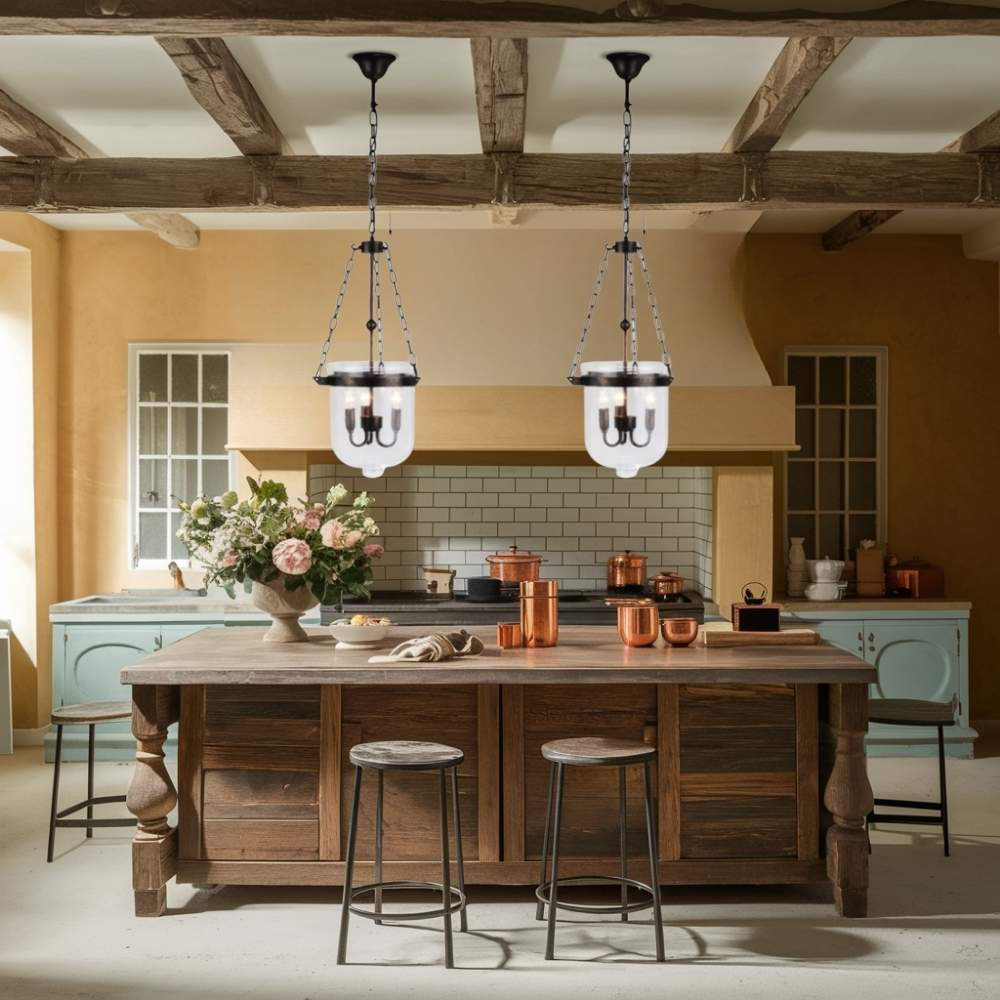
The collection's busiest address. A run of cone or cage pendants above an island supplies task light with visible character, spaced roughly one fixture per 24-30" (61-76 cm) of length and hung 30-36" above the counter. Cage and open designs need warm filament lamps, since the bulb is on show; woven shades soften a kitchen full of hard surfaces. The wider plan is in the kitchen lighting collection, with placement numbers in our island height guide.
Dining Tables and Breakfast Nooks
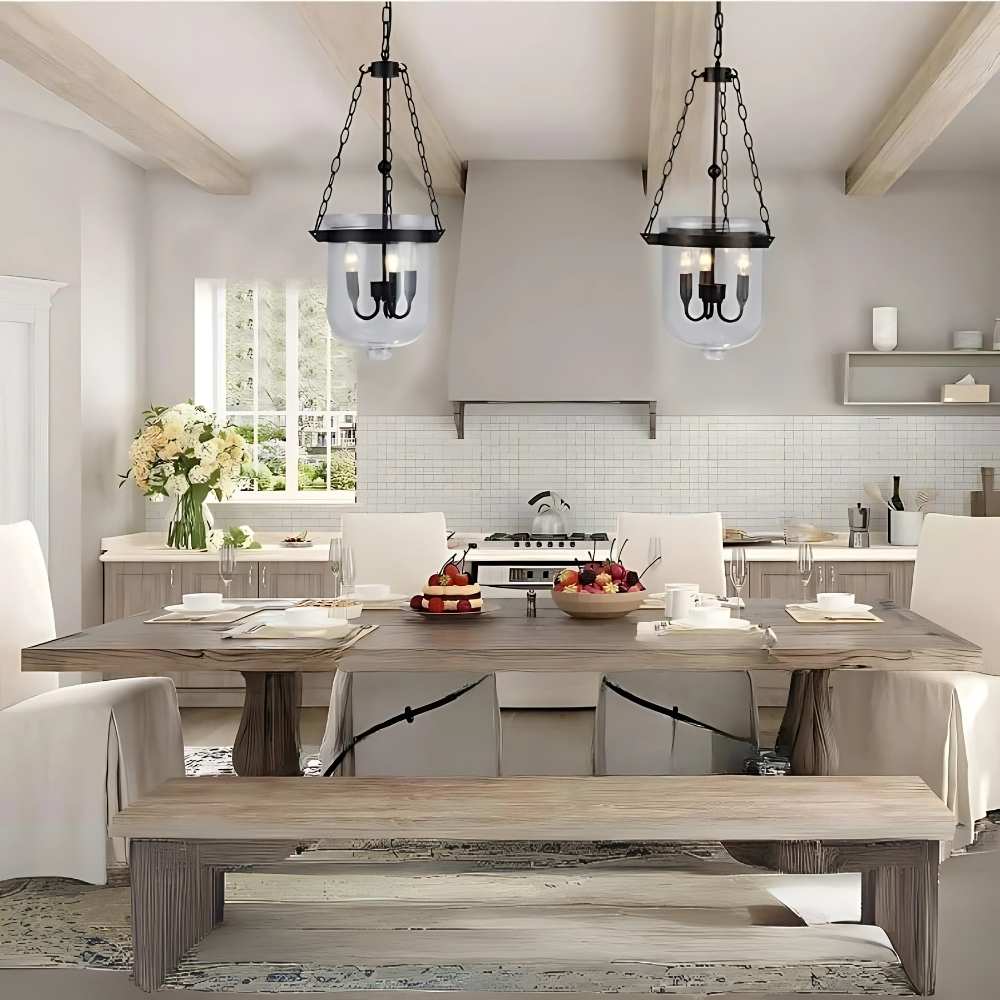
A single lantern or woven dome above a round table, or a matched pair above a rectangular one, at 30-36" from the tabletop. Warm dimmable light at 2700-3000K is the style's native register — rustic materials are firelight materials, and cool white flattens every one of them.
Entries, Hallways and Stairwells
Lanterns and cage forms read from every approach, which suits spaces seen from several directions. Repeat compact fixtures every 8-10 ft (2.4-3 m) along a hallway, and keep 84" (213 cm) of clearance wherever people walk.
Rustic or Farmhouse: Where the Line Sits
The styles are neighbours rather than twins. Rustic is the rawer sibling — heavier timber, darker metal, materials presented as found, at home where architecture shows its structure. Farmhouse is the domesticated one: painted and whitewashed finishes, lighter visual weight, country-house rather than backcountry. If the room says stone and exposed beams, shop here; if it says shiplap and painted cabinets, the farmhouse chandeliers collection is the address, with the full comparison in our farmhouse style guide.
Judging Craftsmanship Up Close
Proximity cuts both ways: at pendant height, the difference between hand-finishing and imitation is visible. Genuine aged and hammered finishes vary across the piece and between units — that variation is the product, not a defect — while printed or sprayed imitations repeat an identical pattern that reads flat in person even when it photographs well. On woven designs, check the weave's consistency at the rim, where shortcuts show first. On timber, look for finished edges at every joint; unfinished wood absorbs moisture exactly where a kitchen delivers it. And on any hand-applied finish, order pairs together — batch variation is real, and two fixtures bought months apart will not match over the same island.
Sizing and Light
Size to the surface below rather than the room. Over an island, the fixtures together should span one-half to two-thirds of its length, with individual diameters typically 10-18" (25-46 cm) — rustic shades read heavier than glass at the same measurement, so err toward the smaller end in compact kitchens. Over a round table, one pendant at one-half to two-thirds of the table's width. Warm white 2700-3000K throughout, on a dimmer, with decorative filament LED lamps in cage and open designs where the source is visible. The full calculation set is in our pendant sizing guide.
Related Collections
Browse the wider suspended range at the pendant lights collection, the full style family at statement scale in the rustic chandeliers collection, and the material story at the wood and iron chandeliers collections.
Frequently Asked Questions
What is a modern rustic pendant light?
The current hybrid: aged metal, timber, and woven materials in simplified modern silhouettes — clean cones, domes, and cages. Cabin substance, current line, which is why it works in renovated kitchens as well as lodges.
What is the difference between rustic and farmhouse pendants?
Rustic is rawer — heavy timber, dark metal, materials presented as found. Farmhouse is lighter and domesticated, with painted and whitewashed finishes. Stone-and-beam rooms are rustic; shiplap rooms are farmhouse.
How many rustic pendants over a kitchen island?
Roughly one per 24-30" (61-76 cm) of island length, hung 30-36" above the counter. Cage and open designs need decorative filament lamps, since the bulb is part of the composition.
What size should I choose?
Individual diameters usually run 10-18" (25-46 cm) for a run, spanning one-half to two-thirds of the island's length together. Rustic shades read heavier than glass at the same measurement, so err smaller in compact kitchens.
How can I tell a hand-finished piece from an imitation?
Look for variation. Genuine aged and hammered finishes differ across the piece and between units; printed imitations repeat an identical pattern that reads flat in person. On woven designs, the rim is where shortcuts show first.
Do rustic pendants work in modern kitchens?
The modern rustic direction was built for exactly that — one tactile, grounded fixture against clean cabinetry and hard surfaces. Keep the silhouette simple and let the material carry the character.