

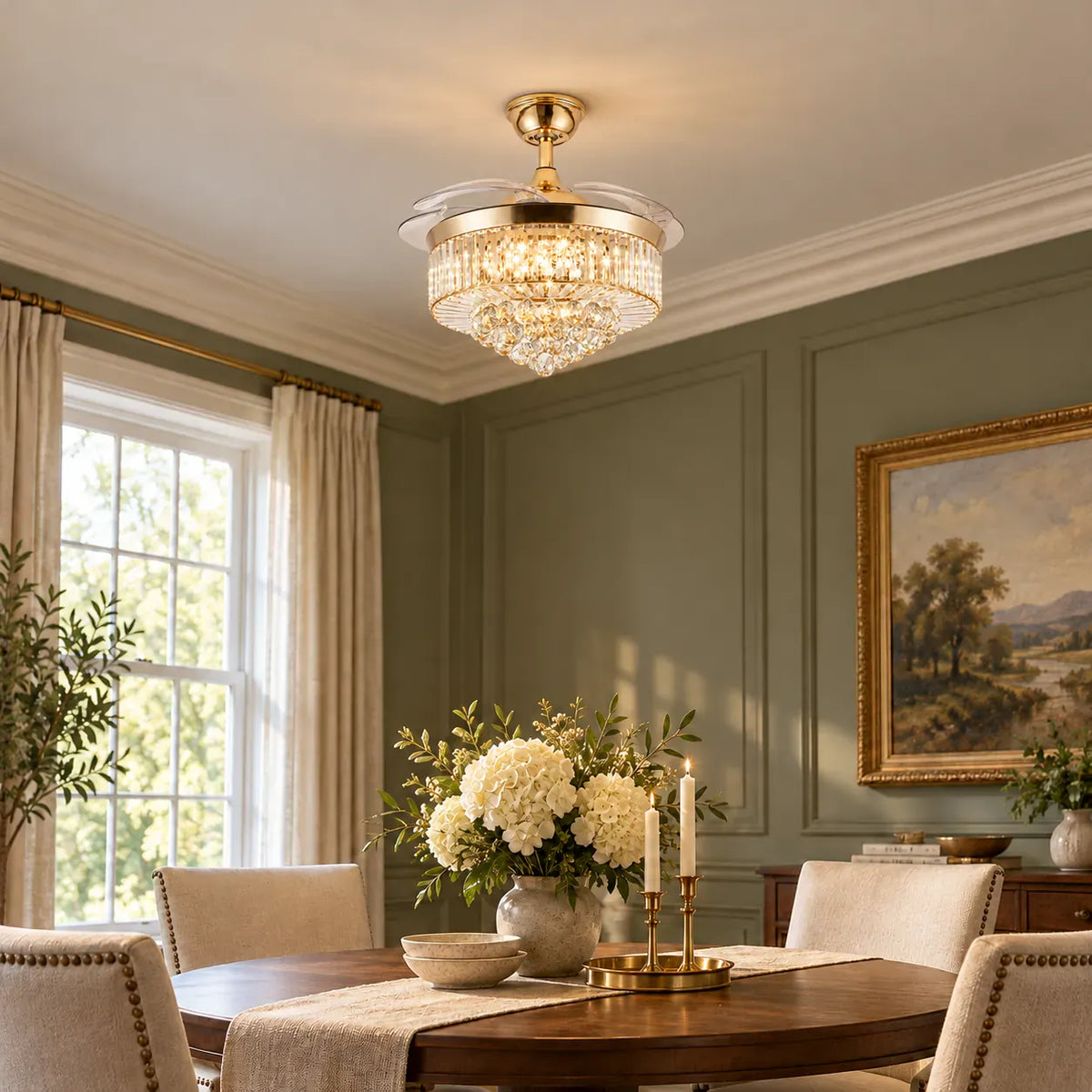
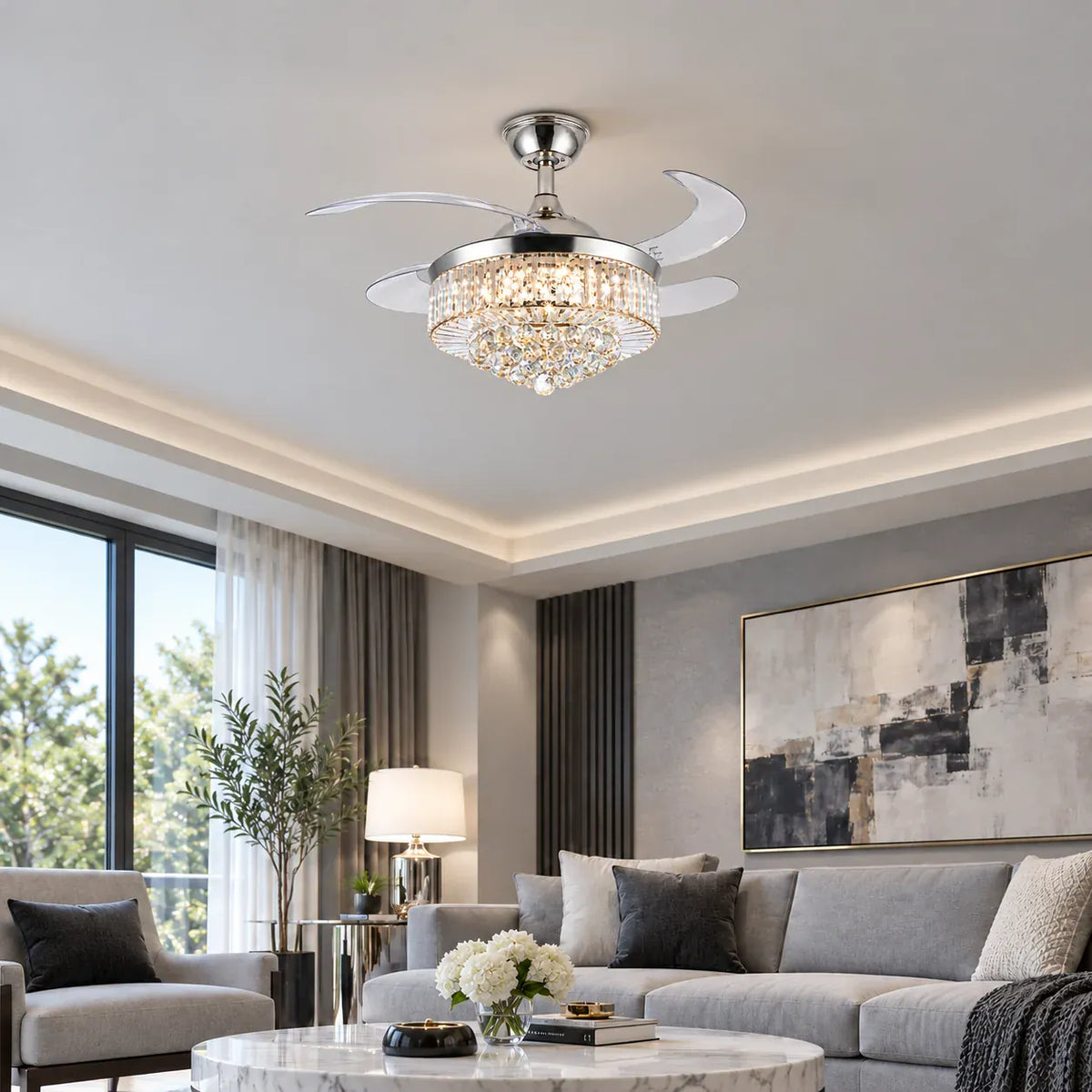


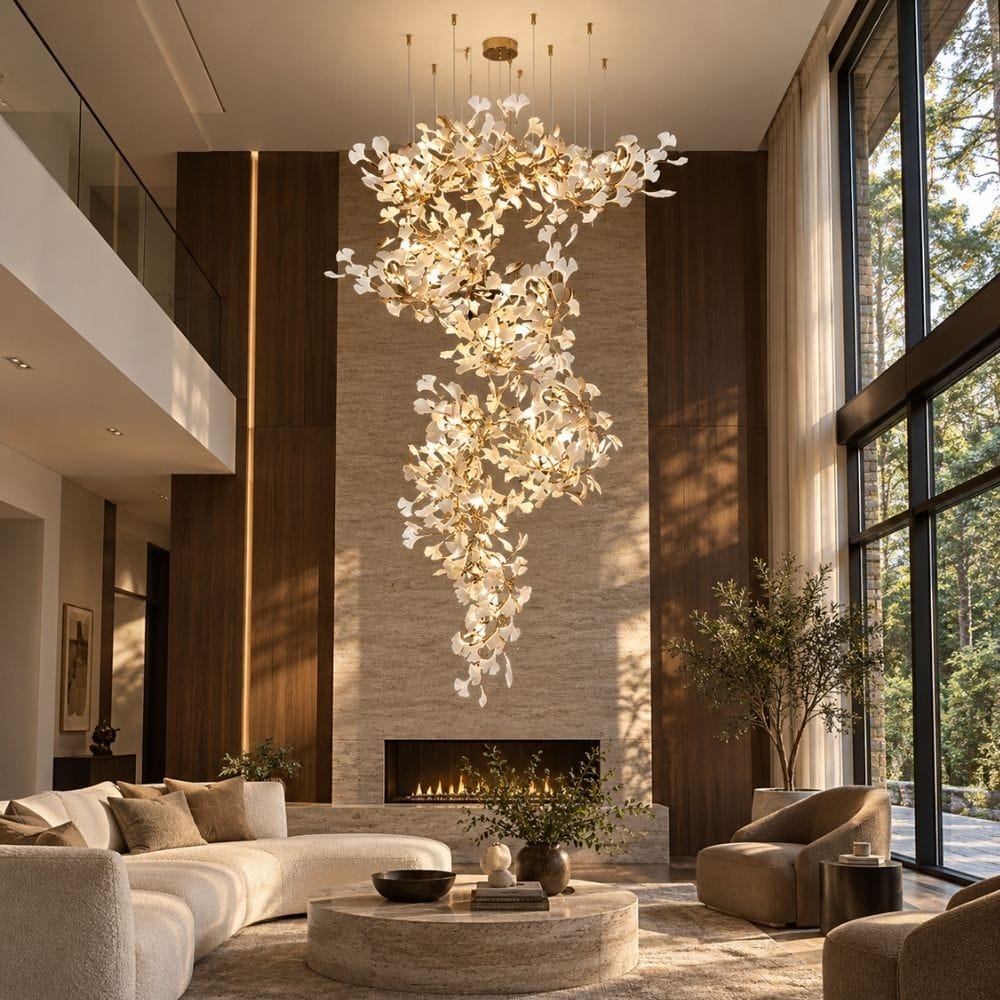
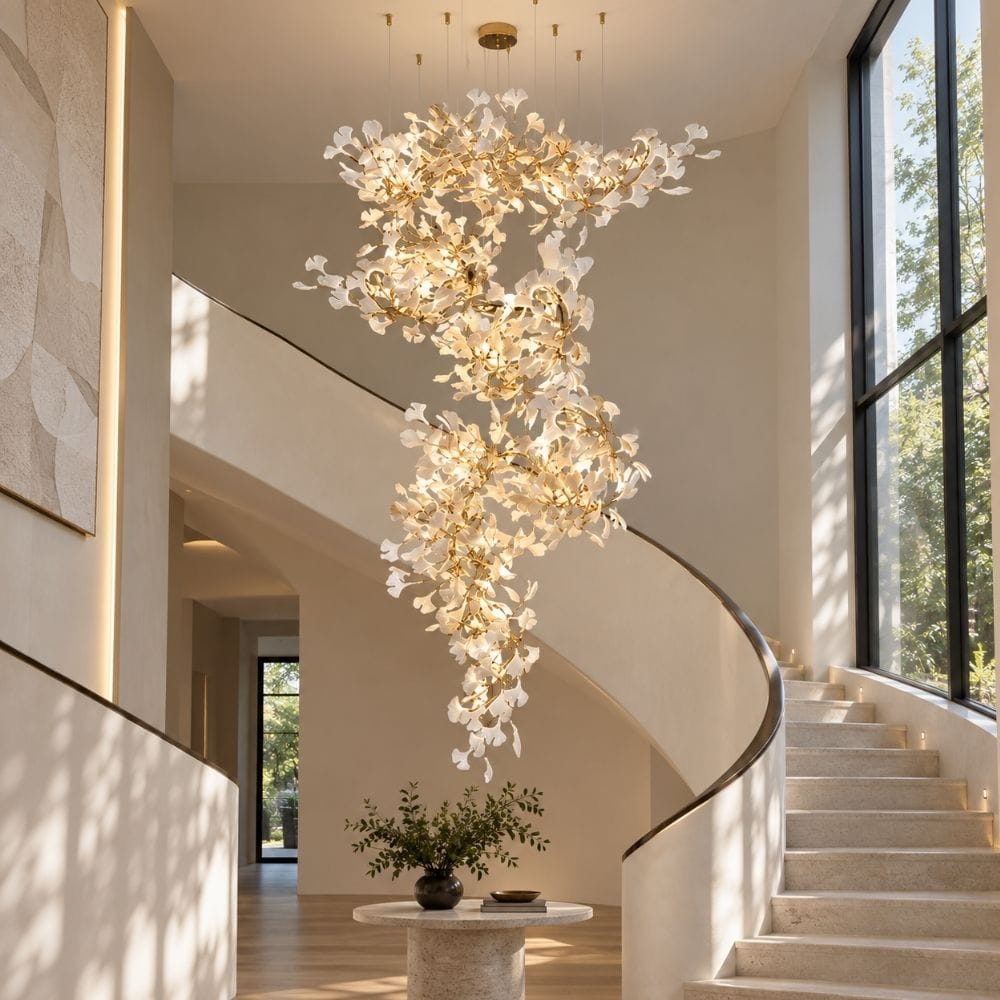
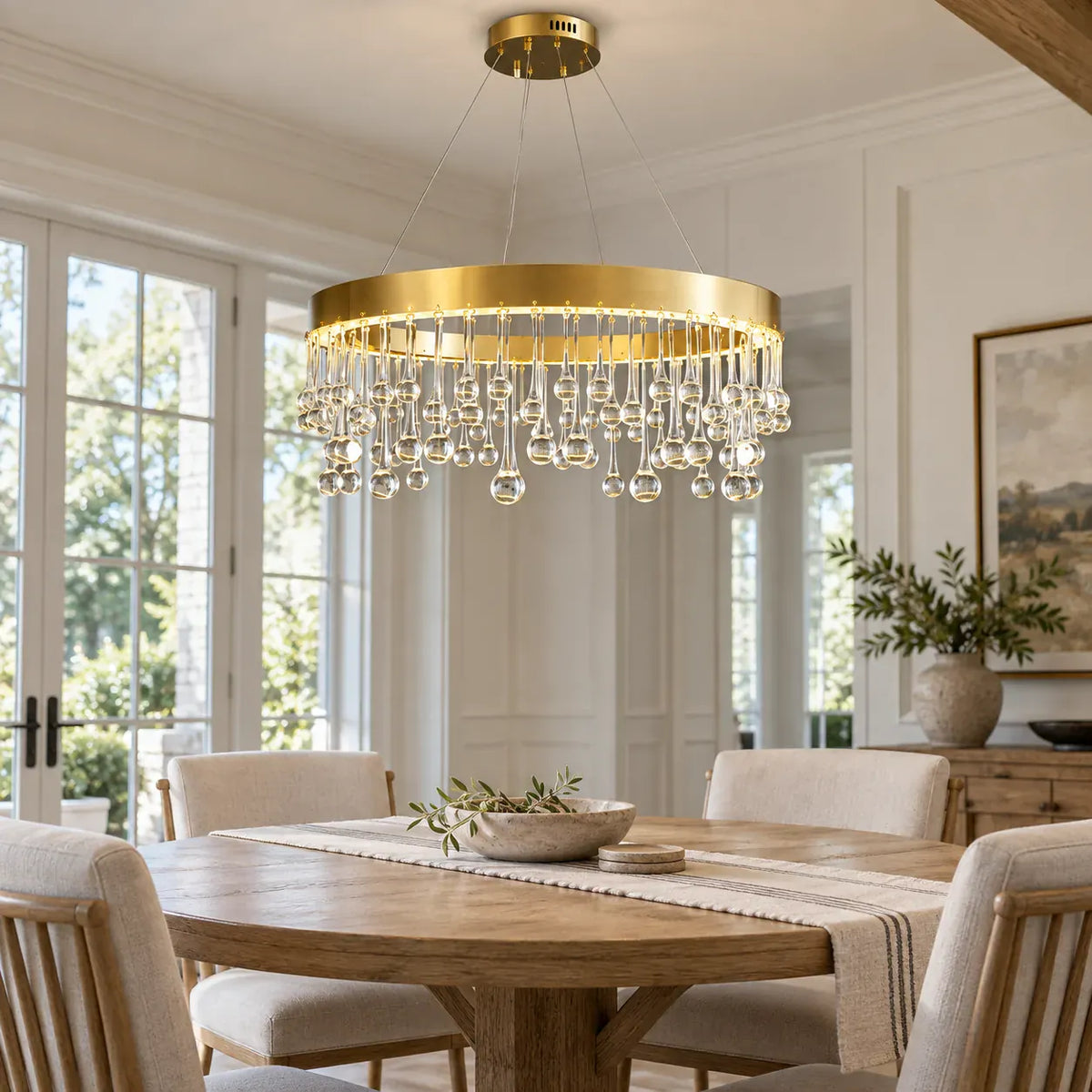
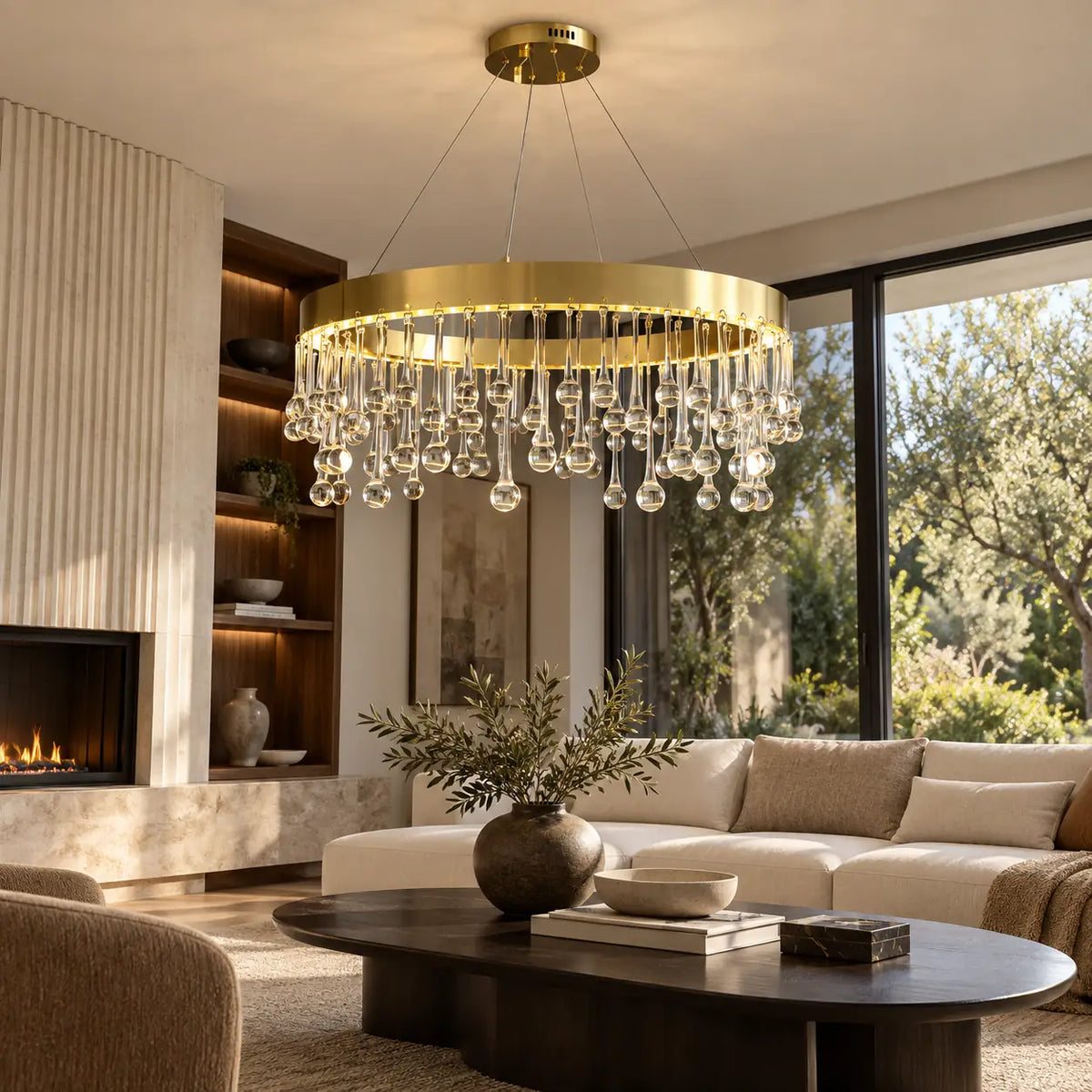
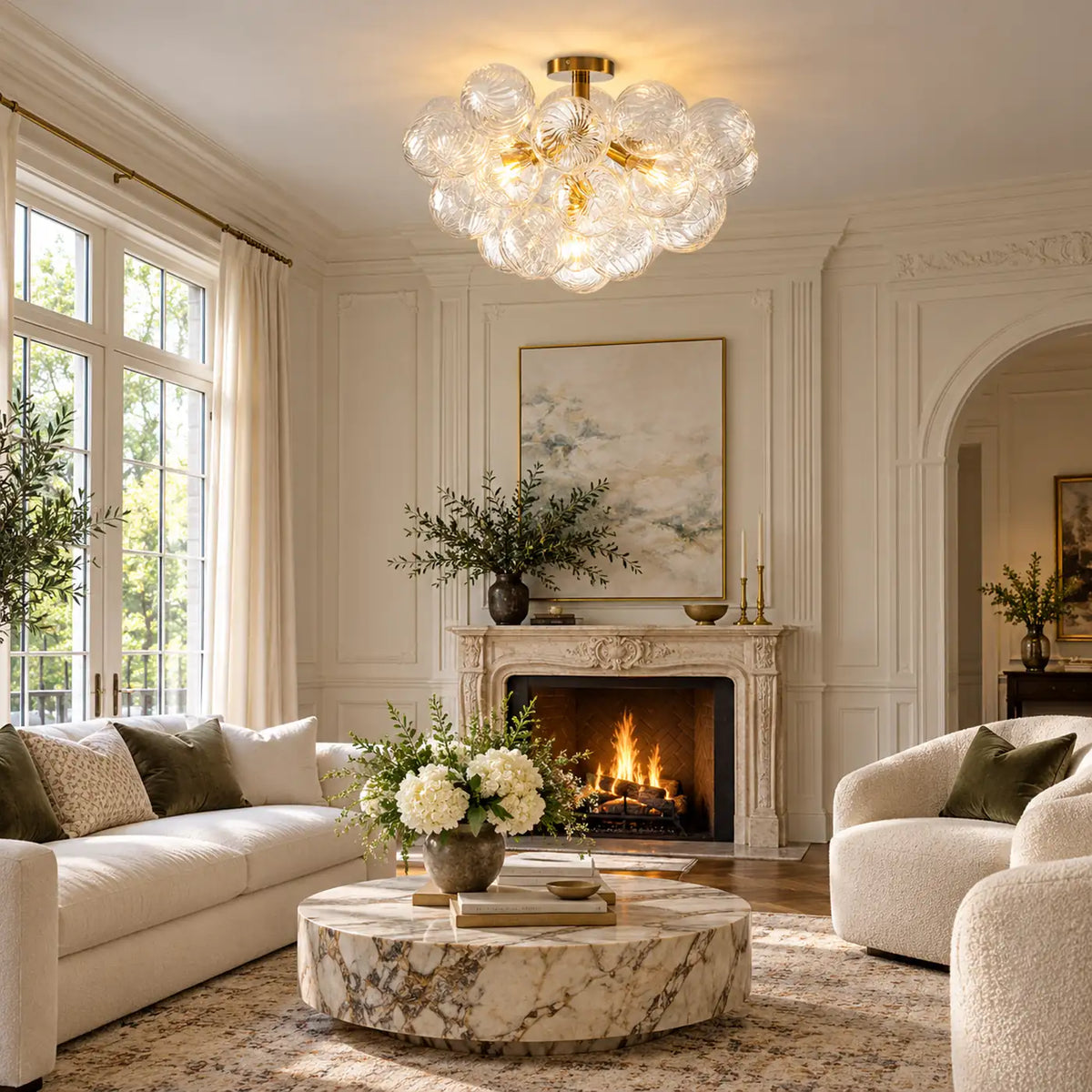
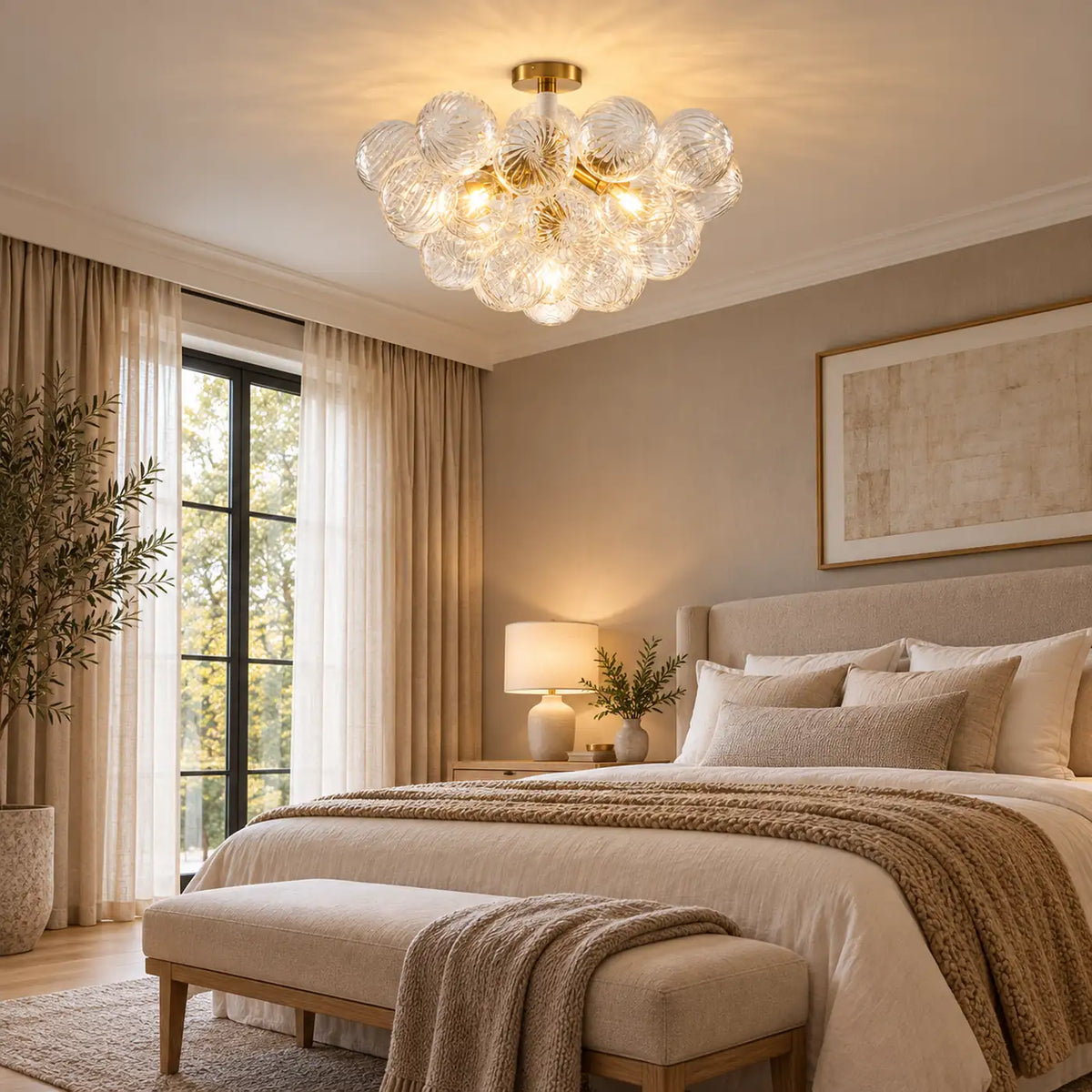

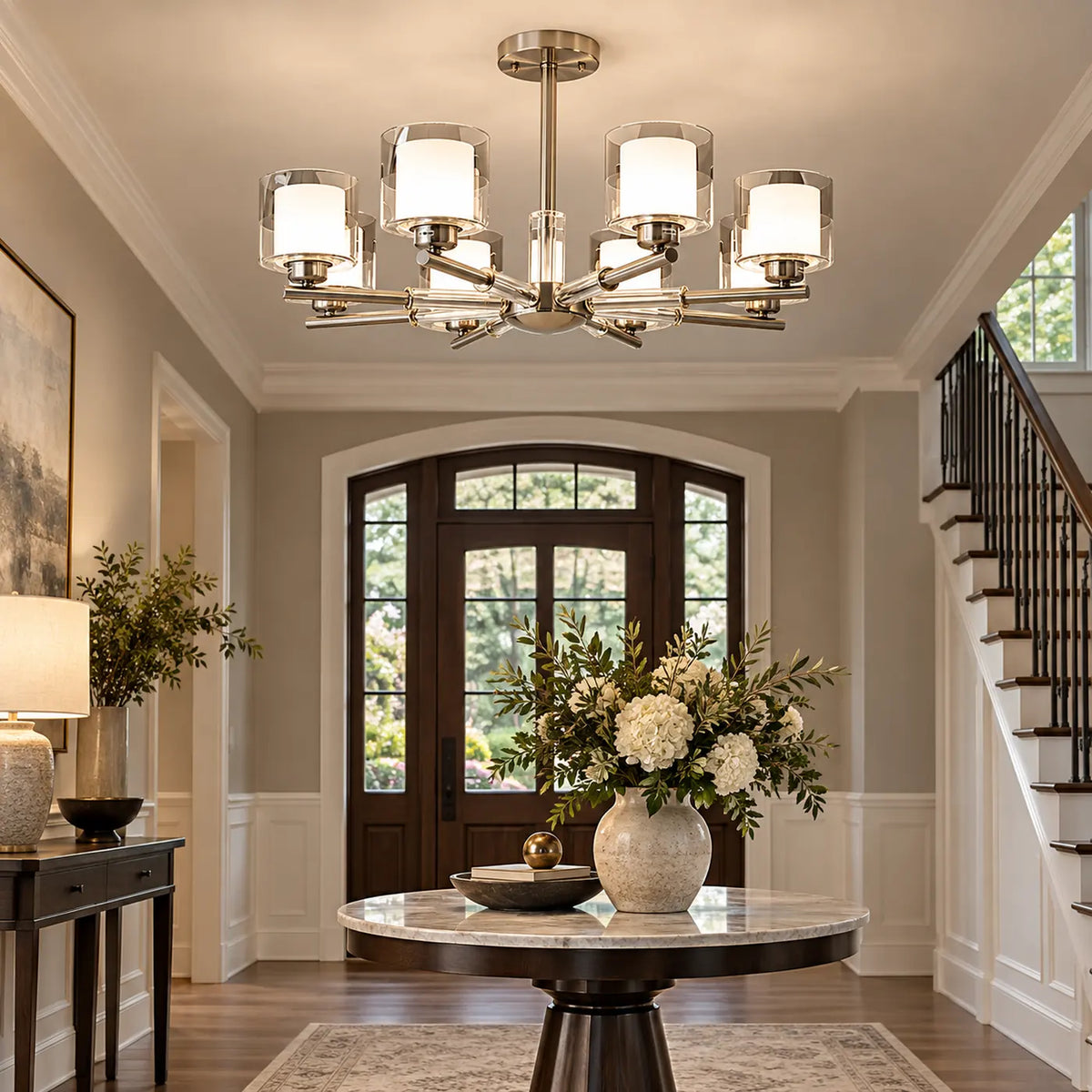
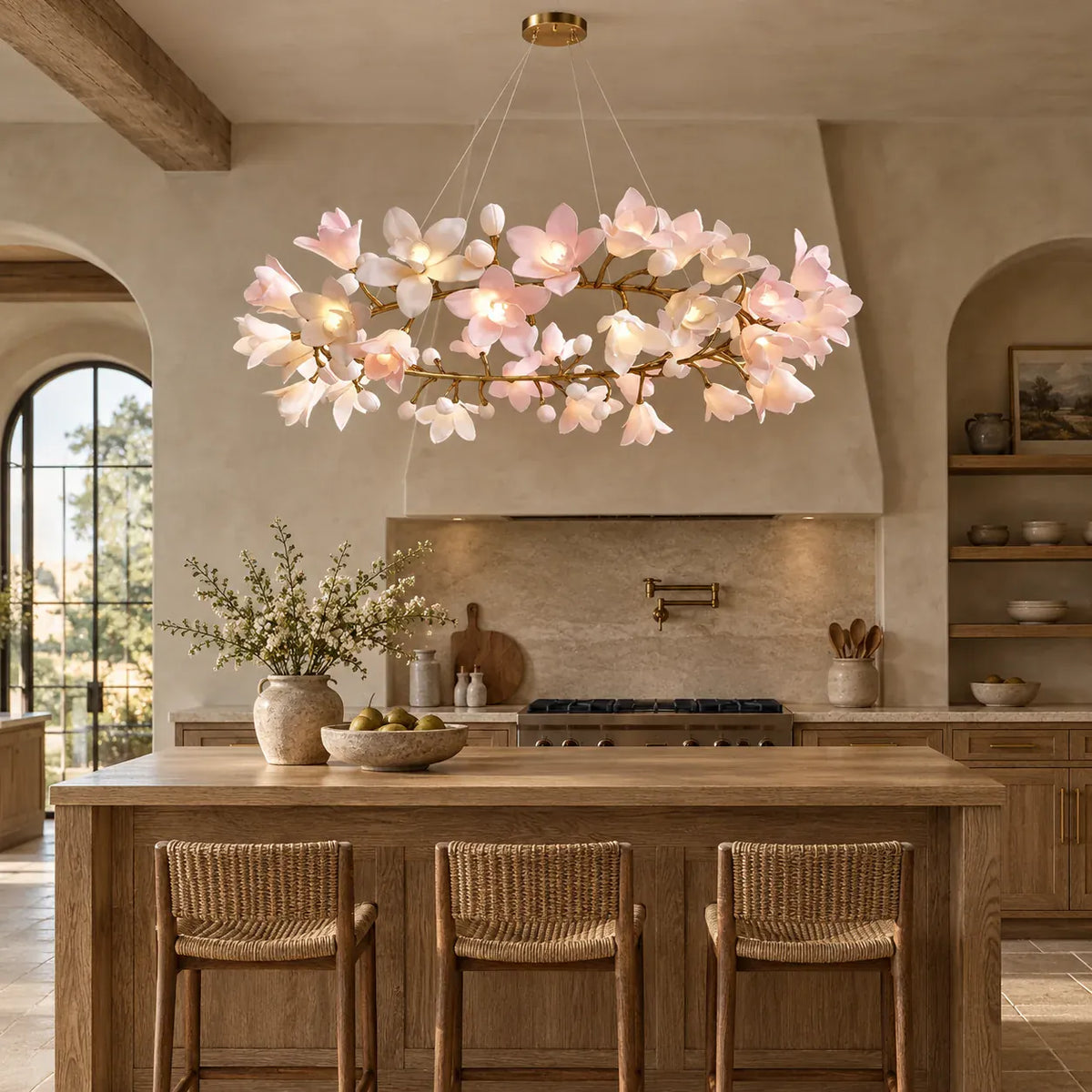
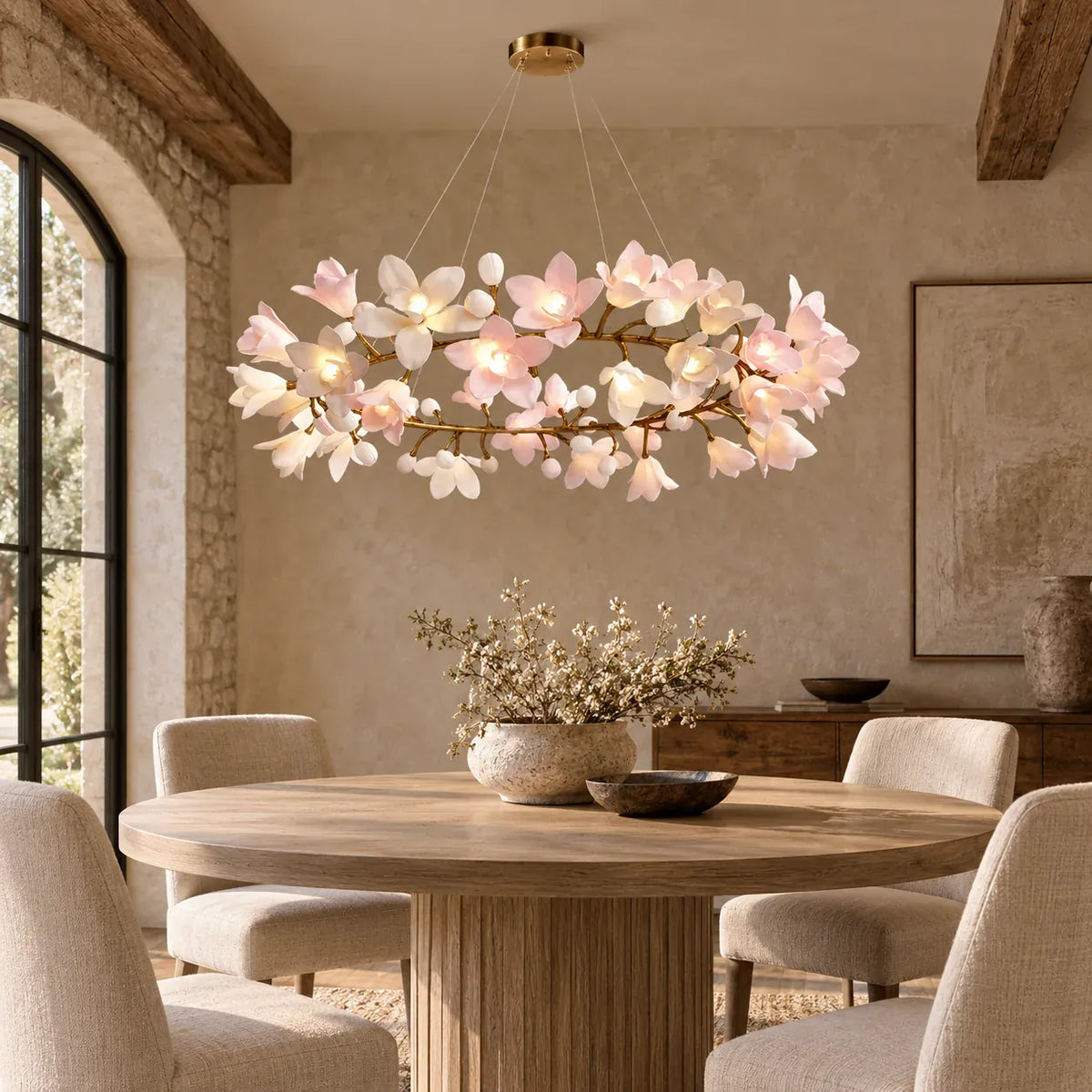
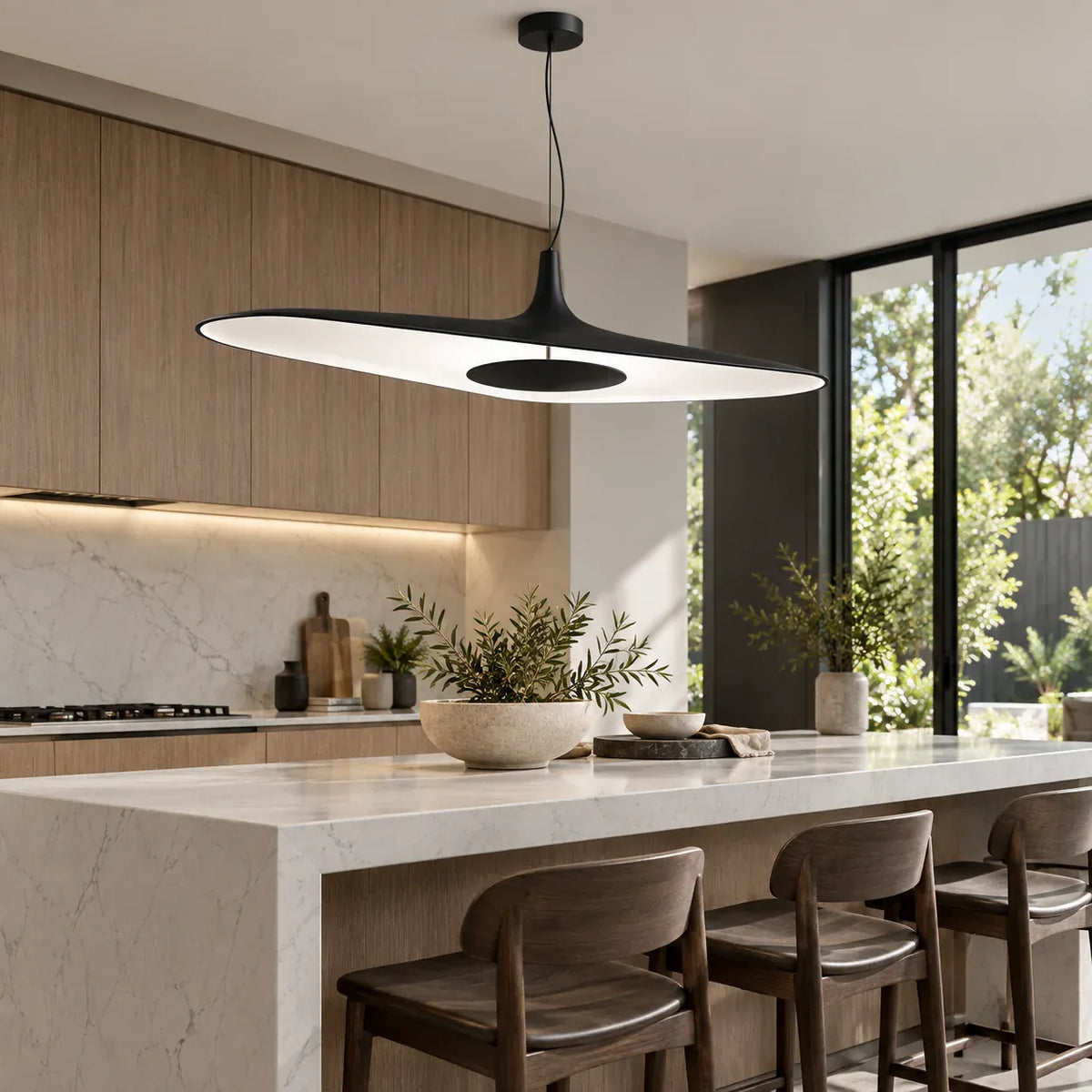




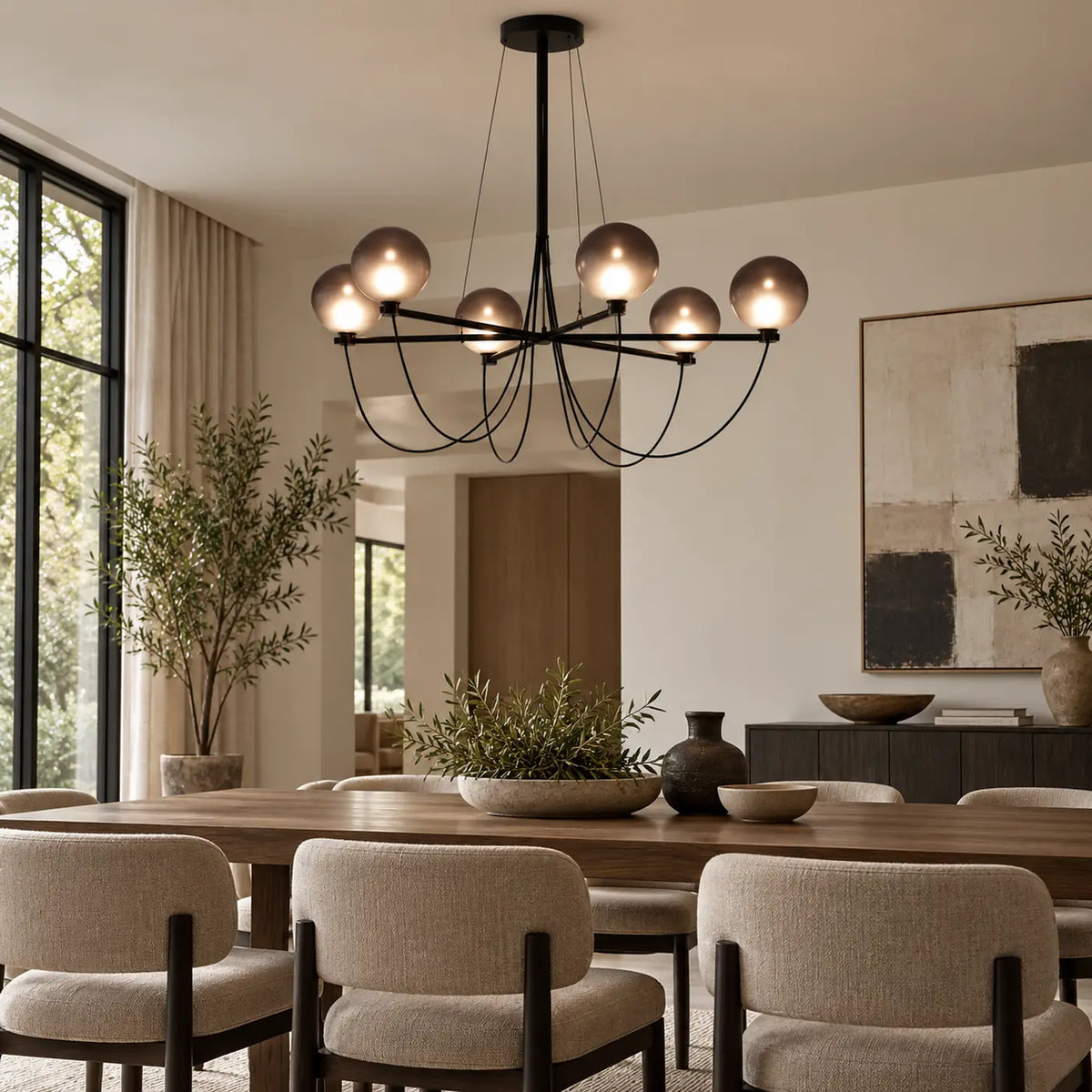


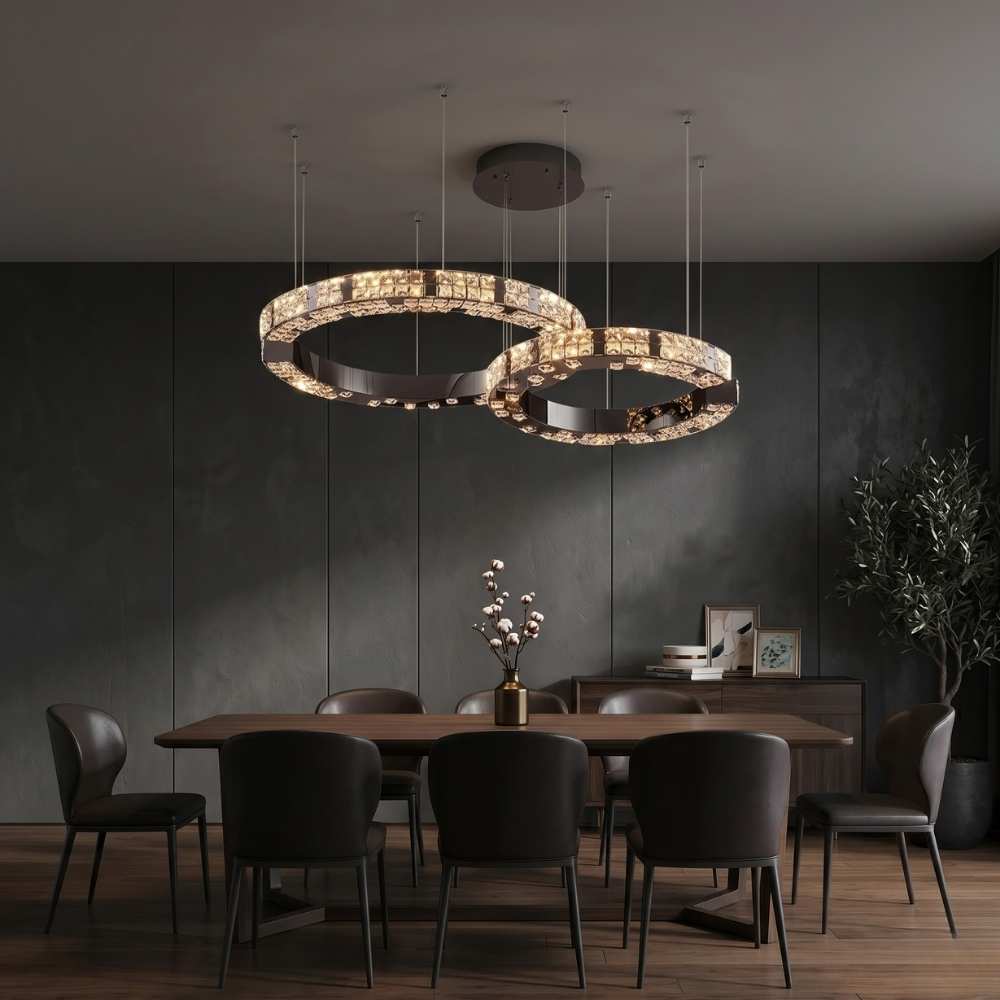
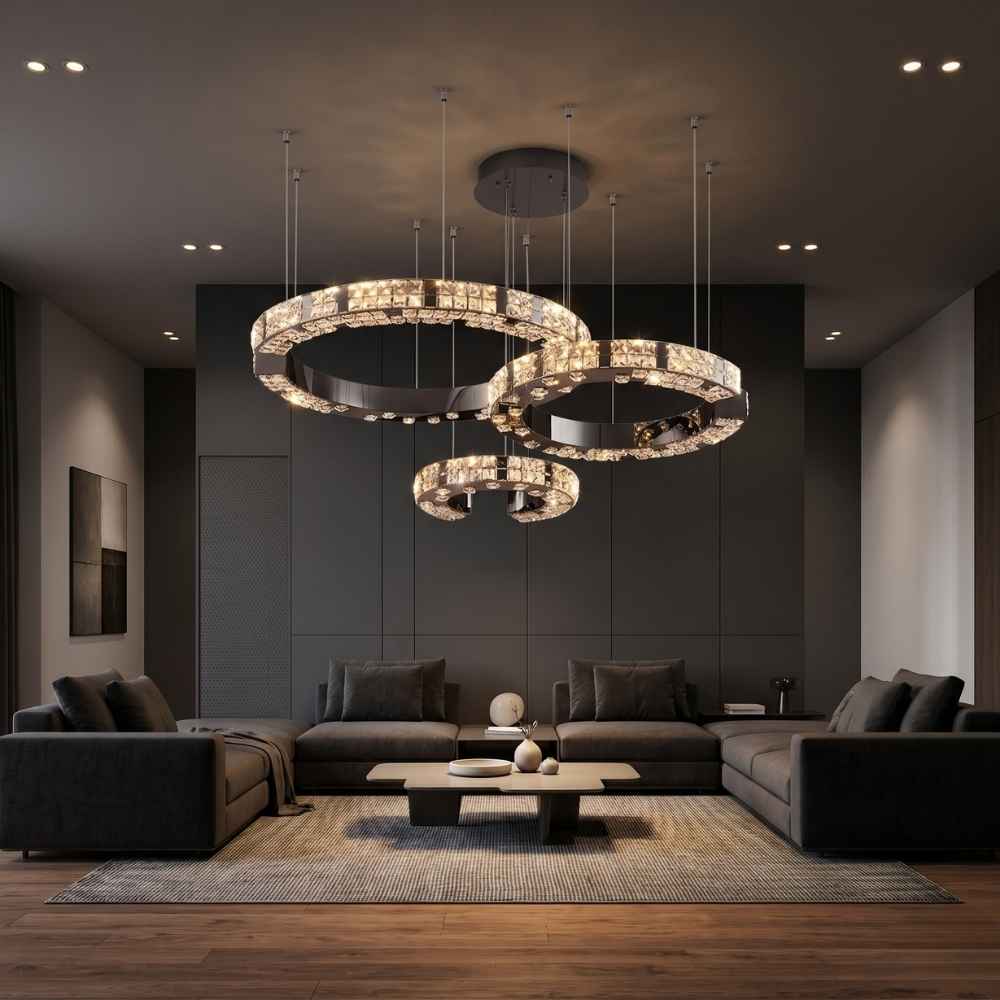


What This Chandeliers Catalog Covers
This is the master collection — every chandelier in the store, before any room or style filter is applied. It exists for two kinds of shoppers: those who want to scan the full designer range side by side, and those who have not yet decided which direction fits their home. If you already know the room or style, the dedicated collections linked throughout this guide get you to a shortlist faster; if you are still deciding, the sections below walk through the decisions in the order they actually matter — presence, size, ceiling fit, style, and finish.
What Counts as a Statement Chandelier?
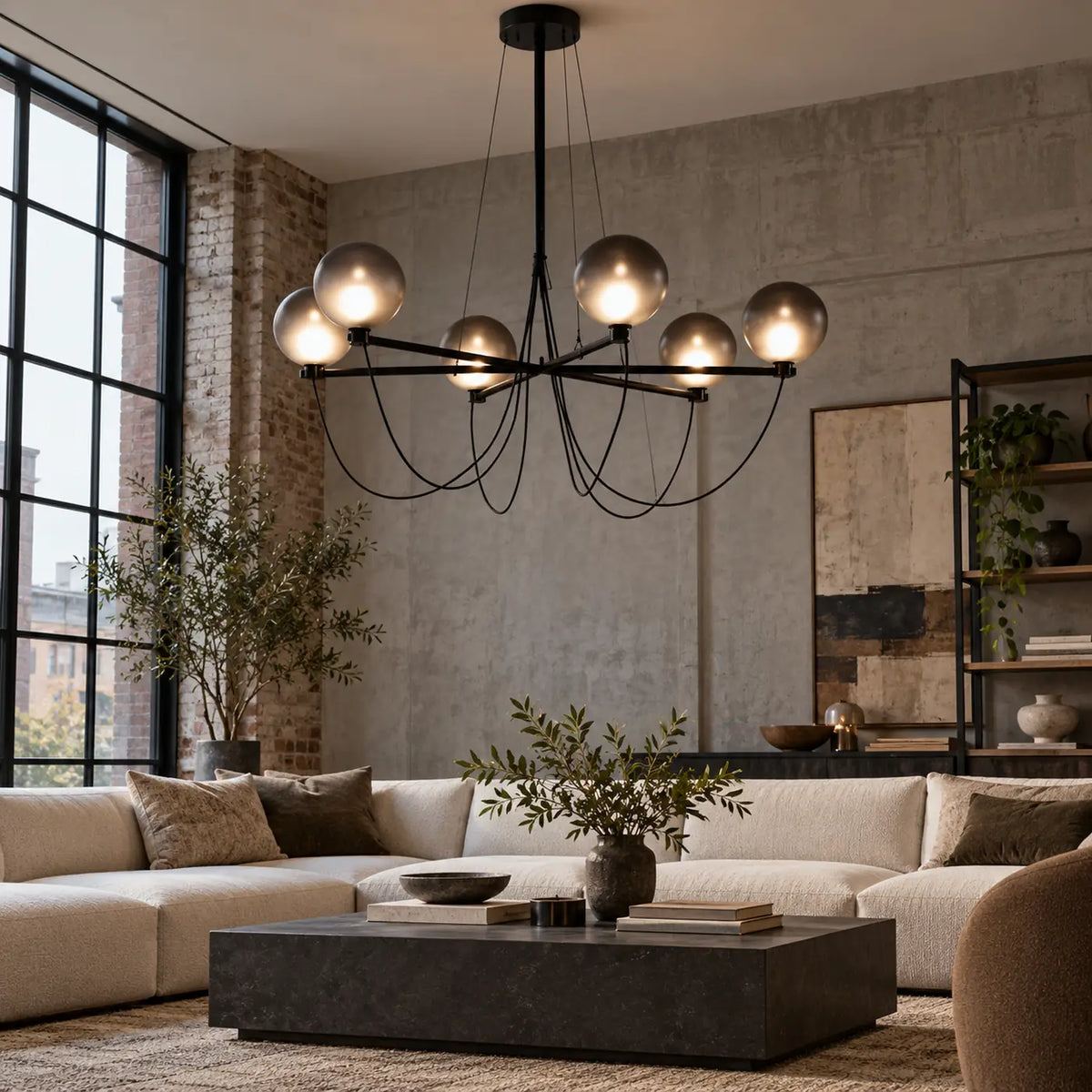
A statement chandelier is a fixture scaled and designed to function as the room's primary architectural feature — not just its light source. Three things separate a statement piece from a standard fixture, and none of them is price:
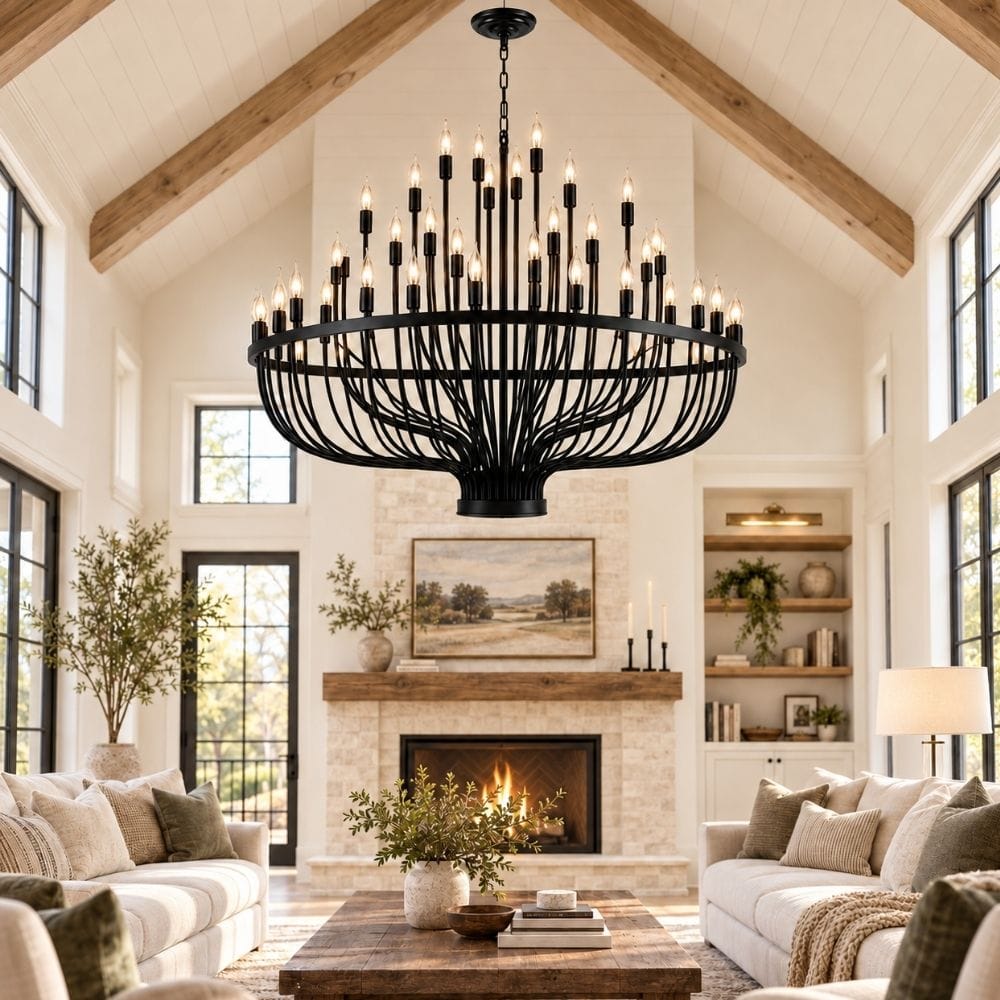
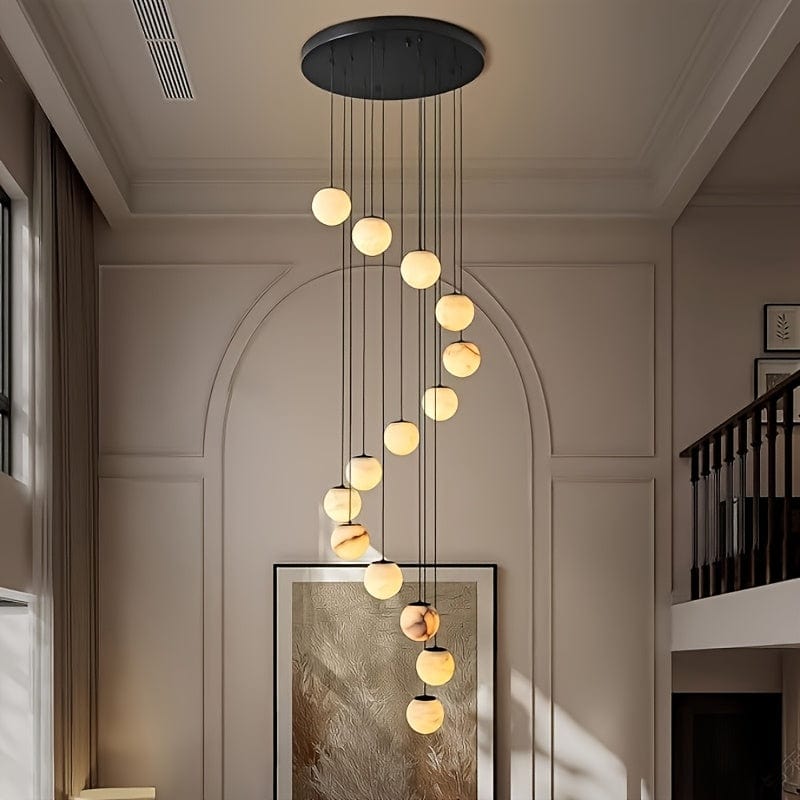
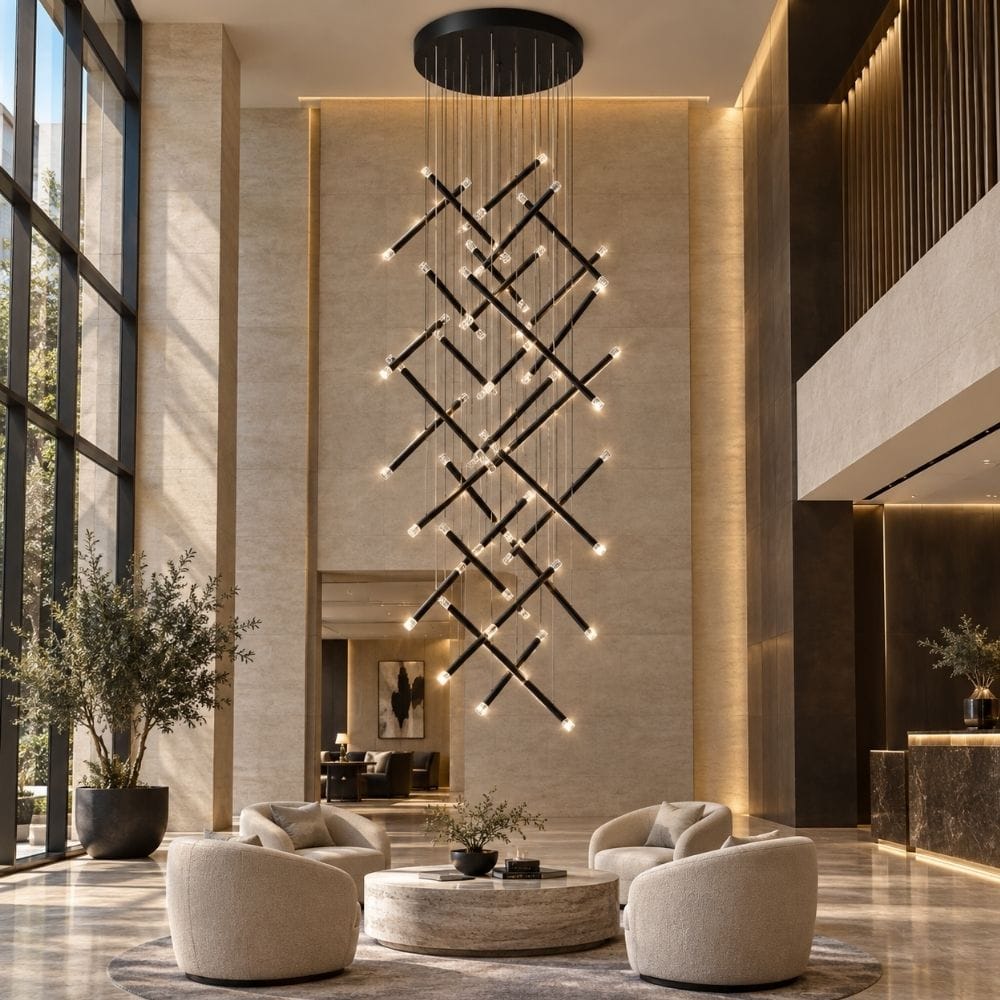
- Scale beyond the formula: statement designs start around 32" (81 cm) in diameter — typically one step above the room-formula result — and in two-story spaces extend to 50"+ (127 cm+) of body height so the fixture reads against the full vertical volume
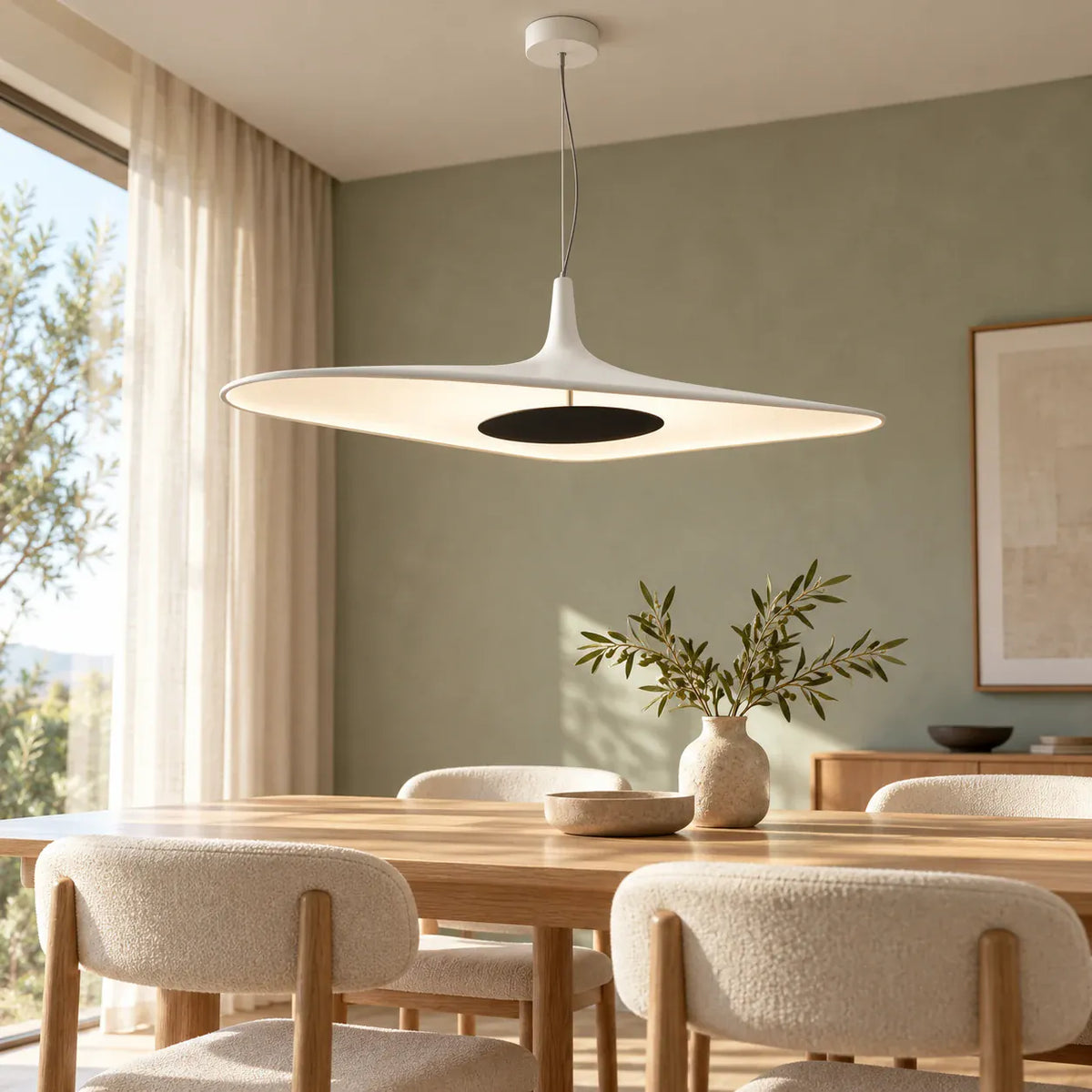
- Presence when unlit: sculptural form, material depth, or silhouette strong enough that the fixture works as an object during the day, not only as a light in the evening
- A room built around it: the surrounding scheme stays quieter — one statement fixture per sightline, with supporting lights kept visually subordinate
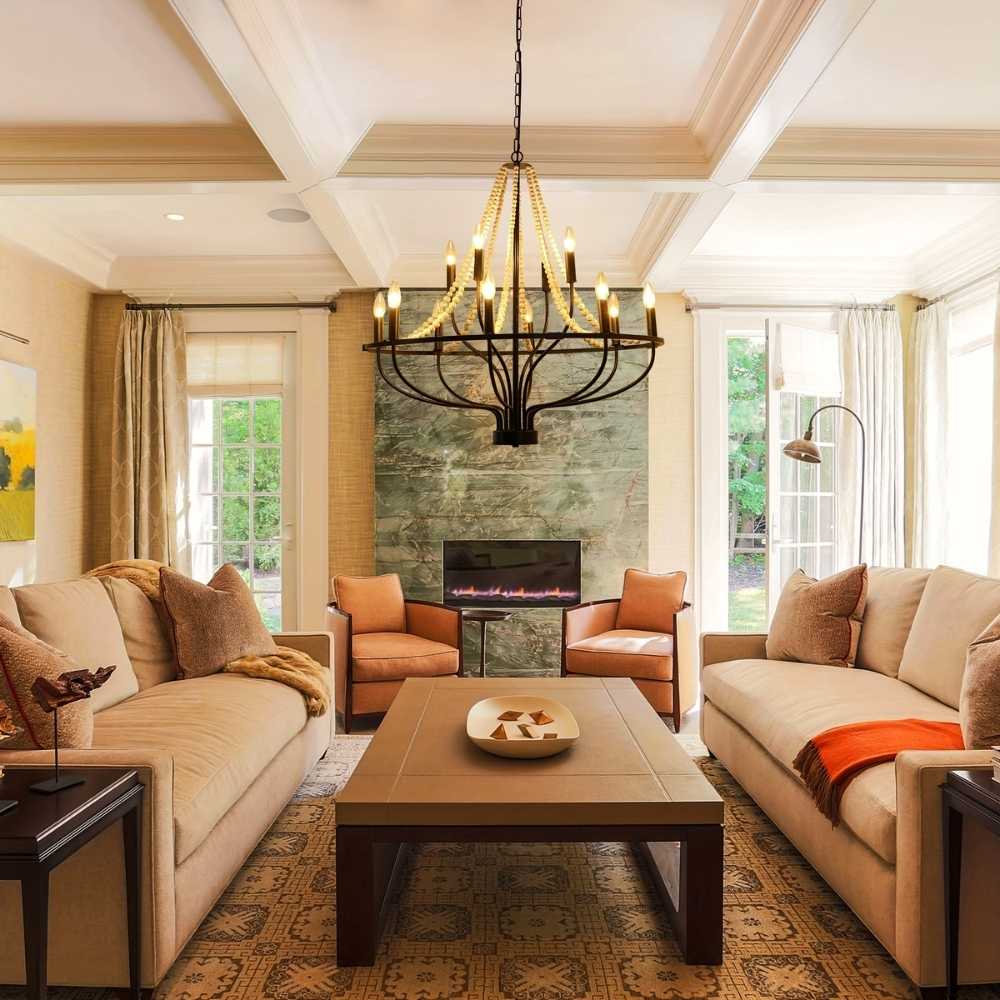
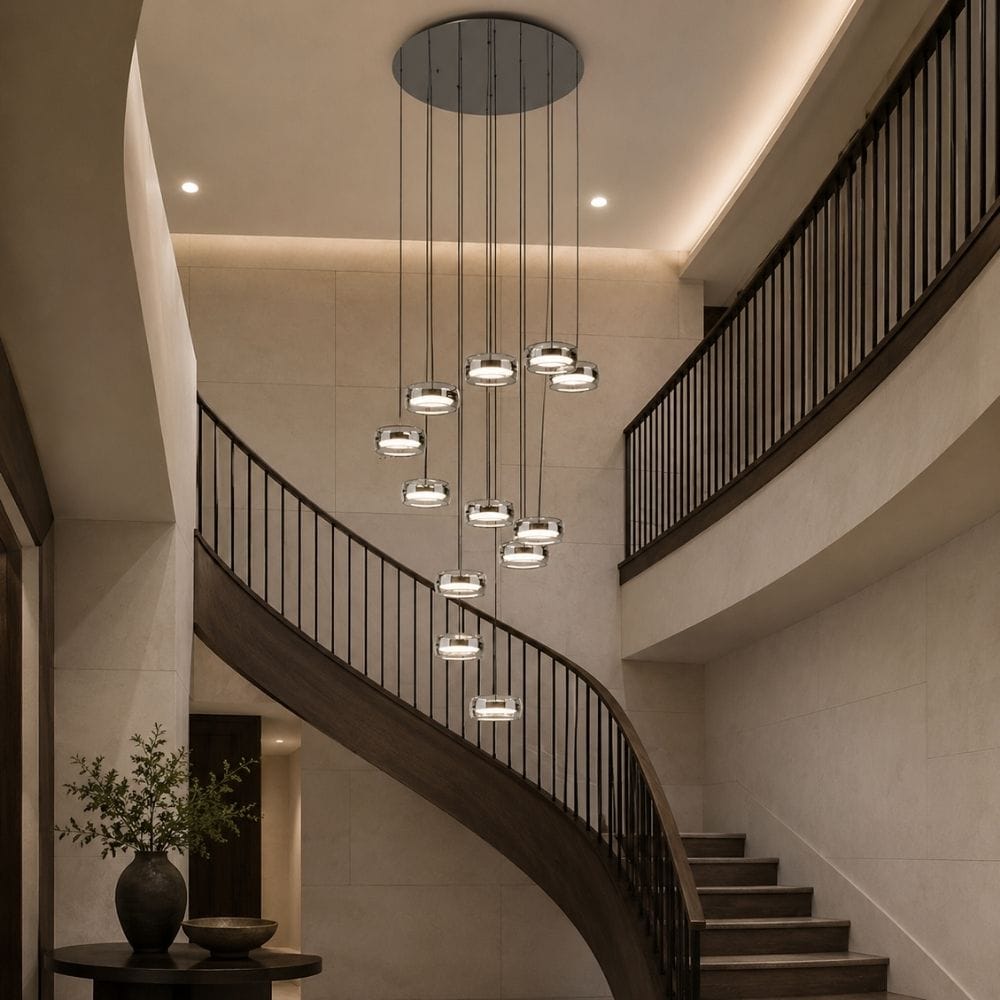
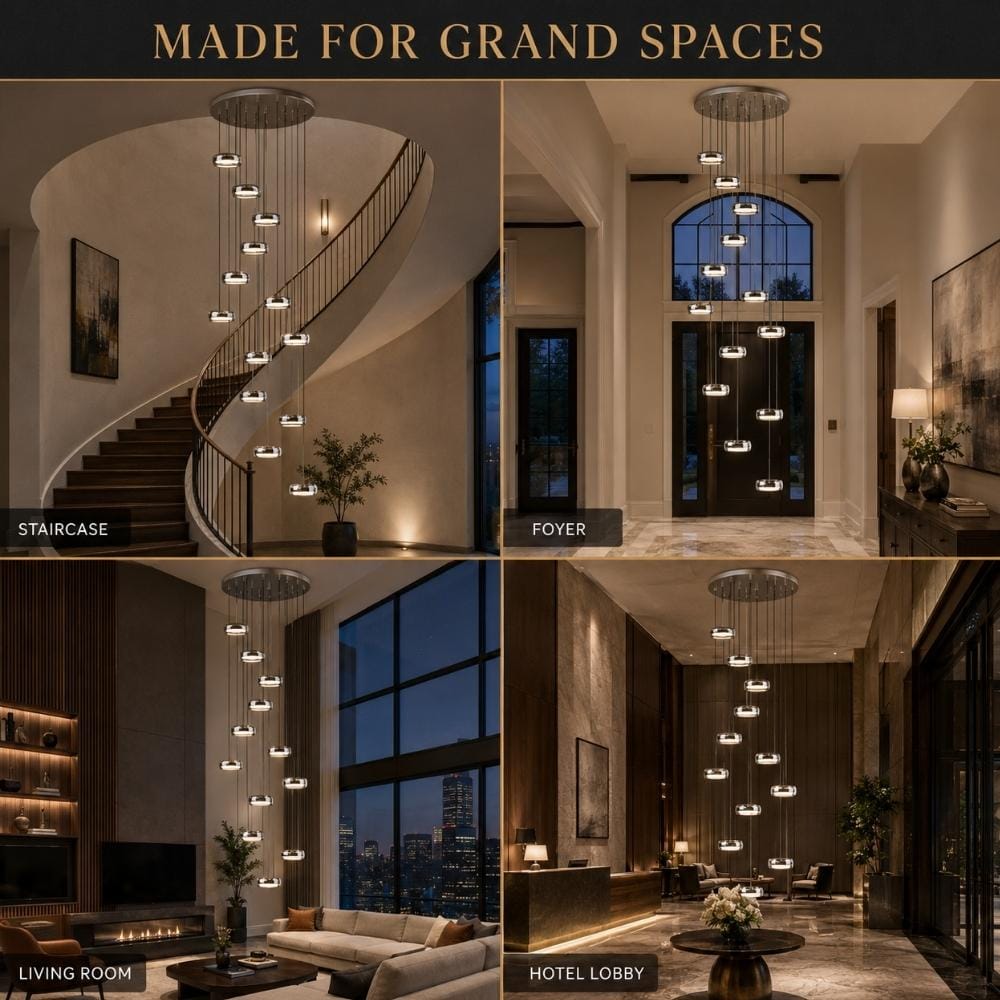
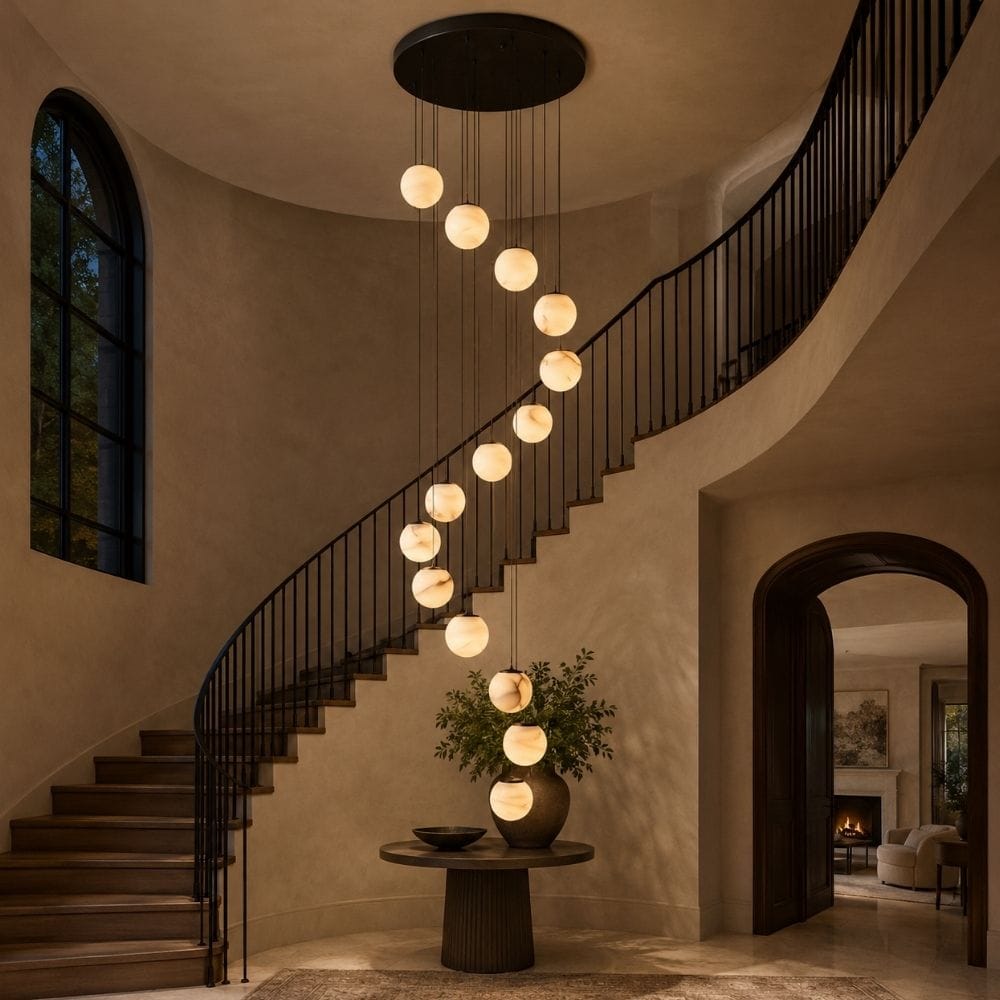
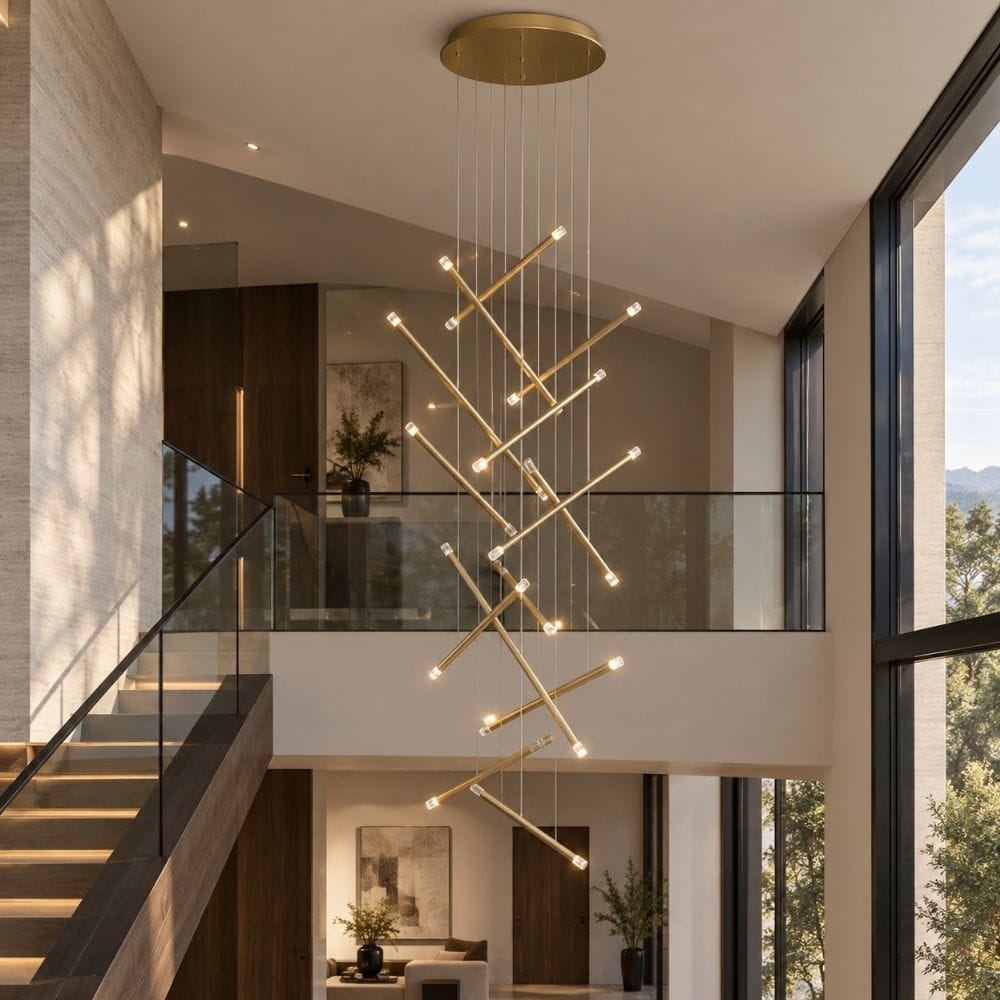
Where a statement chandelier earns its place: two-story foyers and entryways, open staircases, formal dining rooms, and great rooms with 10 ft+ ceilings. In these spaces an under-scaled fixture is the most common and most visible mistake — the room swallows it. For vertical statement applications specifically, the staircase chandeliers collection and foyer and entryway collection carry the extended-drop range.
Getting the Size Right Before the Style
The Room Formula
- Any room: length + width in feet = target diameter in inches (a 14 x 16 ft room points to roughly 30" / 76 cm)
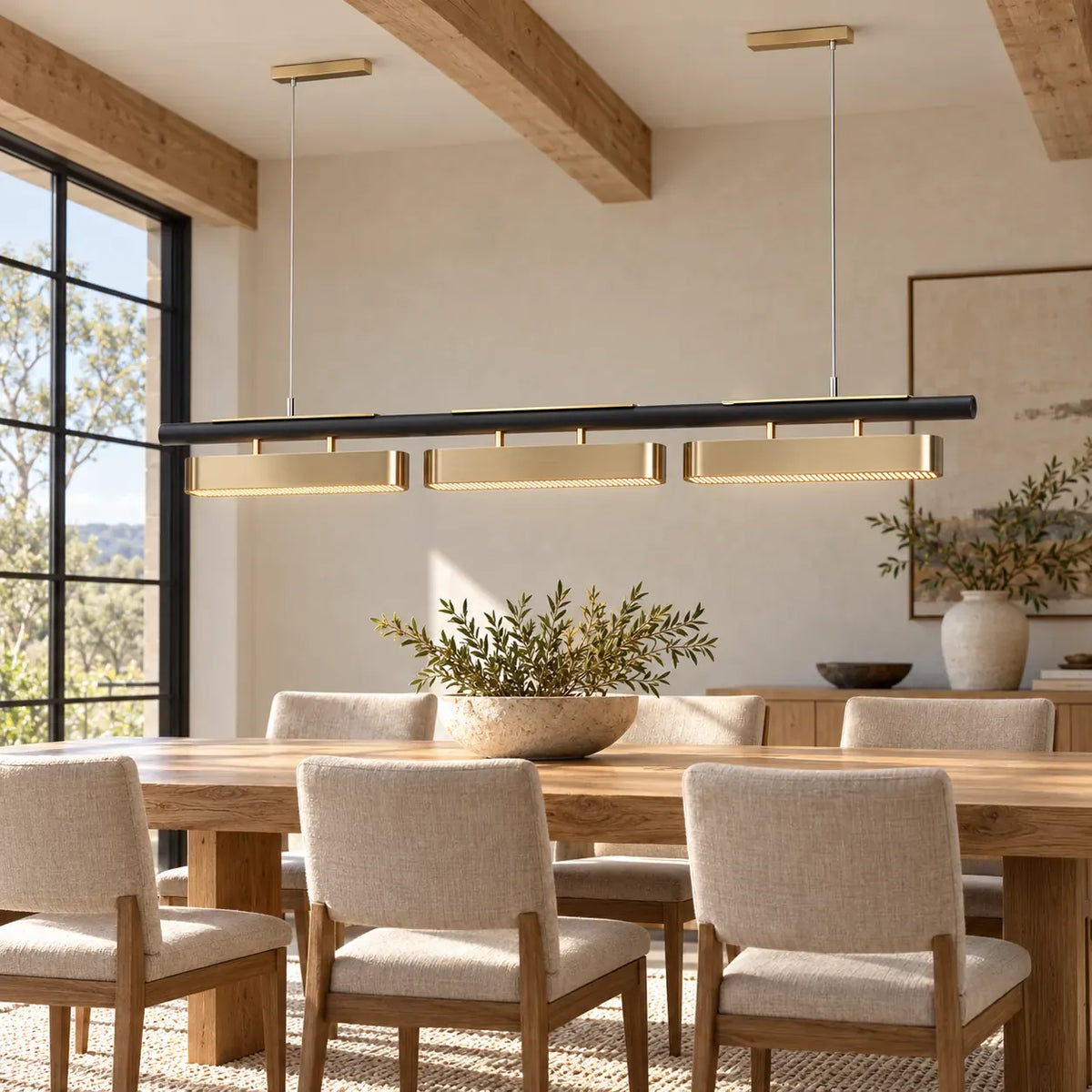
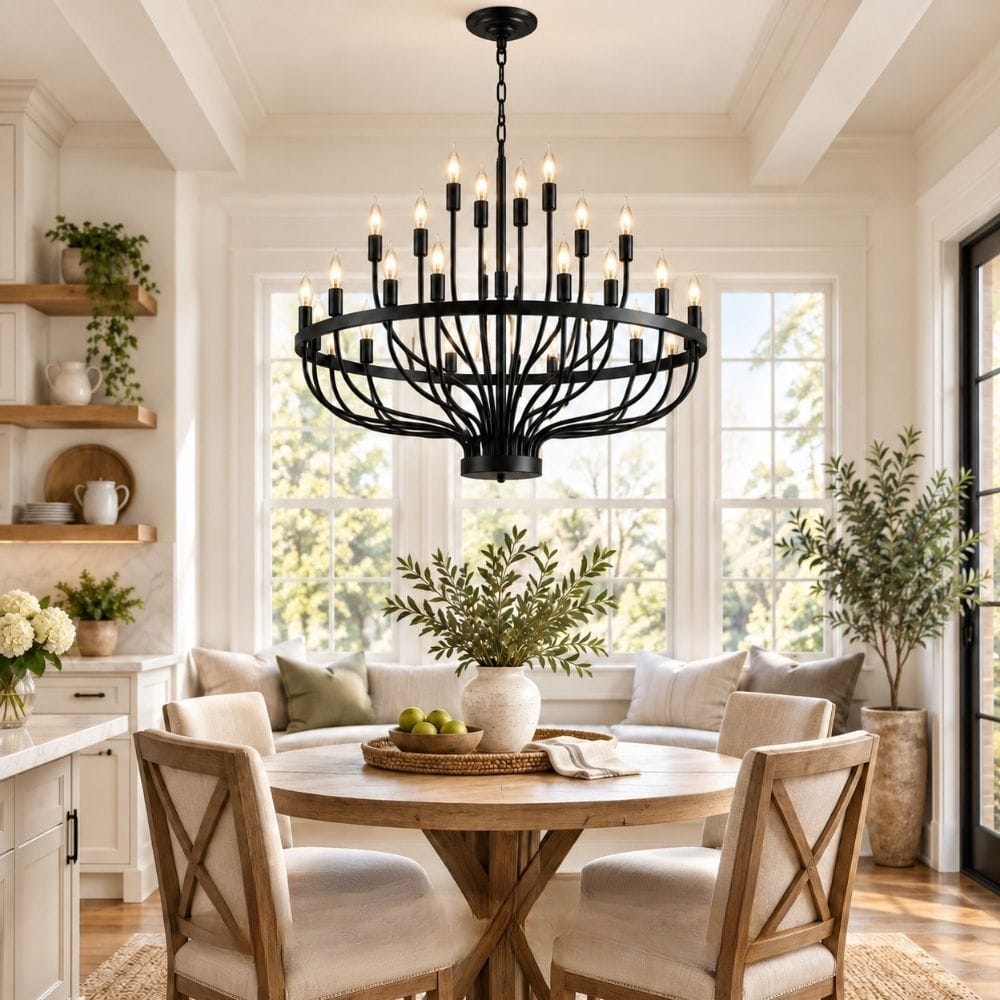
- Over a dining table: one-half to two-thirds of the table's width for round designs; one-half to two-thirds of its length for linear designs
- Statement intent: round the formula result up one step — under-scaling, not over-scaling, is the error people actually make
- Clearance: 84" (7 ft) from floor to fixture bottom in walking zones; 30-36" above a dining table
Matching the Fixture to Your Ceiling Height
- 8 ft (2.44 m): flush and semi-flush designs, 8-12" body depth
- 9-10 ft (2.74-3.05 m): standard suspended fixtures with adjustable rod or cable
- 11-14 ft (3.35-4.27 m): multi-tier and extended-drop designs
- 16 ft+ / two-story: cascade compositions with 50"+ body height — the high ceiling collection carries this dedicated range
For worked examples with every room type and table shape, the chandelier size calculator runs the numbers step by step.
Which Style Direction Fits Your Home
Style is a coordination decision, not a preference in isolation — the fixture should extend what the room already says. The catalog spans five main directions:
- Modern: clean geometry, ring and linear forms, disciplined visual weight — the widest range in the catalog, covered in depth in the modern chandeliers collection
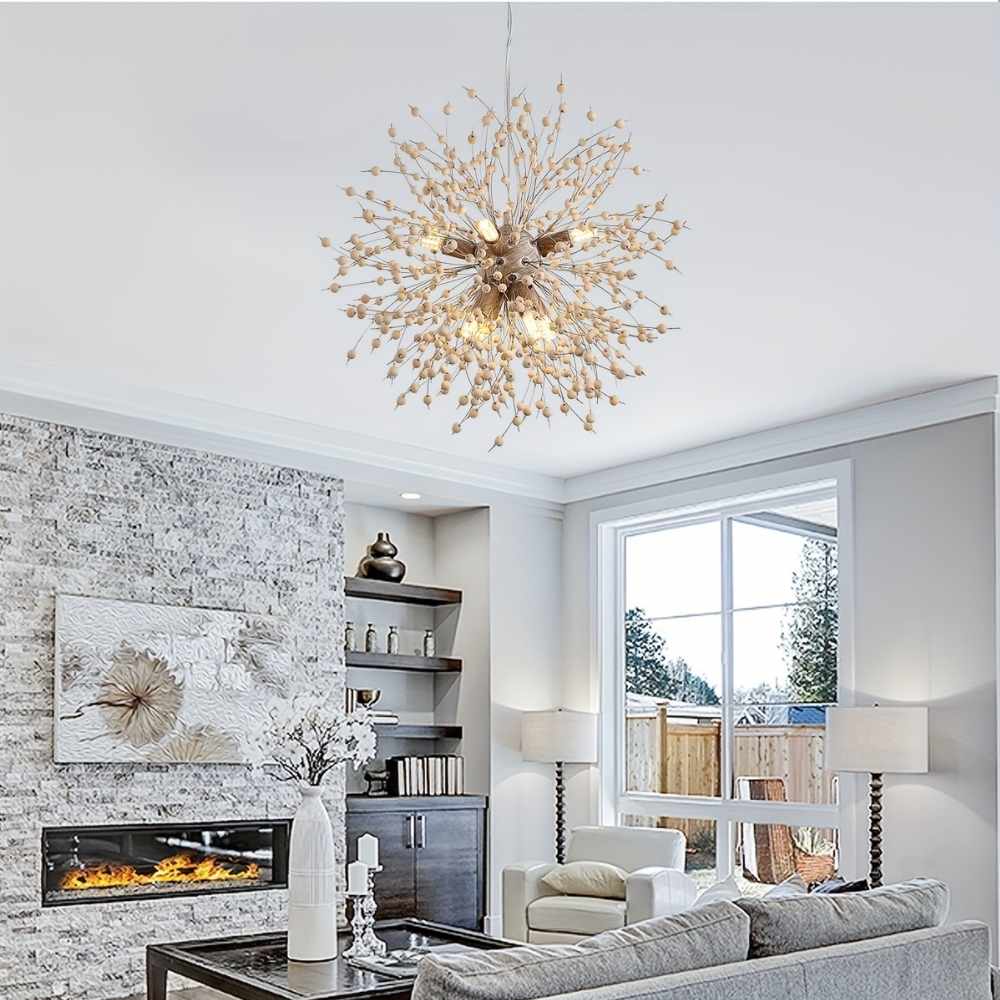
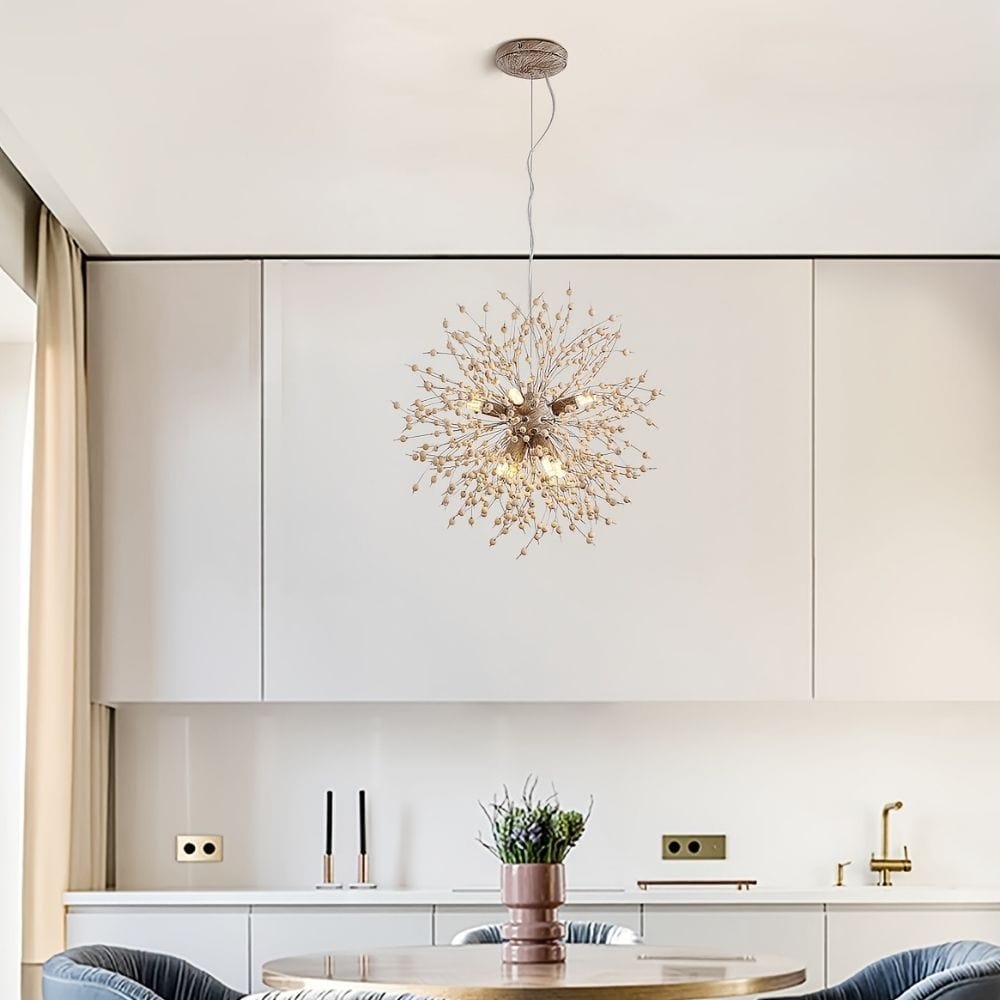
- Contemporary & sculptural: branch, bubble, and biomorphic forms that behave as ceiling art — strongest where the fixture is the room's primary decorative object
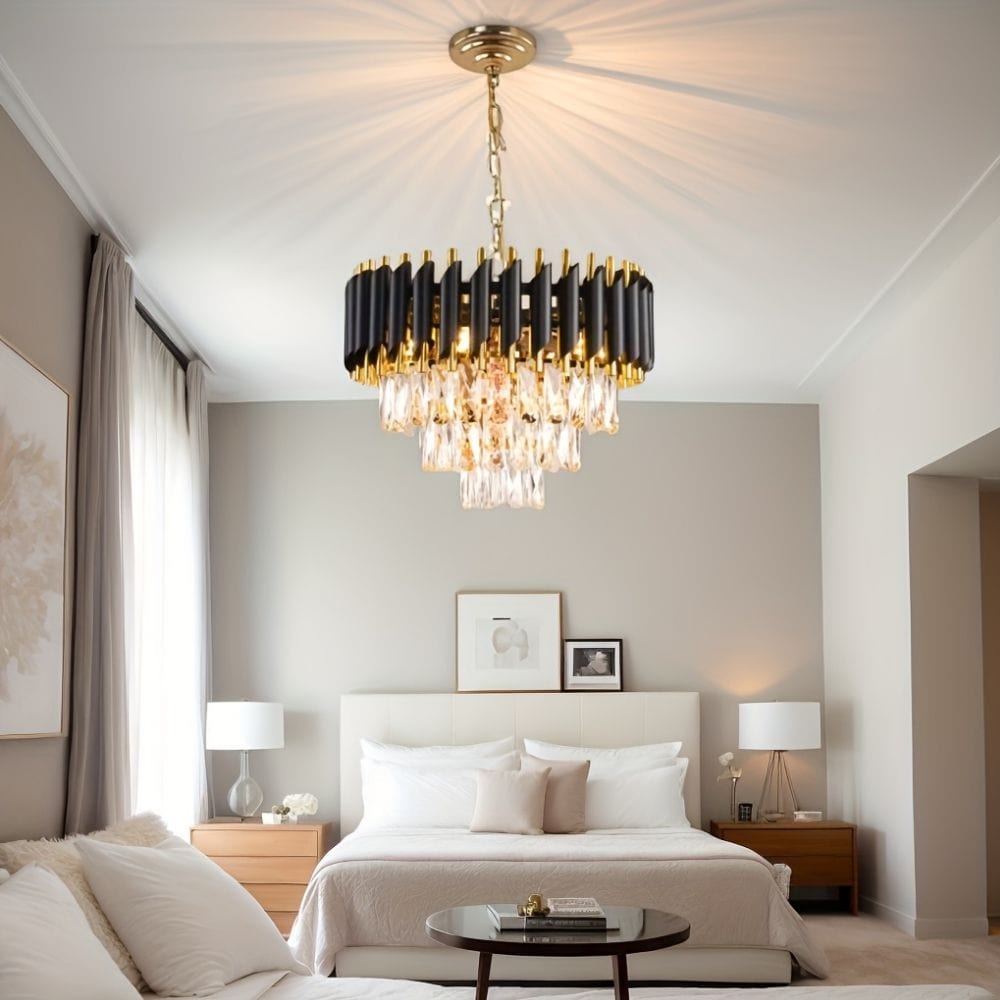
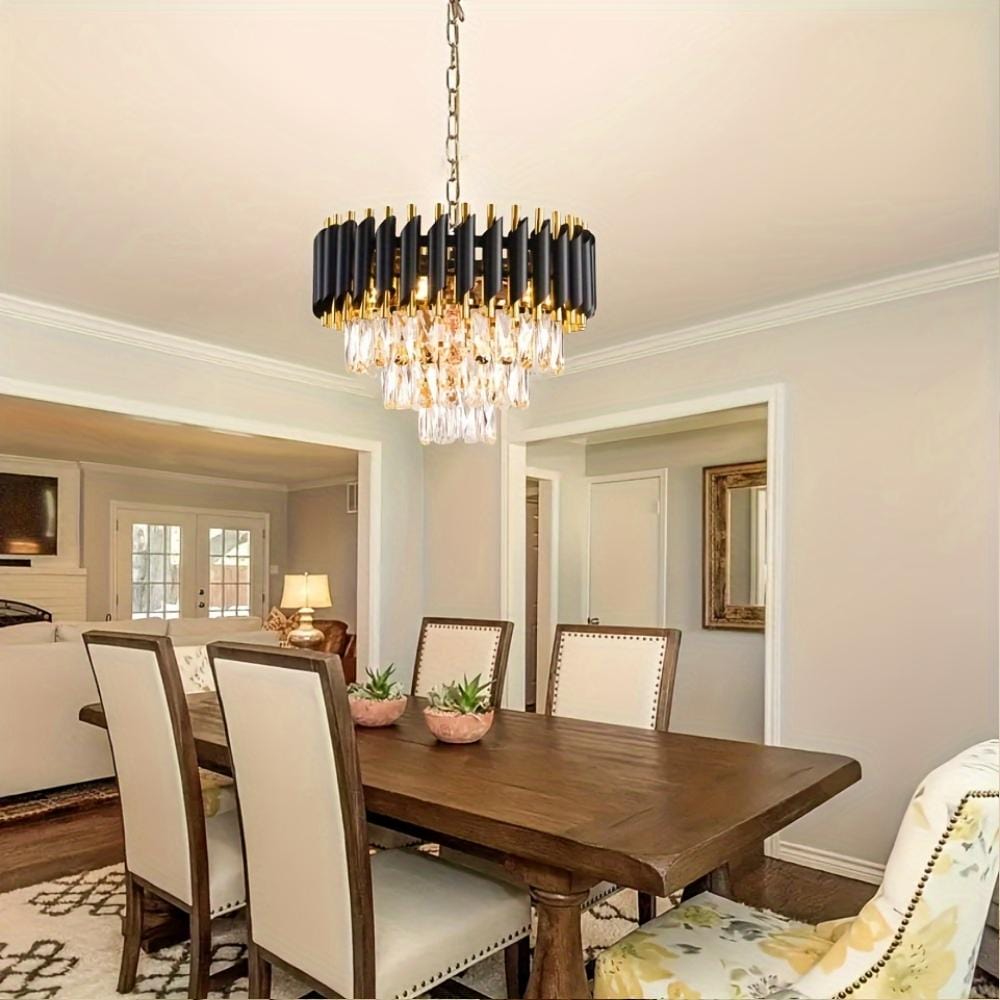
- Crystal & glam: maximum reflective sparkle for formal dining rooms and foyers — see the crystal chandeliers collection
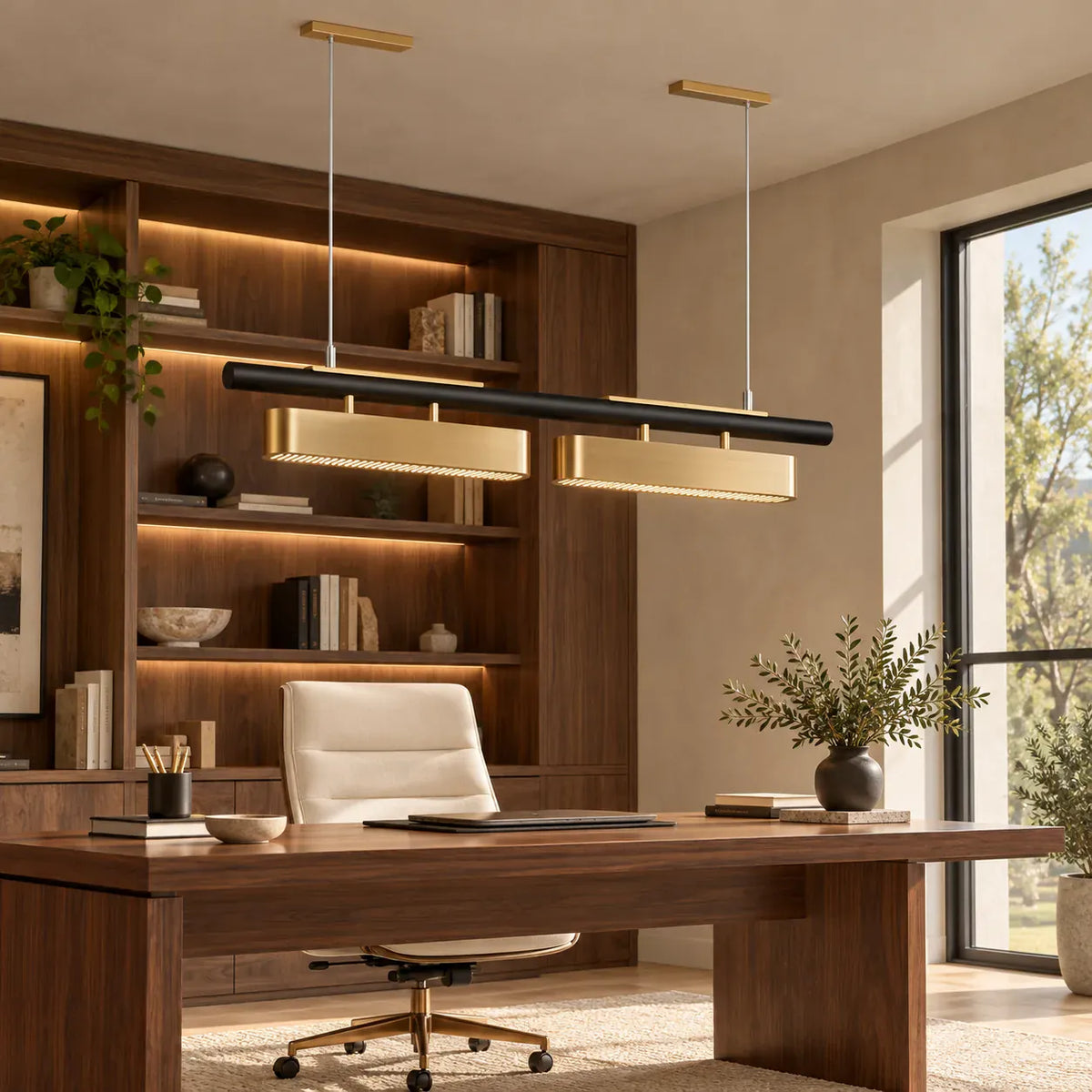
- Warm metal: brass, gold, and copper framework leading current designer specification — copper and brass designs in particular pair contemporary form with warm patina, gathered in the copper and brass collection
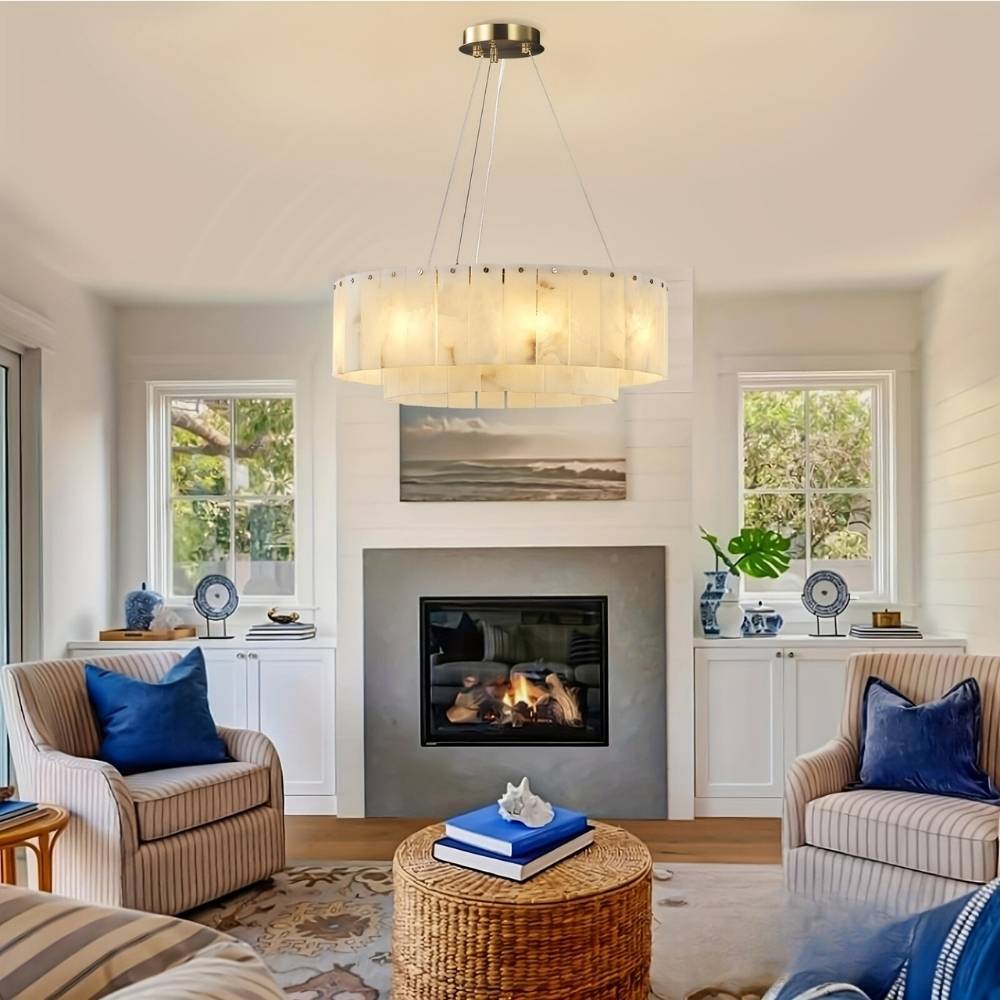
- Organic & natural material: wood, alabaster, and stone designs that diffuse light through the material itself — the texture-forward end of current luxury direction
How Materials Change the Light Itself
Two fixtures of identical size and shape light a room differently depending on what they are made of. Crystal refracts — it multiplies point light into prismatic sparkle, brightest and most formal. Clear and bubble glass transmit — a lighter, softer glow with visual transparency that suits smaller rooms. Metal shades and frameworks direct — light goes where the form aims it, giving modern designs their controlled character. Alabaster and stone diffuse — the material itself glows, producing the warm, low-glare quality driving current high-end interiors. Choosing the material is choosing the quality of light as much as the look of the object.
What to Check Before Installation
Mounting & Support
- Weight: fixtures over roughly 50 lb need a fan-rated or reinforced junction box — the listed weight appears on every product page
- Placement: center on the table or seating envelope, not the room's geometric midpoint; a swag hook or relocated box fixes an off-center start
- Suspension: confirm the maximum drop covers your measured distance before ordering — shortening on site is simple, extending needs added hardware
Bulbs, LED & Dimming
Warm white (2700-3000K) suits nearly every residential application, with high-CRI (90+) dimmable bulbs so wood and fabric tones render accurately. A dimmer is strongly recommended everywhere and effectively mandatory in dining and living rooms. Integrated-LED designs list their protocol (TRIAC, ELV, or 0-10V) — verify compatibility with your wall control before installation.
Sloped & Vaulted Ceilings
Angled ceilings need a sloped-ceiling adapter (swivel canopy) so the fixture hangs plumb — most suspended designs here accept one, noted on the product page. Measure height at the actual mounting point rather than the room's peak, and size the drop so the fixture's visual center sits where the room needs it.
Related Collections
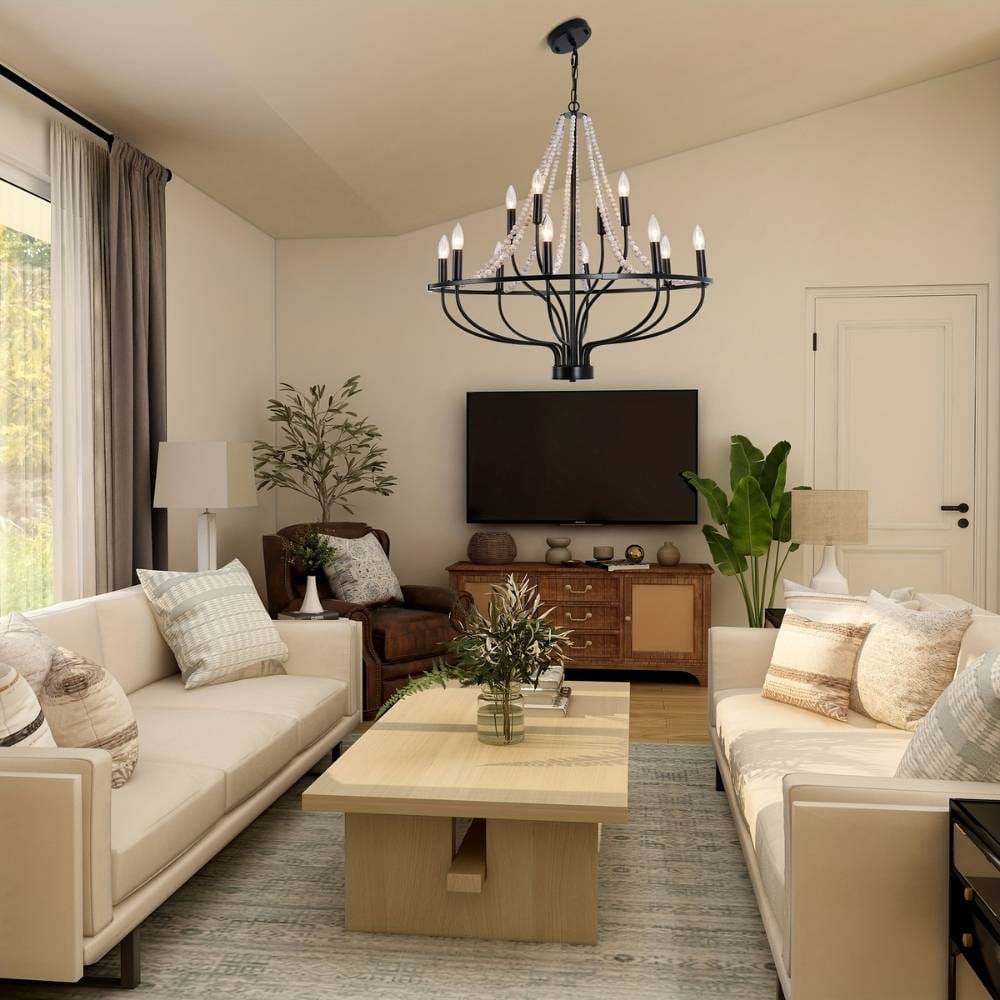
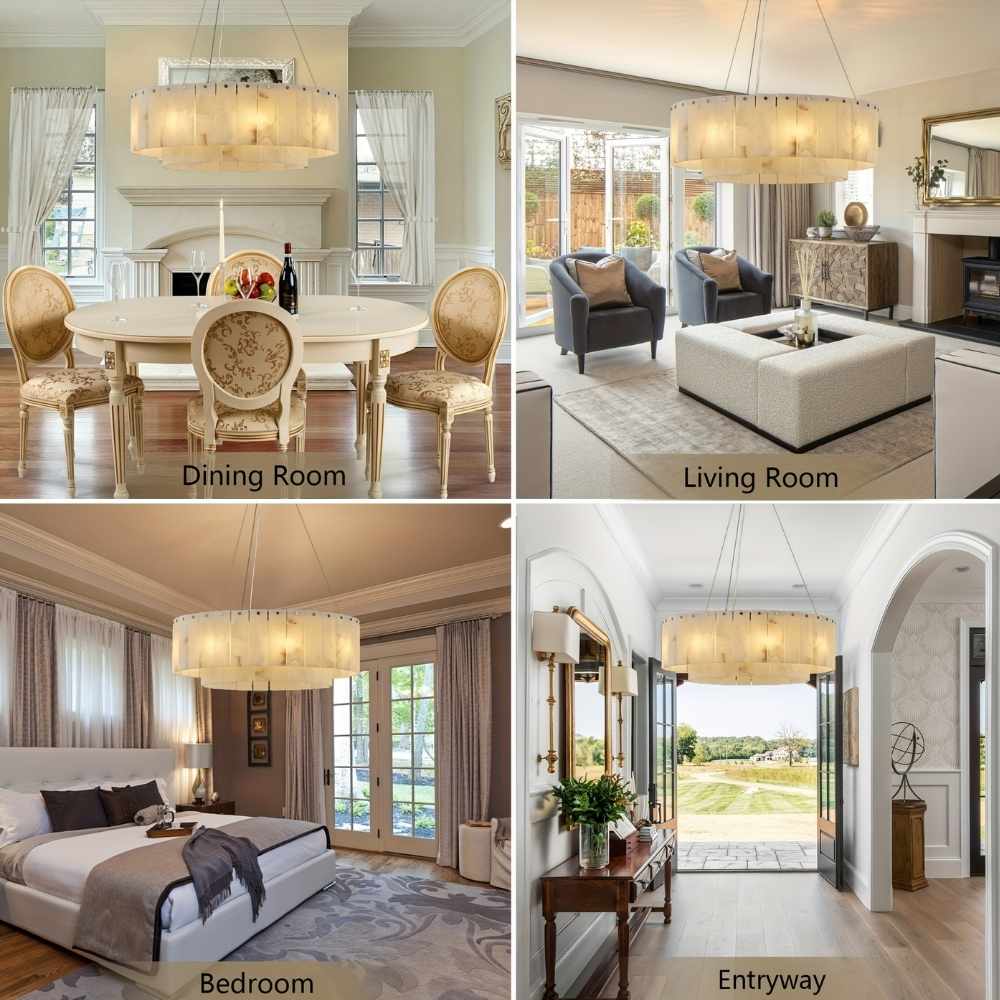
Once the direction is clear, the room-specific ranges get you to a shortlist faster: dining room chandeliers for table-anchored fixtures, living room chandeliers for seating-area anchors, and gold chandeliers for the warm metal finish family.
Frequently Asked Questions
What makes a chandelier a statement piece?
Scale one step beyond the room formula (32"+ diameter as a working threshold), sculptural presence that works unlit, and a room scheme built to keep it the primary feature. It is a design role, not a price tier.
What size should I choose?
Add the room's length and width in feet — the total equals the target diameter in inches. Over a dining table, use one-half to two-thirds of the table's width. When in doubt between two sizes, take the larger one.
Can a standard 8 ft ceiling take one?
Yes — flush and semi-flush designs deliver the visual character with 8-12" of body depth, keeping the required 84" of walking clearance.
Which rooms justify statement scale?
Two-story foyers, open staircases, formal dining rooms, and great rooms with 10 ft+ ceilings — spaces with enough visual volume that an under-scaled fixture would disappear.
Are copper and brass chandeliers still current?
They lead current designer direction — warm metal framework is the defining finish trend of 2026, spanning polished, brushed, and aged patina variants across modern and contemporary forms.
Do these fixtures need professional installation?
Standard-weight designs install like any ceiling fixture; anything over roughly 50 lb, any two-story drop, and any relocated junction box is electrician territory. The product page lists the weight so you can decide before ordering.