
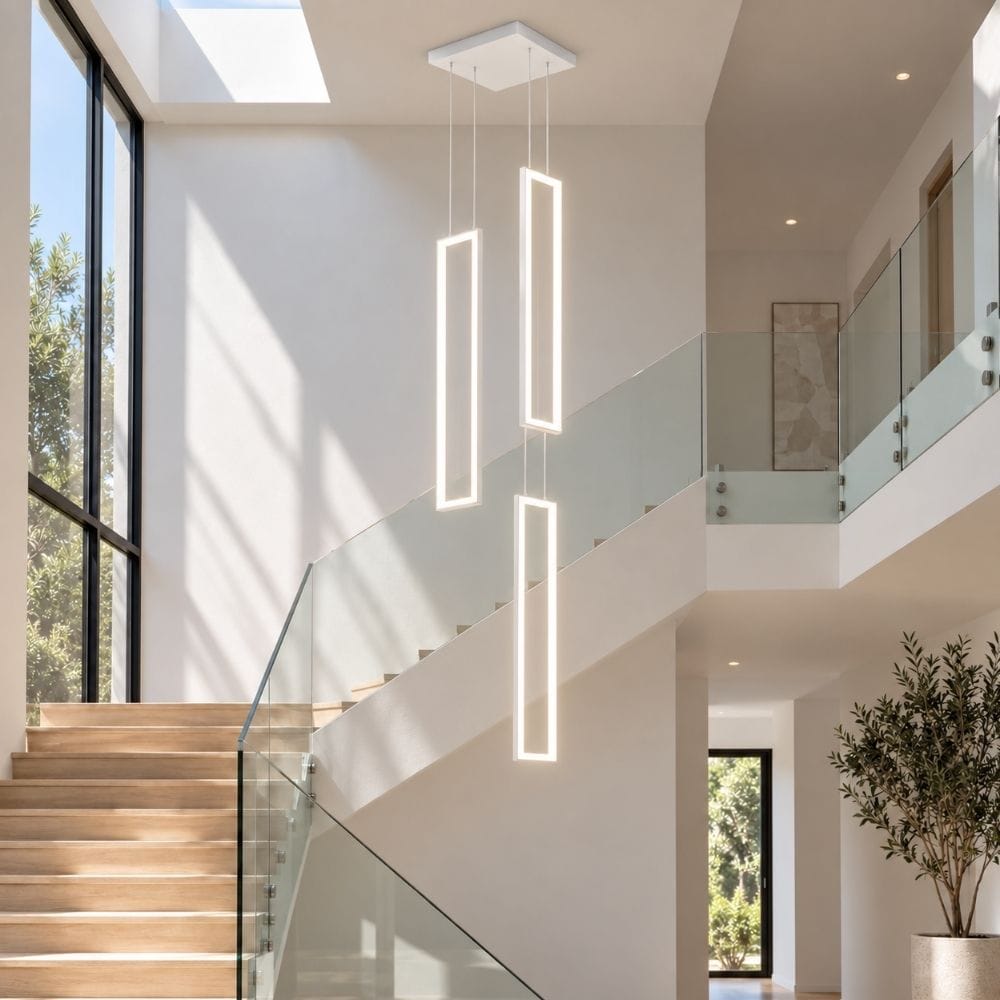
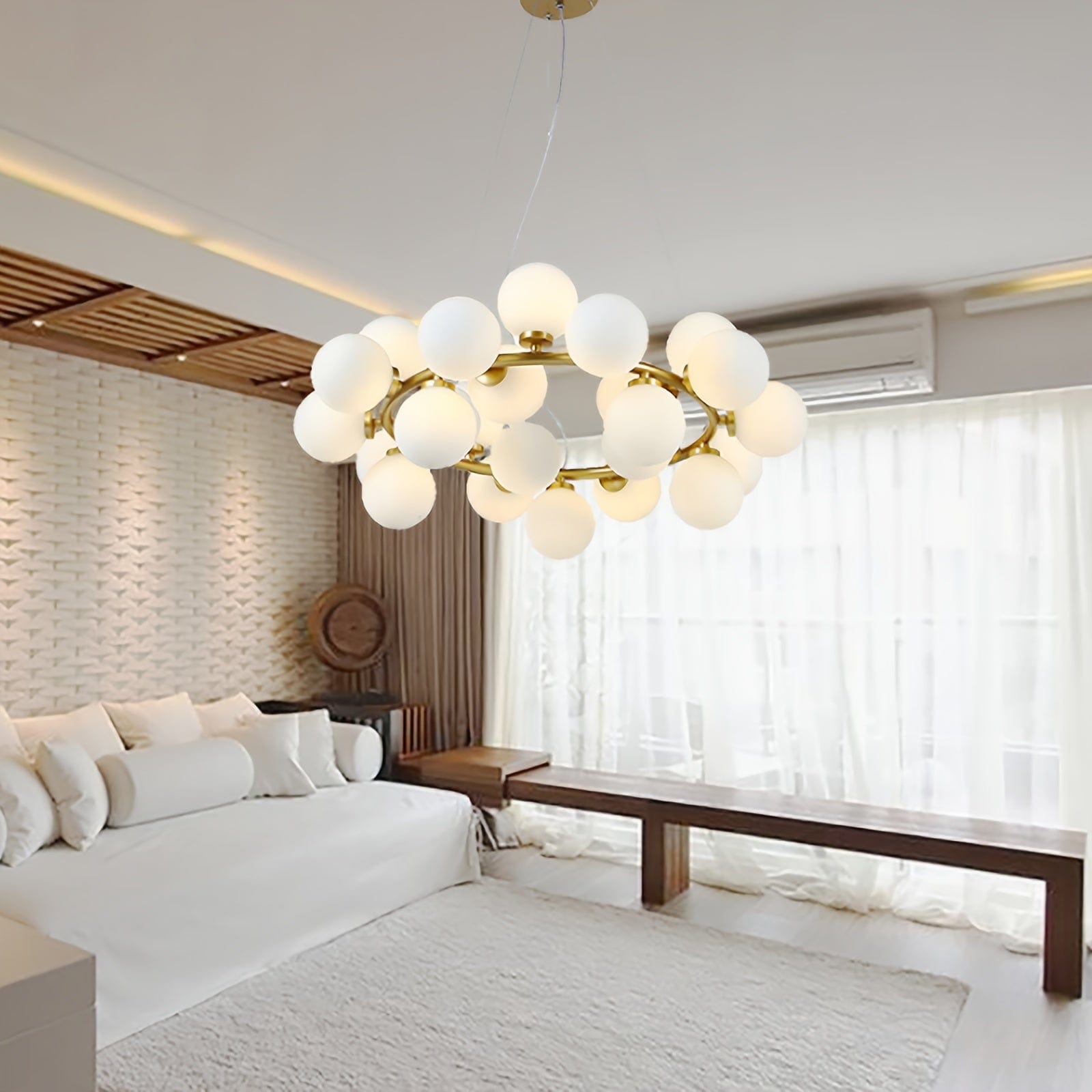
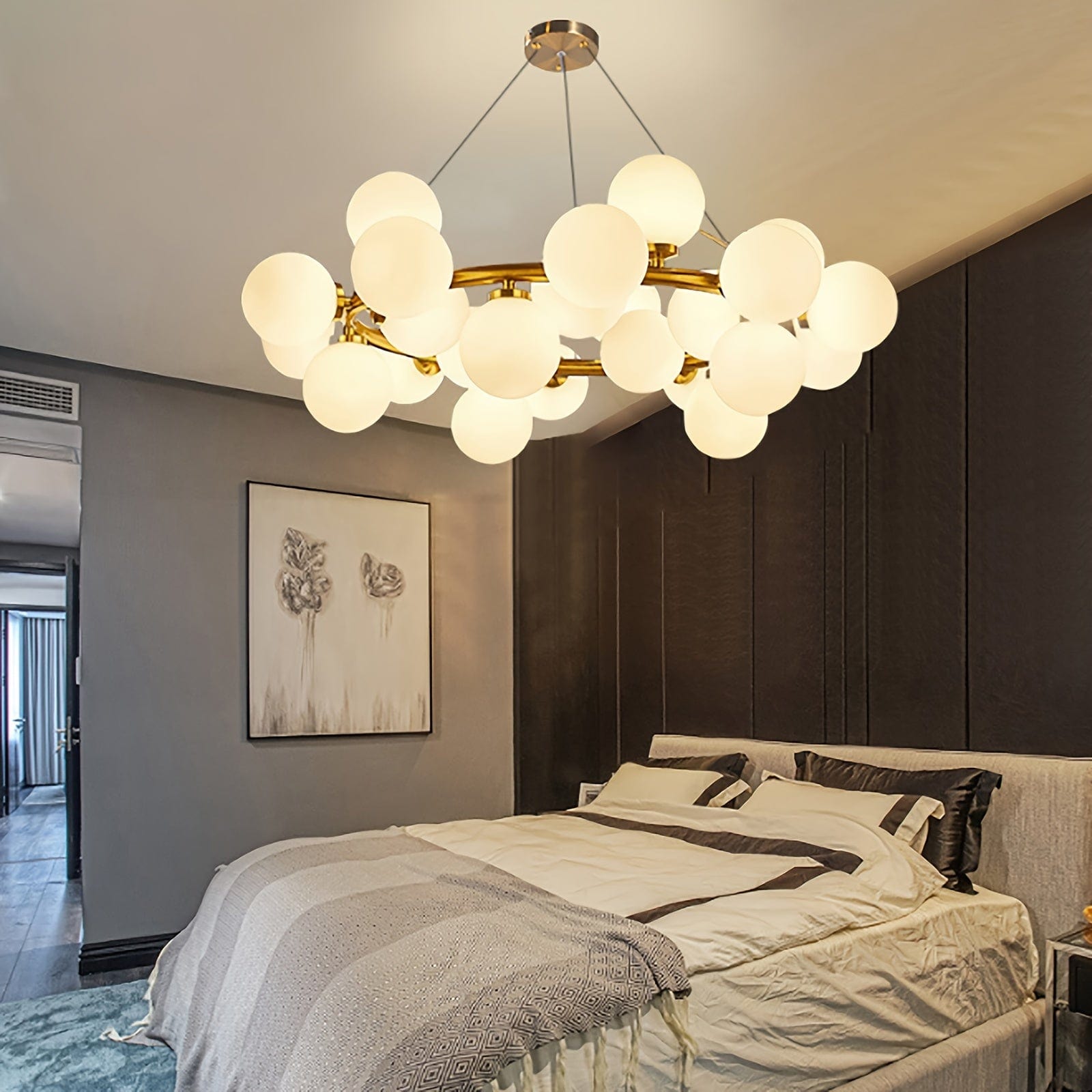
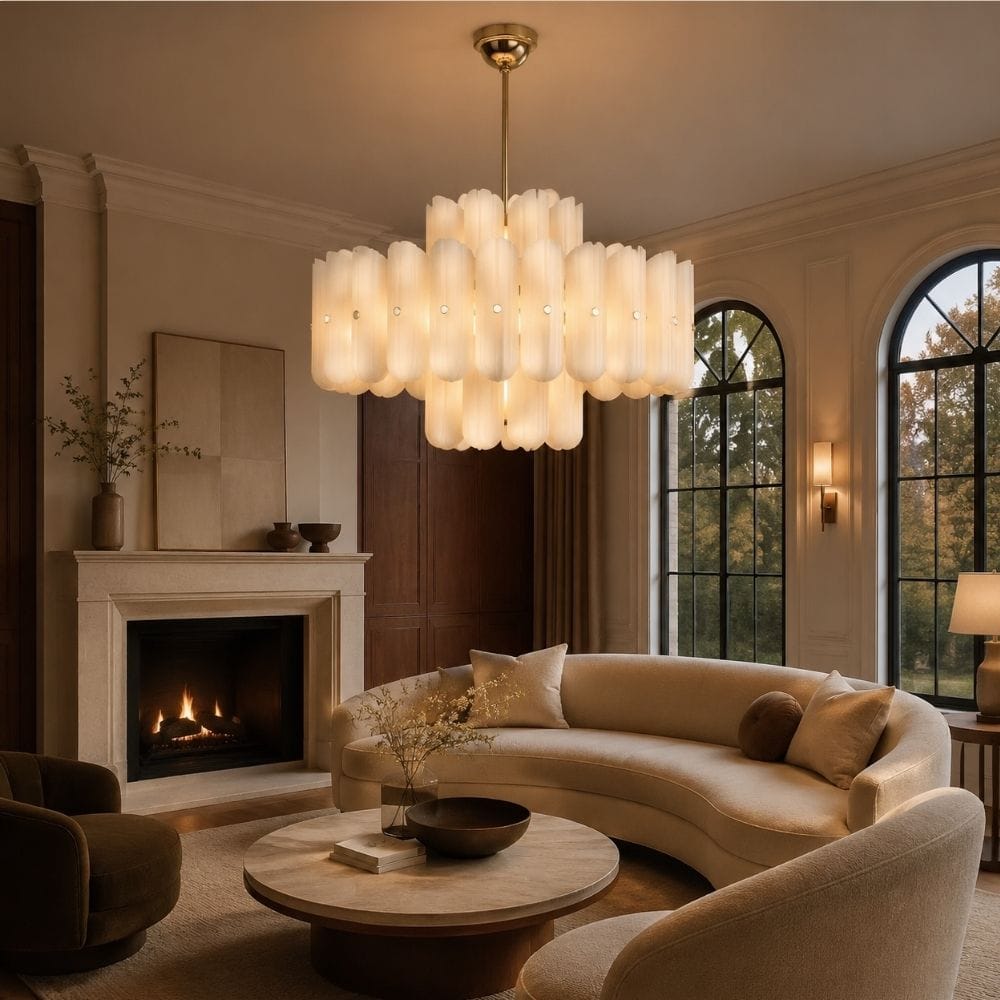




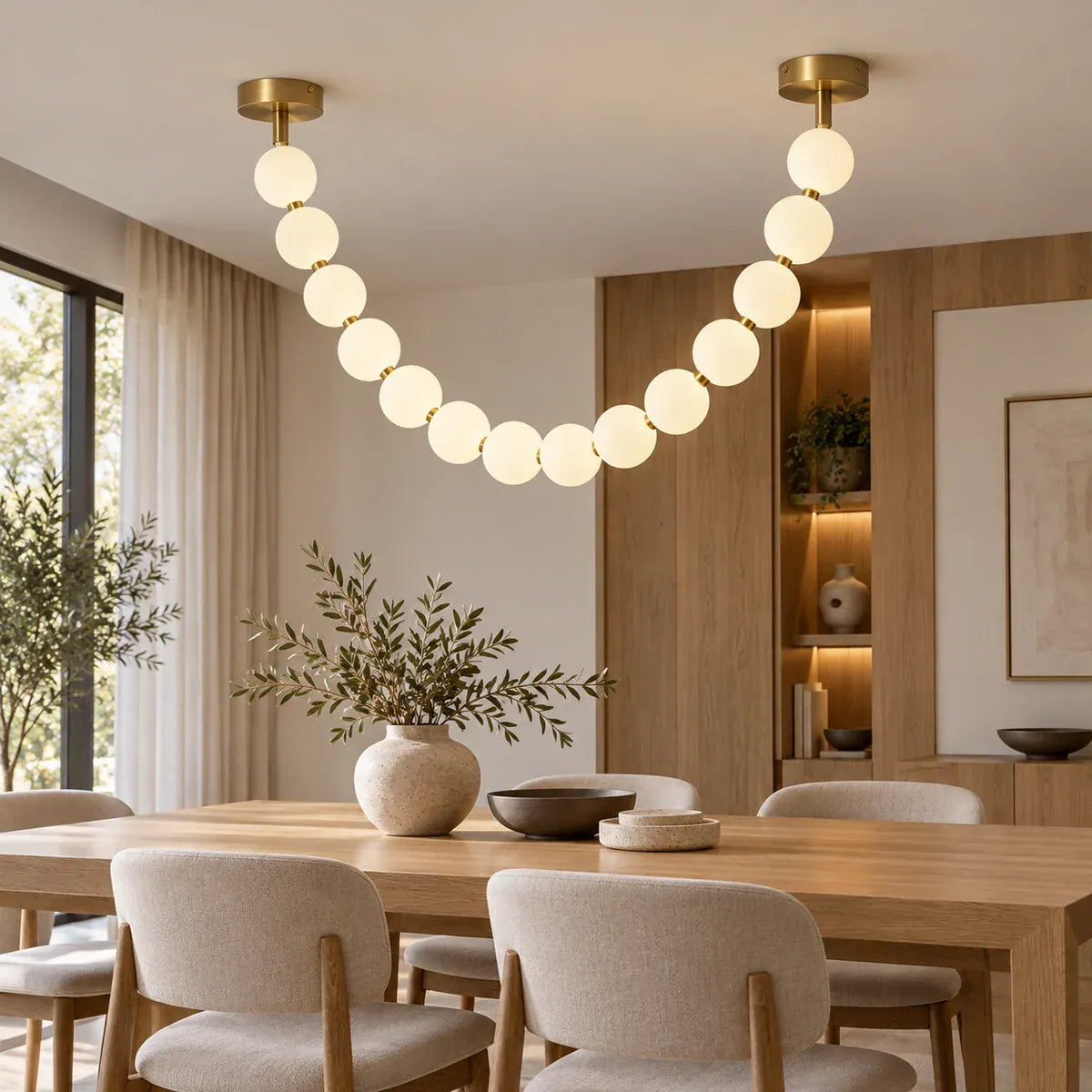
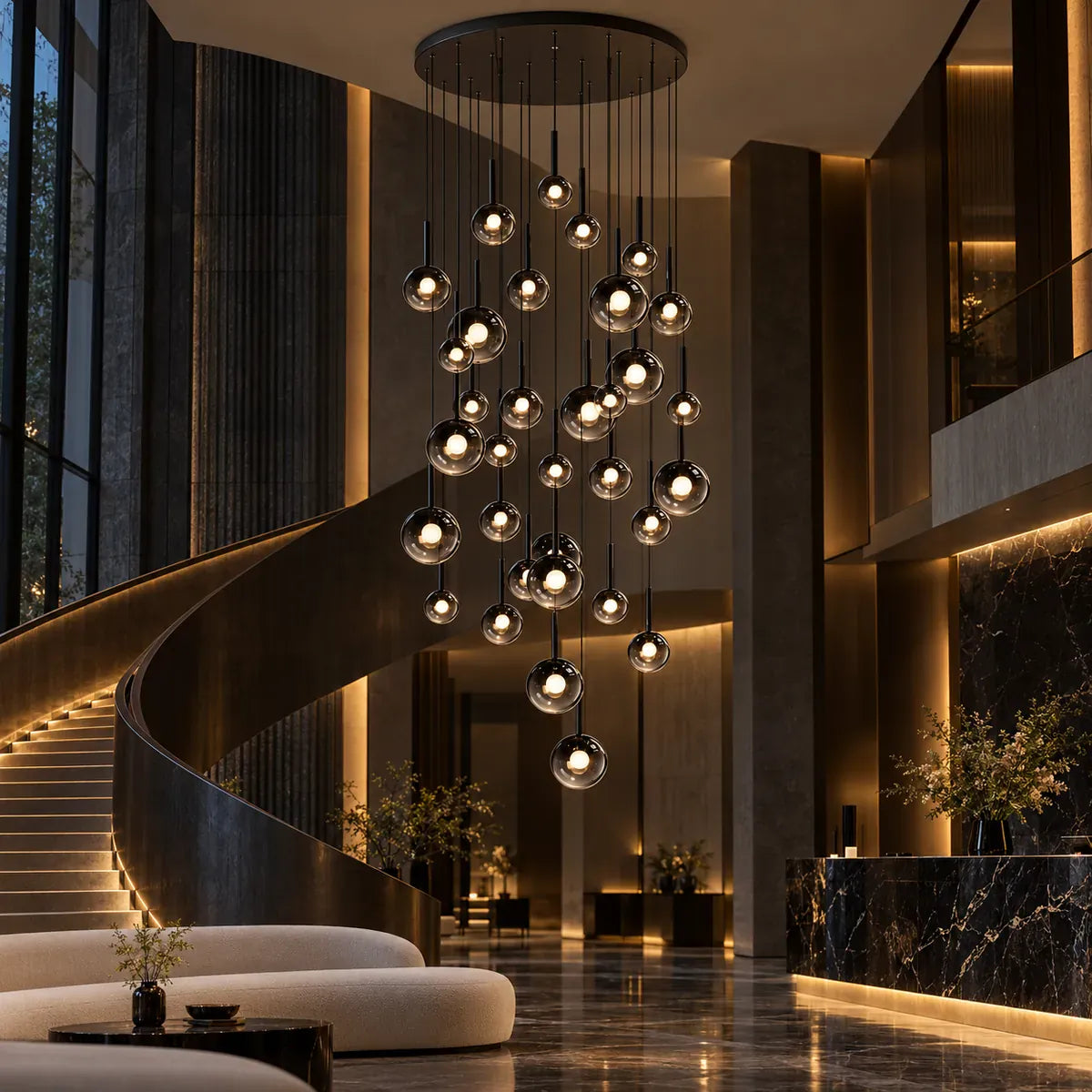
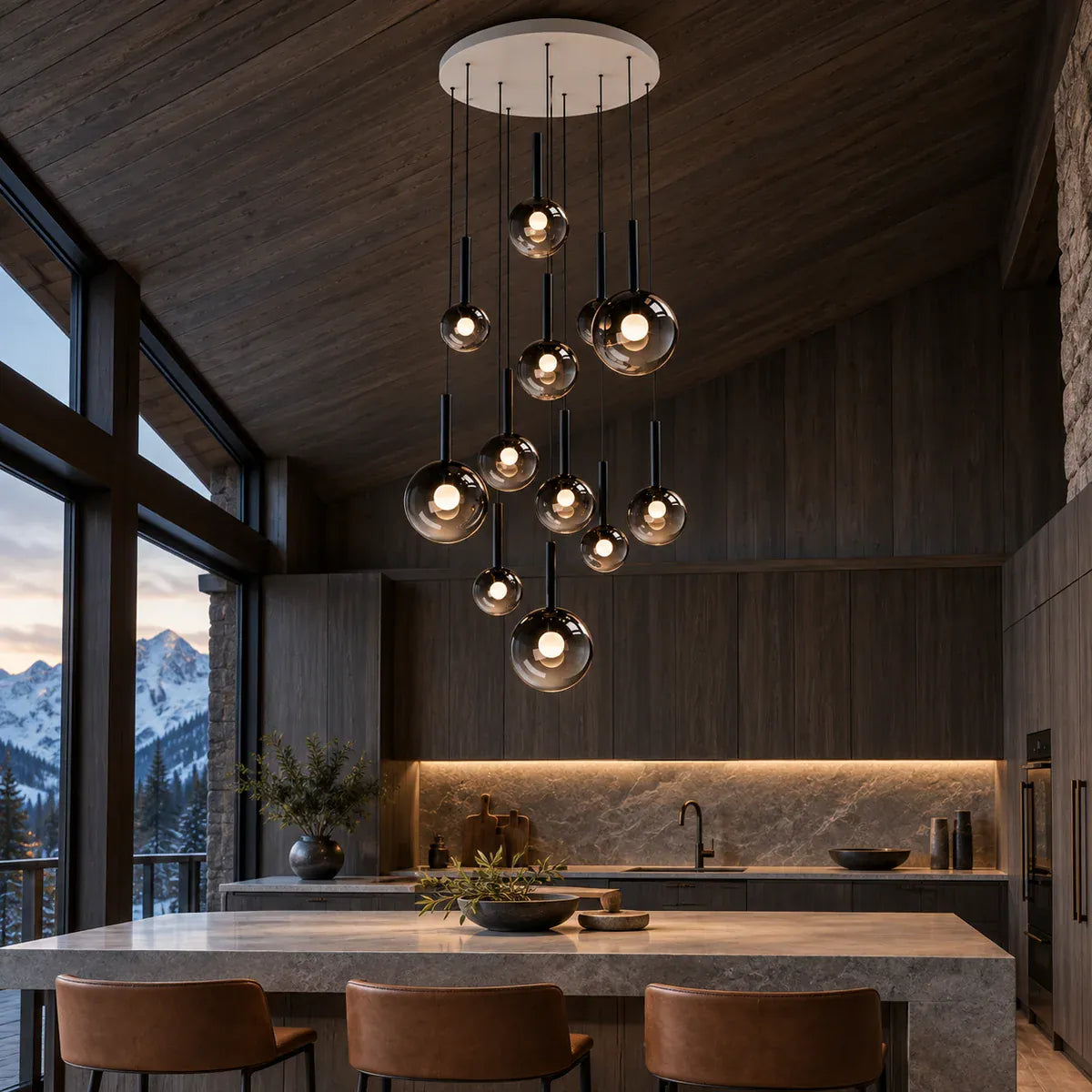
White Chandeliers for Brighter Rooms, Softer Contrast, and a More Airy Ceiling Statement
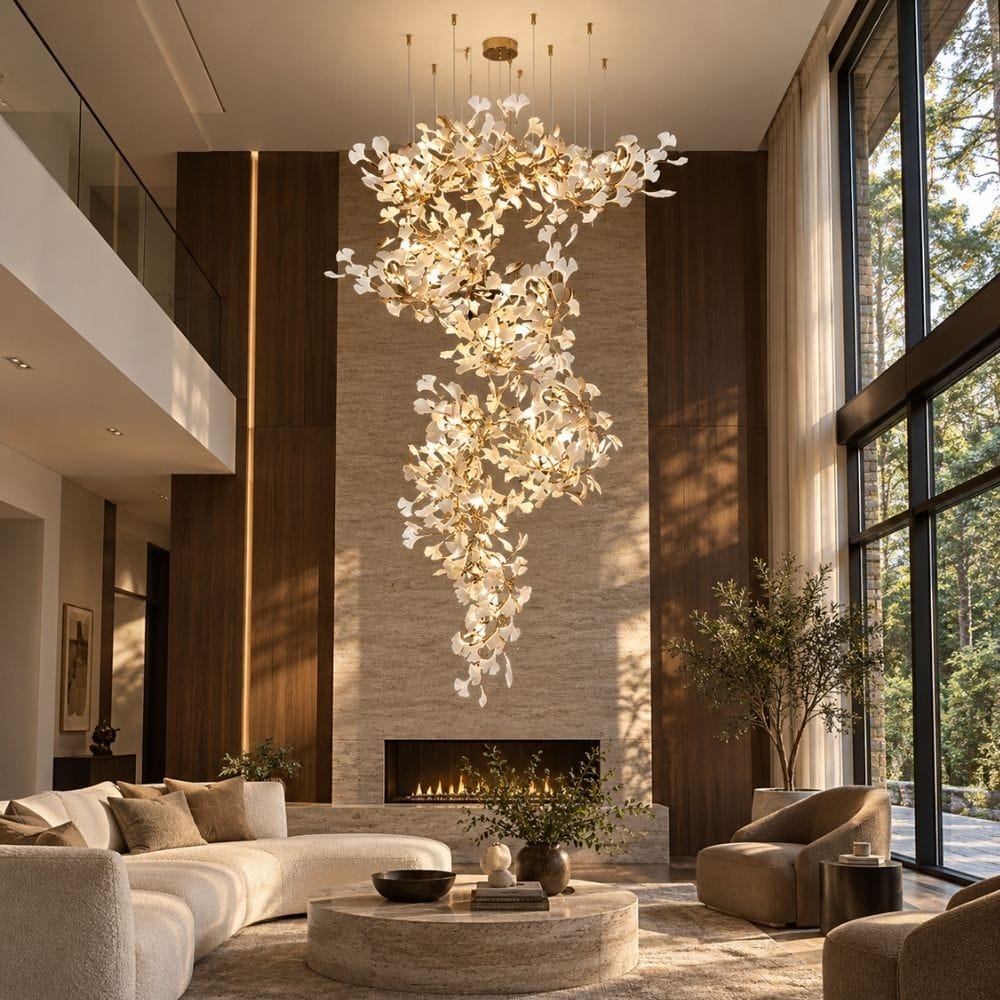
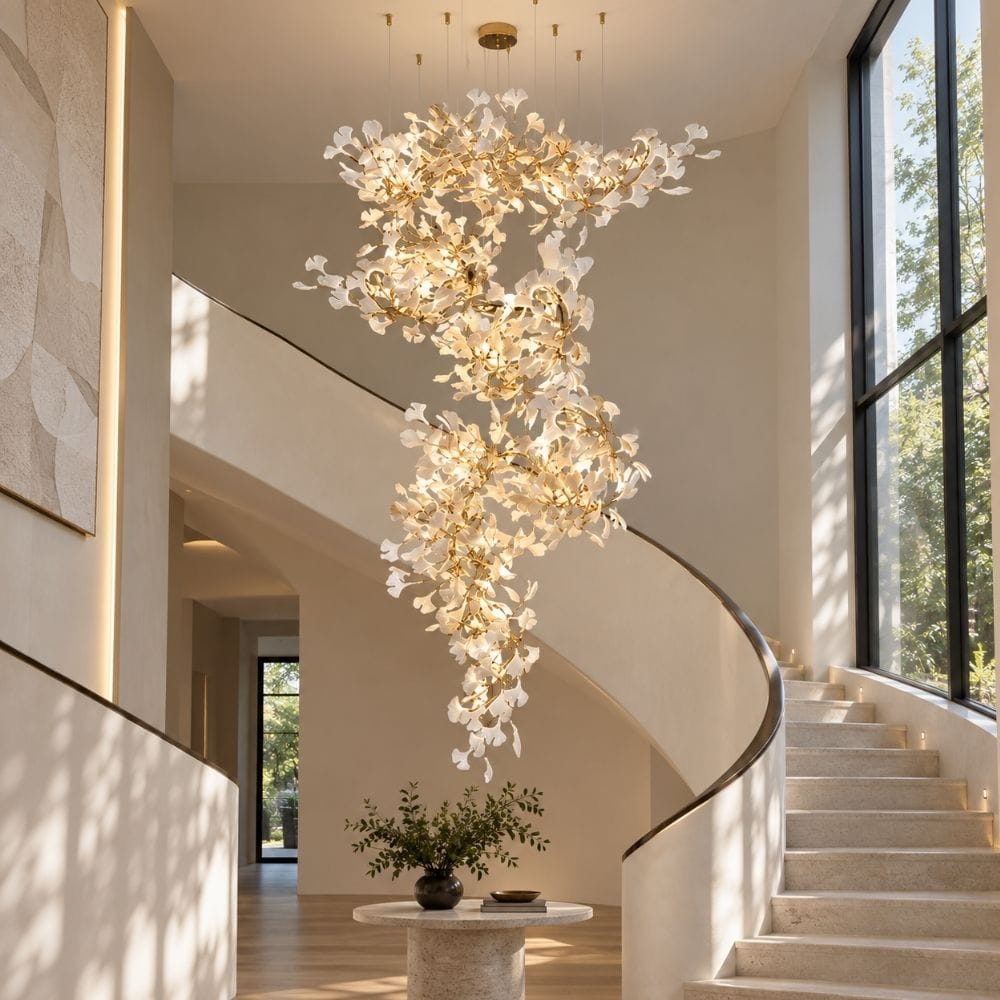
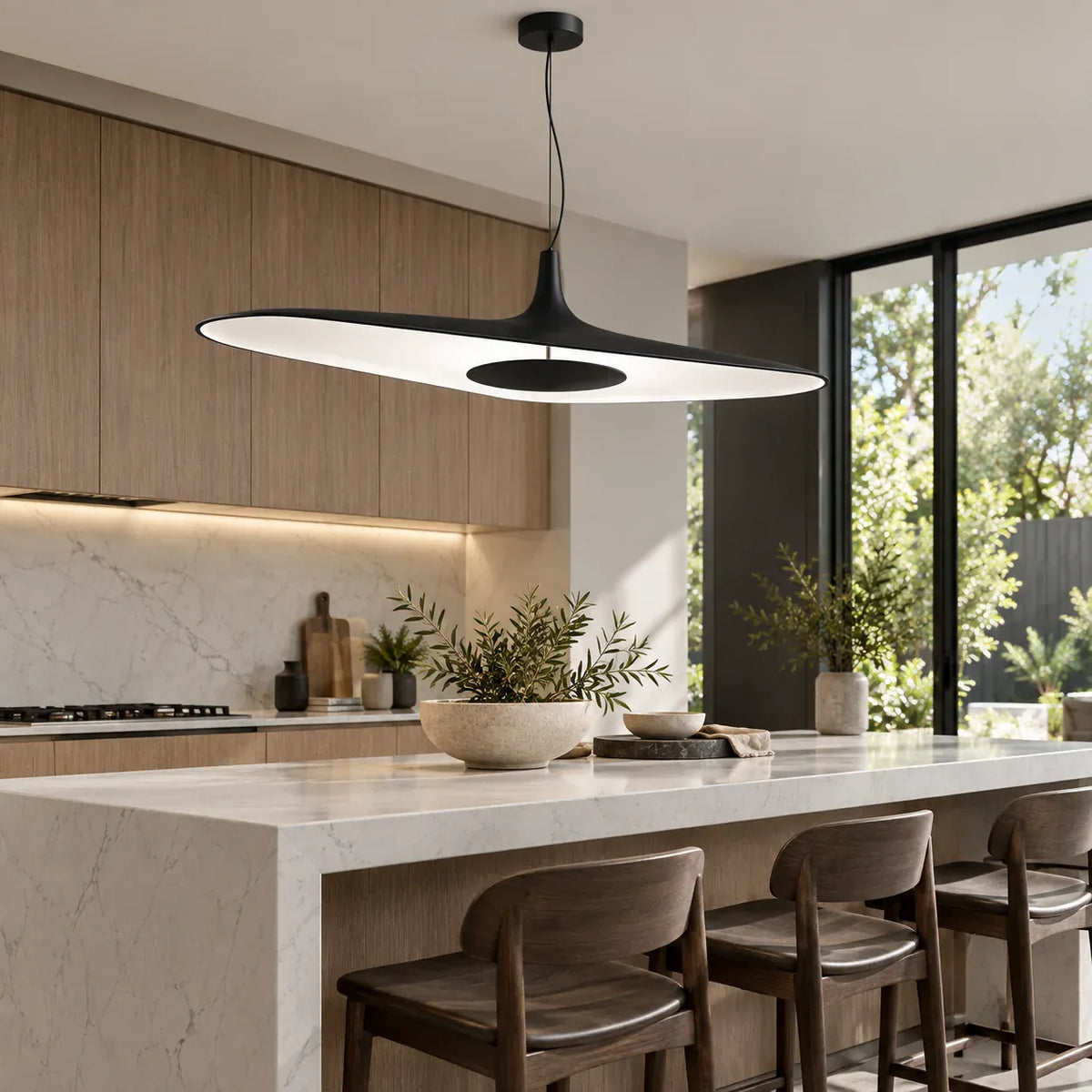
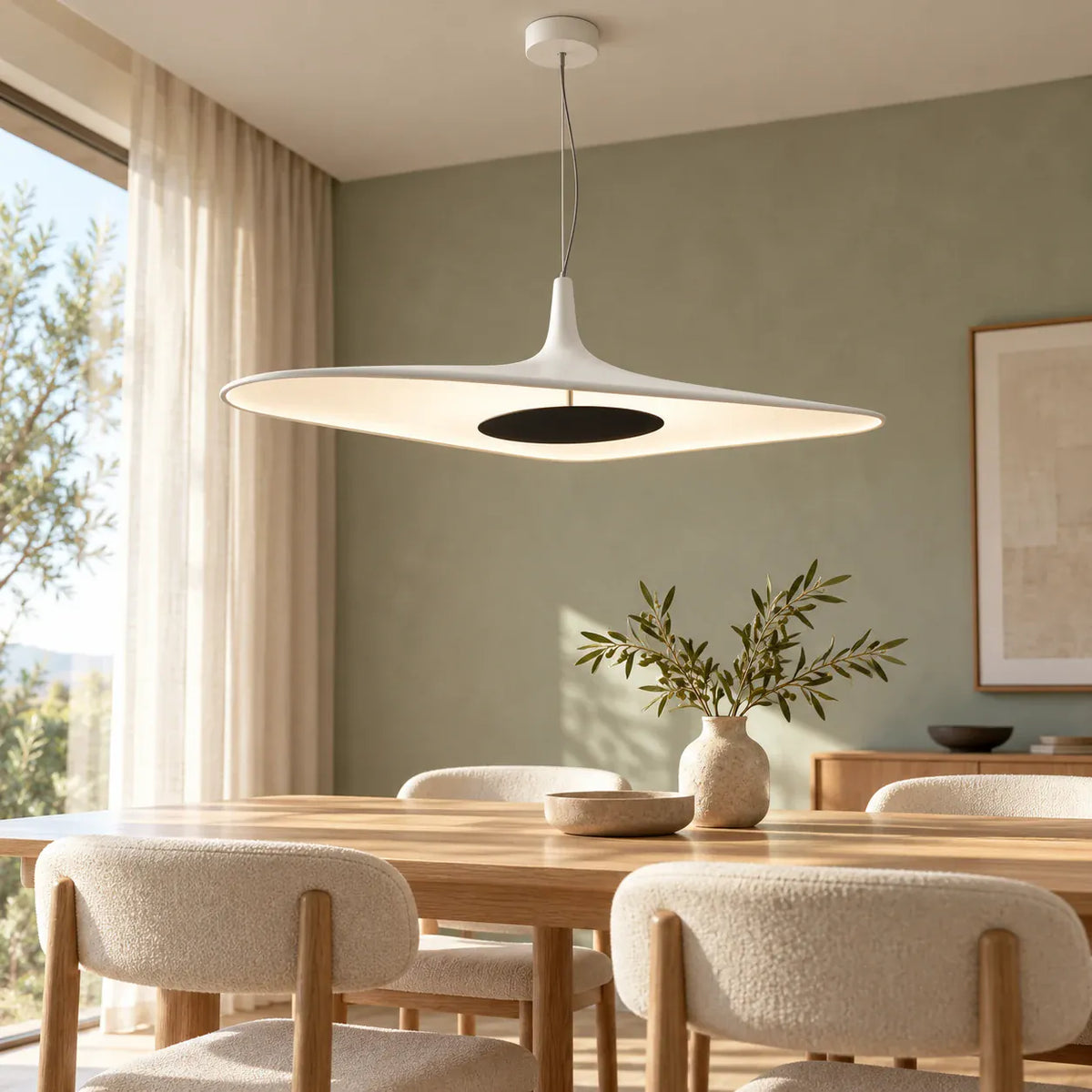
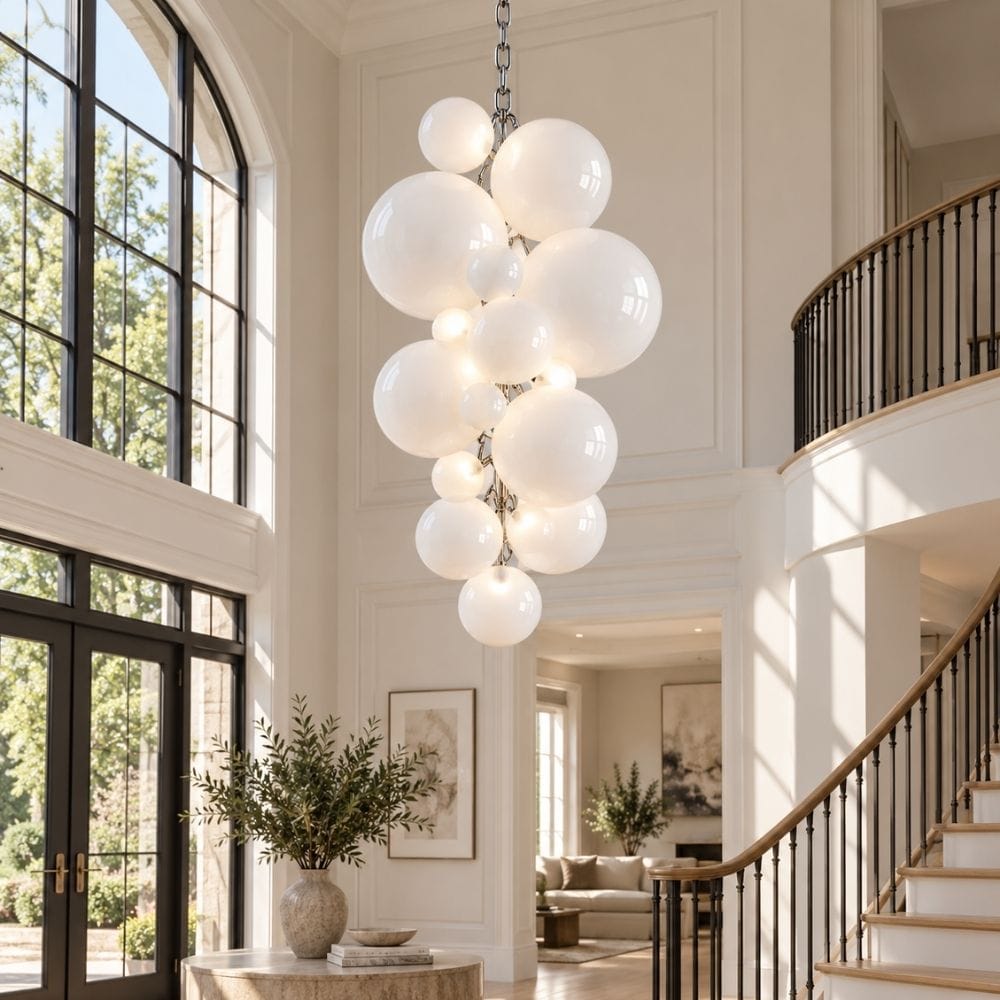
White chandeliers are a strong choice for shoppers who want a ceiling fixture that feels lighter, cleaner, and easier to blend into the room than darker or warmer metallic finishes. This category is built around chandeliers where white plays a clear visual role, whether through painted frames, milk-glass forms, stone-like finishes, feather textures, or softer contemporary silhouettes. If you want to compare the broader collection first, you can begin with our full Chandeliers category, then narrow your options here once your priority is the effect of a white finish in the room.
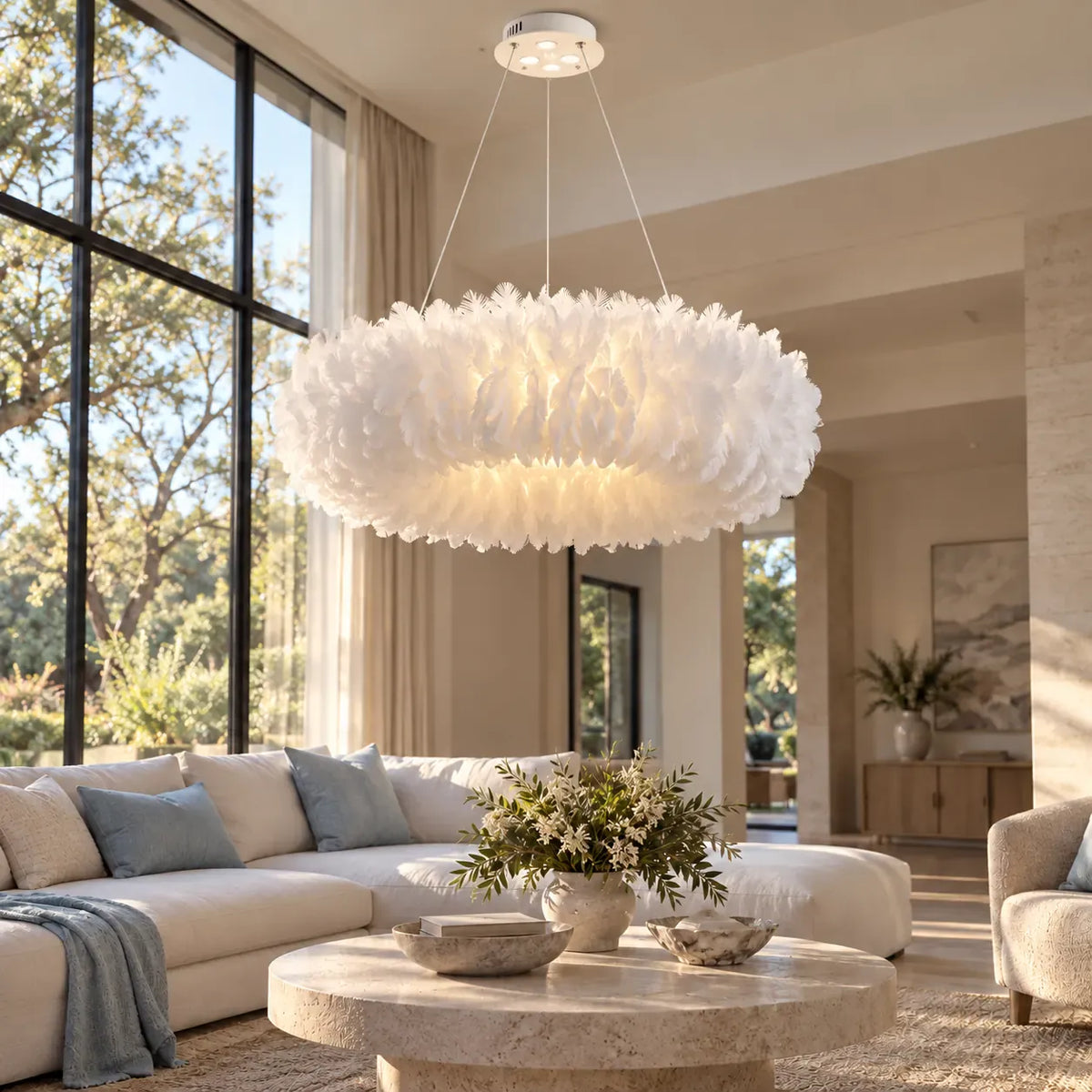
One of the biggest strengths of white chandeliers is that they can make the ceiling feel more open. A white finish usually creates less contrast than black or darker metals, which often helps the chandelier feel softer and less visually heavy from below. In some interiors, that gives the room a cleaner and more relaxed look. In others, it helps the fixture blend more naturally with white ceilings, pale walls, lighter woods, stone surfaces, or Scandinavian-inspired palettes. That flexibility makes this collection useful in dining rooms, foyers, living rooms, bedrooms, and open-plan homes where the chandelier should feel noticeable without dominating the space.
What Makes a White Chandelier Different?
The defining feature is the finish and how it changes the chandelier’s visual role. White can make a sculptural fixture feel softer, a branch chandelier feel more decorative, or a contemporary silhouette feel cleaner and more refined. Some white chandeliers lean modern and minimal, while others feel romantic, organic, soft-textured, or more playful depending on the materials and shape around the finish.
- Common white-finish directions: matte white chandeliers, white branch chandeliers, milk-glass chandeliers, white staircase chandeliers, feather chandeliers, and cleaner minimalist white forms
- Best room types: dining rooms, foyers, bedrooms, living rooms, stair-adjacent spaces, and bright open interiors
- Main visual benefit: a lighter overhead presence and a chandelier that often feels more open than darker-finish fixtures
Tip: White chandeliers often work especially well in rooms where you want the fixture to feel decorative but still easy on the eye, especially when the space already uses light walls, pale flooring, natural textures, or softer neutrals.
How to Choose the Right White Chandelier by Room
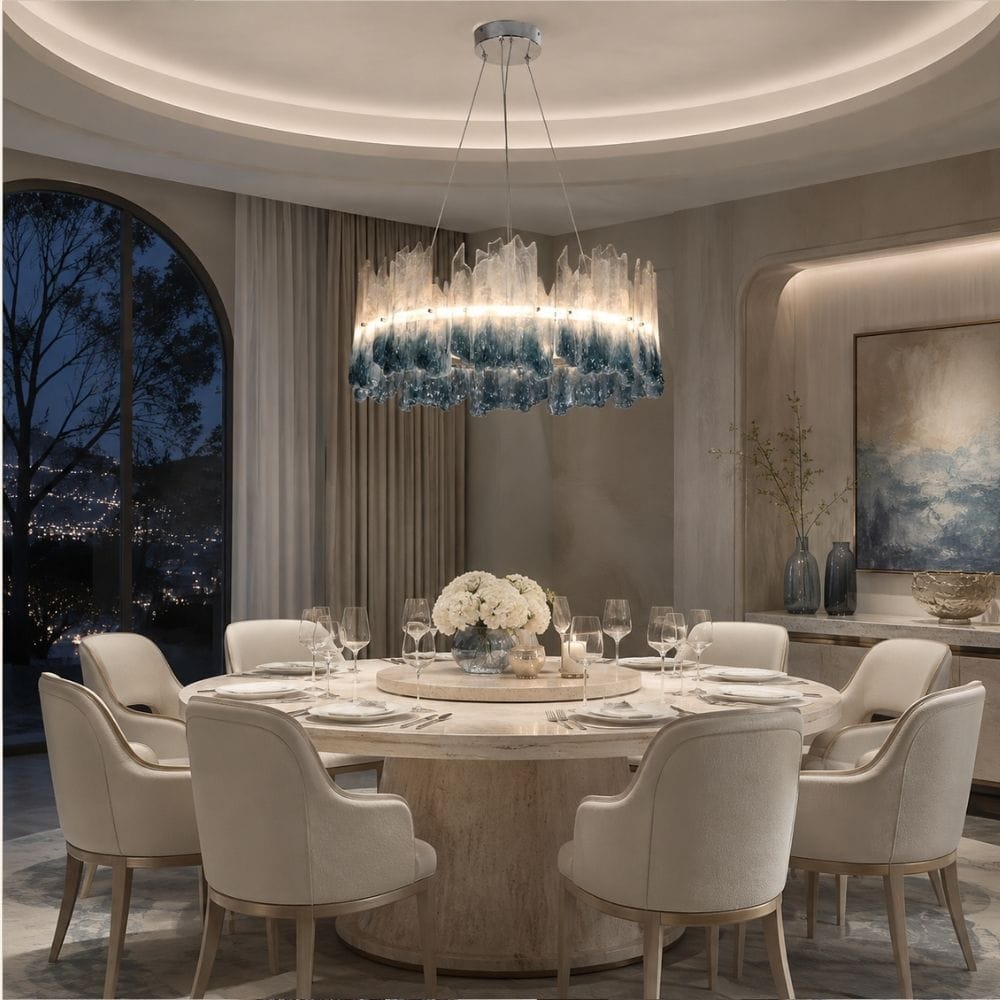
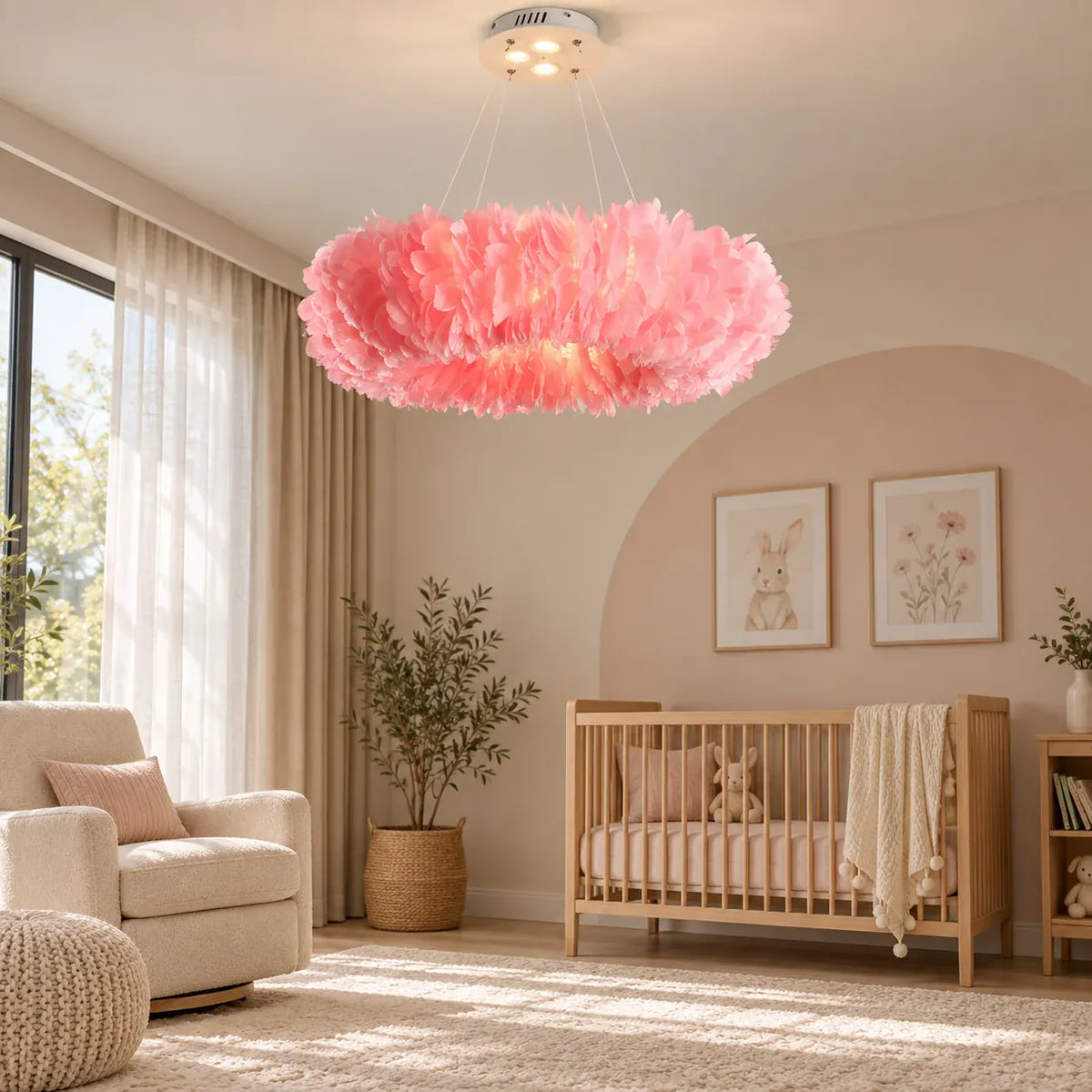
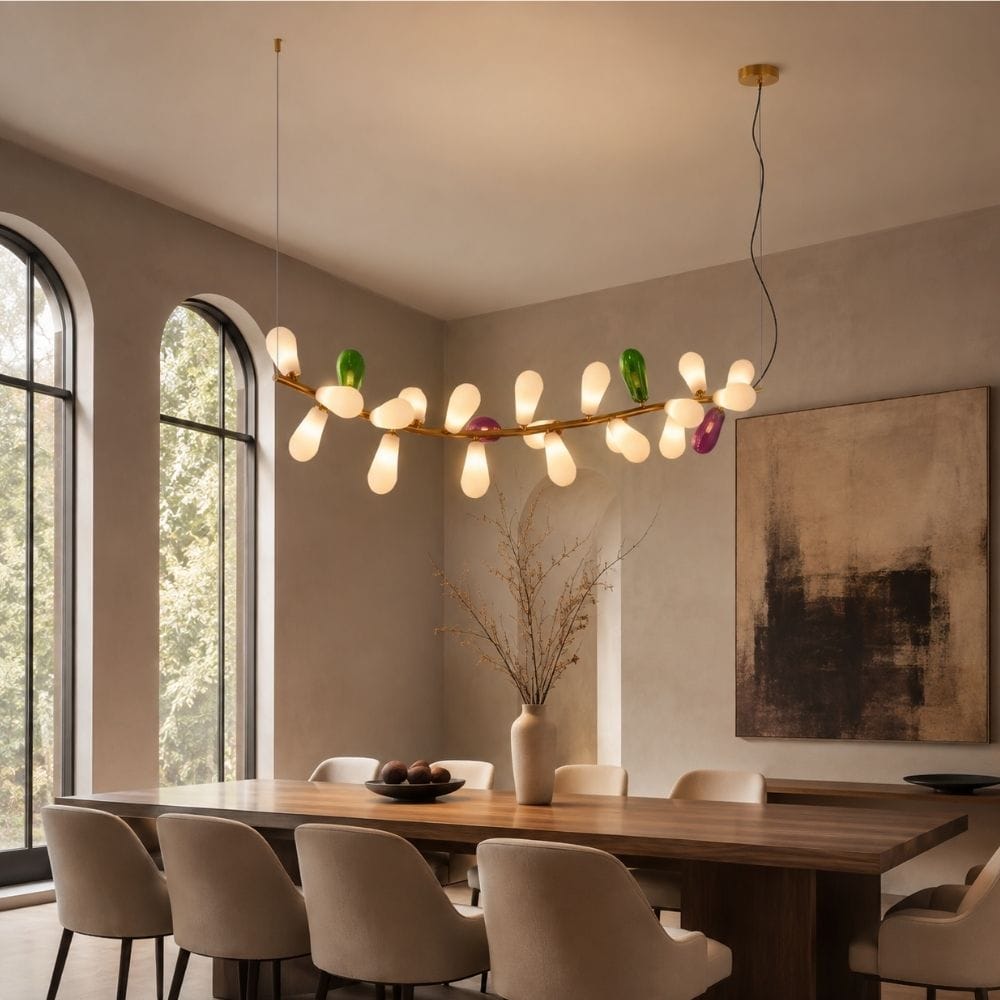
The best white chandelier usually depends on what part of the home it needs to anchor. Over a dining table, a white chandelier can create a clean focal point without making the room feel visually dense. In foyers, a lighter finish often helps the entry feel brighter and more welcoming right away. In bedrooms, white chandeliers can create a softer ceiling statement than darker metal fixtures, especially when the room is meant to feel calm and restful. In living rooms, they can add shape overhead without pulling too much contrast into the space.
If you are shopping by room first, it can help to compare this page with Dining Room Chandeliers, Foyer & Entryway Chandeliers, and Bedroom Chandeliers. If your priority is softer light diffusion through material rather than white finish more broadly, Glass Chandeliers is a useful adjacent category.
Quick planning notes:
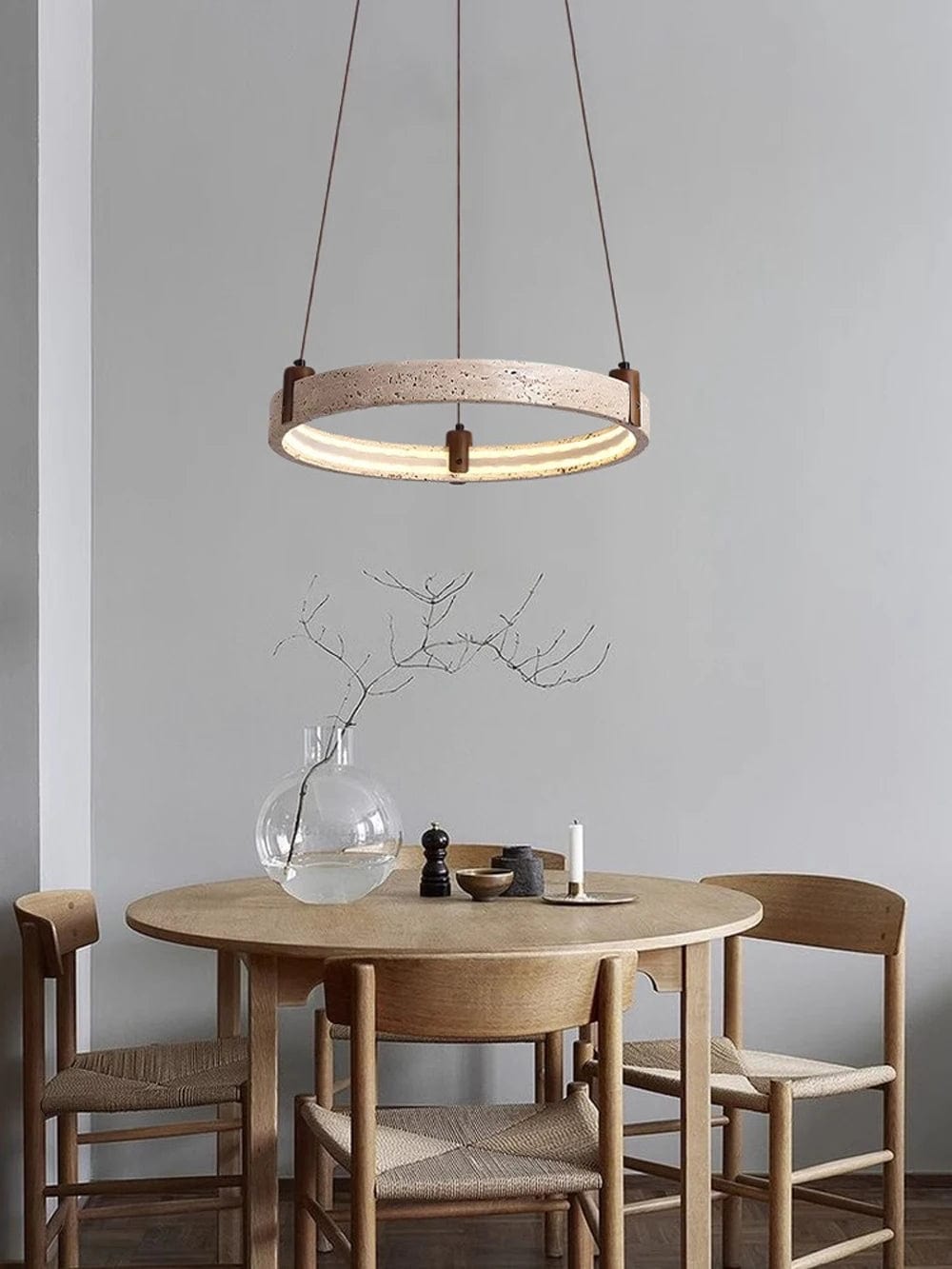
- Dining rooms: white chandeliers usually feel best when they are clearly tied to the table below
- Smaller rooms: lighter finishes often help the fixture feel less crowded overhead
- Open interiors: a white chandelier can define the ceiling while still keeping the room visually breathable
- Soft palettes: white finishes usually pair easily with beige, cream, oak, stone, linen, and pale painted surfaces
Measurement note: White chandeliers can sometimes feel visually smaller than a darker chandelier with the same dimensions because the finish creates less contrast. When comparing sizes, it helps to think about silhouette and spread, not just color. In dining rooms, table width is still the best first reference. In open rooms, room size, ceiling height, and fixture shape matter just as much as diameter.
White Finish, Material Pairing, and Room Mood
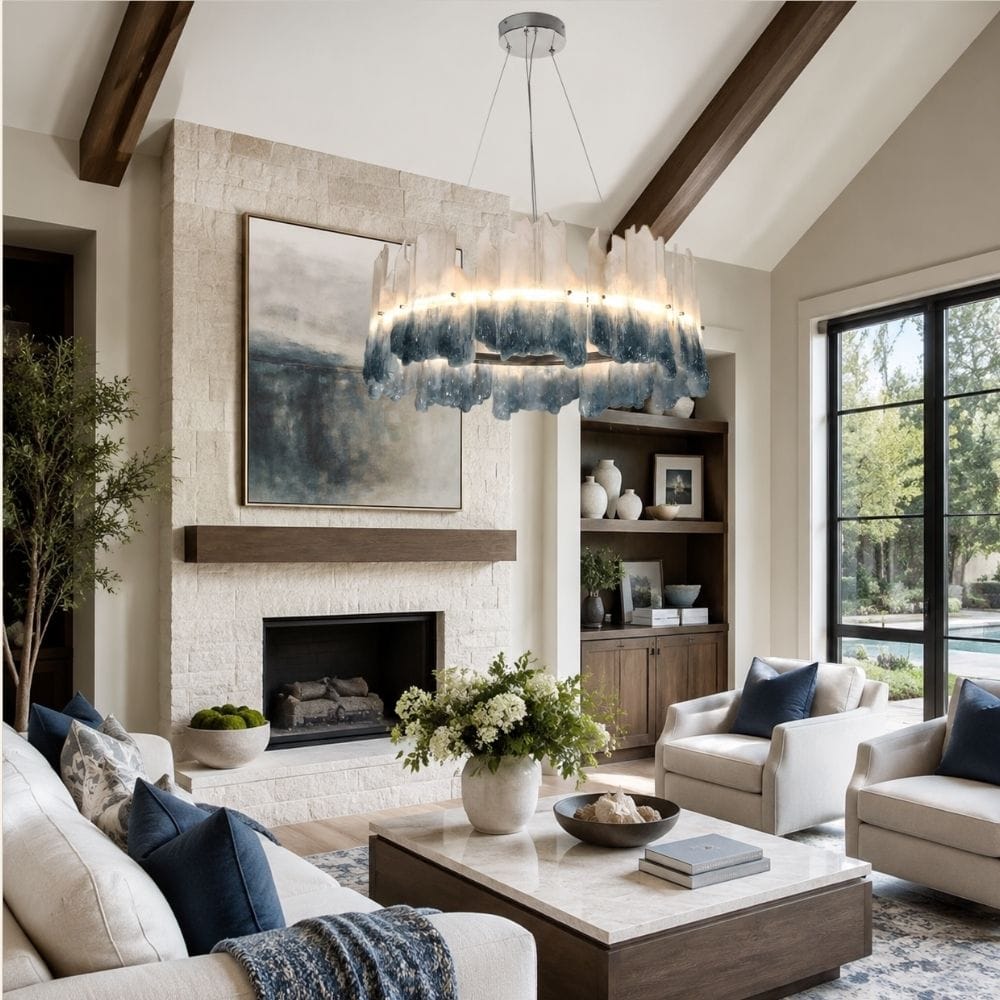
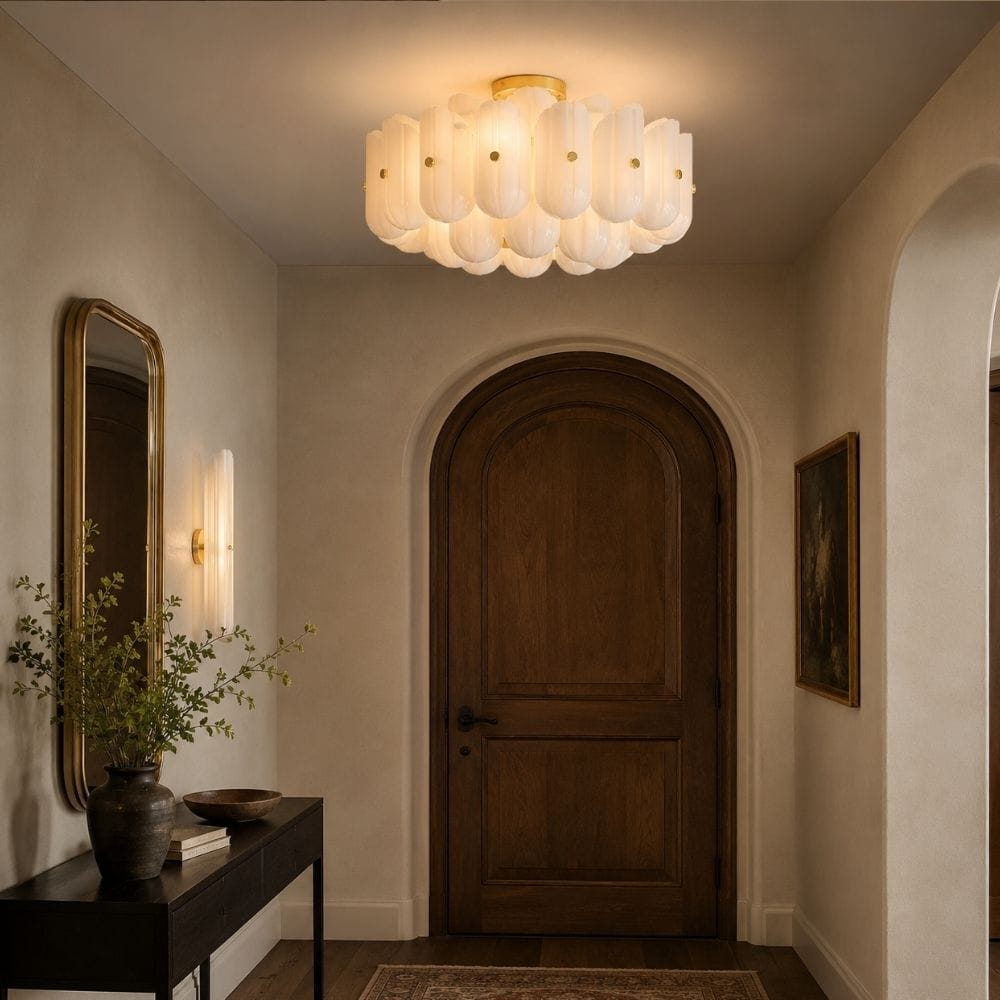
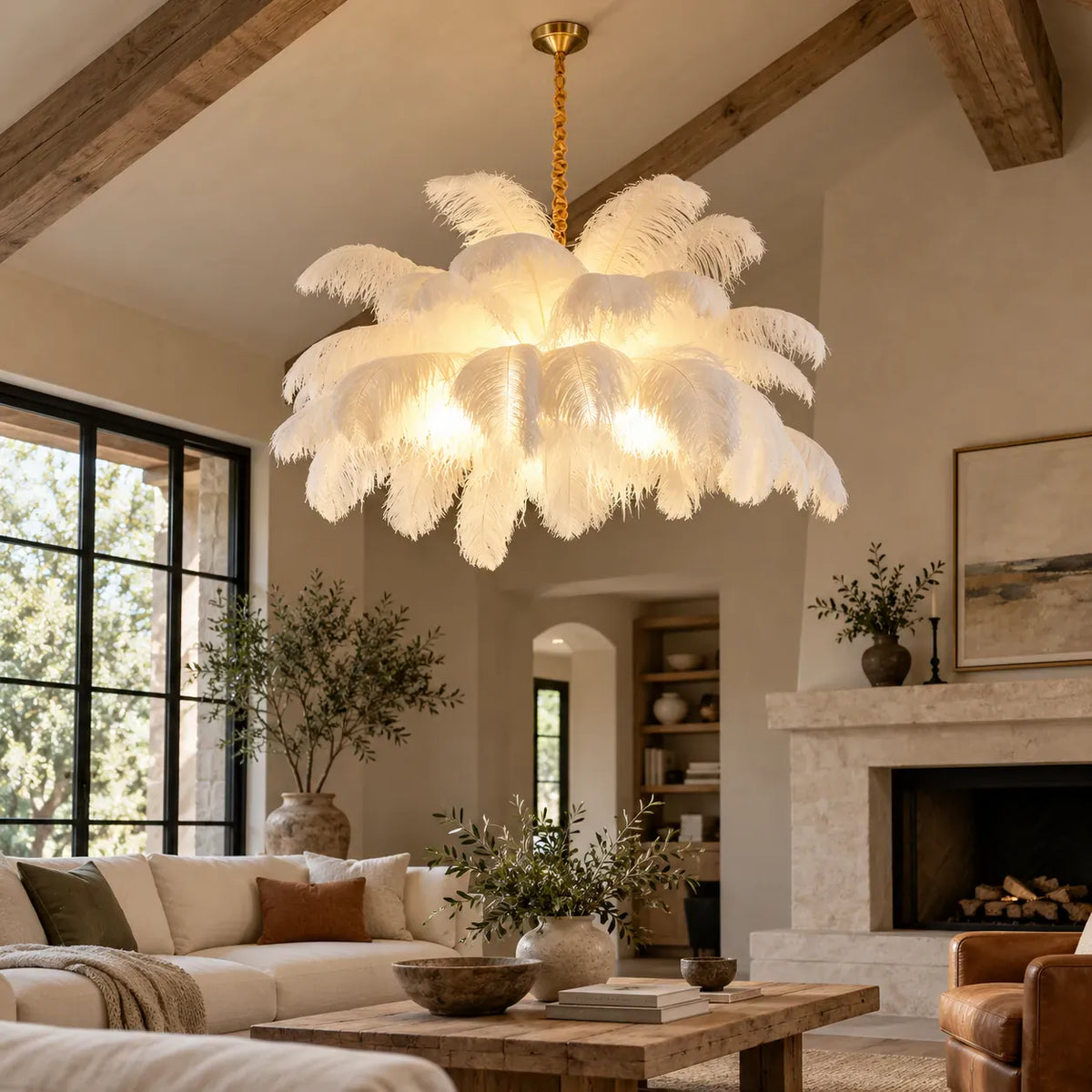
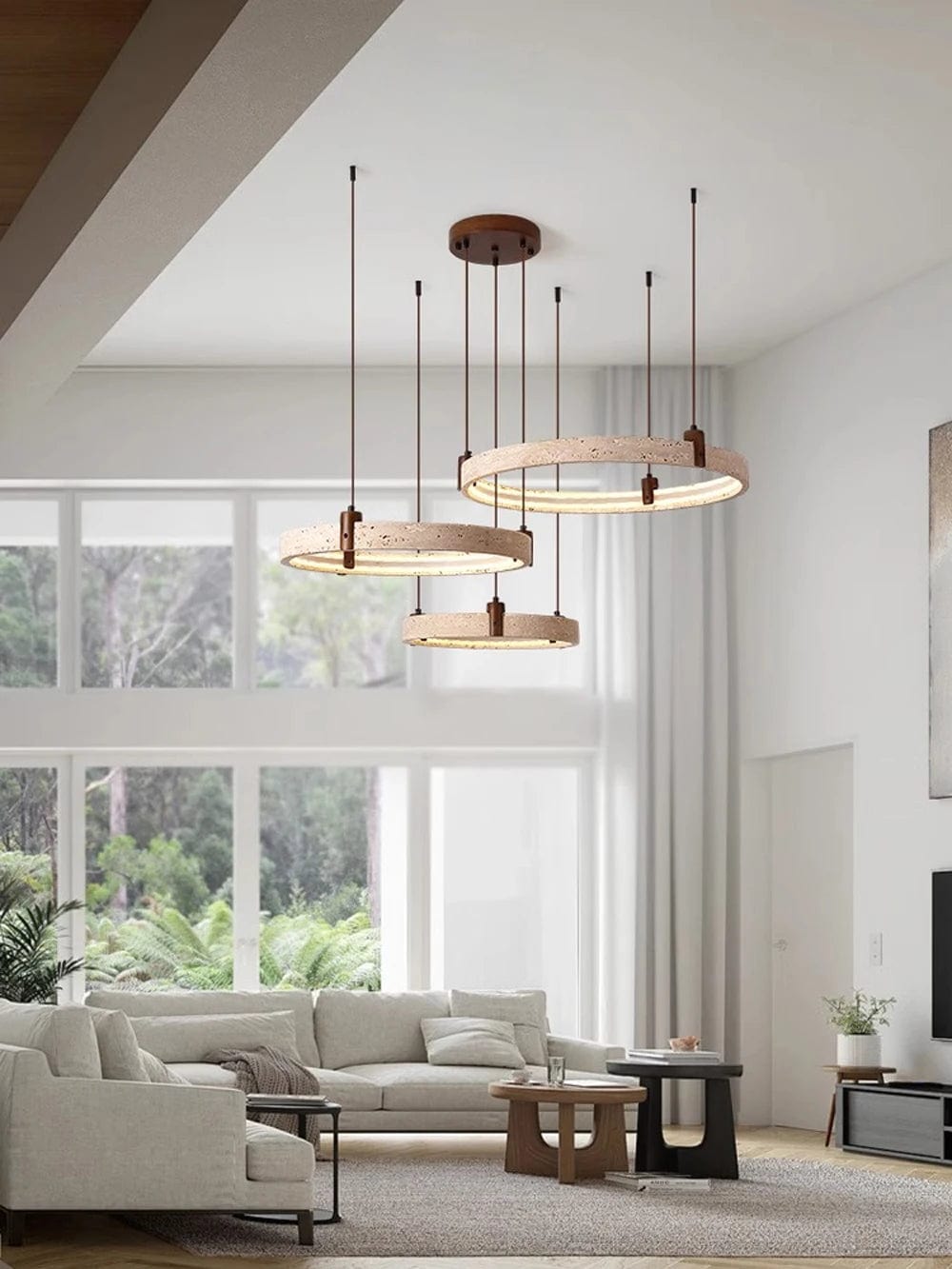
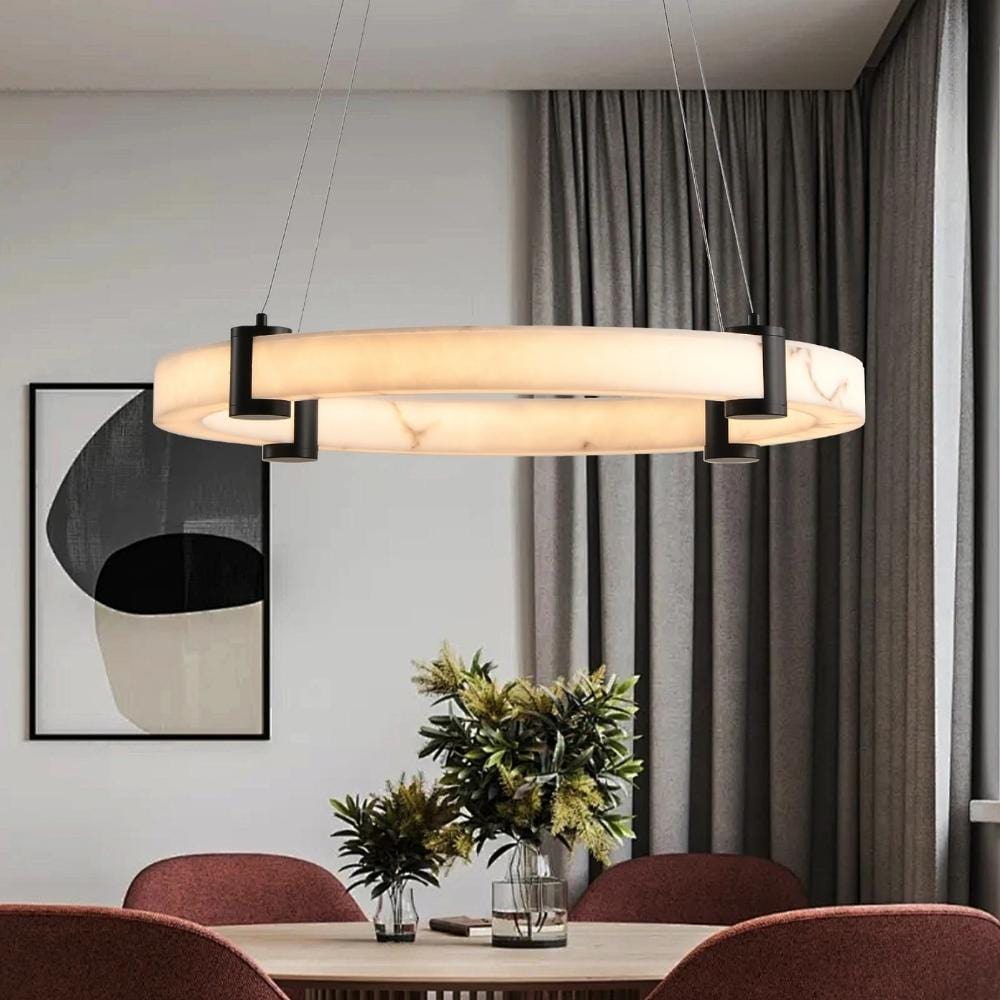
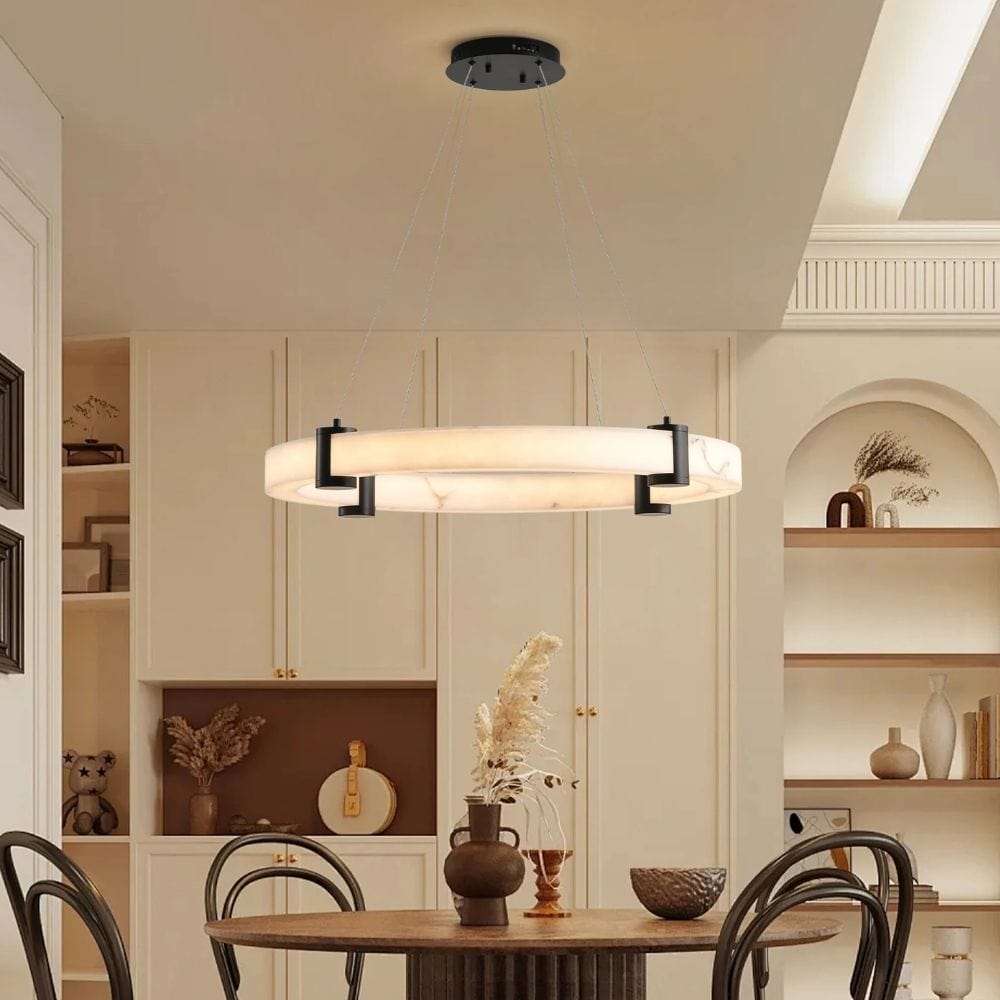
Not every white chandelier creates the same atmosphere. A matte white metal frame usually feels cleaner and more architectural. Milk glass can make the chandelier feel softer and more diffused. White branch forms often look more decorative and sculptural, while feather or textured white chandeliers can feel lighter and more expressive. White paired with stone, alabaster, or frosted materials often creates a softer luxury feel without relying on strong metallic shine.
This is one reason white chandeliers should not be treated as a single style page. Some lean Scandinavian, some contemporary, some farmhouse, and some more artistic or soft-glam in feel. If your priority is stronger finish contrast, Black Chandeliers is the better adjacent page. If you want a cleaner style-led direction with updated silhouettes, Modern Chandeliers may be the stronger fit.
Quick comparison:
- Matte white chandeliers - cleaner and more understated in modern interiors
- Milk-glass and frosted white styles - softer and calmer overhead
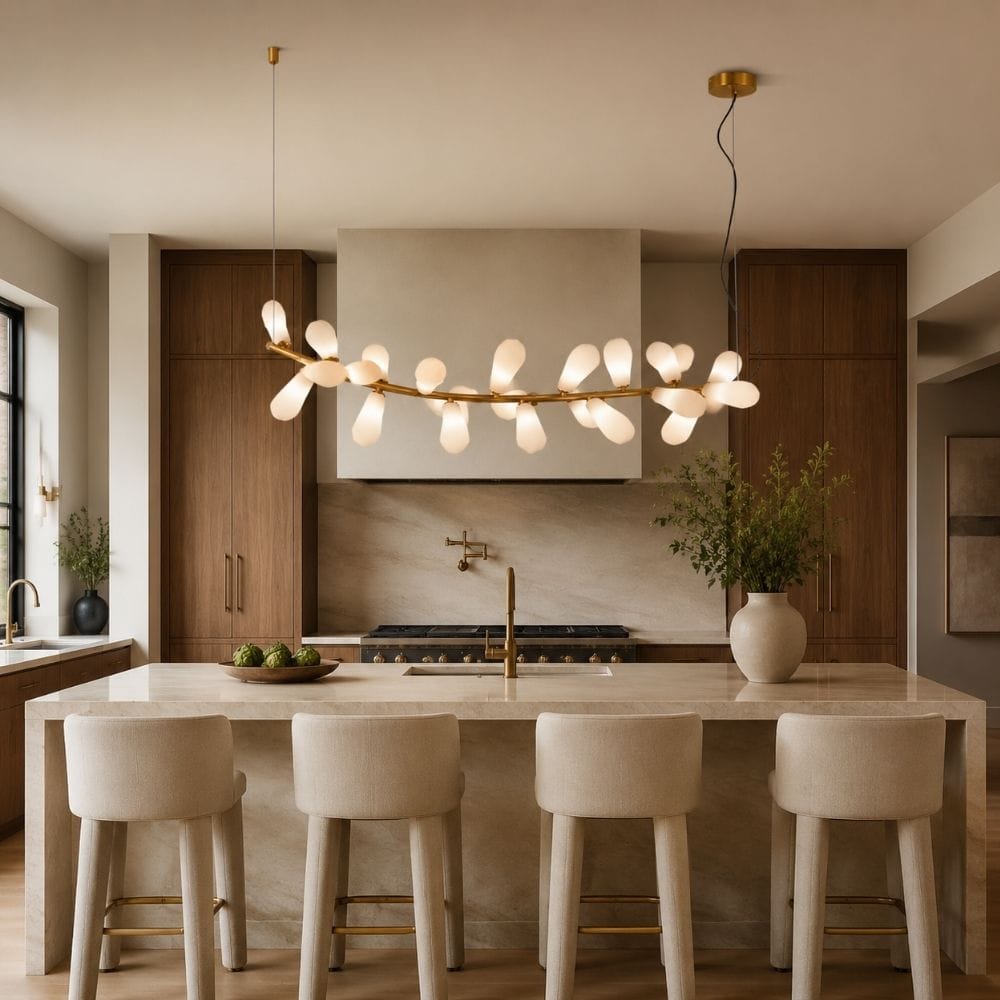
- White branch chandeliers - more sculptural and decorative in feel
- Textured or feather-led white chandeliers - lighter and more expressive as a focal point
White Chandeliers vs. Glass and Modern Chandeliers
These categories overlap, but they do not serve the same intent. White chandeliers are chosen first for finish effect and the lighter mood they bring into the room. Glass chandeliers are chosen more specifically for transparency, diffusion, and material behavior. Modern chandeliers are chosen first for style language, such as clean lines and updated silhouettes. If your main goal is a chandelier that brightens the ceiling visually through a soft white finish, this collection is the more precise starting point.
Small reminder: The best white chandelier is not simply the palest fixture. It is the one whose shape, scale, and finish softness feel balanced with the room and make the ceiling feel brighter without disappearing into the background.