










Understanding Living Room Lighting
Living room lighting is a plan, not a purchase. The room hosts more activities than any other space in the home — conversation, reading, screens, games, entertaining — and no single fixture serves all of them well. What works is a layered scheme: an ambient layer that fills the room, a task layer that serves specific spots, and an accent layer that adds depth and evening warmth. This collection gathers every fixture type that plan needs, so the pieces can be chosen to work together rather than assembled from separate searches.
Building a Layered Lighting Plan
The Ambient Layer
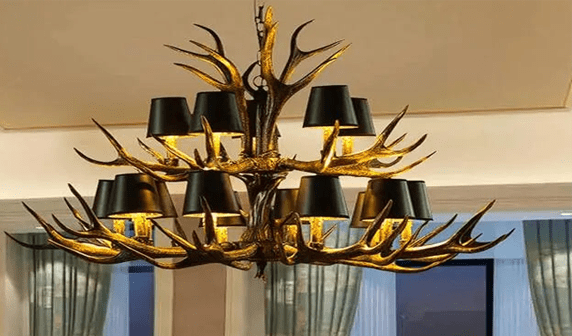
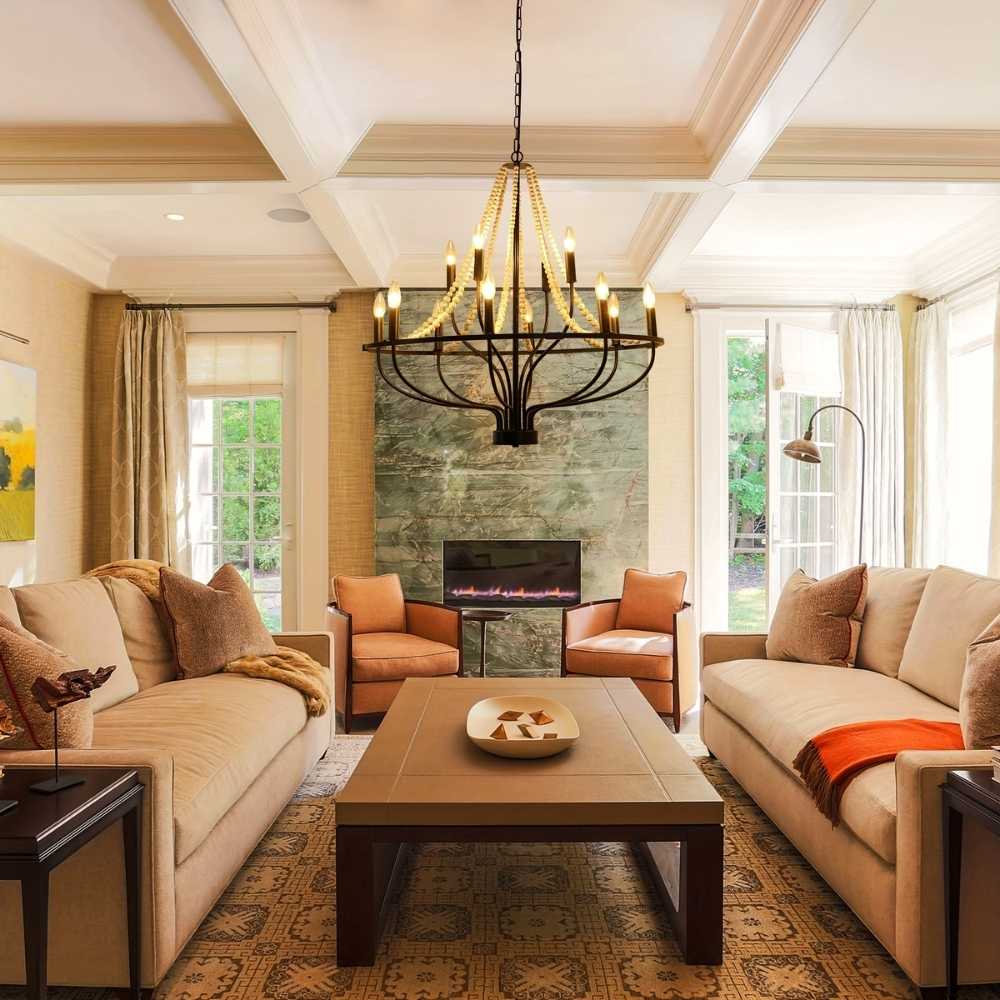
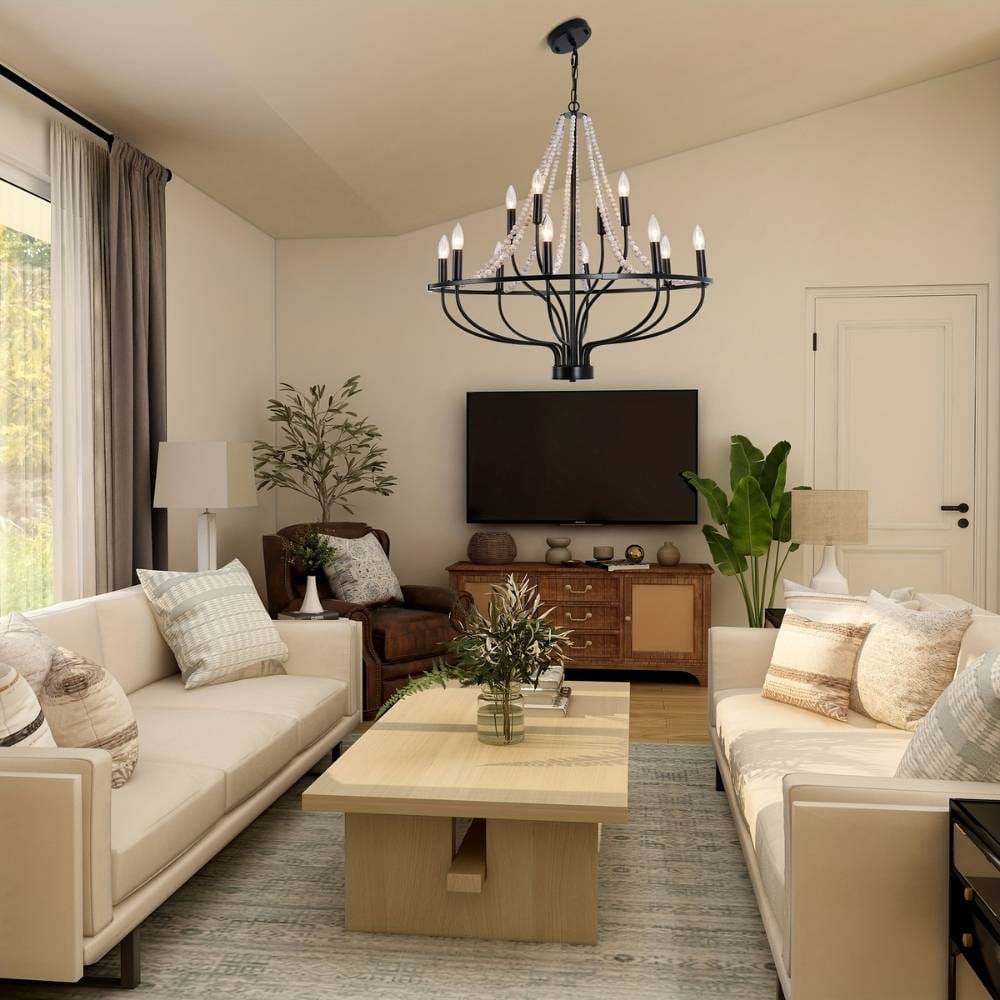
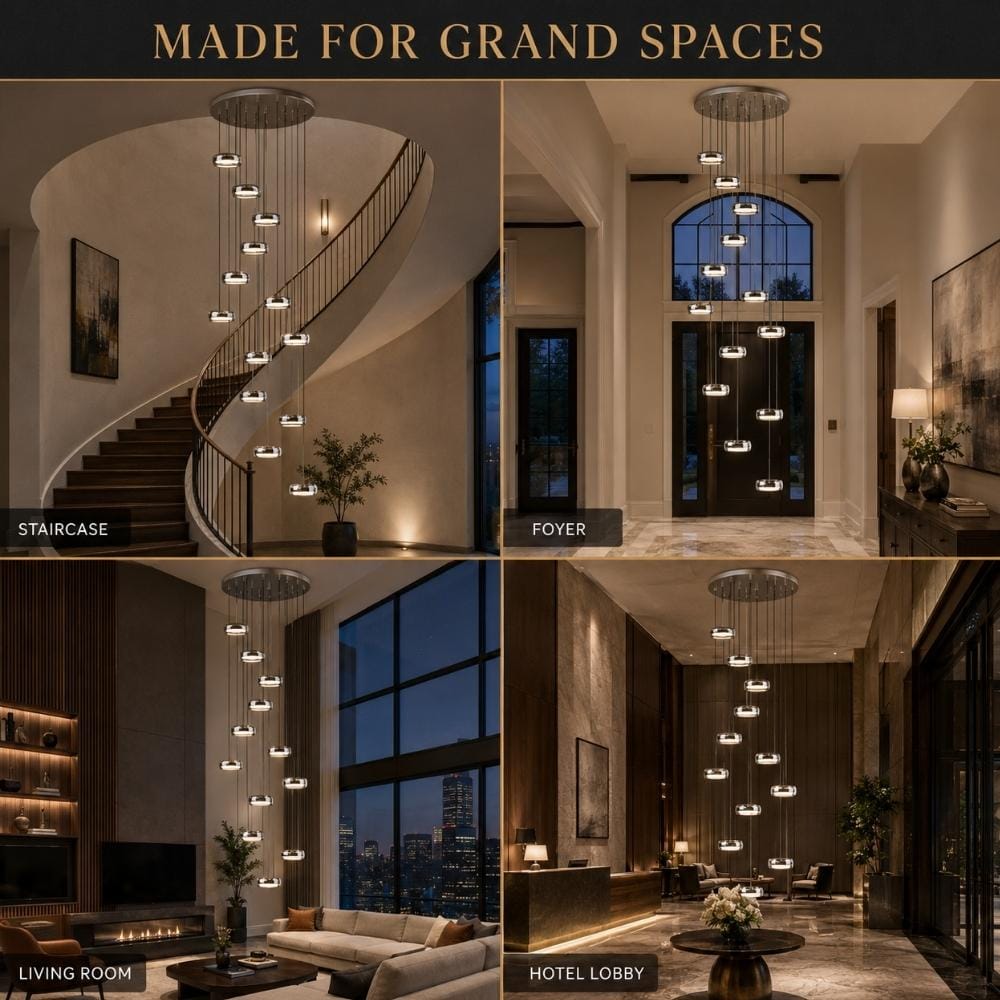
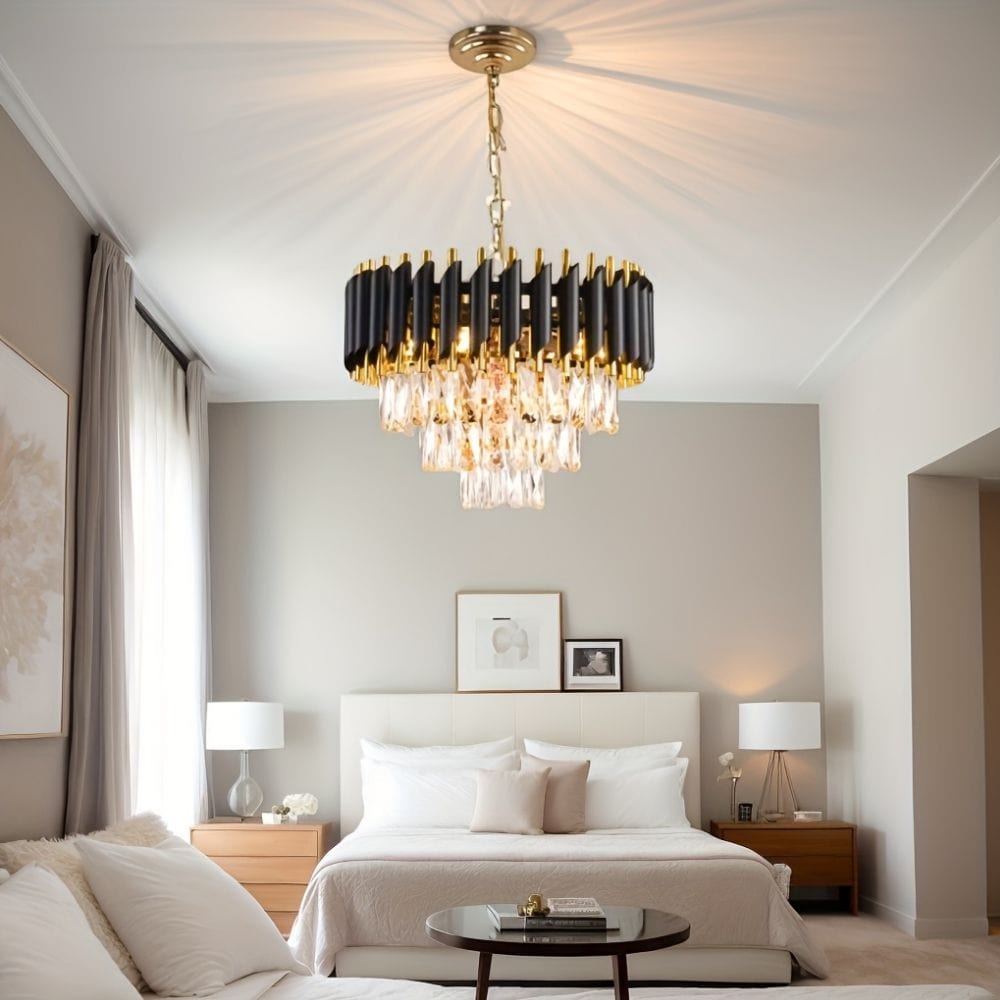
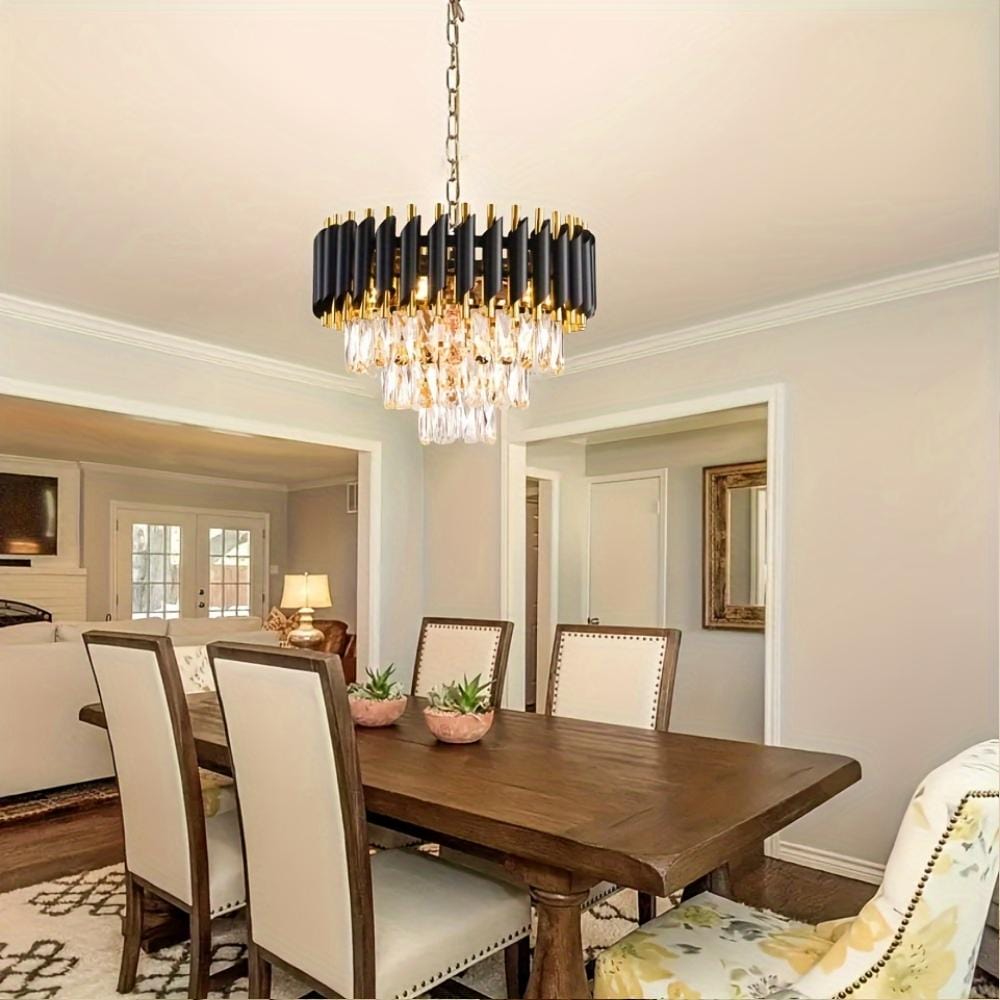
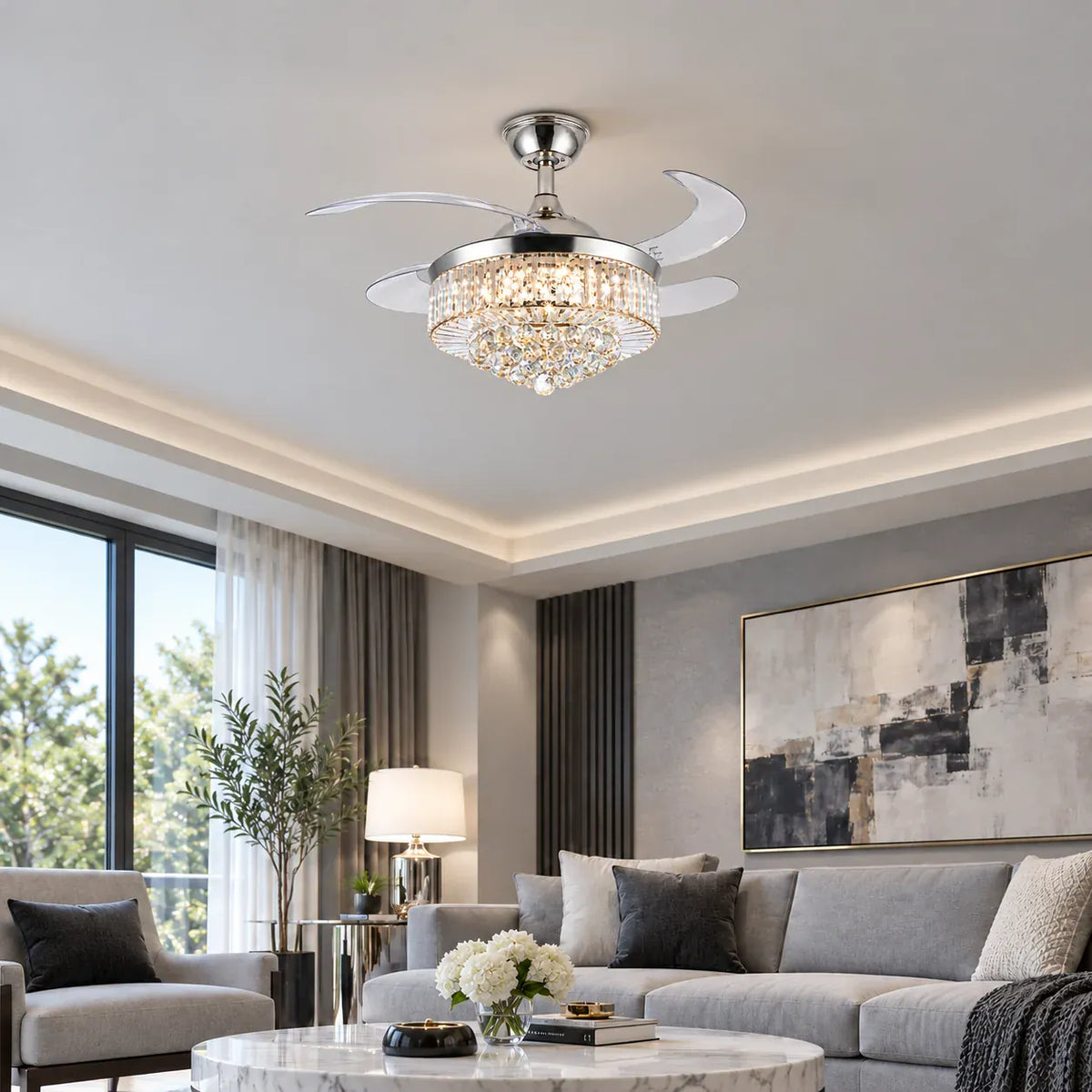
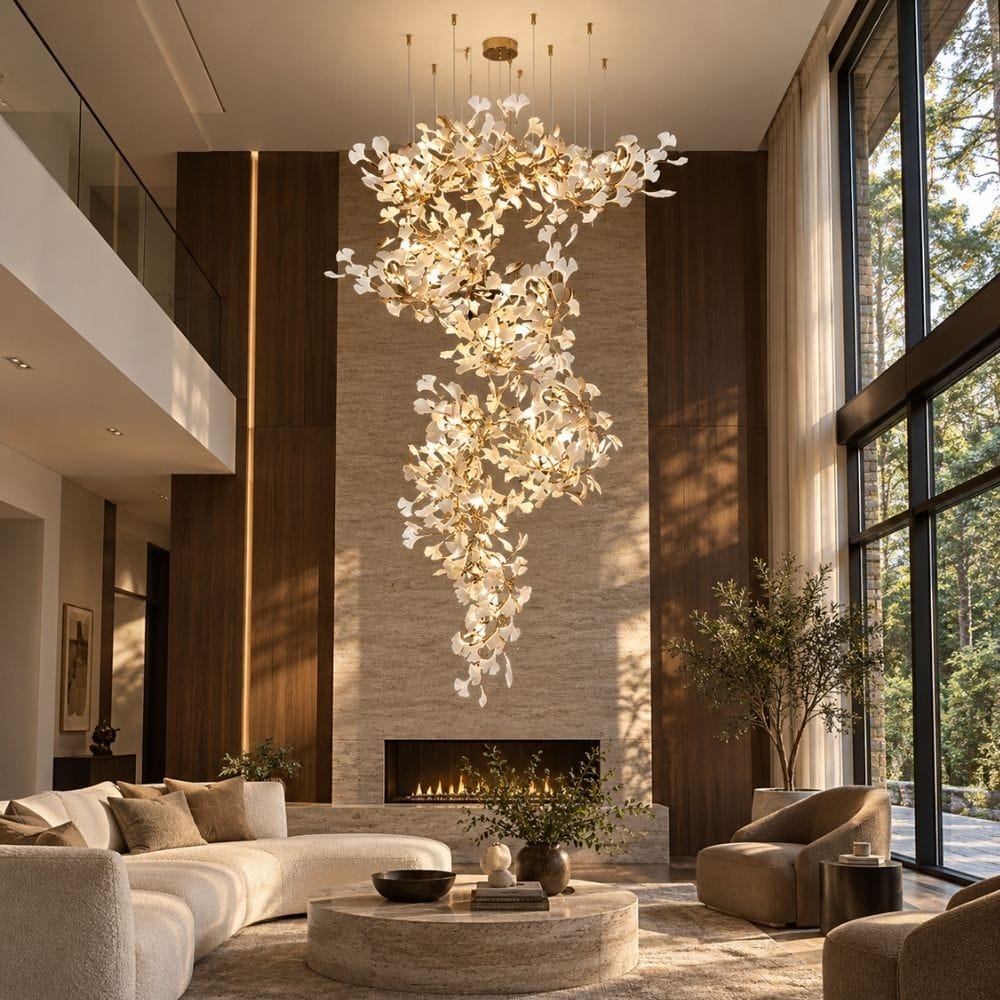
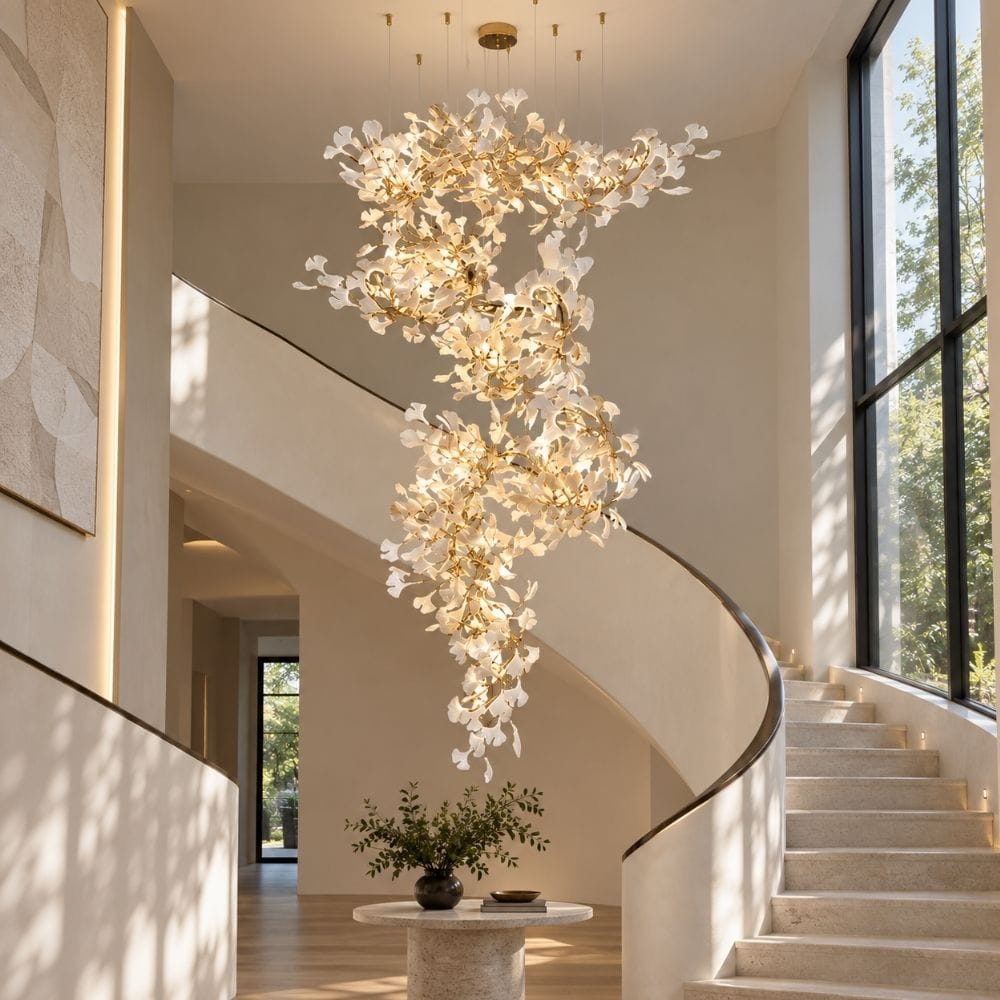
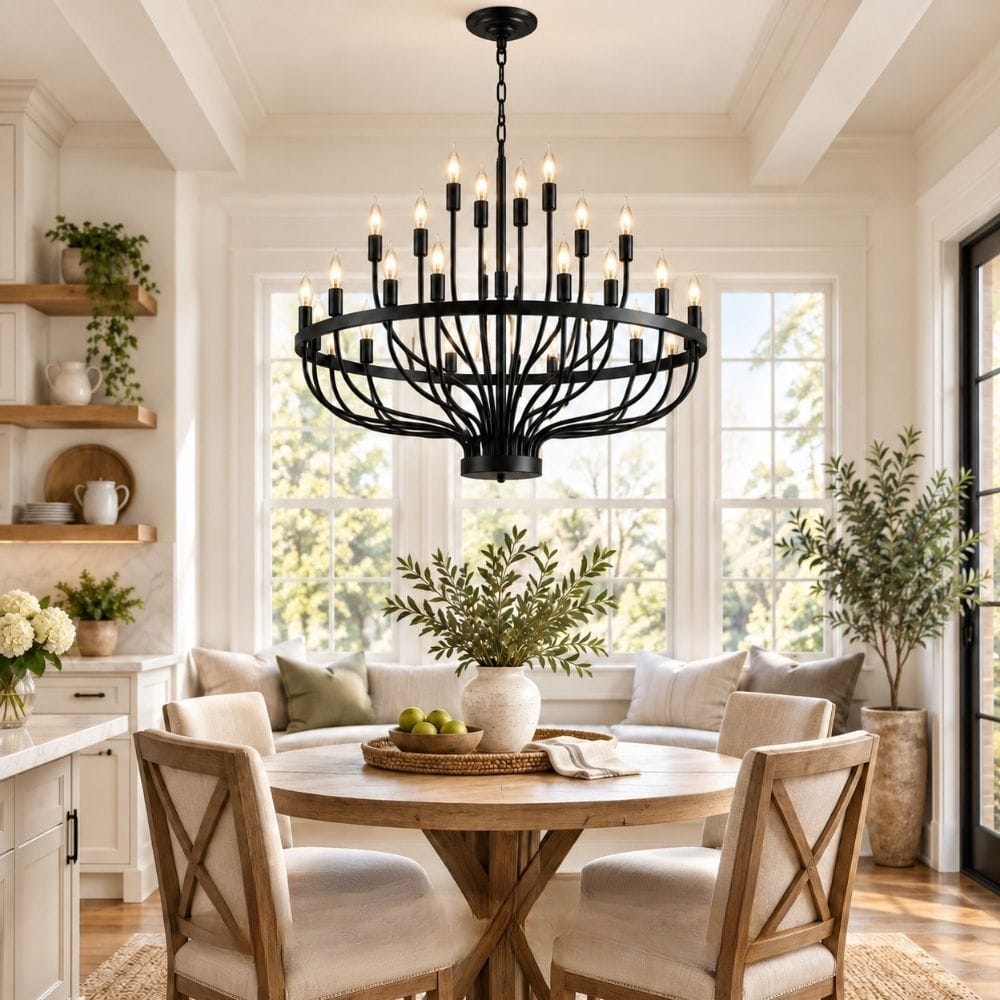
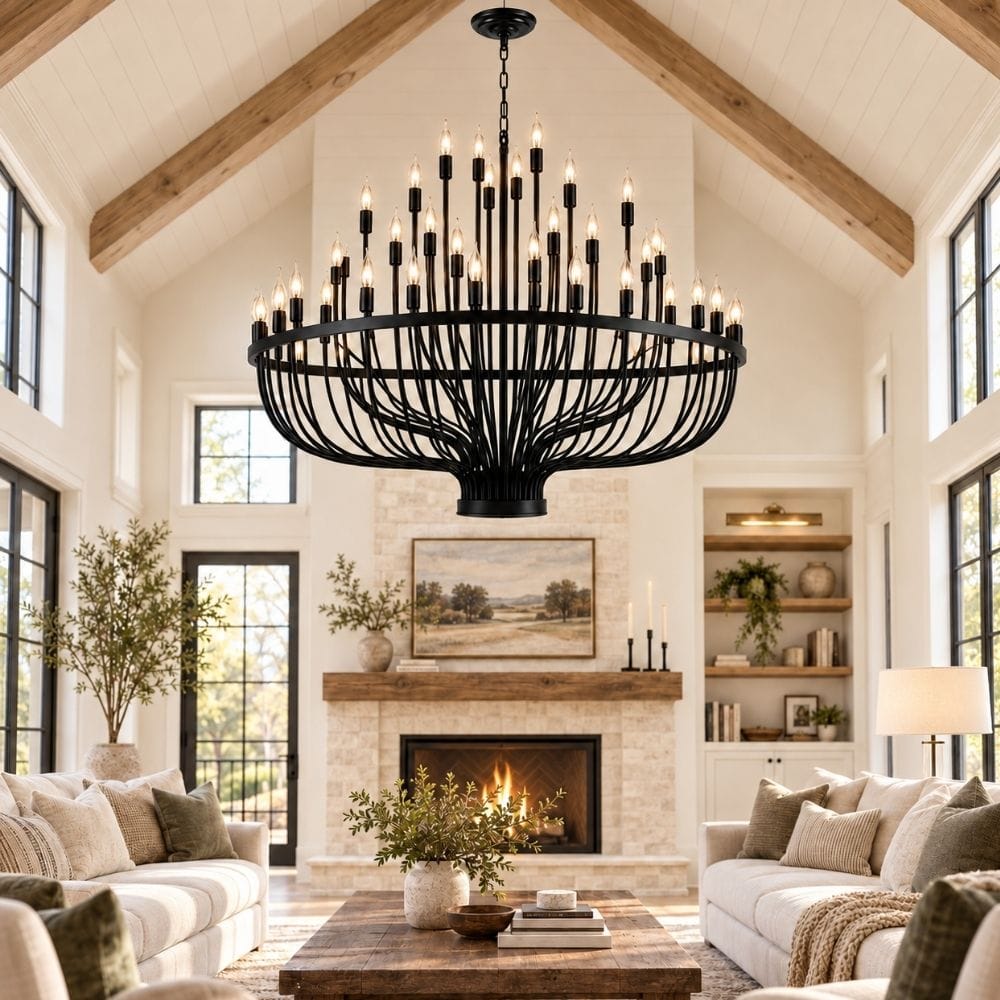
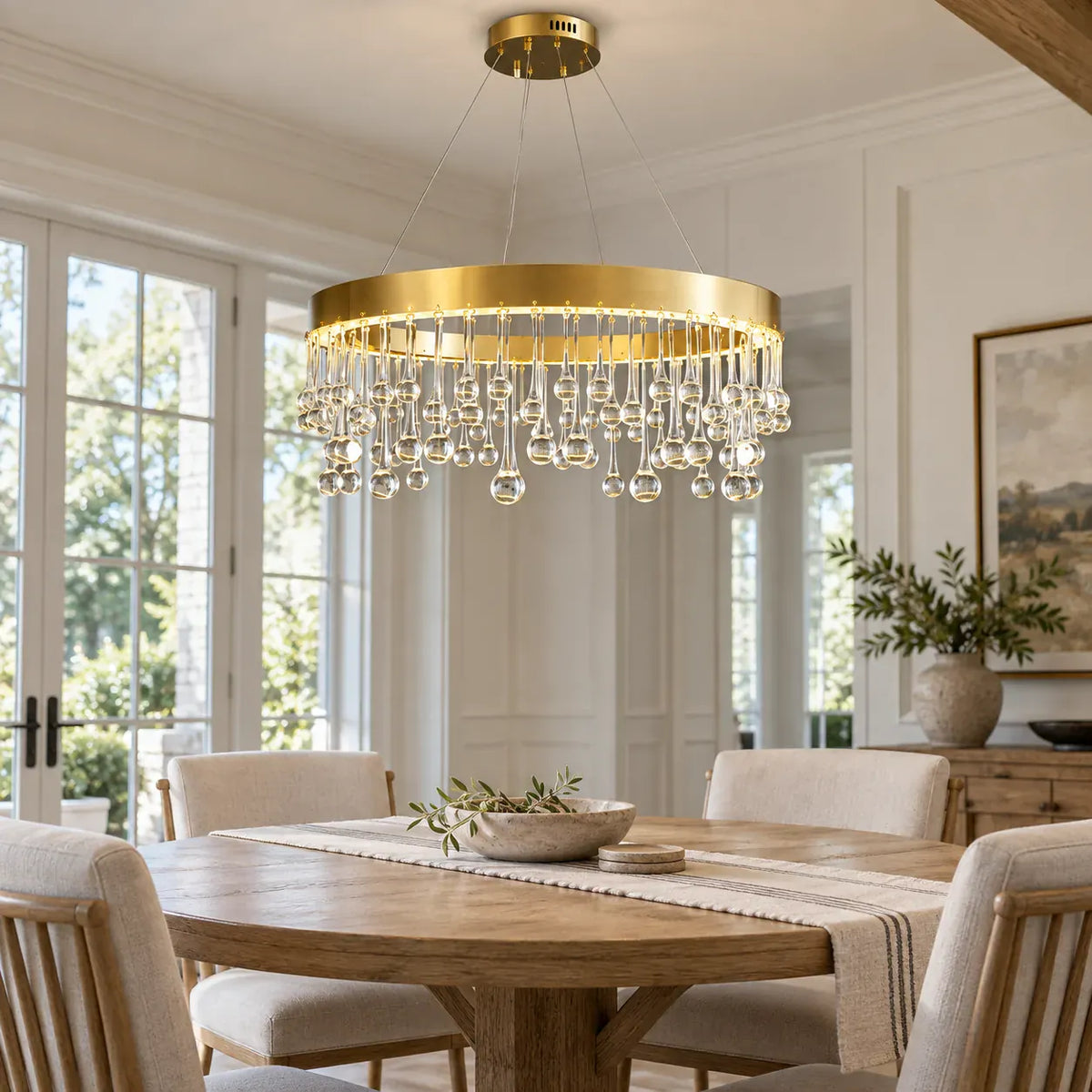
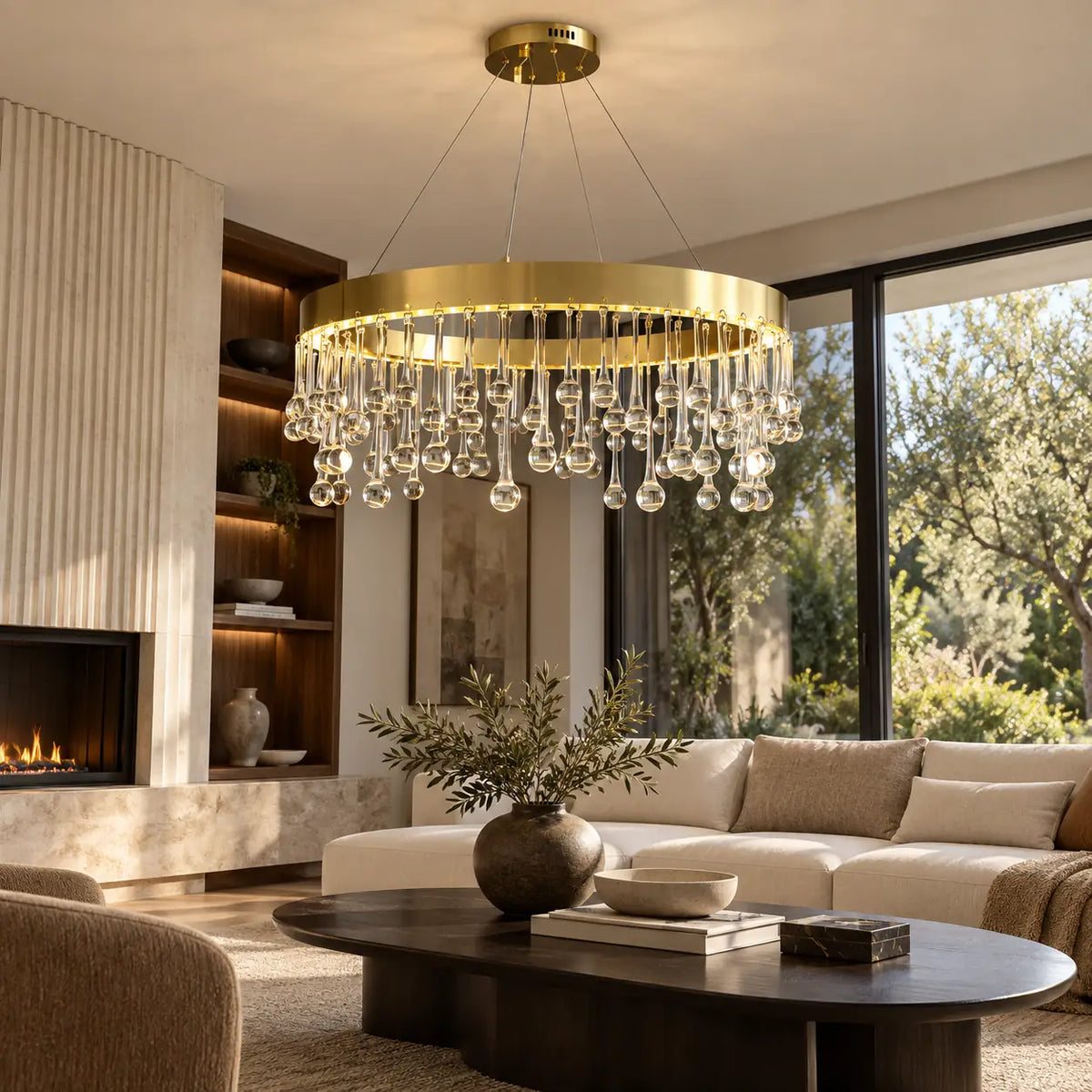
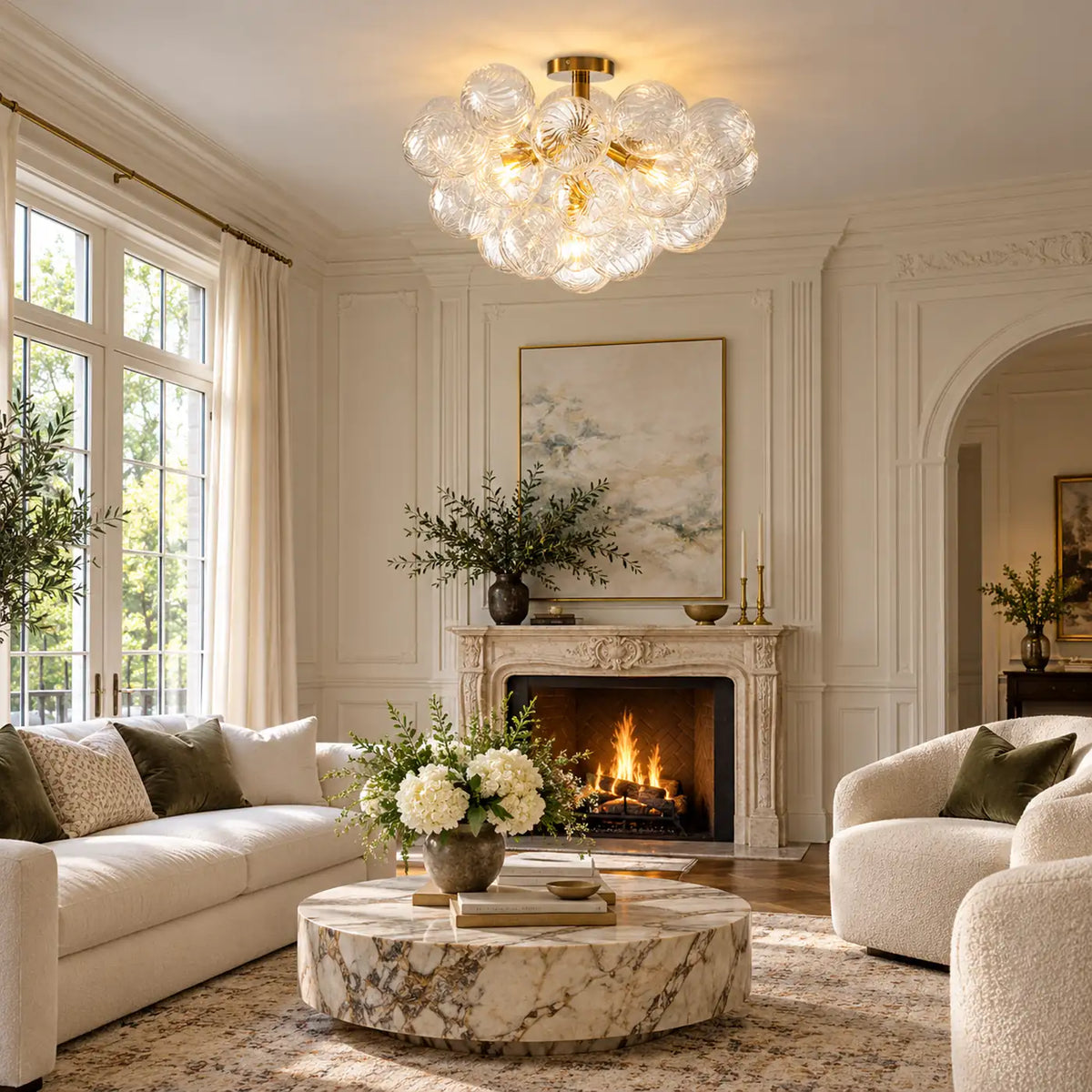
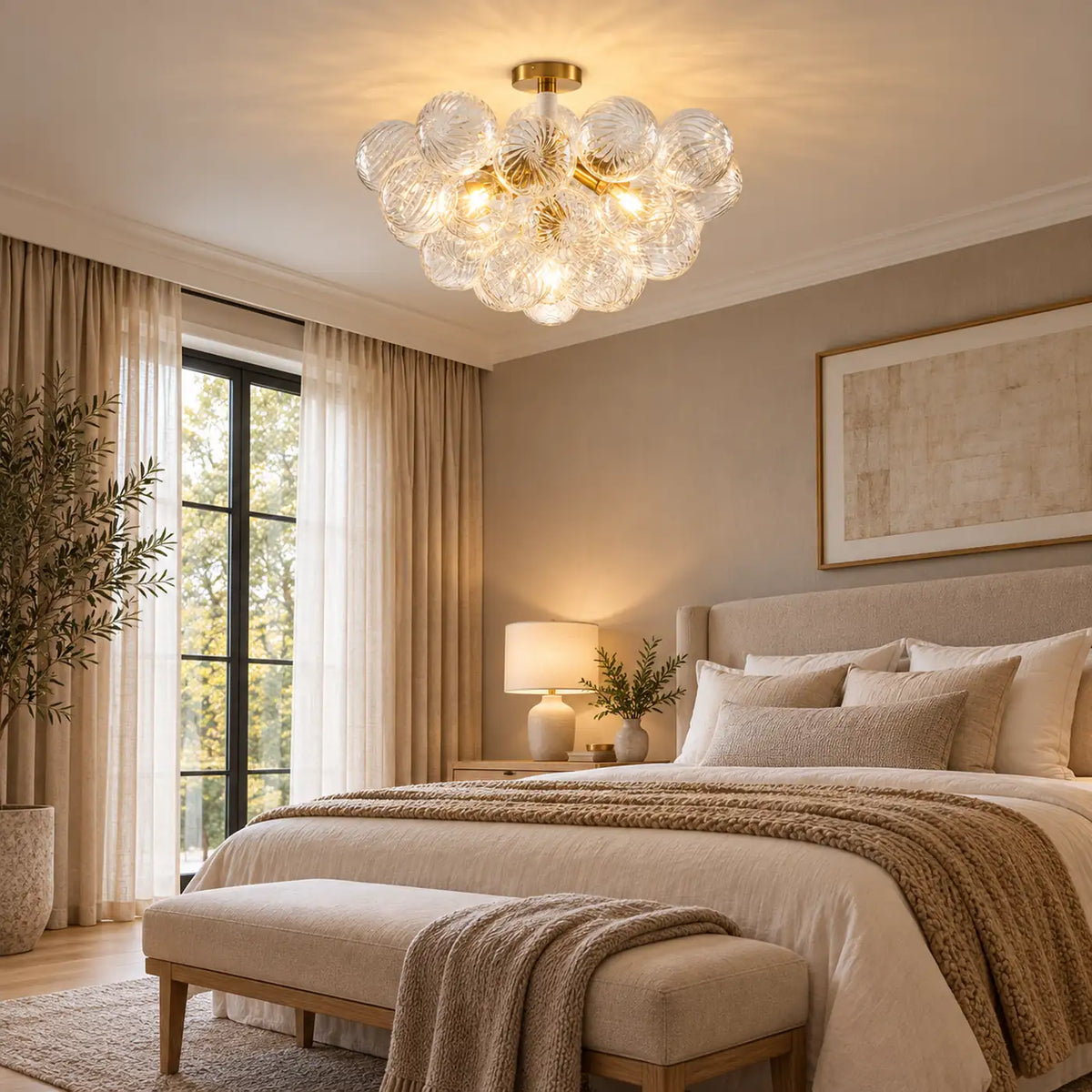
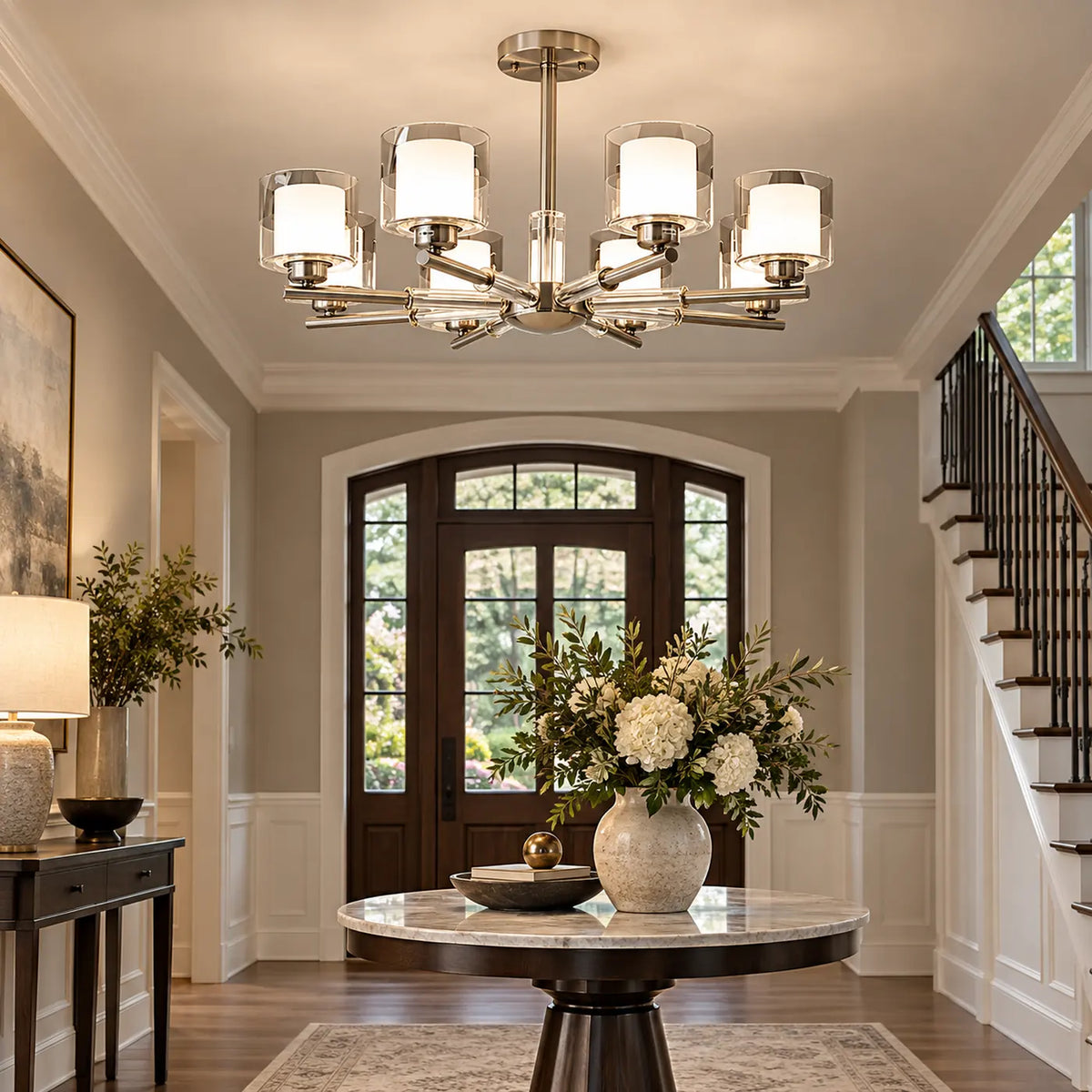
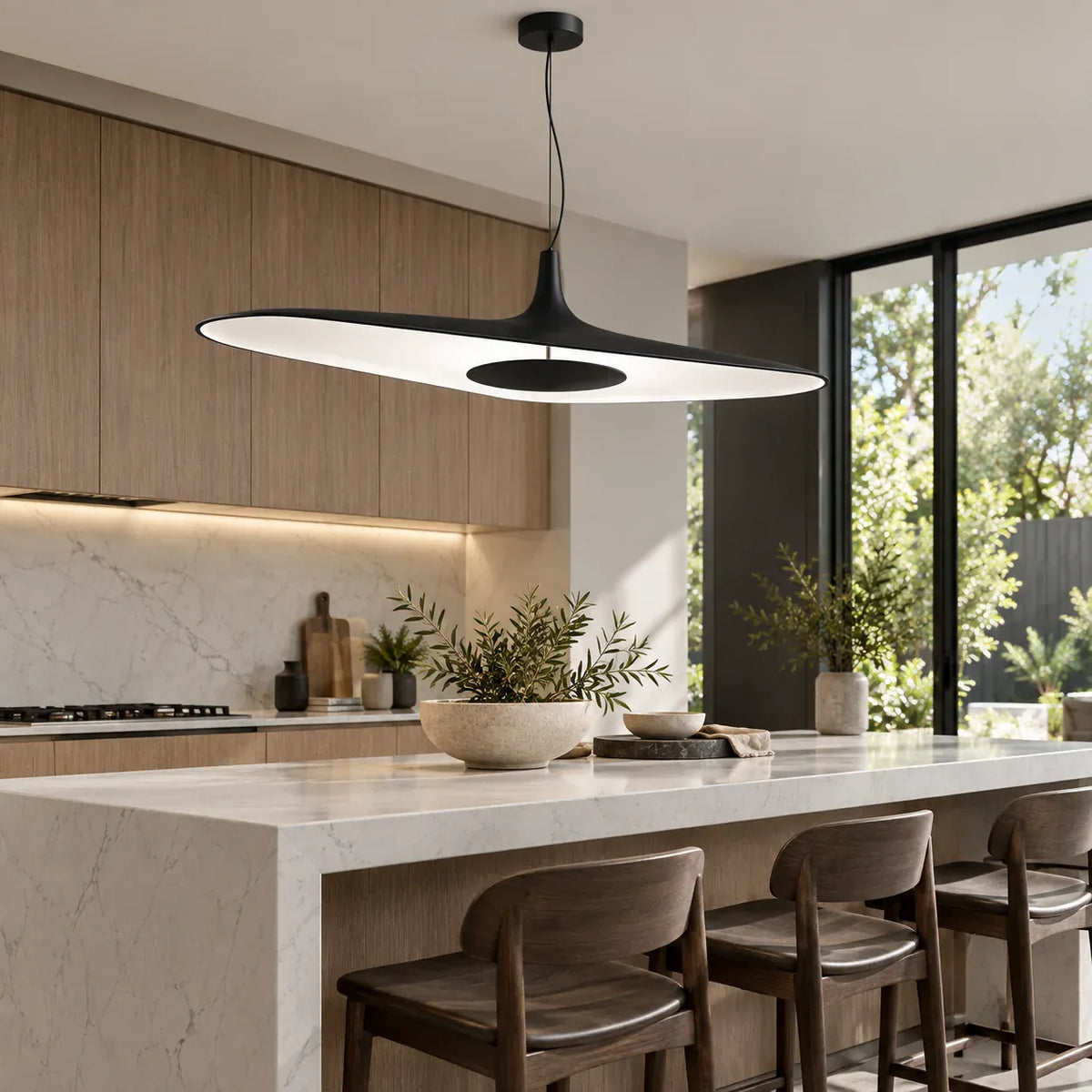
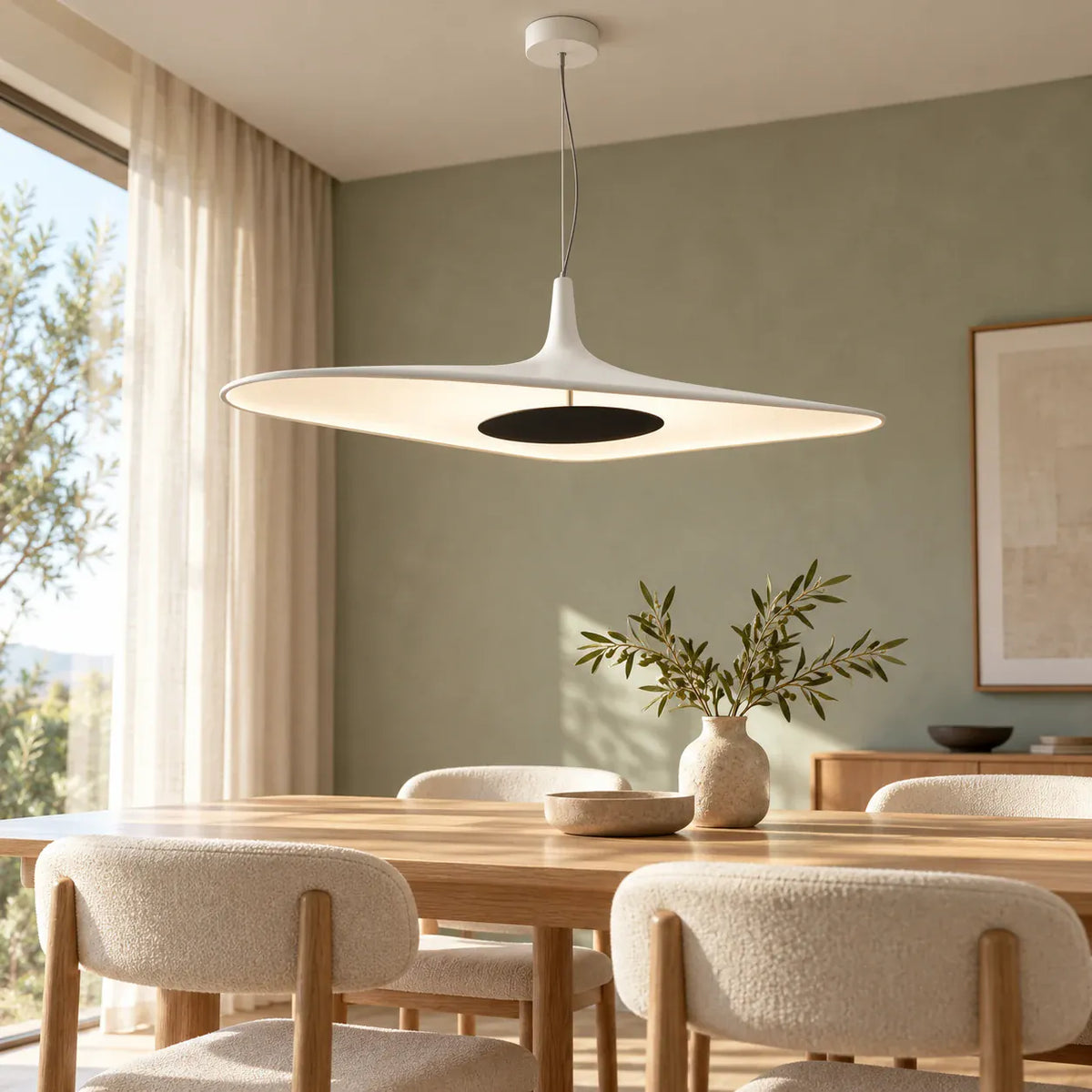
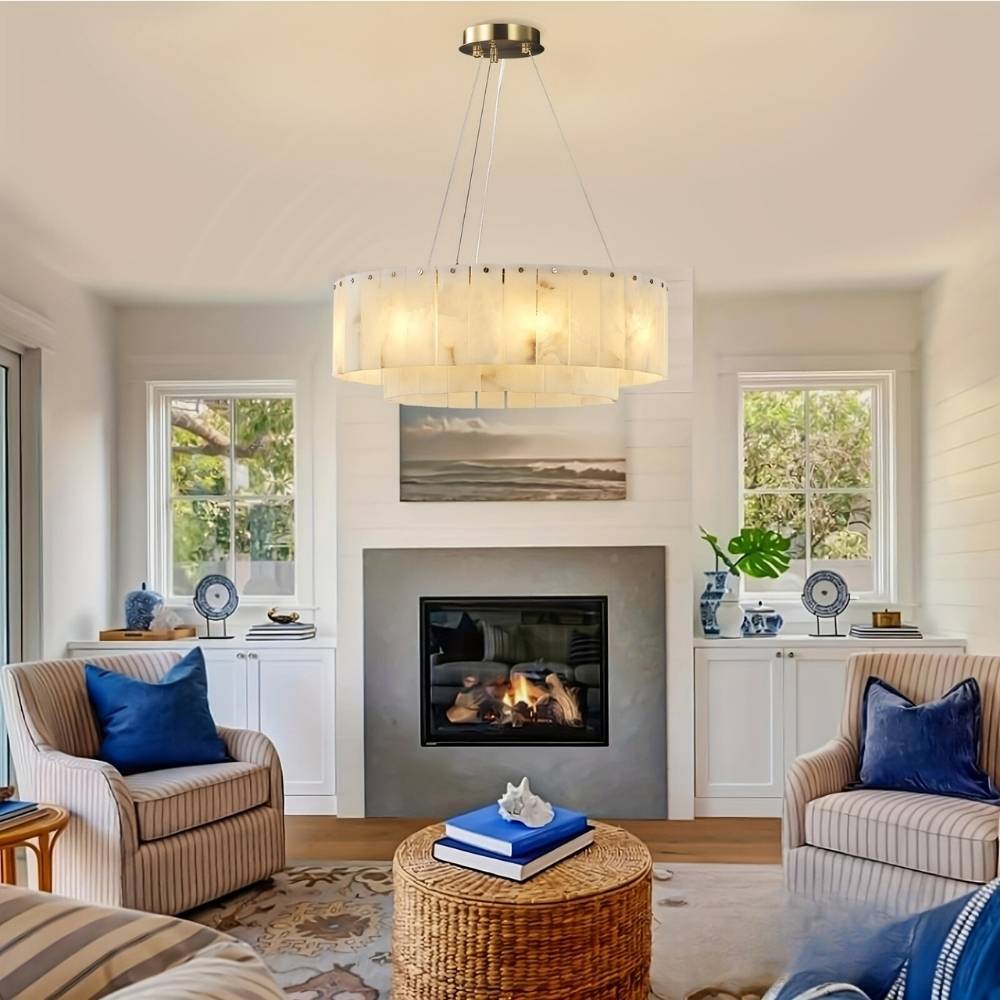
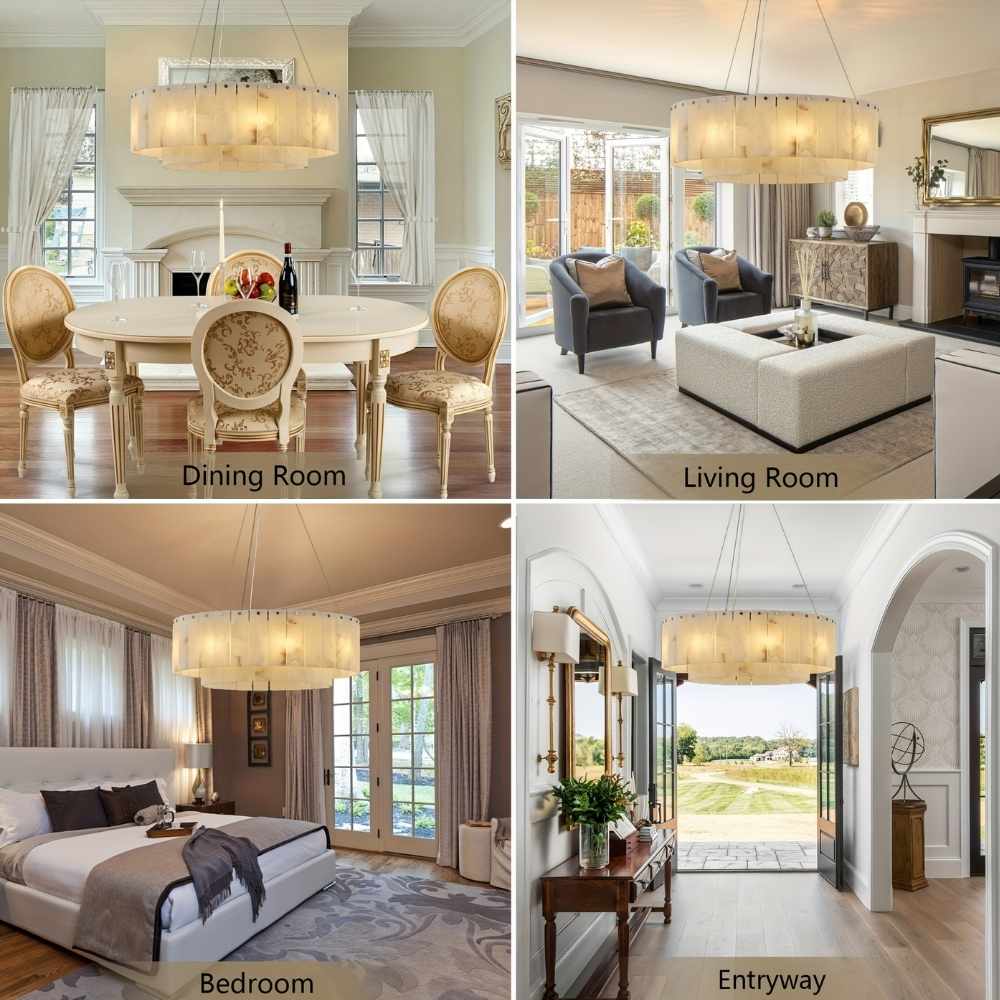
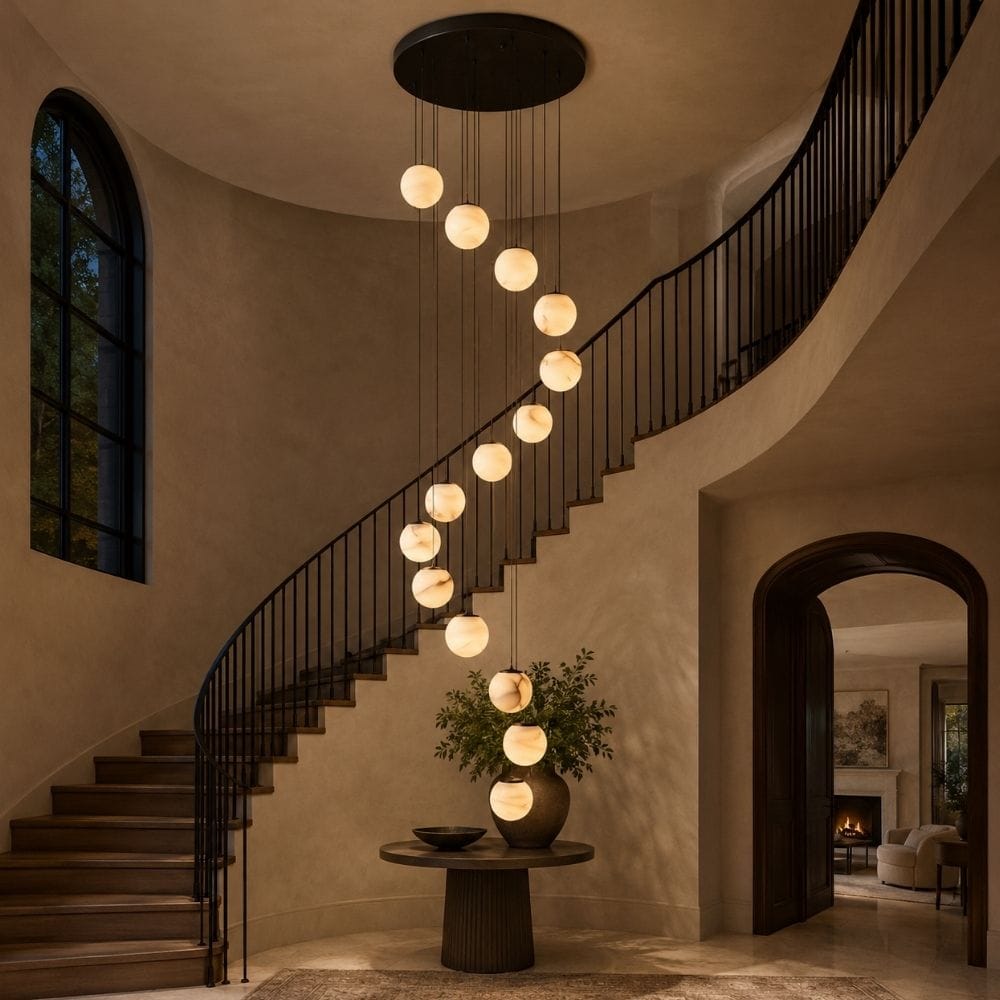
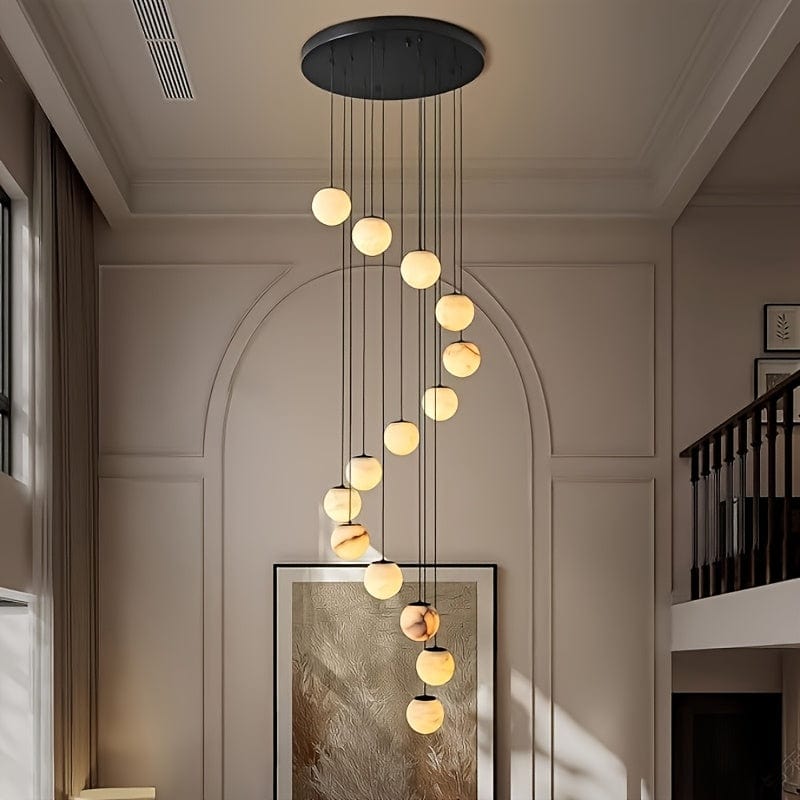
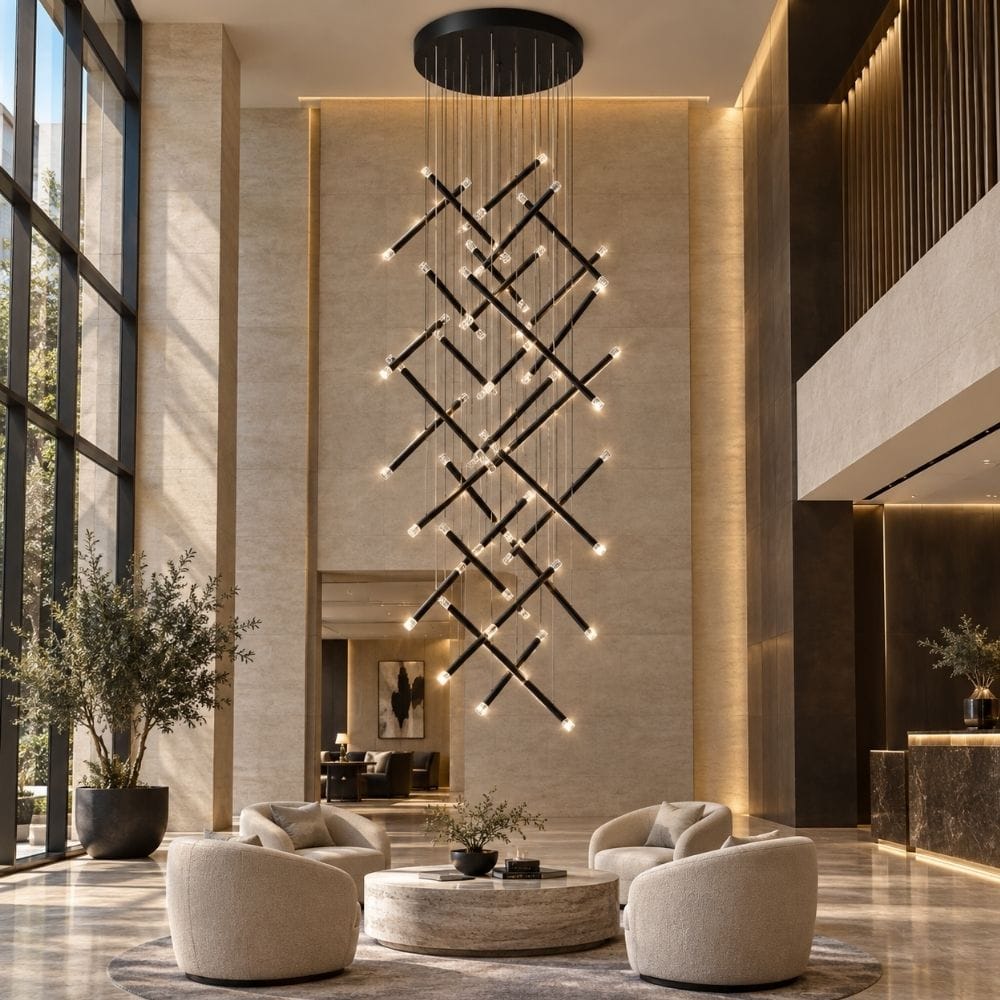
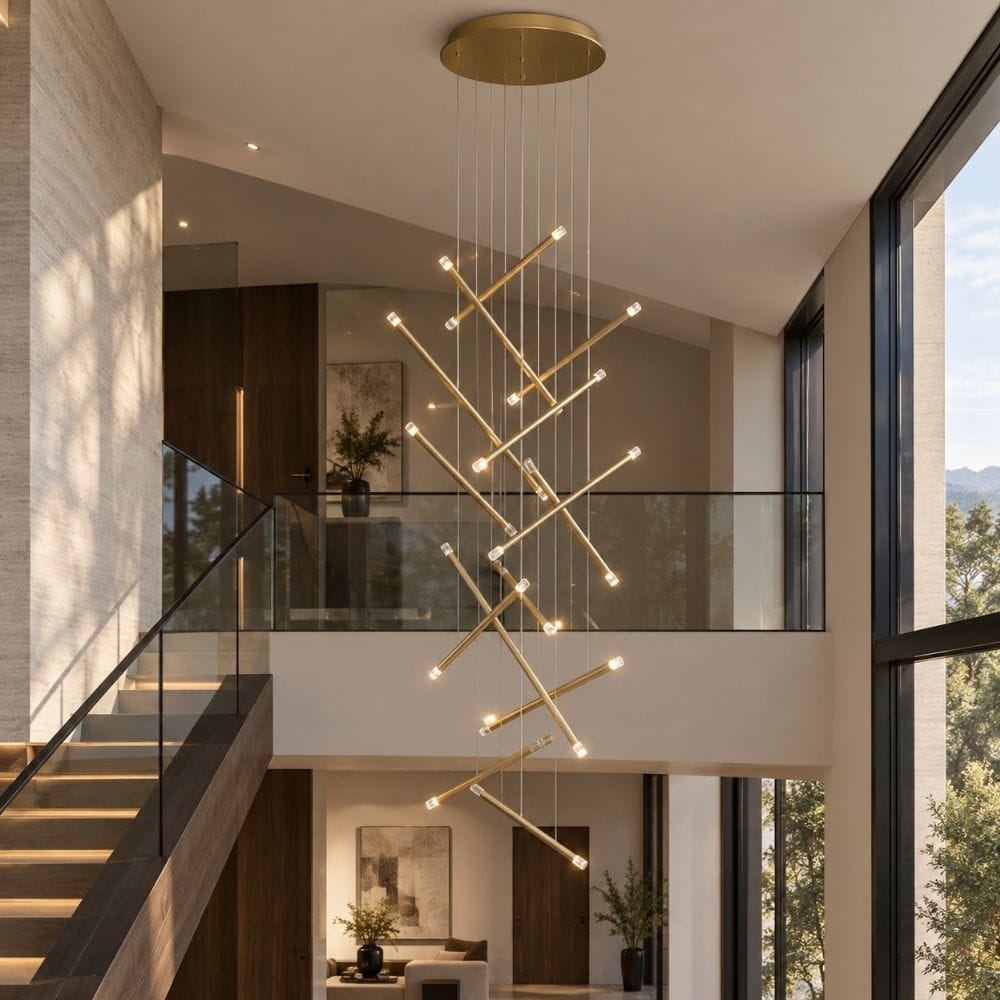
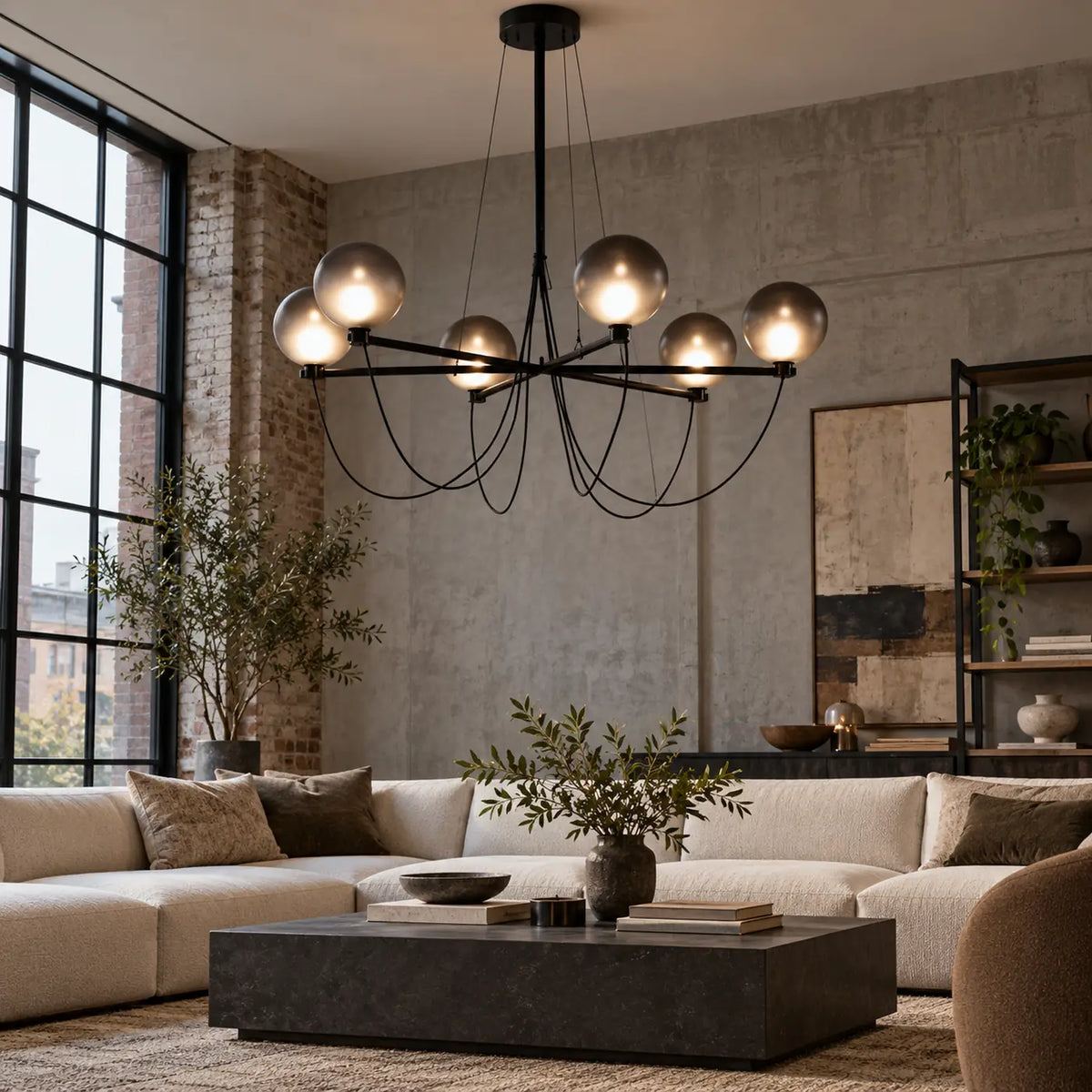
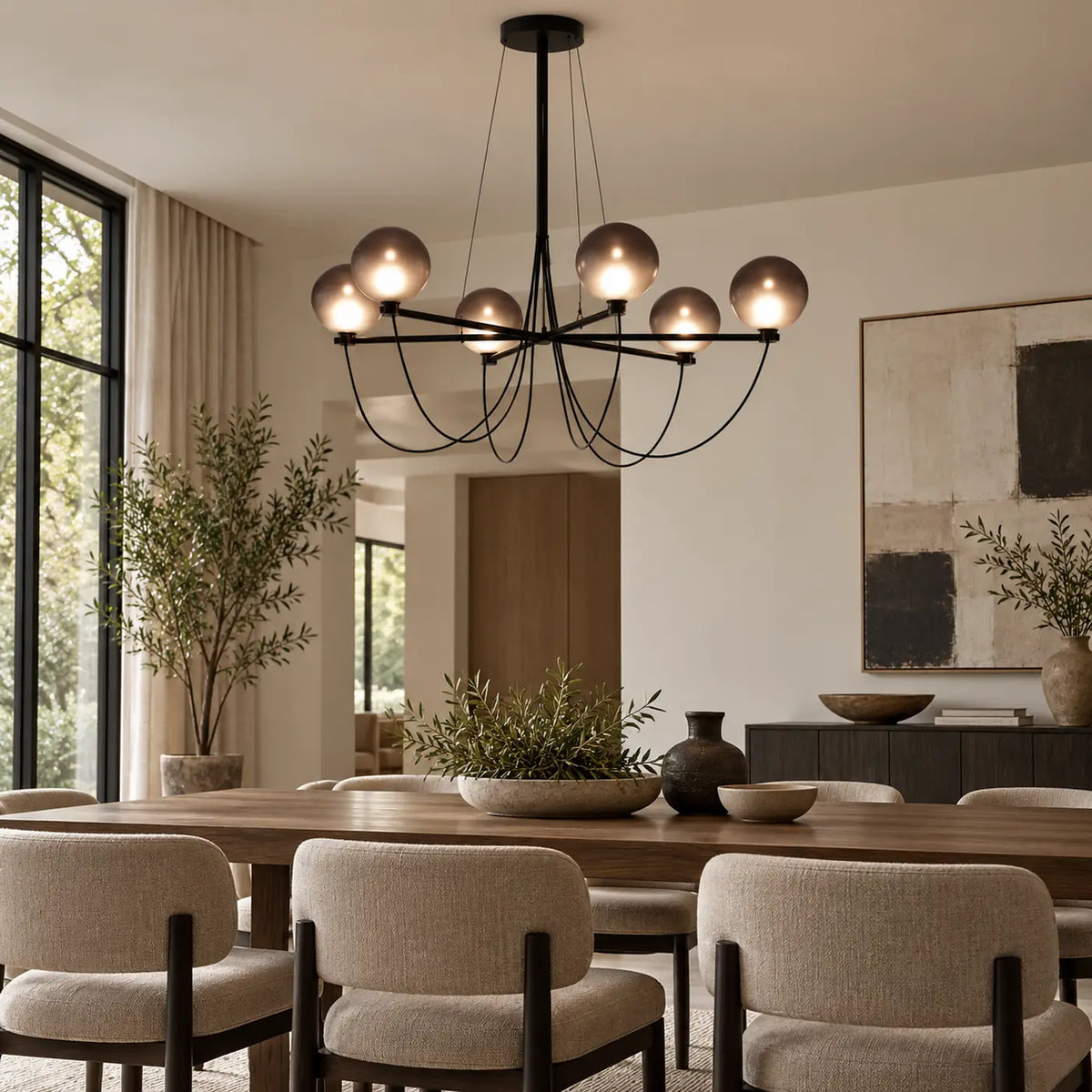
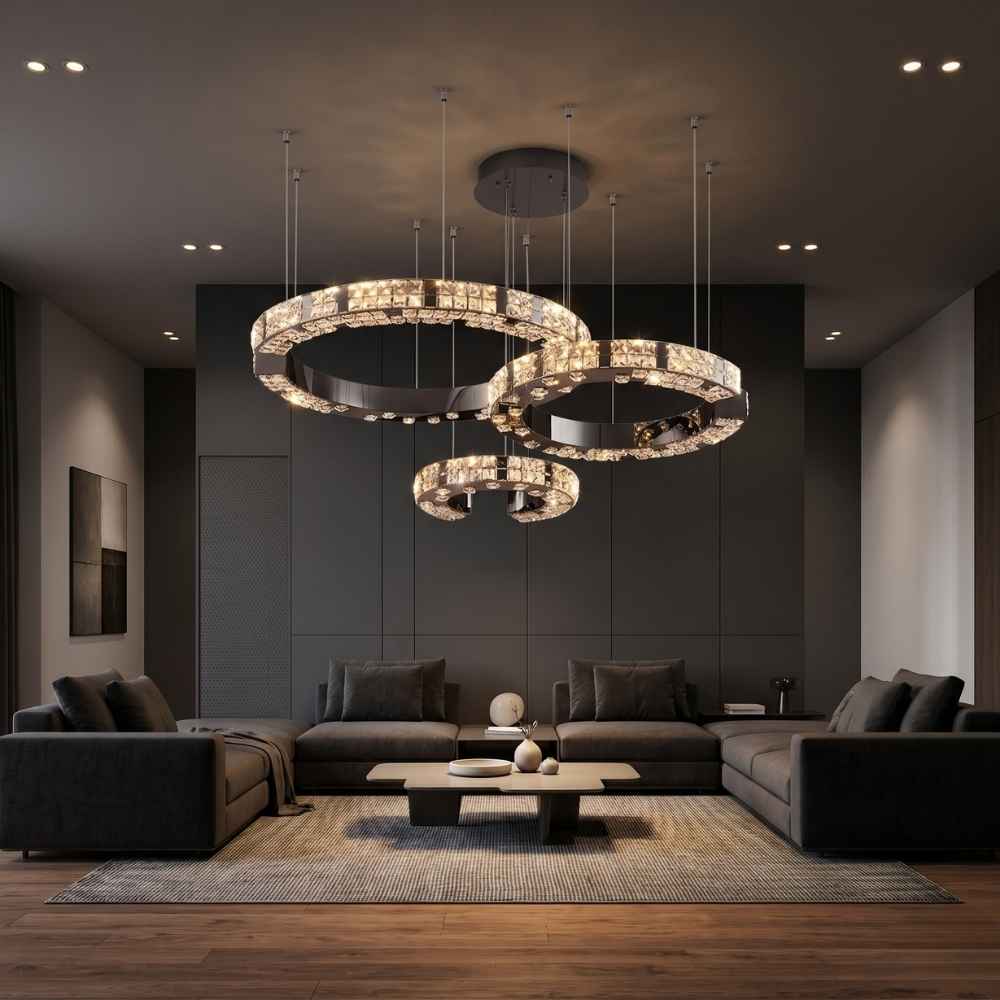
The room's general fill — usually one ceiling-mounted fixture centered on the seating area, supported by the room's natural light during the day. Flush and semi-flush ceiling lights handle 8 ft ceilings; suspended fixtures suit 9 ft and above. For a statement-scale centerpiece as the ambient anchor, the dedicated living room chandeliers collection covers that single fixture type in depth, from compact modern designs to two-story compositions.
The Task Layer
Light aimed at what people actually do: a floor lamp beside the reading chair, a pendant over a game table or corner desk, a table lamp at each end of the sofa. Task fixtures sit close to their zone — within arm's reach for lamps, 30-36" above a table surface for pendants — and work best on their own switches so they run independently of the ambient layer.
The Accent Layer
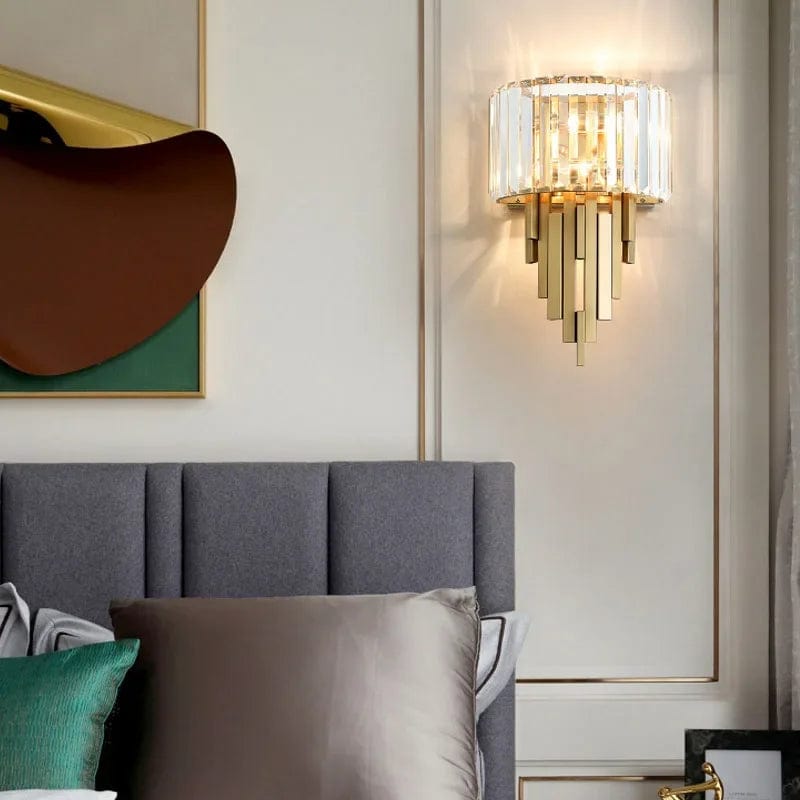
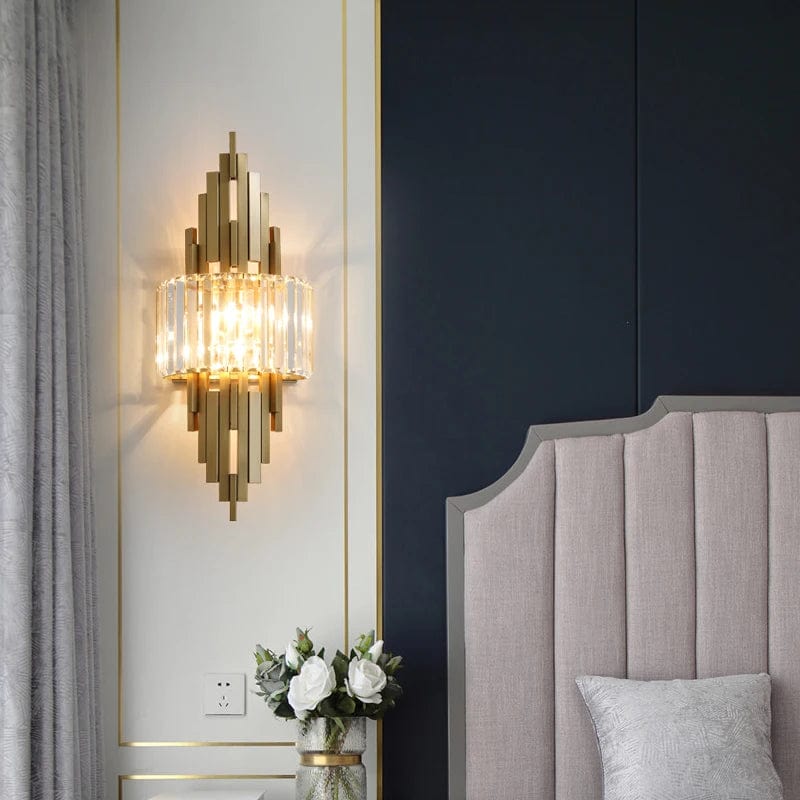
The depth-and-mood layer: wall sconces flanking a fireplace or artwork, a picture light over a shelf, LED strips behind a media unit. Accent fixtures run at low output and low mounting heights — sconces typically at 60-66" (152-168 cm) to center — and carry most of the room's evening character once the ambient layer dims down.
Choosing Fixtures for the Room
By Fixture Type
- Ceiling lights (flush & semi-flush): the ambient answer for 8 ft ceilings — 8-12" body depth, full-room fill
- Suspended statement fixtures: ambient anchors for 9 ft+ rooms — covered in depth in the chandelier collection linked above
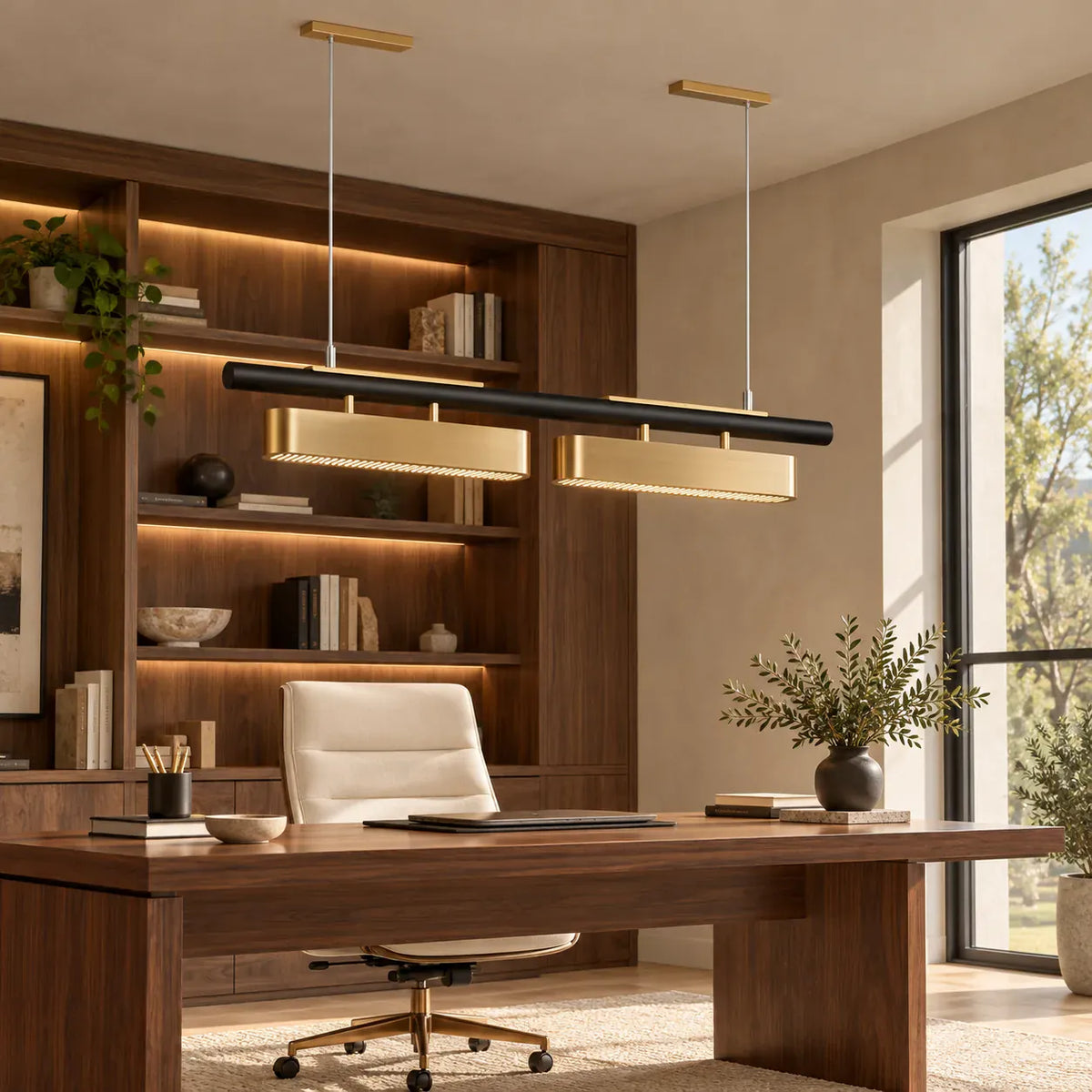
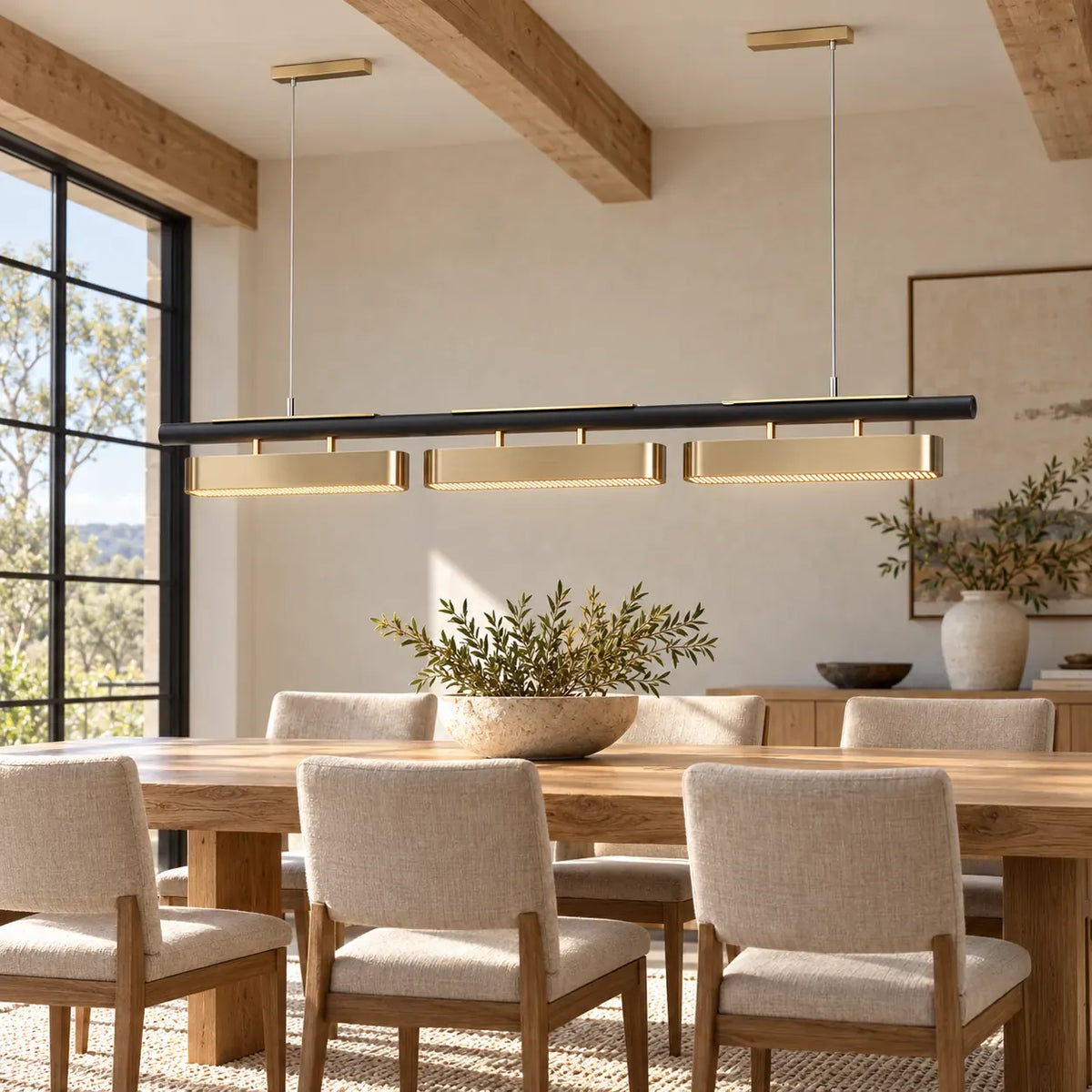
- Pendants: zone lighting over reading corners, game tables, and consoles
- Wall sconces: accent pairs beside fireplaces, artwork, and media walls
- Floor lamps: movable task light beside seating — arc designs reach over sofas
- Table lamps: sofa-side warmth and the easiest evening layer to run
Size & Ceiling Height Basics
- Ambient fixture diameter: room length + width in feet = target inches (a 15 x 20 ft room points to roughly 35" / 89 cm)
- 8 ft ceilings: flush or semi-flush formats keep 84" (7 ft) walking clearance
- 9-10 ft ceilings: standard suspended fixtures with adjustable rod or cable
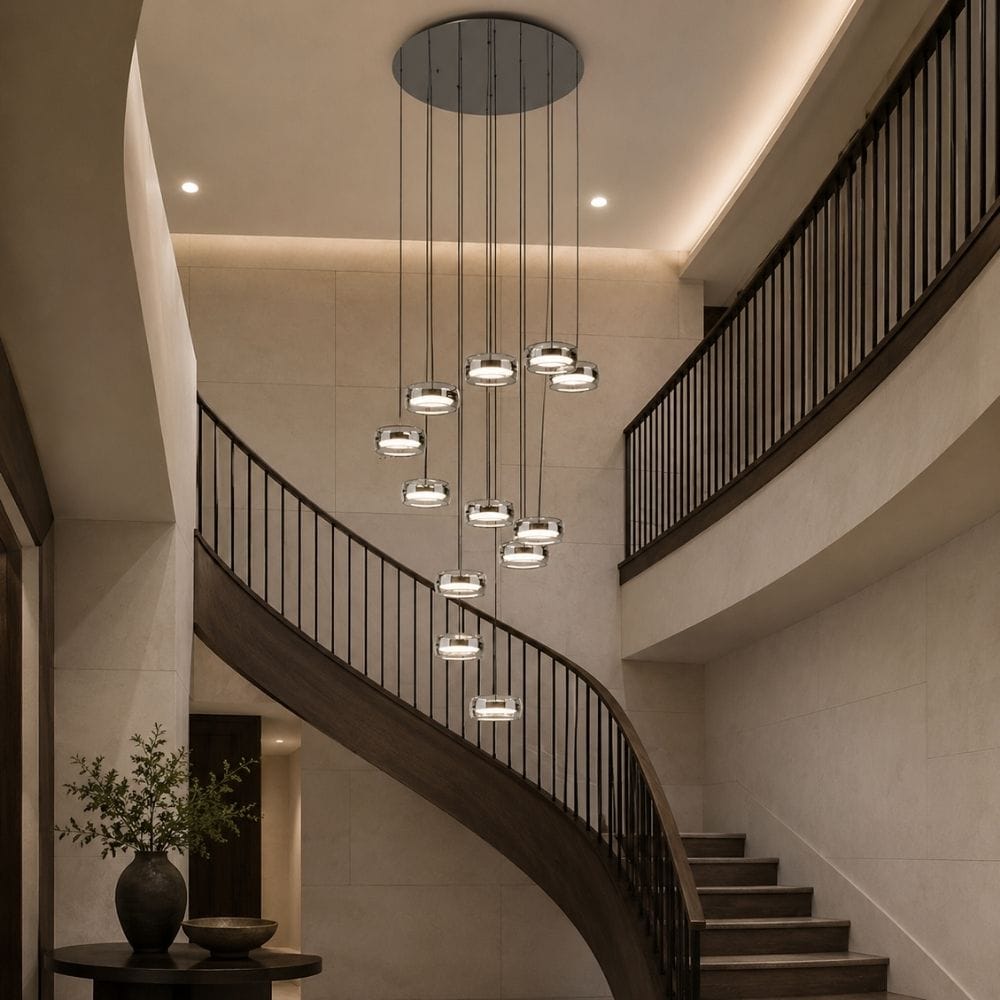
- 11 ft+ and two-story rooms: extended-drop designs — see the high ceiling collection for the dedicated range
- Sconce mounting: 60-66" (152-168 cm) to fixture center; pendant task drops 30-36" above the surface they serve
Color & Finish Coordination
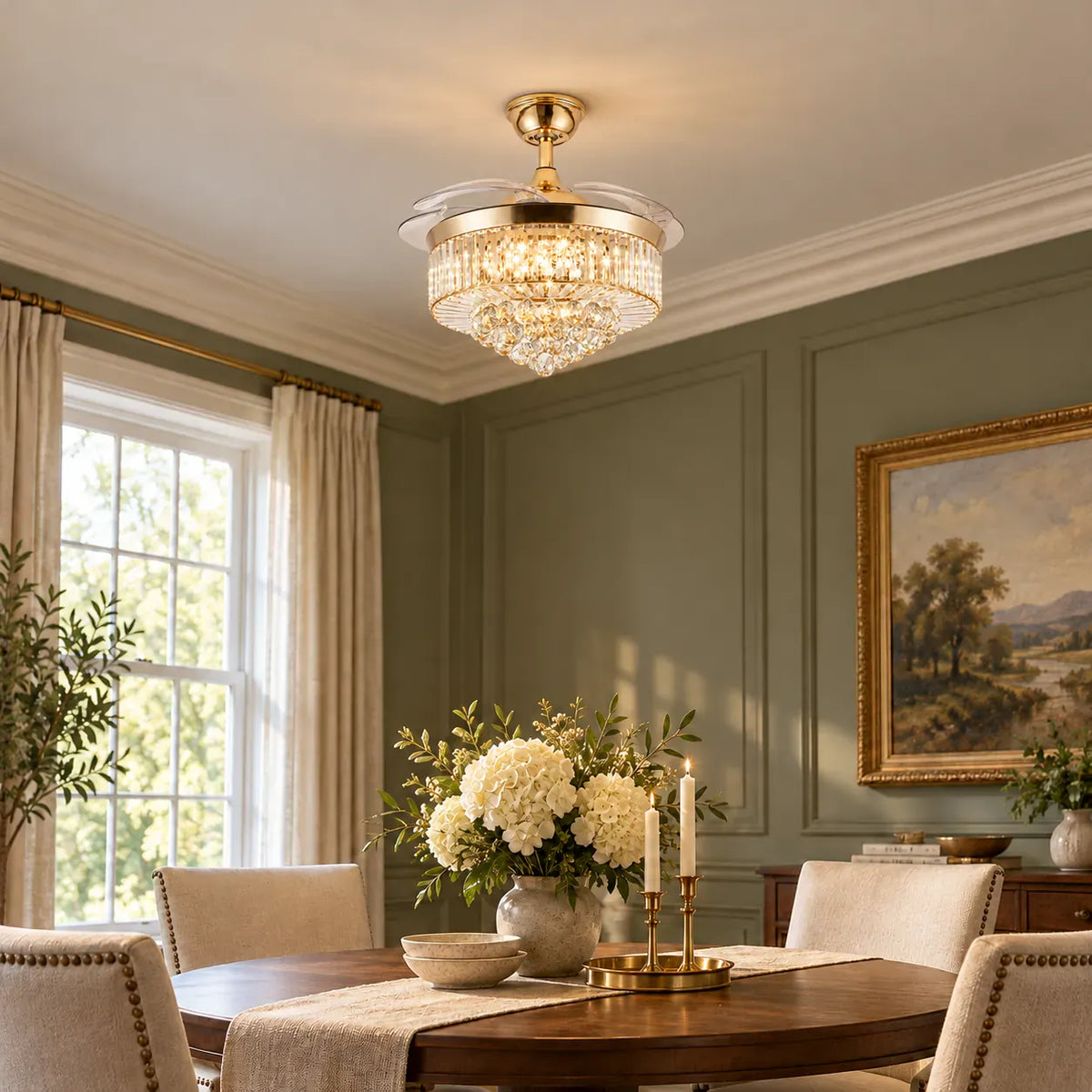
A layered room shows three or four fixtures at once, so finish discipline matters more here than anywhere else: pick one dominant metal family across the ceiling fixture, sconces, and lamp bases, and let at most one accent metal join it. Warm brass and gold suit cream palettes and warm woods; matte black anchors contemporary and farmhouse rooms; chrome and nickel coordinate with cool gray schemes. The full family-by-family decision is covered in the finish and color selection guide.
Installation & Technical Guidance
Wiring & Switching
Put each layer on its own control: the ceiling fixture on a wall dimmer, sconces on a second switch or dimmer, lamps on outlets (switched outlets or smart plugs make the lamp layer one-touch). Fixtures over roughly 50 lb need a fan-rated or reinforced junction box — the listed weight appears on each product page. Hardwired sconce pairs installed at the same height flanking a feature read intentional; mismatched heights are the most visible installation error in the room.
Bulbs, LED & Dimming
Keep one color temperature across all three layers — warm white (2700-3000K) — so the room reads coherent when everything runs together; mixed temperatures are the most common layering mistake. Choose high-CRI (90+) dimmable LED bulbs so upholstery and wood tones render accurately, and verify dimmer protocol (TRIAC, ELV, or 0-10V) for any integrated-LED fixture before installation.
Sloped & Vaulted Ceilings
Vaulted rooms need a sloped-ceiling adapter (swivel canopy) on the ambient fixture so it hangs plumb; measure height at the actual mounting point rather than the room's peak. Vaulted schemes also lean harder on the lamp and sconce layers, since the high ambient source sits farther from the seating it serves.
Related Collections
Build the full plan from the adjacent ranges: living room chandeliers for the statement ambient anchor, wall sconces for the accent pairs, pendant lights for task zones, and floor lamps and table lamps to finish the evening layer.
Frequently Asked Questions
What lighting is best for a living room?
A three-layer plan: one ambient ceiling fixture sized to the room, task fixtures (lamps or pendants) at reading and activity spots, and accent sconces or strips for evening depth. No single fixture covers all three jobs well.
How many light sources does the room need?
Most rooms work with four to six: one ambient fixture, two or three lamps, and one sconce pair. Larger open plans add a pendant or second sconce pair per zone.
What is the difference between this collection and the chandelier collection?
This page covers the whole lighting plan — ceiling lights, pendants, sconces, and lamps. The living room chandeliers collection goes deep on one fixture type: the statement suspended centerpiece, with its own sizing and style guidance.
Can I light a living room without a ceiling fixture?
Yes — rooms without ceiling wiring run on a lamp-based plan: two or three floor and table lamps for ambient fill plus plug-in sconces for accent. An arc floor lamp substitutes for a centered ceiling source over the seating group.
What color temperature should living room bulbs be?
Warm white, 2700-3000K, across every layer. Keeping one temperature throughout is the single biggest factor in a coherent evening scheme; choose high-CRI (90+) bulbs for accurate fabric and wood tones.
Do all the fixtures need to match?
Coordinate rather than match: one dominant metal family across the visible fixtures, at most one accent metal, and shade tones from the same warmth family. Identical fixtures everywhere read flat; coordinated families read designed.