


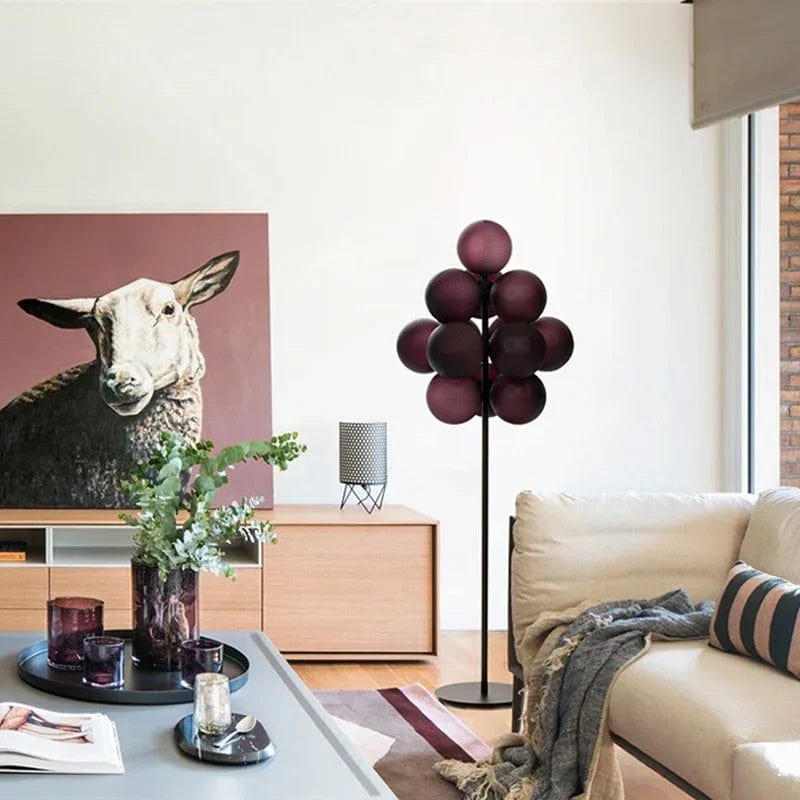
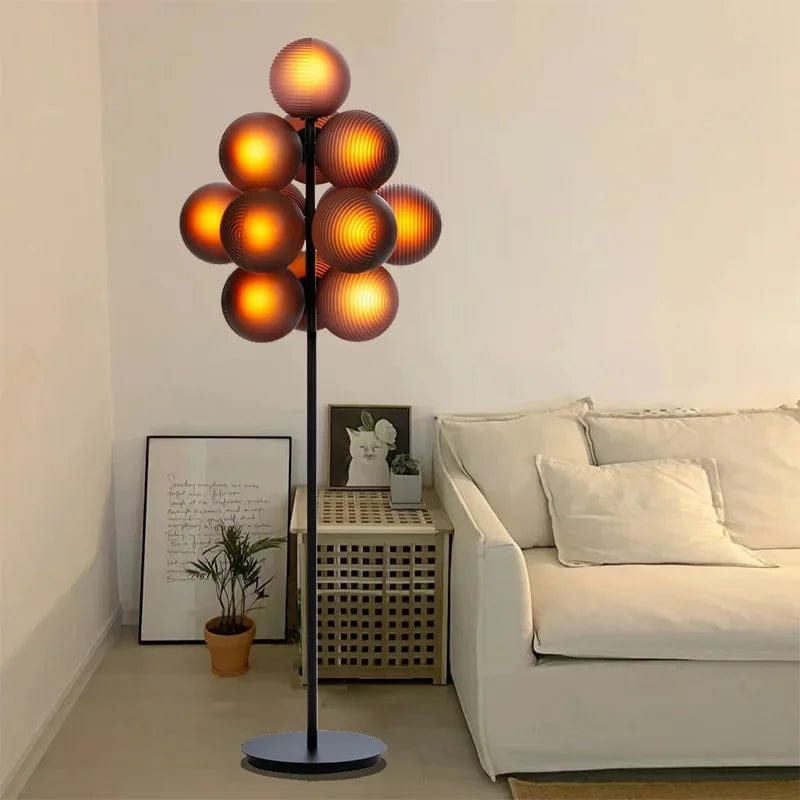
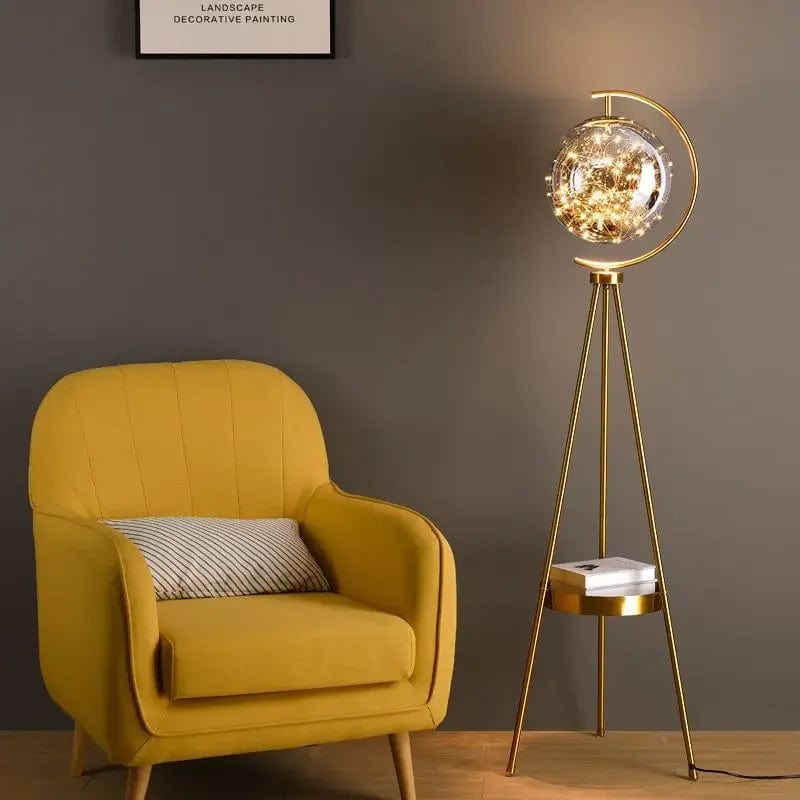
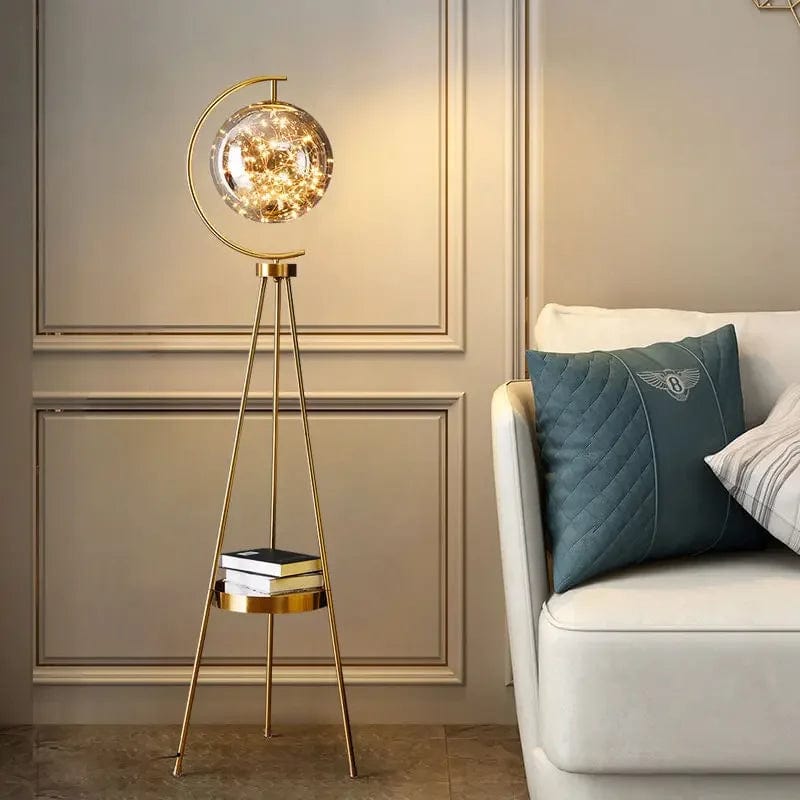
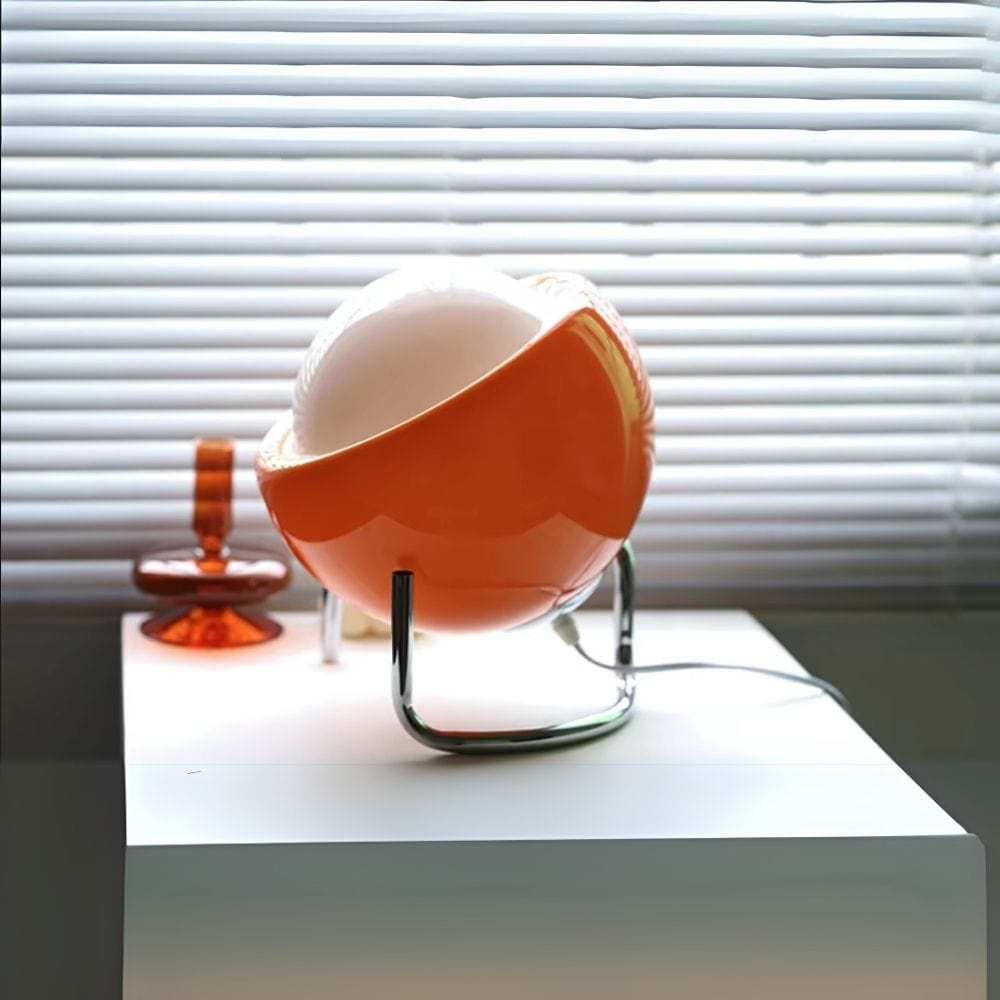
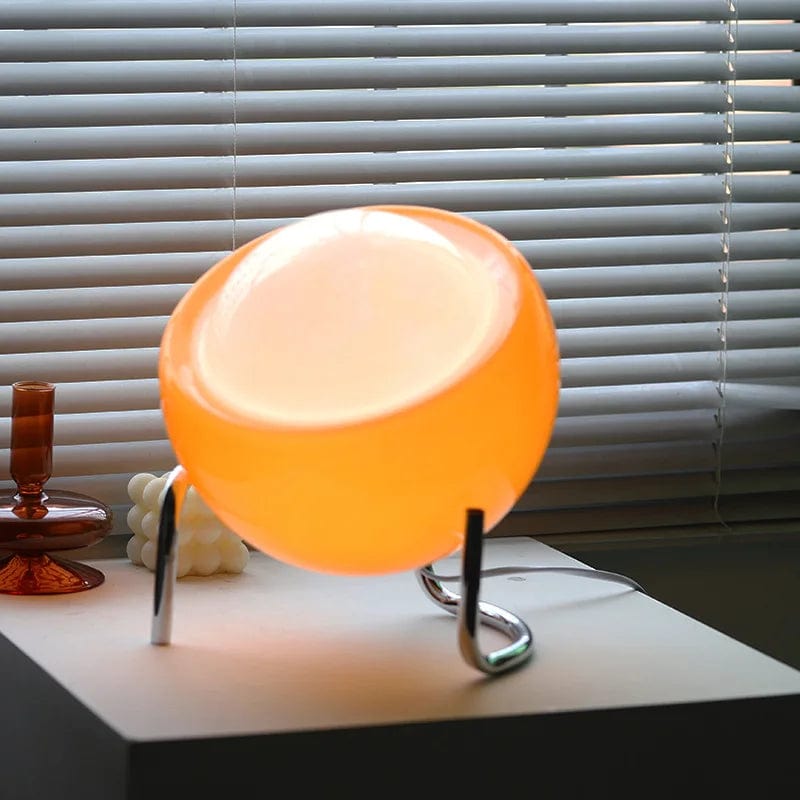
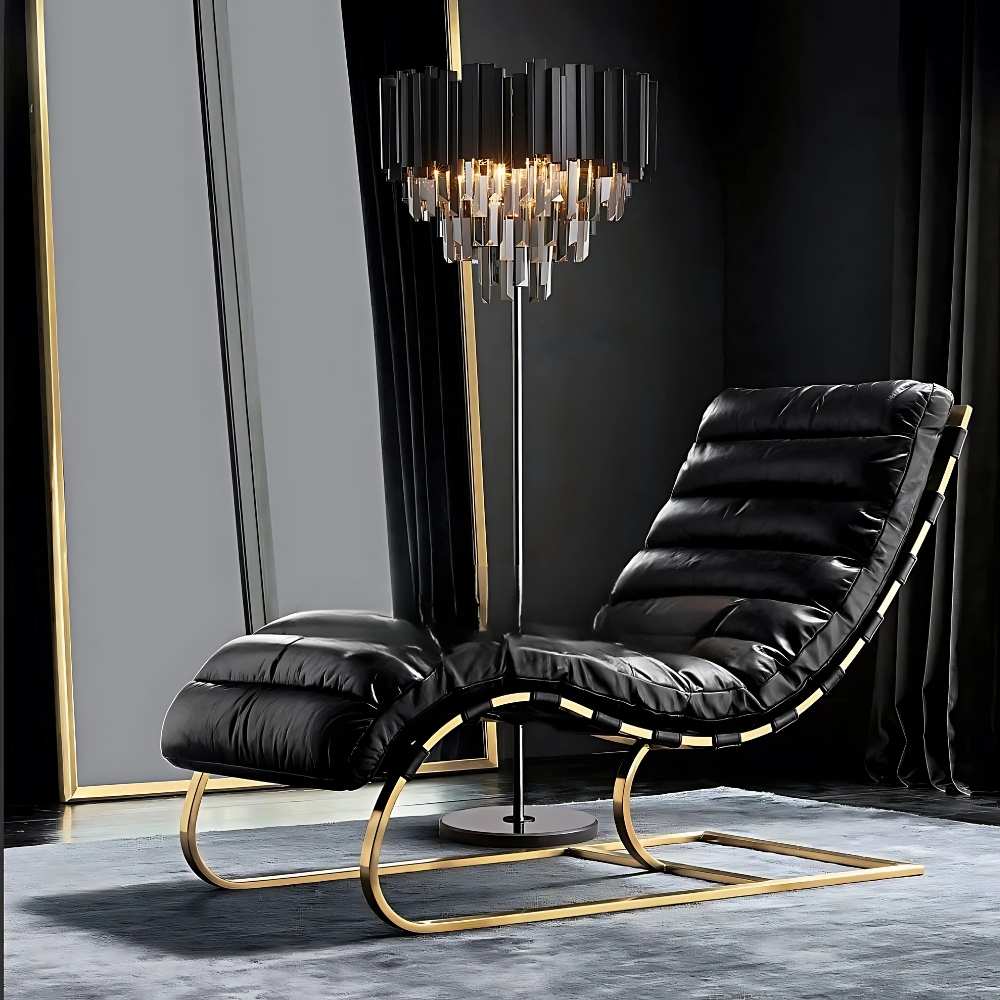
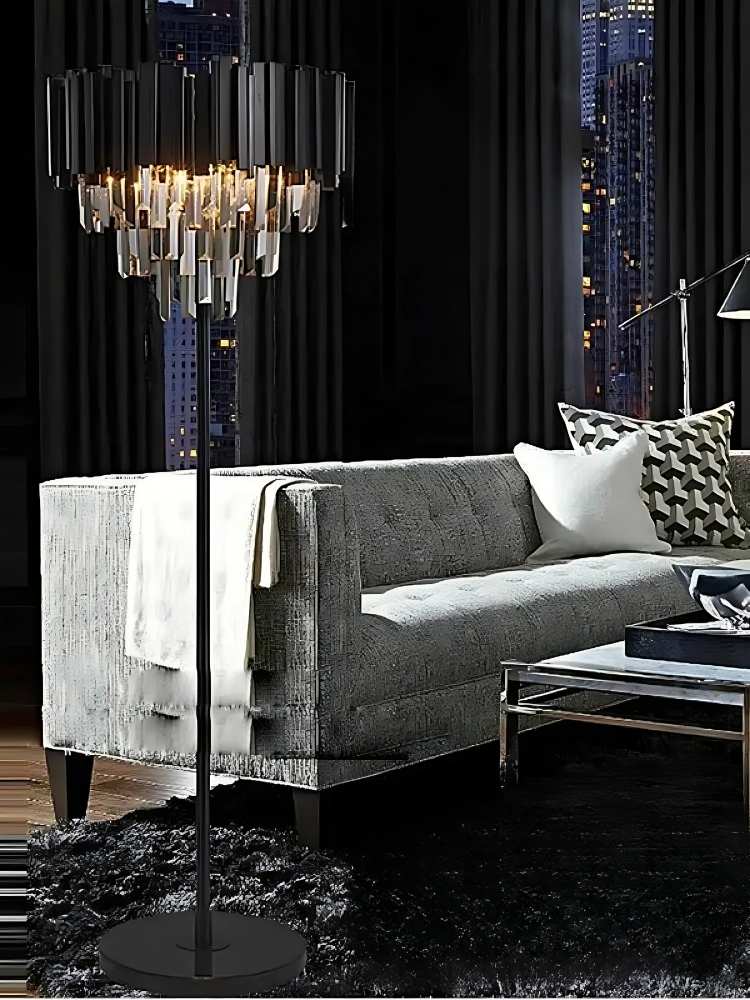
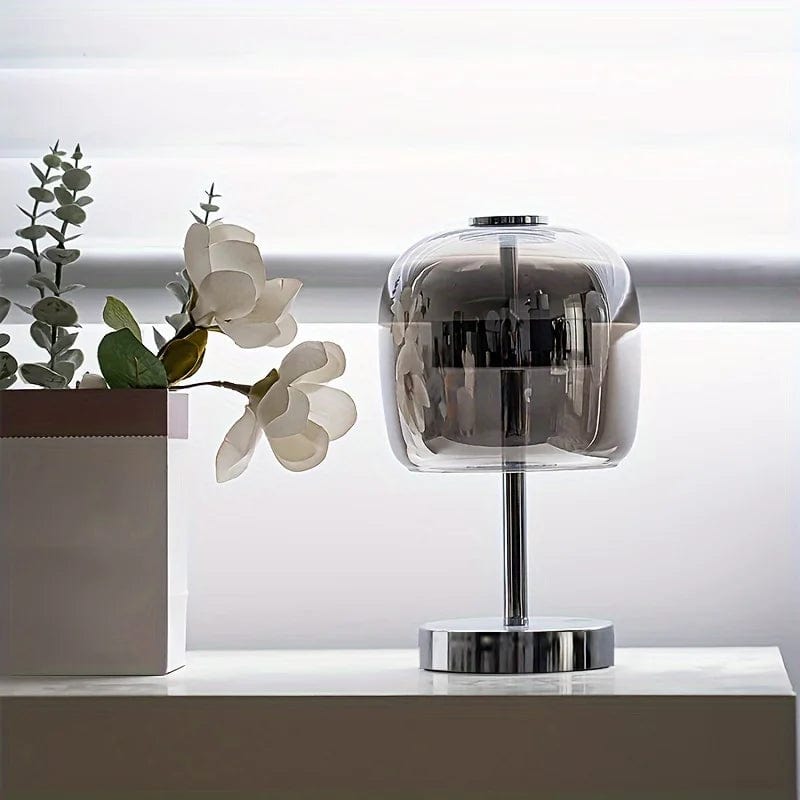
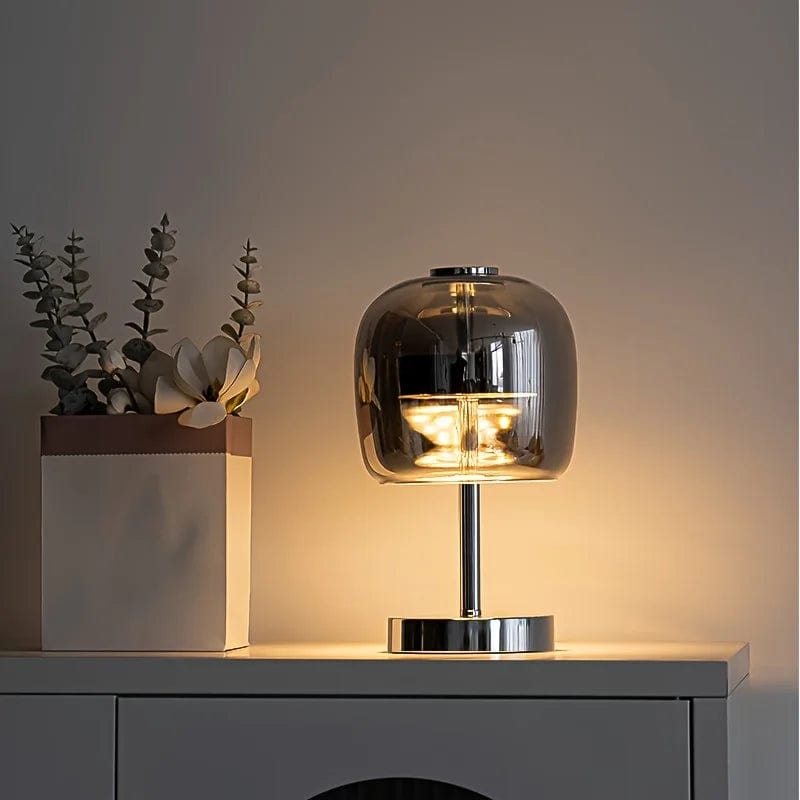
Lamps for Flexible Lighting, Softer Room Comfort, and Easy Everyday Style
Lamps are one of the easiest ways to improve a room without changing the ceiling or wall layout. This category is built around portable lighting that adds function, comfort, and style in a way that feels flexible and easy to live with. If you want a fixture that can move with your furniture, support reading or relaxing, or soften a room without permanent installation, lamps are often the best place to start.
One of the biggest strengths of lamps is versatility. A lamp can brighten a reading corner, soften a bedroom at night, support a side table in the living room, or make a workspace feel more practical. Unlike ceiling fixtures, lamps usually sit closer to how the room is actually used. That makes them especially useful in spaces where you want more control over light placement and mood.
What Makes Lamps Different?
The defining feature is flexibility. Lamps do not need to anchor the full ceiling plan of a room. Instead, they support specific areas such as seating zones, bedside surfaces, desks, consoles, and corners that need more light. Some lamps are decorative first, while others are chosen for practical use such as reading, working, or creating softer evening light.
- Common lamp uses: bedside lighting, living room side lighting, reading corners, desks, consoles, and accent lighting
- Main visual benefit: softer layered lighting without changing the ceiling or wall setup
- Best fit: rooms that need more comfort, more flexibility, and better light at eye level
Tip: Lamps often make the biggest difference when they support the part of the room people actually use most, not just the emptiest corner.
How to Choose the Right Lamp by Room
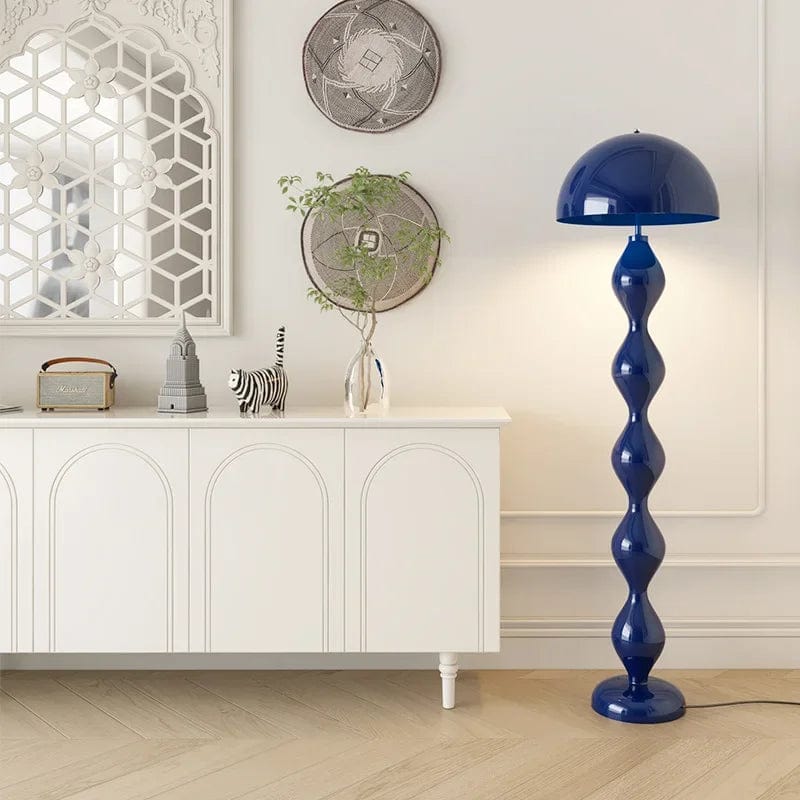
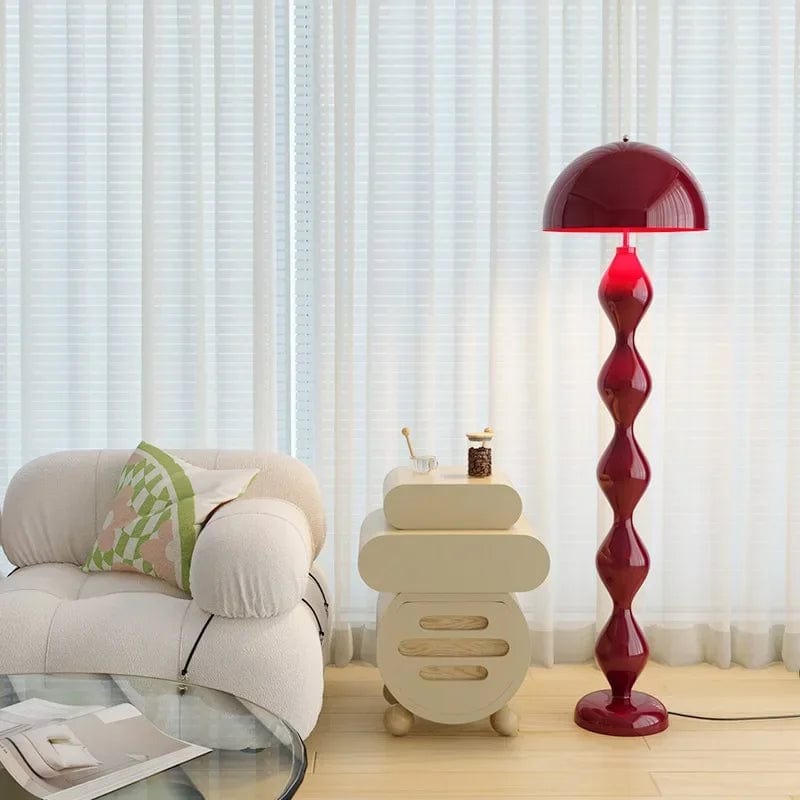
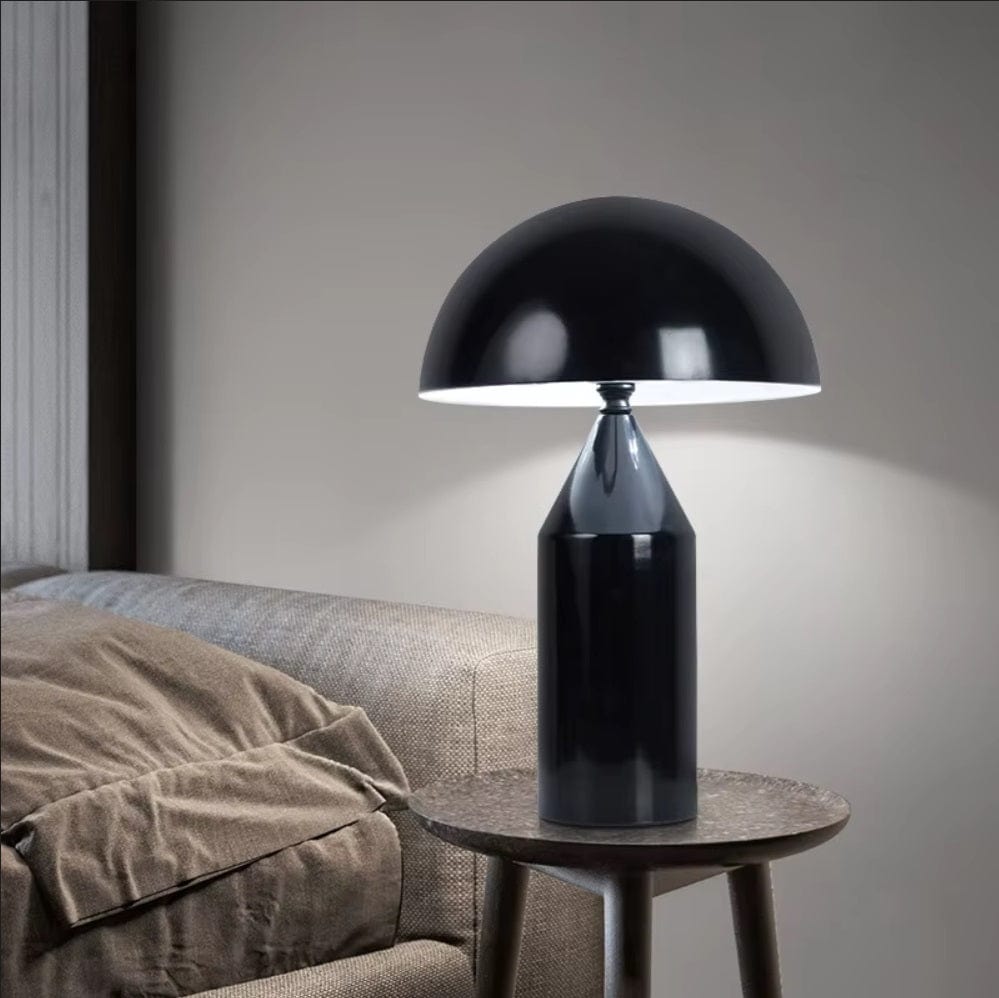
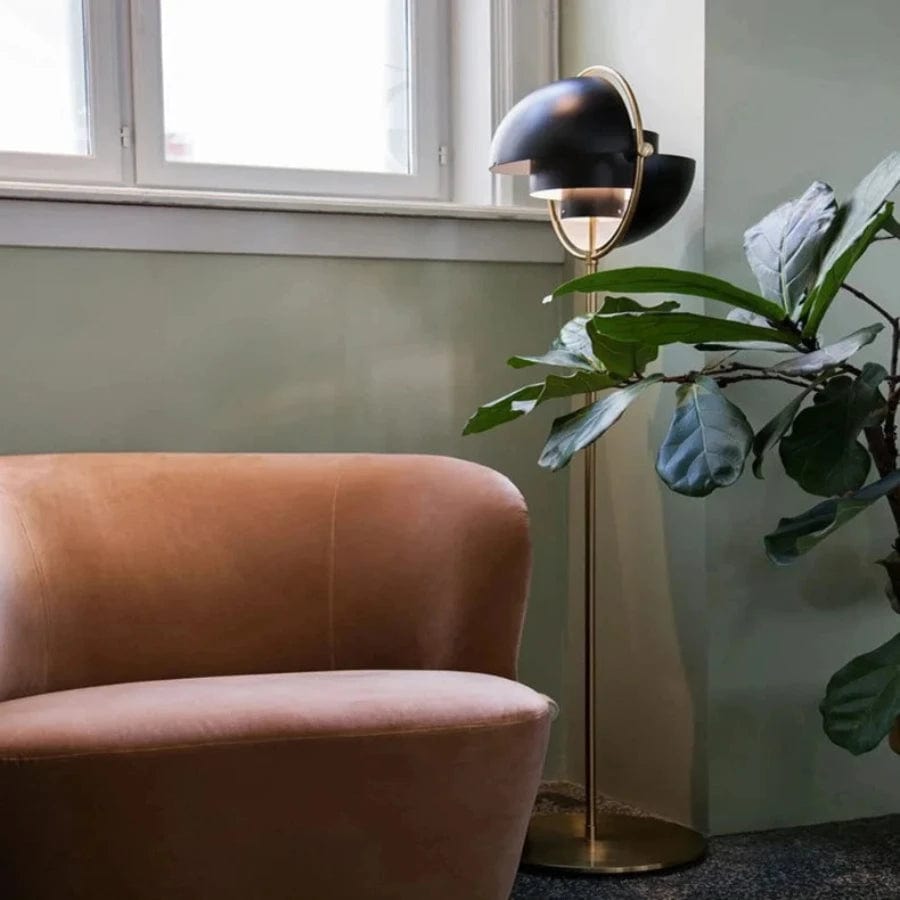
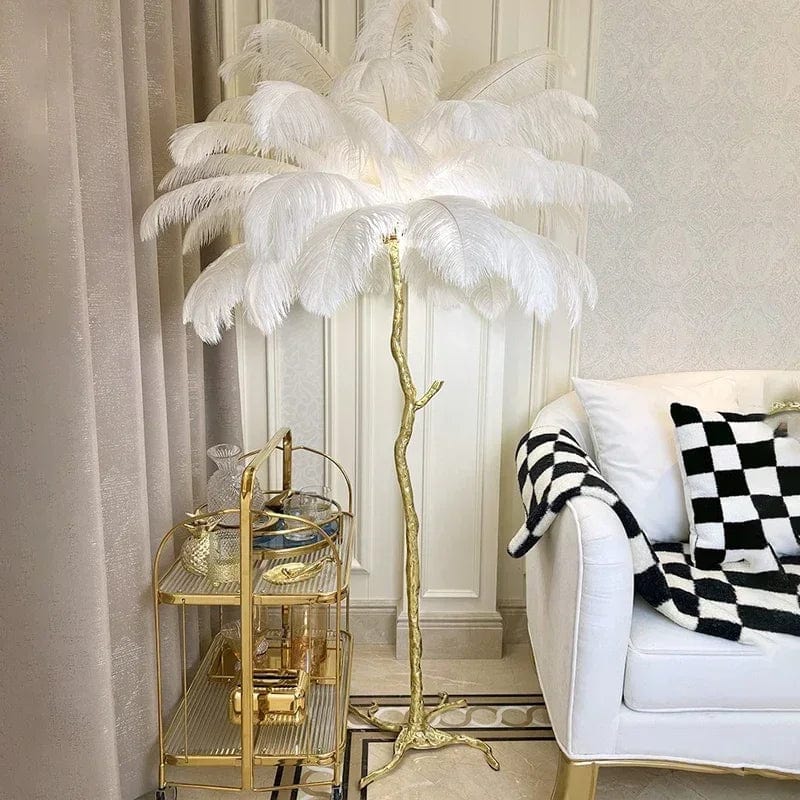
The best lamp usually depends on where it will be placed and what job it needs to do. In a living room, floor lamps often work well near a sofa, accent chair, or console because they help soften the space and add a second layer beyond the ceiling fixture. In a bedroom, table lamps usually work best on nightstands or dressers where the light needs to feel calm and easy to reach. In an office or study corner, a lamp often needs to be more task-focused and practical than decorative.
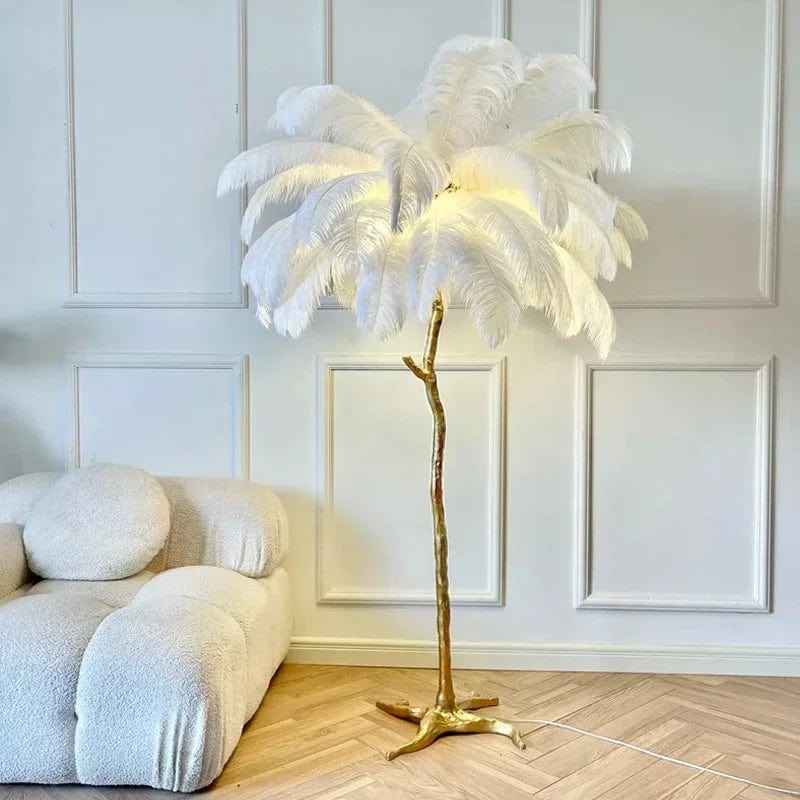
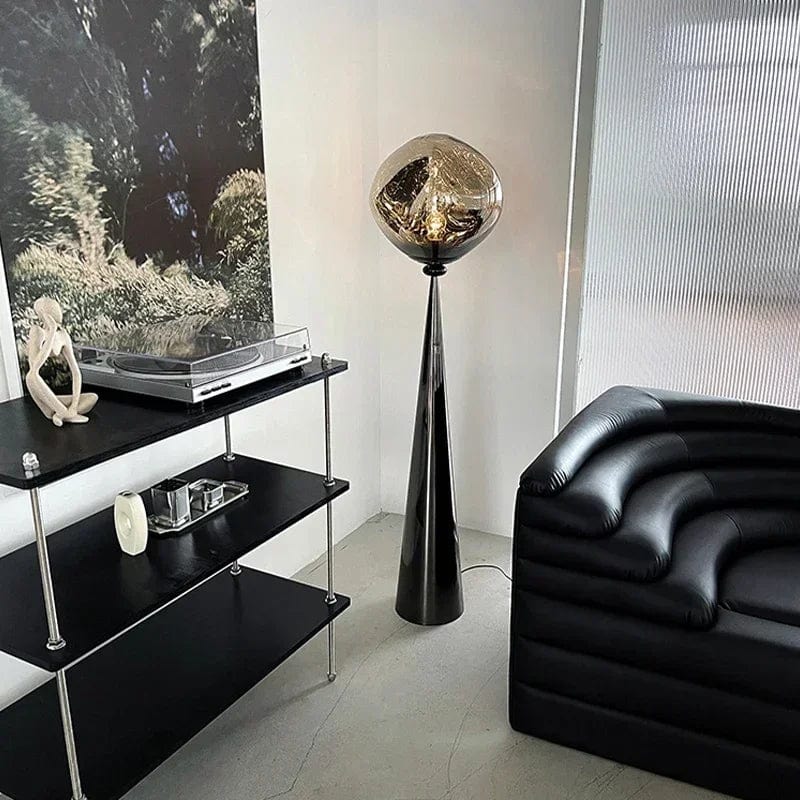
If your goal is a stronger standing fixture for a seating area, Floor Lamps is the more specific adjacent category. If your priority is surface-based lighting for nightstands, dressers, desks, or side tables, Table Lamps is the better next step.
Quick planning notes:
- Living rooms: lamps usually work best when they support seating rather than sitting far away from how the room is used
- Bedrooms: bedside lamps should feel easy to reach and soft enough for evening use
- Reading corners: stronger directional light often matters more than decorative size alone
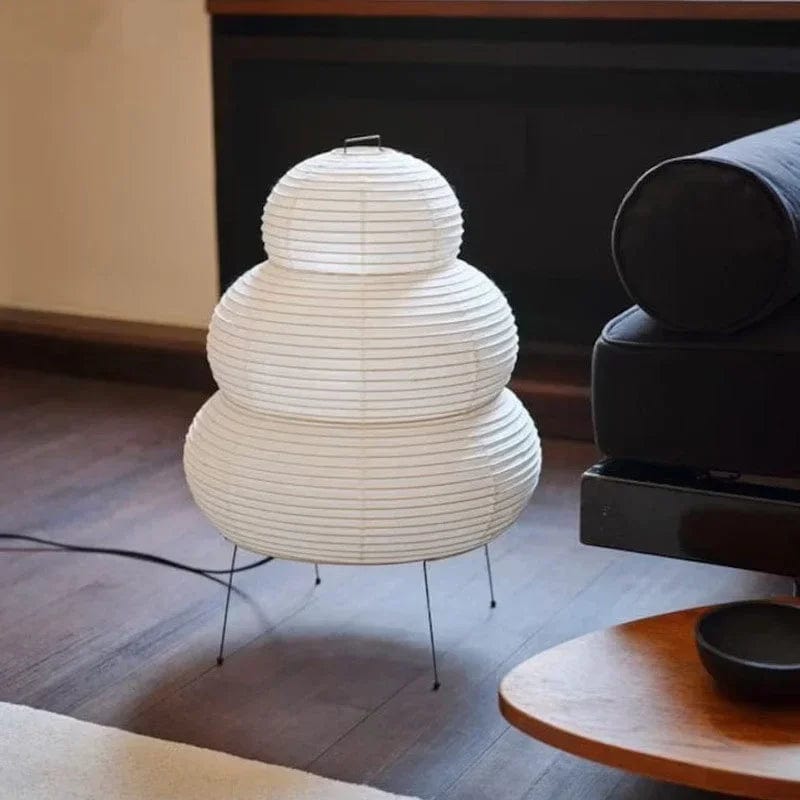
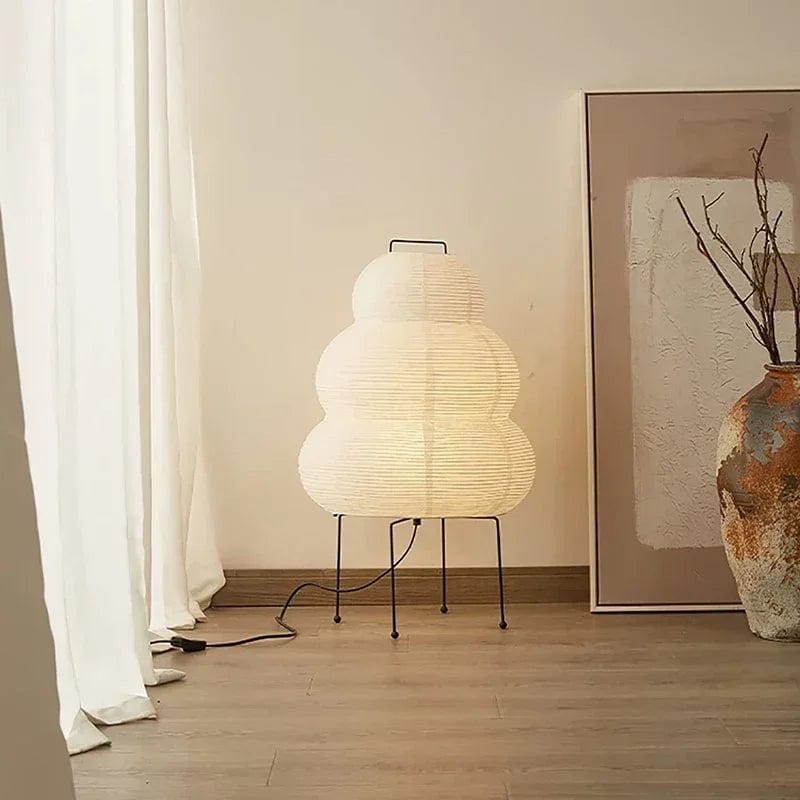
- Smaller rooms: table lamps can add warmth without taking up the visual space of a larger floor lamp
Measurement note: With lamps, proportion to nearby furniture matters more than room dimensions alone. A table lamp should feel balanced with the table or nightstand below it, while a floor lamp should feel tall enough to be useful without overpowering the seating area around it.
Table Lamps vs. Floor Lamps
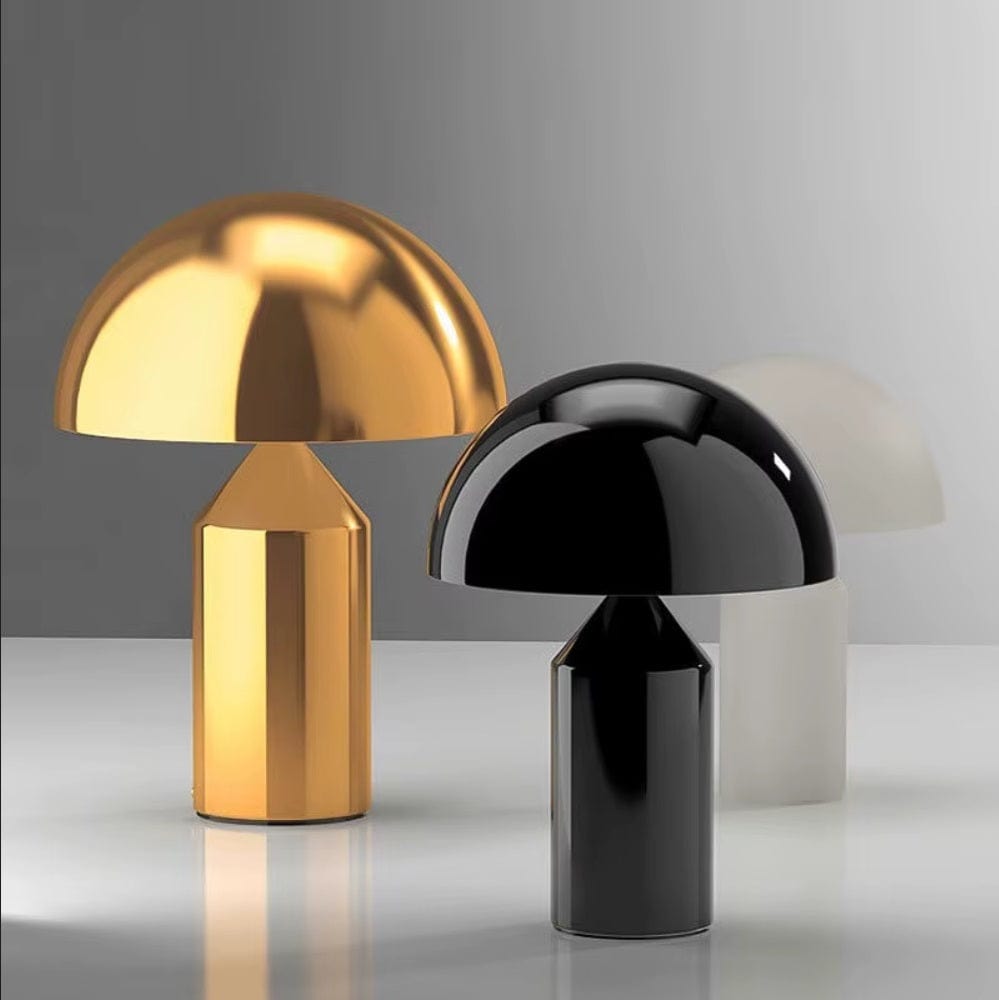
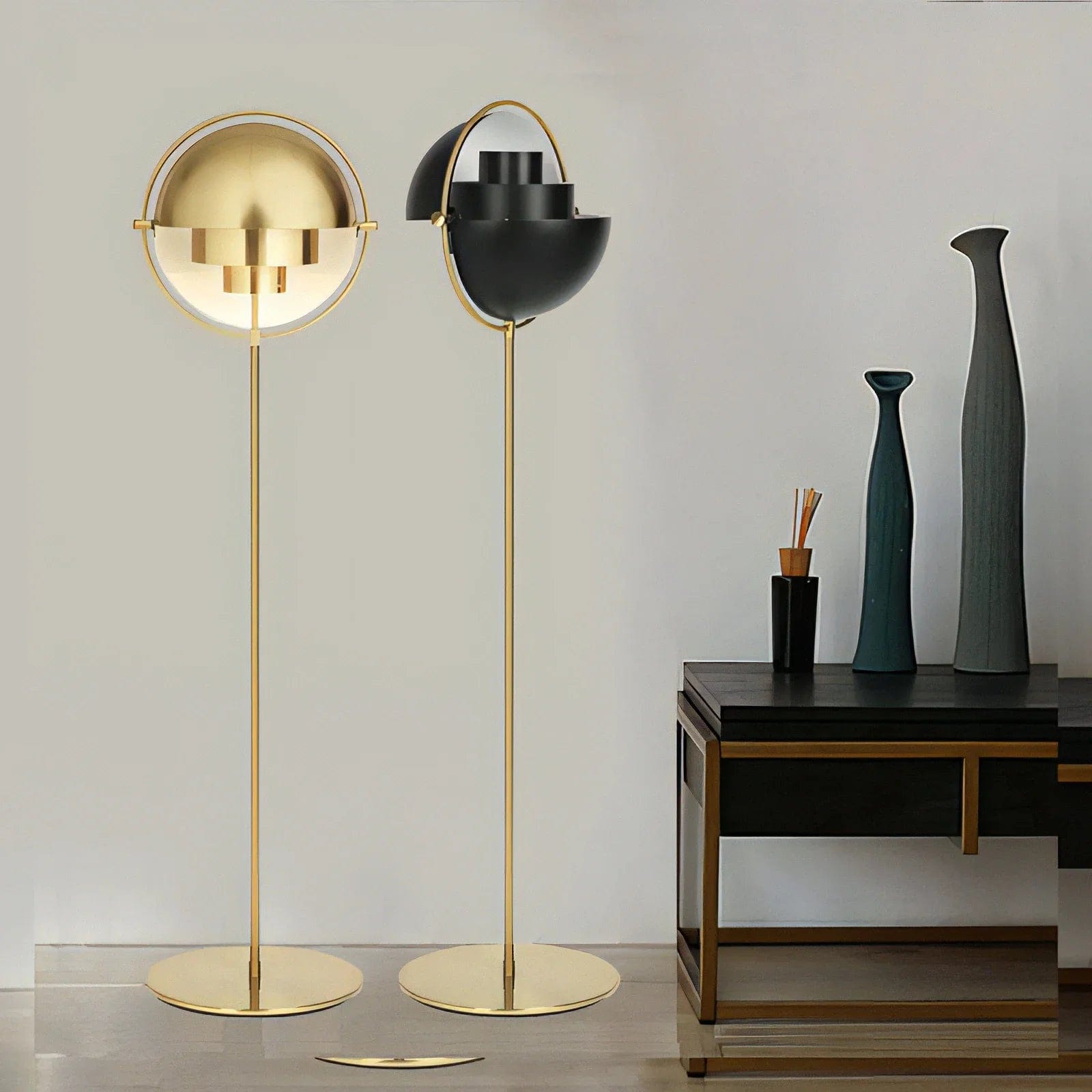
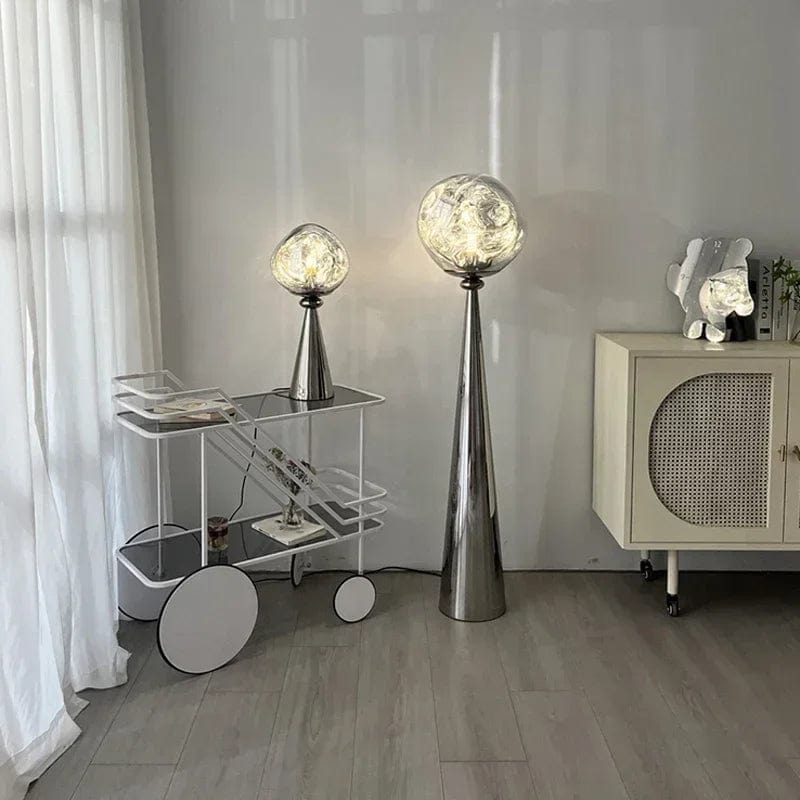
Not all lamps solve the same problem. Table lamps usually work best when you already have a surface available and want a more compact source of light. Floor lamps are often better when the room needs added height, more presence, or light in a spot where there is no table. Both can be practical, decorative, or both at once depending on the shape, shade, material, and brightness.
This is why the page should not read like a floor-lamp-only or table-lamp-only category. Lamps is the broader family page for shoppers who are still deciding how portable lighting should work in the room before narrowing down by type.
Quick comparison:
- Table lamps - better for nightstands, side tables, desks, and dressers
- Floor lamps - better for reading corners, sofas, open corners, and seating zones
- Compact lamps - easier for smaller rooms and lighter furniture setups
- Statement lamps - better when the lamp should also act as a visual focal point
Lamps vs. Ceiling and Wall Lighting
These categories overlap, but they do not serve the same intent. Ceiling and wall lights are usually chosen for fixed room lighting. Lamps are chosen for flexibility, softer layering, and easier room updates without installation changes. If your goal is movable lighting that can support daily use and room atmosphere at the same time, this collection is the more precise starting point.
Small reminder: The best lamp setup is not simply the brightest one. It is the mix of placement, height, shade style, and light level that makes the room feel more comfortable and more useful every day.