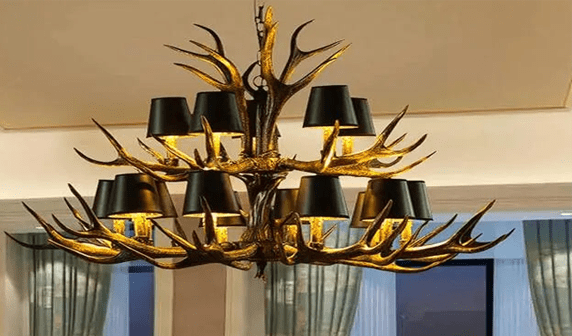


Pendant Lights for Focused Illumination, Flexible Placement, and Clean Suspended Style
Pendant lights are one of the most versatile ways to add both function and style to a room. This category is built around suspended fixtures that bring light closer to the surface or zone they are meant to define, whether that is a kitchen island, breakfast table, bedside area, entry corner, or dining space. If you want to compare broader overhead options first, you can start with our full Chandeliers collection, then come back here once you know a pendant-style fixture is the better fit for the way the room is used.
One of the biggest strengths of pendant lights is flexibility. A pendant can act as task lighting, accent lighting, or a decorative focal point depending on the size, height, and number of fixtures you use. Some pendant lights feel simple and architectural, while others bring more texture through glass, crystal, or warmer rustic materials. That range makes this collection especially useful in kitchens, dining areas, entryways, bedrooms, and open-plan homes where one suspended light or a grouped arrangement can help organize the space visually.
What Makes Pendant Lights Different?
The defining feature is the suspension and the way the light is directed into a specific zone. Pendant lights hang from a rod, cord, chain, or cable, which gives them more vertical presence than a close-to-ceiling fixture. Unlike larger chandeliers, pendant lights usually feel more focused and controlled. They can be used one at a time, in pairs, or in a row depending on the surface or room layout below them.
- Common use cases: kitchen islands, breakfast nooks, dining tables, bedside lighting, entryways, and smaller seating areas
- Main visual benefit: more focused suspended lighting with a cleaner footprint than many chandeliers
- Best fit: rooms where the fixture should define a specific surface or zone rather than fill the full ceiling with one broad statement
Tip: Pendant lights often work best when they are selected around the furniture or surface below them, not just the room as a whole.
How to Choose the Right Pendant Lights by Room
The best pendant light setup usually depends on what the fixture needs to anchor. Over a kitchen island, pendants often help define the prep and gathering zone while bringing the light lower and closer to the countertop. Over a breakfast table or smaller dining table, a single pendant or compact grouped pendant can create a centered focal point without the spread of a larger chandelier. In bedrooms and entryways, pendant lights can add style in places where floor or table lamps may not give the same suspended visual effect.
If your main focus is island or kitchen planning, it can help to compare this page with Kitchen Lighting. If you are looking for pendant forms with a stronger chandelier identity, Pendant Chandeliers is the better adjacent category. If your goal is a cleaner style-led browse path, Modern Pendant Lights is the strongest related subcategory.
Quick planning notes:
- Kitchen islands: pendants usually work best when they are sized to the island length and hung low enough to feel connected to the countertop
- Dining tables: a centered pendant can work well when the table is smaller or when you want a cleaner suspended look than a chandelier
- Bedside use: pendants can free up nightstand space while still bringing light closer to the bed area
- Entry spaces: a pendant can create a neat focal point without the visual spread of a larger chandelier frame
Measurement note: Your site’s own pendant sizing guide uses about 30 to 32 inches above a kitchen island as a practical starting height and recommends spacing pendants at least about 30 inches apart as an initial reference. Those are not rigid rules, but they are useful starting points before adjusting for ceiling height, pendant diameter, and sightlines through the room.
Single Pendant, Multiple Pendants, and Material Direction
Not all pendant lights solve the same design problem. A single larger pendant often works well when you want one clean focal point. Multiple pendants usually make more sense over a longer island or surface where even spacing helps the room feel balanced. Material also changes the result quickly. Glass pendant lights often feel lighter and more open, crystal pendants feel more reflective and decorative, and rustic pendant lights usually bring more warmth and texture into the room.
This is why pendant lights should not be treated as a smaller version of chandeliers. Pendant lighting is usually chosen first around placement, count, spacing, and task-to-decorative balance. If your priority is glass as the main material story, Glass Pendant Lights is the better adjacent page. If you want more decorative reflection, Crystal Pendant Lights is a stronger fit. If you want a warmer and more casual direction, Rustic Pendant Lights may be the better choice.
Quick comparison:
- Single pendants - cleaner focal point for smaller tables, bedside zones, and compact entries
- Multiple pendants - better for longer islands and surfaces that need more even visual rhythm
- Glass pendants - lighter and more open in the room
- Crystal pendants - more reflective and more decorative overhead
- Rustic pendants - warmer and more casual in kitchens and dining spaces
Pendant Lights vs. Pendant Chandeliers
These categories overlap, but they do not serve the same intent. Pendant lights are usually selected first for suspended function, focused placement, and flexibility in number and spacing. Pendant chandeliers lean more decorative and chandelier-like in body, detail, or statement value. If your main goal is a suspended lighting family for islands, bedside use, dining surfaces, and everyday room zones, this collection is the more precise starting point.
Small reminder: The best pendant light setup is not simply the one with the largest fixture or the highest count. It is the combination of size, spacing, drop, and material effect that fits the surface below and supports how the room is actually used.