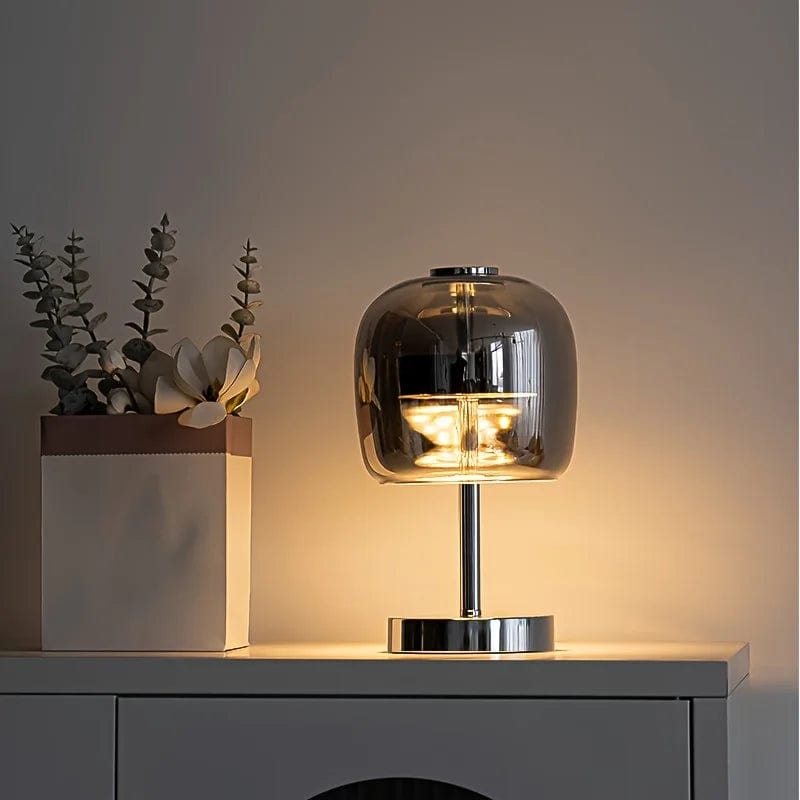
Table Lamps for Softer Layered Light, Flexible Placement, and Better Everyday Use
Table lamps are a strong choice for shoppers who want lighting that feels personal, practical, and easy to place throughout the home. This category is built around lamps designed for surfaces such as nightstands, desks, dressers, consoles, and side tables, where the light needs to feel closer to everyday use rather than coming only from above. If you want to compare the broader portable-lighting family first, you can begin with our full Lamps collection, then narrow your options here once your priority is a table-based fixture.
One of the biggest strengths of table lamps is flexibility. A table lamp can help make a bedroom feel calmer at night, support reading beside a bed or sofa, brighten a desk or console, or add a softer layer that balances a room after the main ceiling light is turned off. Because table lamps combine function with decorative presence, they work especially well in bedrooms, living rooms, offices, entry consoles, and other spaces where lighting should feel both useful and visually integrated.
What Makes a Table Lamp Different?
The defining feature is placement. A table lamp is designed to sit on a surface and bring light closer to eye level, which usually makes the room feel softer and more comfortable than relying only on overhead lighting. Some table lamps are chosen mainly for practical tasks such as reading or desk work. Others are selected for mood, decorative styling, or to help a side table, nightstand, or console feel more complete.
- Common table lamp uses: bedside lighting, desk lighting, side-table lighting, dresser lighting, console accents, and softer layered room light
- Main visual benefit: more comfortable light at eye level and a more balanced room without ceiling-only illumination
- Best fit: rooms where the light should support a specific surface, task, or seating area
Tip: Table lamps often make the biggest difference when they are chosen around the furniture they sit on, not just the room in general.
How to Choose the Right Table Lamp by Room
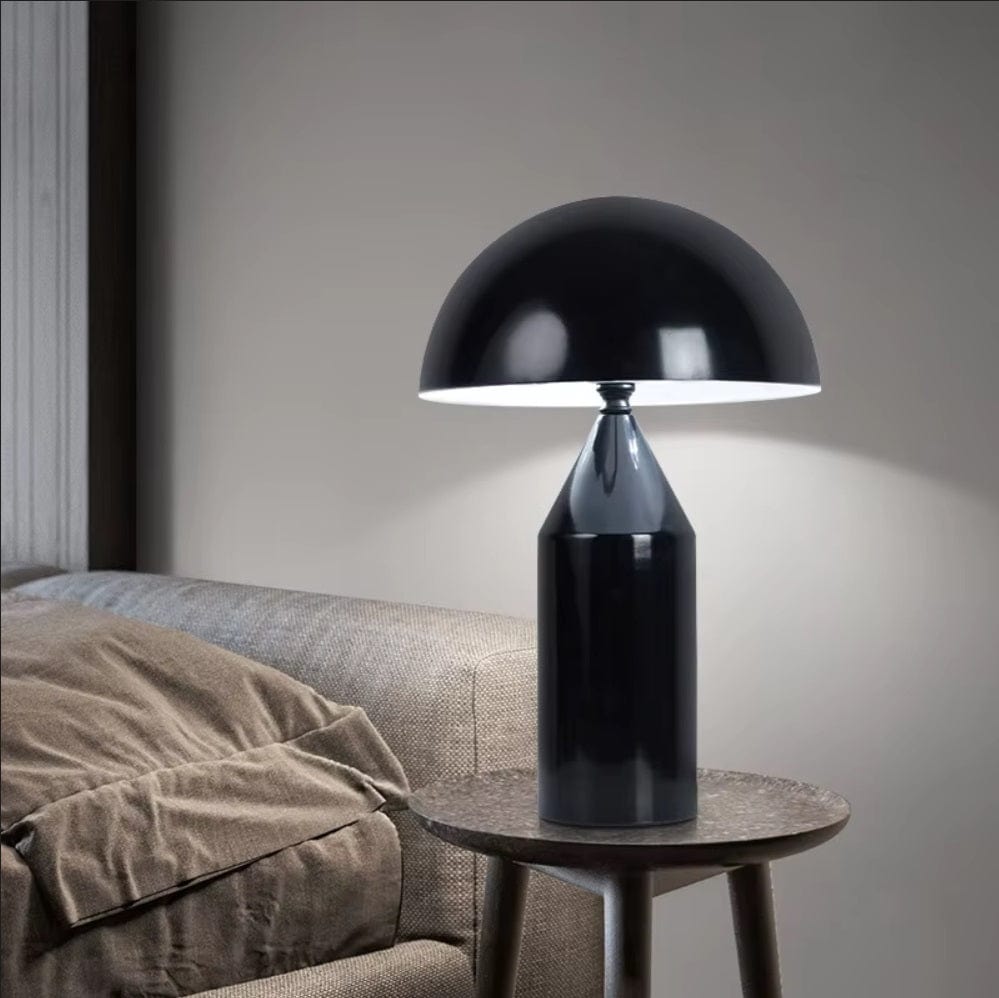
The best table lamp usually depends on what surface it will sit on and what job it needs to do. In a bedroom, table lamps often work best on nightstands where the light needs to feel calm, easy to reach, and comfortable for evening use. In a living room, a table lamp can help soften a side table or console and make the room feel less flat once the main overhead light is off. On a desk, the lamp usually needs to be more practical and focused than decorative alone.
If your priority is a standing portable fixture rather than a surface-based one, Floor Lamps is the most useful adjacent category. If your goal is broader room planning instead of one portable fixture, Bedroom Lighting and Living Room Lighting can also help you build the full mix around the lamp.
Quick planning notes:
- Nightstands: table lamps usually work best when the switch is easy to reach and the shade sits comfortably near eye level when seated in bed
- Desks: practical light direction often matters more than decorative size alone
- Living rooms: table lamps usually soften the room best when placed beside seating or on consoles that support the main layout
- Smaller rooms: compact table lamps often add warmth without taking up the visual space of larger floor fixtures
Measurement note: Proportion matters more than many shoppers expect. A table lamp should feel balanced with the table or nightstand below it, and the lamp plus shade should support comfortable light placement rather than creating glare. In many rooms, the best result comes from matching the lamp height to nearby seating or bed height so the light feels useful in real use, not just decorative on the surface.
Styles, Shapes, and Everyday Function
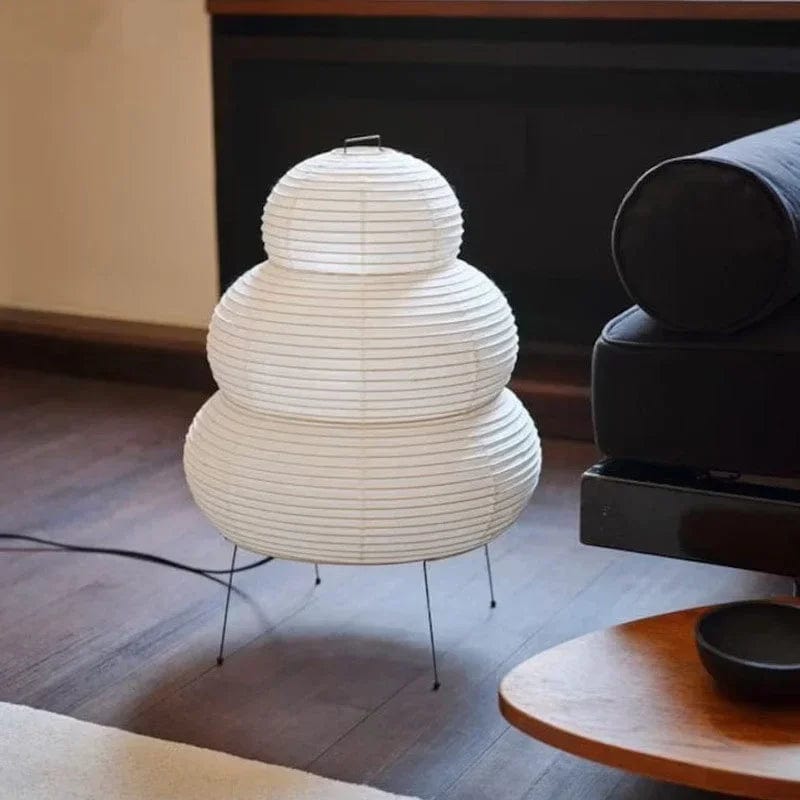
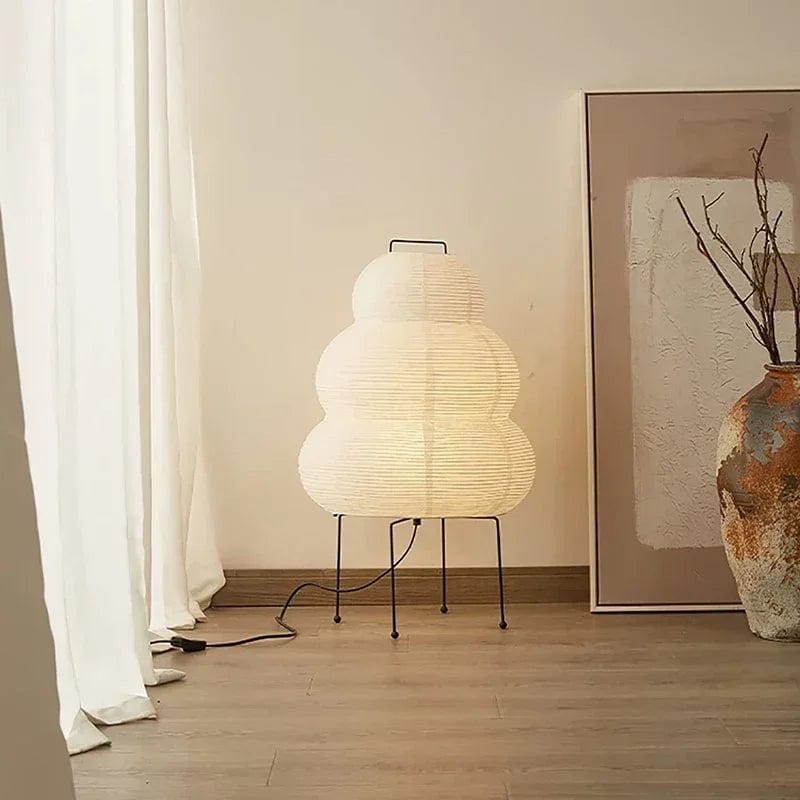
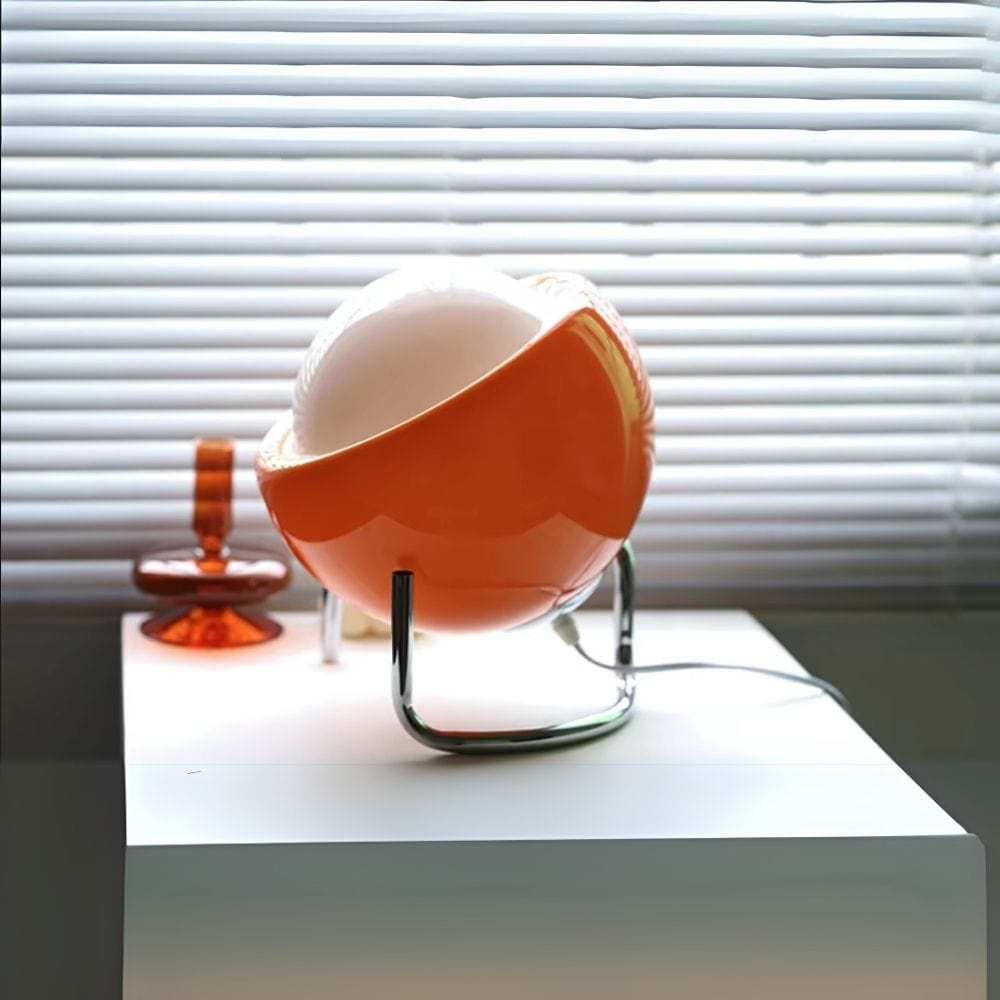
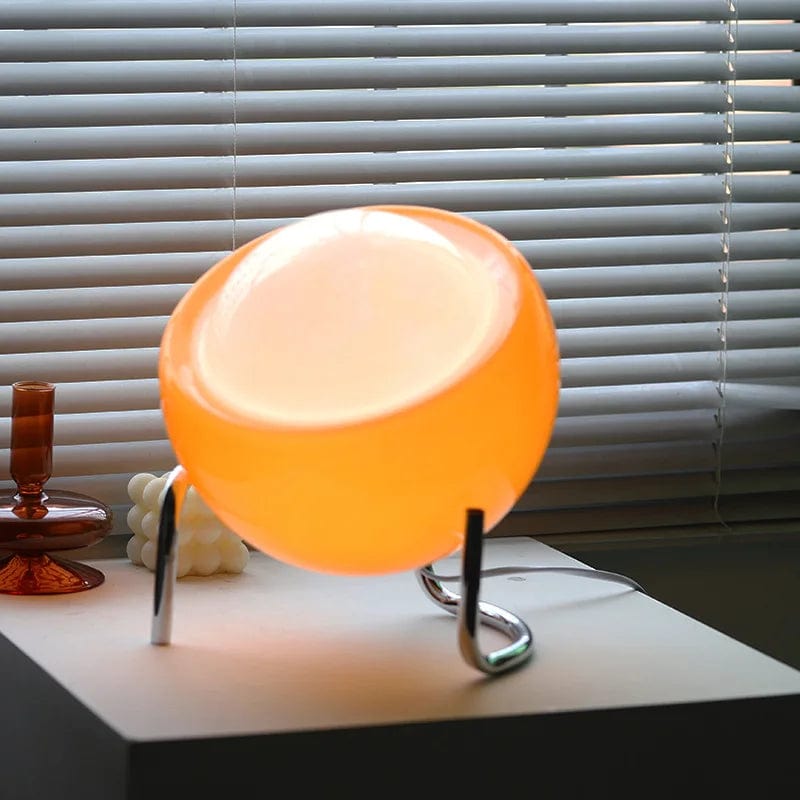
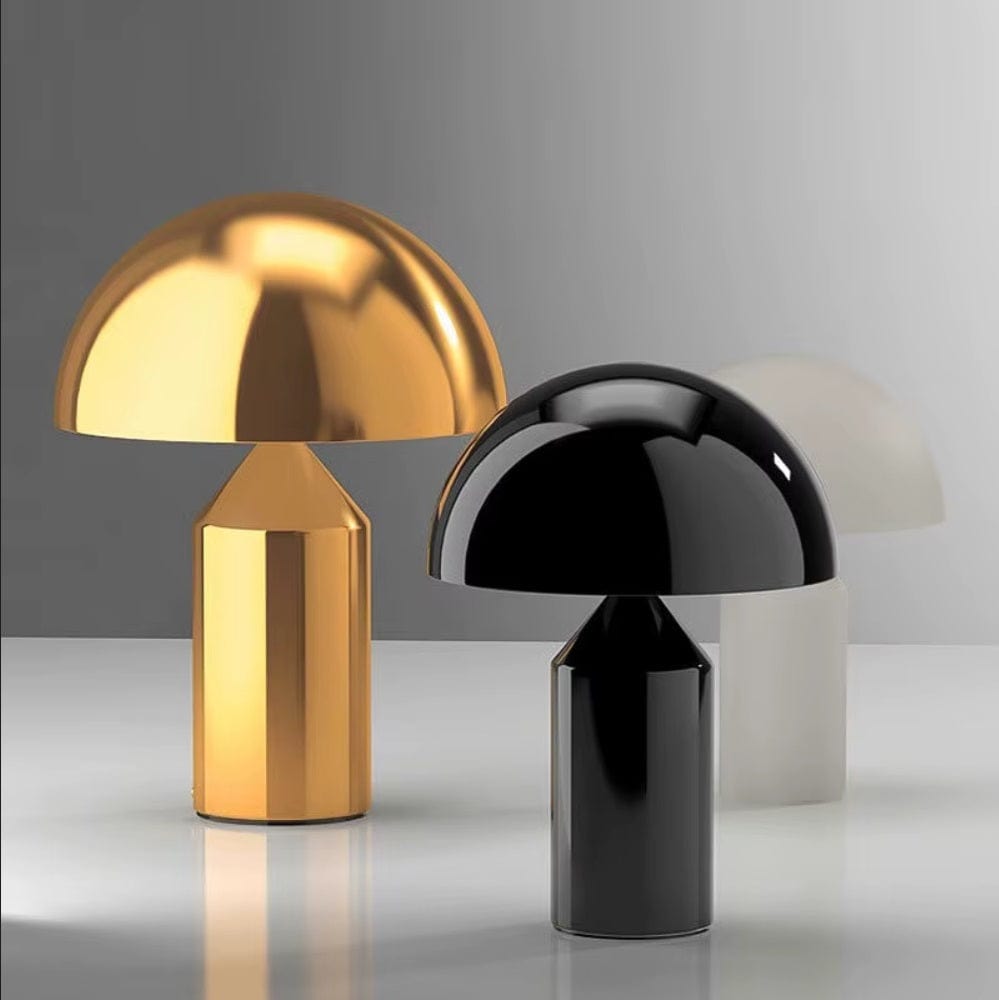
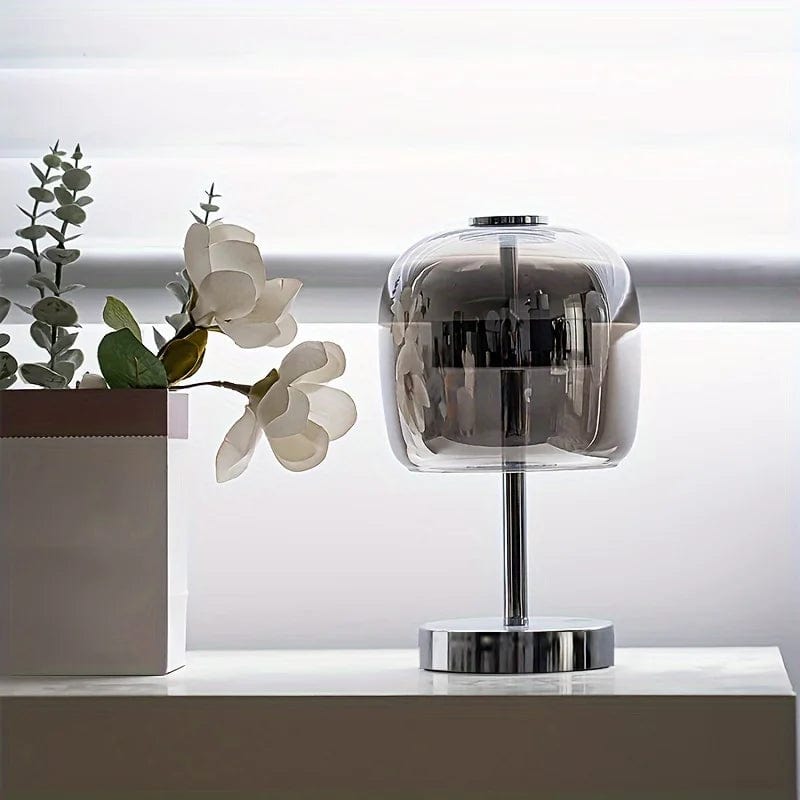
Not all table lamps create the same effect. Some are chosen for a clean modern silhouette, while others bring more personality through glass, paper, sculptural forms, mushroom shapes, smoke glass, or retro-inspired detailing. Shape matters because it changes both how the lamp looks on the table and how the light spreads through the room. A softer rounded lamp can feel calmer, while a taller or more structured shape may feel more focused and architectural.
This is why table lamps should not be treated as a smaller version of floor lamps. Floor lamps are chosen first for standing placement and room support where no surface is available. Table lamps are chosen first for surface-based lighting, close-to-hand use, and the way they integrate with furniture such as nightstands, desks, dressers, and side tables. If your goal is portable light that feels more connected to furniture and easier to reach, this collection is the more precise starting point.
Quick comparison:
- Bedside table lamps - better for evening comfort, reading, and easy reach near the bed
- Desk table lamps - better for focused practical light
- Decorative table lamps - better when the lamp should also help style the surface below it
- Compact table lamps - easier for smaller nightstands, consoles, and tighter rooms
Table Lamps vs. Floor Lamps
These categories overlap, but they do not serve the same intent. Table lamps are chosen first for surface-based placement, closer reach, and furniture-level lighting. Floor lamps are chosen first for standing placement beside chairs, sofas, or open corners. If your main goal is a lamp that sits directly on a nightstand, side table, desk, or console, this collection is the more precise starting point.
Small reminder: The best table lamp is not simply the biggest or most decorative one. It is the one whose height, shade size, light level, and surface proportion fit the room and support how the space is actually used each day.