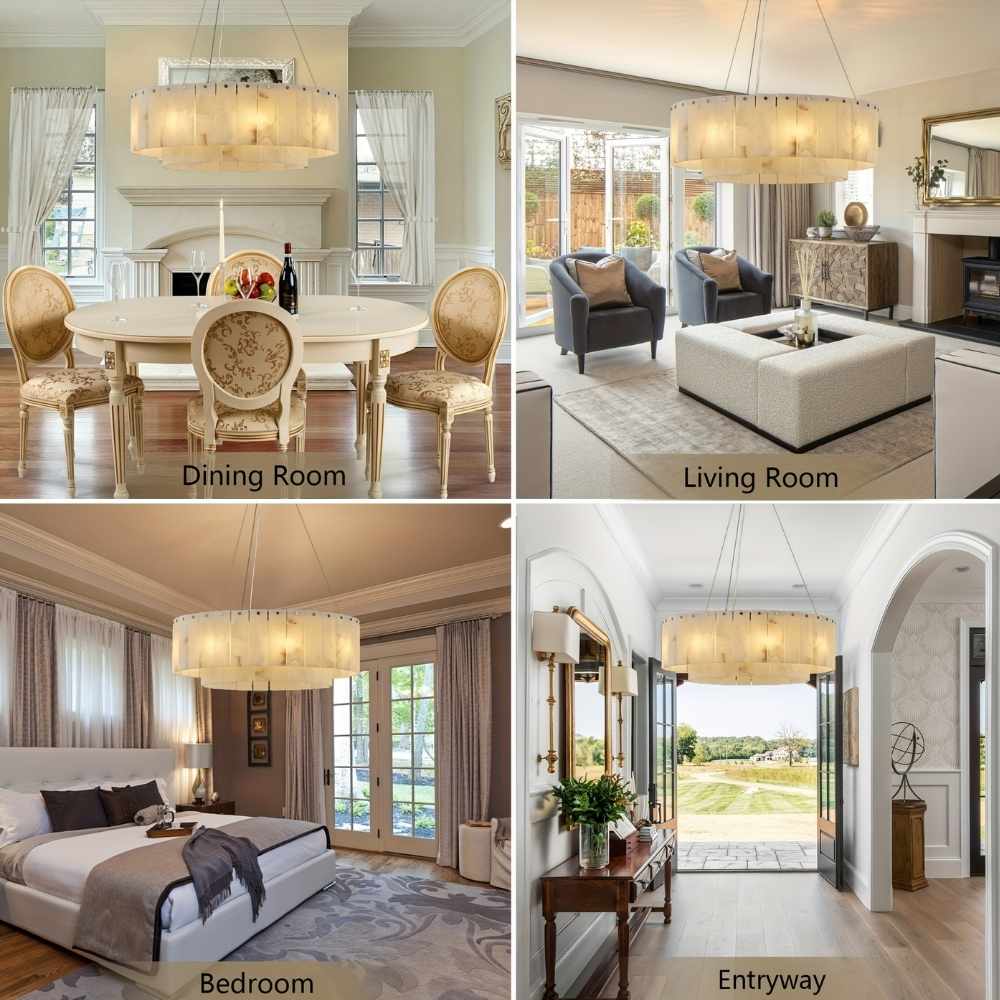
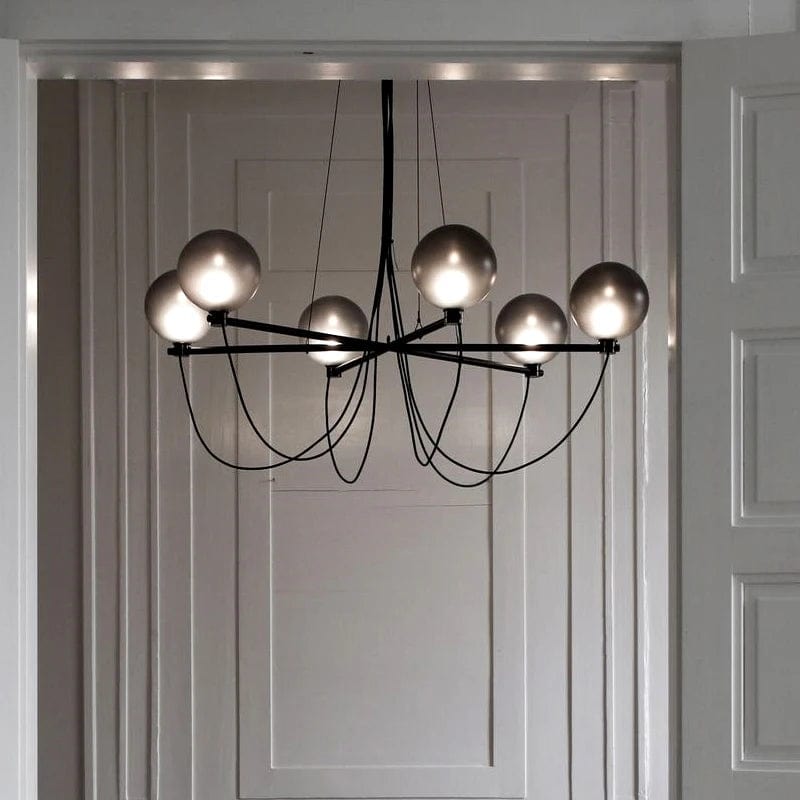
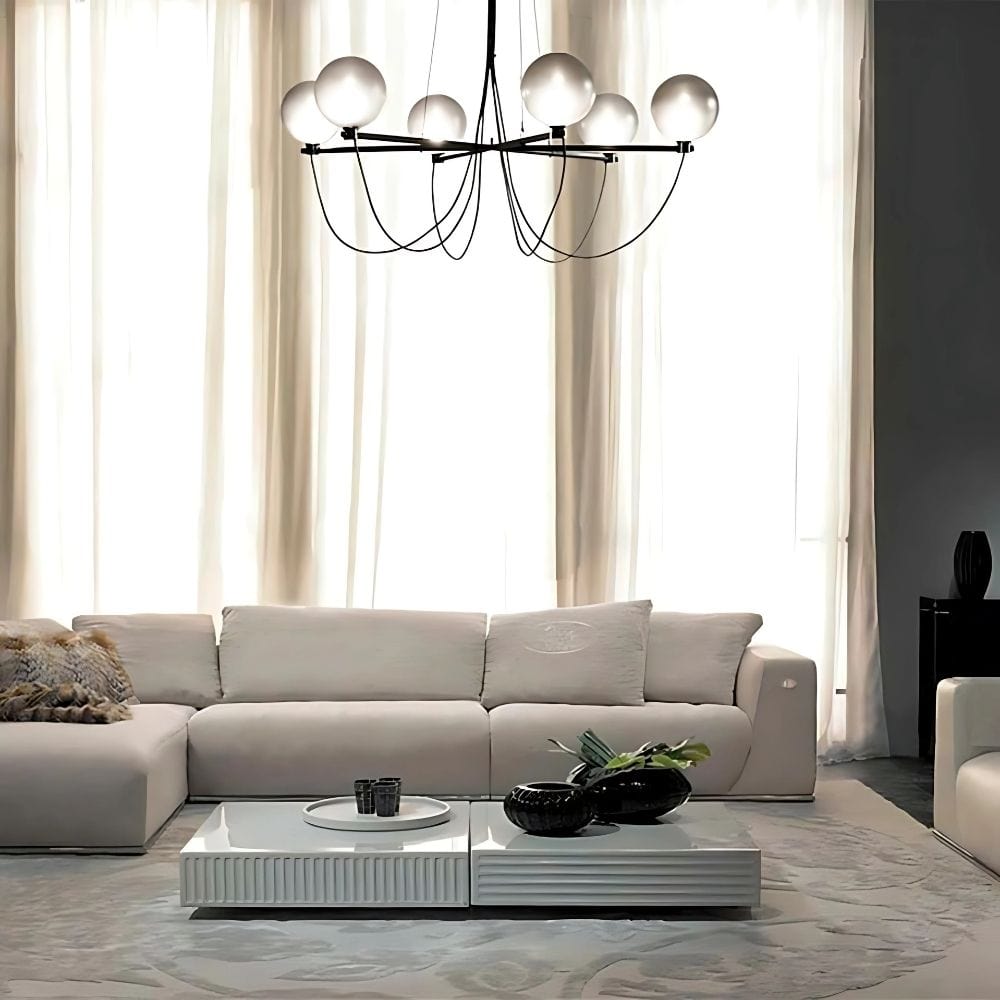
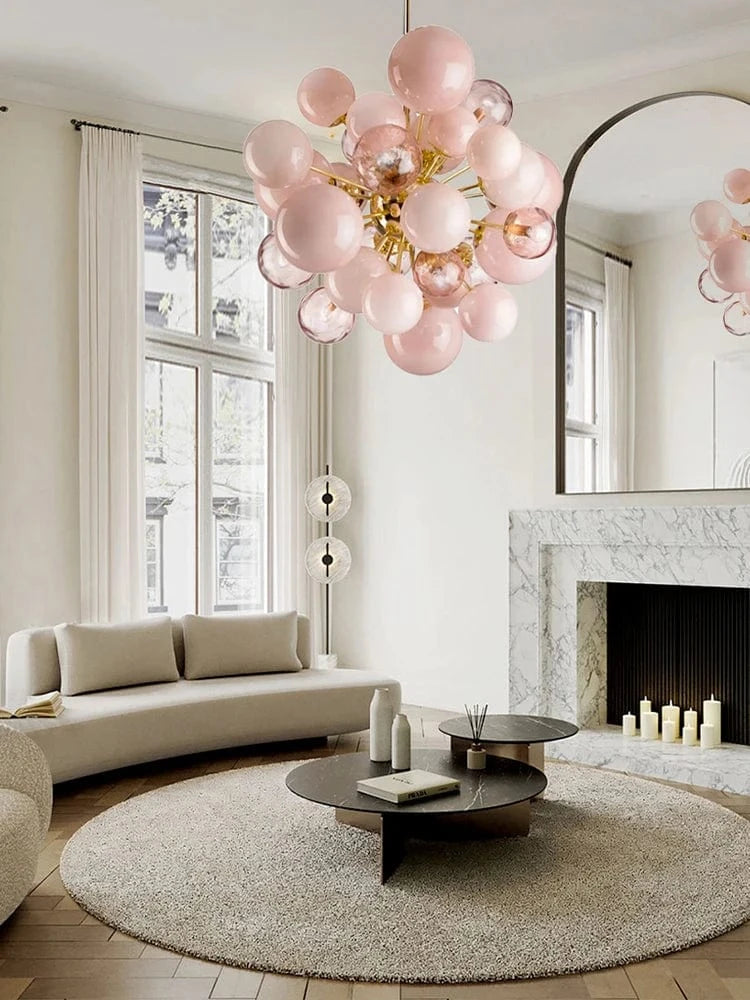
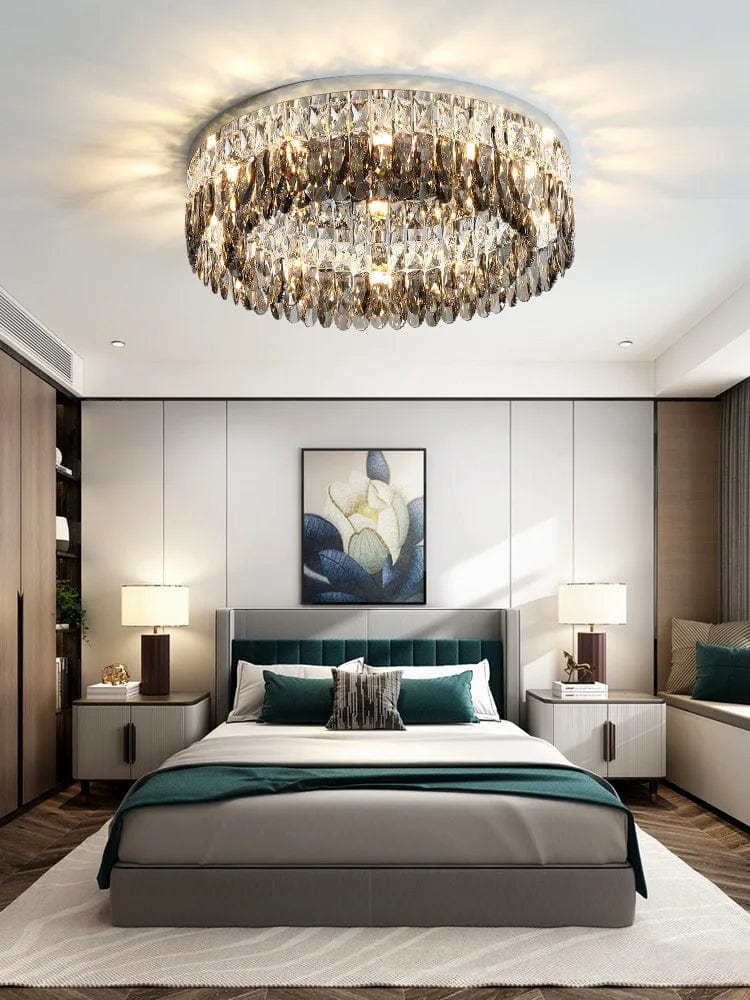
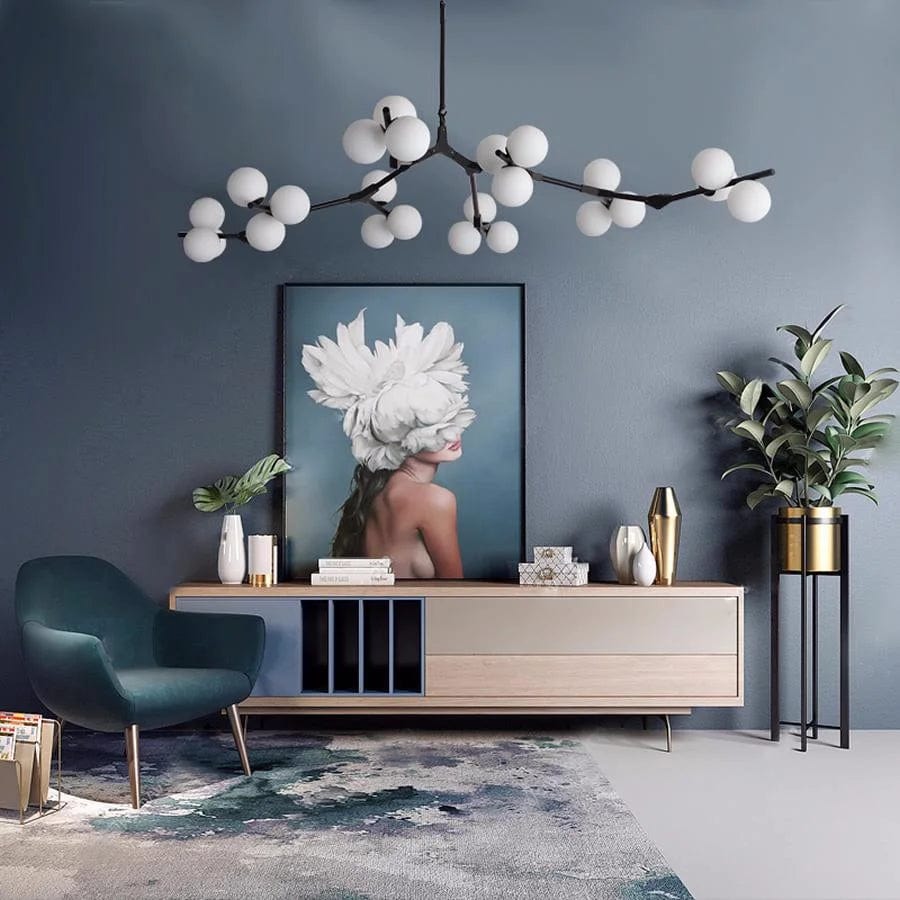
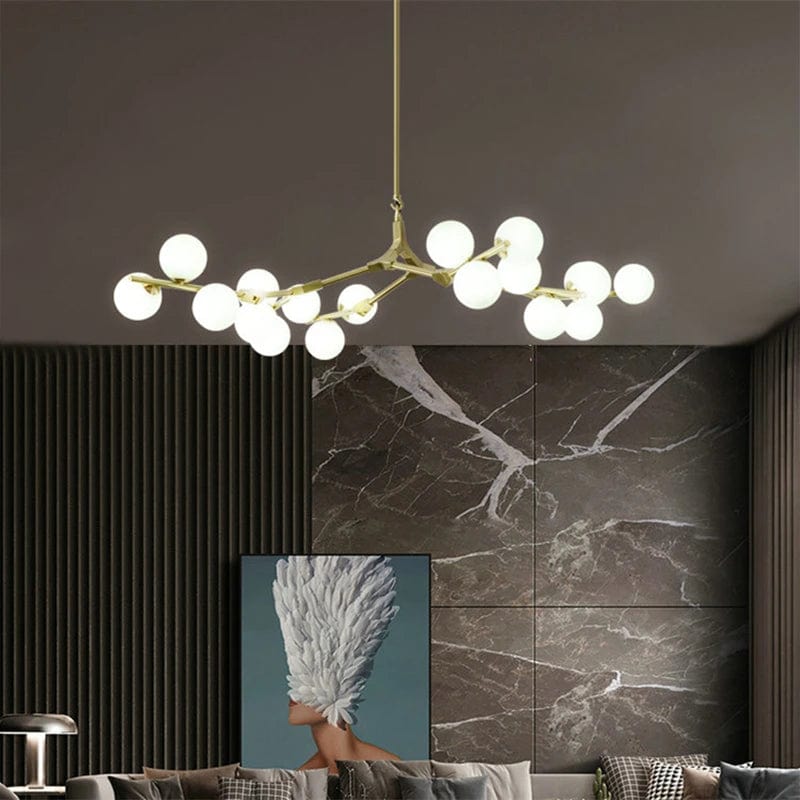
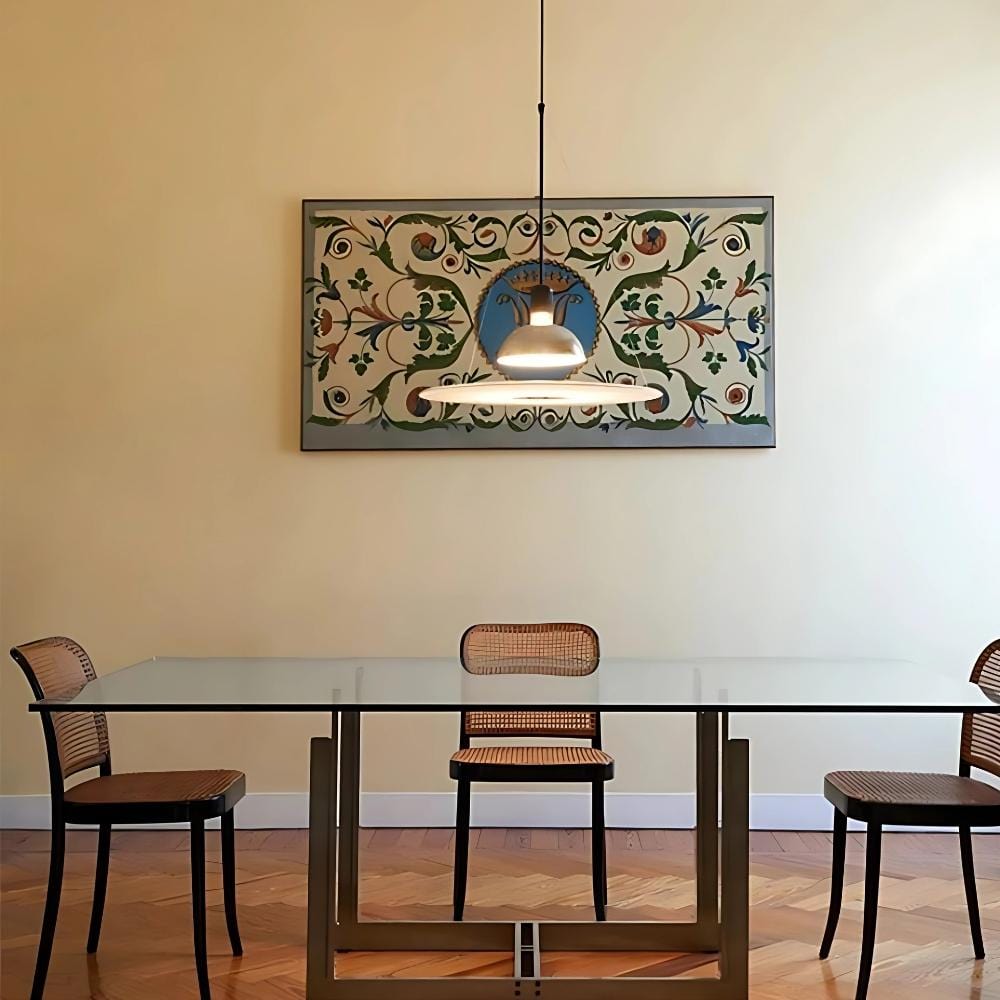
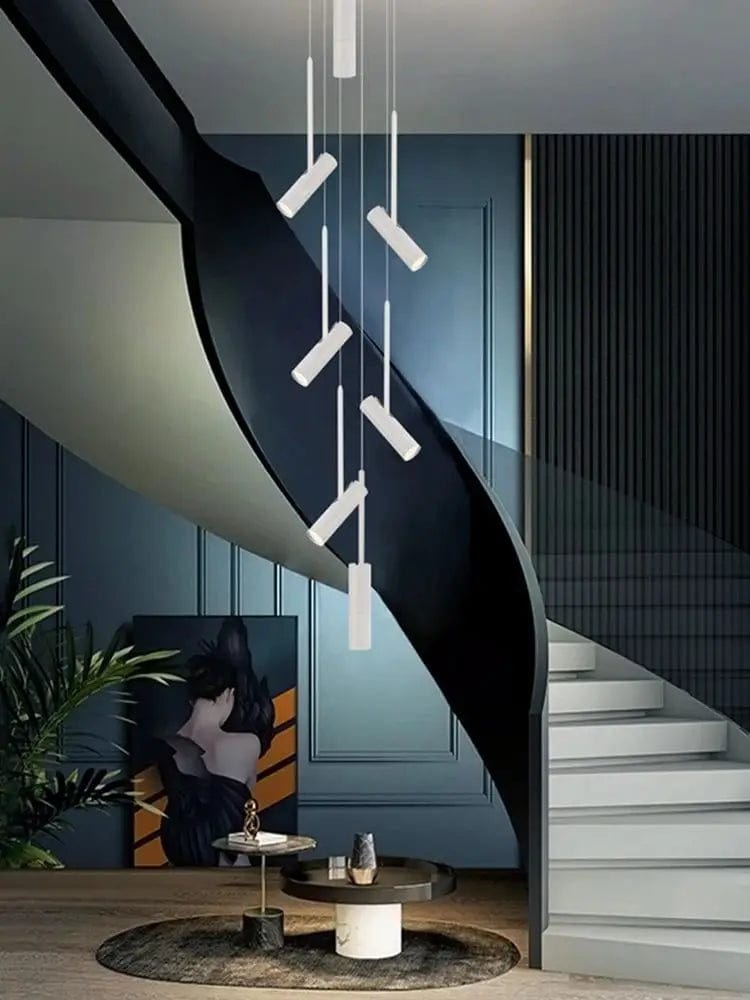
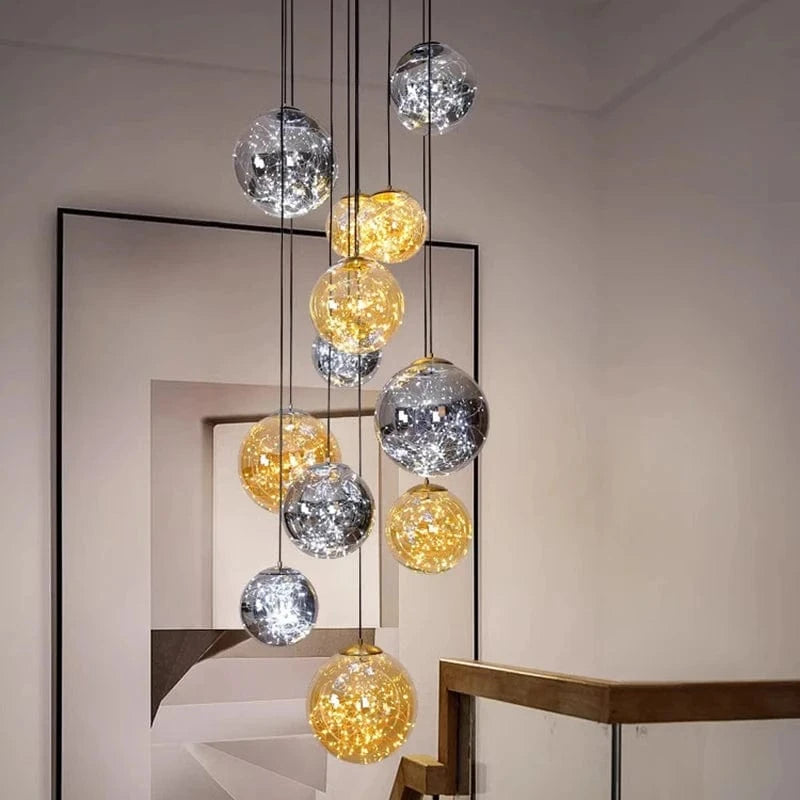
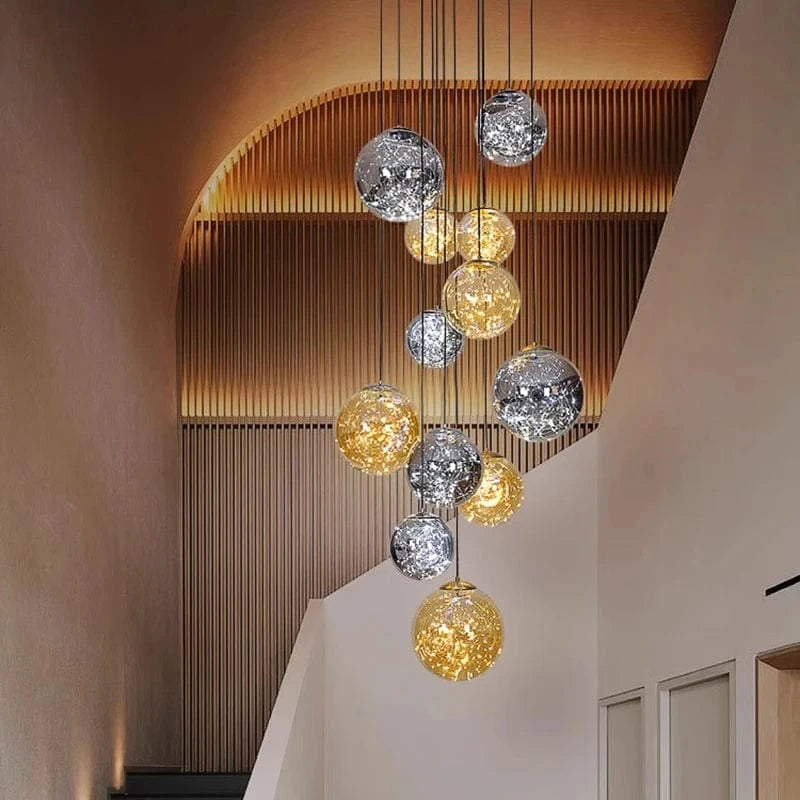
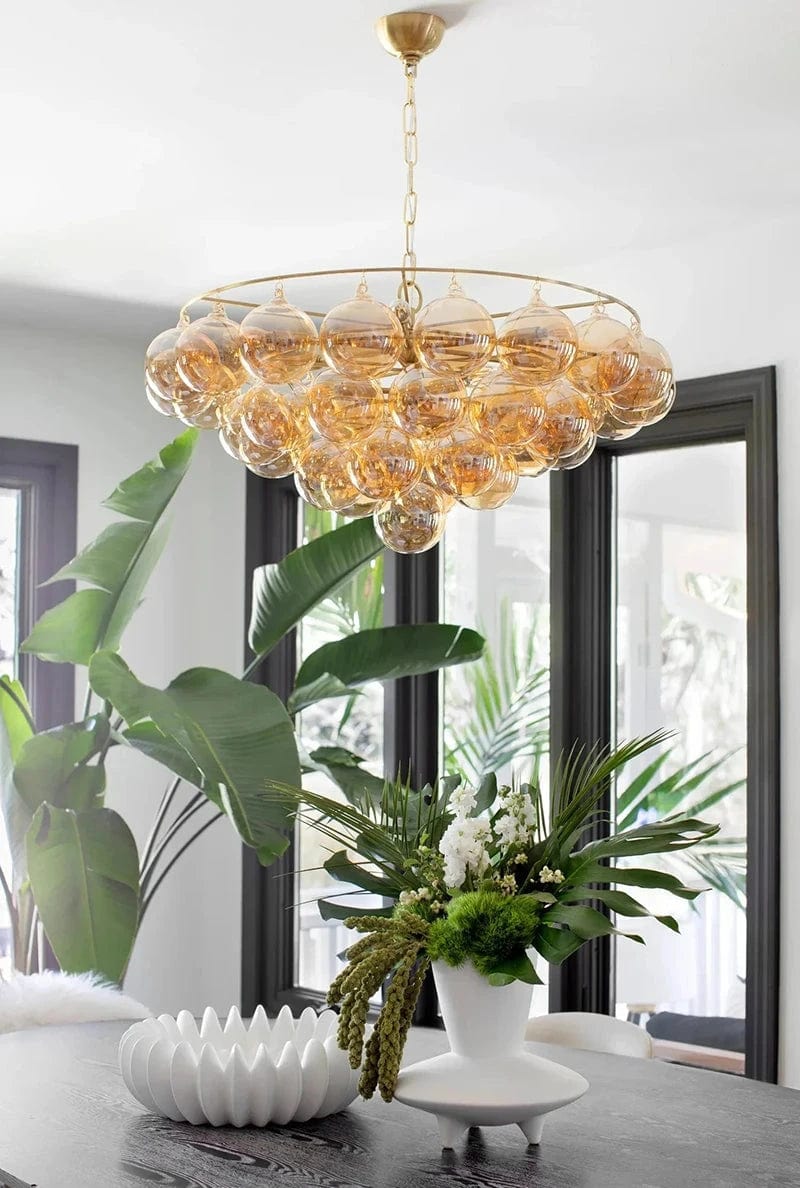


Office Lighting for Better Focus, Reduced Eye Strain, and a More Balanced Workspace
Office lighting works best when it supports how the space is actually used. This category is built for shoppers who want to think beyond one ceiling light and create a more complete lighting plan for a room designed for work, focus, and daily productivity. A good office setup usually needs more than general brightness alone. It often needs a mix of overhead lighting, task lighting, and supporting light that helps the room feel comfortable for longer periods of use.
One of the biggest differences between office lighting and lighting in other rooms is function. A workspace often needs clearer surface visibility, better control around screens, and a more focused lighting plan than a bedroom, dining room, or entryway. That is why office lighting usually works best as a layered setup rather than a one-fixture decision.
What Makes Office Lighting Different?
The defining factor is task support paired with visual comfort. In many offices, lighting needs to help with reading, typing, video calls, desk work, and general room use without feeling too dim or too harsh. The best office lighting plan usually combines one ambient layer for overall coverage with one stronger task layer closer to the desk or work zone.
- Core office lighting layers: ambient overhead lighting, focused task lighting, and optional accent or secondary lighting
- Best room types: home offices, study rooms, shared workspaces, creative studios, and desk-centered rooms
- Main visual benefit: a workspace that feels easier to focus in, more comfortable to use, and better balanced throughout the day
Tip: In many offices, the best result comes from combining one broader overhead source with one desk- or task-focused layer instead of relying only on a single ceiling fixture.
How to Build a Better Office Lighting Plan
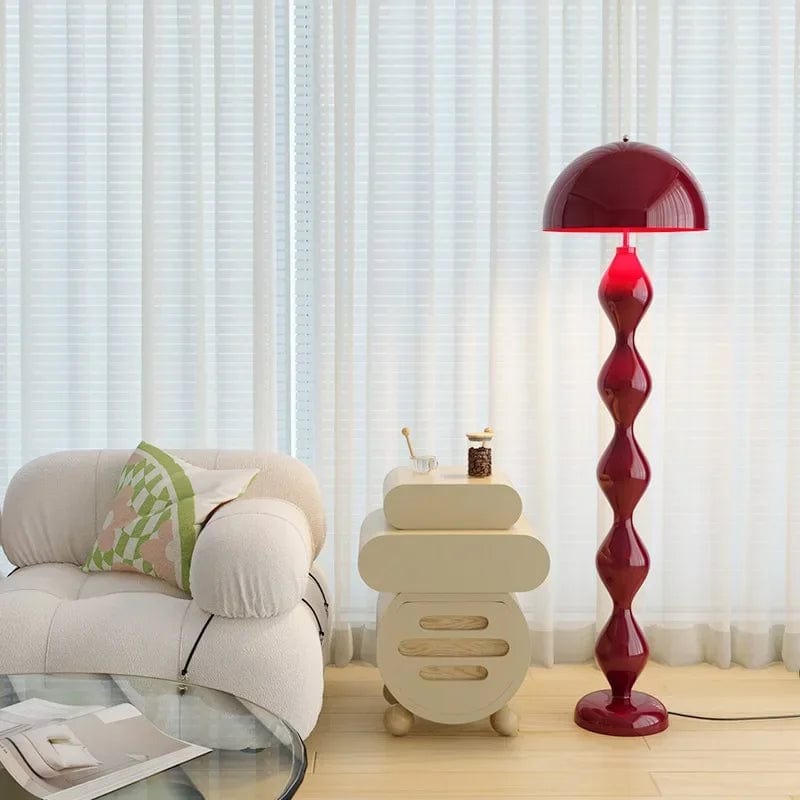
A good office lighting plan usually starts with the main work zone. If the room centers around a desk, that area should guide the lighting layout first. Overhead lighting helps the room feel bright and usable overall, while a more focused task source helps with reading, paperwork, and concentrated screen-time use. In larger offices, floor lamps or wall lights can also help soften the room and keep it from feeling flat once the main work light is off.
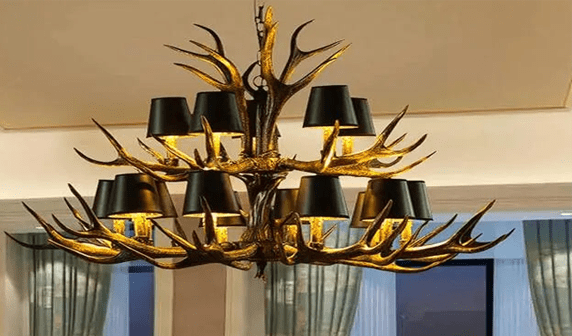
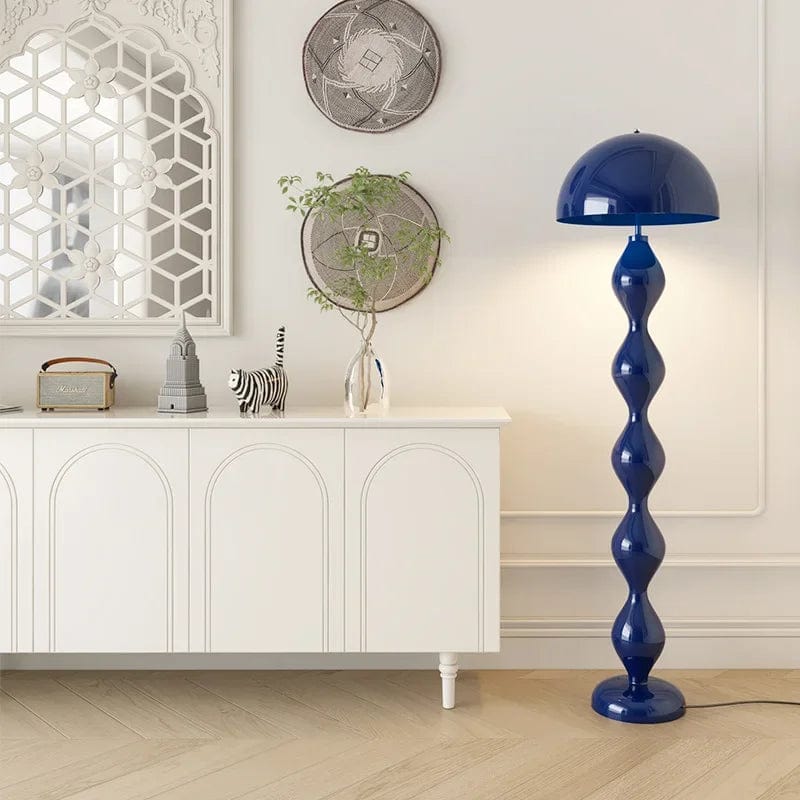
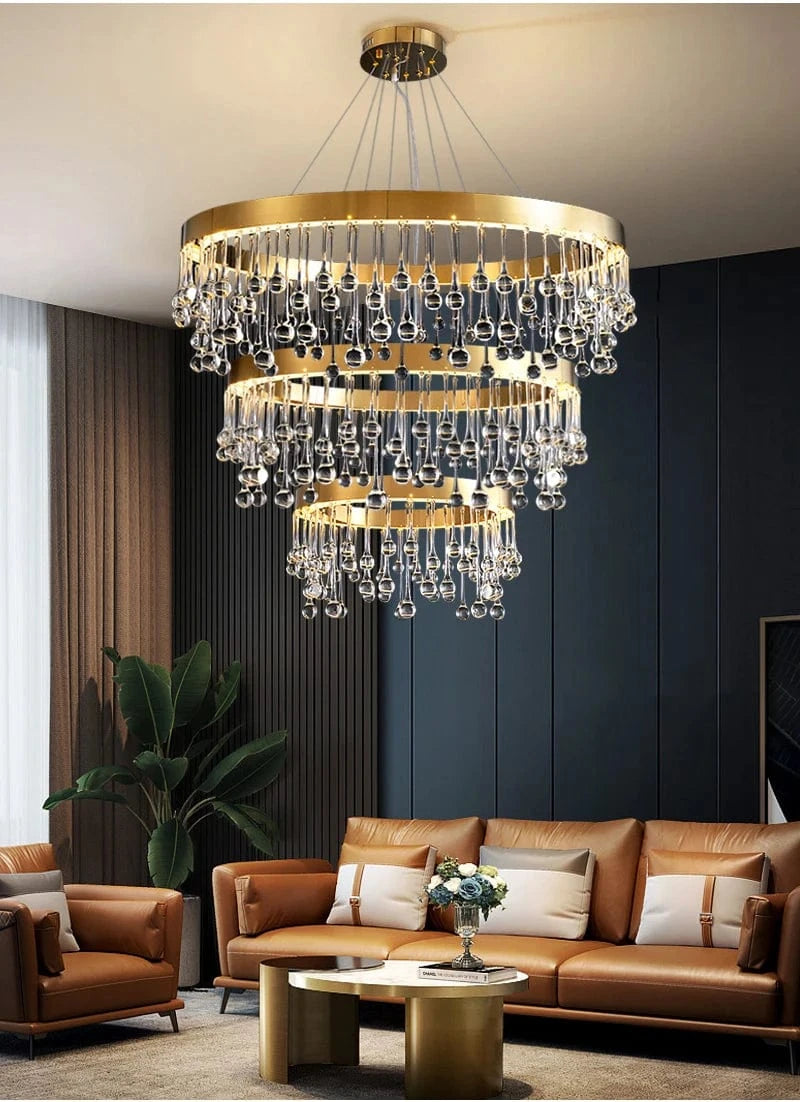
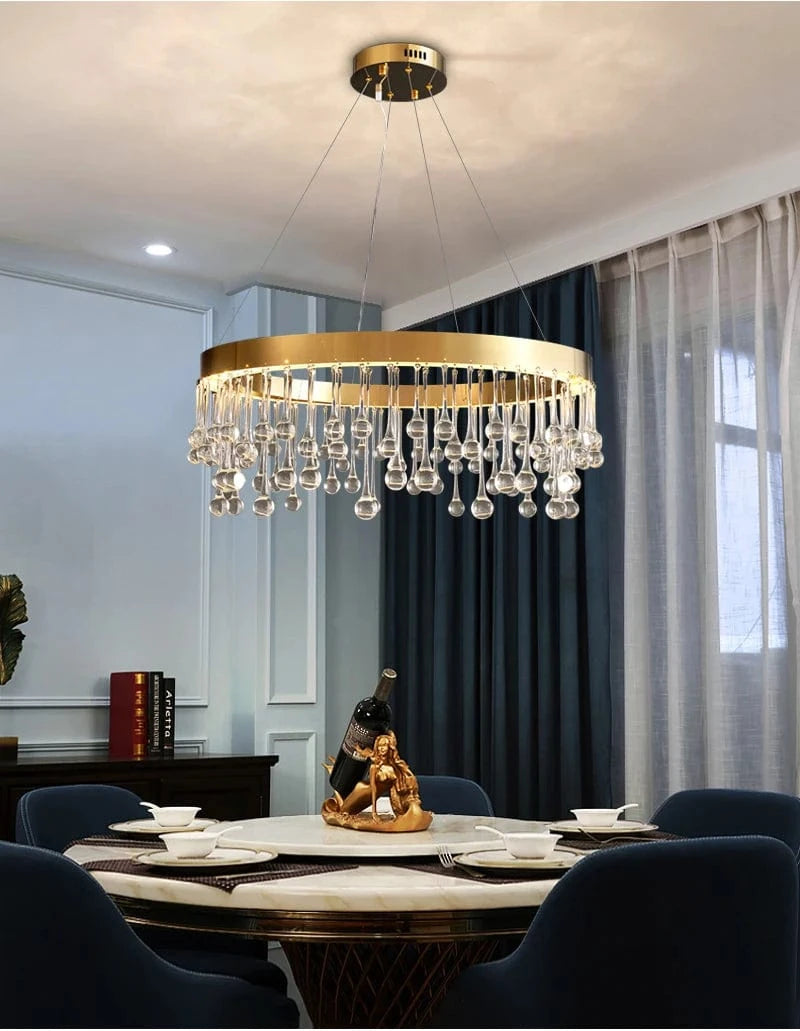
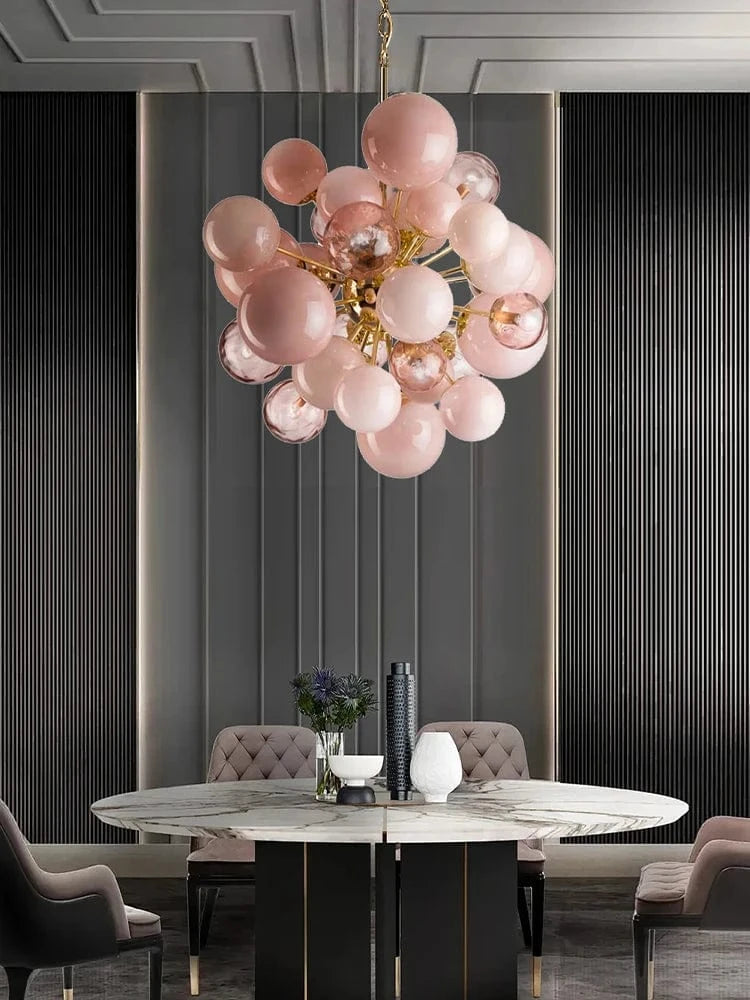
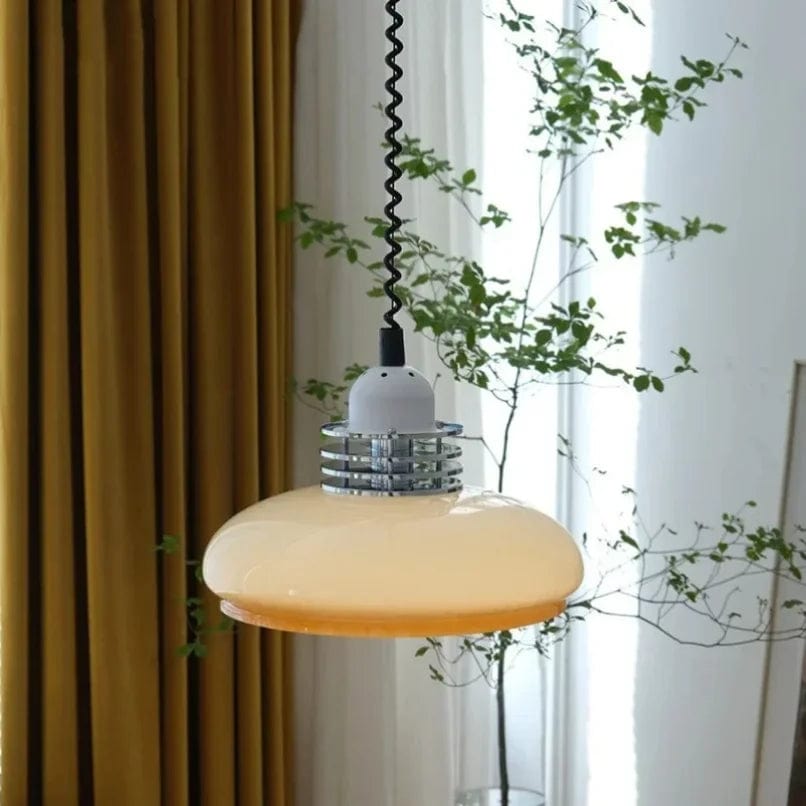
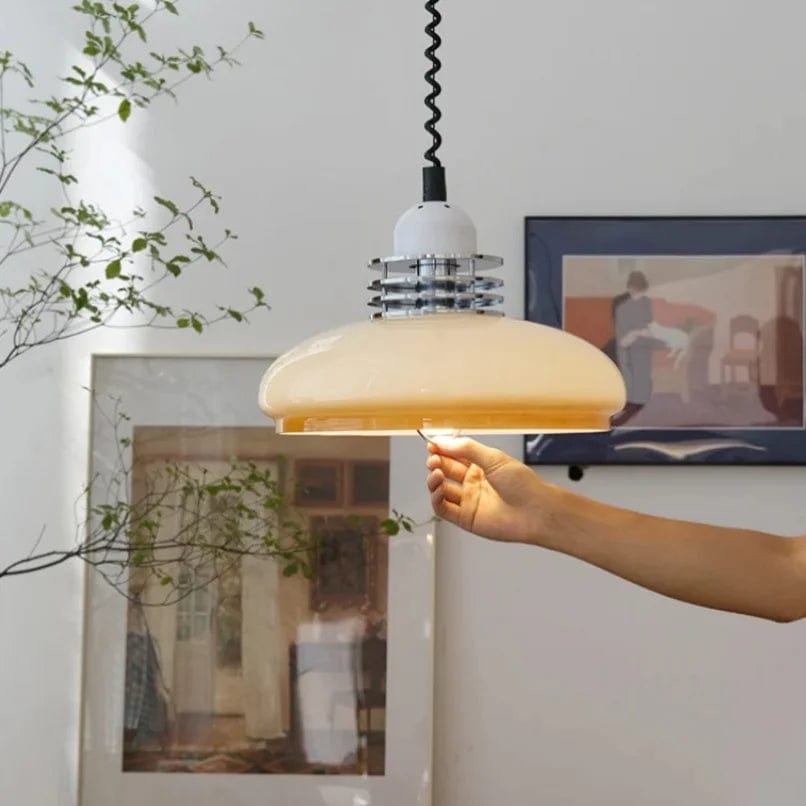
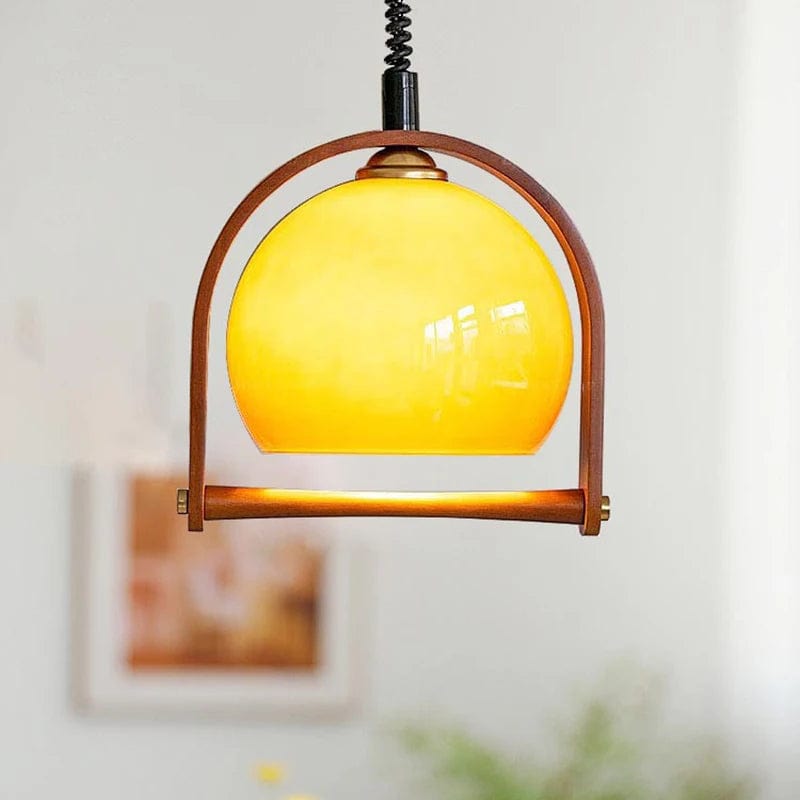
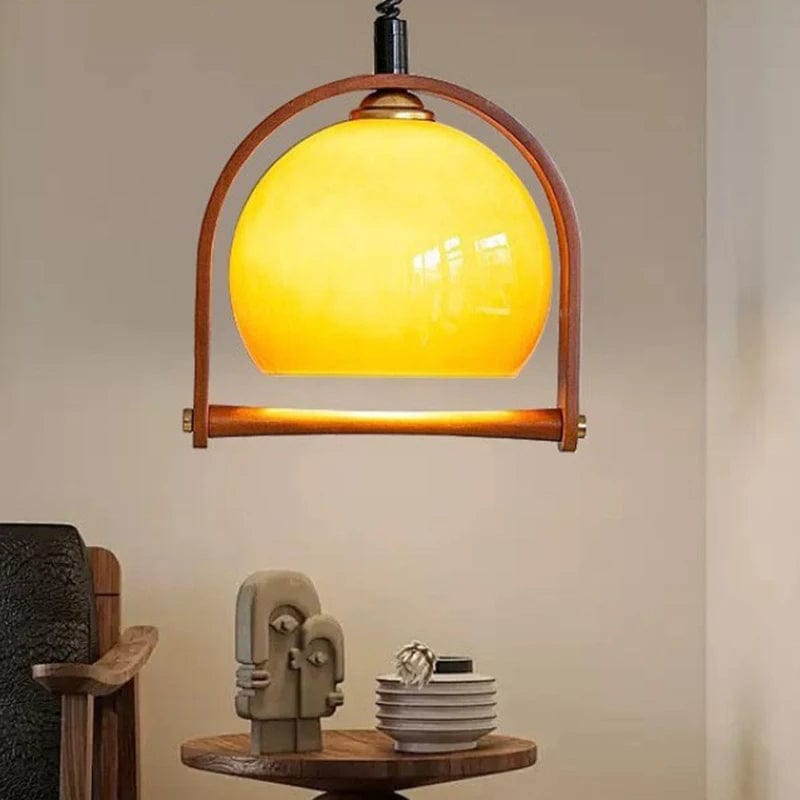
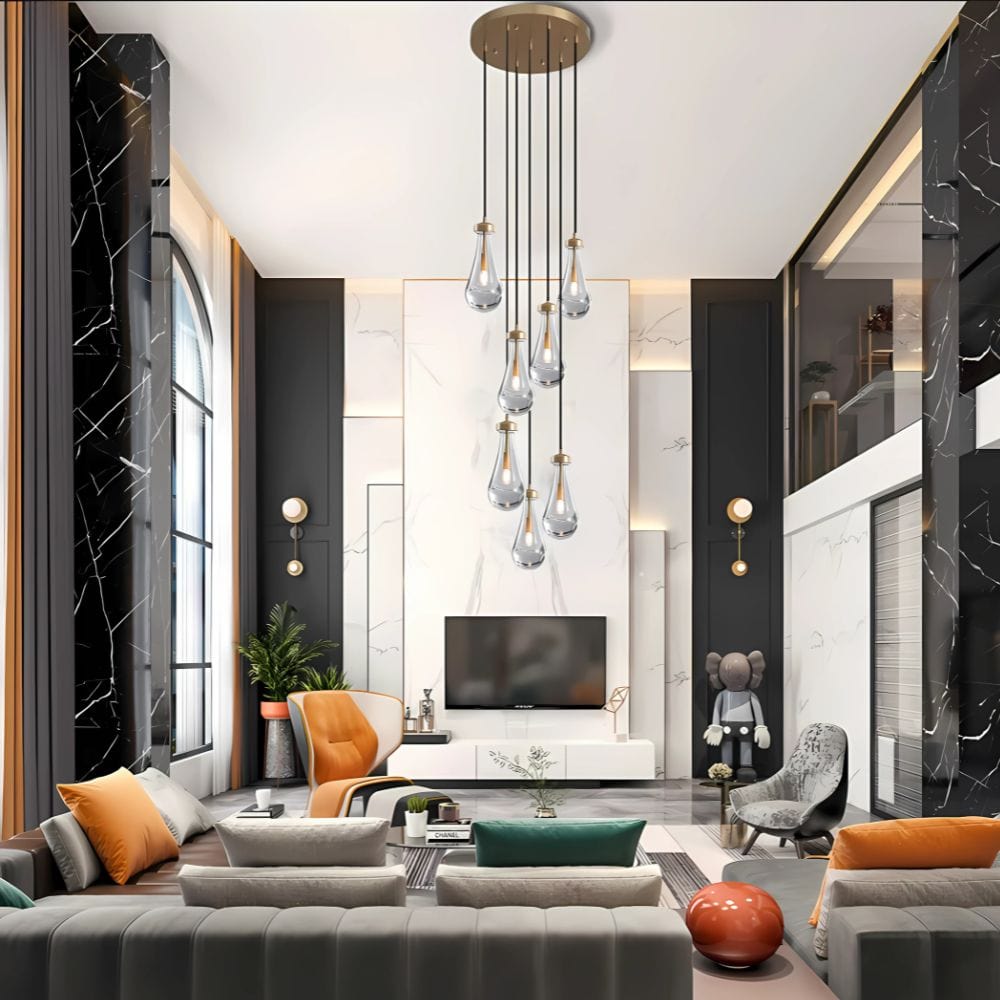
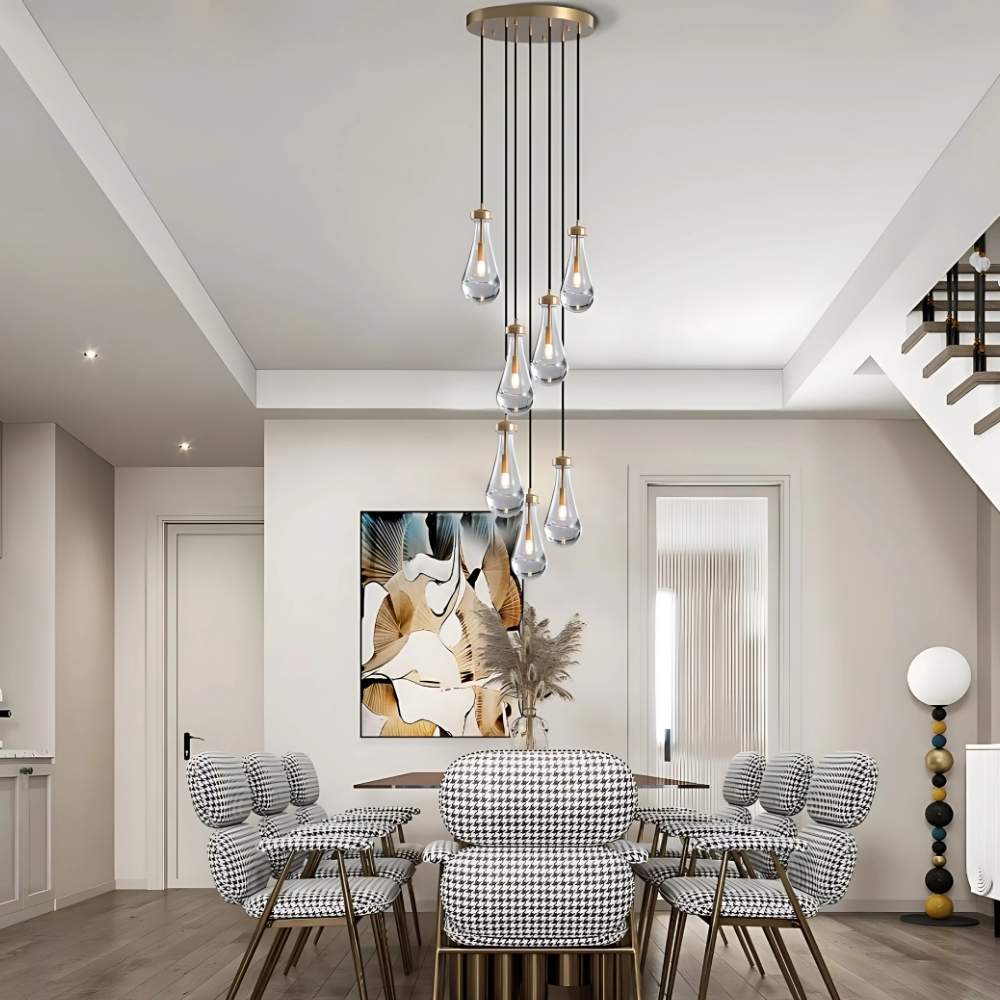
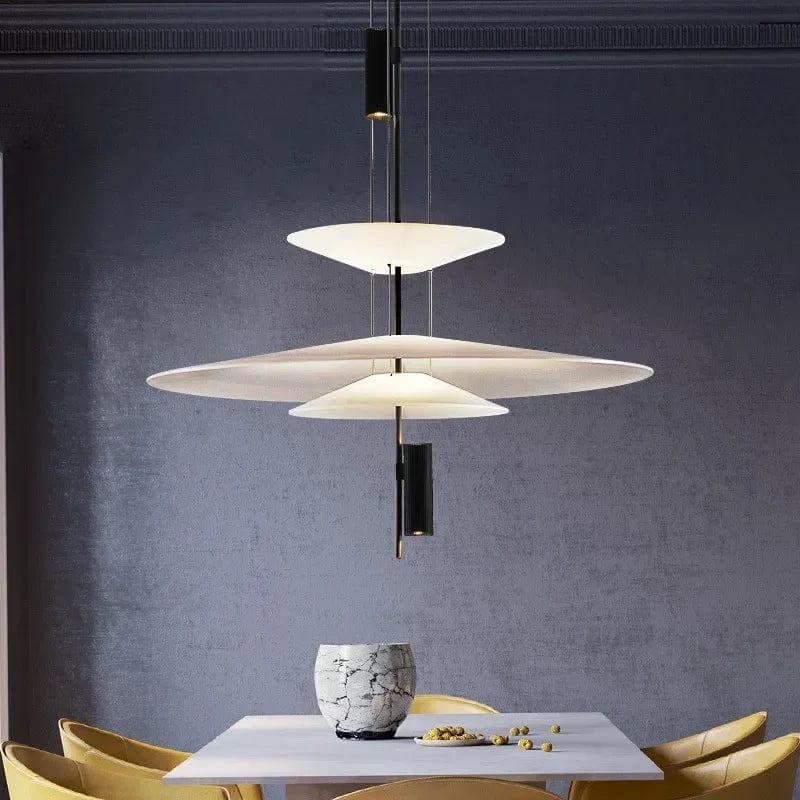
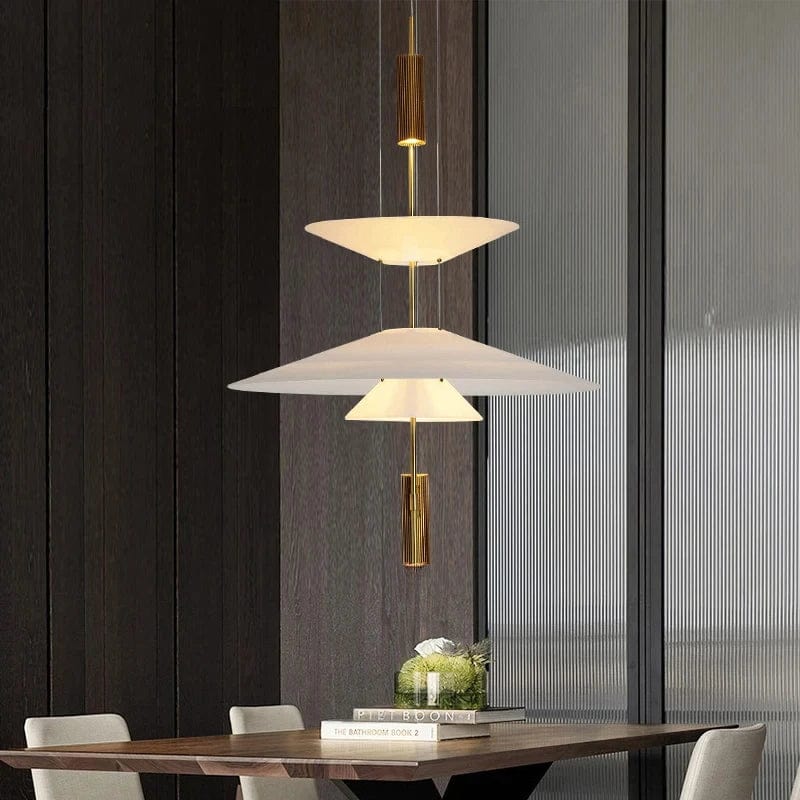
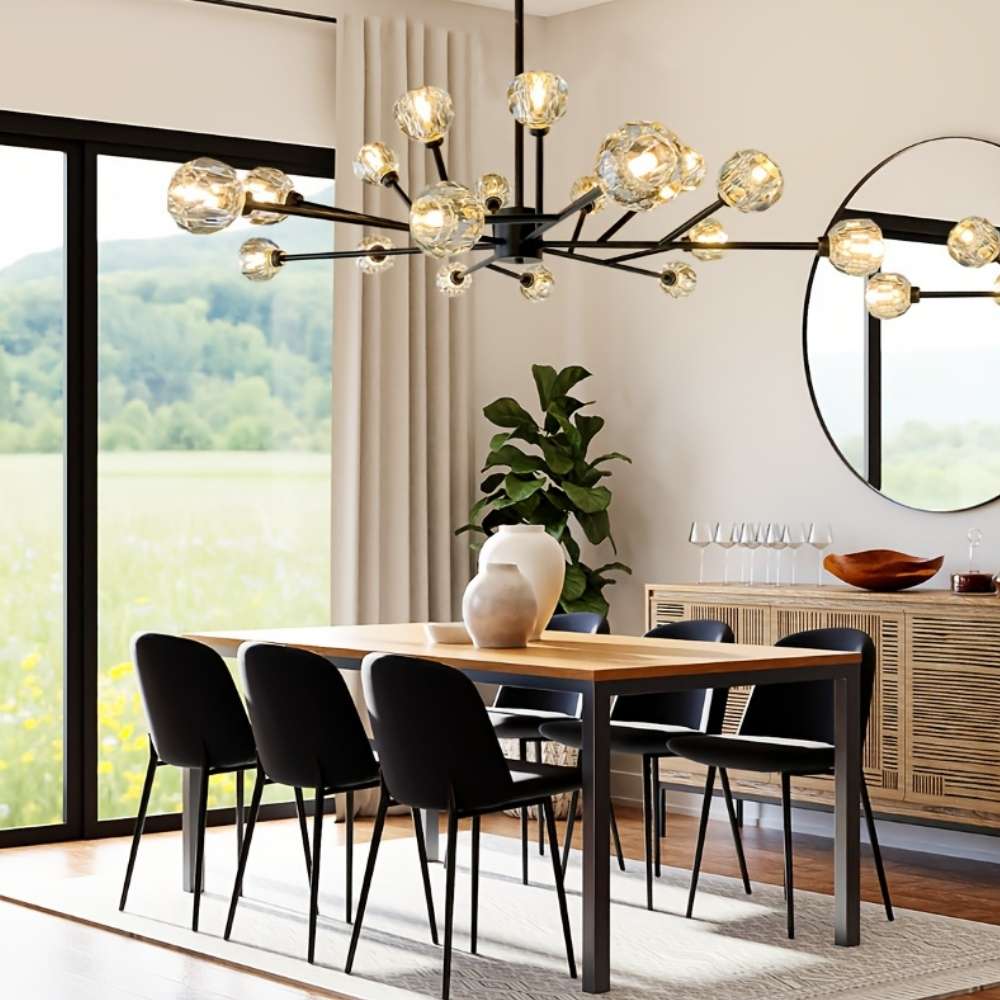
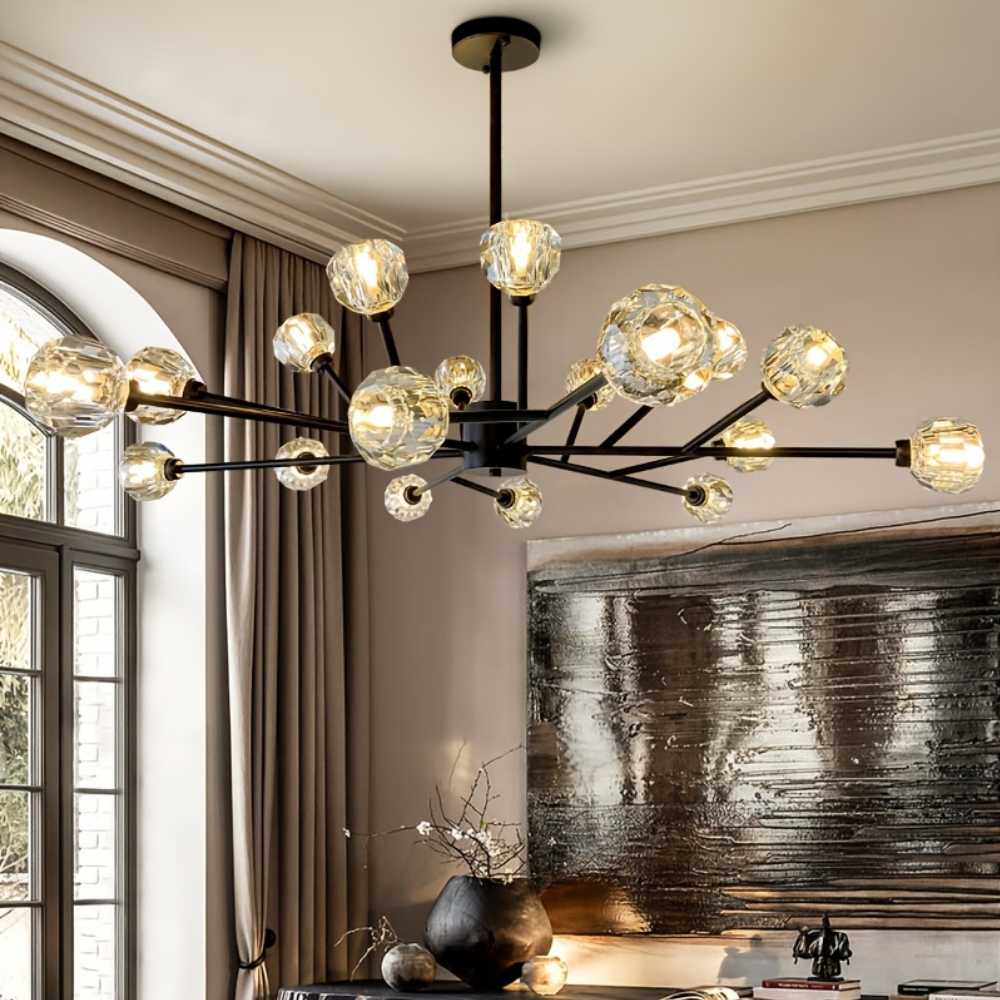
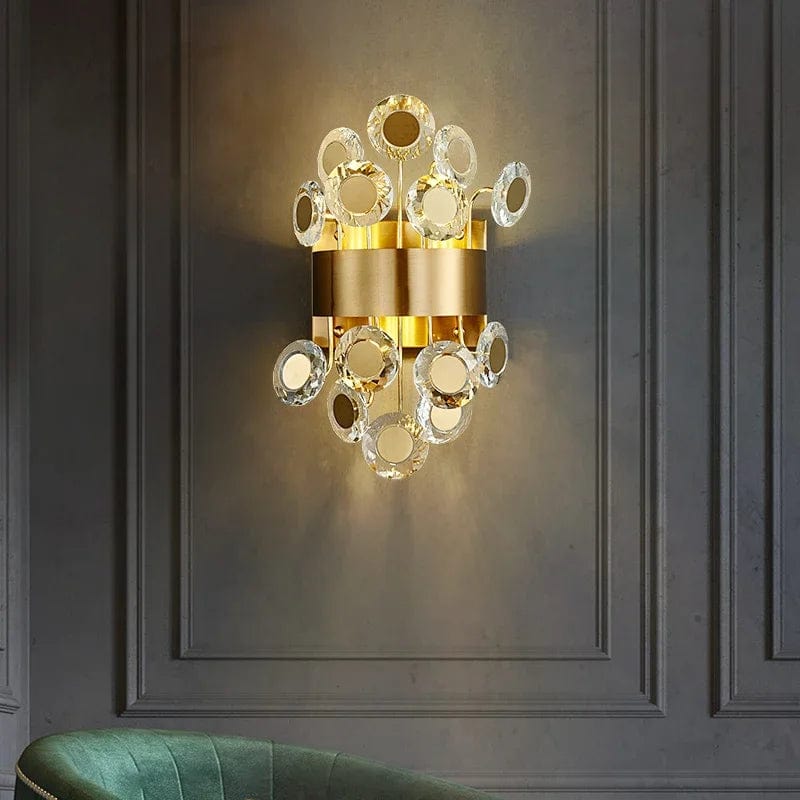
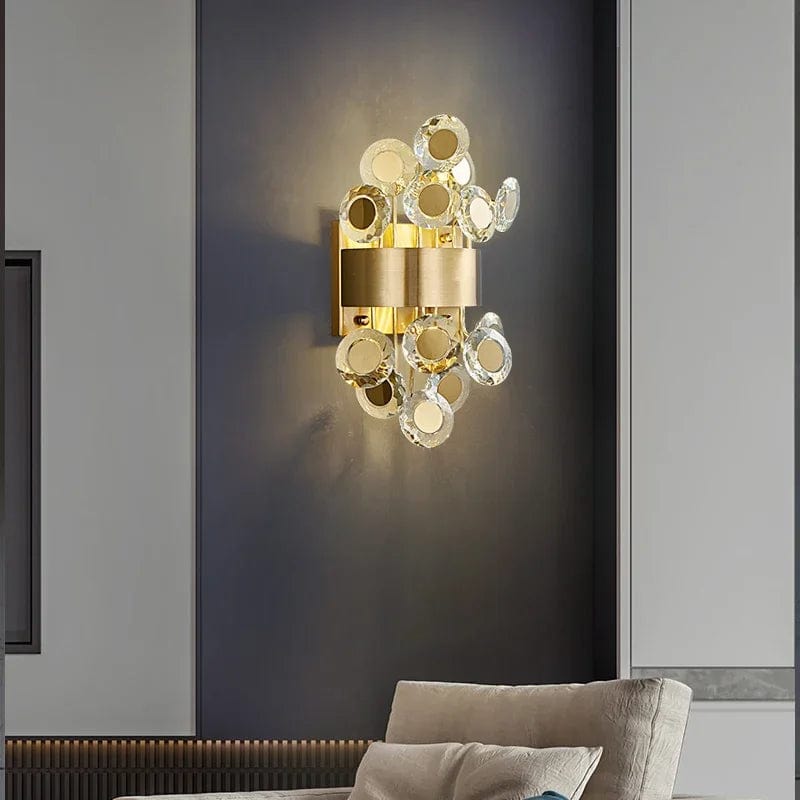
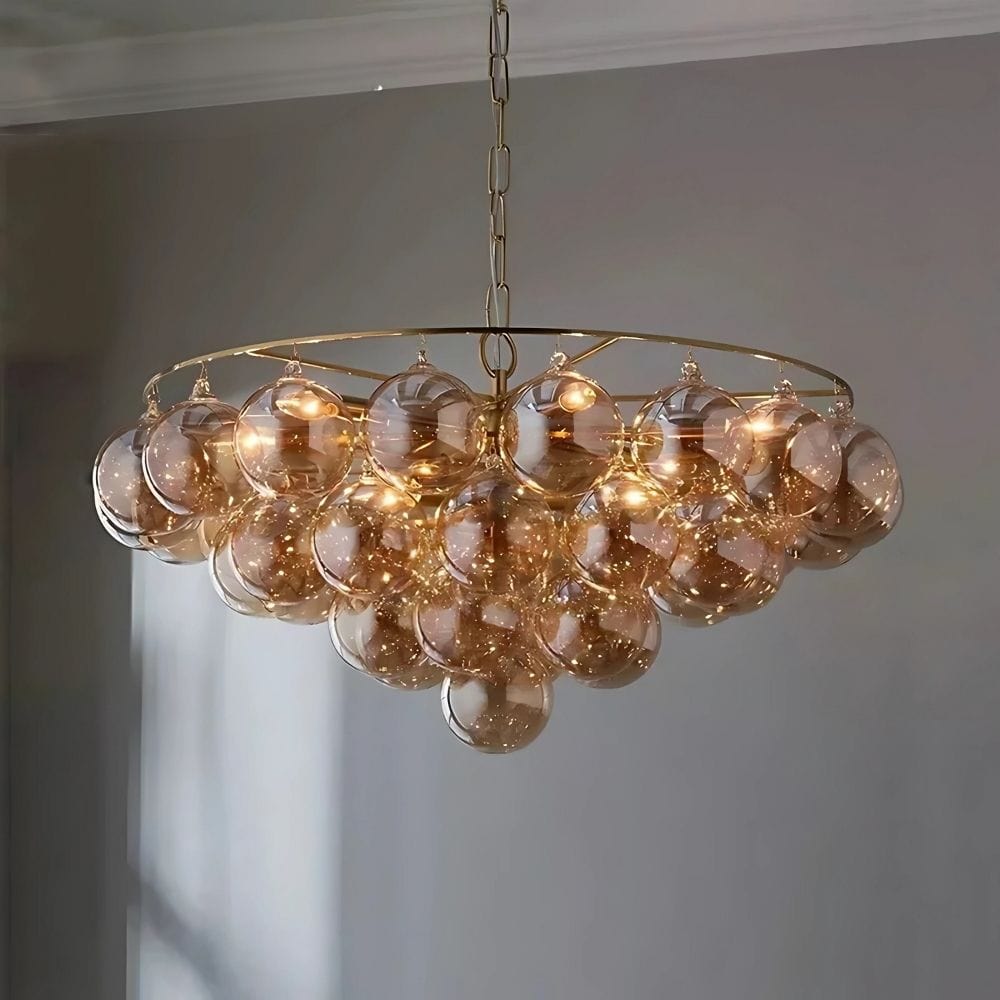
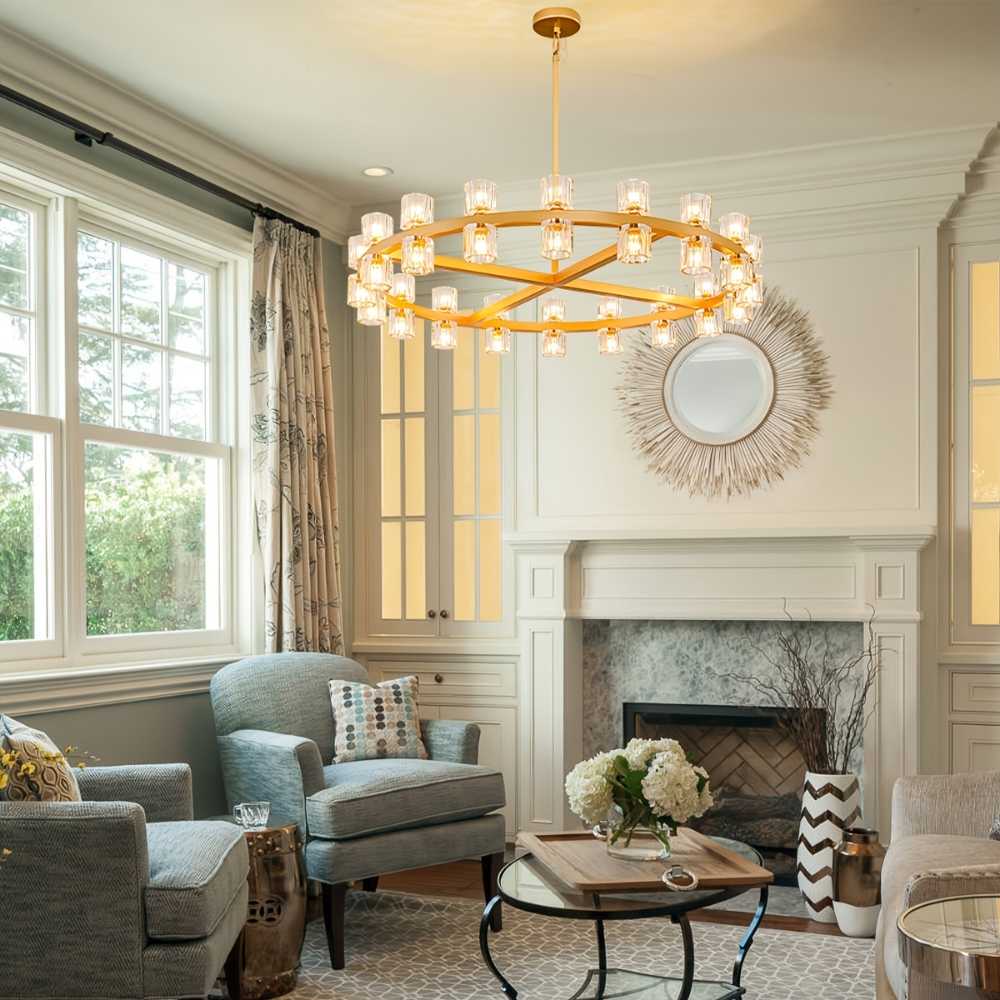
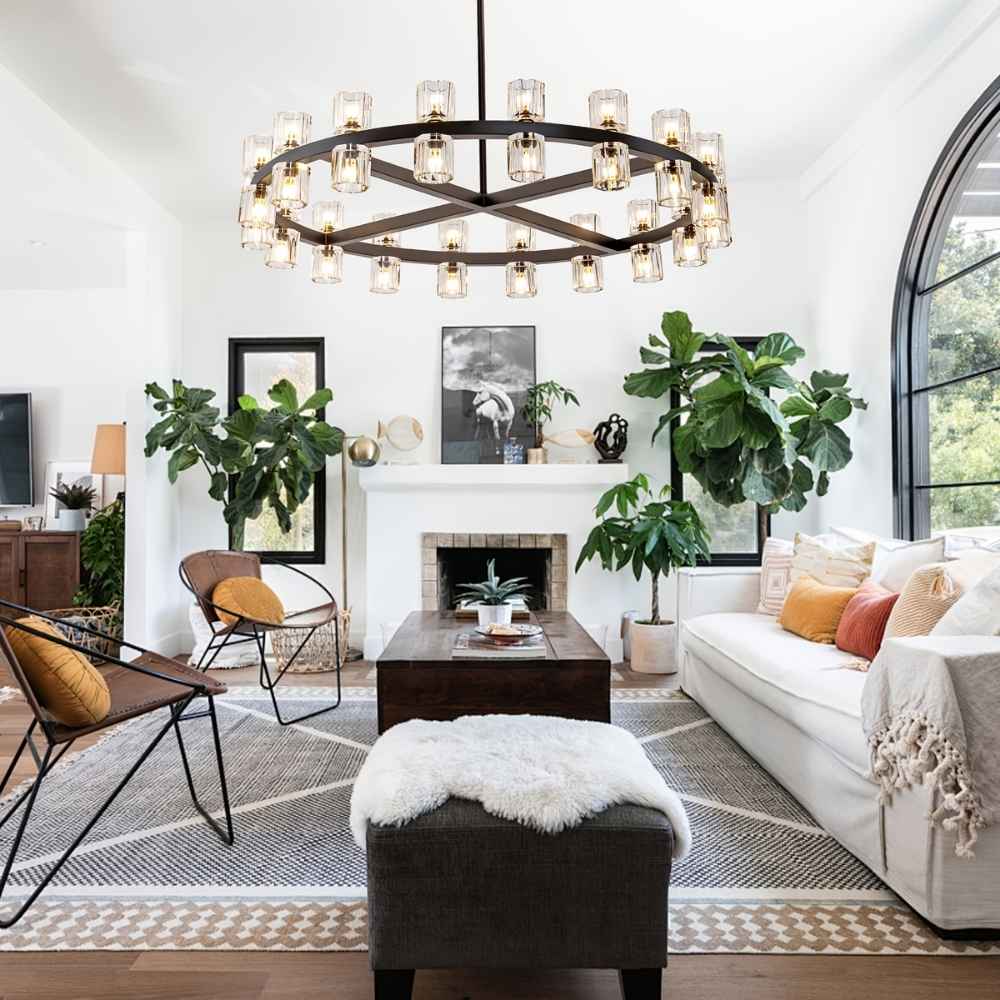
If your main focus is broader ceiling coverage, it can help to compare this page with Pendant Lights and chandelier-led options already appearing inside this collection. If your goal is more supportive side lighting, Floor Lamps and Wall Sconces are useful adjacent categories.
Quick planning notes:
- Desk zones: usually need the most controlled and practical light in the room
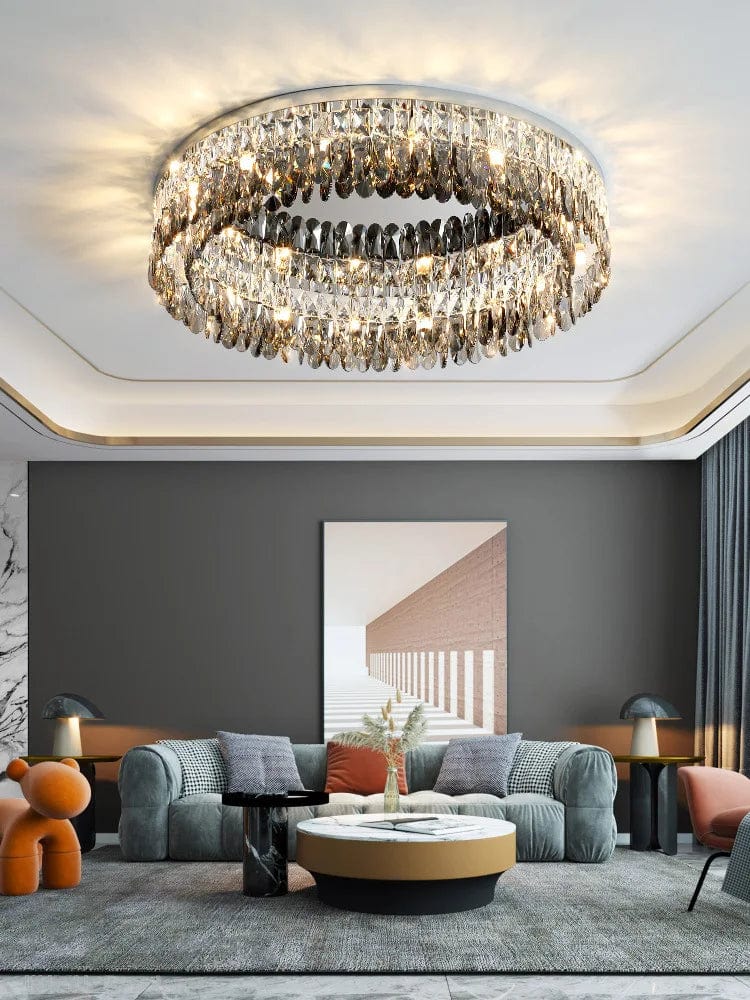
- Overhead lighting: helps the office feel evenly lit and easier to use throughout the day
- Screen-heavy rooms: balanced side lighting often feels more comfortable than one harsh ceiling source alone
- Smaller offices: cleaner fixtures with focused placement often work better than oversized statement lights
Measurement note: In office spaces, fixture placement often matters just as much as brightness. A well-placed task light can improve usability more than a stronger overhead fixture placed too far from the actual work surface. In compact offices, it also helps to choose fixtures that support the desk area without making the room feel crowded.
Choosing the Right Mix of Fixtures
Different offices need different lighting combinations. A home office used mostly for computer work may need one overhead source and one softer desk-focused layer. A larger workspace may benefit from ambient light, a floor lamp for visual balance, and more targeted light for reading or planning surfaces. Creative rooms and studios may need more flexible directional light than a standard office. The best mix depends on how long the room is used, what tasks happen there, and how much glare control matters.
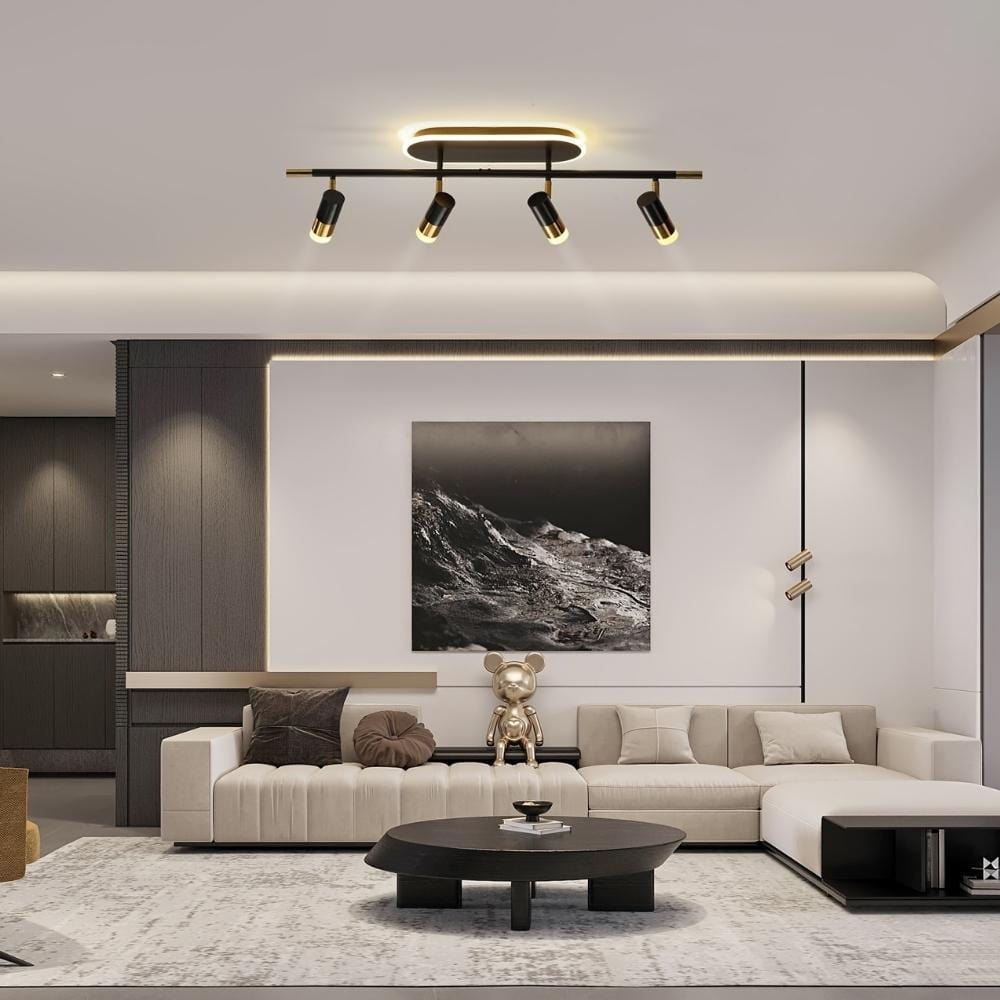
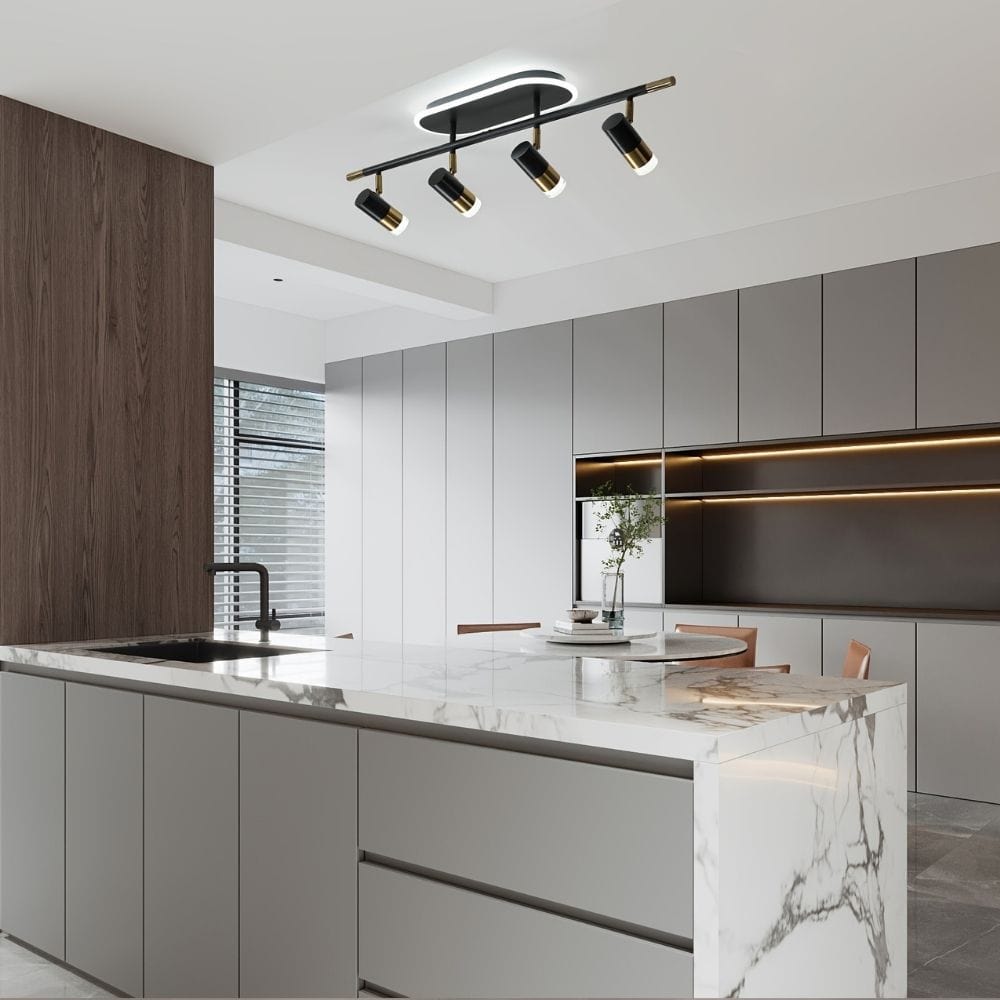
This is why the page should not read like a desk-lamp-only or chandelier-only category. Office lighting is broader than that. Track lights, pendants, floor lamps, sconces, and overhead fixtures all solve different workspace problems depending on the room layout and work style.
Quick comparison:
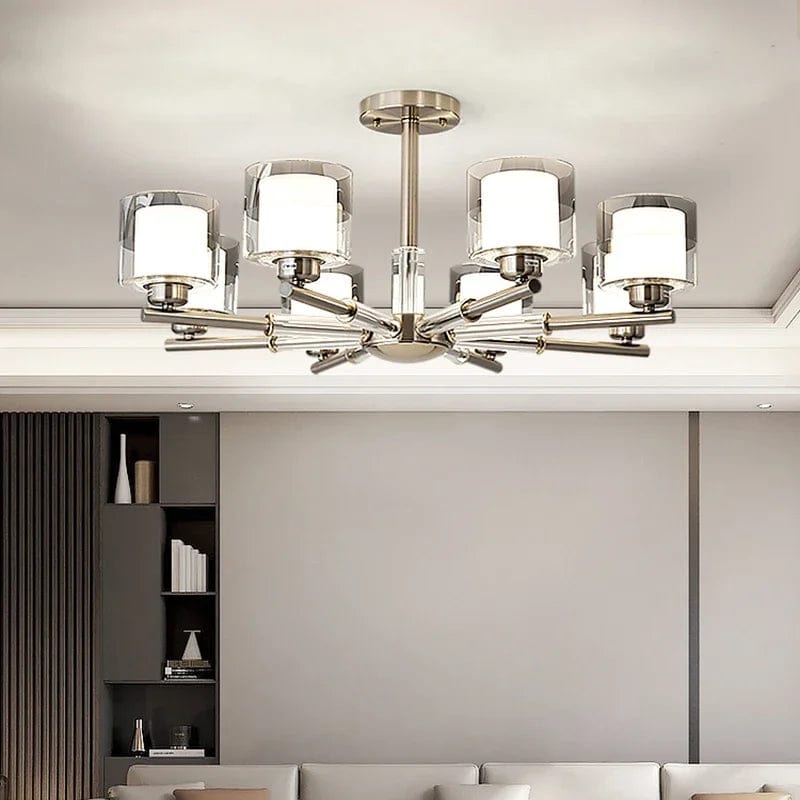
- Overhead fixtures - best for overall room brightness and ambient coverage
- Task lights - best for desk work, reading, and focused surface visibility
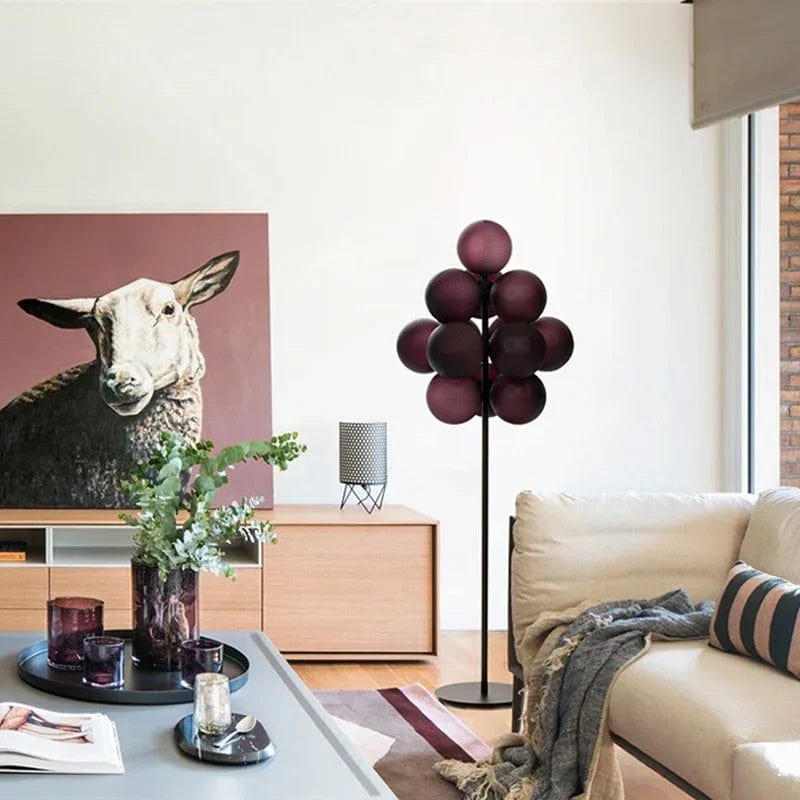
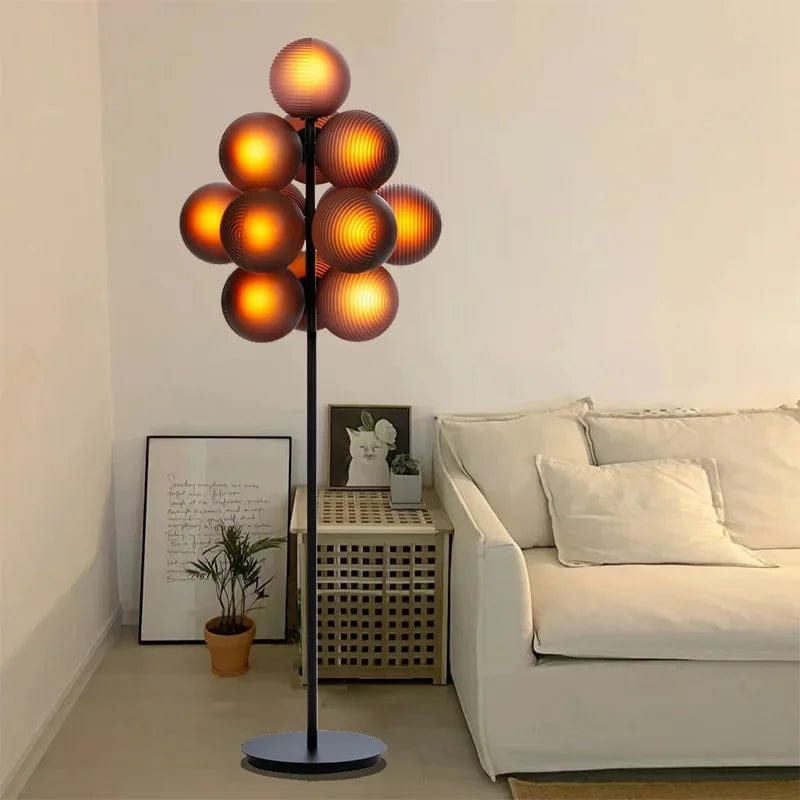
- Floor lamps - useful for softer support and room balance
- Wall lights or sconces - helpful for secondary lighting and reducing the feeling of all light coming from above
Office Lighting vs. Decorative Ceiling Fixtures
These categories overlap, but they do not serve the same intent. Decorative ceiling fixtures can help define the room visually, but office lighting as a category is broader and should support the full workspace, not only the ceiling. If the goal is to improve how the office functions throughout the day, this collection is the better starting point because it supports both productivity and comfort.
Small reminder: The best office lighting plan is not simply the brightest one. It is the combination of ambient light, task support, fixture placement, and visual comfort that makes the workspace easier to use every day.