

The best way to clean pendant lights is to turn off power first, let the fixture cool, remove dry dust with a microfiber cloth, then clean the shade or body based on material — glass, crystal, painted metal, and LED pendants each need a slightly different approach. This complete guide covers how to clean pendant lights step-by-step, cleaning frequency by room, DIY cleaning solution recipes, and pendant light maintenance schedules for 2026.
If you are trying to keep your pendant lights bright, clear, and looking sharp over time, regular cleaning matters more than deep cleaning once or twice a year. Pendant fixtures often sit in areas where grease, cooking residue, humidity, dust, and fingerprints build up slowly. The fixture may still turn on, but the finish can start to look dull, cloudy, or uneven long before you notice how much light quality has changed.
This guide is built around the most useful user question: how to clean pendant lights safely and correctly. It also covers how often to clean pendant lights, how care changes by material, how to handle high or hard-to-reach pendants, and what maintenance habits help pendant fixtures stay in service longer.
On This Page
- Why Proper Pendant Light Cleaning Matters
- How Often to Clean Pendant Lights
- Tools You Need for Pendant Cleaning
- Step-by-Step Cleaning Process
- Cleaning by Pendant Material
- DIY Cleaning Solution Recipes
- Cleaning Pendant Lights by Room
- Cleaning Pendants Without Removing Them
- High & Hard-to-Reach Pendants
- Maintenance Beyond Cleaning
- Mistakes to Avoid
- When to Call a Professional
- Frequently Asked Questions
Why Proper Pendant Light Cleaning Matters
Pendant lights are small compared with chandeliers, but they are often installed at eye level or just above it. That means smudges, water spots, dust rings, and cloudy glass become noticeable fast. A fixture that is only lightly neglected can make a kitchen island, dining area, or entryway look older than it really is.
Cleaning is not only about appearance. It also helps you notice early warning signs like loose hardware, worn cords, damaged shades, bulb discoloration, heat buildup, and residue collecting near sockets or integrated LED vents. Those details are much easier to catch while cleaning than after the fixture starts flickering or underperforming. For broader chandelier care methodology that applies to pendant fixtures, see our chandelier care guide.
How Often Should You Clean Pendant Lights?
Not every pendant needs the same schedule. A glass pendant over a kitchen island will usually collect residue faster than a fabric-free pendant in a bedroom or hallway. The right frequency depends on grease exposure, humidity, ceiling height, and how visible the fixture is in daily use.
| Location or Use Case | Light Dusting | Deeper Cleaning | Main Reason |
|---|---|---|---|
| Kitchen island pendant | Weekly or every 2 weeks | Monthly | Grease, steam, fingerprints, and food residue build up faster |
| Dining room pendant | Every 2 to 4 weeks | Every 2 to 3 months | Lower grease exposure, but still highly visible |
| Bedroom or bedside pendant | Monthly | Every 3 to 4 months | Mostly dust, lint, and surface film rather than heavy residue |
| Entryway pendant | Monthly | Every 2 to 3 months | Dust and outdoor particles often collect near entrances |
| Bathroom pendant | Every 2 weeks | Monthly | Humidity and aerosol residue need regular attention |
| High ceiling pendant | As needed with a duster | Every 3 to 6 months | Access is harder, so regular light dusting helps prevent heavy buildup |
Tools You Need for Pendant Light Cleaning
Using the right tools makes pendant cleaning faster, safer, and less likely to damage the finish. Many homeowners try to clean pendants with whatever cleaning supplies they already have on hand, but pendant fixtures need a specific tool set that protects the material while removing residue effectively.
| Tool | Purpose | Why It Matters |
|---|---|---|
| Microfiber cloths (2-3 pieces) | Primary cleaning surface | Won't scratch finish; one dry, one damp, one for drying |
| Extendable duster | High-pendant dust removal | Reaches 9+ ft fixtures without a ladder |
| Mild dish soap | Gentle cleaner base | Safe for glass, crystal, painted finishes |
| Distilled water | Rinse and spotting prevention | No mineral residue on glass or crystal |
| Soft-bristled brush | Detailed crystal/textured work | Reaches recessed areas without scratching |
| Cotton gloves | Handling crystal pieces | Prevents fingerprints during deep cleaning |
| Stable step ladder | Safe reach for medium-height pendants | Prevents falls and overreaching |
| Small spray bottle | Cleaning solution application | Spray cloth, not fixture |
How to Clean Pendant Lights Step by Step
- Turn the fixture off. If you are doing more than simple dusting, switch off power at the breaker, not just the switch. This eliminates electrical risk if any moisture reaches socket or wiring areas.
- Let bulbs and metal parts cool. Warm glass and hot bulbs should never be wiped immediately — sudden temperature change can crack glass shades or damage LED chips.
- Dust first. Use a dry microfiber cloth or a soft duster to remove surface dust. Wiping with cleaner directly creates muddy streaks if dust is still present.
- Use the right cleaner for the material. Mild soap and water usually work better than harsh all-purpose sprays. See the material section below for specifics.
- Keep moisture away from sockets and electrical parts. Apply cleaner to the cloth, not directly into the fixture. Never spray cleaner toward the socket, LED vents, or canopy.
- Dry thoroughly. This is especially important for metal finishes and clear glass where spotting is visible. Use a separate clean microfiber for drying.
- Inspect before restoring power. Check shade stability, bulb fit, canopy tightness, and visible cord condition. For installation safety reference, see our chandelier installation and electrical safety guide.
Best Cleaning Method by Pendant Material
One of the biggest mistakes homeowners make is using one cleaning method for every fixture. Material, finish, and fixture shape all change the safest approach. The table below keeps the process simple.
| Material | Best Cleaning Method | What to Avoid | Best Use Note |
|---|---|---|---|
| Crystal | Microfiber cloth with light damp cleaning, then dry each piece carefully | Over-spraying, abrasive cloths, and residue left between drops | Good for detail cleaning and sparkle recovery |
| Glass | Warm water with mild dish soap, soft cloth, and full drying to prevent marks | Harsh pads and heavy cleaner buildup | Best for clear shades and kitchen pendants |
| Metal | Dry microfiber first, then a slightly damp cloth if needed | Leaving moisture on seams or joints | Works well for lantern and industrial forms |
| Painted or black metal finishes | Soft damp cloth with very mild soap, then immediate drying | Abrasive sponges, strong polish, and harsh acidic cleaners | Helps avoid streaking and finish wear |
| Integrated LED pendants | Light dusting around the body and vents, minimal moisture | Spraying directly near vents, drivers, or electronic parts | Useful for long-life, low-maintenance daily fixtures |
| Brass & copper finishes | Soft cloth with mild soap only; check for lacquer coating first | Polish on lacquered brass; ammonia on raw brass | Lacquered brass wipes clean; raw brass develops patina |
| Rattan & natural fiber | Dry duster only; vacuum with soft brush attachment if needed | Any water exposure — moisture damages natural fibers | Dry methods only protect fiber integrity |
How to Clean Crystal Pendant Lights
Crystal pendants need a gentler, more detailed approach than plain glass or painted metal. Dust tends to collect around connection points and the undersides of crystal elements, so a quick wipe is rarely enough if the fixture has been neglected. Start by removing dust with a dry microfiber cloth, then use a lightly damp cloth if deeper cleaning is needed.
The goal is to clean each visible surface without leaving streaks or cloudy residue behind. If the fixture has many crystal pieces, work section by section and dry as you go. If you are comparing styles that require this kind of care, our crystal pendant lights make it easier to see how crystal structure changes the cleaning workload before you buy.

How to Clean Glass Pendant Lights
Glass pendants usually look simple to maintain, but they show fingerprints, dust rings, and water spots very quickly. Warm water with a small amount of dish soap is often enough for routine cleaning. Use a soft cloth, clean both the inside and outside of the shade, and dry it completely so marks do not remain visible when the light turns back on.
Kitchen fixtures usually need more frequent cleaning because airborne grease and moisture cling to glass. If you are browsing shapes that commonly need this style of upkeep, take a look at our glass pendant lights for a clearer sense of how shade shape affects cleaning effort.

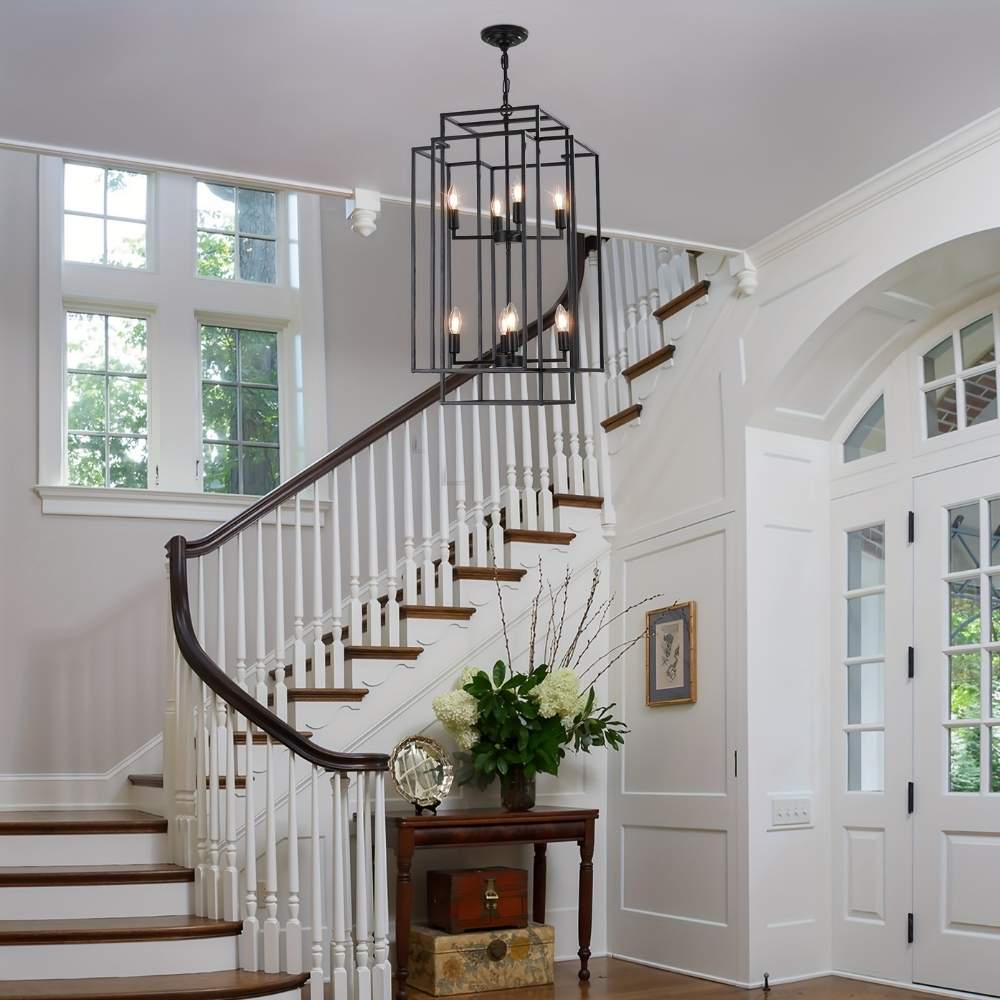
How to Clean Metal and Black Pendant Lights
Metal pendant lights are often easier to maintain than glass or crystal, but they still need the right method. Start with a dry microfiber cloth to remove dust and surface debris. For fingerprints or cooking film, use a slightly damp cloth with mild soap and then dry the fixture right away. This helps reduce spotting, especially around corners and decorative joints.
Painted black finishes and matte finishes need extra care because overly strong cleaners can leave streaks or wear down the surface. If your style leans minimal or architectural, our modern pendant lights show the kinds of metal finishes that benefit from simple, low-abrasion care.
How to Care for LED Pendant Lights
LED-compatible and integrated LED pendants are often easier to live with over time because they support lower energy use and longer light-source life, but that does not mean they are maintenance-free. Dust can still collect on the fixture body, canopy, and surrounding surfaces, and some designs include ventilation points or compact electronic components that should stay clear.
The safest approach is light dusting, minimal moisture, and careful inspection rather than aggressive cleaning. If you are comparing decorative styles that still keep upkeep practical, use our guide to choosing the right pendant light to narrow fixtures that balance appearance and long-term usability.

DIY Pendant Light Cleaning Solution Recipes
Store-bought all-purpose cleaners often contain ingredients that can damage pendant finishes over time. DIY solutions made from household ingredients give you more control over what touches your fixture, and most are gentler than commercial sprays.
Recipe 1: All-Purpose Pendant Cleaner (Safe for Most Materials)
- 1 cup distilled water
- 2-3 drops mild dish soap
- Spray bottle (mix gently to avoid foam)
Recipe 2: Kitchen Pendant Degreaser (Glass)
- 1 cup warm distilled water
- 1 teaspoon mild dish soap
- 1 tablespoon white vinegar
Recipe 3: Crystal Sparkle Recovery
- 3 parts distilled water
- 1 part isopropyl alcohol (70%)
- Optional: 1-2 drops dish soap
Recipe 4: Painted Black Metal Cleaner
- 1 cup distilled water
- 1 drop mild dish soap (minimal)
- Soft microfiber cloth only
Cleaning Pendant Lights by Room
Different rooms create different cleaning challenges. Pendant lights in kitchens face grease and steam, while bedroom pendants mainly collect dust. Adapt your cleaning approach to room conditions for best long-term results.
Kitchen Pendant Light Cleaning
Kitchen pendants face the toughest cleaning conditions in any home — airborne grease, cooking steam, food splatter, and humidity all settle on glass shades and metal finishes. Even pendants placed over an island several feet from the cooking surface accumulate residue faster than pendants in any other room.
For kitchen pendants, expect to dust weekly and deep-clean monthly. Use the kitchen pendant degreaser recipe above for glass shades with visible grease buildup. Pay special attention to the inside of the shade, where residue accumulates and reduces light output significantly over time. For complete kitchen lighting selection guidance, see our kitchen pendant light ideas guide.
Dining Room Pendant Light Cleaning
Dining room pendants face less grease than kitchen fixtures but stay highly visible. Crystal and glass dining pendants show fingerprints, water spots, and dust rings immediately. Dust every 2-4 weeks; deep clean every 2-3 months.
Pay attention to the underside of dining pendants — this is the surface visible to seated diners and the area most likely to look dirty if neglected. For dining table lighting selection, browse our over dining table lighting ideas guide.
Bedroom & Bedside Pendant Cleaning
Bedroom pendants mainly collect dust, lint, and surface film rather than grease. Monthly dusting and quarterly deep cleaning usually suffices. Pendant lights mounted near windows or vents accumulate dust faster — adjust frequency based on location within the room.
Pendant fabric shades (less common but used in bedrooms) need different treatment — vacuum with a soft brush attachment rather than wet cleaning. For bedroom lighting selection, see our modern bedroom lighting guide.
Entryway Pendant Cleaning
Entryway pendants collect outdoor particles tracked in through doors — pollen in spring, dust in summer, salt in winter. Monthly dusting and 2-3 month deep cleaning works for most entryways. Increase frequency if you have heavy foot traffic or open-door ventilation.
Bathroom Pendant Cleaning
Bathroom pendants face humidity and aerosol residue from sprays, perfumes, and hair products. Even if visible cleaning needs seem low, residue accumulates faster than in dry rooms. Dust every 2 weeks and deep clean monthly. Verify any pendant in a bathroom is damp-rated or wet-rated for the specific location before installation.
How to Clean Pendant Lights Without Removing Them
Most pendant fixtures don't need to be removed for routine cleaning. In-place cleaning is faster, safer than handling glass shades down from a ladder, and prevents reinstallation errors. The exceptions are heavily soiled fixtures, complex crystal pendants with many removable pieces, and pendants with shades that fasten loosely (where in-place wiping might dislodge them).
For in-place cleaning, work top to bottom so any drips or particles fall away from already-cleaned surfaces. Keep a second microfiber cloth dry in your pocket for immediate drying after each section. Use a small flashlight to inspect for missed dust before declaring the cleaning complete.
Cleaning High & Hard-to-Reach Pendant Lights
High pendant lights should be approached carefully. For light dusting, an extendable duster can help prevent buildup between deeper cleanings. For full cleaning, use a stable ladder only when the fixture is reachable without overextending. If the pendant hangs in a stairwell, vaulted kitchen, or tall entry, professional cleaning may be the safer option.
This is also where fixture size and hanging height matter. Pendants that are easier to reach are easier to maintain consistently. If you are still comparing proportions before purchase, our pendant light sizing guide can help you balance scale, placement, and long-term upkeep. For high-ceiling cleaning approaches that apply across pendant and chandelier formats, see our high ceiling lighting ideas guide.
Pendant Maintenance Beyond Cleaning
Good pendant care is not only about wiping the shade. Every few months, check the canopy, hanging rod or cord, bulb fit, and visible hardware. If the fixture flickers after a bulb change, if you notice heat damage around the socket, or if any part starts to loosen, it is better to stop using the fixture until the issue is checked.
Pendant lights used over kitchen islands or work areas also benefit from periodic bulb review. A bulb that still turns on may still be the wrong brightness, color temperature, or compatibility type for the fixture. For optimal color temperature selection, see our psychology of light guide. That matters for both appearance and daily use.
| Care Task | How Often | What to Check |
|---|---|---|
| Light dusting | Weekly to monthly | Shade, canopy, exposed metal, and bulb surface dust |
| Deeper cleaning | Monthly to quarterly | Material-specific residue, fingerprints, grease film, and water spotting |
| Basic inspection | Every 3 months | Connections, cords, hanging hardware, and bulb condition |
| Bulb review | Every 6 months | Brightness consistency, color temperature, flicker patterns |
| Full annual review | Once a year | Finish wear, structural looseness, repeated flicker, or electrical warning signs |
Mistakes to Avoid When Cleaning Pendant Lights
- Cleaning with the power still on. Even small moisture can create short-circuit risk near live sockets.
- Spraying cleaner directly into sockets or near electrical parts. Always spray cloth, not fixture.
- Using abrasive pads on painted or black metal finishes. Scratches expose raw metal underneath.
- Leaving crystal or glass damp enough to dry with spots. Distilled water + immediate drying prevents spotting.
- Ignoring canopy looseness, cord wear, or repeated flickering. These indicate electrical or structural issues.
- Treating kitchen pendants and low-use pendants as if they collect dirt at the same rate. Adjust frequency to room.
- Using tap water on glass and crystal. Mineral content causes spotting; use distilled water.
- Cleaning hot bulbs. Temperature shock can crack glass and damage LED chips.
- Wet-cleaning rattan or natural fiber pendants. Moisture warps and damages natural fibers permanently.
- Using ammonia-based glass cleaner on tinted, smoked, or coated glass. Damages finish over time.
When to Call a Professional for Pendant Cleaning
Most pendant cleaning is a homeowner task — straightforward, repeatable, and safe with the right tools. But some situations call for professional intervention: very high pendant installations, intricate crystal compositions, fixtures with electrical warning signs, and large fixtures that need disassembly for proper cleaning.
Professional pendant cleaning costs vary based on fixture complexity, access difficulty, and crystal piece count. For broader installation and service cost reference, see our real cost of installing a chandelier guide.
When to Replace Instead of Clean
Cleaning has limits. Some pendant problems can't be solved with cleaning alone — they signal that replacement (or repair) is the right path forward. Replacement is appropriate when: the finish has worn through to bare metal in multiple places, glass has permanent cloudy haze from chemical damage, the fixture has structural cracks, repeated flickering continues after bulb replacement and electrical inspection, or the LED-integrated unit has dimmed permanently below acceptable output.
If you're considering replacement, browse our complete pendant lights collection or read our complete pendant light buyer's guide for selection methodology.
Frequently Asked Questions About Pendant Light Cleaning
How do you clean pendant lights safely?
Turn off power at the switch and breaker, let the fixture and bulbs cool completely, dust with a soft microfiber cloth, then clean the shade or body with a material-appropriate method — warm water with mild dish soap for glass, slightly damp microfiber for crystal, dry-then-damp for metal, light dusting only for LED-integrated pendants. Dry fully before turning the light back on.
How often should pendant lights be cleaned?
Kitchen pendant lights need light dusting weekly or every 2 weeks and deeper cleaning monthly due to grease buildup. Dining room pendants need every 2-4 weeks dusting and 2-3 month deep cleaning. Bedroom, entryway, and bathroom pendants typically need monthly dusting and quarterly deep cleaning. Adjust frequency based on room conditions.
What is the best way to clean glass pendant lights?
Use warm water with a small amount of mild dish soap, wipe gently with a soft microfiber cloth on both the inside and outside of the shade, then dry completely with a separate clean cloth to avoid water spots and cloudy residue. For greasy kitchen glass pendants, add 1 tablespoon white vinegar to the cleaning solution.
How do you clean a crystal pendant light?
Clean a crystal pendant light by first dusting each piece with a dry microfiber cloth, then wiping individual crystals with a slightly damp cloth using distilled water with a small amount of mild dish soap. Dry each crystal piece immediately to prevent water spots. For sparkle recovery, use a solution of 3 parts distilled water to 1 part isopropyl alcohol. Wear cotton gloves to prevent new fingerprints.
How do you clean black metal pendant lights without streaks?
Use a dry microfiber cloth first to remove dust, then a soft cloth with very light moisture and mild soap only if needed for fingerprints or cooking film. Dry immediately with a separate microfiber. Avoid abrasive sponges and strong polish on painted or matte finishes — these cause streaking and finish wear.
Can I spray cleaner directly on a pendant light?
No. It is better to spray the cloth, not the fixture. This keeps moisture away from sockets, vents, bulbs, and canopy hardware. Direct spraying creates electrical risk and can cause cleaner to pool in fixture joints where it's hard to remove.
What homemade cleaner can I use on pendant lights?
The safest homemade pendant cleaner is 1 cup distilled water with 2-3 drops of mild dish soap. For greasy kitchen glass pendants, add 1 tablespoon white vinegar. For crystal sparkle recovery, mix 3 parts distilled water with 1 part isopropyl alcohol. Avoid ammonia and undiluted vinegar on coated finishes.
How do you clean high pendant lights safely?
For high pendant lights up to 9-12 feet, use an extendable microfiber duster for routine cleaning and a stable A-frame ladder with two-person support for deeper cleaning. For pendants 15+ feet above floor level (stairwells, vaulted ceilings, two-story foyers), professional cleaning is safer. Schedule professional service every 6-12 months for inaccessible pendants.
Can I clean pendant lights without removing them?
Yes, most pendant lights can be cleaned in place without removing the shade or fixture. Turn off power, use a stable step ladder, dust with an extendable duster first, then wipe with a damp microfiber cloth. Only remove shades for deep restoration cleaning, heavily soiled fixtures, or complex crystal pendants with many removable pieces.
How do I clean kitchen pendant lights with grease buildup?
Mix 1 cup warm distilled water, 1 teaspoon mild dish soap, and 1 tablespoon white vinegar in a spray bottle. Spray onto a microfiber cloth (not the fixture), then wipe both inside and outside of the glass shade. Repeat as needed for heavy grease, drying between passes. Test on a small area first if the glass is tinted or coated.
What pendant cleaning tools do I need?
Essential tools: 2-3 microfiber cloths (dry, damp, drying), an extendable duster for high pendants, mild dish soap, distilled water, a soft-bristled brush for detailed crystal work, cotton gloves for crystal handling, and a stable step ladder. Avoid abrasive sponges and paper towels.
How do you clean rattan or natural fiber pendant lights?
Clean rattan and natural fiber pendant lights with dry methods only — soft duster or vacuum with a brush attachment. Avoid any water exposure, which warps and permanently damages natural fibers. For deep dust, work the duster gently into recessed weaving areas.
Can I use Windex or glass cleaner on pendant lights?
Use ammonia-based glass cleaners only on plain clear glass pendants with no tinted, smoked, or coated finish. Ammonia can damage tinted glass, smoked glass, lacquered brass, and many painted finishes over time. For mixed-material pendants or coated glass, use mild dish soap and distilled water instead.
When should I call a professional pendant cleaner?
Call a professional pendant cleaner if the pendant flickers after bulb change, smells hot, shows damaged wiring, hangs too high to clean safely (12+ feet), has 30+ removable crystal pieces, uses delicate materials, or has loose mounting hardware. Professional pendant cleaning typically costs $75-300 depending on complexity and access.
How long does it take to clean a pendant light?
Light dusting takes 2-5 minutes per pendant. Deep cleaning of a single glass or metal pendant takes 10-20 minutes. Crystal pendants with multiple pieces take 30-60 minutes for full restoration cleaning. High pendant cleaning takes longer due to ladder setup and access challenges.
Keeping Pendant Lights Looking Their Best
The best pendant care routine is simple: clean lightly and often, clean more deeply by material, and treat maintenance as more than just wiping the shade. When pendant lights are cared for on schedule, they stay brighter, safer, and more visually polished for much longer. Knowing how to clean pendant lights correctly — with the right tools, the right cleaning solution, and the right frequency for each room — extends fixture life dramatically and protects your investment.
If you want more planning ideas before choosing new pendant fixtures, our article on kitchen pendant light ideas is a helpful next step for matching upkeep, style, and room use more carefully. Browse the complete pendant lights collection for the full range of designer pendant formats matched to common US residential applications.


