





Why Bedroom Light Has Different Rules
Every other room's lighting performs; the bedroom's must also retreat. The room's whole day is a dimming curve — morning clarity for dressing, evening softness for reading, and a final register low enough to signal the body that the day is over — and fixtures are chosen for how gracefully they travel that curve. In practice three qualities decide everything here: diffusion (frosted, shaded, or indirect output, never bare brightness at pillow sightline), dimming depth (a fixture that only dims to half is half a bedroom fixture), and warmth (2700-3000K, the band that reads as candle rather than office). Hold every candidate to those three and the style question becomes the easy part.
The Statement Option: One Fixture Over the Bed
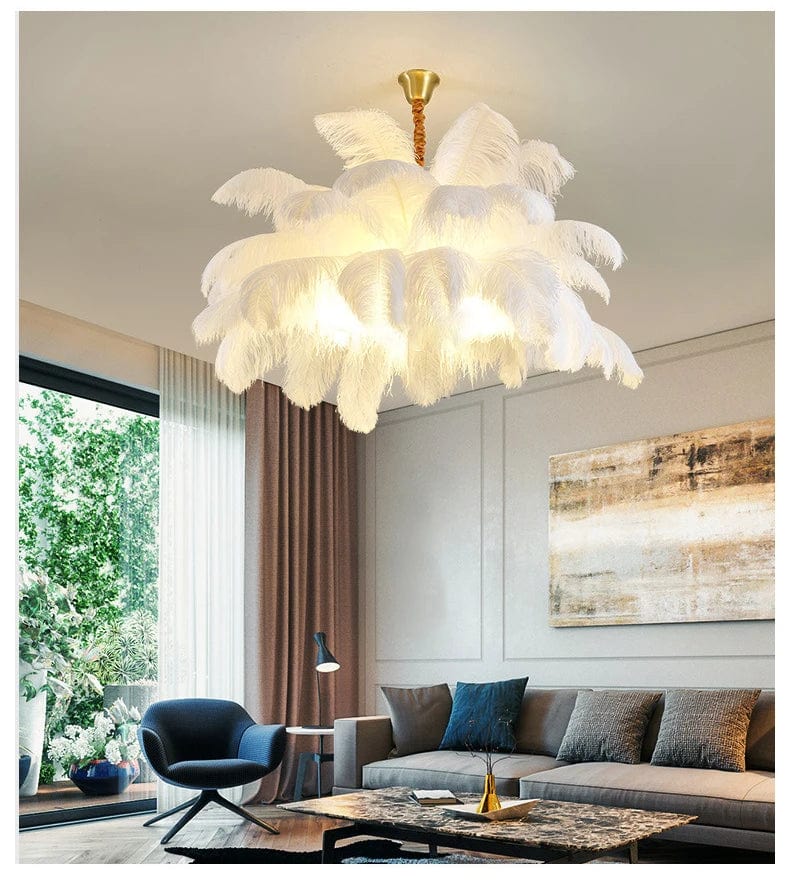
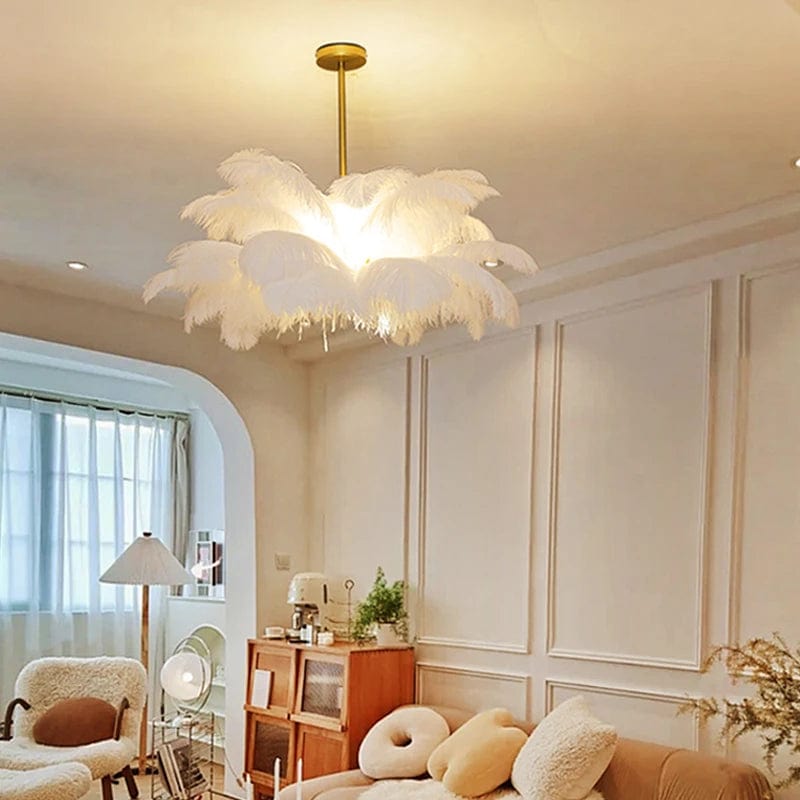
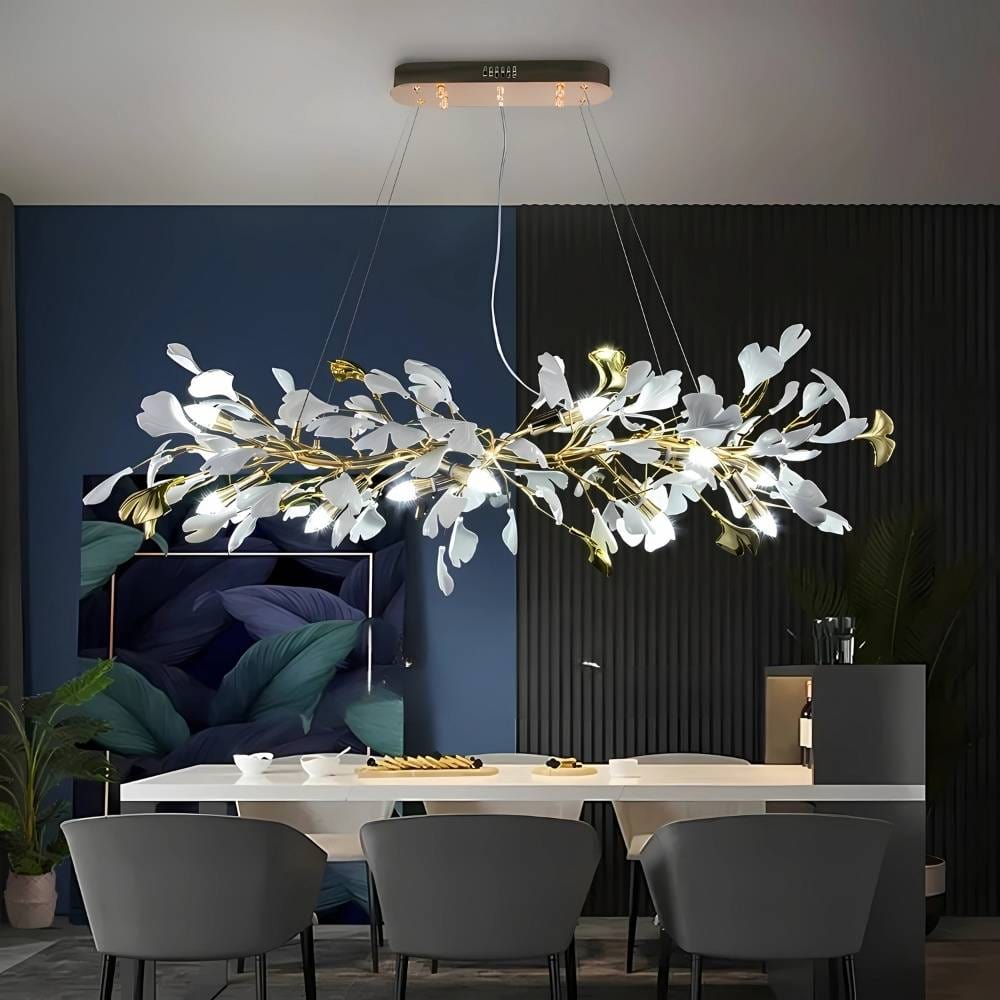
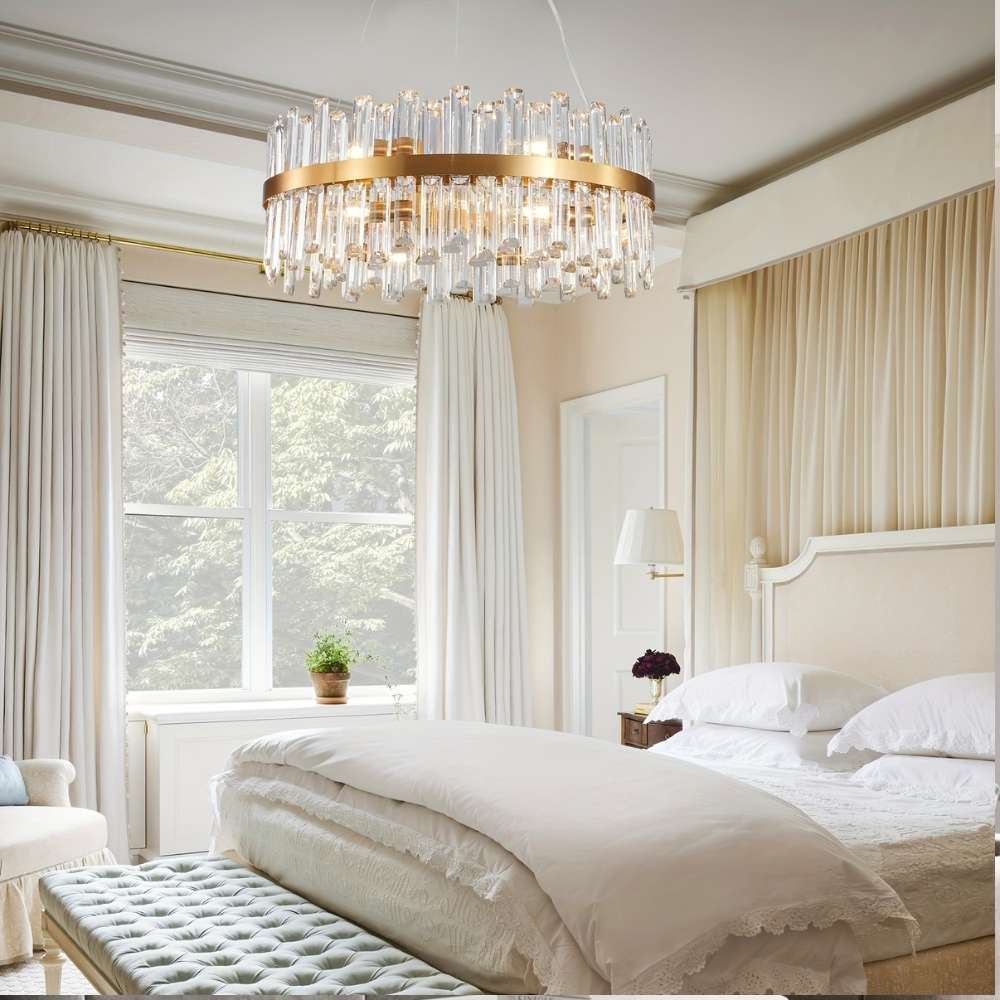
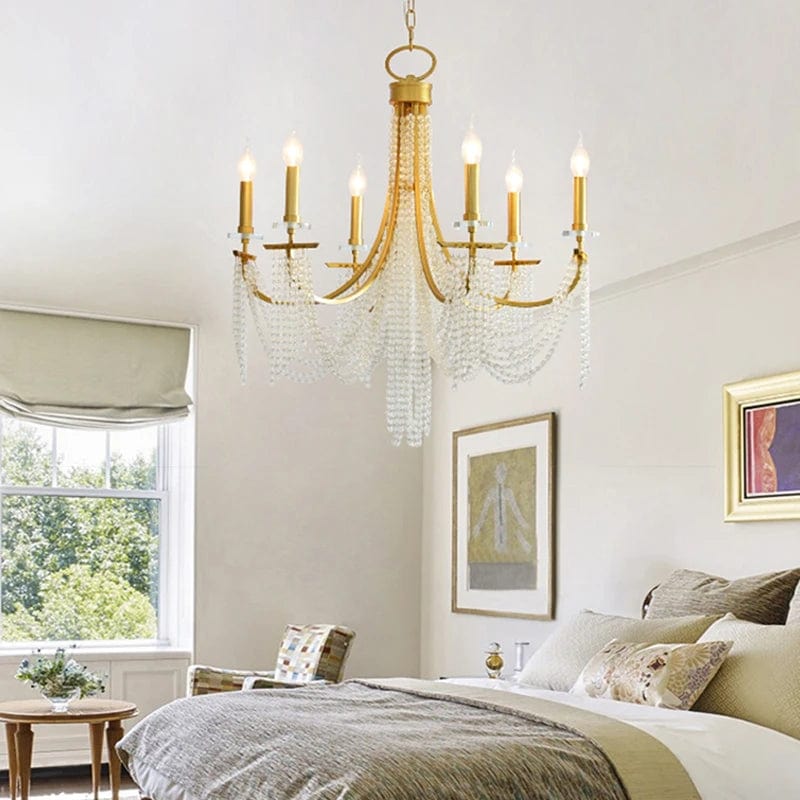
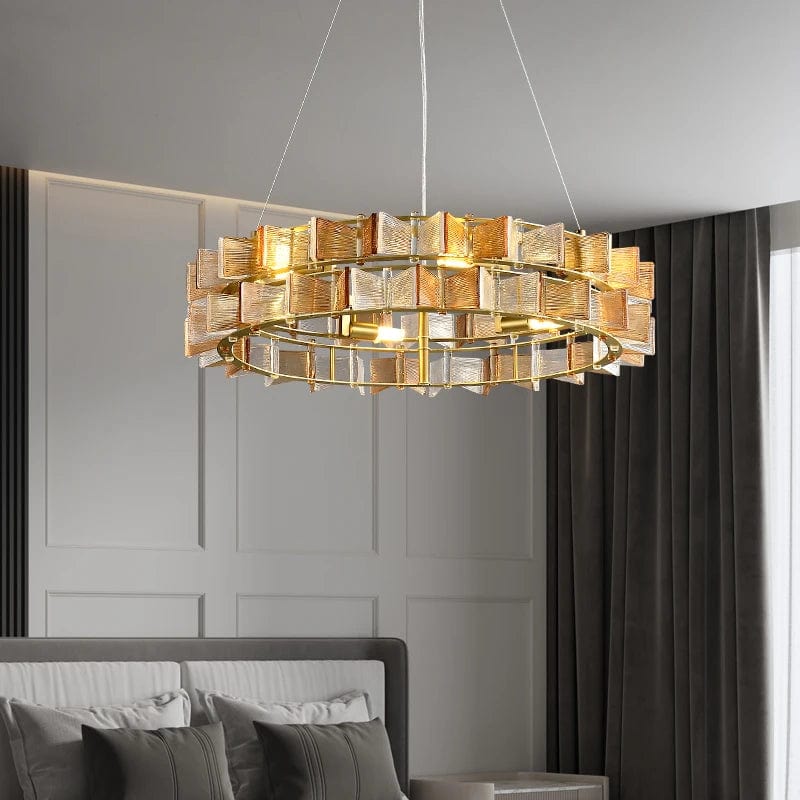
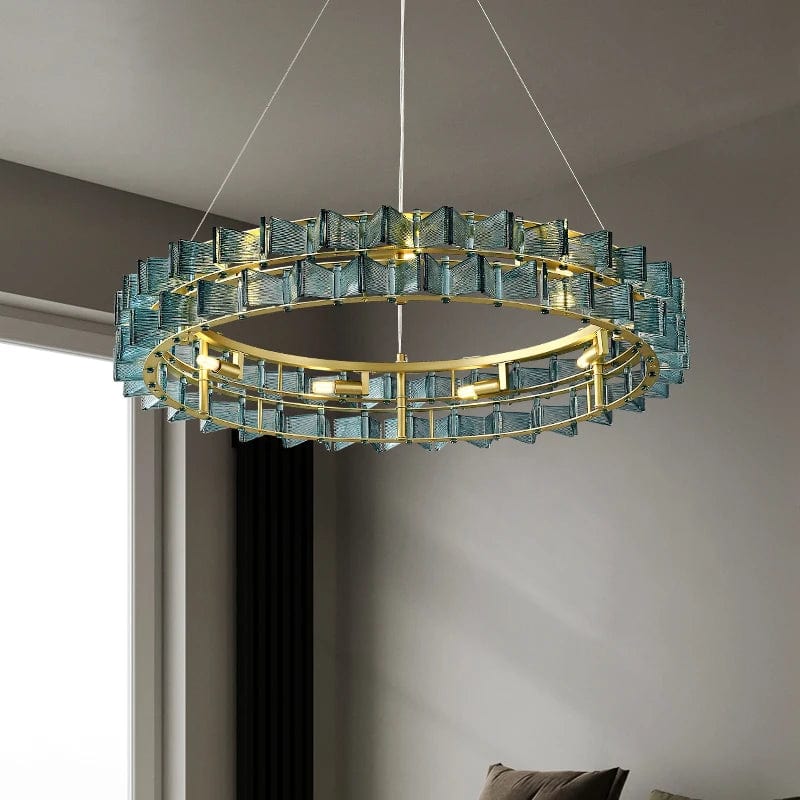
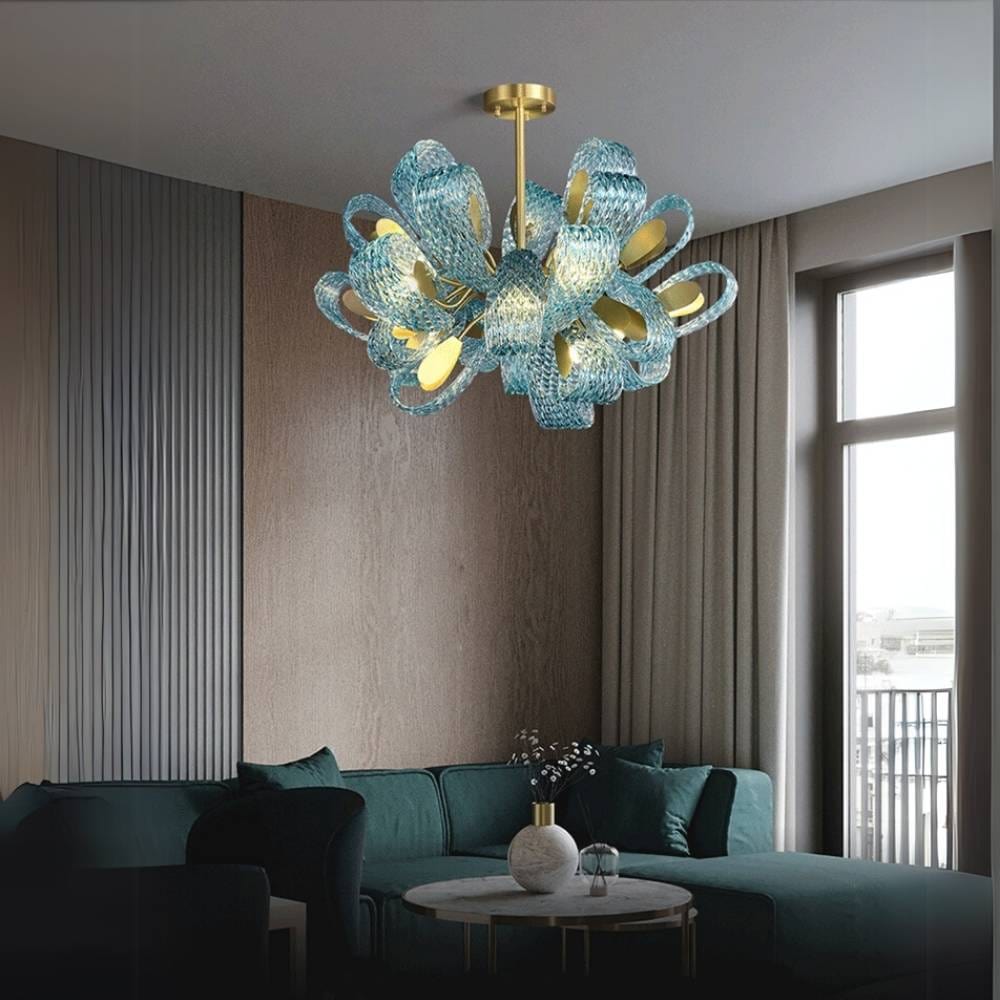
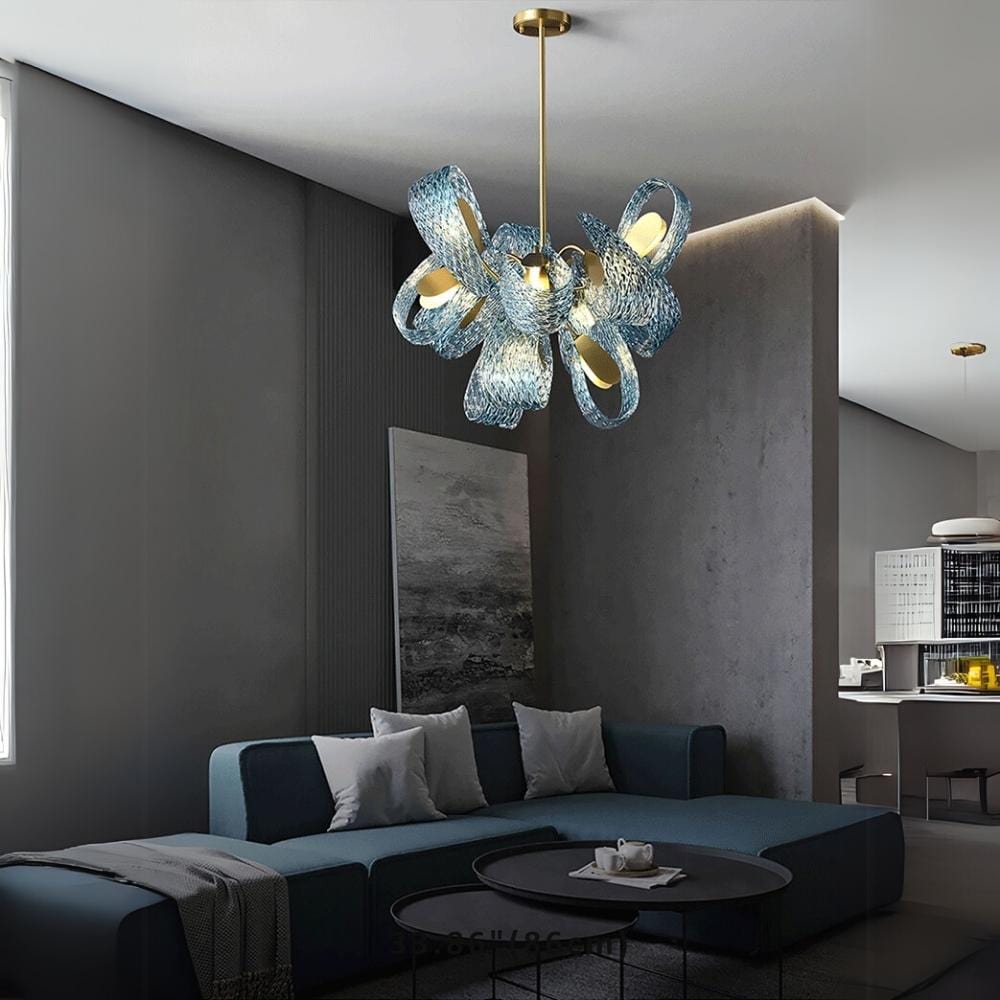
Bedrooms increasingly center on a single statement fixture suspended over the bed — a placement with a built-in advantage, since no walking clearance applies above the mattress. That single-fixture decision — over-bed sizing, hanging height, soft-material selection, and style direction — is its own subject with its own collection: see our bedroom chandeliers collection for the full range and guidance, with current looks in the bedroom chandelier style guide.
Bedside Chandeliers: The Table Lamp, Rethought
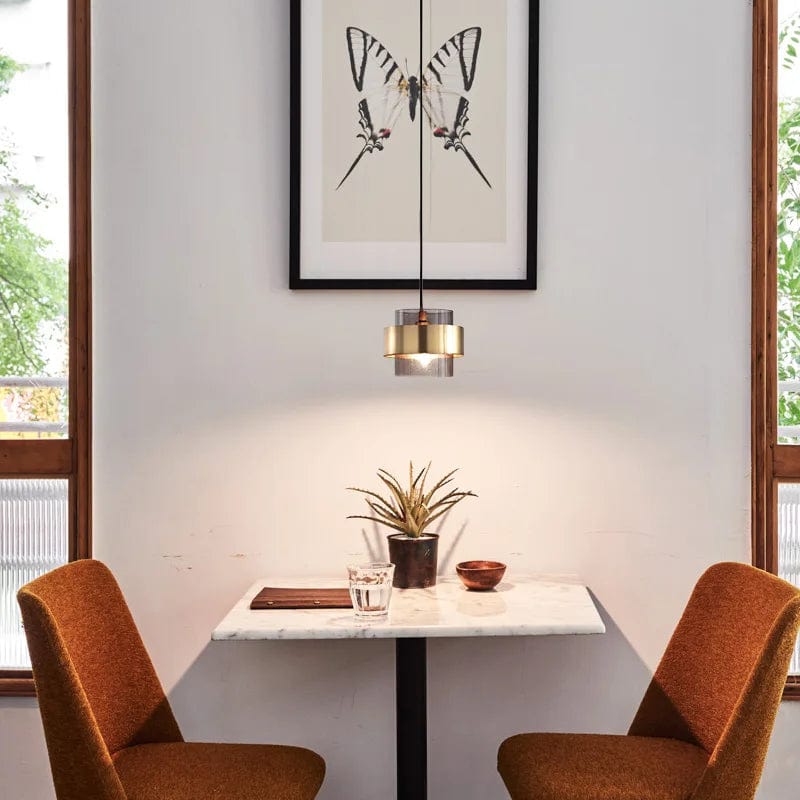
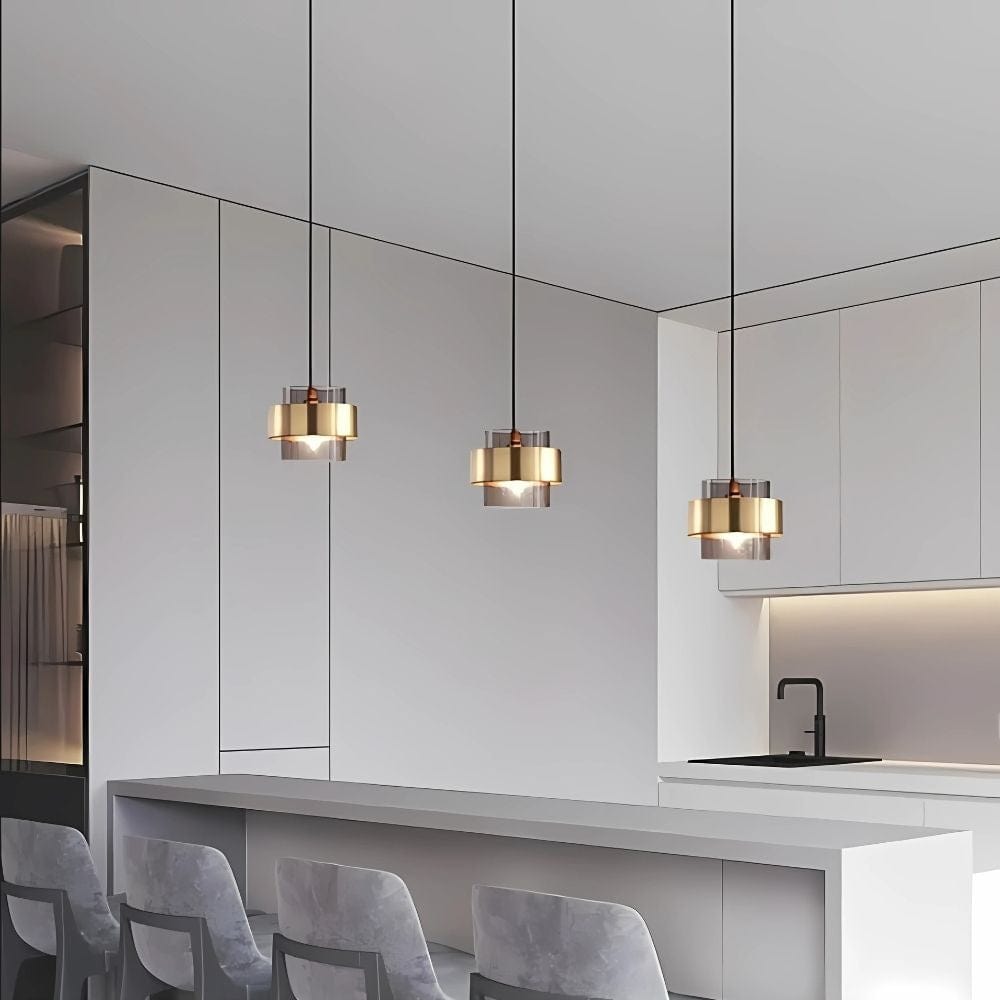
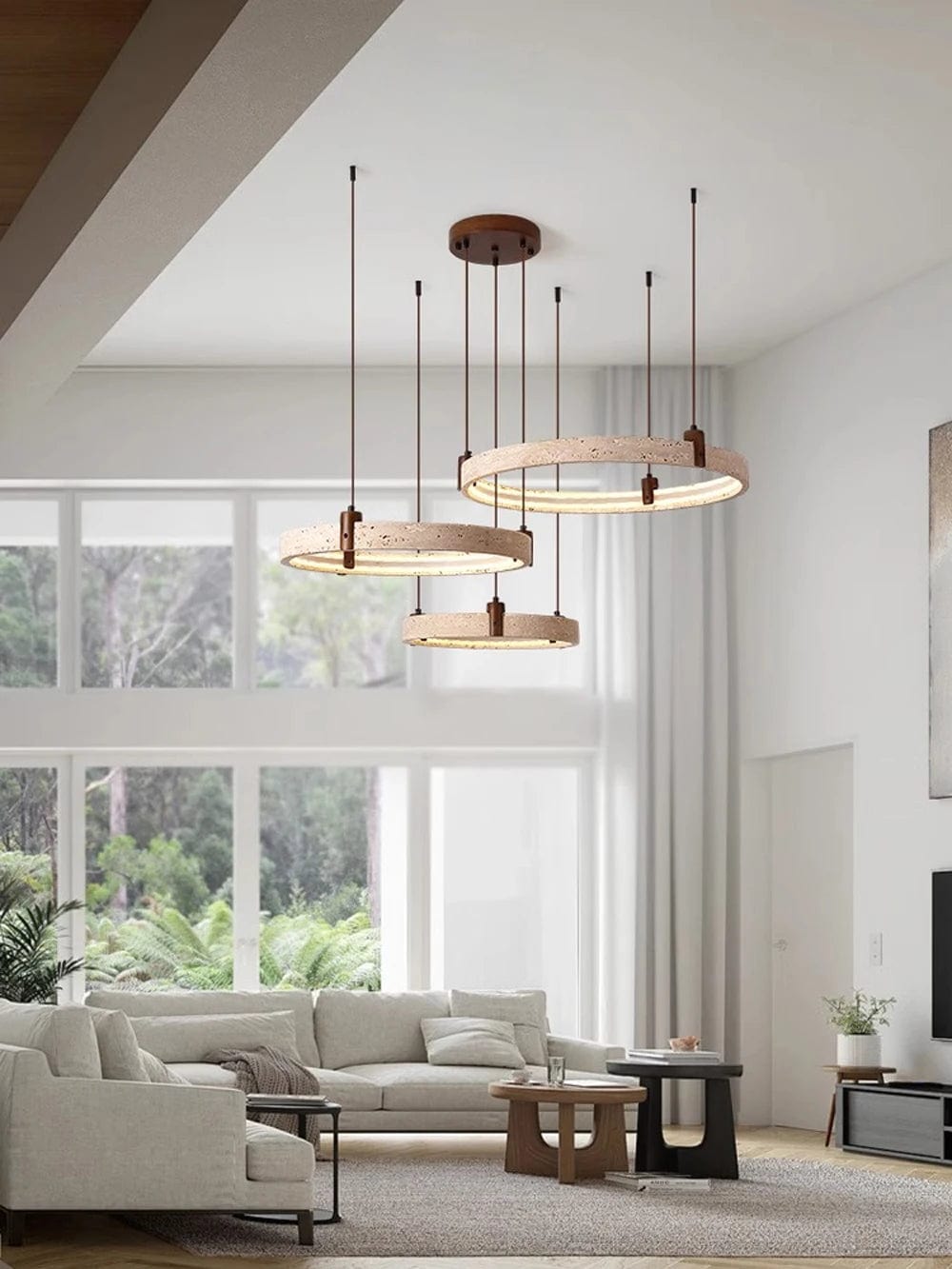
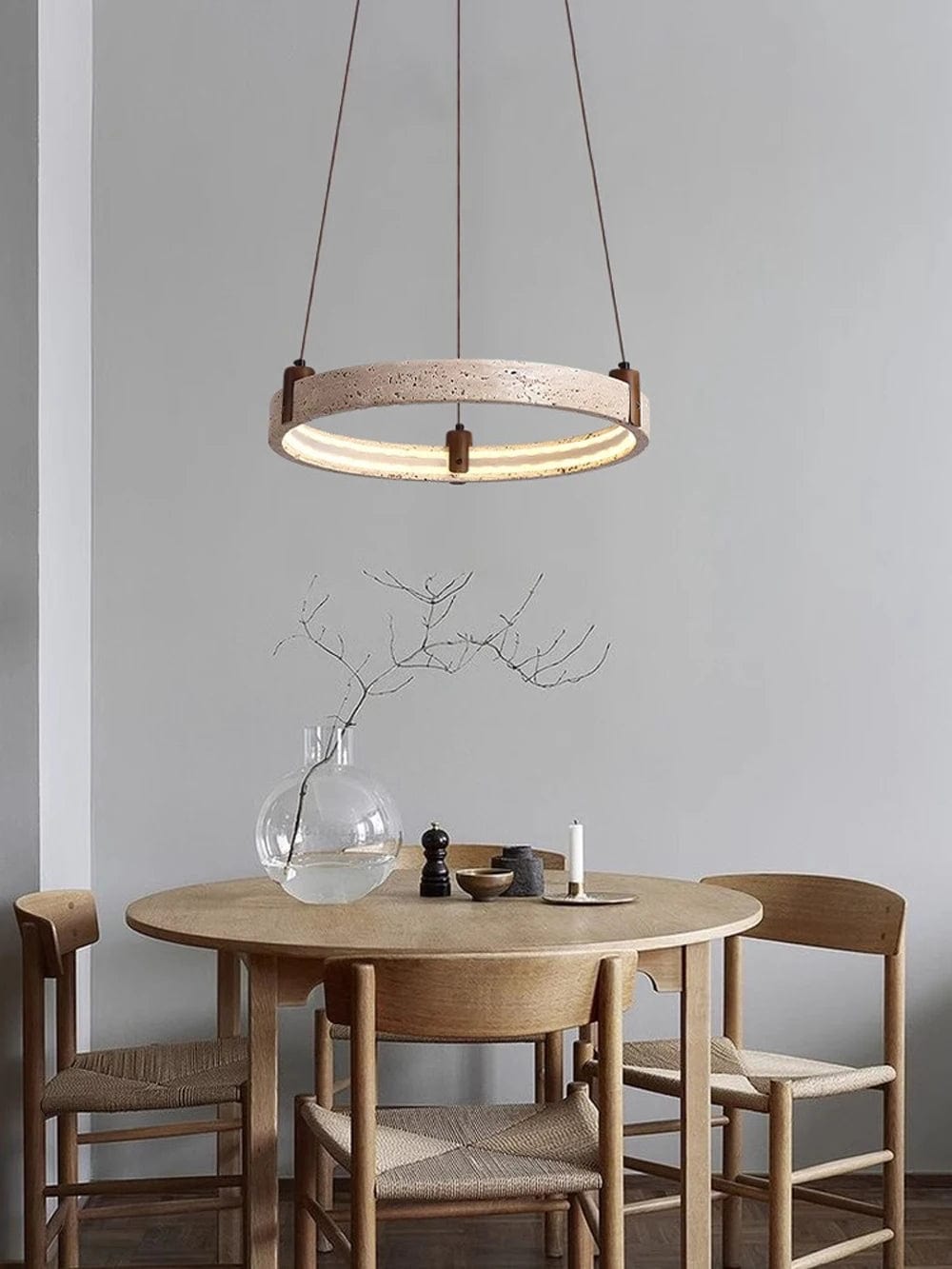
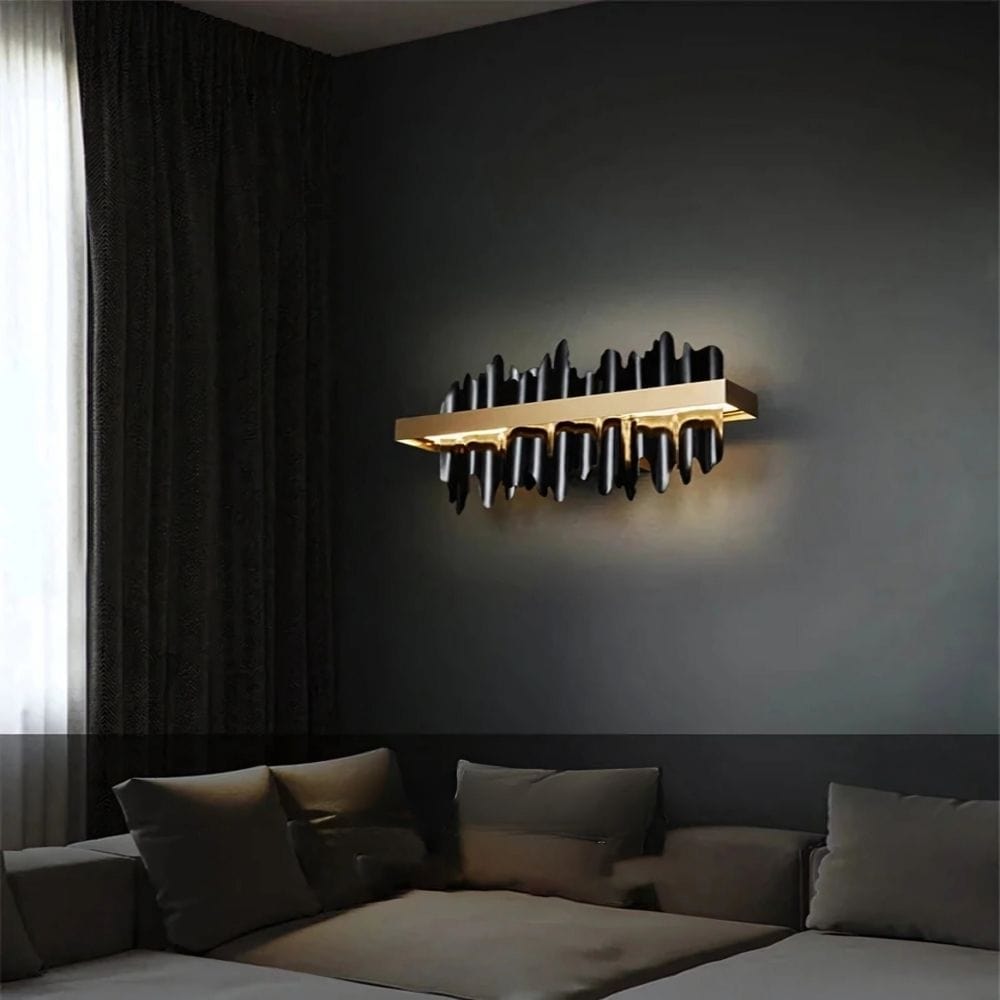
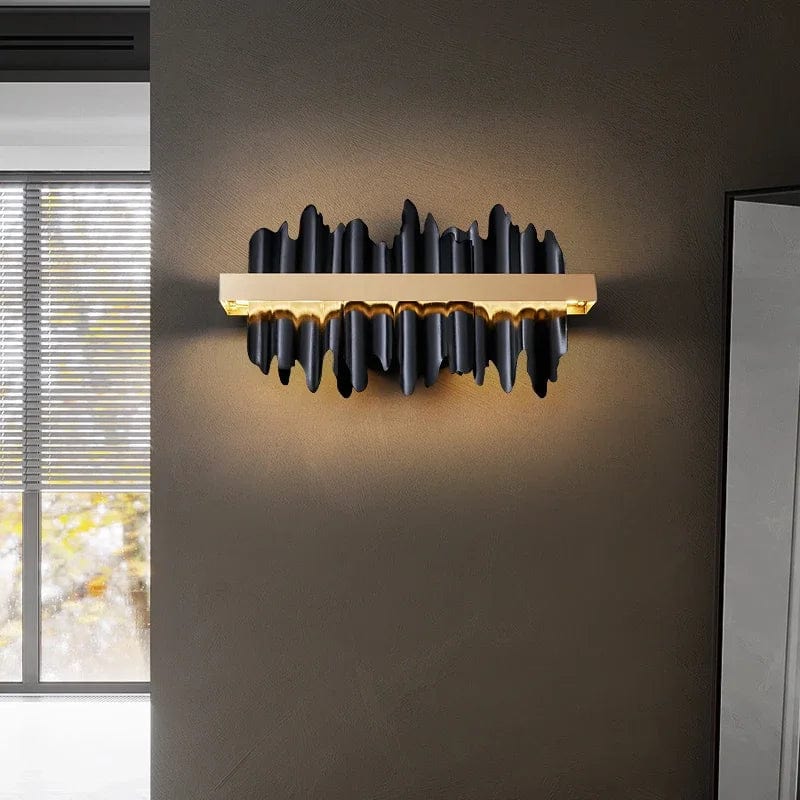
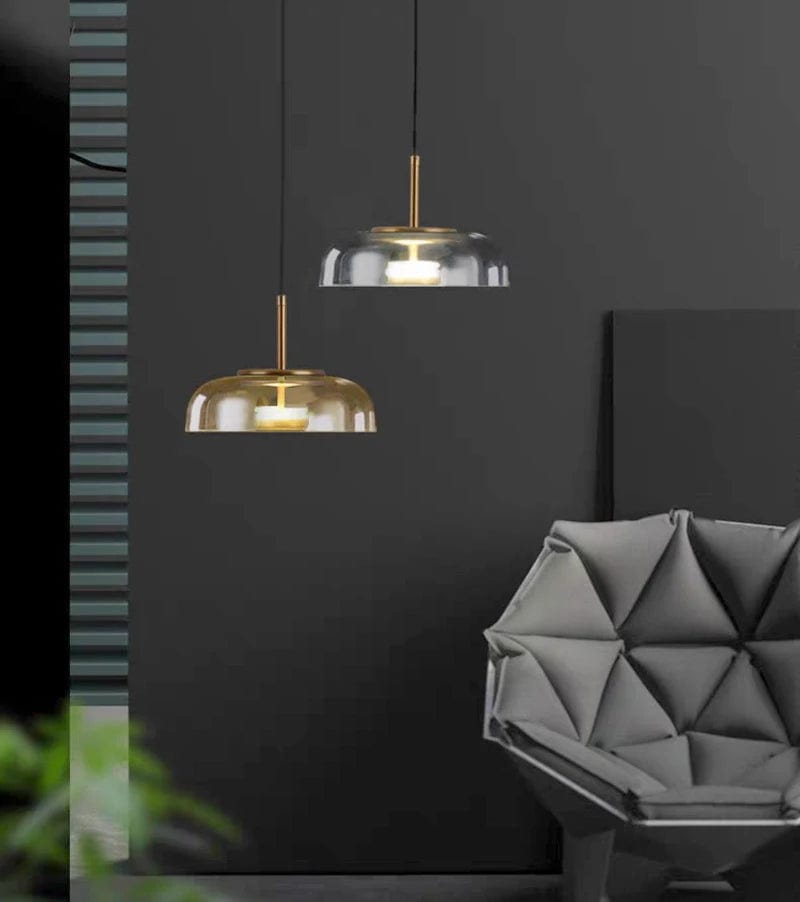
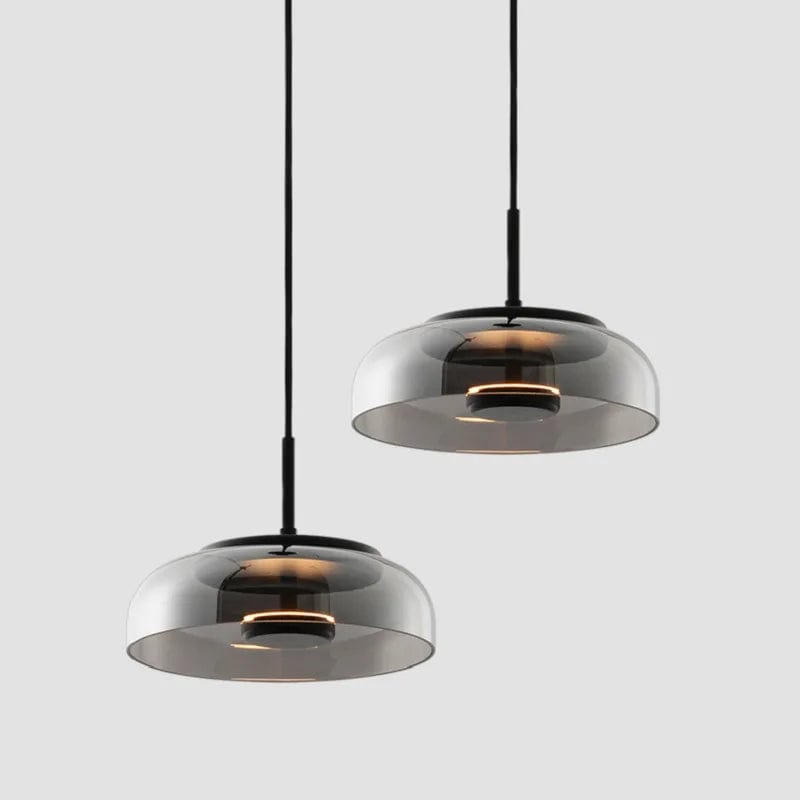
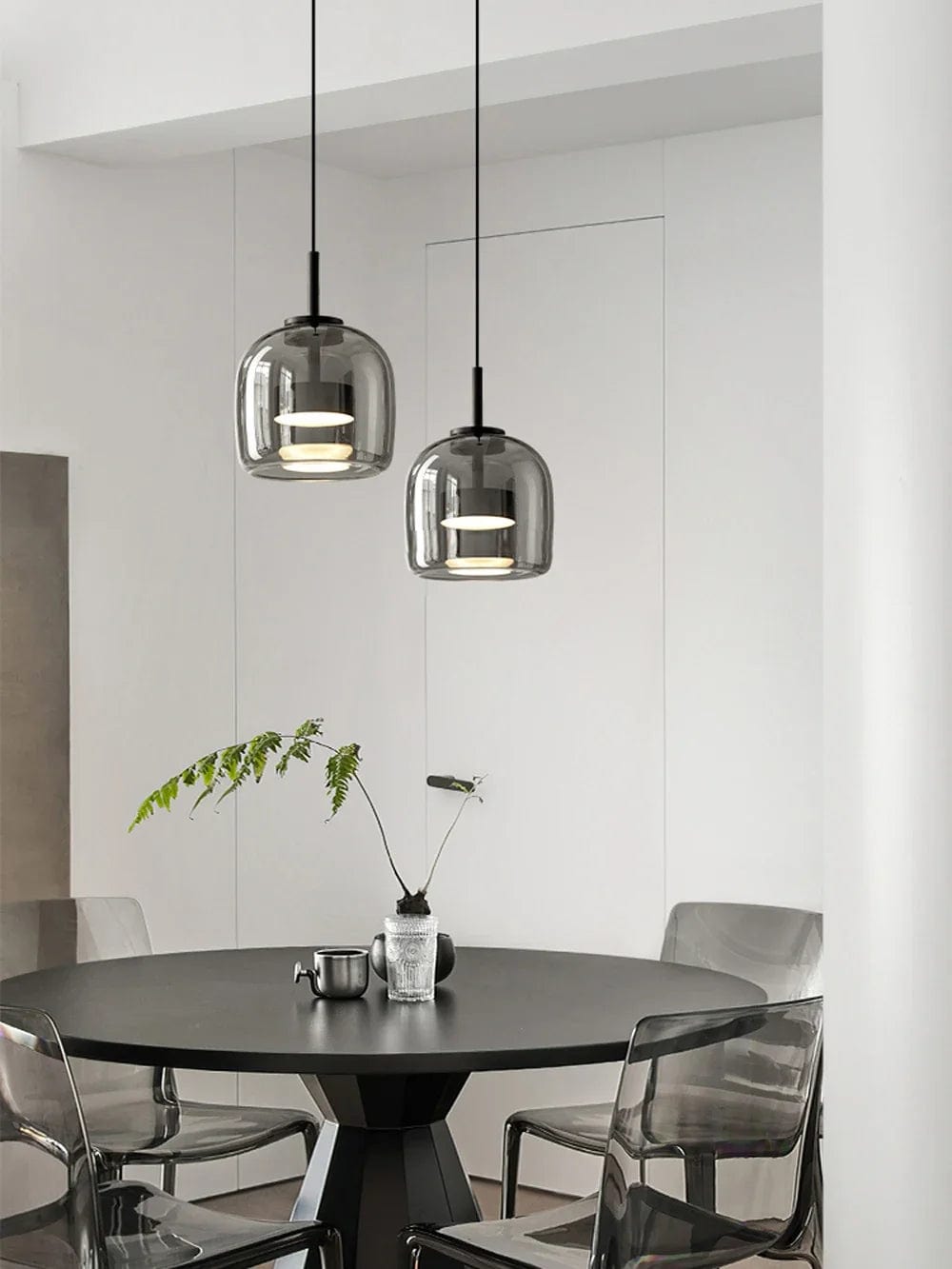
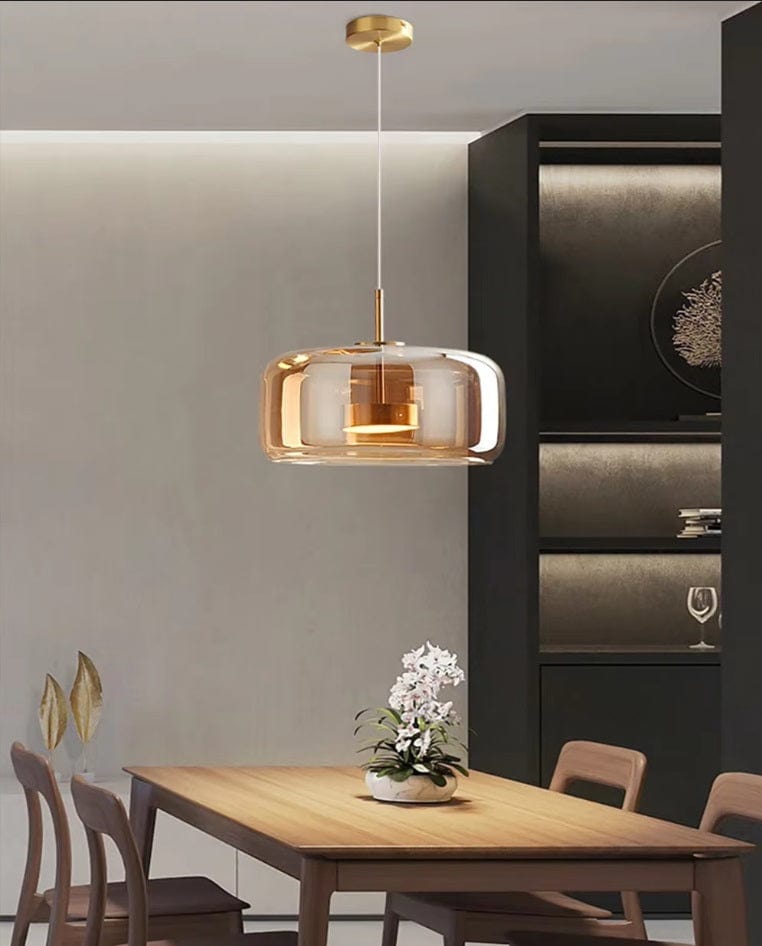
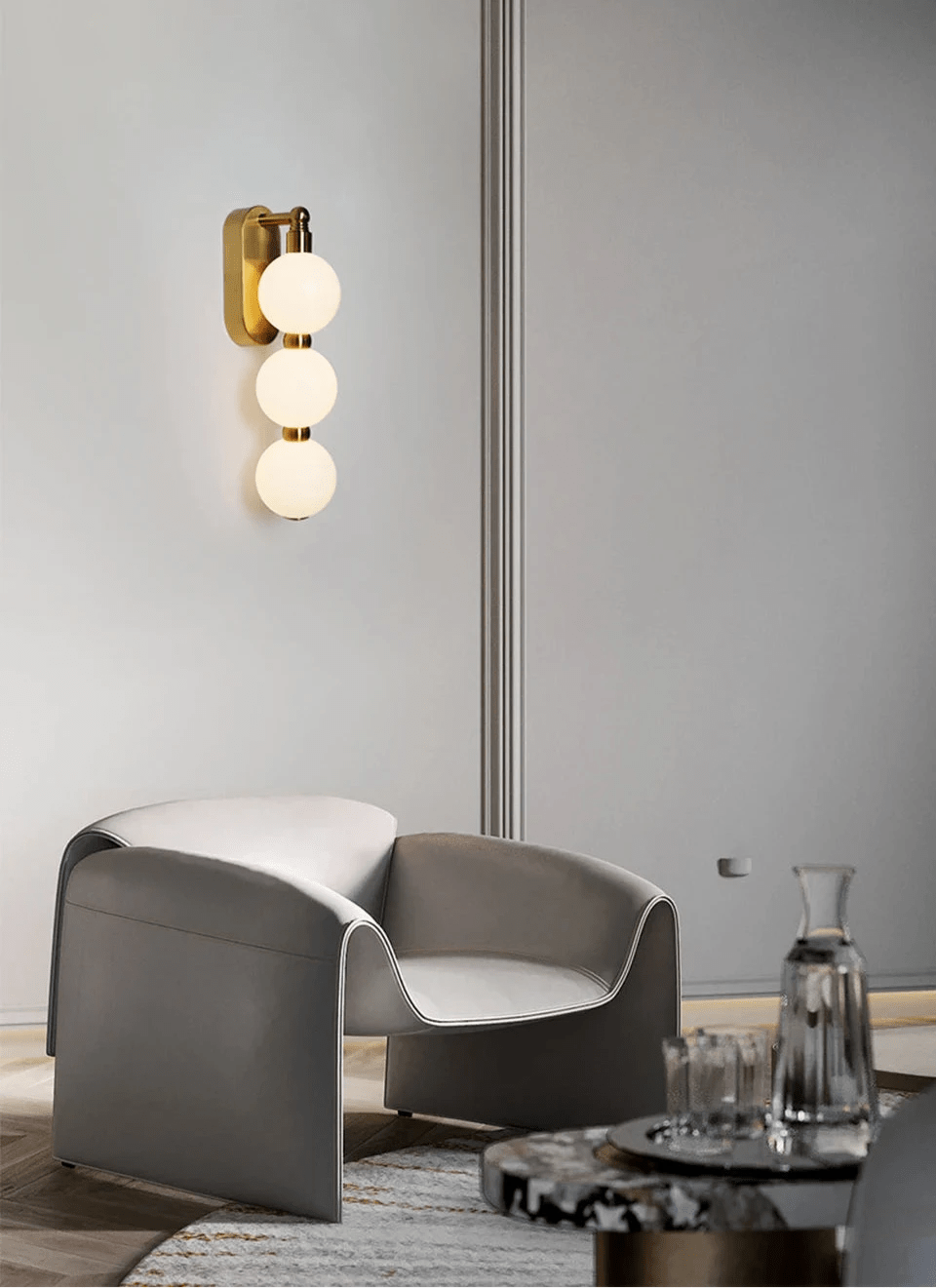
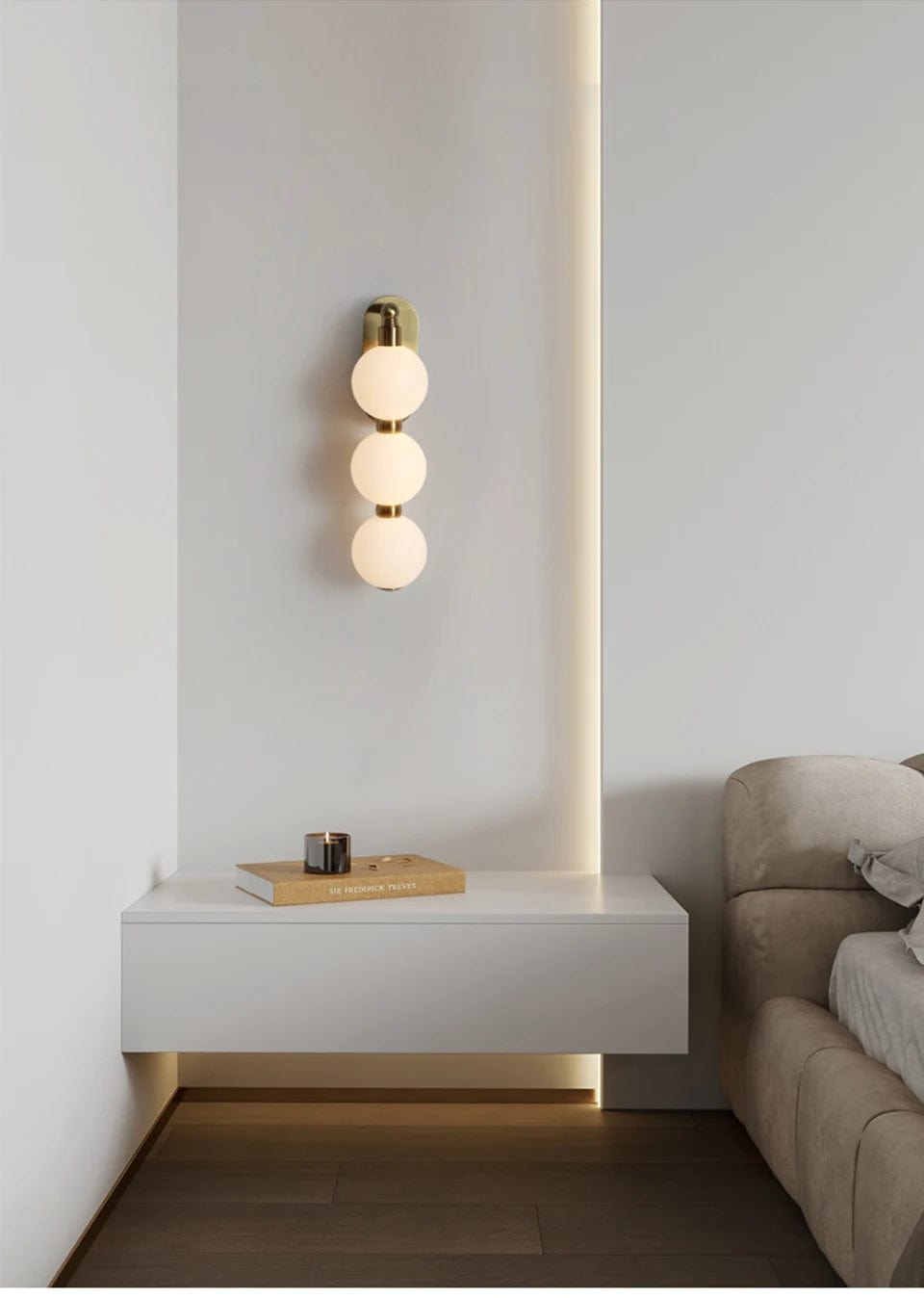
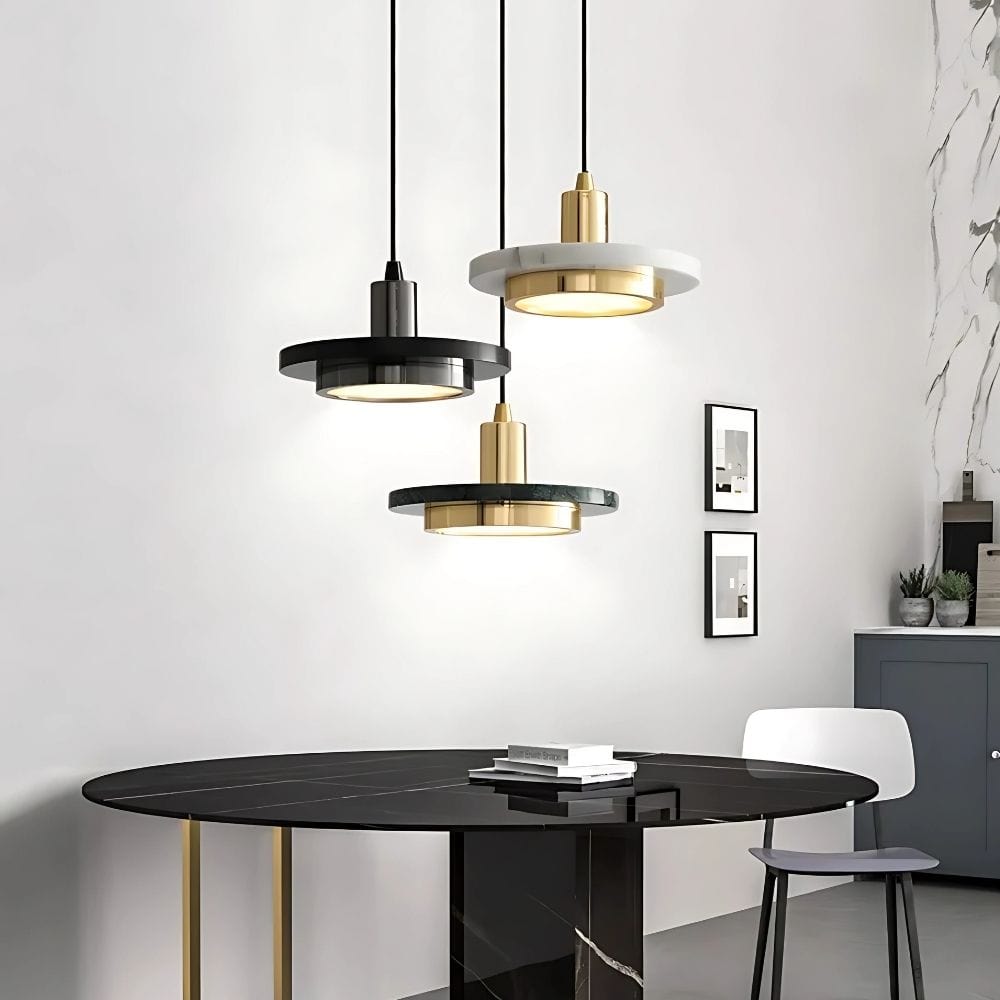
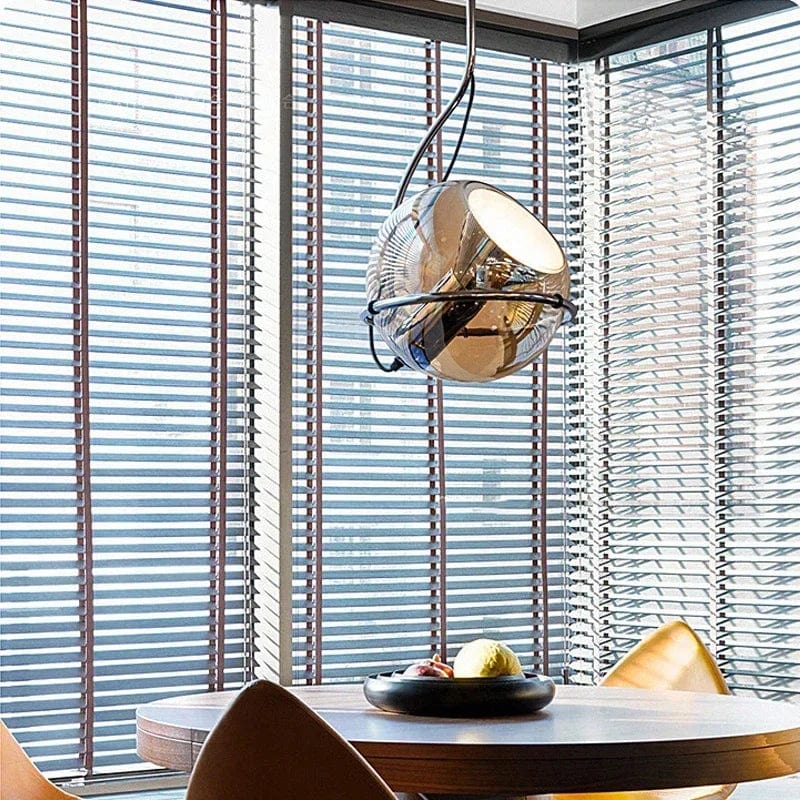
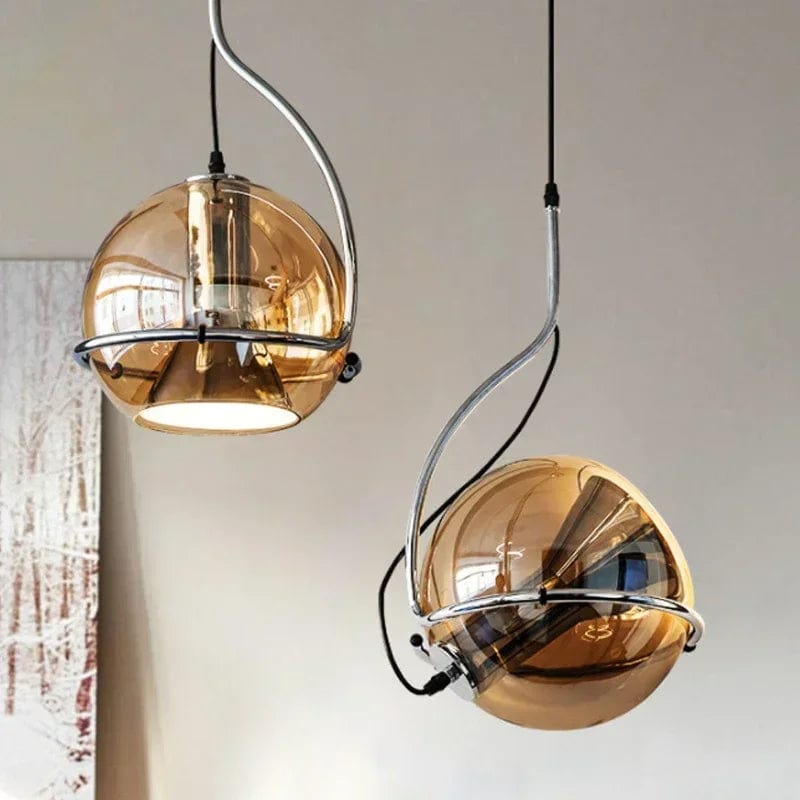
The category's quietest trend deserves its own section: bedside chandelier lamps — compact pendants or mini chandeliers hung on each side of the bed where table lamps traditionally sat. The move earns its place three ways: it clears the nightstand surface entirely, it puts light at a better reading angle (from above the shoulder rather than beside the pillow), and a matched hanging pair frames the headboard with a symmetry no lamp achieves. Hang each unit roughly 18-24" (46-61 cm) above the nightstand — or to clear a sitting reader's sightline — and put the pair on switches reachable from bed, wired or smart. Wall-mounted swing-arm designs from the wall sconces collection deliver the same nightstand-clearing logic where ceiling points are not available.
Building the Layered Bedroom Plan
- Ambient: the central fixture — chandelier, flush mount, or soft drum — dimmed as the room's base register
- Bedside: the reading layer — hanging pairs, sconces, or lamps, individually switched so one reader never lights two people
- Accent: the optional third — LED behind a headboard, a wardrobe interior, a corner floor lamp — filling shadows the first two leave
- Control: every layer dimmable, and the ambient layer reachable from both the door and the bed — the two places the day starts and ends
Light That Lets You Sleep
The sleep-friendly checklist is short and physical. Keep every bedroom fixture at 2700-3000K — warmer is the wind-down signal, and mixed temperatures between layers read as restlessness. Choose deep-dimming, flicker-free LED drivers; dim-to-warm designs, which shift toward 2200K candle tones as they lower, are the category's best technology for the final hour. Position nothing bright inside the lying-down sightline — the pillow test: lie back, look up and around, and any glare source you can see needs diffusion or relocation. The fuller science of light, mood, and evening routine is in our psychology of light guide.
Styles Across the Collection
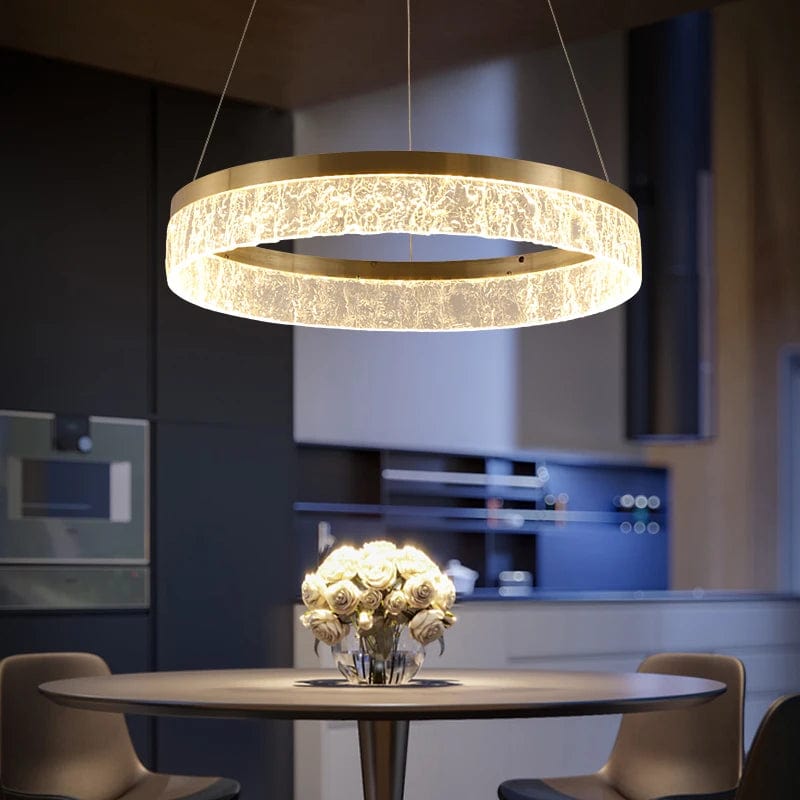
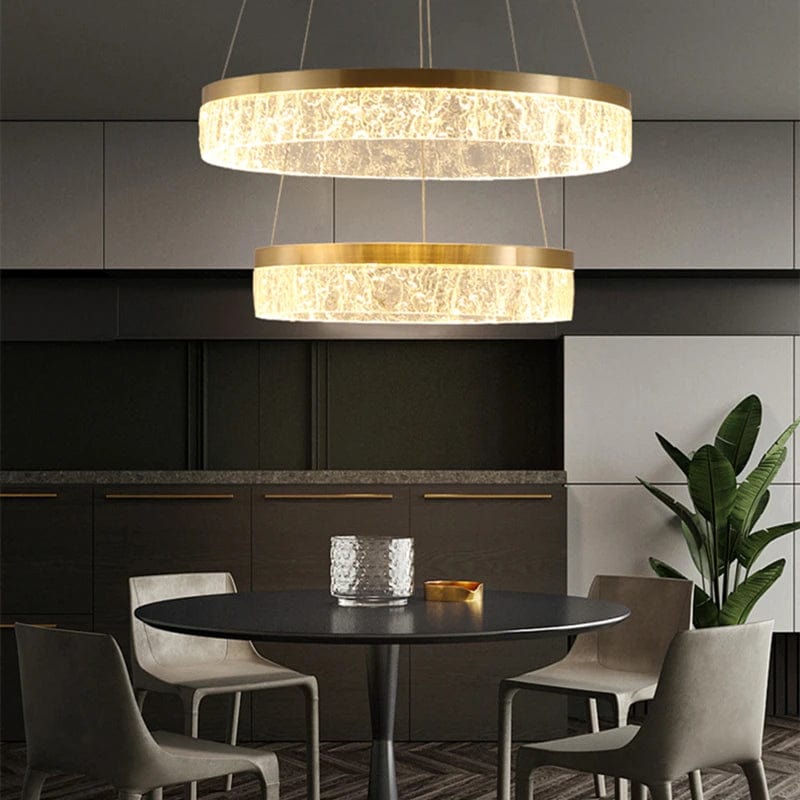
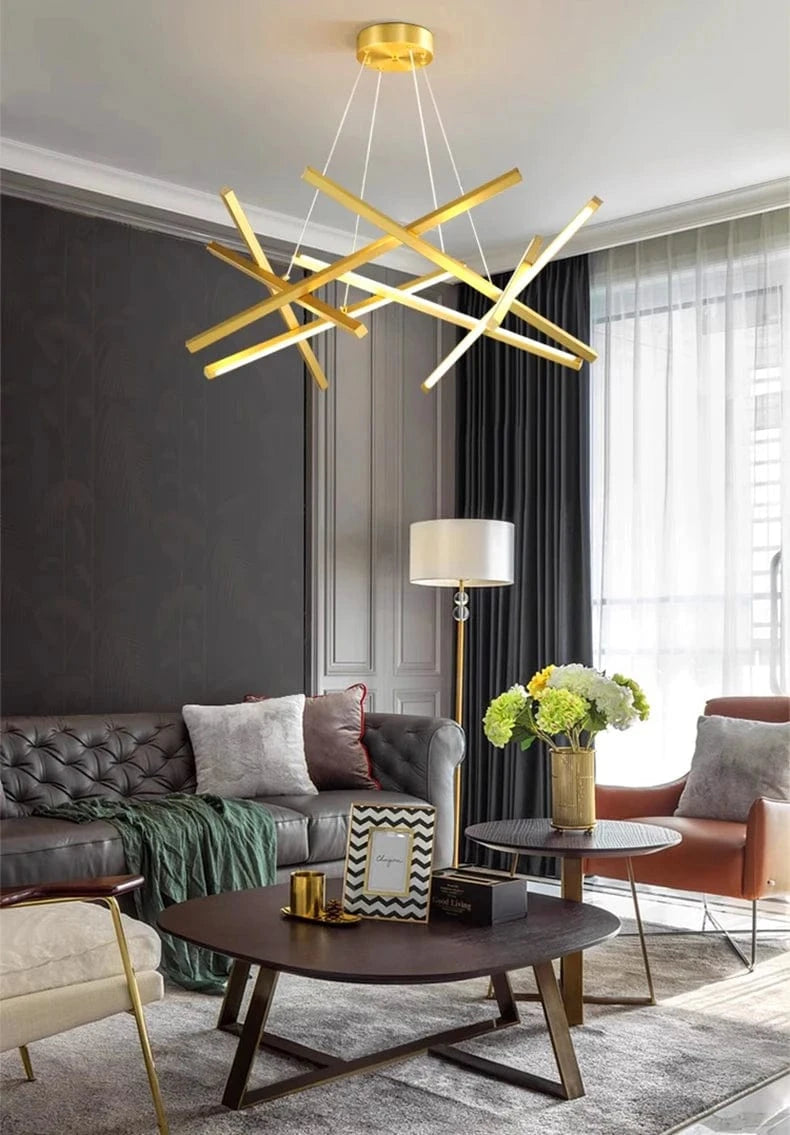
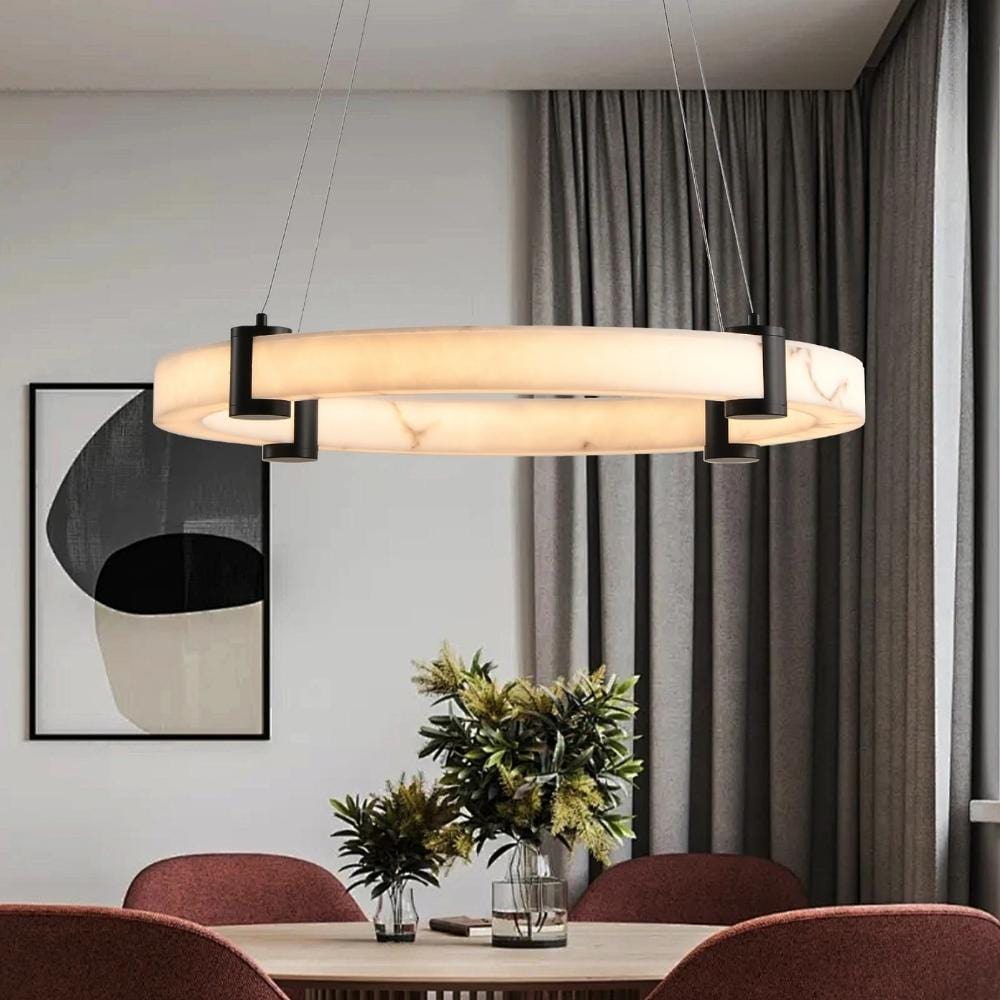
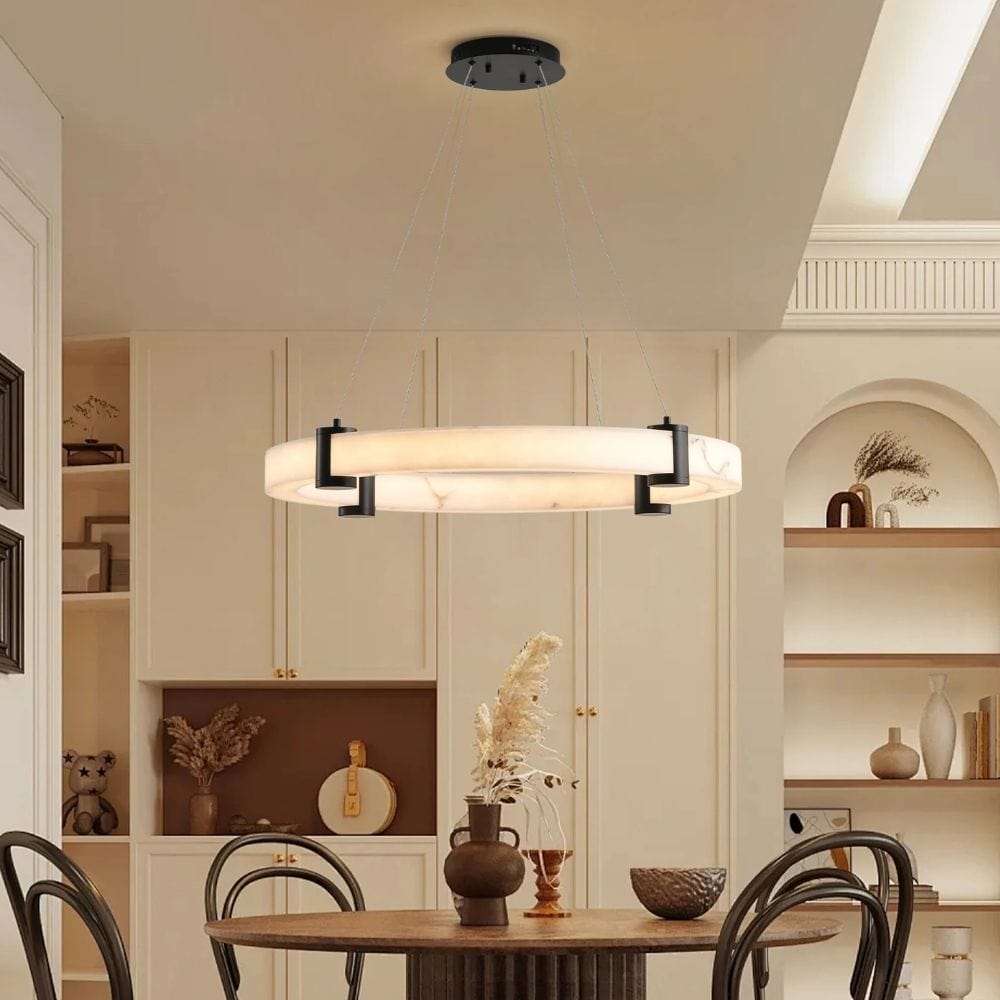
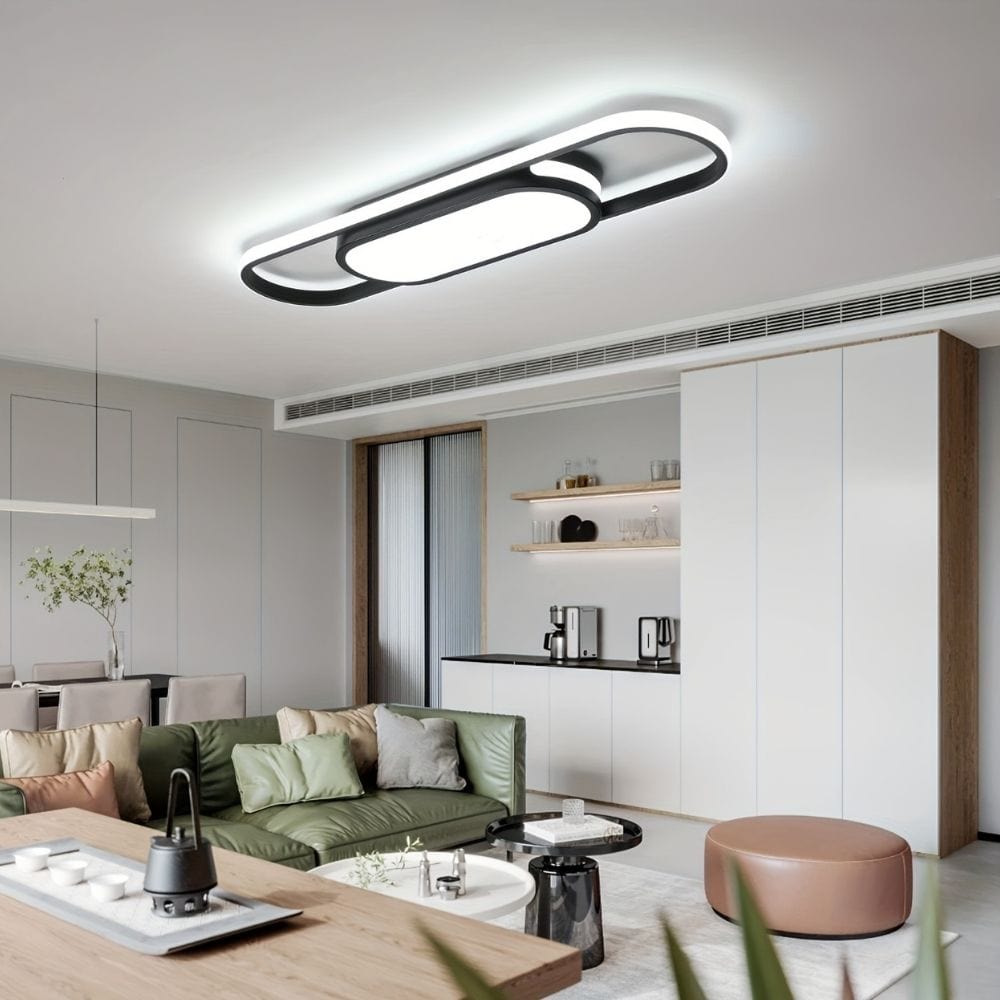
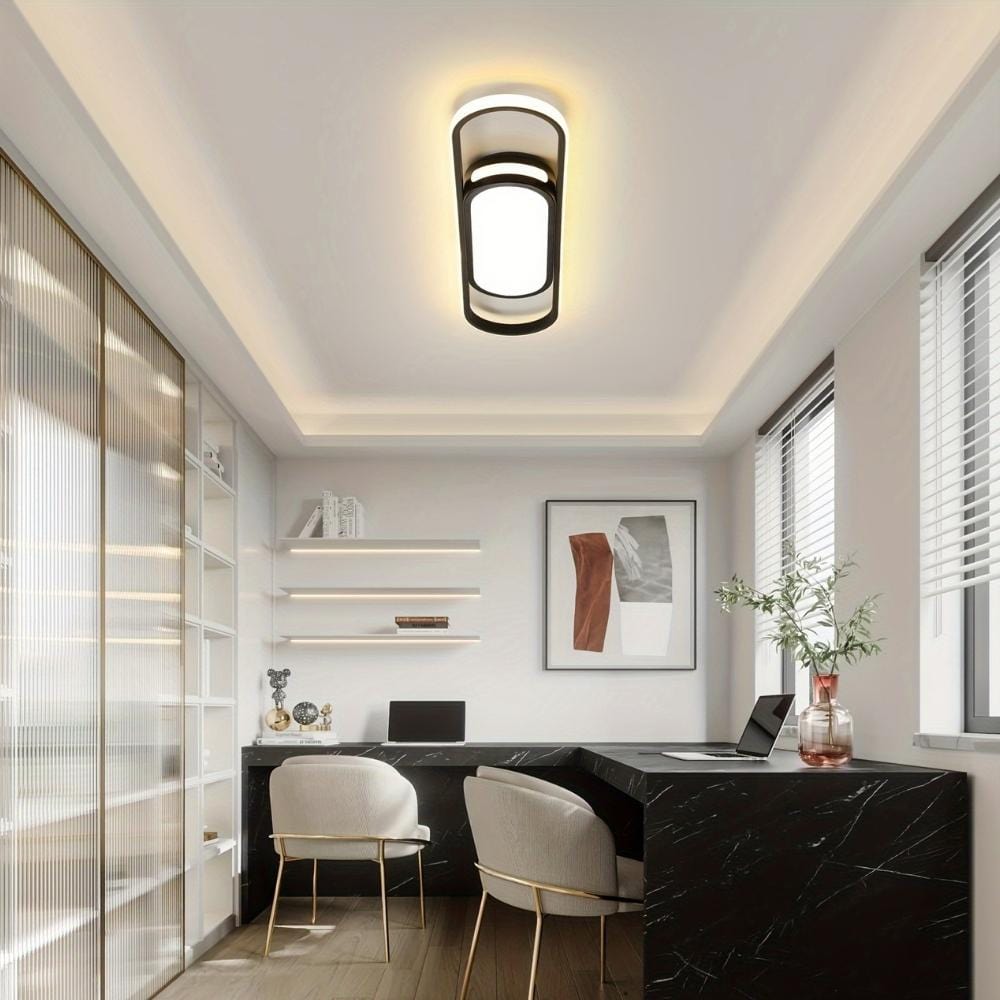
- Modern and contemporary: the lead direction — soft geometry, drums, rings, and clean suspended forms whose calm matches the room's job
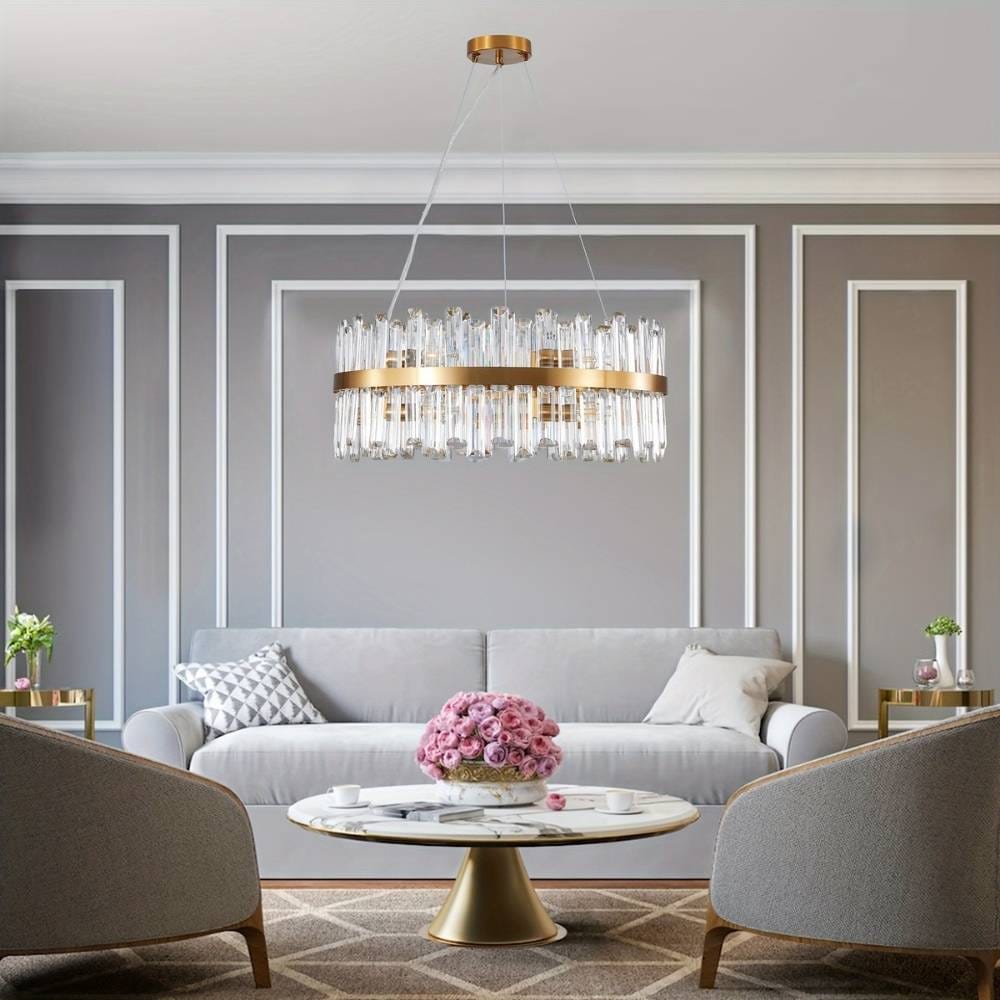
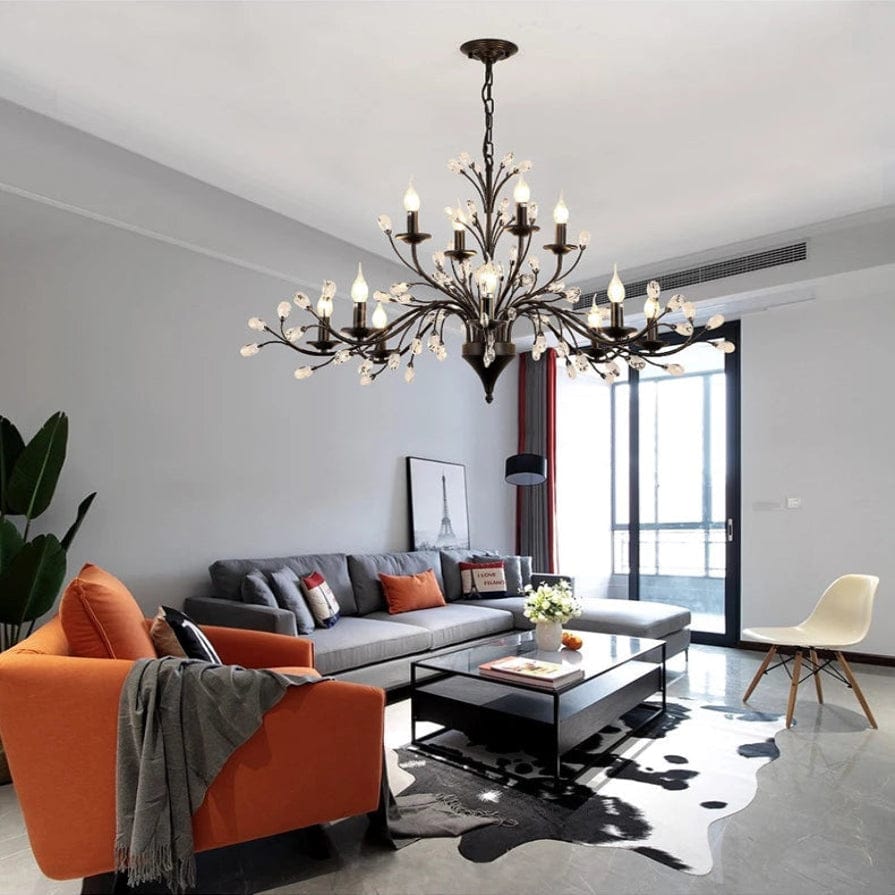
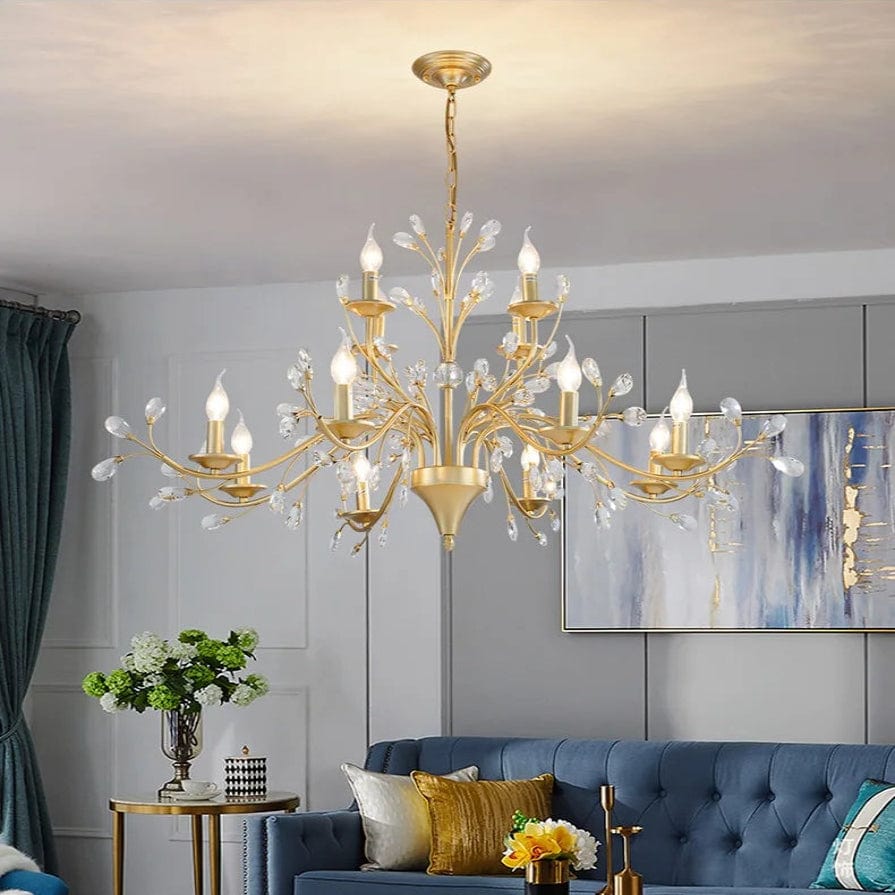
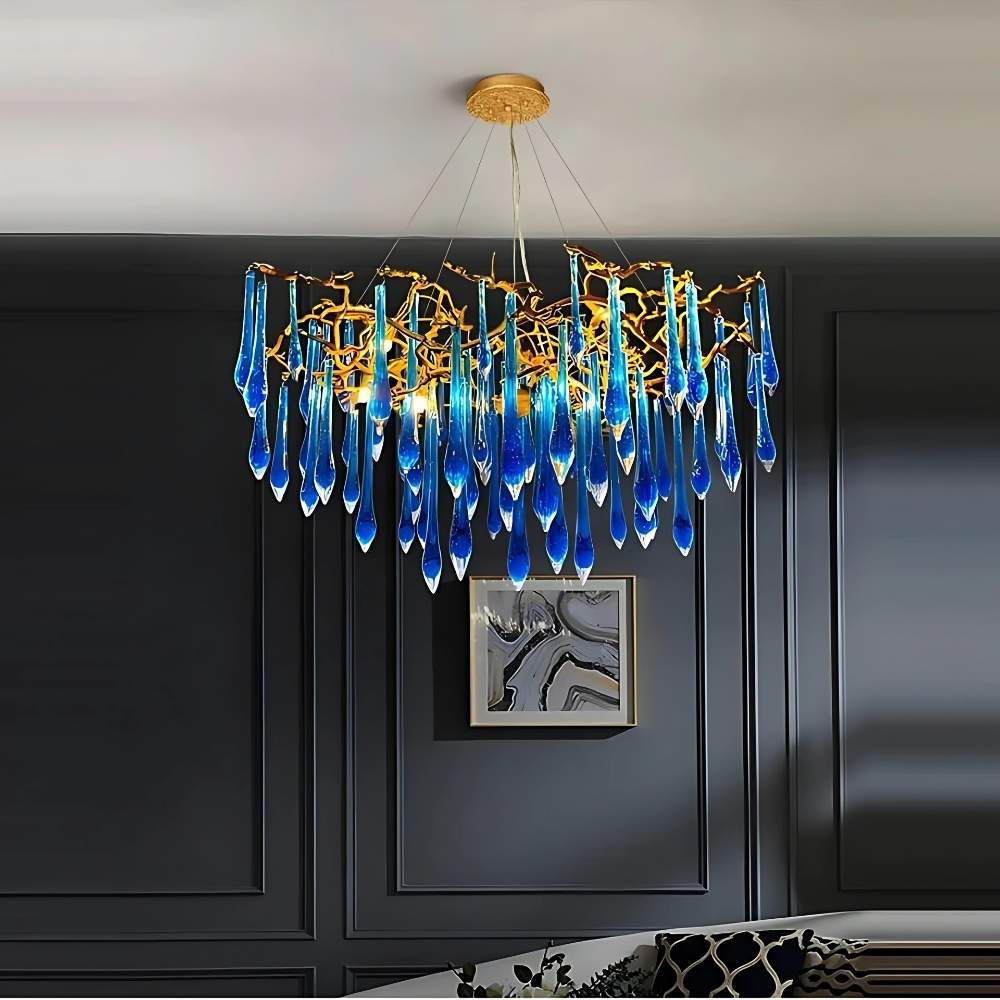
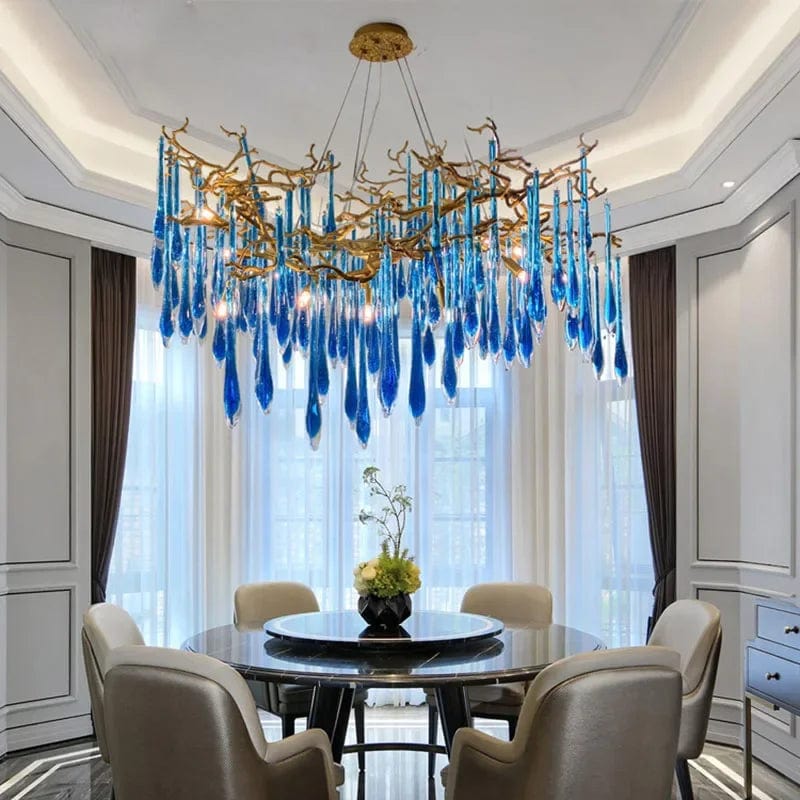
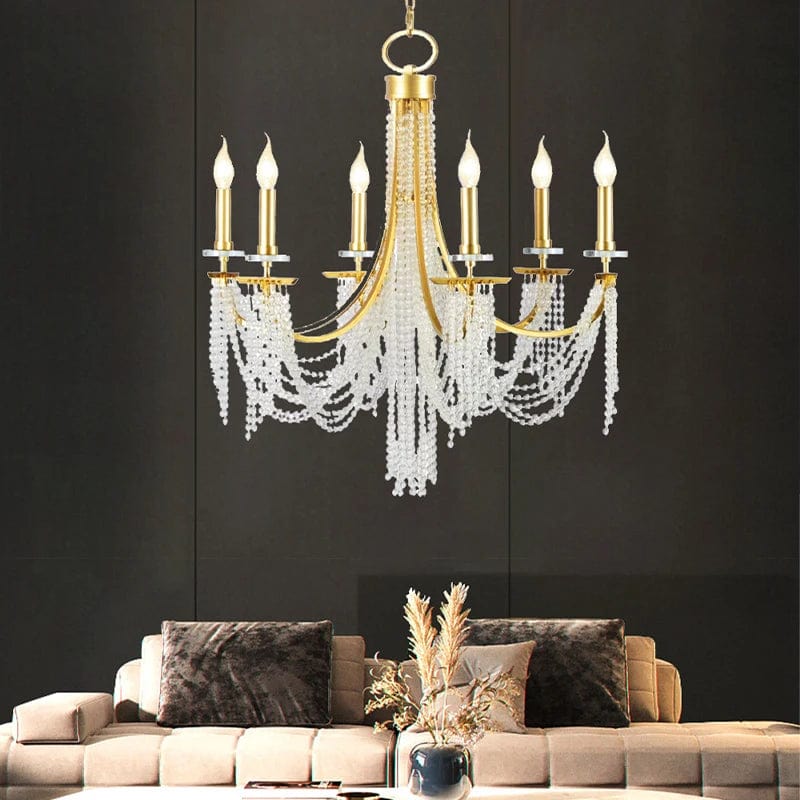
- Crystal, softened: smooth-drop and frosted crystal designs that keep the sparkle gentle at close range — the romantic register without the glitter
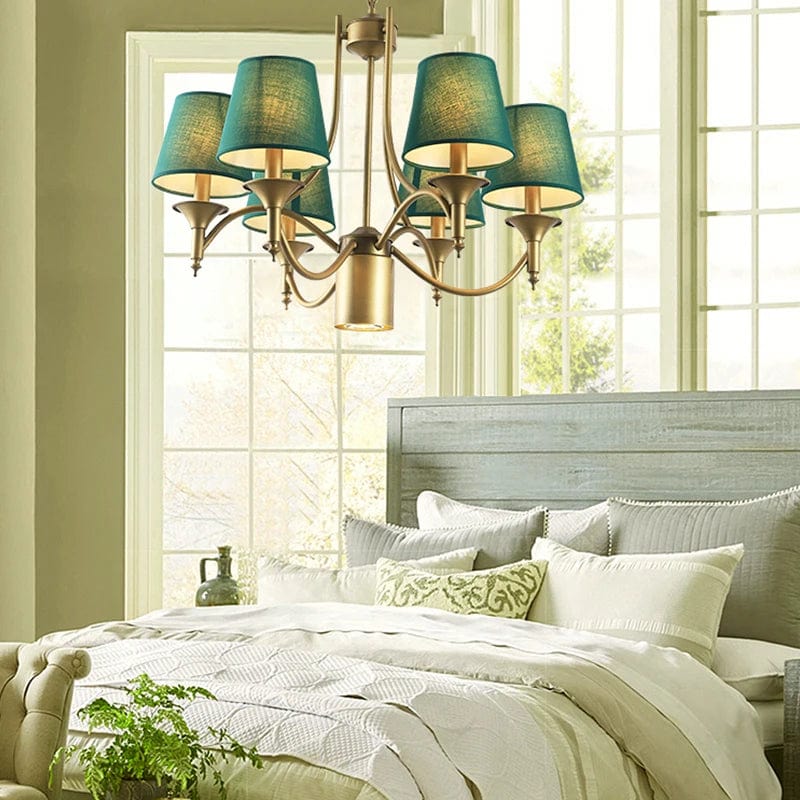
- Soft luxury: fabric shades, alabaster and glass diffusion, warm brass details — the boutique-hotel read that photographs as calm
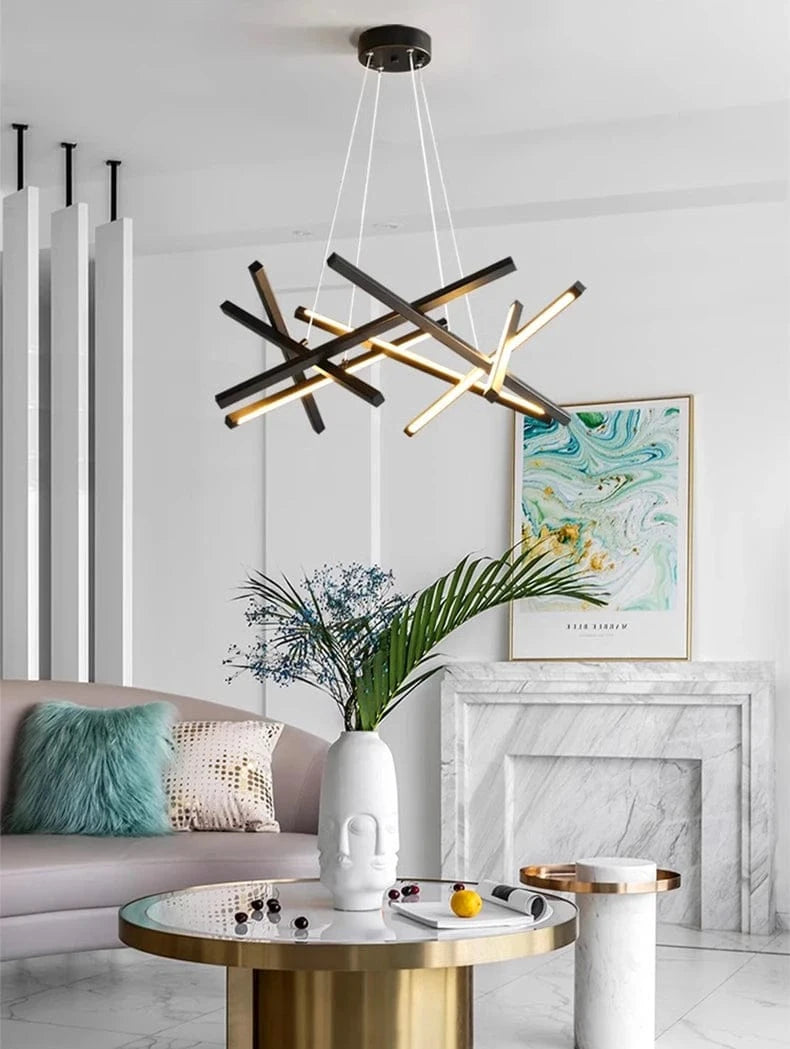
- Minimalist LED: slim integrated designs with the deepest dimming curves in the collection
Related Collections
Complete the room with the bedroom chandeliers collection for the over-bed statement, flush mount chandeliers for standard ceilings, and wall sconces for the bedside layer.
Frequently Asked Questions
What is the difference between this collection and bedroom chandeliers?
This collection covers the room's full layered plan — ceiling fixtures, bedside lights, LED layers, and controls. The bedroom chandeliers collection covers the single-statement alternative: one fixture suspended over the bed, with its own sizing and selection rules.
What ceiling fixture suits a standard-height bedroom?
A soft flush or semi-flush design — diffused output, 20-30" (51-76 cm) diameter by the room formula — keeps an 8 ft ceiling open while carrying the room's base layer on a dimmer.
What are bedside chandelier lamps?
Compact pendants or mini chandeliers hung in a matched pair beside the bed, replacing table lamps — clearing the nightstand, improving the reading angle, and framing the headboard. Hang each roughly 18-24" above the nightstand with a switch reachable from bed.
What is the best chandelier for light sleepers?
A fully diffused design — fabric, frosted glass, or indirect LED — with a flicker-free, deep-dimming driver, ideally dim-to-warm, kept out of the lying-down sightline. The fixture's lowest register matters more than its brightest.
What color light is best for a bedroom?
Warm white, 2700-3000K, across every layer — and dim-to-warm LED, which drifts toward 2200K candle tones as it lowers, for the final hour of the evening.
How do I layer bedroom lighting?
Three layers on separate controls: a dimmable central fixture as the base, individually-switched bedside lights for reading, and optional accent fill — with the central layer controllable from both the door and the bed.