
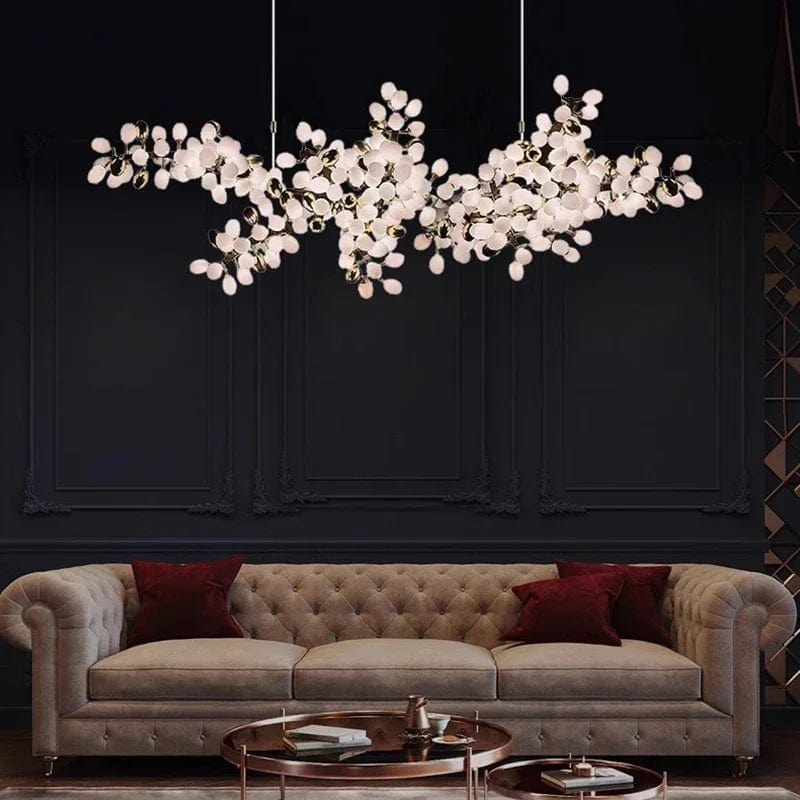
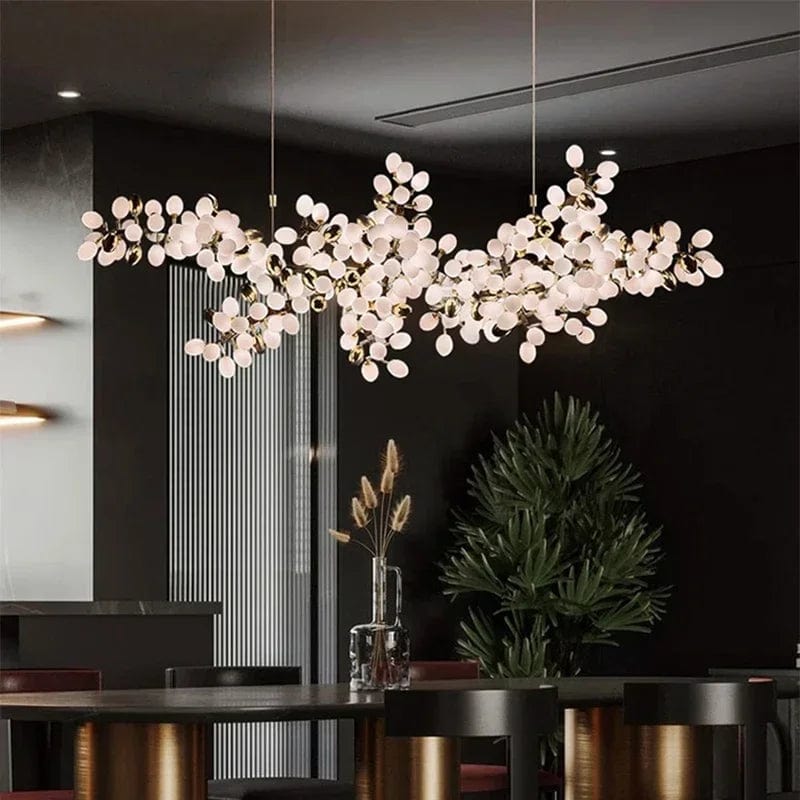
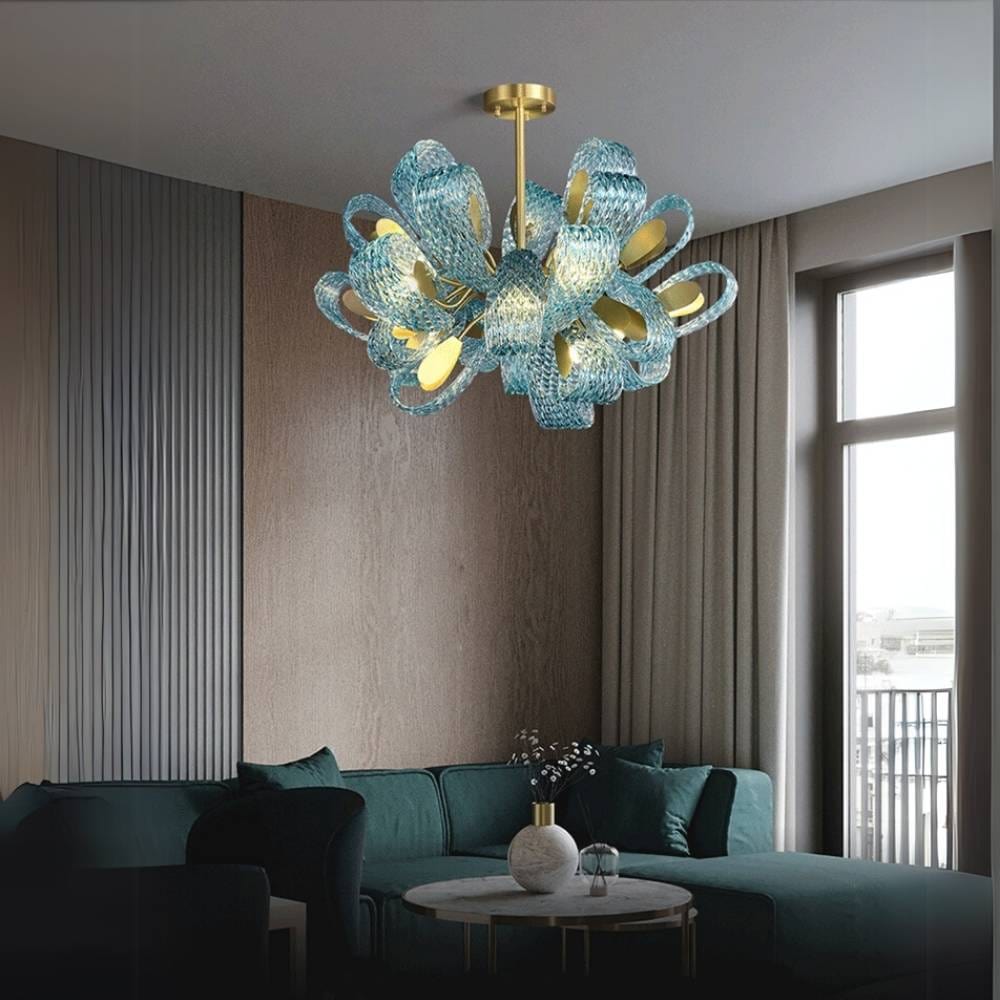
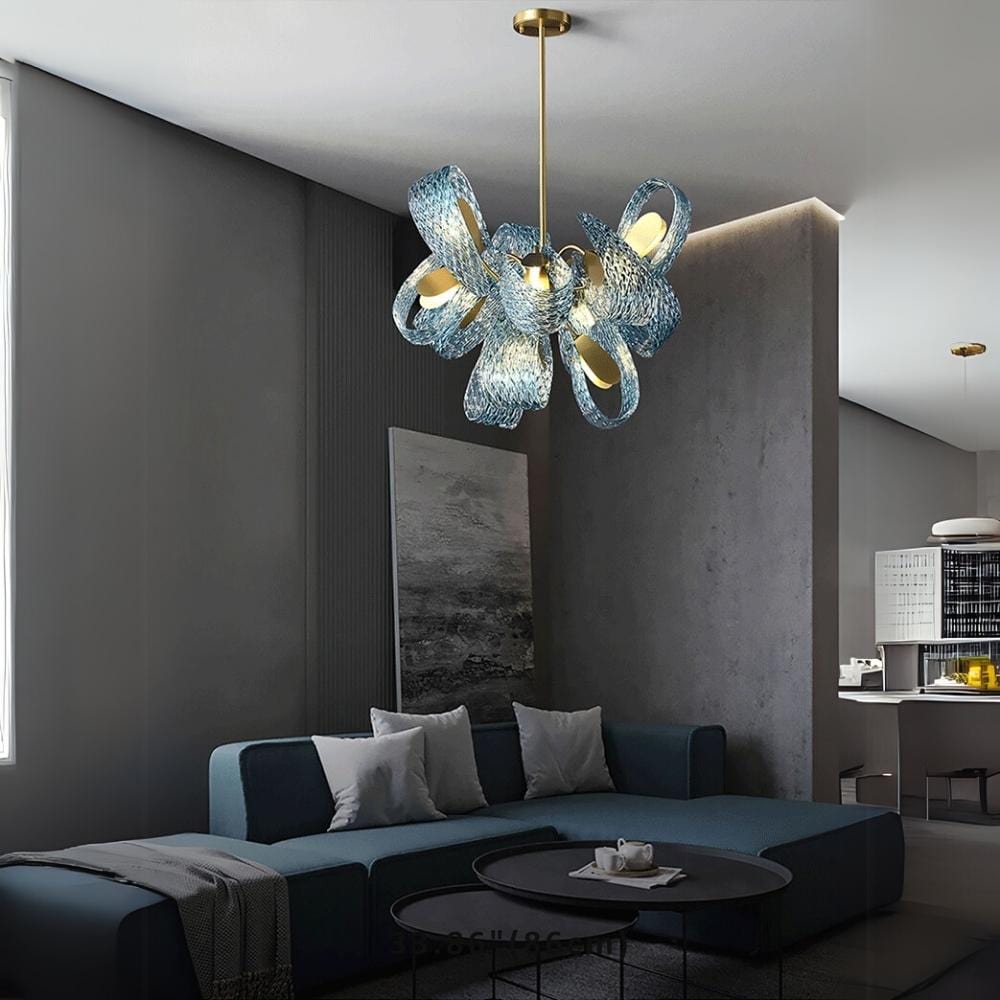
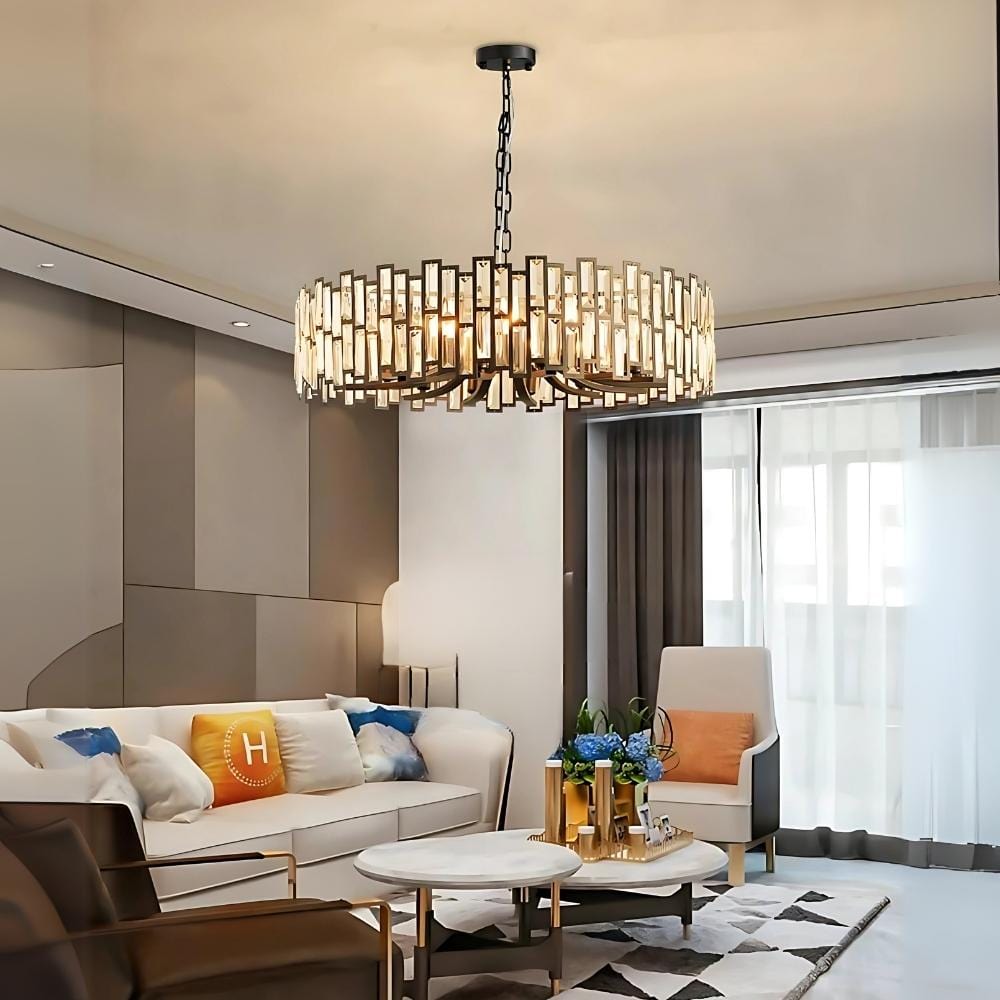
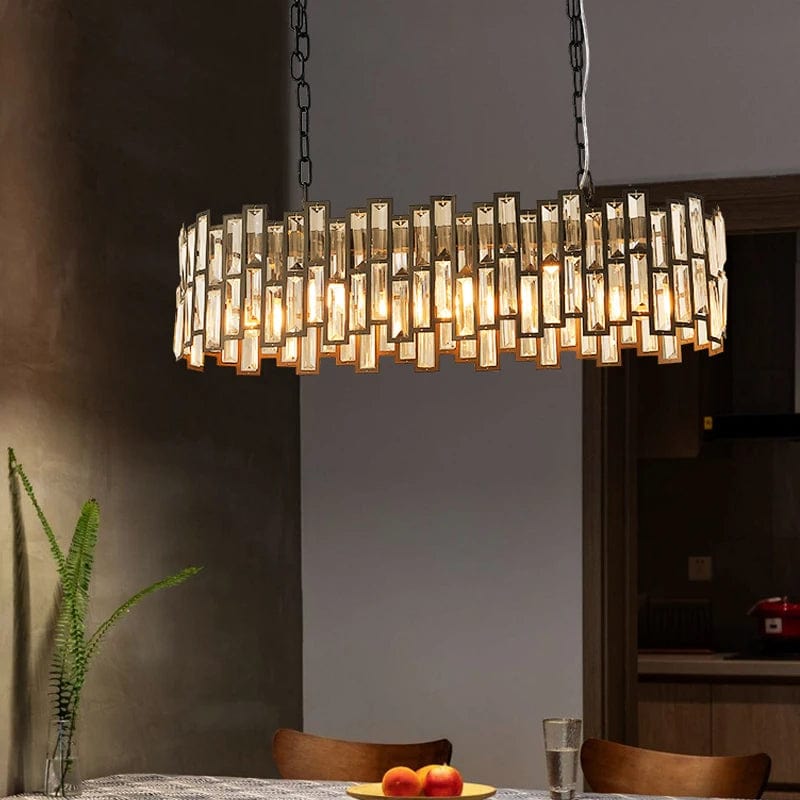
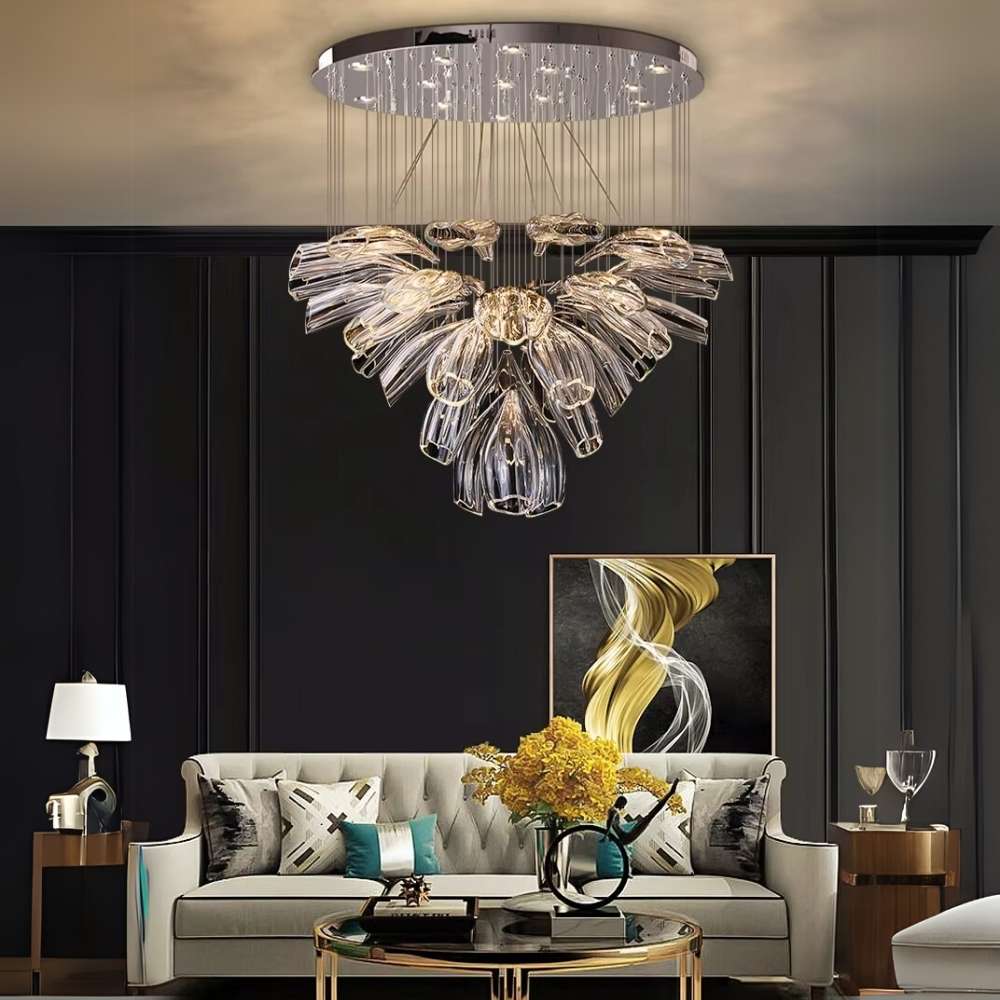
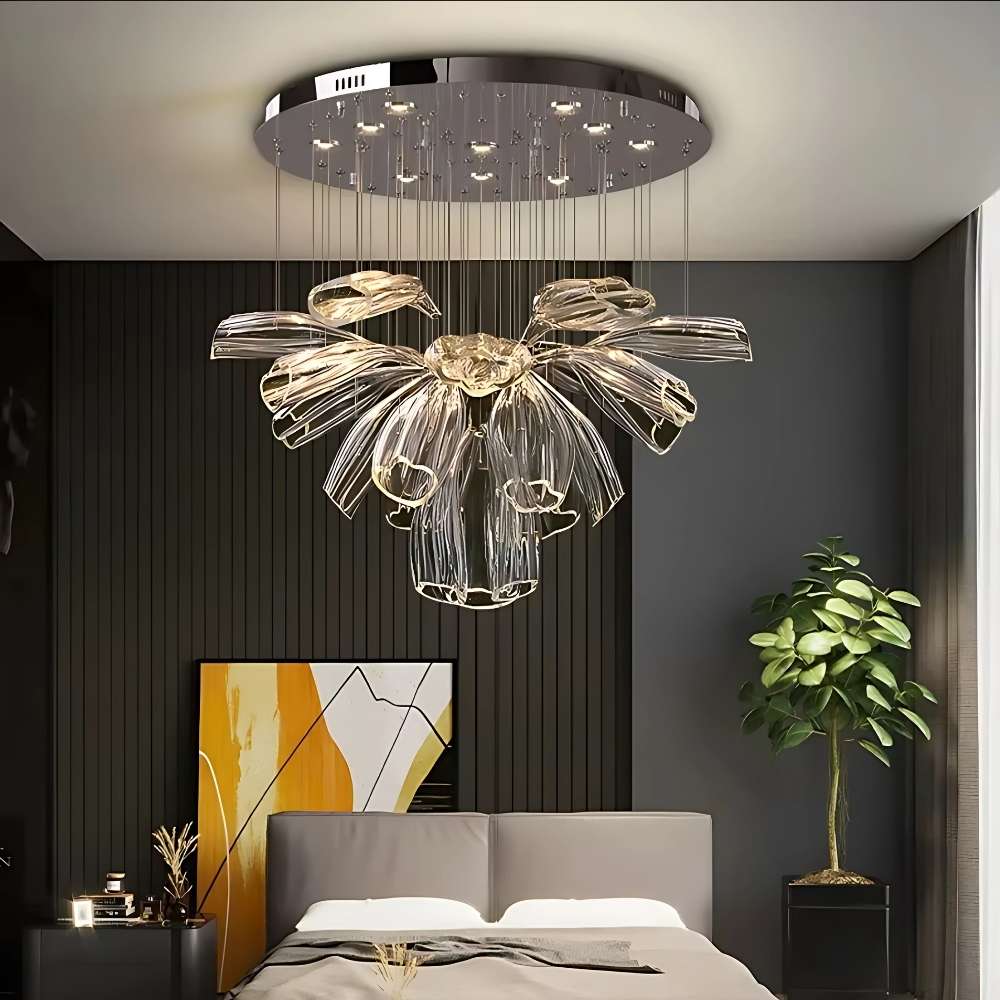
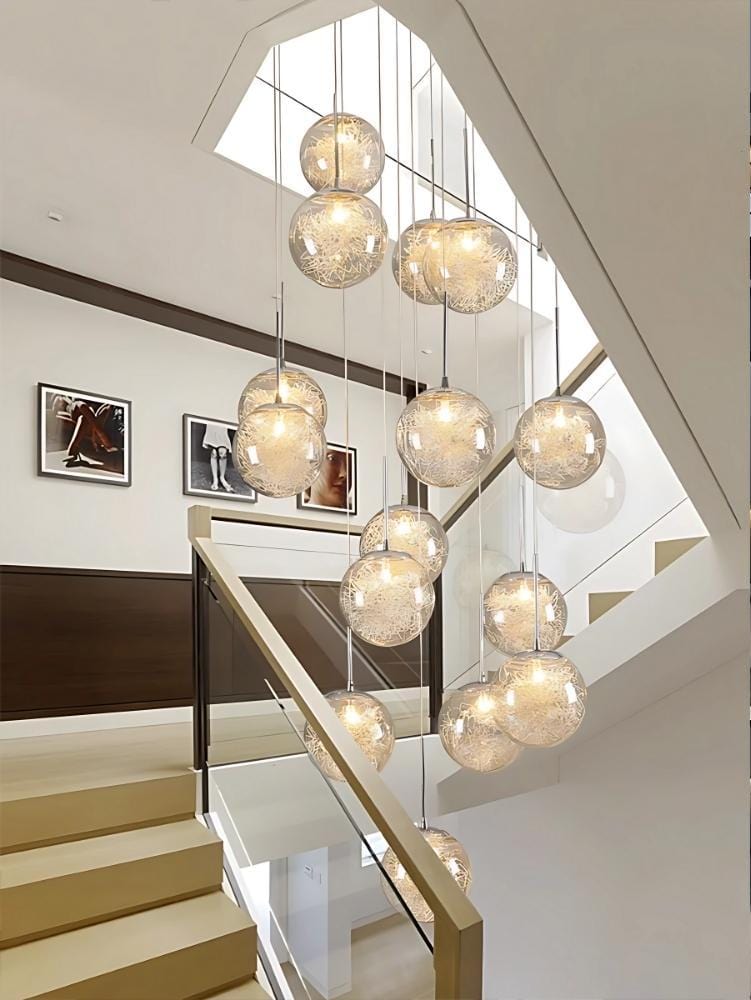
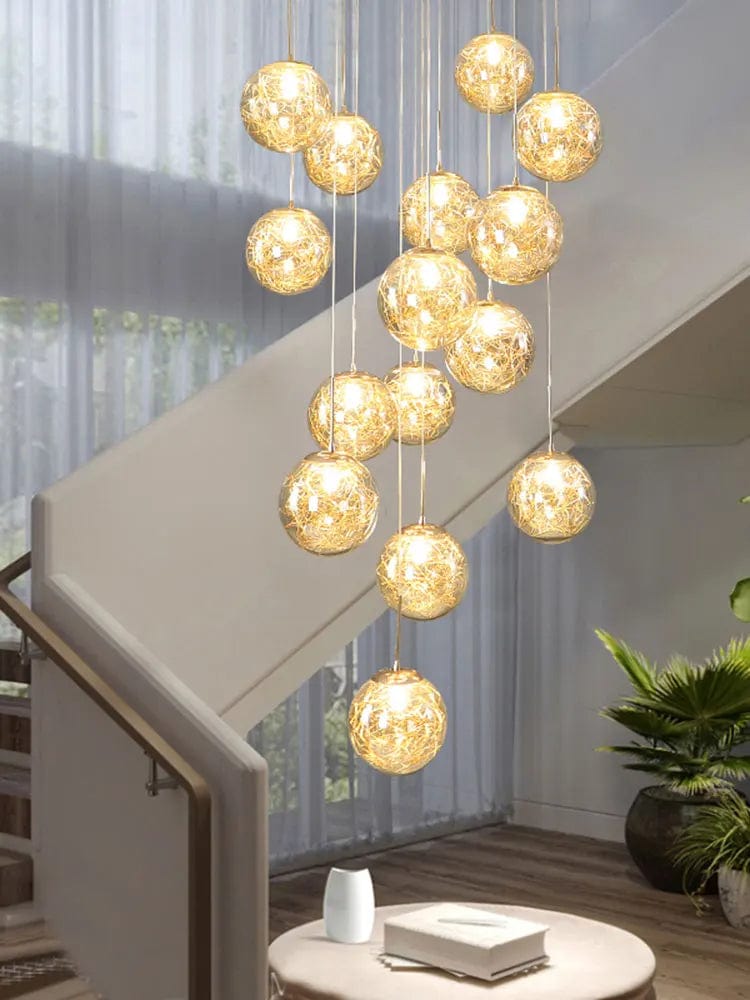
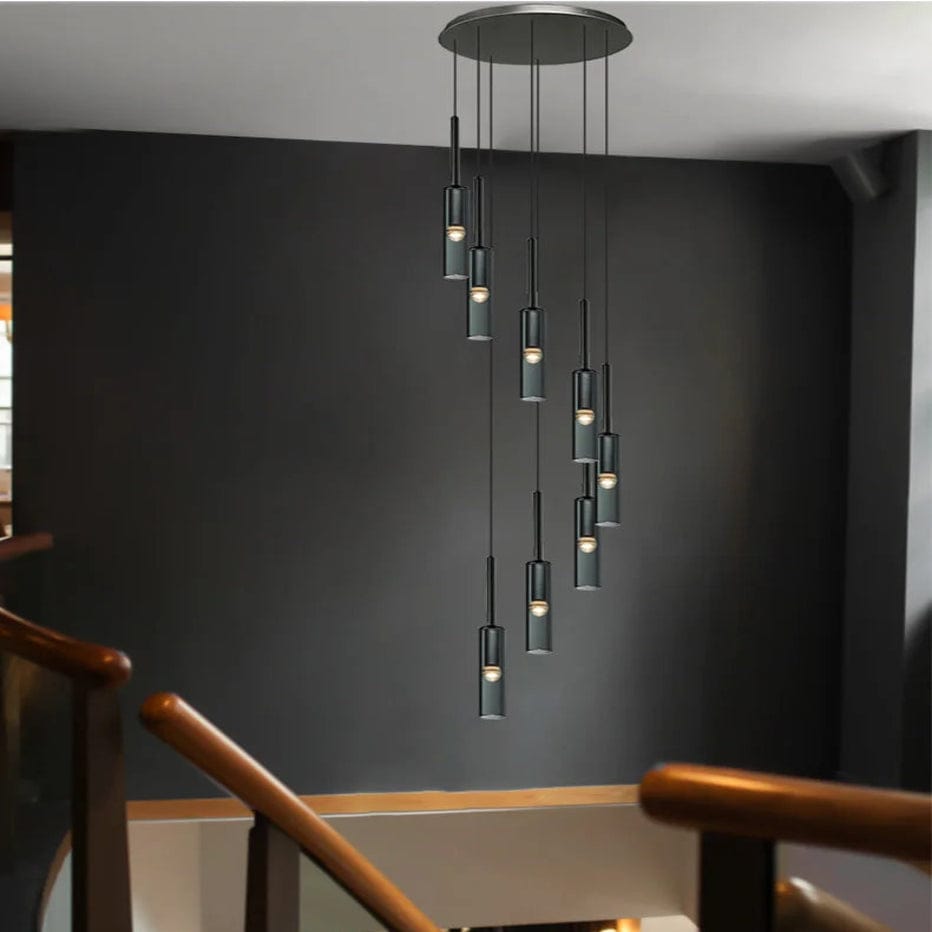
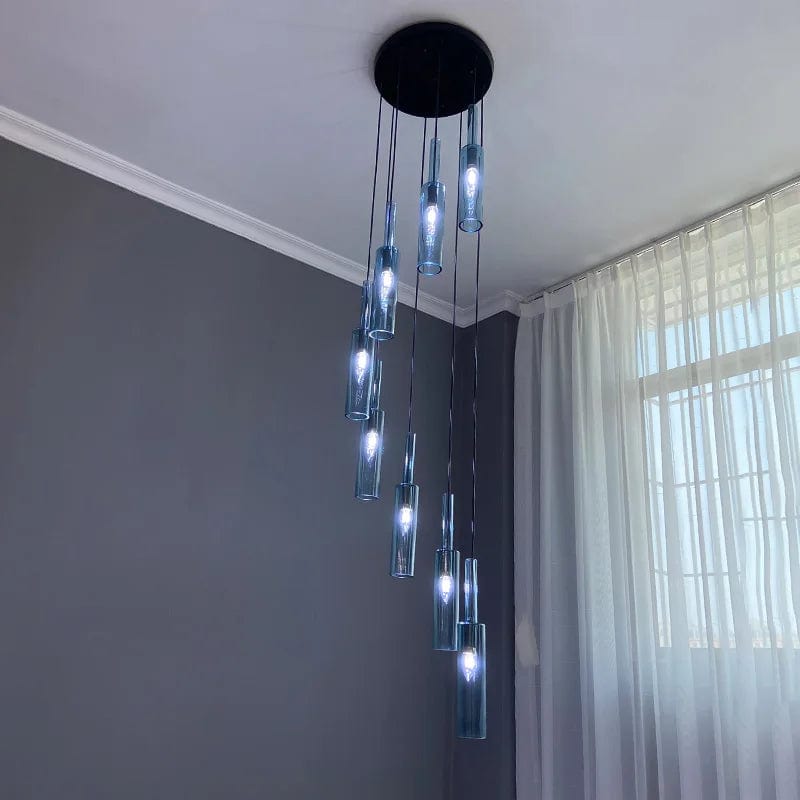


Glass Chandeliers for Lighter Visual Weight, Softer Glow, and More Material Variety
Glass chandeliers are a strong choice for shoppers who want a ceiling fixture that feels open, refined, and visually flexible across different room styles. This category is built around chandeliers that use glass as a defining material, whether through clear shades, milk glass, smoke glass, colored glass, bubble forms, or more sculptural glass-led arrangements. If you want to compare the broader family first, you can begin with our full Chandeliers collection, then narrow your options here once you know your priority is the look and feel of glass itself.
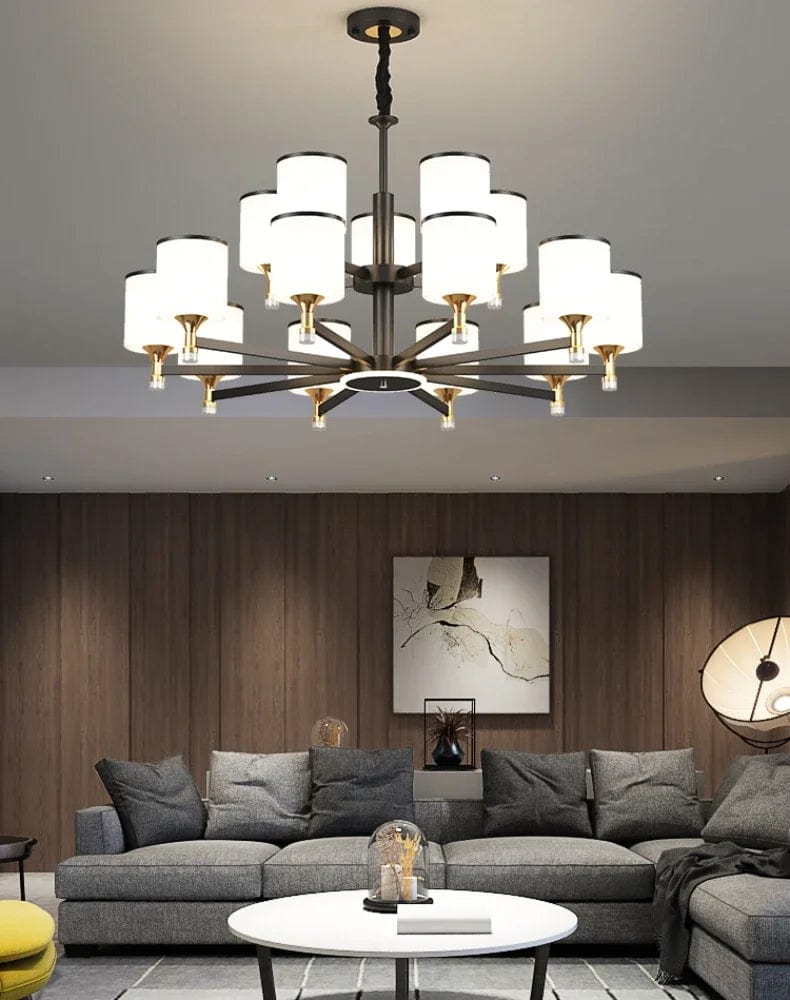
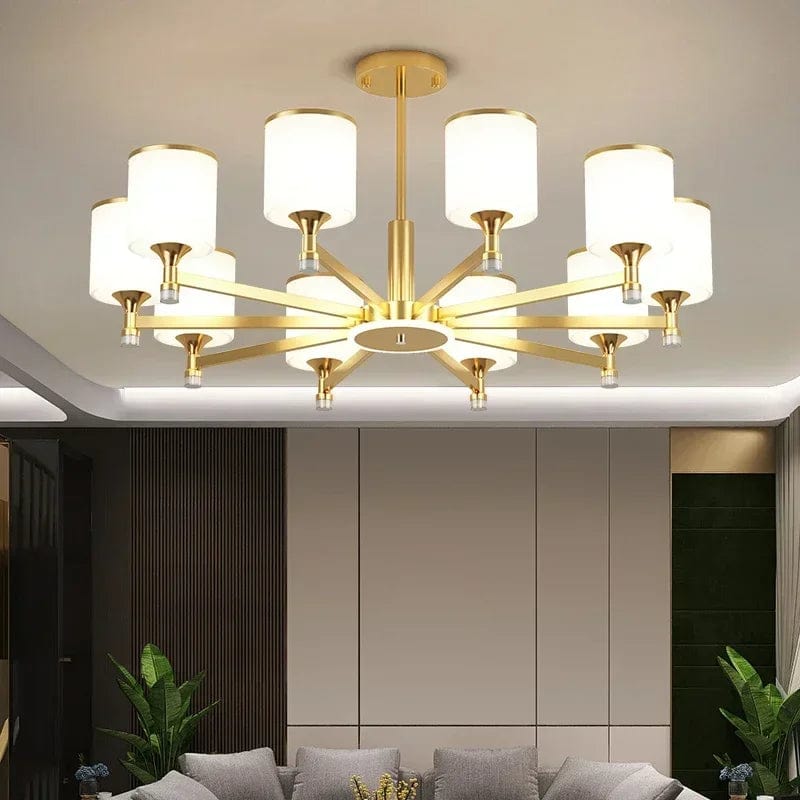
One of the biggest strengths of glass chandeliers is versatility. Some styles feel clean and minimal, while others feel artistic, colorful, layered, or softly decorative. Unlike crystal, which is usually chosen for stronger sparkle and refraction, glass chandeliers are often chosen for their transparency, gentler glow, and the way they can make a fixture feel lighter in the room. That makes this collection especially useful in dining rooms, living rooms, foyers, bedrooms, and mixed-style interiors where the chandelier should feel noticeable without looking too formal.
What Makes a Chandelier a Glass Chandelier?
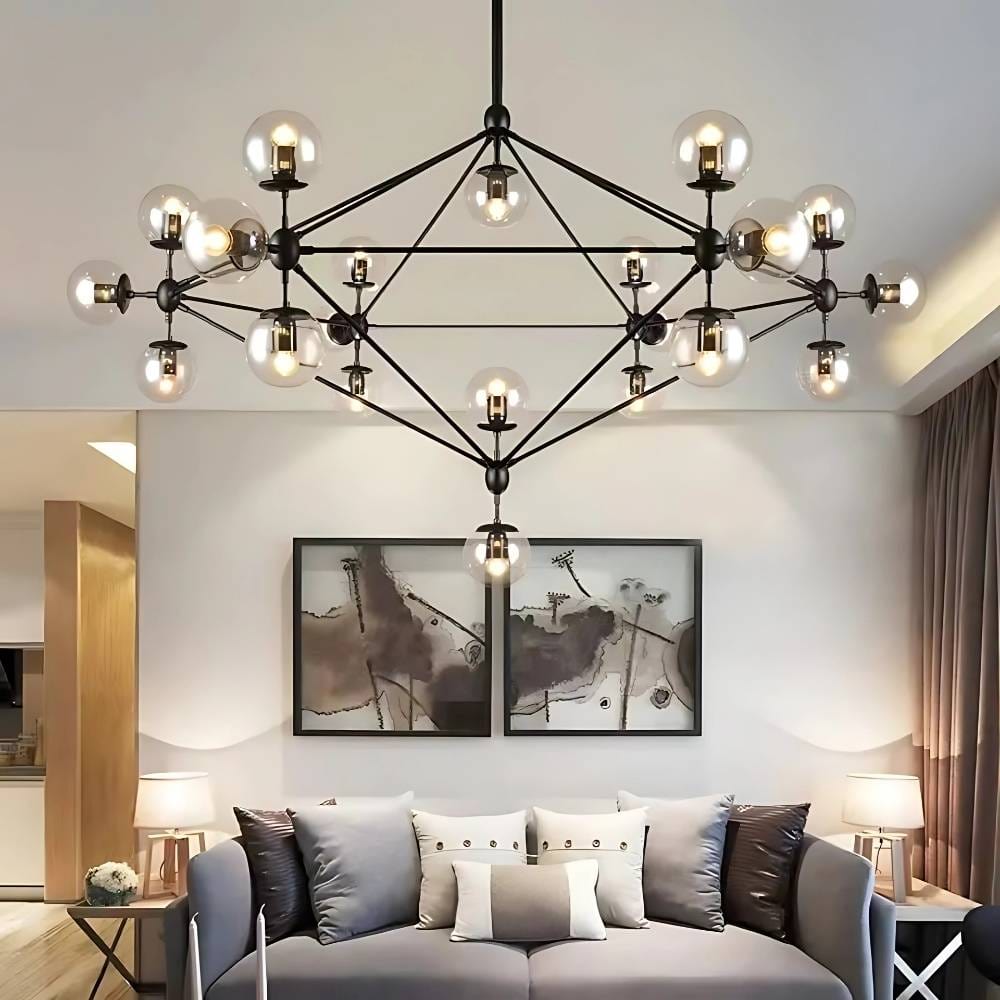
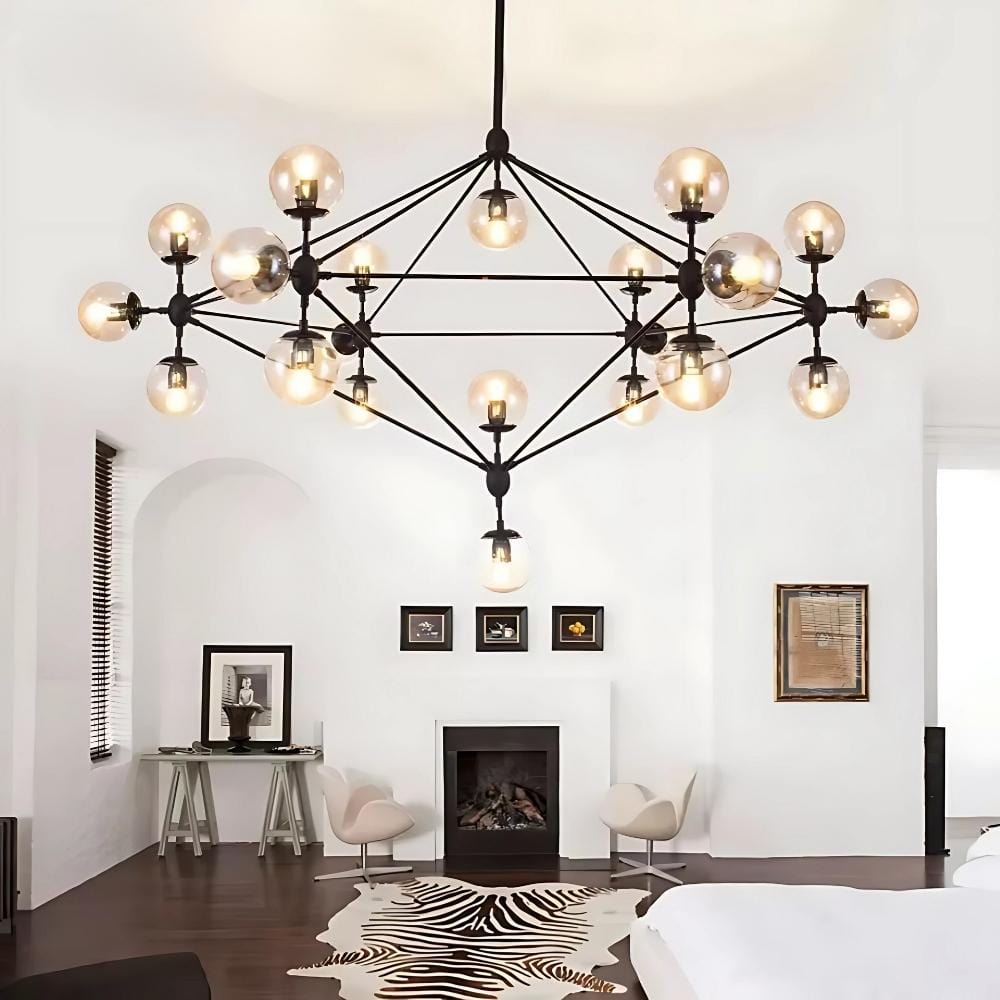
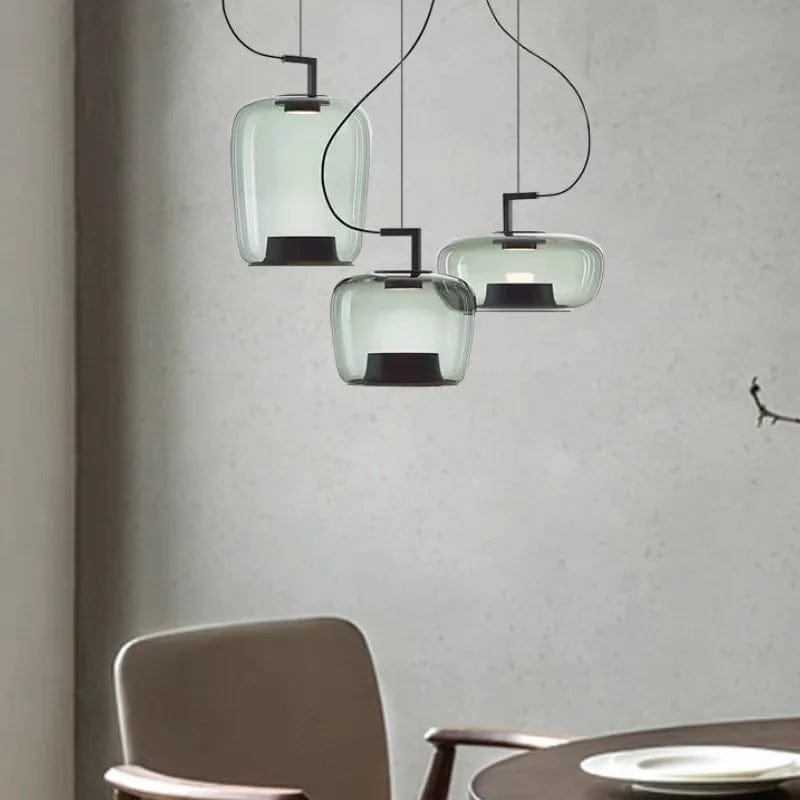
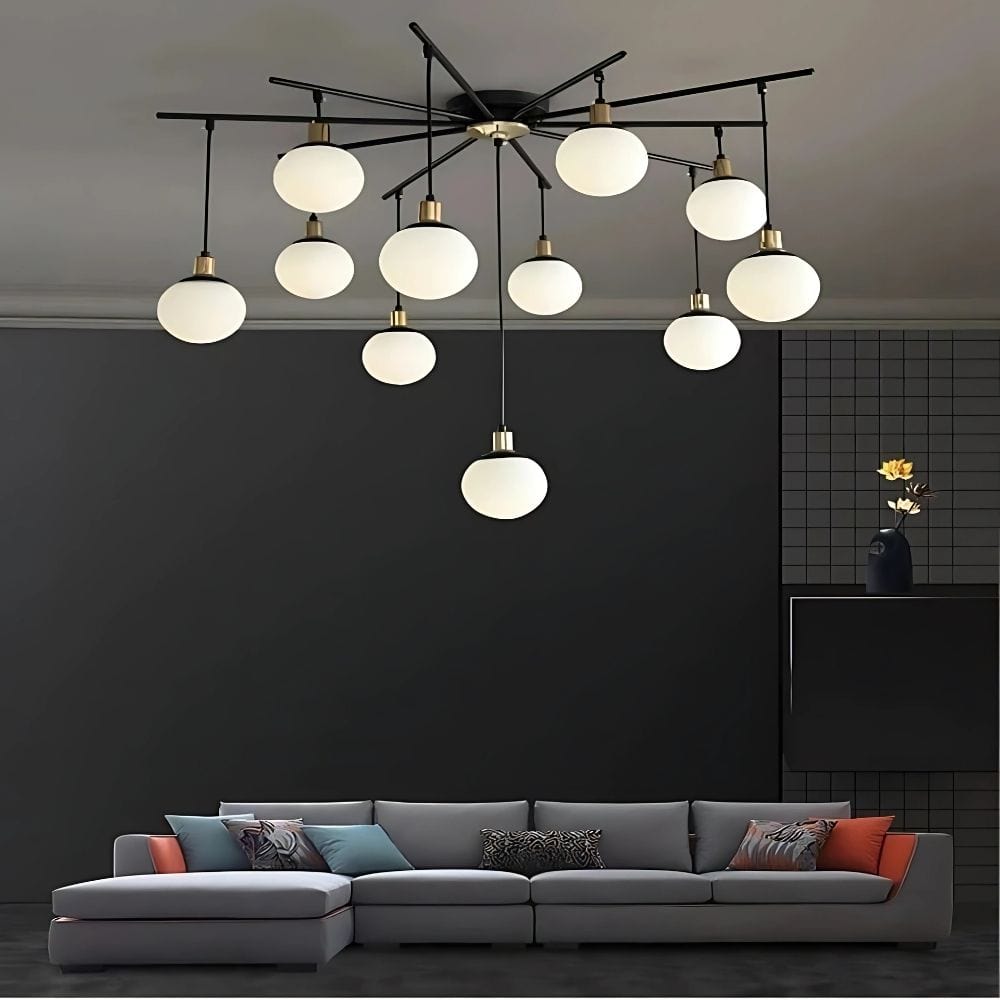
The defining feature is the material itself and how it shapes the chandelier’s visual effect. Glass chandeliers often rely on silhouette, color, transparency, surface texture, or globe and shade design more than on prismatic sparkle. Some use clear glass for a clean and airy look. Others use frosted or milk glass for softer light diffusion. Smoke, amber, or colored glass can add more mood and character while still keeping the chandelier visually open.
- Common glass directions: clear glass, milk glass, smoke glass, colored glass, bubble glass, globe shades, and more sculptural contemporary forms
- Best room types: dining rooms, living rooms, foyers, bedrooms, breakfast areas, and open-plan interiors
- Main visual benefit: softer overhead presence and more openness than many dense metal or crystal fixtures
Tip: Glass chandeliers are often a smart choice when you want the ceiling fixture to feel decorative but still visually breathable, especially in rooms where sightlines matter.
How to Choose the Right Glass Chandelier by Room
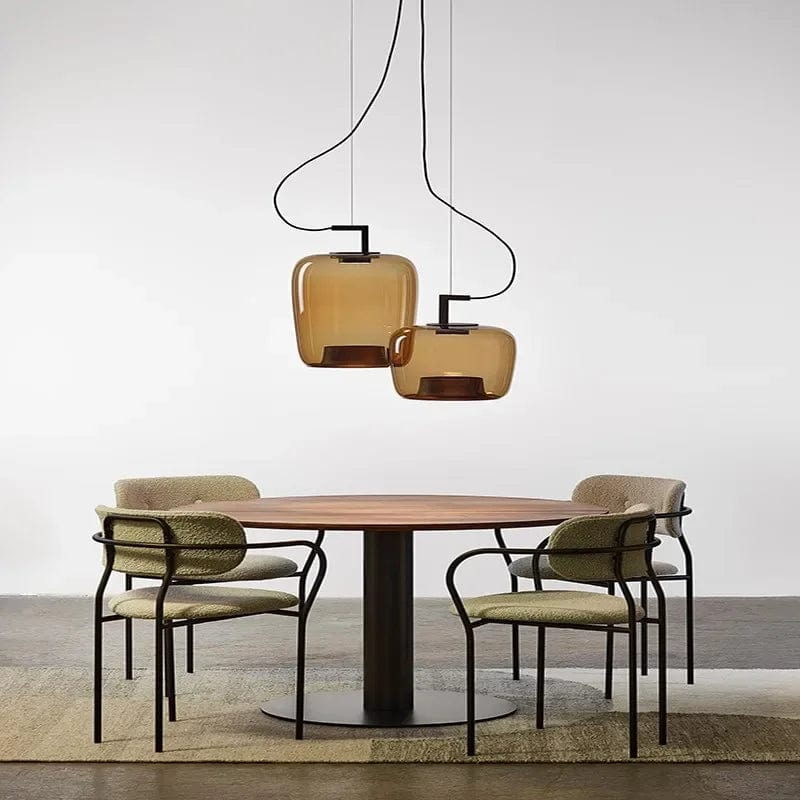
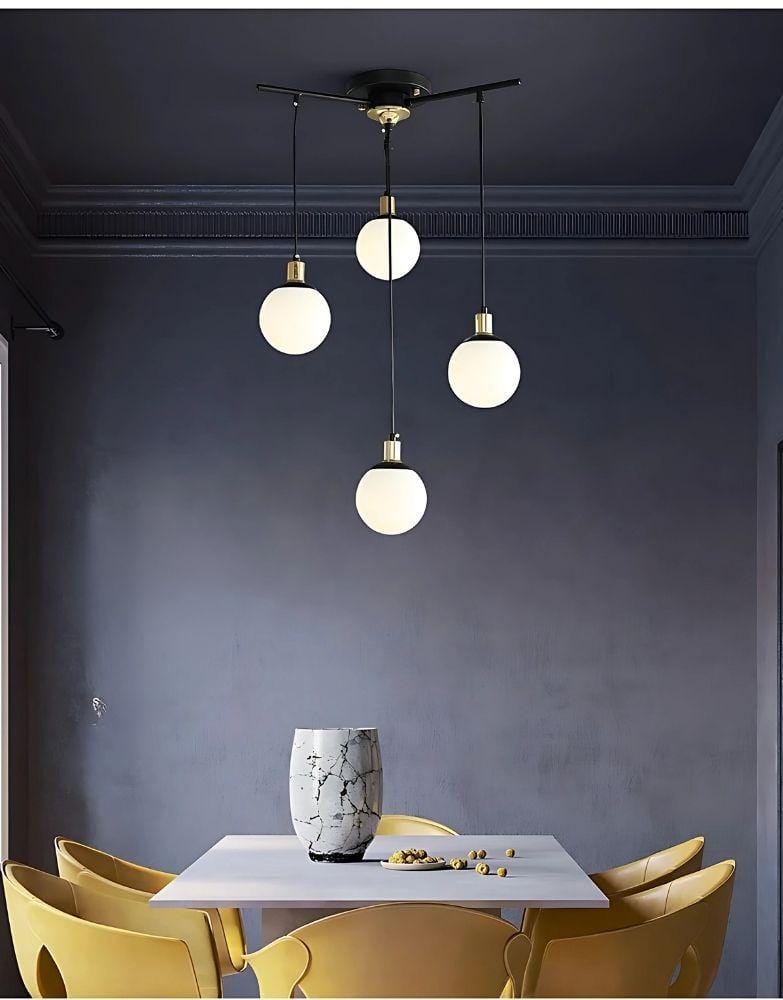
The best glass chandelier usually depends on what the fixture needs to do in the room. Over a dining table, glass can create a polished focal point without always feeling as formal as crystal. In a living room, a glass chandelier often helps the ceiling feel more defined while still keeping the overall room visually open. In foyers and entryways, glass can make the fixture feel brighter and more inviting, especially when the chandelier is viewed against a larger volume of space.
If your focus is room-first shopping, it can help to compare this page with Dining Room Chandeliers, Living Room Chandeliers, and Foyer & Entryway Chandeliers. If your priority is a more globe-cluster look specifically, Bubble Chandeliers is a more precise adjacent category.
Quick planning notes:
- Room-size starting point: add the room length and width in feet, then use that total in inches as a rough chandelier diameter guide
- Dining placement: many shoppers begin around 30 to 36 inches above the tabletop, then adjust for ceiling height and fixture density
- Open rooms: glass chandeliers often work well where you want presence without too much visual heaviness
- Smaller rooms: clear or milk-glass forms often feel easier to place than dense layered fixtures
Measurement note: Glass chandeliers can feel lighter than their dimensions suggest, especially when the design uses open spacing, transparent shades, or slimmer framing. That means a fixture with a generous width may still sit comfortably in the room if the material keeps the overall look airy.
Clear Glass, Milk Glass, Smoke Glass, and Colored Glass
Not all glass chandeliers create the same result. Clear glass usually feels brightest and most open because the material keeps the form easy to read without adding much visual density. Milk glass tends to soften the chandelier and create a calmer glow, which can work especially well in bedrooms or dining spaces where you want gentler light behavior. Smoke glass often adds mood and depth, while colored glass can turn the chandelier into a more artistic focal point and change the room’s tone even when the fixture is not turned on.
This range is one reason glass chandeliers can cross into many styles without losing their material identity. Some feel modern and minimal. Others feel sculptural, retro, playful, or more decorative. If your priority is stronger sparkle and refraction, Crystal Chandeliers is the better adjacent category. If you want a cleaner current style with less emphasis on glass as the main material, Modern Chandeliers may be a better fit.
Quick comparison:
- Clear glass chandeliers - more open, brighter-looking, and easier in airy interiors
- Milk glass chandeliers - softer, calmer, and less visually sharp overhead
- Smoke or tinted glass - moodier and more decorative in feel
- Colored or artistic glass - stronger personality and a more expressive ceiling statement
Glass Chandeliers vs. Crystal Chandeliers
These categories overlap, but they do not serve the same intent. Crystal chandeliers are more specifically chosen for brilliance, sparkle, and prismatic light play. Glass chandeliers are broader and usually chosen for transparency, softness, material variety, and a lighter visual feel. If your main goal is a chandelier that feels open, flexible, and less formal than crystal, this collection is the more precise starting point.
Small reminder: The best glass chandelier is not simply the one with the most glass. It is the fixture whose shape, scale, and material effect feel balanced with the room and create the right mix of openness, softness, and ceiling presence.