
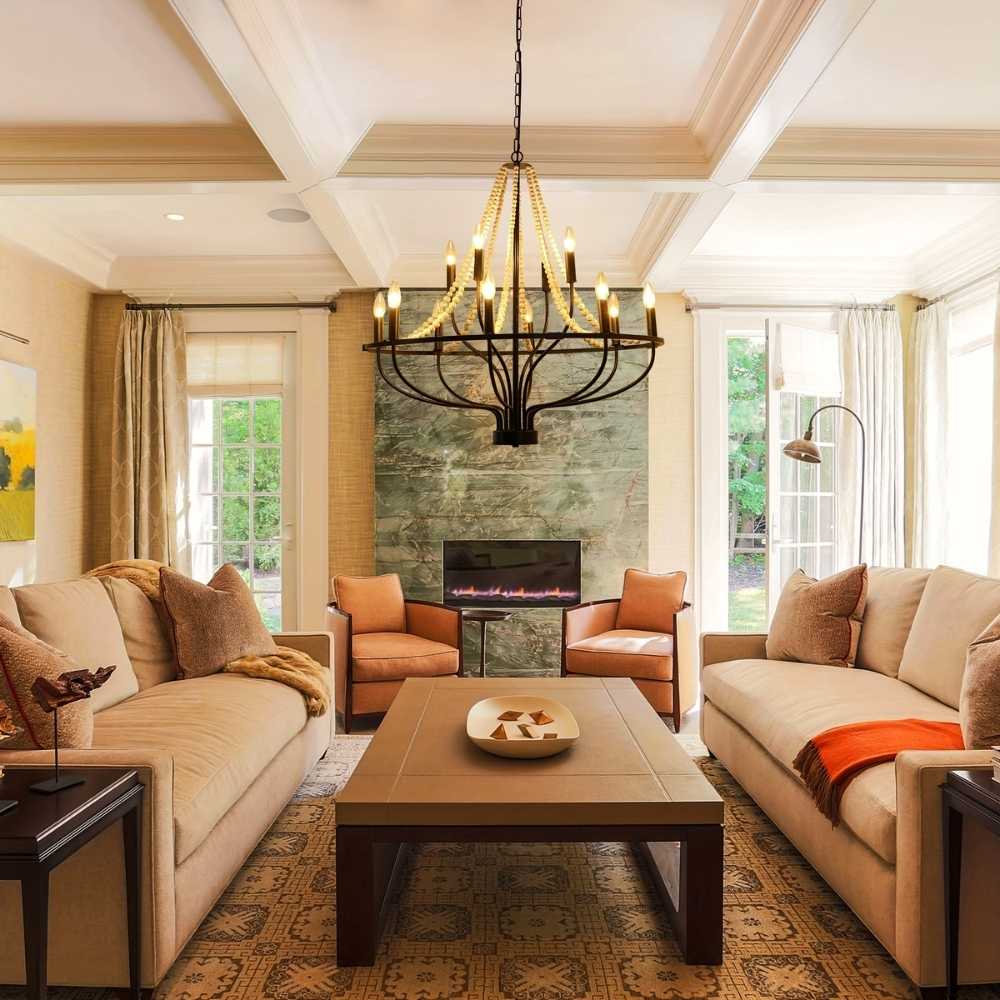
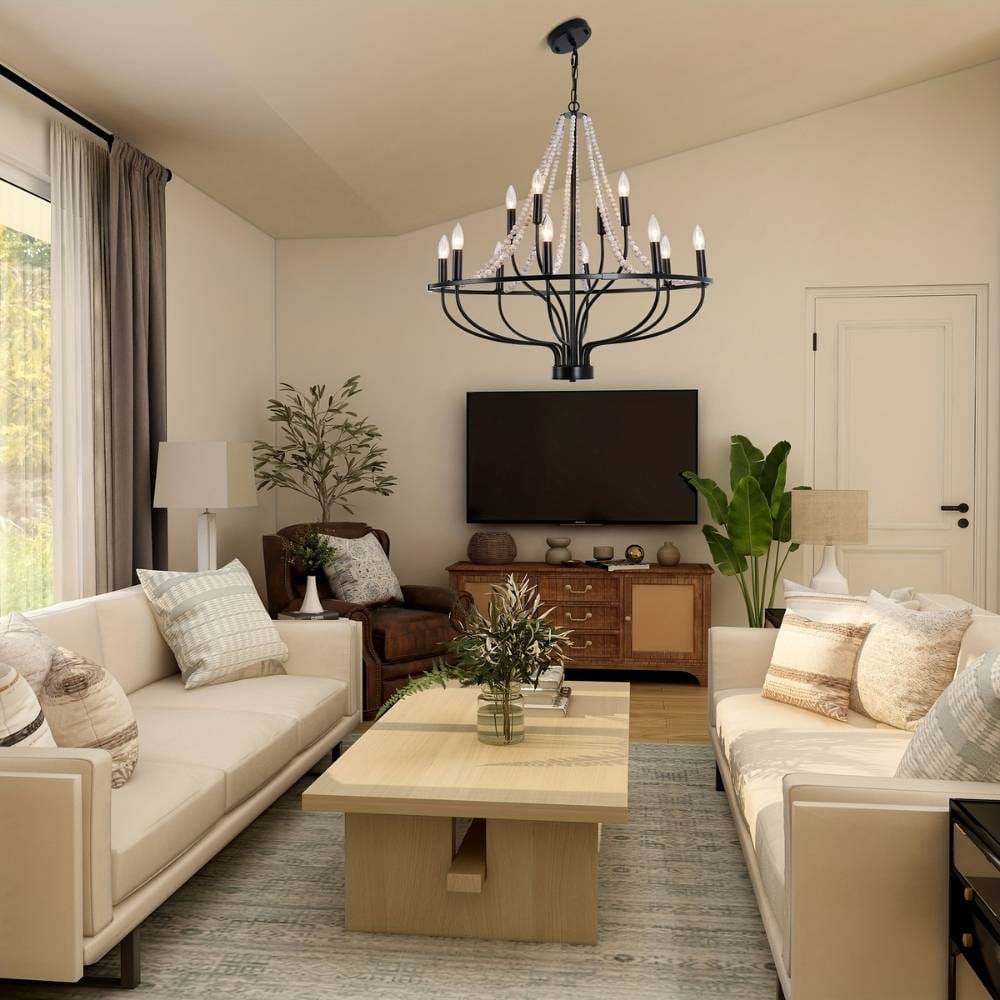
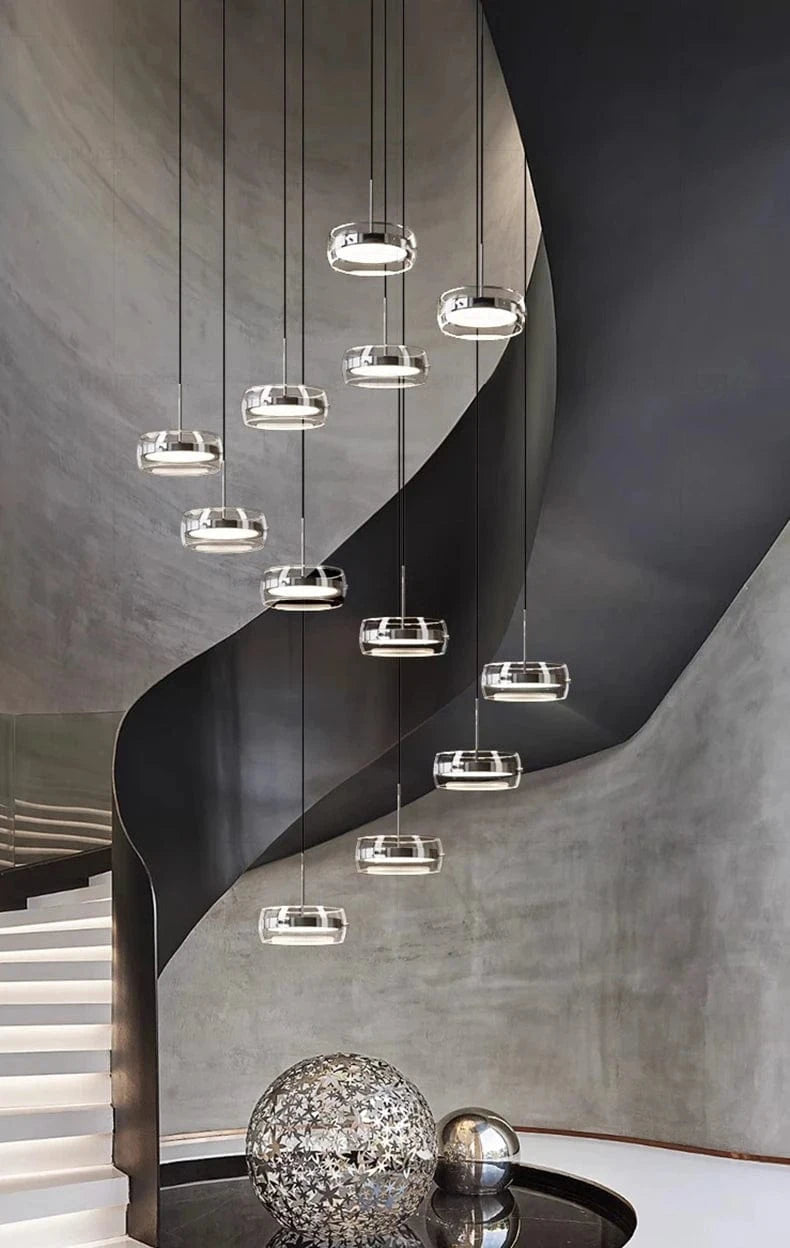
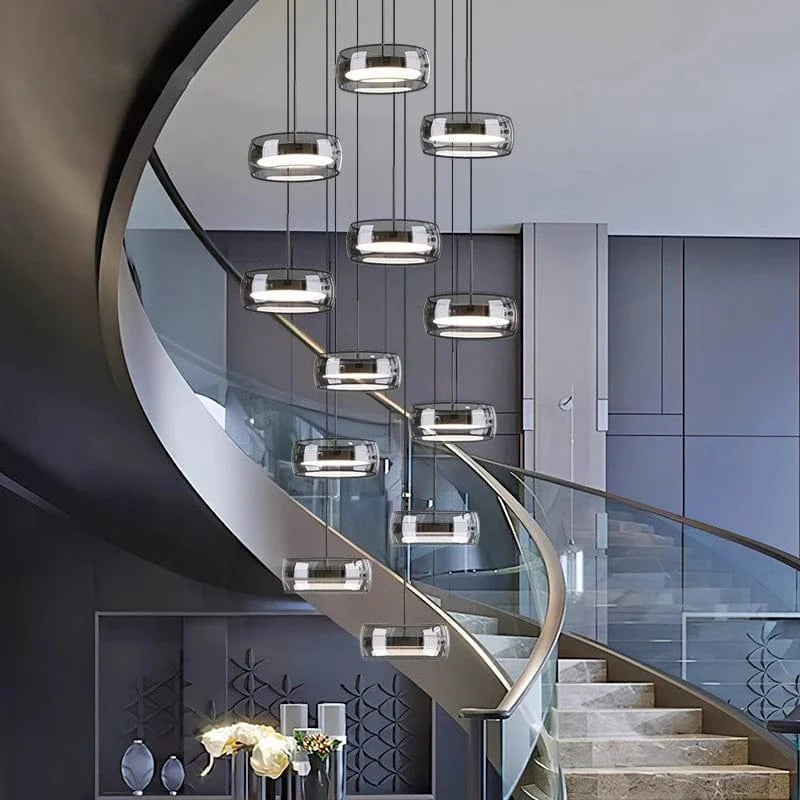


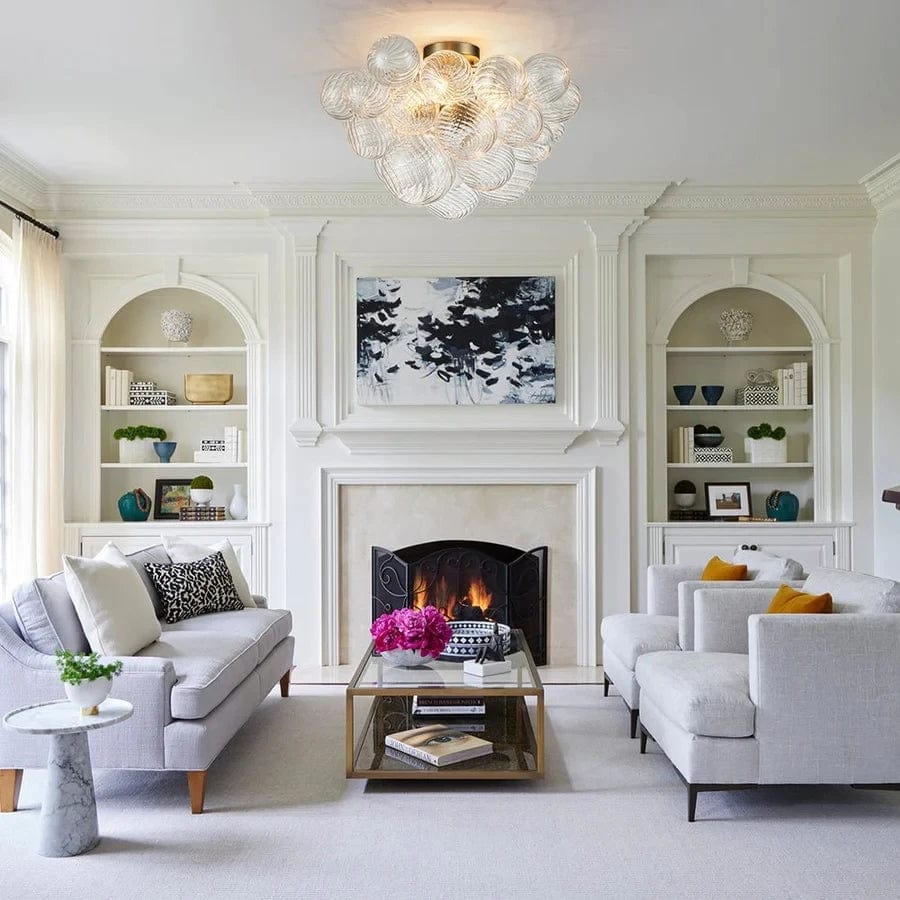
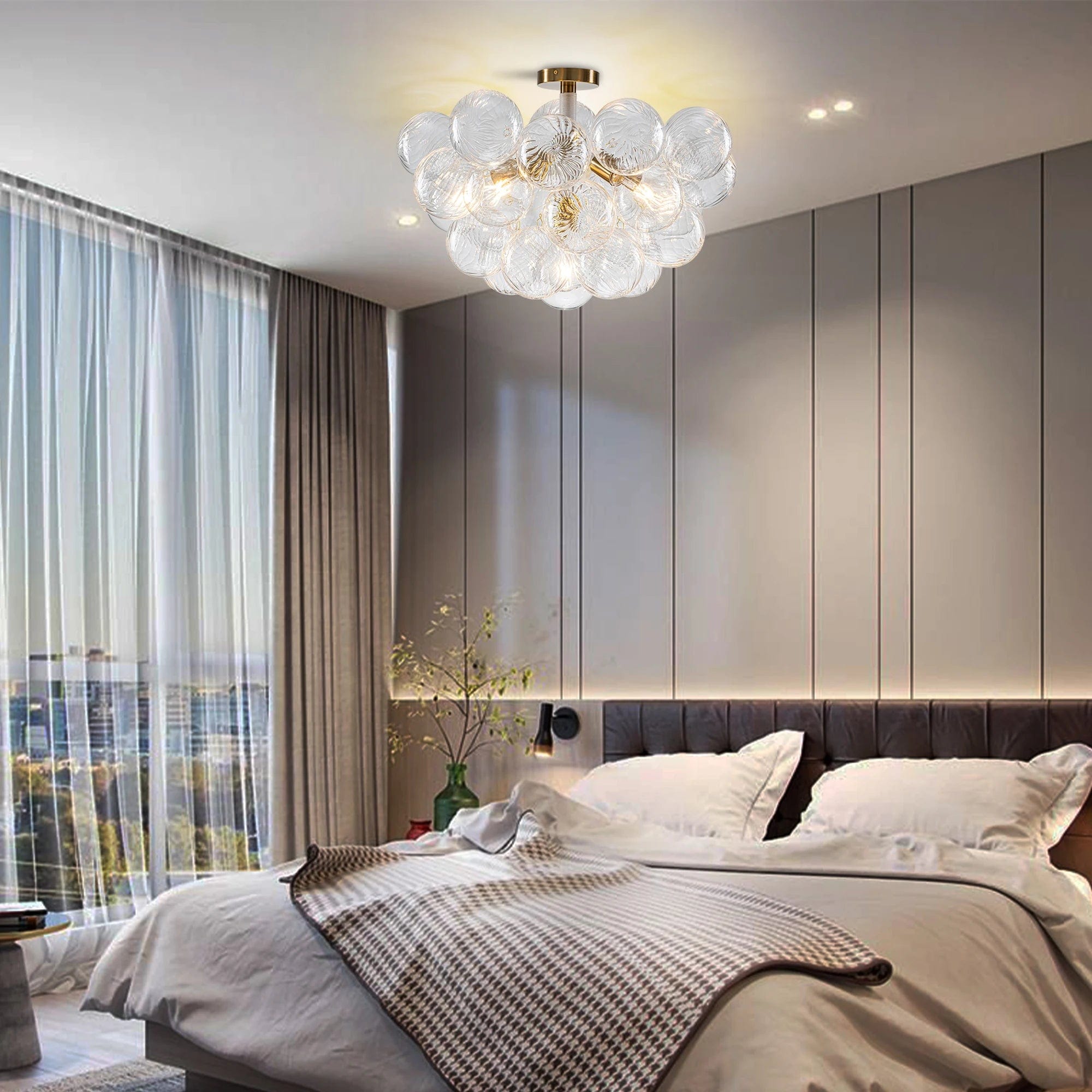
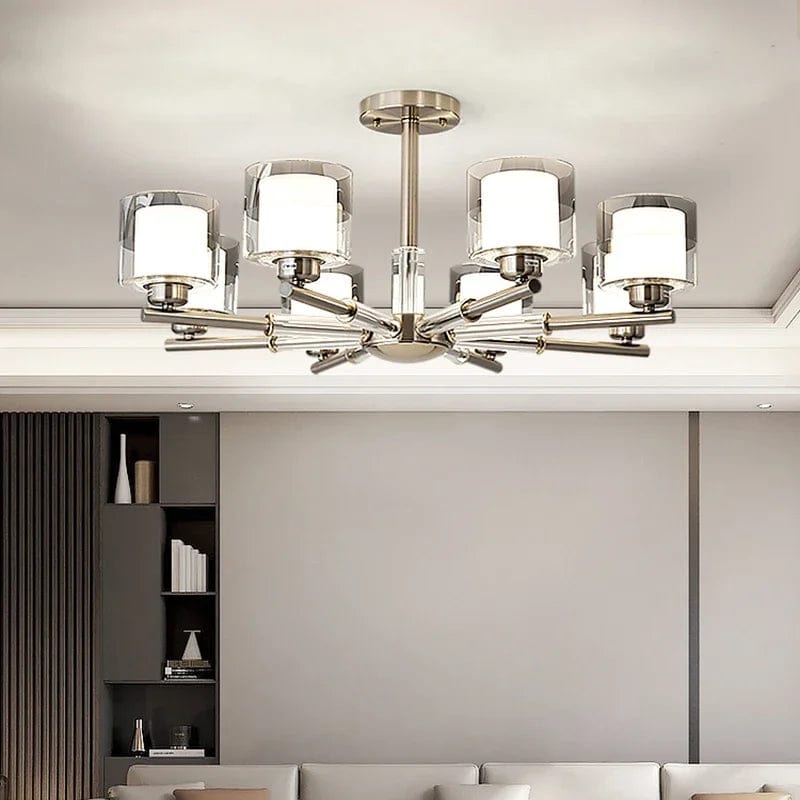
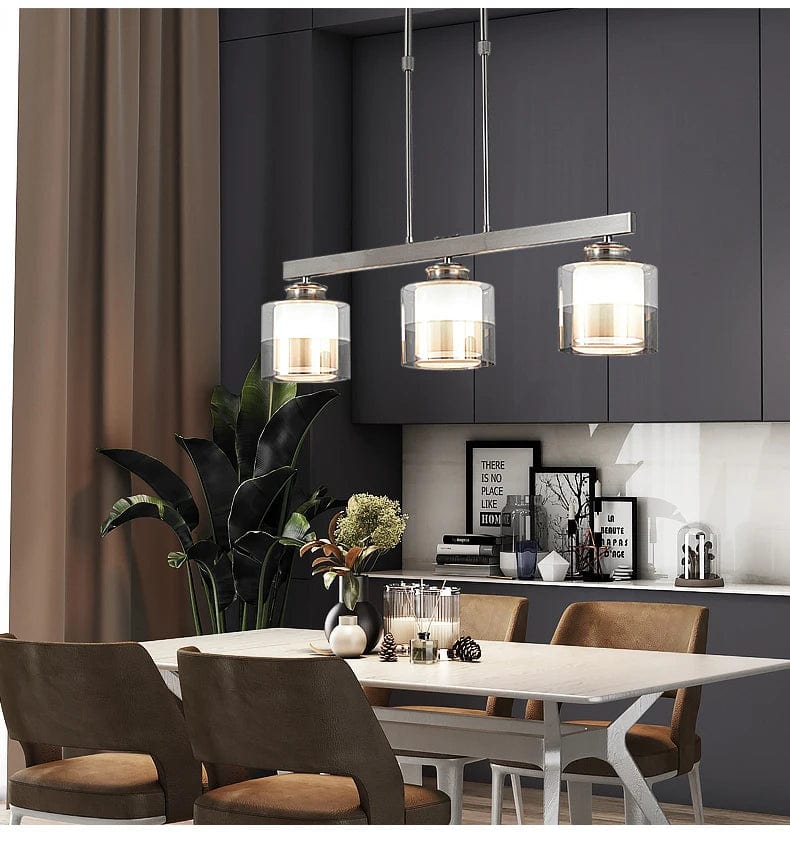
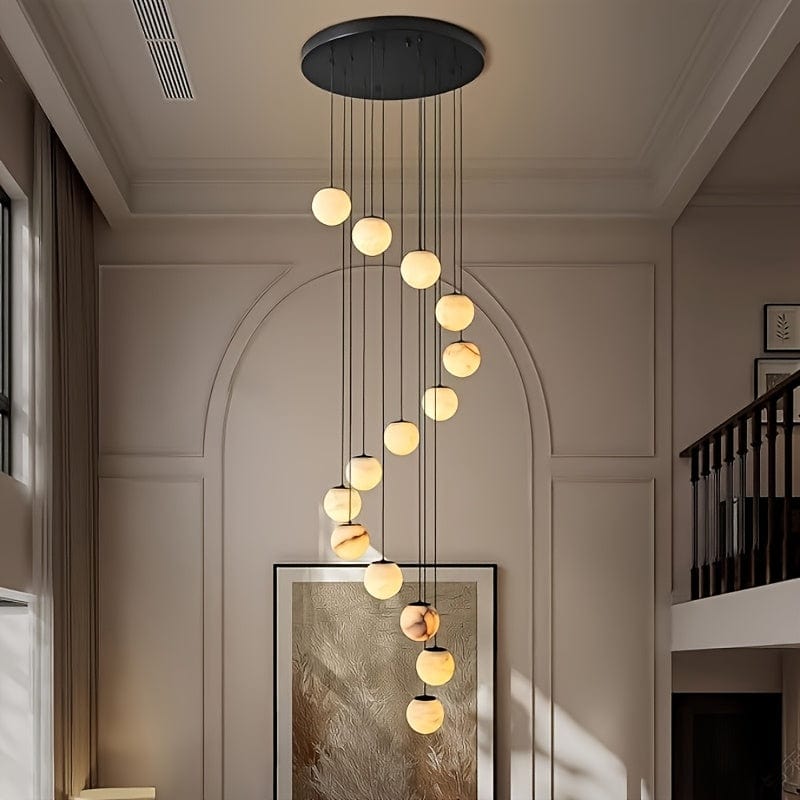
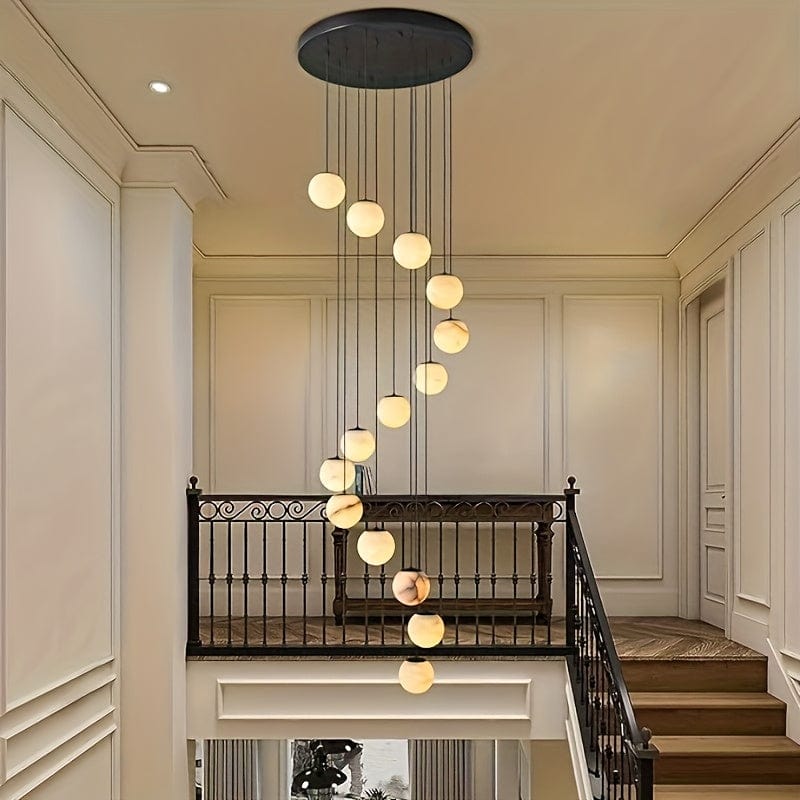
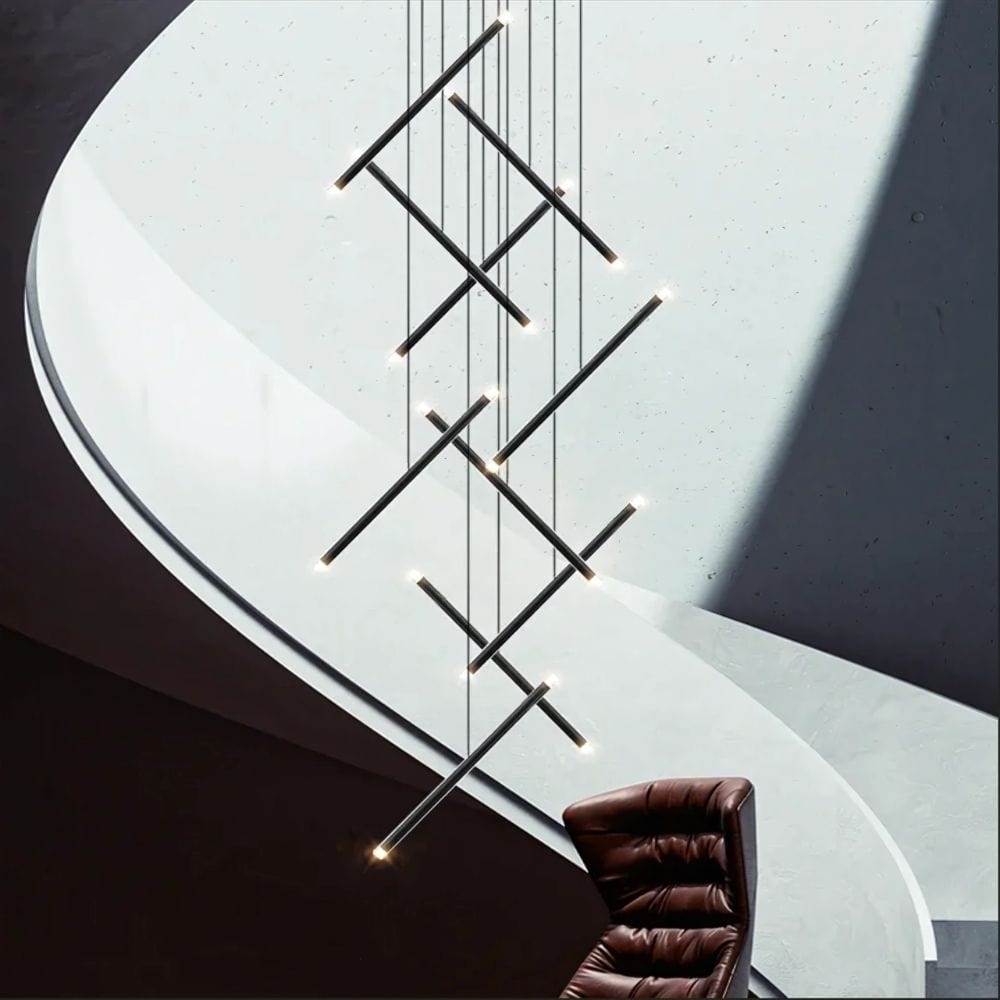
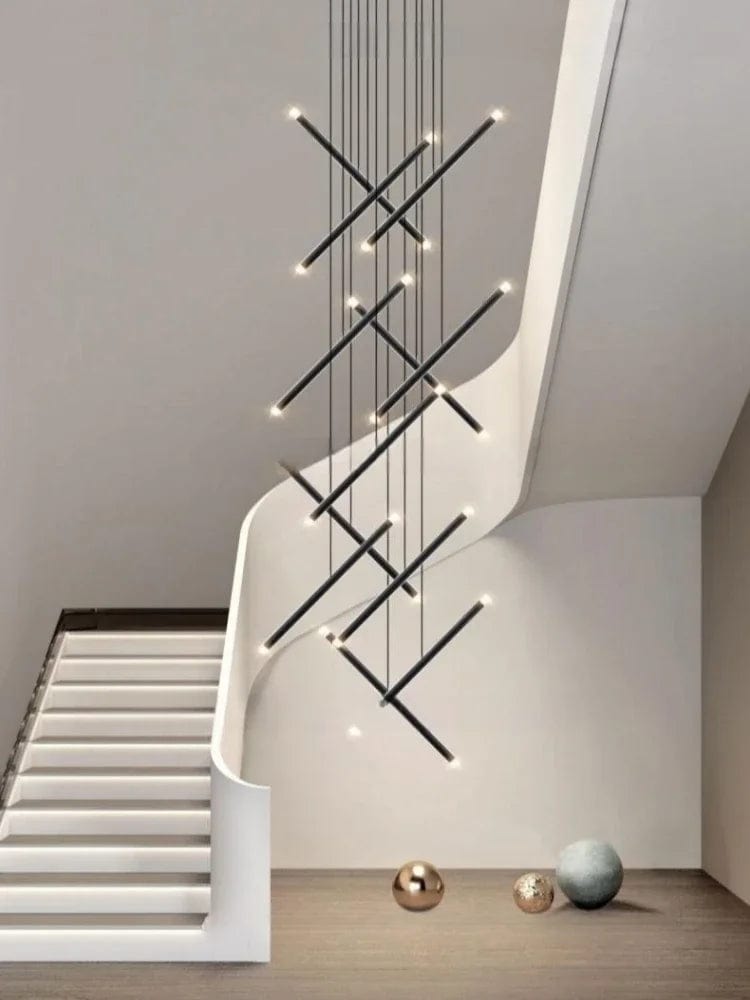
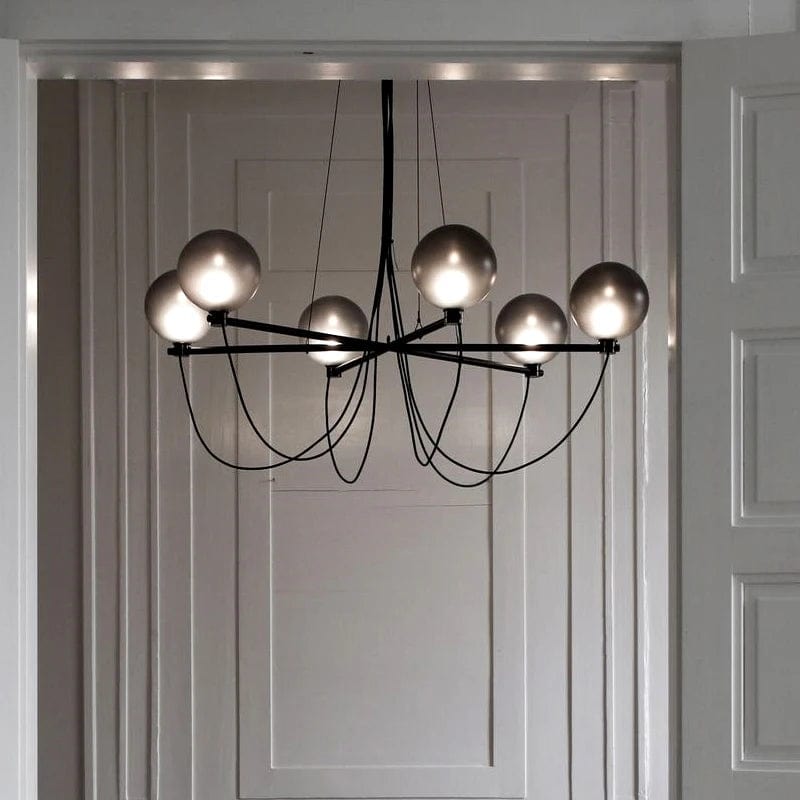
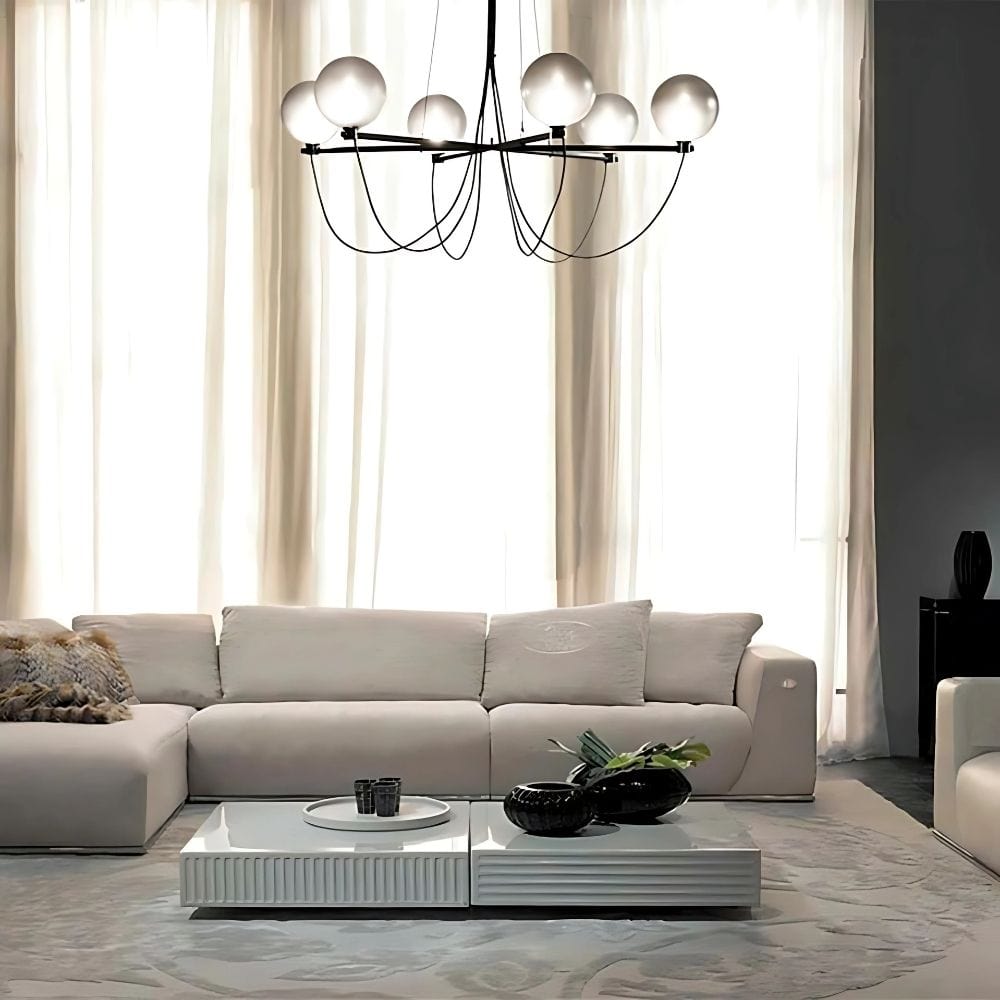
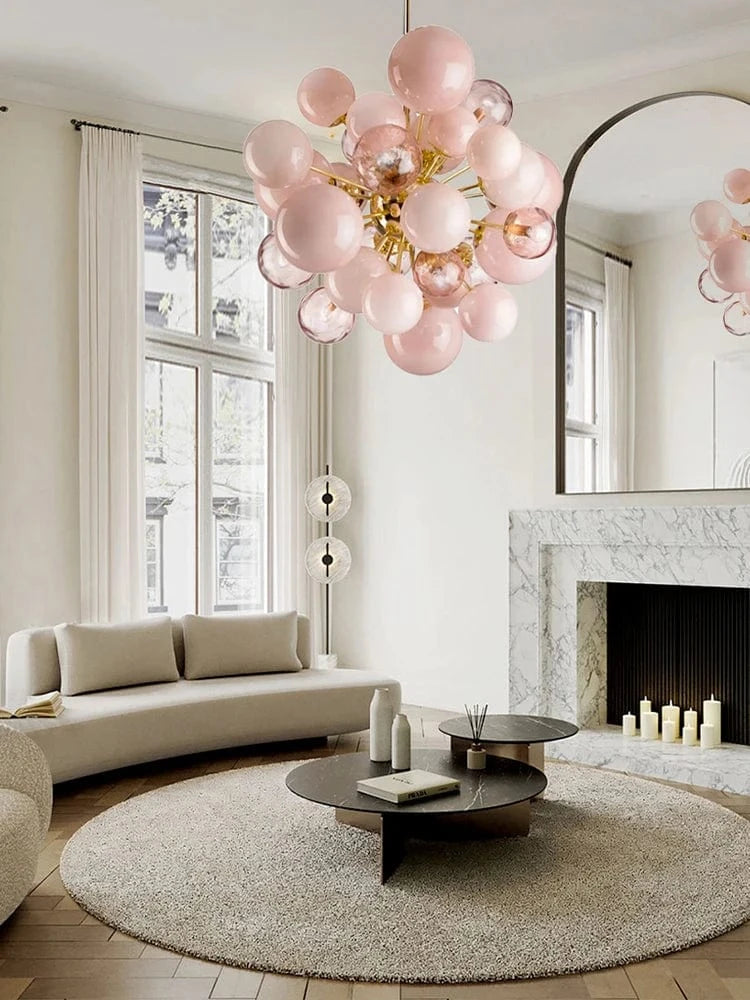
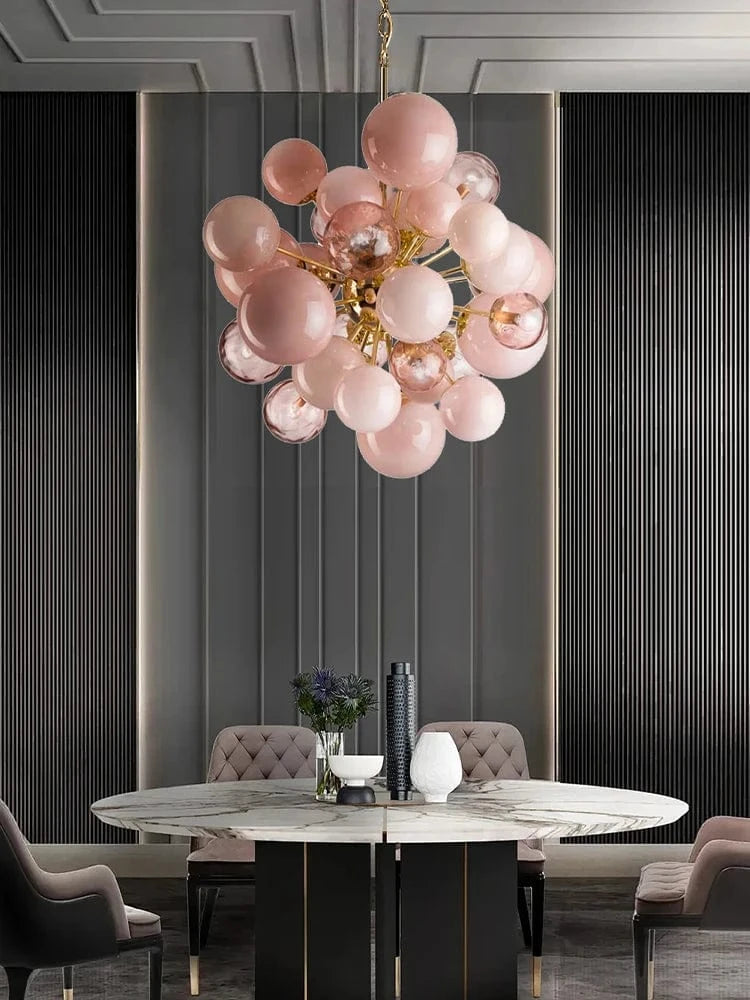


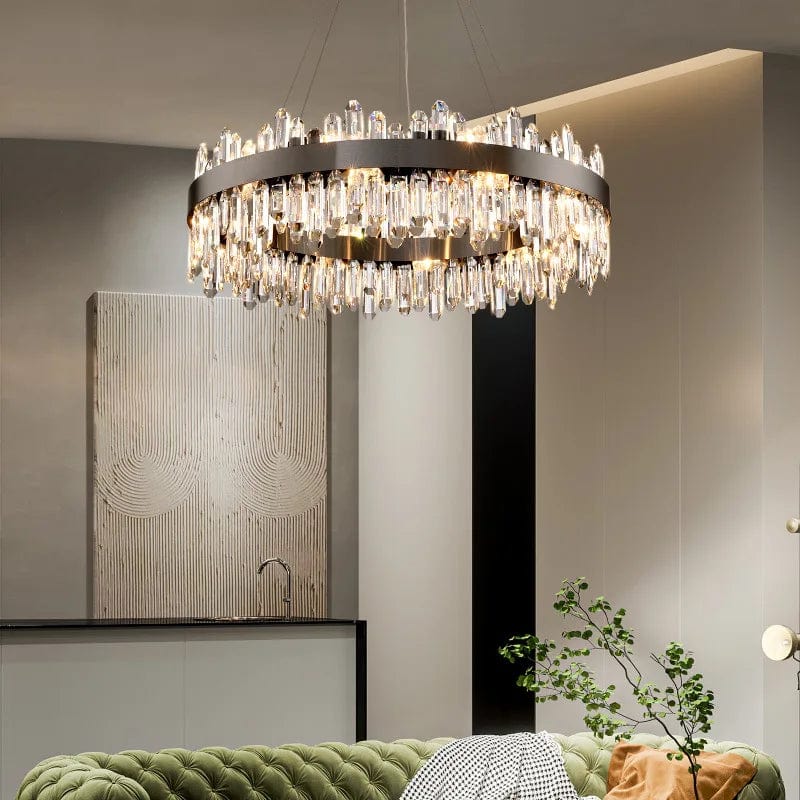
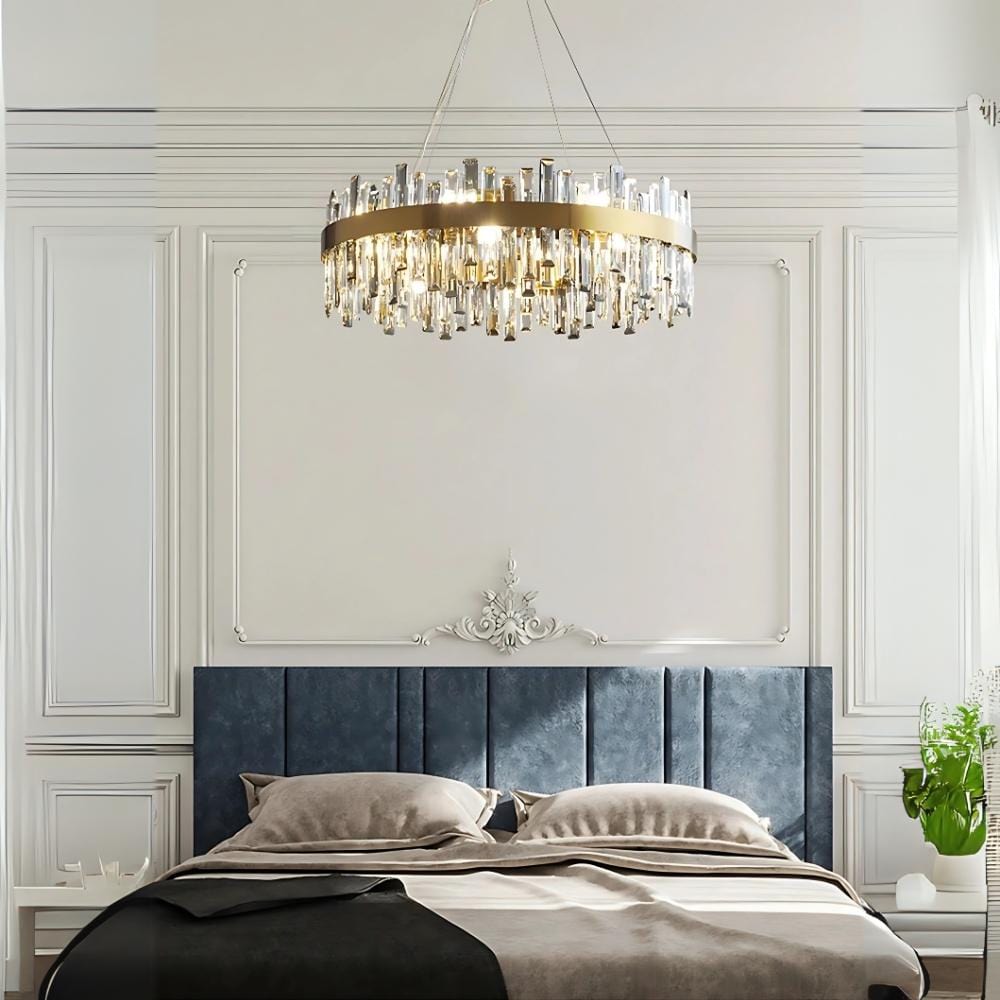
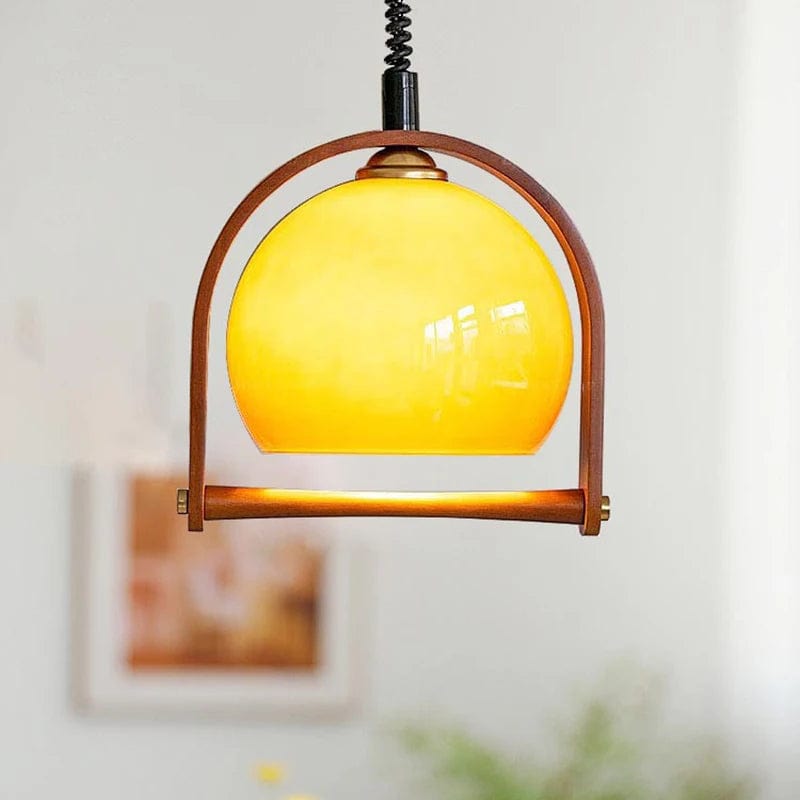
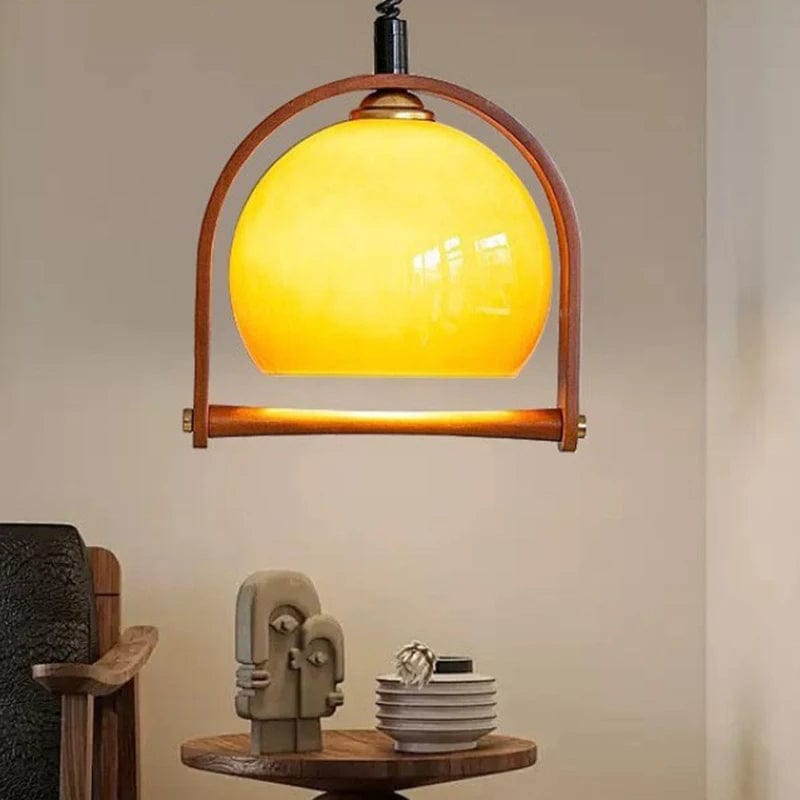
Living Room Lighting for Better Layering, More Comfort, and a More Balanced Main Space
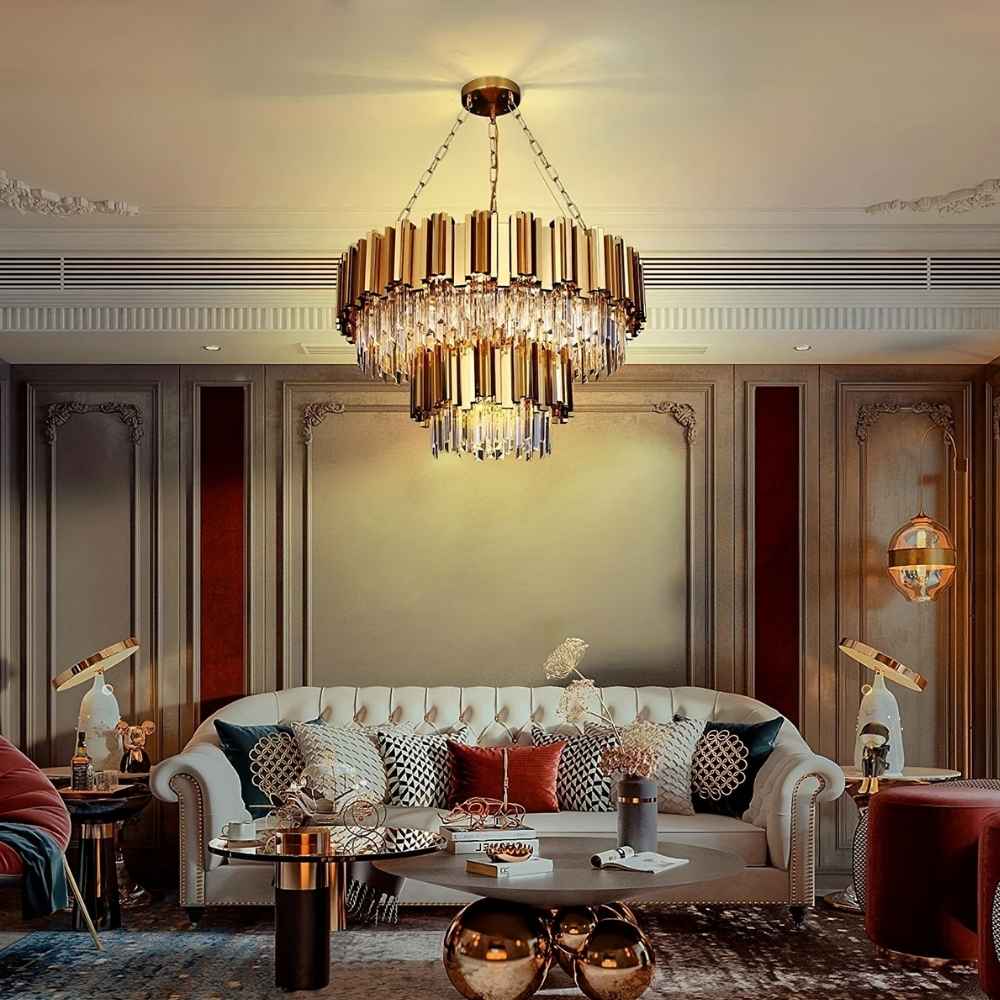
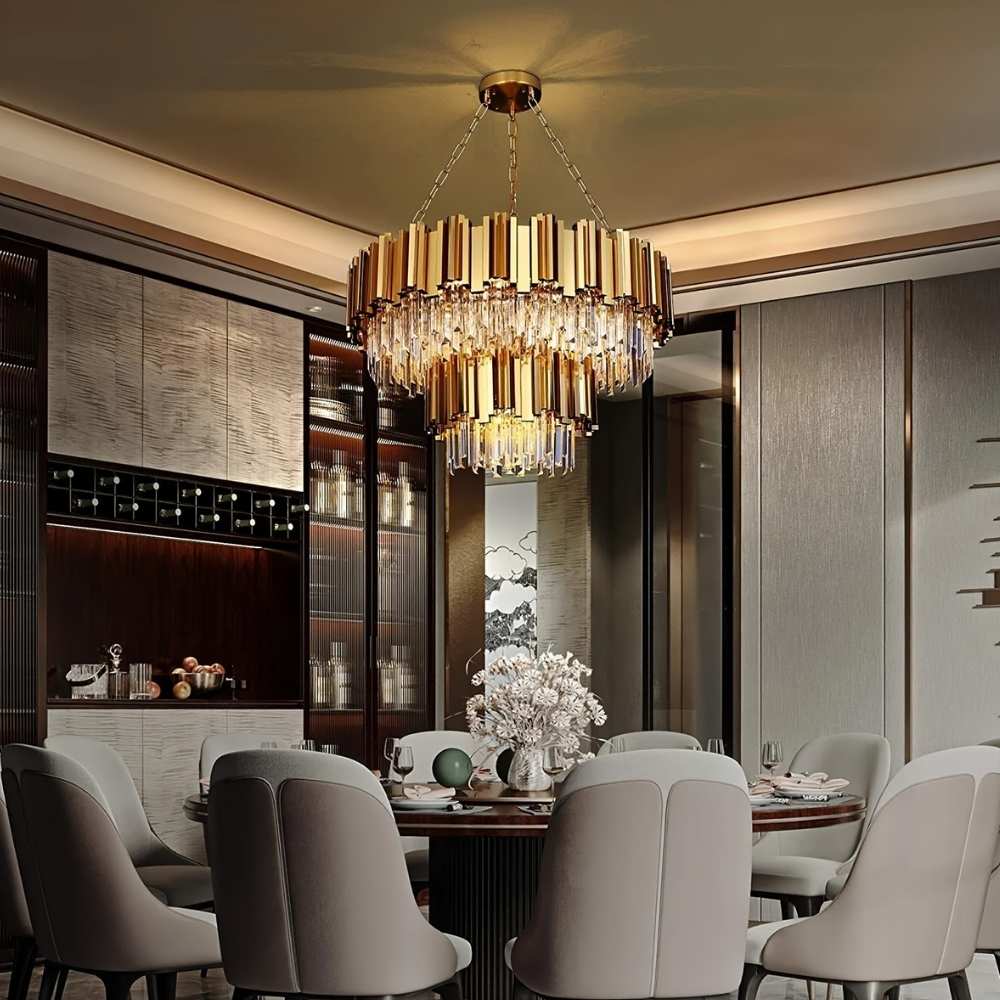
Living room lighting works best when it supports how the room is actually used. This category is built for shoppers who want to think beyond a single ceiling fixture and create a more complete lighting plan for the main gathering space. On your current page, this collection already includes a wide mix of chandeliers, wall lights, floor lamps, table lamps, and ceiling-mounted options, which makes it the right place to guide shoppers toward a full-room lighting approach rather than a one-fixture-only decision. If your main focus is the ceiling centerpiece alone, you can also compare Living Room Chandeliers. If your goal is the entire room atmosphere, this page is the stronger starting point.
One of the biggest differences between living room lighting and other room categories is layering. A living room often has multiple jobs. It may need ambient light for the whole room, softer evening light for relaxing, accent light to highlight decor or architecture, and practical light for reading or conversation areas. That is why living room lighting usually works best as a combination of fixture types instead of depending on one overhead source alone.
What Makes Living Room Lighting Different?
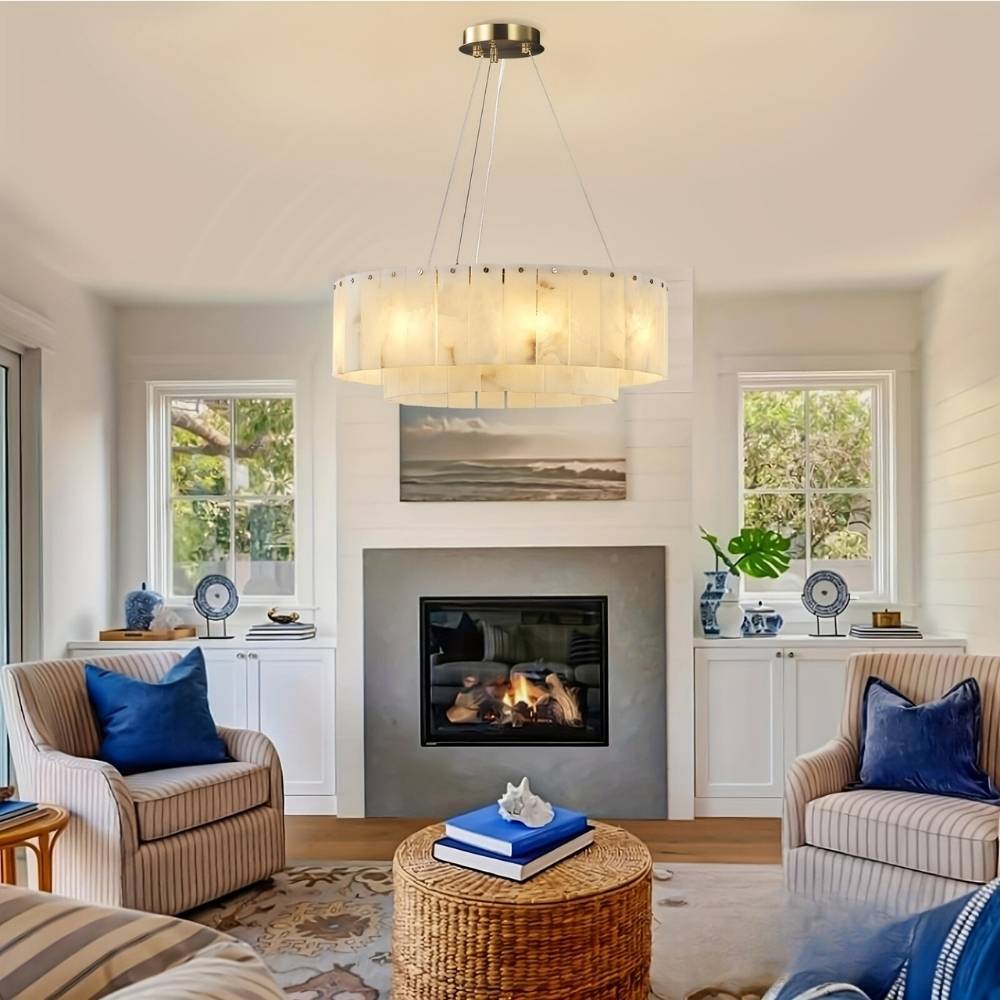
The defining factor is flexibility. A living room is usually more open and more multifunctional than a bedroom or dining room, so the lighting needs to respond to seating layout, TV placement, traffic flow, ceiling height, and how bright or soft the room should feel at different times of day. In your current collection, that broader intent is already reflected through the mix of chandeliers, sconces, floor lamps, table lamps, and ceiling fixtures rather than a single product family.
- Core lighting layers: ambient ceiling lighting, softer side lighting, reading or task lighting, and optional accent lighting
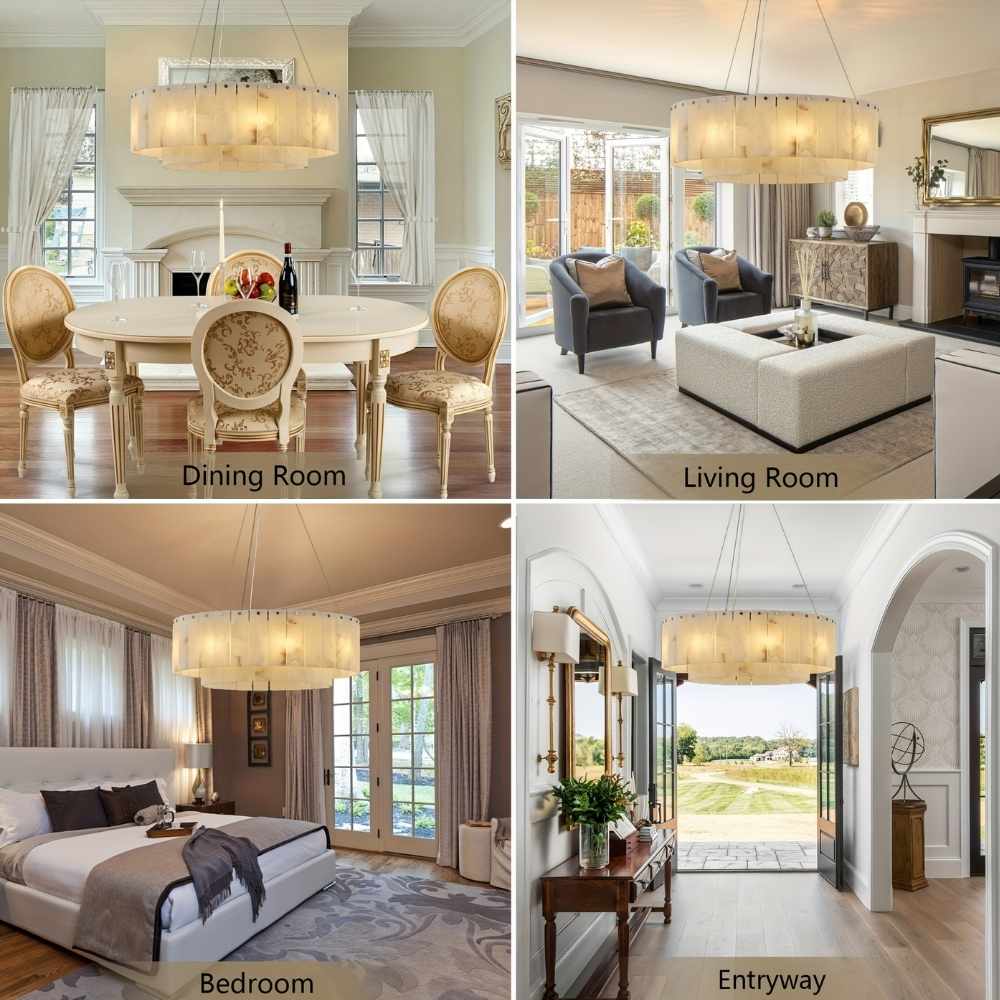
- Best room types: living rooms, family rooms, open-concept seating spaces, lounge areas, and main gathering zones
- Main visual benefit: a room that feels more comfortable, more usable, and more visually complete from multiple angles
Tip: In many living rooms, the best result comes from combining one stronger overhead light with one or two softer layers closer to eye level, instead of relying only on a ceiling fixture.
How to Build a Better Living Room Lighting Plan
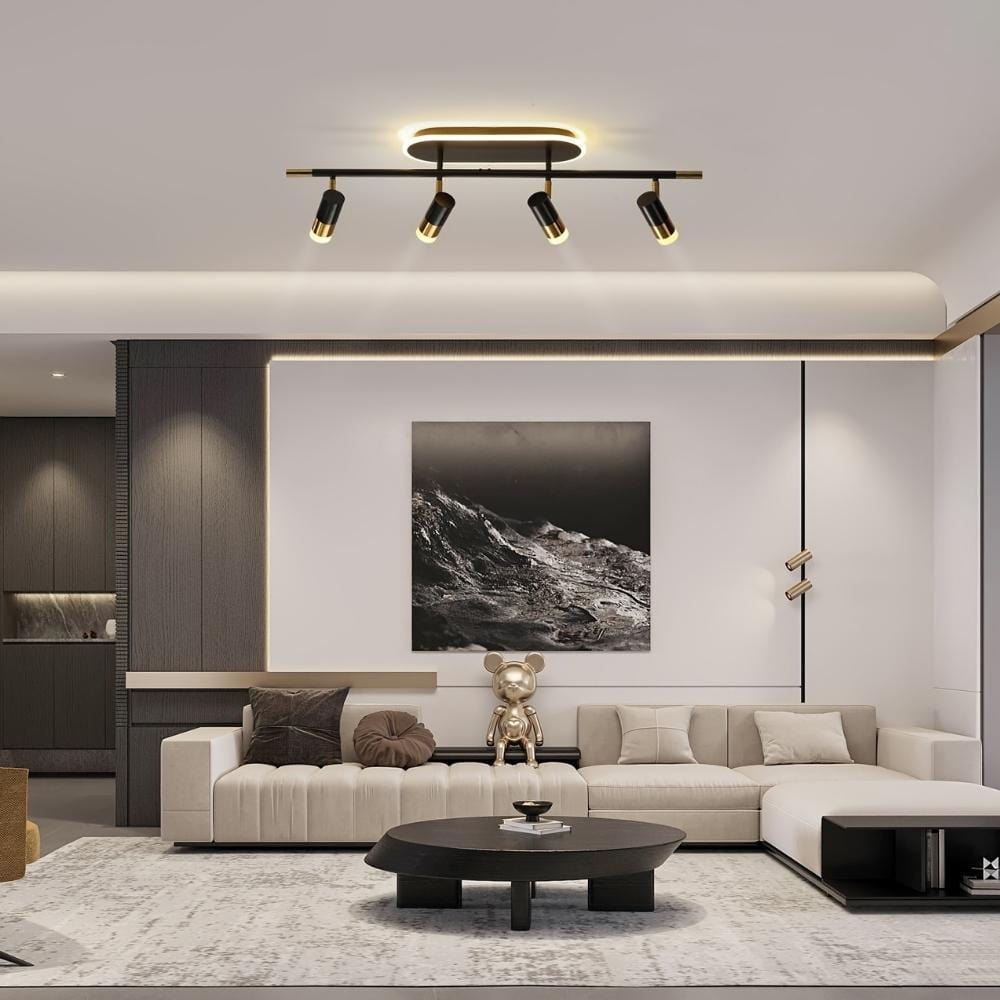
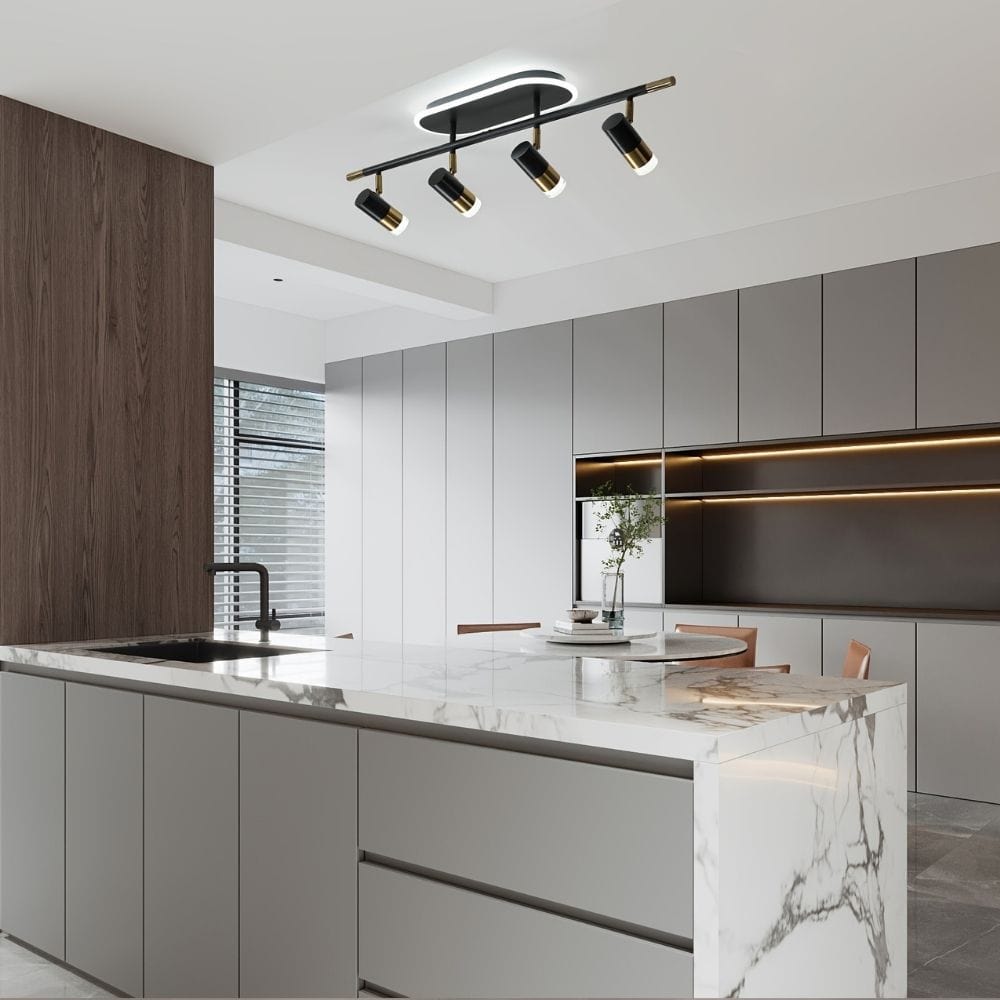
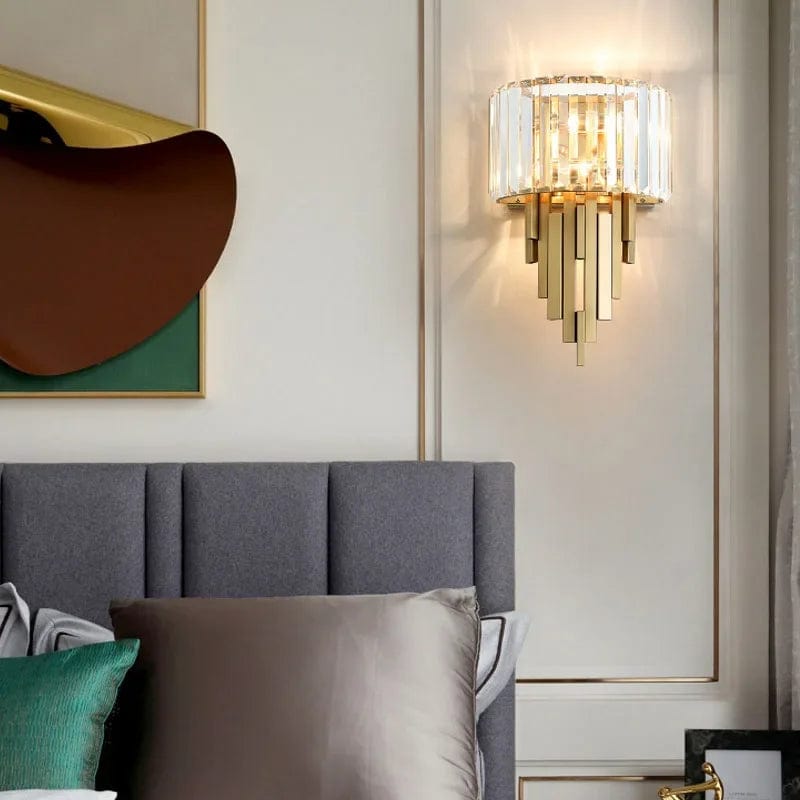
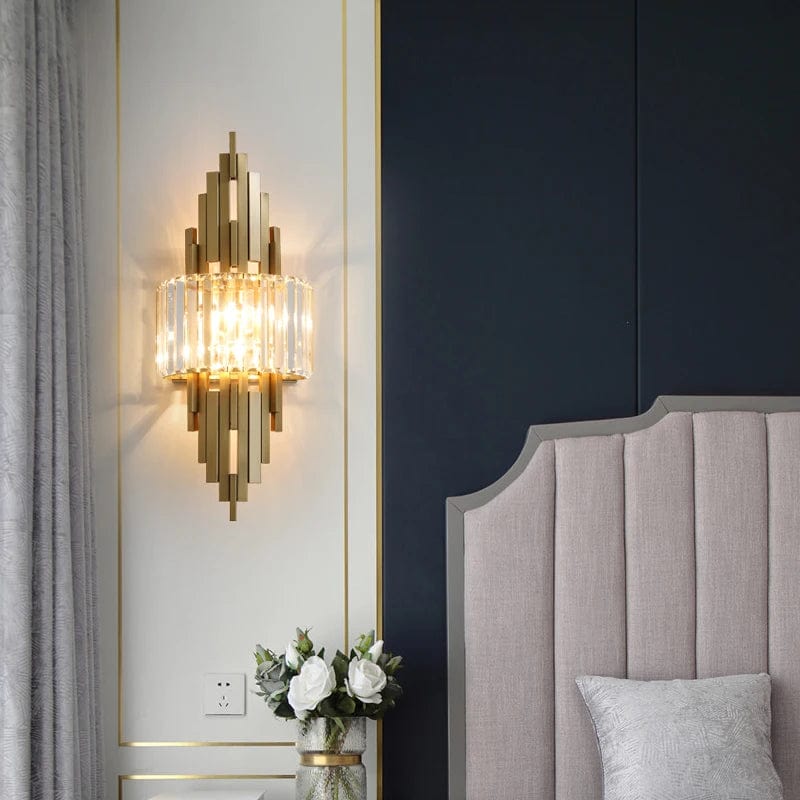
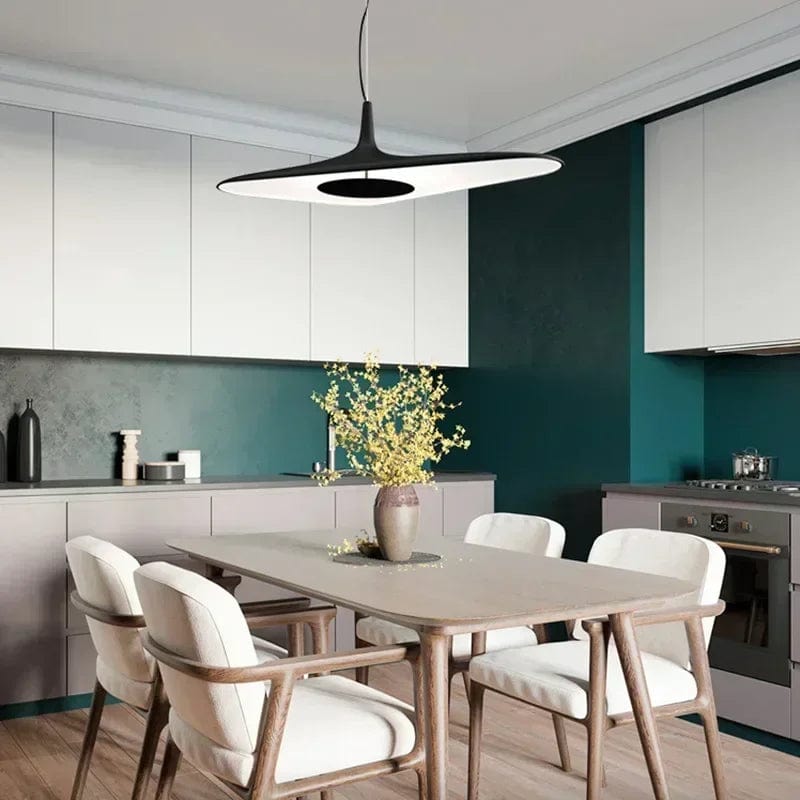
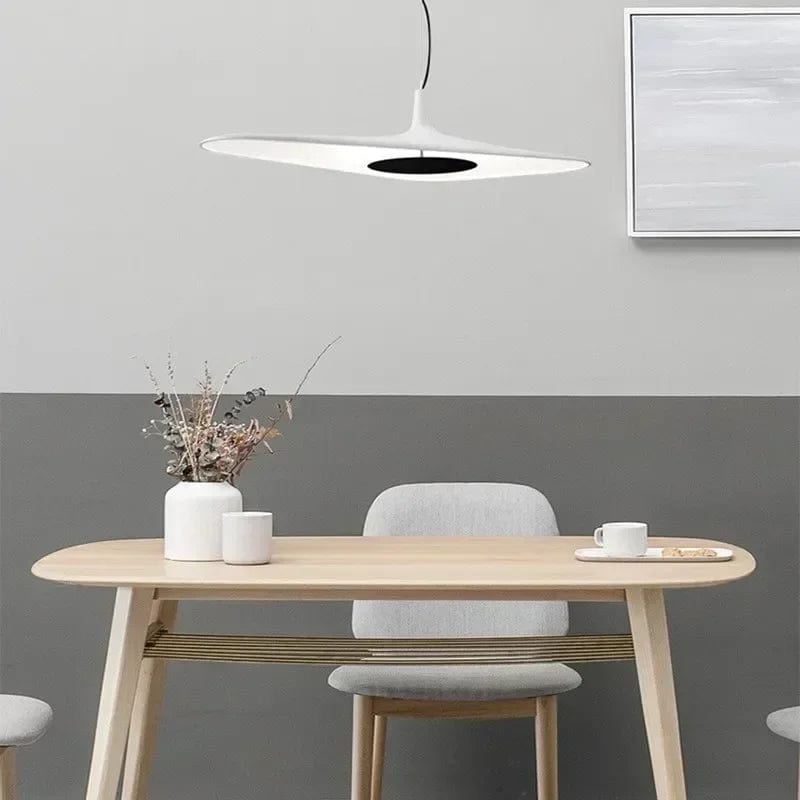
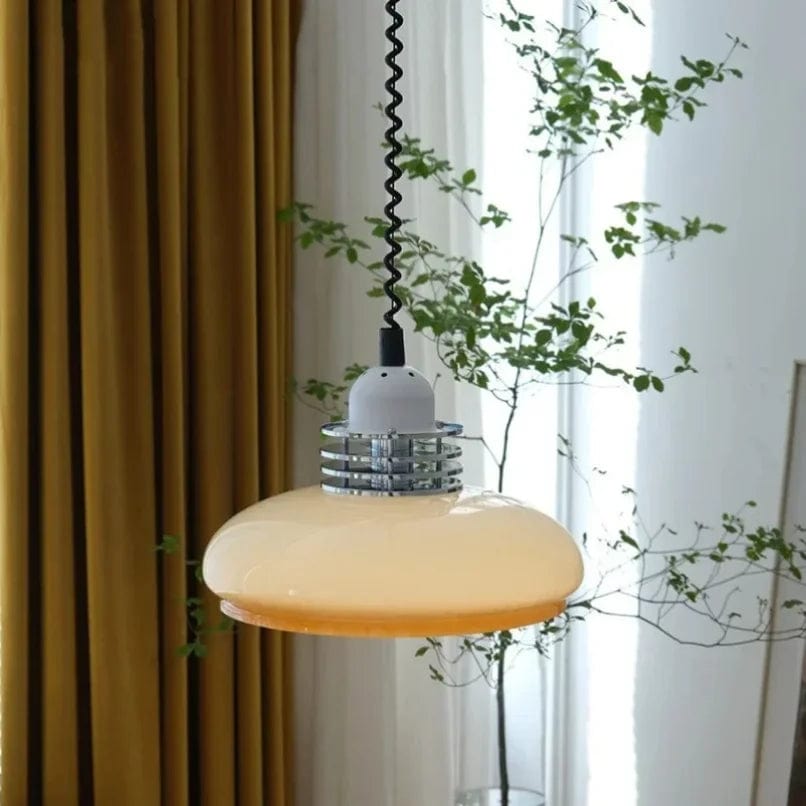
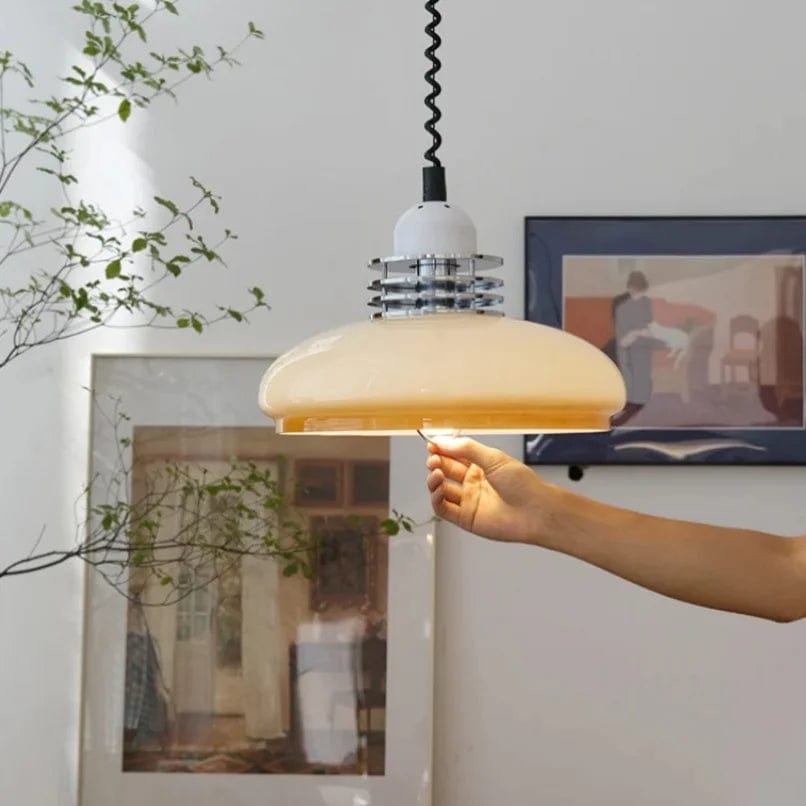
A good living room lighting plan usually starts with the main ambient source. In some rooms, that is a chandelier. In others, it may be a lower-profile ceiling light, track lighting, or a pendant-style fixture depending on the ceiling and the room layout. After that, many shoppers add floor lamps near seating zones, table lamps near side tables or consoles, and wall lights where the room needs a softer glow or more visual balance on the wall plane.
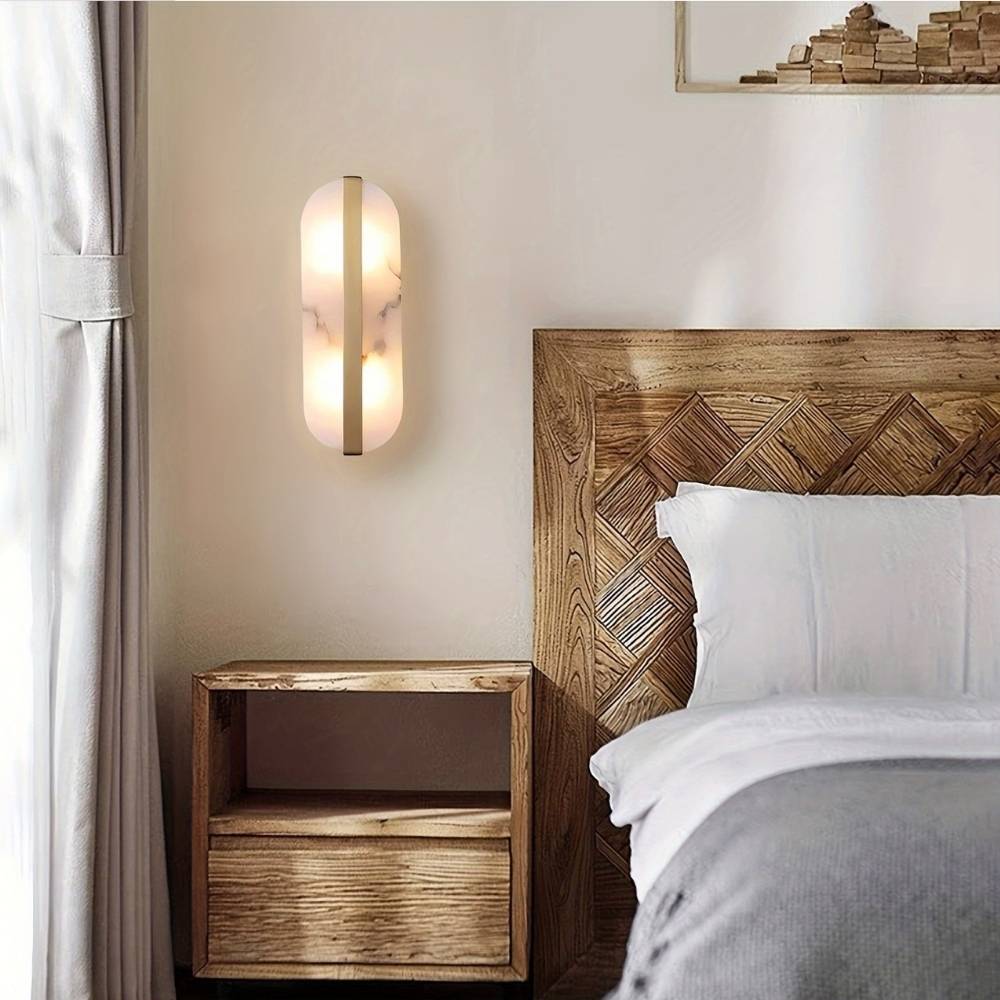
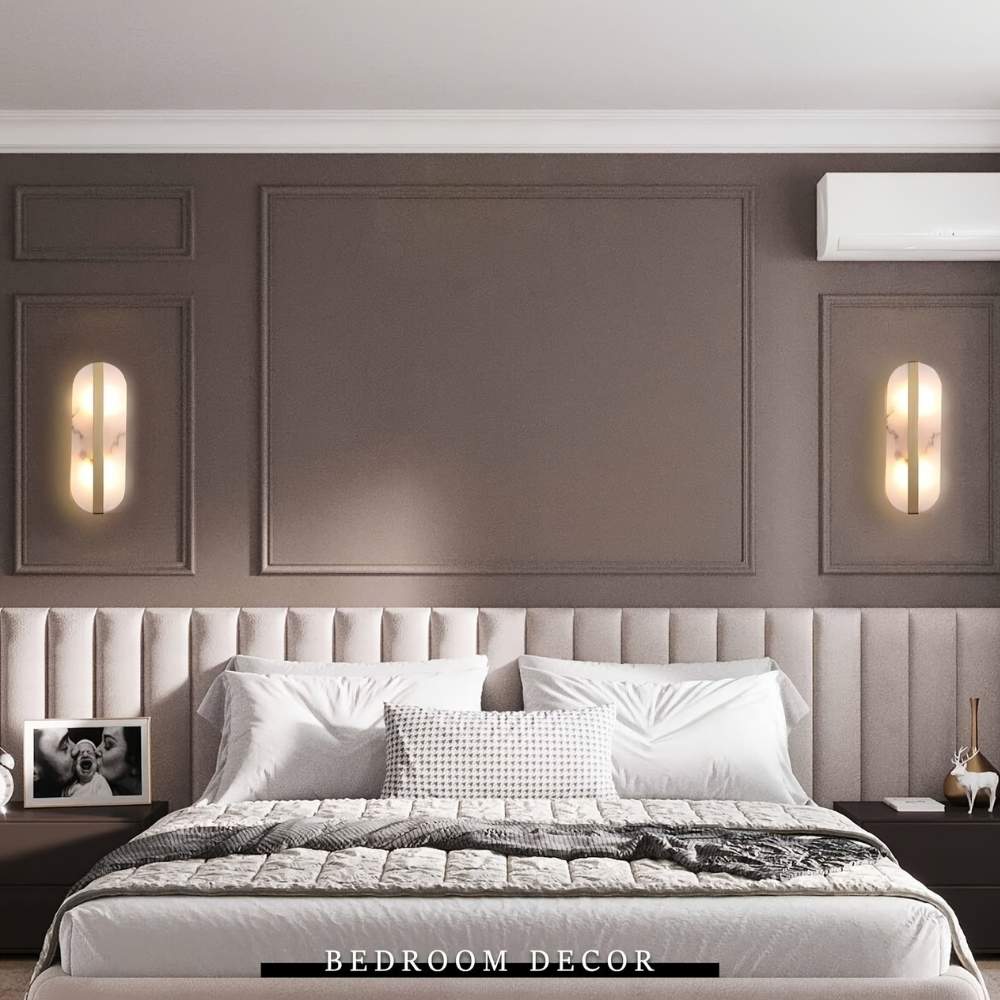
If you are building the room around a ceiling fixture first, compare Living Room Chandeliers. If you want softer wall-level support, Wall Sconces can help. For reading corners and lounge zones, Floor Lamps and Table Lamps are the most useful adjacent categories.
Quick planning notes:
- Ambient layer: start with the fixture that defines the overall room brightness
- Seating zones: add floor or table lamps where people actually sit, read, or relax
- Wall balance: sconces can help soften the room and reduce the feeling of all light coming only from above
- Open rooms: layered lighting often makes a large living room feel more welcoming than one strong ceiling light alone
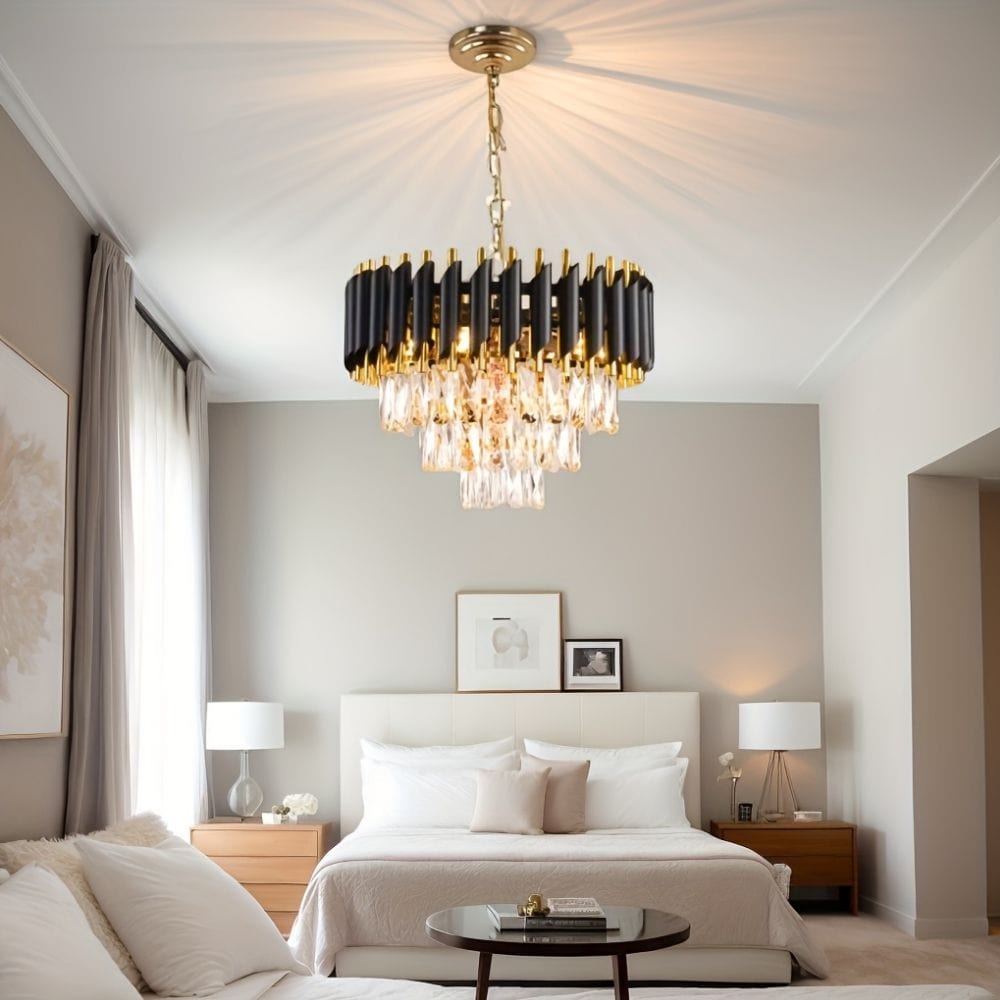
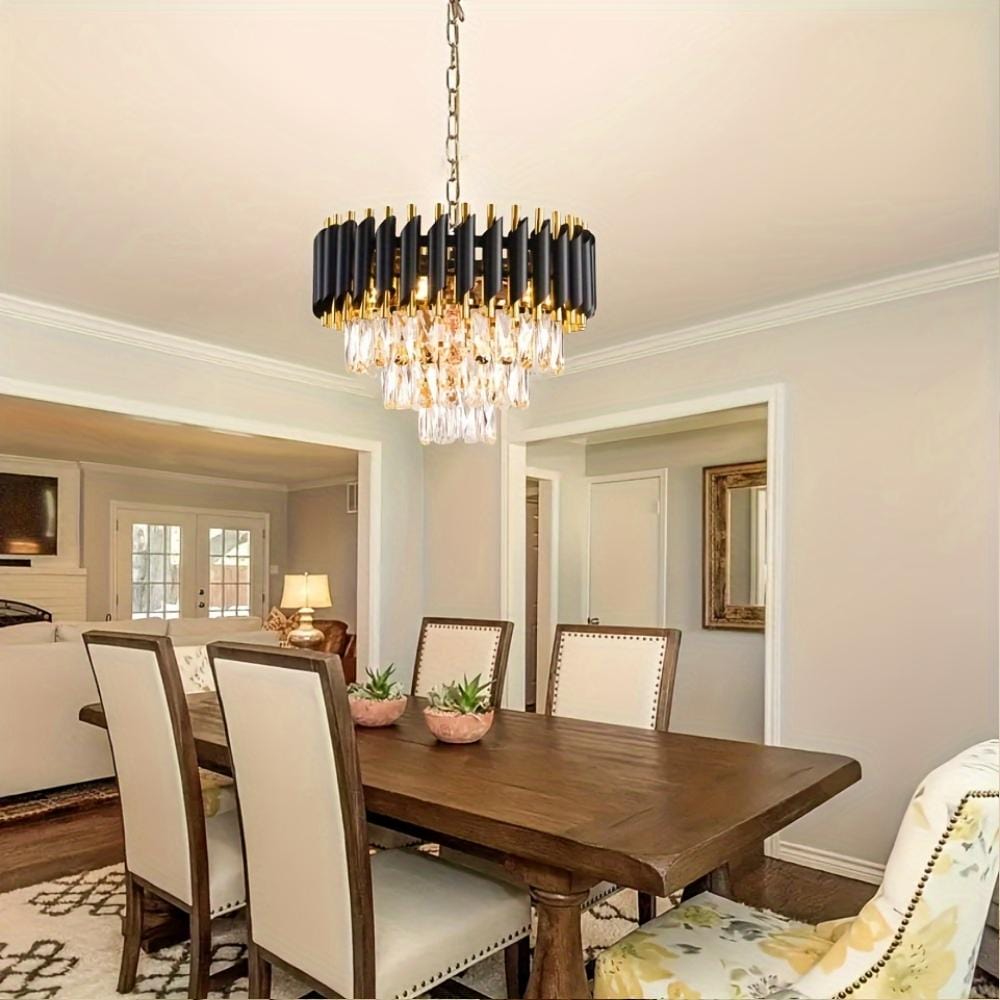
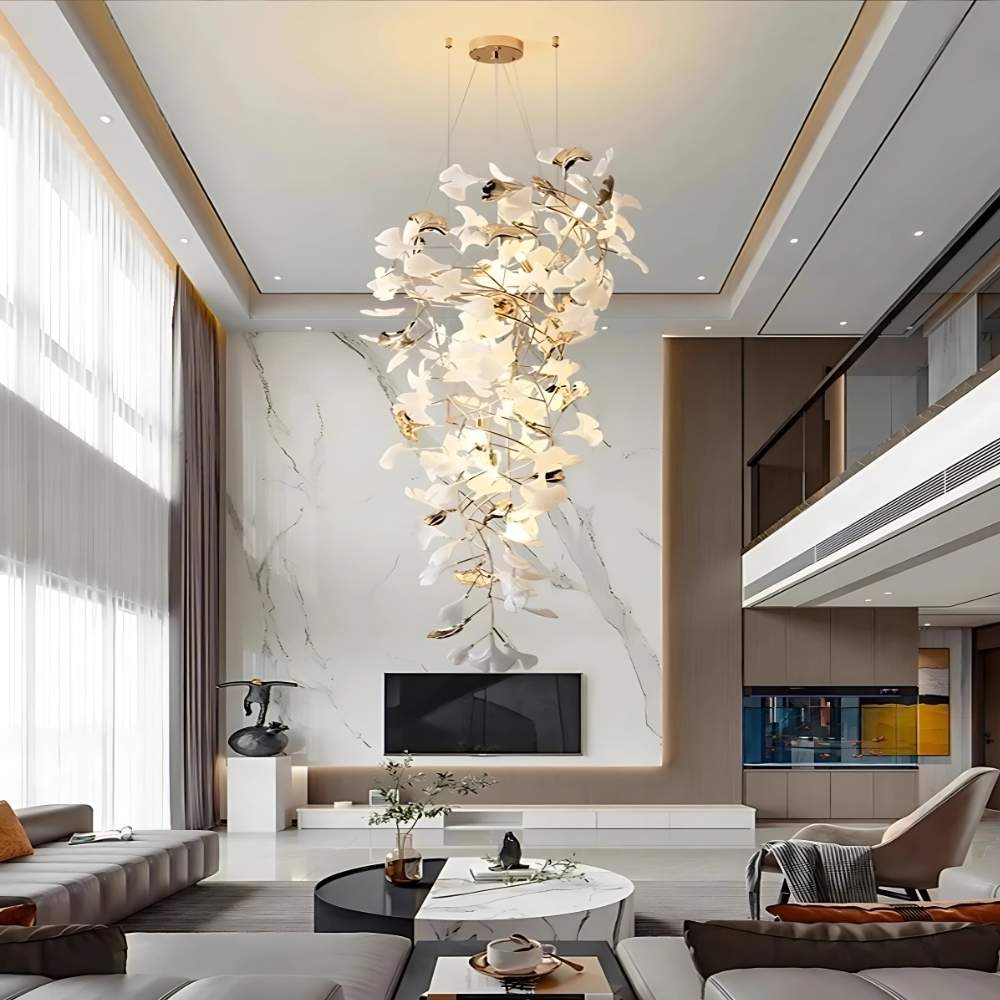
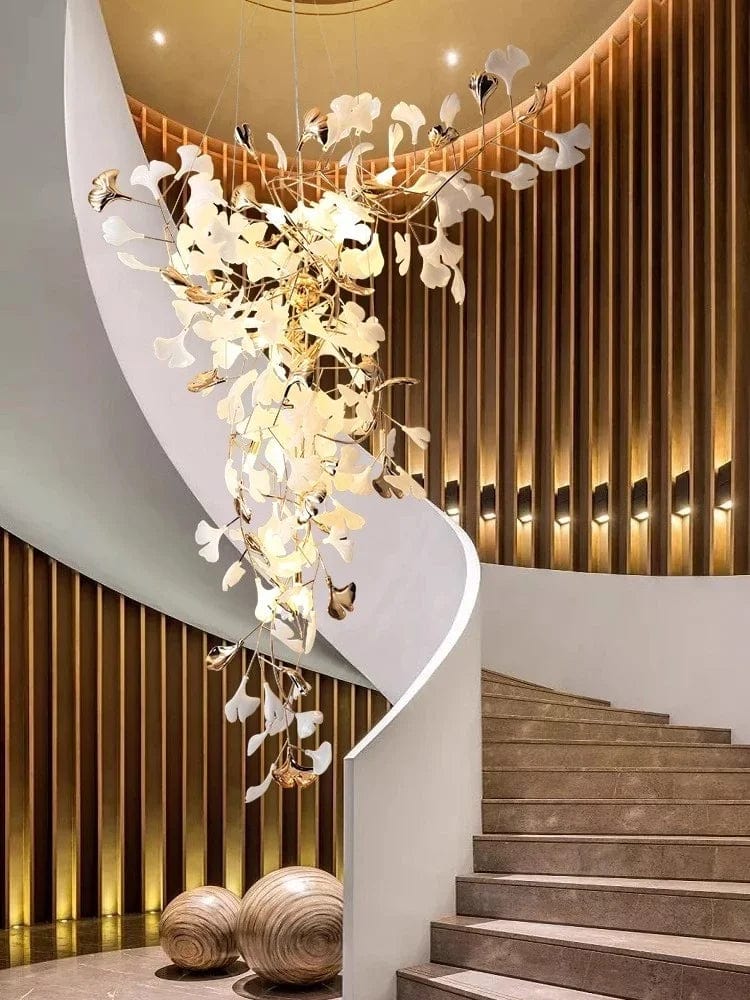
Measurement note: When a chandelier is used in a living room, a common starting rule is to add the room length and width in feet and use that number in inches as an approximate chandelier diameter. Many guides also suggest keeping at least about 7 feet of clearance from the floor to the bottom of the fixture in open living areas. For pendant-style or lower-hanging lights, surface placement and circulation paths become especially important. :contentReference[oaicite:2]{index=2}
Choosing the Right Mix of Fixtures
Different living rooms need different mixes. A large open-plan room may need a chandelier or ceiling fixture to define the center, floor lamps near the seating area, and wall lighting to keep the perimeter from feeling dim. A smaller living room may work better with a lighter ceiling fixture and one or two carefully placed lamps. Rooms with a TV often benefit from softer side lighting rather than depending only on bright overhead light. Rooms used more for entertaining may need a stronger focal fixture plus dimmable side lighting for flexibility.
This is why the page should not read like a chandelier category. Chandeliers are only one part of the living room lighting story. Floor lamps, table lamps, sconces, and ceiling lighting all serve different functions, and this collection already reflects that wider role. If your priority is suspended style rather than full-room layering, Pendant Lights may also be useful. If the room has a strong modern direction, Modern Chandeliers can help narrow the ceiling-light side of the mix.
Quick comparison:
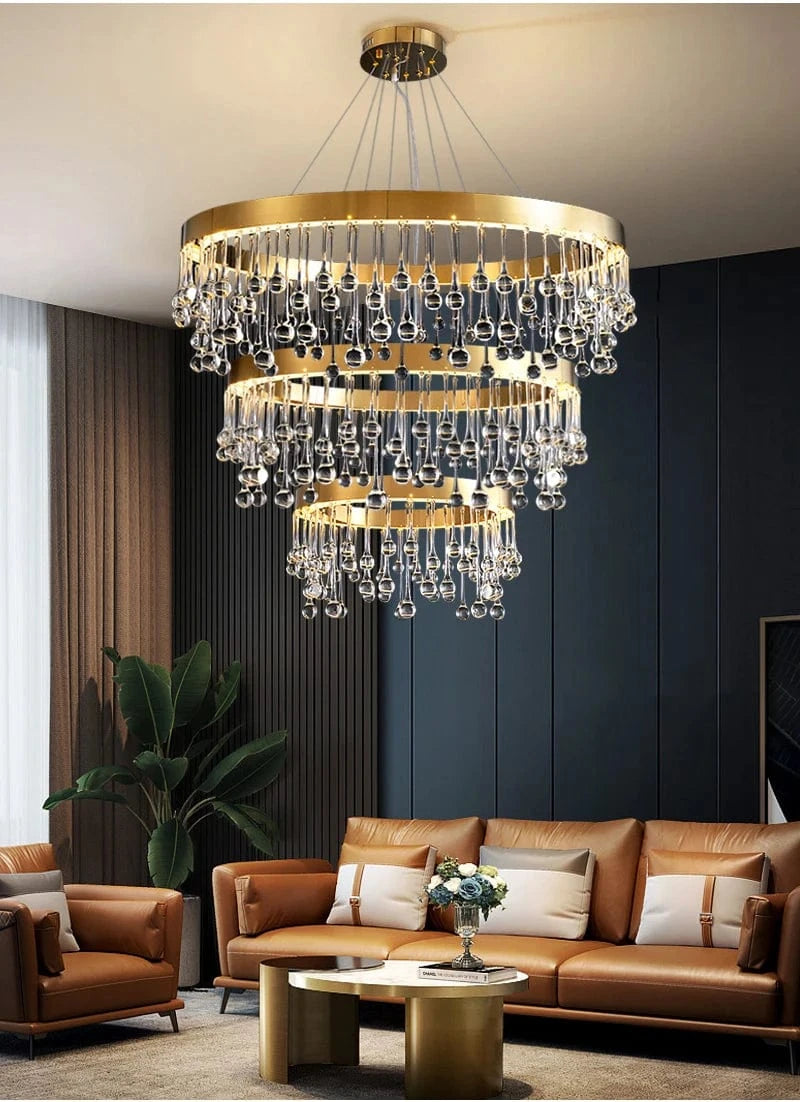
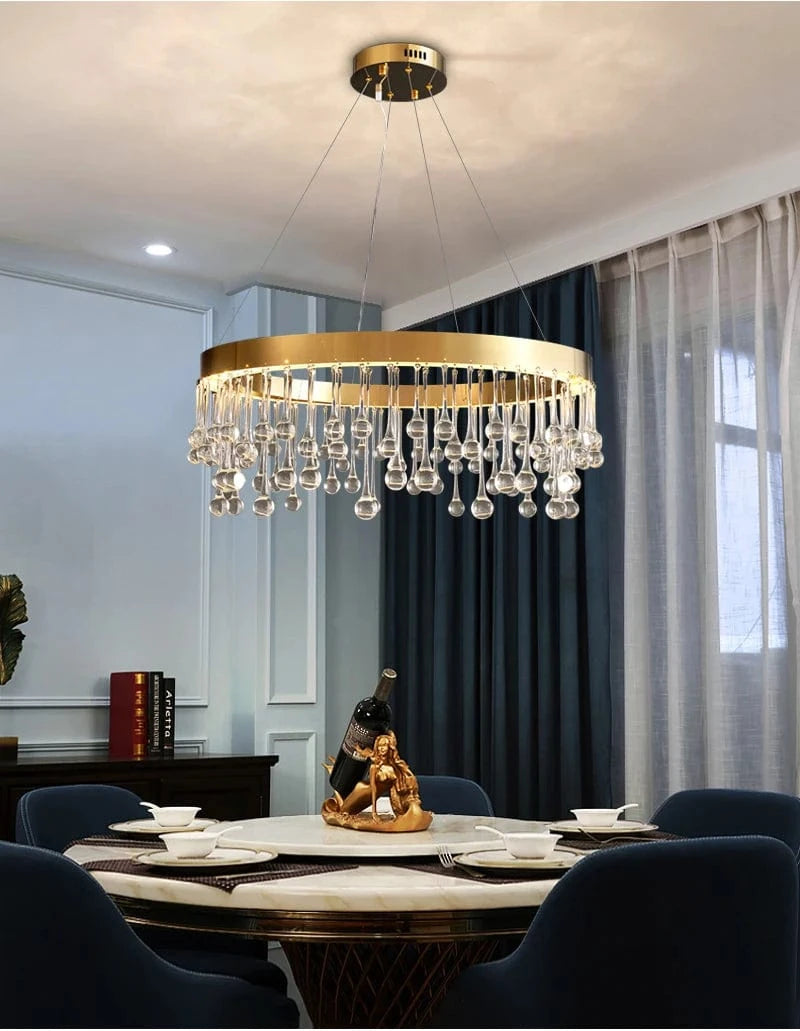
- Chandeliers - stronger ceiling focal point and ambient definition
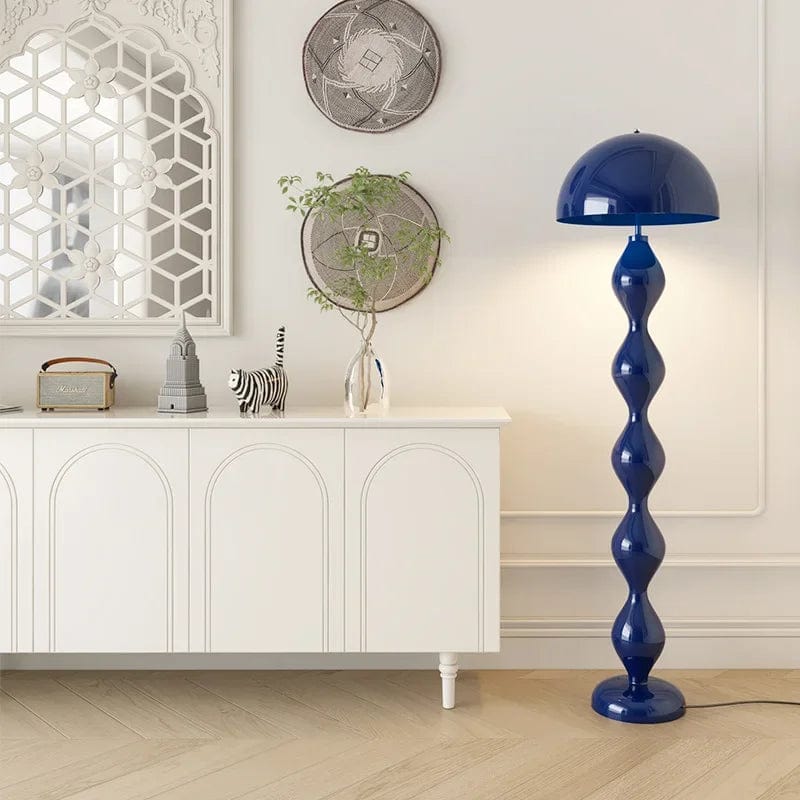
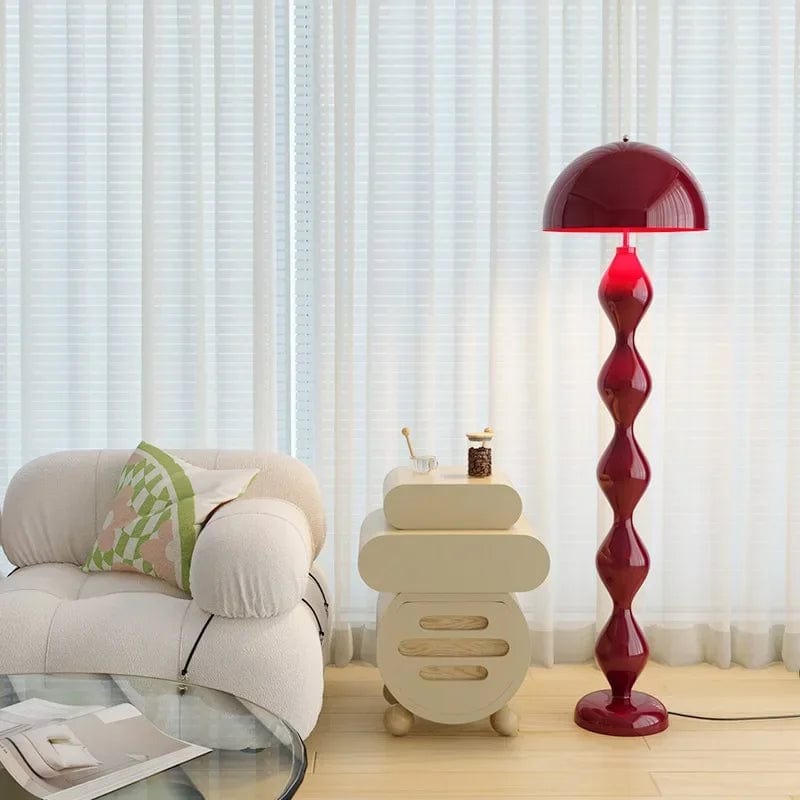
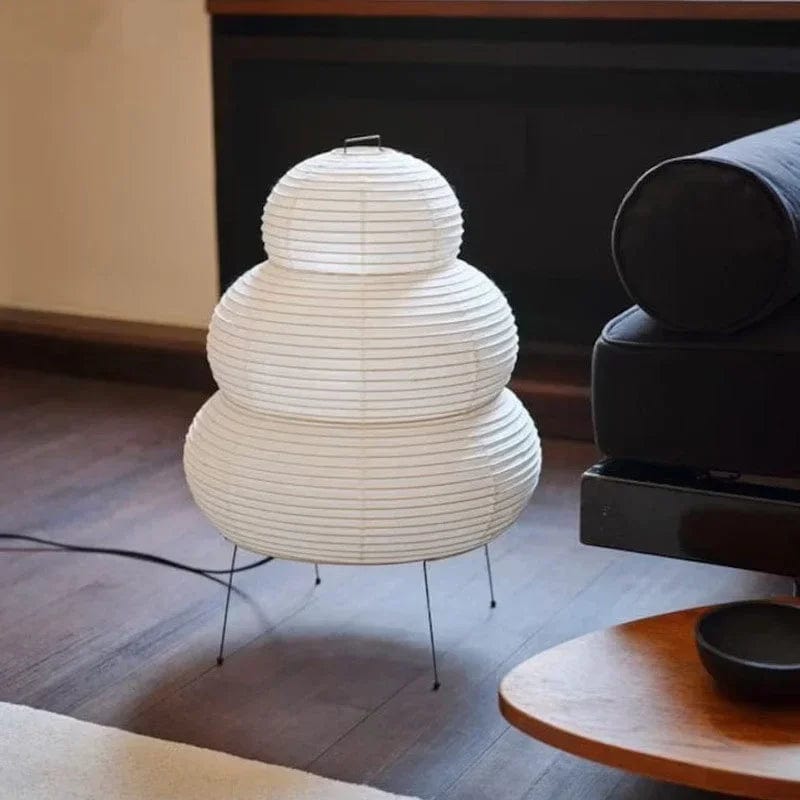
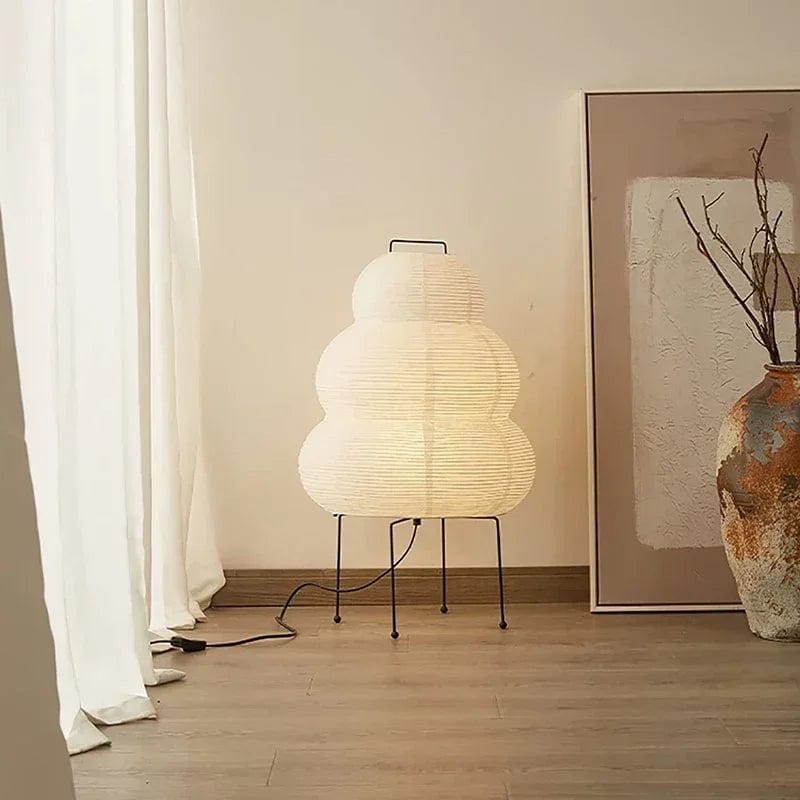
- Floor lamps - better for reading corners and softer seating-zone light
- Table lamps - useful for side tables, consoles, and warm evening light
- Wall sconces - useful for wall balance and softer layered illumination
Living Room Lighting vs. Living Room Chandeliers
These categories overlap, but they do not serve the same intent. Living Room Chandeliers is the more specific page for choosing a chandelier over the seating zone. Living Room Lighting is the broader room-planning page for shoppers who need the full mix of ambient, task, and accent lighting in one place. If the goal is to make the entire room feel more usable and more finished, this collection is the more precise starting point.
Small reminder: The best living room lighting plan is not simply the brightest one. It is the combination of ceiling light, side lighting, placement, and visual balance that makes the room feel comfortable during real daily use.