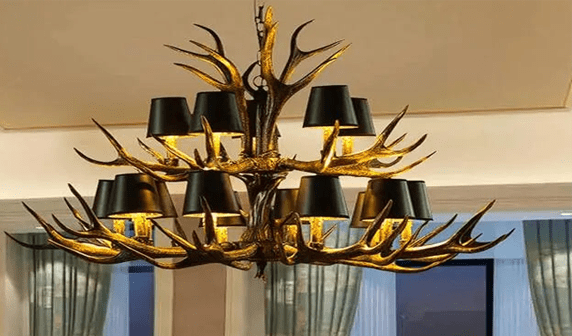
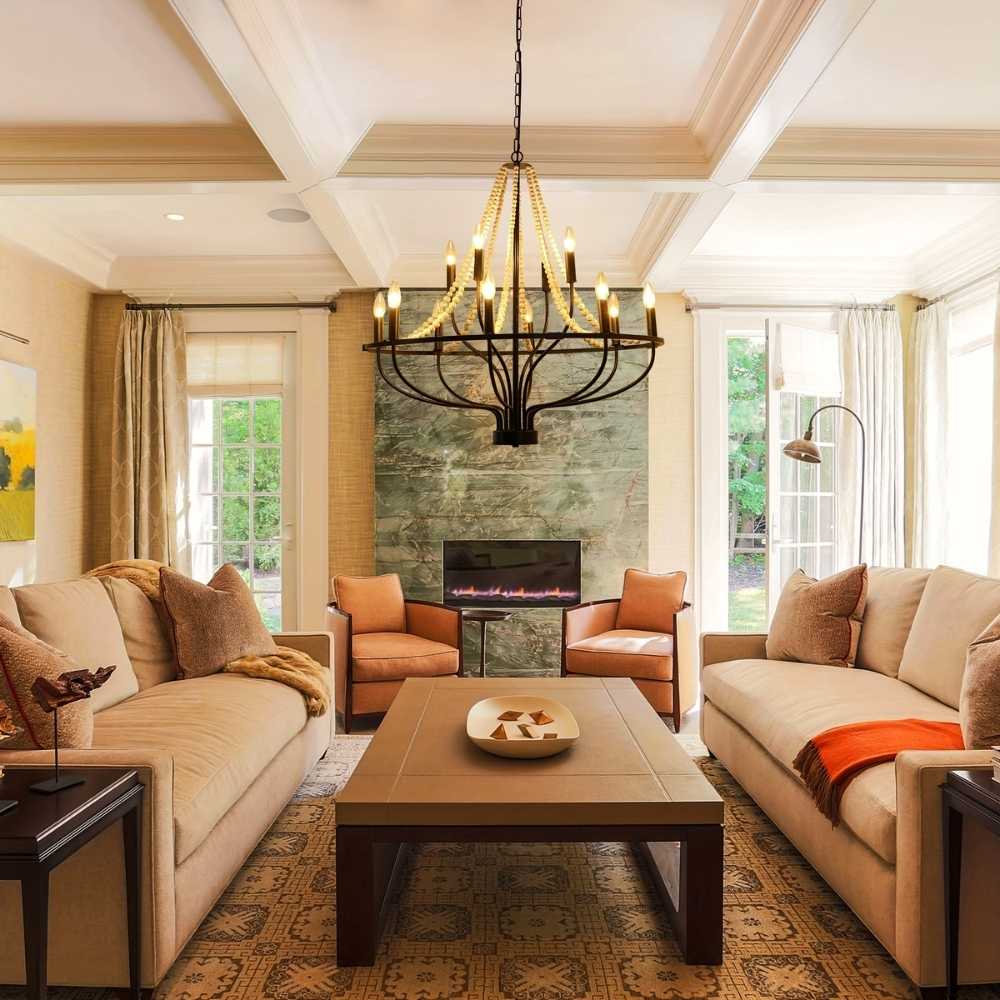
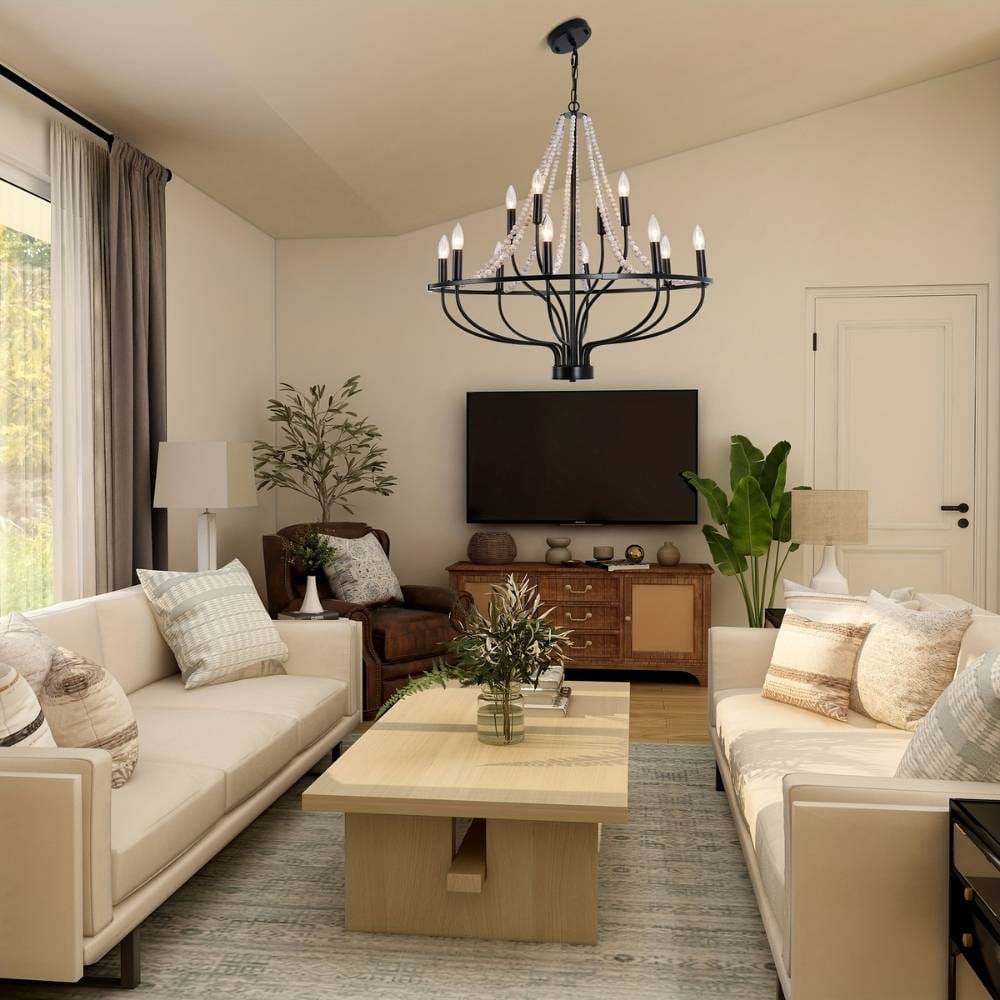
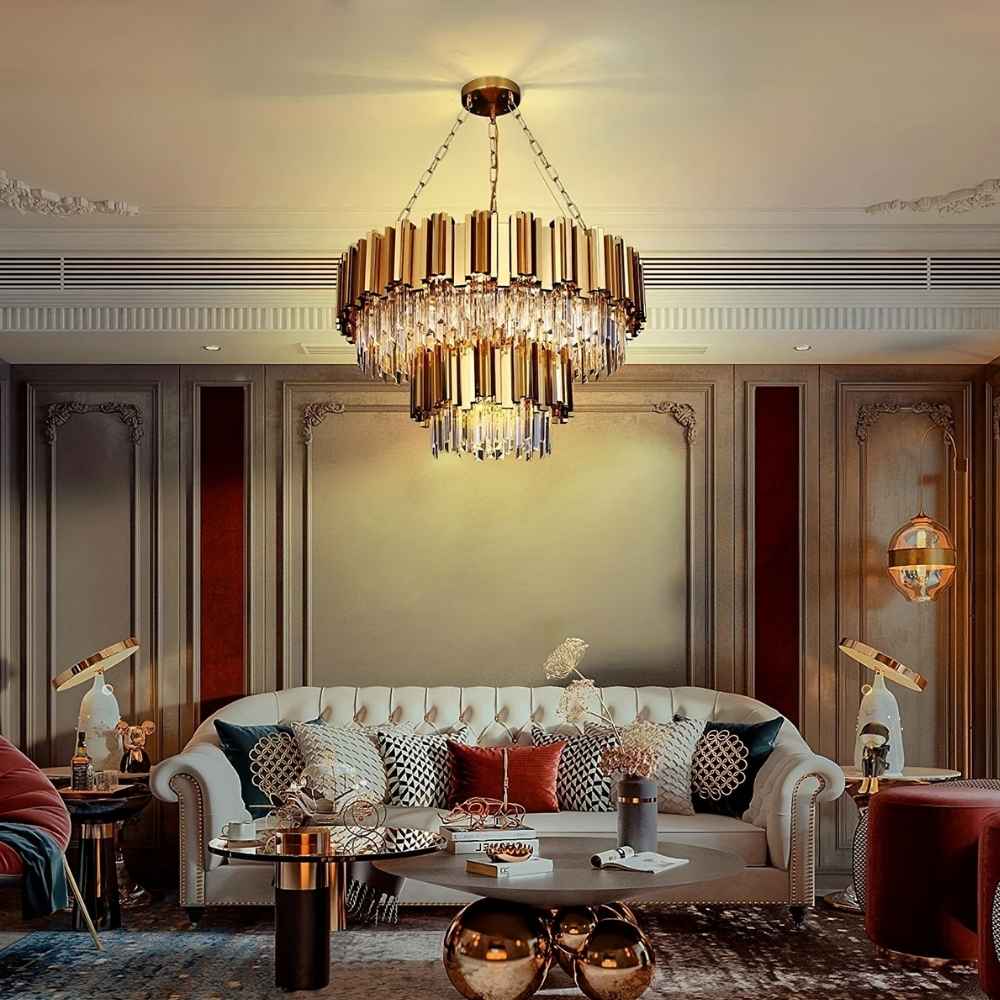


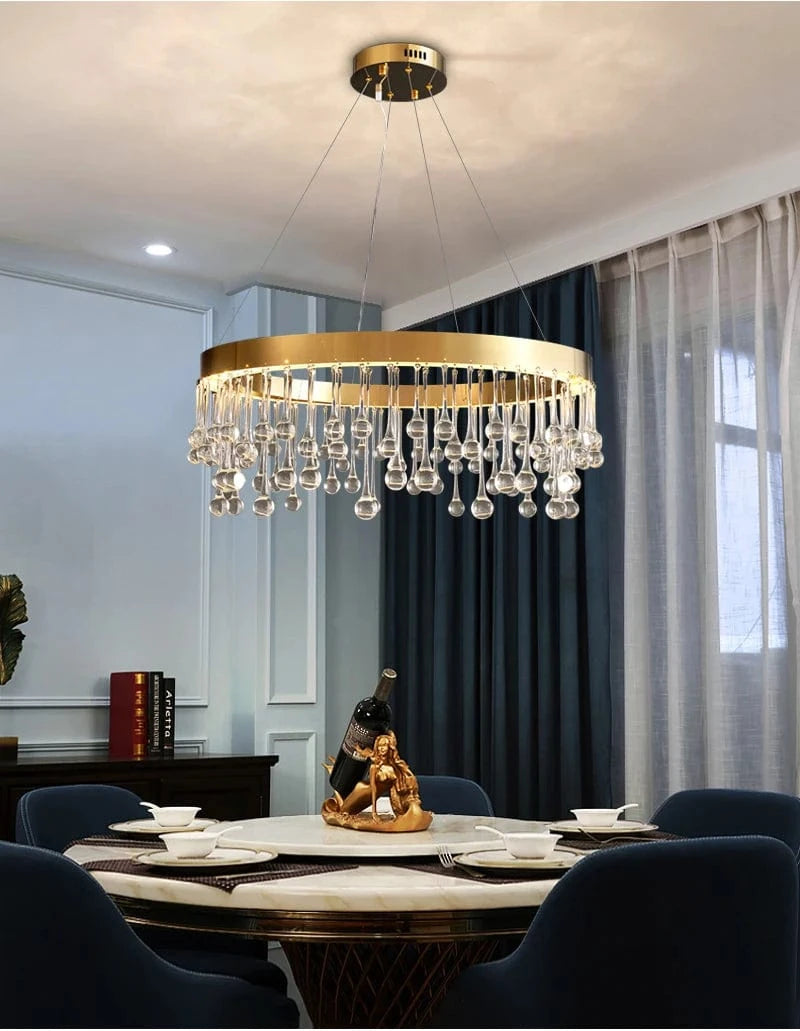
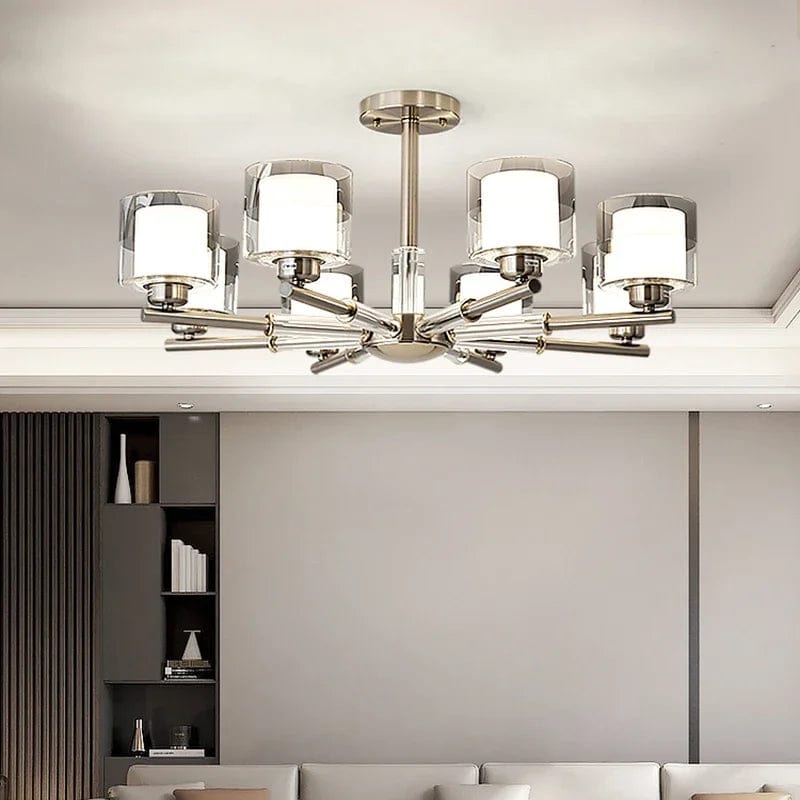
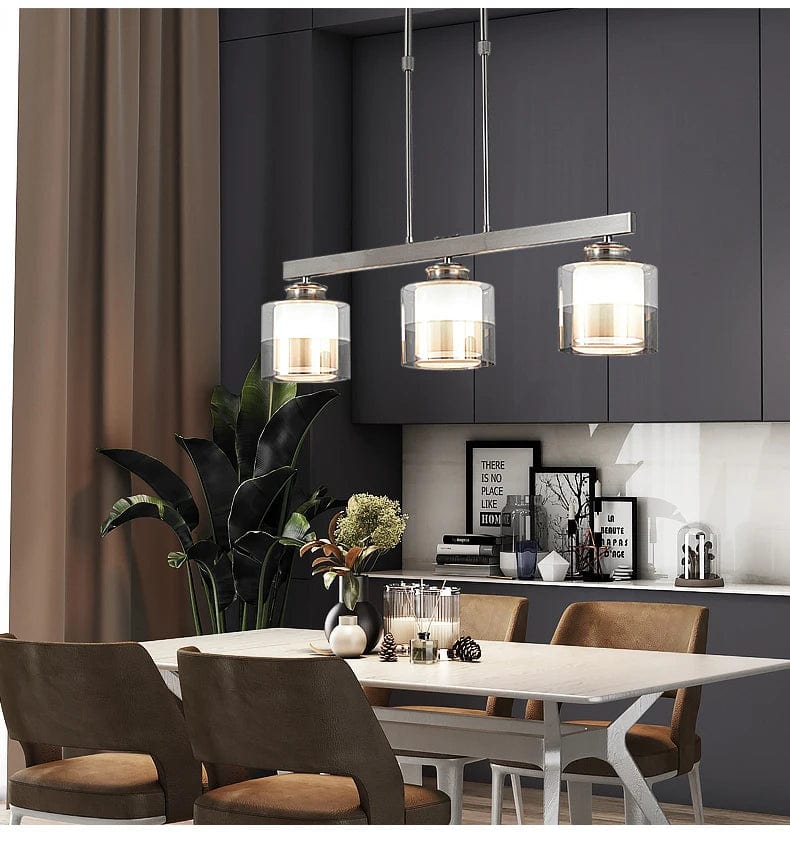
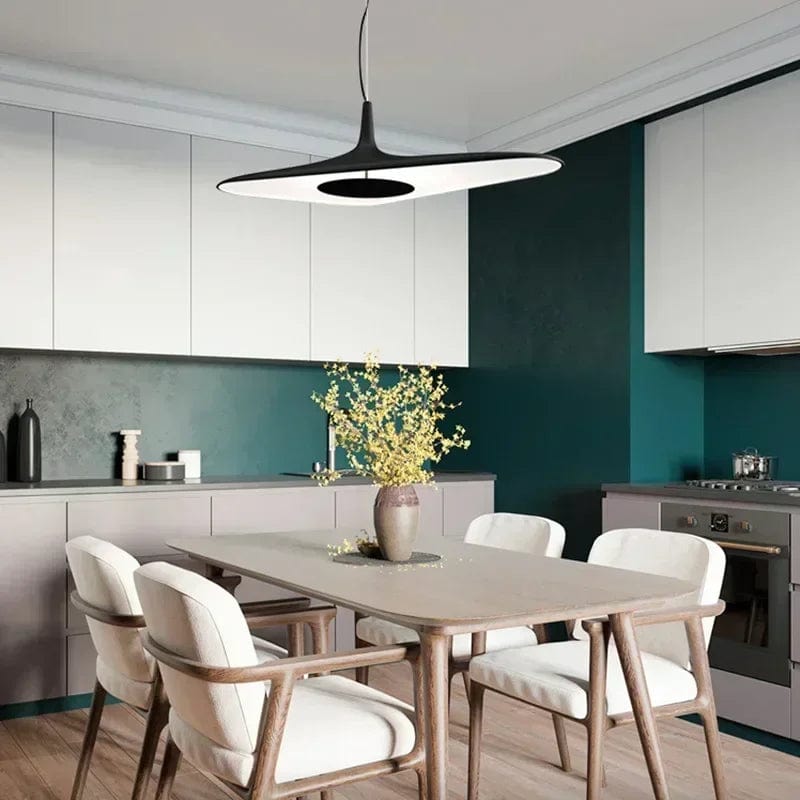
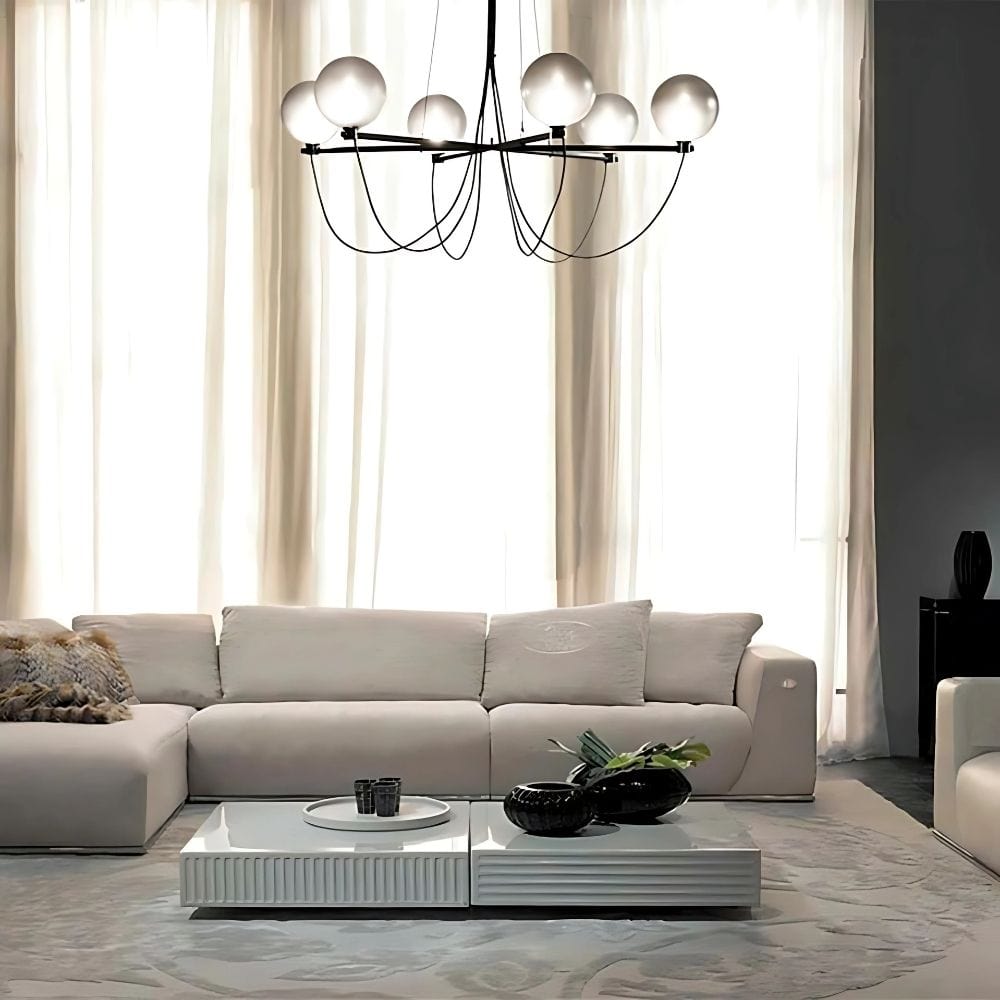
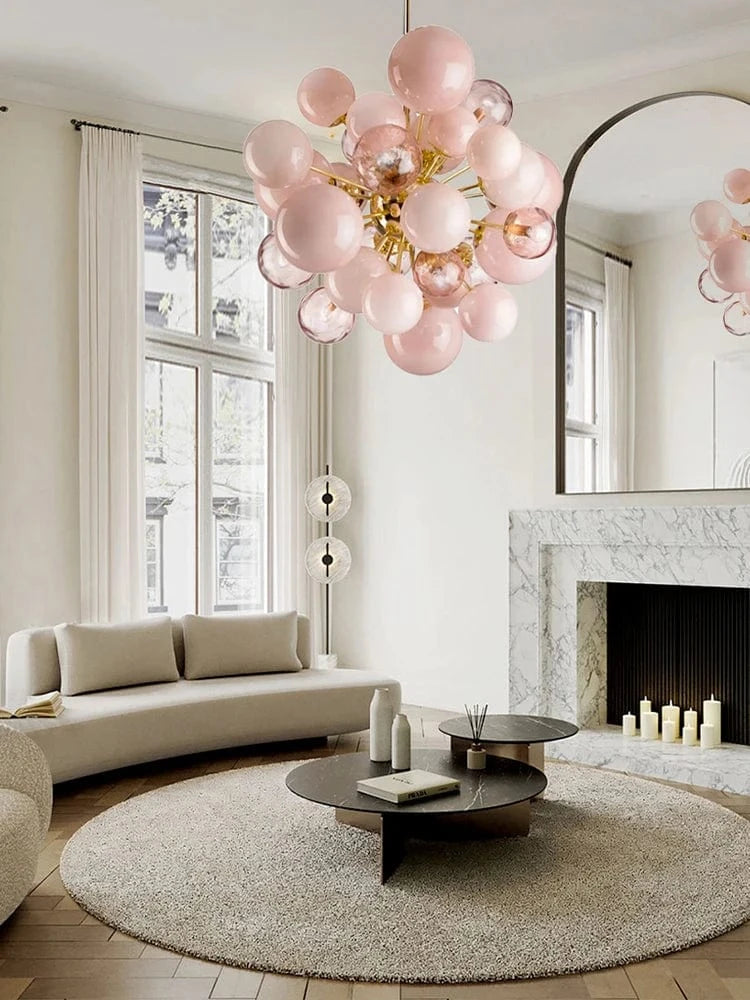
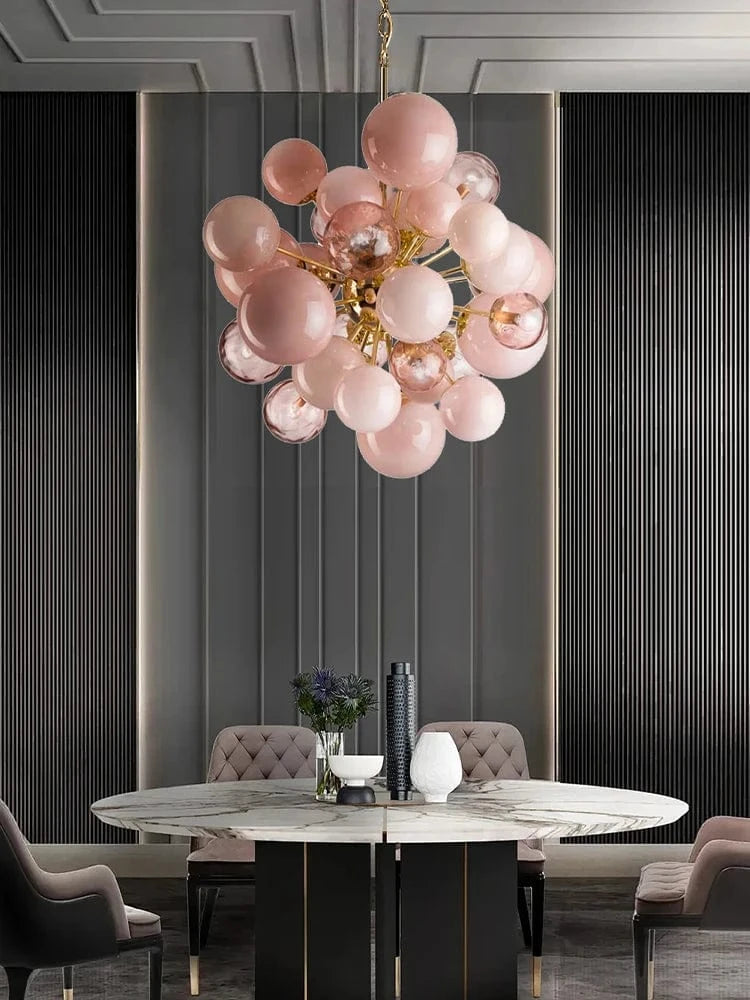
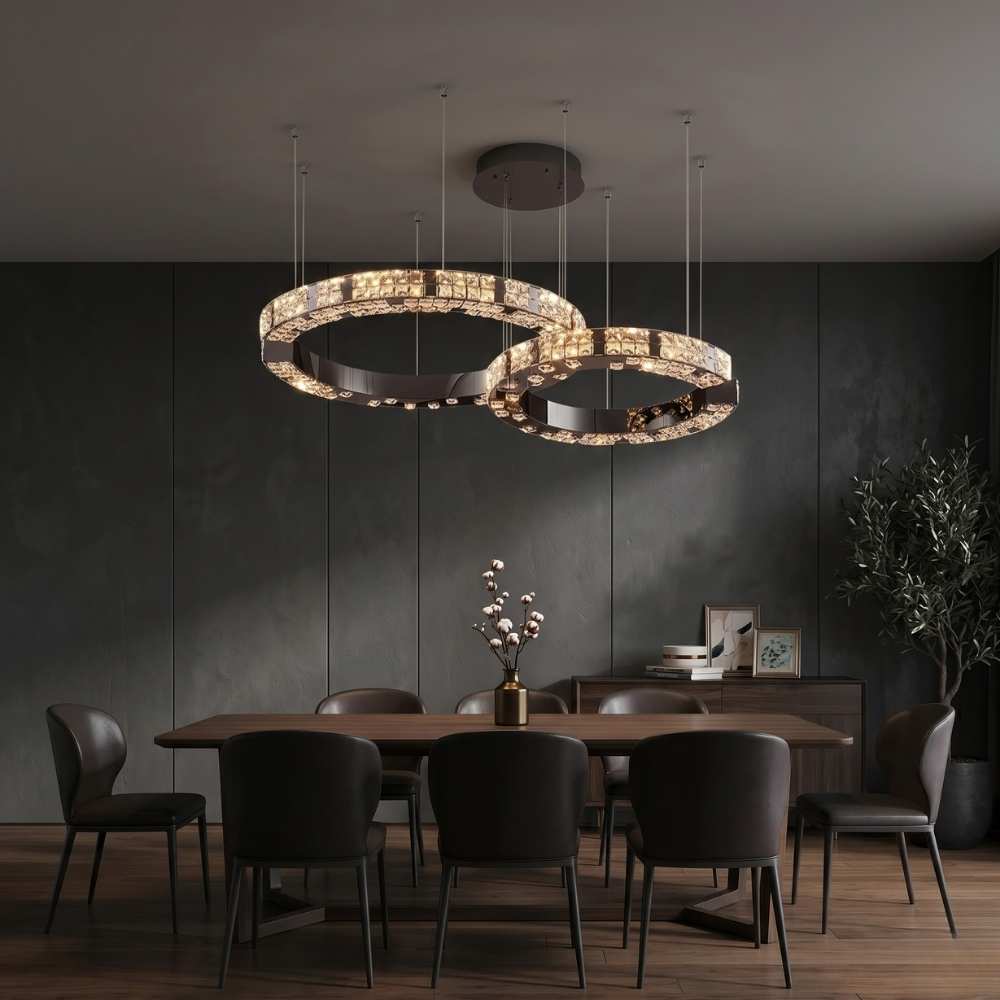
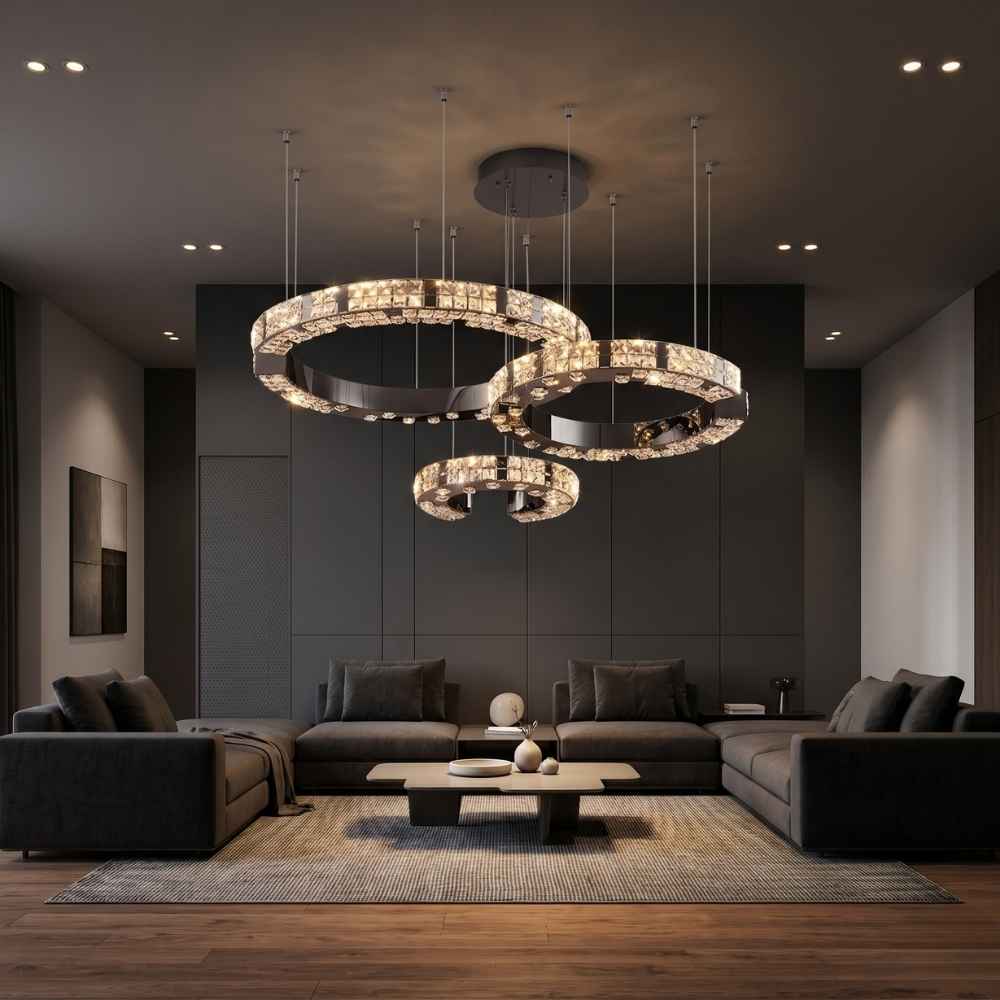


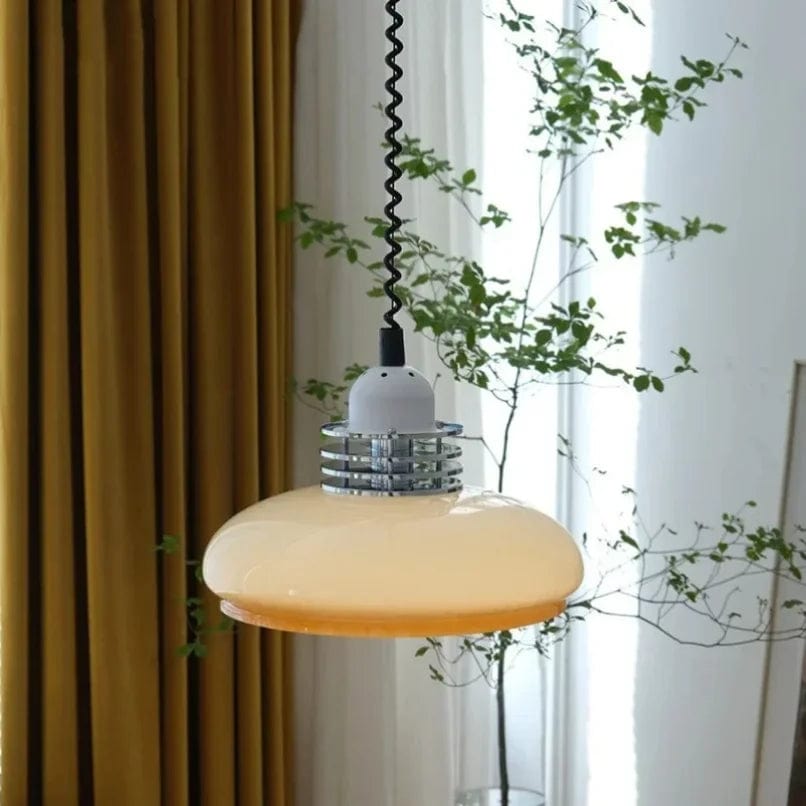

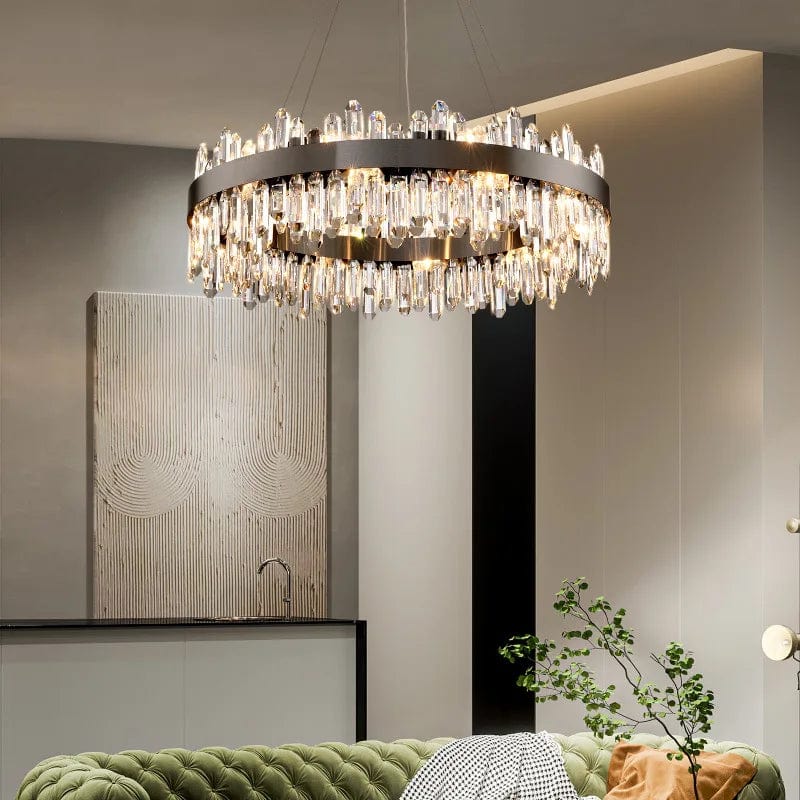
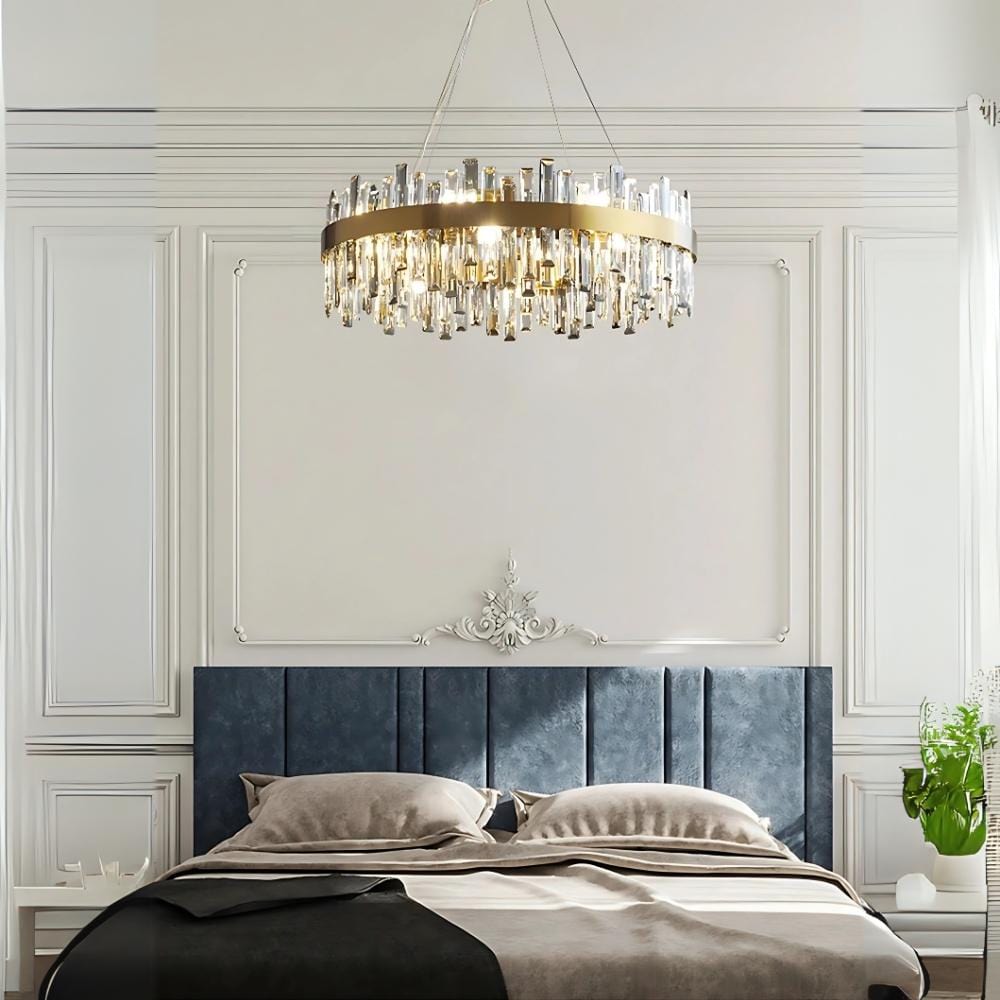
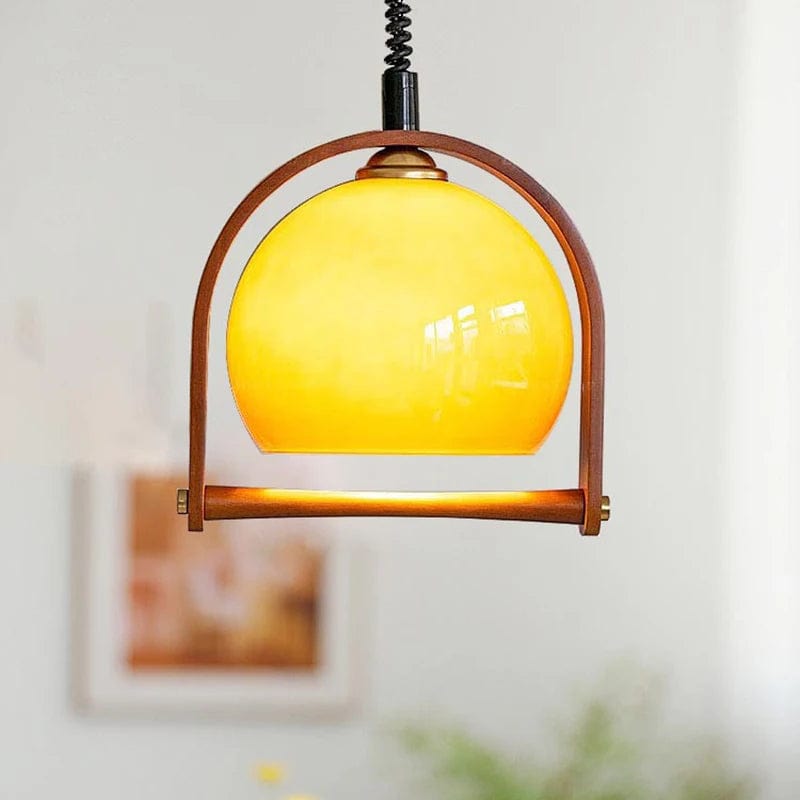
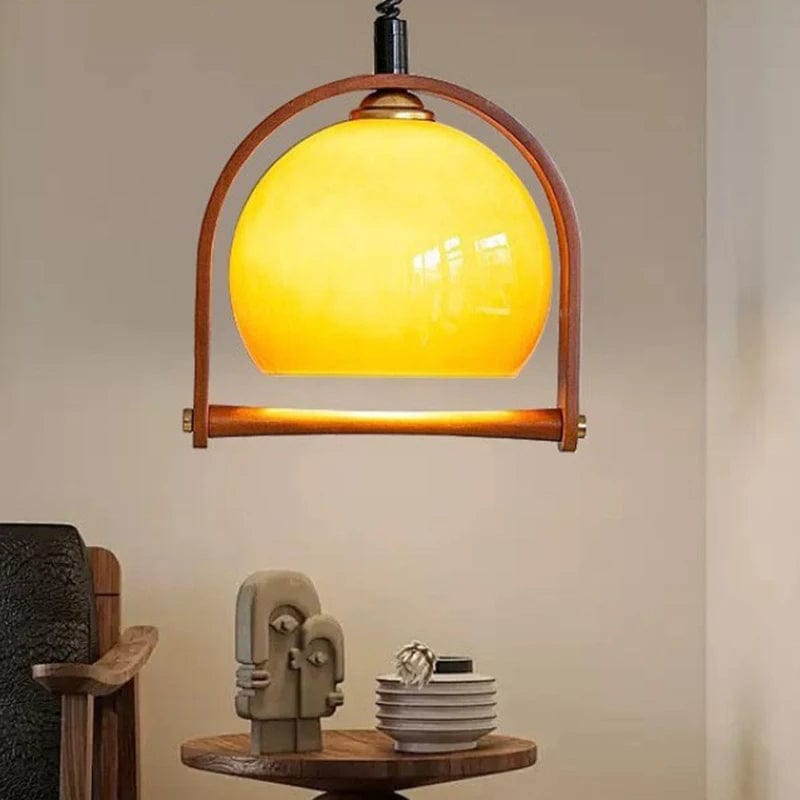
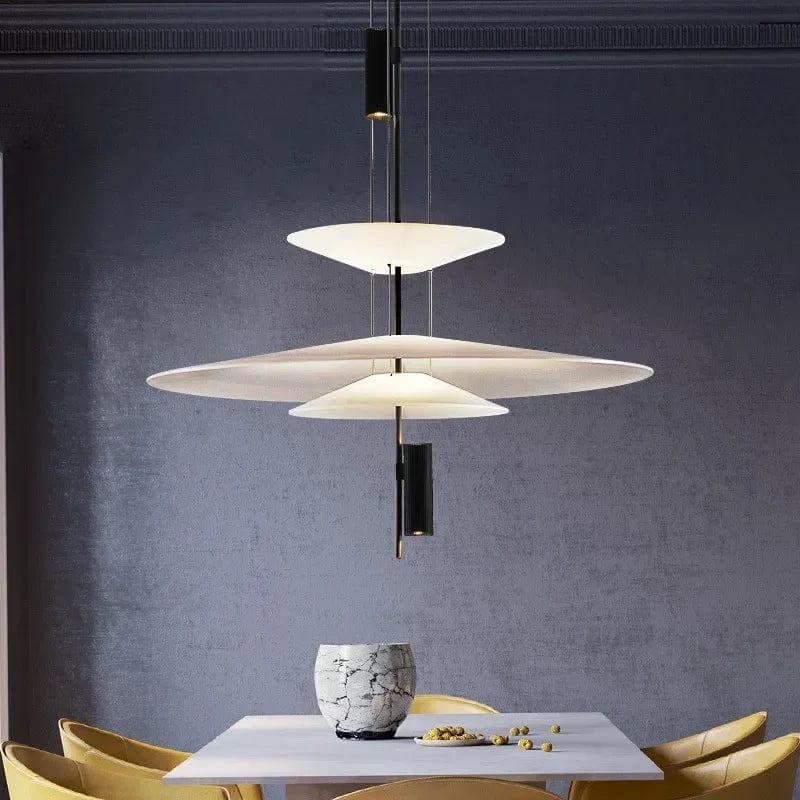
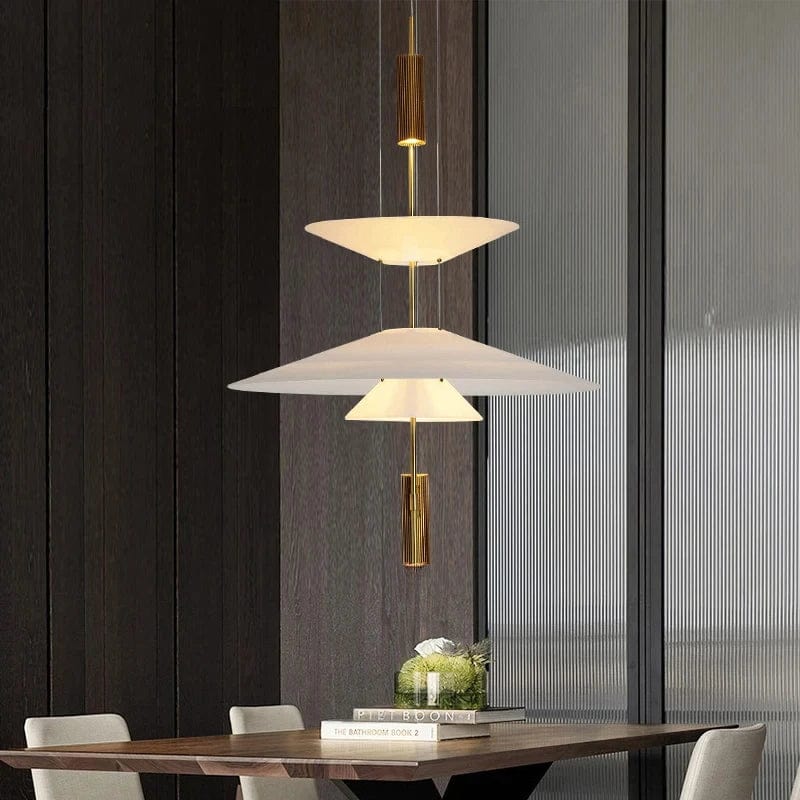
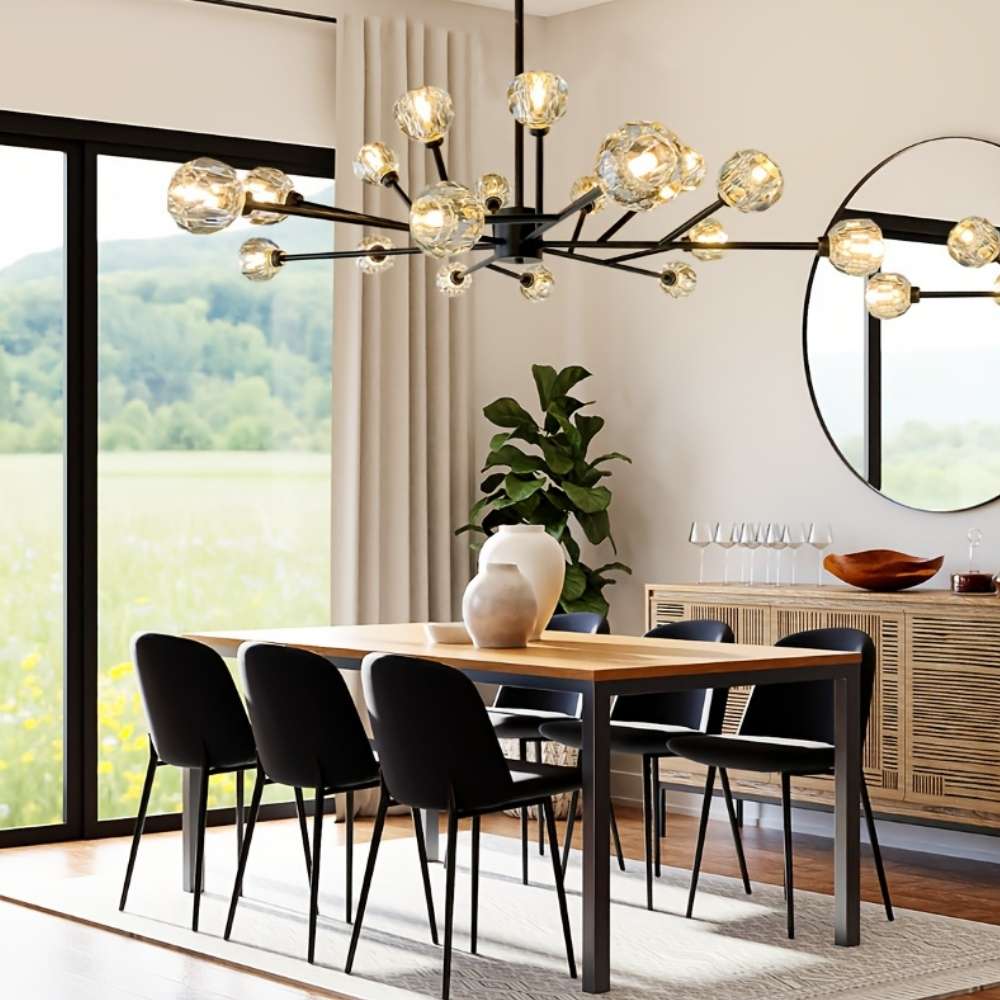
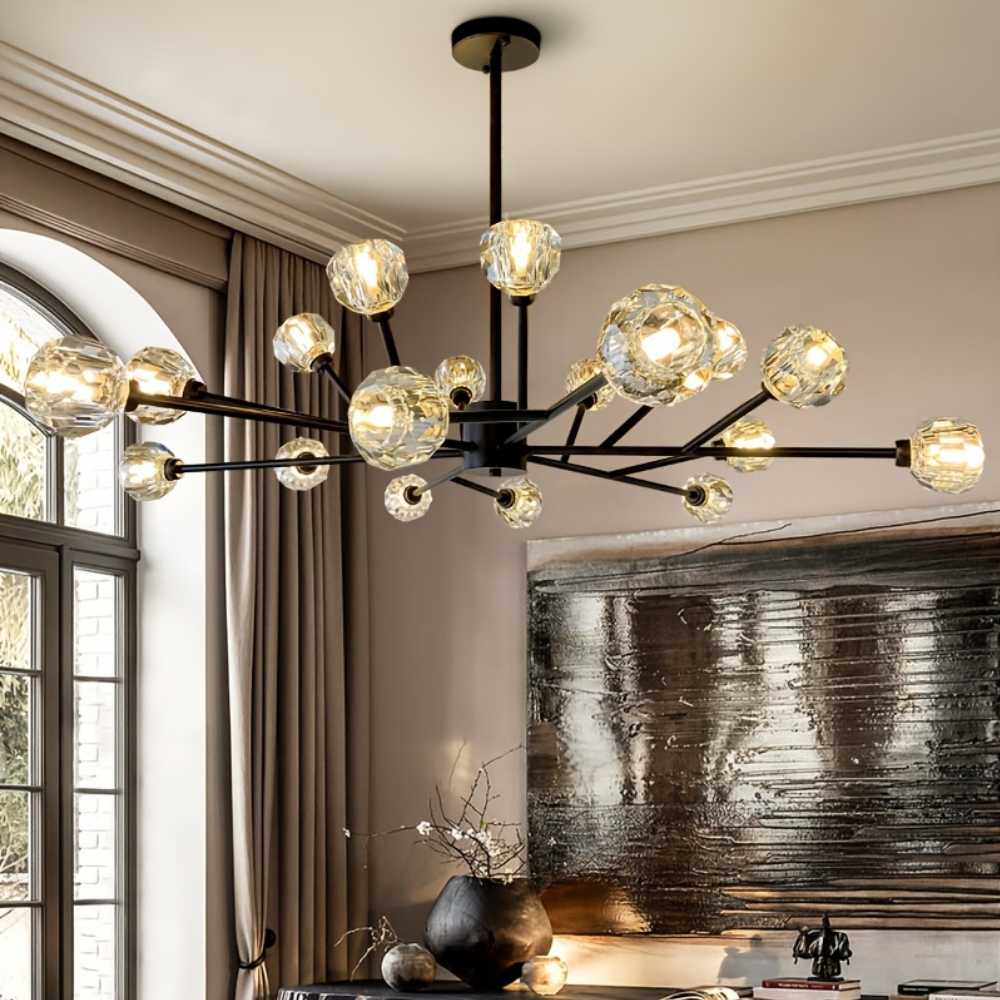
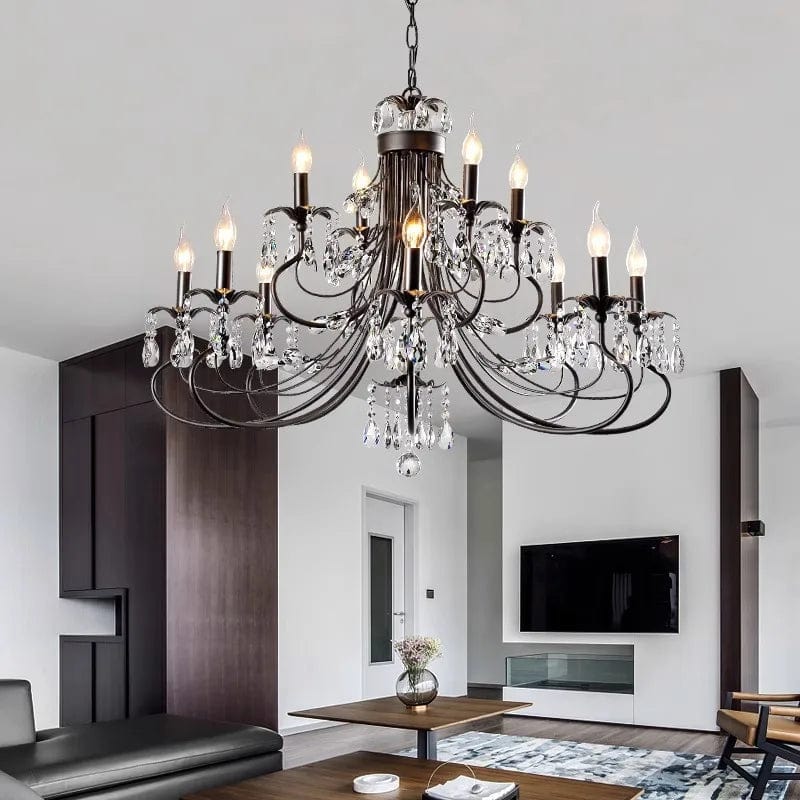
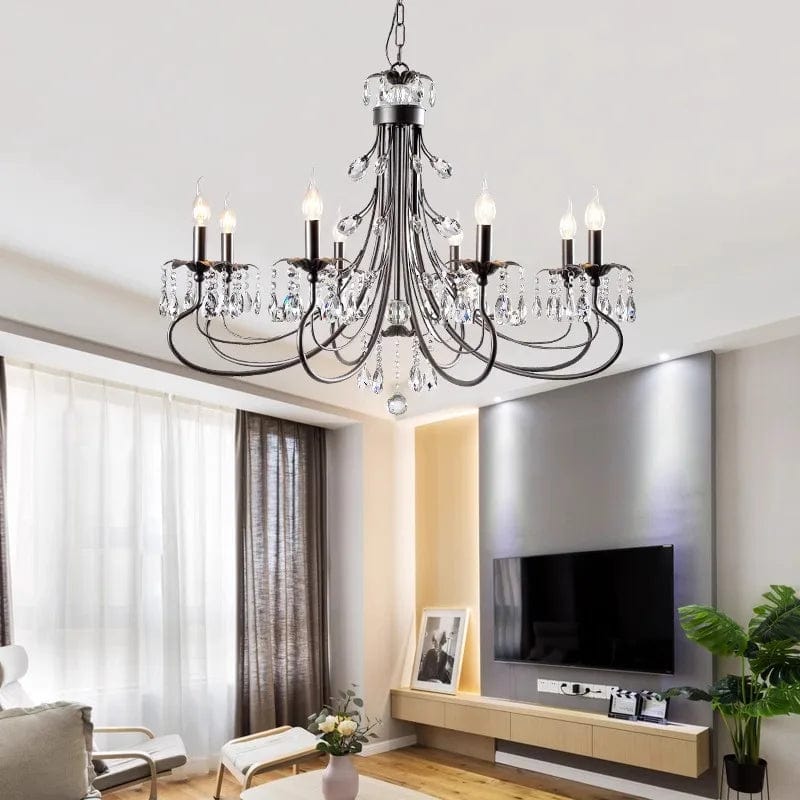
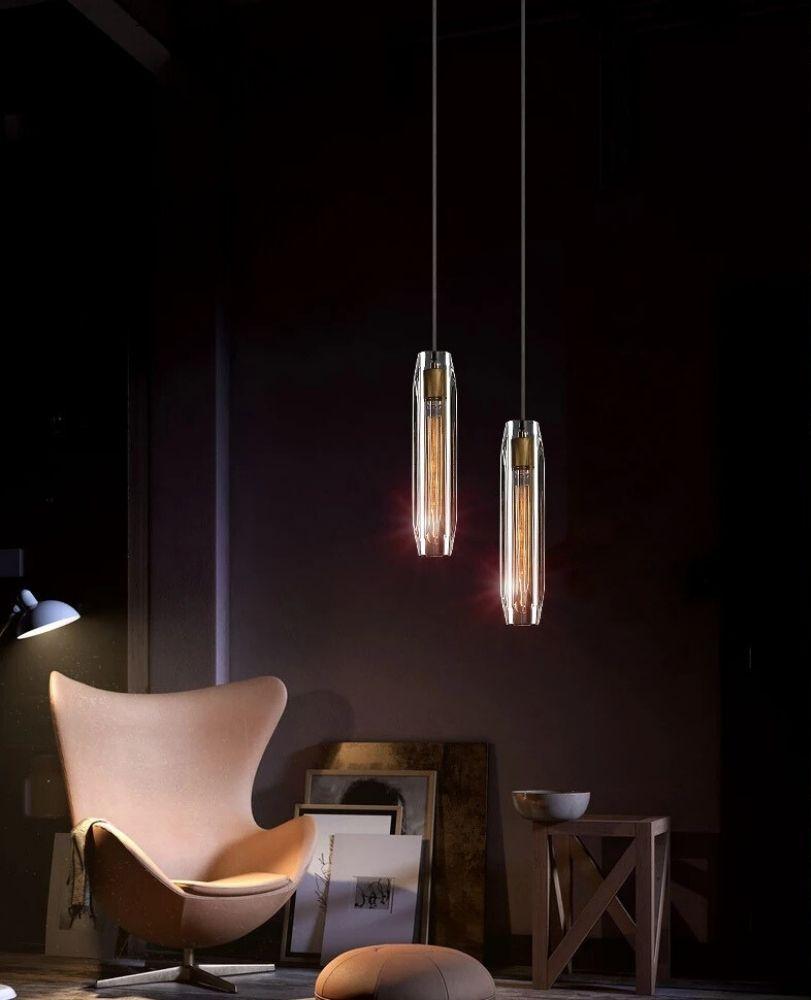
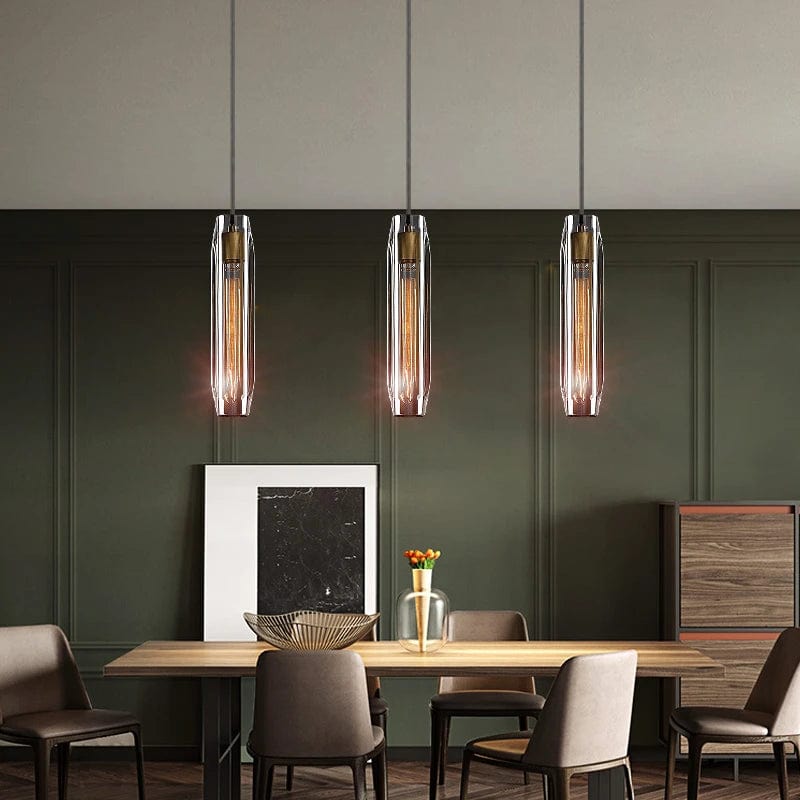
Kitchen Lighting for Better Function, Stronger Zoning, and a More Balanced Everyday Space
Kitchen lighting works best when it supports how the room is actually used. This category is built for shoppers who want to think beyond a single fixture and create a more complete lighting plan for one of the hardest-working spaces in the home. Instead of treating the kitchen as only a place for overhead light, this page helps connect task lighting, ambient lighting, and decorative lighting so the room feels both practical and visually finished.
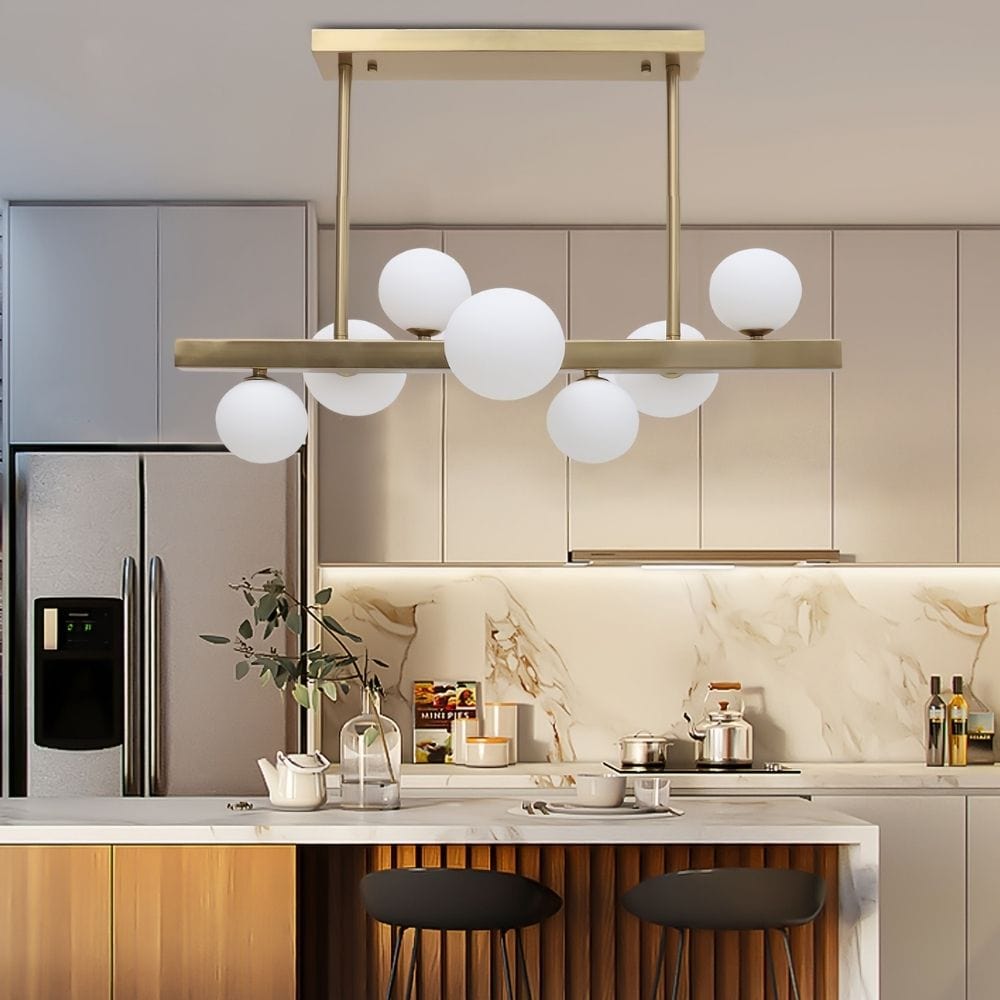
One of the biggest differences between kitchen lighting and lighting in other rooms is that the kitchen usually has several active zones at once. There may be a prep area, an island or breakfast counter, a dining corner, a sink zone, and open circulation paths that all need light in different ways. That is why kitchen lighting often works best as a layered plan rather than a one-fixture decision. A chandelier or pendant may define the island or table, but the room usually still needs lighting that supports work surfaces and movement throughout the space.
What Makes Kitchen Lighting Different?
The defining factor is function paired with layout. In many kitchens, lighting needs to work across more than one purpose at the same time. You may need brighter visibility for food prep, softer light for dining or conversation, and supportive lighting that keeps the room from feeling flat once the main fixture is off. The best kitchen lighting plan usually includes a ceiling layer, a focused task layer, and often a decorative layer that gives the room more character.
- Core kitchen lighting layers: ambient ceiling lighting, island or table lighting, task lighting for prep surfaces, and optional accent lighting
- Best room types: kitchens, breakfast areas, open-plan cooking spaces, kitchen-dining combinations, and island-centered layouts
- Main visual benefit: a room that feels more functional, more comfortable, and more intentionally divided into usable zones
Tip: In many kitchens, the strongest result comes from combining one statement fixture over the main zone with practical supporting light elsewhere, instead of trying to make one ceiling light handle the whole room on its own.
How to Build a Better Kitchen Lighting Plan
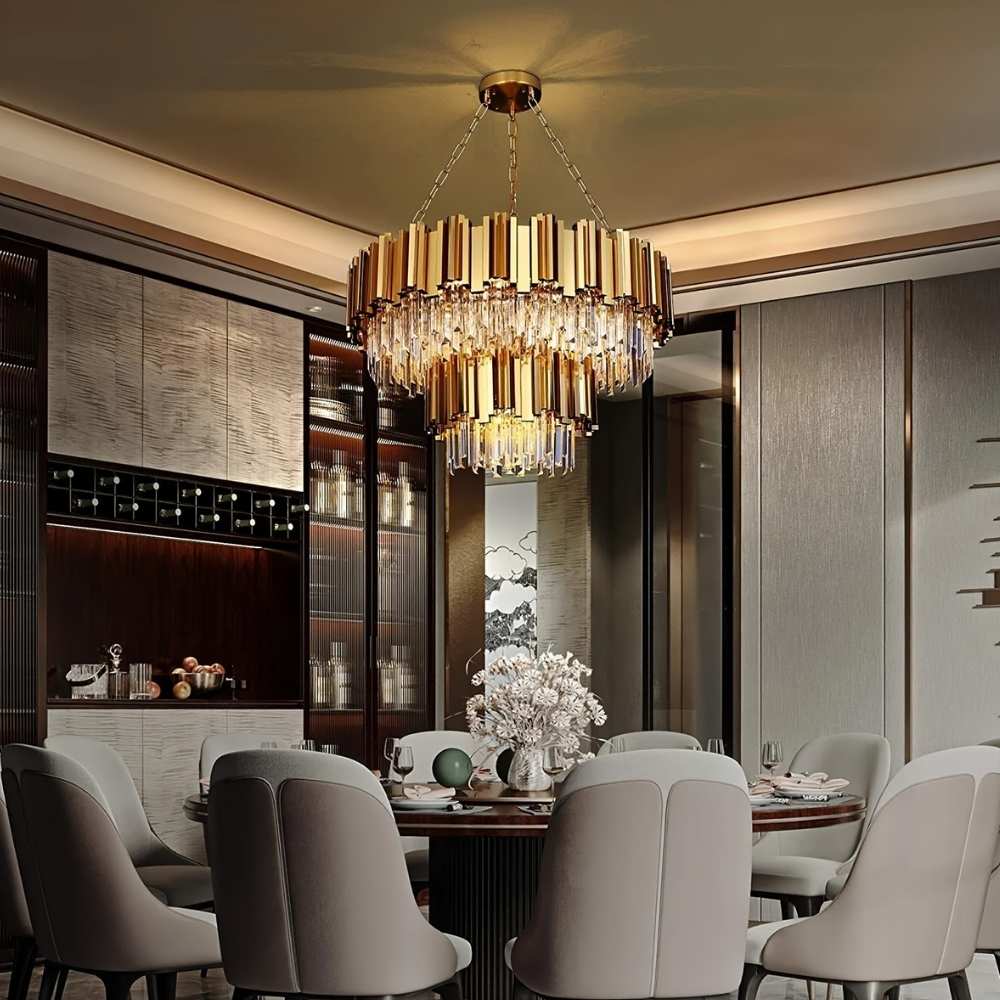
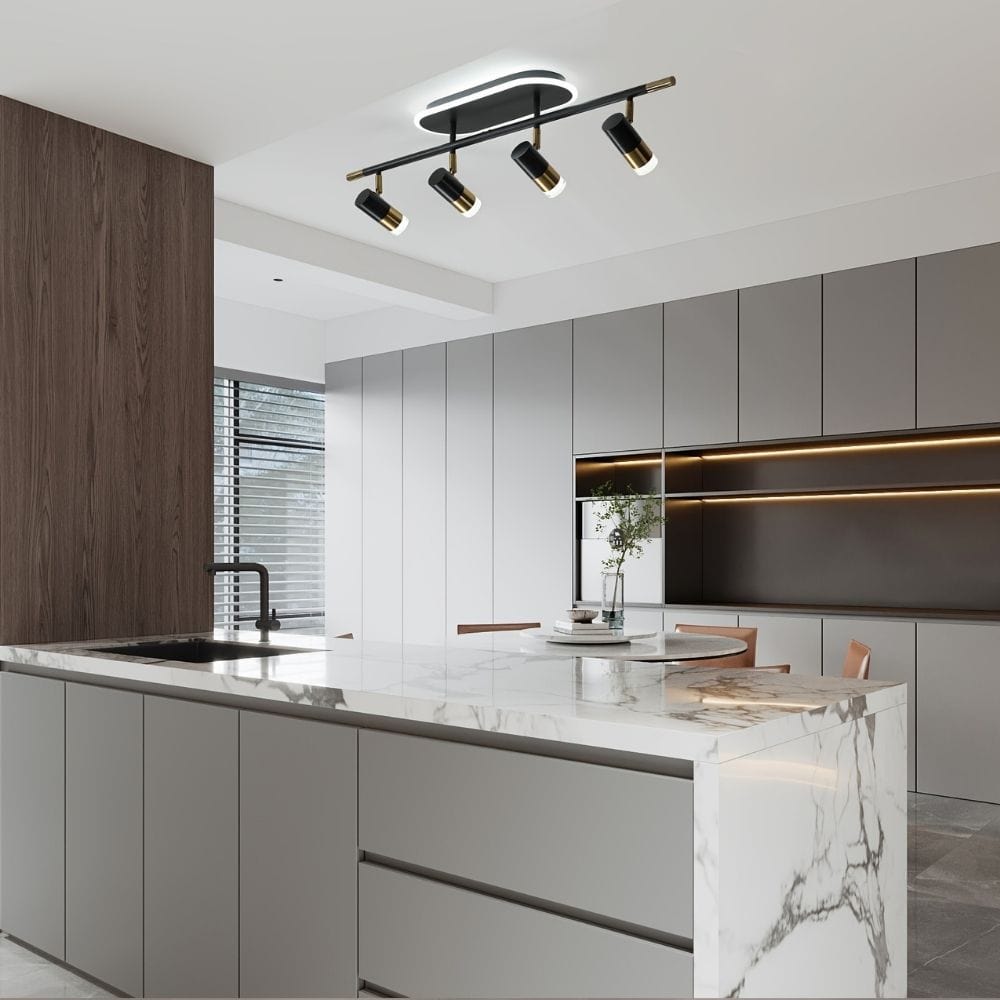
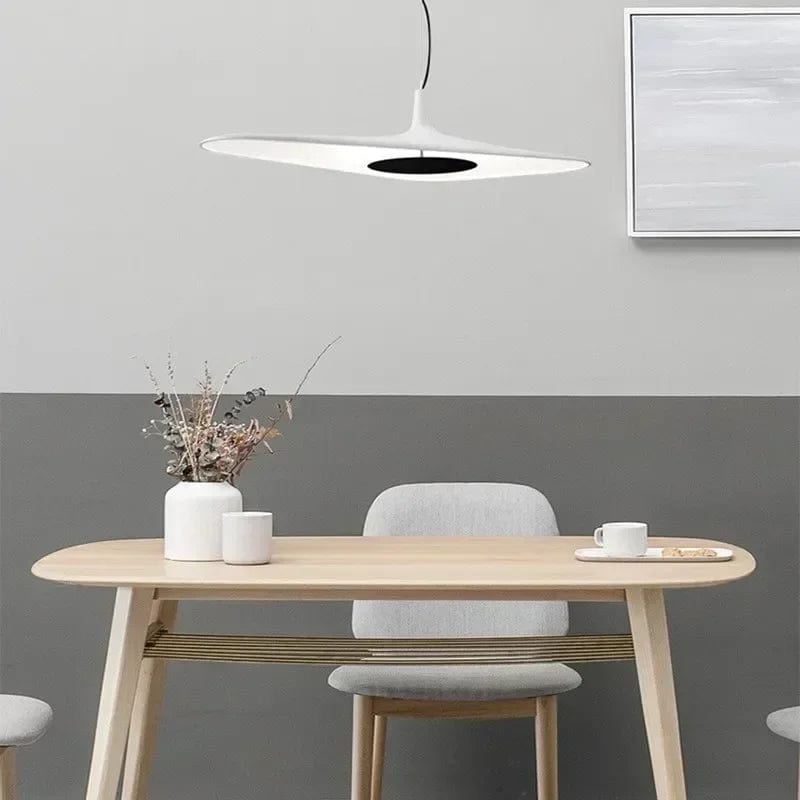
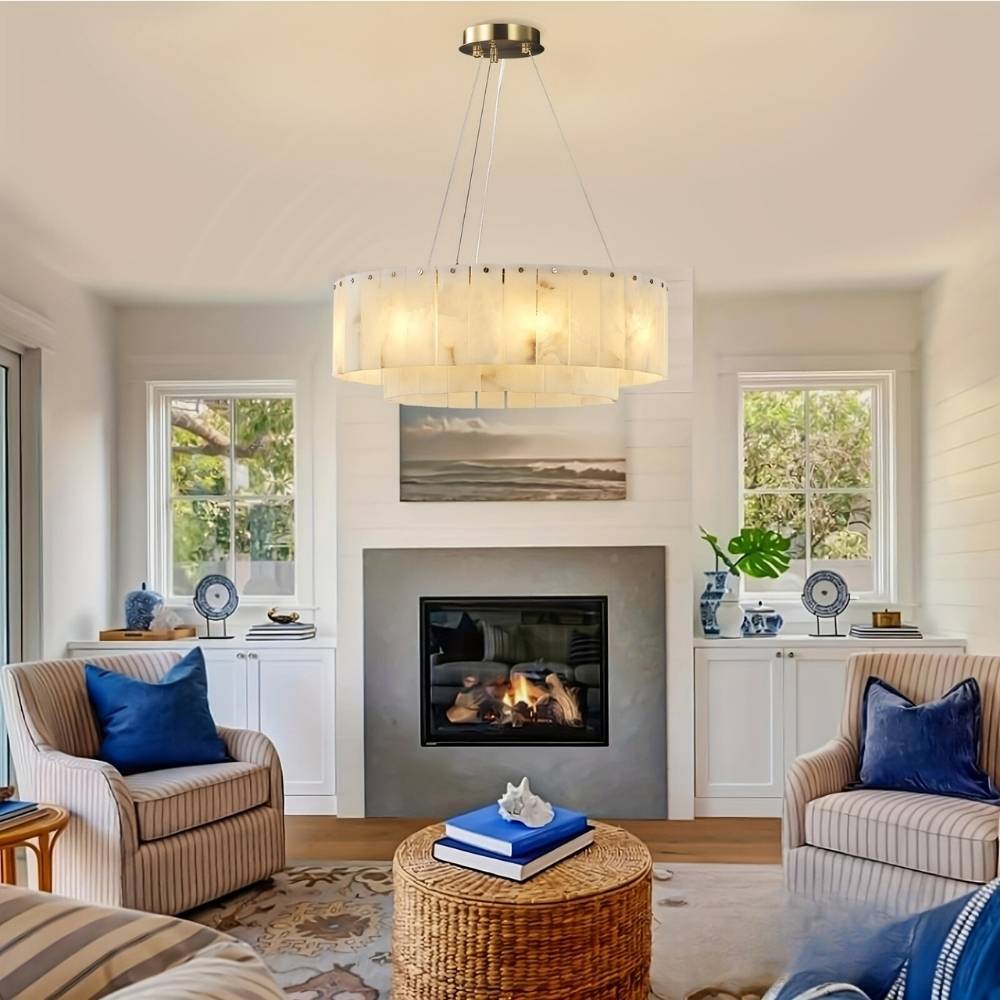
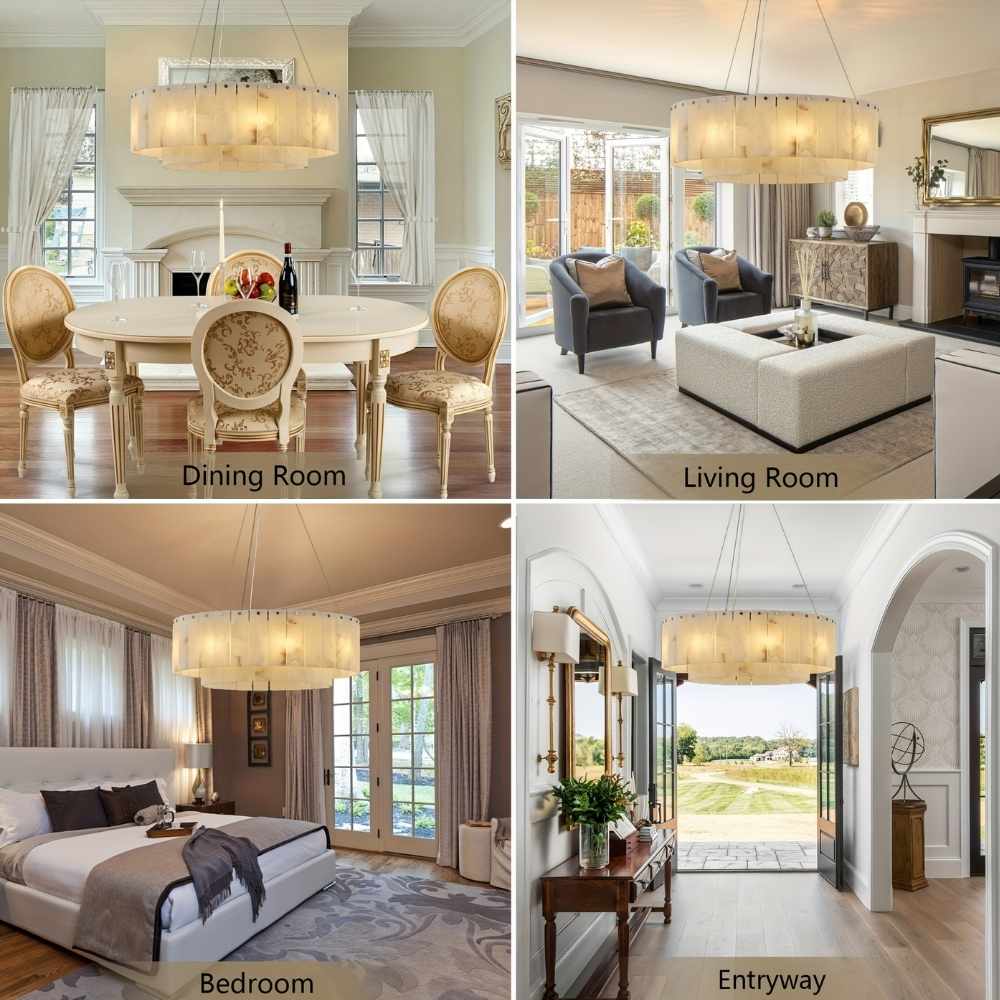
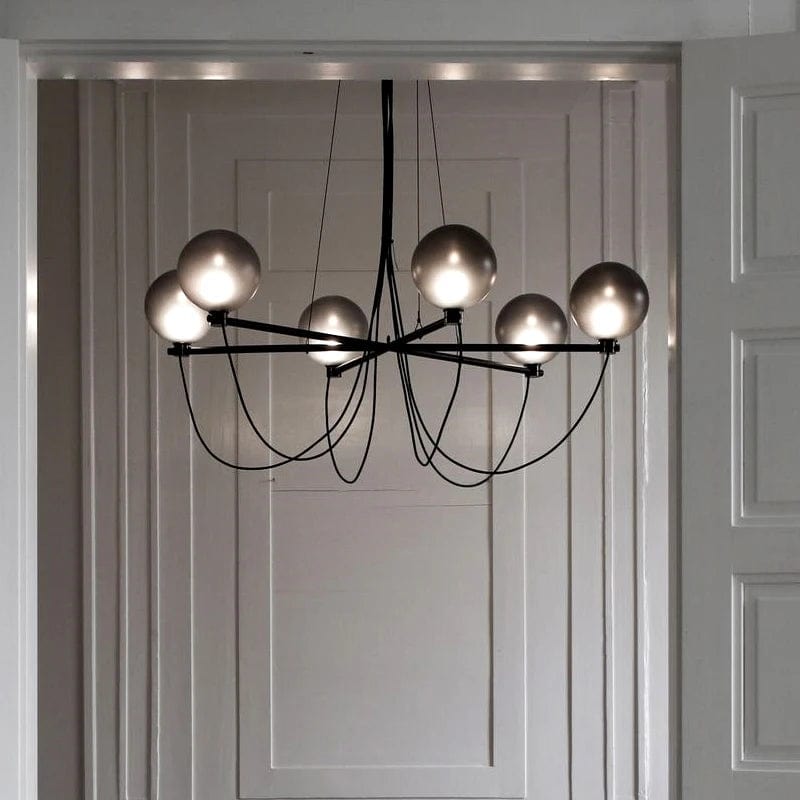
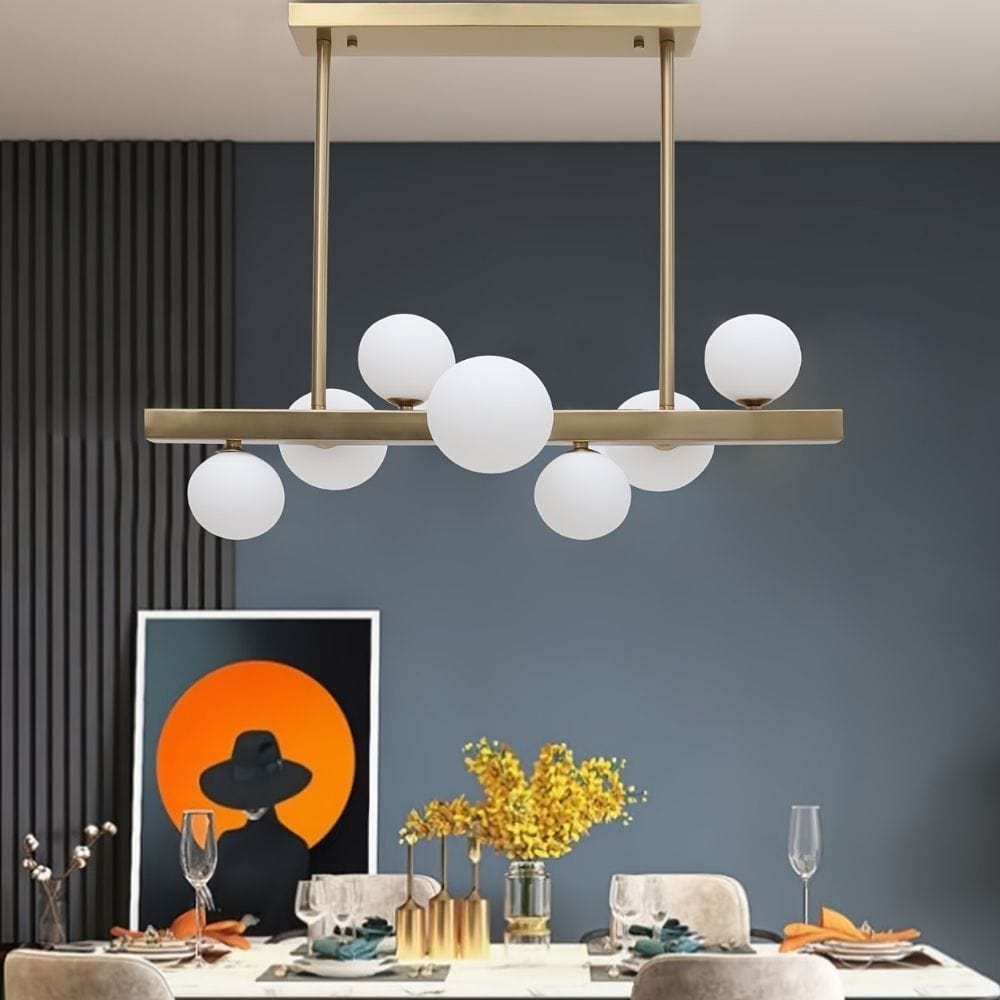
A good kitchen lighting plan usually starts with the zone that matters most. In some kitchens, that is the island. In others, it is the breakfast table, prep area, or central circulation zone. Pendant lights are often a strong choice over islands because they bring light lower and help define the countertop visually. Chandeliers can work well over kitchen tables or larger eat-in spaces where the room needs a more decorative focal point. Track lighting, sconces, or other supporting fixtures can help with directional light and visual balance in parts of the room that are not directly below the main fixture.
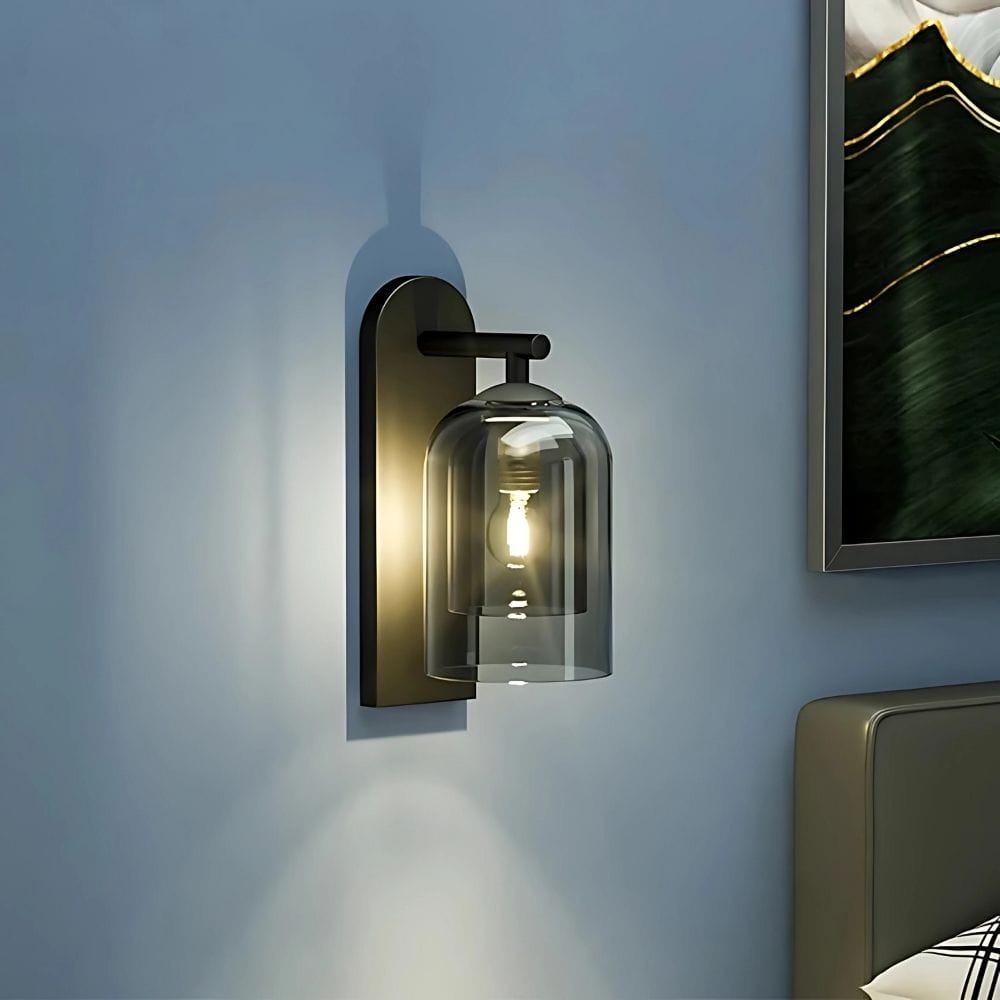
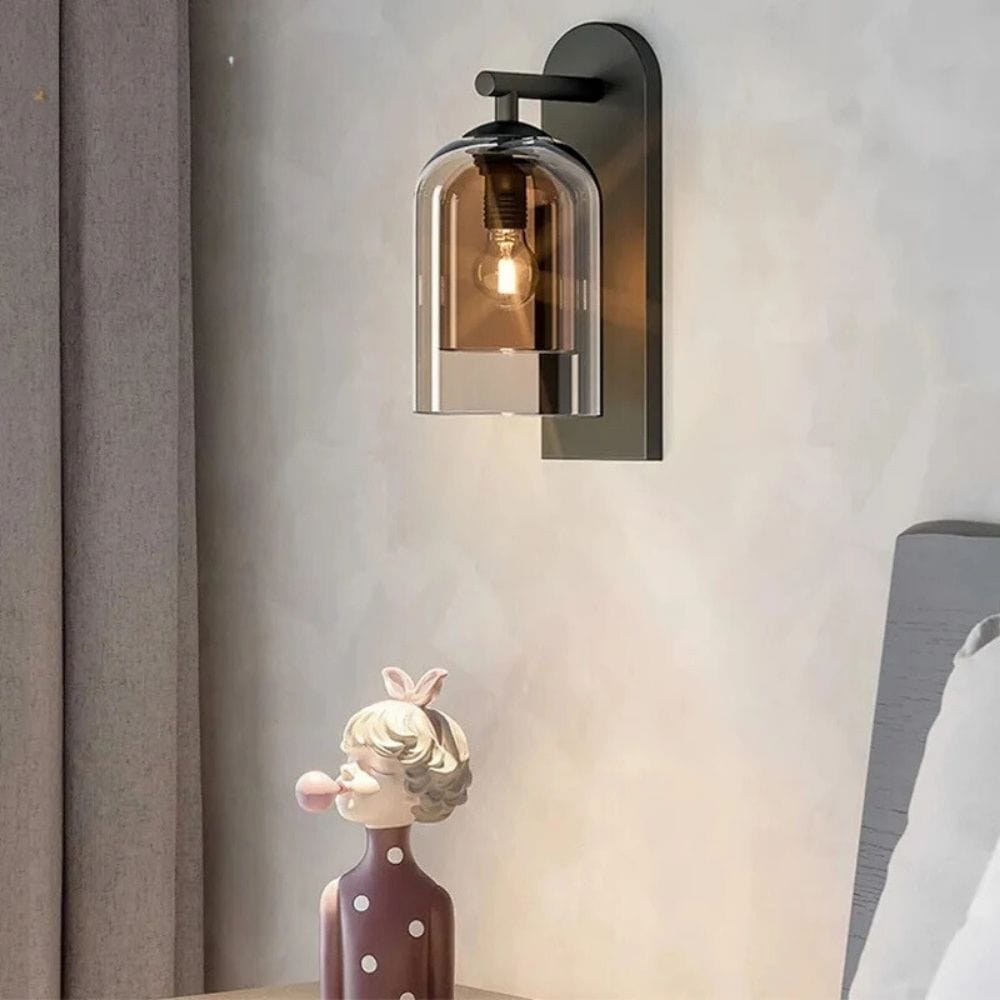
If you are planning the room around an island first, it can help to compare Pendant Lights. If your focus is a more decorative ceiling centerpiece over a kitchen table or open cooking-dining zone, Kitchen Chandeliers is a useful adjacent category. If your room needs simpler wall-mounted support, Wall Sconces may also help.
Quick planning notes:
- Island zones: often work best with pendants or a linear fixture that clearly follows the countertop below
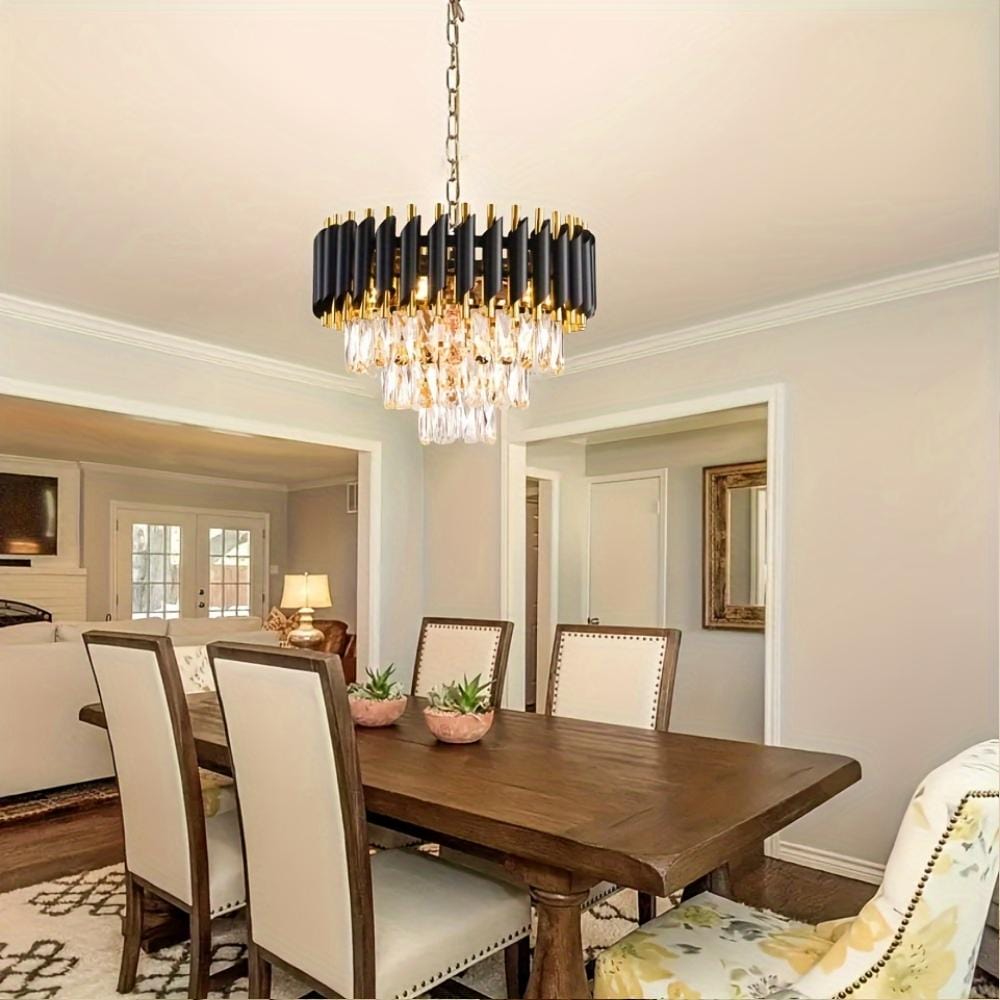
- Breakfast tables: often benefit from a centered pendant or chandelier that helps define the dining spot
- Prep areas: need practical visibility, not just decorative overhead light
- Open kitchens: layered lighting usually makes the room feel more useful and more welcoming than one bright ceiling fixture alone
Measurement note: Over kitchen islands, many shoppers use hanging heights around 30 to 32 inches above the countertop as a practical starting point, then refine the drop based on ceiling height, fixture diameter, and sightlines through the room. For multiple pendants, spacing and pendant width should also relate clearly to the island length rather than being chosen in isolation.
Choosing the Right Mix of Fixtures
Different kitchens need different fixture mixes. A larger open-plan kitchen may need pendants or a chandelier to define the island or dining connection, plus supporting lighting that keeps cabinets, prep surfaces, and circulation zones from feeling dim. A smaller kitchen may work better with a simpler ceiling fixture and one more focused suspended light over the key surface. Kitchens with a lot of hard finishes often benefit from layered lighting because it helps the room feel less flat and less harsh at night.
This is why the page should not read like a pendant-only or chandelier-only category. Pendant lights, chandeliers, track lighting, wall lights, and other ceiling fixtures all solve different kitchen problems. If your priority is only the decorative fixture above the island or table, the narrower product-family pages will be more precise. If your goal is to make the full room easier to use and better balanced visually, this page is the right starting point.
Quick comparison:
- Pendant lights - better for islands, bars, and focused suspended lighting
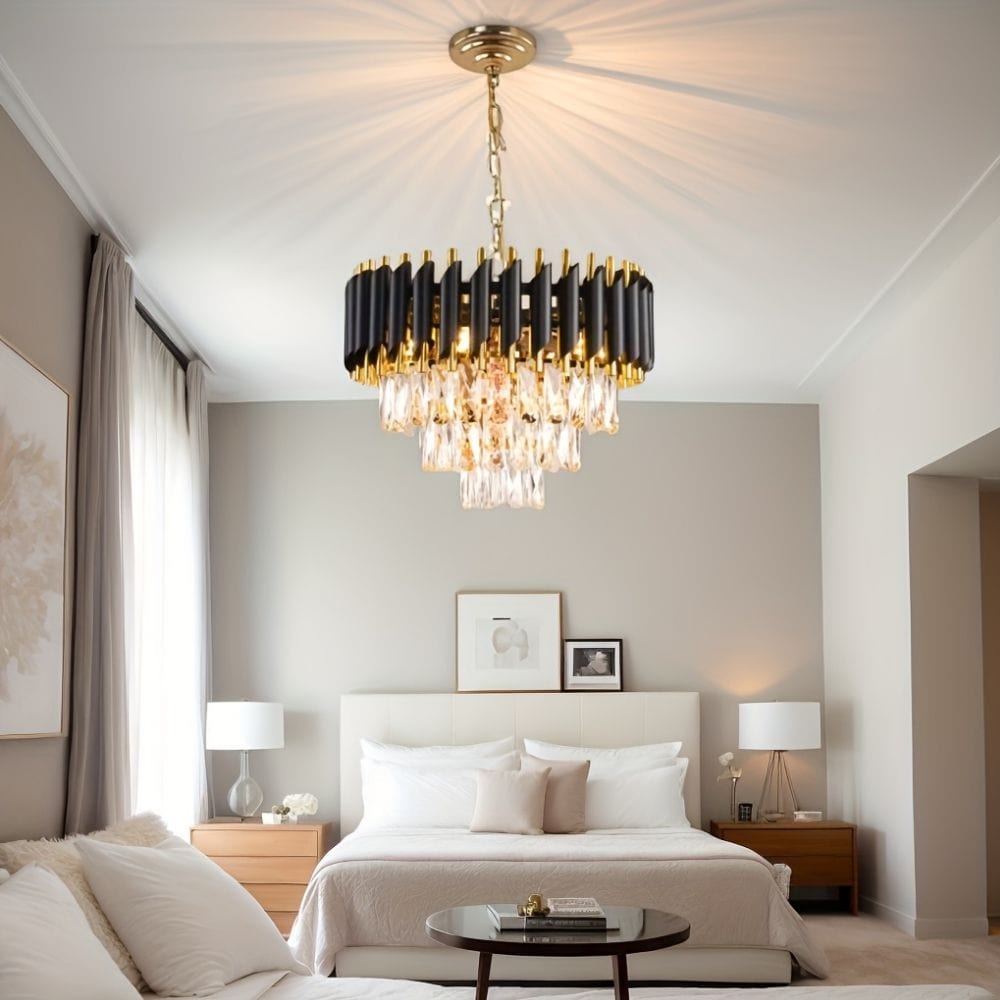
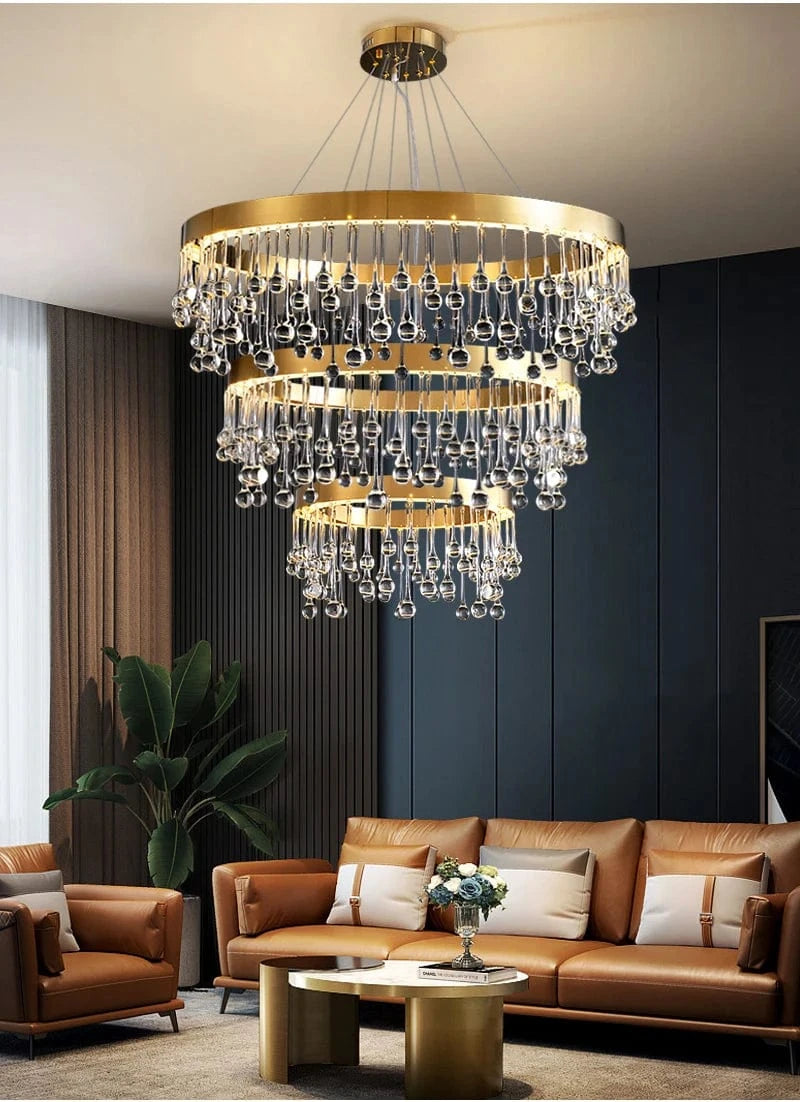
- Kitchen chandeliers - better for table-centered or more decorative kitchen focal points
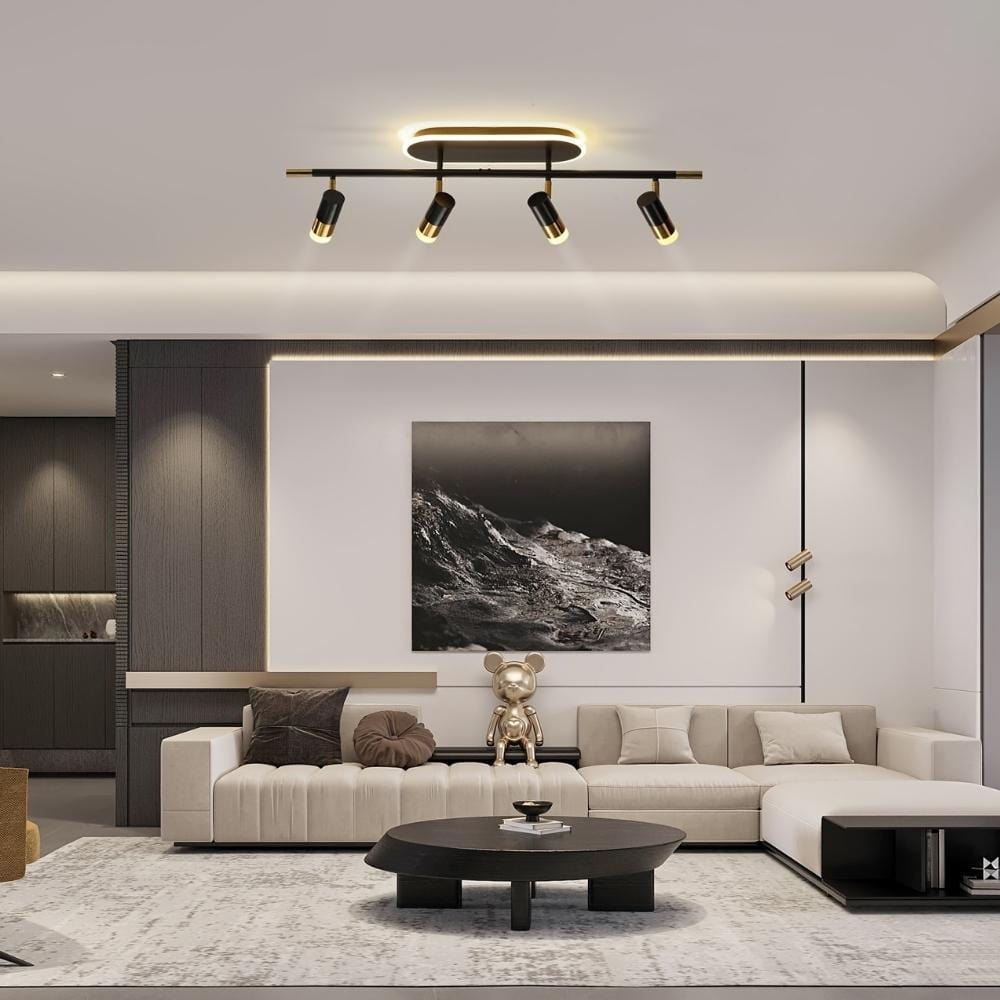
- Track or directional lighting - better for flexible task support across active work zones
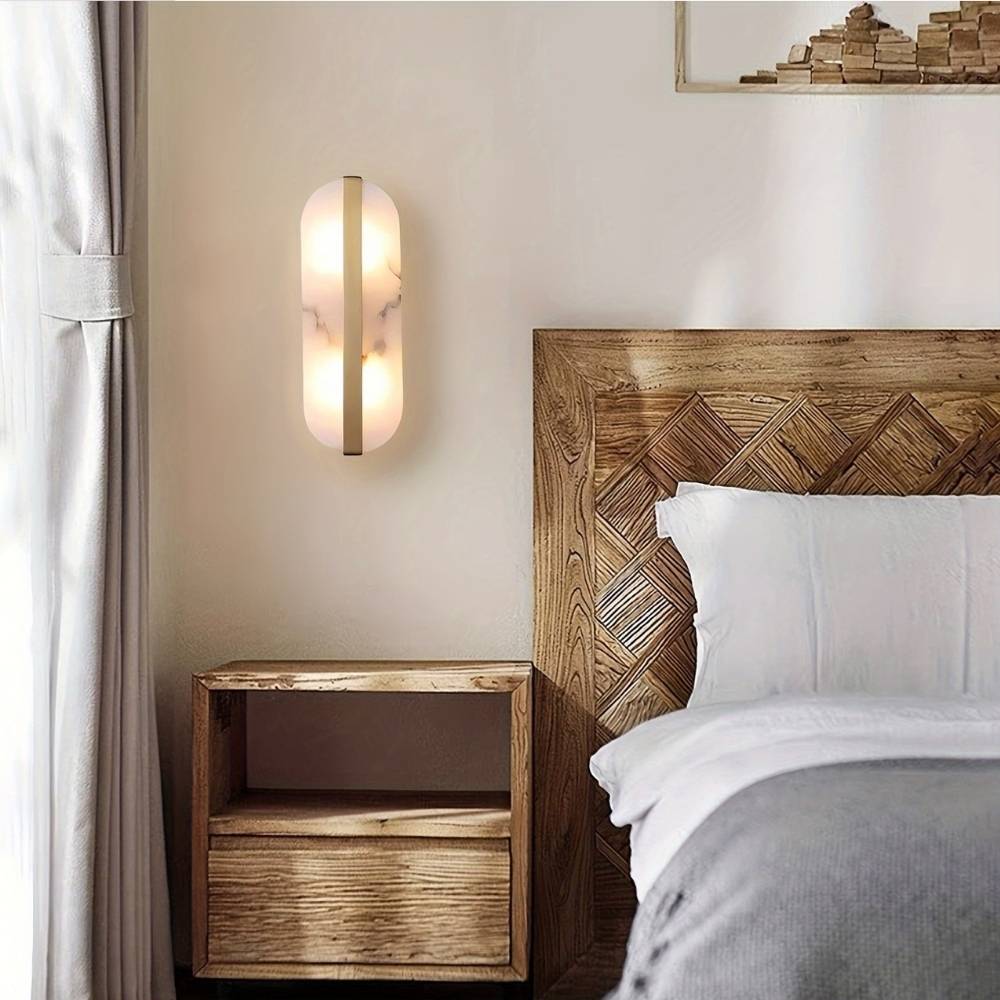
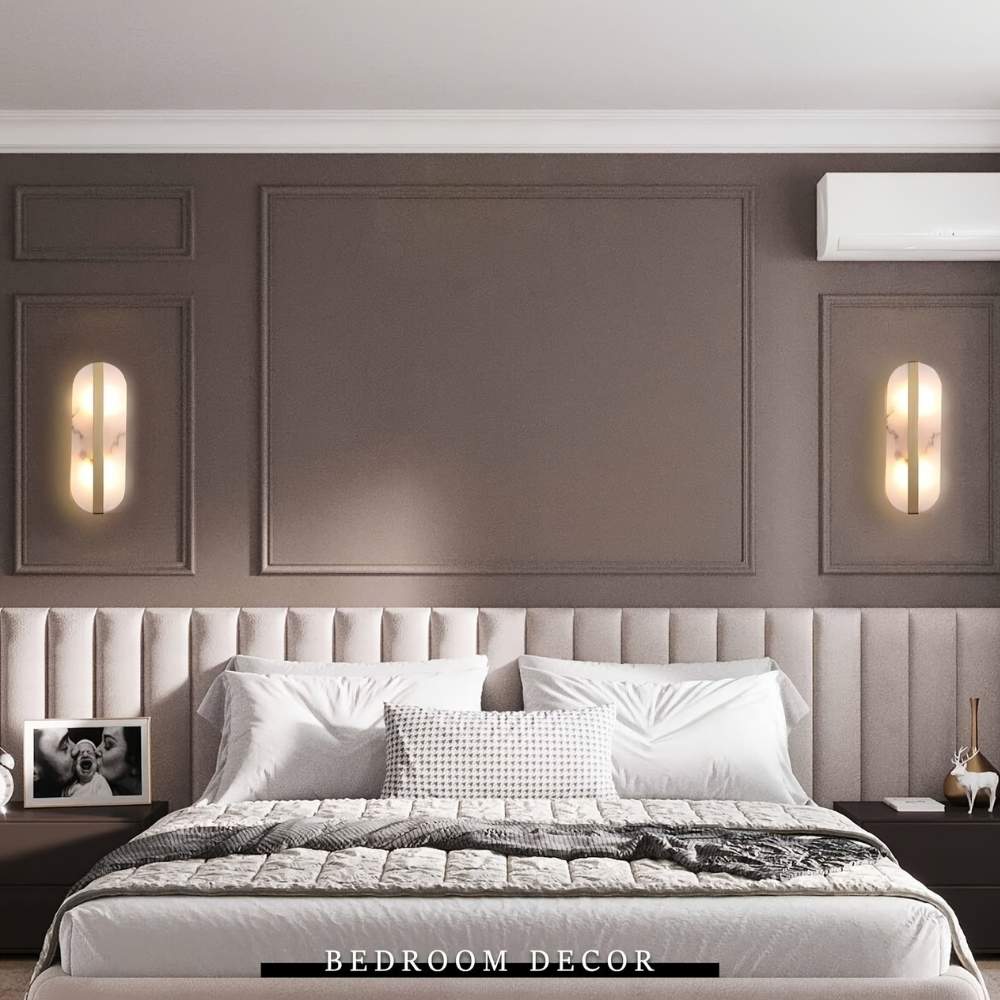
- Wall lights or sconces - useful for softer support and wall-level balance in some kitchen layouts
Kitchen Lighting vs. Kitchen Chandeliers
These categories overlap, but they do not serve the same intent. Kitchen Chandeliers is the more specific page for choosing a chandelier in the kitchen. Kitchen Lighting is the broader room-planning page for shoppers who need the full mix of ambient, task, and decorative lighting in one place. If the goal is to improve how the entire room works, this collection is the more precise starting point.
Small reminder: The best kitchen lighting plan is not simply the brightest one. It is the combination of task support, ambient coverage, fixture placement, and visual balance that makes the kitchen feel comfortable and useful every day.