


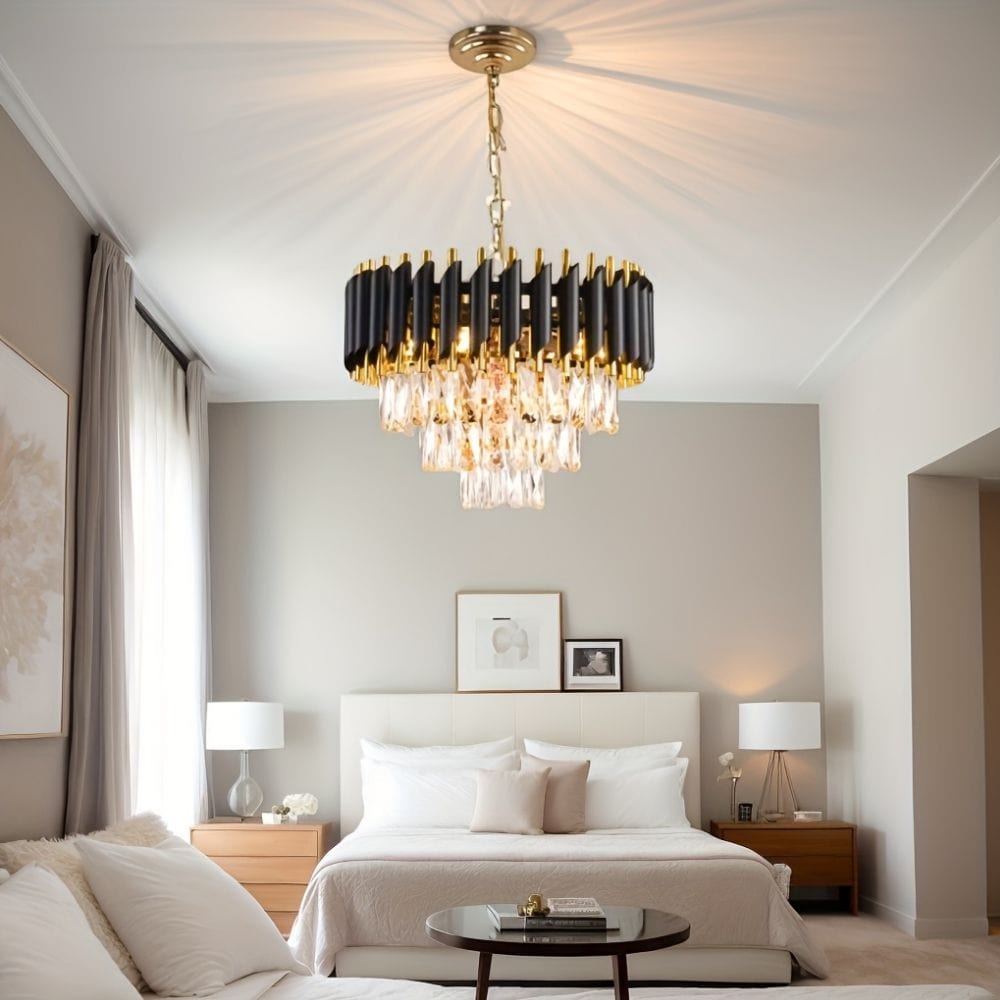
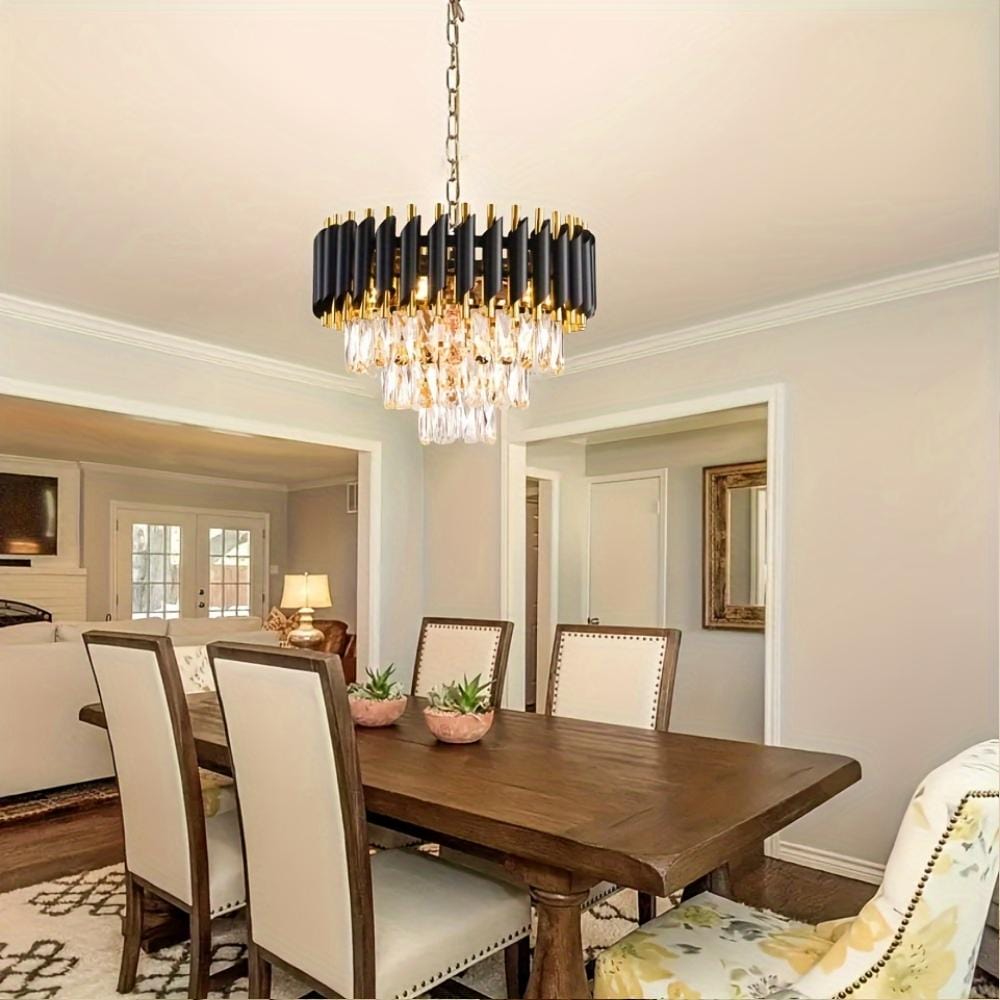
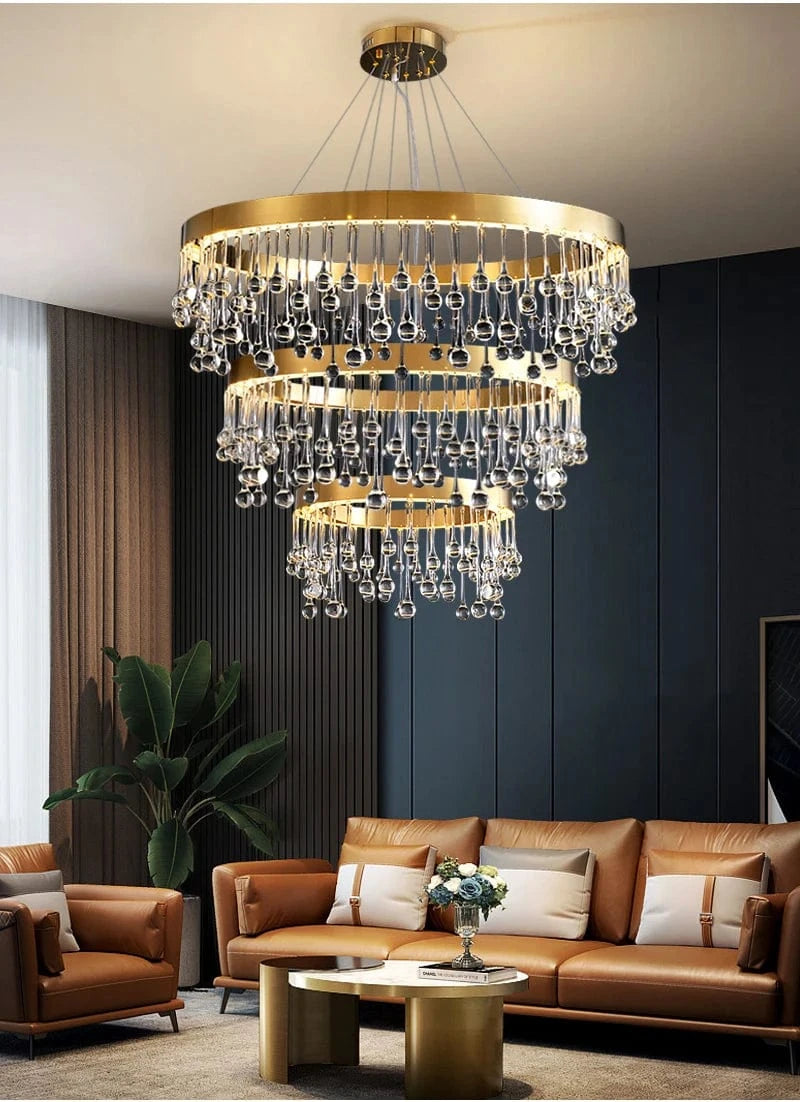
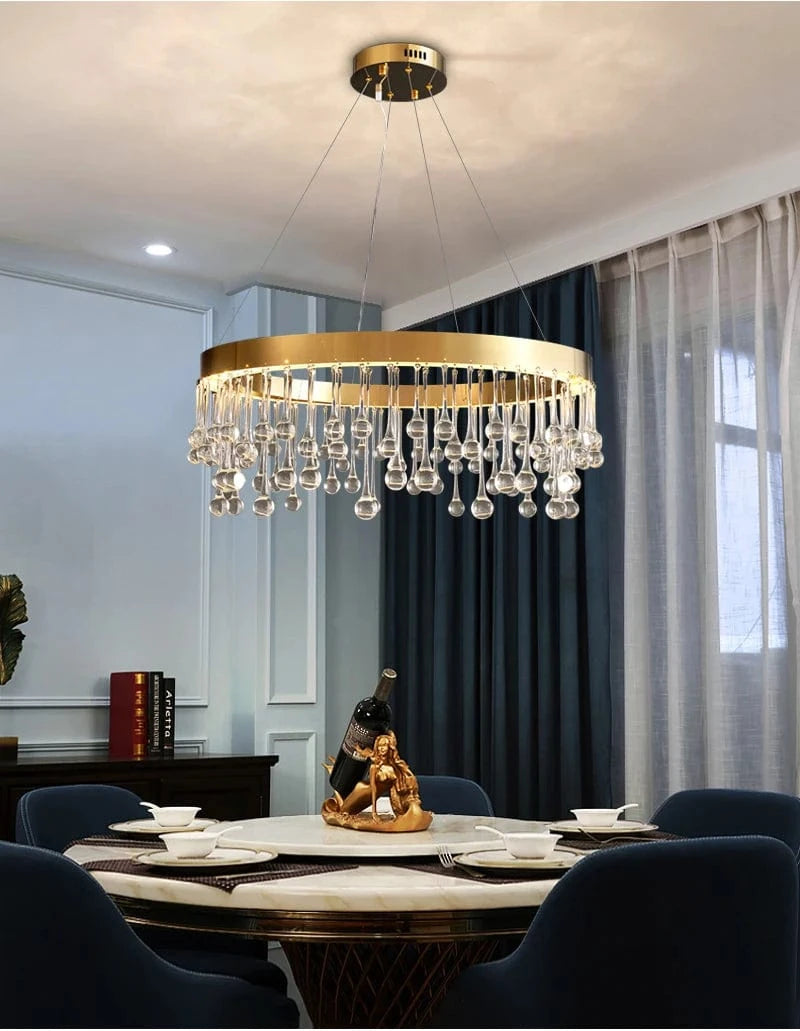
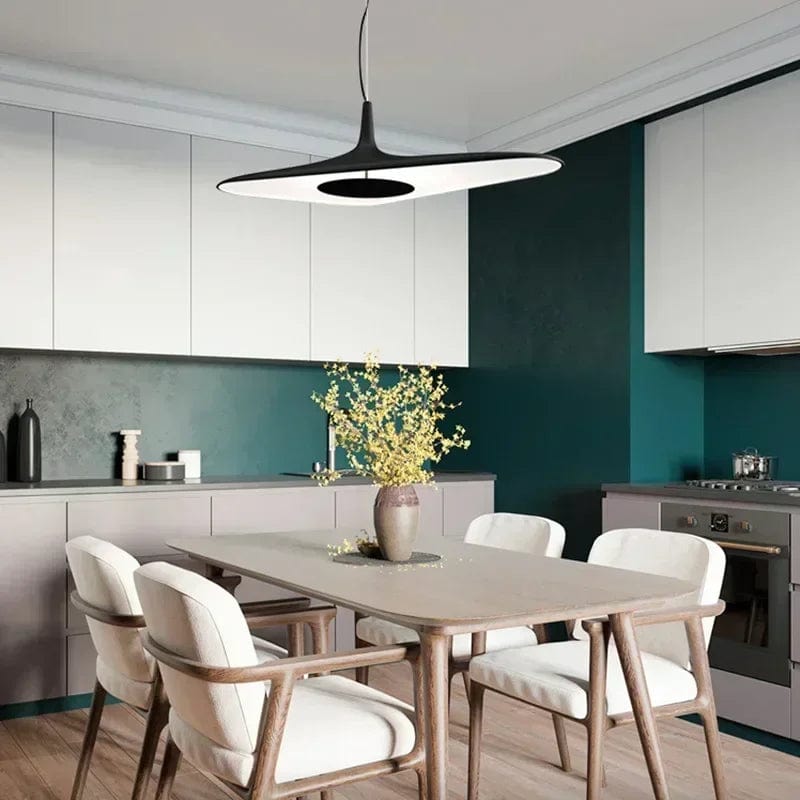
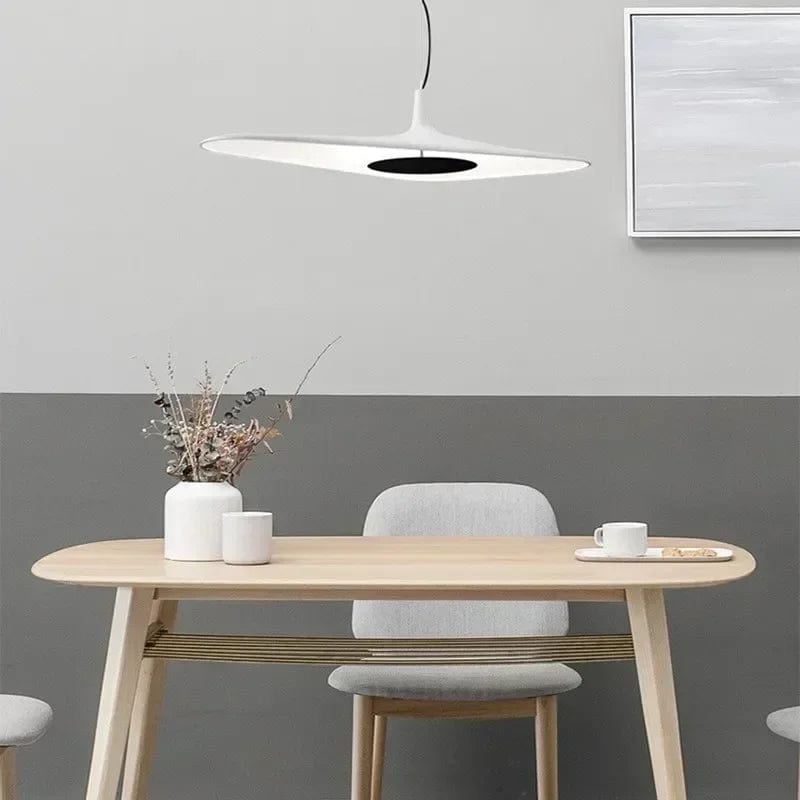
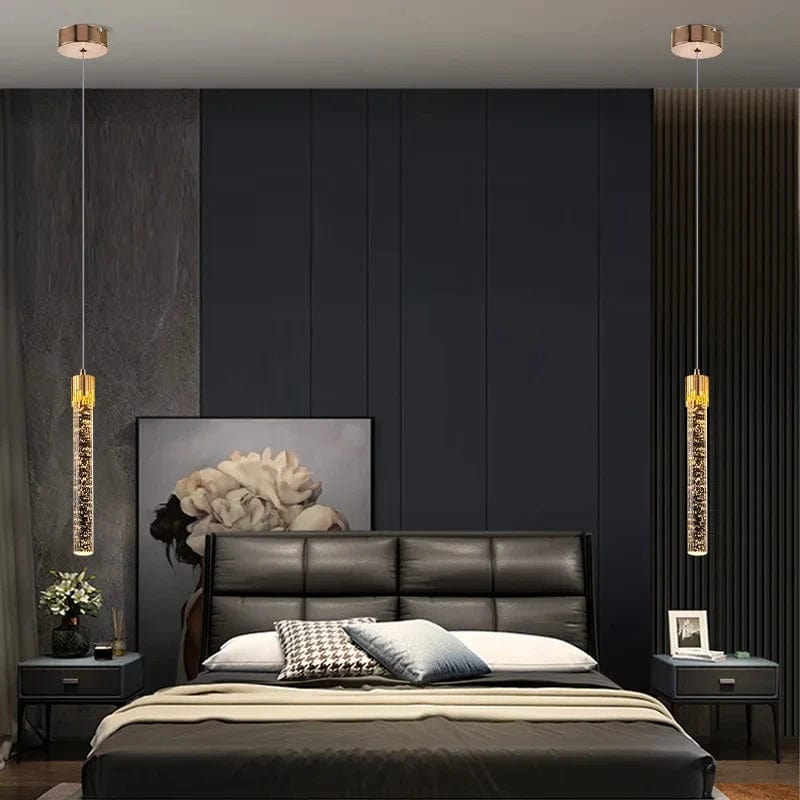
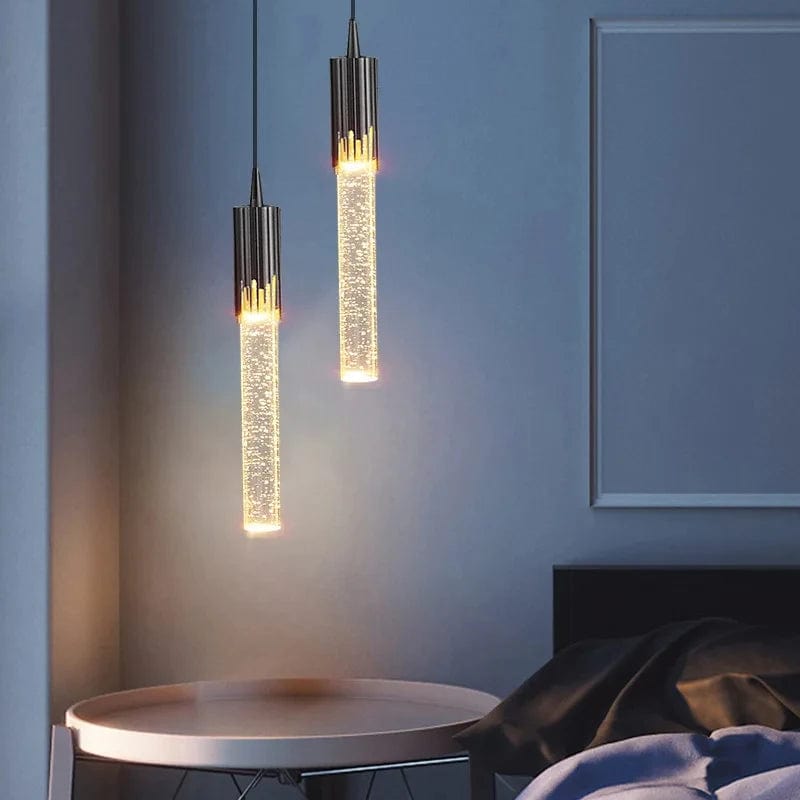


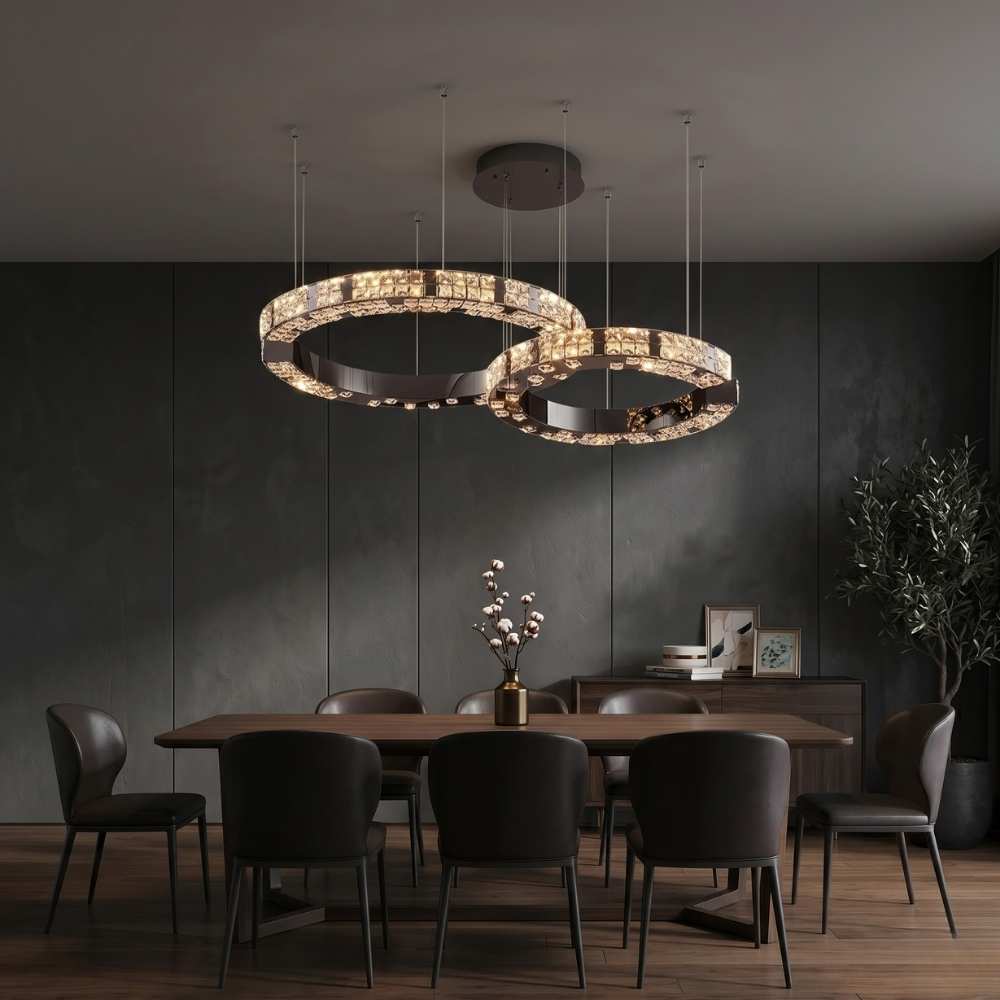
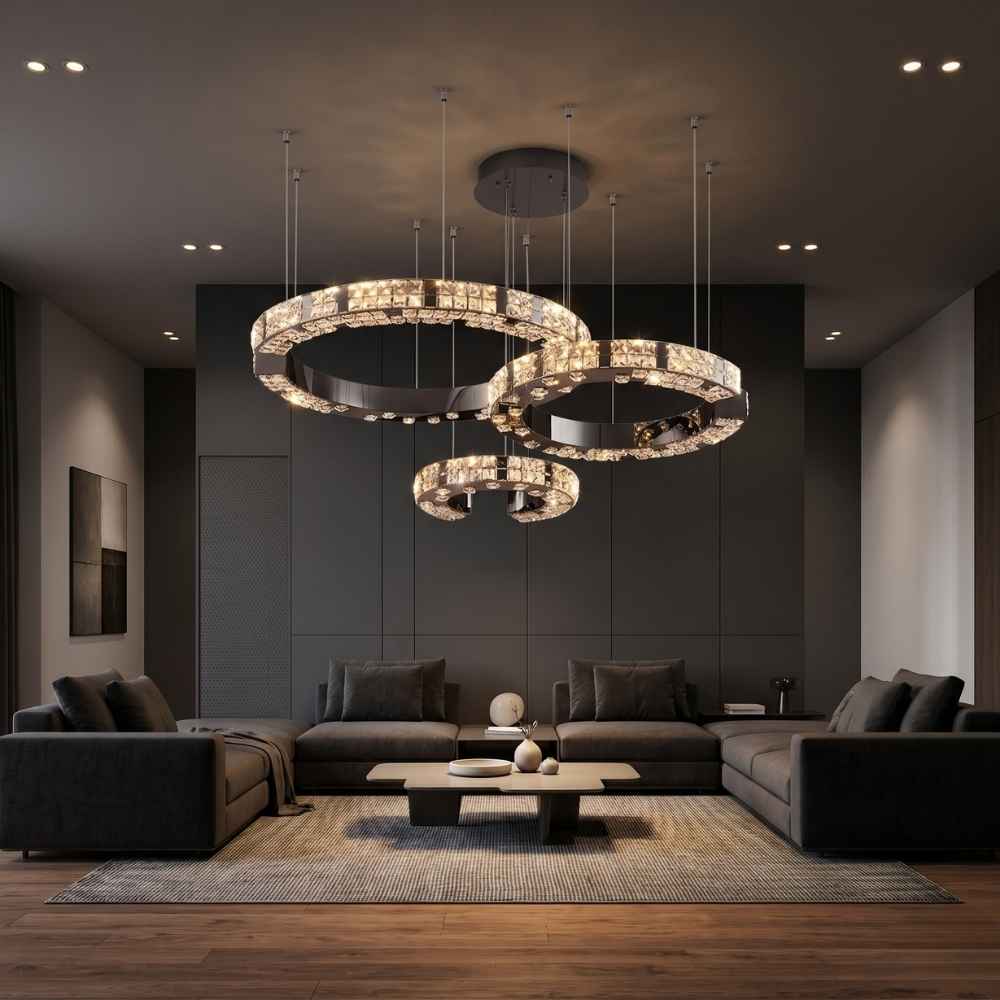


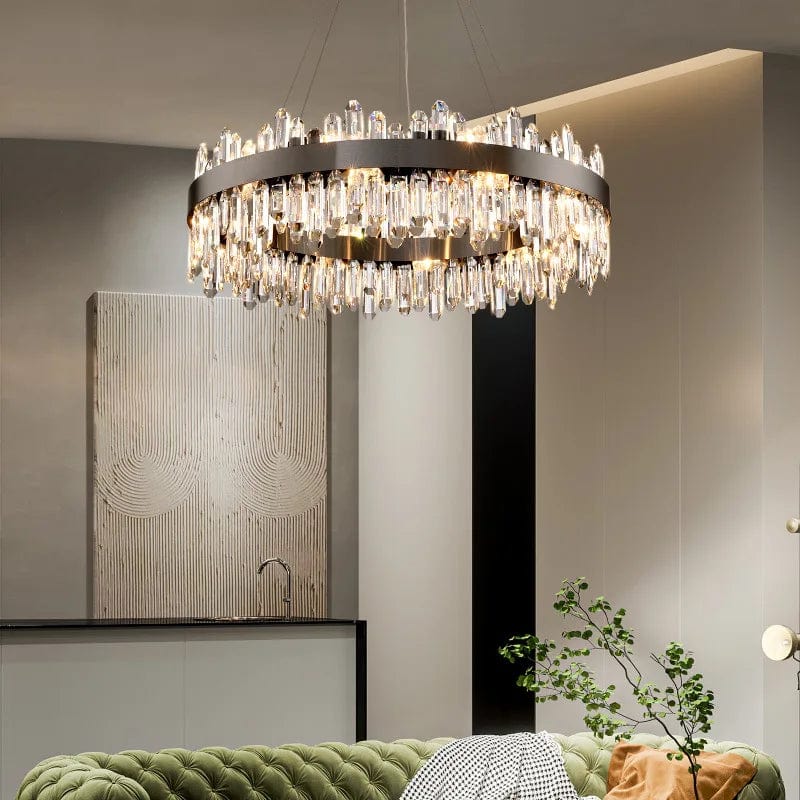
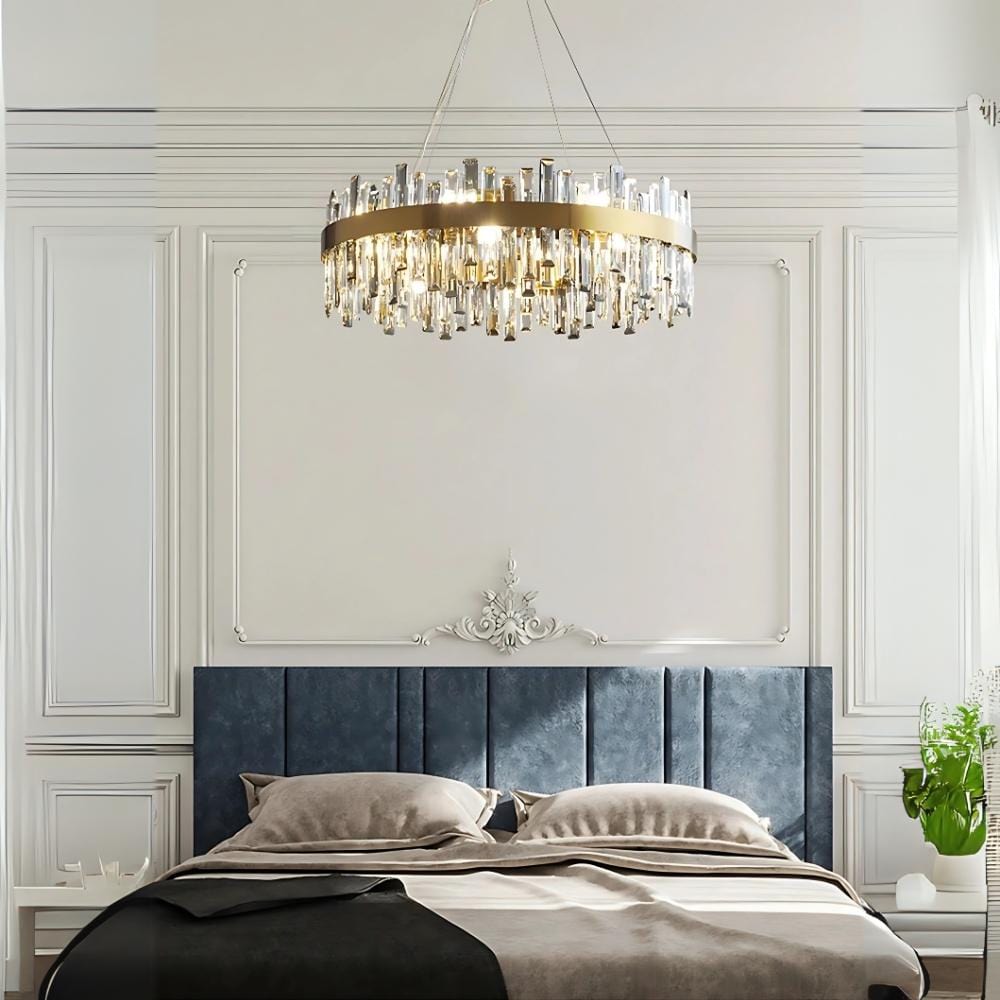





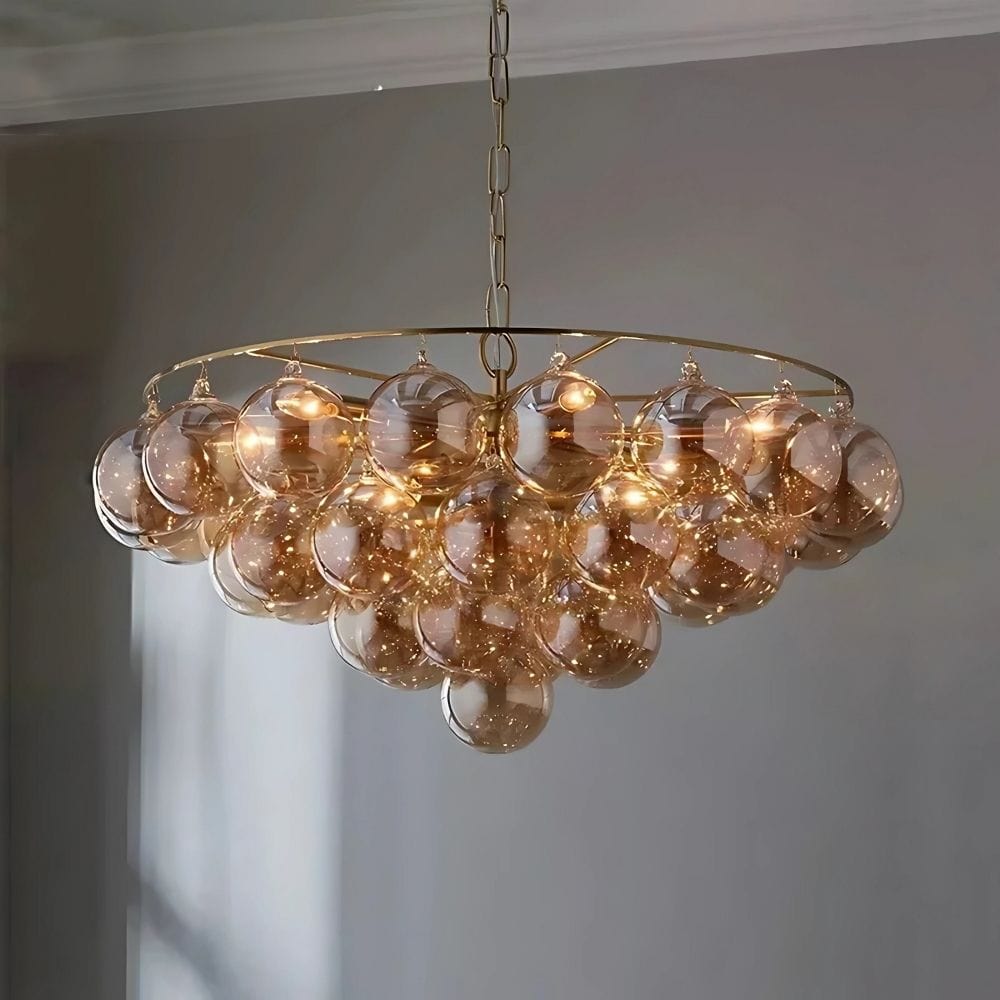
Bedroom Chandeliers for Softer Atmosphere, Better Scale, and a More Finished Personal Space
Bedroom chandeliers are a strong choice for shoppers who want the room to feel more personal, more refined, and more visually complete from the ceiling down. This category is built around chandelier selection for bedrooms, where the fixture needs to support rest, comfort, and a calmer mood rather than act like a purely functional overhead light. If you want to compare the broader family first, you can begin with our full Chandeliers collection, then narrow your options here once your priority is the bedroom itself.
One of the biggest differences between a bedroom chandelier and a chandelier chosen for another room is how the space is used. Bedrooms are usually quieter, more intimate, and less visually crowded than kitchens, entries, or dining rooms. That means the chandelier often works best when it adds style and softness without becoming too harsh, too heavy, or too oversized for the furniture below. In many bedrooms, the right chandelier helps define the room as a retreat rather than just another space with a ceiling light.
What Makes a Chandelier Right for a Bedroom?
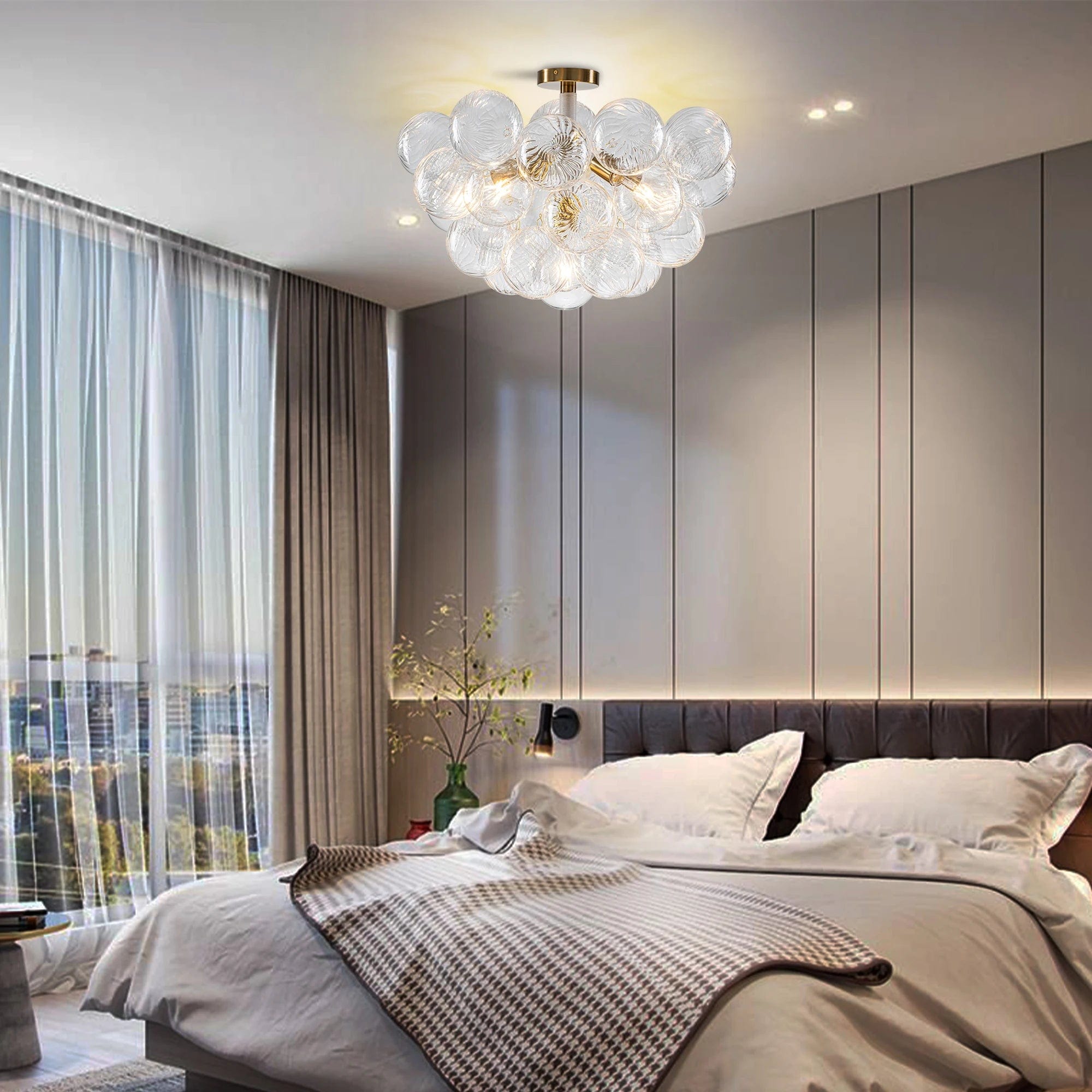
The defining factor is mood paired with proportion. A bedroom chandelier should feel decorative and intentional, but it also needs to sit comfortably within the room’s scale and support a more relaxed atmosphere. In some bedrooms, that means a centered chandelier over the bed area or the middle of the room. In others, it means choosing a lighter-looking fixture that adds presence without making the ceiling feel crowded.
- Common use cases: primary bedrooms, guest bedrooms, sitting-bedroom layouts, vaulted bedrooms, and rooms where the chandelier acts as the main decorative ceiling feature
- Main visual benefit: a softer focal point that adds personality and helps the bedroom feel more complete
- Best fit: bedrooms where the chandelier can support both visual comfort and everyday usability
Tip: In bedrooms, the best chandelier is often the one that feels calm and proportionate, not simply the one with the most sparkle or the boldest silhouette.
How to Choose the Right Bedroom Chandelier Size
A common starting guideline is to add the room length and width in feet, then use that total in inches as a rough chandelier diameter. That gives you a useful first range before you refine the choice based on ceiling height, bed size, and how open or dense the fixture looks once installed. In bedrooms, visual weight matters a lot. A chandelier with a compact shape or lighter frame may feel better than a dense fixture of the same listed size.
If the chandelier will visually relate to the bed, bench, or central floor area, it helps to think about furniture scale as well as room size. A bedroom with a large bed, tall headboard, or substantial furniture can usually support a fixture with more presence. In a smaller bedroom, a compact chandelier or a lighter, more open form often creates the better result. If your room has more limited ceiling height, it may also help to compare this page with Flush Mount Chandeliers.
Quick planning notes:
- Room-size starting point: add the room length and width in feet, then use that total in inches as a rough chandelier diameter guide
- Lower ceilings: more compact chandeliers or closer-to-ceiling styles are often easier to place
- Higher ceilings: a little more drop can help the chandelier feel connected to the bedroom below
- Visual calm: bedrooms often look better with fixtures that feel softer and less crowded than living-room or foyer chandeliers
Measurement note: In open bedroom circulation areas, a practical starting point is to maintain comfortable head clearance below the fixture. Many sizing guides use about 7 feet of clearance below the chandelier and roughly 3 inches of fixture height per foot of ceiling height as an early planning reference, then refine the final choice based on room layout and fixture shape.
Choosing by Ceiling Height, Shape, and Visual Weight
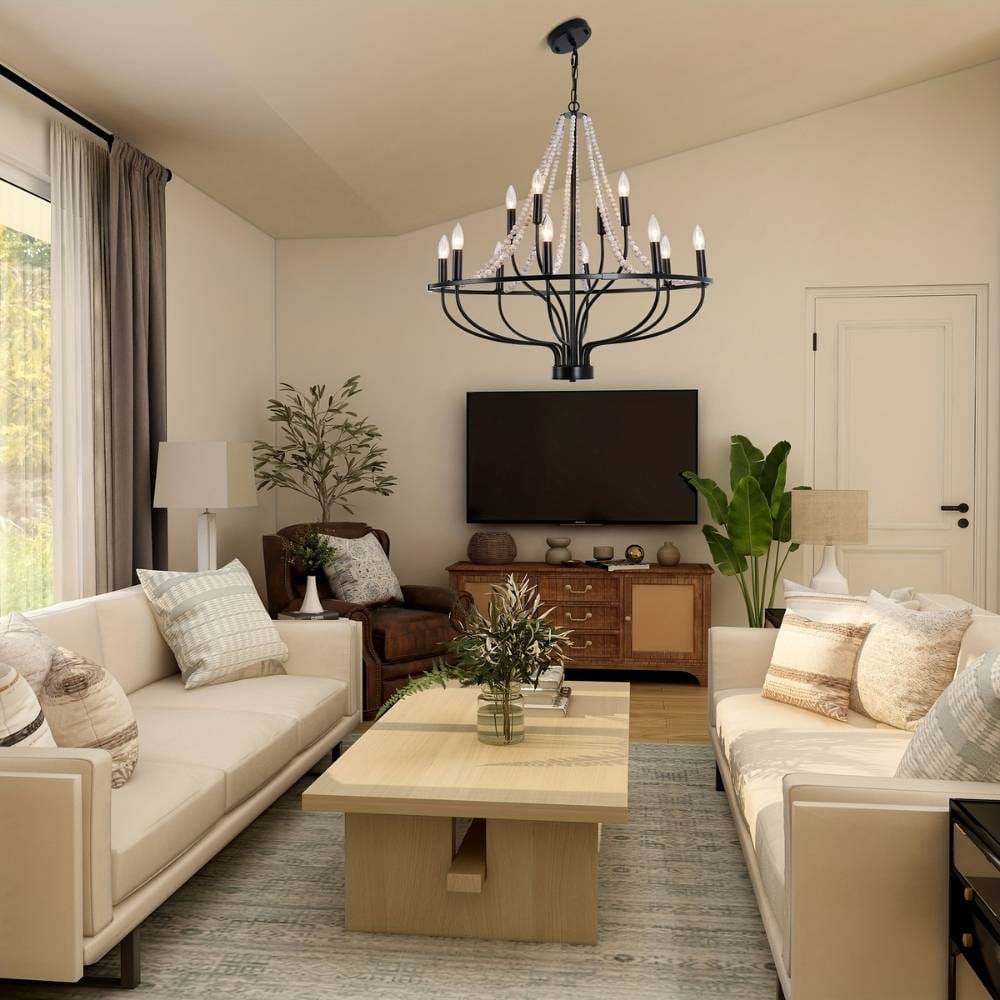
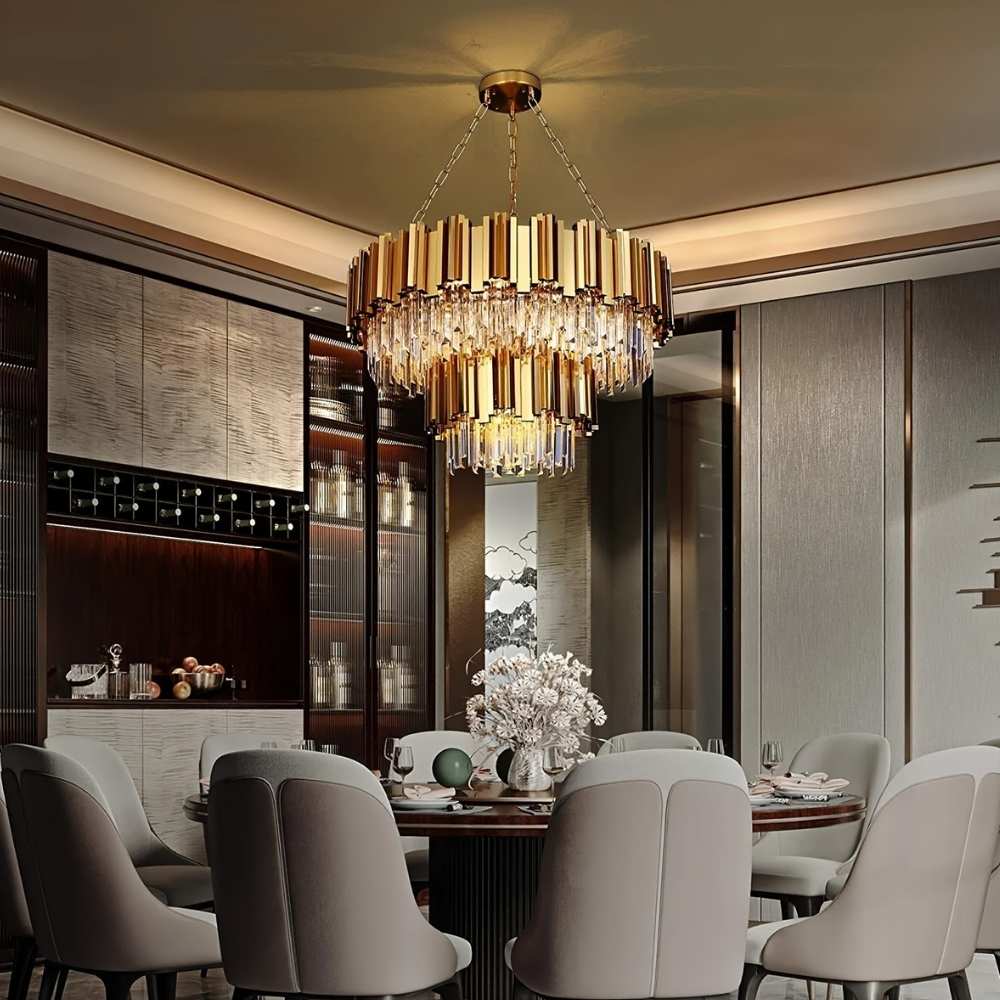
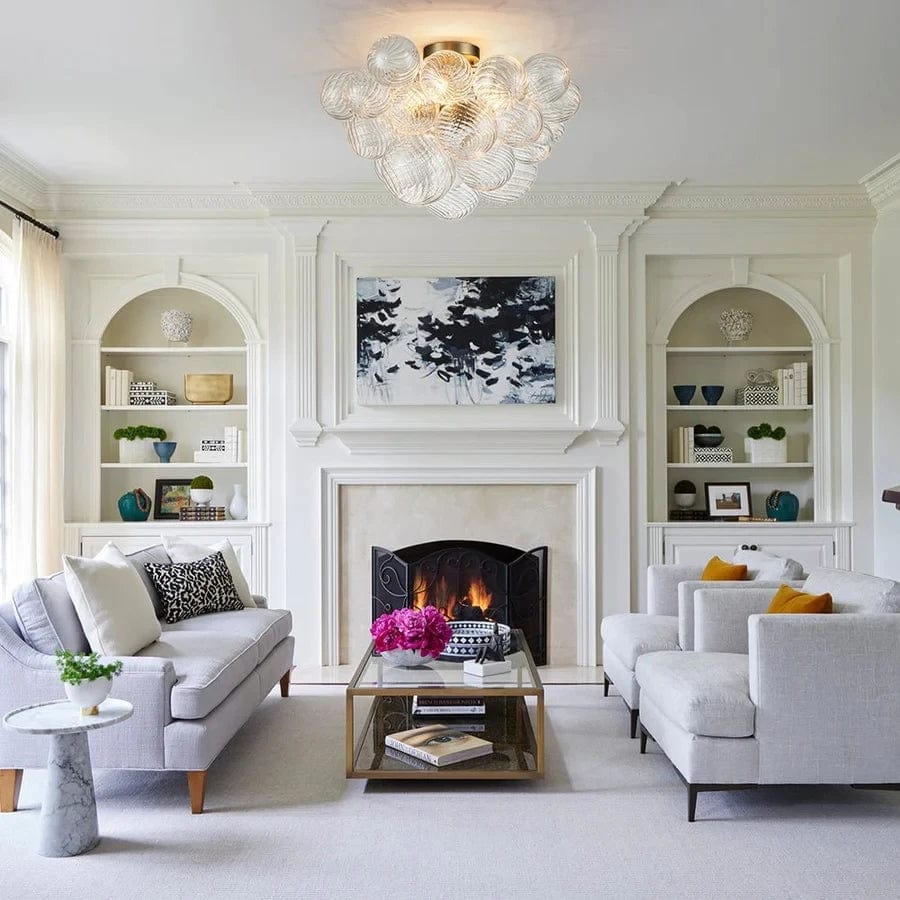
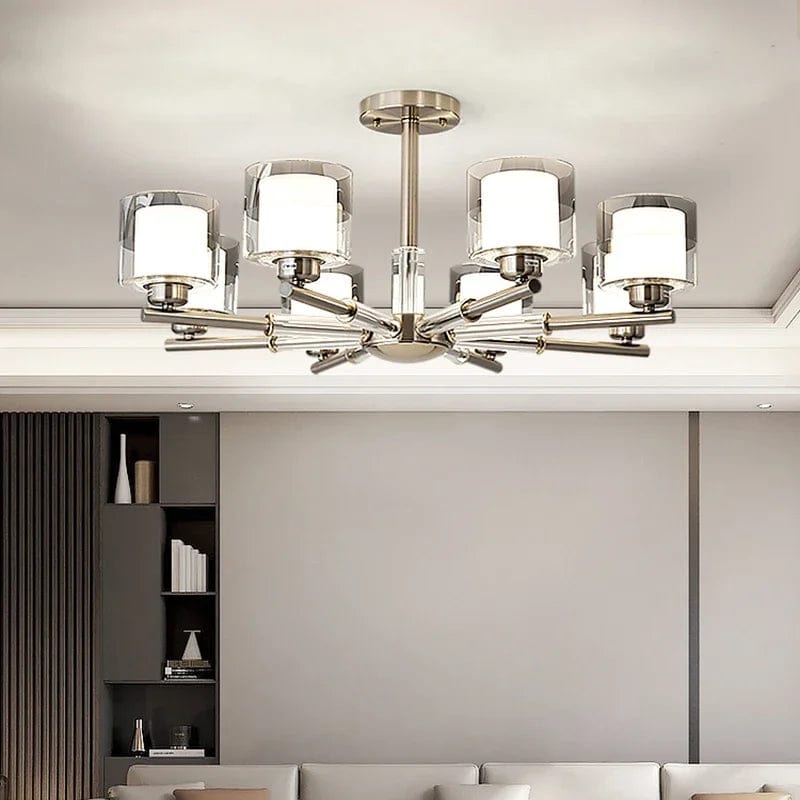
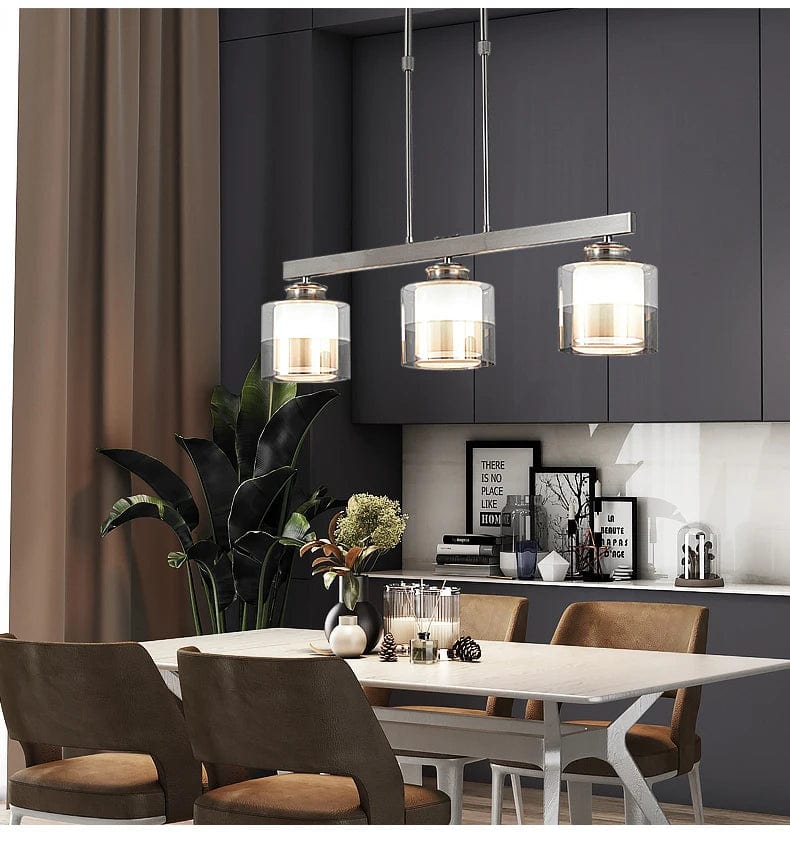
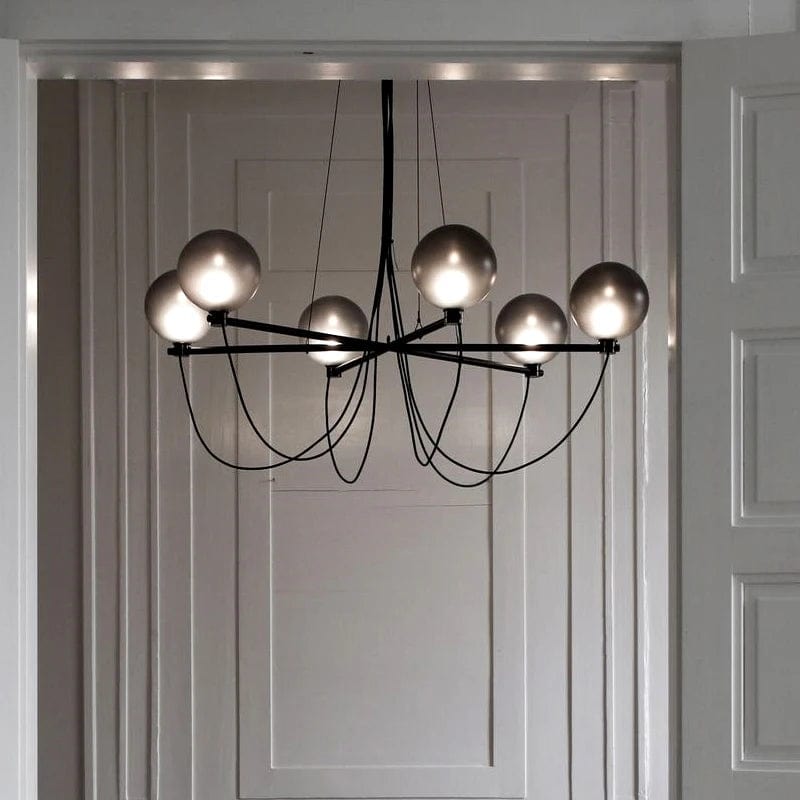
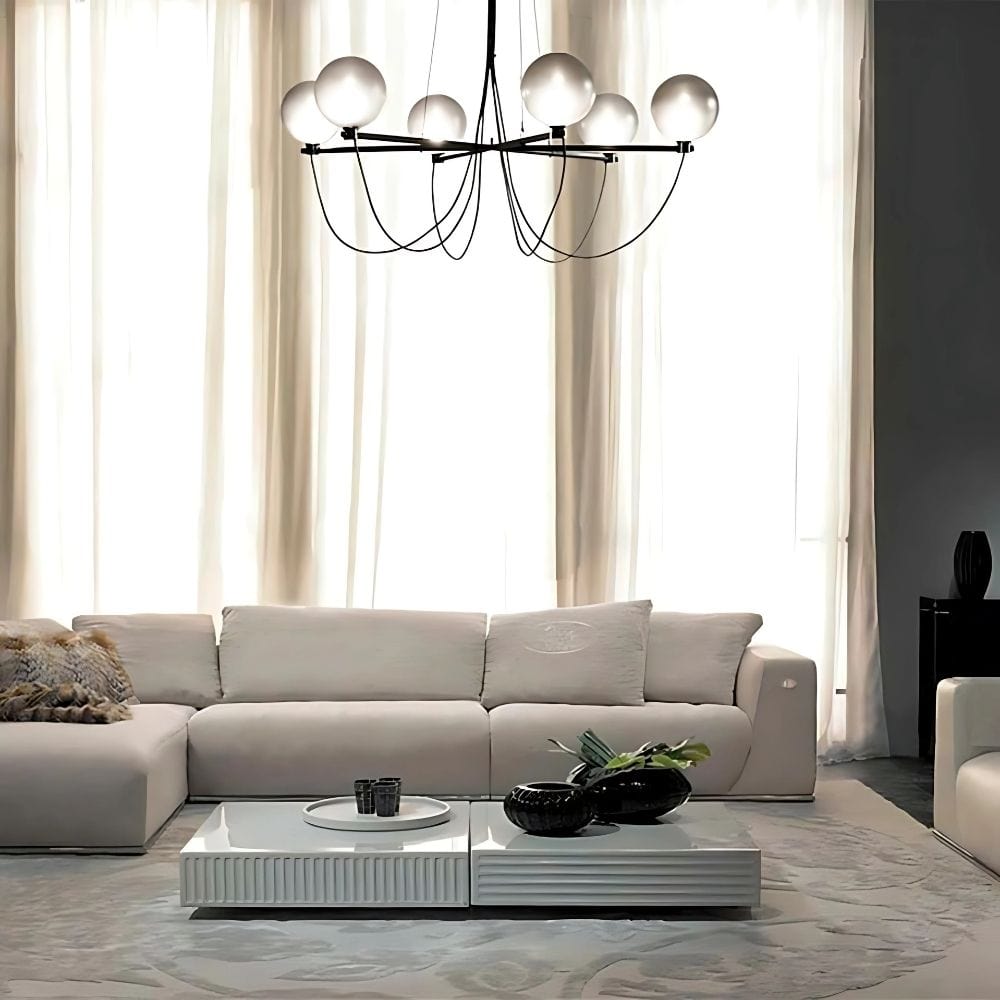
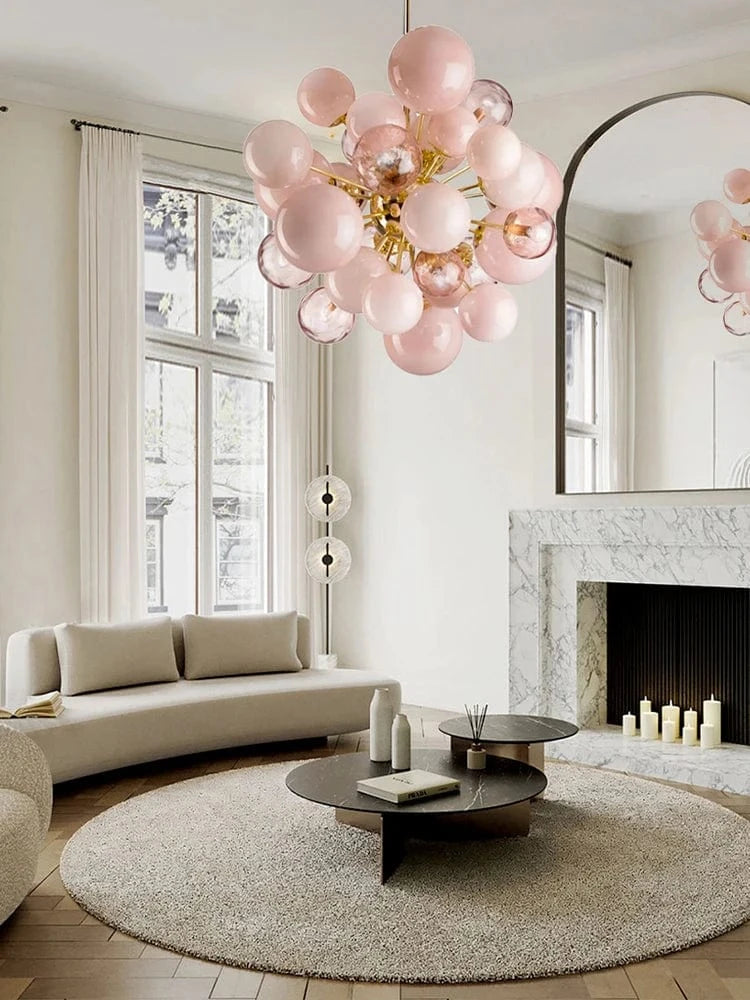
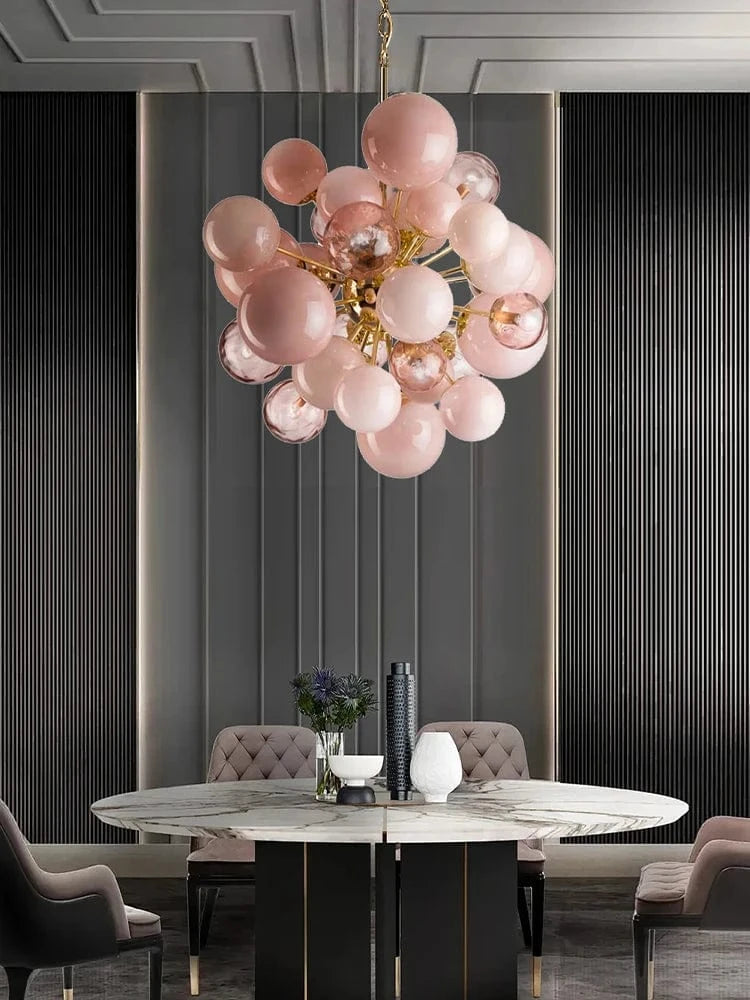
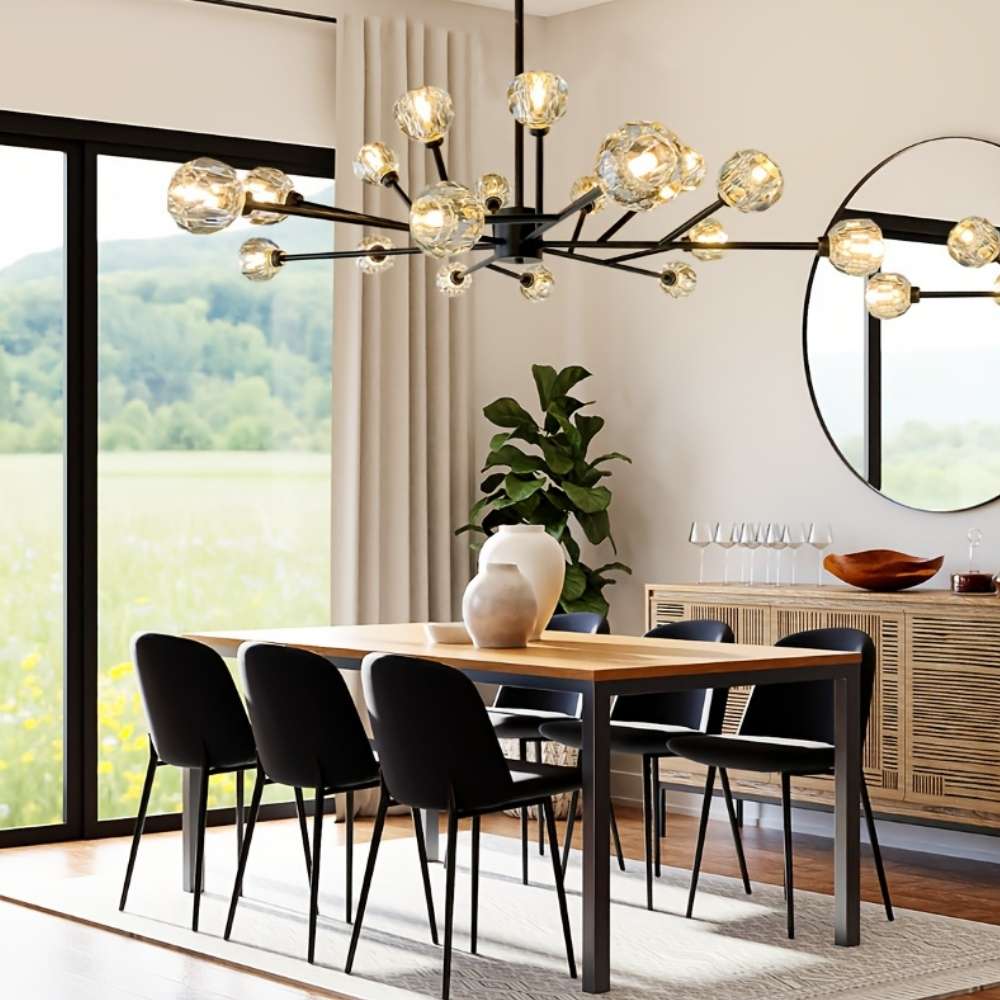
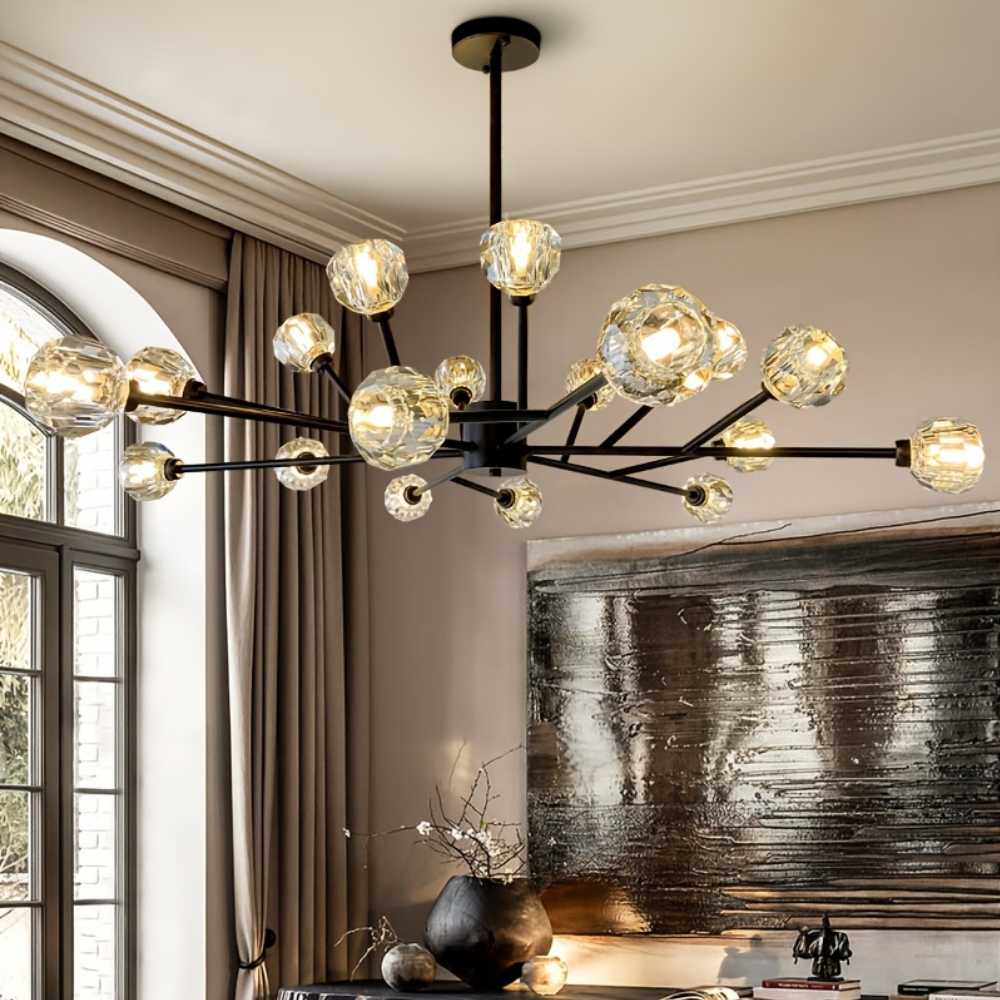
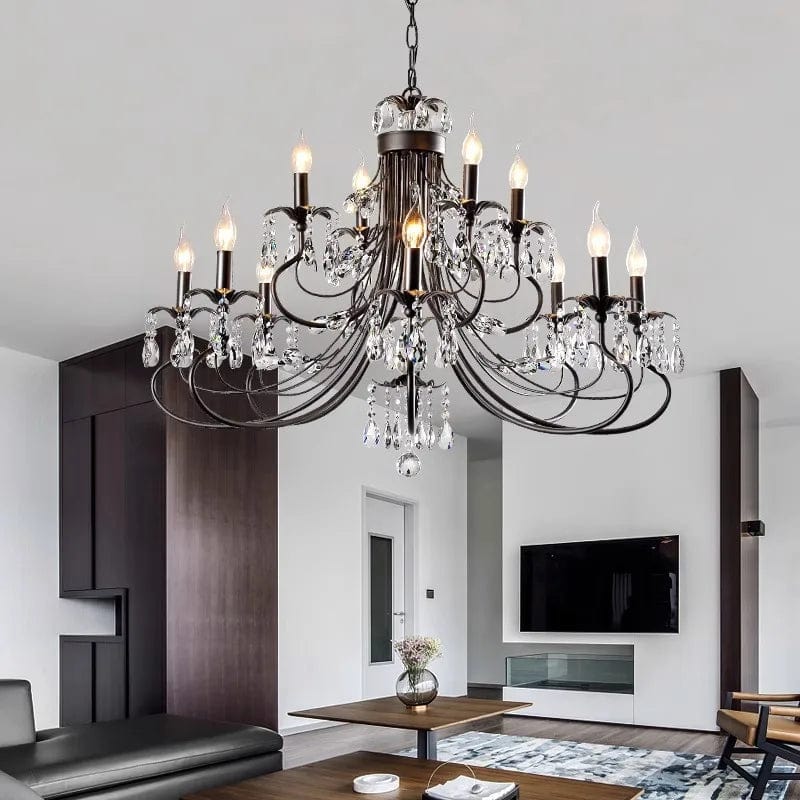
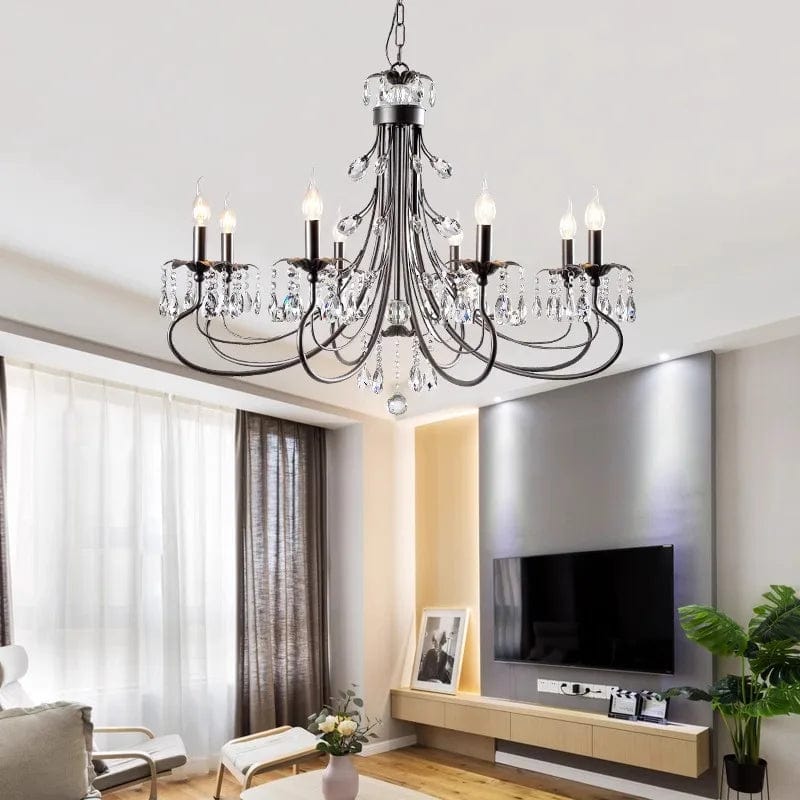
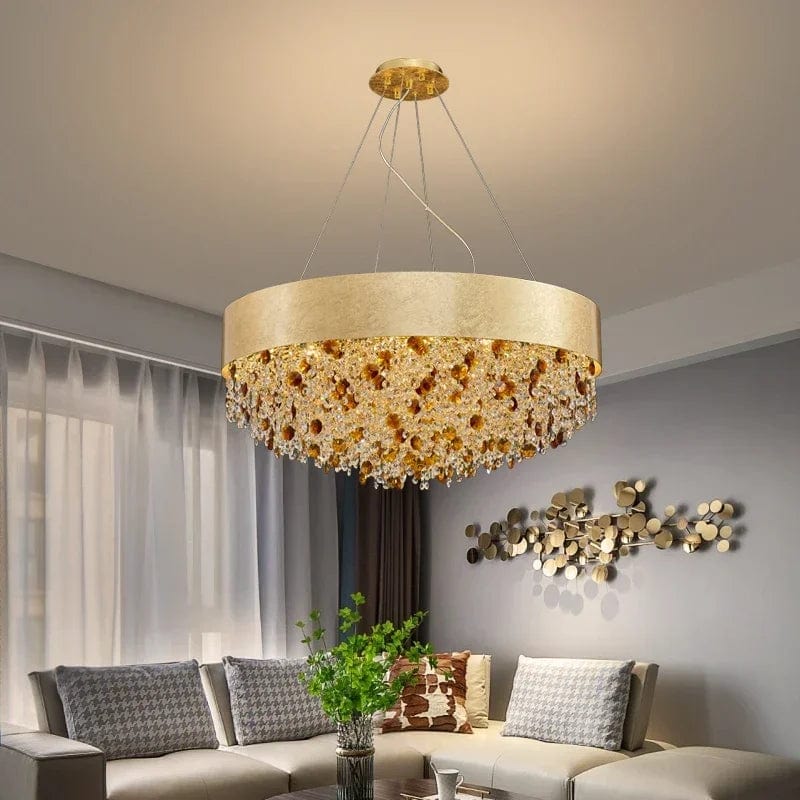
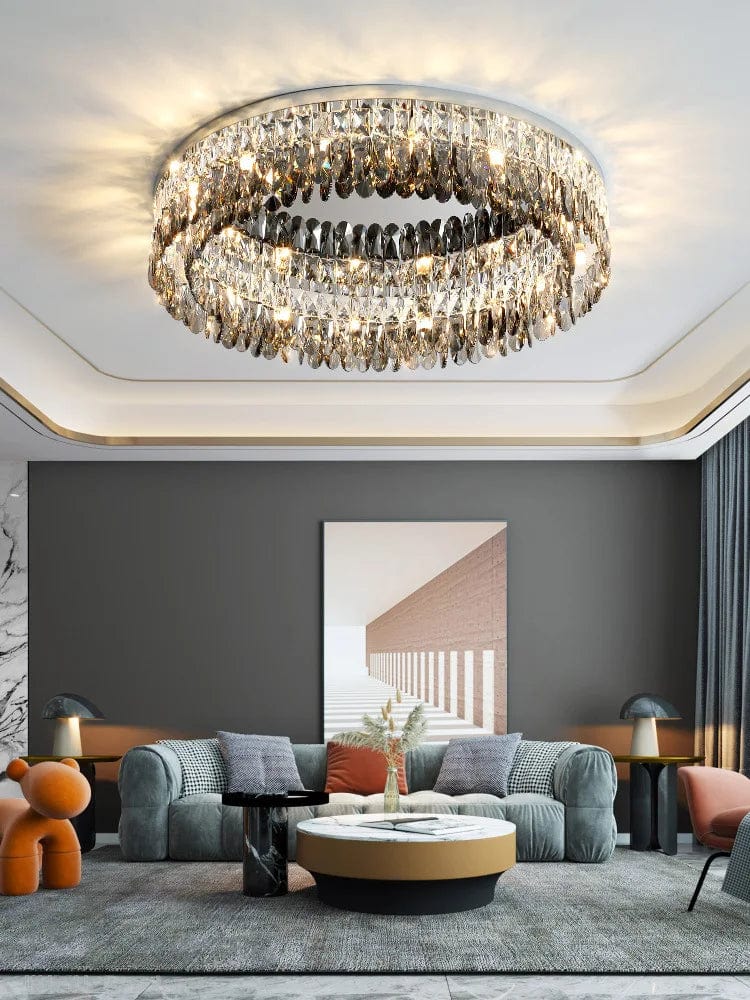
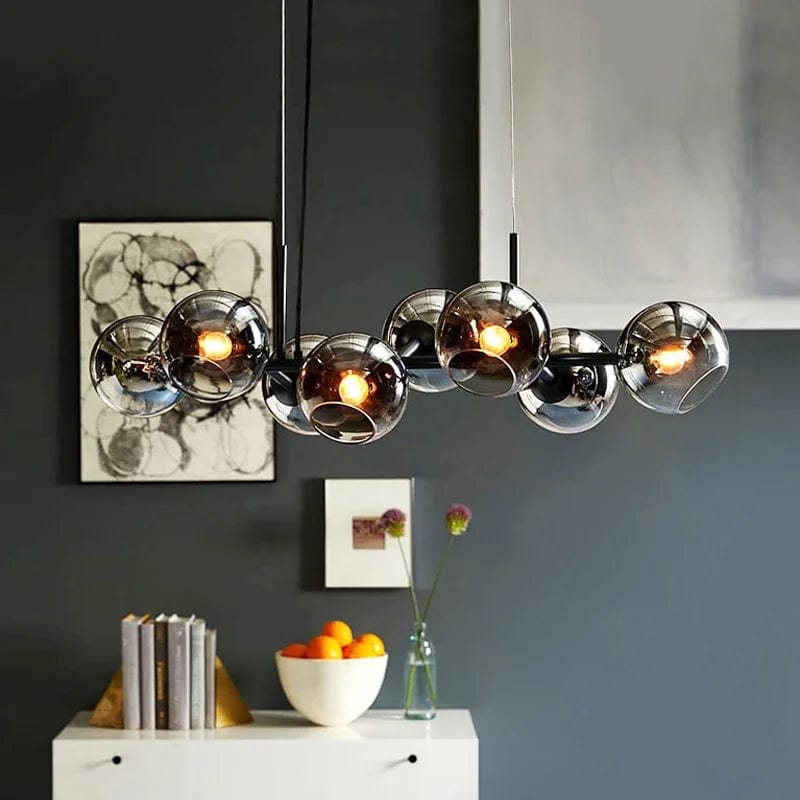
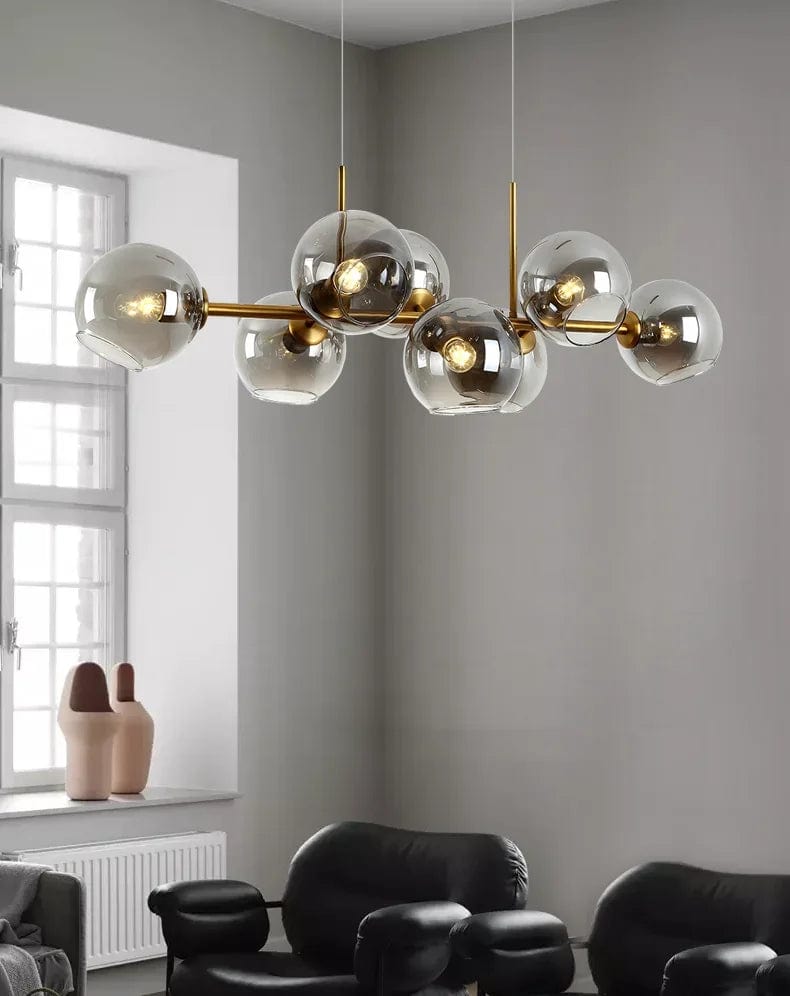
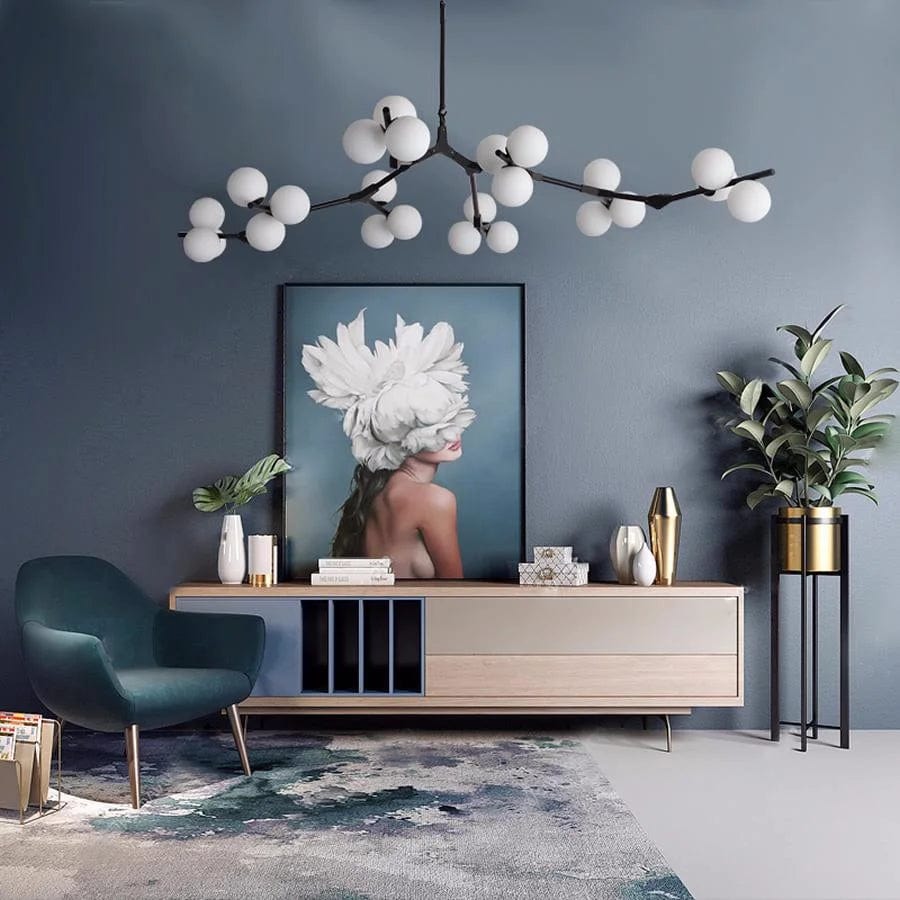
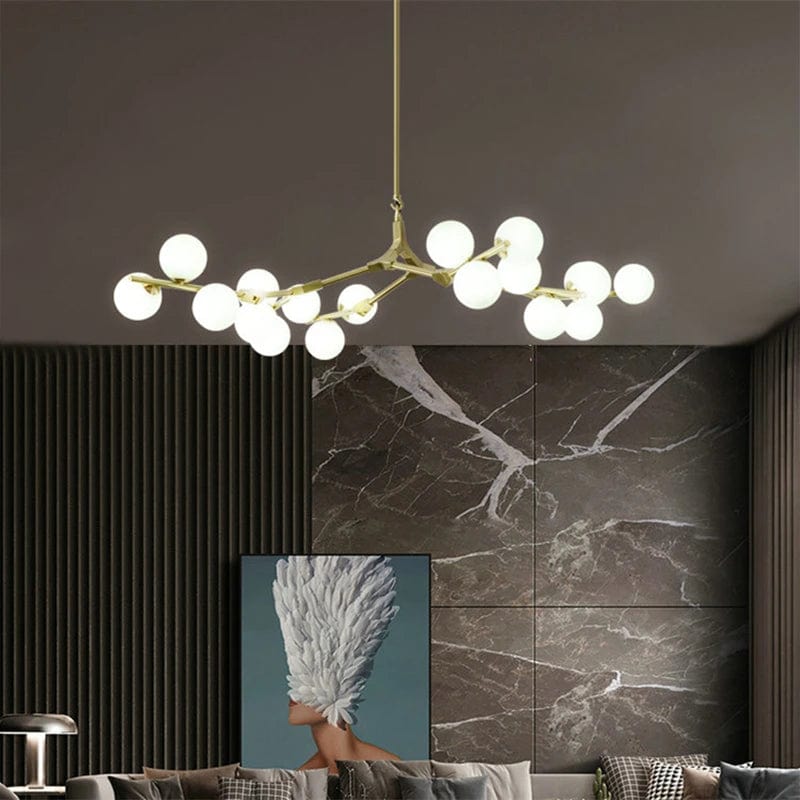
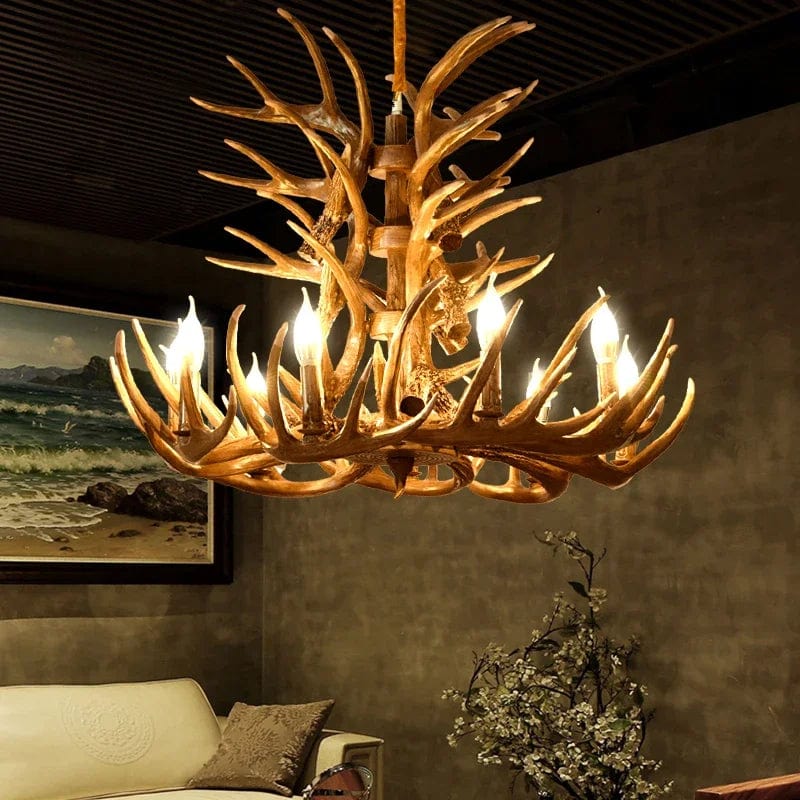
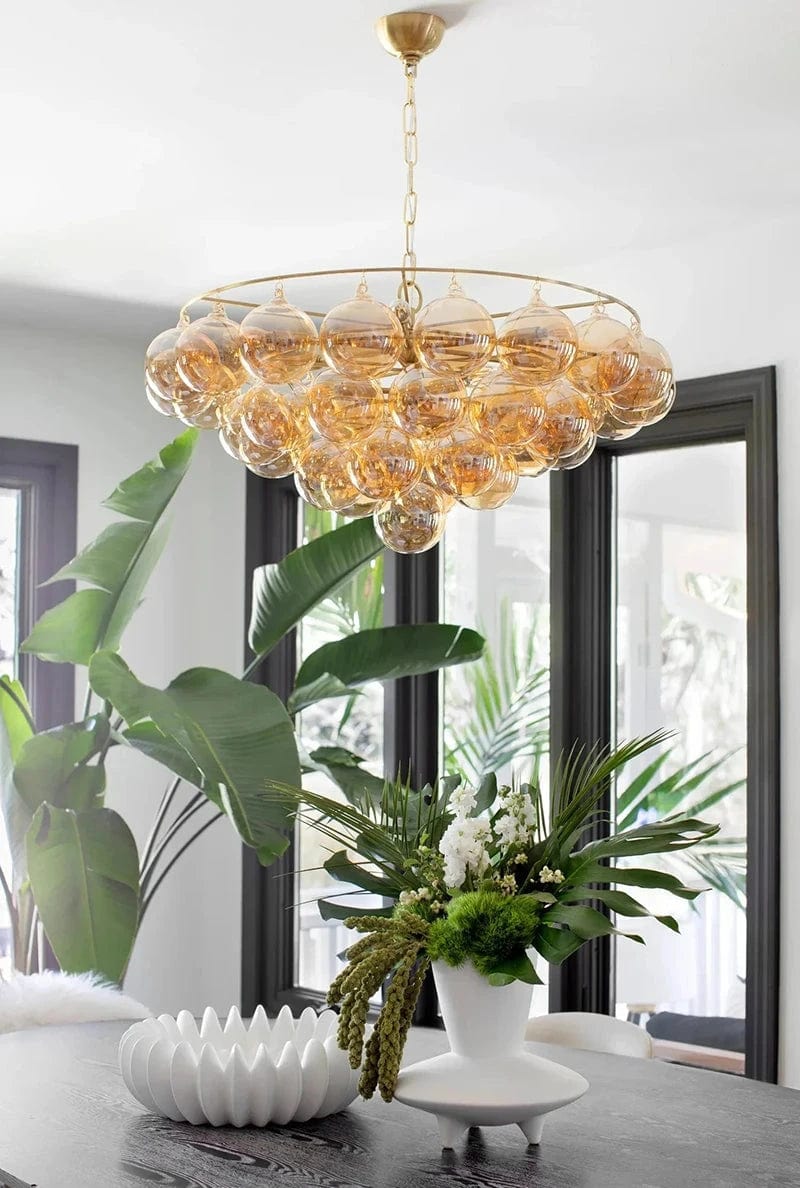
Bedroom chandeliers can change the room in very different ways. A crystal or glass-forward chandelier can make the bedroom feel lighter and more reflective. A fabric-shaded or globe-led chandelier can soften the look and create a gentler ceiling profile. A darker metal frame can add contrast and structure, while warmer finishes can make the room feel more layered and inviting. The best direction depends on how much visual presence you want overhead and how closely the chandelier should connect with the rest of the bedroom furniture.
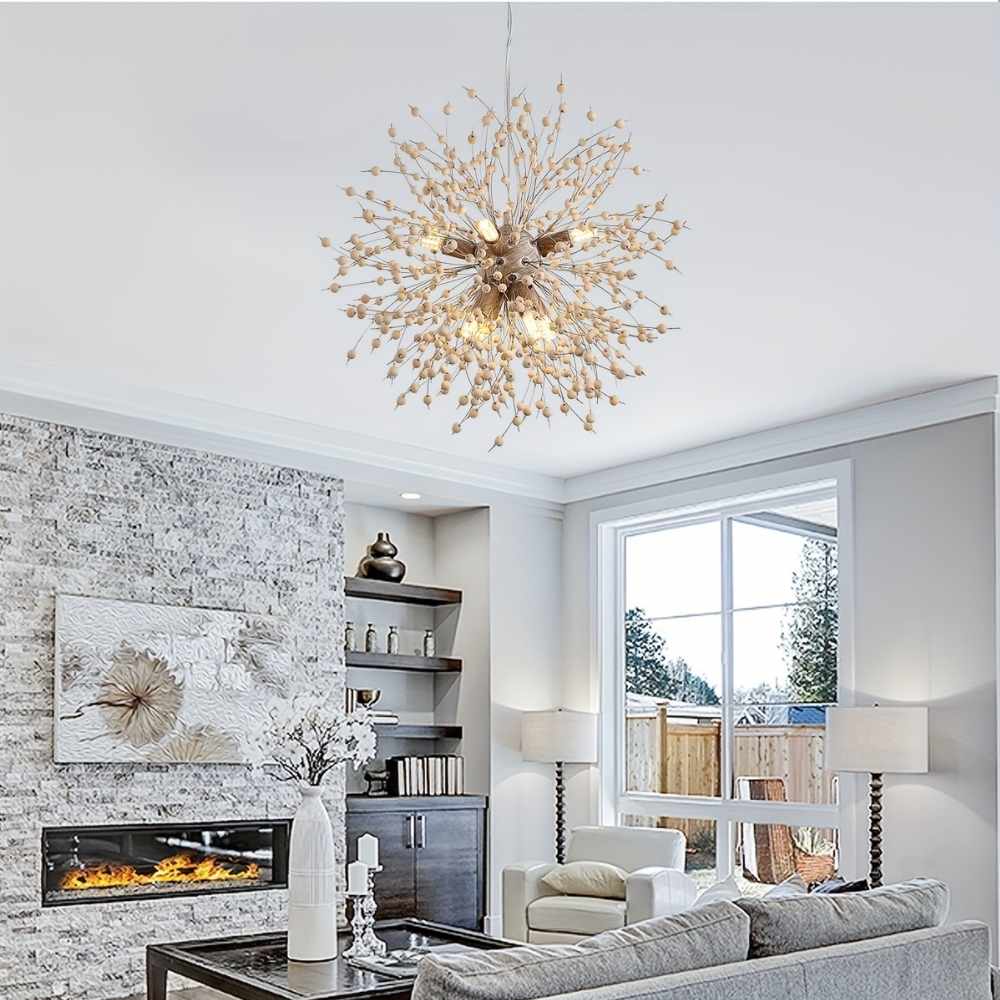
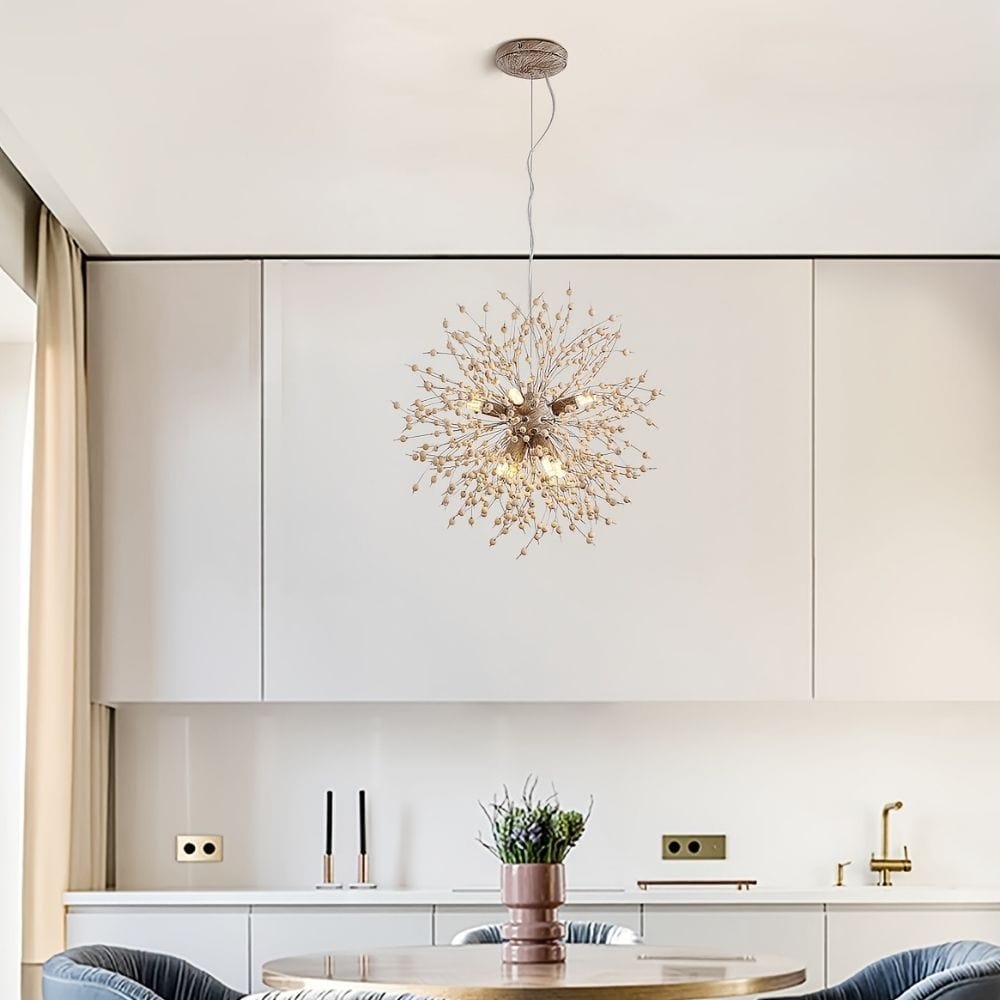
Shape also matters. Round and clustered chandeliers often work well in centered bedroom layouts. Smaller pendant-style or compact chandelier forms can help when the room is tighter or the ceiling is lower. If your style direction is more specific, you may also want to browse Modern Chandeliers or compare the broader layered approach in Bedroom Lighting.
Quick comparison:
- Crystal or glass-led bedroom chandeliers - lighter-looking and more reflective overhead
- Compact chandeliers - easier for smaller bedrooms and moderate ceiling heights
- Open-frame styles - decorative without making the ceiling feel too heavy
- Closer-to-ceiling options - better when overhead clearance is limited
Bedroom Chandeliers vs. Bedroom Lighting
These categories overlap, but they do not serve the same intent. Bedroom chandeliers focus specifically on chandelier selection for the bedroom and how the ceiling fixture should scale, hang, and contribute to the room’s mood. Bedroom lighting is broader and includes the full layered plan for the room, including bedside lighting, wall lights, task lighting, and softer supporting sources. If your goal is choosing the chandelier itself first, this collection is the more precise starting point.
Small reminder: The best bedroom chandelier is not simply the most decorative fixture. It is the one whose diameter, drop, and visual weight feel balanced with the bed, ceiling height, and the quieter atmosphere the room is meant to support.