

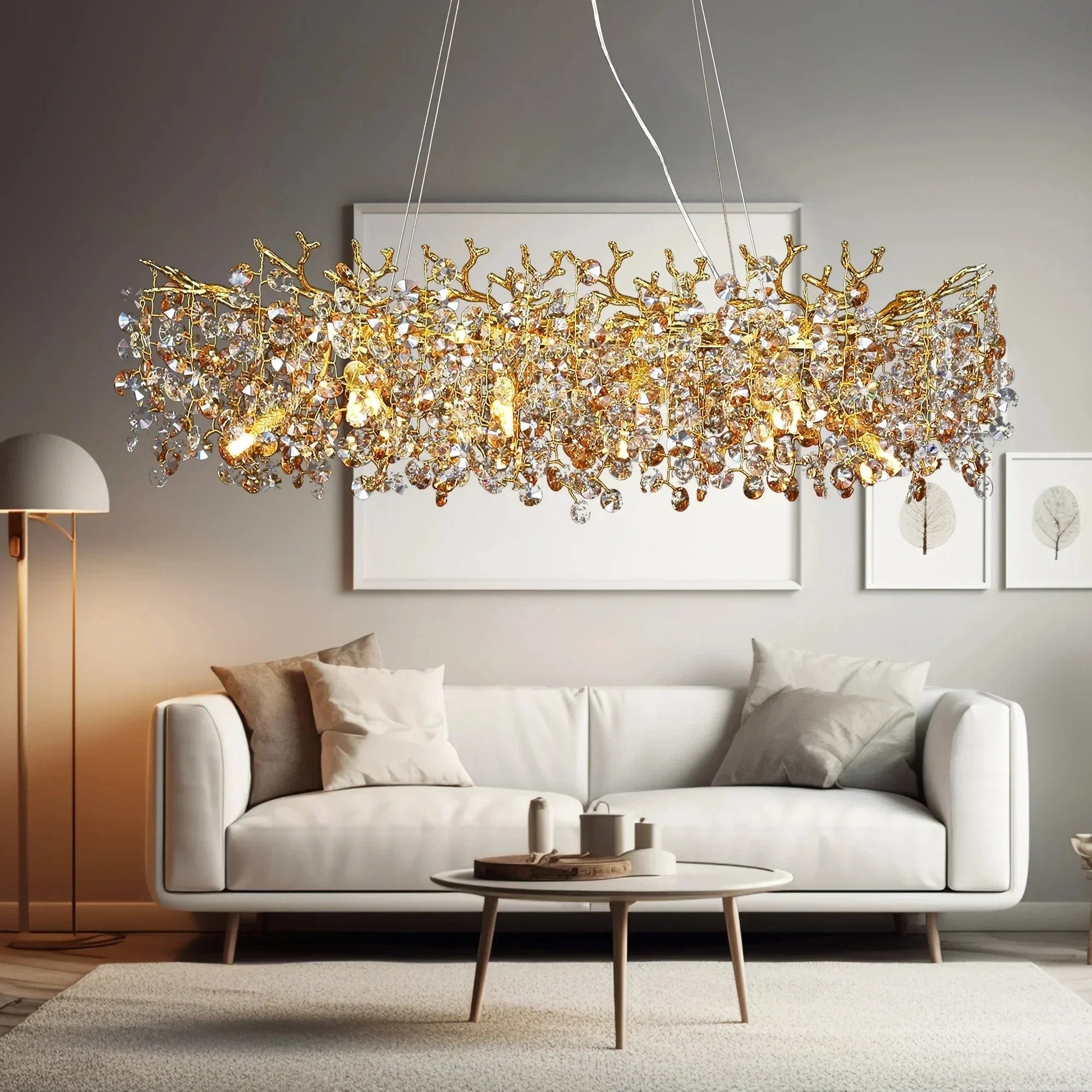

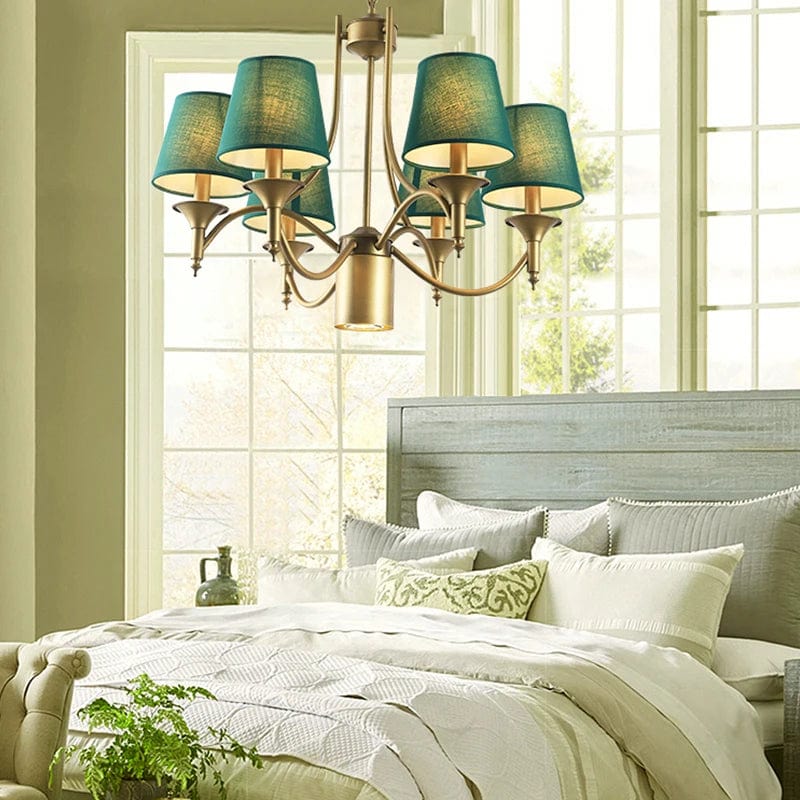
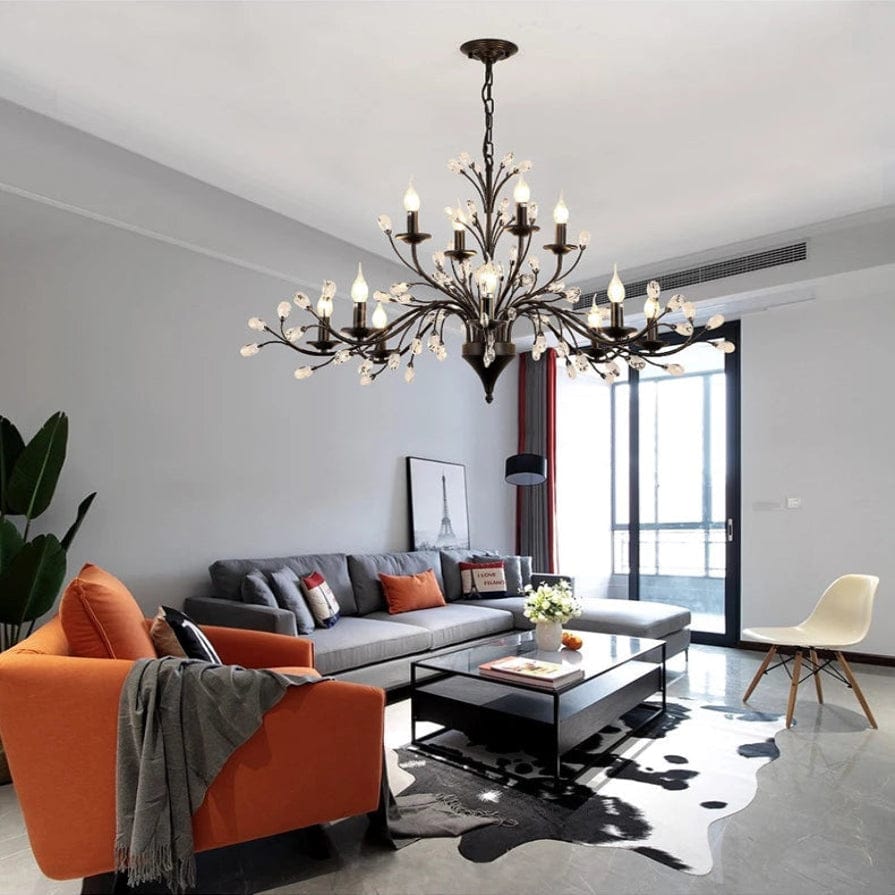
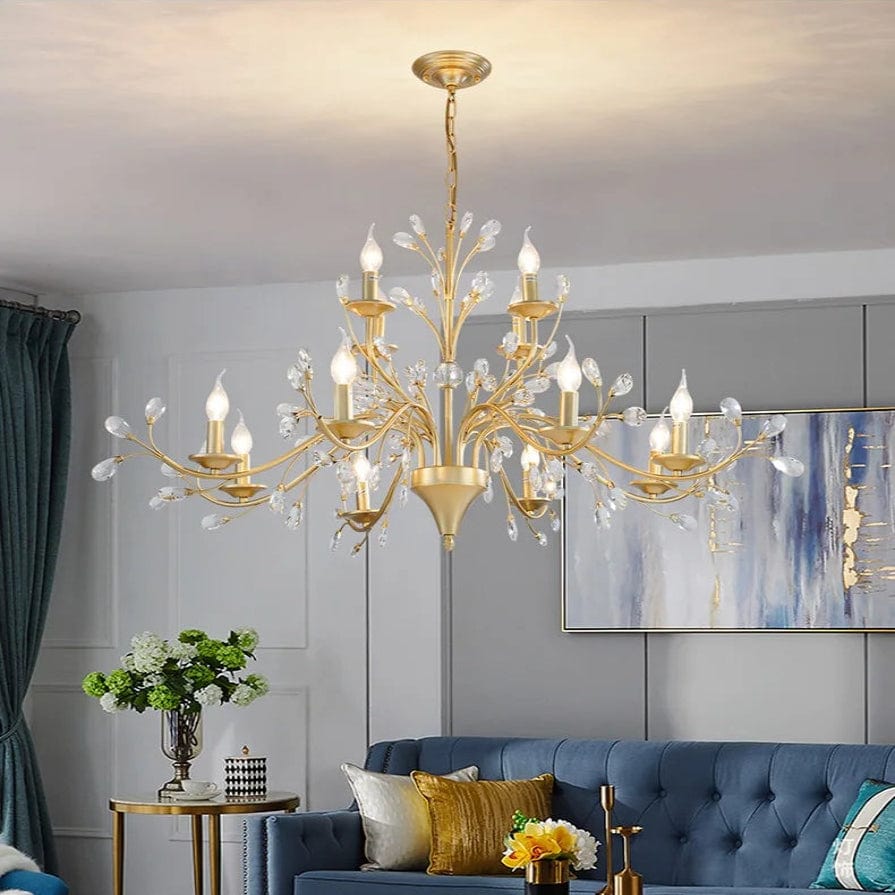
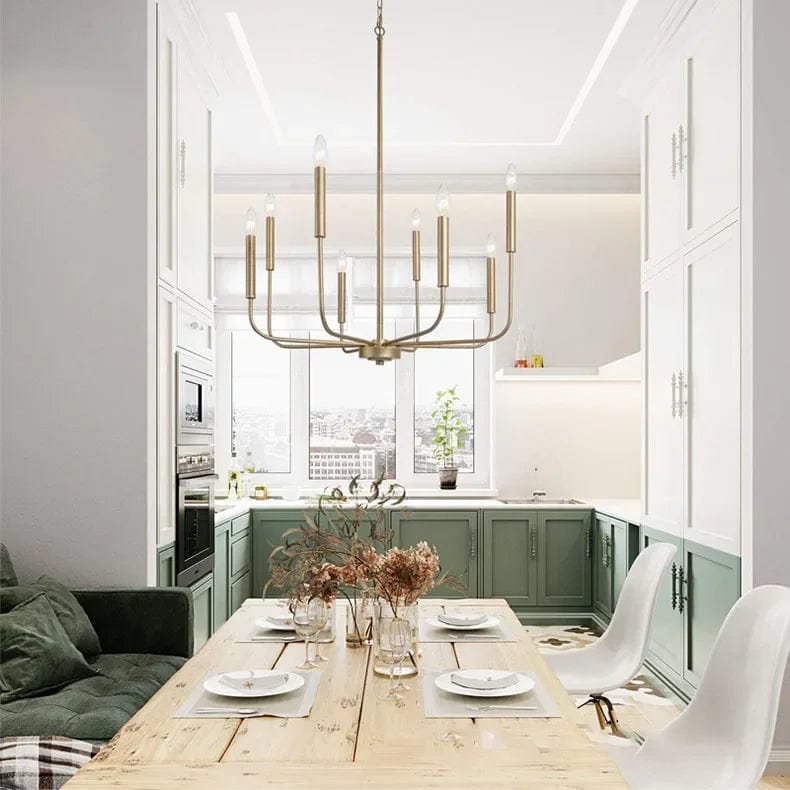
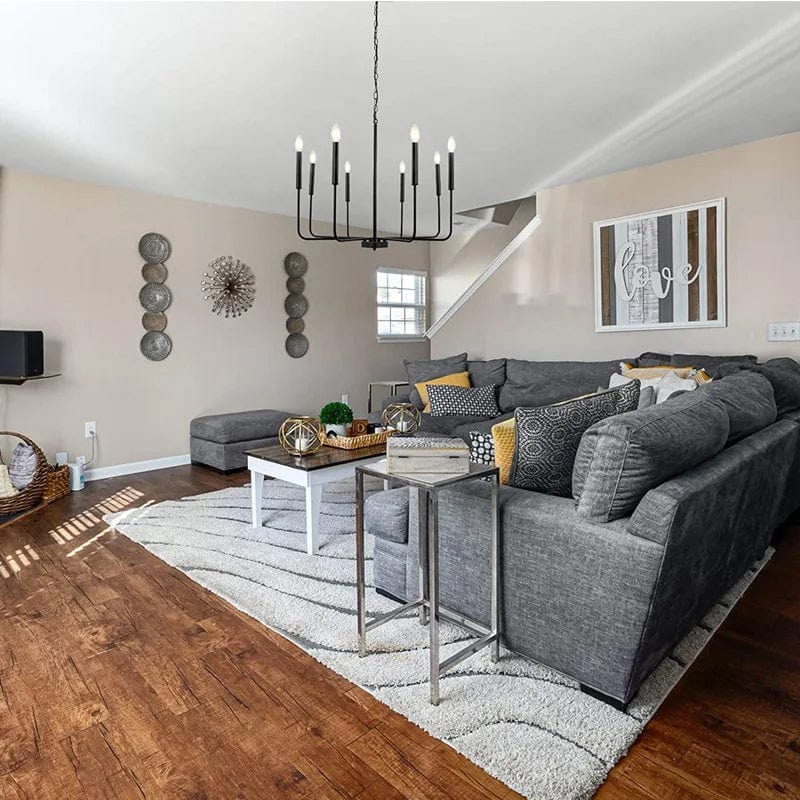
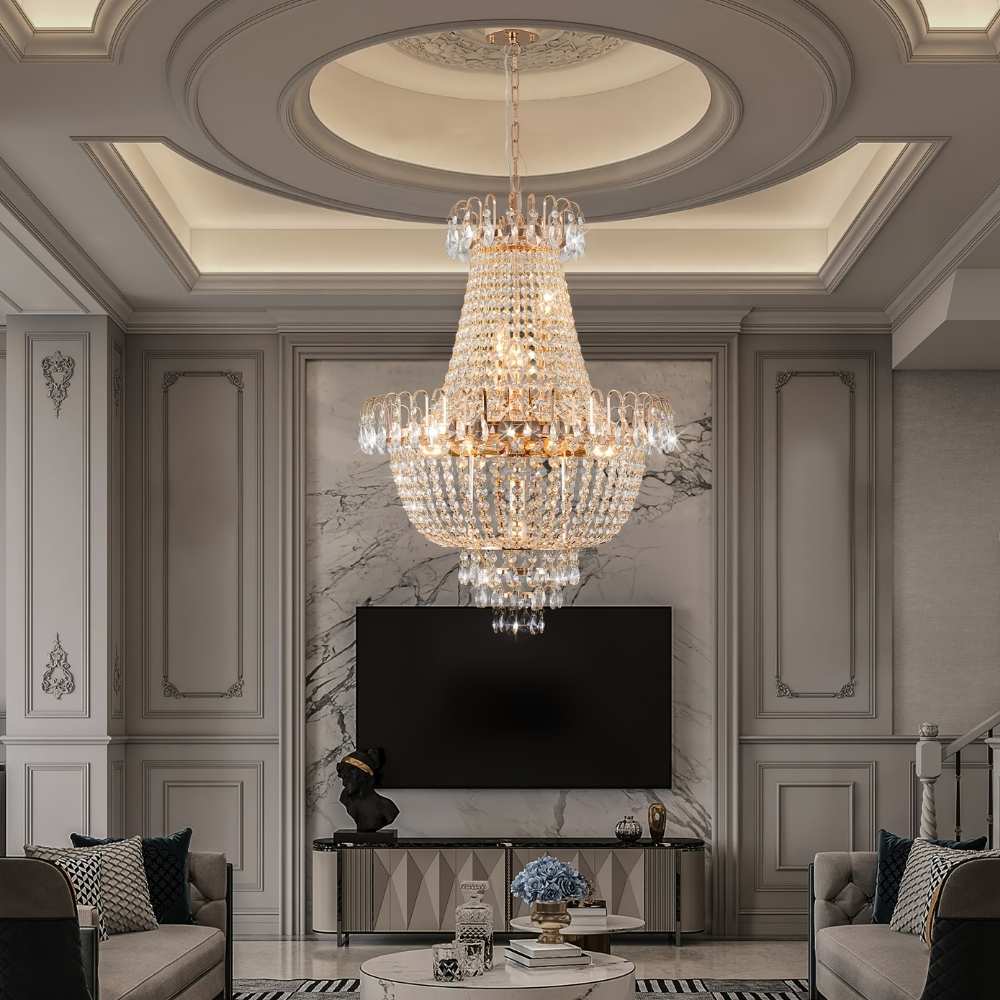
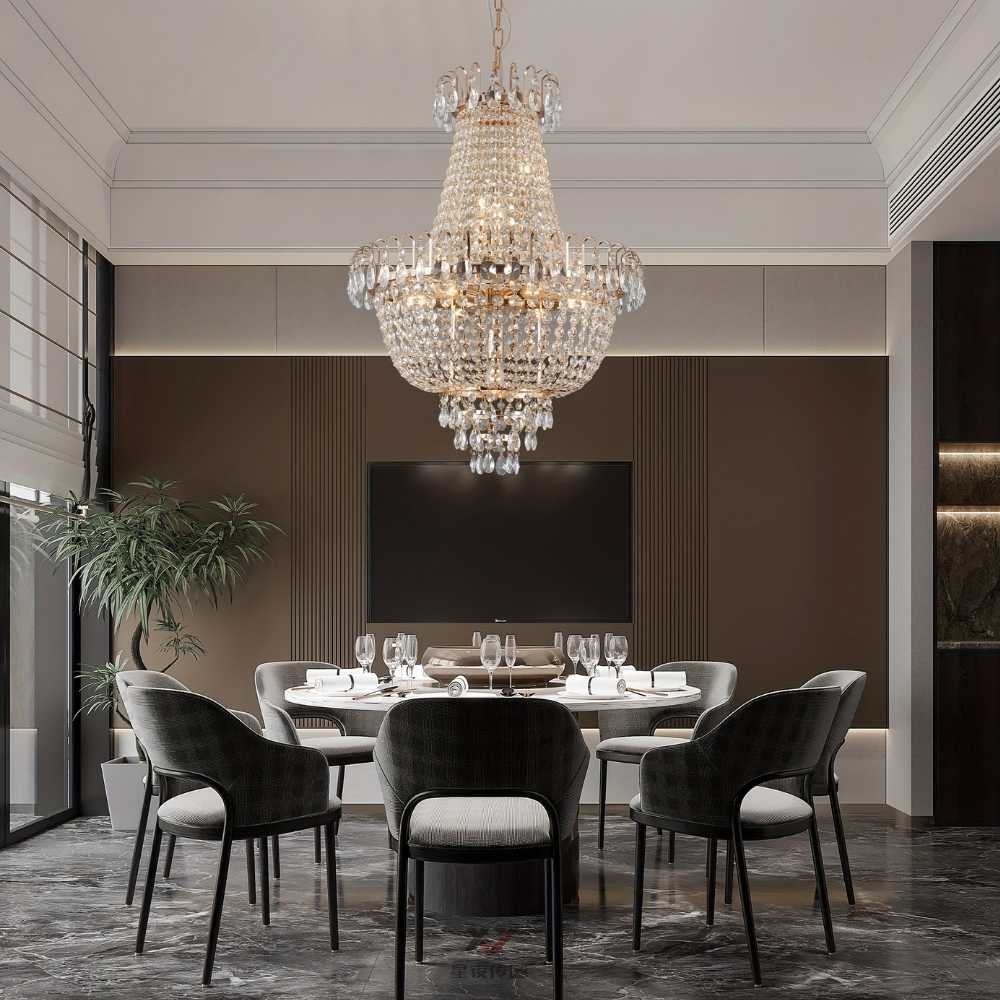
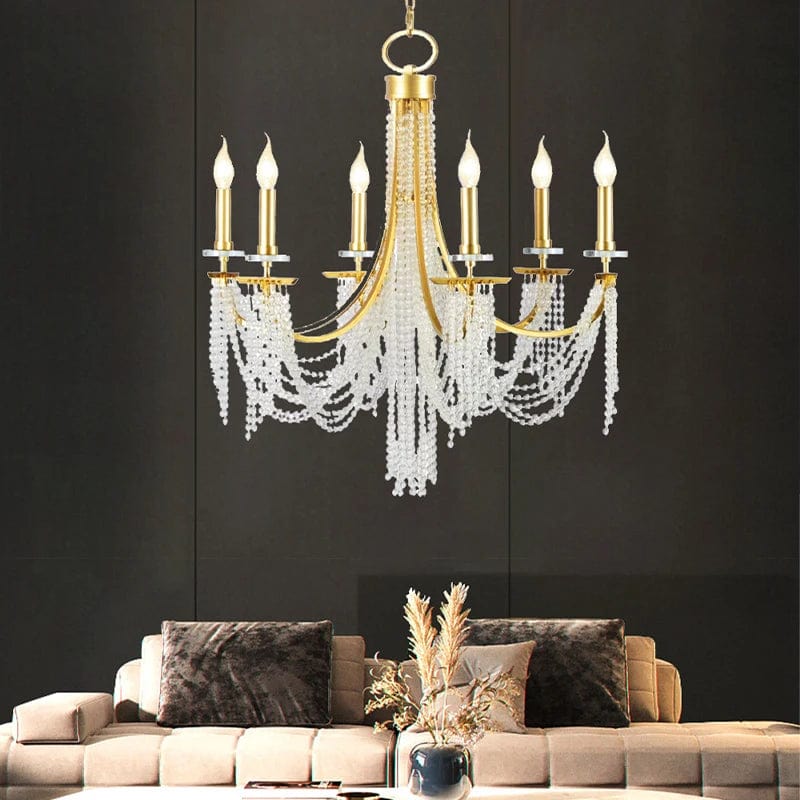
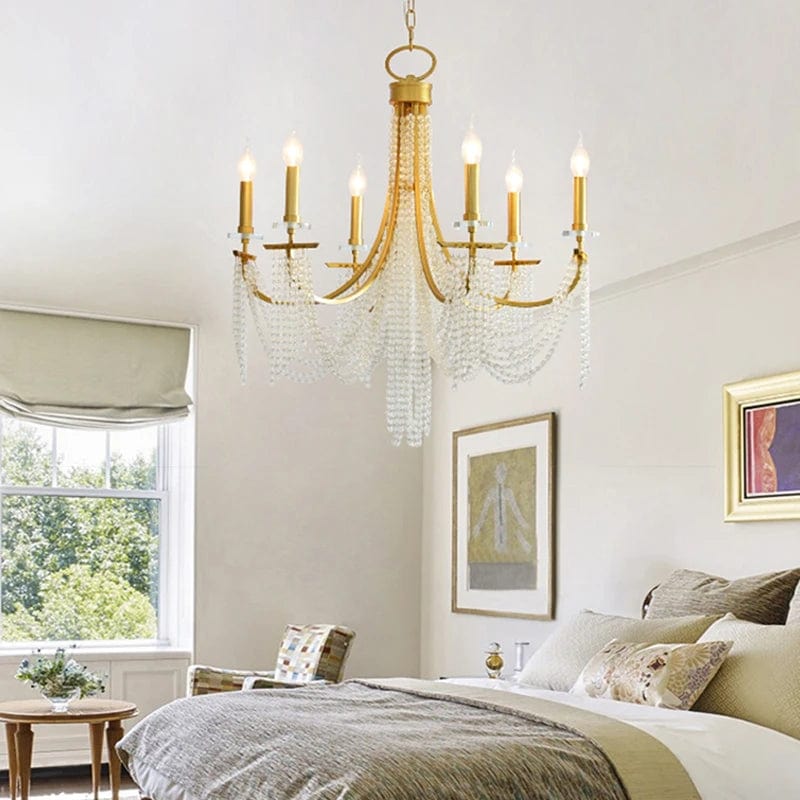
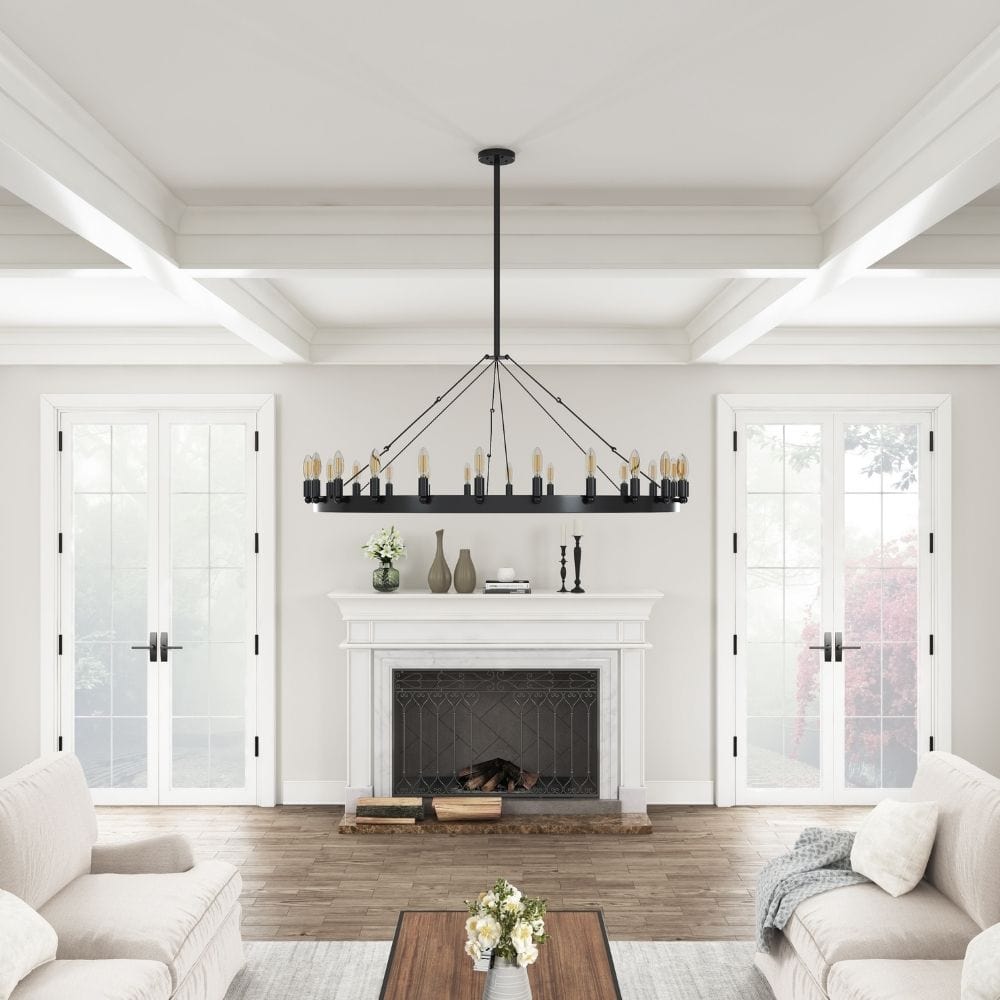
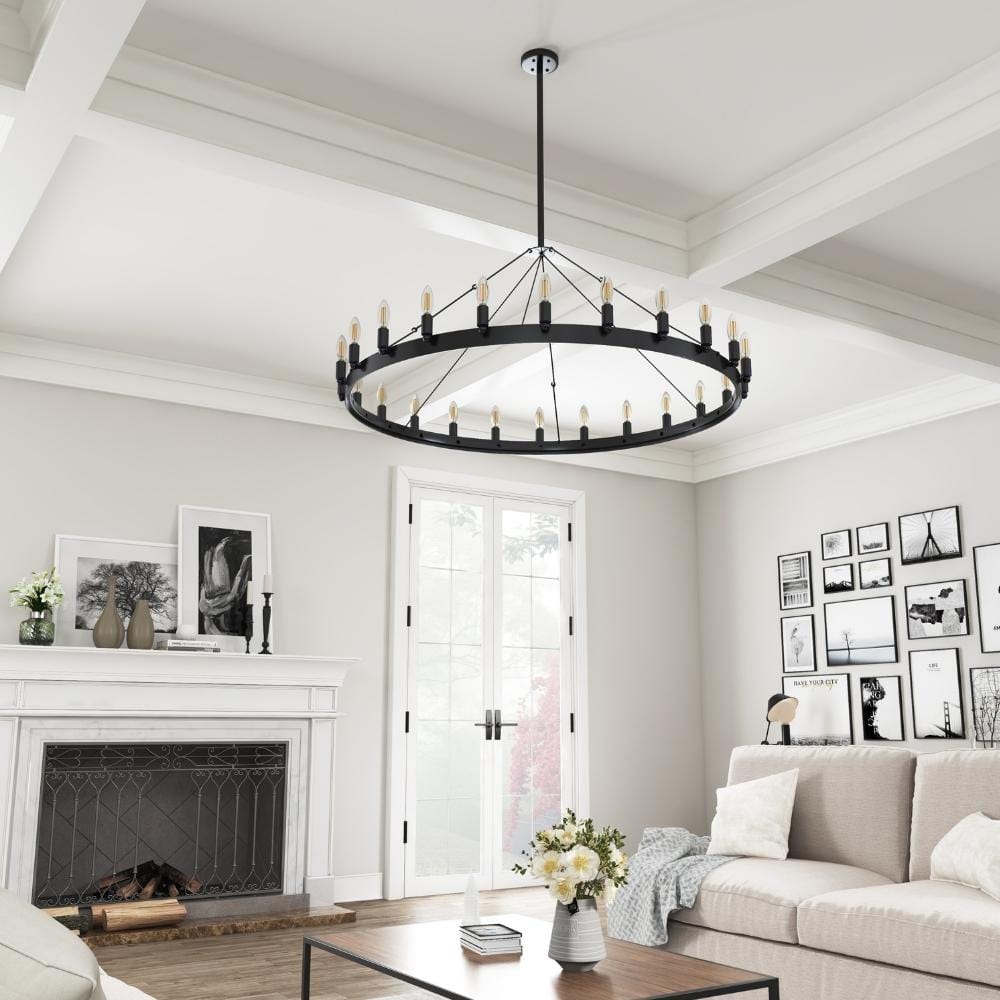
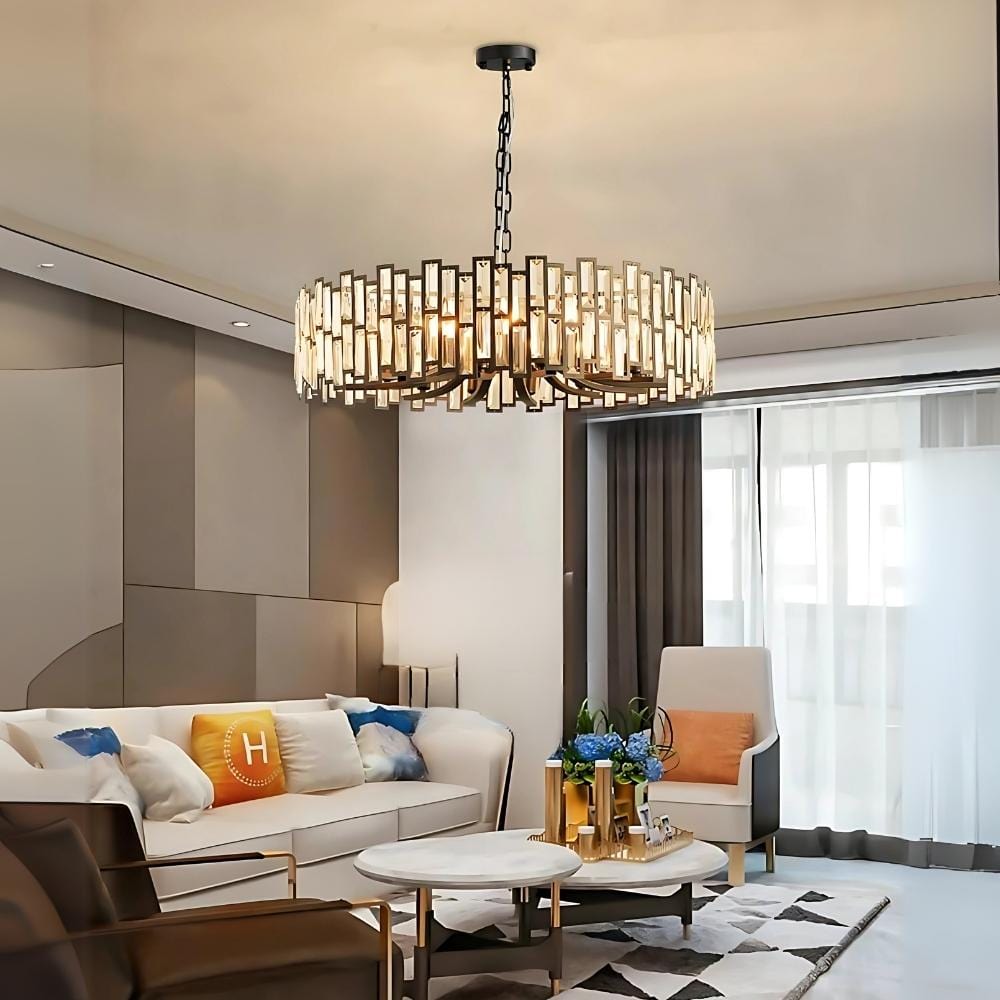
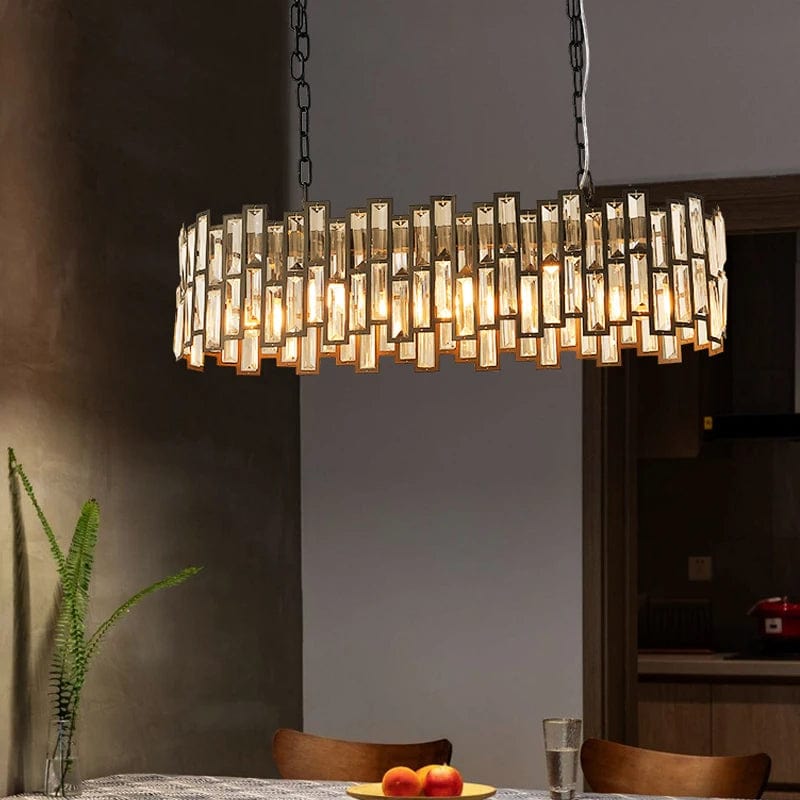



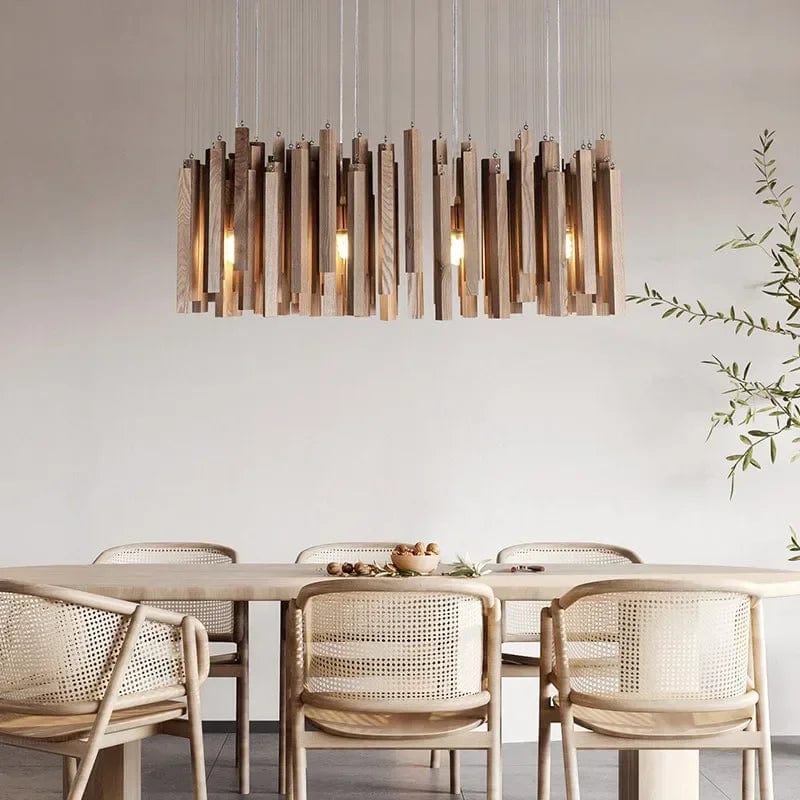
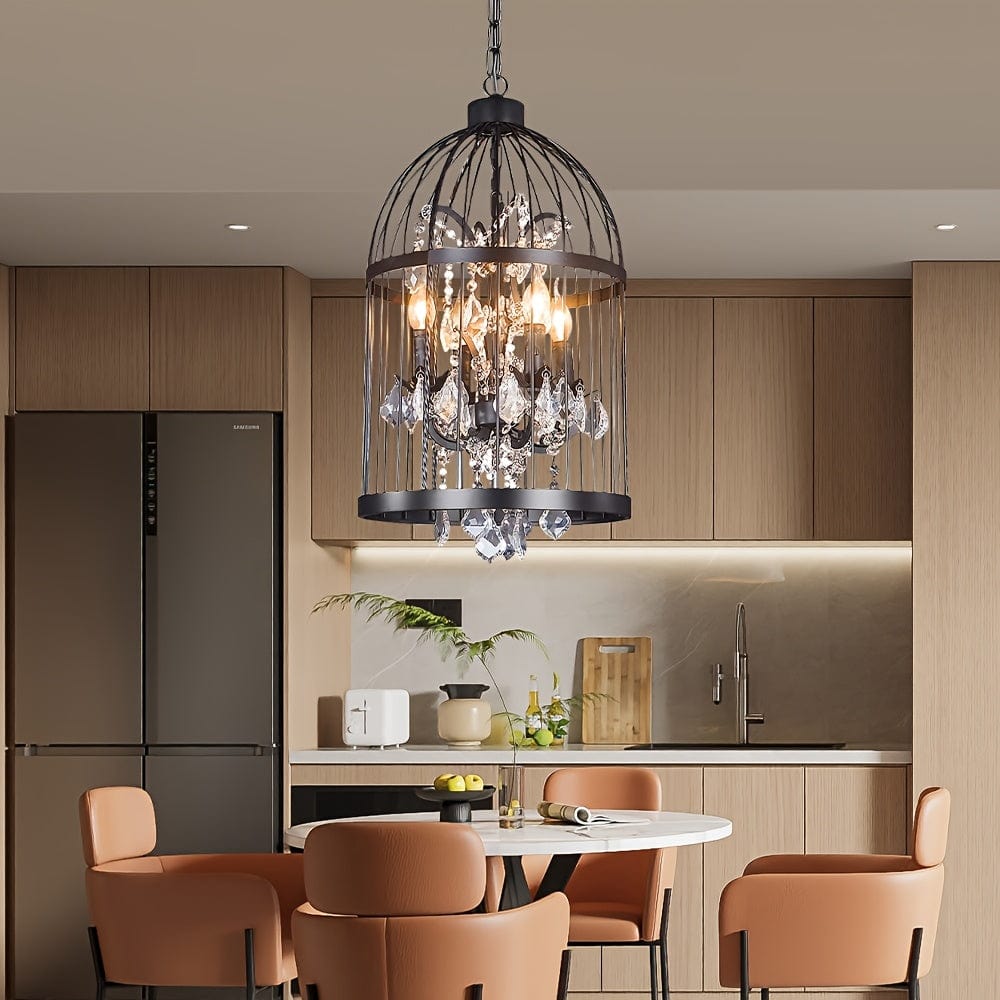
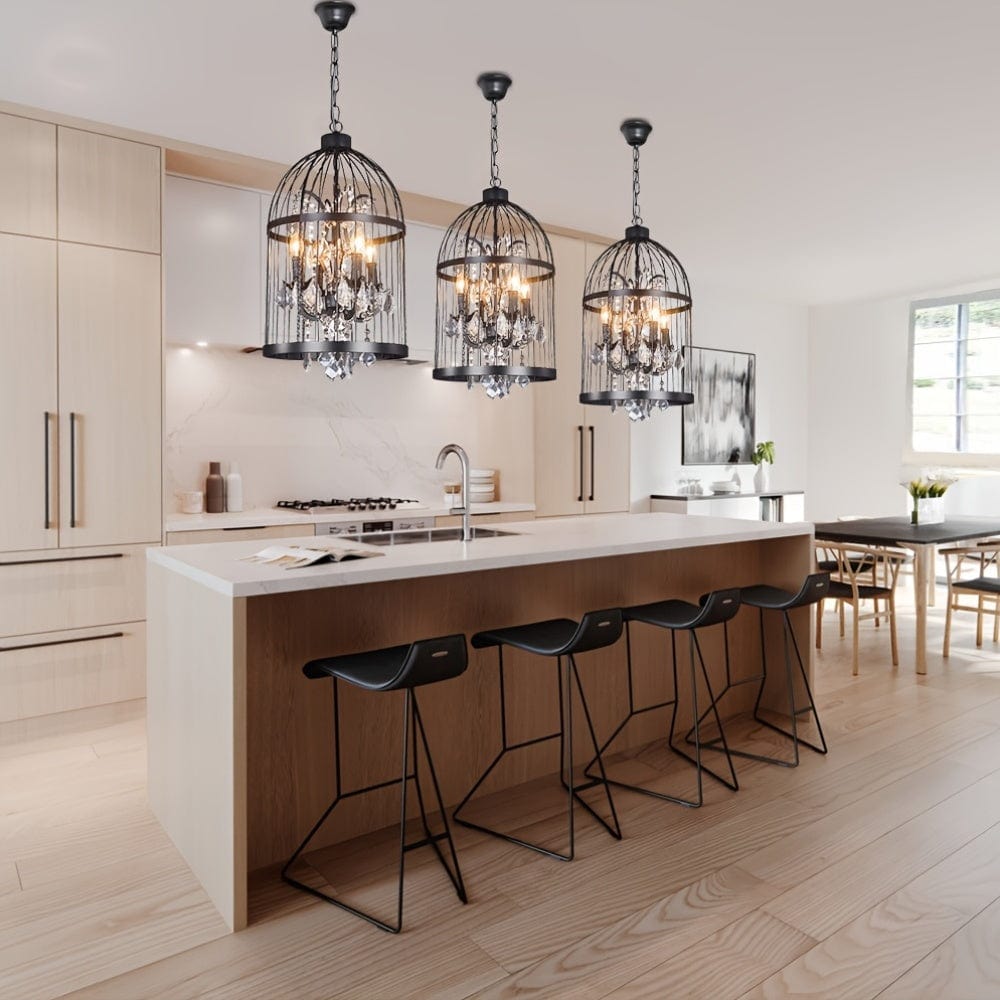
Mid-Century Chandeliers with Retro Structure, Warm Metals, and Timeless Overhead Style
Mid-century chandeliers are a strong choice for shoppers who want a ceiling fixture with vintage-era influence, but with cleaner lines and a more controlled overall look than many traditional chandelier styles. This category is shaped by retro-modern design language, including globe forms, warm metallic finishes, tapered arms, balanced geometry, and silhouettes that feel refined rather than overly decorative. If you want to compare the broader family first, you can start with our full Chandeliers collection, then narrow your search here once you know you want a fixture with a more mid-century look.
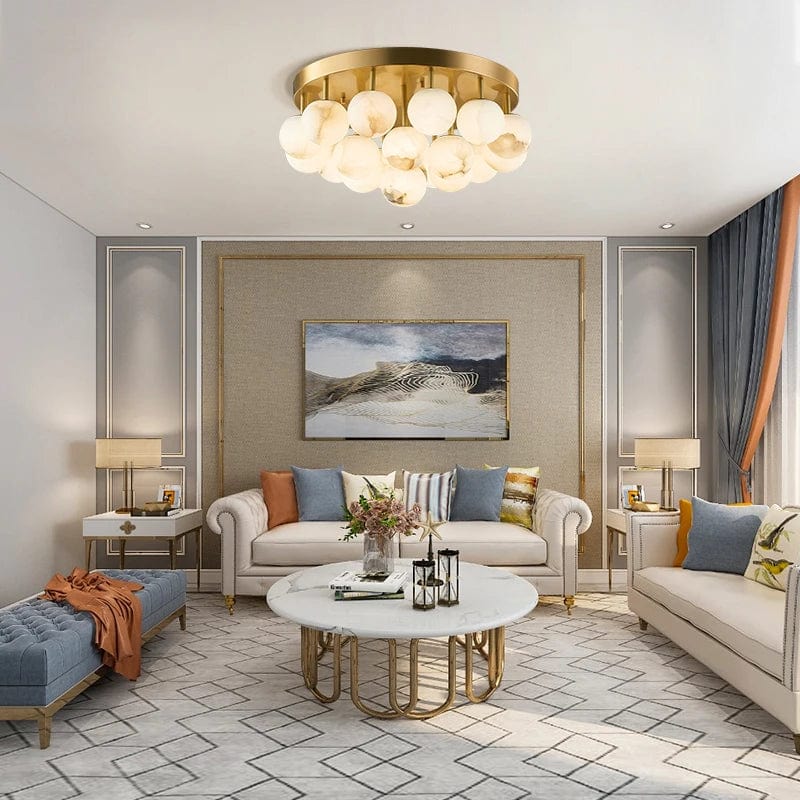
One reason mid-century chandeliers remain so popular is that they can bring character into a room without making the space feel visually heavy. They often sit between modern simplicity and vintage warmth, which makes them easier to use in dining rooms, living rooms, foyers, bedrooms, offices, and open layouts. Some fixtures feel clean and restrained, while others use globe clusters, mixed finishes, or directional arms to create a stronger statement. That range gives this category a broader role than a single-shape page like Sputnik lighting.
What Defines a Mid-Century Chandelier?
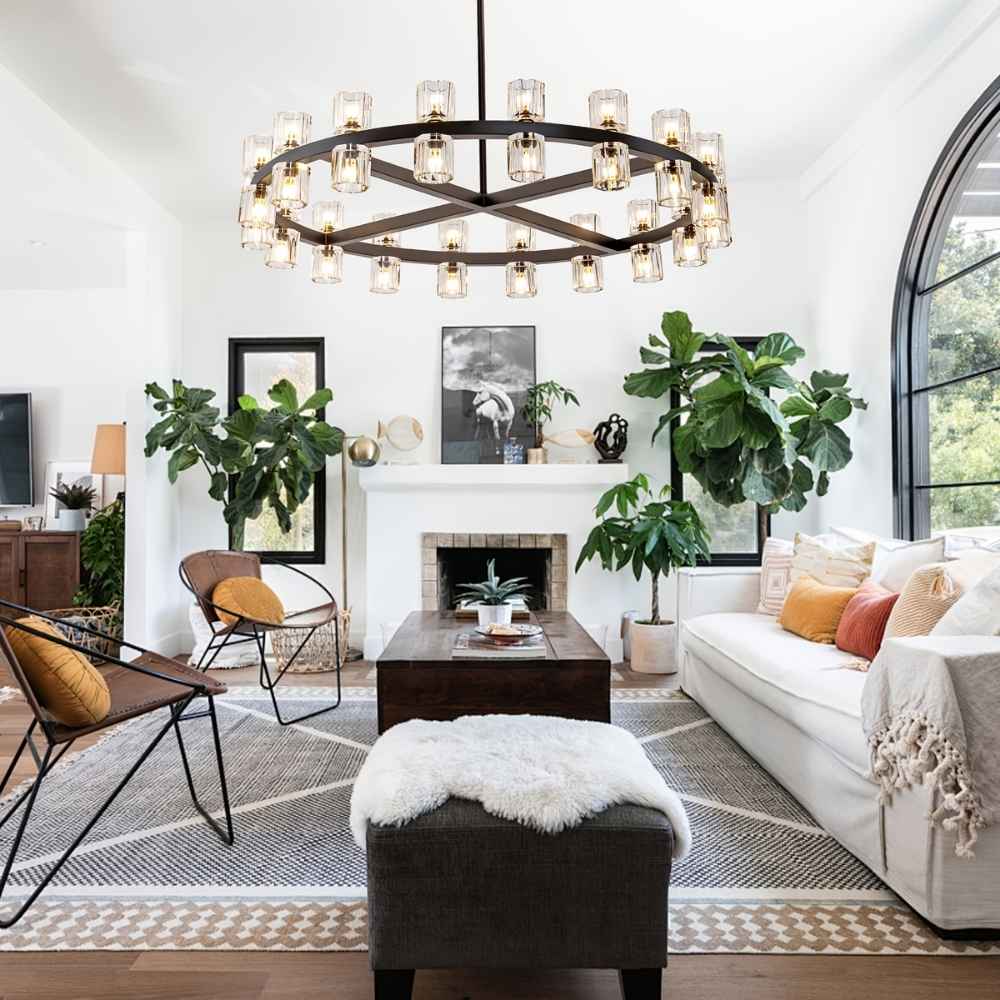
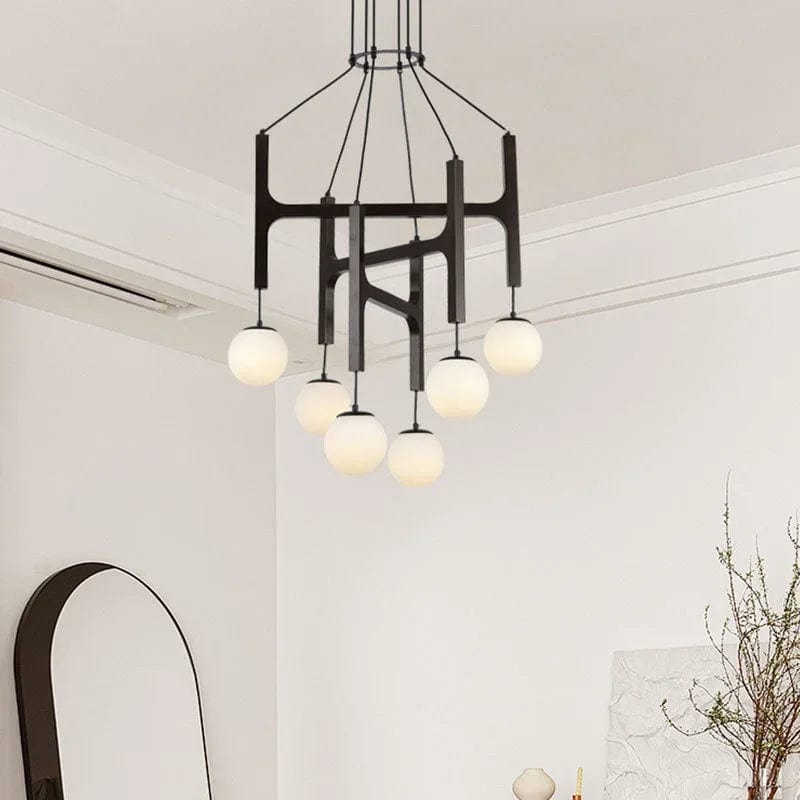
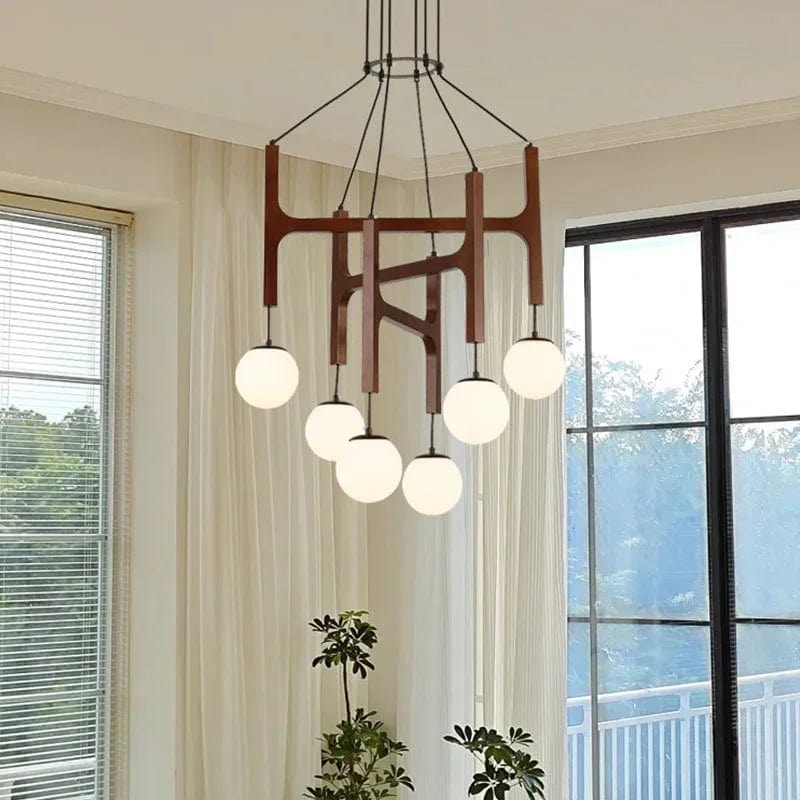
Mid-century chandeliers are usually identified by proportion, shape, and finish rather than by one exact structure. You will often see globe shades, exposed bulbs, warm brass tones, black metal, symmetrical arm layouts, and forms that feel tied to 1950s through 1970s design. The overall effect is usually more streamlined than a traditional chandelier and more nostalgic than a strictly modern one.
- Common features: globe shades, brass or gold tones, black finishes, tapered arms, balanced symmetry, retro-inspired silhouettes
- Best room types: dining rooms, living rooms, foyers, bedrooms, home offices, and open-plan interiors
- Strong style pairings: retro-modern spaces, transitional homes, warm minimalist rooms, mixed-material interiors, and classic modern settings
Tip: Mid-century chandeliers often work especially well in rooms that already include wood furniture, warm neutrals, clean-lined seating, or black and brass accents.
How to Choose the Right Mid-Century Chandelier by Room and Scale
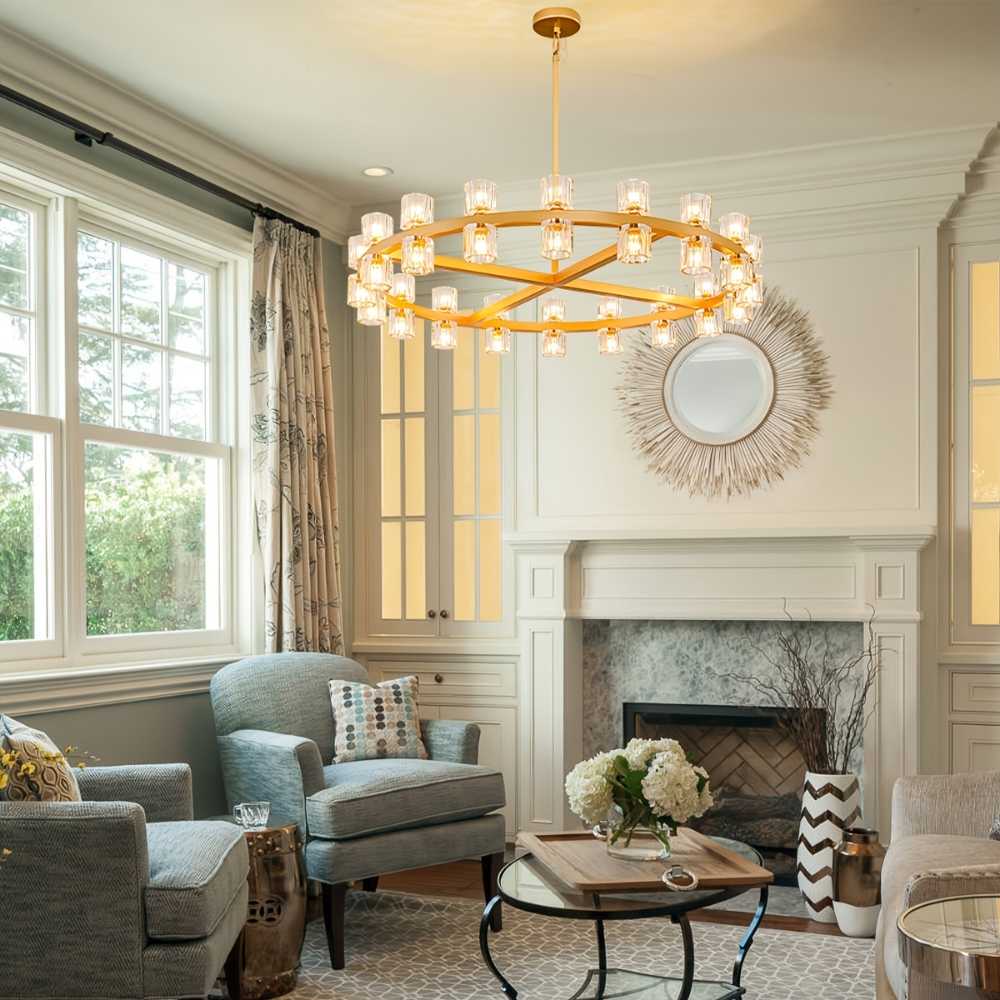
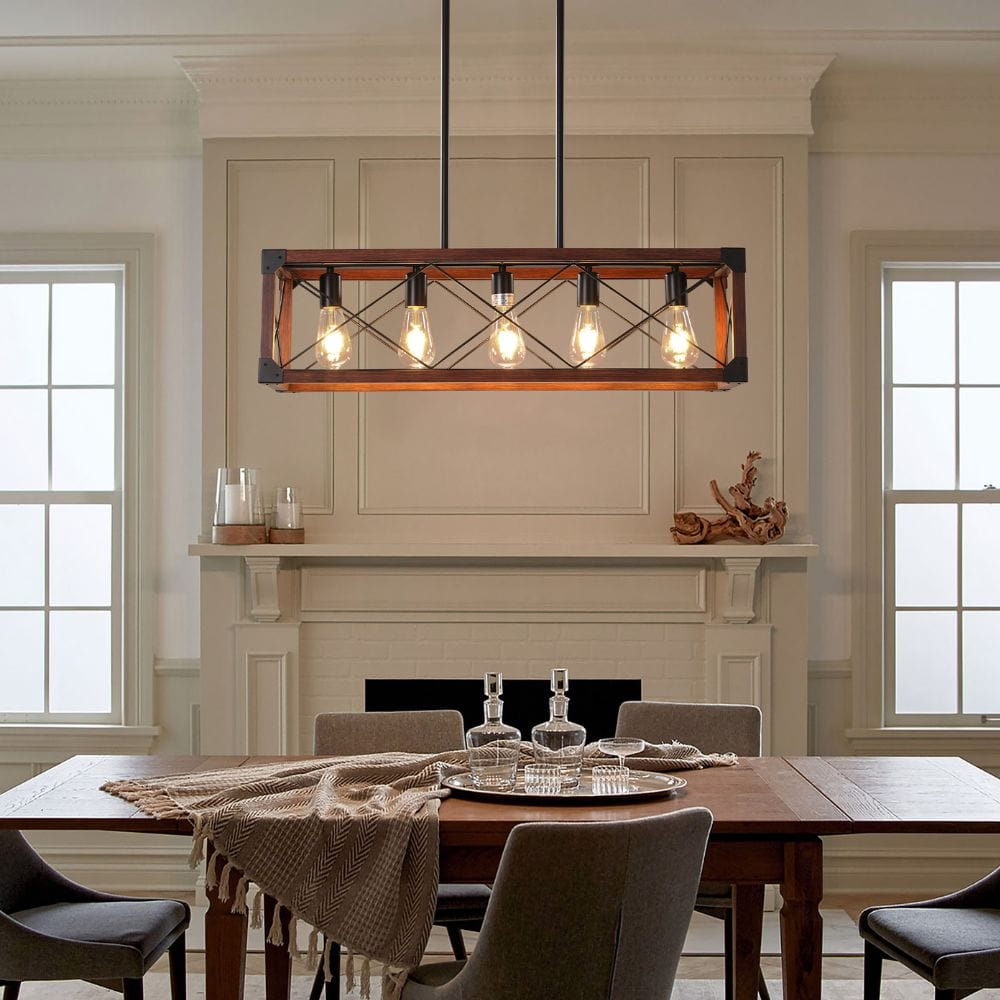
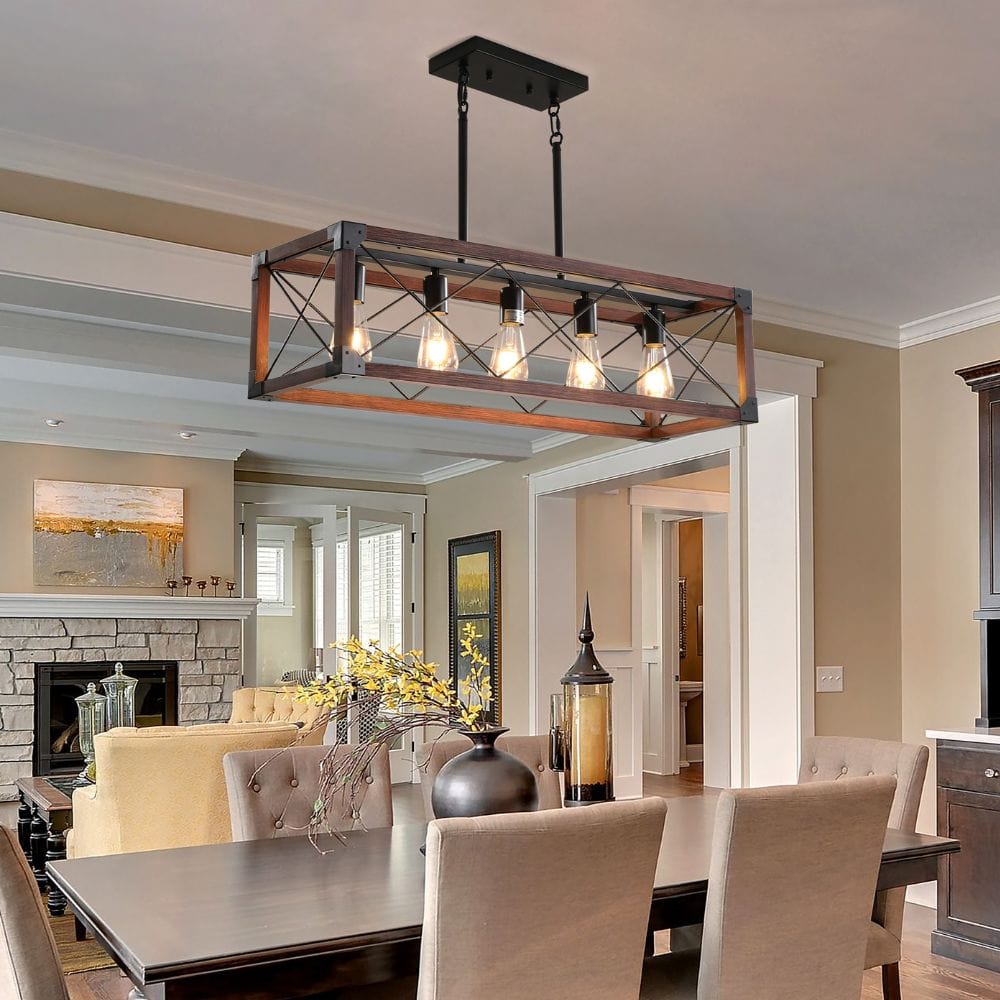
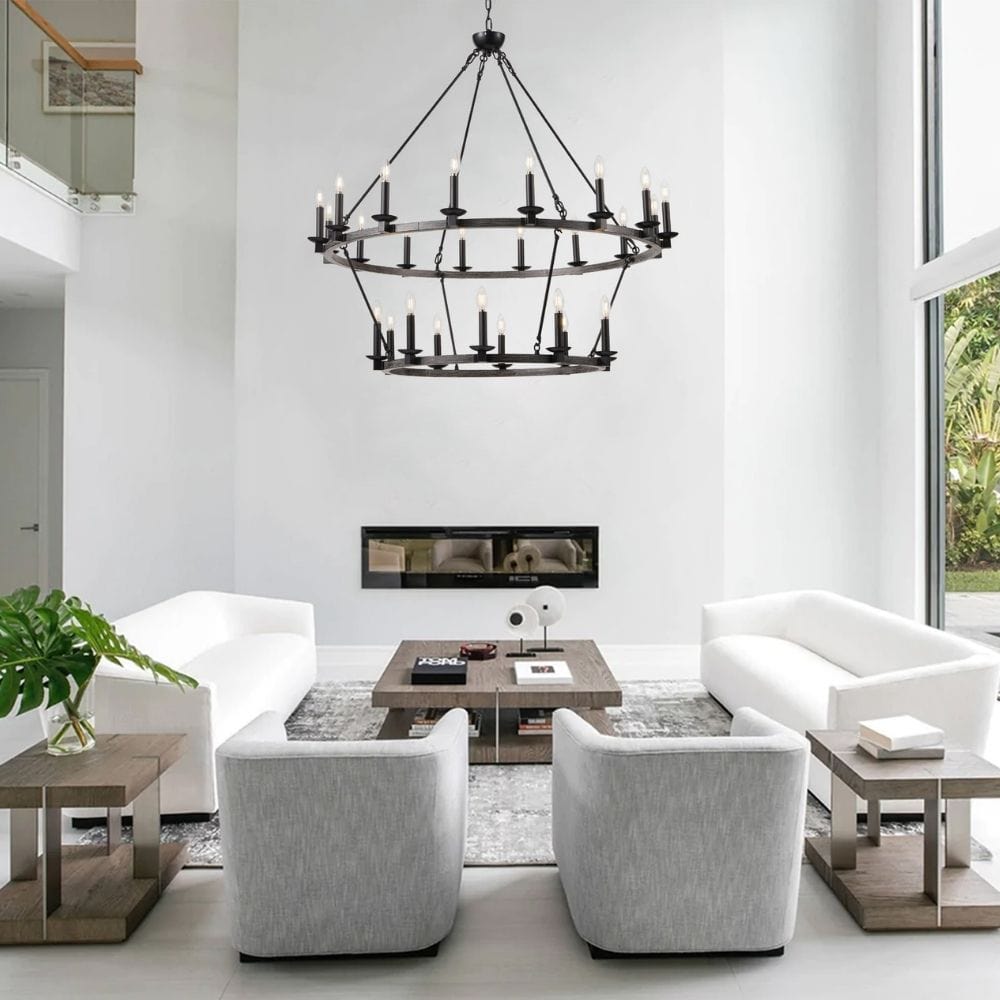
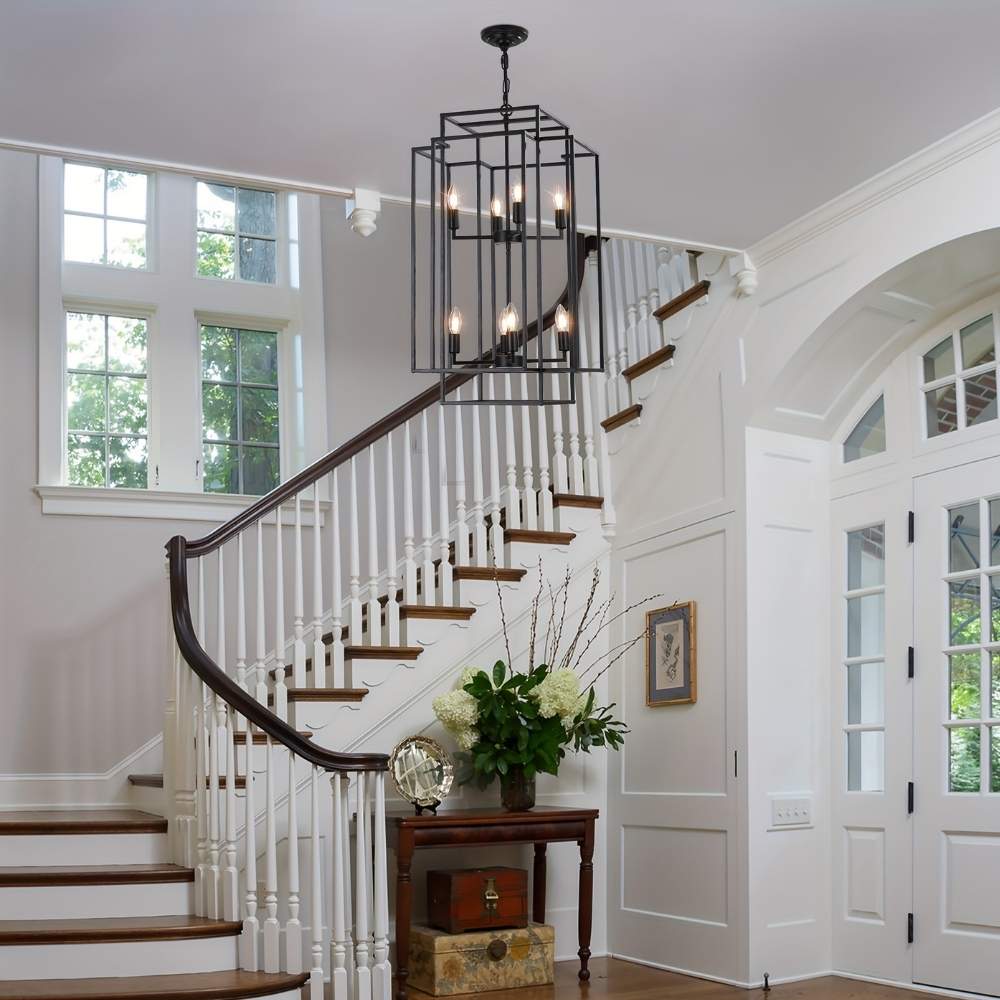
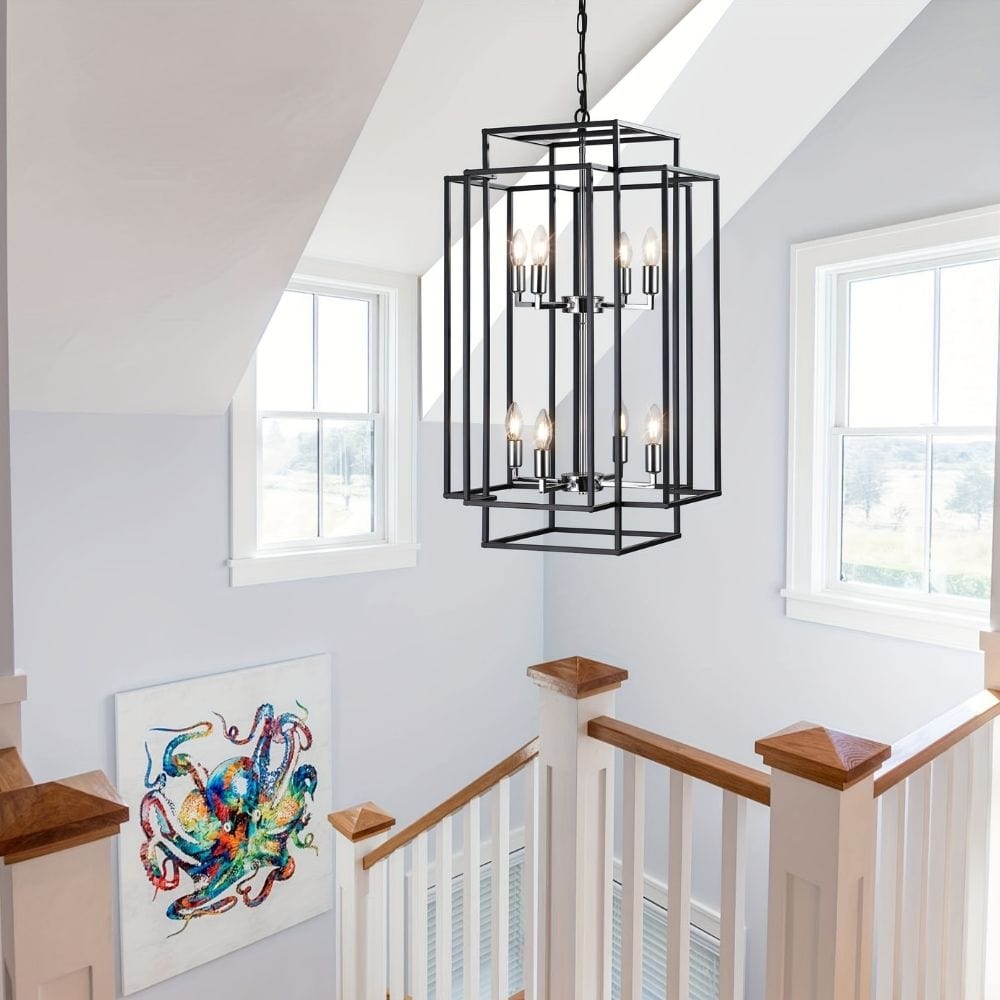
The best mid-century chandelier depends on where it will hang and how much structure the room needs overhead. In a dining room, many shoppers want a fixture that feels centered above the table and proportionate to the furniture below. In a living room, the chandelier usually works best when it visually connects to the seating area rather than trying to dominate the full ceiling width. In foyers and entry spaces, a more open shape or a fixture with longer reach can help the room feel more complete without introducing too much ornament.
If you are shopping by placement, it can help to compare this page with Dining Room Chandeliers and Foyer & Entryway Chandeliers. If your room leans more graphic and radial in shape, it is also worth browsing Sputnik Chandeliers as a more specific adjacent style.
Quick planning notes:
- Room-size starting point: add the room length and width in feet, then use that total in inches as a rough chandelier diameter guide
- Dining placement: many shoppers start around 30 to 36 inches above the tabletop, then adjust for ceiling height and fixture spread
- Open walkways: keep comfortable head clearance in rooms without a table underneath
- Arm spread matters: on retro-inspired chandeliers, width and reach can affect the room more than fixture height alone
Measurement note: Mid-century chandeliers can feel visually larger than expected when they use long arms, globe shades, or wide spacing between light points. It helps to compare overall spread, not just height or bulb count.
Finish, Shade Style, and Visual Character
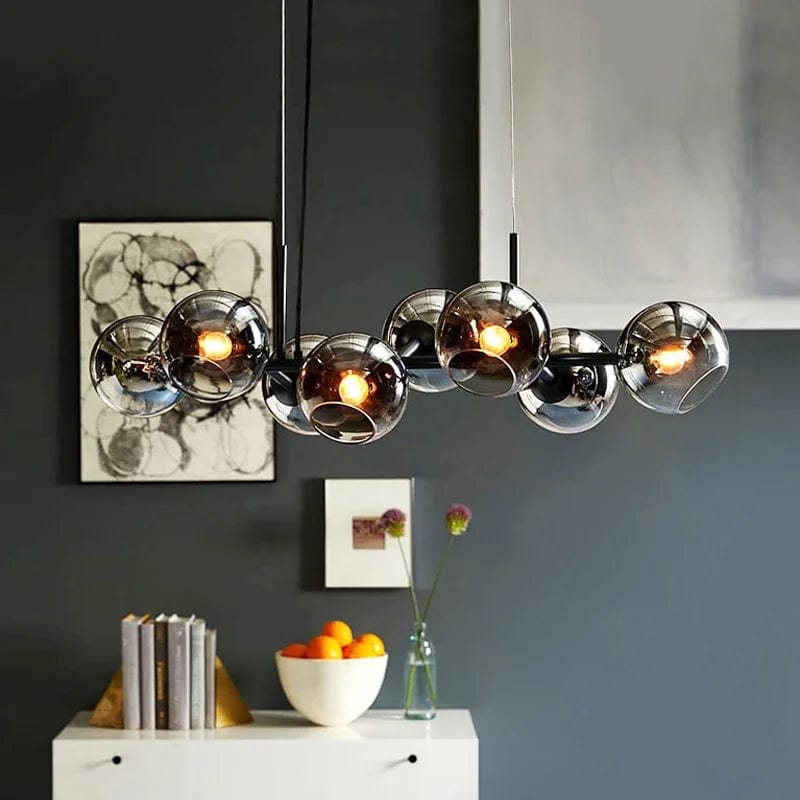
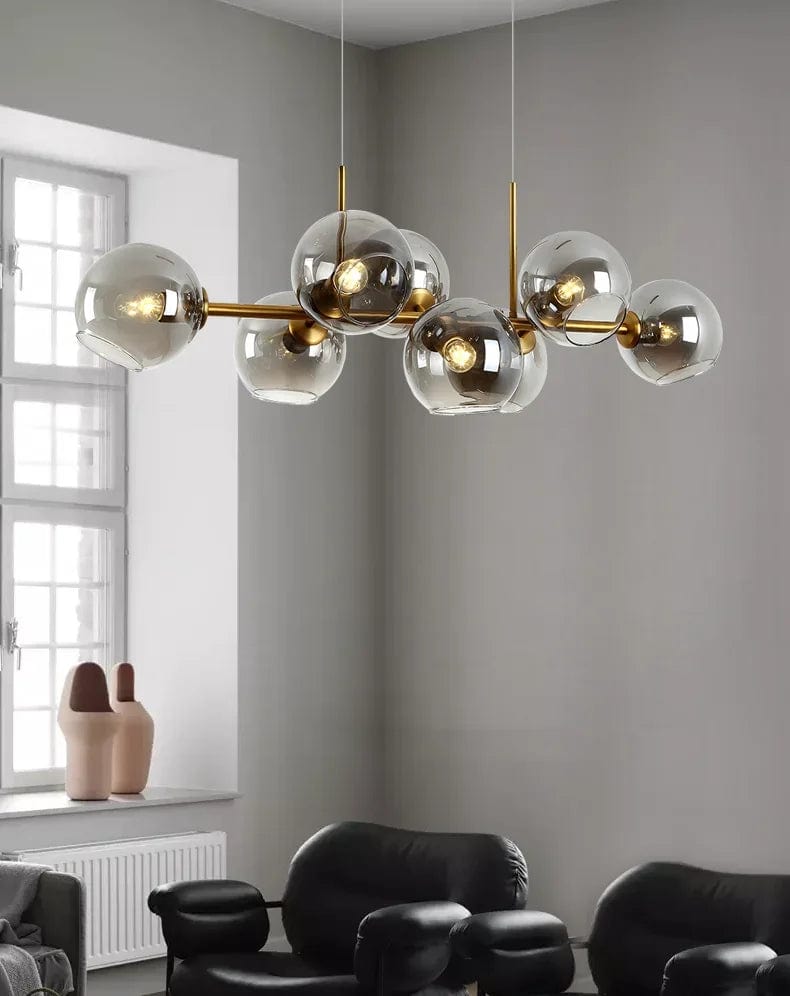
Finish direction changes the mood of a mid-century chandelier quickly. Brass and warmer metallic tones often feel more classic to the style and can make the room feel softer and more grounded. Black finishes create more contrast and can move the fixture slightly closer to a sharper modern look. Globe shades usually create a smoother and more polished ceiling profile, while exposed bulbs or more directional arms can make the fixture feel more graphic and architectural.
This is one reason mid-century chandeliers can work across several interiors. Some feel more retro and nostalgic, while others feel almost current because the lines are so clean. If you want a stricter present-day look with less vintage influence, compare Modern Chandeliers. If you want a broader category with more sculptural variation and fewer retro cues, Contemporary Chandeliers may be a better fit.
Quick comparison:
- Globe-shade mid-century styles - softer, smoother, and easier in everyday living spaces
- Directional-arm styles - stronger structure and more graphic ceiling presence
- Brass or gold finishes - warmer and more classic to the retro-modern look
- Black finishes - sharper contrast with a cleaner modern edge
Mid-Century vs. Sputnik vs. Vintage Chandeliers
These categories overlap, but they are not the same. Mid-century chandeliers are the broader retro-modern category and may include globe forms, balanced multi-arm layouts, and cleaner silhouettes inspired by the middle decades of the 20th century. Sputnik chandeliers are more specific and are defined by their radial starburst arm structure. Vintage chandeliers are broader in another direction, often focusing more on aged finishes, decorative detail, and older classic references rather than retro-modern geometry.
Small reminder: The best mid-century chandelier usually feels balanced with the room and furniture below it. A fixture can have the right retro influence, but still feel too wide, too dense, or too small once installed if scale is ignored.
Use This Collection When You Want Timeless Retro-Modern Style
This page works best when your goal is a chandelier that brings classic design character, cleaner vintage-era lines, and a warmer overhead focal point into the room. As you compare options, focus on more than style alone. Look at the spread, the finish, the shade type, and how the chandelier will sit over the furniture or circulation area below. The strongest result usually comes from choosing a mid-century chandelier that feels proportionate and intentional, so the retro-modern look supports the room instead of competing with it.