



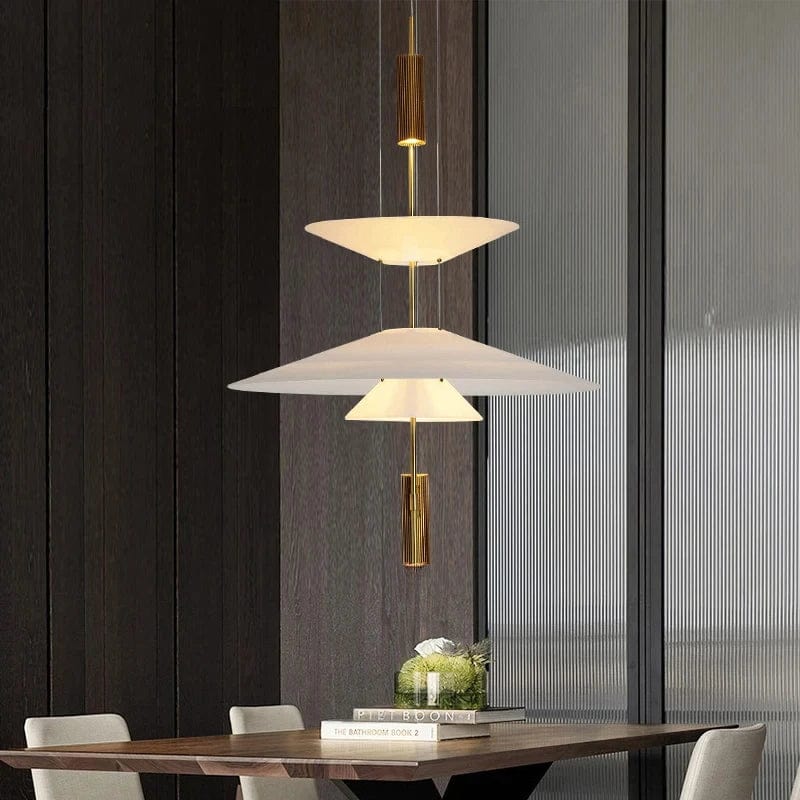
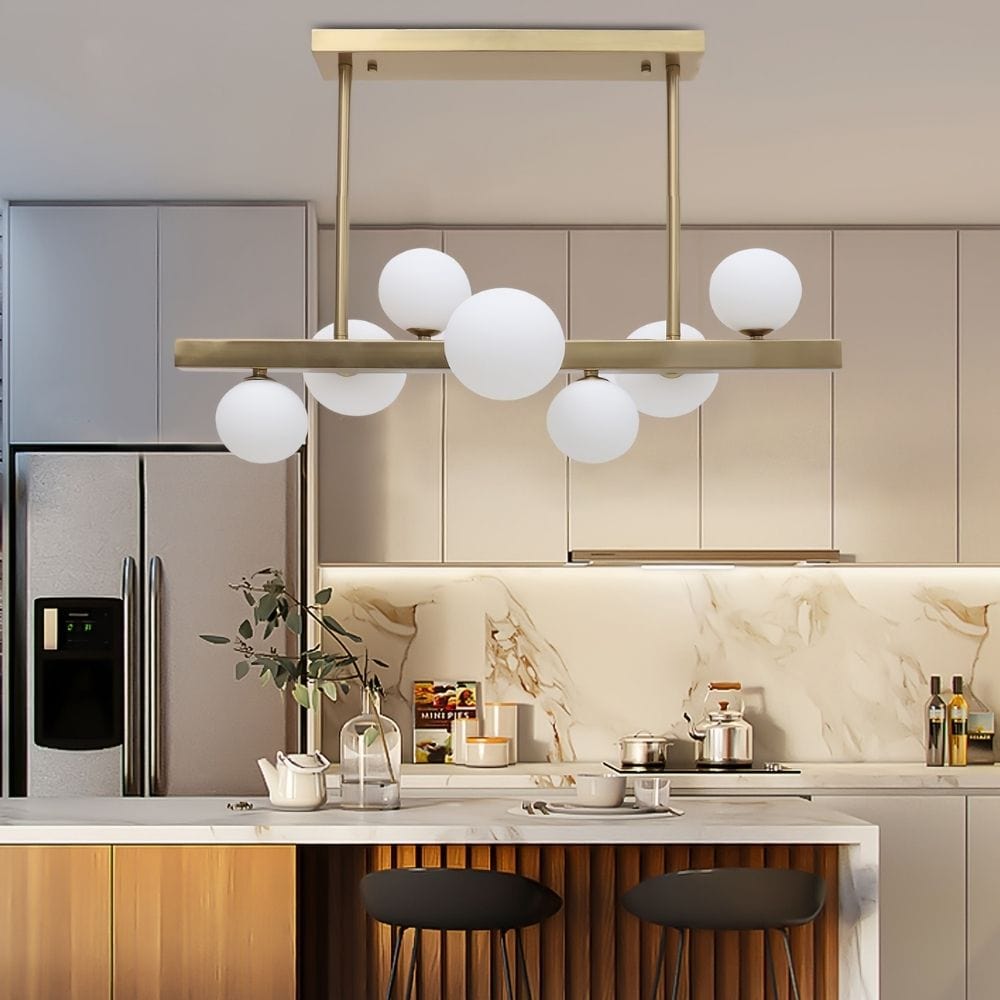
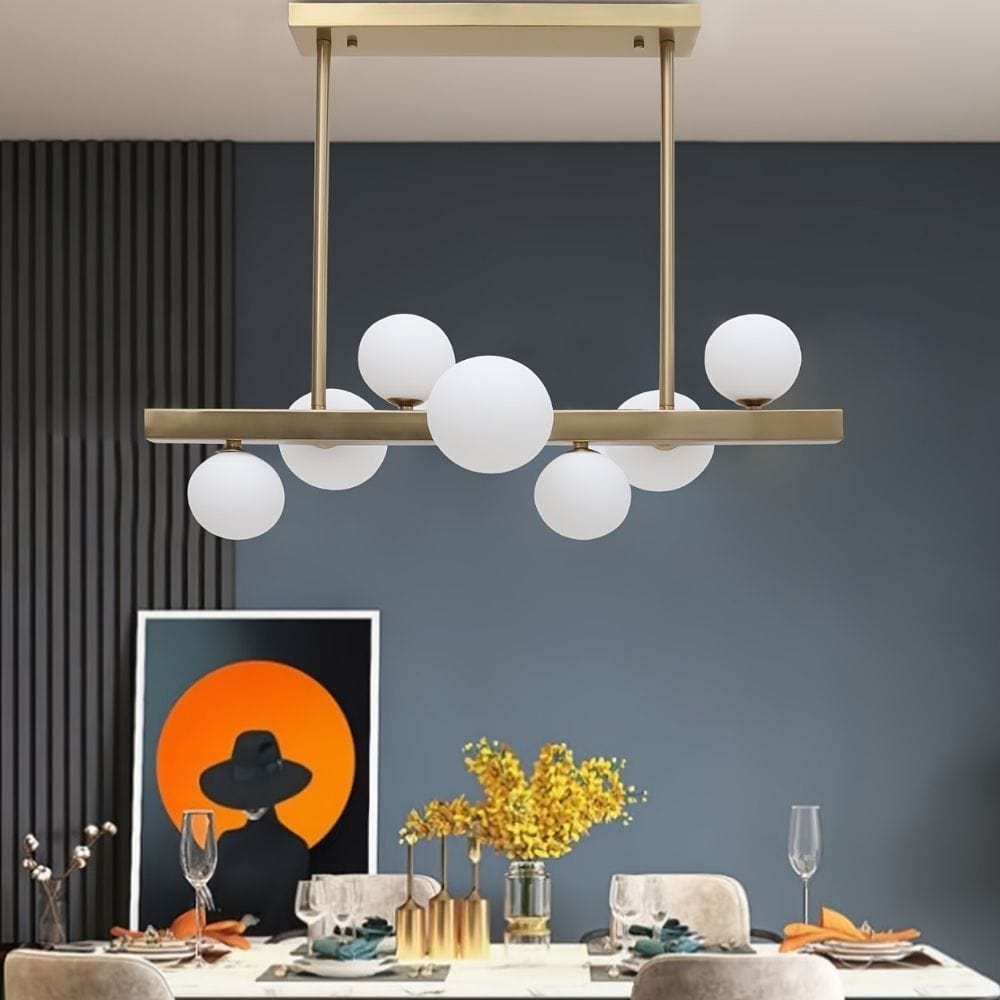
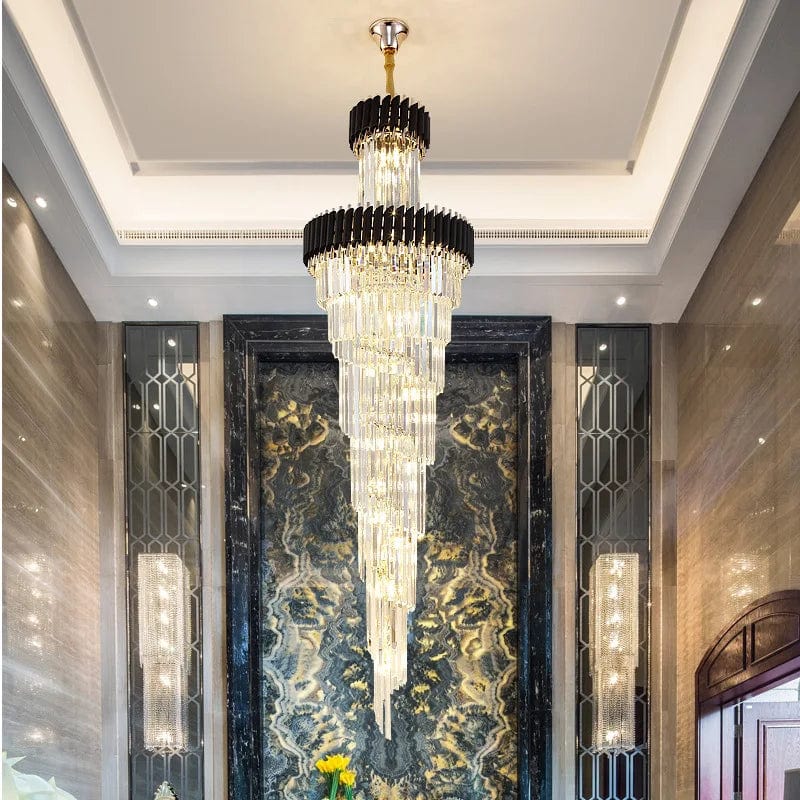
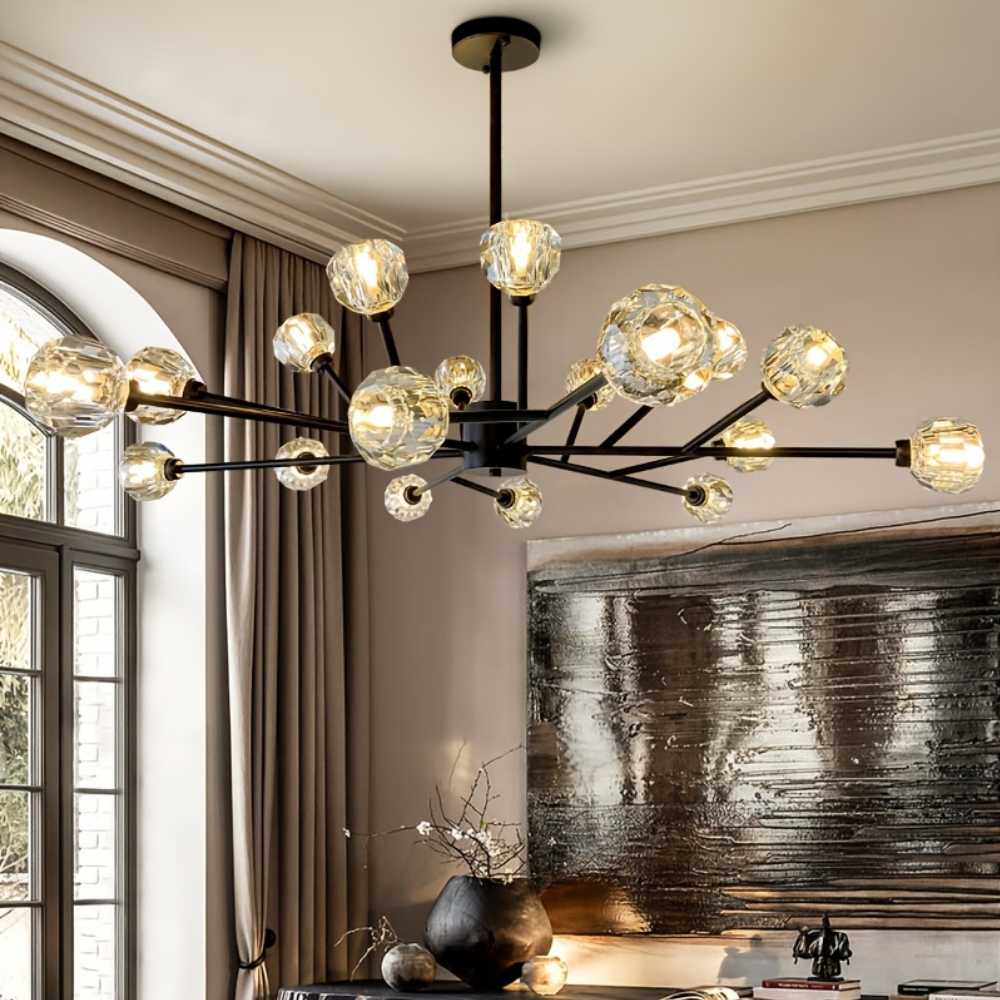
Modern Chandeliers for Cleaner Lines, Better Balance, and a More Current Ceiling Look
Modern chandeliers are a strong choice for shoppers who want overhead lighting that feels updated without looking busy or overly formal. This category is built around cleaner silhouettes, more refined proportions, and finishes that work naturally in today’s interiors. If you are still comparing broader fixture directions, you can begin with our full Chandeliers collection, then narrow your options here once you know you want a more modern ceiling style.
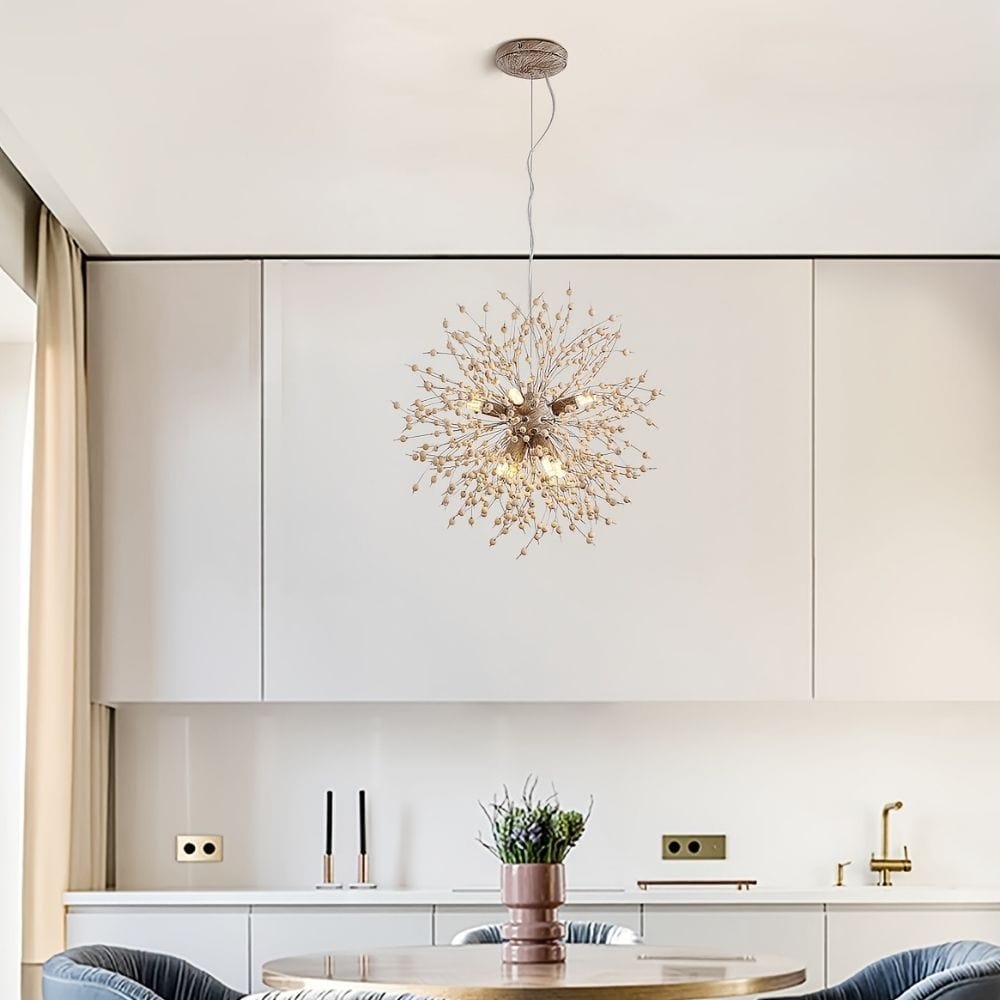
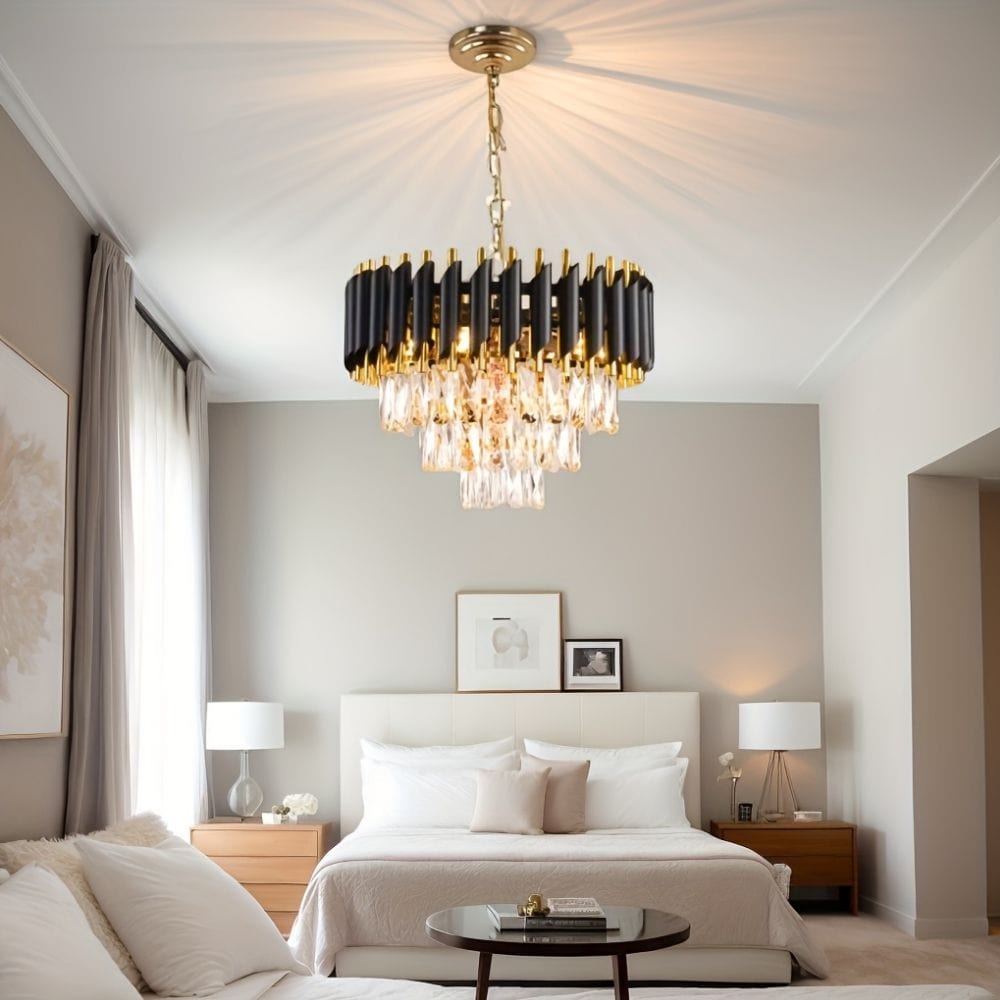
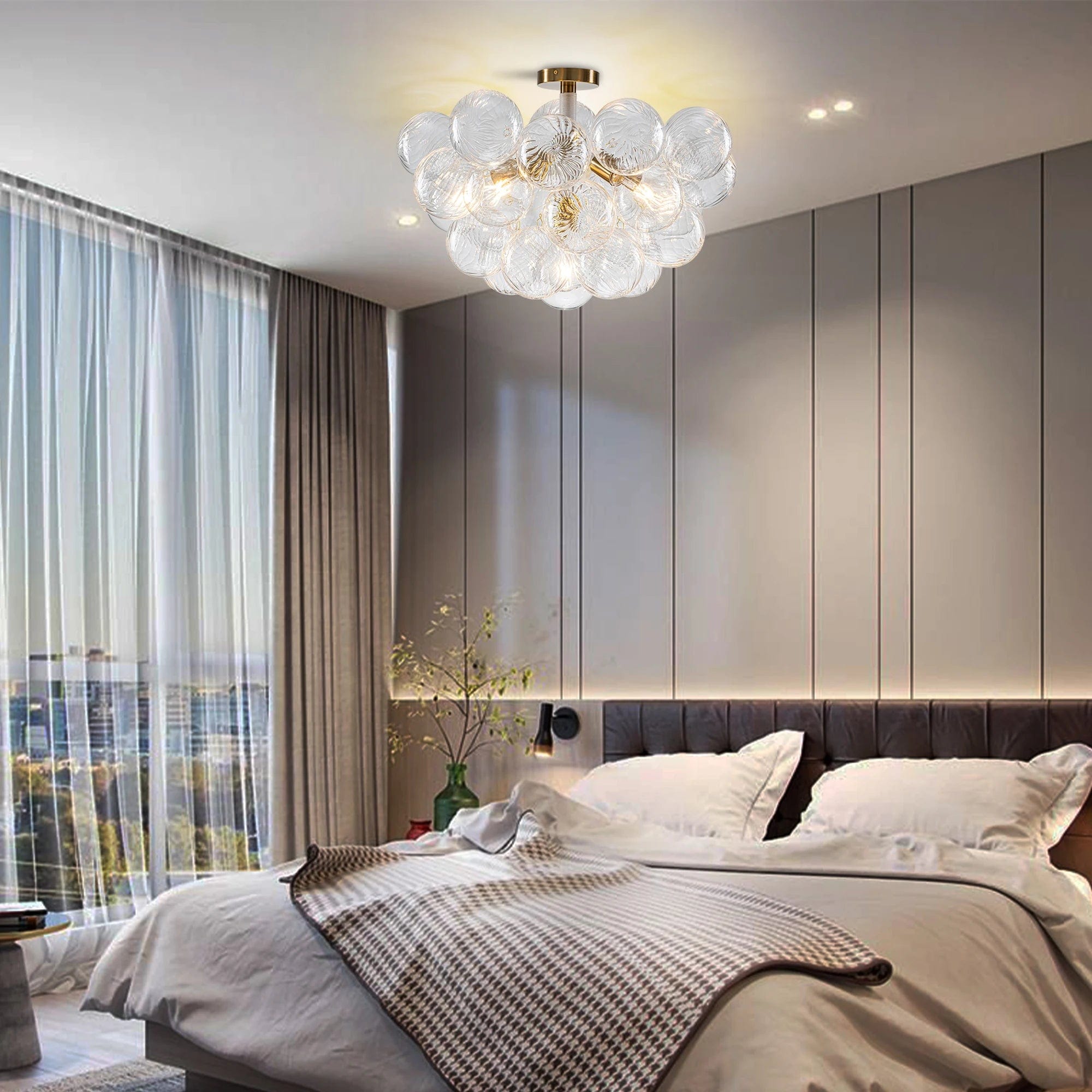
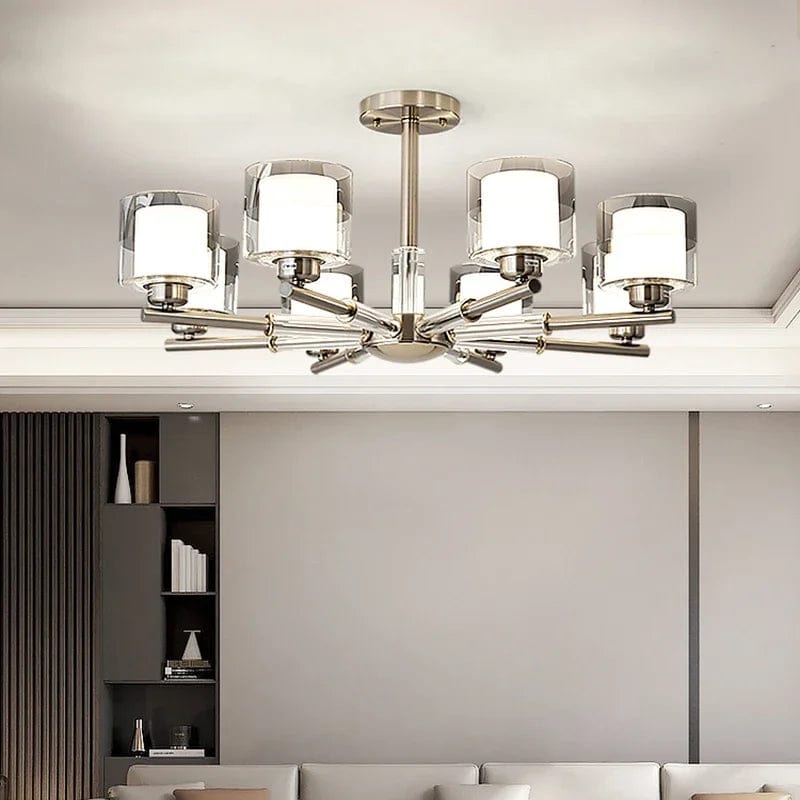
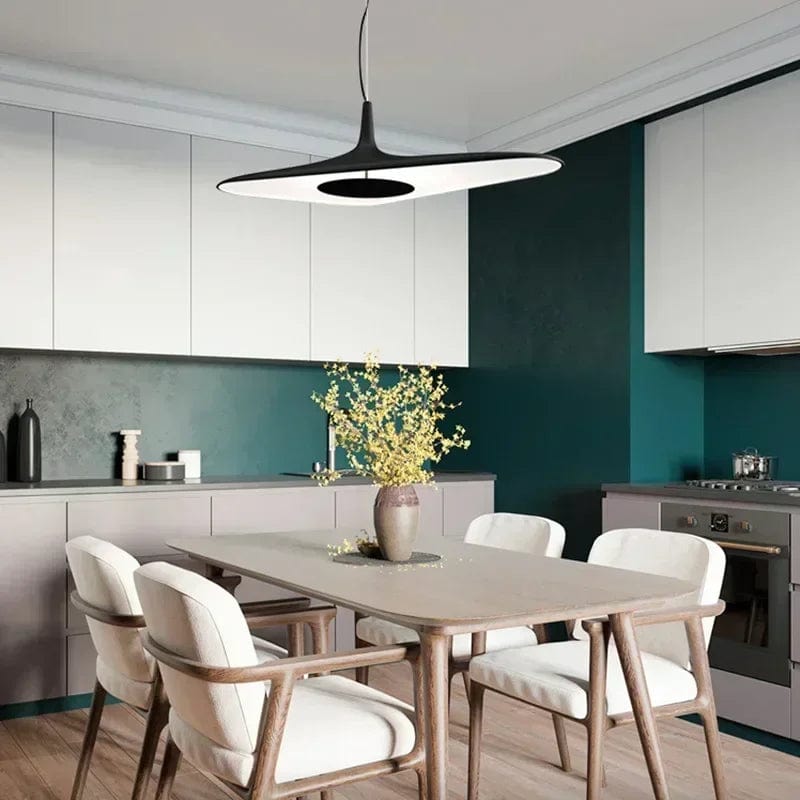
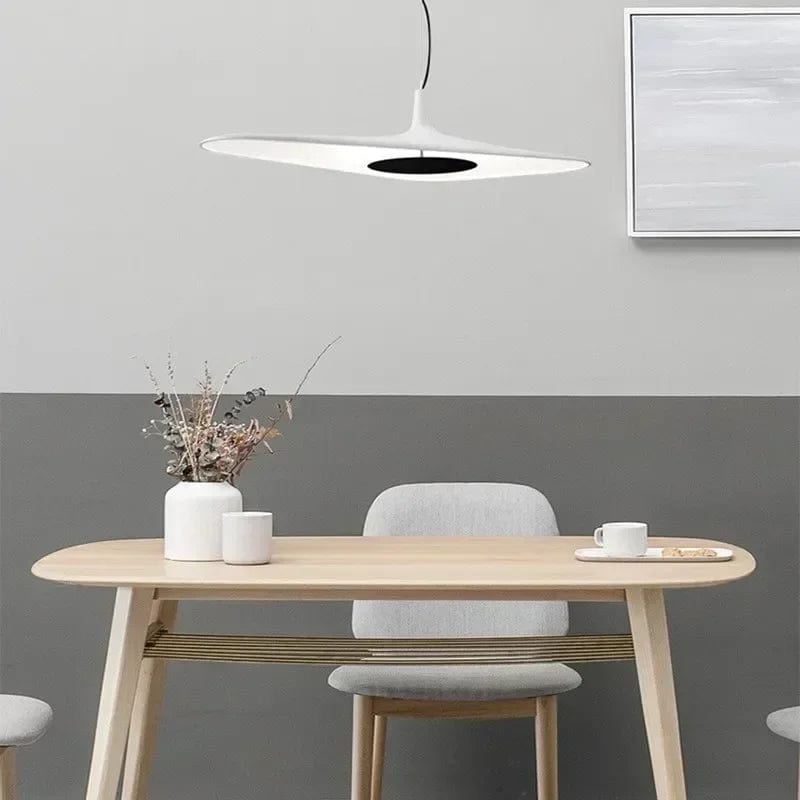
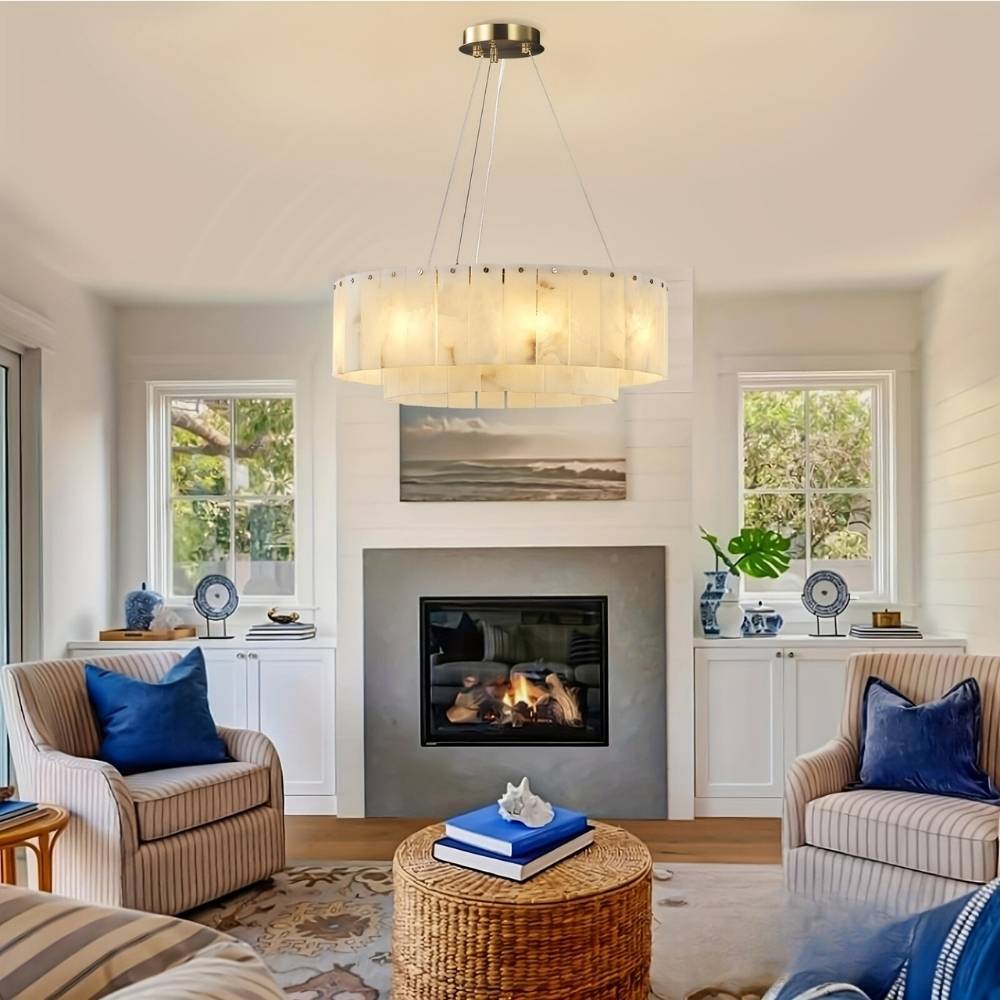
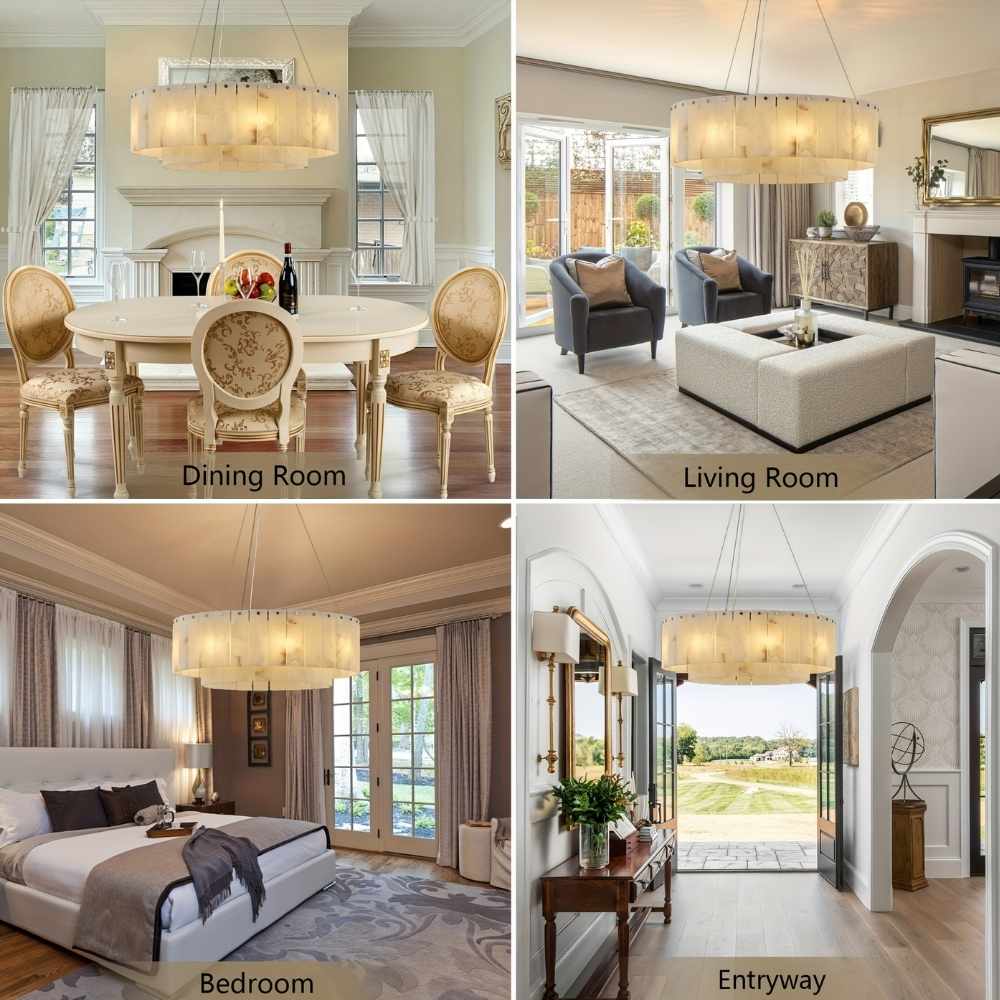
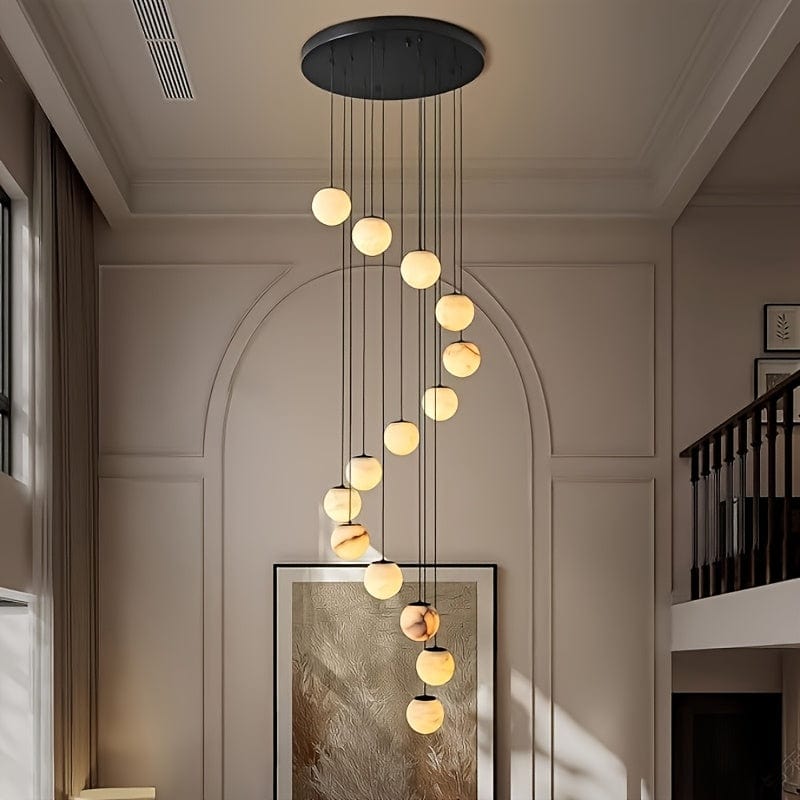
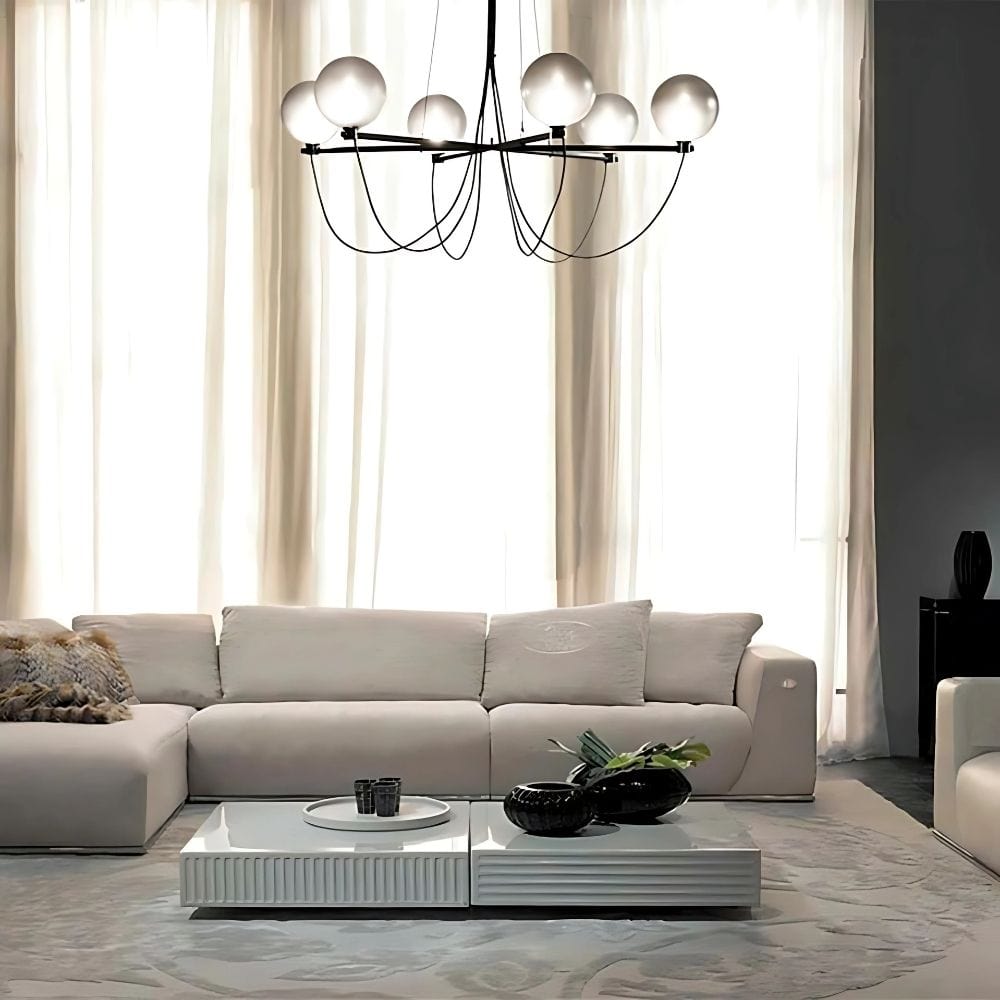
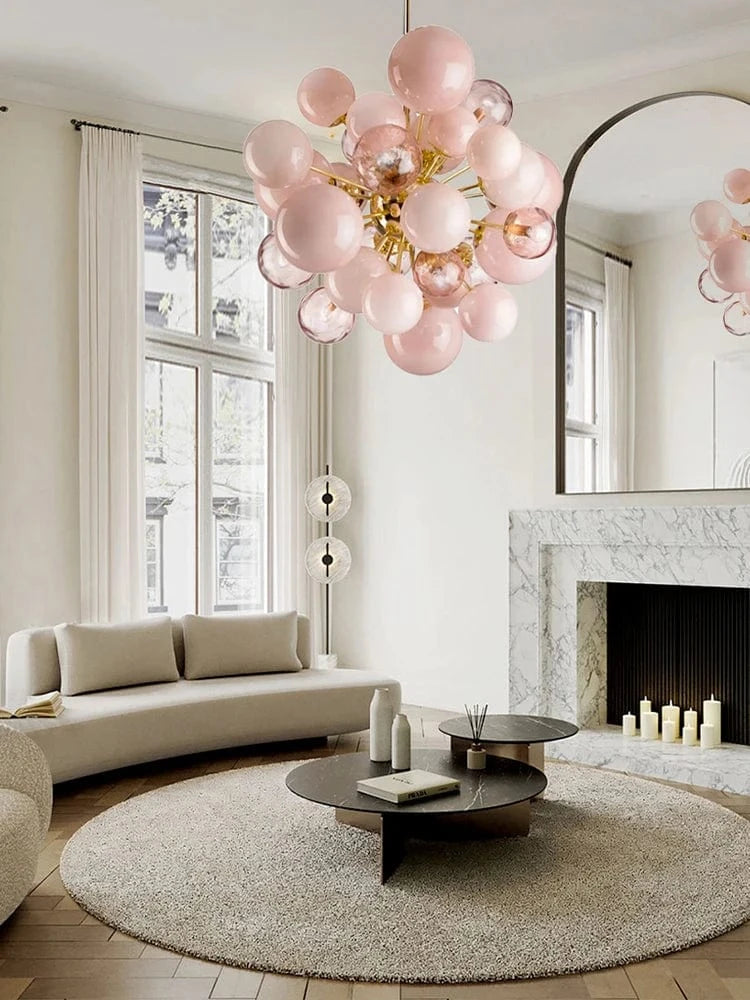
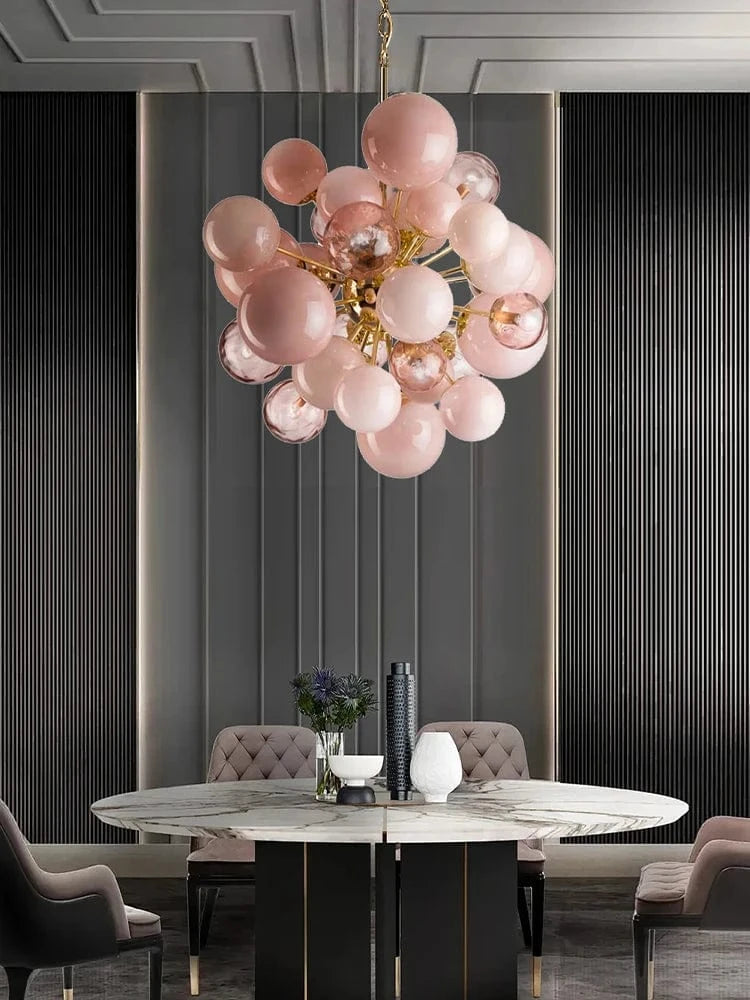
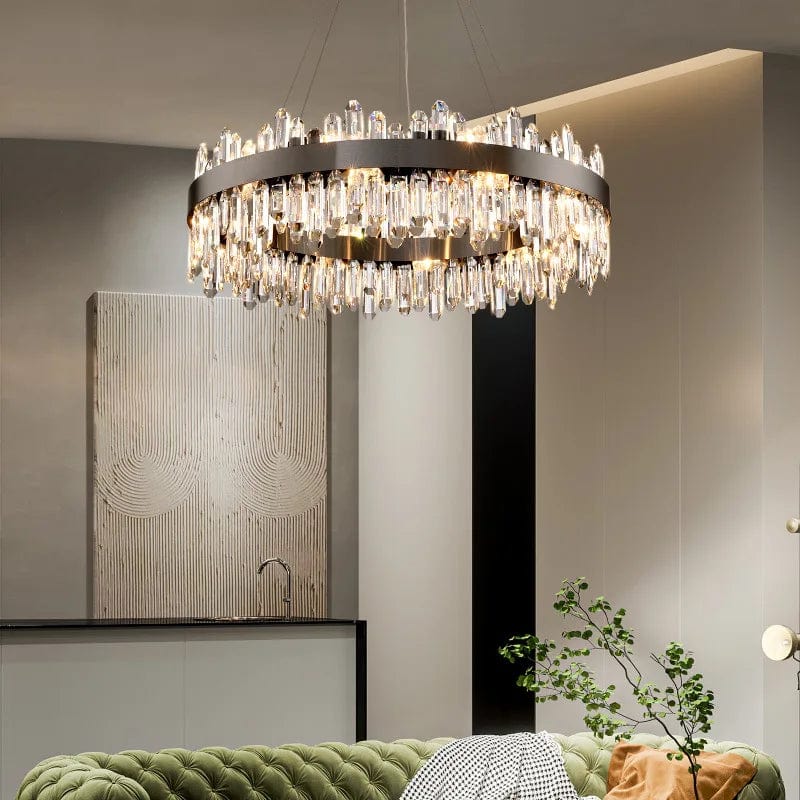
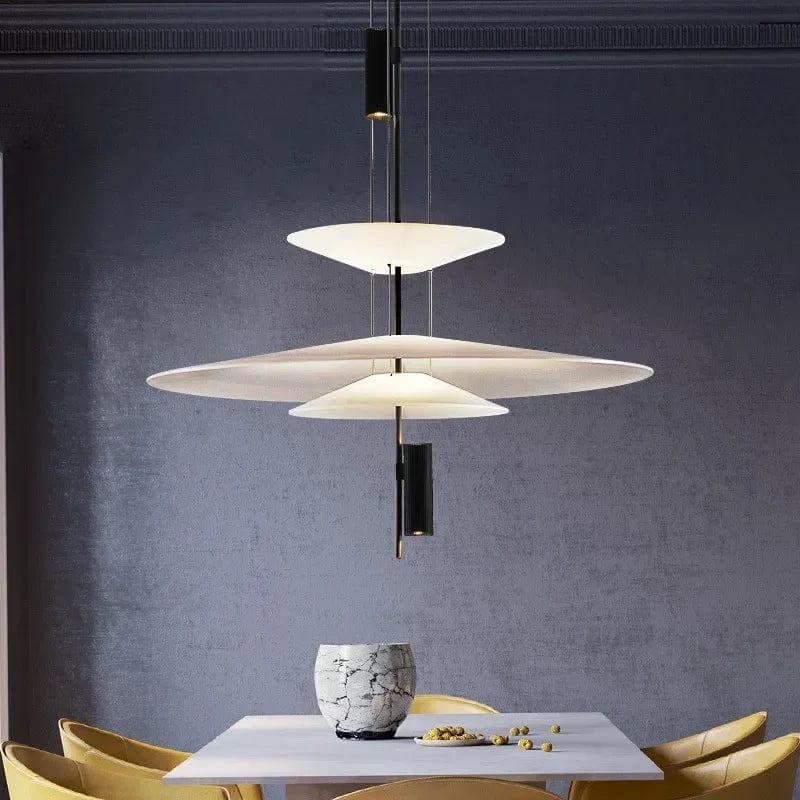
What makes this category especially useful is range. Some modern chandeliers feel minimal and architectural, while others use glass, sculptural arms, ring forms, or clustered shades to create more presence overhead. That gives you flexibility across dining rooms, living rooms, bedrooms, foyers, and open-concept spaces where the fixture needs to feel current but still visually grounded.
Why Shoppers Choose Modern Chandeliers
Many people land on this category because they want a fixture that looks polished but still easy to live with. Traditional chandeliers can sometimes feel too ornate for cleaner interiors, while very plain ceiling lights may not give the room enough identity. Modern chandeliers sit in the middle. They can define a dining area, finish a living room ceiling, or make an entry feel more intentional without pulling the whole room in a formal direction.
- Best for: updated interiors, mixed-material homes, open layouts, and rooms that need a defined focal point
- Common finishes: black, brass, gold, white, chrome, mixed metal, and glass-heavy combinations
- Typical visual effect: cleaner ceiling line, lighter feel, stronger shape control
Tip: If your space already has clean furniture lines, simple cabinetry, or darker hardware, a modern chandelier usually feels easier to coordinate than a more decorative traditional fixture.
Choosing by Room, Layout, and Visual Weight
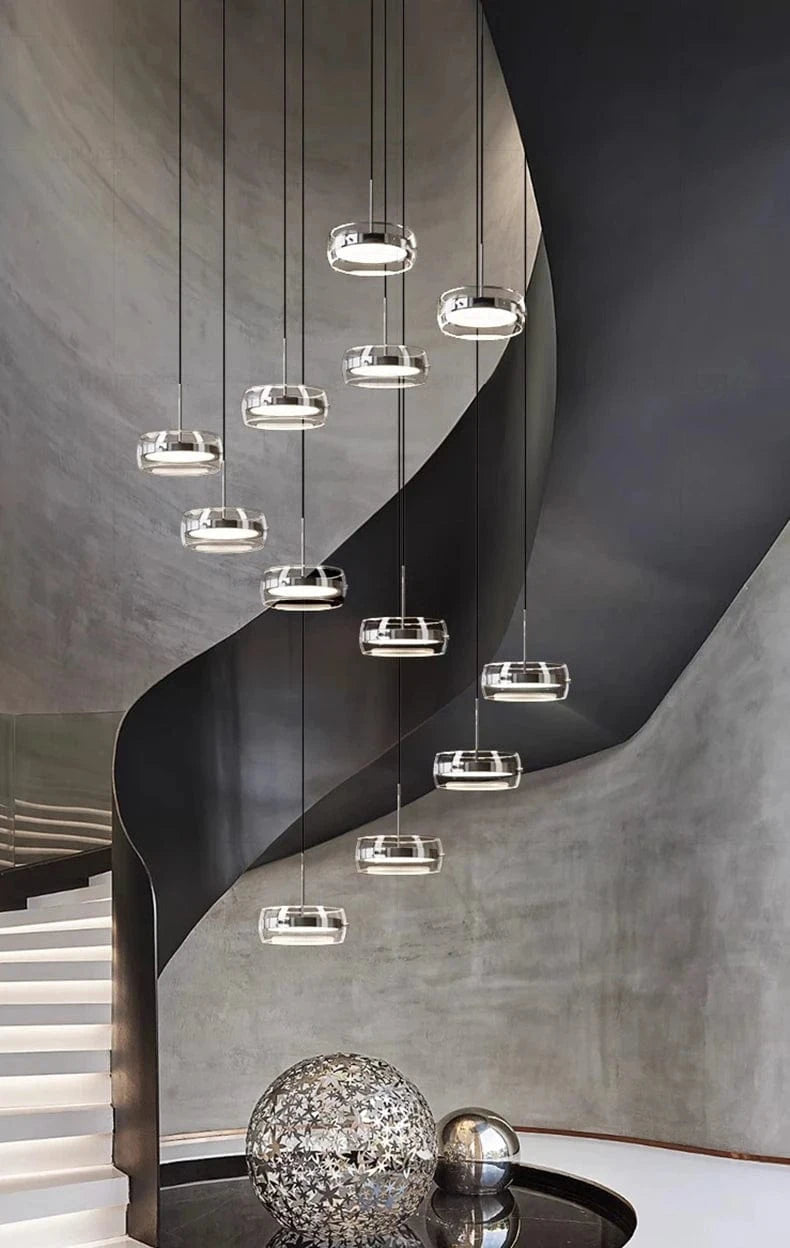
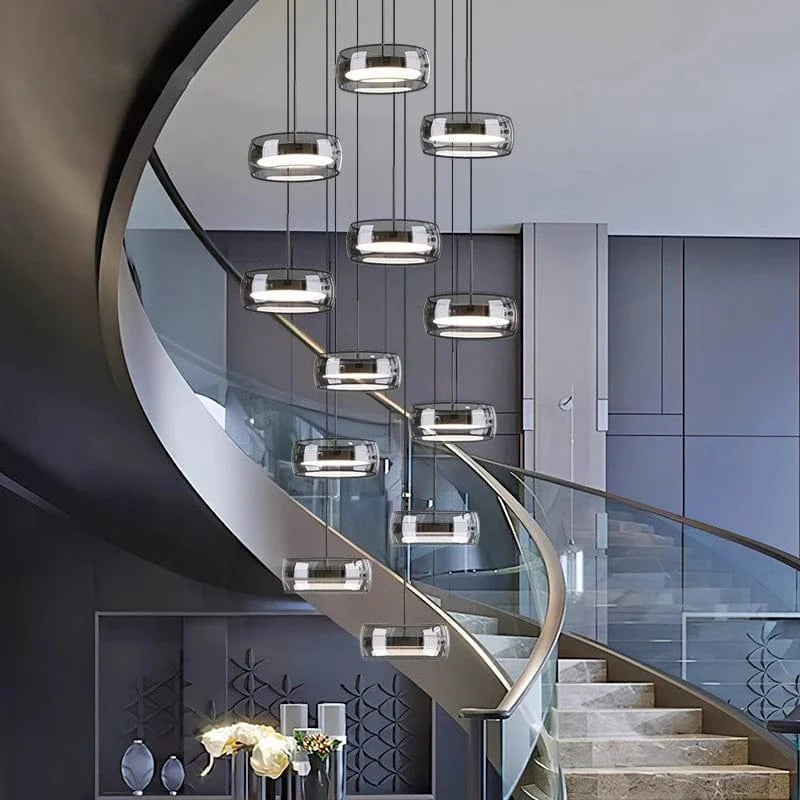
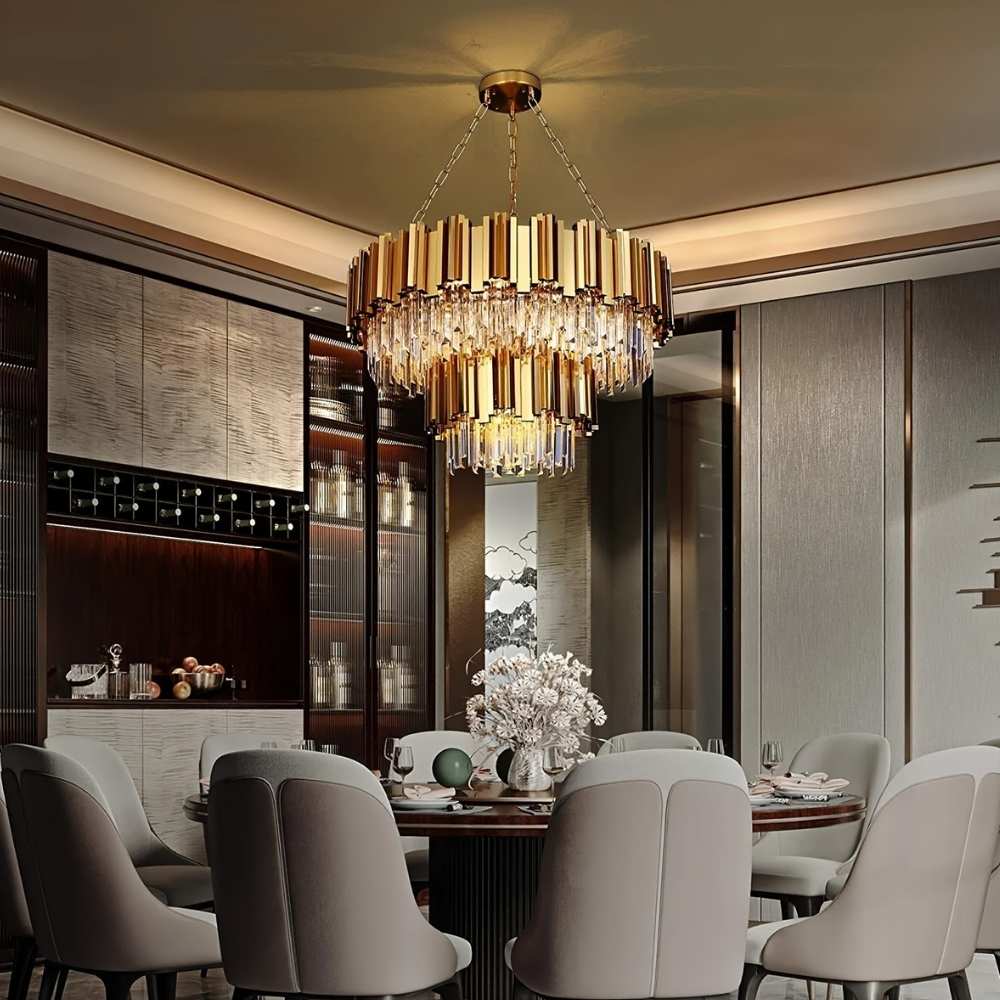
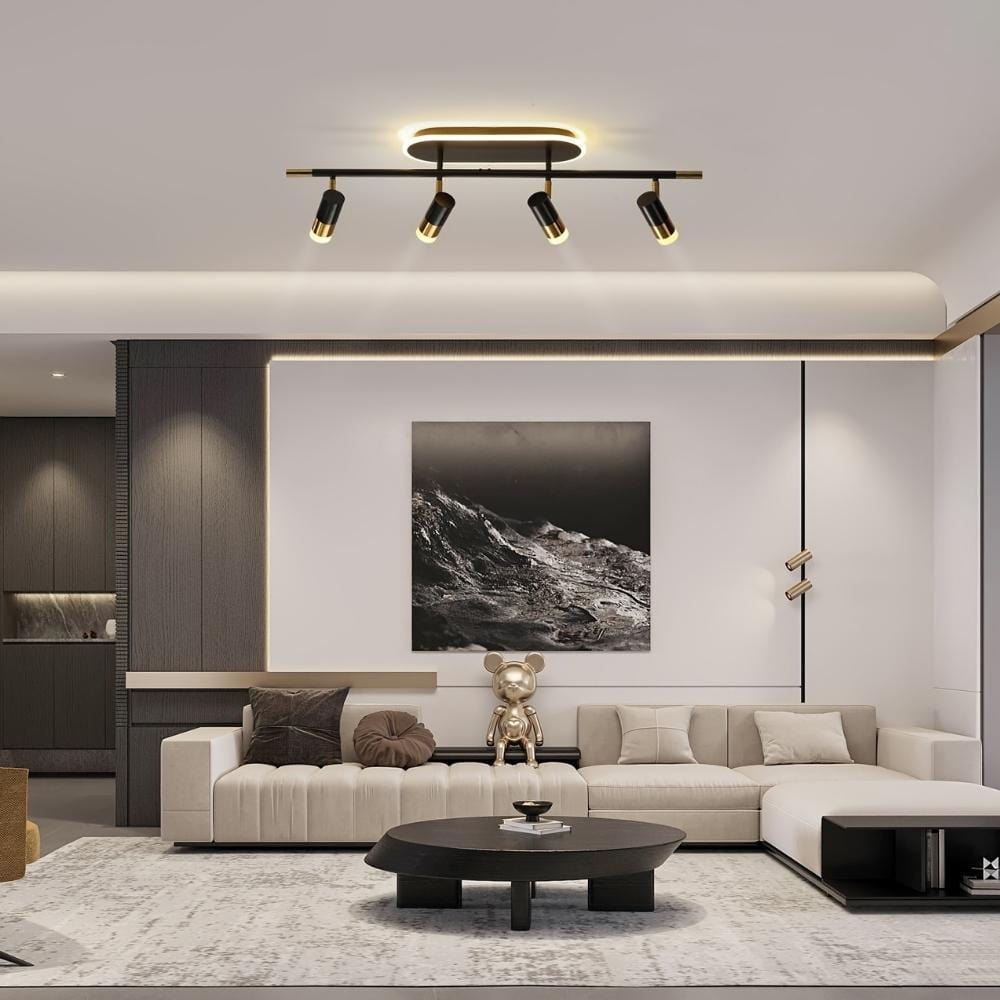
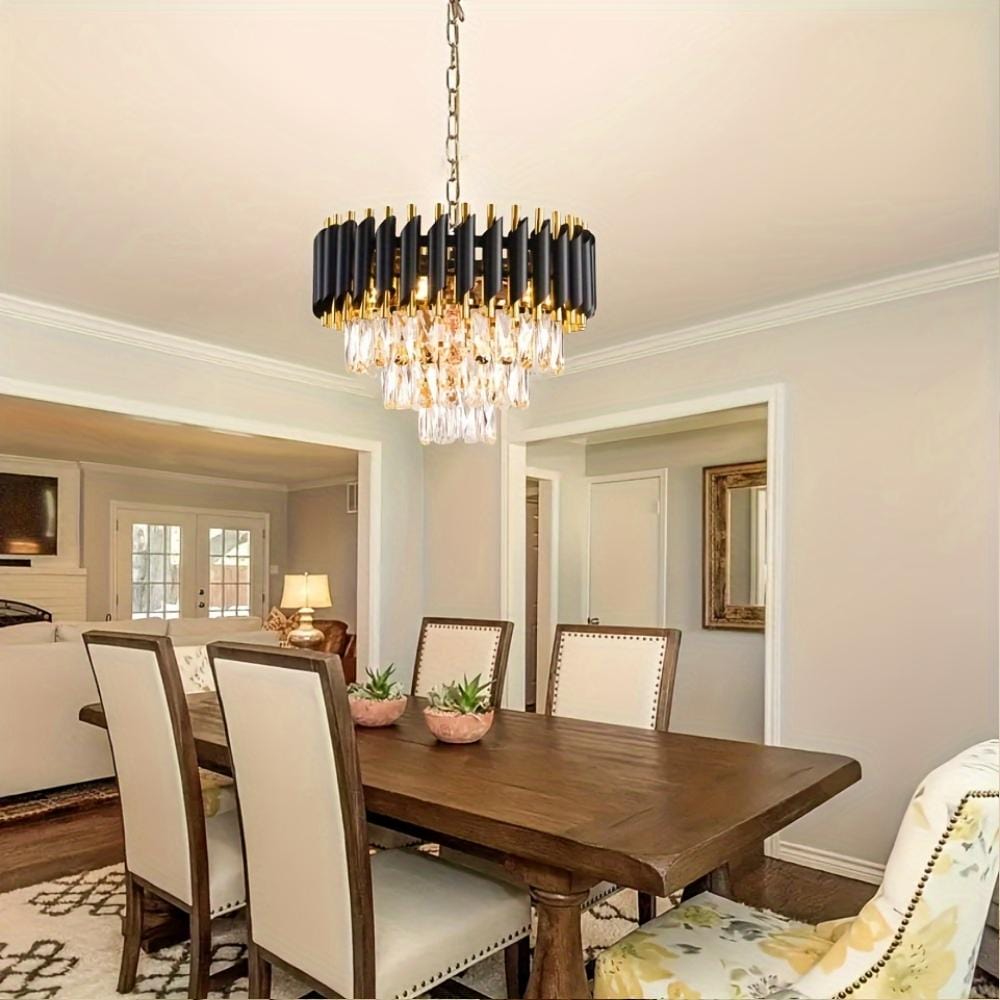
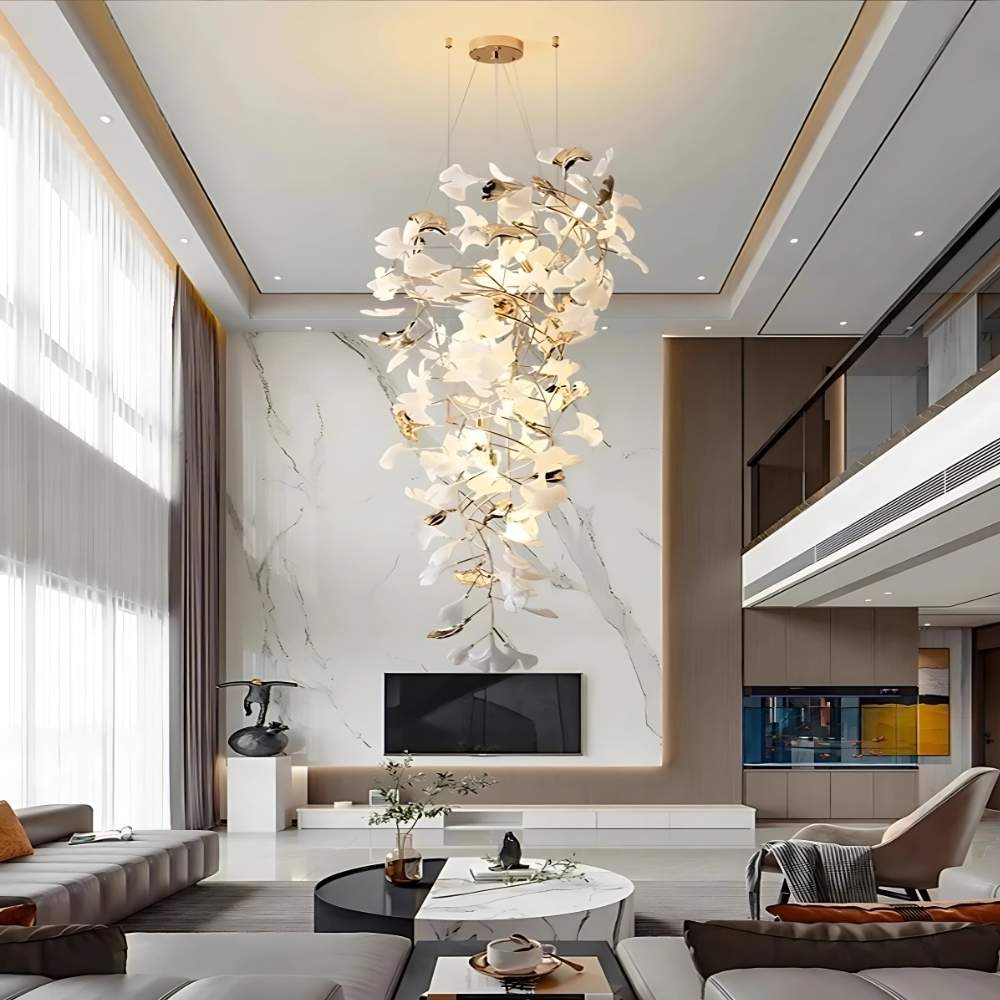
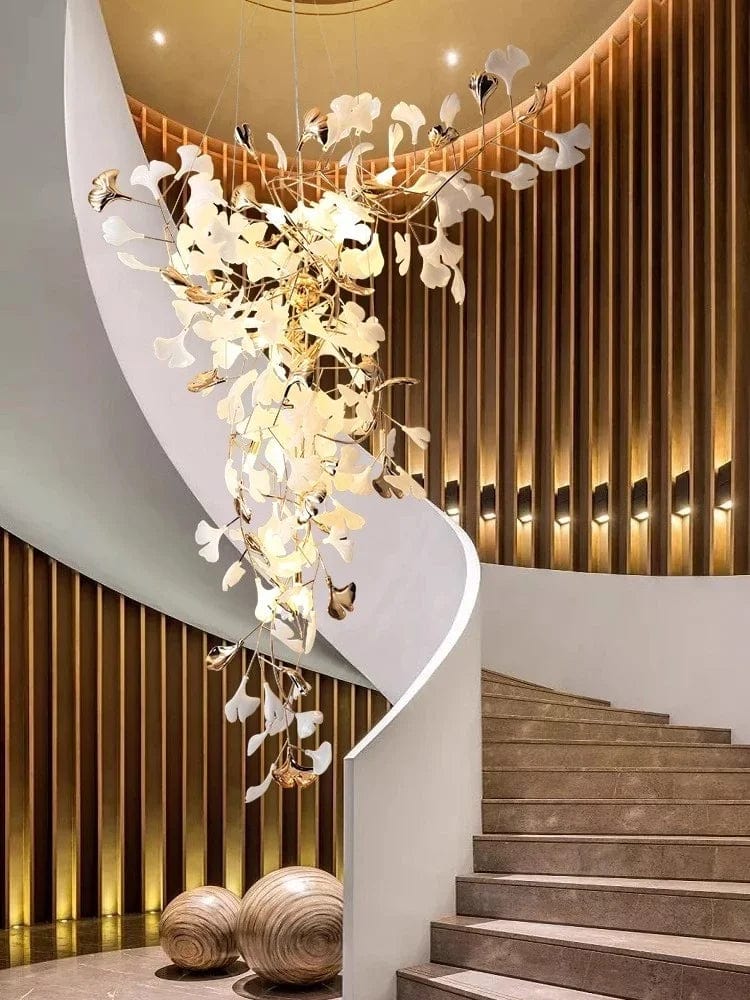
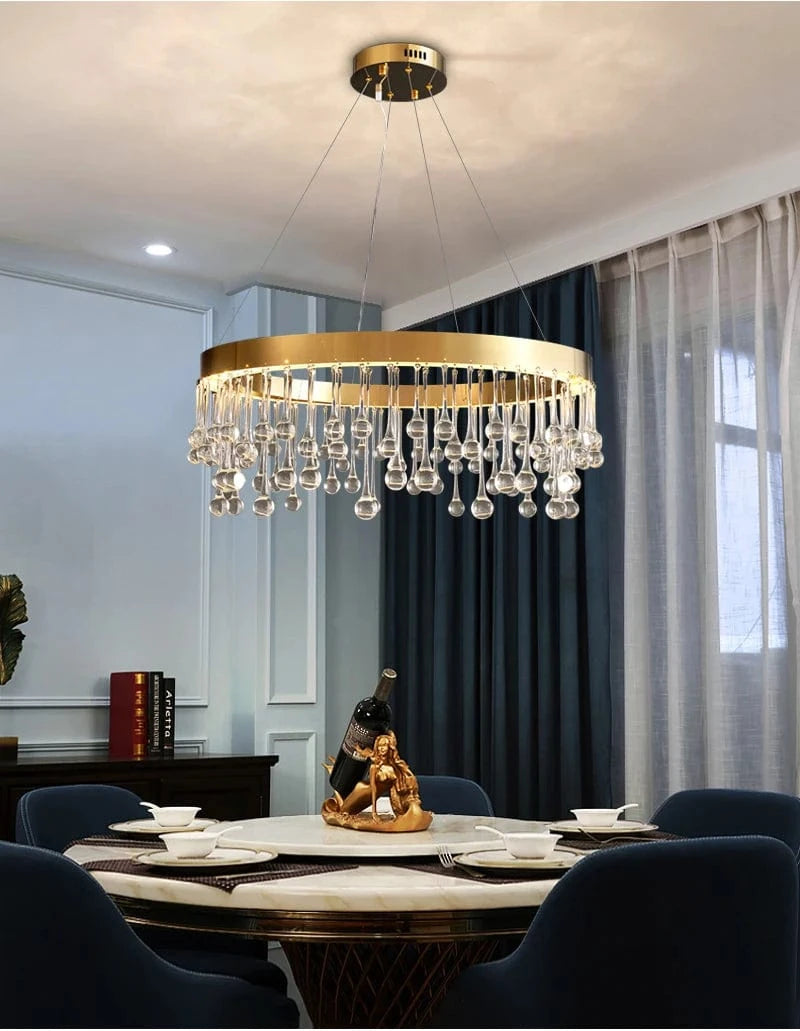
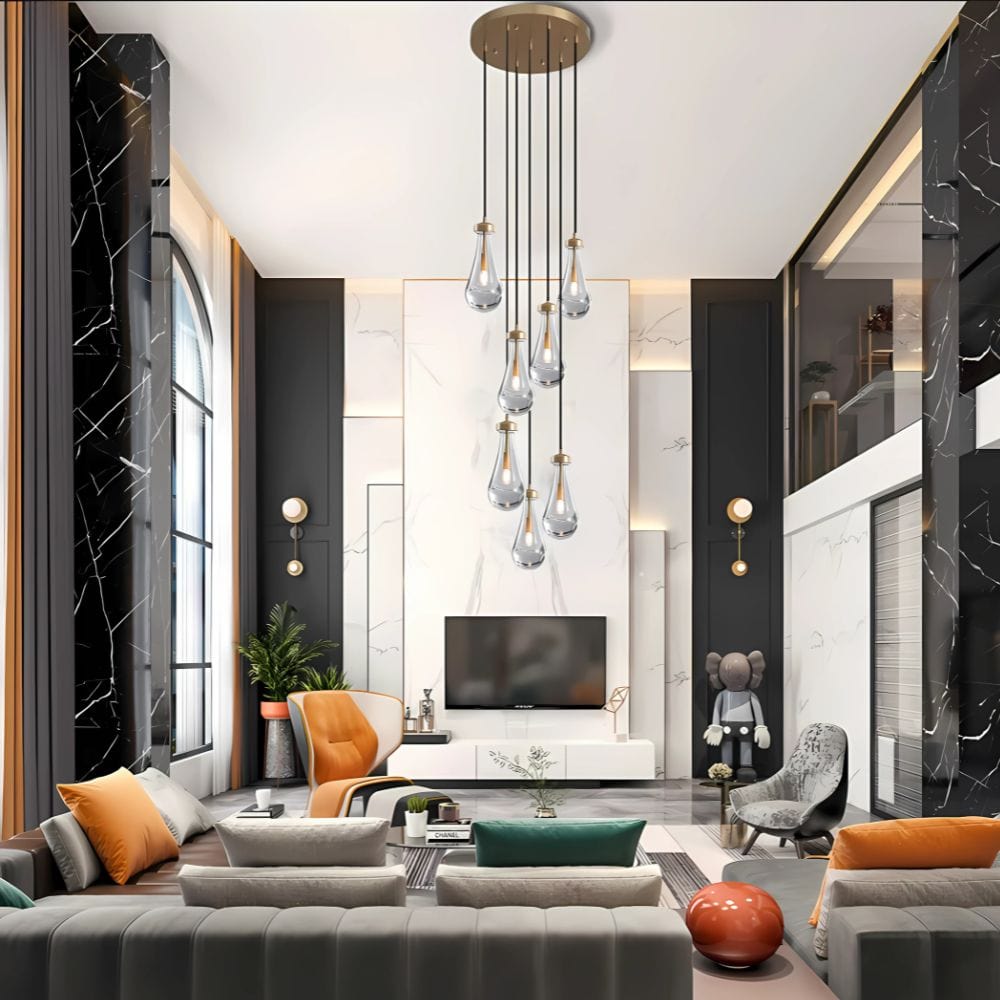
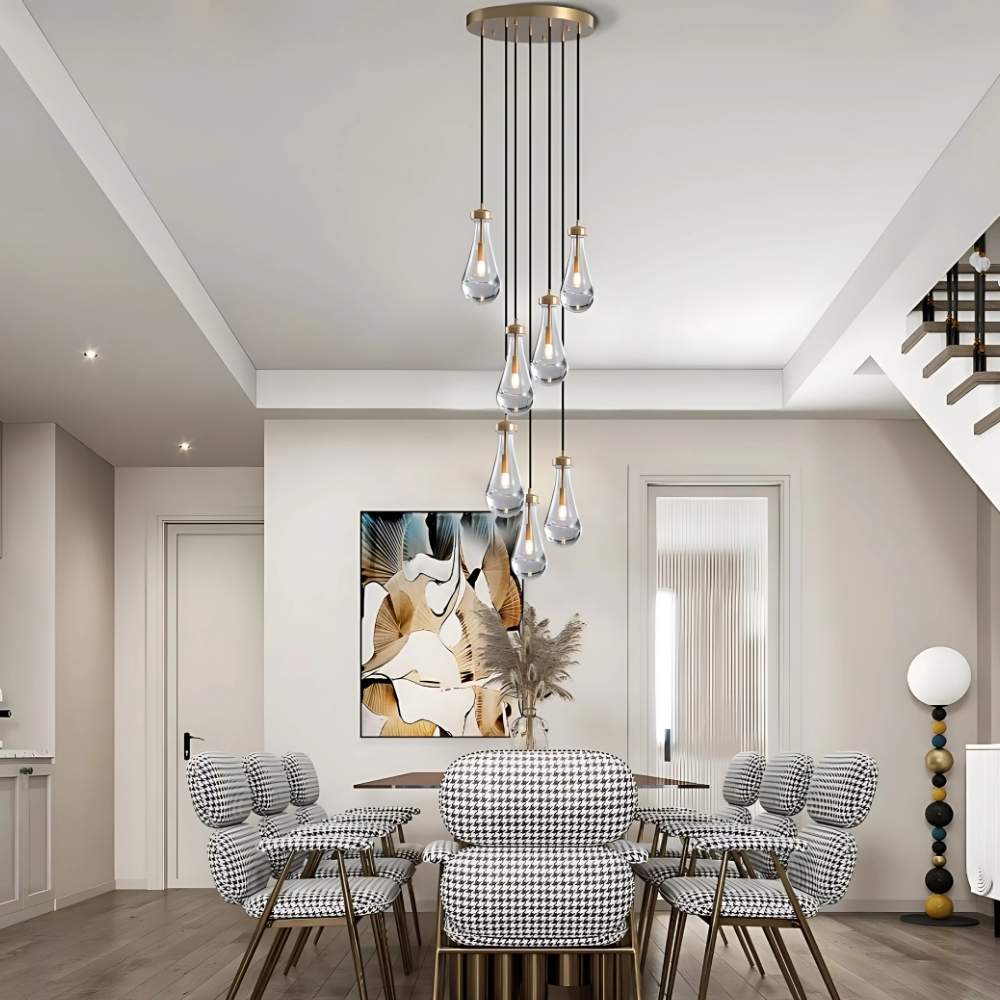
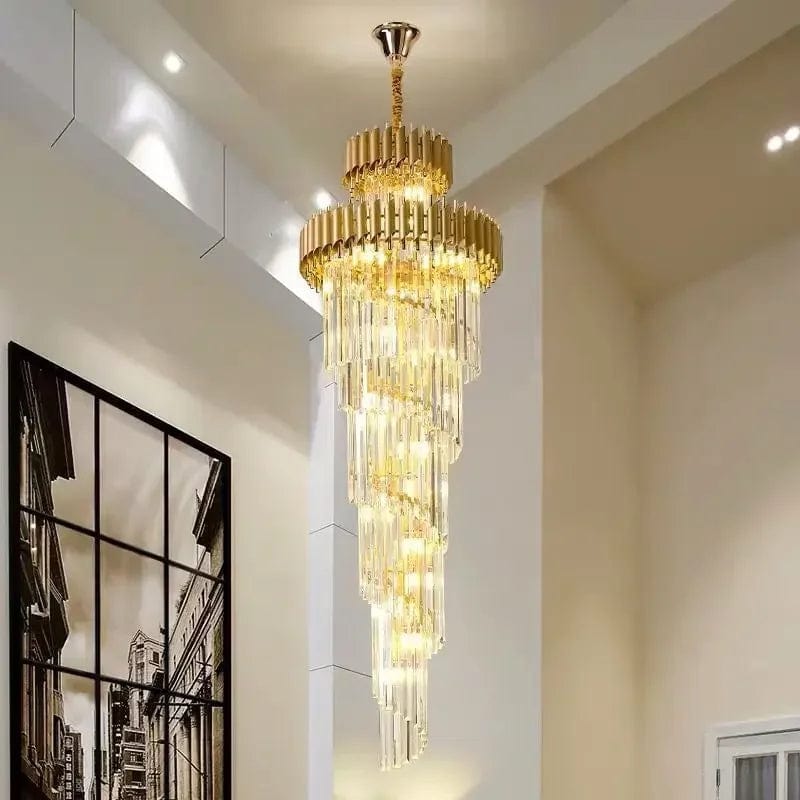
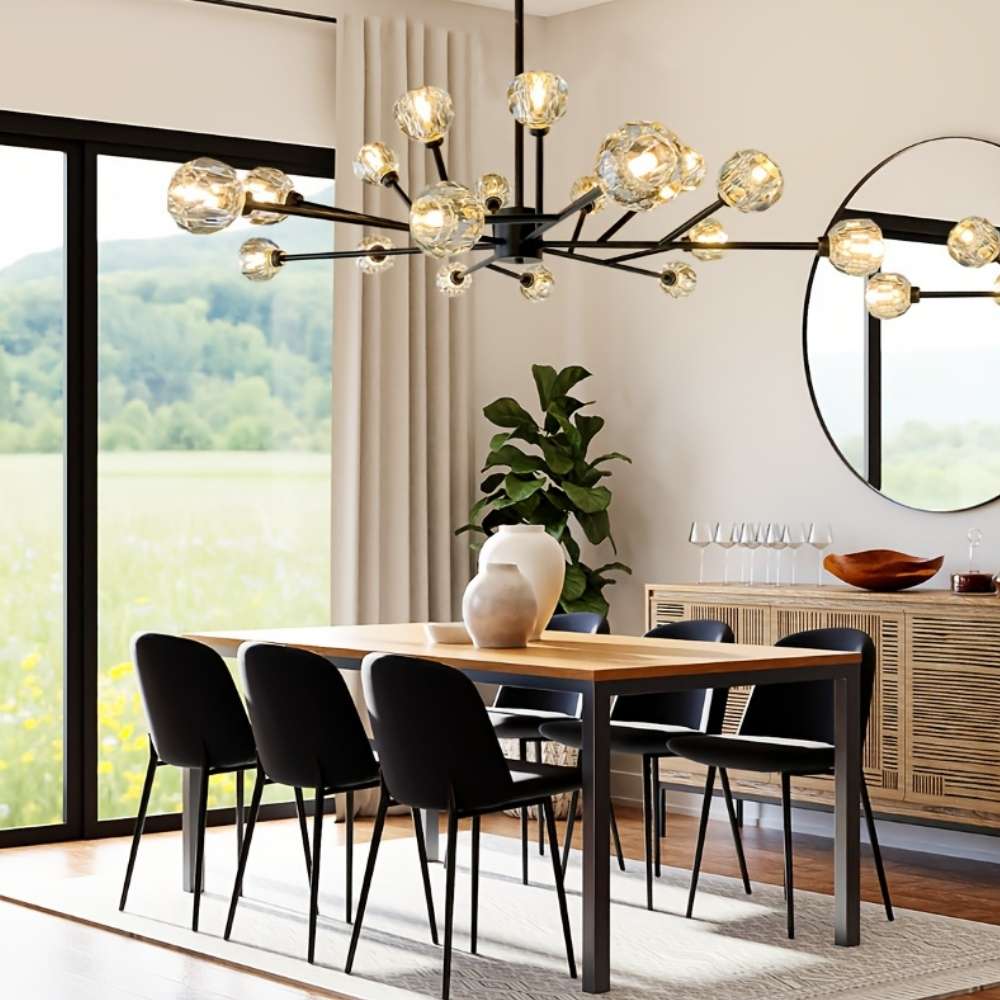
The right modern chandelier is not only about style. It also depends on where the fixture will hang and how the room is arranged. In a dining room, the chandelier often needs to feel centered over the table and proportionate to the furniture below. In a living room, the fixture usually works best when it visually relates to the seating area rather than trying to fill the entire ceiling. In entry spaces, a longer drop or stronger vertical form can help the room feel more finished from multiple viewing angles.
If you are shopping room by room, it can also help to compare this category with Dining Room Chandeliers and Living Room Chandeliers. That makes it easier to decide whether your priority is overall modern style or room-specific placement.
Size note: Larger rooms usually need a chandelier with enough width or spread to feel intentional from floor level. Smaller rooms often look better with a more compact silhouette and lighter visual structure, especially when ceiling height is limited.
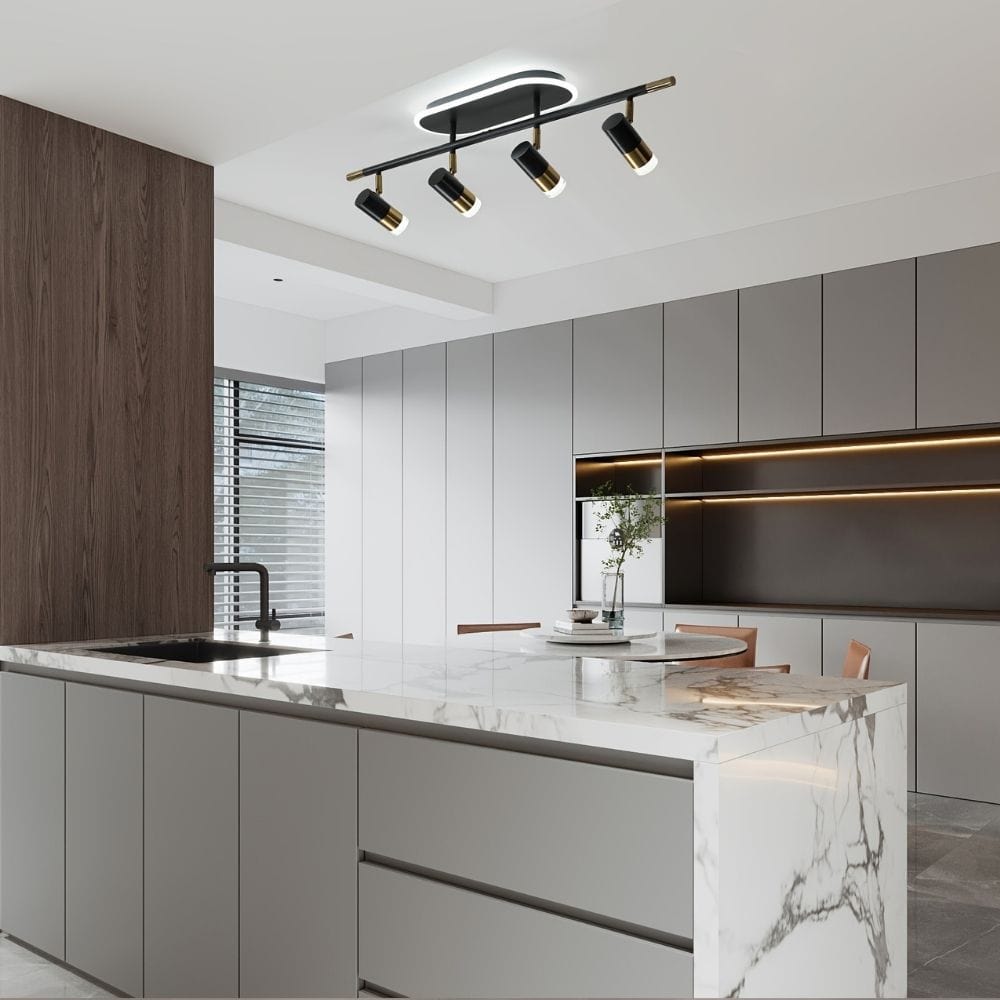
Open-plan note: In homes where the kitchen, dining area, and living room connect visually, many shoppers prefer modern chandeliers because they can add presence without making one zone feel too heavy compared with the others.
Shape, Finish, and How They Change the Room
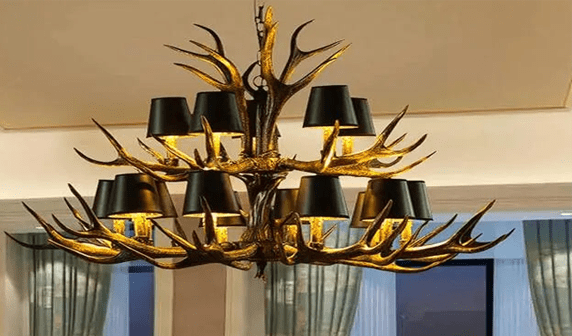
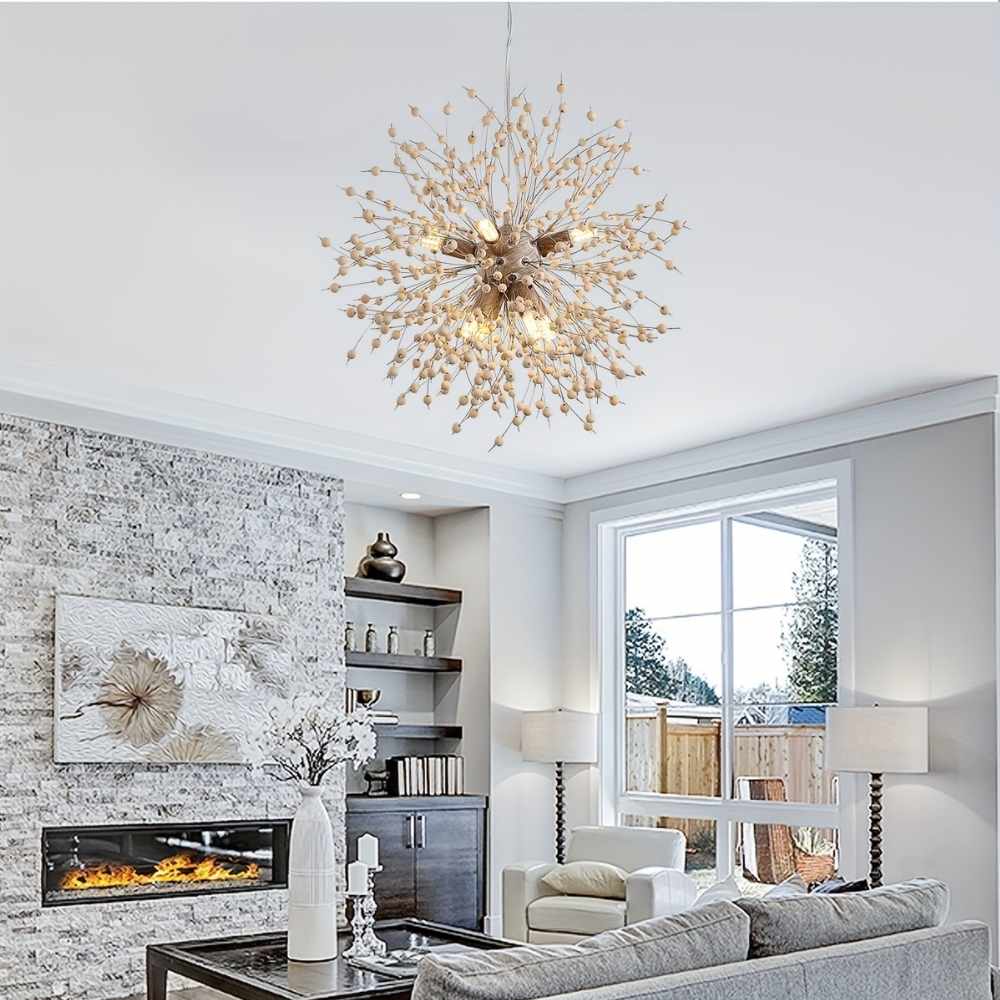
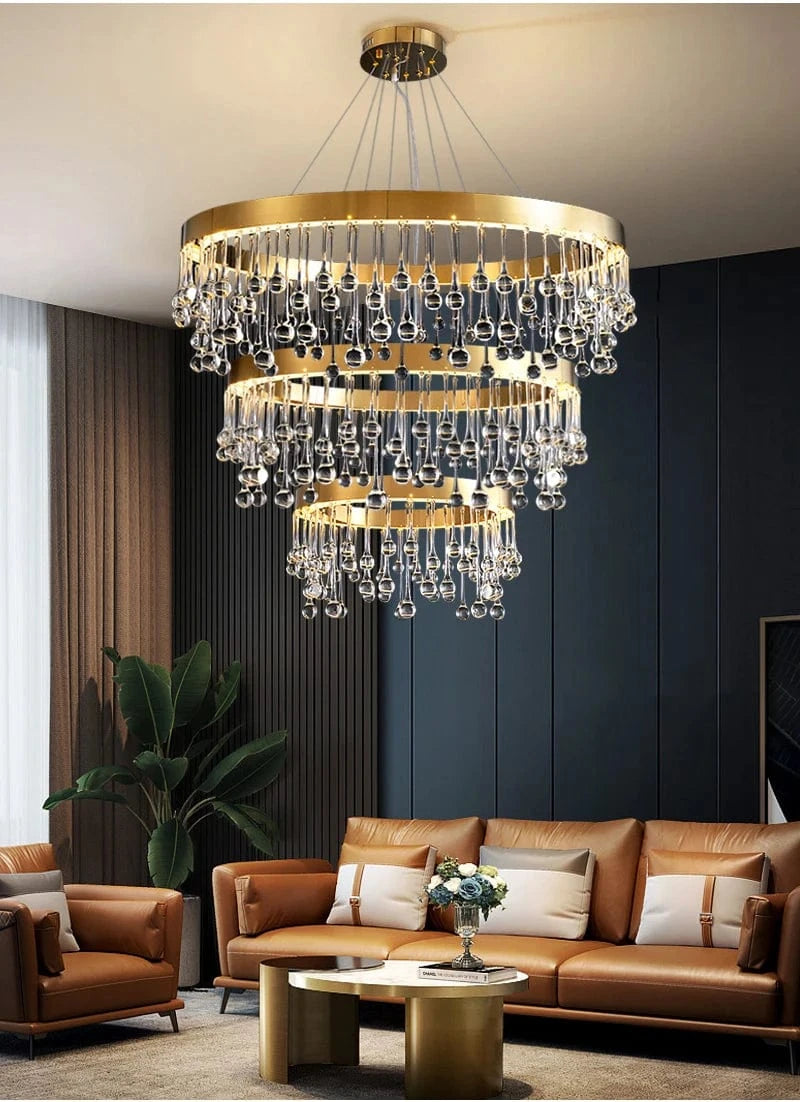
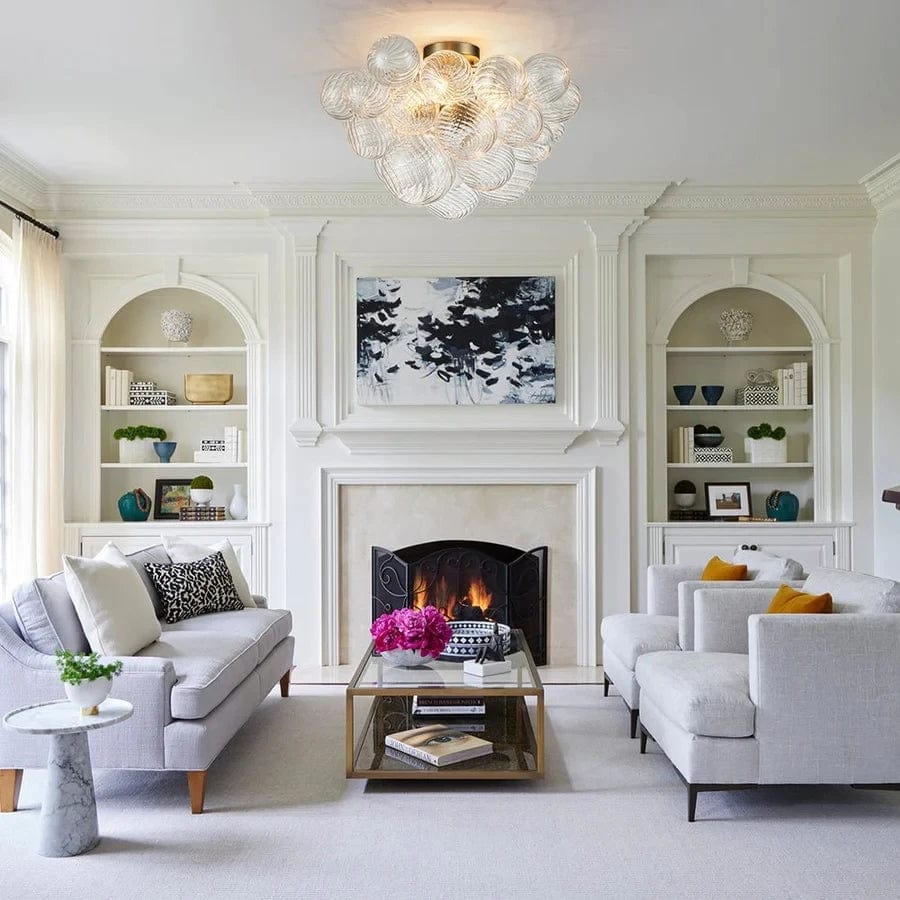
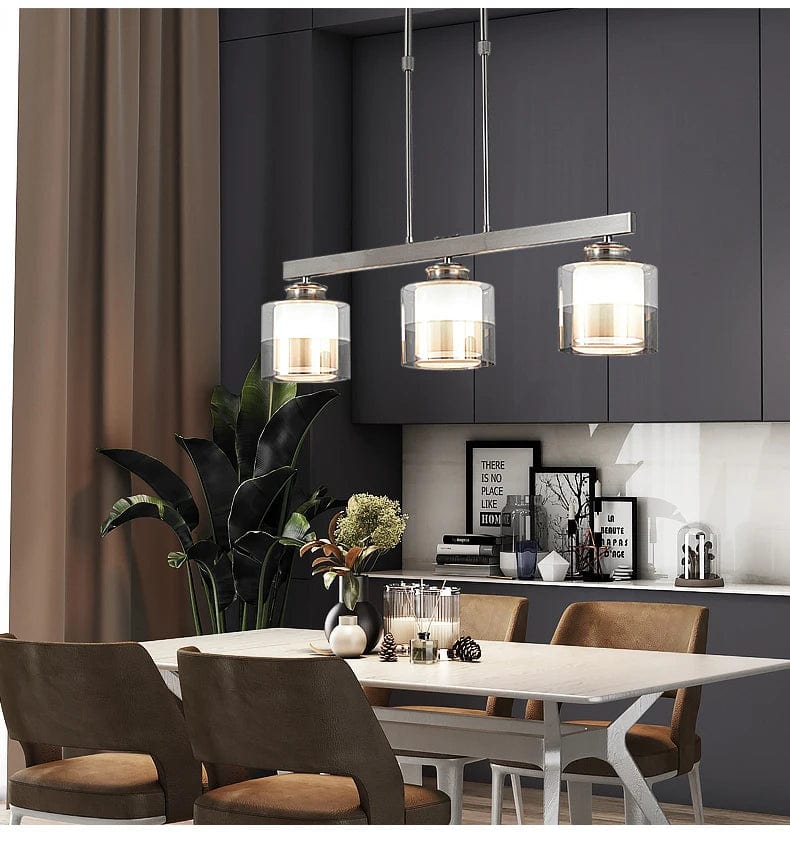
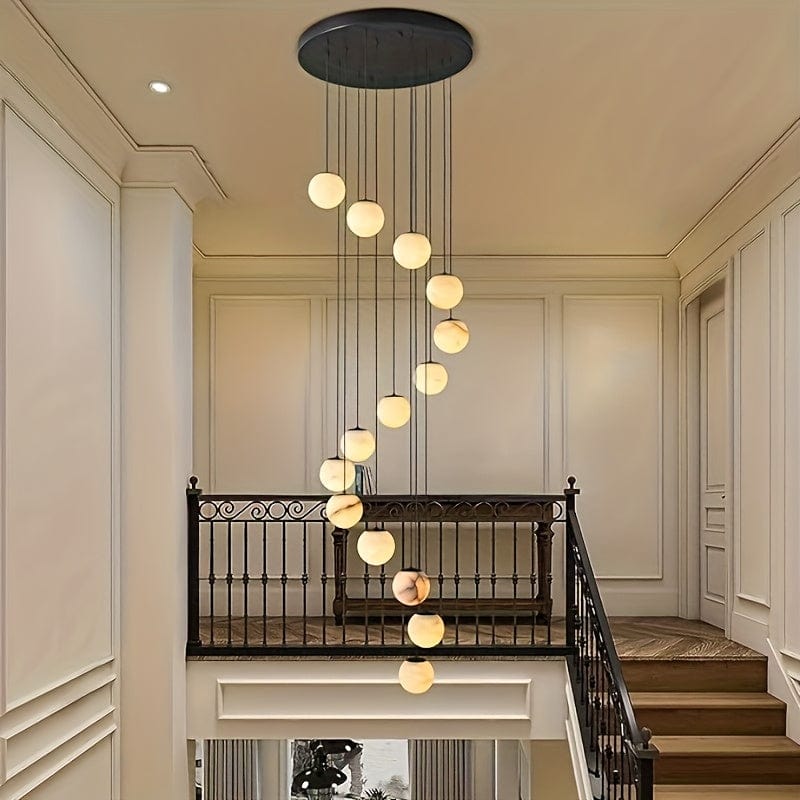
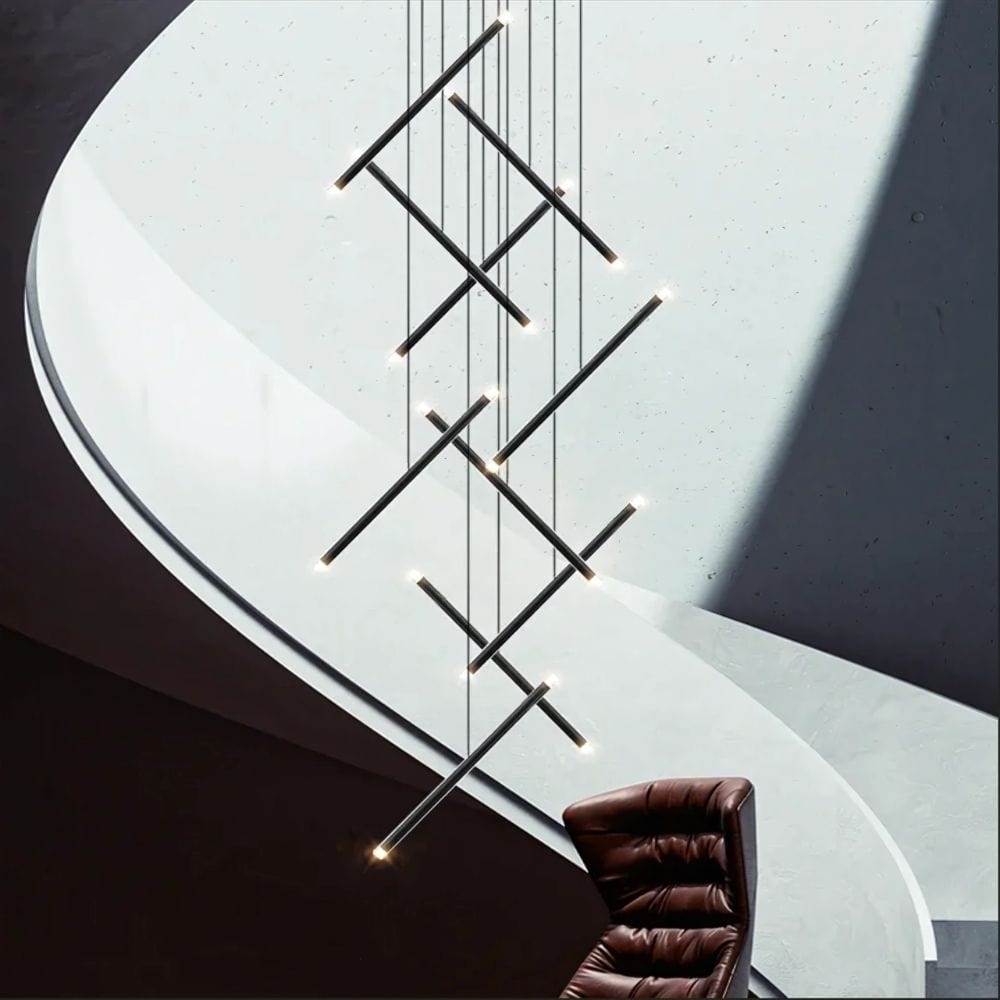
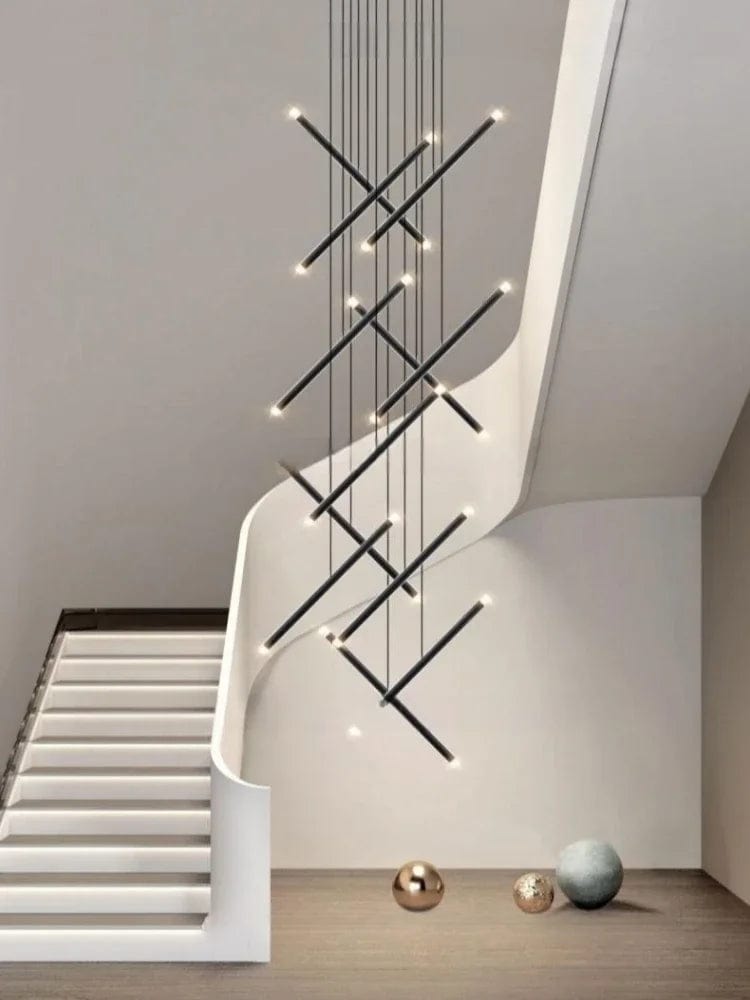
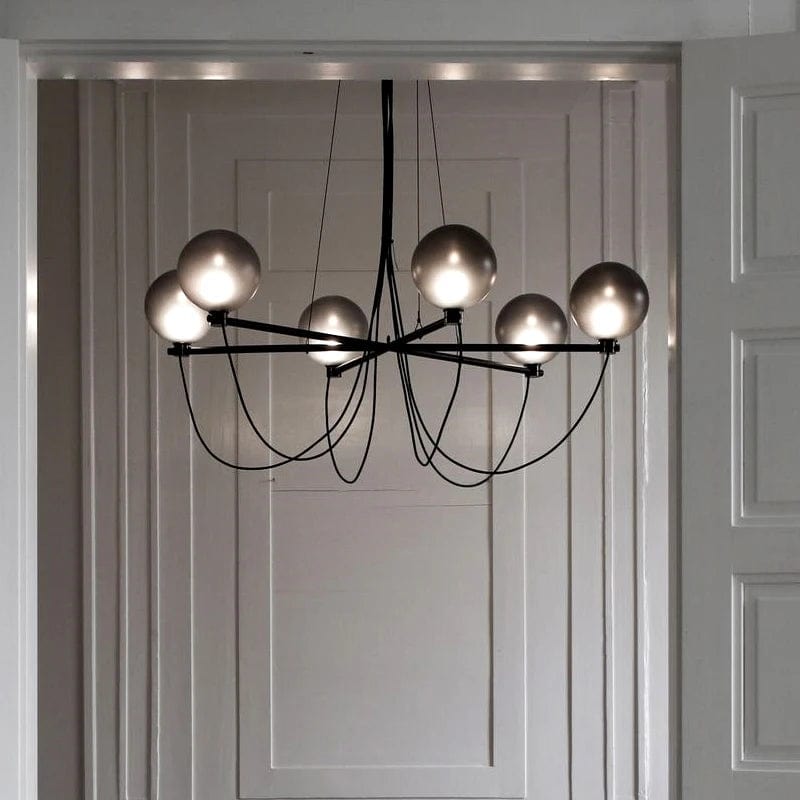
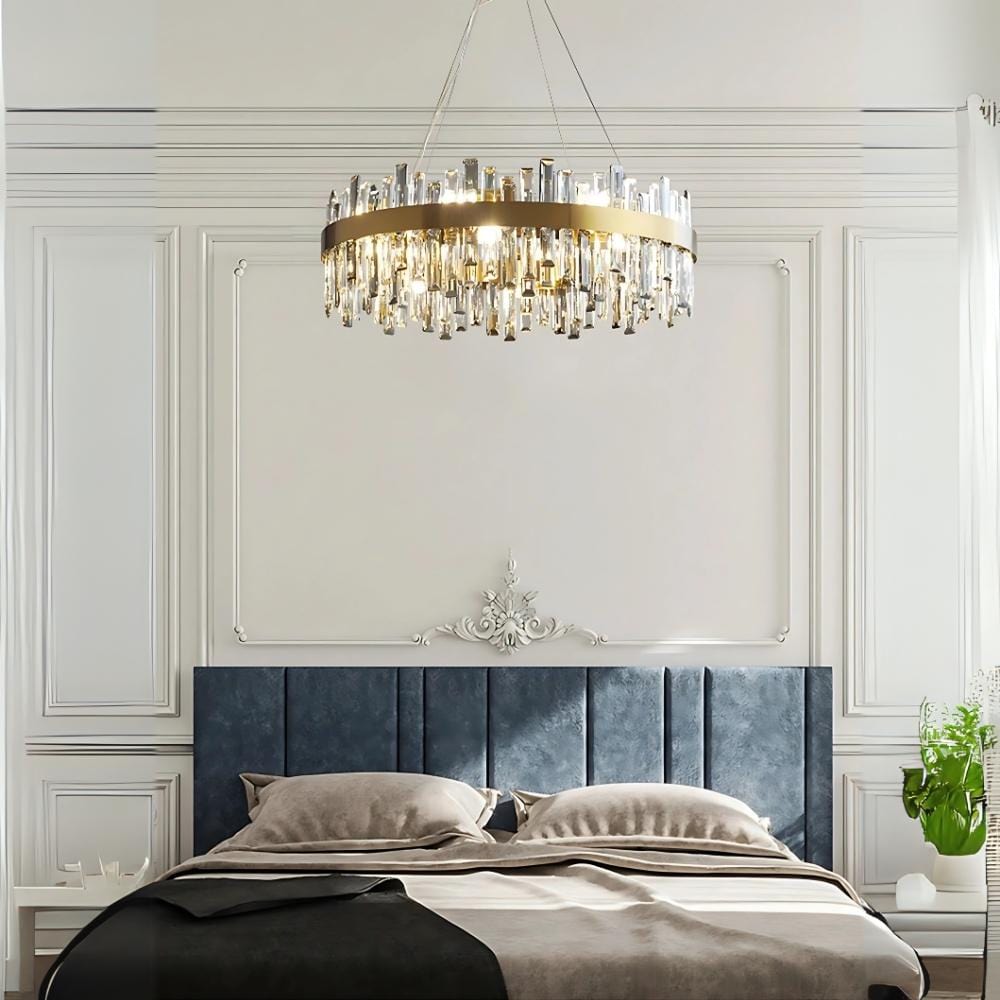
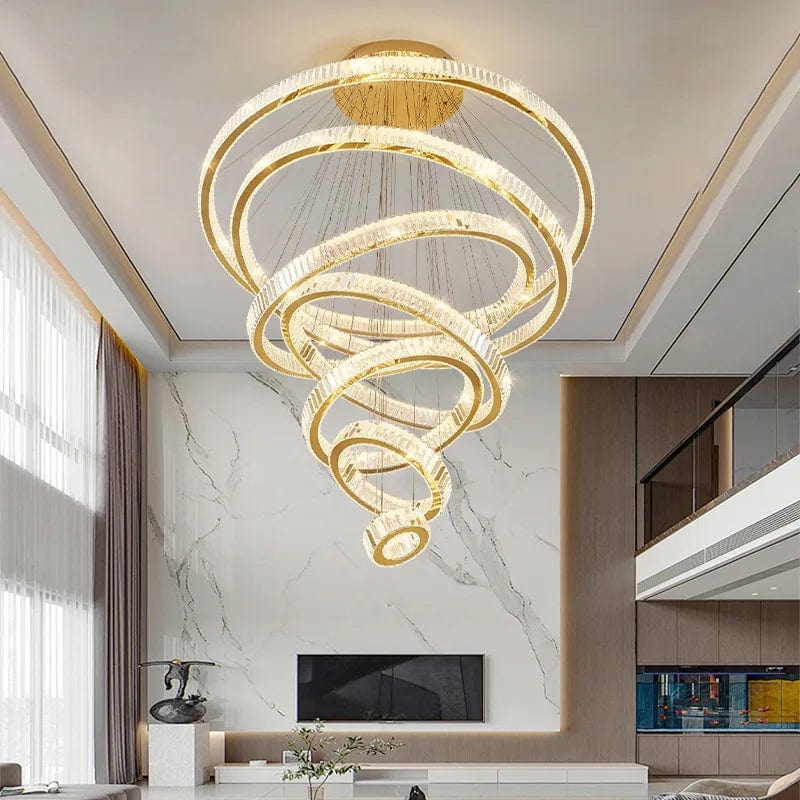
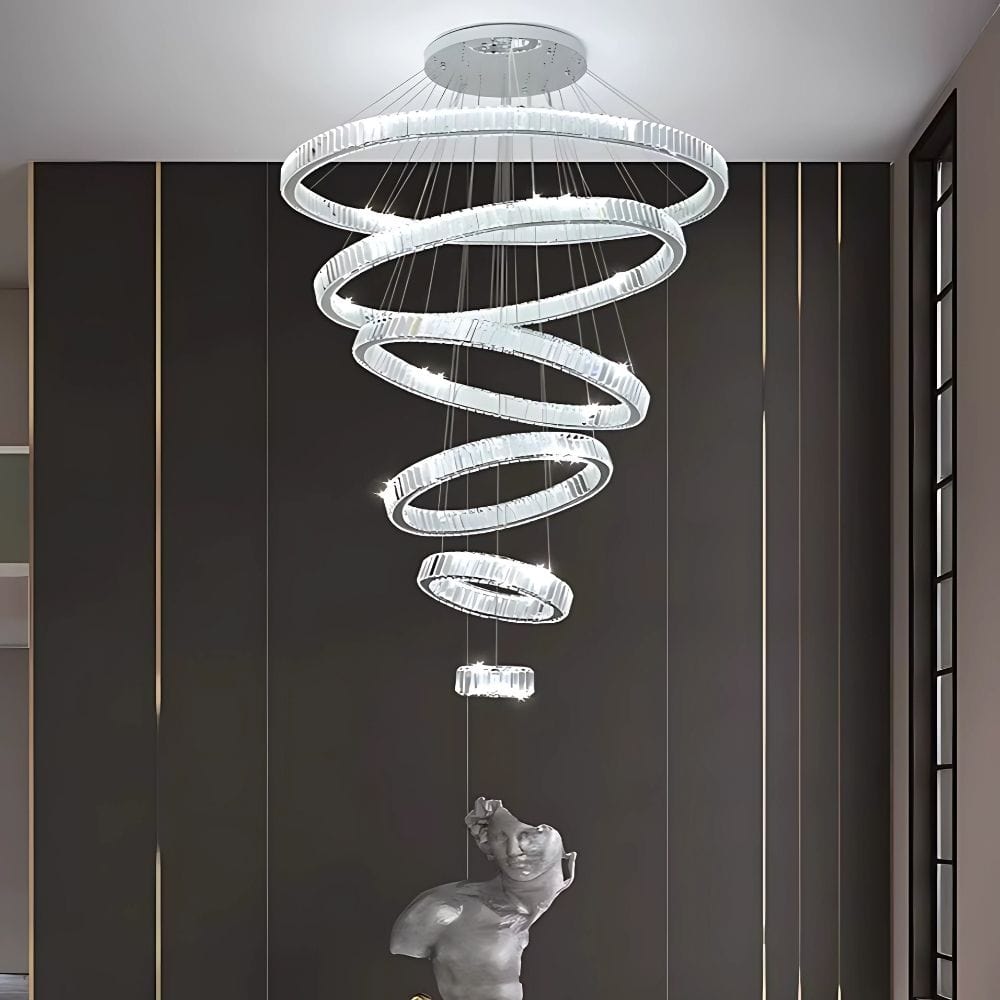
Modern chandeliers are not all doing the same job visually. A linear form often works well over long dining tables or spaces with a more directional layout. Round, ring, or clustered silhouettes can feel softer and more centered, which is often useful in living rooms, breakfast areas, or open foyers. Branching or sculptural designs create more movement and can act as the room’s main statement piece.
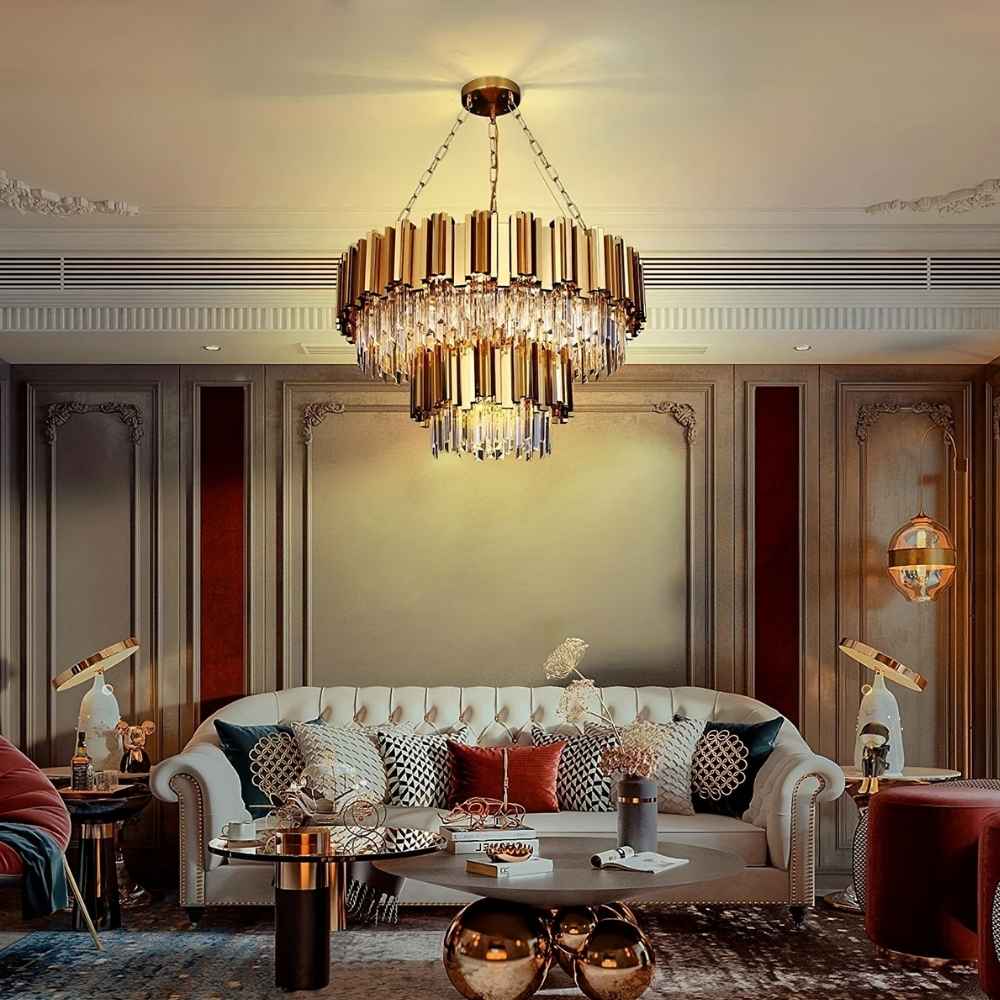
Finish matters just as much as shape. Black modern chandeliers often read sharper and more architectural, which is why many shoppers also compare Black Chandeliers when they want stronger contrast. Warmer metal tones can make the fixture feel more inviting and easier to pair with wood floors, warmer paint palettes, or mixed finishes. Glass elements often lighten the overall look, which helps in rooms where you want statement lighting without blocking sightlines.
Quick comparison:
- Linear forms - often better for rectangular tables and longer surfaces
- Round or ring styles - often better when you want a centered overhead look
- Glass-heavy fixtures - useful when you want visual presence with a lighter feel
- Darker metal frames - useful when the room needs more contrast or structure
Modern vs. Contemporary: Which Direction Fits Better?
Some shoppers use “modern” and “contemporary” interchangeably, but they do not always create the same effect in a room. Modern chandeliers usually stay more disciplined in line, shape, and detailing. Contemporary styles may move a little broader, sometimes using bolder forms, trend-led silhouettes, or a more expressive mix of materials. If you want something close to this category but slightly wider in design language, it is worth browsing Contemporary Chandeliers as well.
For a more complete room plan, many shoppers also connect this category with broader pages like Kitchen Lighting or Living Room Lighting, especially when the chandelier is only one part of the overall lighting setup.
How to Use This Collection Well
Use this page when your main goal is an updated ceiling fixture with cleaner detailing, stronger proportion, and a style that works naturally in present-day interiors. As you compare options, focus on more than appearance alone. Think about the room shape, furniture placement, ceiling height, and how bold or quiet you want the fixture to feel once installed. The best modern chandelier is usually the one that looks intentional from every angle and feels balanced with the room rather than oversized, undersized, or visually disconnected from the rest of the space.