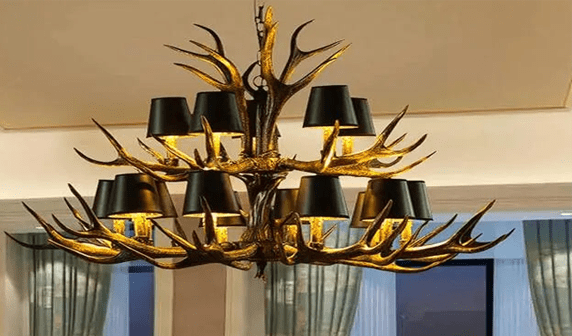
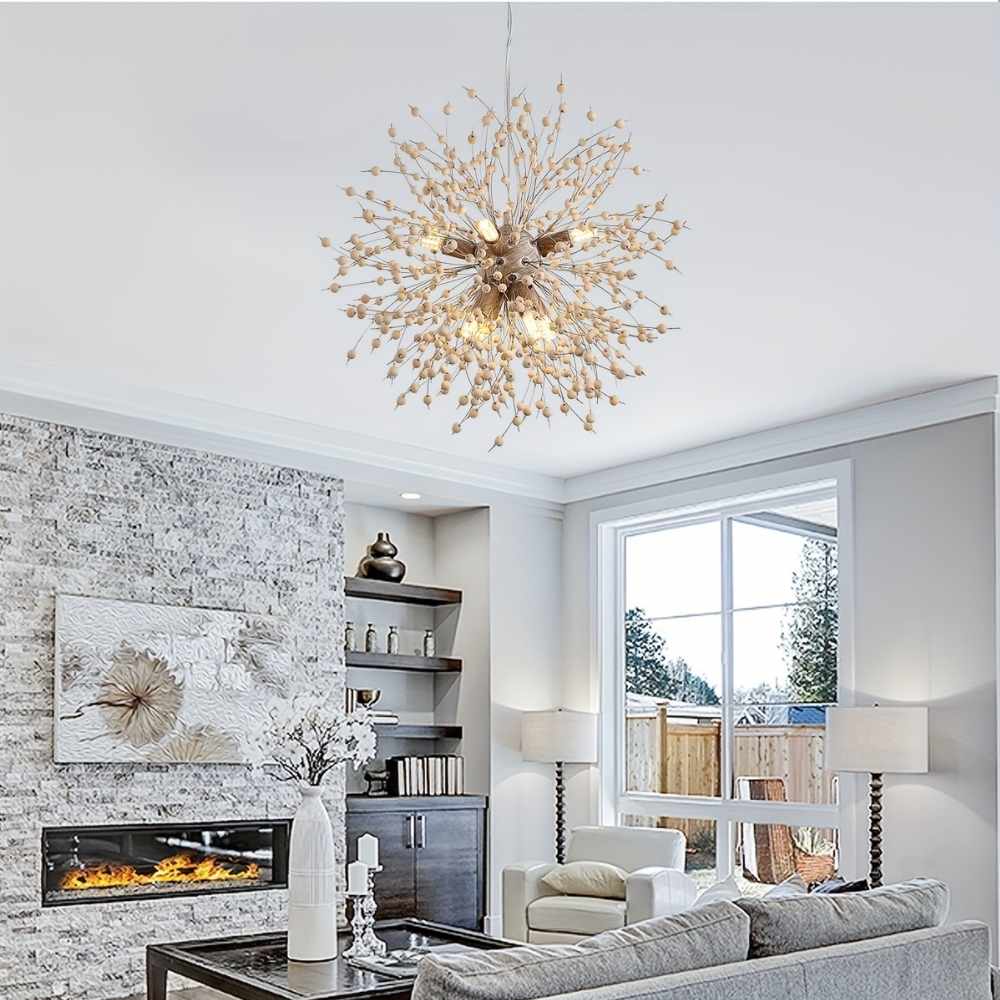
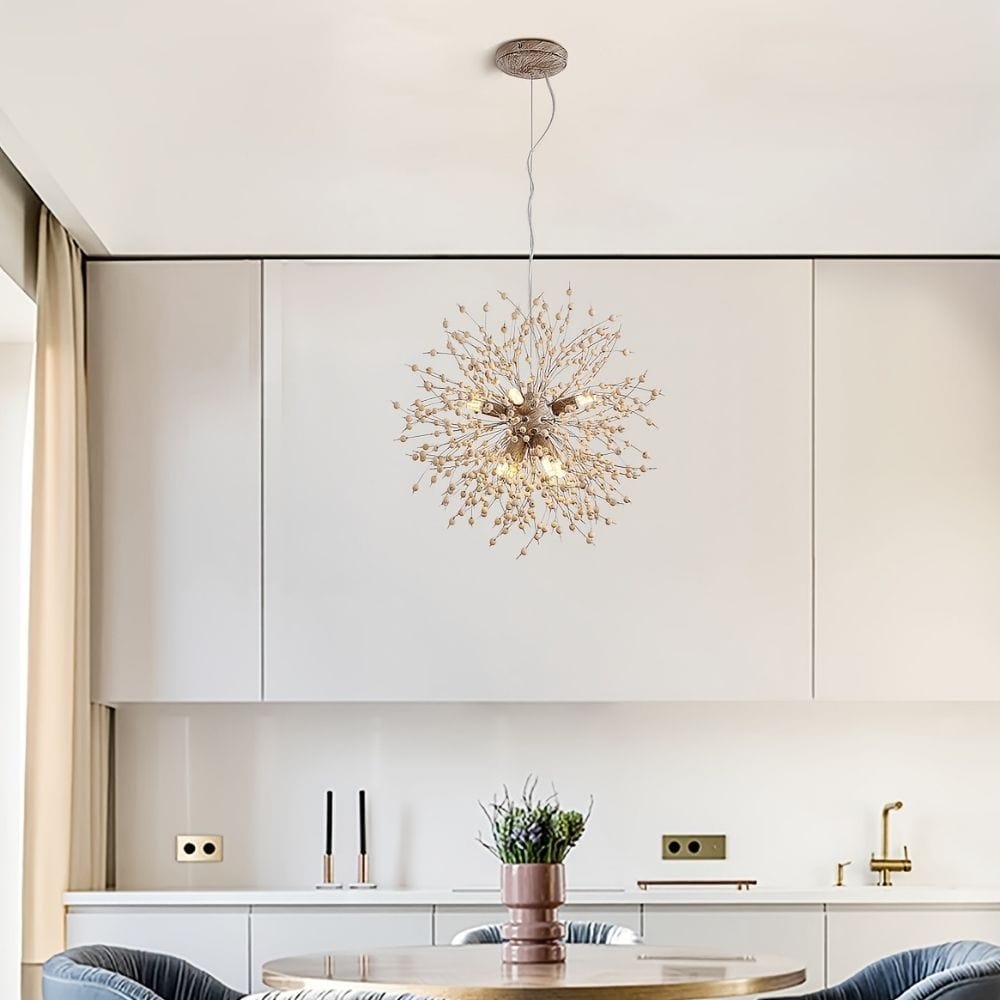
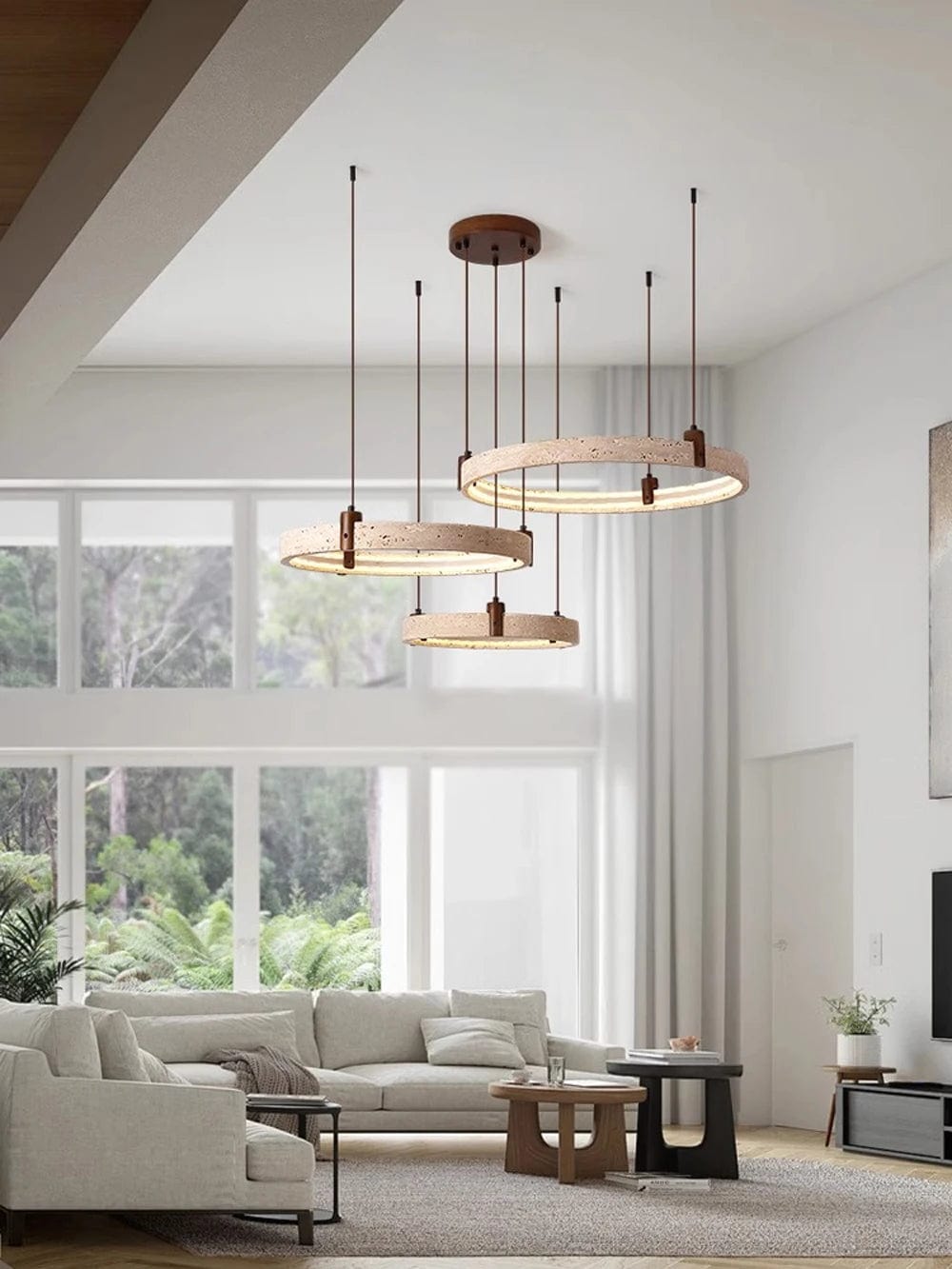

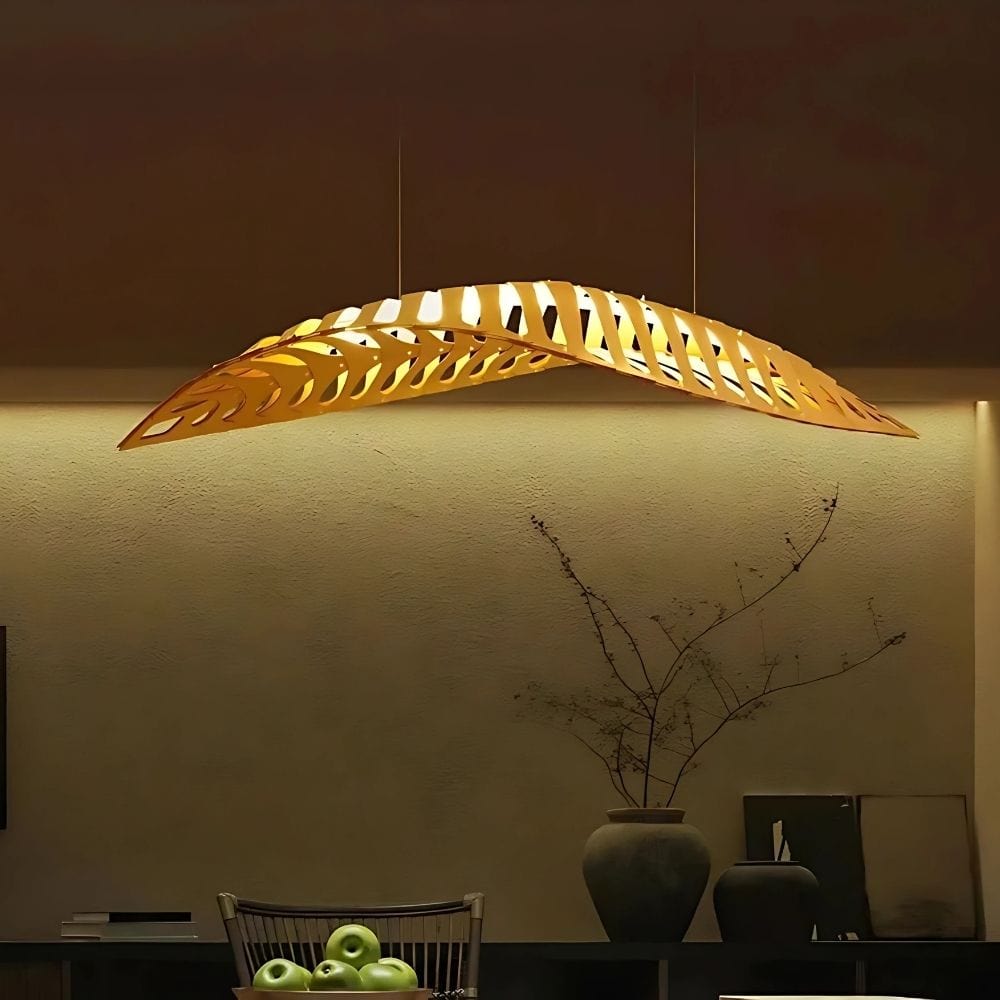
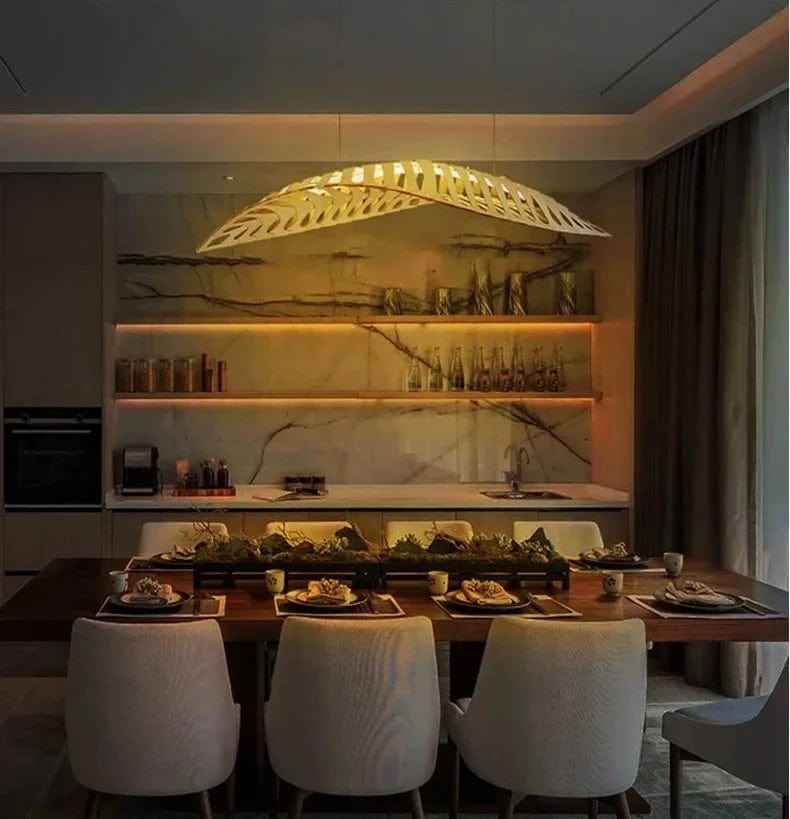
Wood Chandeliers for Natural Warmth, Organic Texture, and a Softer Ceiling Statement
Wood chandeliers are a strong choice for shoppers who want a ceiling fixture that feels warmer, more natural, and more connected to the materials used throughout the room. This category is built around chandeliers where wood plays a clear visual role, whether through solid wood structure, wood-look framing, woven natural elements, or mixed-material forms that combine wood with metal, stone, or glass. If you want to compare the broader collection first, you can begin with our full Chandeliers category, then narrow your options here once your priority is a wood-led chandelier look.
One of the biggest strengths of wood chandeliers is balance. They usually bring more warmth and texture than a plain metal fixture, but they can still feel cleaner and easier to place than heavier rustic or highly ornate decorative styles. That makes this category especially useful for dining rooms, kitchens, breakfast areas, living rooms, bedrooms, foyers, and open homes where the chandelier should feel welcoming rather than overly formal.
What Makes a Chandelier a Wood Chandelier?
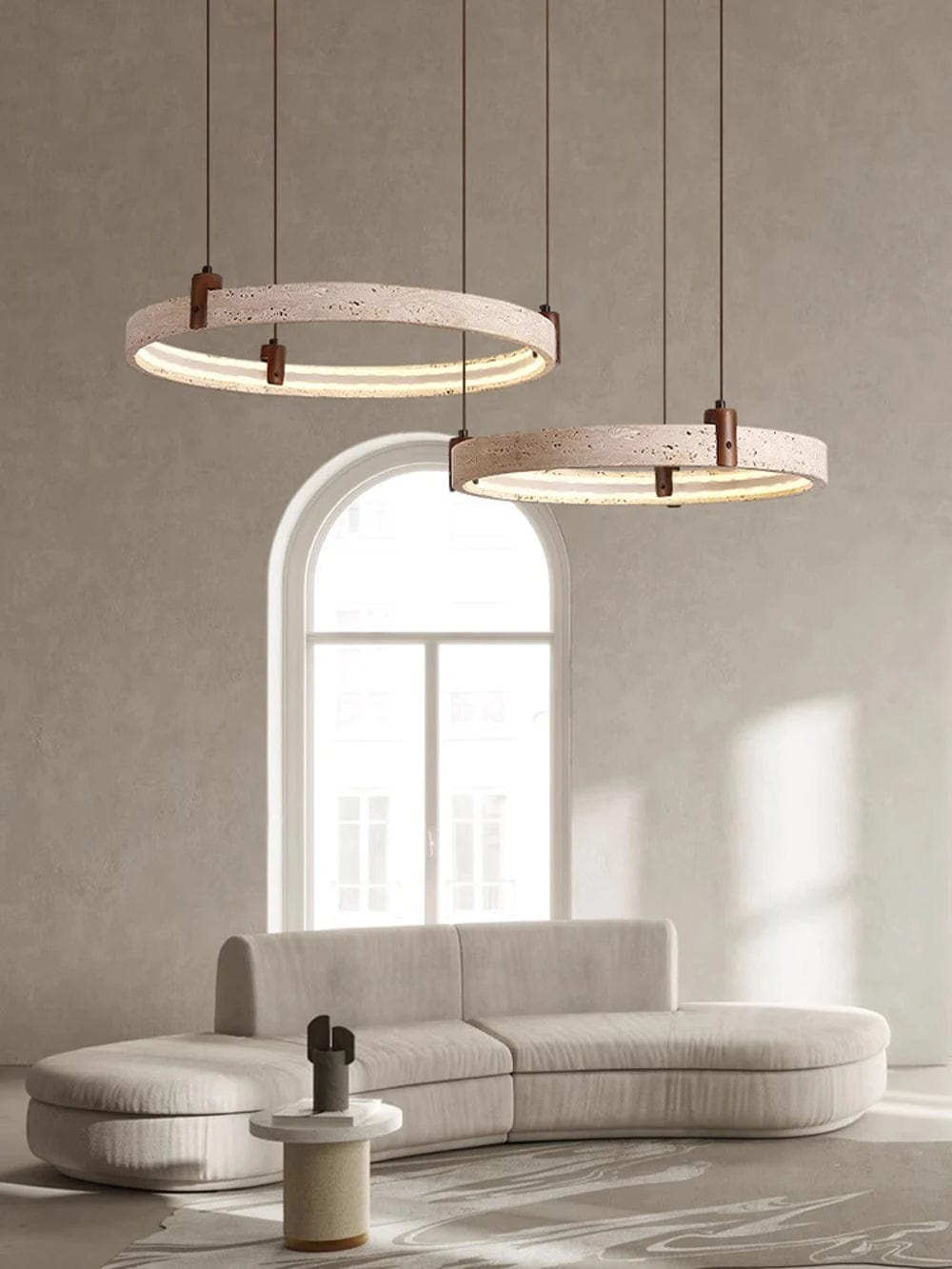
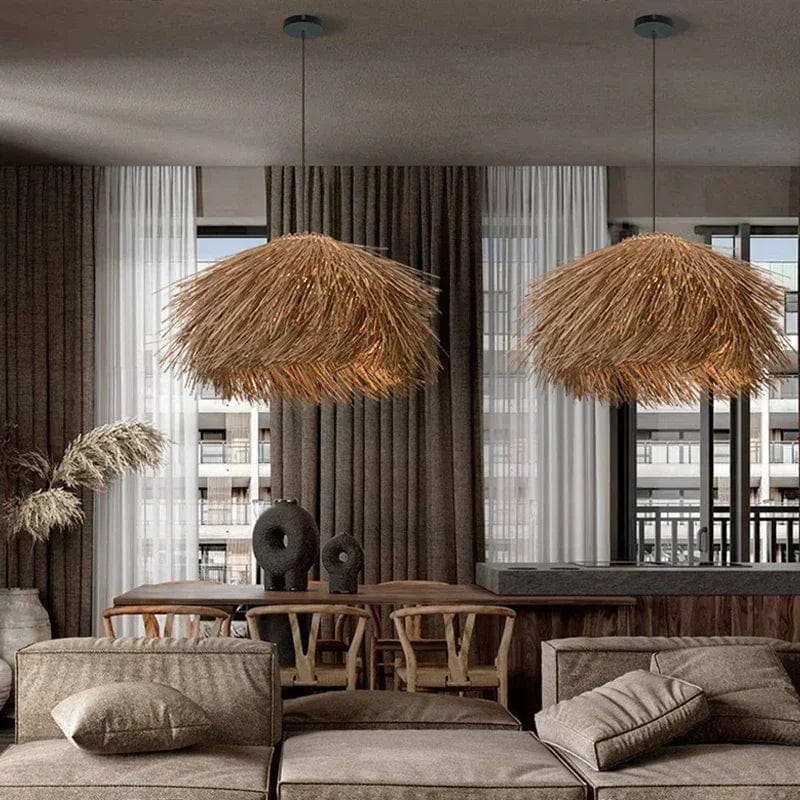
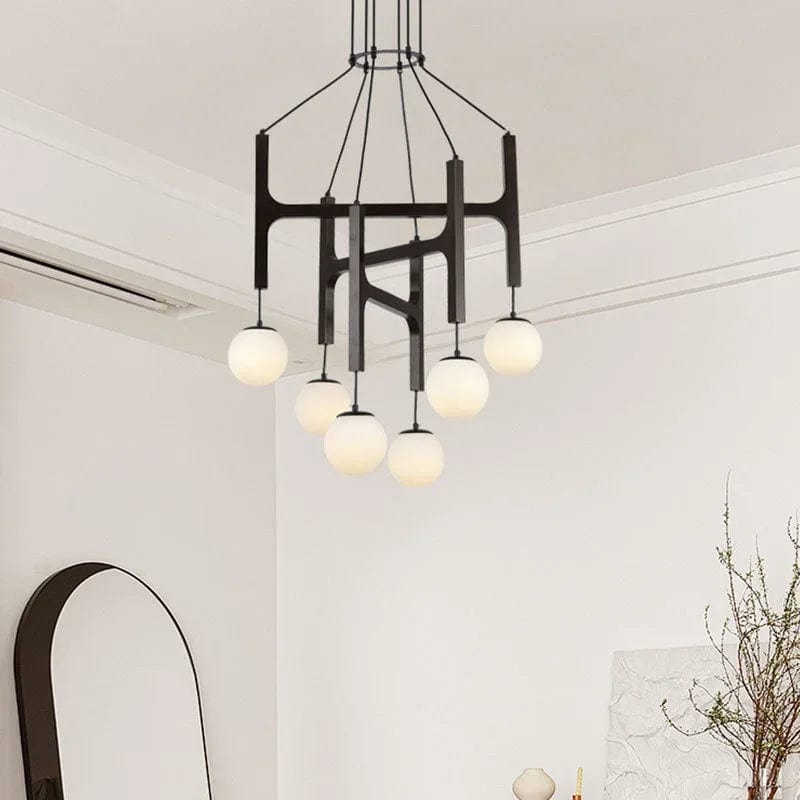
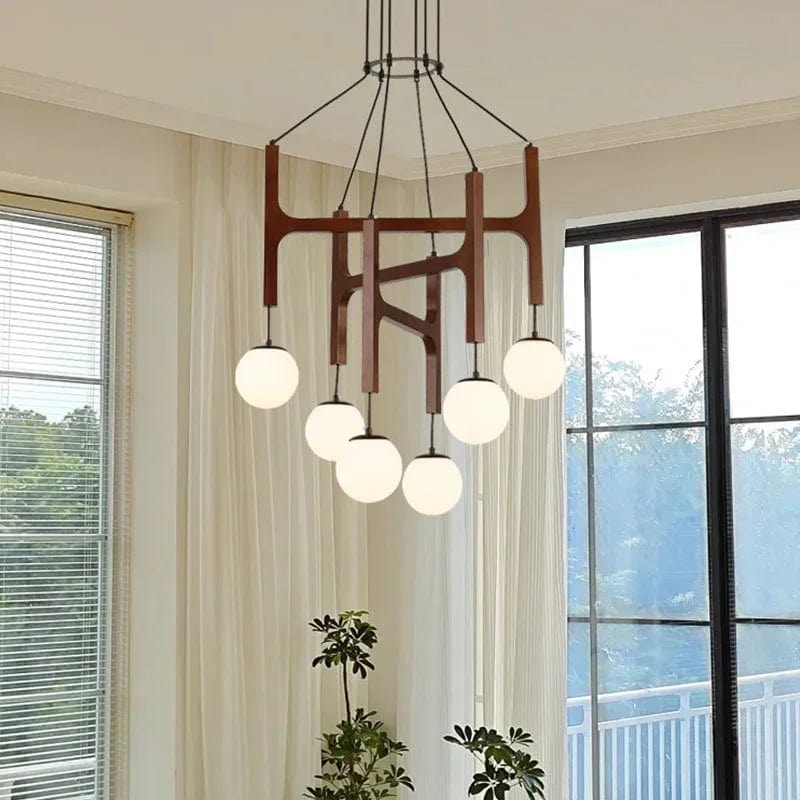
The defining feature is the material character. A wood chandelier uses wood or wood-led design as a central part of the fixture’s identity rather than as a small accent. Some styles use visible grain, stained finishes, or rounded wooden forms to create a softer and more grounded feel. Others mix wood with black metal, rattan, stone, or glass for a more layered look that can move from Scandinavian and modern organic spaces into farmhouse, bohemian, or rustic interiors.
- Common wood-led directions: natural wood finishes, darker stained wood, wood-and-metal frames, rattan or woven details, wood linear forms, and retro or Scandinavian-inspired silhouettes
- Best room types: dining rooms, kitchens, breakfast nooks, living rooms, bedrooms, foyers, and open-plan spaces
- Main visual benefit: more warmth, softer material presence, and a ceiling fixture that feels easier to live with day to day
Tip: Wood chandeliers often work especially well in rooms that already have one or two grounding materials nearby, such as wood furniture, natural flooring, linen textures, woven accents, or darker hardware.
How to Choose the Right Wood Chandelier by Room
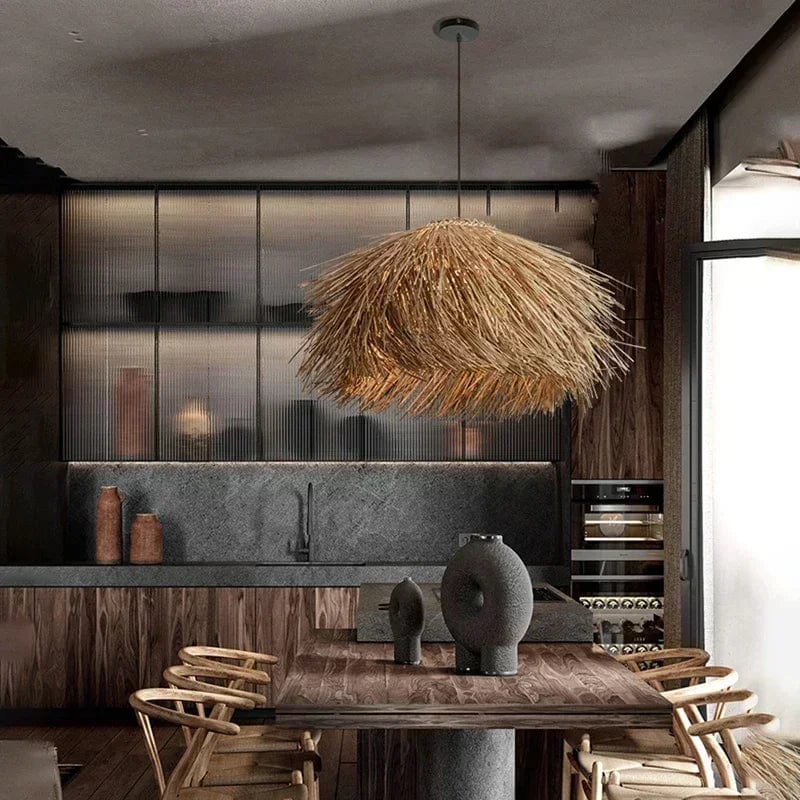
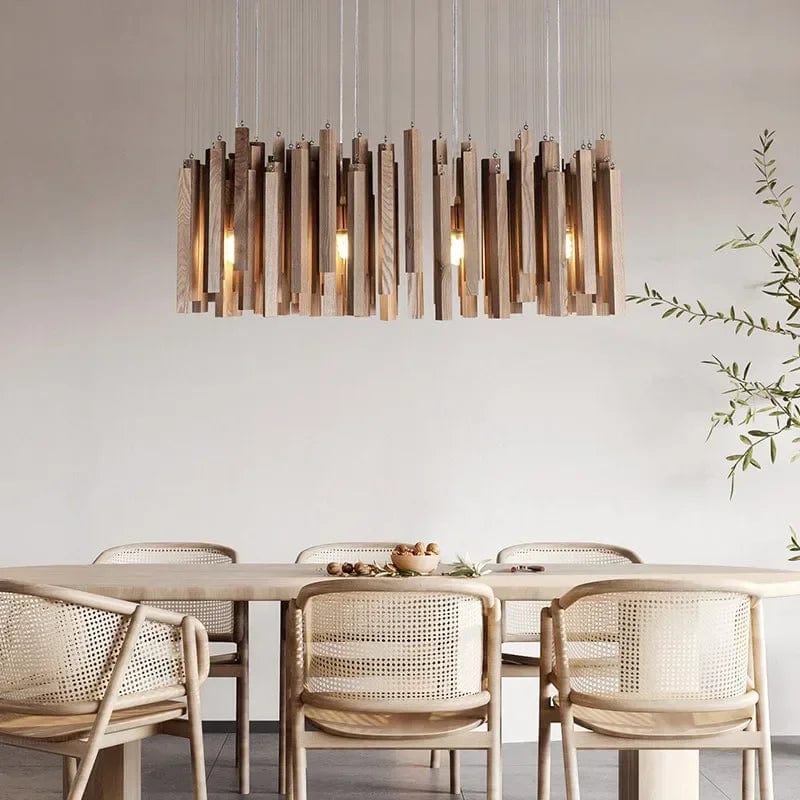
The best wood chandelier usually depends on what part of the home it needs to anchor. Over a dining table, wood chandeliers often create a welcoming focal point that feels relaxed and visually grounded. In kitchens and breakfast areas, wood can soften harder materials such as stone counters, cabinetry, and metal hardware. In living rooms, a wood chandelier often works well when the space needs a little more warmth overhead without becoming too heavy. In bedrooms, wood-led fixtures can make the room feel calmer and less formal than crystal or dense metal designs.
If you are shopping by room first, it may help to compare this page with Dining Room Chandeliers, Kitchen Chandeliers, and Living Room Chandeliers. If your goal is a warmer style family rather than wood as the main material, Farmhouse Chandeliers and Rustic Chandeliers are the most useful adjacent categories.
Quick planning notes:
- Dining spaces: wood chandeliers usually work best when they feel clearly tied to the table rather than floating as a general ceiling light
- Kitchens: linear or open wood forms often feel more natural over islands and breakfast areas
- Smaller rooms: lighter wood tones and more open frames often feel easier to place than dark, dense fixtures
- Open-plan homes: wood chandeliers can help warm the ceiling without making the whole room feel too formal
Measurement note: As a starting point, many chandelier sizing guides use the room-length-plus-room-width formula in feet and convert that total to inches for a rough fixture diameter. For table-centered placements, hanging height and fixture density matter just as much as width, especially when the chandelier has thicker wooden elements or a more grounded frame.
Light Wood, Dark Wood, and Mixed-Material Looks
Not all wood chandeliers create the same atmosphere. Light wood usually feels airier and works especially well in Scandinavian, coastal, or modern organic rooms. Darker stained wood can make the chandelier feel more grounded and slightly more dramatic, especially when paired with black metal. Mixed-material wood chandeliers often bring the most flexibility because they balance natural texture with stronger structure, making them useful in transitional homes that blend warm and cool finishes.
Woven details, rattan-inspired forms, or softer rounded wood silhouettes can also shift the room in a more relaxed direction. That is one reason this category should not be treated like a single-style page. Some wood chandeliers feel farmhouse, some feel bohemian, some feel retro, and some feel very current. If your priority is a more rugged and texture-heavy look, Rustic Chandeliers may be the better fit. If you want a cleaner current look with wood as only one part of the design story, Modern Chandeliers is another useful adjacent page.
Quick comparison:
- Light wood chandeliers - airier and easier in Scandinavian or modern organic interiors
- Dark wood chandeliers - more grounded and slightly stronger in contrast
- Wood-and-metal chandeliers - balanced material mix for farmhouse, transitional, and modern homes
- Woven or rattan-led wood styles - softer and more relaxed in boho or coastal-leaning spaces
Wood Chandeliers vs. Rustic and Farmhouse Chandeliers
These categories overlap, but they do not serve the same intent. Wood chandeliers are chosen first for material character. Rustic chandeliers are broader and usually focus more on rugged texture, darker metals, branch forms, lodge influences, or heavier natural styling. Farmhouse chandeliers are usually cleaner and more casual, often using wood-and-metal combinations in a more everyday-friendly way. If your main goal is to bring visible wood tone and natural material warmth into the room, this collection is the more precise starting point.
Small reminder: The best wood chandelier is not simply the one with the most visible wood. It is the fixture whose shape, size, and material balance feel right for the room and make the ceiling feel warmer without making the space feel too heavy.