

Contemporary Chandeliers for Current Design, Sculptural Form, and a More Elevated Ceiling Statement
Contemporary chandeliers are a strong choice for shoppers who want a ceiling fixture that feels current, visually intentional, and more design-forward than a basic overhead light. This category brings together chandeliers with cleaner proportions, updated materials, expressive silhouettes, and finishes that suit today’s interiors. If you are still comparing the broader category first, you can begin with our full Chandeliers collection, then narrow your options here once you know you want a fixture with a more current and style-driven ceiling presence.
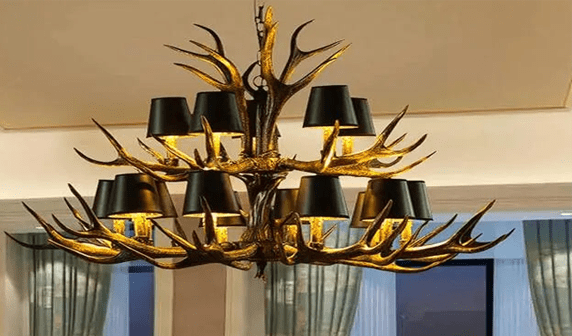
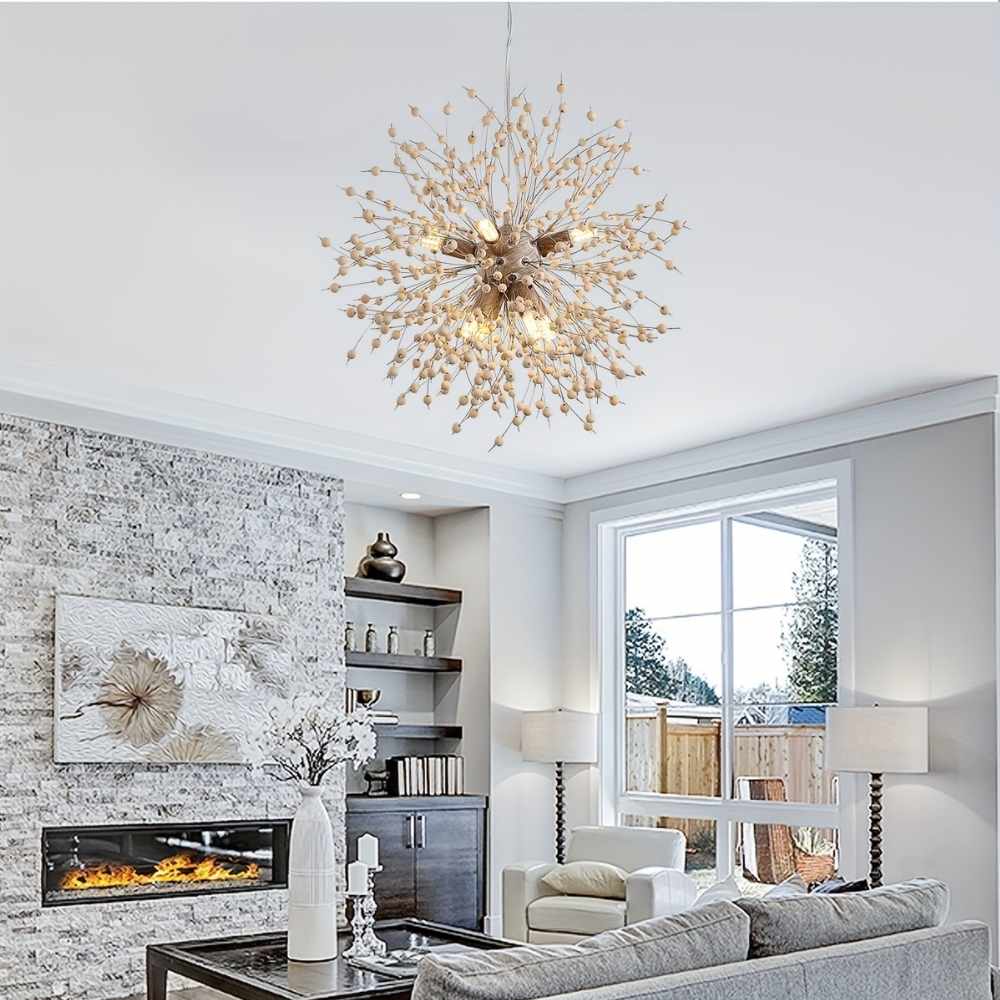
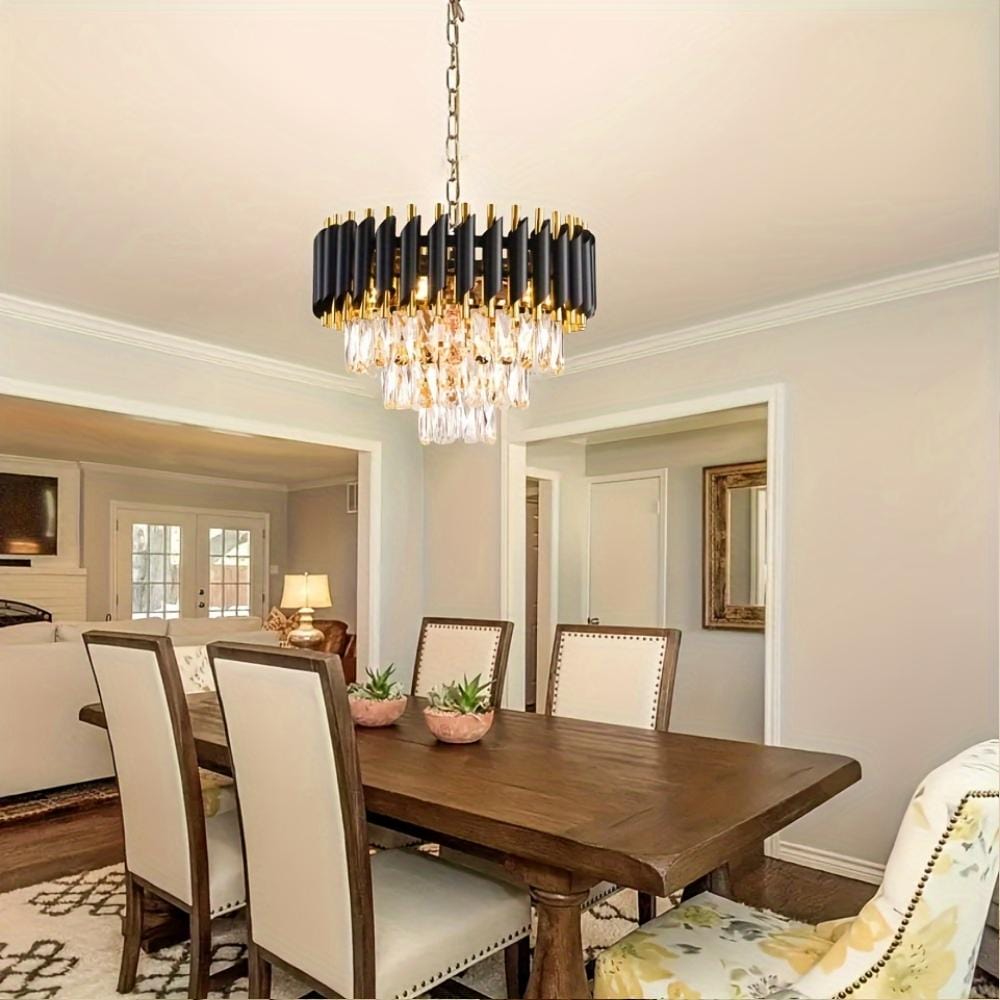
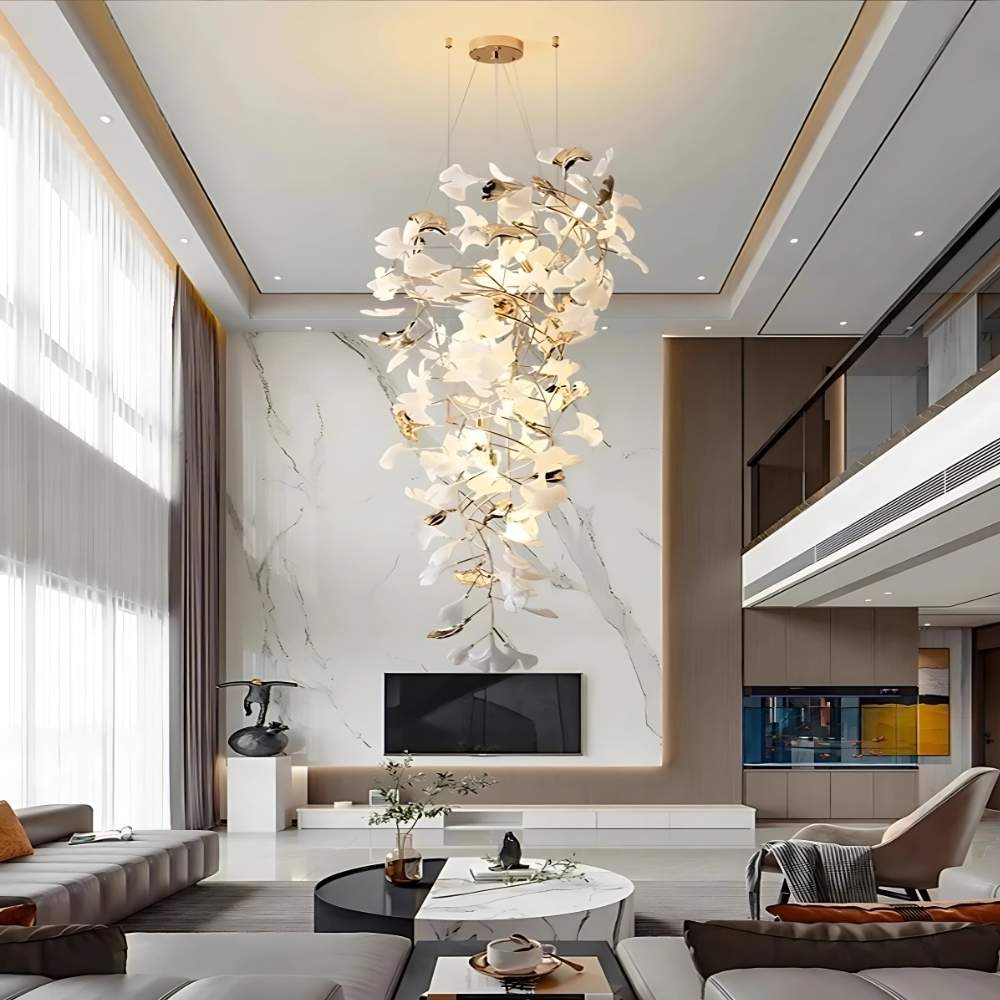
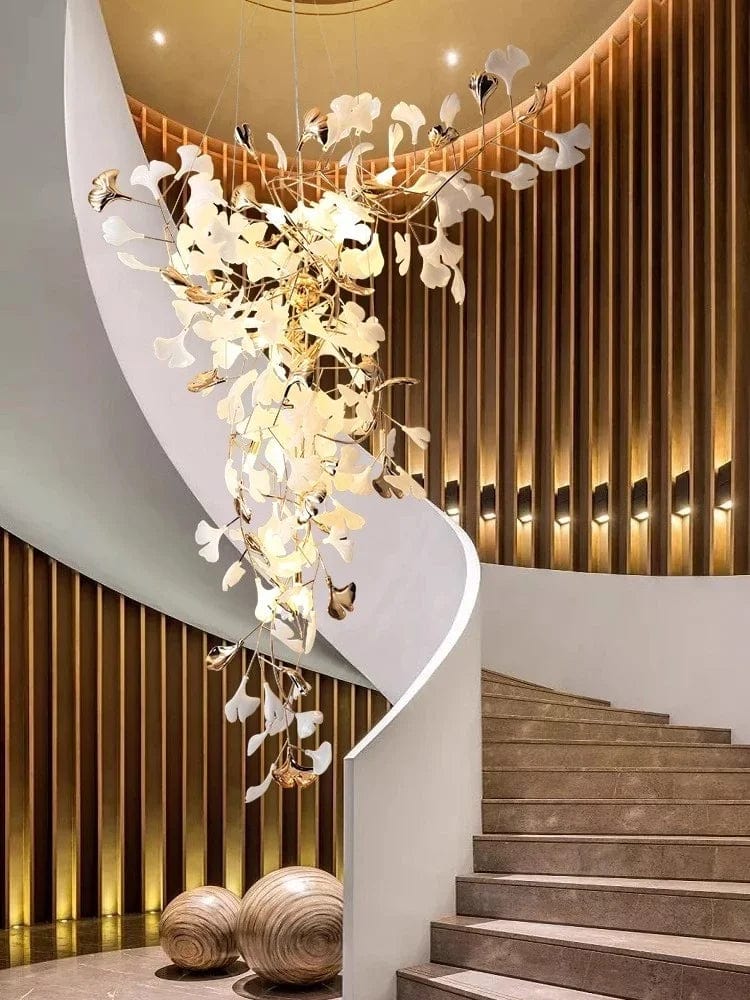
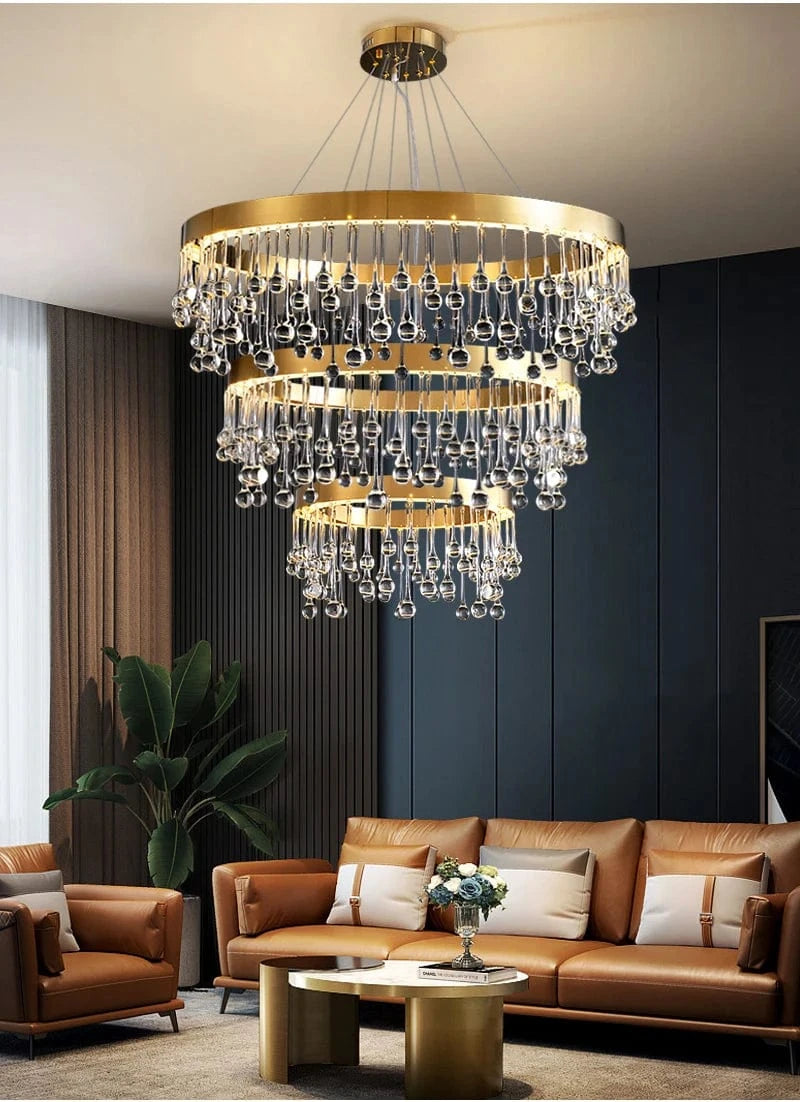
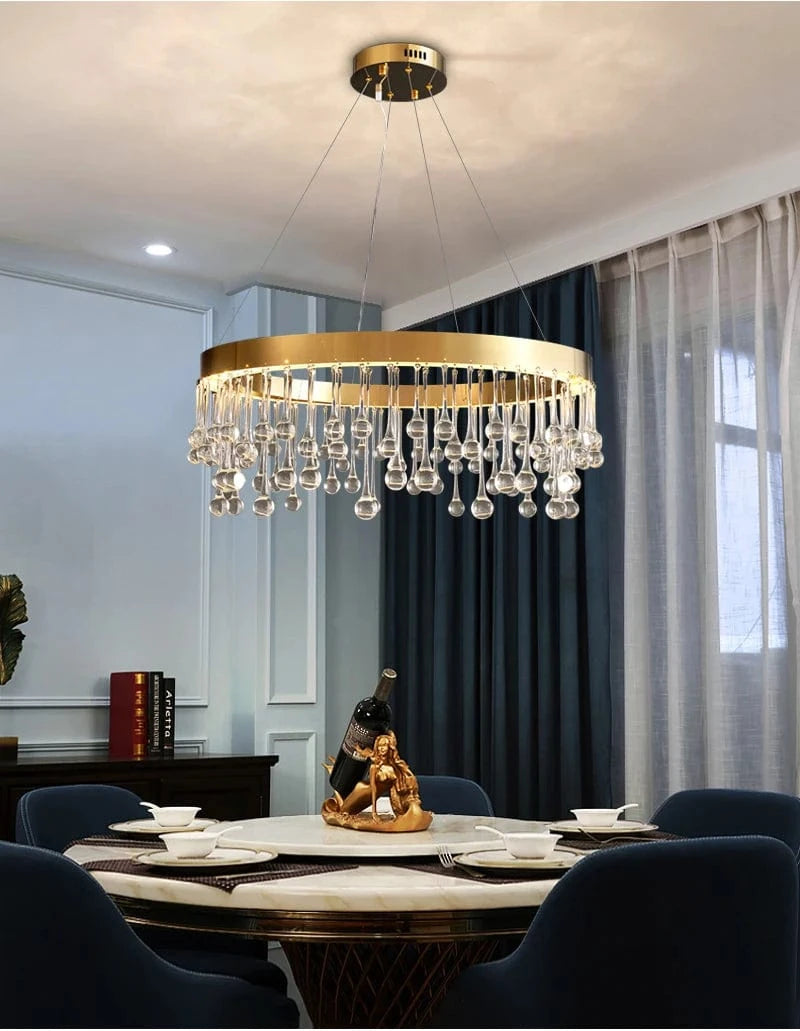
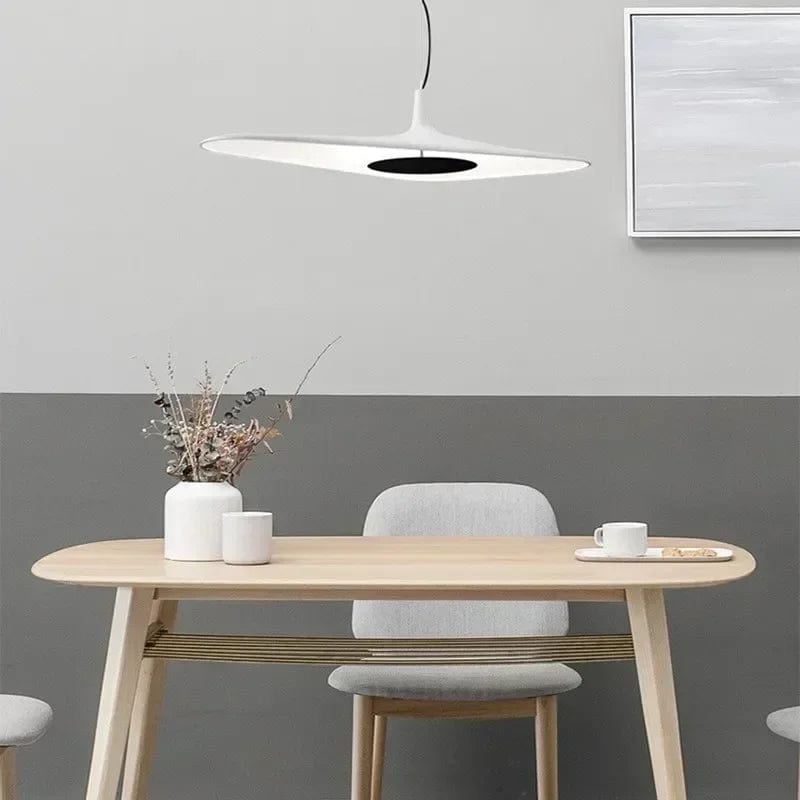
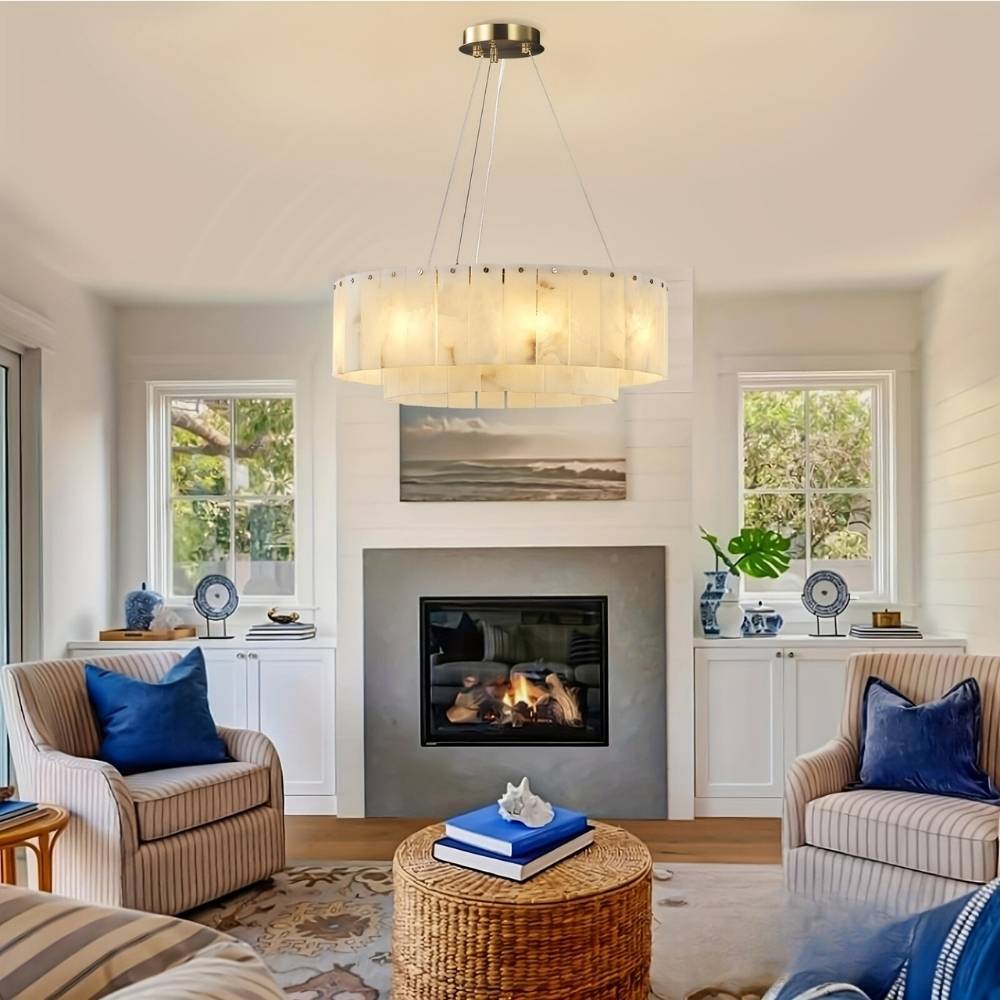
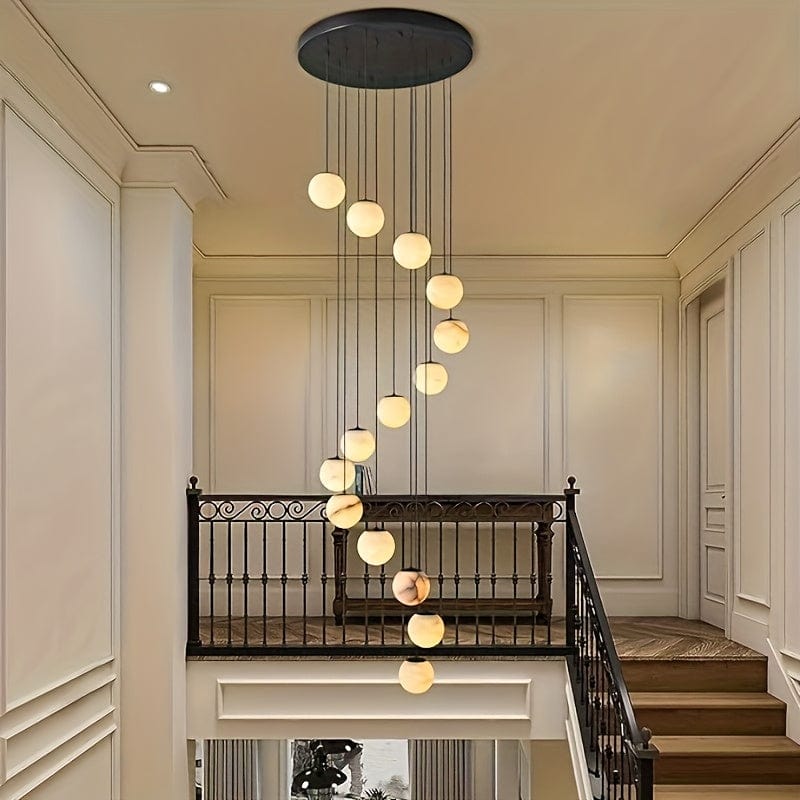
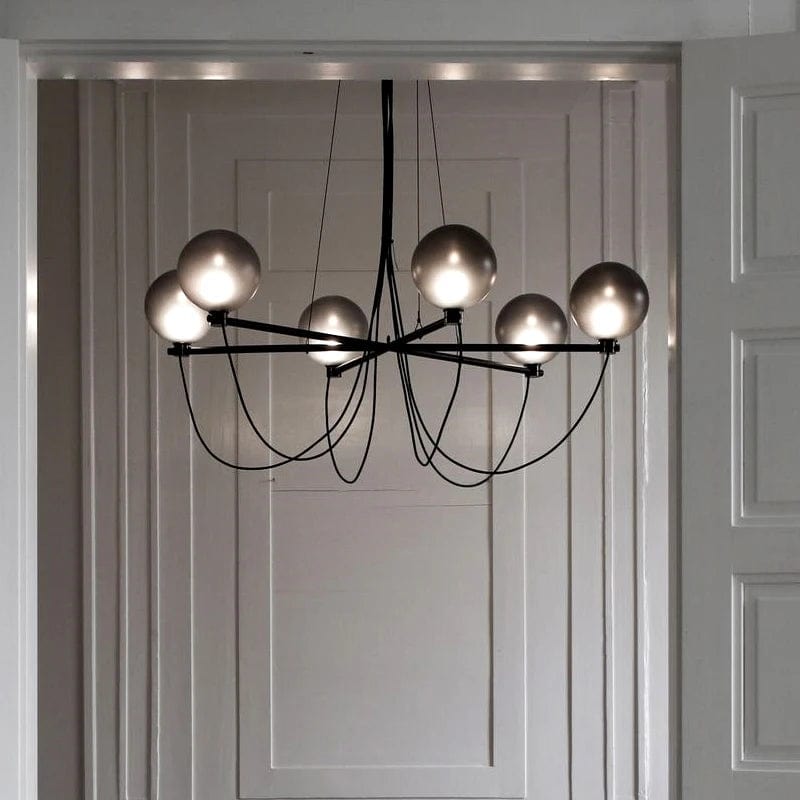
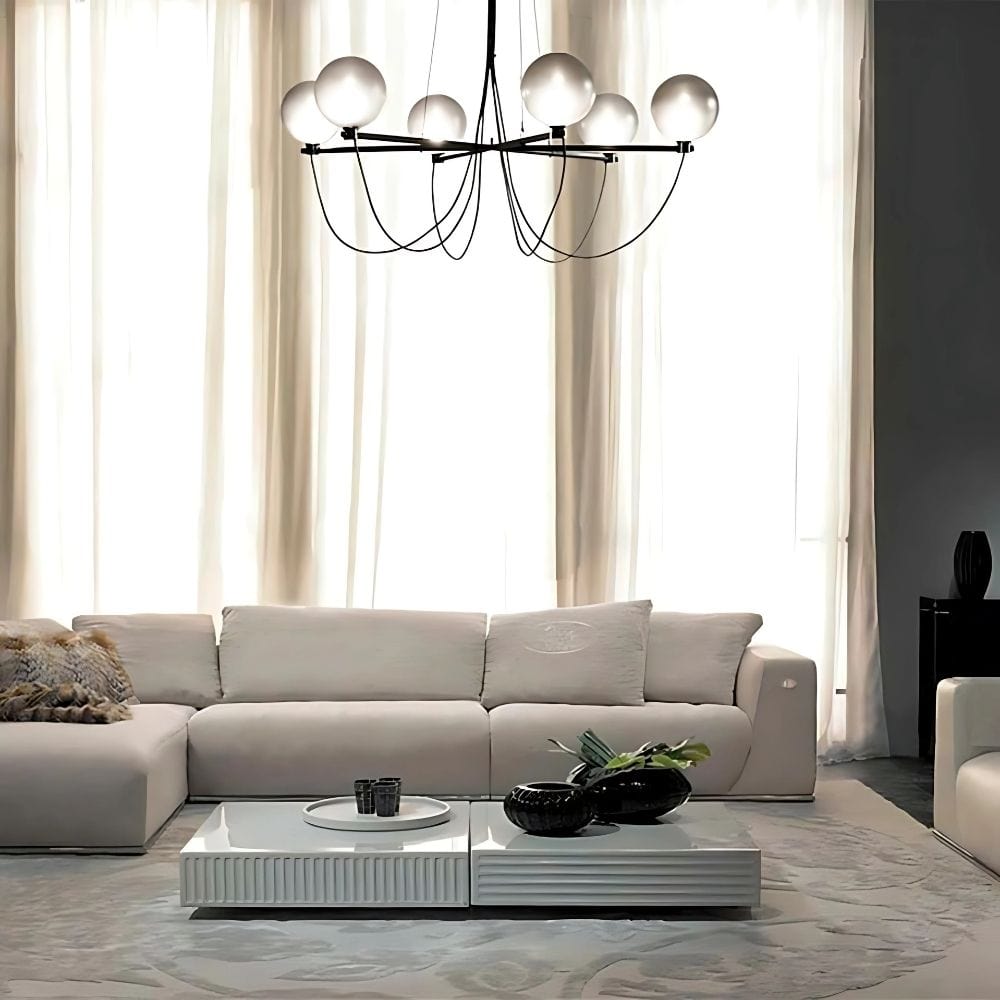
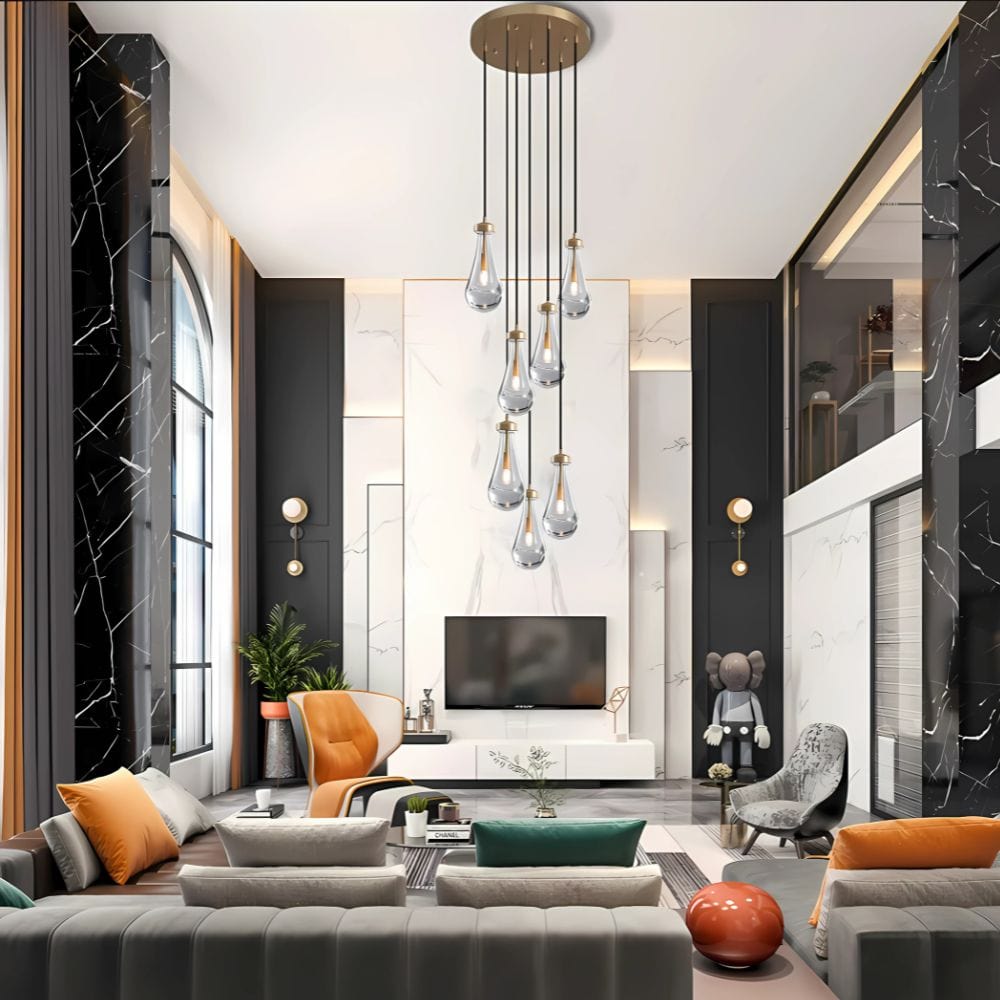
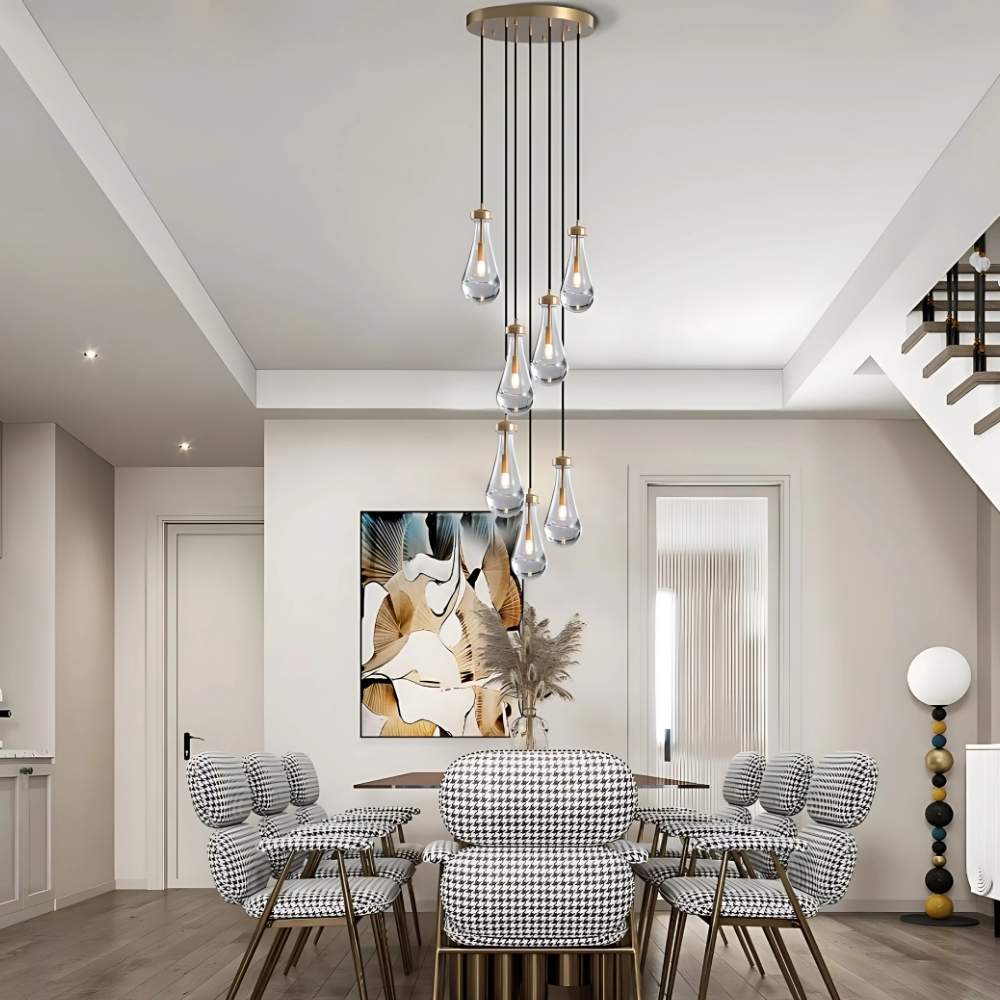
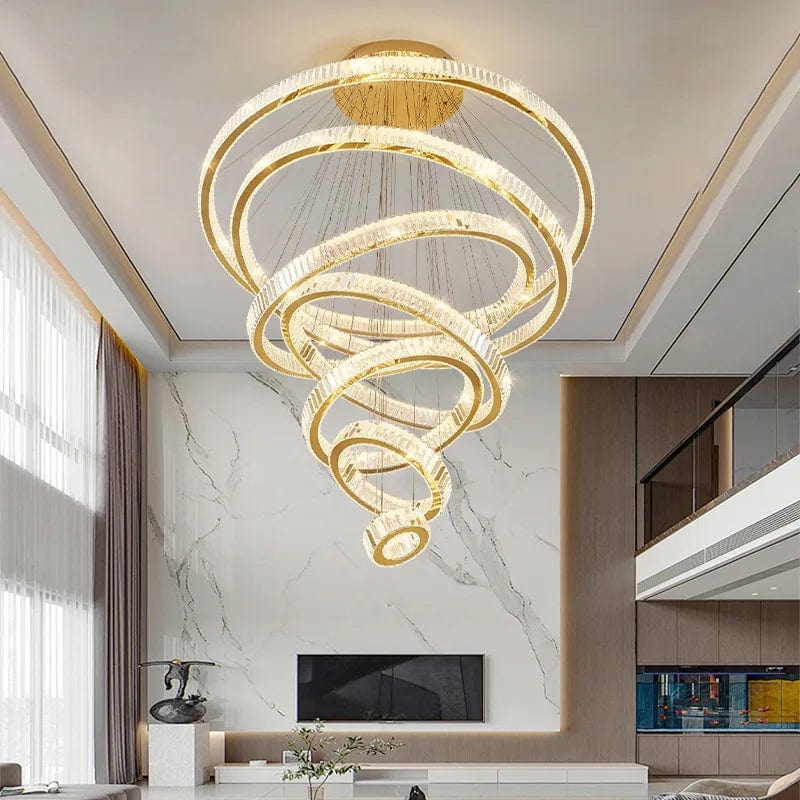
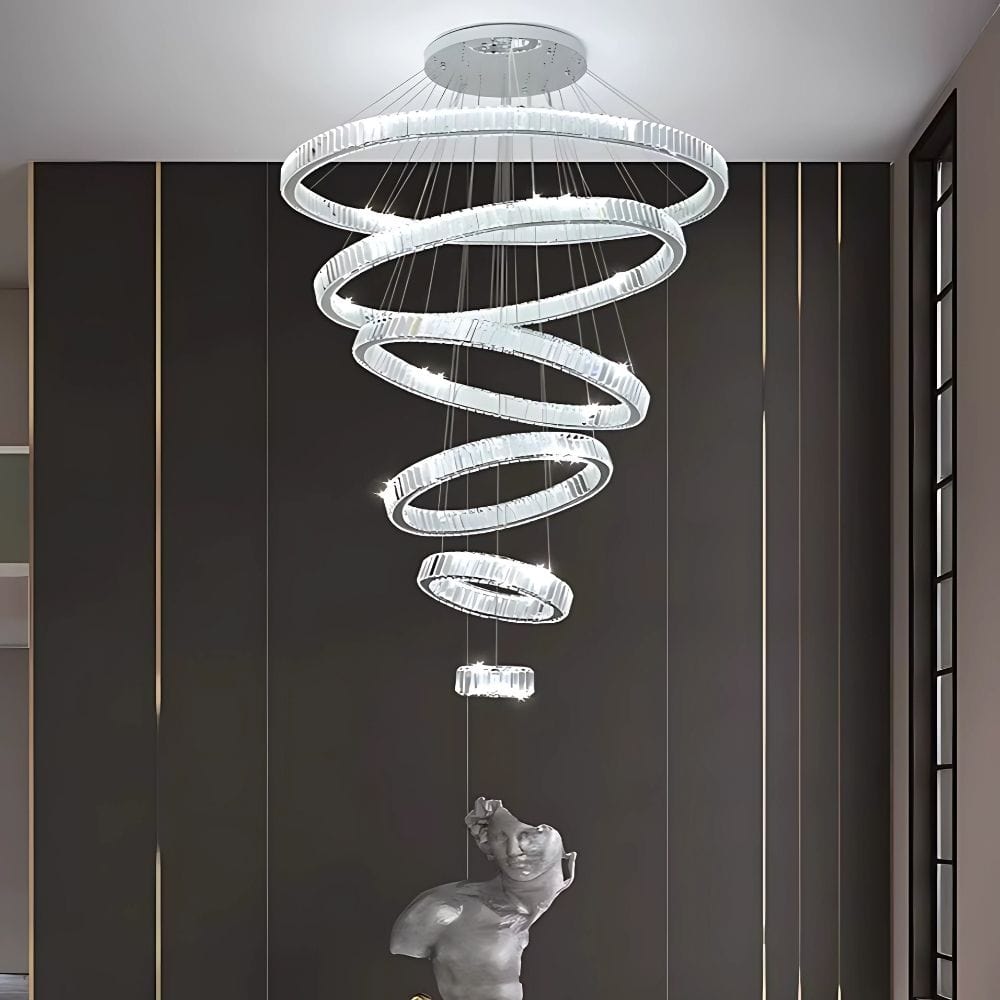
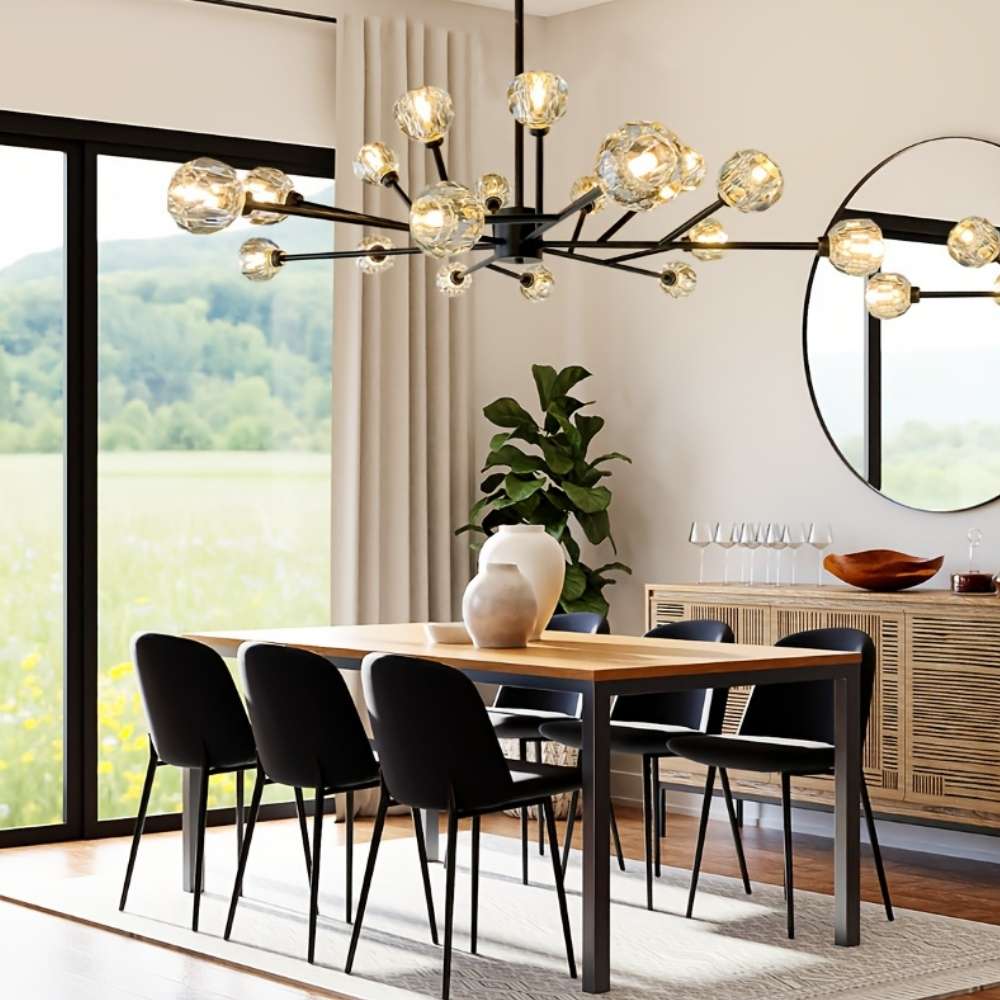
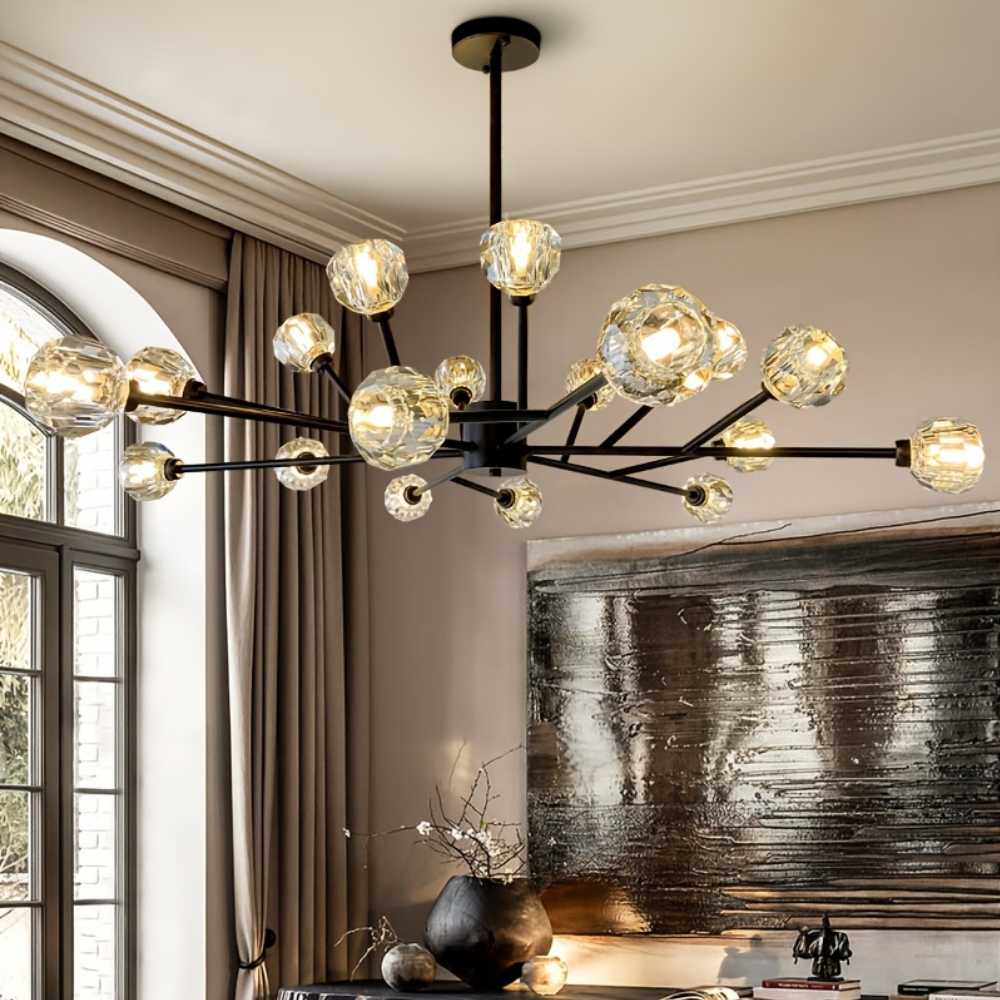
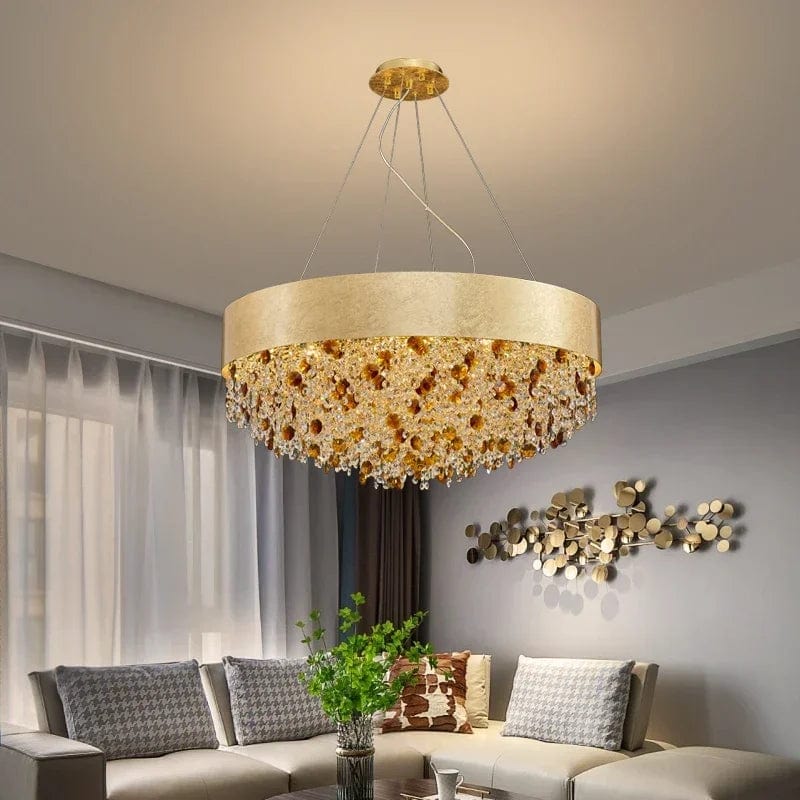
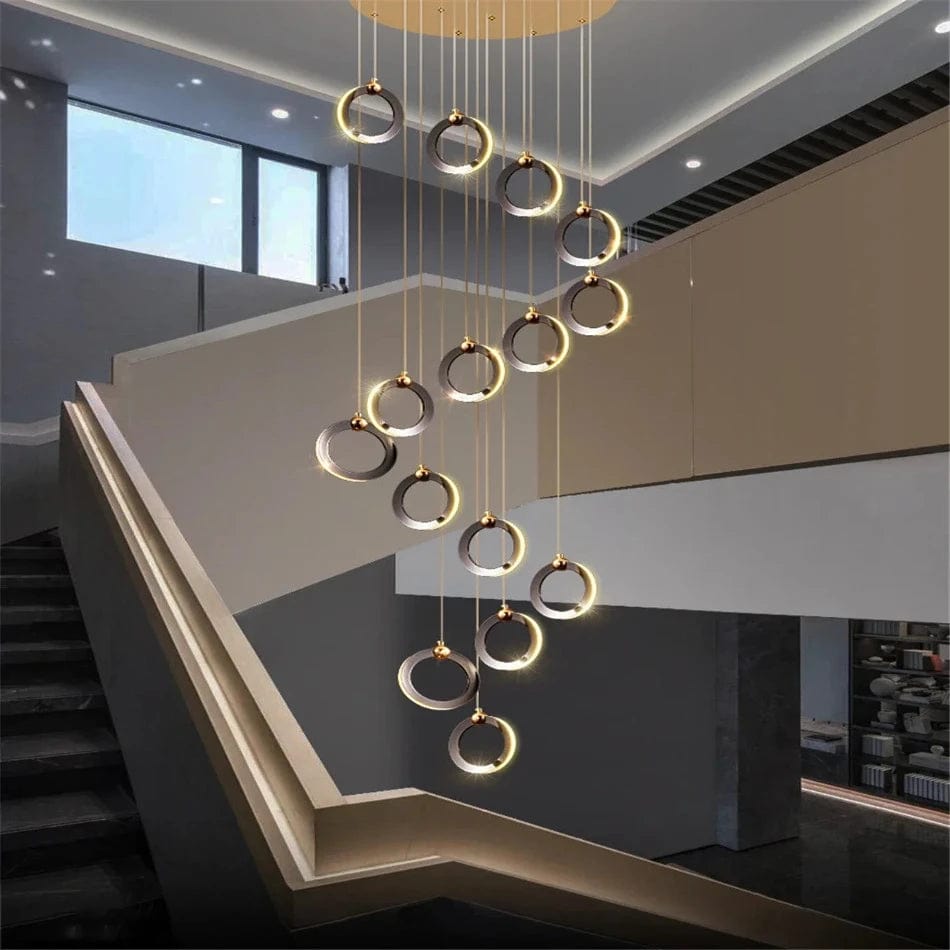
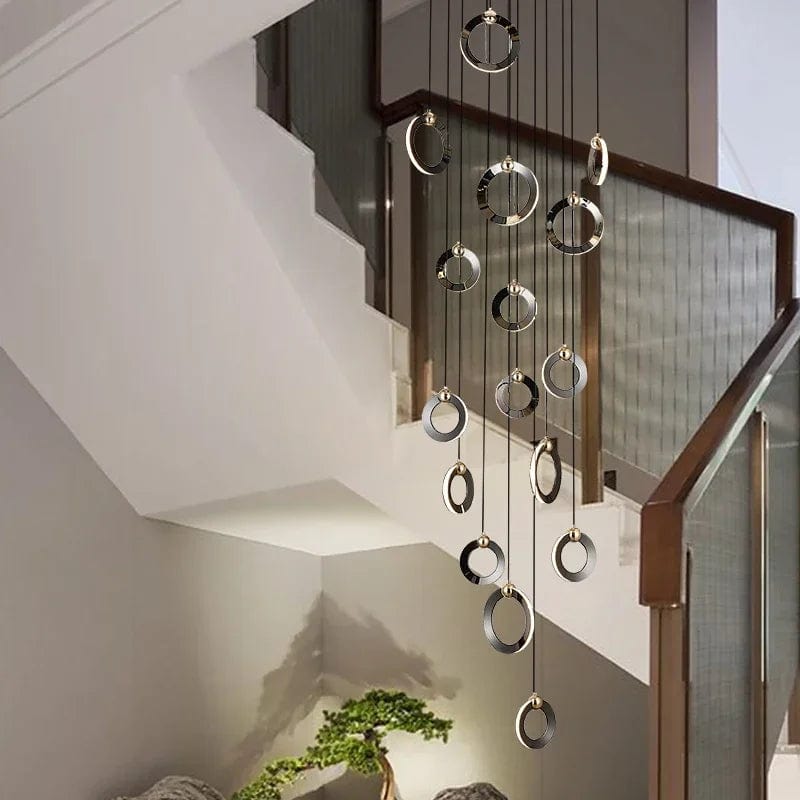
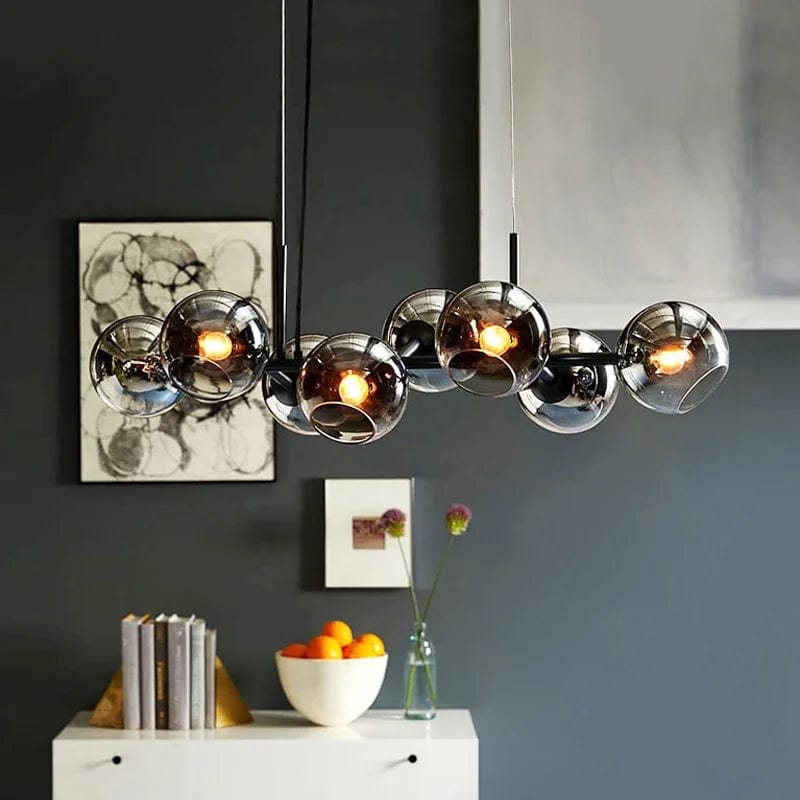
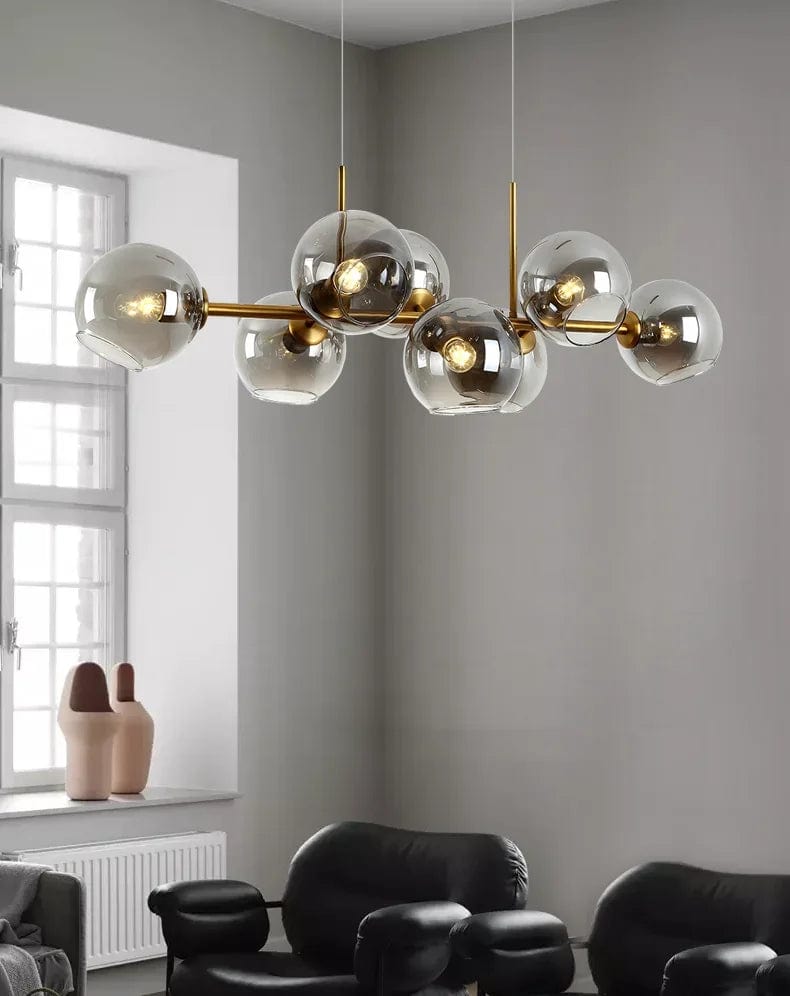
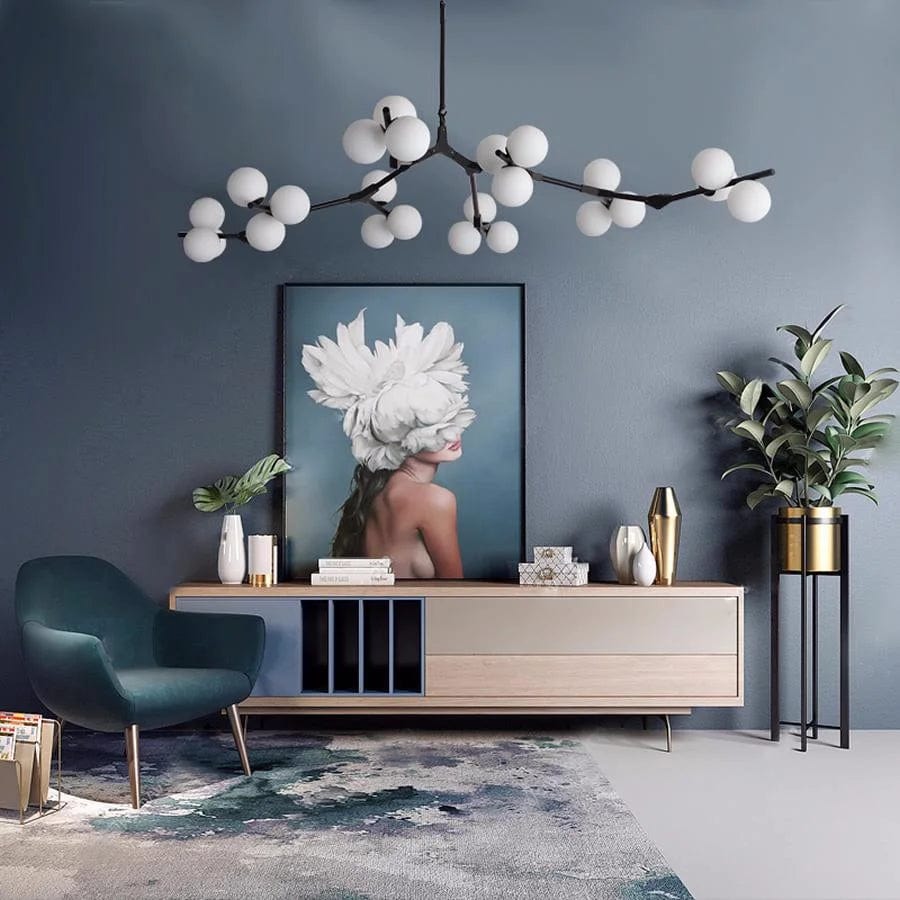
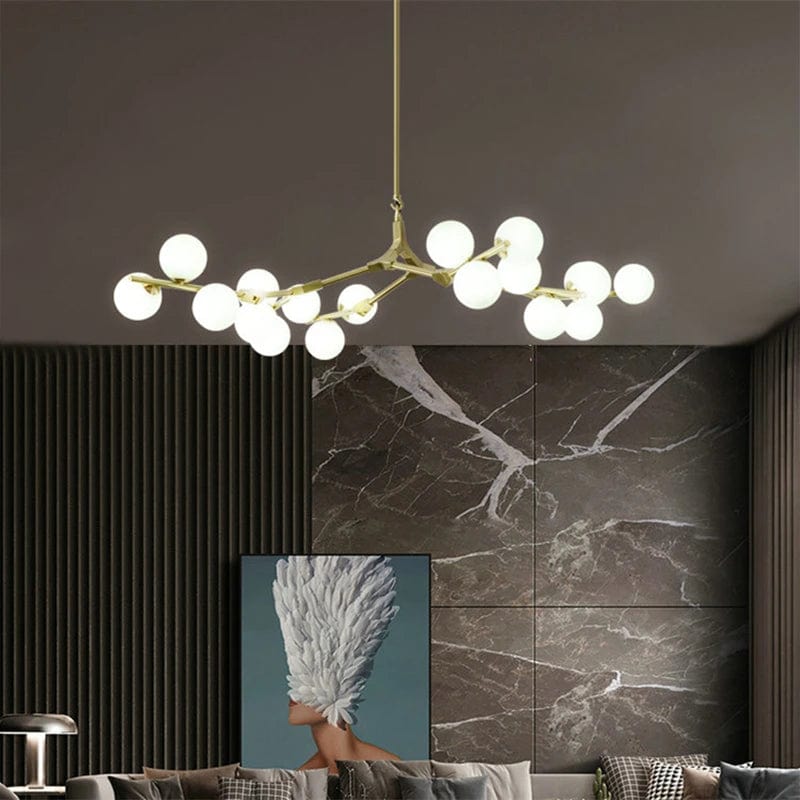
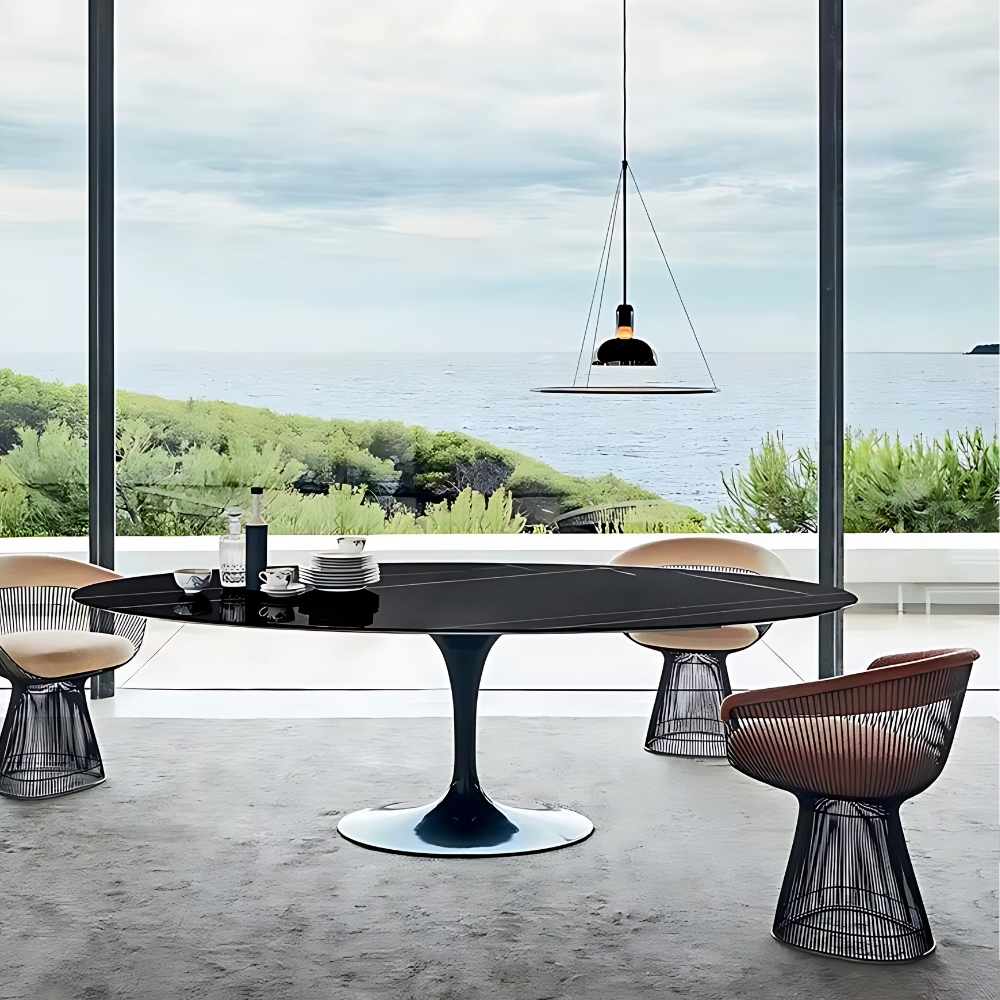
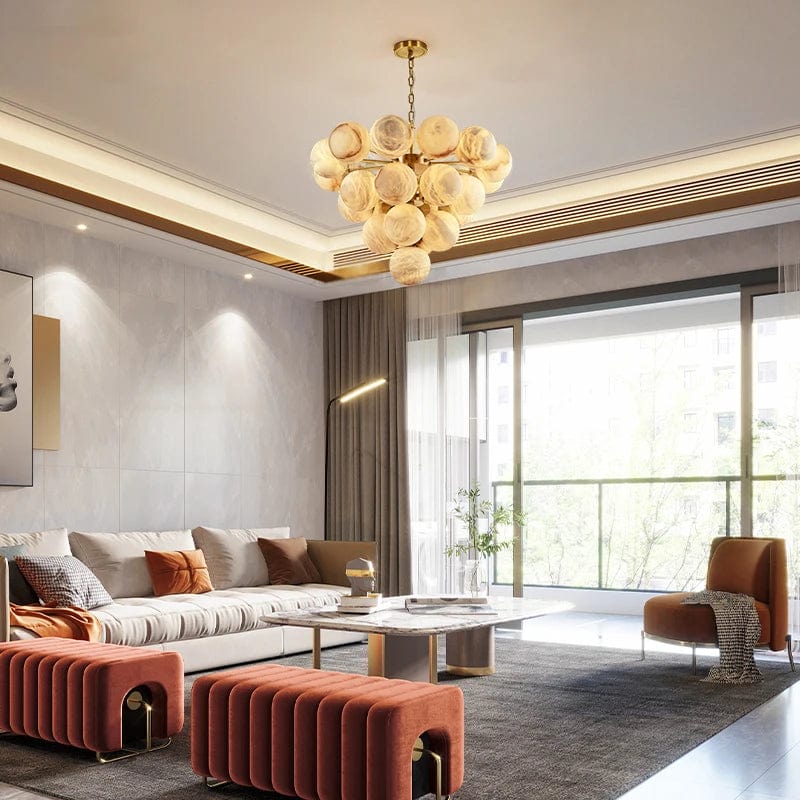
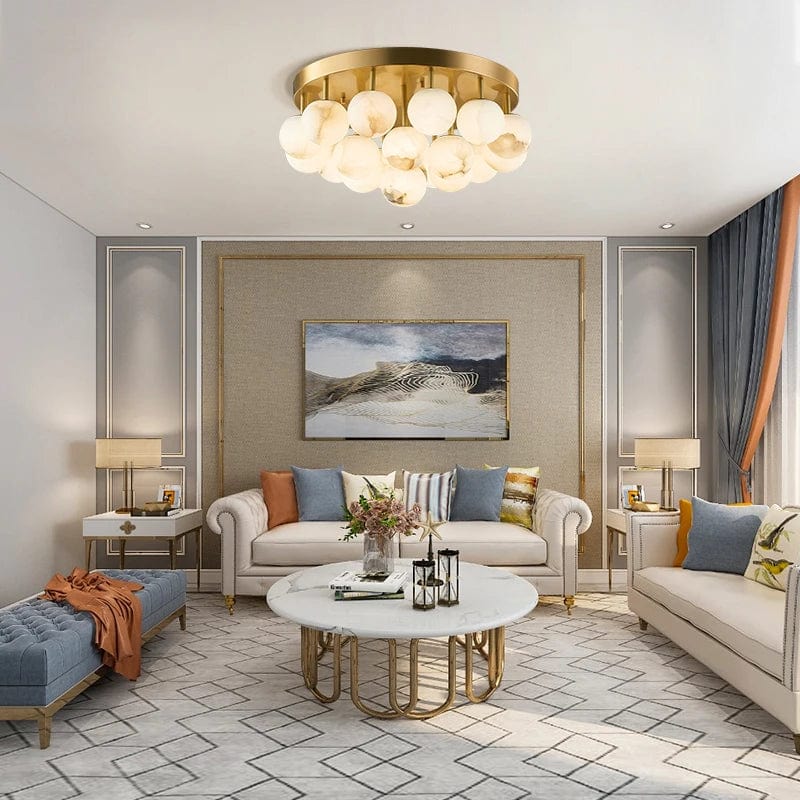
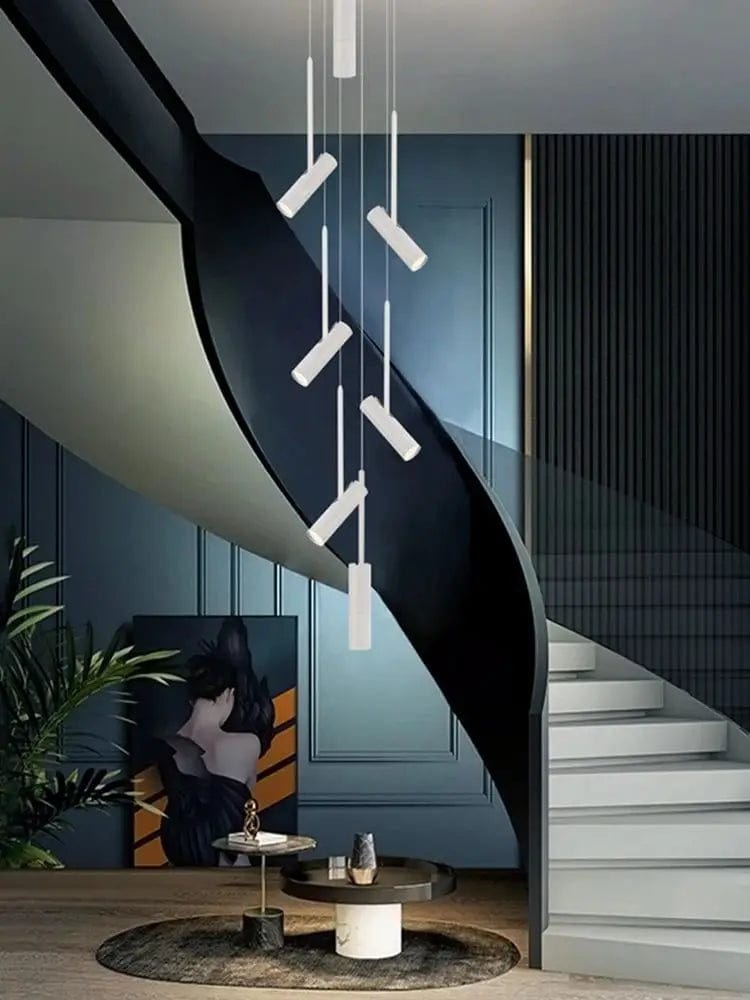
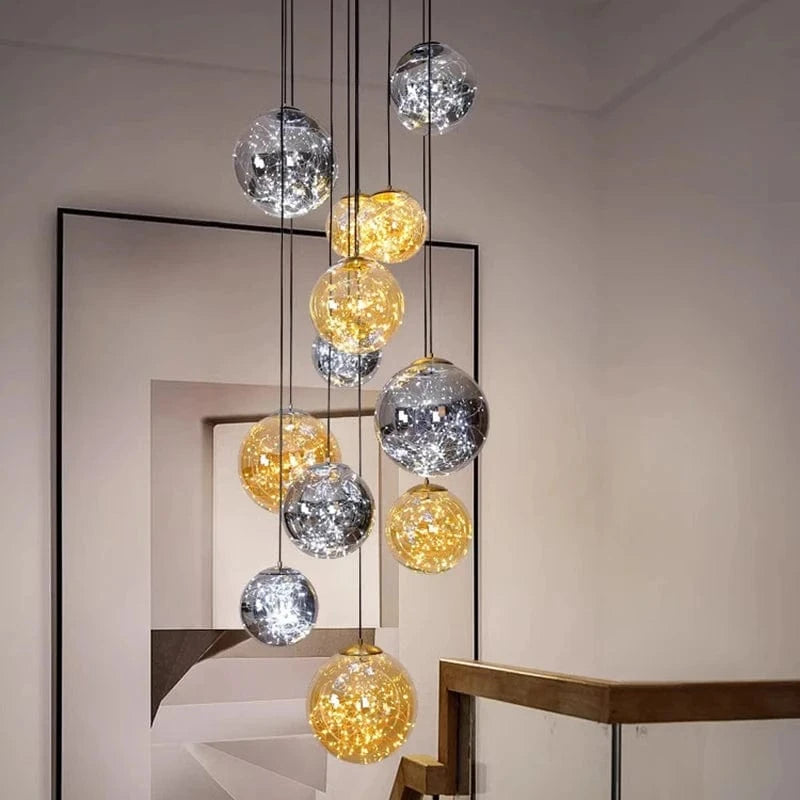
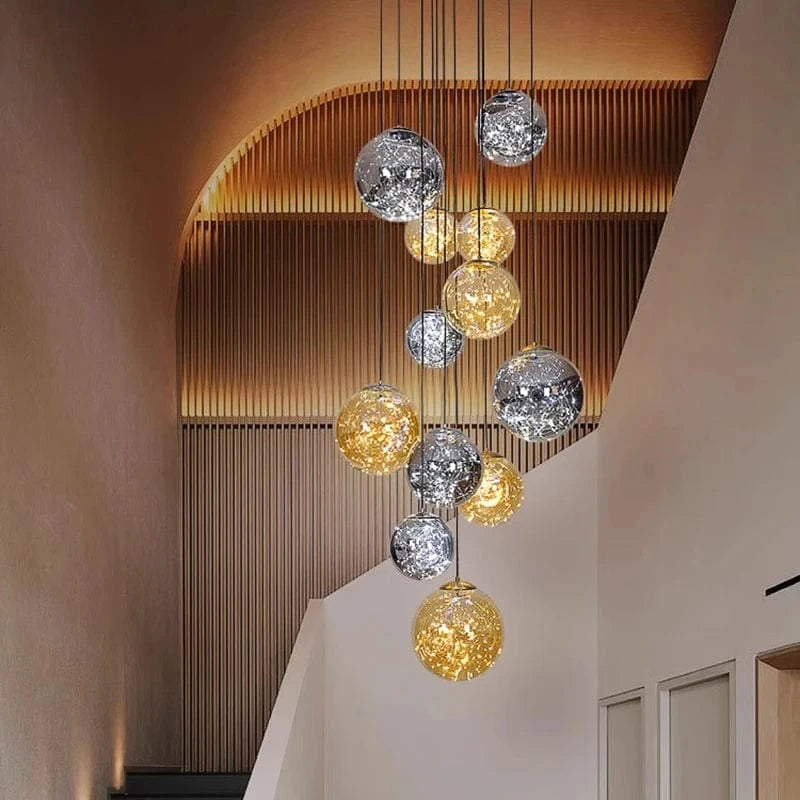
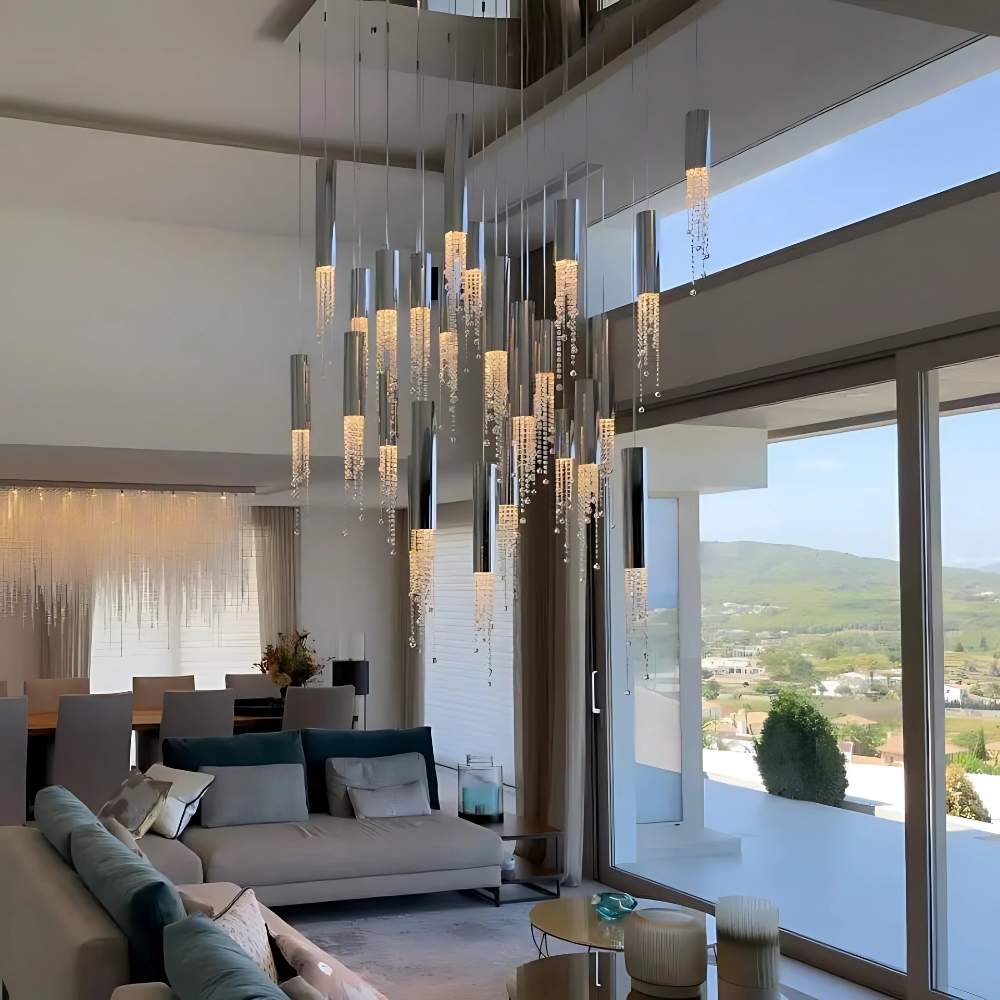
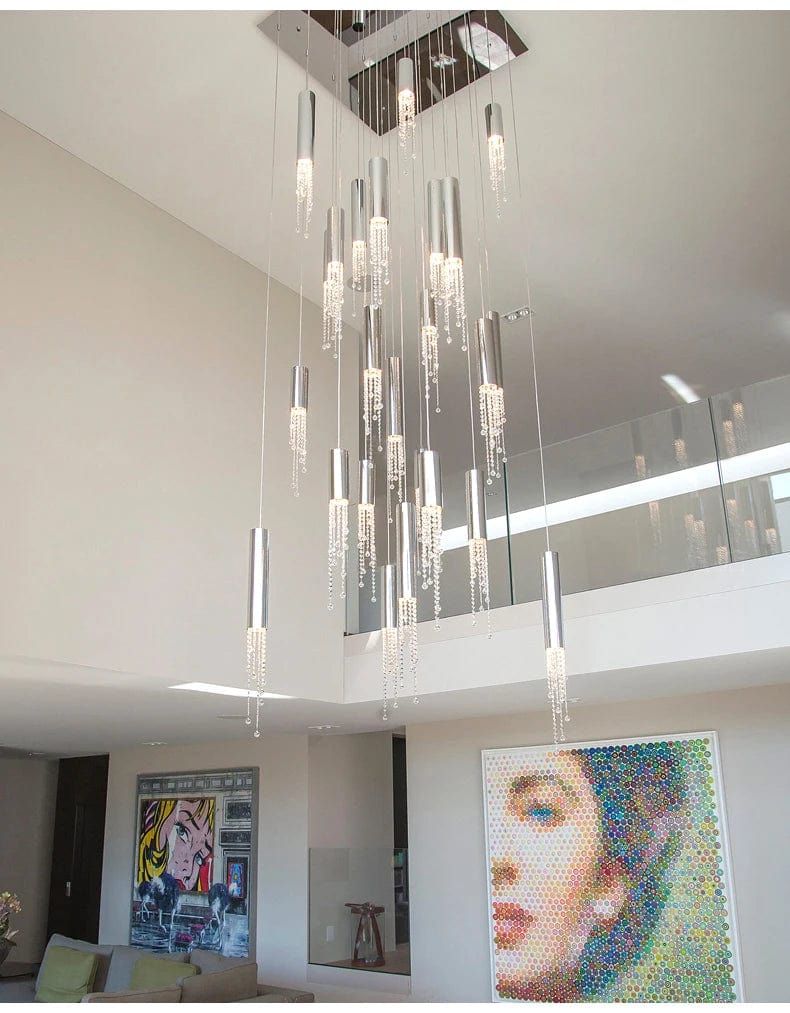
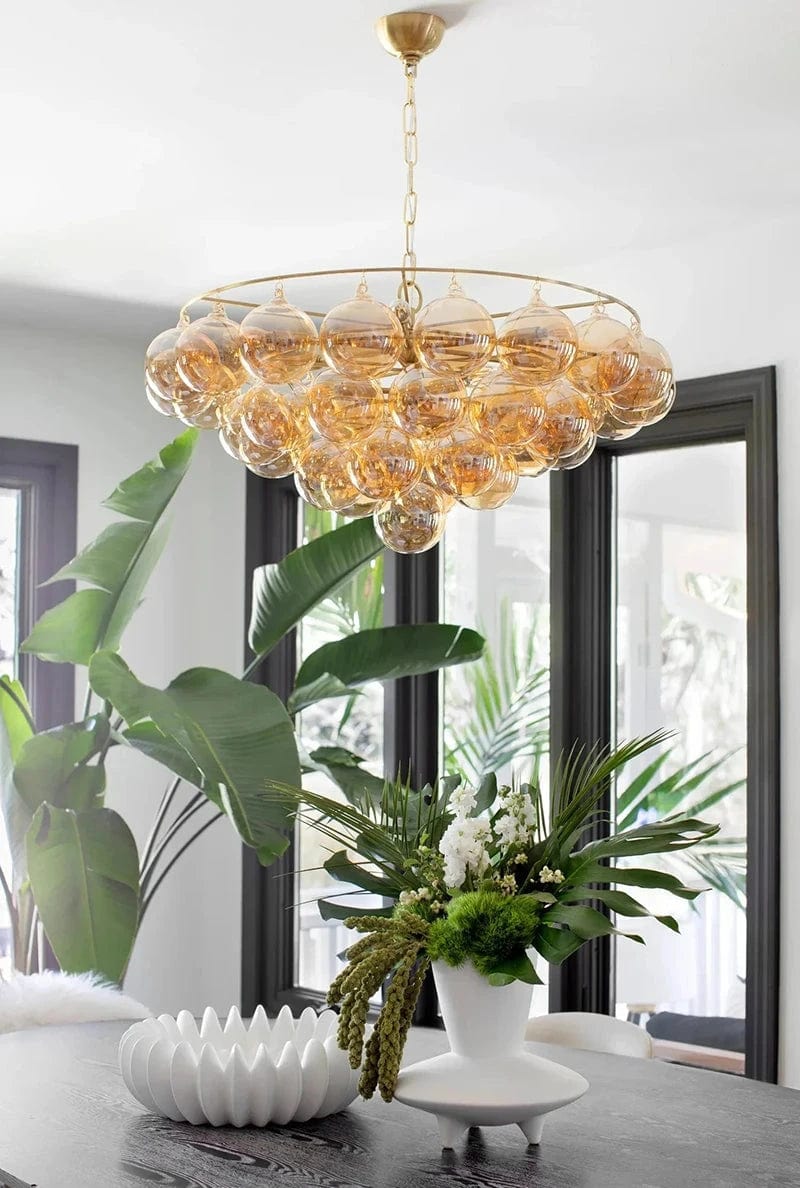
One of the biggest strengths of contemporary chandeliers is range. Some styles feel restrained and architectural, while others lean more sculptural through ring forms, globe clusters, layered glass, elongated drops, or mixed-material construction. That makes this category especially useful for dining rooms, living rooms, foyers, staircases, and open layouts where the chandelier needs to do more than simply provide light. It often helps define the tone of the room and shapes how the ceiling feels from below.
What Makes a Chandelier Feel Contemporary?
Contemporary chandeliers are usually shaped more by present-day design direction than by one fixed historical style. They often use cleaner geometry, integrated or simplified light forms, glass or alabaster elements, slimmer framing, refined metals, and silhouettes that feel more current than traditional chandeliers. Some overlap with modern styles, but contemporary chandeliers usually allow more freedom in form. They can be softer, bolder, more sculptural, or more trend-aware depending on the fixture.
- Common contemporary features: ring forms, globe clusters, mixed metals, black or brass finishes, glass, alabaster, linear structures, and more fluid statement silhouettes
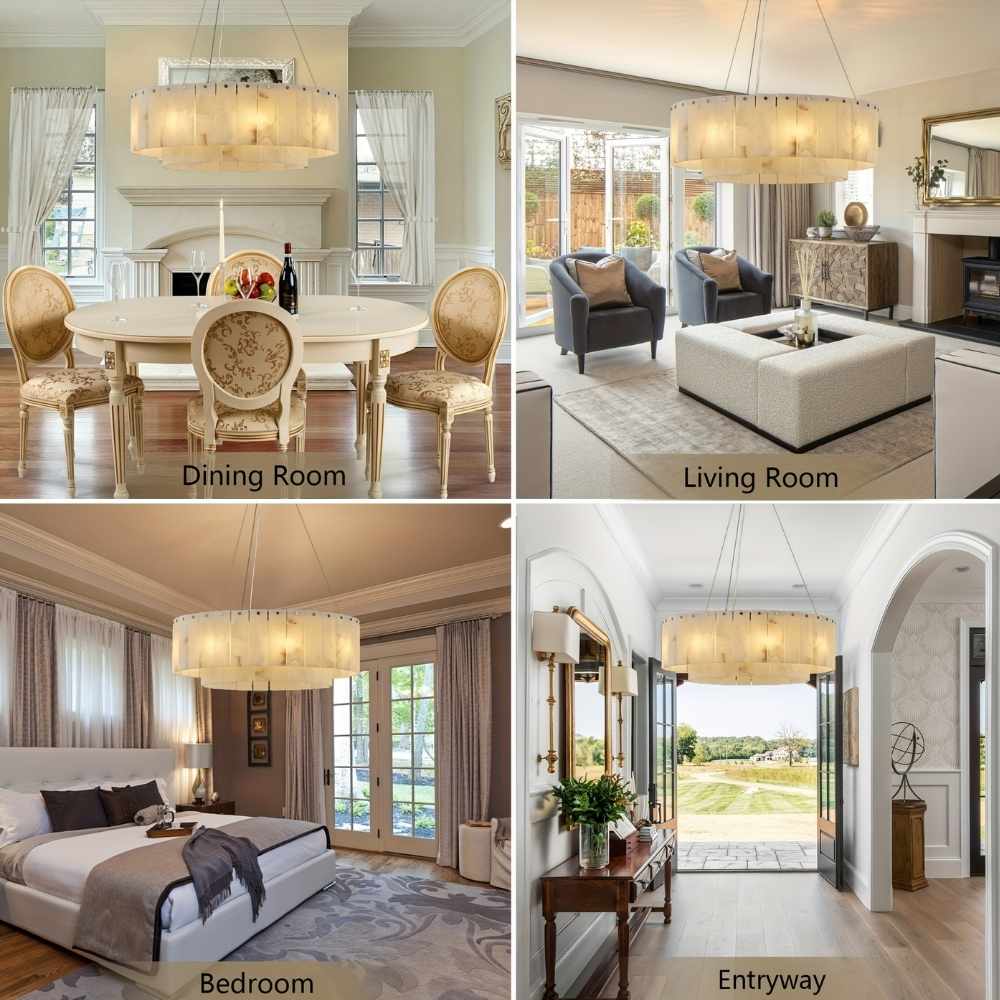
- Best room types: dining rooms, foyers, stairwells, living rooms, bedrooms, and open-concept spaces
- Good design pairings: modern interiors, transitional homes, mixed-material spaces, minimalist rooms that need warmth, and current luxury-style settings
Tip: Contemporary chandeliers often work best when the room has a few clean supporting elements such as simple furniture lines, uncluttered surfaces, updated hardware, or layered textures that let the fixture stand out without visual competition.
Choosing the Right Contemporary Chandelier by Room and Layout
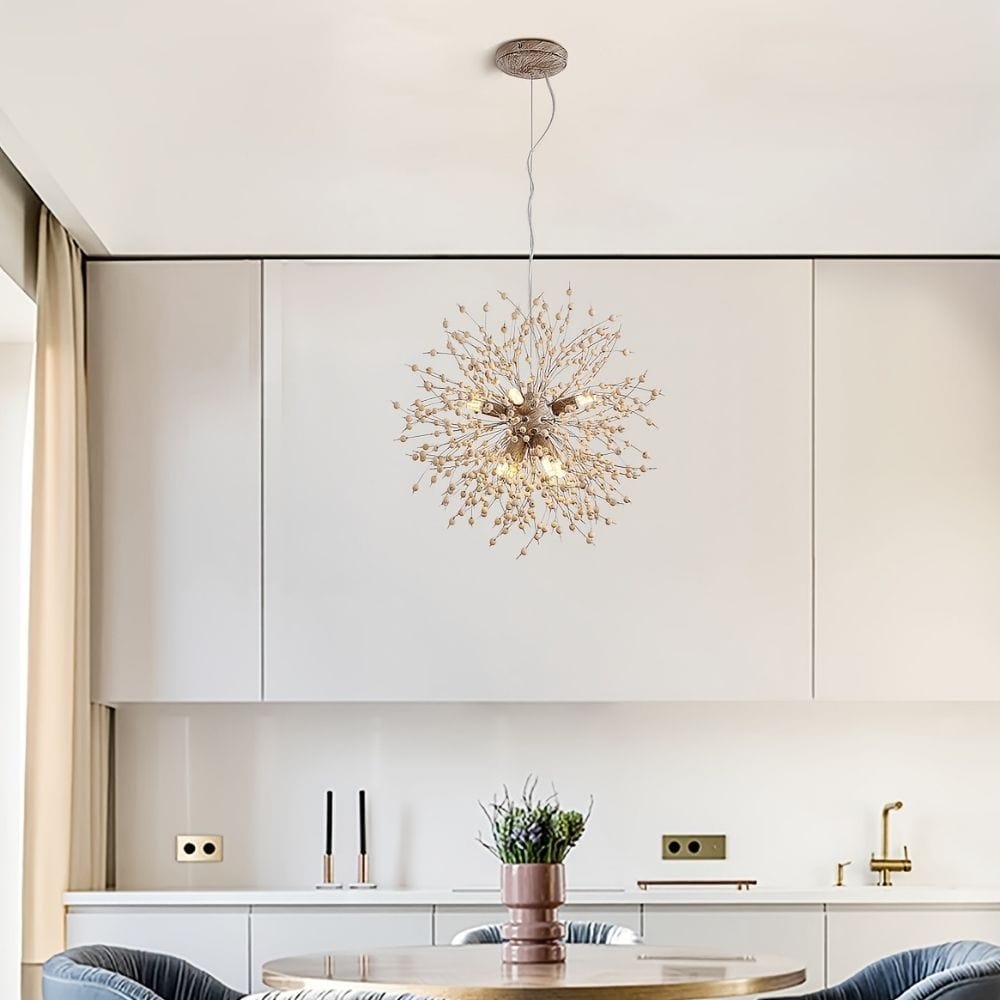
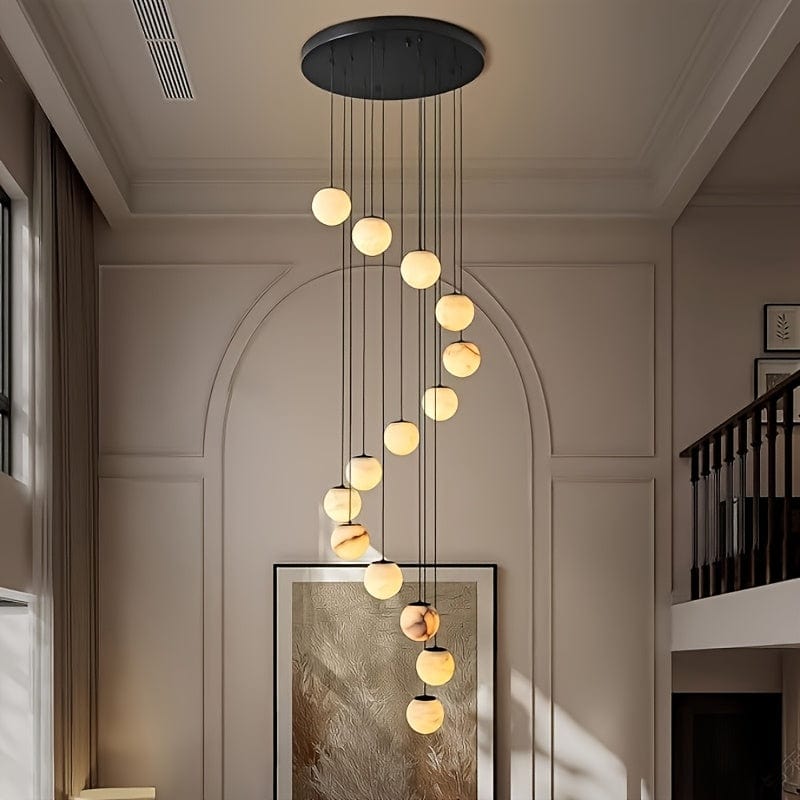
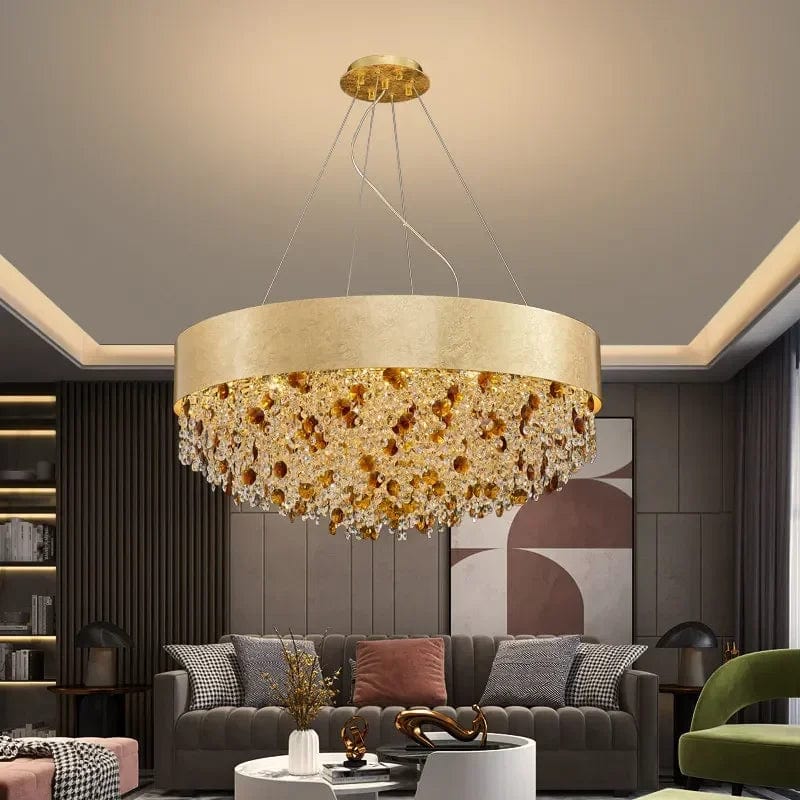
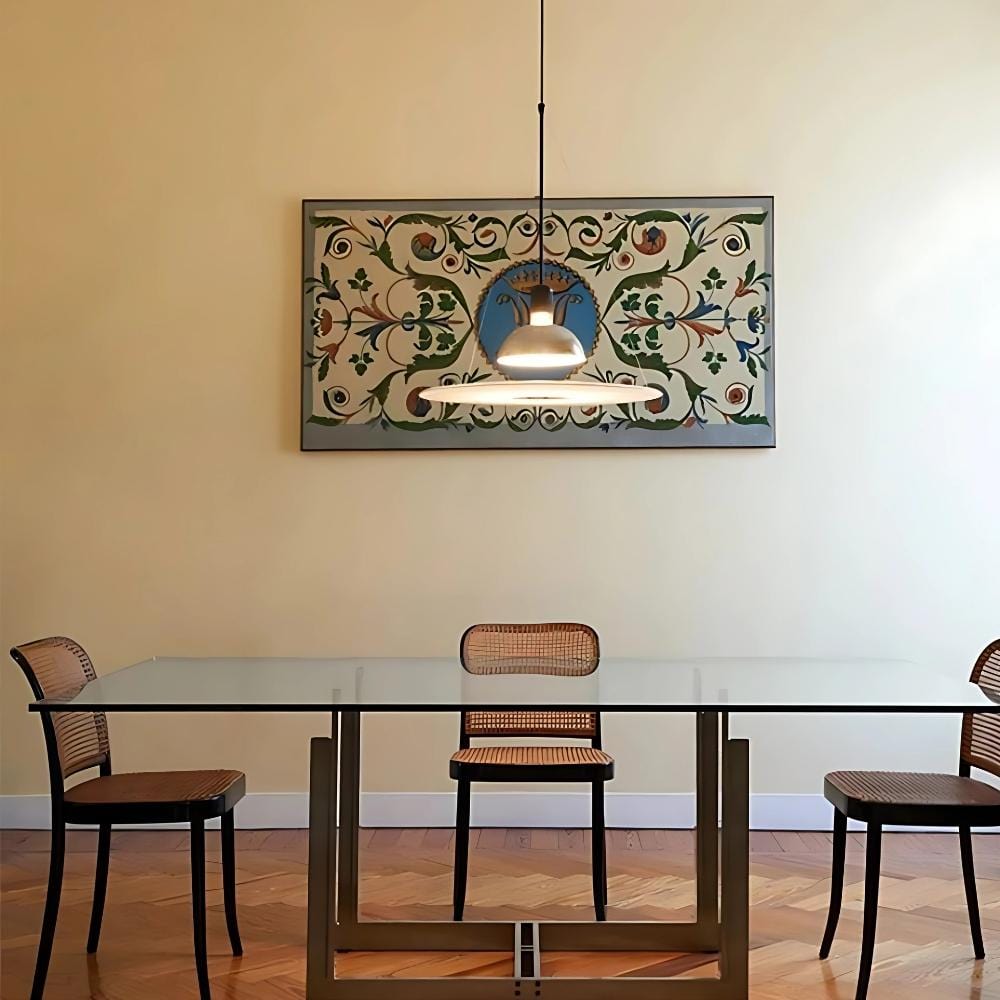
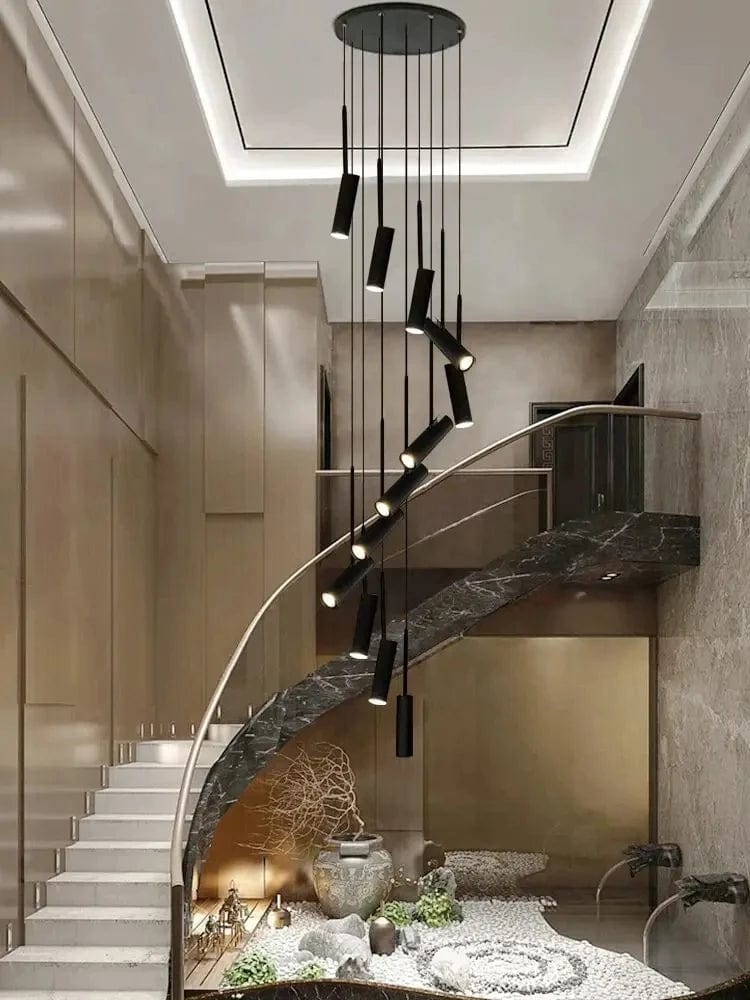
The best contemporary chandelier depends on how the room is used and how much presence you want overhead. In a dining room, many shoppers look for a fixture that feels centered above the table and visually balanced with the furniture below. In a living room, the chandelier usually works best when it relates to the seating area instead of trying to fill the full ceiling width. In foyers and stairwells, longer drops, vertical compositions, and multi-point forms often feel more proportional because the space is viewed from farther away and from more than one angle.
If you are shopping by placement, it can help to compare this category with Dining Room Chandeliers, Foyer & Entryway Chandeliers, and Staircase Chandeliers. If your space is less about room type and more about a full layered plan, pages like Living Room Lighting can help you think beyond the chandelier alone.
Quick planning notes:
- Room-size starting point: add the room length and width in feet, then use that total in inches as a rough chandelier diameter guide
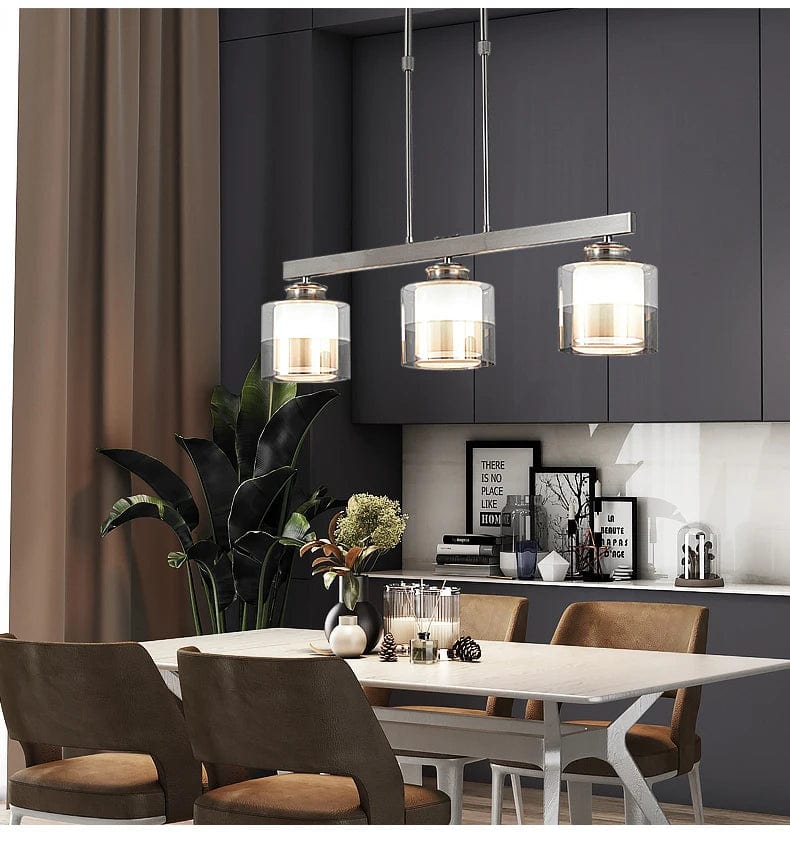
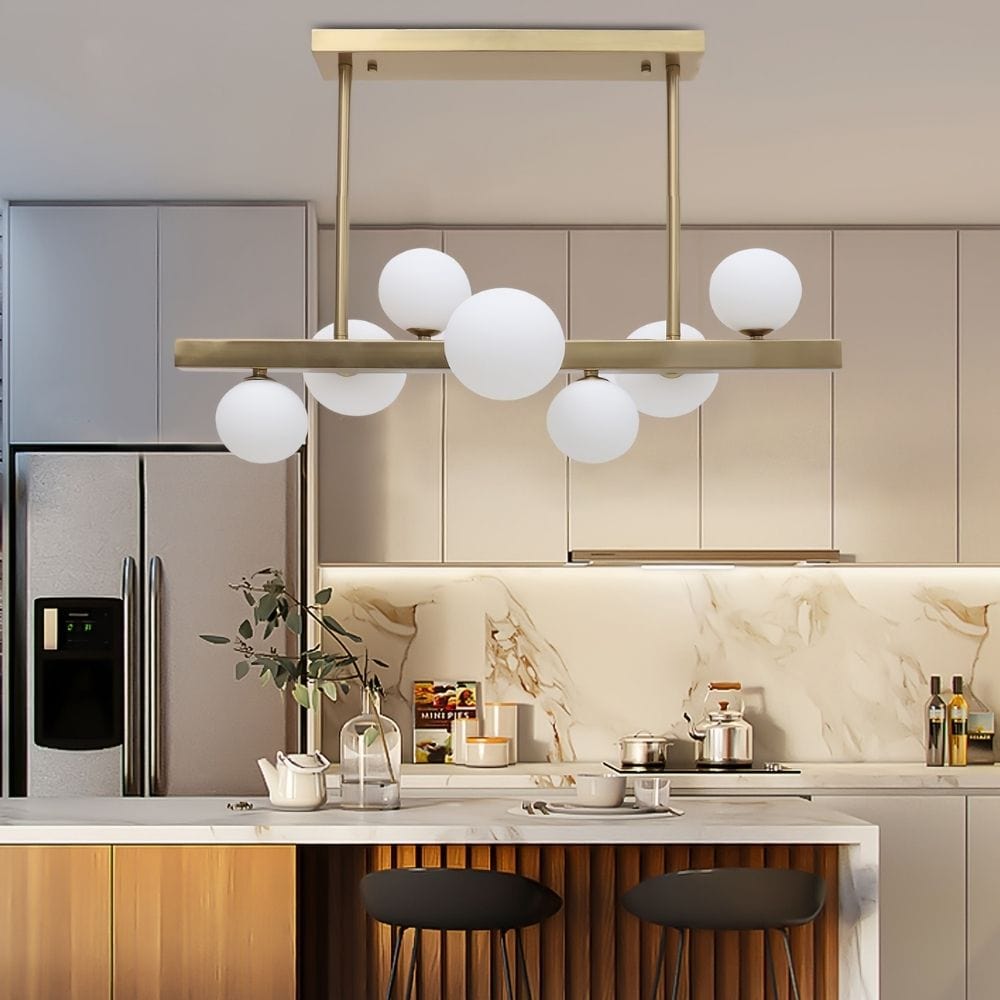
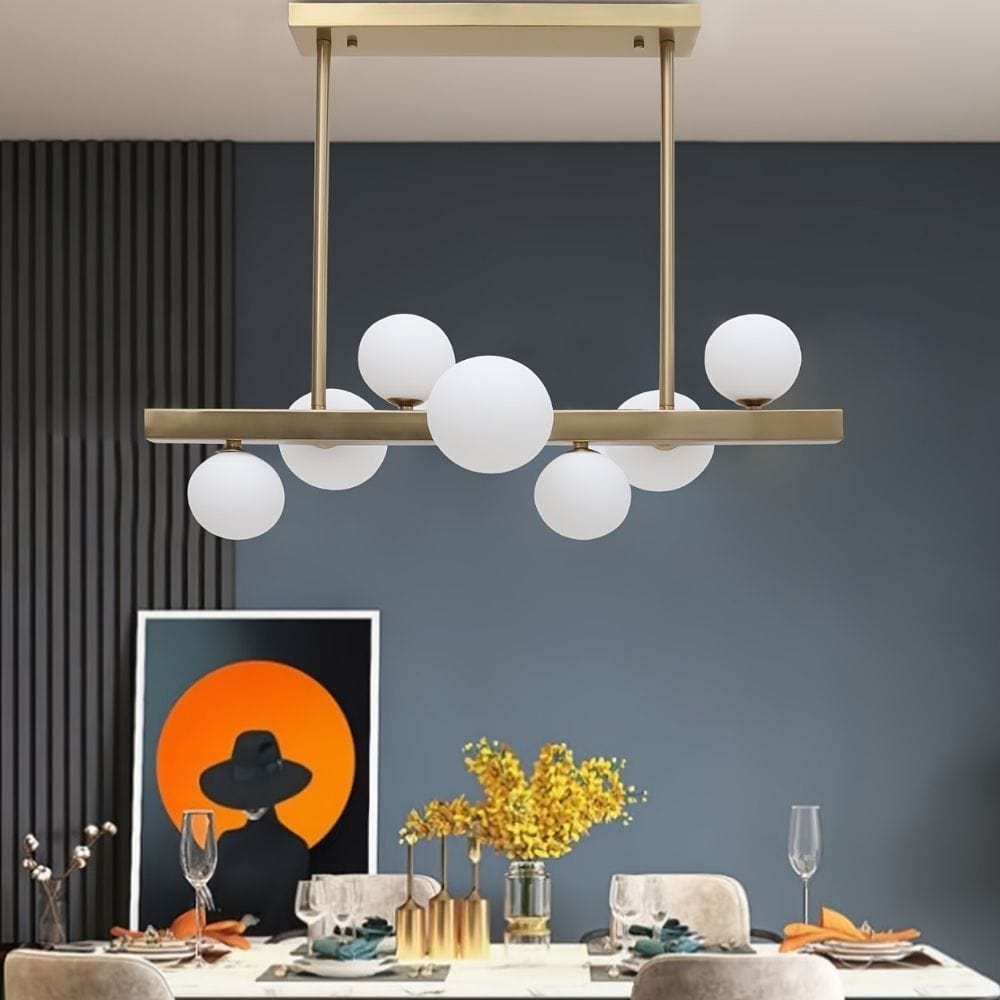
- Linear layouts: over longer dining tables or islands, many shoppers compare fixtures that feel about one-third to one-half the table length
- Dining placement: a common starting point is around 30 to 36 inches above the tabletop, then adjusted for ceiling height and fixture bulk
- Open walkways: keep comfortable head clearance in areas without a table underneath
Measurement note: Contemporary chandeliers vary widely in visual density. A slim ring or open globe fixture may feel lighter than its diameter suggests, while clustered glass or layered forms can feel larger and more present once installed.
Shape, Material, and How the Fixture Changes the Room
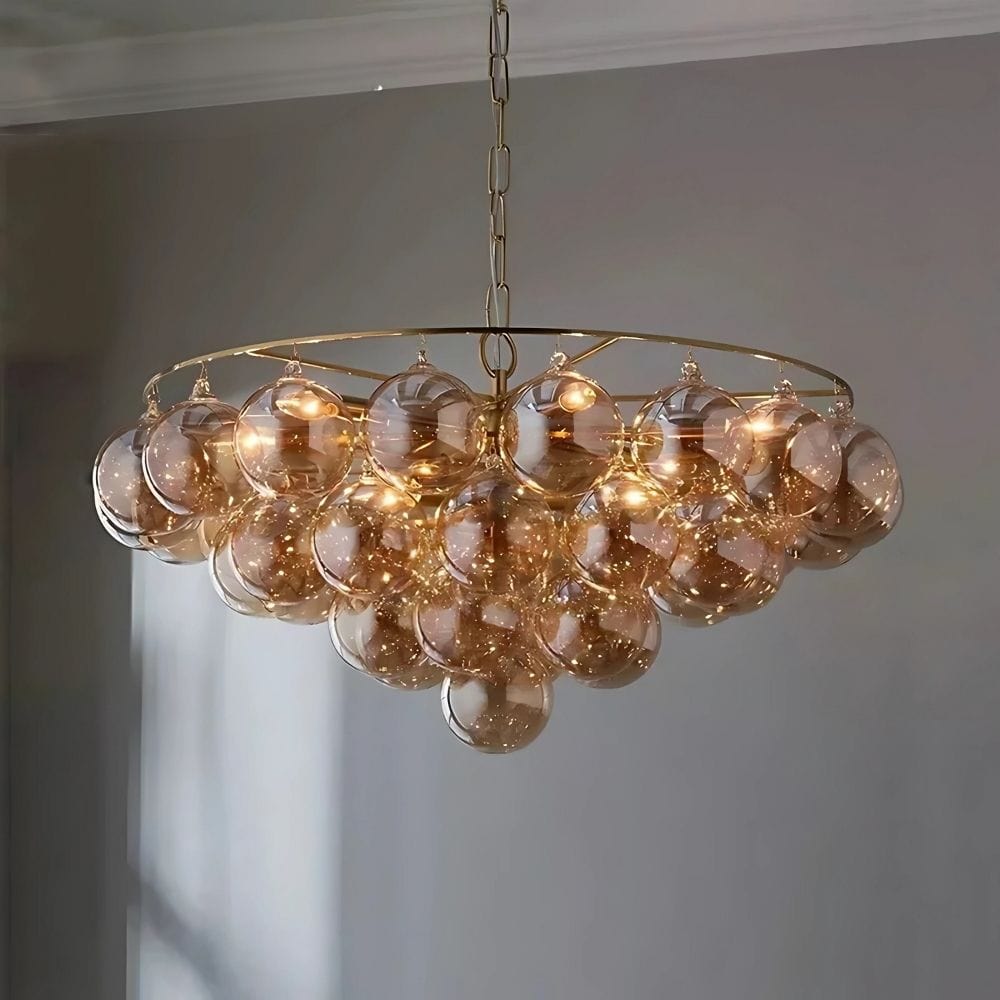
Shape has a major effect on how contemporary chandeliers read in a space. Ring and linear forms often feel cleaner and more architectural. Globe and bubble-inspired fixtures can soften the room while still keeping an updated look. Sculptural branching or asymmetrical pieces usually create a stronger statement and draw more attention upward. That is why two contemporary chandeliers can serve very different roles even when they share similar finishes.
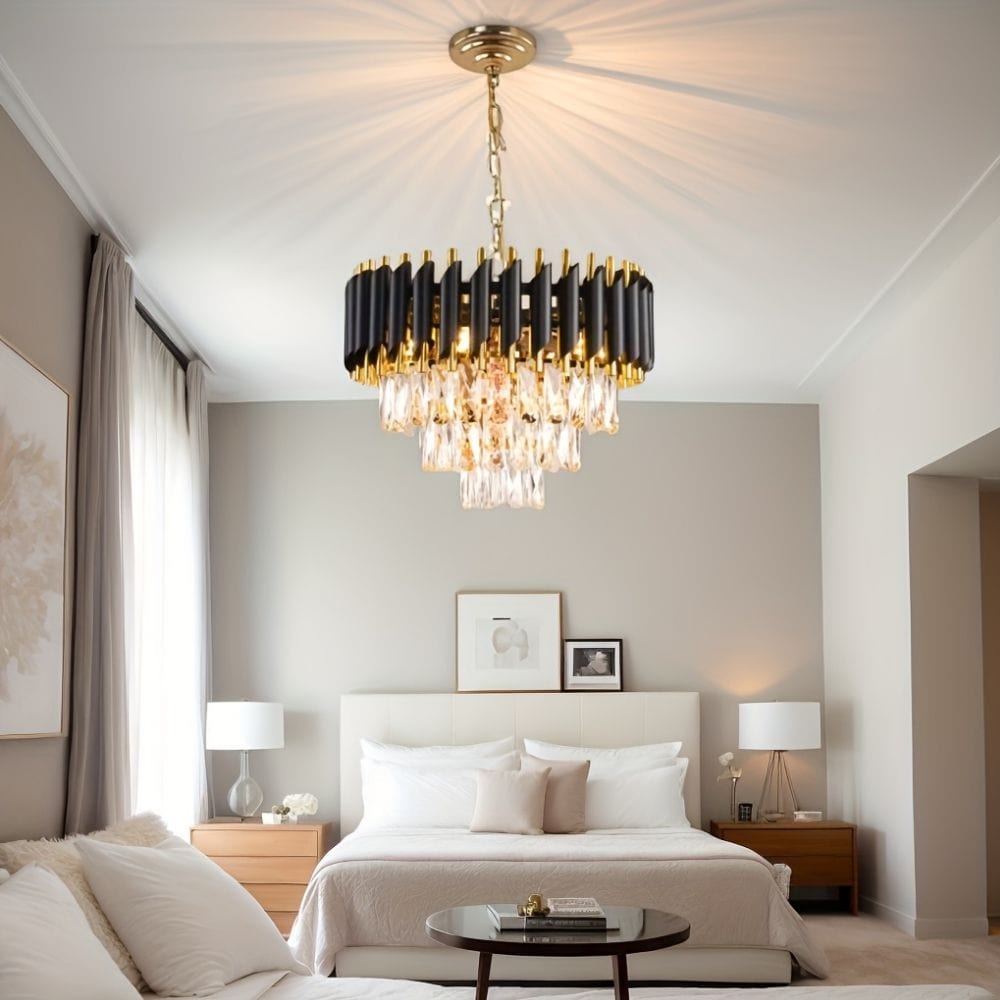
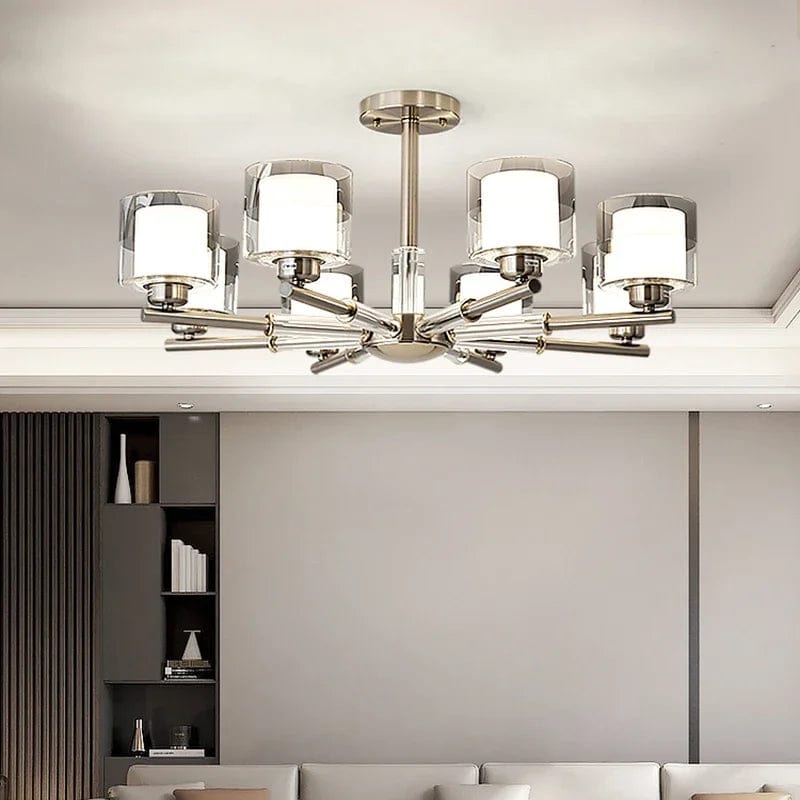
Material also changes the mood. Glass can make the fixture feel lighter and more open. Alabaster usually creates a softer, more refined look. Black metal tends to feel sharper and more graphic, while brass and warmer finishes often make the chandelier feel more layered and decorative. If you want a cleaner and more restrained version of this category, compare Modern Chandeliers. If you want stronger contrast, it also helps to browse Black Chandeliers. For longer table-centered layouts, Linear Chandeliers may be a better fit.
Quick comparison:
- Ring and linear forms - cleaner, more directional, and often easier in architectural spaces
- Globe or bubble styles - softer visual rhythm with an updated feel
- Layered glass or alabaster - refined statement look with a lighter or more diffused presence
- Sculptural forms - stronger focal point for foyers, staircases, and open rooms
Contemporary vs. Modern Chandeliers
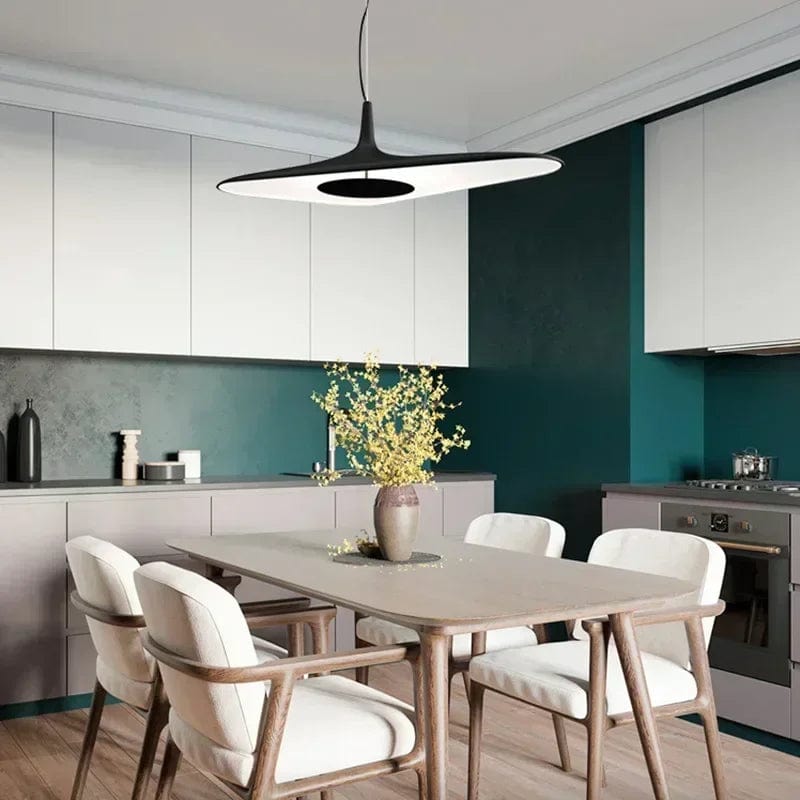
These categories overlap, but they do not always create the same result. Modern chandeliers usually feel more disciplined in line, proportion, and detailing. Contemporary chandeliers often give you more freedom in silhouette, material mix, and overall expression. A contemporary piece may still be clean, but it can also feel more fluid, trend-aware, or sculptural depending on the design. If your priority is a very restrained look, modern may be the better direction. If you want something current with more visual personality, contemporary is often the stronger starting point.
Small reminder: The best contemporary chandelier is not always the one with the boldest shape. In many rooms, the strongest result comes from a fixture that feels balanced with the furniture layout, the ceiling height, and the amount of visual activity already present in the space.
Use This Collection When You Want a More Current Design Statement
This page works best when your goal is a chandelier that feels present-day, polished, and visually connected to how homes are being styled now. As you compare options, focus on more than appearance alone. Think about the room’s footprint, the ceiling height, whether the chandelier needs to define a table or open area, and how strong you want the fixture to read from across the room. That approach usually leads to a better choice than selecting only by finish or trend.