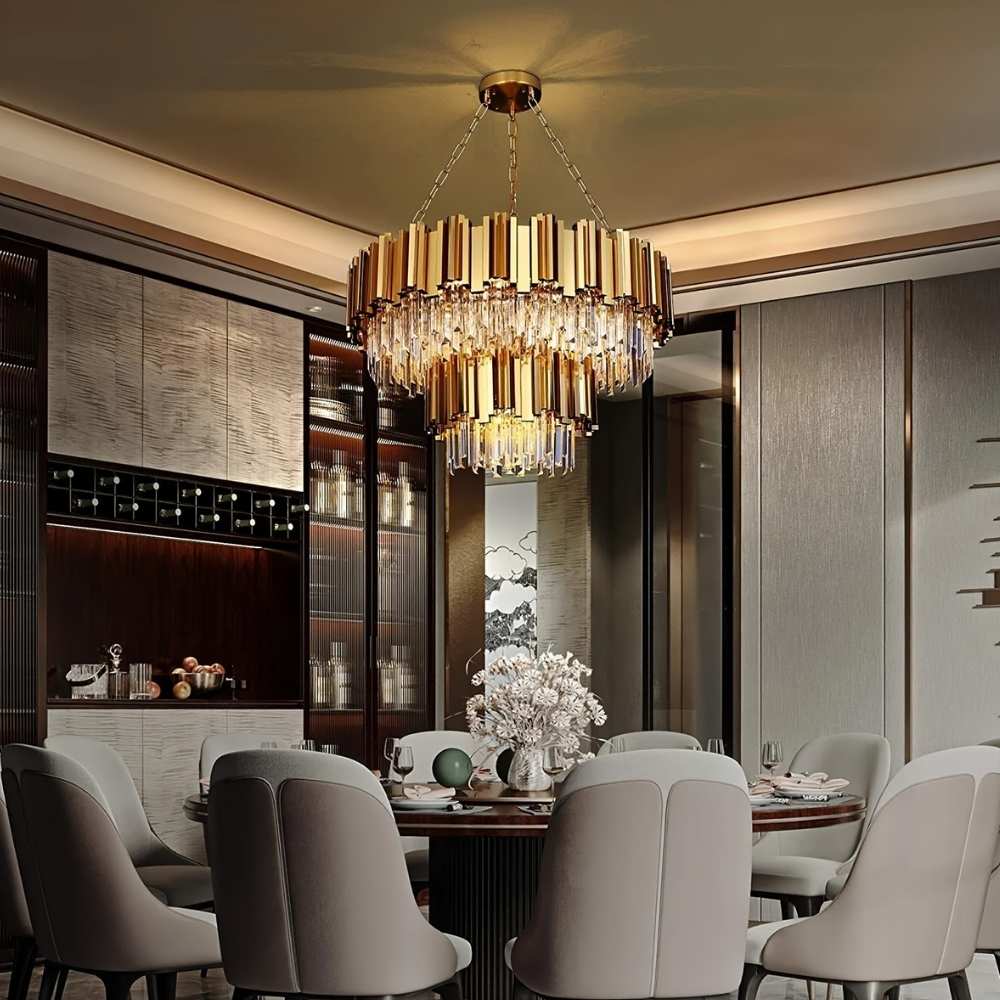
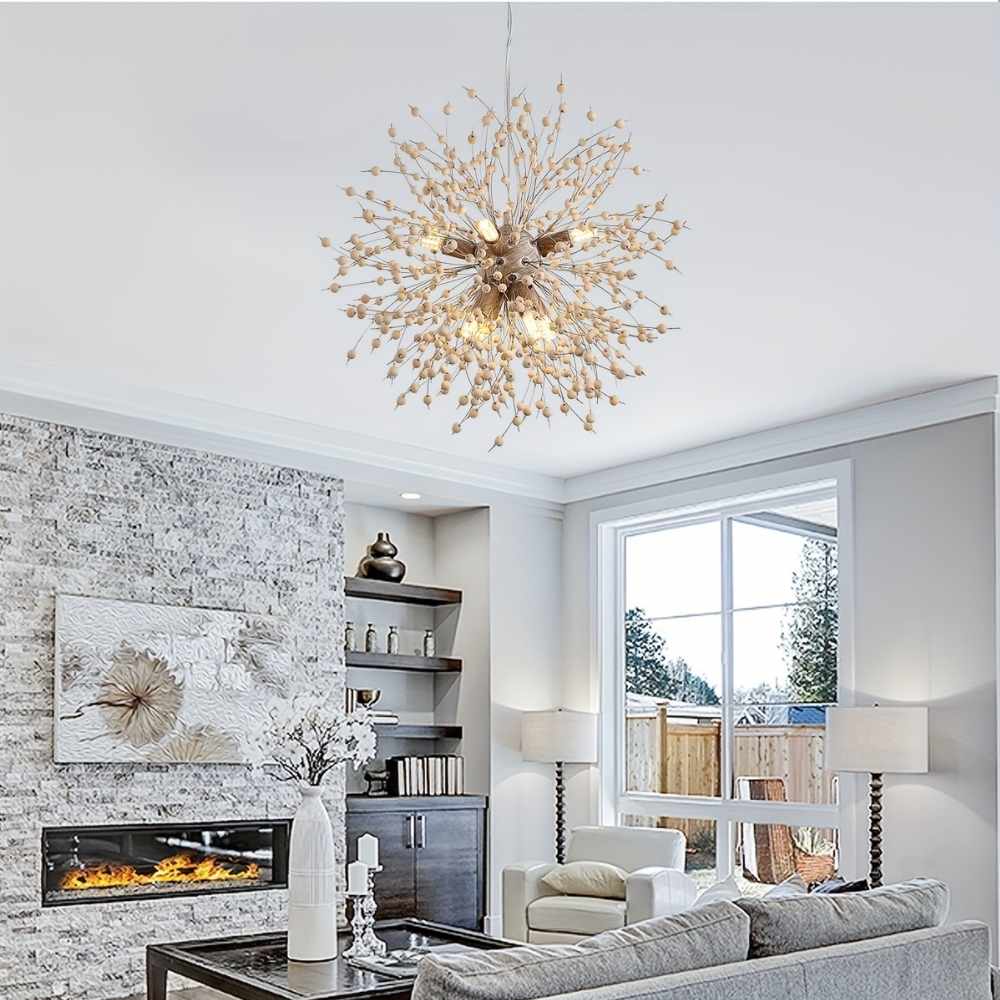
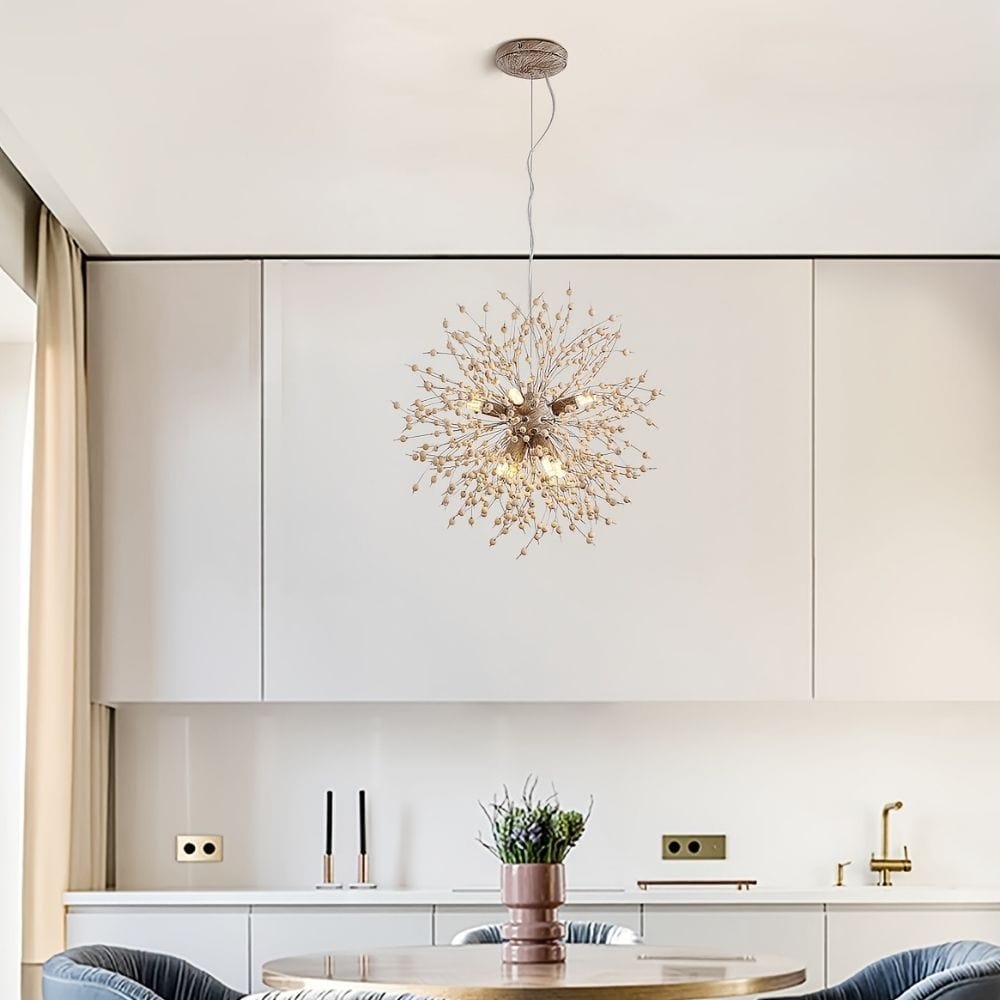
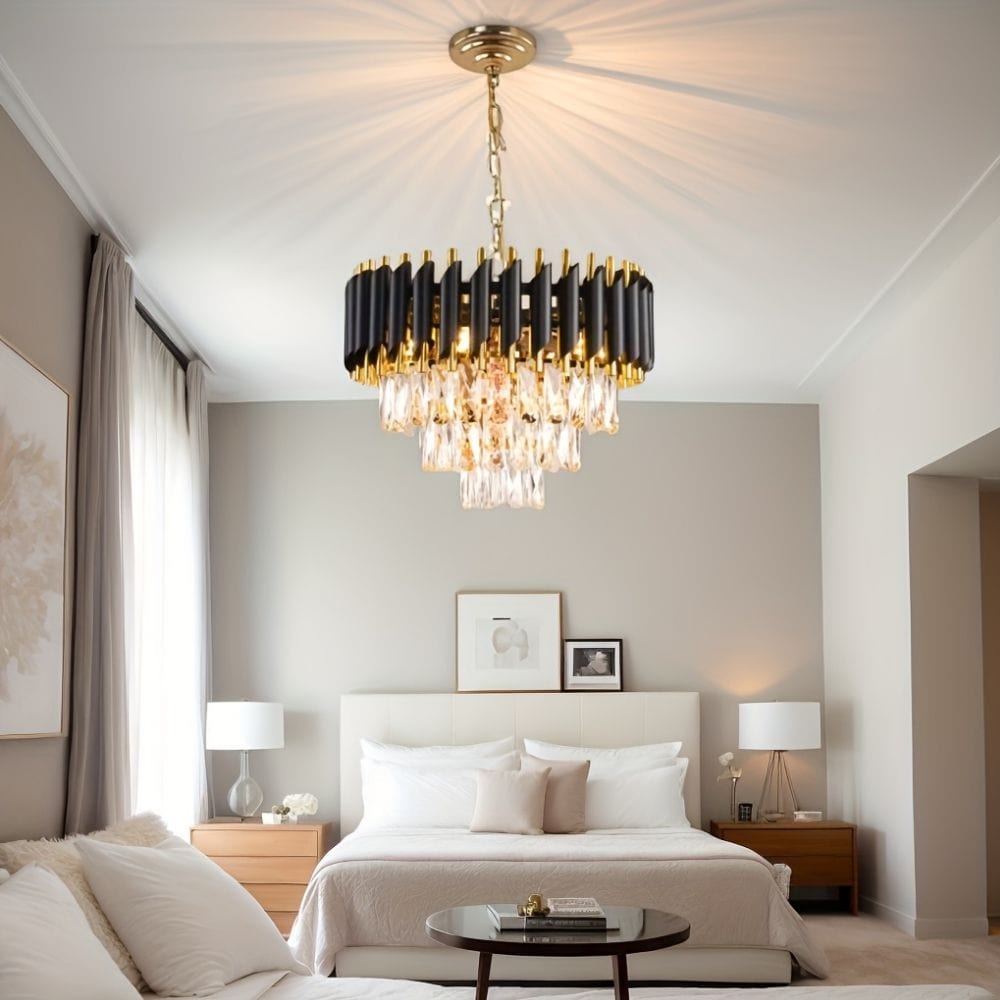


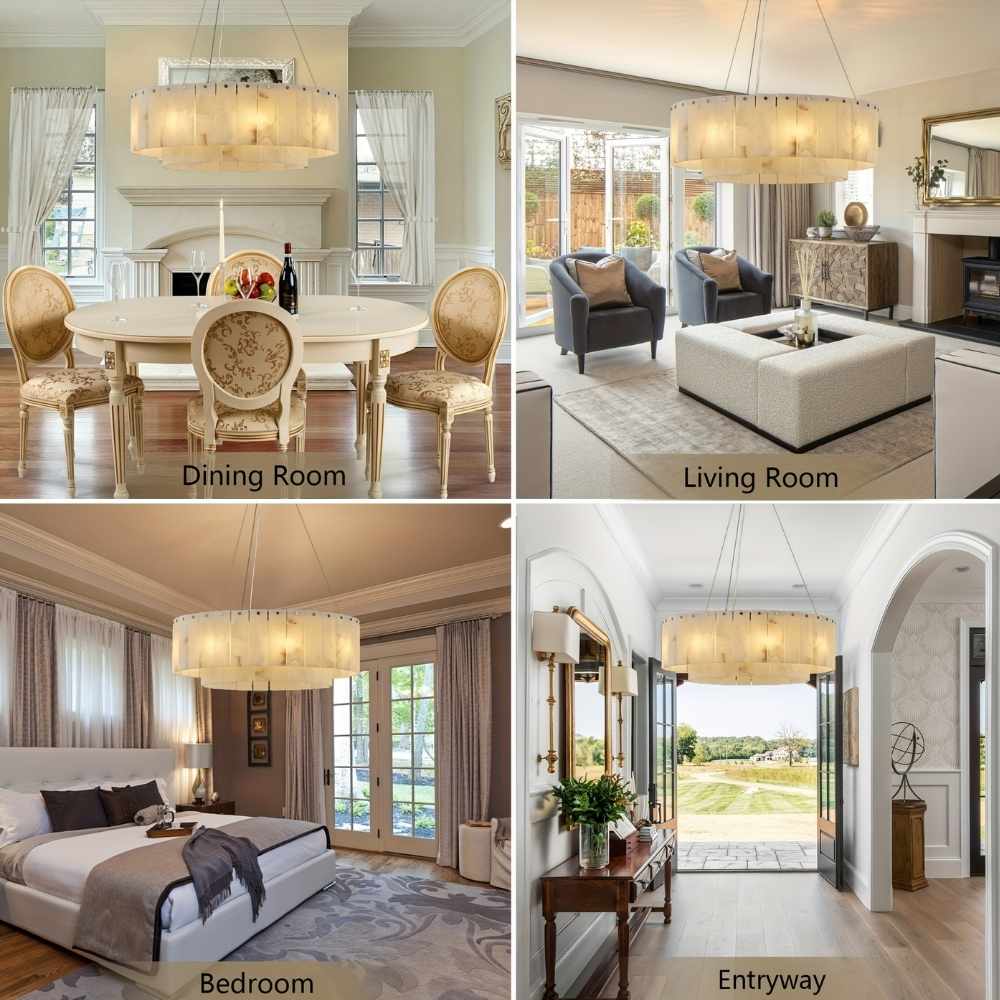
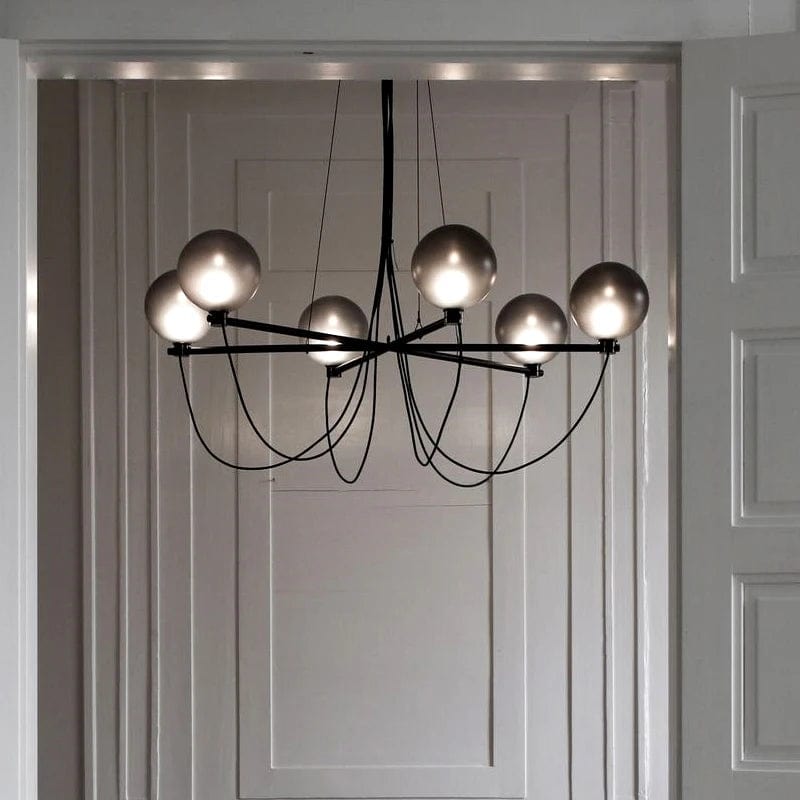
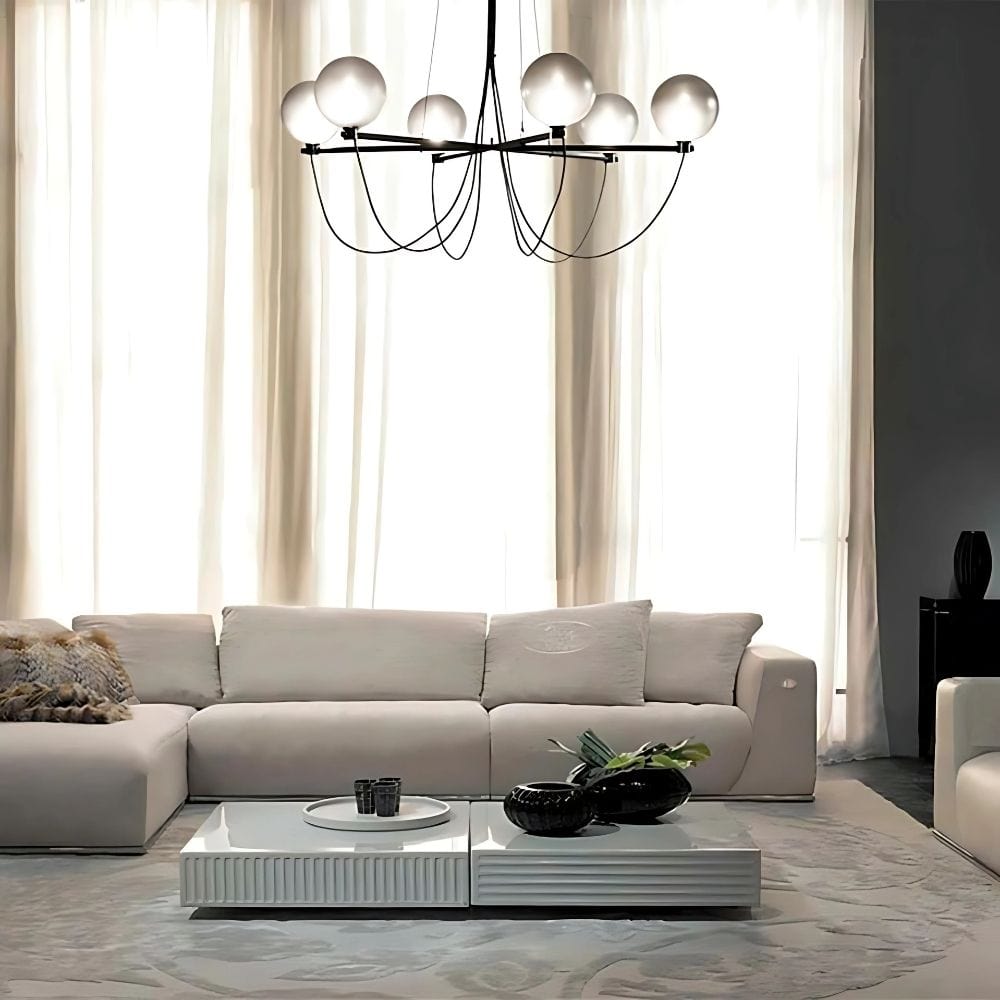
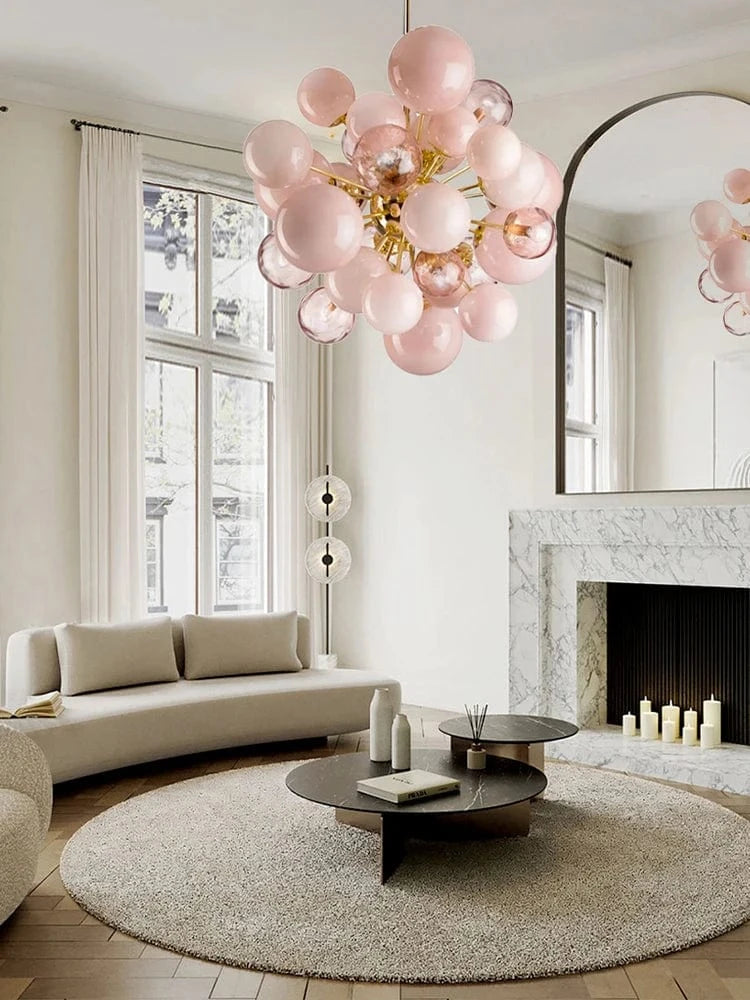


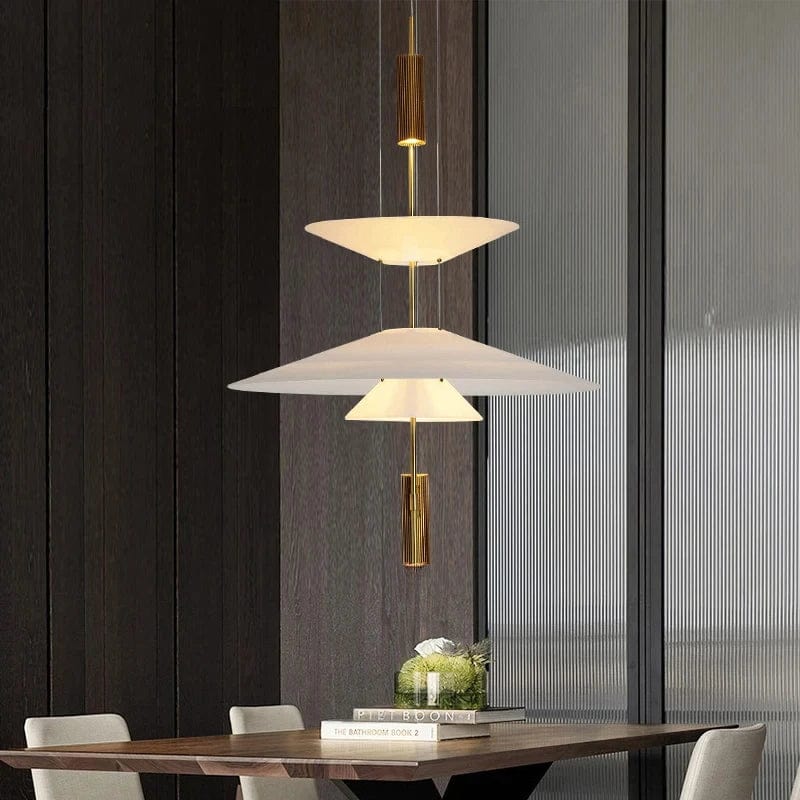
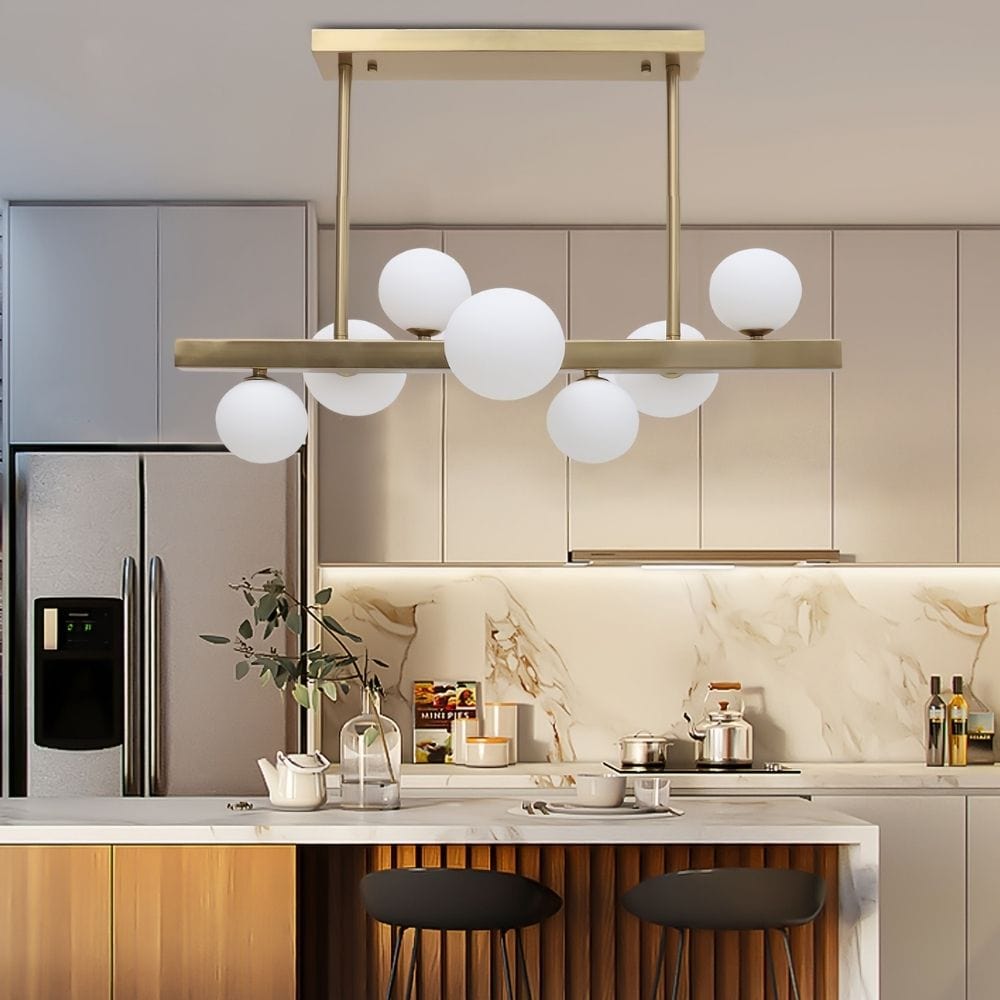
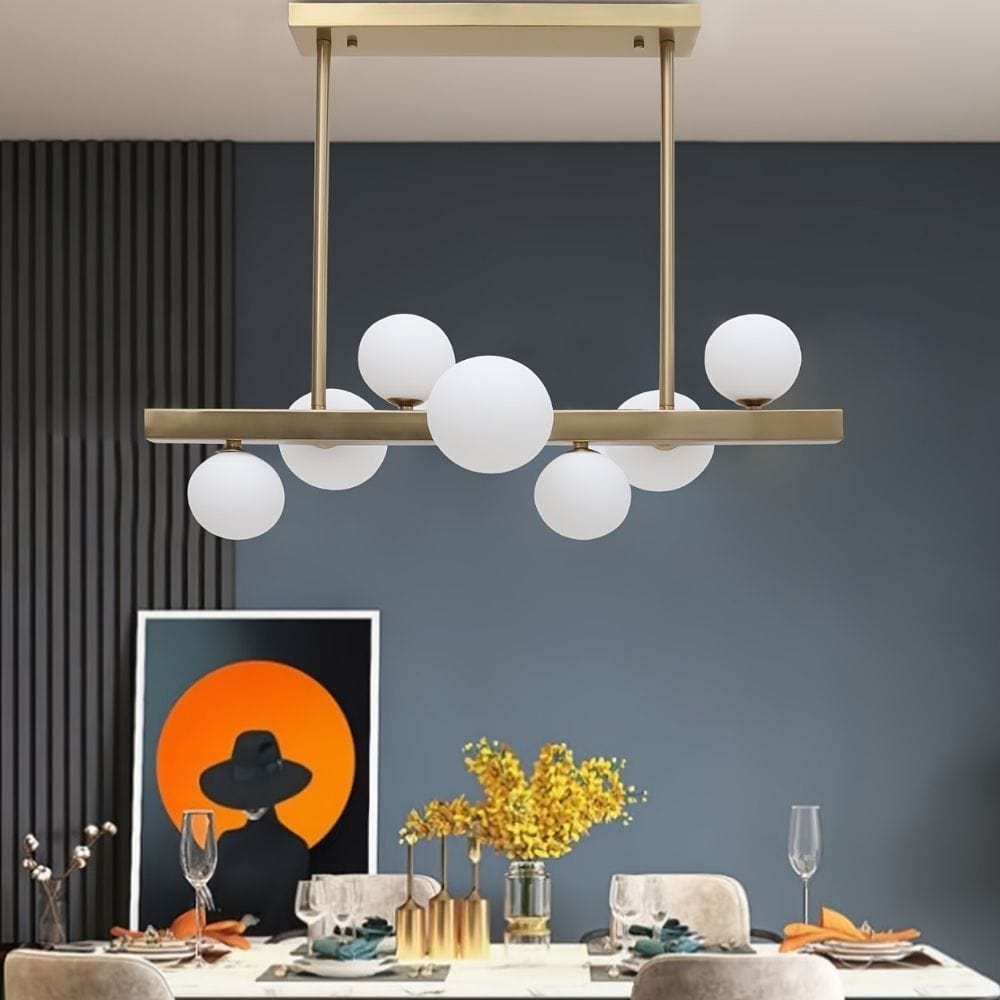
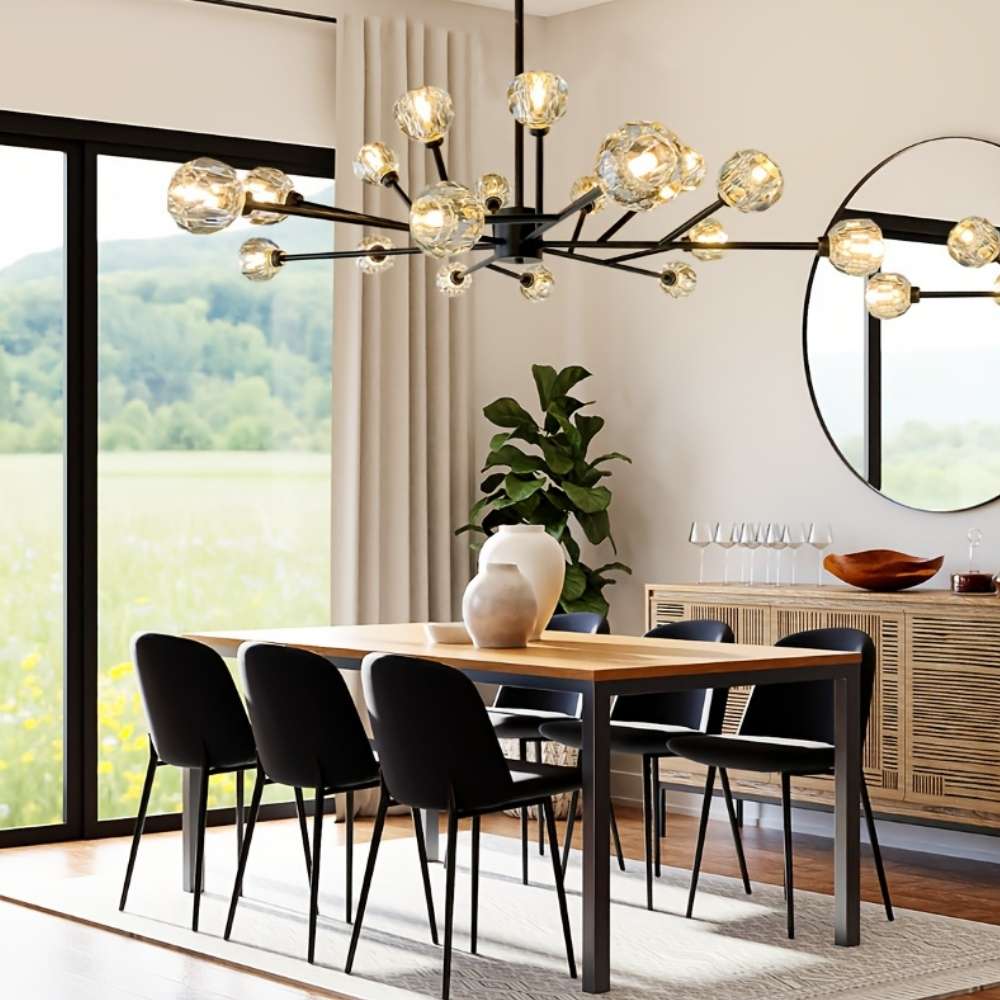
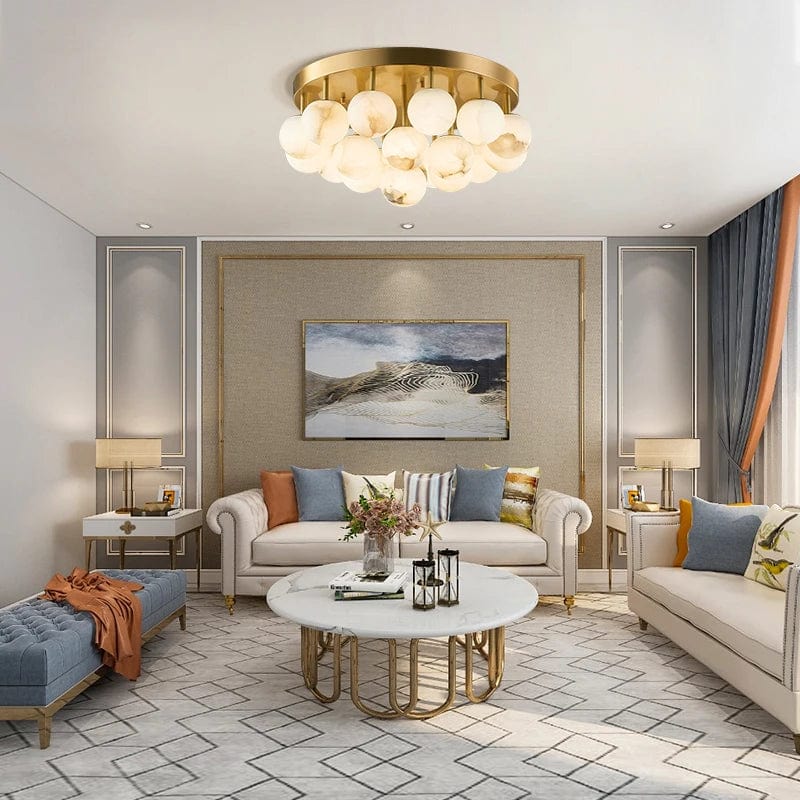
Dining Room Chandeliers for Better Table Proportion and a More Intentional Gathering Space
Dining room chandeliers are a strong choice for shoppers who want the dining area to feel more finished, more balanced, and more inviting every time the table is used. This category is built around table-centered chandelier selection, which means the fixture is chosen not just for style, but for how well it relates to the dining table, the room shape, and the ceiling height above. If you want to compare the broader family first, you can begin with our full Chandeliers collection, then narrow your options here once your priority is the dining room itself.
One of the biggest differences between a dining room chandelier and a chandelier chosen for another space is that the table gives the fixture a clear visual reference point. In a foyer or living room, the chandelier often needs to relate to open floor area or a seating zone. In a dining room, the fixture usually works best when it feels intentionally sized and positioned above the table, helping define the place where people gather, eat, and spend time together. That table-centered relationship is what makes this page different from broader style categories.
What Makes a Chandelier Right for a Dining Room?
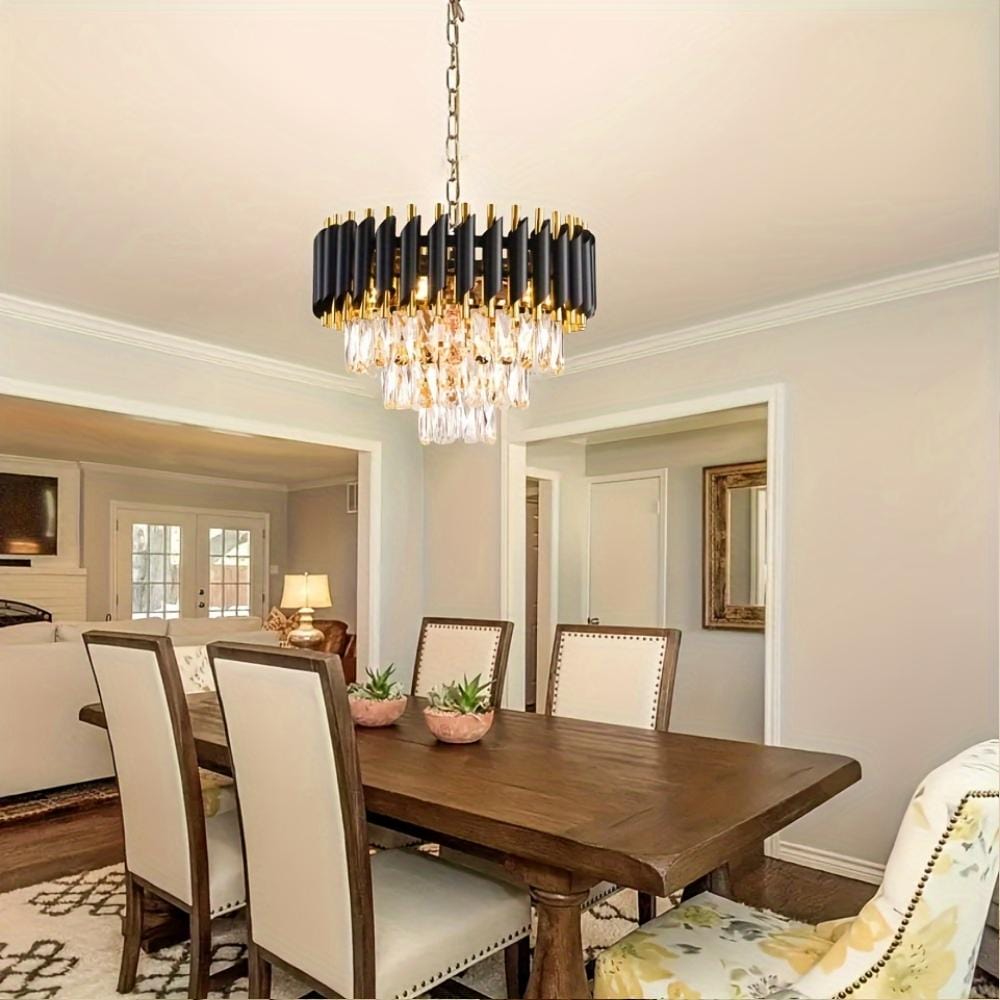
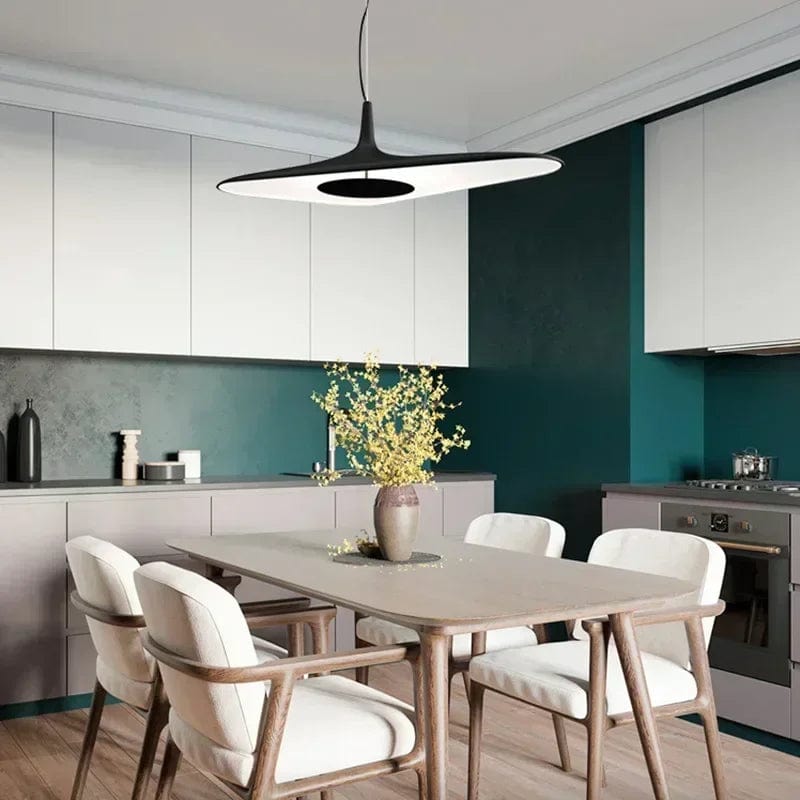
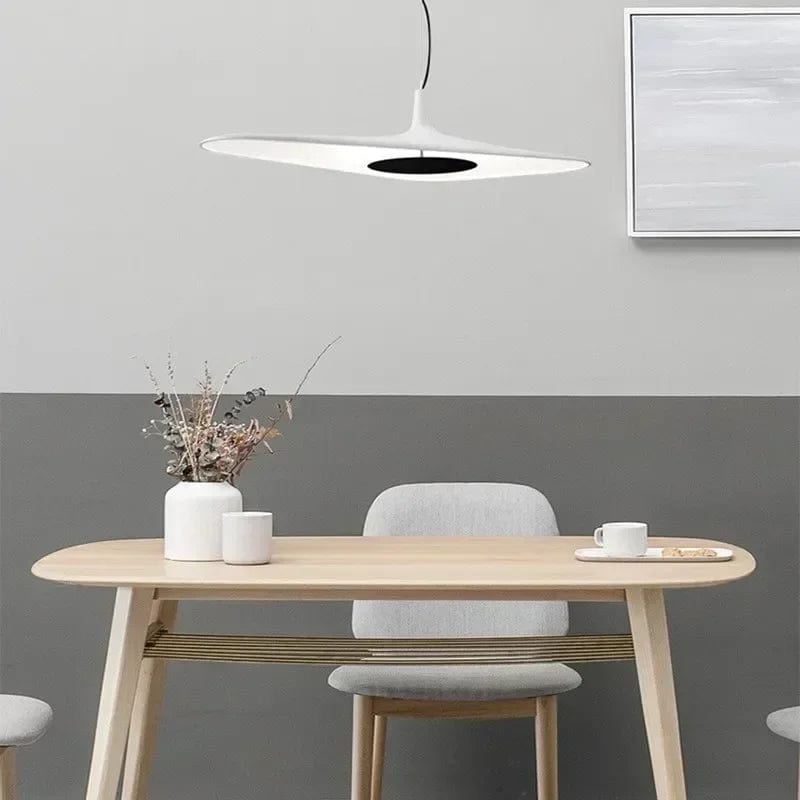
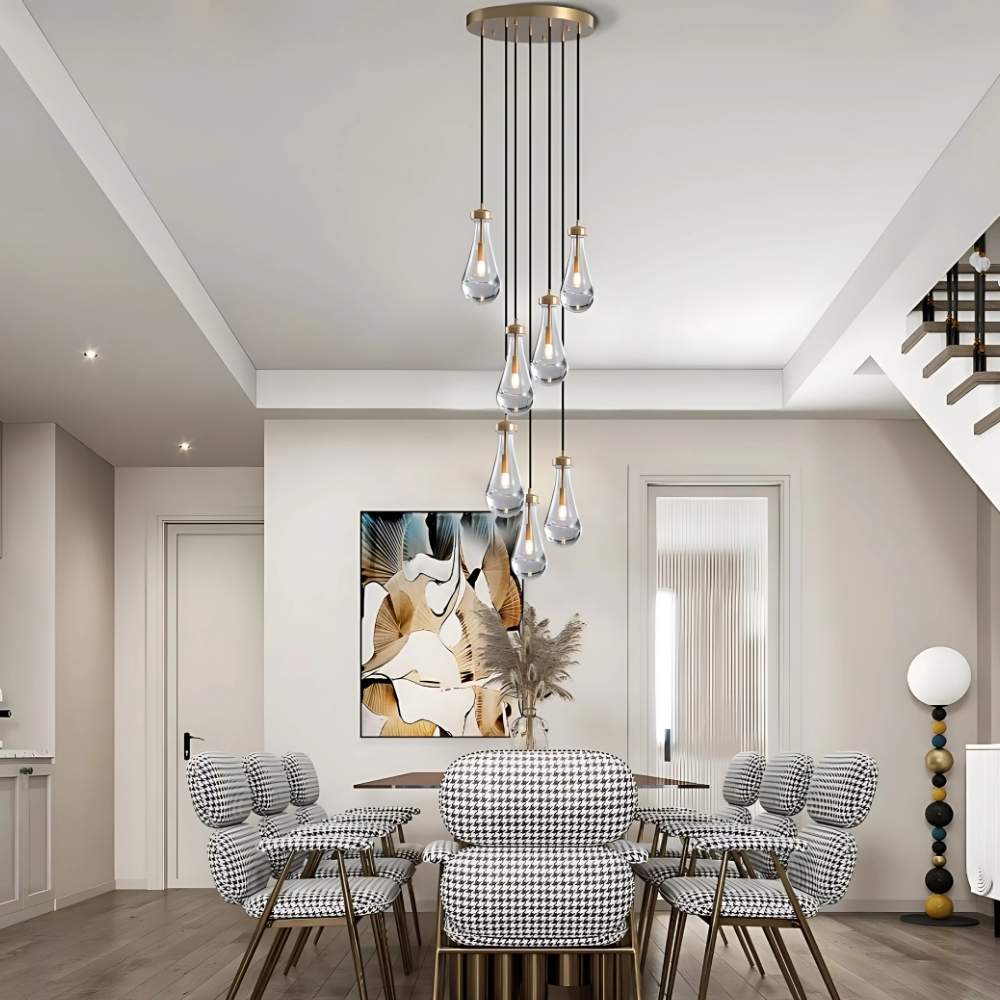
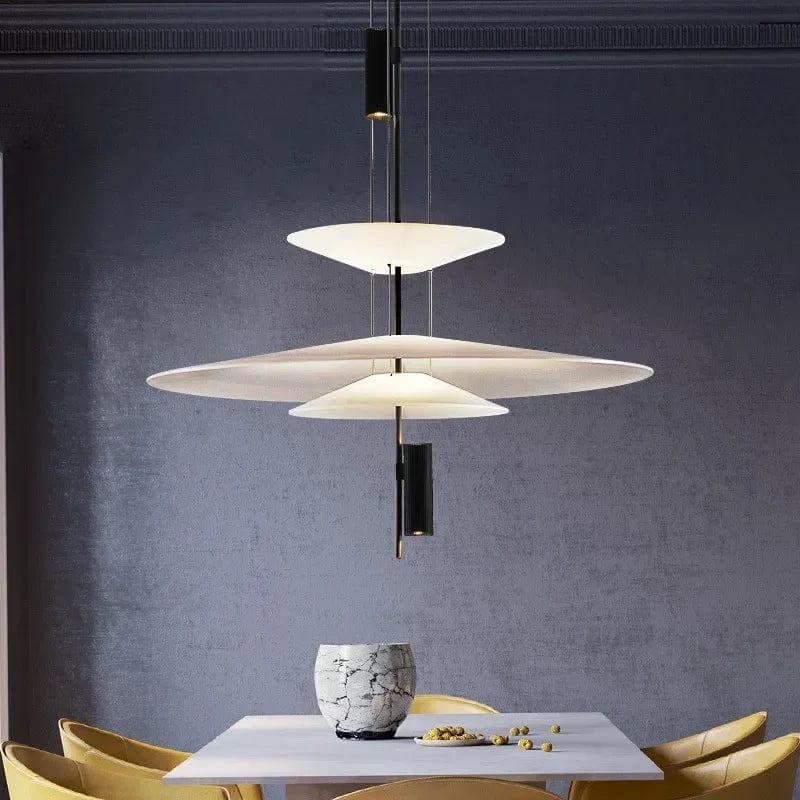
The most important factor is proportion to the table below. A dining room chandelier should feel connected to the table, not oversized for it and not so small that it visually disappears. It also needs to support the mood of the room. Some dining spaces look best with a chandelier that feels clean and architectural. Others benefit from something warmer, softer, more reflective, or more sculptural. The right choice depends on the dining furniture, room scale, and how formal or casual you want the space to feel.
- Common use cases: formal dining rooms, breakfast rooms, open dining areas, dining nooks, and table-centered entertaining spaces
- Main visual benefit: a stronger focal point directly above the table and a more complete room composition
- Best fit: dining spaces where the chandelier should relate clearly to the table rather than float as a general ceiling light
Tip: In most dining rooms, it is more useful to size the chandelier to the table than to the full room alone. That usually creates a result that feels more natural during everyday use.
How to Choose the Right Dining Room Chandelier Size
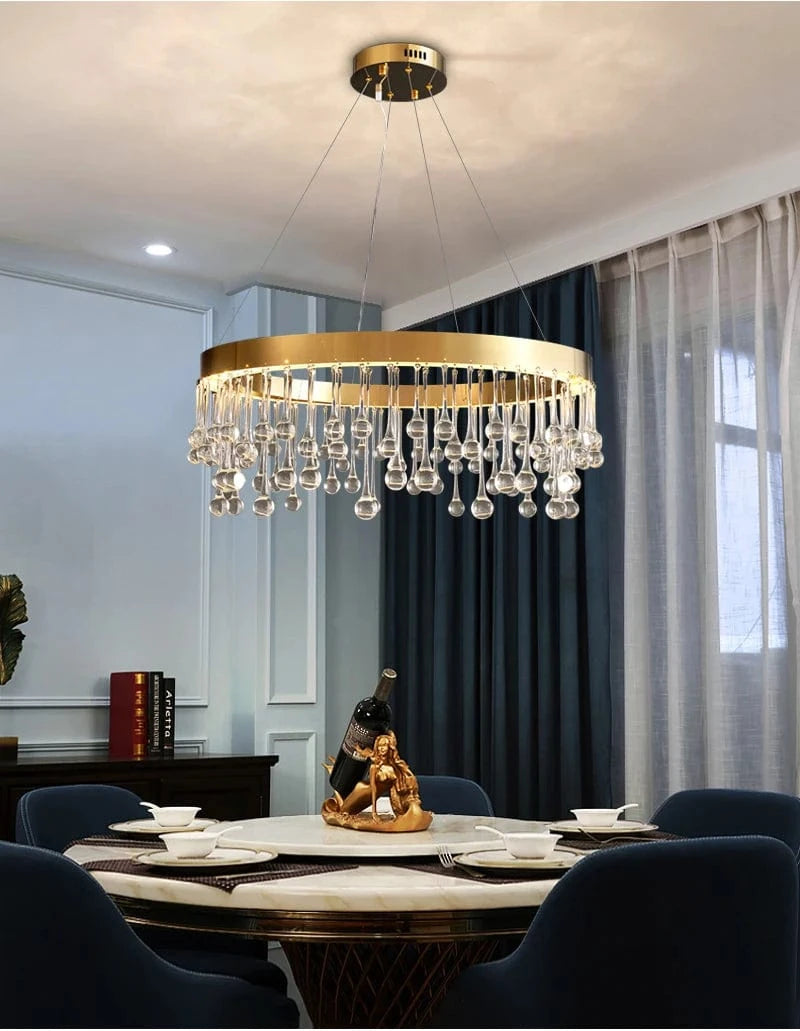
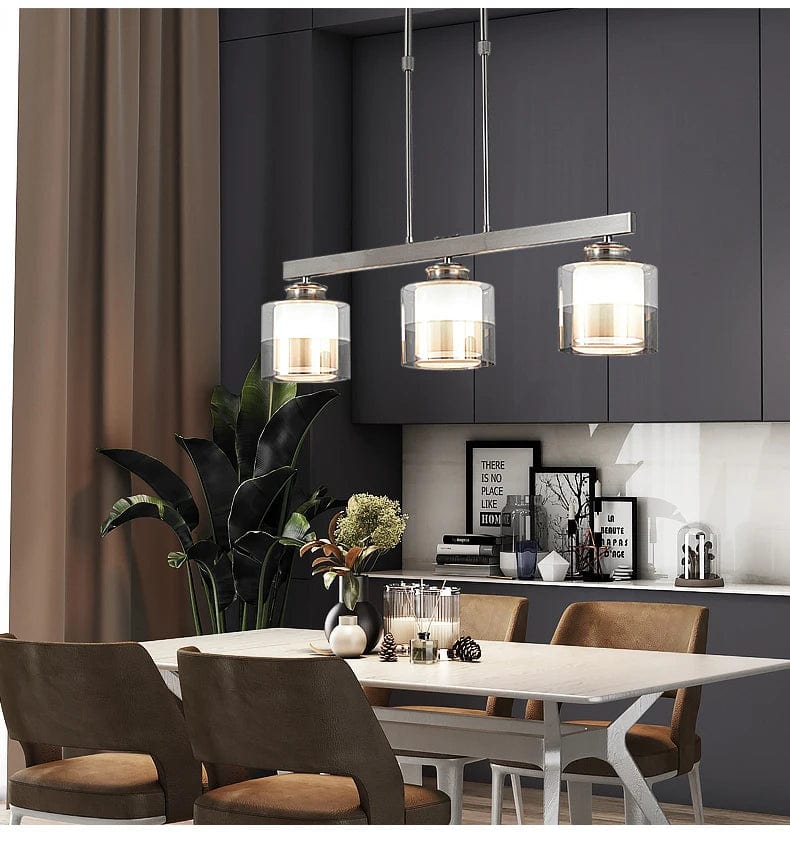
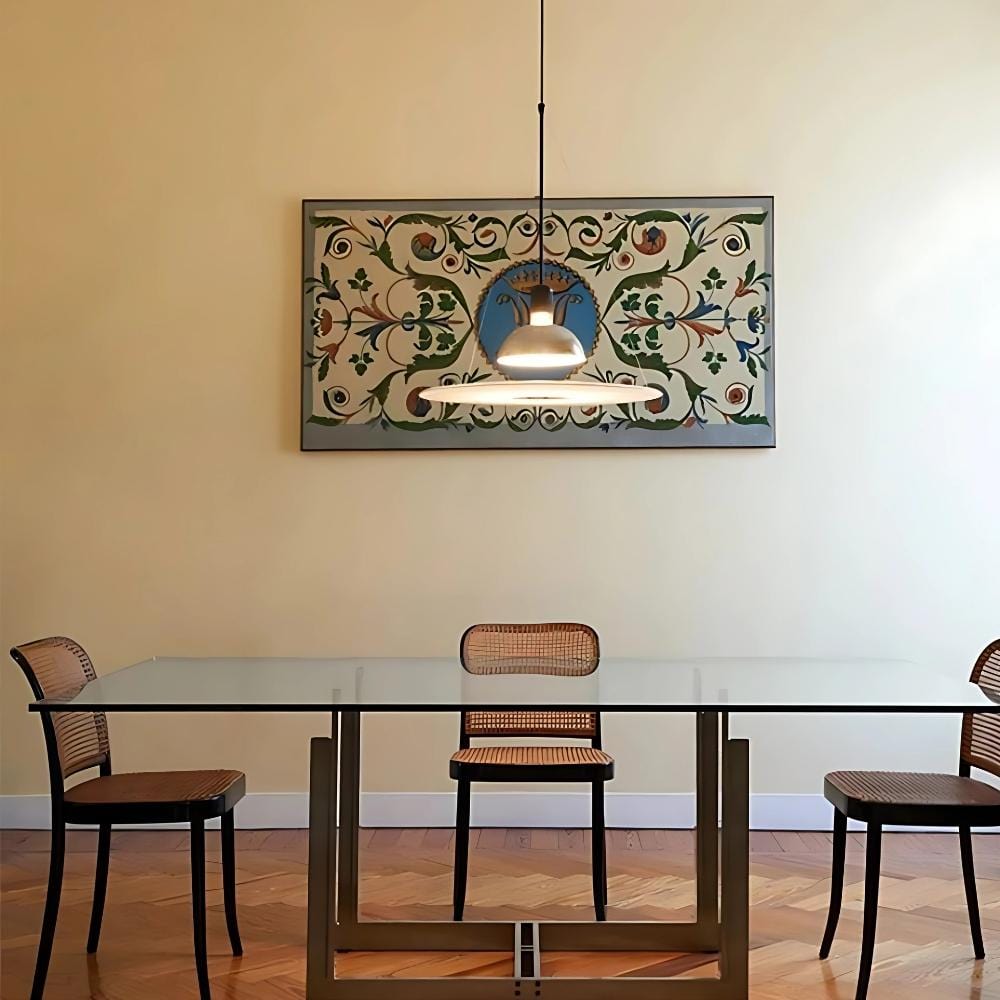
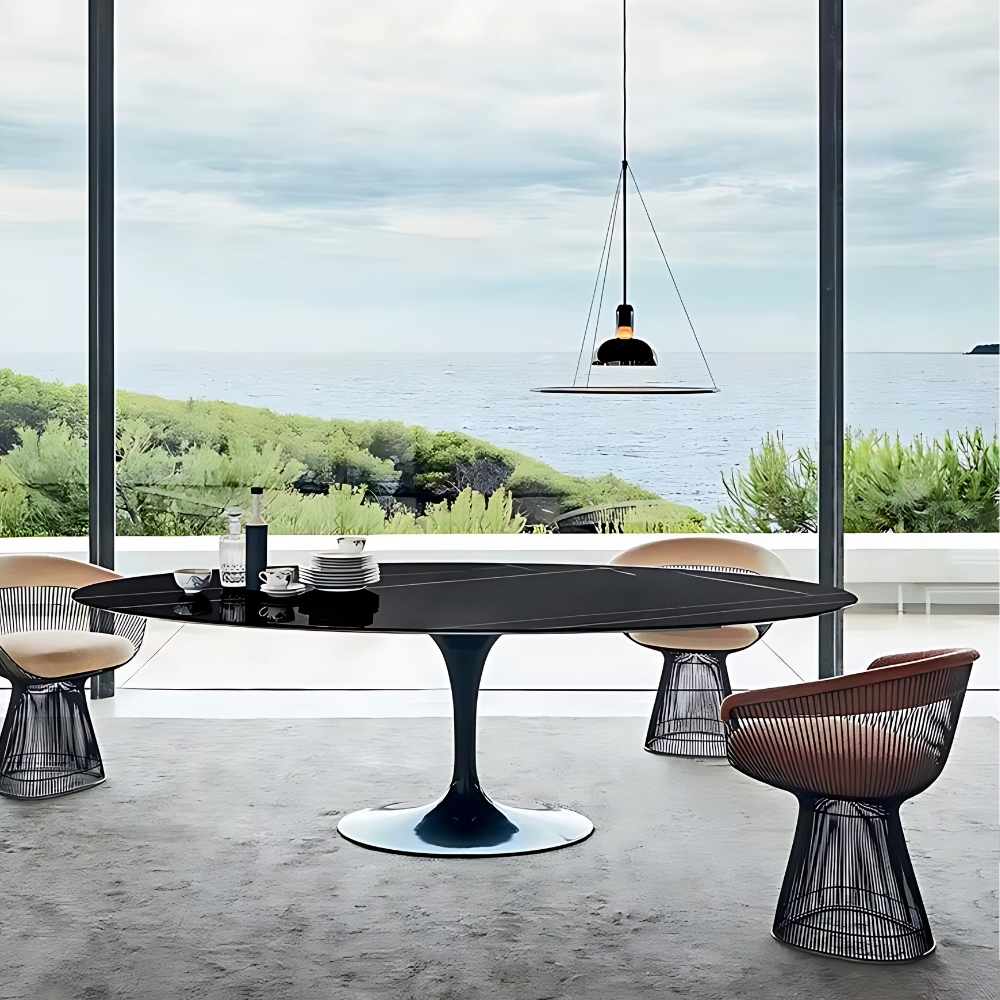
A common starting point is to choose a chandelier that feels about one-half to two-thirds the width of the dining table. That is not a strict formula, but it is a practical guide because it helps the fixture feel visually tied to the table without stretching too far toward the table edges. In longer rooms or with rectangular tables, some shoppers also compare shape along with size. A round chandelier can work beautifully over a round or square table, while a longer fixture often makes more sense over a rectangular surface.
If your room includes a long dining table or a layout with stronger horizontal lines, it may help to compare this page with Linear Chandeliers. If the suspended look matters more than the room itself, Pendant Chandeliers can also be a useful adjacent category.
Quick planning notes:
- Table-first sizing: many shoppers begin with a fixture width around one-half to two-thirds of the table width
- Rectangular tables: longer or more directional chandelier shapes often feel more balanced than compact centered forms
- Round tables: round, clustered, or more centered chandelier shapes often feel more natural
- Open-plan dining areas: the chandelier should still clearly define the dining zone even when the room connects to nearby spaces
Measurement note: A common hanging-height starting point is around 30 to 36 inches above the tabletop, then adjusted for ceiling height, fixture thickness, and how open or dense the chandelier looks once installed. A wider or visually heavier chandelier may need a little more breathing room.
Choosing by Ceiling Height, Shape, and Visual Weight
Dining room chandeliers should not only fit the table, but also feel right at eye level when people are seated. A fixture that hangs too high can feel disconnected from the table. One that hangs too low can interrupt sightlines and make the room feel crowded. In standard-height rooms, many shoppers stay close to the usual table-above range. In taller-ceiling dining rooms, a little more drop often helps the chandelier feel more visually connected to the table below.
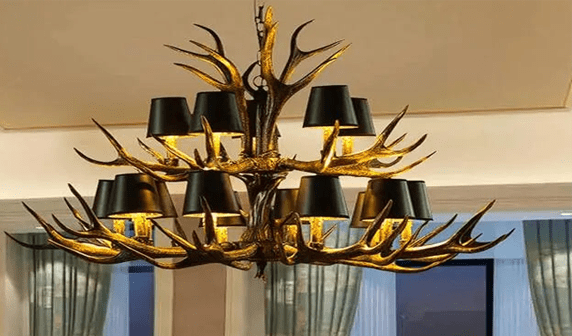
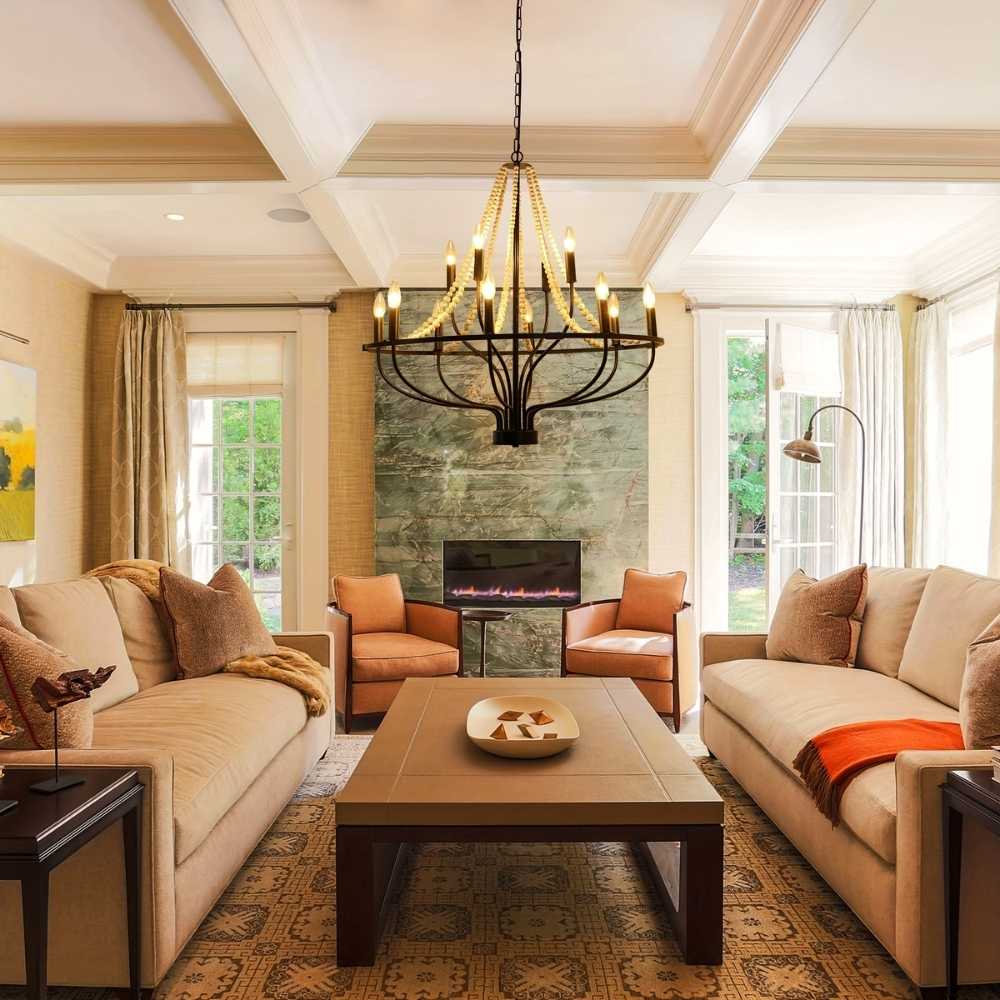
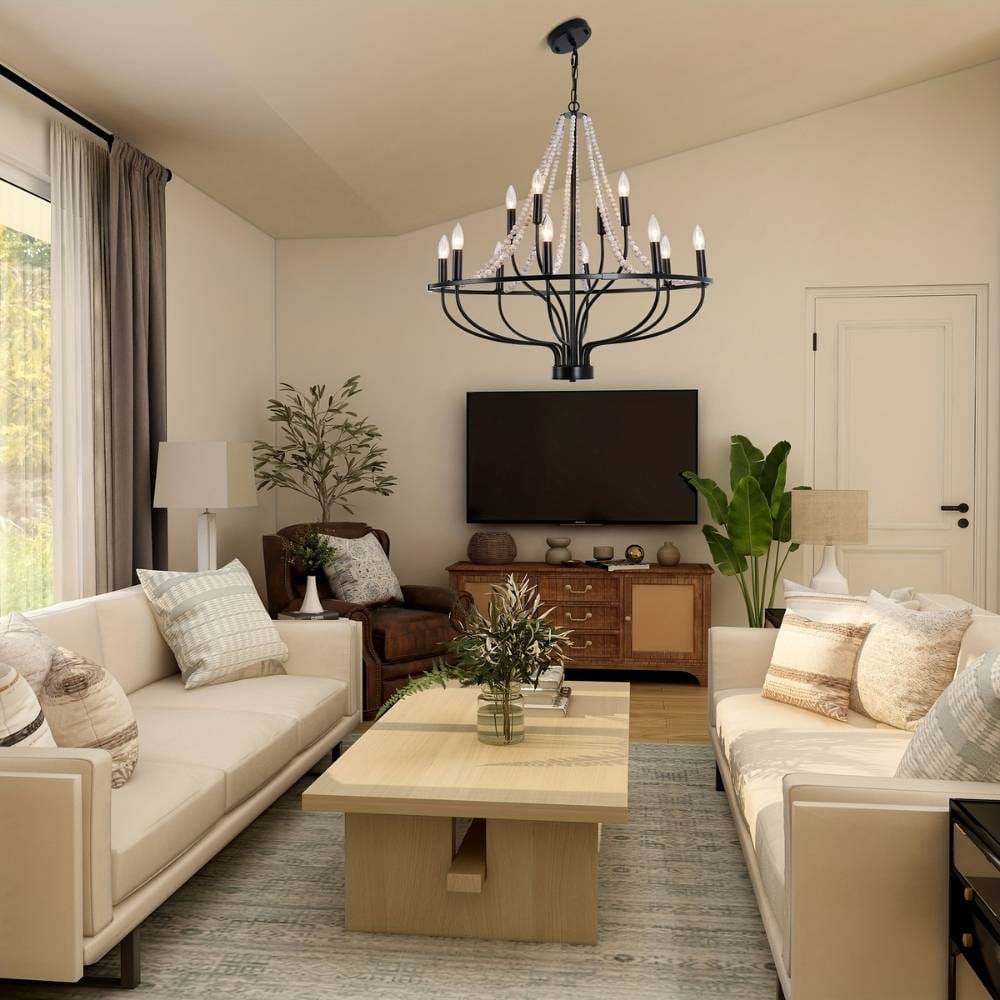
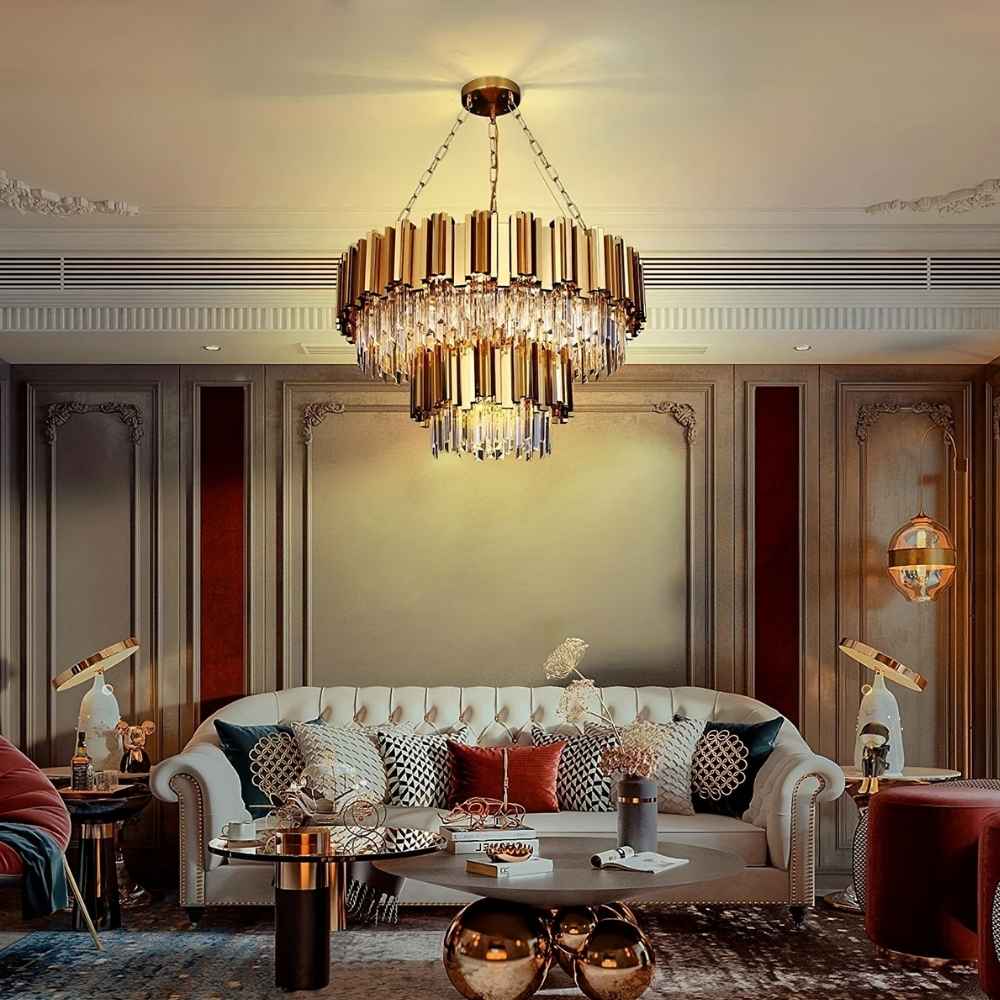
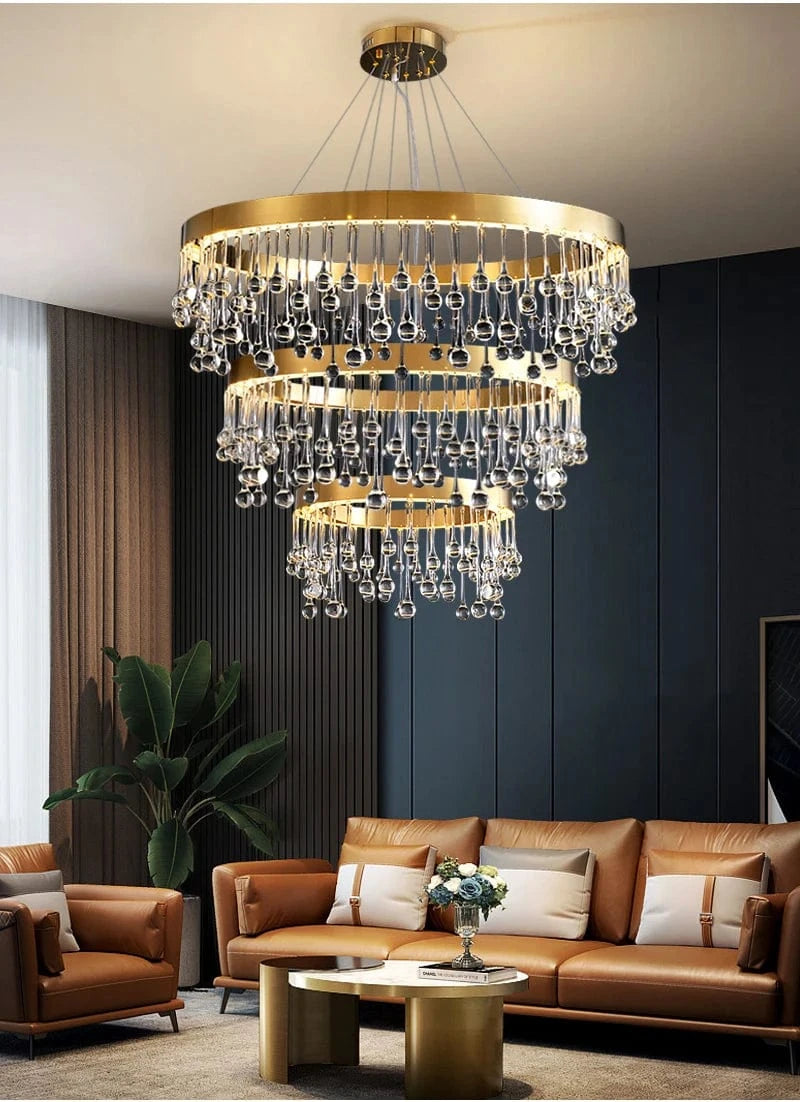
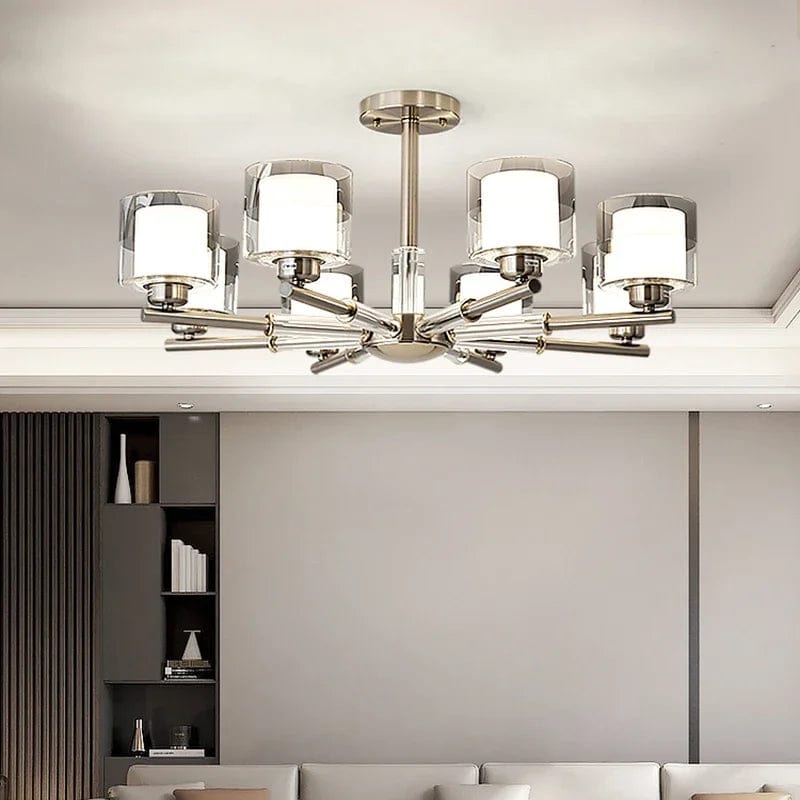
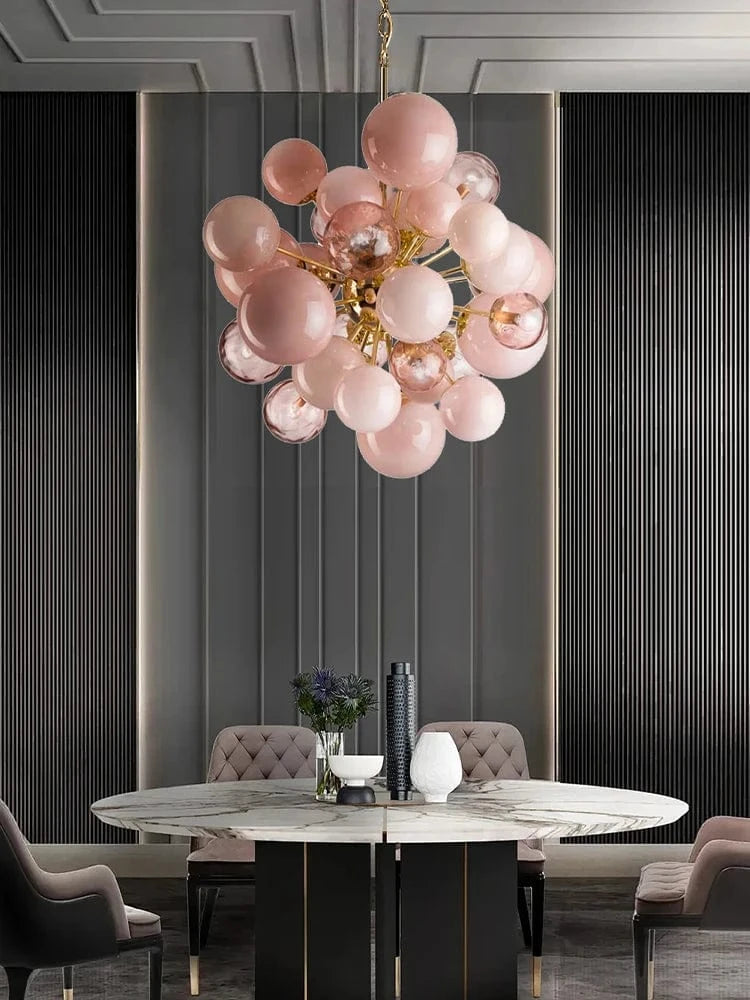
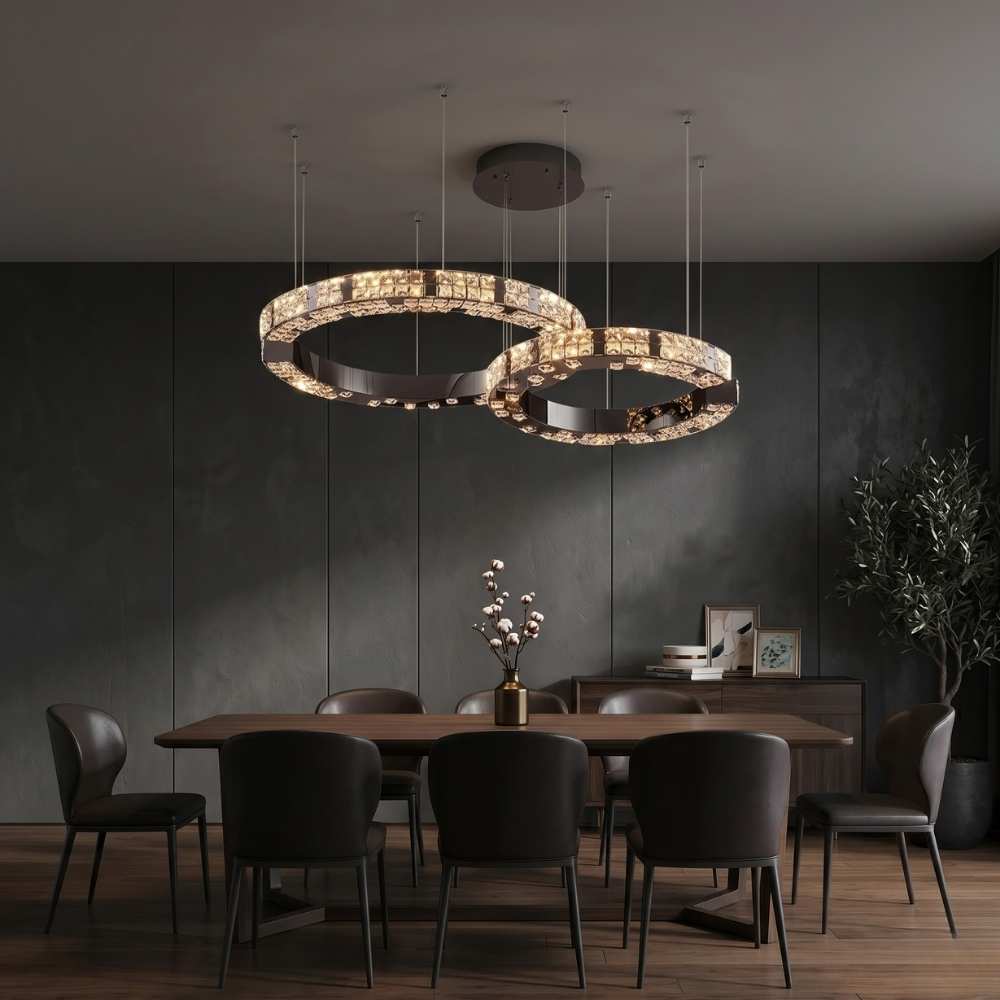
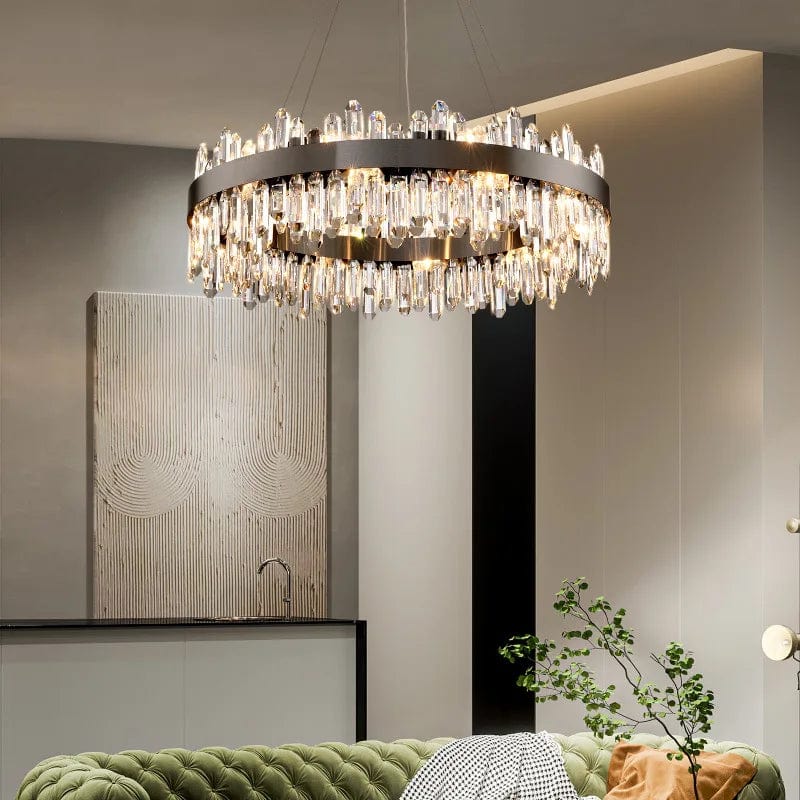
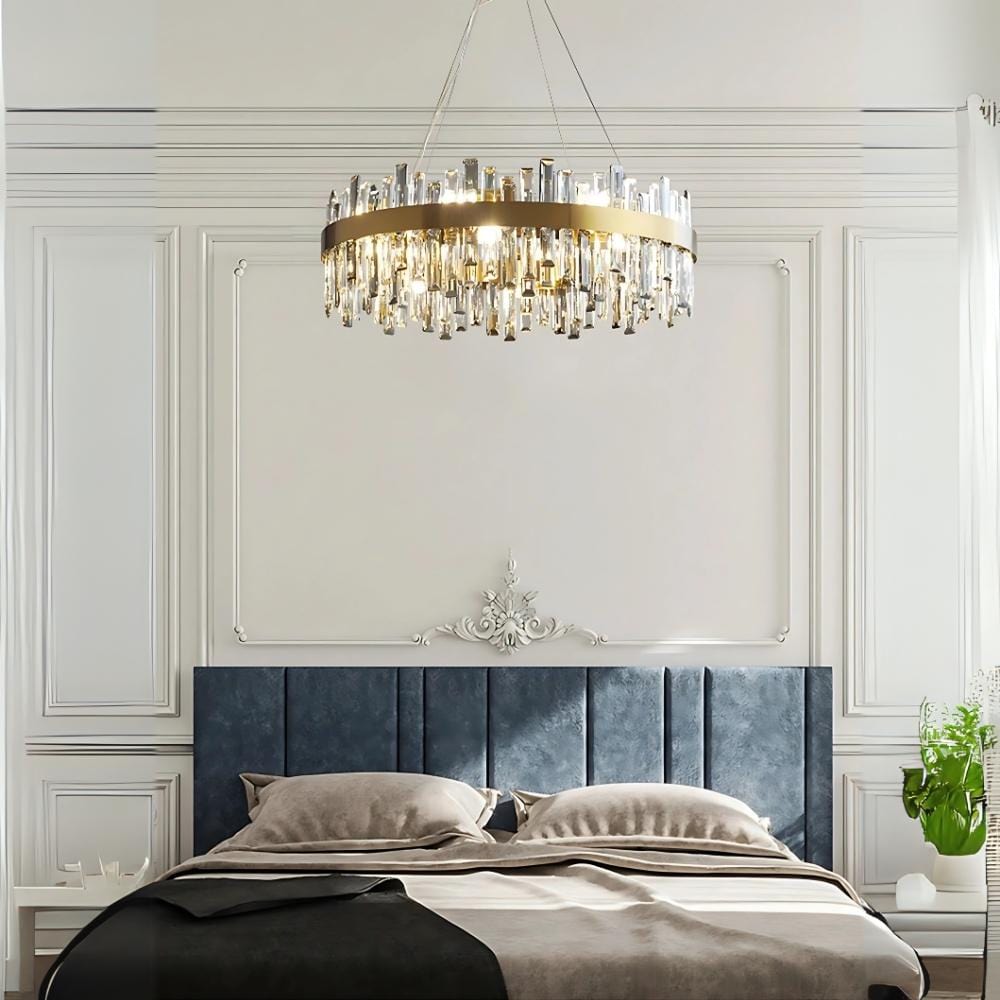
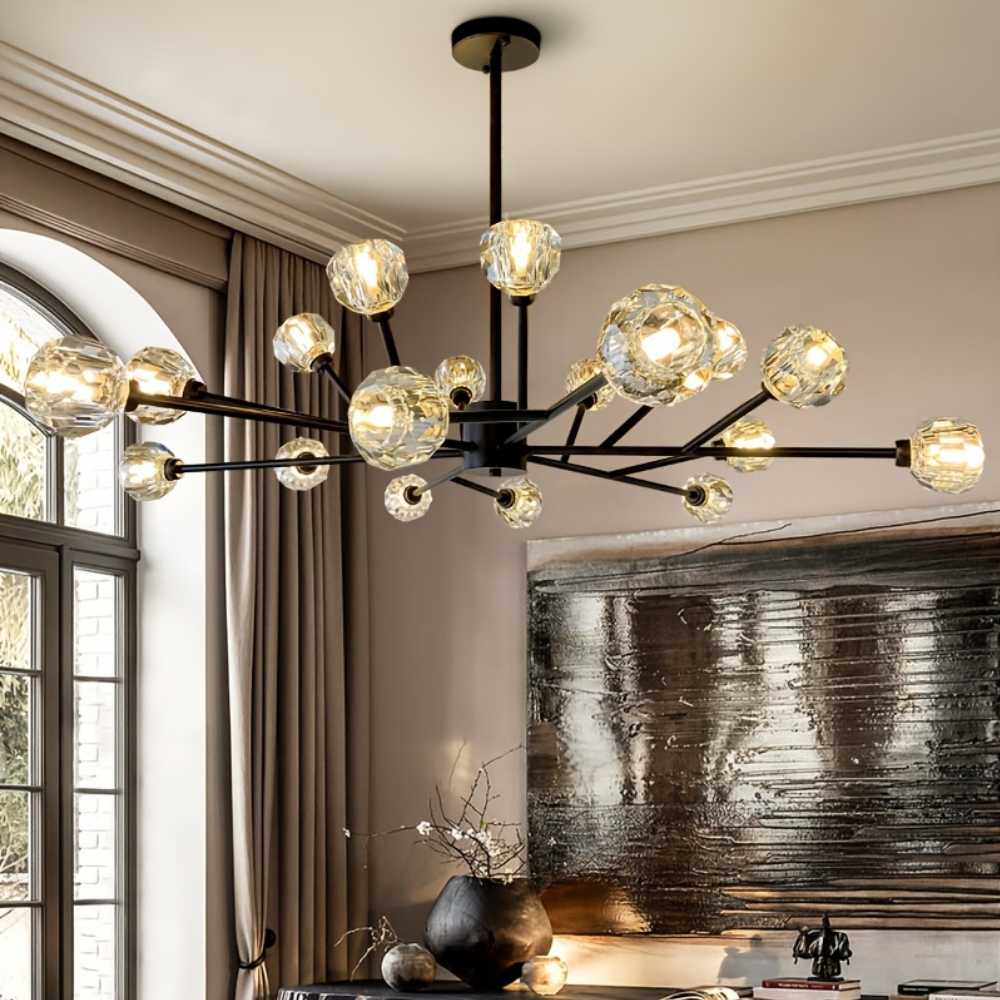
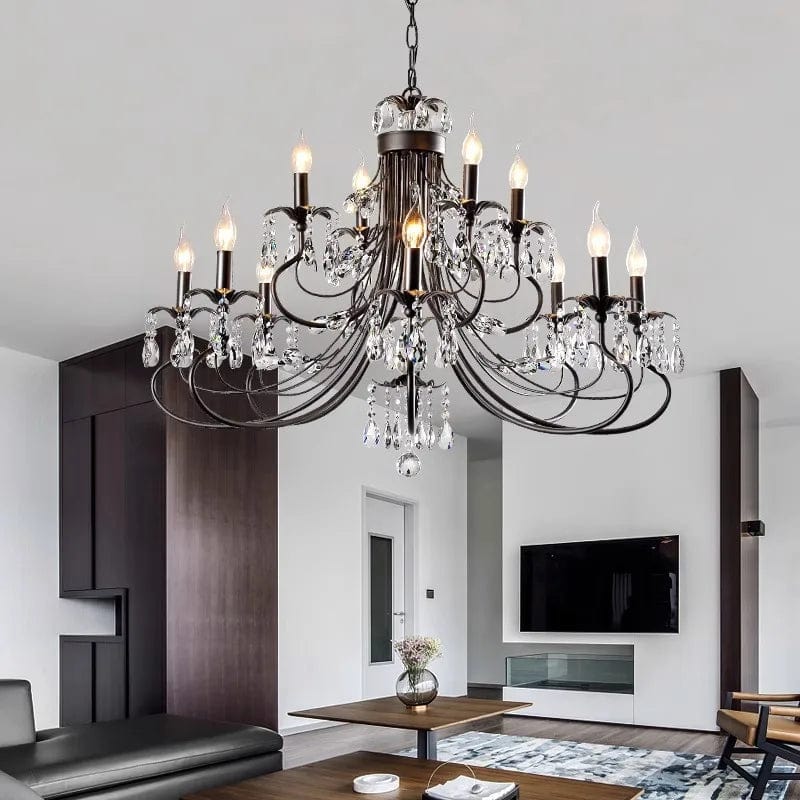
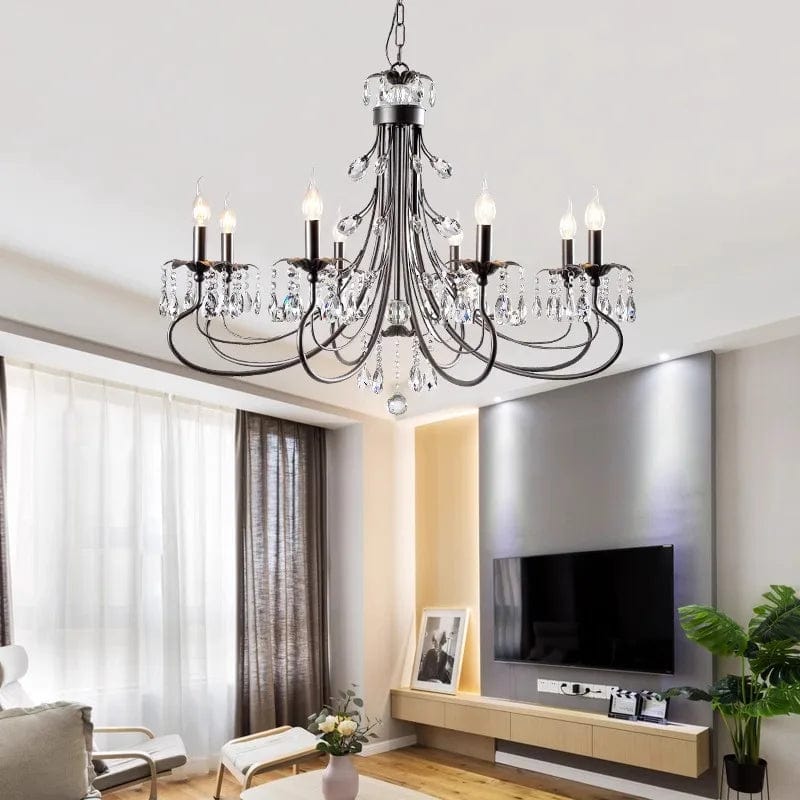
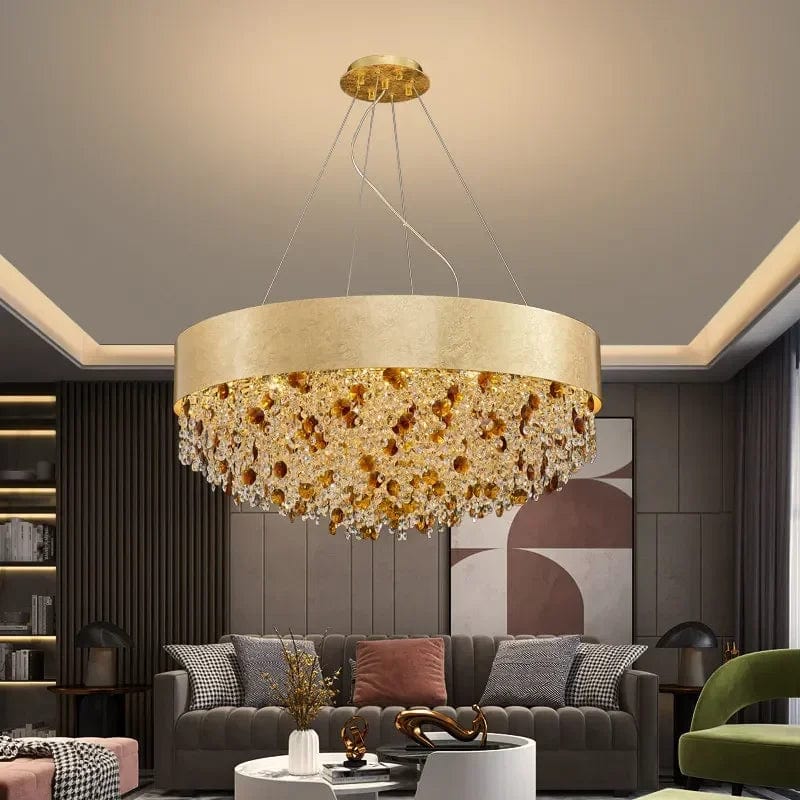
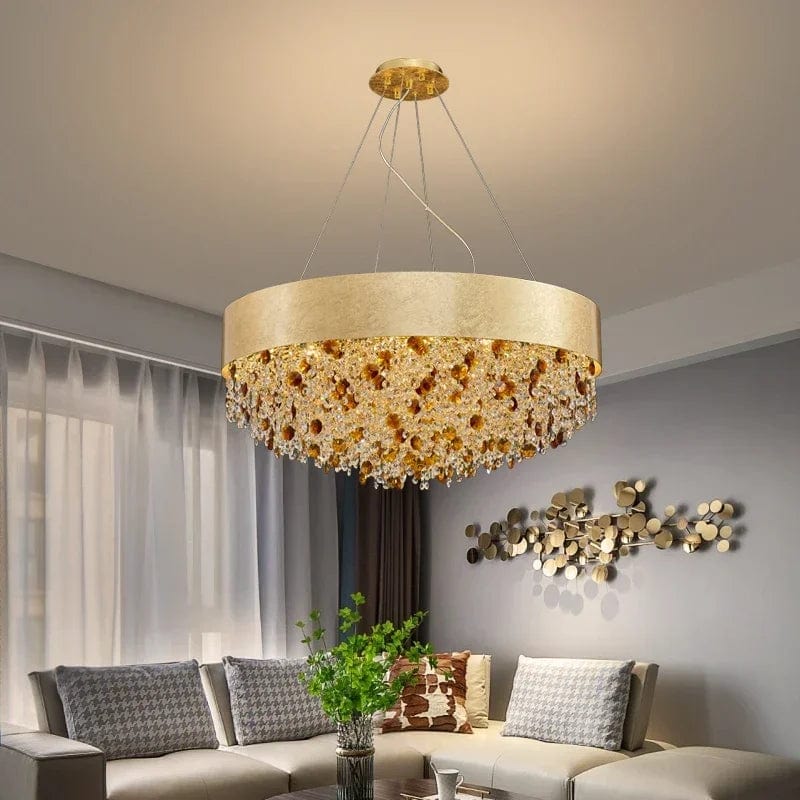
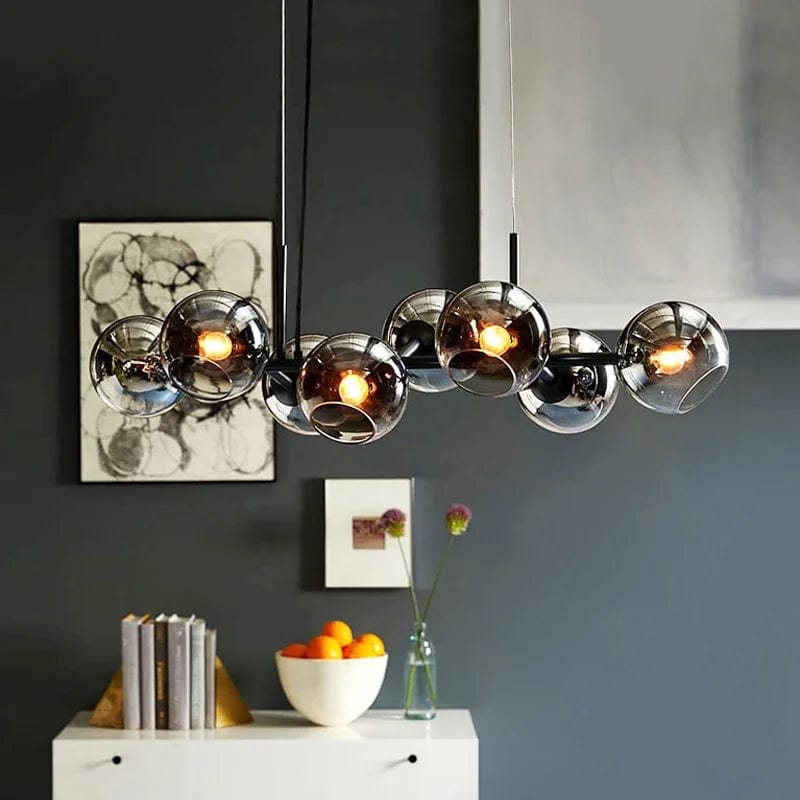
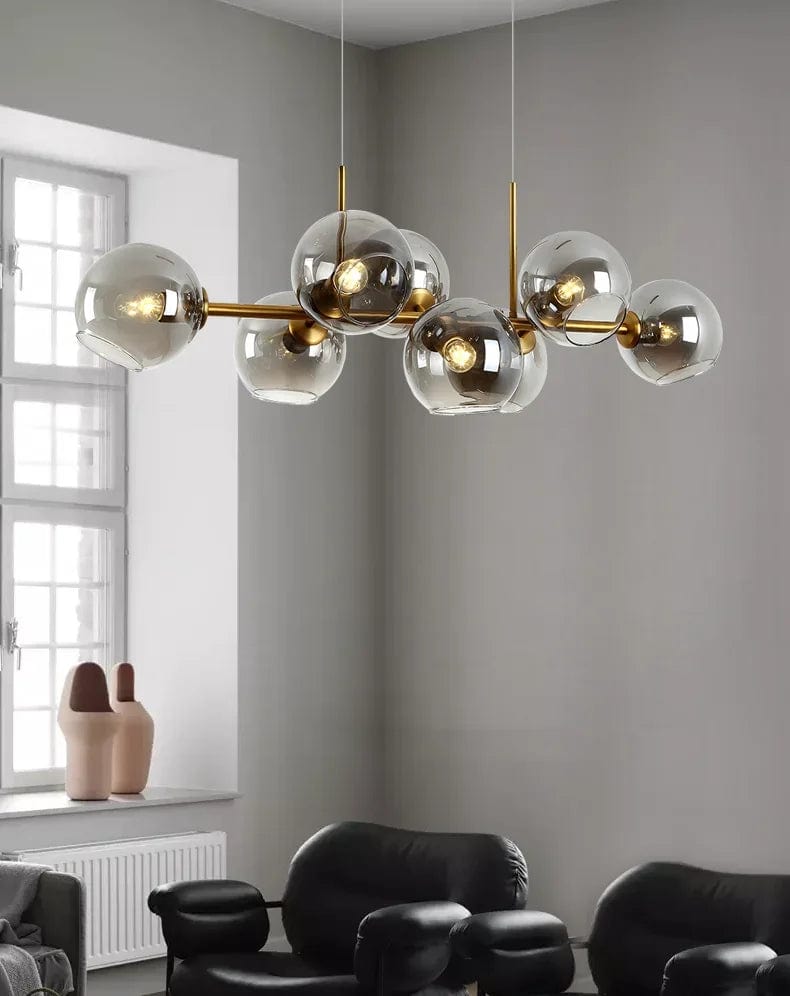
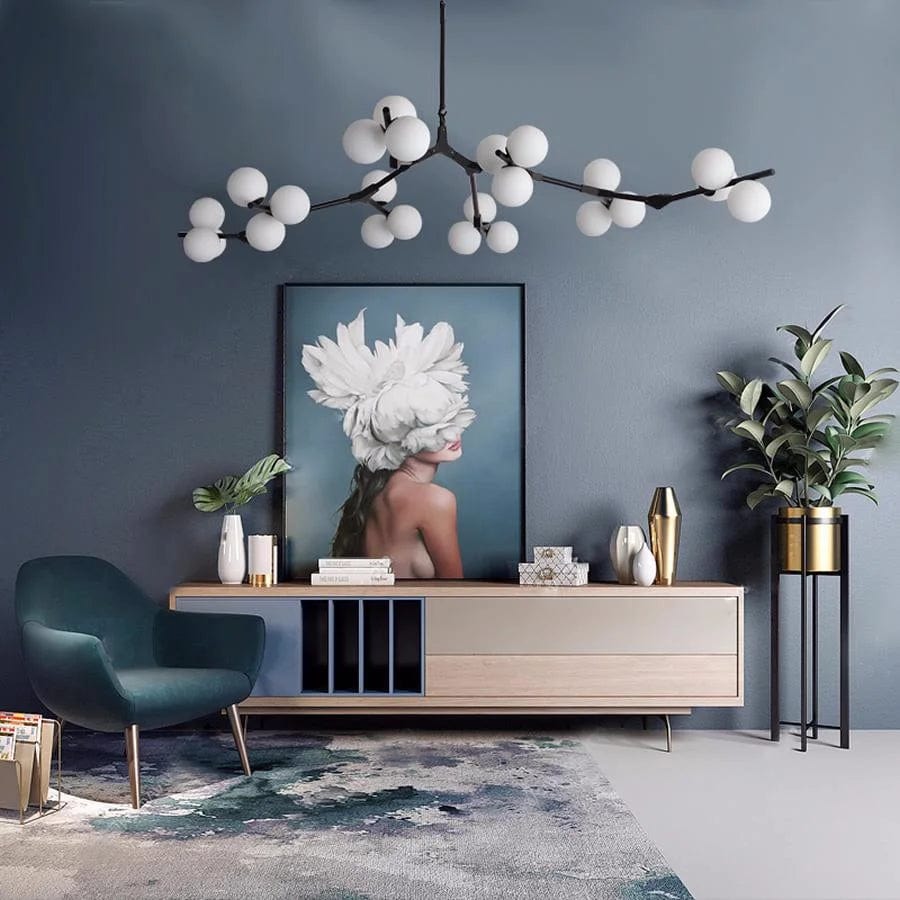
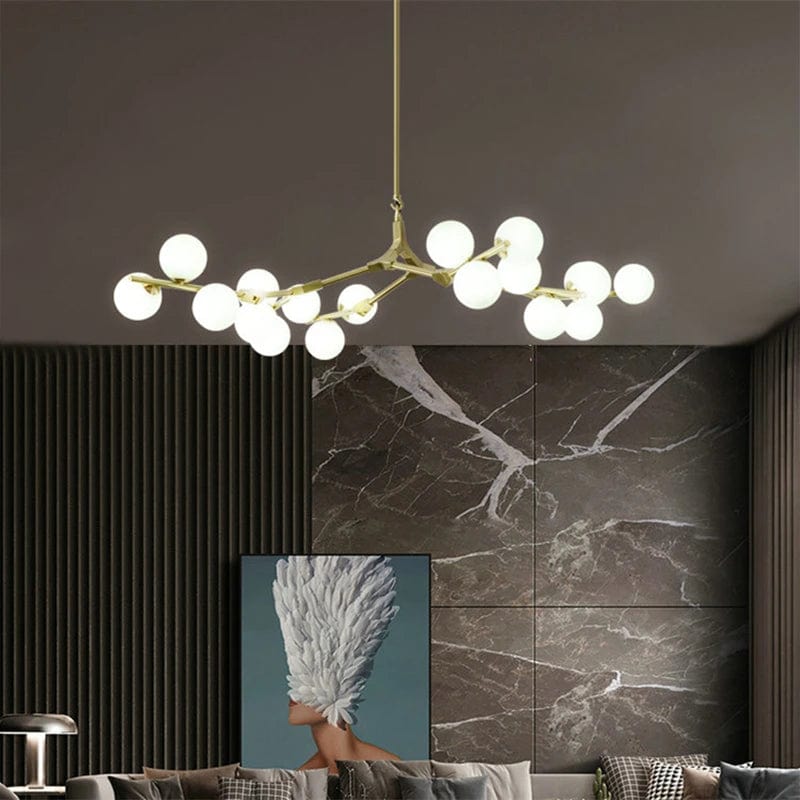
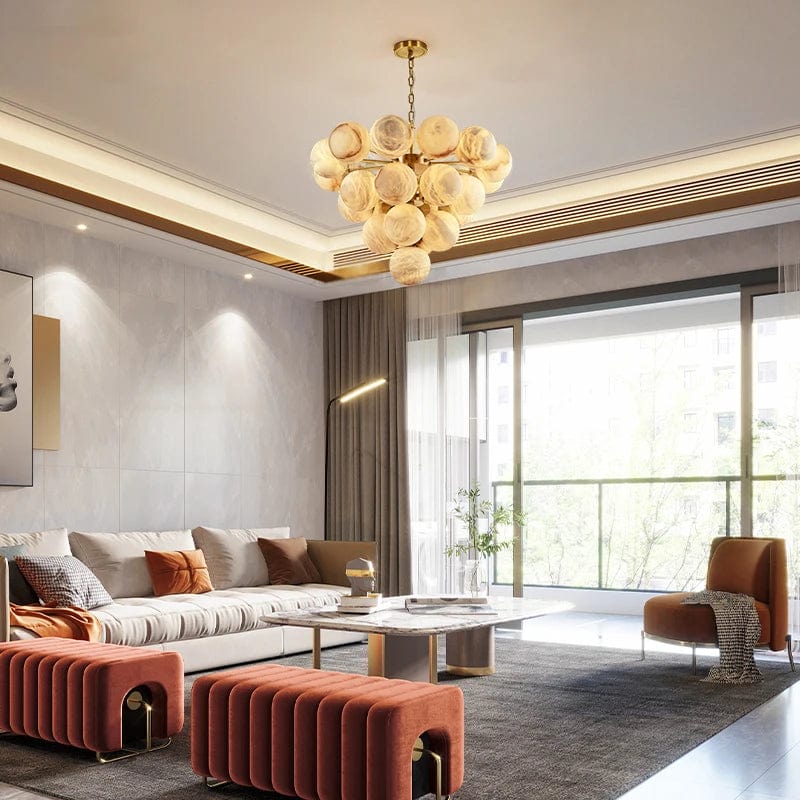
Shape matters just as much as size. Round and clustered chandeliers often create a centered focal point and work especially well in symmetrical dining layouts. Linear forms can spread visual weight more evenly over longer tables. Branch, globe, crystal, and ring chandeliers each change the room differently. Crystal and glass often add more reflection and formality. Darker metal frames can feel sharper and more architectural. Organic or branch-led silhouettes can soften the room and create more movement overhead. If you want a more style-specific path from here, you may also want to browse Modern Chandeliers or Crystal Chandeliers.
Quick comparison:
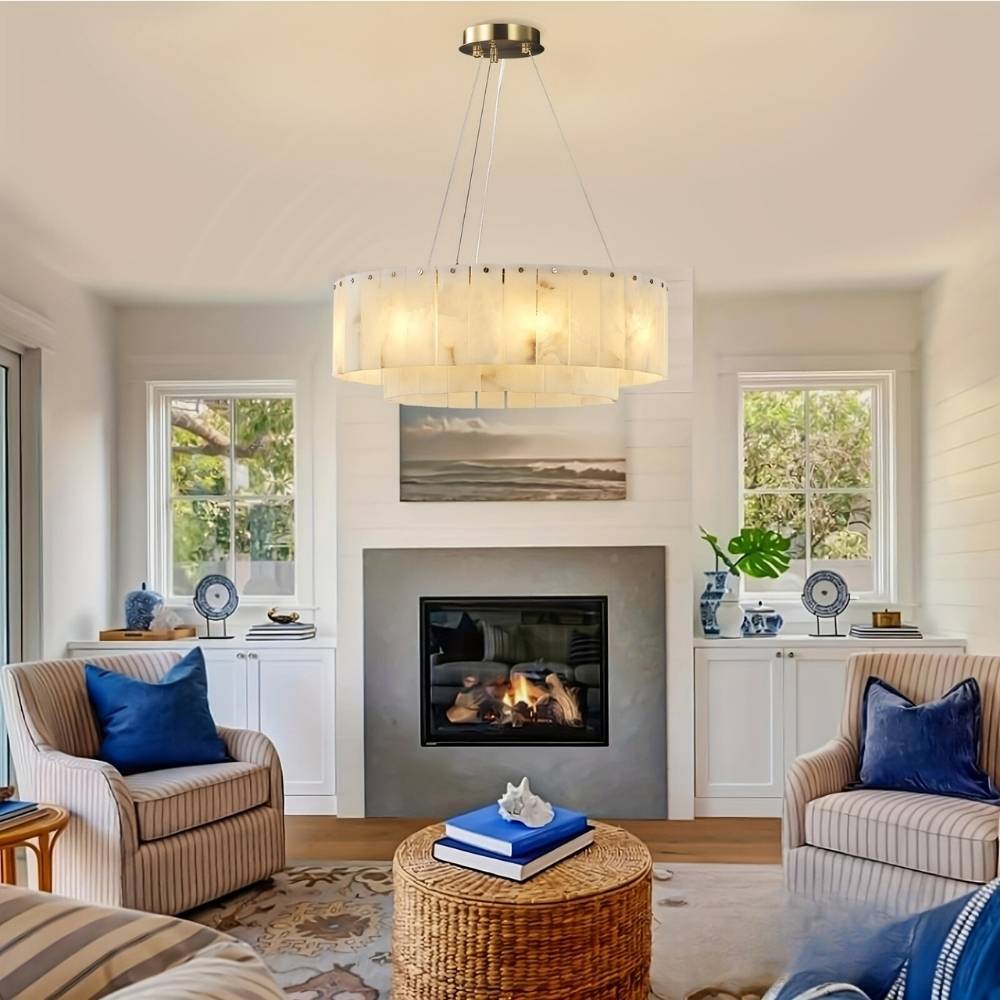
- Round chandeliers - often better for centered table layouts and square or round dining areas
- Linear chandeliers - often better for longer rectangular tables
- Crystal or glass-heavy styles - more reflective and often more formal in feel
- Open modern frames - lighter visual weight and cleaner lines in updated interiors
Dining Room Chandeliers vs. Kitchen and Living Room Fixtures
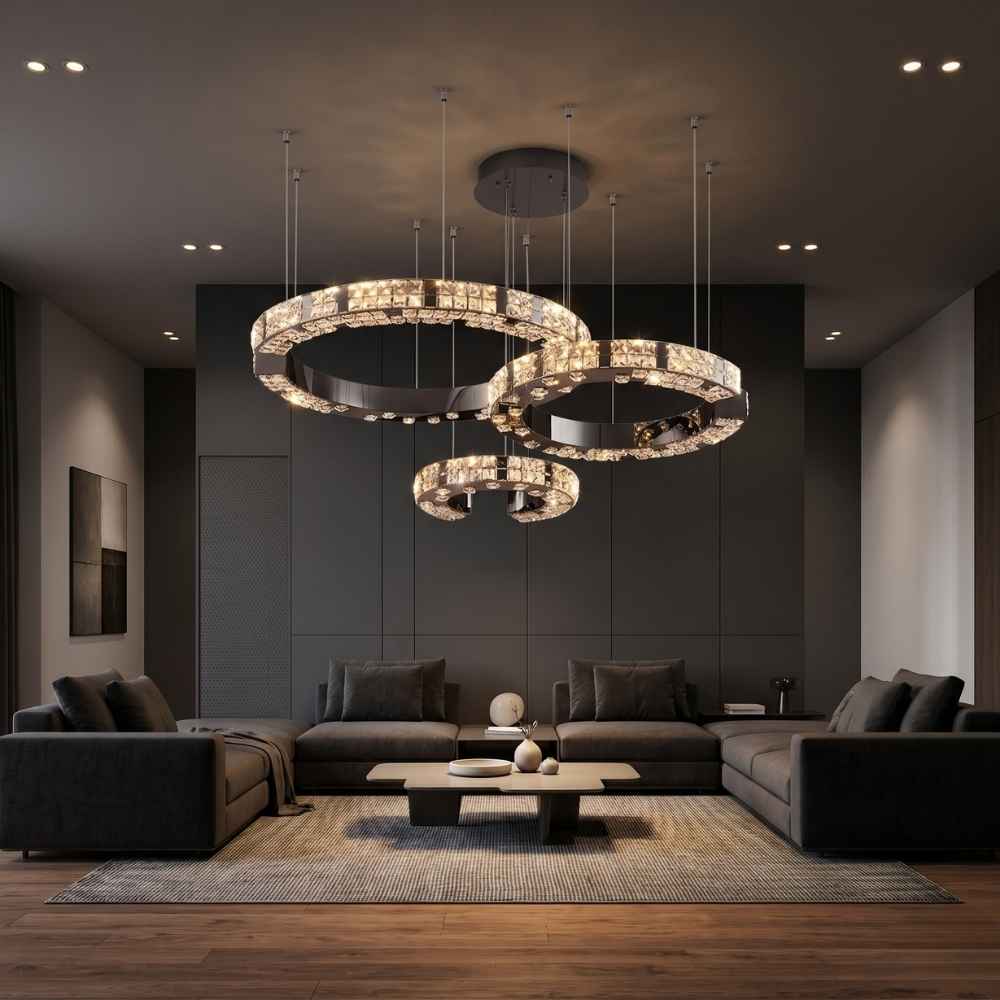
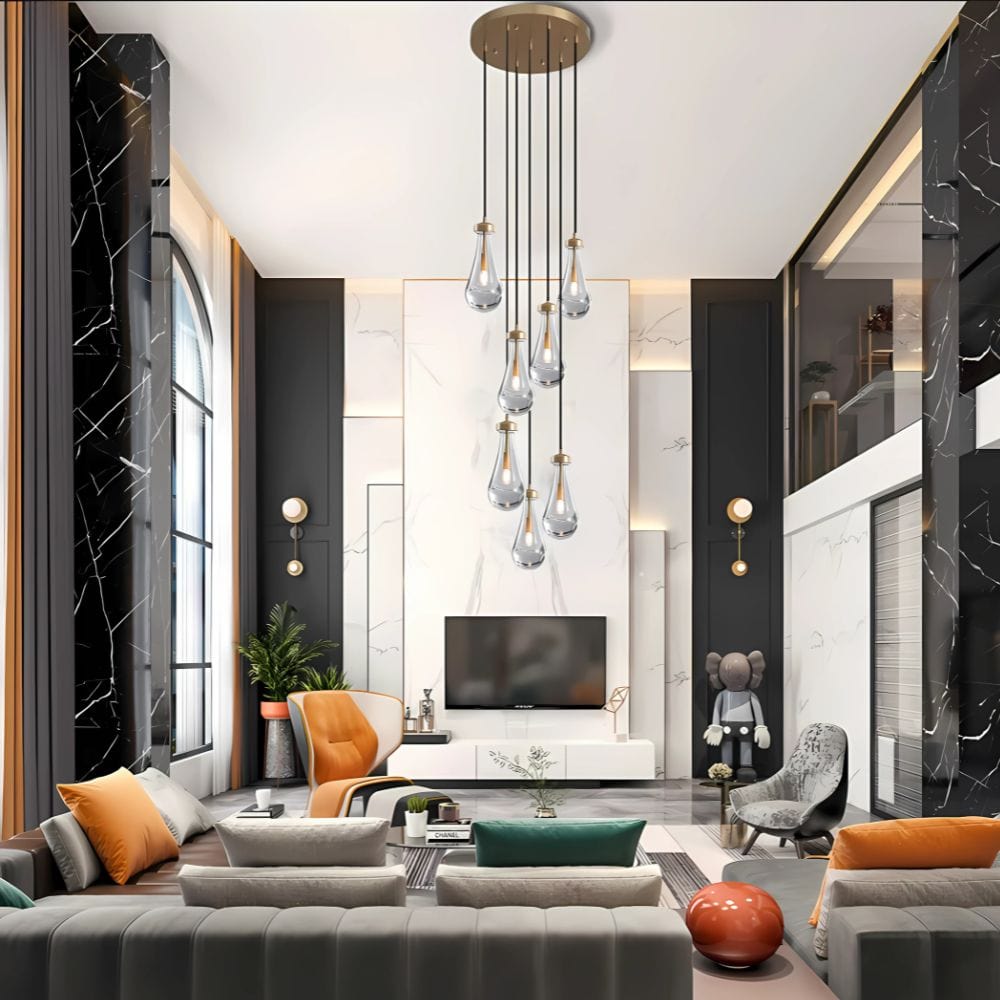
These categories overlap, but they do not serve the same intent. Dining room chandeliers are selected around table proportion, seated sightlines, and the atmosphere of the dining zone itself. Kitchen lighting is broader and includes task-oriented fixtures, island lighting, and layered sources for food prep and daily use. Living room chandeliers are selected around seating arrangements and open circulation instead of a table-centered installation. If your main goal is choosing the chandelier above the dining table, this collection is the more precise starting point.
Small reminder: The best dining room chandelier is not simply the most decorative fixture. It is the one whose width, drop, and visual weight feel balanced with the dining table and help the room feel welcoming during real use, not just in a product image.