
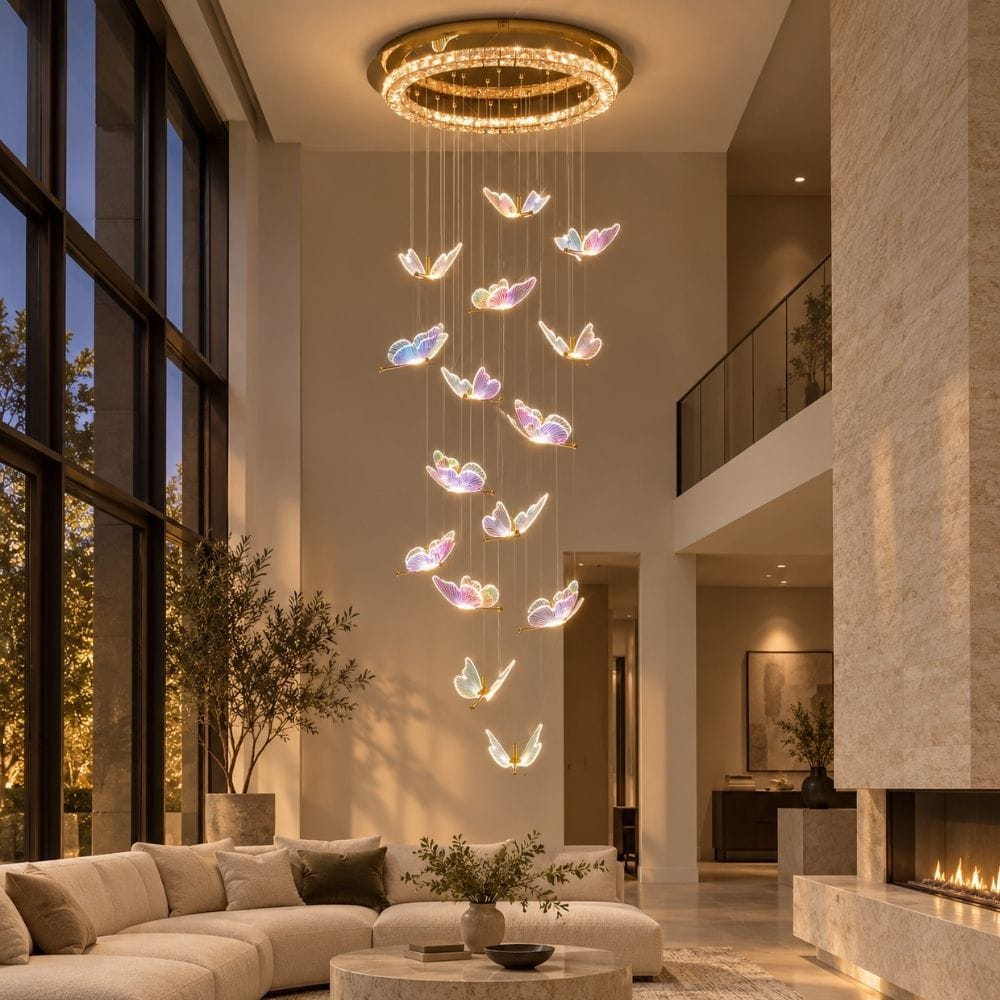
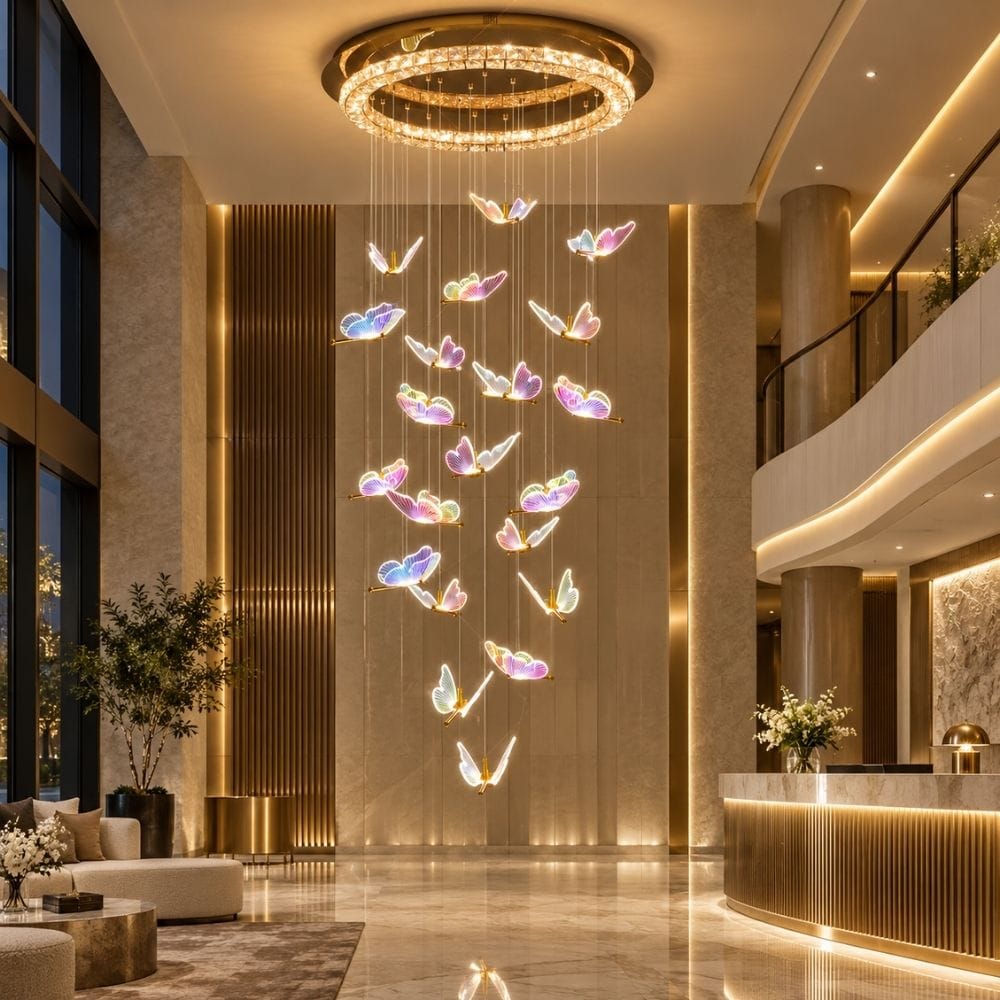
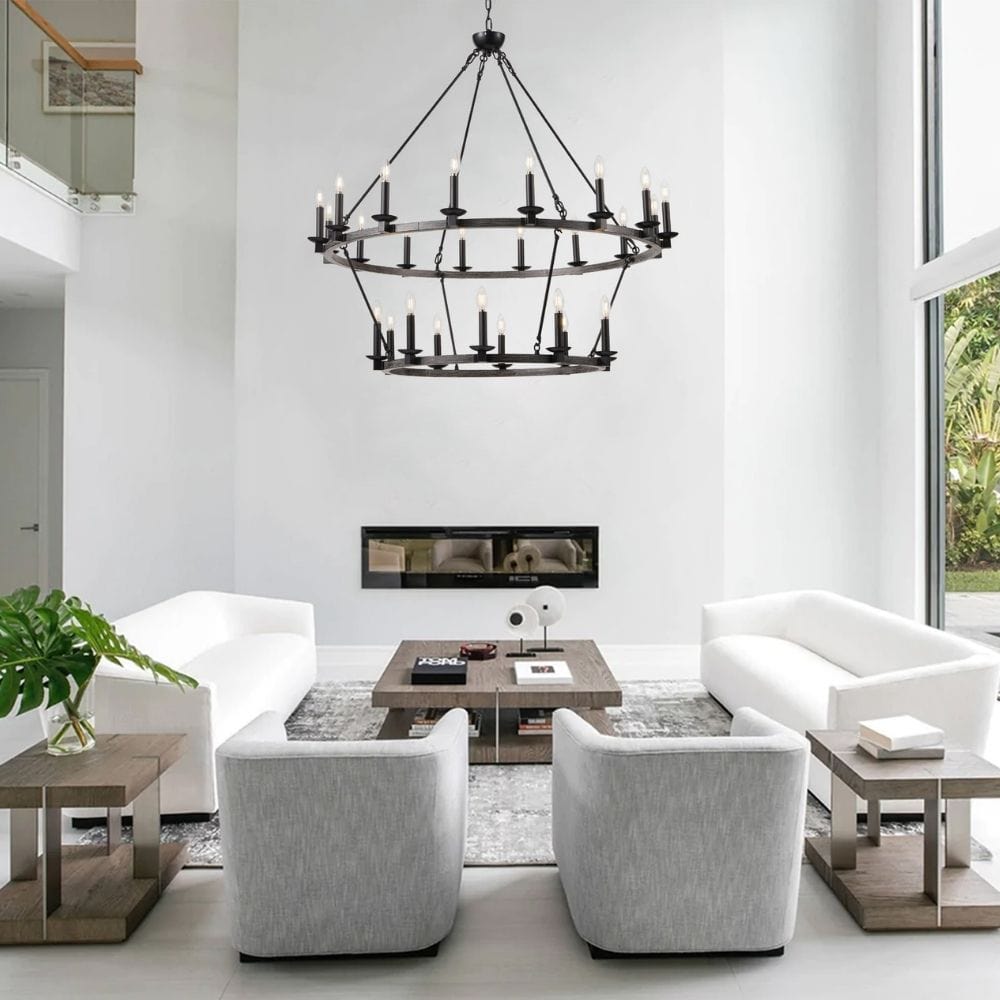
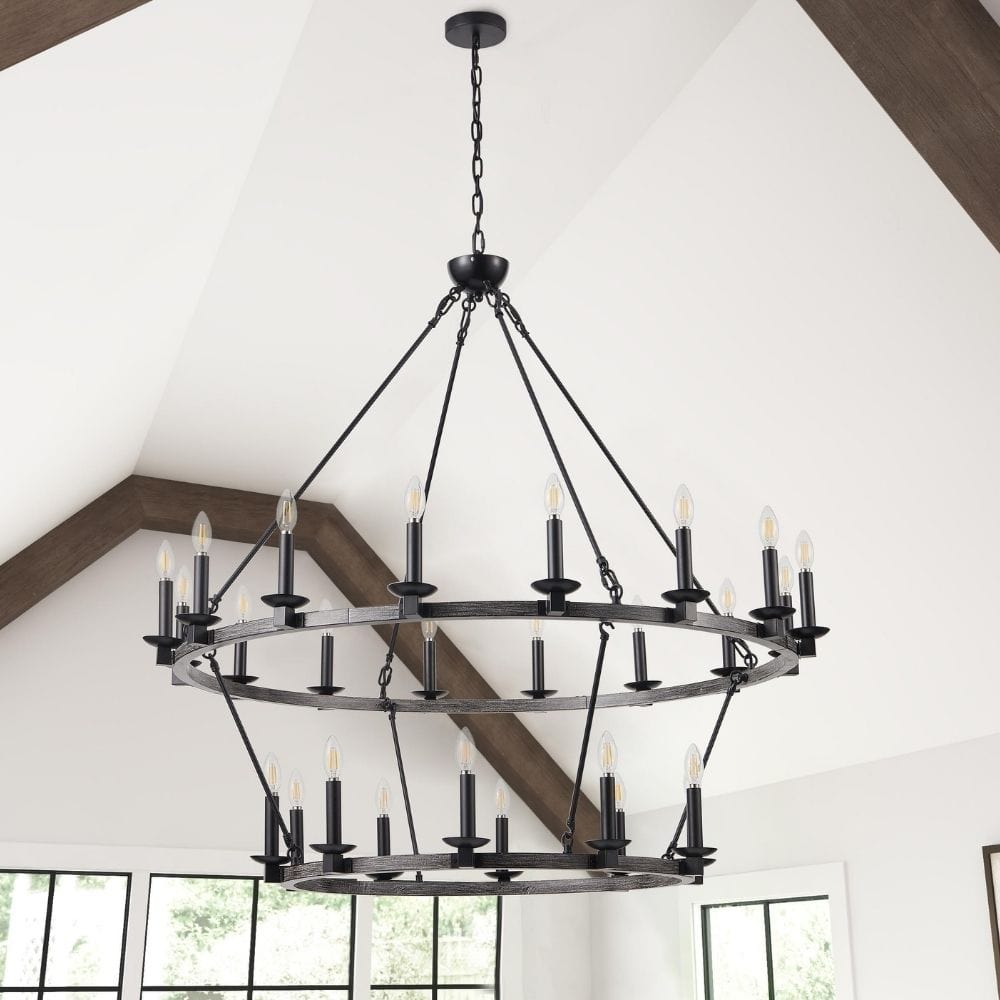
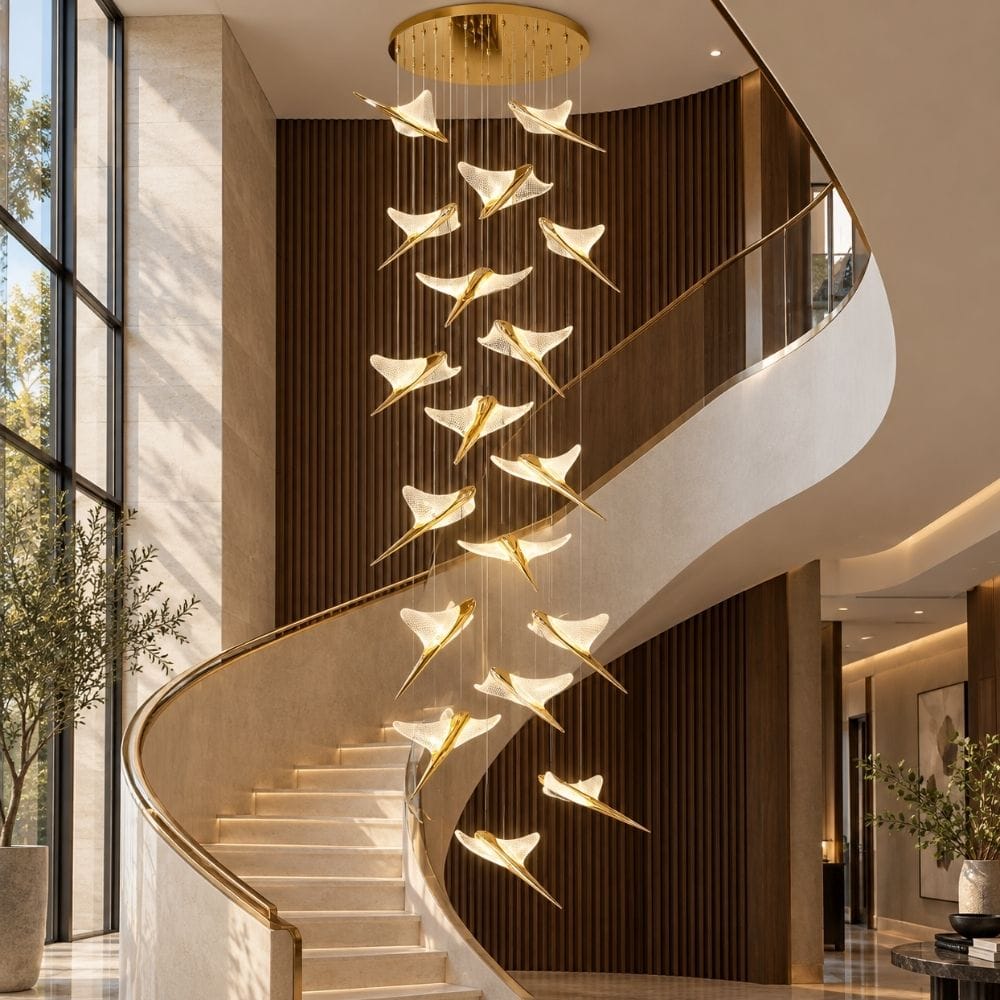
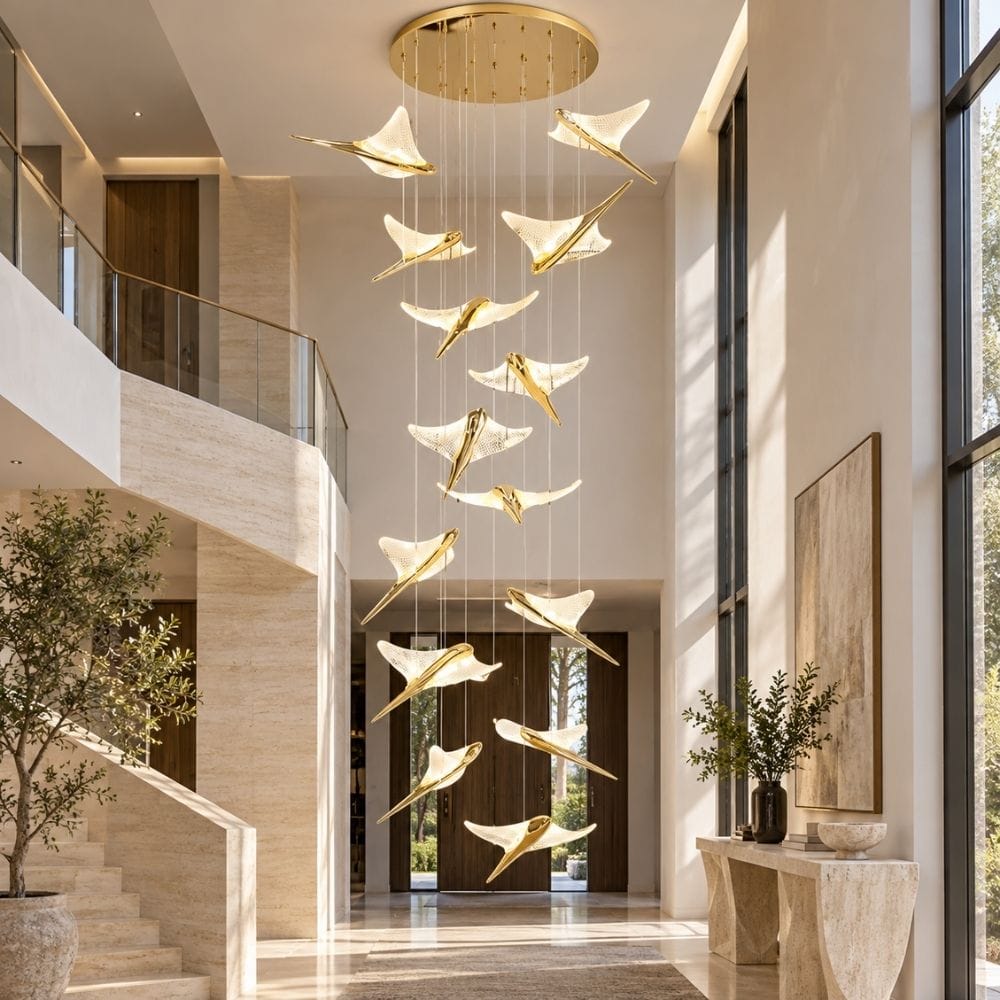
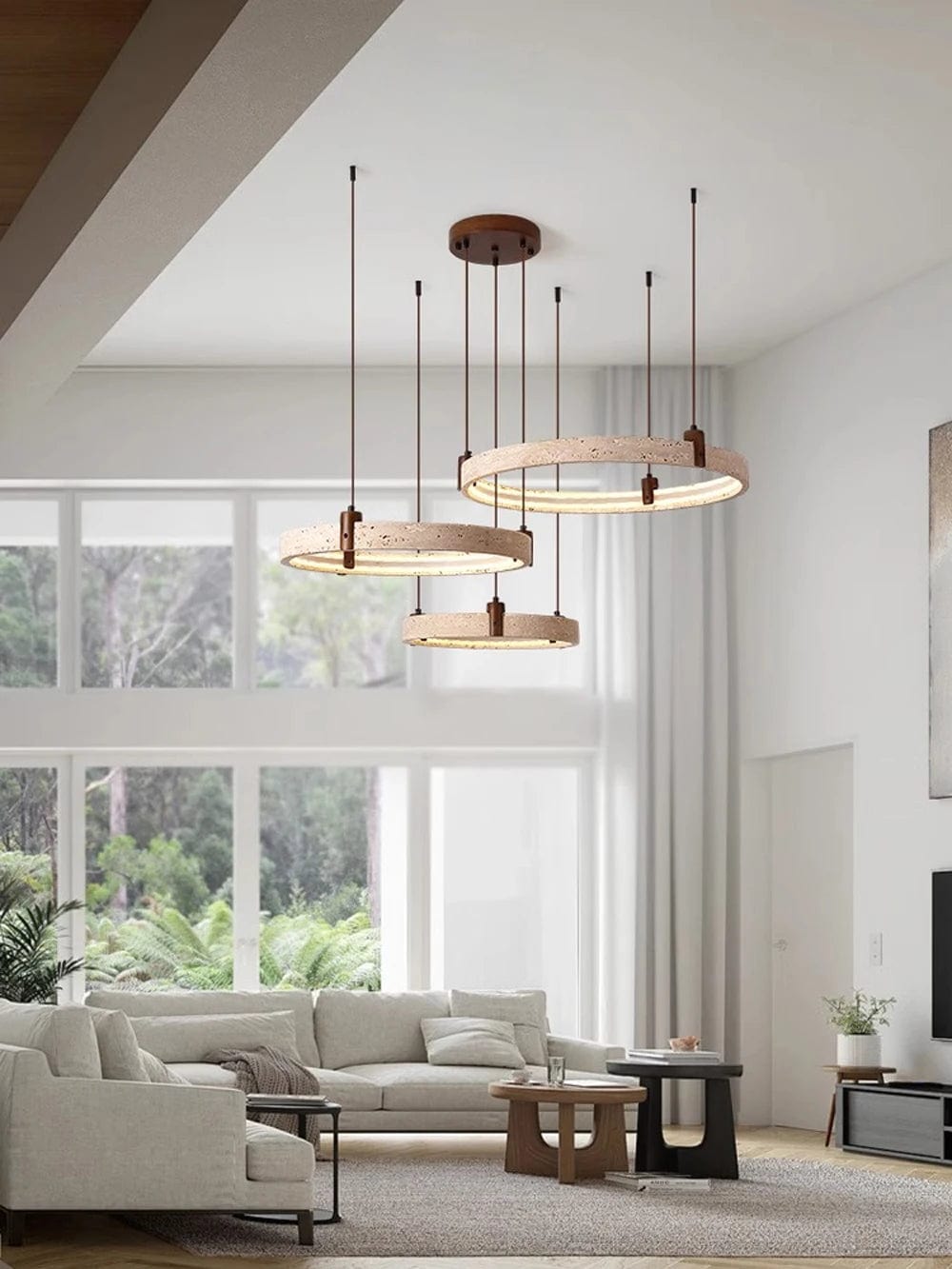
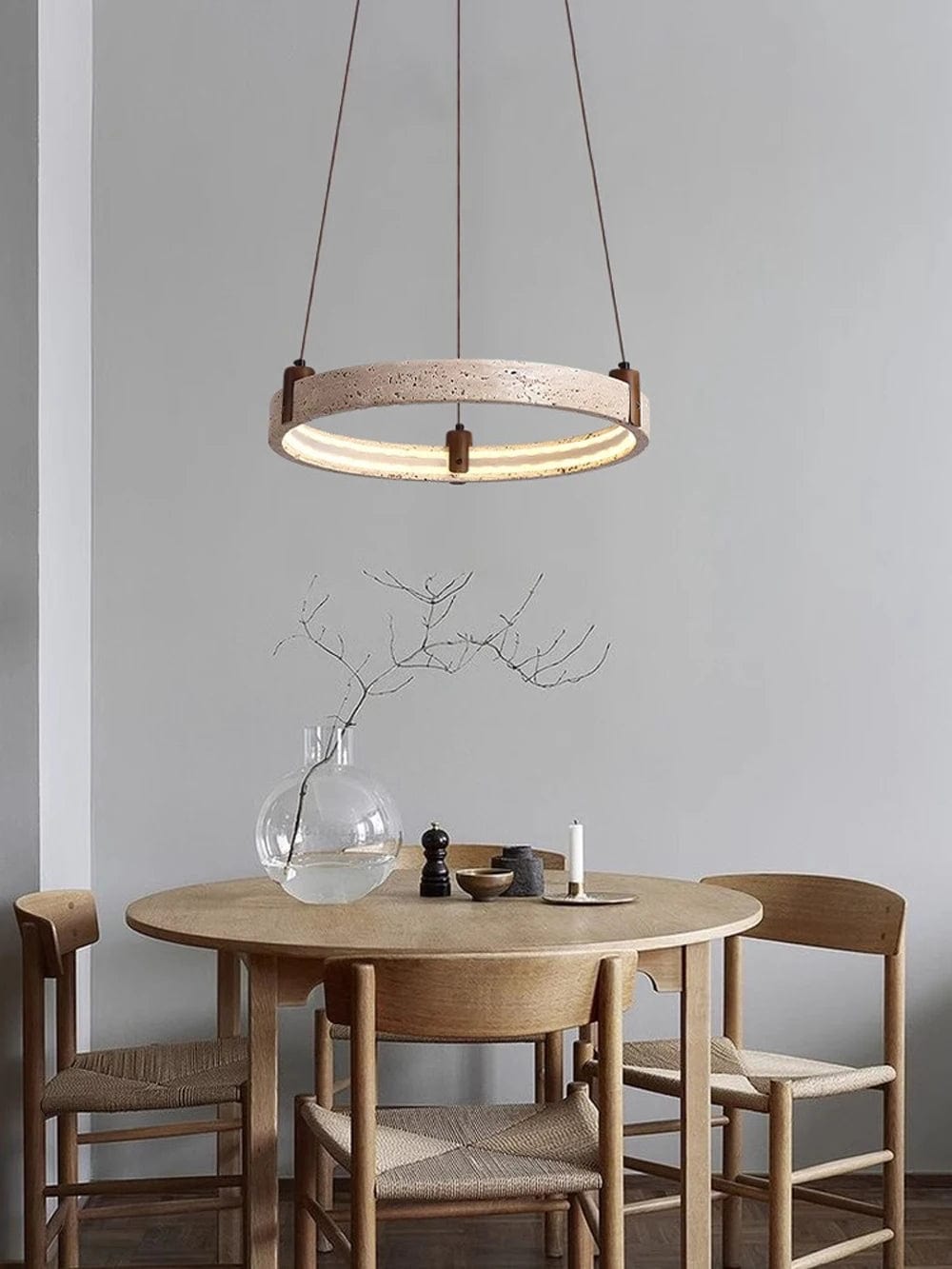


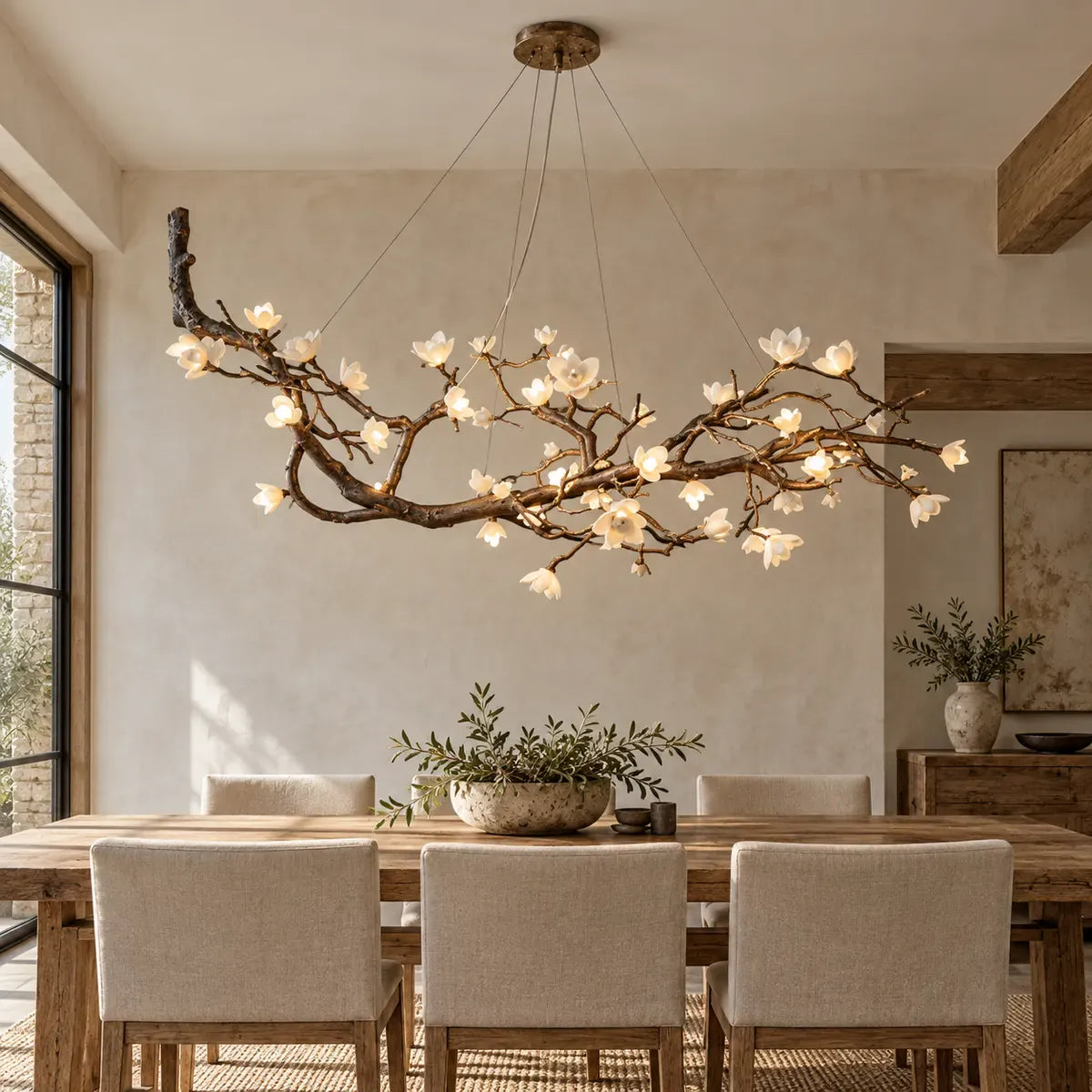
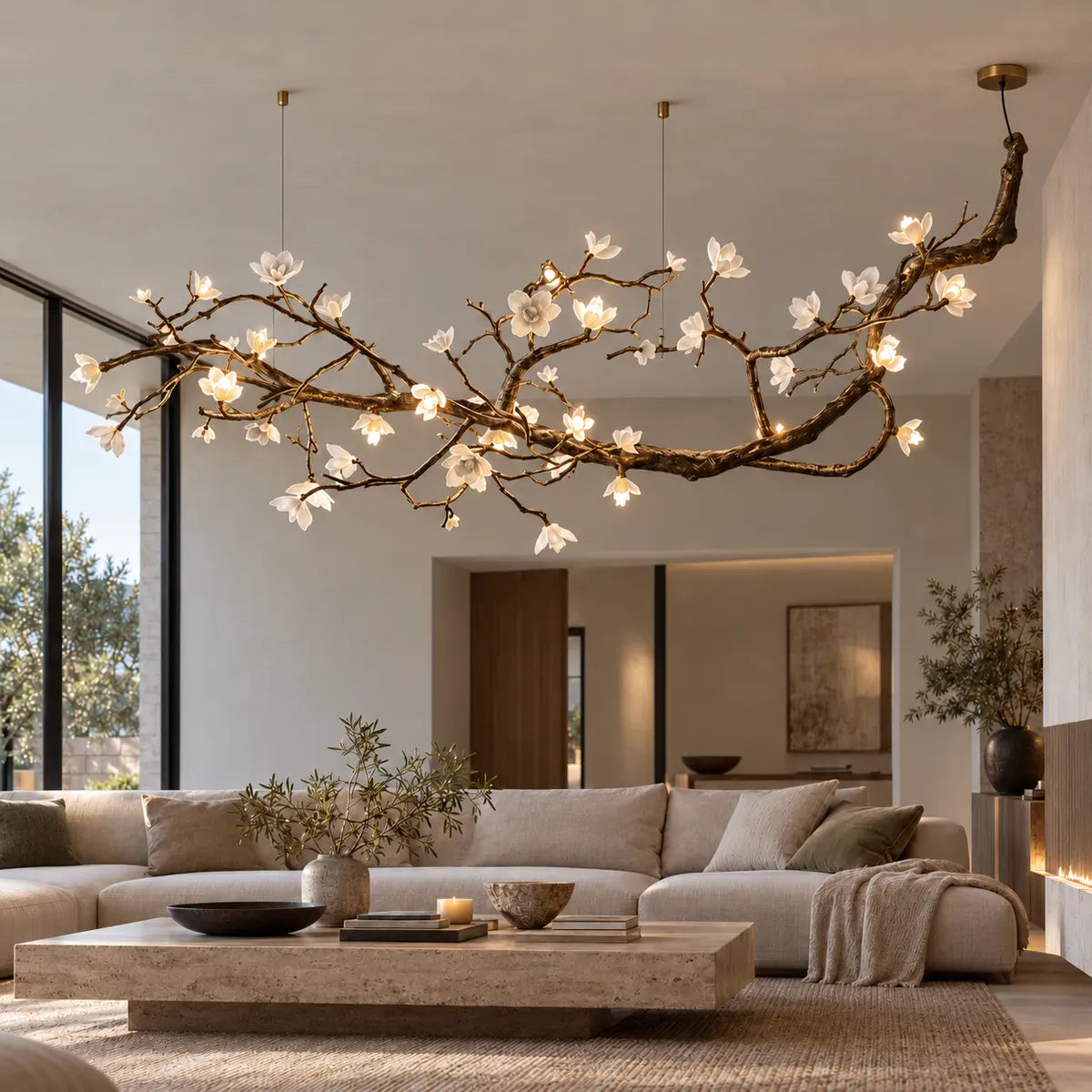
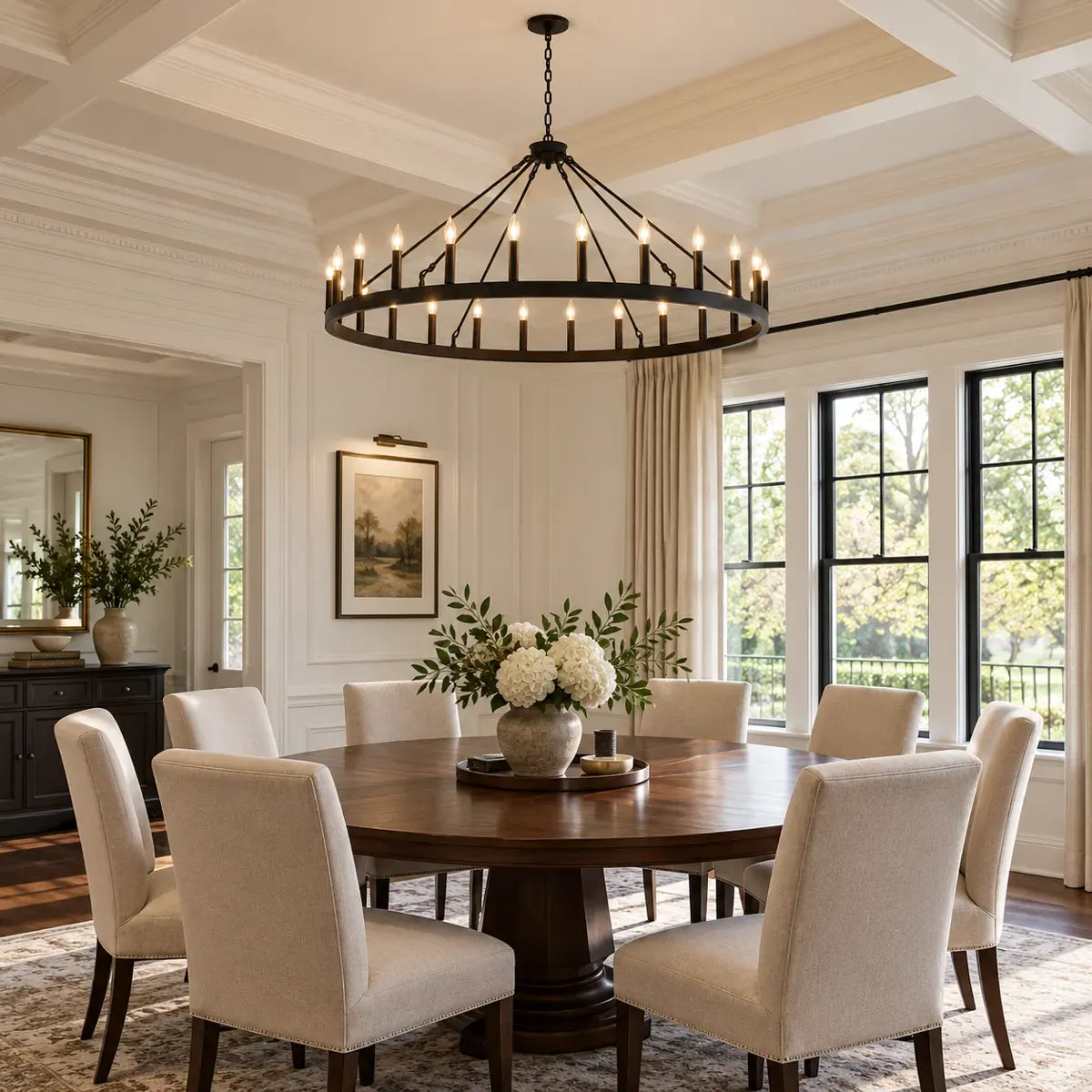
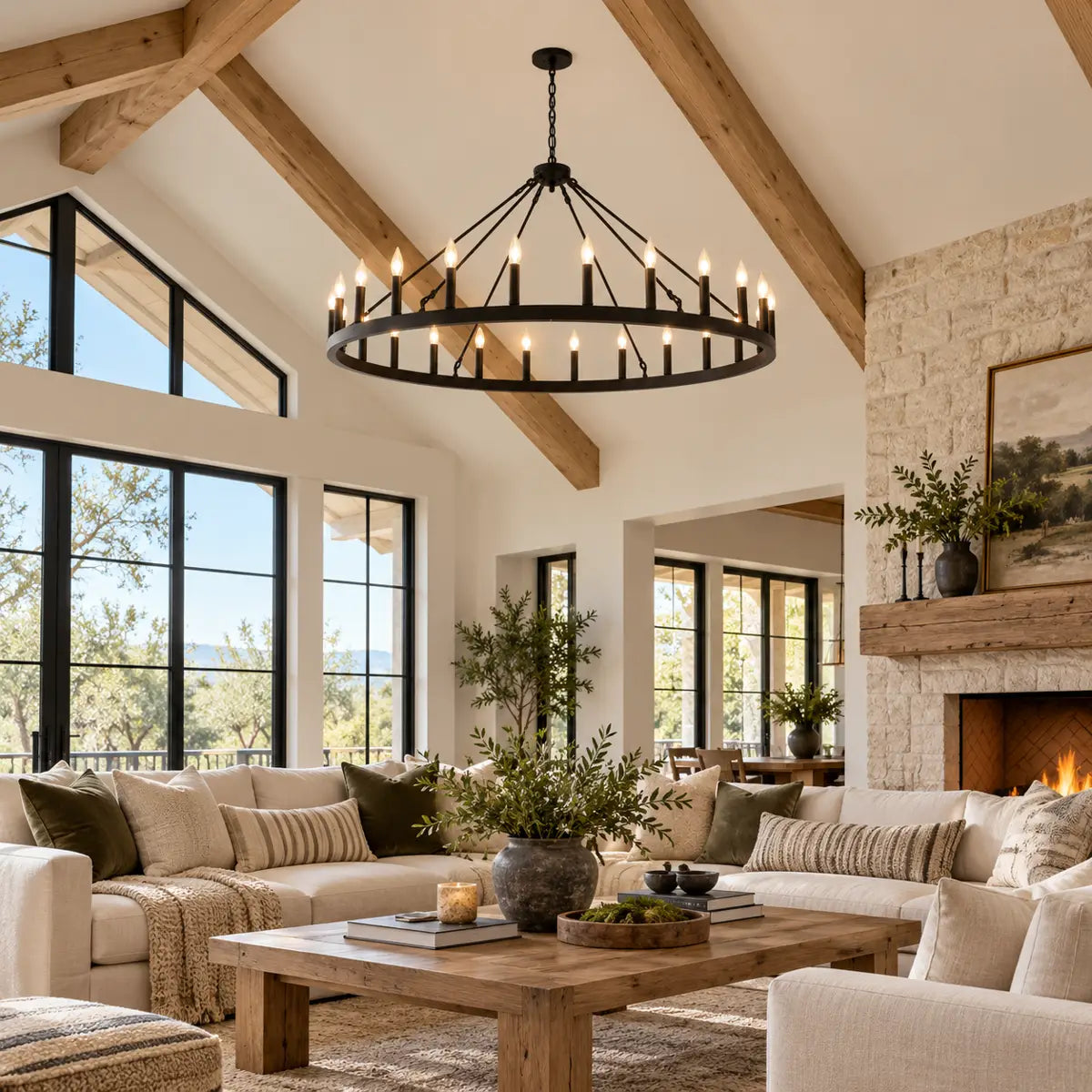
What "Vintage" Means in This Collection
A useful distinction up front: these are not antiques. Every design here is new production — built this year to the design languages of past ones — which is precisely the point. A true antique fixture arrives with century-old wiring, unlisted sockets, and restoration costs that routinely exceed its price; a heritage-inspired new design delivers the same silhouette with certified wiring, standard mounting, LED-ready sockets, and a warranty. You get the era's character and this decade's electrical safety, which is why the modern vintage category has quietly become the practical way to put history on a ceiling.
The Modern Vintage Hybrid
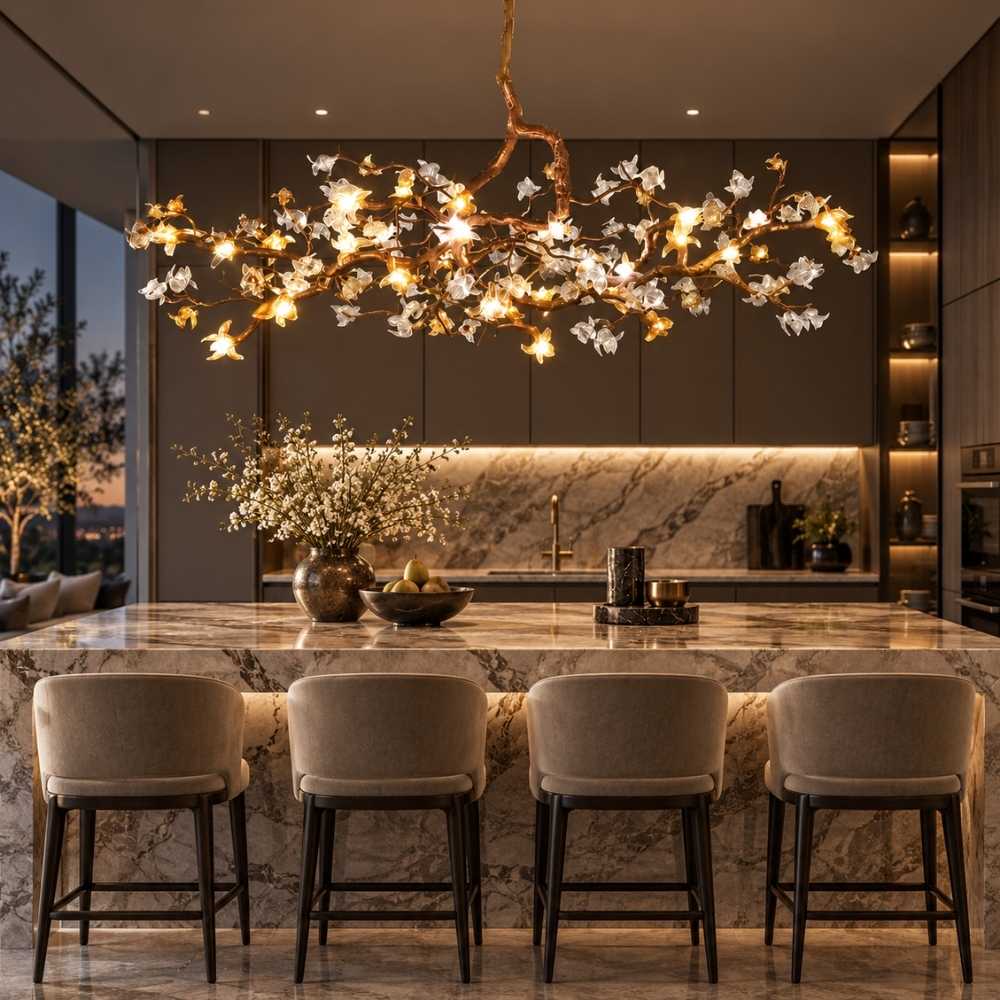
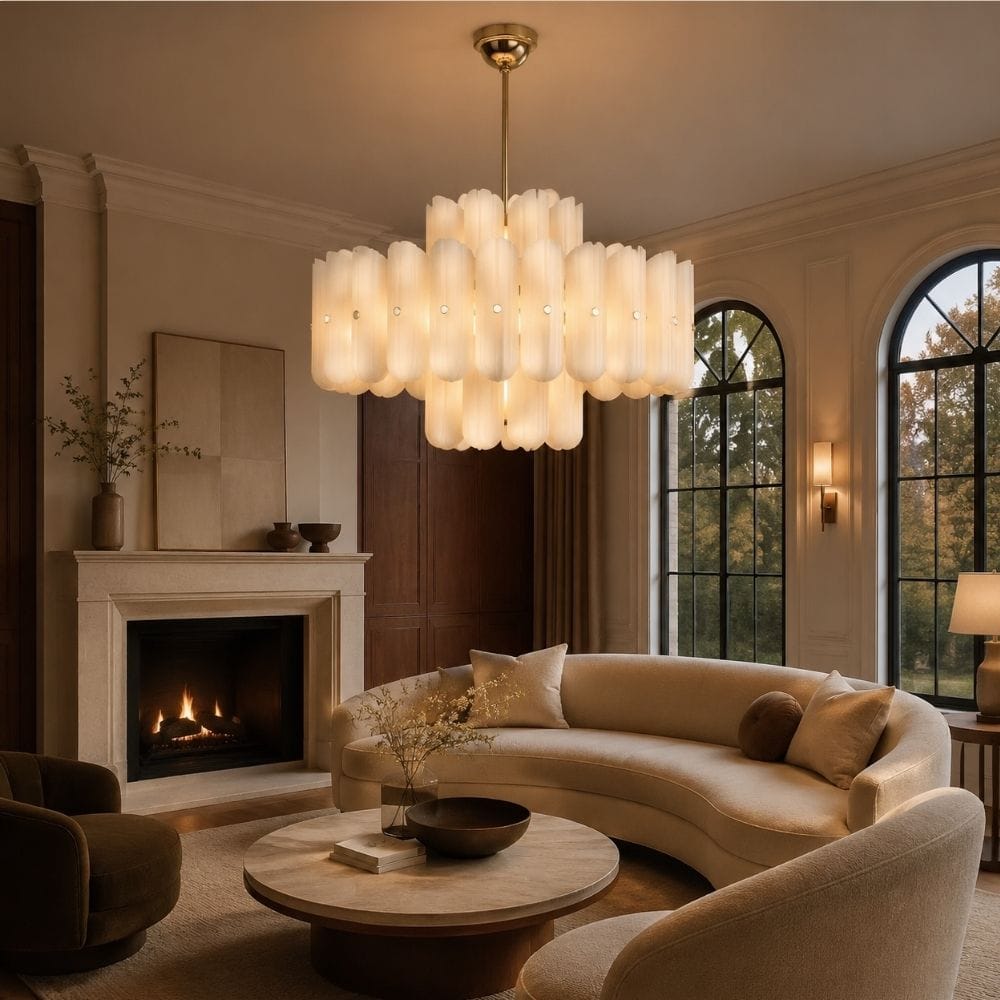
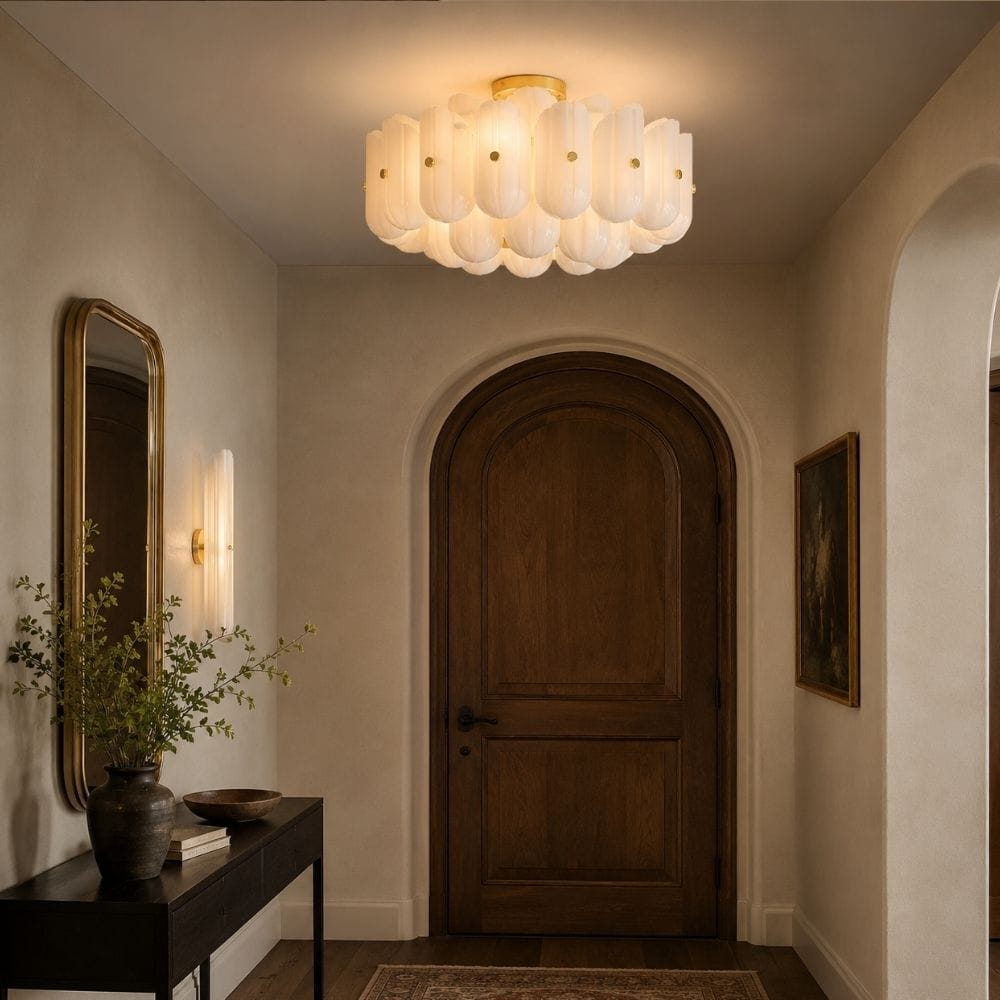
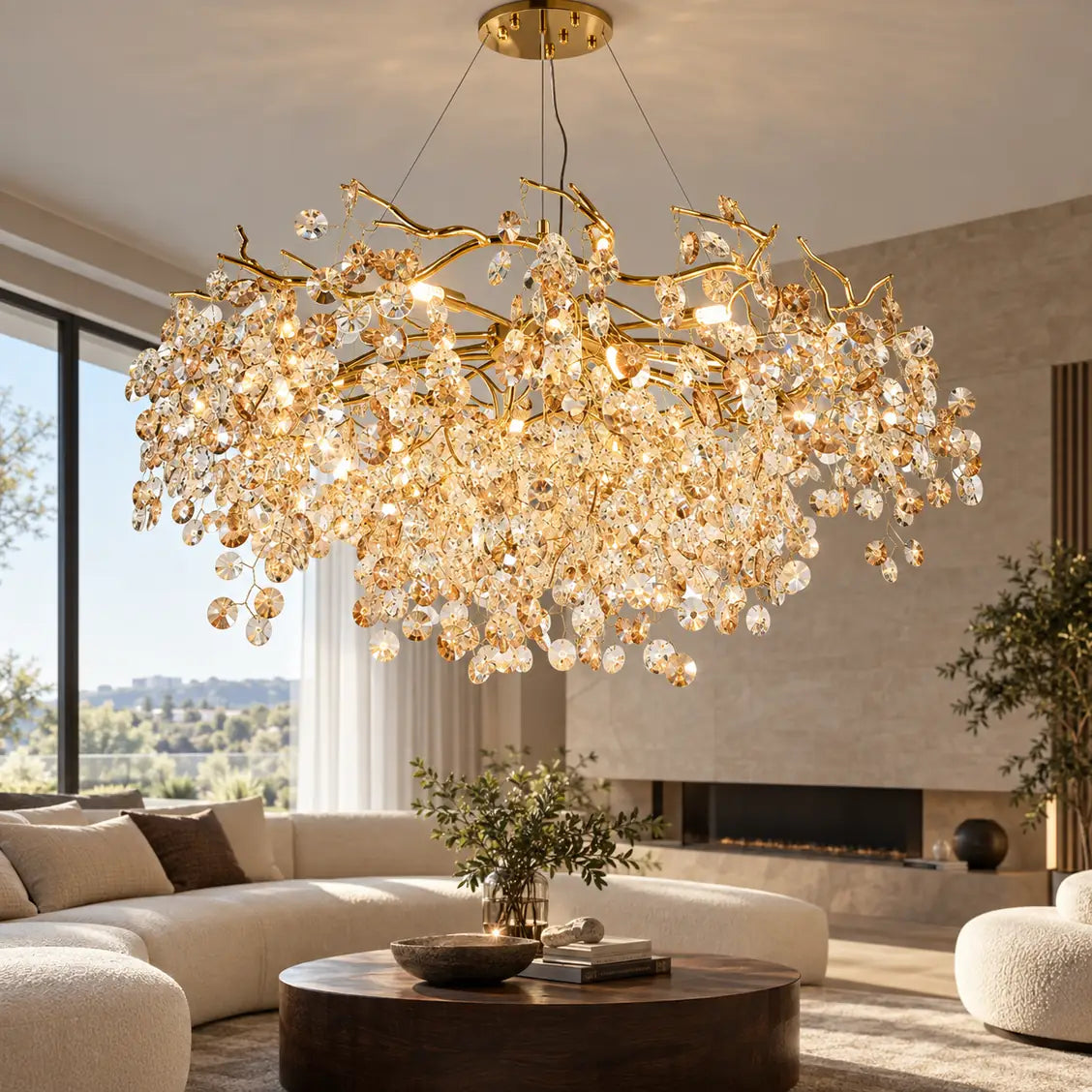
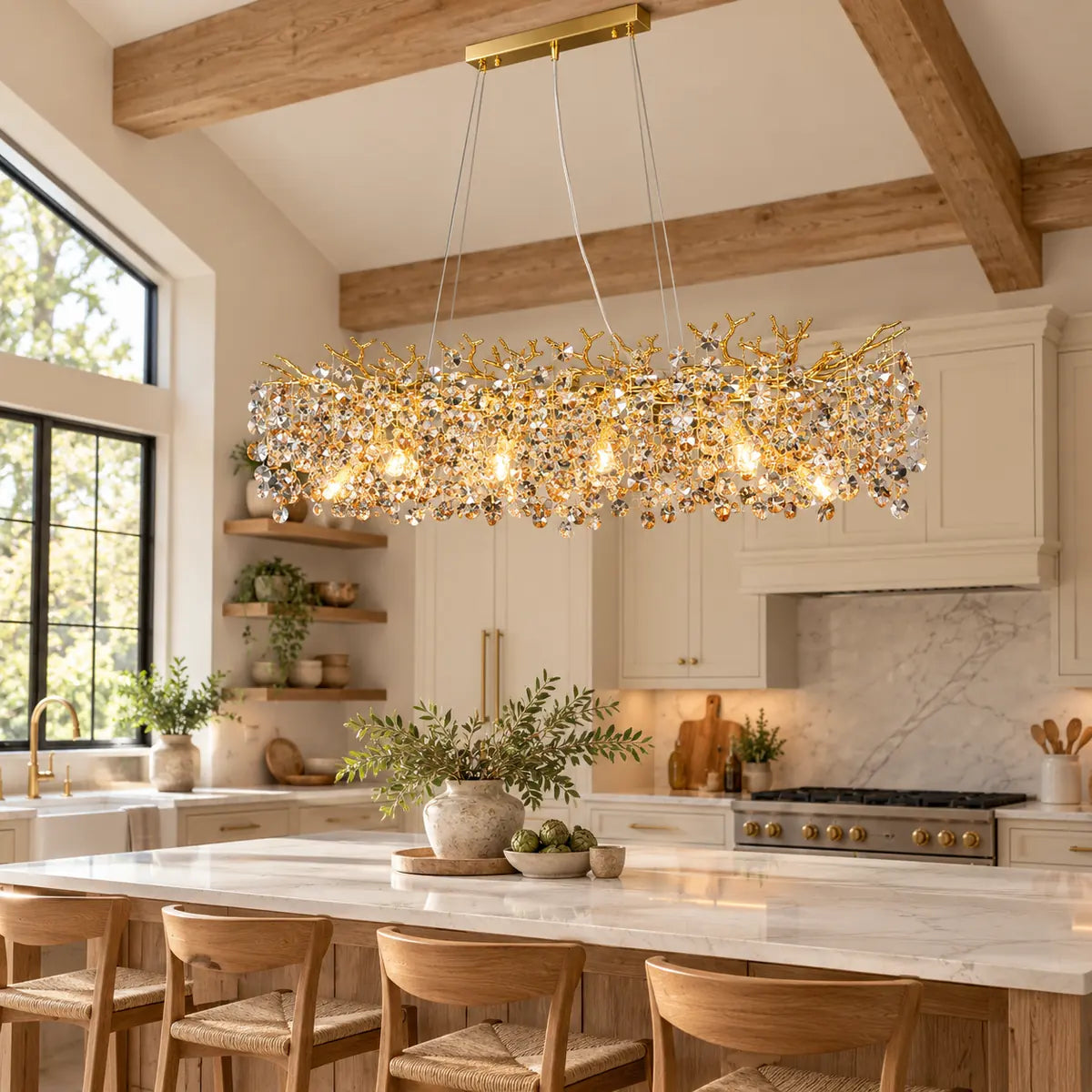
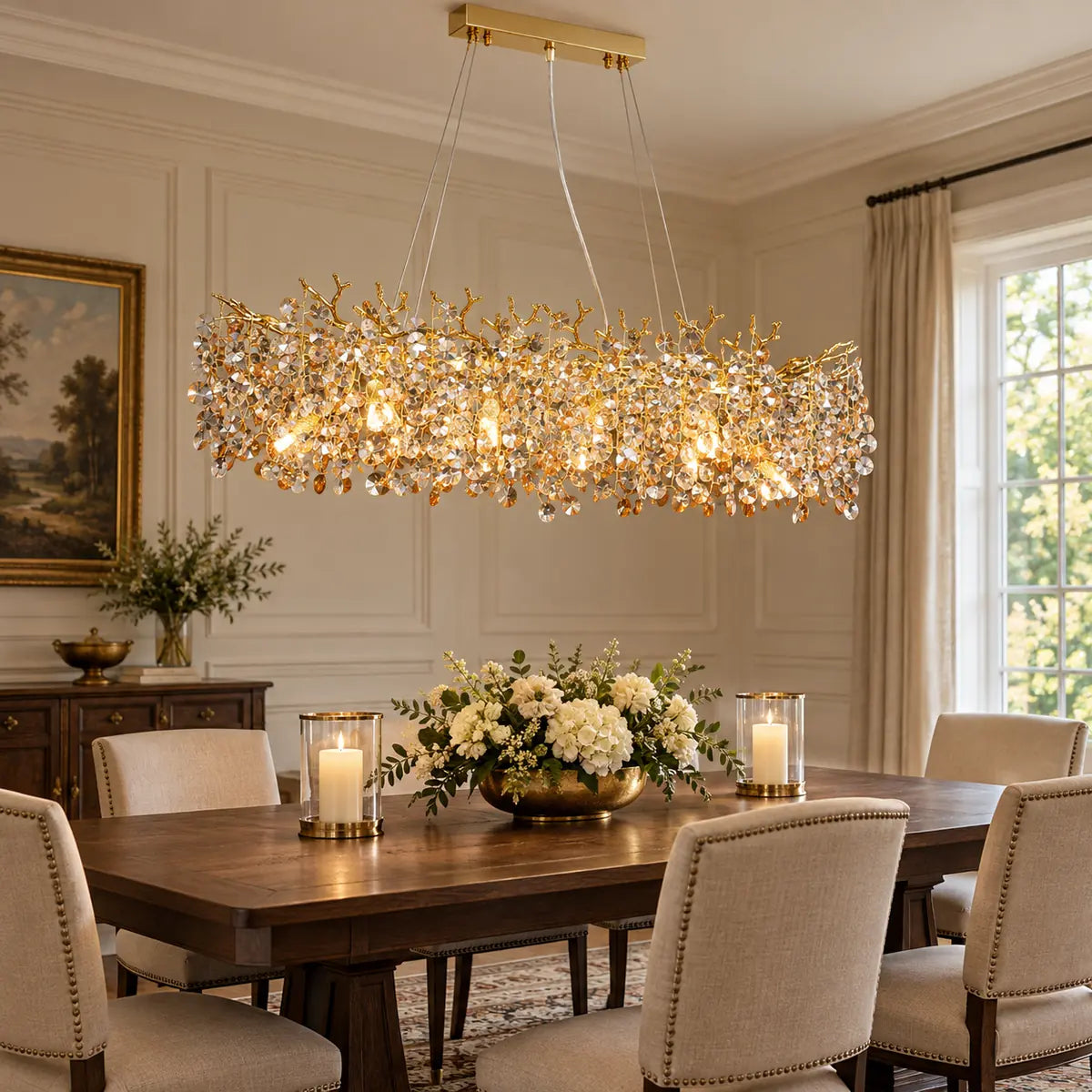
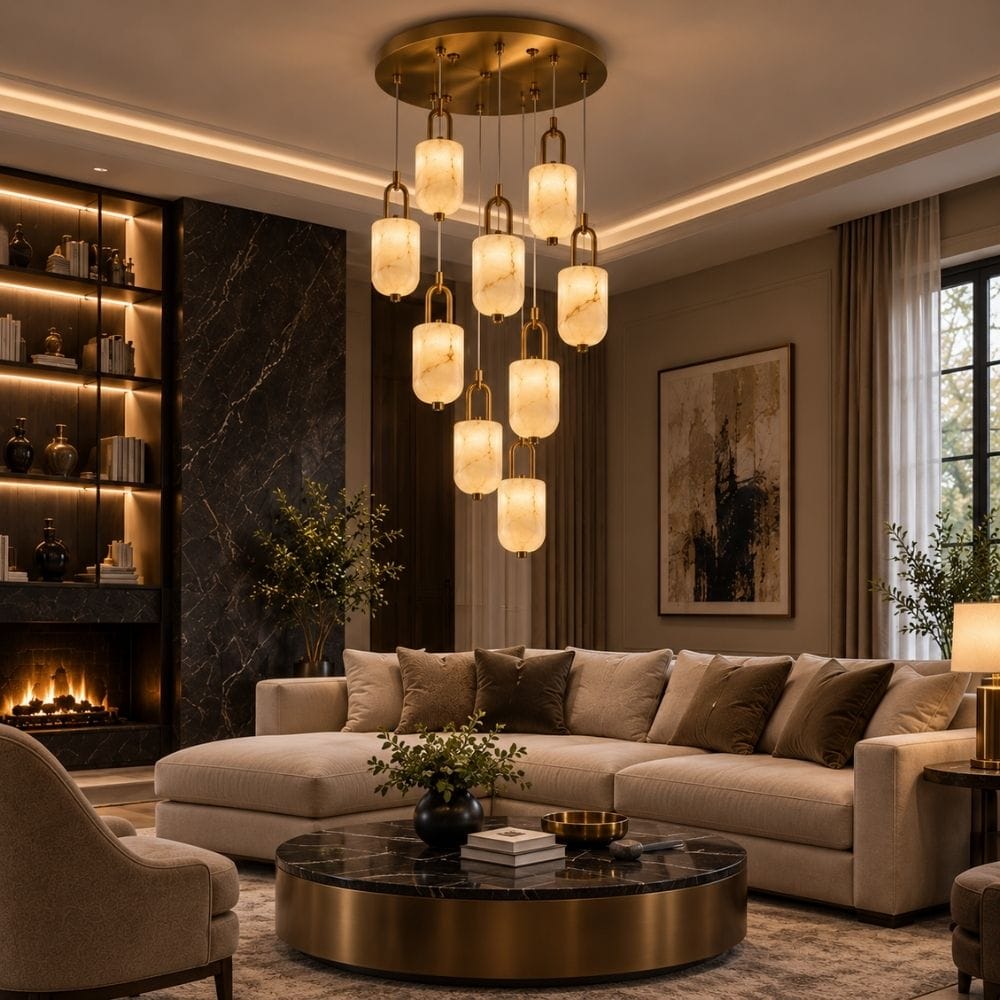
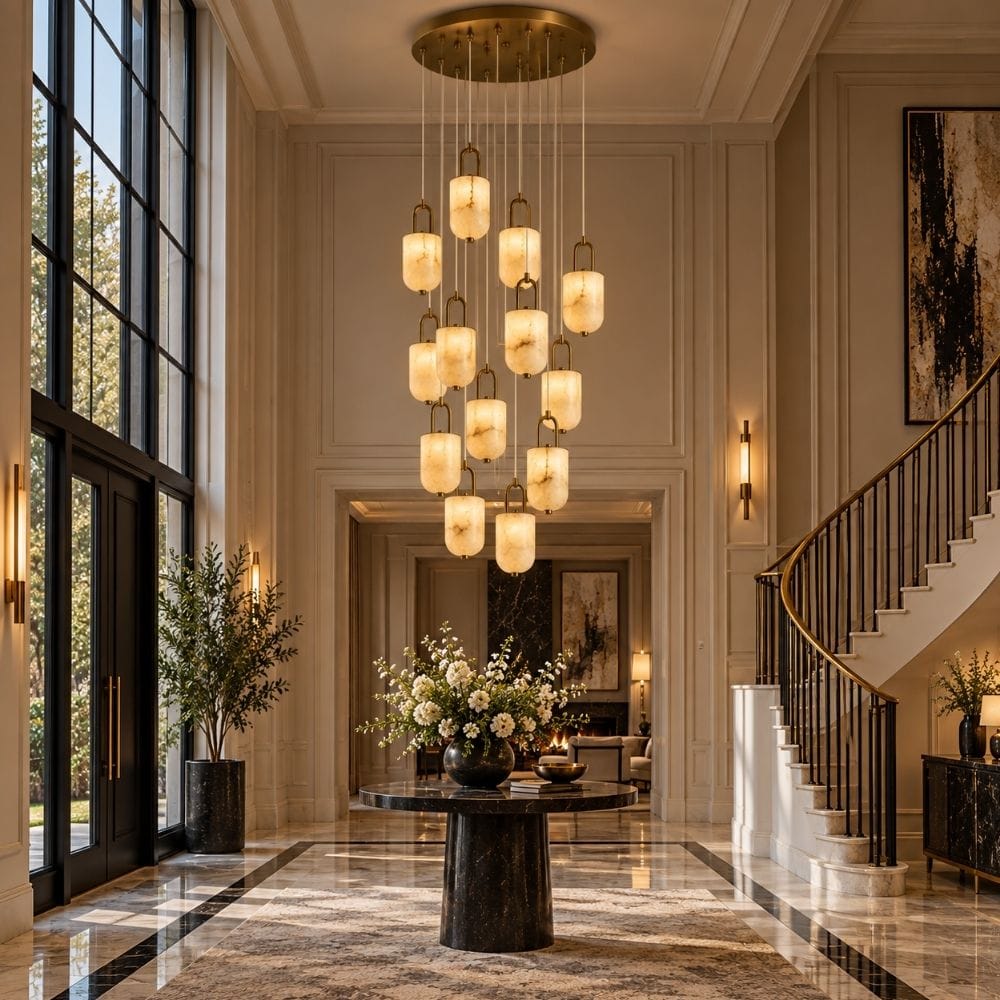
The collection's core idea is a deliberate double exposure: a silhouette your eye reads as past — candle arms, deco tiers, mid-century globes — executed with details your home reads as present: cleaner lines, current finishes, dimmable warm LED, and scale calibrated to today's rooms rather than ballrooms. The strongest designs commit to one era and modernize its execution rather than blending several; the full styling logic, finish pairings, and current looks are walked through in our modern vintage chandelier guide.
The Eras, Briefly
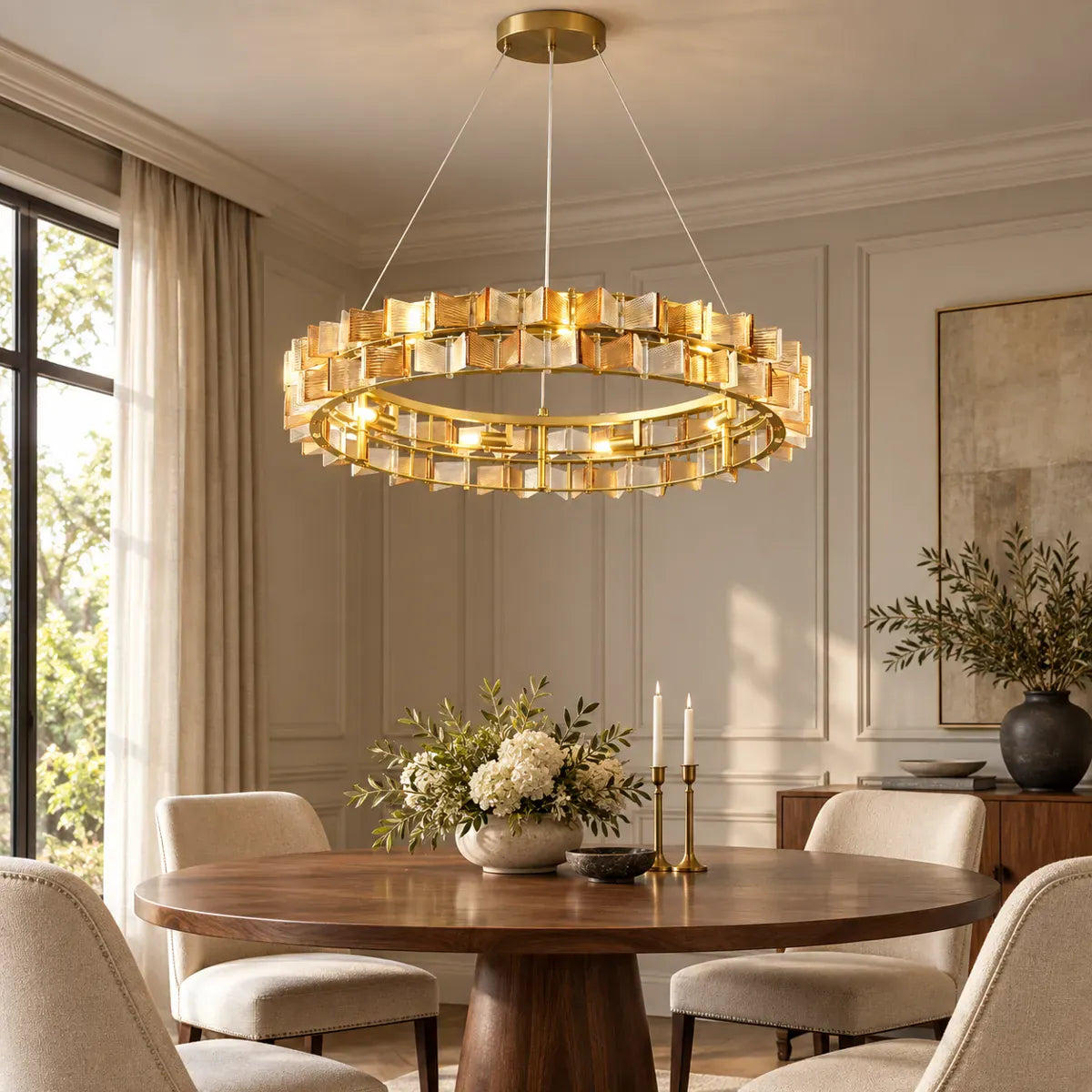
- Art Deco: stepped tiers, fan and sunburst geometry, glass panels with metal framework — the glamour era, strongest in dining rooms and entries
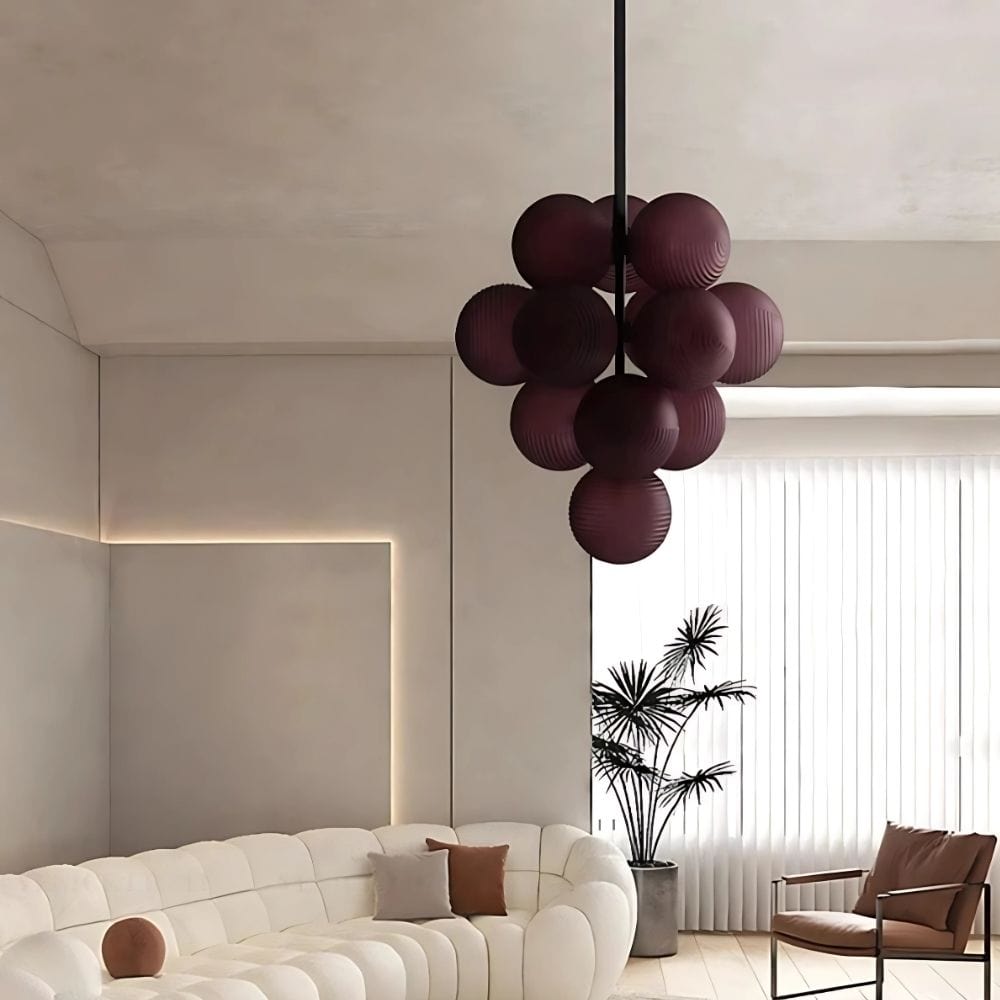
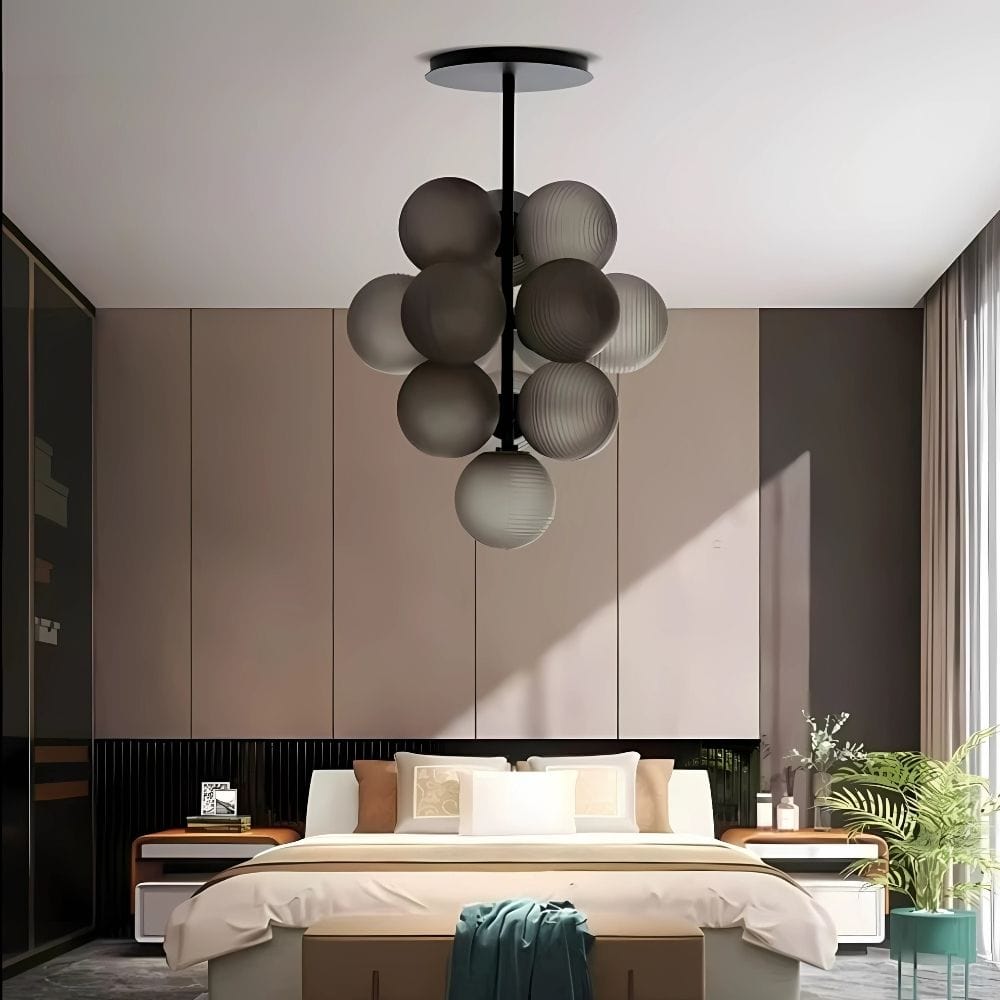
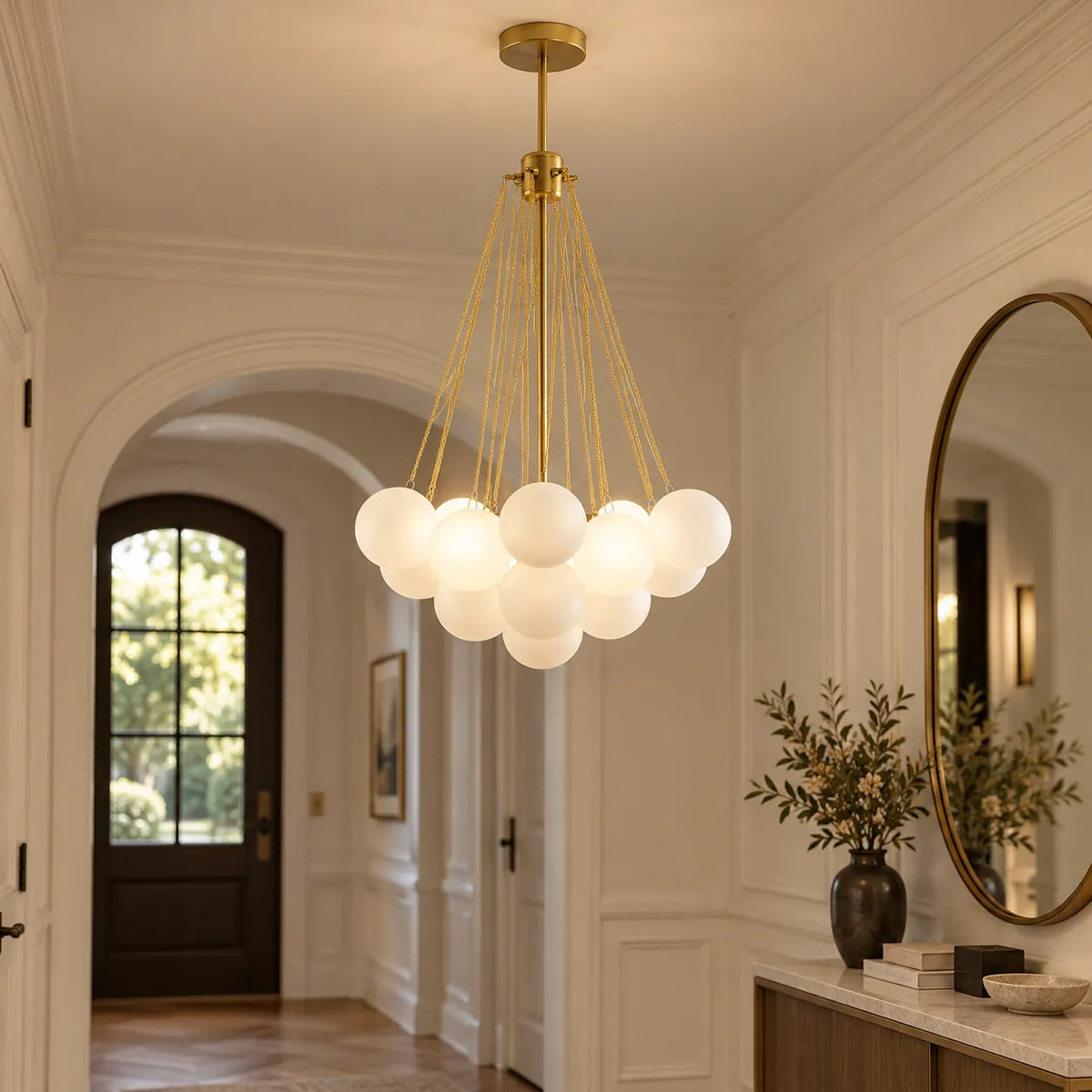
- Mid-century: brass arms, opal globes, sputnik radials — the walnut-and-wool era; the radial branch of it has its own deep dive in our sputnik chandelier guide
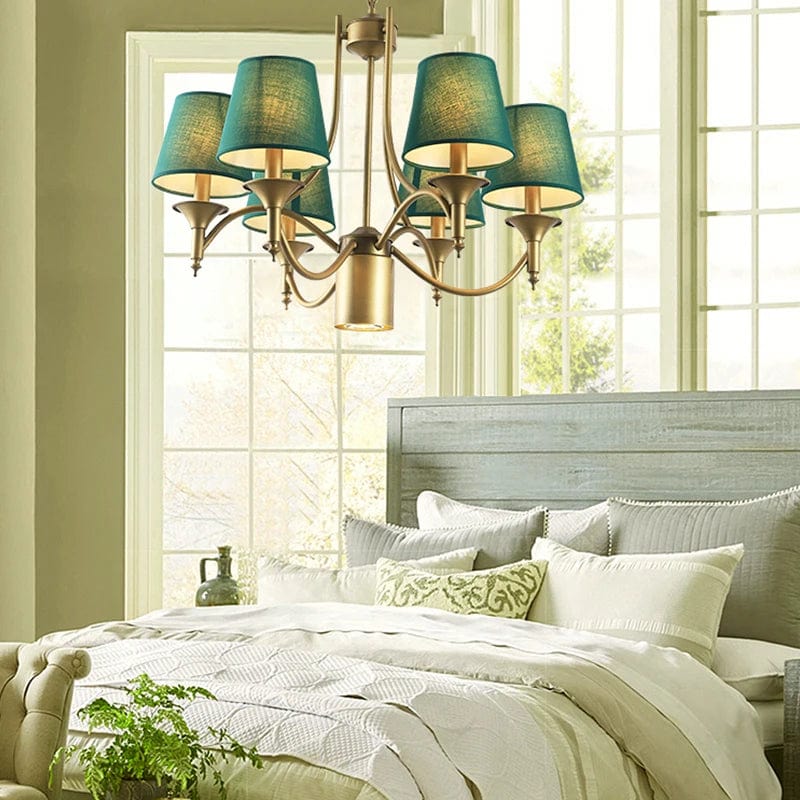
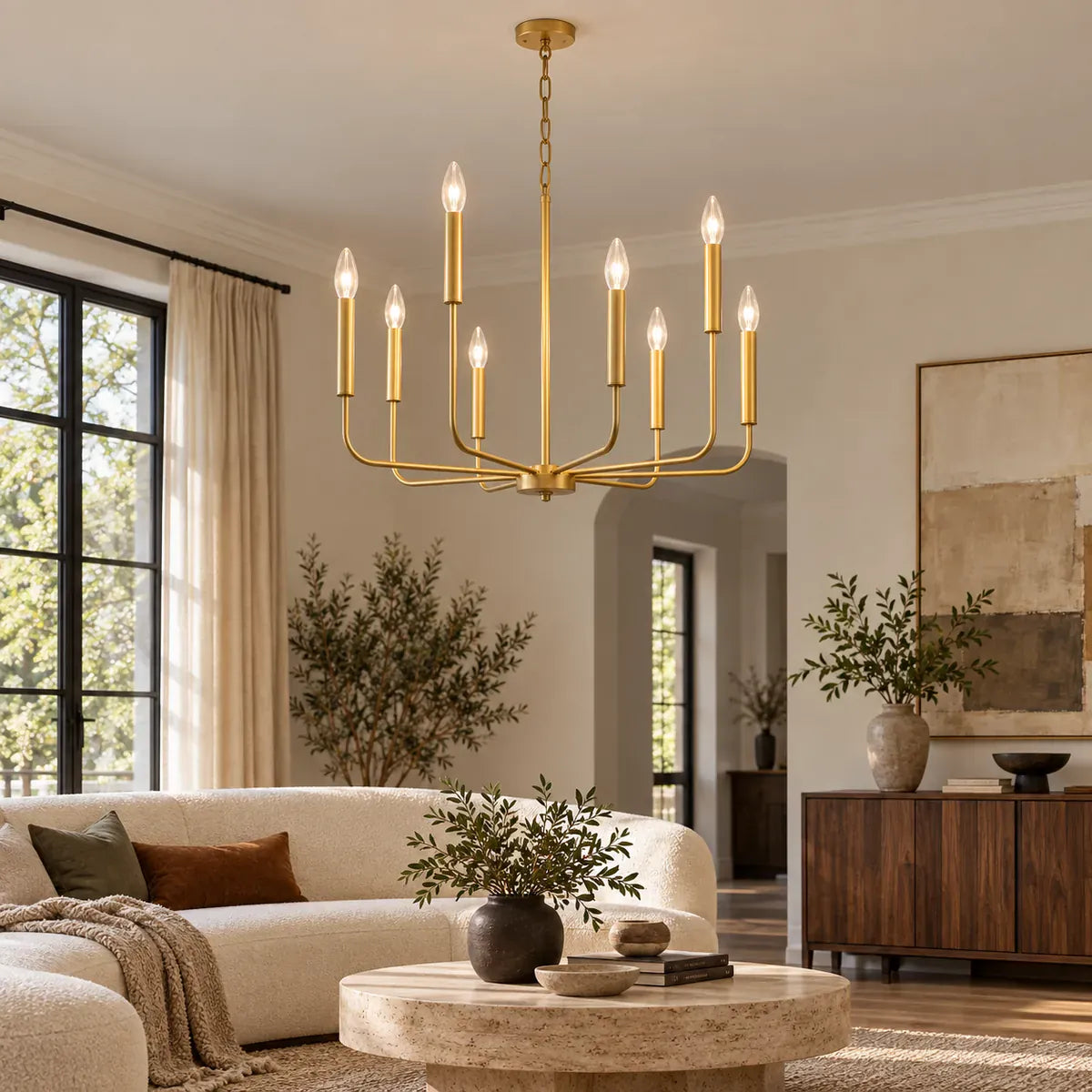
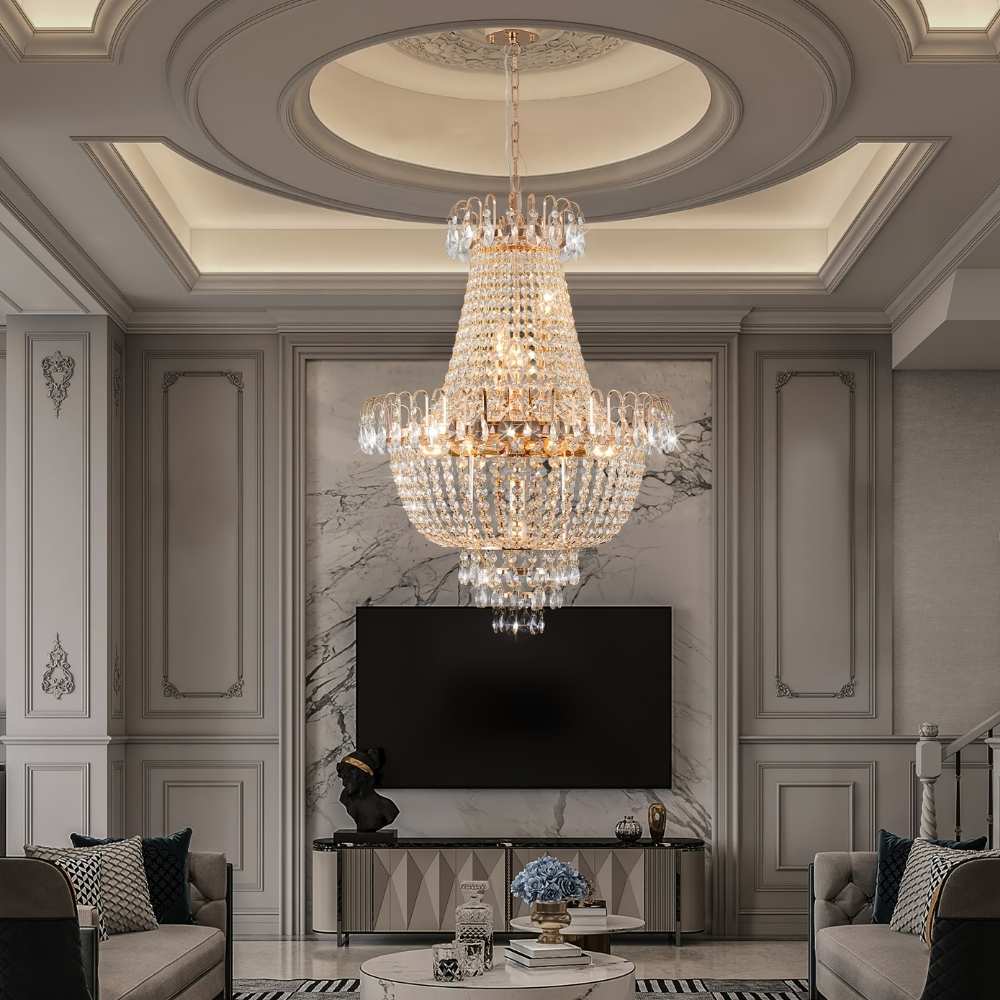
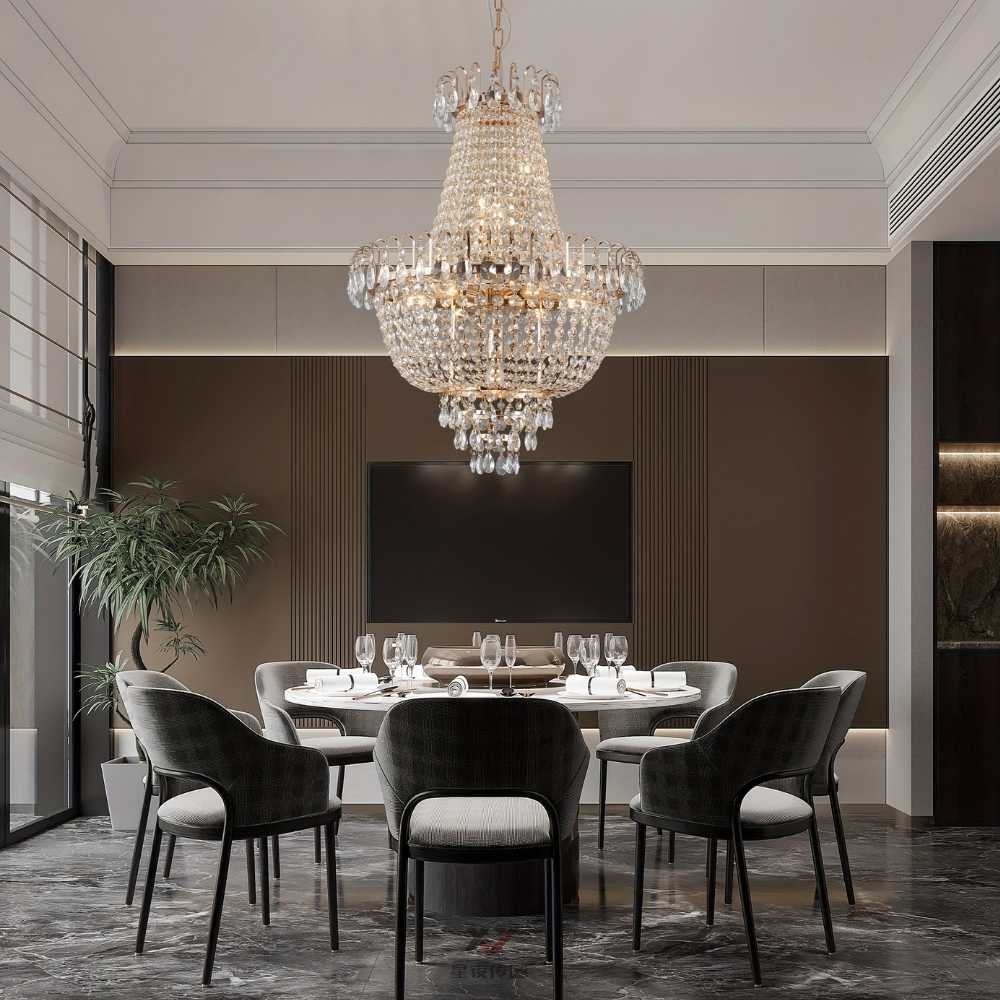
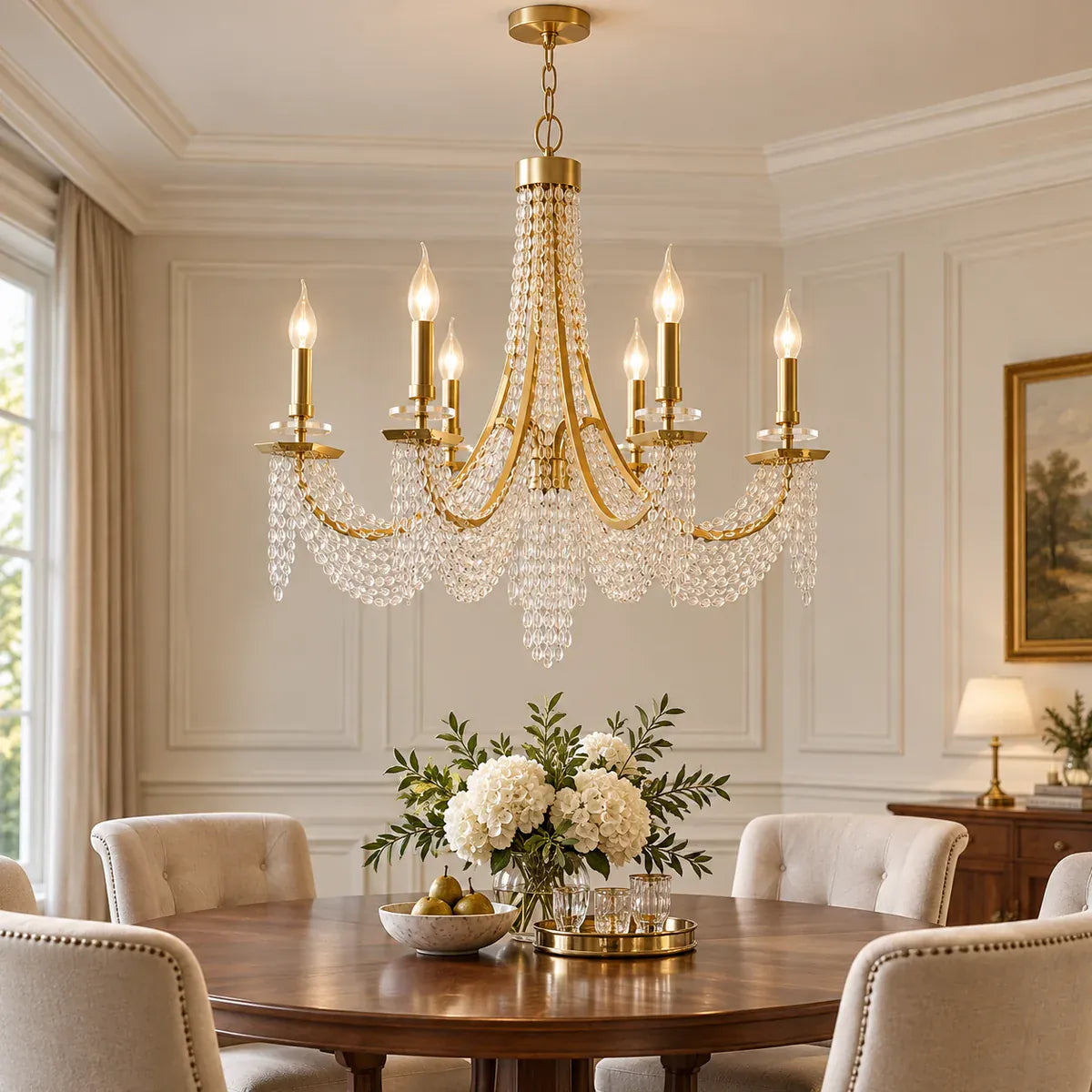
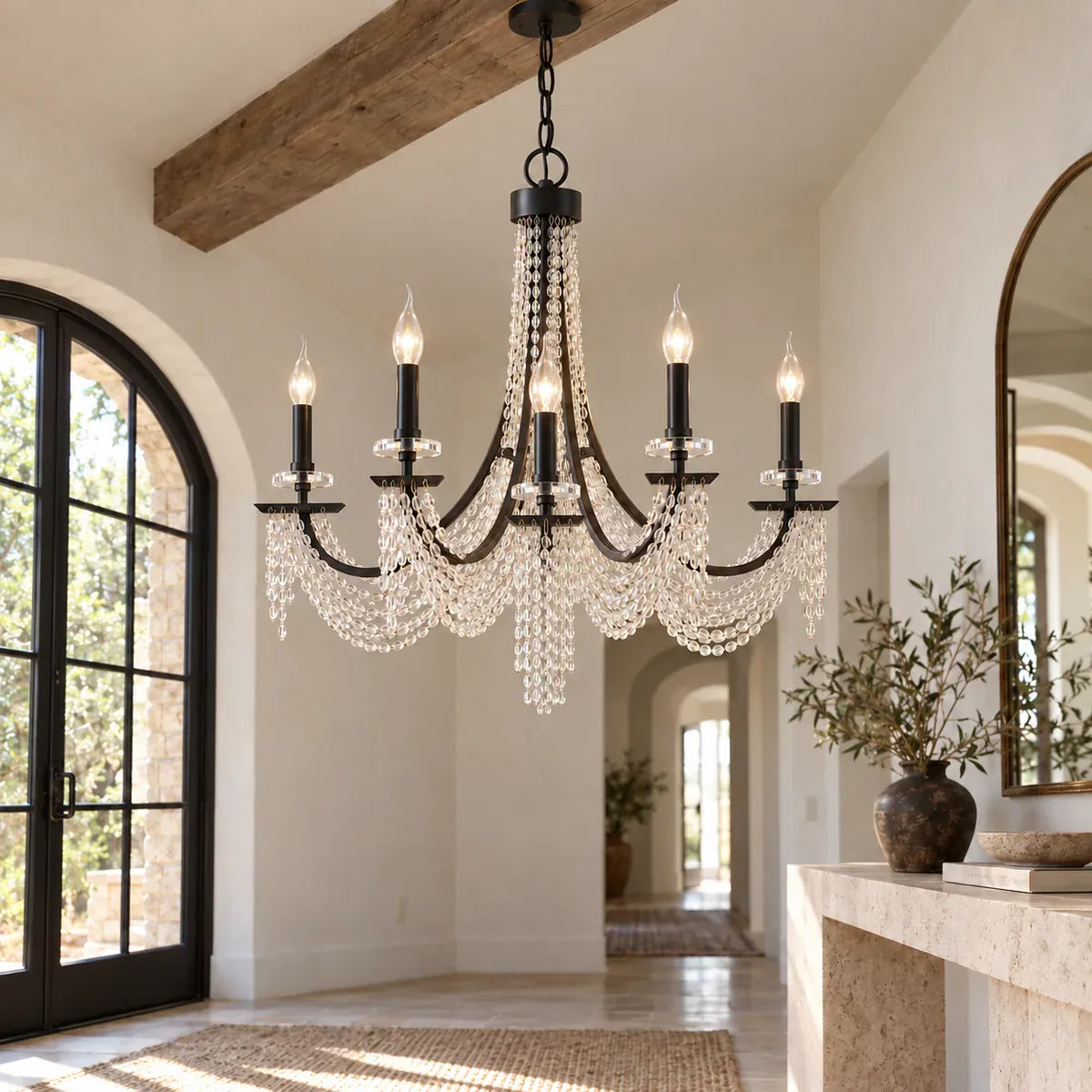
- Classic and traditional: candle-arm silhouettes and crystal dressing — the timeless register, covered across the crystal chandeliers collection
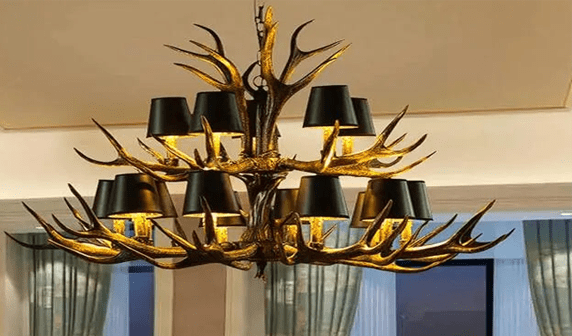
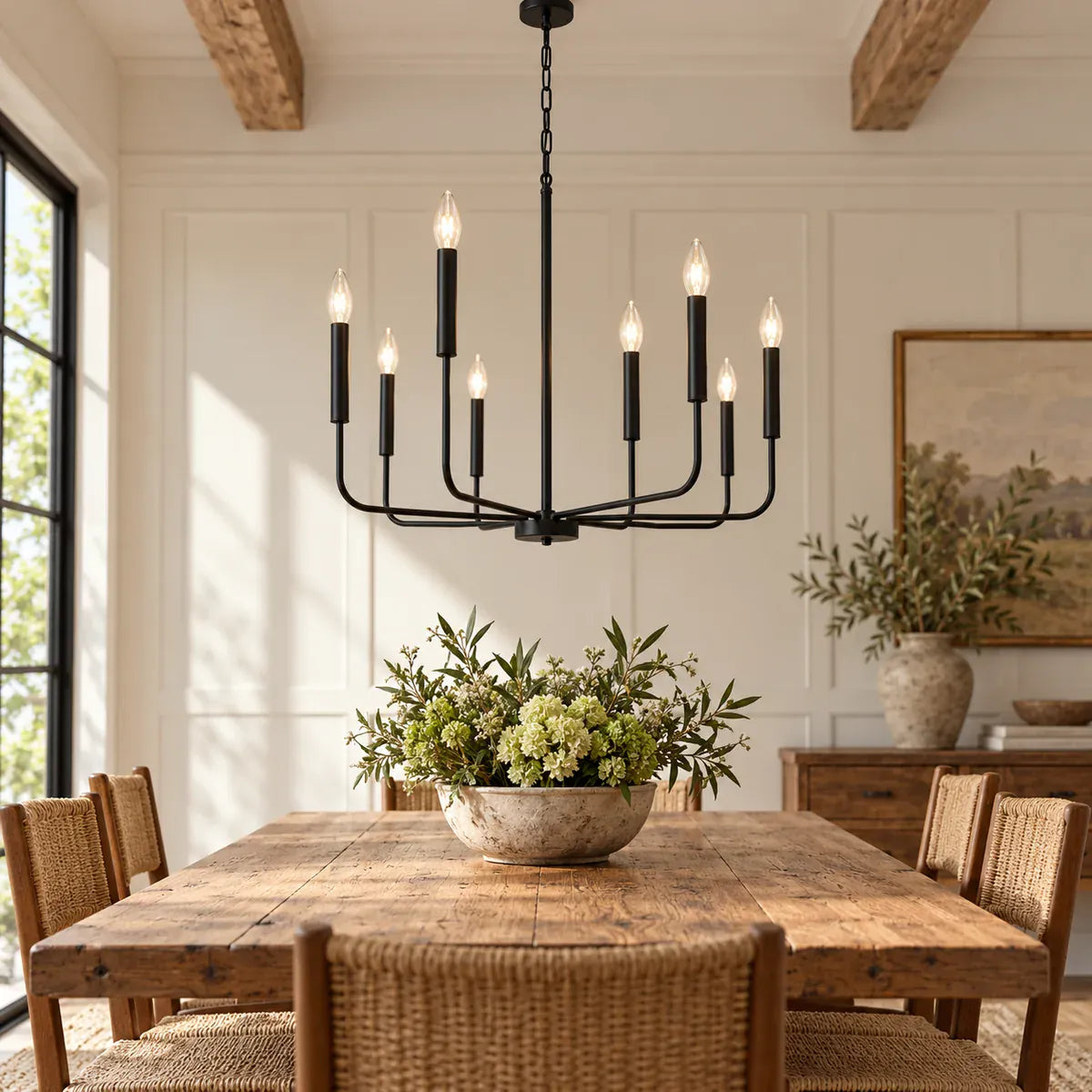
- Retro industrial: exposed-bulb frames, aged bronze and iron, workshop geometry — the loft-and-farmhouse bridge
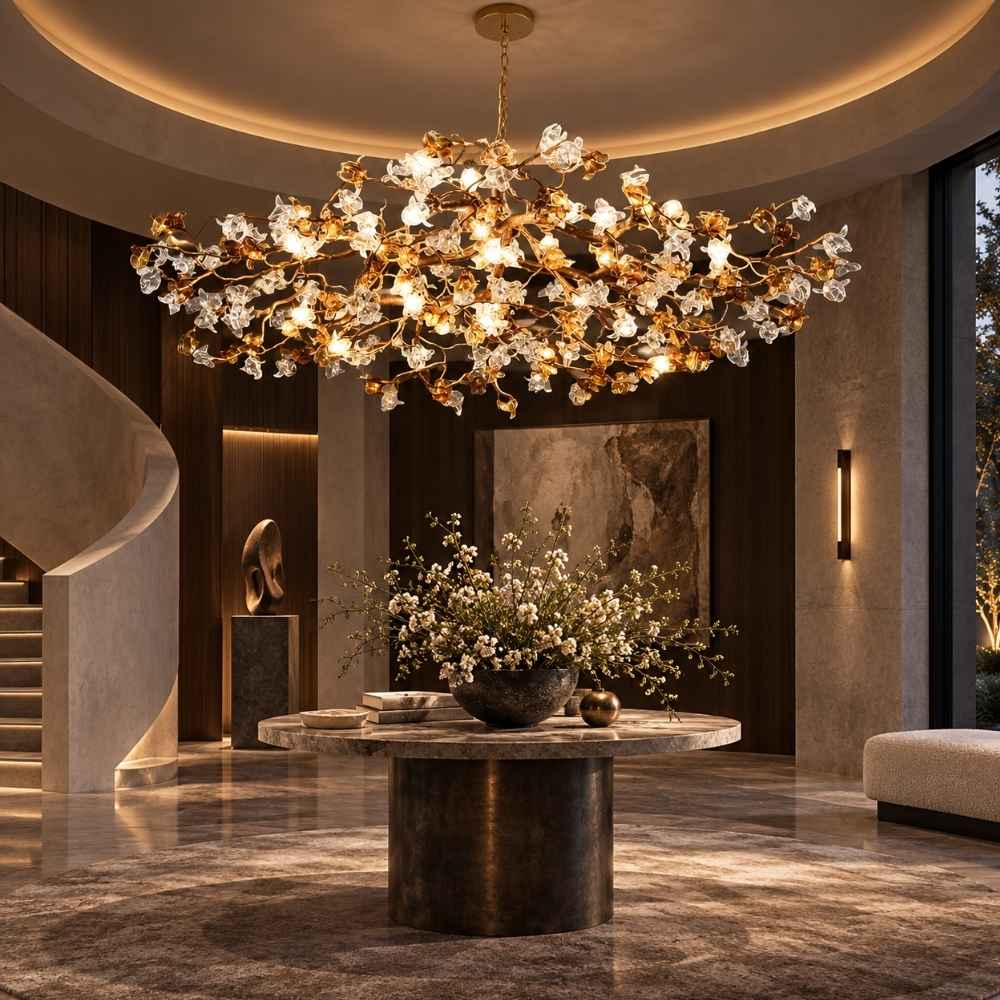
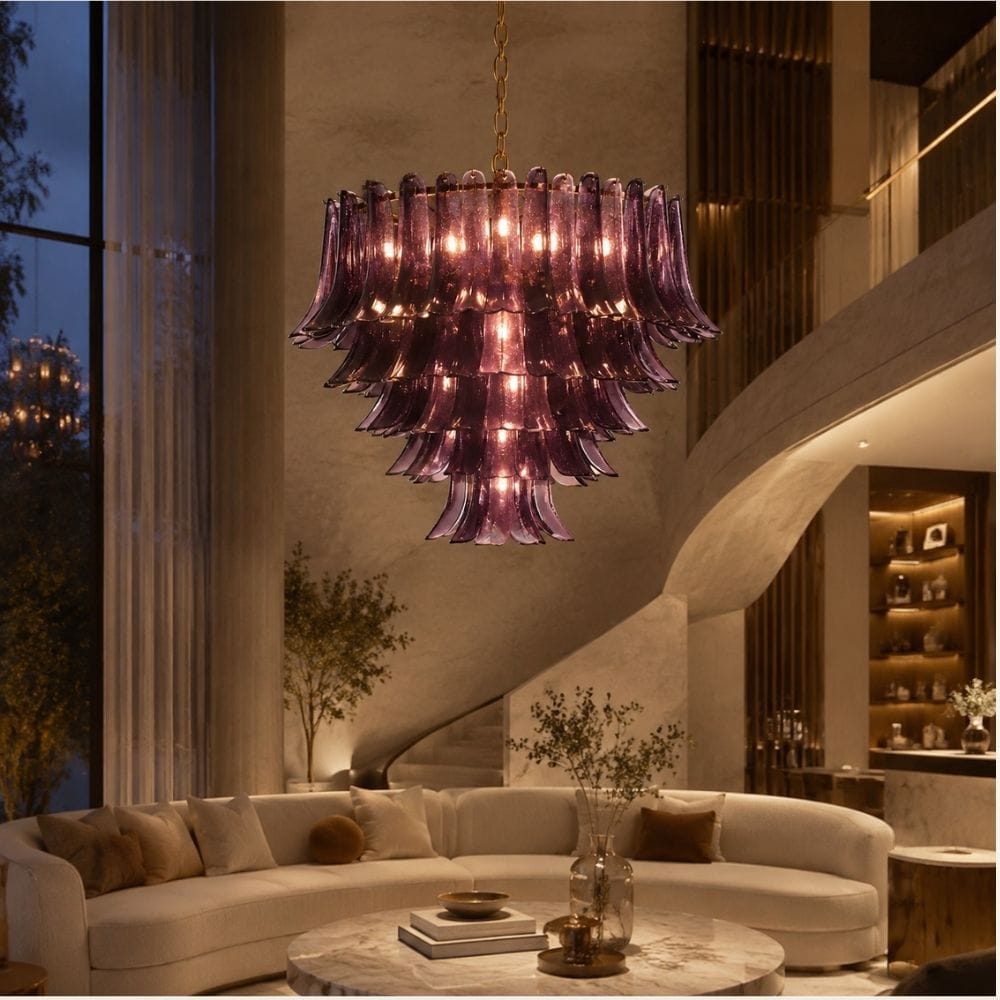
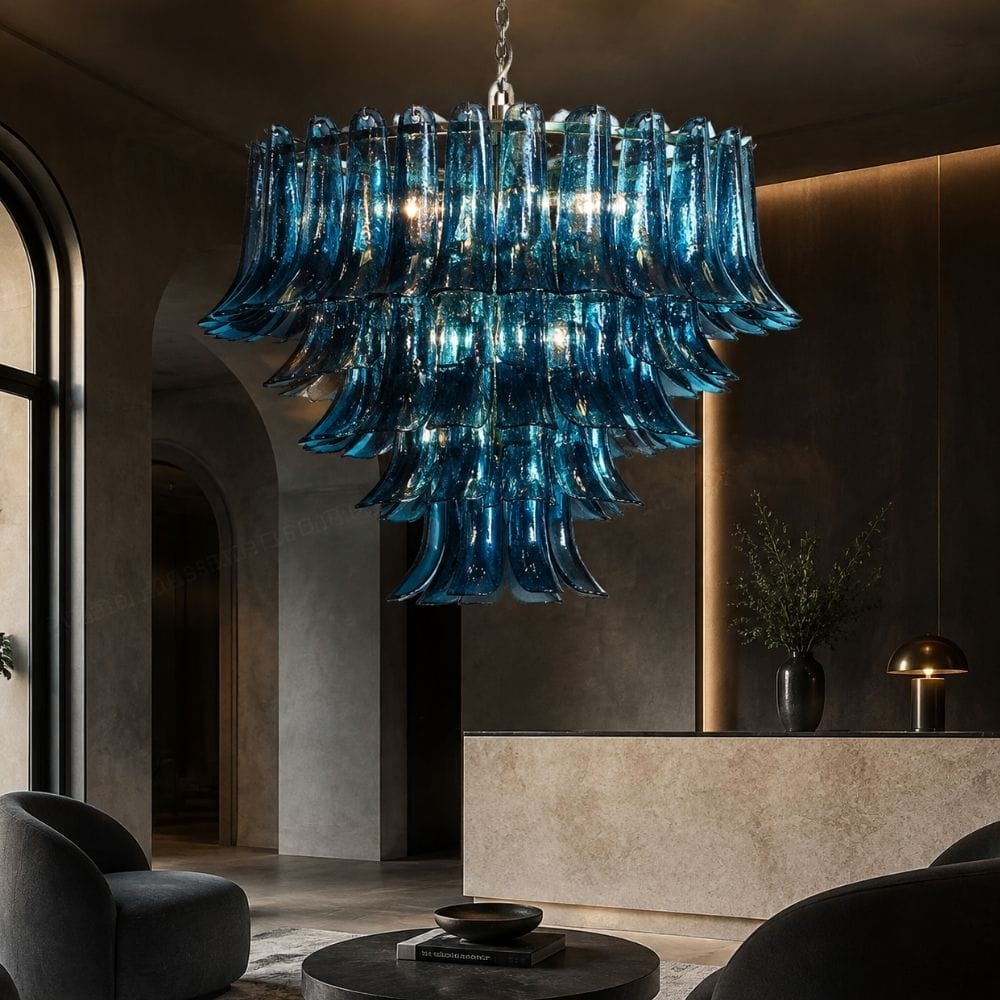
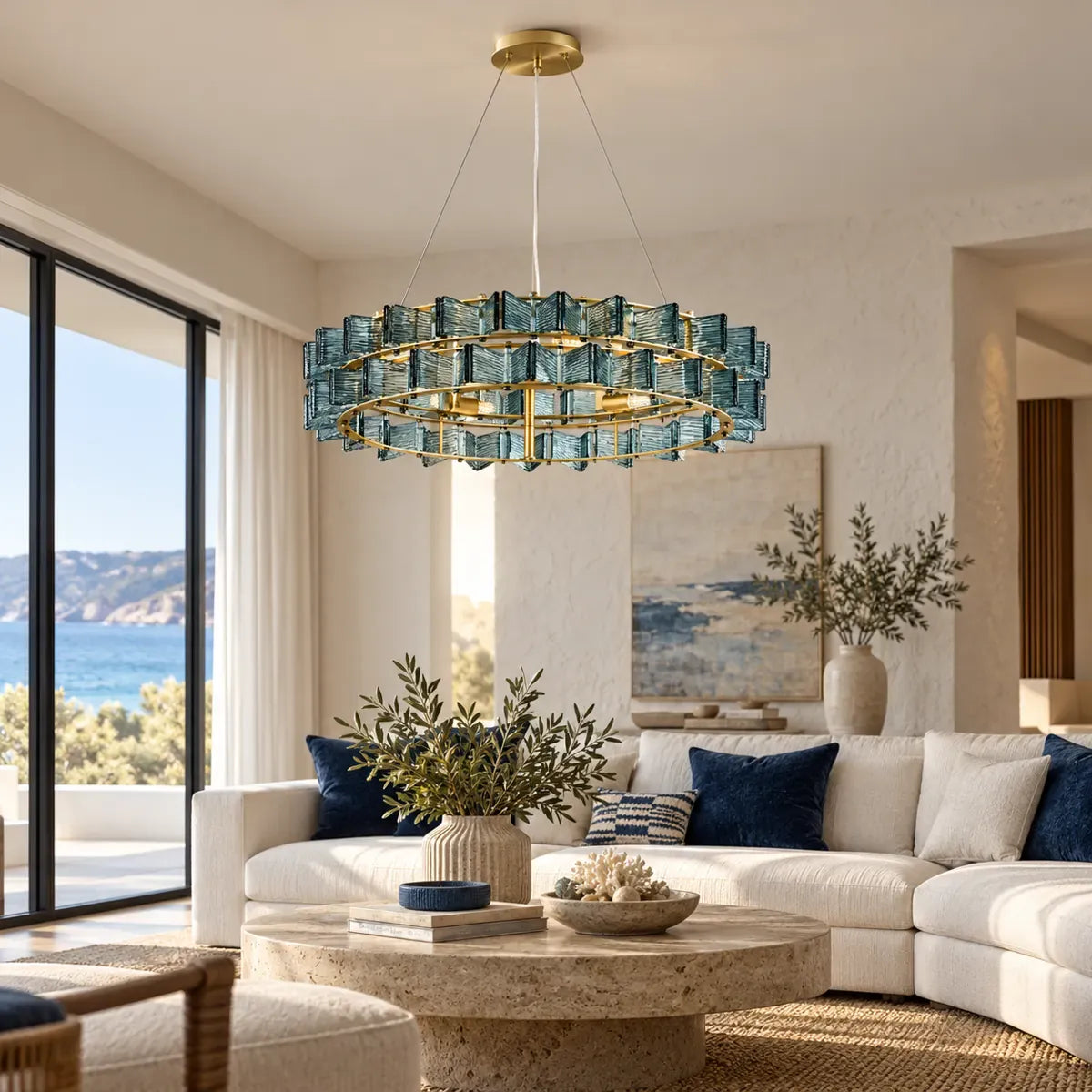
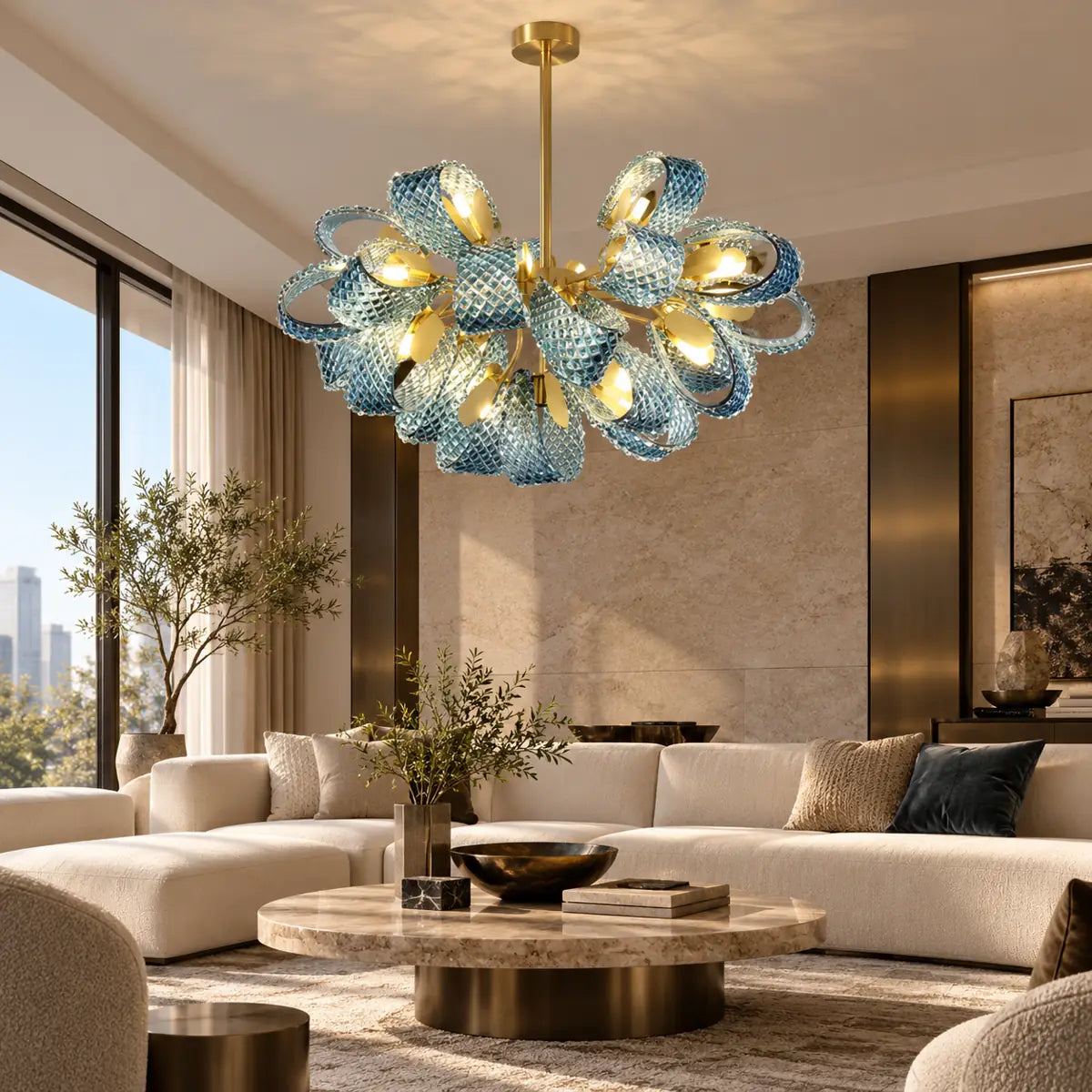
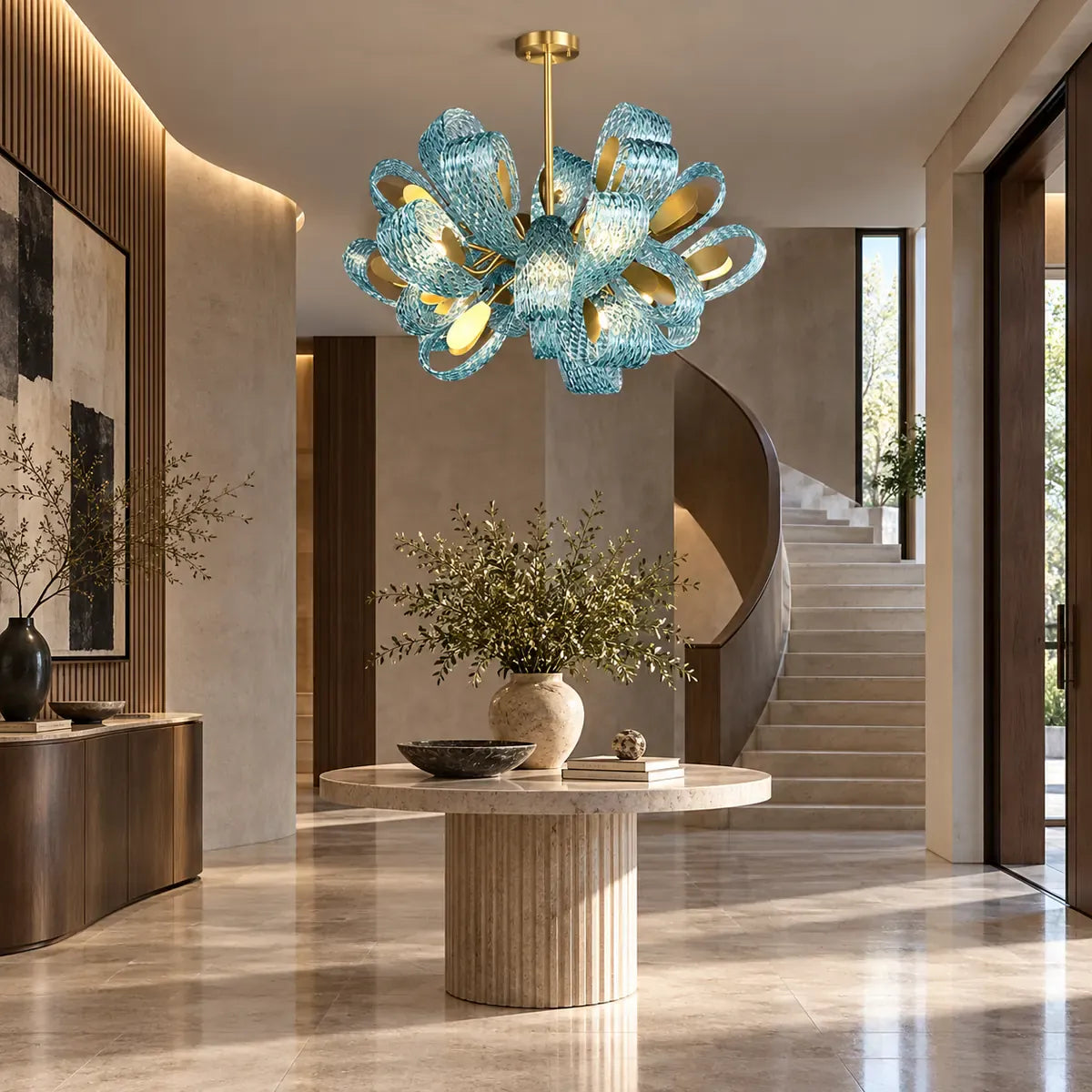
- Murano-style glass: sculpted colored glasswork in the Venetian tradition — the collectible look in warrantied form
Making Heritage Work in a Current Home
Vintage character lands best as an accent against a calm background: one era statement per room, finishes echoed once elsewhere (a brass fixture over a table with brass hardware nearby), and warm dimmable light — 2700-3000K — that flatters aged finishes the way cool white never does. Transitional homes take the classic and deco directions naturally; modern interiors take mid-century and retro industrial as their native history. Scale by the standard formula — room length plus width in feet equals diameter in inches — via the chandelier size calculator.
Related Collections
Continue the heritage register with the crystal chandeliers for the classic sparkle end, gold chandeliers for the warm finishes the eras favored, and the full chandelier catalog for the complete designer range.
Frequently Asked Questions
What is a vintage chandelier?
In this collection, a new-production fixture built to a past era's design language — Deco, mid-century, classic, retro industrial, or Murano-style — with current wiring, LED compatibility, and warranty. Heritage character, modern engineering.
What is a modern vintage chandelier?
The hybrid this collection is built on: an era-recognizable silhouette executed with current details — cleaner lines, modern finishes, dimmable warm LED, and room-scaled proportions.
What is the difference between vintage and antique?
An antique is the original object with original-era wiring and restoration needs; a vintage-style design is new production delivering the same look with certified electrical safety and standard installation.
Are vintage chandeliers in style?
The heritage direction is one of current design's strongest currents — mid-century and deco especially — because it gives modern rooms depth and story without sacrificing performance.
Which era suits my home?
Modern interiors take mid-century and retro industrial natively; transitional and classic homes take deco and candle-arm traditions. Commit to one era per room and echo its finish once elsewhere.
Do they work with LED bulbs?
Yes — every design here is LED-ready, and warm dimmable LED (2700-3000K) is the recommendation: it flatters aged brass and glass the way the era's original light did.