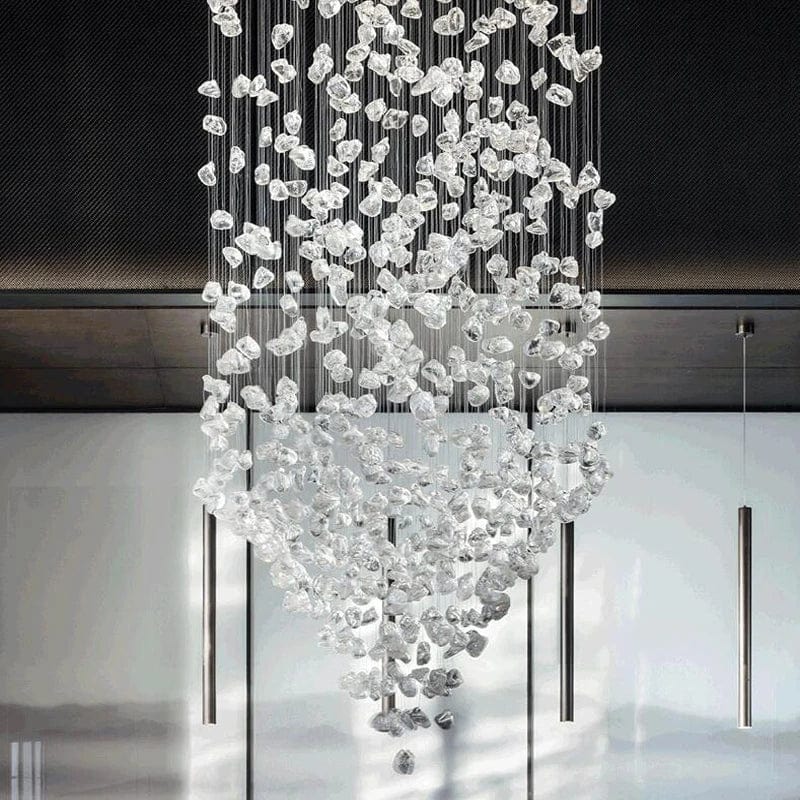


Start With the Fixture Type
The fastest route through a catalog this size is deciding what kind of fixture the room needs before comparing styles. Five families cover almost every application.
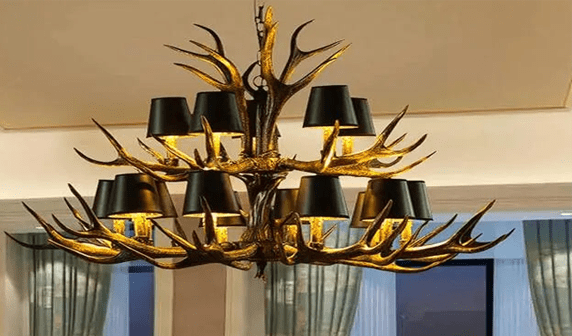
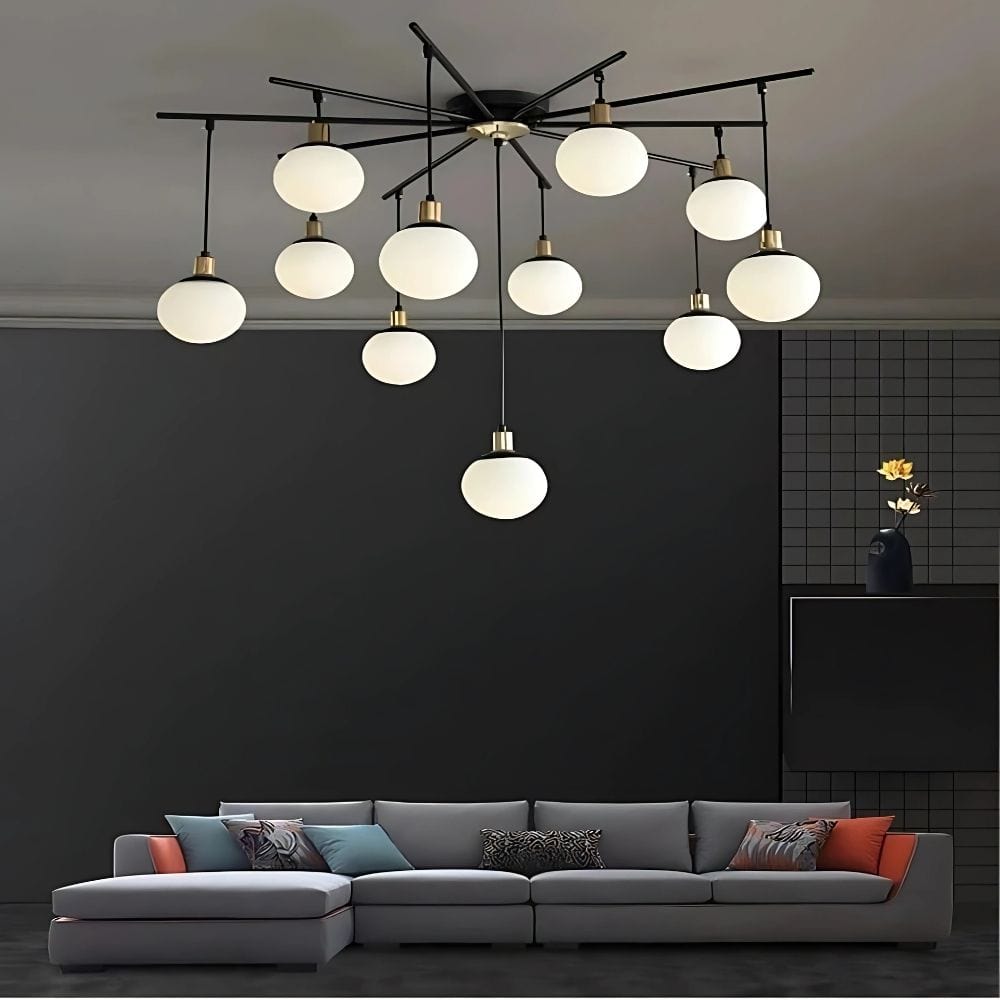
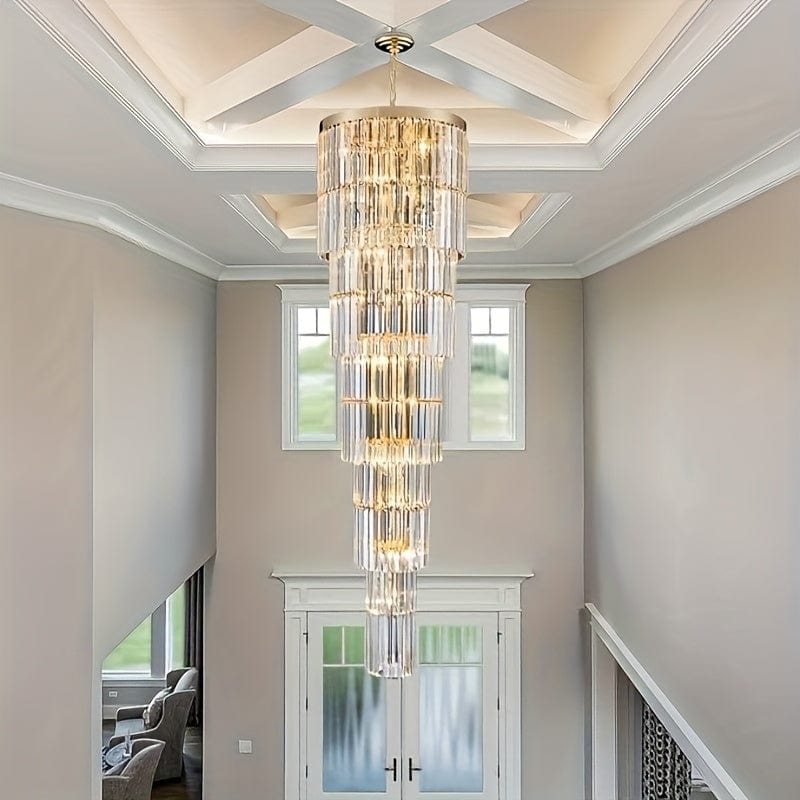
- Chandeliers: the largest section, spanning modern, contemporary, crystal and rustic directions
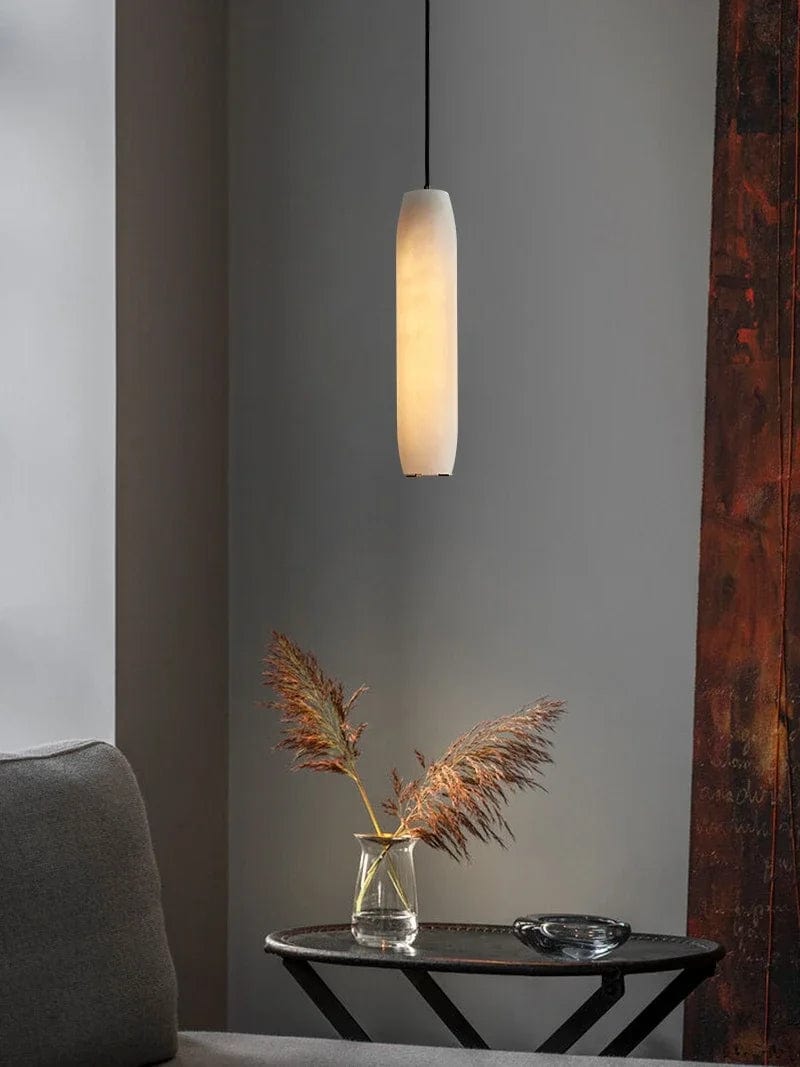
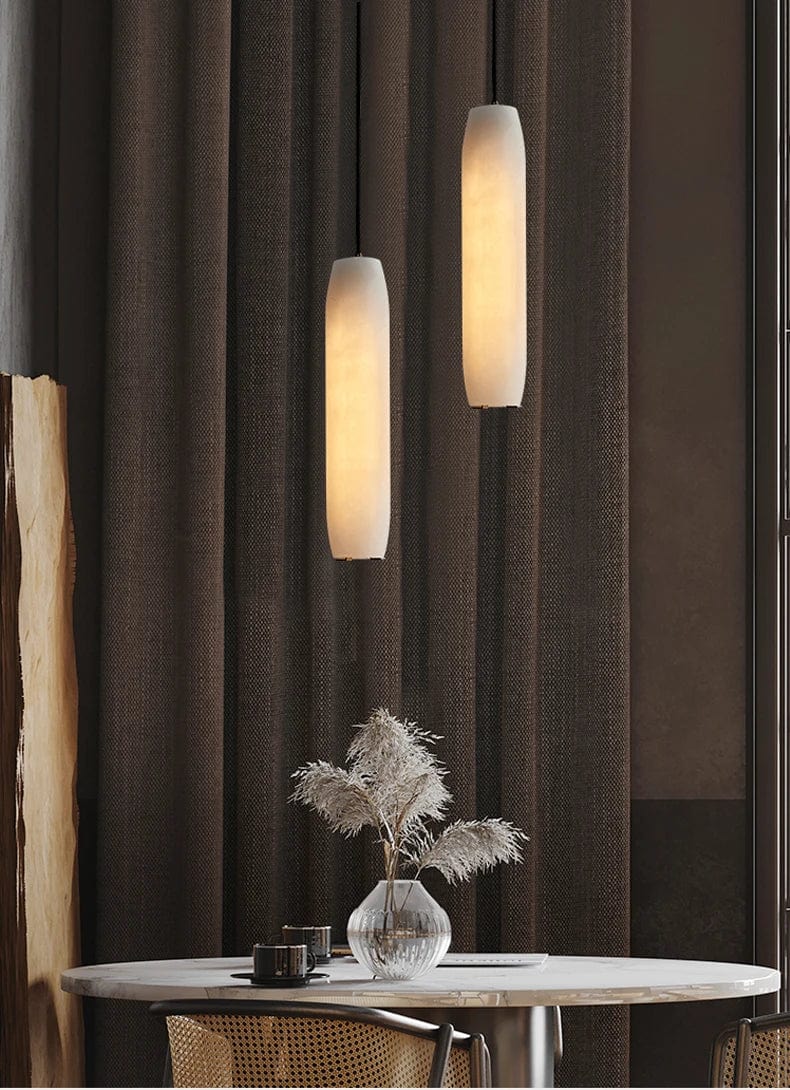
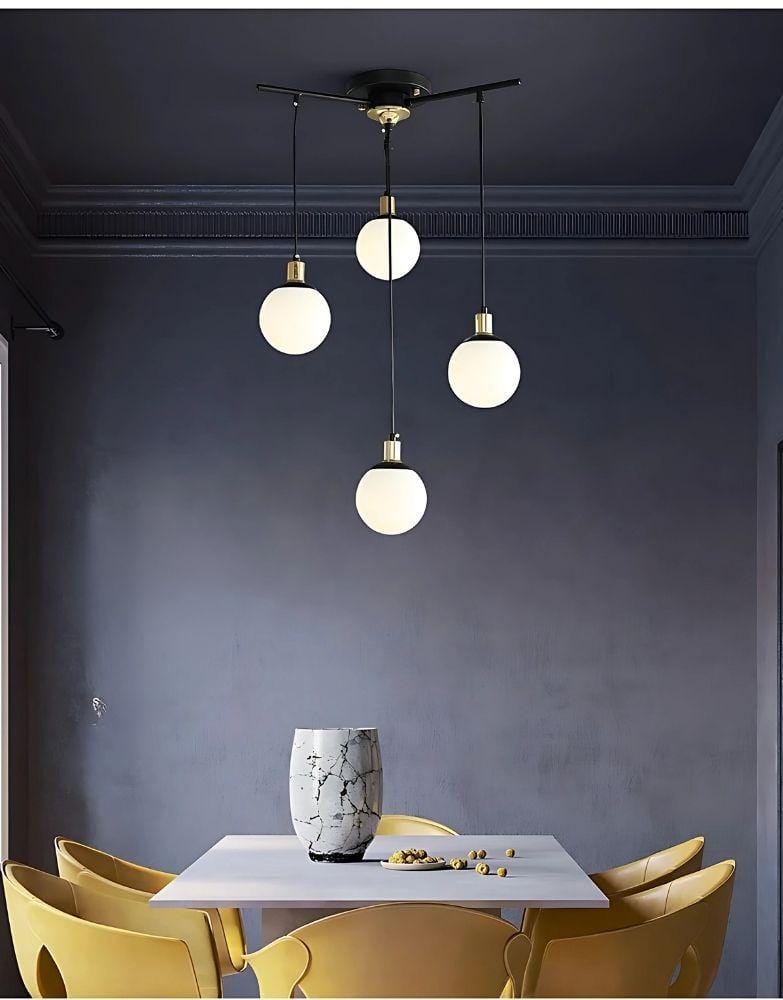
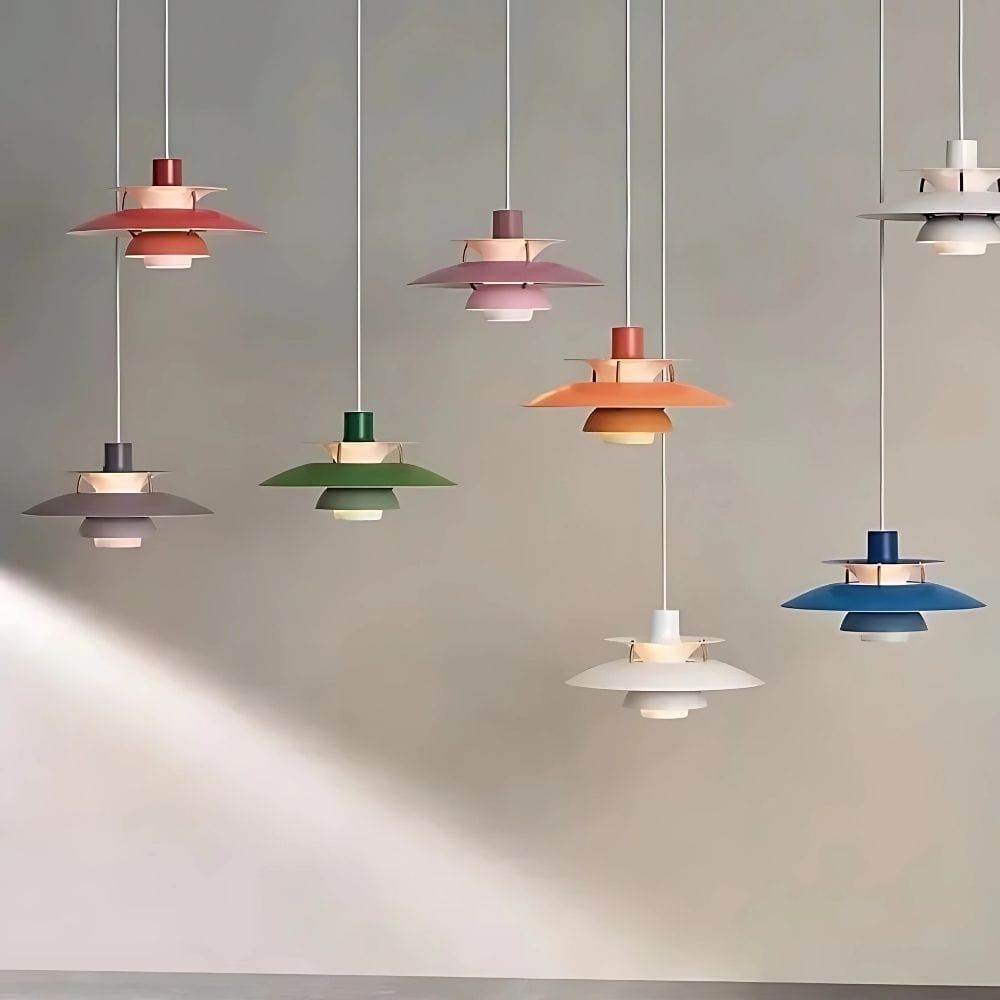
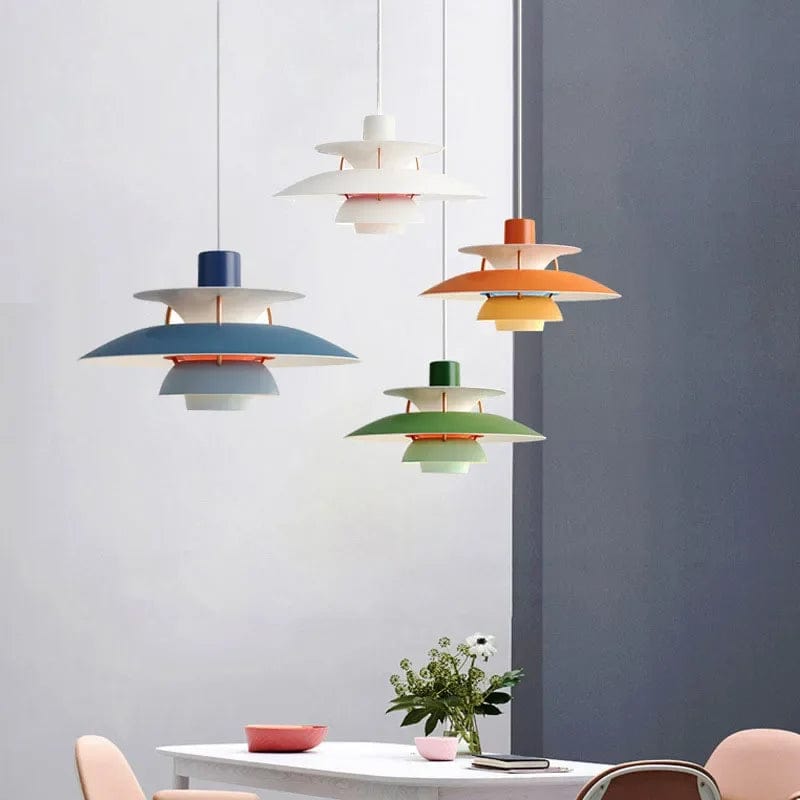
- Pendant lights: suspended fixtures used alone above a table or repeated over an island
- Wall sconces: the layer for walls and corridors ceiling fixtures miss
- Flush and semi-flush mounts: for 8-9 ft ceilings, where suspension breaks the 84 in clearance rule
- Floor and table lamps: portable light needing no wiring — the easiest layer to add
- Style directions: farmhouse, branch, bubble and sputnik forms, each with its own page
Modern or Contemporary: A Useful Distinction
The terms are used interchangeably in shopping, and this catalog covers both, but they describe different things. Modern points to a design lineage — the mid-century and Bauhaus inheritance, in production for decades. Contemporary means what is being designed now: current proportions, finishes and technology.
In practice the overlap is large. Modern designs tend to be quieter in proportion; contemporary ones more sculptural. Both share what separates them from traditional lighting: clean geometry, honest materials, restrained ornament, and light quality as part of the design. The contemporary chandeliers collection narrows to the current, more sculptural end.
Shopping by Room
Where the room is settled and the fixture is not, the room-first route is faster.
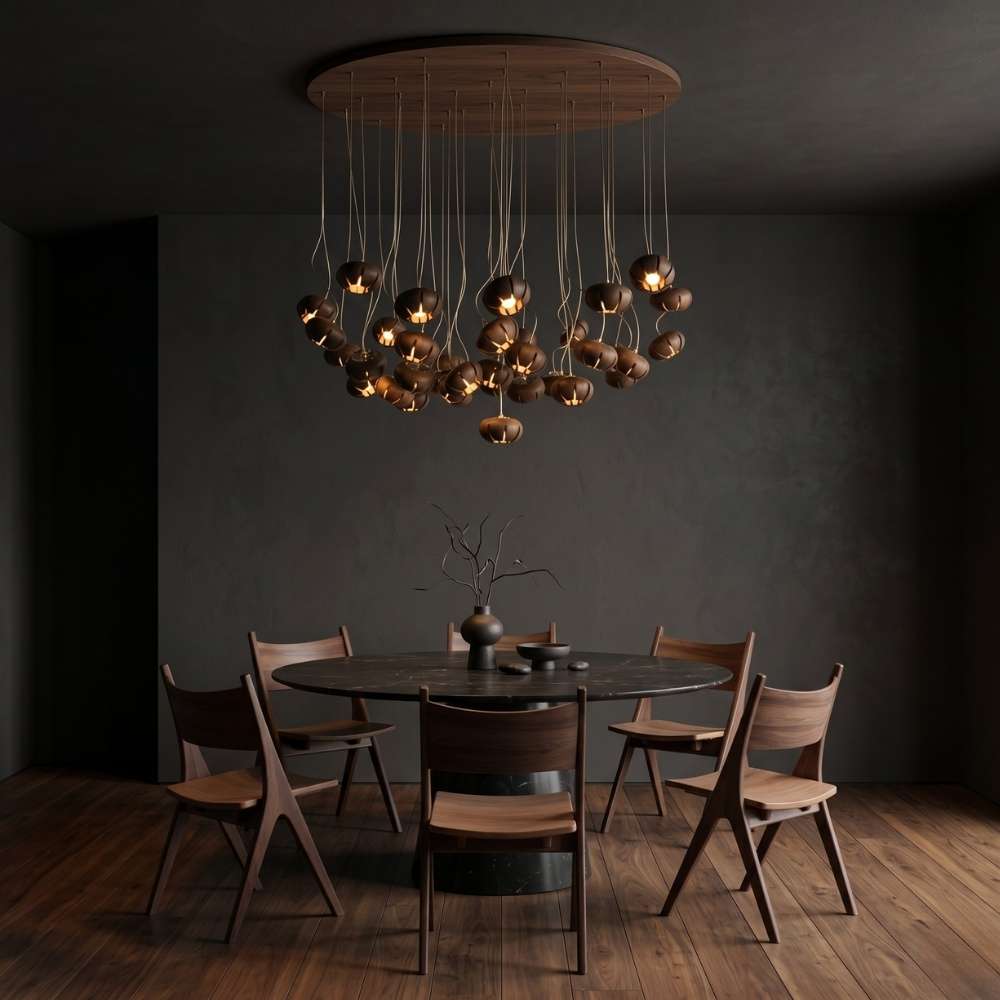
- Dining rooms: size to the table, not the room — one-half to two-thirds of its width, hung 30-36" (76-91 cm) above the surface
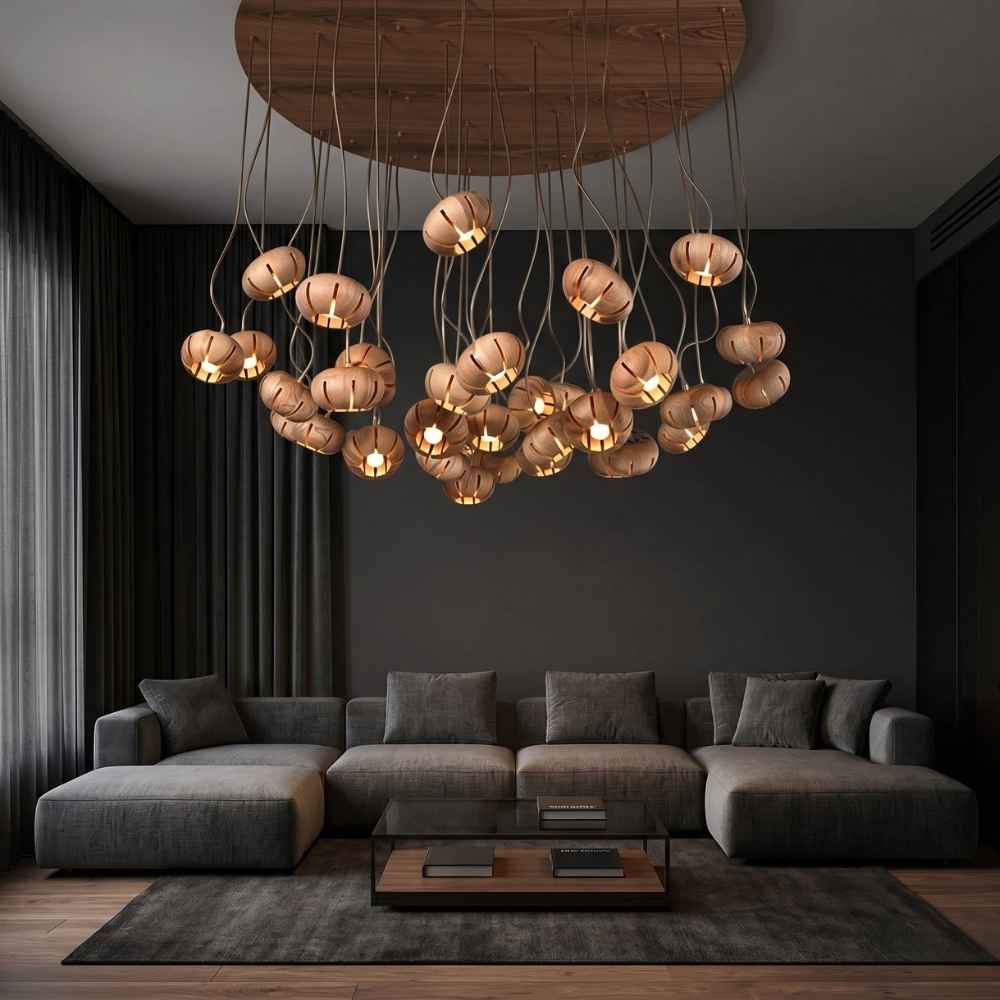
- Living rooms: centre the fixture on the seating group rather than the room's outline when the two differ
- Kitchens: pendants over islands at 30-36" above the counter, roughly one per 24-30" (61-76 cm) of length
- Bedrooms: softer output and diffused bodies, with hung pairs increasingly replacing bedside table lamps
- Bathrooms: damp-rated construction, clear of tub and shower zones per code
- Home offices: glare control and video-call quality over decorative reach
- Outdoor spaces: wet- and damp-rated fixtures for humidity cycling
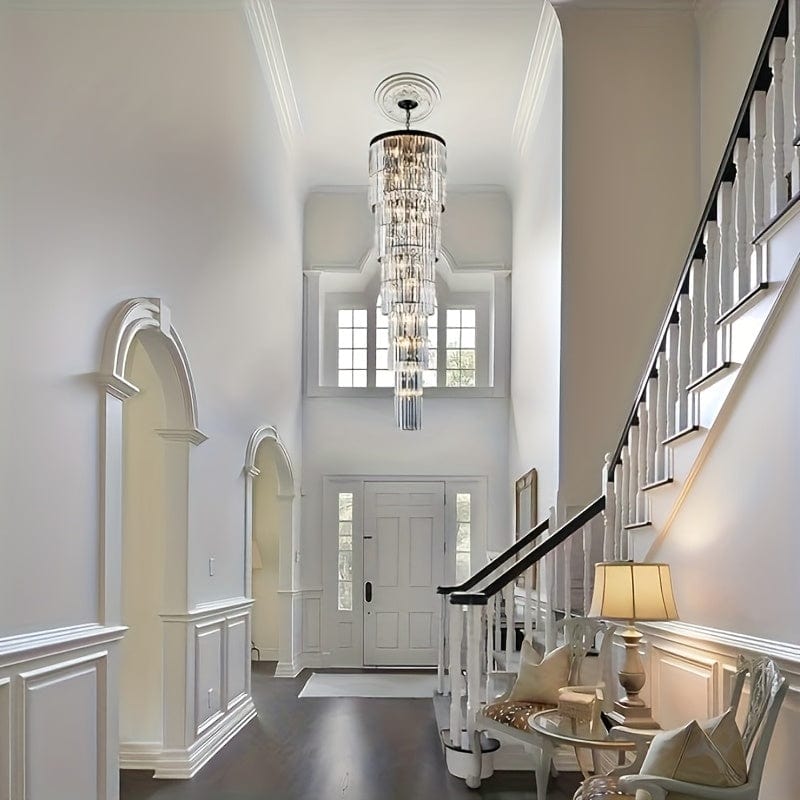
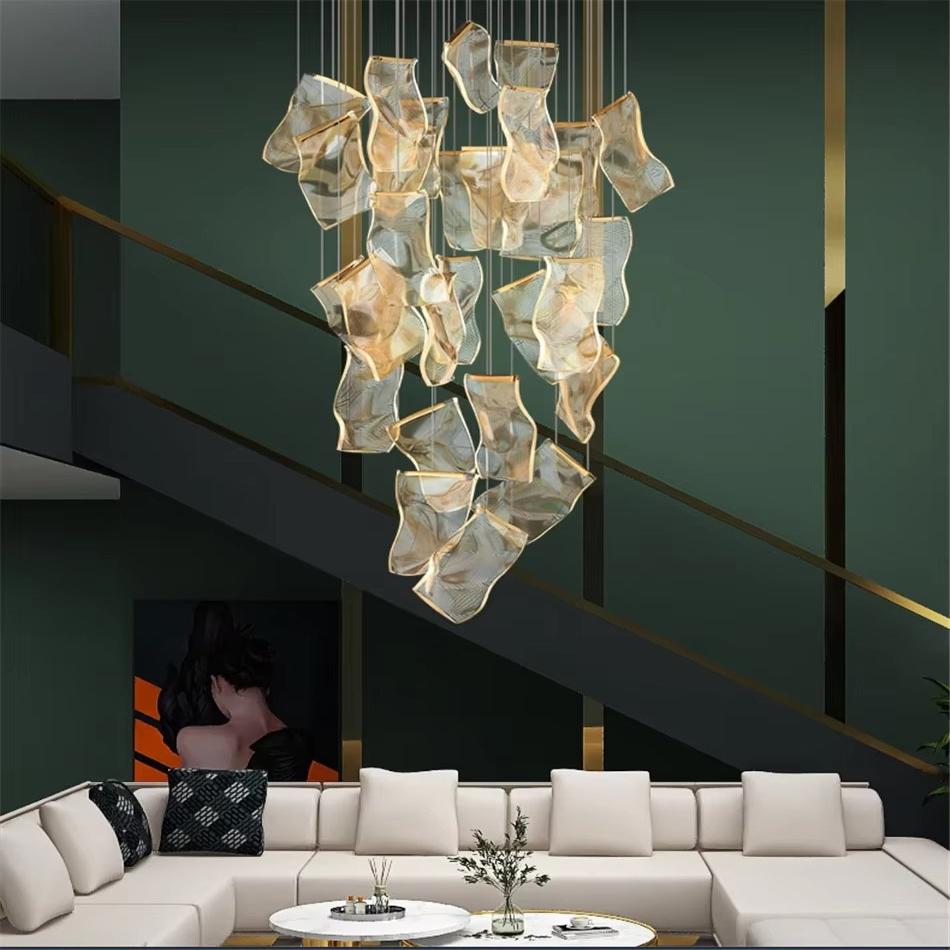
- High ceilings and two-story volumes: fixtures scaled for height, where reach and maintenance are part of the spec
Getting the Size Right the First Time
One formula covers most of the catalog: add the room's length and width in feet, and the sum in inches gives the target diameter — a 16 x 20 ft room points to roughly 36". Where a table is involved it overrides the room: one-half to two-thirds of its width, or of its length for a linear design.
Two adjustments matter. Above 9 ft ceilings, add roughly 3" of diameter per additional foot. And material changes the reading: glass clusters look lighter than their measurement, solid timber and forged iron heavier — so round up on open forms, down on dense ones. Full calculations are in our chandelier size calculator, with clearance heights in the fixture height chart.
Materials and What They Do to Light
- Crystal: refraction and moving colour, strongest at close range and on a dimmer at 30-60% output
- Glass: tunable from clear to fully diffused, which decides whether a fixture reads sparkling or soft
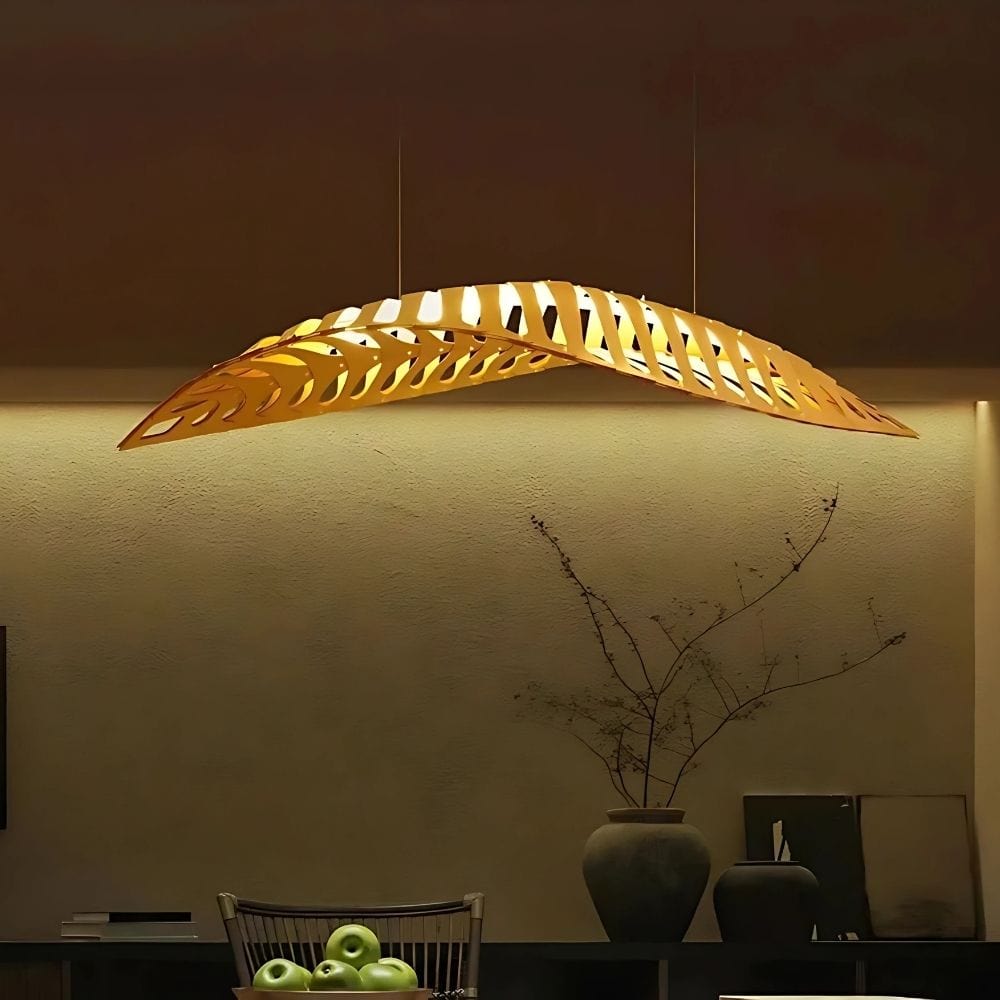
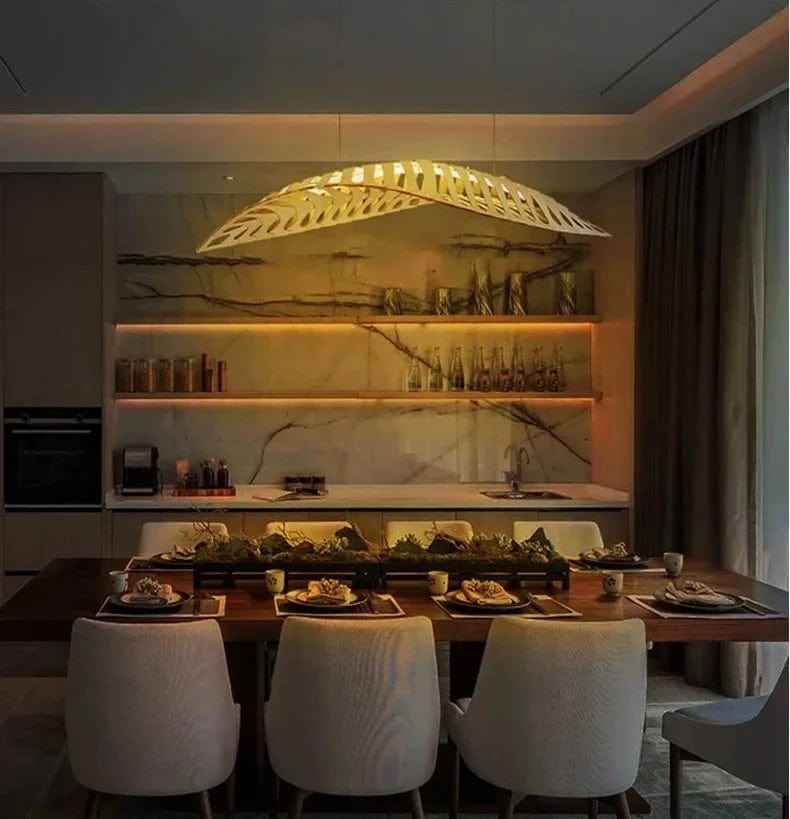
- Wood: warmth visible in daylight, before the fixture is switched on
- Iron: graphic structure and aged finishes that hide handling marks by design
- Gold and brass: reflection in the amber band, which flatters food, wood and skin tones
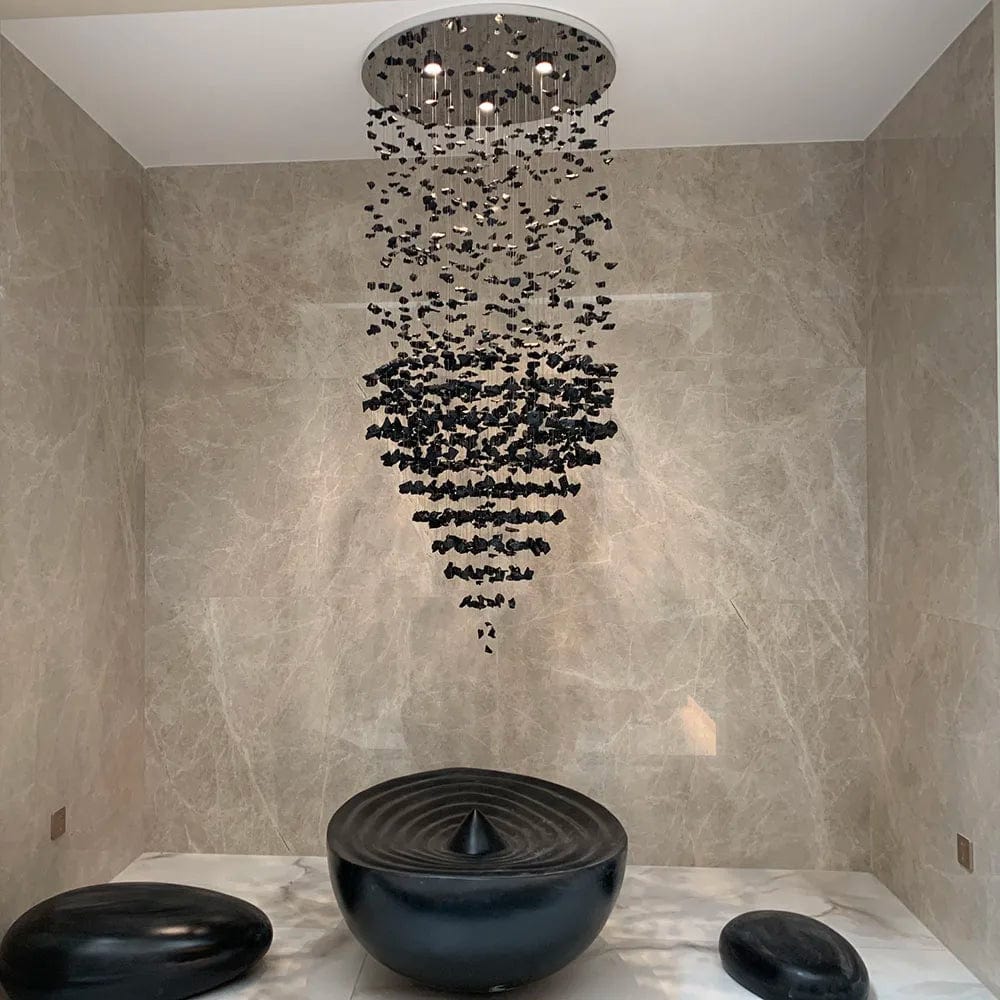
- Matte black: the widest room tolerance in the catalog, agreeing with almost any palette
Light Quality: The Specifications Worth Checking
Two numbers decide how a room feels more than the fixture's shape does. Colour temperature at 2700-3000K is the residential standard, up to 3500K over a working kitchen surface; 4000K and above belongs in garages. Colour rendering at CRI 90 or better keeps food, wood and skin tones true — most noticeable in dining rooms, where lower-rated light makes a meal look flat without anyone naming the cause.
Add a dimmer wherever the fixture is decorative. Crystal performs at 30-60% output, and integrated-LED designs need a matched flicker-free driver since the source cannot be swapped later.
Where to Go Next
Browse the full chandelier catalog, the pendant lights collection, or new arrivals. Sizing, installation and care guidance is collected in our lighting guides.
Frequently Asked Questions
What is the difference between modern and contemporary light fixtures?
Modern points to the mid-century and Bauhaus lineage — quieter, classically proportioned, in production for decades. Contemporary means what is being designed now: more sculptural and more willing to be the room's event. The overlap is large and this catalog covers both.
What size light fixture do I need?
Add the room's length and width in feet; the sum in inches is the target diameter. Over a dining table, size to the table instead — one-half to two-thirds of its width — hung 30-36" above the tabletop. Above 9 ft ceilings, add roughly 3" per additional foot.
How high should a fixture hang?
30-36" (76-91 cm) above a dining tabletop or kitchen counter, and at least 84" (213 cm) of clearance anywhere people walk. In two-story spaces, position the composition's centre at or just below the second-floor line.
What colour temperature should I choose?
2700-3000K for dining rooms, living rooms and bedrooms; up to 3500K over a kitchen work surface. Specify every fixture in one room to the same target, or the space reads unsettled without an obvious cause.
Which fixture type suits a low ceiling?
Flush or semi-flush mounts. An 8 ft ceiling leaves a 12" budget over walking areas once the 84" clearance rule is met, which is exactly what those formats are built for.
What materials are used across the catalog?
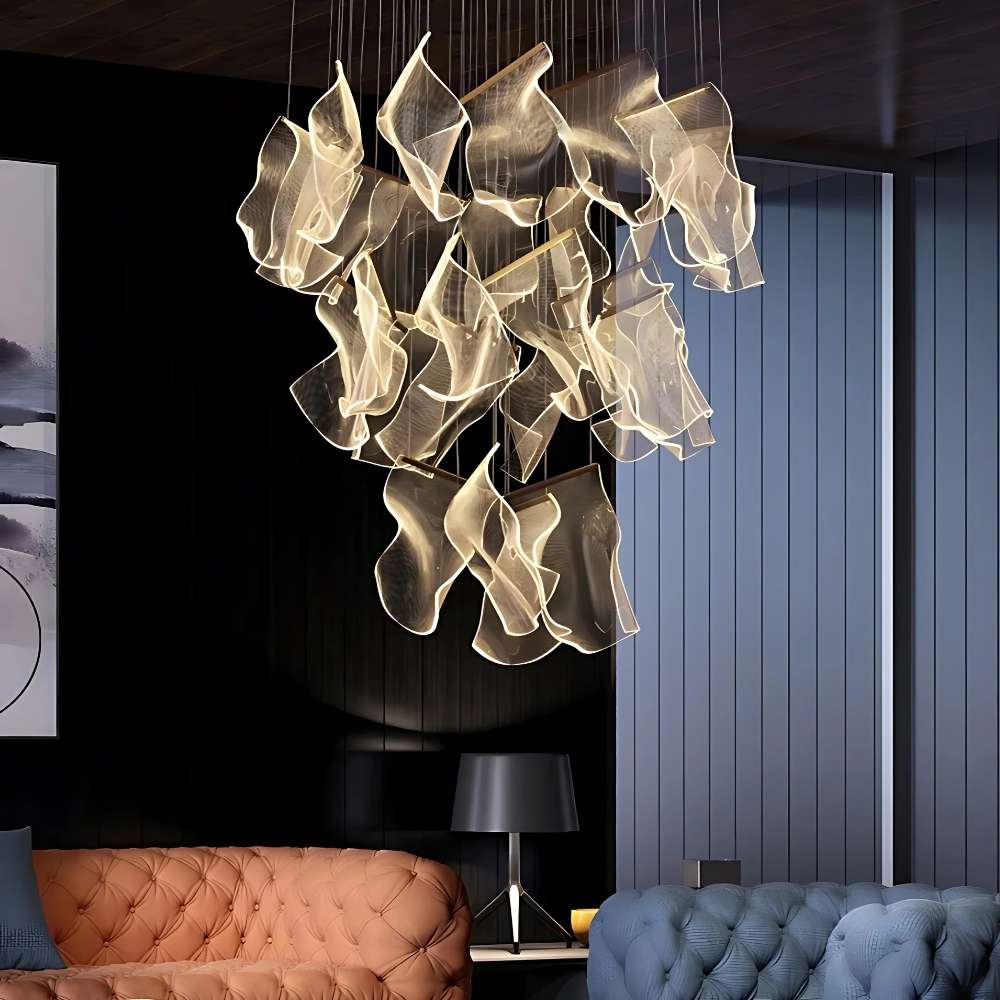
Crystal, glass, iron, brass and gold-finished metal, stainless steel, wood, marble and stone, alongside acrylic in large compositions where weight is a constraint. Filter by material to compare within one family.
Do these fixtures work outdoors?
Only those specifically rated for it. Covered porches and exterior walls need wet- or damp-rated construction, gathered in the outdoor lighting collection.